Equitable Mediation

Author: Joe Dillon, Divorce Mediator

  • Does Getting Divorced After 20 Years of Marriage in New Jersey Automatically Mean Permanent Alimony?

    Does Getting Divorced After 20 Years of Marriage in New Jersey Automatically Mean Permanent Alimony?

    [fusion_builder_container type=”flex” hundred_percent=”no” hundred_percent_height=”no” hundred_percent_height_scroll=”no” align_content=”stretch” flex_align_items=”flex-start” flex_justify_content=”flex-start” flex_wrap=”wrap” hundred_percent_height_center_content=”yes” equal_height_columns=”no” container_tag=”div” hide_on_mobile=”small-visibility,medium-visibility,large-visibility” status=”published” margin_top=”80px” border_style=”solid” box_shadow=”no” box_shadow_blur=”0″ box_shadow_spread=”0″ gradient_start_position=”0″ gradient_end_position=”100″ gradient_type=”linear” radial_direction=”center center” linear_angle=”180″ background_position=”center center” background_repeat=”no-repeat” fade=”no” background_parallax=”none” enable_mobile=”no” parallax_speed=”0.3″ background_blend_mode=”none” background_slider_skip_lazy_loading=”no” background_slider_loop=”yes” background_slider_pause_on_hover=”no” background_slider_slideshow_speed=”5000″ background_slider_animation=”fade” background_slider_direction=”up” background_slider_animation_speed=”800″ video_aspect_ratio=”16:9″ video_loop=”yes” video_mute=”yes” pattern_bg=”none” pattern_bg_style=”default” pattern_bg_opacity=”100″ pattern_bg_blend_mode=”normal” mask_bg=”none” mask_bg_style=”default” mask_bg_opacity=”100″ mask_bg_transform=”left” mask_bg_blend_mode=”normal” absolute=”off” absolute_devices=”small,medium,large” sticky=”off” sticky_devices=”small-visibility,medium-visibility,large-visibility” sticky_transition_offset=”0″ scroll_offset=”0″ animation_direction=”left” animation_speed=”0.3″ animation_delay=”0″ filter_hue=”0″ filter_saturation=”100″ filter_brightness=”100″ filter_contrast=”100″ filter_invert=”0″ filter_sepia=”0″ filter_opacity=”100″ filter_blur=”0″ filter_hue_hover=”0″ filter_saturation_hover=”100″ filter_brightness_hover=”100″ filter_contrast_hover=”100″ filter_invert_hover=”0″ filter_sepia_hover=”0″ filter_opacity_hover=”100″ filter_blur_hover=”0″][fusion_builder_row][fusion_builder_column type=”1_1″ layout=”1_1″ align_self=”auto” content_layout=”column” align_content=”flex-start” valign_content=”flex-start” content_wrap=”wrap” center_content=”no” column_tag=”div” target=”_self” hide_on_mobile=”small-visibility,medium-visibility,large-visibility” sticky_display=”normal,sticky” order_medium=”0″ order_small=”0″ hover_type=”none” border_style=”solid” box_shadow=”no” box_shadow_blur=”0″ box_shadow_spread=”0″ background_type=”single” gradient_start_position=”0″ gradient_end_position=”100″ gradient_type=”linear” radial_direction=”center center” linear_angle=”180″ lazy_load=”none” background_position=”left top” background_repeat=”no-repeat” background_blend_mode=”none” background_slider_skip_lazy_loading=”no” background_slider_loop=”yes” background_slider_pause_on_hover=”no” background_slider_slideshow_speed=”5000″ background_slider_animation=”fade” background_slider_direction=”up” background_slider_animation_speed=”800″ sticky=”off” sticky_devices=”small-visibility,medium-visibility,large-visibility” absolute=”off” filter_type=”regular” filter_hover_element=”self” filter_hue=”0″ filter_saturation=”100″ filter_brightness=”100″ filter_contrast=”100″ filter_invert=”0″ filter_sepia=”0″ filter_opacity=”100″ filter_blur=”0″ filter_hue_hover=”0″ filter_saturation_hover=”100″ filter_brightness_hover=”100″ filter_contrast_hover=”100″ filter_invert_hover=”0″ filter_sepia_hover=”0″ filter_opacity_hover=”100″ filter_blur_hover=”0″ transform_type=”regular” transform_hover_element=”self” transform_scale_x=”1″ transform_scale_y=”1″ transform_translate_x=”0″ transform_translate_y=”0″ transform_rotate=”0″ transform_skew_x=”0″ transform_skew_y=”0″ transform_scale_x_hover=”1″ transform_scale_y_hover=”1″ transform_translate_x_hover=”0″ transform_translate_y_hover=”0″ transform_rotate_hover=”0″ transform_skew_x_hover=”0″ transform_skew_y_hover=”0″ transition_duration=”300″ transition_easing=”ease” scroll_motion_devices=”small-visibility,medium-visibility,large-visibility” animation_direction=”left” animation_speed=”0.3″ animation_delay=”0″ last=”true” border_position=”all” first=”true” min_height=”” link=””][fusion_text columns=”” column_min_width=”” column_spacing=”” rule_style=”” rule_size=”” rule_color=”” hue=”” saturation=”” lightness=”” alpha=”” user_select=”” awb-switch-editor-focus=”” content_alignment_medium=”” content_alignment_small=”left” content_alignment=”left” disable_idd=”no” hide_on_mobile=”small-visibility,medium-visibility,large-visibility” sticky_display=”normal,sticky” class=”” id=”” width_medium=”” width_small=”” width=”” min_width_medium=”” min_width_small=”” min_width=”” max_width_medium=”” max_width_small=”” max_width=”” margin_top_medium=”” margin_right_medium=”” margin_bottom_medium=”” margin_left_medium=”” margin_top_small=”” margin_right_small=”” margin_bottom_small=”” margin_left_small=”” margin_top=”” margin_right=”” margin_bottom=”” margin_left=”” fusion_font_family_text_font=”” fusion_font_variant_text_font=”” font_size=”16px” line_height=”” letter_spacing=”” text_transform=”” text_color=”var(–awb-color6)” render_logics=”” logics=”” animation_type=”” animation_direction=”left” animation_color=”” animation_speed=”0.3″ animation_delay=”0″ animation_offset=””]

    If you’re approaching your 20th wedding anniversary and also contemplating divorce, you might be feeling a special kind of panic. Maybe you’ve heard that crossing that 20-year threshold means you’ll be paying alimony forever. Or perhaps you’re counting on permanent support because someone told you that being married 20 years guarantees it.

    I need to clear something up right away: nothing about alimony in New Jersey is automatic.

    Not at 20 years. Not at any length of marriage.

    Yes, the 20-year mark is significant in New Jersey. But it’s not the automatic trigger for lifetime alimony that many people fear or expect. As a divorce mediator with a finance background, I help couples understand the implications of the 20-year threshold and how mediation can be used to create a tailored agreement that suits their specific situation.

    Please note: The financial examples in this post are for illustration purposes only and use simplified scenarios with round numbers to demonstrate concepts. Every divorce situation is unique, with different income levels, expenses, family circumstances, and financial complexities. These examples are not predictions of what you should expect in your specific case. I’m not a lawyer and cannot provide legal advice or tell you what alimony amount you’ll receive or pay.

    What the 20-Year Threshold Actually Means

    Explore how the 20-year threshold affects alimony in New Jersey and understand your options. Call Equitable Mediation at (877) 732-6682 to learn more about fair spousal support planning.

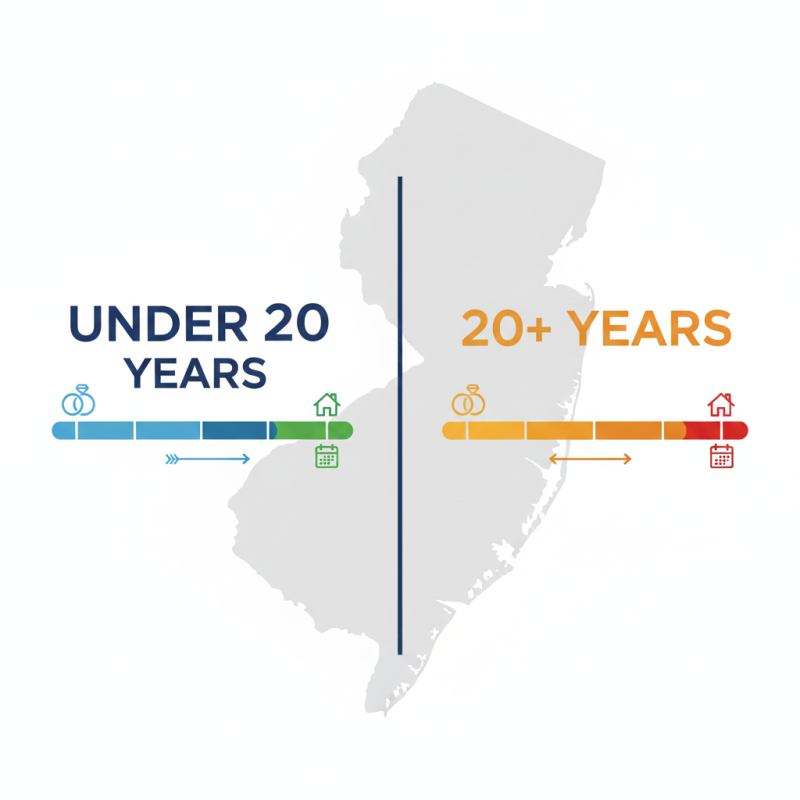
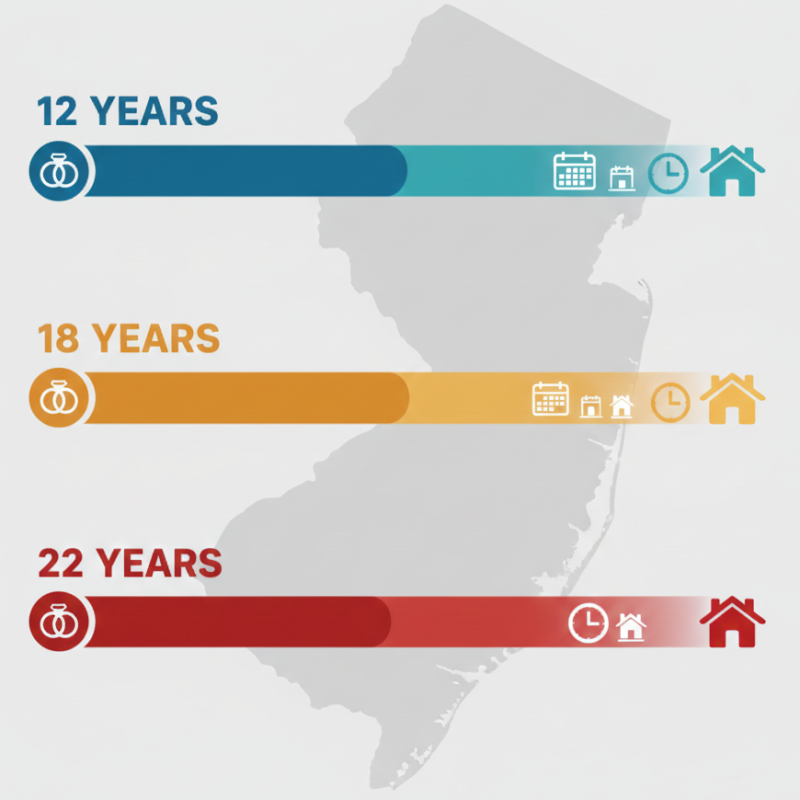
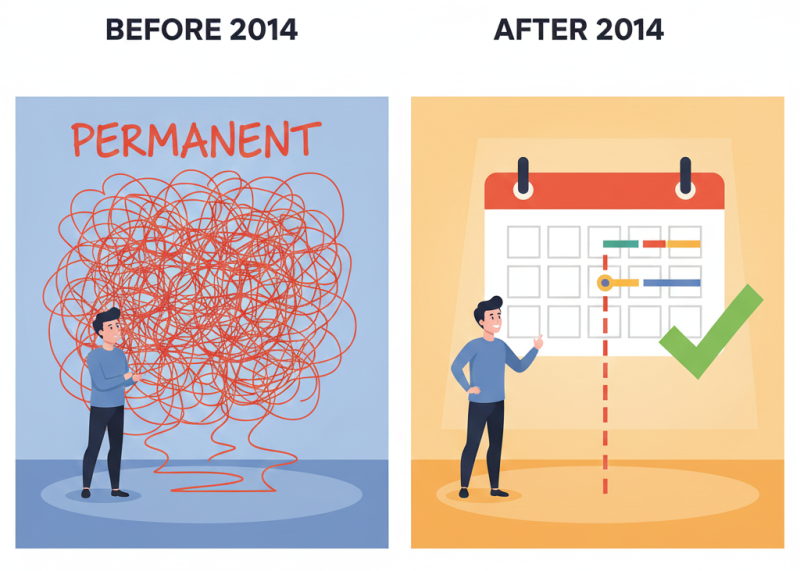
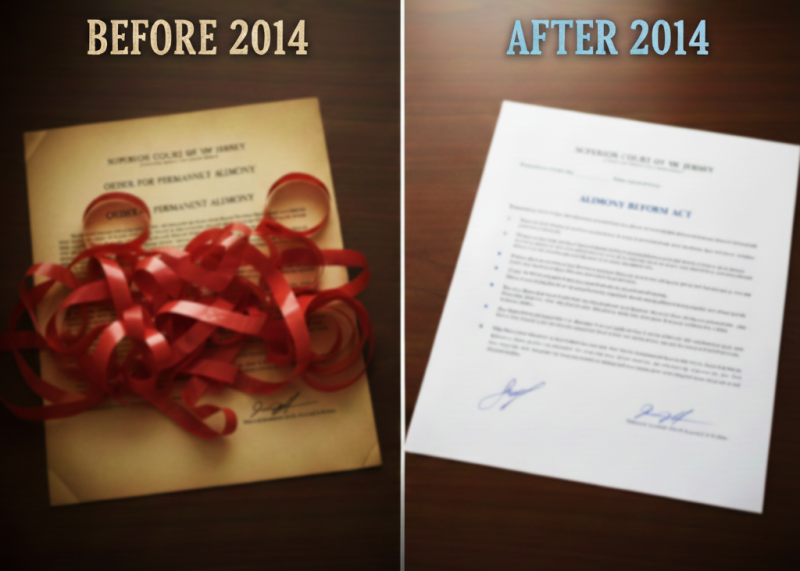
    New Jersey’s 2014 alimony reform created a “bright line” rule at 20 years of marriage. For marriages under 20 years, there’s a straightforward guideline: limited duration alimony typically cannot exceed the length of the marriage. So if you were married 15 years, you’re generally looking at a maximum of 15 years of alimony.

    But once you cross that 20-year threshold, that time limitation disappears. This opens the possibility of open durational alimony—the type without a predetermined end date.

    Here’s what it doesn’t mean: it doesn’t mean alimony is guaranteed. It doesn’t mean the amount will be huge. And it definitely doesn’t mean it will literally last forever without any possibility of change.

    Why the 20-Year Mark Isn’t an Automatic Trigger

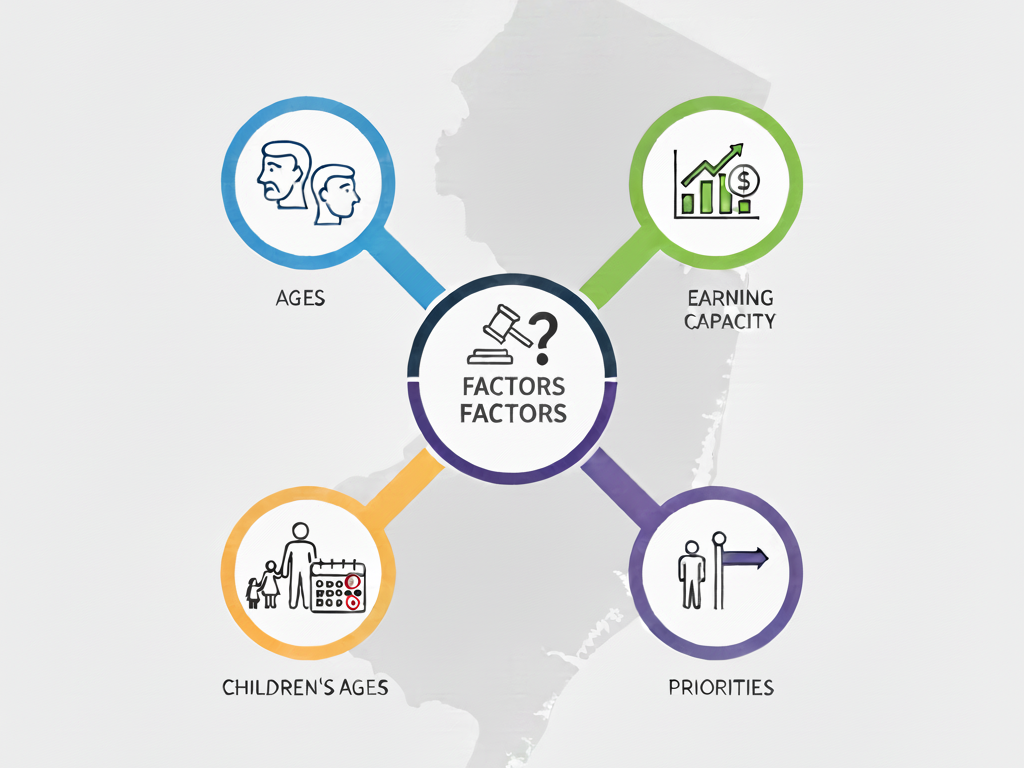
    Even in a 25-year or 30-year marriage, there are still many factors that affect whether alimony makes sense at all. In New Jersey, 13 different factors are considered, including each person’s income and earning capacity, the marital standard of living, ages, health, parental responsibilities, and contributions to the marriage.
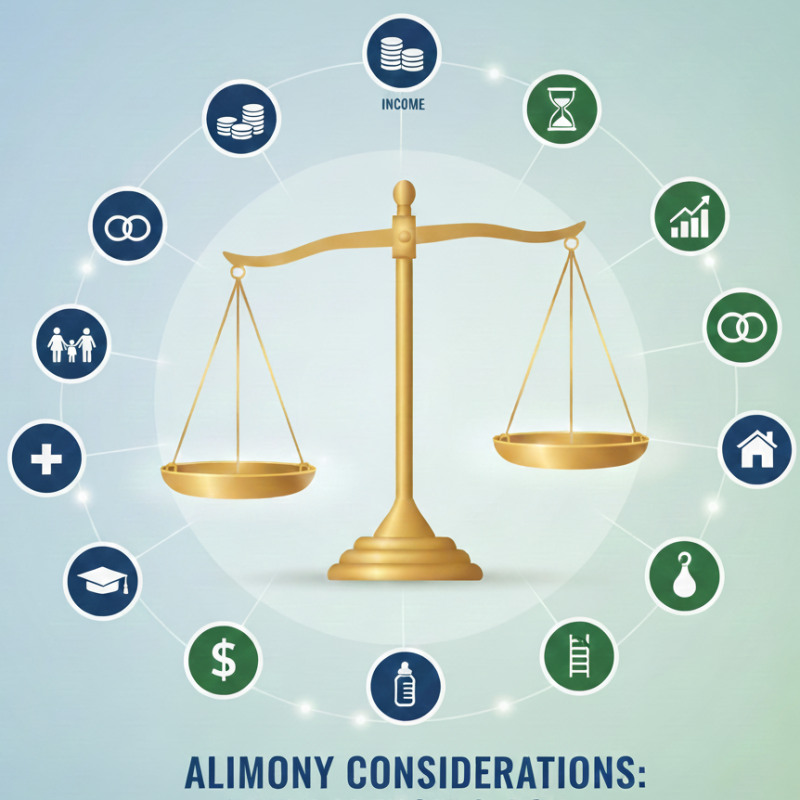
    Understand how income and life circumstances impact alimony in New Jersey. Contact Equitable Mediation at (877) 732-6682 to explore fair solutions for your spousal support needs and secure peace of mind.

    Let me give you a real-world example. Suppose you got married at 27 and have been married for 22 years. Both of you worked throughout the marriage—maybe you each earn around $80,000 annually. You maintained a modest lifestyle, and you’re both healthy and employable. In that situation, no alimony might be appropriate, even though you crossed that 20-year threshold.

    On the flip side, maybe you’ve been married for 22 years, and one spouse earns $150,000 while the other earns $40,000 after being out of the workforce for 18 years, raising children. That’s a significant income disparity. In that situation, open durational alimony might make sense—perhaps $3,000 to $4,000 monthly. But even then, the amount and specific terms aren’t predetermined by hitting 20 years.

    The length of your marriage is just one factor among the 13 alimony statutory factors in New Jersey.

    What “Open Durational” Really Means

    “Open durational” means there’s no end date set in your divorce agreement when you finalize it. However, it does not mean that alimony can never end or be modified.

    Open durational alimony can be terminated or modified when circumstances change significantly. The person paying alimony reaches retirement age. The person receiving alimony remarries or begins cohabiting with a new partner. Either person experiences a significant change in income or health. The recipient becomes self-supporting.

    So even though there’s no specific end date, there are multiple exit ramps. I think of it this way: limited duration alimony has a built-in expiration date. Open durational alimony doesn’t have an expiration date, but, like the Garden State Parkway, it has exit ramps—retirement, remarriage, cohabitation, and substantial changes in circumstances.

    How Mediation Gives You Control Over This Decision

    Here’s one of the most significant advantages of mediation for couples facing this 20-year question: you don’t have to wonder what might happen if you left these decisions to someone else. If you go to court, you’re putting these decisions in the hands of a judge who doesn’t know you and has about 30 minutes to make decisions that will affect your financial life for decades. You might end up with something neither of you wanted. That’s why mediation is such a powerful alternative.

    Maybe you’ve been married 21 years, but you’re both in your mid-40s with strong earning potential. In mediation, you could negotiate a limited-duration alimony arrangement that lasts 8 or 10 years, even though open durational alimony would be possible.

    Or maybe you’ve been married 23 years with a significant income disparity, but the higher earner plans to retire in 12 years. We can structure an alimony agreement that lasts until retirement, with step-downs as retirement approaches. For example, maybe it’s $3,500 monthly for the first eight years, then drops to $2,500 for the next three years, then $1,500 for the final year, ending at retirement. We can specify exactly what happens at retirement, rather than leaving it vague.

    Using my finance background, I help couples model these different scenarios. What does the payor’s budget look like paying $3,000 monthly through retirement versus paying $5,000 monthly for a shorter 10-year period? What does the recipient’s financial picture look like with 10 years of support at $4,000 monthly versus indefinite alimony at $2,500 monthly? Can we restructure asset division—perhaps giving the recipient an extra $100,000 from the marital home equity—to reduce or eliminate ongoing alimony?

    These conversations give you flexibility and control you wouldn’t have otherwise. You get to weigh your priorities, look at the numbers, and make informed decisions together.

    The Financial Planning Considerations for Longer Marriages

    Learn why a 20-year marriage does not automatically mean permanent alimony in New Jersey. Call Equitable Mediation at (877) 732-6682 to get expert guidance and create a fair spousal support plan that works for you.

    When you’ve been married 20 years or longer, the financial considerations get more complex because you’re typically talking about people in their mid-40s or older. Retirement isn’t some distant abstraction—it’s something you need to plan for.

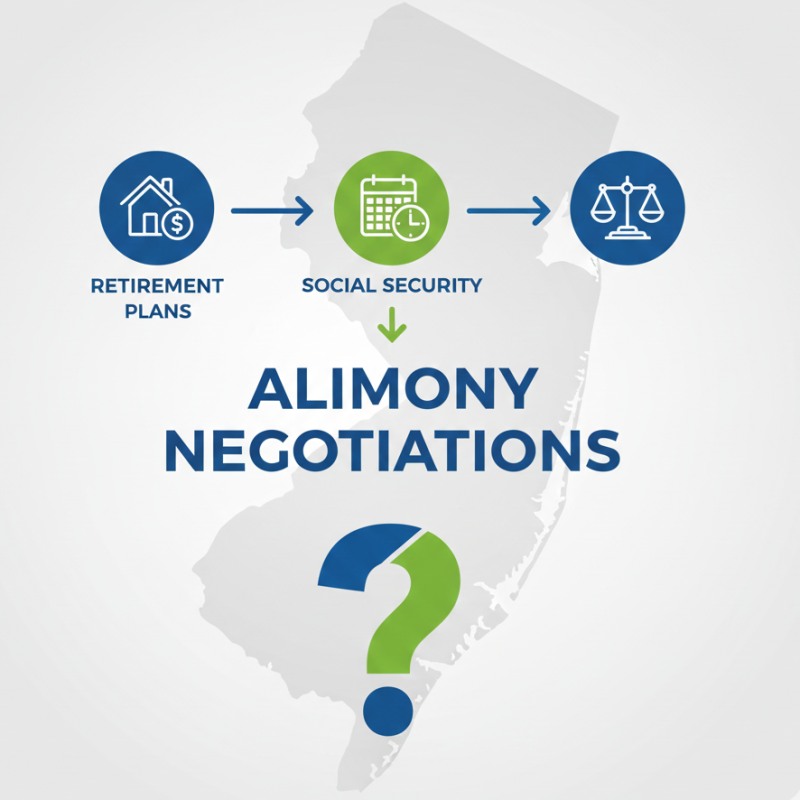
    In mediation, we talk through questions like: How many working years does each person have left? What retirement assets were accumulated during the marriage? How does Social Security factor in? If one person has a pension, how does that affect the alimony discussion?

    I’ve worked with couples married for 25 years, in which we structured alimony at $2,000 per month to bridge the gap until the recipient reaches 62 and can start taking Social Security. At that point, the alimony drops to $1,000 monthly because Social Security benefits provide additional income. I’ve worked with others where giving the lower-earning spouse an extra $200,000 in retirement accounts eliminated the need for ongoing alimony.

    The 20-year mark matters not only for alimony duration but also tends to coincide with more substantial retirement assets being at stake. These pieces of the financial puzzle need to be solved together. That’s the kind of integrated financial planning you can do in mediation with someone who has real financial expertise.

    Moving Forward with Clarity and Control

    If you’re at or near that 20-year mark and facing divorce, here’s what I want you to take away: yes, the 20-year threshold matters in New Jersey. It removes the durational cap on alimony. But it doesn’t automatically mean lifetime support, and it doesn’t remove your ability to negotiate something that makes sense for your circumstances.

    The length of your marriage is one factor among many. Your ages, incomes, health, earning potential, and standard of living during the marriage all matter just as much or more than whether you were married 19 years or 21 years.

    Alimony discussions are rarely easy, especially after a long marriage. But understanding how New Jersey actually handles this, rather than what people fear, helps you have more grounded, productive conversations about what’s really fair for your situation.

    In mediation, you have something litigation can never give you: control. In court, you’re hoping a stranger makes good decisions about your financial future in a 30-minute hearing. In mediation, you’re designing solutions that actually work for both of you based on your complete financial picture.

    This is especially important when you’re looking at 20+ years of marriage because the financial complexity increases dramatically. You’re dealing with substantial retirement accounts, pensions, Social Security timing, healthcare considerations, and long-term planning that affects your life for decades. With an MBA in finance and nearly 20 years of mediation experience, we can work through that complexity together. We don’t just figure out what works today—we help you anticipate how your agreement will work 10 or 15 years from now when circumstances change.

    That future-focused planning approach means you’re not just getting through your divorce; you’re preparing for it. You’re setting yourself up for financial security and clarity in the years ahead. You understand what happens at retirement, what happens if income changes, and what happens as you both move into different life stages.

    If you’re facing these questions about alimony after 20 years of marriage in New Jersey, mediation with the right financial expertise makes all the difference. You deserve an approach that turns anxiety into understanding and helps both of you move forward with confidence and control.

    [/fusion_text][/fusion_builder_column][fusion_builder_column type=”1_1″ layout=”1_1″ align_self=”auto” content_layout=”column” align_content=”flex-start” valign_content=”flex-start” content_wrap=”wrap” center_content=”no” column_tag=”div” target=”_self” hide_on_mobile=”medium-visibility,large-visibility” sticky_display=”normal,sticky” order_medium=”0″ order_small=”0″ margin_top=”60px” margin_bottom=”60px” hover_type=”none” border_style=”solid” box_shadow=”no” box_shadow_blur=”0″ box_shadow_spread=”0″ background_type=”single” gradient_start_position=”0″ gradient_end_position=”100″ gradient_type=”linear” radial_direction=”center center” linear_angle=”180″ lazy_load=”none” background_position=”left top” background_repeat=”no-repeat” background_blend_mode=”none” background_slider_skip_lazy_loading=”no” background_slider_loop=”yes” background_slider_pause_on_hover=”no” background_slider_slideshow_speed=”5000″ background_slider_animation=”fade” background_slider_direction=”up” background_slider_animation_speed=”800″ sticky=”off” sticky_devices=”small-visibility,medium-visibility,large-visibility” absolute=”off” filter_type=”regular” filter_hover_element=”self” filter_hue_hover=”0″ filter_saturation_hover=”100″ filter_brightness_hover=”100″ filter_contrast_hover=”100″ filter_invert_hover=”0″ filter_sepia_hover=”0″ filter_opacity_hover=”100″ filter_blur_hover=”0″ filter_hue=”0″ filter_saturation=”100″ filter_brightness=”100″ filter_contrast=”100″ filter_invert=”0″ filter_sepia=”0″ filter_opacity=”100″ filter_blur=”0″ transform_type=”regular” transform_hover_element=”self” transform_scale_x_hover=”1″ transform_scale_y_hover=”1″ transform_translate_x_hover=”0″ transform_translate_y_hover=”0″ transform_rotate_hover=”0″ transform_skew_x_hover=”0″ transform_skew_y_hover=”0″ transform_scale_x=”1″ transform_scale_y=”1″ transform_translate_x=”0″ transform_translate_y=”0″ transform_rotate=”0″ transform_skew_x=”0″ transform_skew_y=”0″ transition_duration=”300″ transition_easing=”ease” motion_effects=”W10=” scroll_motion_devices=”small-visibility,medium-visibility,large-visibility” animation_direction=”left” animation_speed=”0.3″ animation_delay=”0″ last=”true” border_position=”all” first=”true” min_height=”” link=””][fusion_builder_row_inner][fusion_builder_column_inner type=”1_1″ layout=”1_1″ align_self=”auto” content_layout=”column” align_content=”flex-start” valign_content=”flex-start” content_wrap=”wrap” center_content=”no” column_tag=”div” target=”_self” hide_on_mobile=”small-visibility,medium-visibility,large-visibility” sticky_display=”normal,sticky” order_medium=”0″ order_small=”0″ padding_top=”50px” padding_right=”20px” padding_bottom=”50px” padding_left=”20px” hover_type=”none” border_style=”solid” border_radius_top_left=”30px” border_radius_top_right=”30px” border_radius_bottom_right=”30px” border_radius_bottom_left=”30px” box_shadow=”no” box_shadow_blur=”0″ box_shadow_spread=”0″ background_type=”single” background_color=”#f4f3ef” gradient_start_position=”0″ gradient_end_position=”100″ gradient_type=”linear” radial_direction=”center center” linear_angle=”180″ lazy_load=”none” background_position=”left top” background_repeat=”no-repeat” background_blend_mode=”none” background_slider_skip_lazy_loading=”no” background_slider_loop=”yes” background_slider_pause_on_hover=”no” background_slider_slideshow_speed=”5000″ background_slider_animation=”fade” background_slider_direction=”up” background_slider_animation_speed=”800″ sticky=”off” sticky_devices=”small-visibility,medium-visibility,large-visibility” absolute=”off” filter_type=”regular” filter_hover_element=”self” filter_hue_hover=”0″ filter_saturation_hover=”100″ filter_brightness_hover=”100″ filter_contrast_hover=”100″ filter_invert_hover=”0″ filter_sepia_hover=”0″ filter_opacity_hover=”100″ filter_blur_hover=”0″ filter_hue=”0″ filter_saturation=”100″ filter_brightness=”100″ filter_contrast=”100″ filter_invert=”0″ filter_sepia=”0″ filter_opacity=”100″ filter_blur=”0″ transform_type=”regular” transform_hover_element=”self” transform_scale_x_hover=”1″ transform_scale_y_hover=”1″ transform_translate_x_hover=”0″ transform_translate_y_hover=”0″ transform_rotate_hover=”0″ transform_skew_x_hover=”0″ transform_skew_y_hover=”0″ transform_scale_x=”1″ transform_scale_y=”1″ transform_translate_x=”0″ transform_translate_y=”0″ transform_rotate=”0″ transform_skew_x=”0″ transform_skew_y=”0″ transition_duration=”300″ transition_easing=”ease” motion_effects=”W10=” scroll_motion_devices=”small-visibility,medium-visibility,large-visibility” animation_direction=”left” animation_speed=”0.3″ animation_delay=”0″ last=”true” border_position=”all” first=”true” min_height=”” link=””][fusion_code]ICA8c3R5bGU+CiAgIAoKICAgIC5zbGlkZXItY29udGFpbmVyIHsKICAgICAgLyptYXgtd2lkdGg6IDcwMHB4OyAqLwogICAgbWFyZ2luOiAwIGF1dG87CiAgICBwb3NpdGlvbjogcmVsYXRpdmU7CiAgICAvKiBiYWNrZ3JvdW5kOiB3aGl0ZTsgKi8KICAgIGJvcmRlci1yYWRpdXM6IDE2cHg7CiAgICAvKiBib3gtc2hhZG93OiAwIDAgMTBweCByZ2JhKDAsIDAsIDAsIDAuMSk7ICovCiAgICBwYWRkaW5nOiAyMHB4IDUwcHg7CiAgICB0ZXh0LWFsaWduOiBsZWZ0OwogICAgb3ZlcmZsb3c6IGhpZGRlbjsKICAgIC8qIGhlaWdodDogNTAwcHg7Ki8KICAgIH0KCiAgICAuc2xpZGUgewogICAgICBwb3NpdGlvbjogYWJzb2x1dGU7CiAgICAgIHRvcDogMDsKICAgICAgbGVmdDogMDsKICAgICAgd2lkdGg6IDEwMCU7CiAgICAgIG9wYWNpdHk6IDA7CiAgICAgIHRyYW5zZm9ybTogdHJhbnNsYXRlWCgxMDAlKTsKICAgICAgdHJhbnNpdGlvbjogYWxsIDAuNXMgZWFzZTsKICAgICAgdmlzaWJpbGl0eTogaGlkZGVuOwogICAgfQoKICAgIC5zbGlkZS5hY3RpdmUgewogICAgICBvcGFjaXR5OiAxOwogICAgICB0cmFuc2Zvcm06IHRyYW5zbGF0ZVgoMCk7CiAgICAgIHZpc2liaWxpdHk6IHZpc2libGU7CiAgICAgIHBvc2l0aW9uOiByZWxhdGl2ZTsKICAgIH0KCiAgICAudGl0bGUgewogICAgY29sb3I6ICMyNDdkYjQ7CiAgICBmb250LXNpemU6IDI2cHg7CiAgICBmb250LXdlaWdodDogNjAwOwogICAgbWFyZ2luLWJvdHRvbTogMThweDsKICAgIHRleHQtYWxpZ246IGNlbnRlcjsKICAgIGxpbmUtaGVpZ2h0OiAxLjJlbTsKfQoKICAgIC5jb250ZW50IHsKICAgICAgZm9udC1zaXplOiAxNnB4OwogICAgICBjb2xvcjogIzMzMzsKICAgICAgbGluZS1oZWlnaHQ6IDEuNjsKICAgIH0KCQoJc3Bhbi5zZXAgewogICAgcGFkZGluZy1sZWZ0OiAyNXB4OwogICAgcGFkZGluZy1yaWdodDogMjVweDsKICAgIGNvbG9yOiAjM2EyZjJhOwogICAgZm9udC1zaXplOiAxOHB4OwogICAgZm9udC13ZWlnaHQ6IG5vcm1hbDsKfQoKICAgIC5hdXRob3IgewogICAgICBkaXNwbGF5OiBmbGV4OwogICAgYWxpZ24taXRlbXM6IGNlbnRlcjsKICAgIG1hcmdpbi10b3A6IDMwcHg7CiAgICBqdXN0aWZ5LWNvbnRlbnQ6IGNlbnRlcjsKICAgIH0KCiAgICAuYXV0aG9yIGltZyB7CiAgICAgIGJvcmRlci1yYWRpdXM6IDUwJTsKICAgICAgd2lkdGg6IDcwcHg7CiAgICAgIGhlaWdodDogNzBweDsKICAgICAgbWFyZ2luLXJpZ2h0OiAxNXB4OwogICAgfQoJCgkuYXV0aG9yLWRldGFpbHMgcCB7CiAgICBtYXJnaW4tYm90dG9tOiAwcHg7Cn0KCiAgICAuYXV0aG9yLWRldGFpbHMgewogICAgICBmb250LXNpemU6IDE1cHg7CiAgICB9CgogICAgLmF1dGhvci1kZXRhaWxzIHN0cm9uZyB7CiAgICAgIGNvbG9yOiAjMjQ3MWViOwogICAgfQoKICAgIC5uYXYgewogICAgICBwb3NpdGlvbjogYWJzb2x1dGU7CiAgICAgIHRvcDogNTAlOwogICAgICB0cmFuc2Zvcm06IHRyYW5zbGF0ZVkoLTUwJSk7CiAgICAgIGZvbnQtc2l6ZTogMzBweDsKICAgICAgY29sb3I6ICNhYWE7CiAgICAgIGN1cnNvcjogcG9pbnRlcjsKICAgICAgei1pbmRleDogMTsKICAgIH0KCiAgICAubmF2LmxlZnQgewogICAgICBsZWZ0OiAyMHB4OwogICAgfQoKICAgIC5uYXYucmlnaHQgewogICAgICByaWdodDogMjBweDsKICAgIH0KCiAgICAubmF2OmhvdmVyIHsKICAgICAgY29sb3I6ICMyNDcxZWI7CiAgICB9CgkKCS5hdXRob3ItZGV0YWlscyAuaGVhZC1kZXN7Cgljb2xvcjogIzI0N2RiNDsgCglmb250LXNpemU6IDMwcHg7IAoJZm9udC13ZWlnaHQ6IDUwMDsKCWZvbnQtZmFtaWx5OiJETSBTZXJpZiBEaXNwbGF5IiwgQXJpYWwsIEhlbHZldGljYSwgc2Fucy1zZXJpZjsKCX0KCQoJLmF1dGhvci1kZXRhaWxzIC5zdWItZGVzewoJbGV0dGVyLXNwYWNpbmc6IDNweDsgCgl0ZXh0LXRyYW5zZm9ybTogdXBwZXJjYXNlOyAKCWZvbnQtc2l6ZTogMTZweDsgCgljb2xvcjogIzNhMmYyYTsKCX0KICA8L3N0eWxlPgoKPGRpdiBjbGFzcz0ic2xpZGVyLWNvbnRhaW5lciI+CiAgPCEtLSBTbGlkZSAxIC0tPgogIDxkaXYgY2xhc3M9InNsaWRlIGFjdGl2ZSI+CiAgICA8ZGl2IGNsYXNzPSJjb250ZW50Ij4KICAgICAgPHA+4oCcWW91IG1heSBoYXZlIHJlc2VhcmNoZWQgaG93IGFsaW1vbnkgd29ya3MgaW4geW91ciBzdGF0ZS4gQnV0IGluIG15IGV4cGVyaWVuY2UsIHJlZ2FyZGxlc3Mgb2Ygd2hldGhlciBhIHN0YXRlIG9mZmVycyBndWlkYW5jZSBvbiBob3cgdG8gcmVzb2x2ZSBhbGltb255LCBvZnRlbiwgY291cGxlcyBuZWdvdGlhdGUgdGhlaXIgb3duIGFncmVlbWVudCB0YWlsb3JlZCB0byB0aGVpciB1bmlxdWUgc2l0dWF0aW9uIGFuZCBjaXJjdW1zdGFuY2VzLjwvcD4KICAgICAgPHA+U28geW91IGhhdmUgYSBsb3Qgb2YgZmxleGliaWxpdHkgYW5kIGNhbiBtYWludGFpbiBhIGxvdCBvZiBjb250cm9sIGlmIHlvdSBuZWdvdGlhdGUgdGhlIHRlcm1zIG9mIGFsaW1vbnkgb3V0IG9mIGNvdXJ0IHdpdGggdGhlIGhlbHAgb2YgYSBza2lsbGVkIHByb2Zlc3Npb25hbCB1c2luZyBhbiBhbHRlcm5hdGl2ZSBkaXNwdXRlIHJlc29sdXRpb24gcHJvY2VzcyBsaWtlIDxhIGhyZWY9Ii9yZXNvdXJjZXMvY29sbGFib3JhdGl2ZS1kaXZvcmNlLXZzLW1lZGlhdGlvbiIgcmVsPSJub29wZW5lciI+ZGl2b3JjZSBtZWRpYXRpb24gb3IgYSBjb2xsYWJvcmF0aXZlIGRpdm9yY2UgPC9hPi48L3A+CiAgICAgIDxwPllvdSBhbmQgeW91ciBzb29uLXRvLWJlIGV4LXNwb3VzZSB3aWxsIG1vcmUgbGlrZWx5IGNvbWUgdG8gYW4gYWxpbW9ueSBhcnJhbmdlbWVudCB0aGF0J3MgYWNjZXB0YWJsZSB0byBib3RoIG9mIHlvdS4iPHA+CiAgICA8L2Rpdj4KICAgIDxkaXYgY2xhc3M9ImF1dGhvciI+CiAgICAgIDxpbWcgc3JjPSIvd3AtY29udGVudC91cGxvYWRzLzIwMjUvMDYvZXF1aXRhYmxlLW1lZGlhdGlvbi10ZWFtLWpvZS1kaWxsb24ud2VicCIgYWx0PSJKb2UgRGlsbG9uIGhlYWRzaG90IiAvPgogICAgICA8ZGl2IGNsYXNzPSJhdXRob3ItZGV0YWlscyI+CiAgICAgICAgPHA+IDxzcGFuIGNsYXNzPSJoZWFkLWRlcyI+IEpvZSBEaWxsb248L3NwYW4+IDxzcGFuIGNsYXNzPSJzZXAiPnw8L3NwYW4+IDxzcGFuIGNsYXNzPSJzdWItZGVzIj5EaXZvcmNlIE1lZGlhdG9yICYgRm91bmRlcjwvc3Bhbj48L3A+CiAgICAgIDwvZGl2PgogICAgPC9kaXY+CiAgPC9kaXY+CiAgPCEtLSBBcnJvd3MgLS0+CiAgPCEtLSA8ZGl2IGNsYXNzPSJuYXYgbGVmdCIgb25jbGljaz0icHJldlNsaWRlKCkiPiYjMTAwOTQ7PC9kaXY+CiAgPGRpdiBjbGFzcz0ibmF2IHJpZ2h0IiBvbmNsaWNrPSJuZXh0U2xpZGUoKSI+JiMxMDA5NTs8L2Rpdj4gLS0+CjwvZGl2PgoKPHNjcmlwdD4KICBsZXQgY3VycmVudFNsaWRlID0gMDsKICBjb25zdCBzbGlkZXMgPSBkb2N1bWVudC5xdWVyeVNlbGVjdG9yQWxsKCcuc2xpZGUnKTsKCiAgZnVuY3Rpb24gc2hvd1NsaWRlKGluZGV4KSB7CiAgICBzbGlkZXMuZm9yRWFjaCgocywgaSkgPT4gewogICAgICBzLmNsYXNzTGlzdC5yZW1vdmUoJ2FjdGl2ZScpOwogICAgfSk7CiAgICBzbGlkZXNbaW5kZXhdLmNsYXNzTGlzdC5hZGQoJ2FjdGl2ZScpOwogIH0KCiAgZnVuY3Rpb24gbmV4dFNsaWRlKCkgewogICAgY3VycmVudFNsaWRlID0gKGN1cnJlbnRTbGlkZSArIDEpICUgc2xpZGVzLmxlbmd0aDsKICAgIHNob3dTbGlkZShjdXJyZW50U2xpZGUpOwogIH0KCiAgZnVuY3Rpb24gcHJldlNsaWRlKCkgewogICAgY3VycmVudFNsaWRlID0gKGN1cnJlbnRTbGlkZSAtIDEgKyBzbGlkZXMubGVuZ3RoKSAlIHNsaWRlcy5sZW5ndGg7CiAgICBzaG93U2xpZGUoY3VycmVudFNsaWRlKTsKICB9Cjwvc2NyaXB0Pg==[/fusion_code][/fusion_builder_column_inner][/fusion_builder_row_inner][/fusion_builder_column][/fusion_builder_row][/fusion_builder_container][fusion_builder_container type=”flex” hundred_percent=”no” hundred_percent_height=”no” hundred_percent_height_scroll=”no” align_content=”stretch” flex_align_items=”flex-start” flex_justify_content=”flex-start” flex_wrap=”wrap” hundred_percent_height_center_content=”yes” equal_height_columns=”no” container_tag=”div” hide_on_mobile=”small-visibility,medium-visibility,large-visibility” status=”published” padding_bottom_medium=”50px” padding_bottom_small=”30px” padding_top=”100px” padding_bottom=”100px” border_style=”solid” box_shadow=”no” box_shadow_blur=”0″ box_shadow_spread=”0″ gradient_start_position=”0″ gradient_end_position=”100″ gradient_type=”linear” radial_direction=”center center” linear_angle=”180″ background_position=”center center” background_repeat=”no-repeat” fade=”no” background_parallax=”none” enable_mobile=”no” parallax_speed=”0.3″ background_blend_mode=”none” background_slider_skip_lazy_loading=”no” background_slider_loop=”yes” background_slider_pause_on_hover=”no” background_slider_slideshow_speed=”5000″ background_slider_animation=”fade” background_slider_direction=”up” background_slider_animation_speed=”800″ video_aspect_ratio=”16:9″ video_loop=”yes” video_mute=”yes” pattern_bg=”none” pattern_bg_style=”default” pattern_bg_opacity=”100″ pattern_bg_blend_mode=”normal” mask_bg=”none” mask_bg_style=”default” mask_bg_opacity=”100″ mask_bg_transform=”left” mask_bg_blend_mode=”normal” absolute=”off” absolute_devices=”small,medium,large” sticky=”off” sticky_devices=”small-visibility,medium-visibility,large-visibility” sticky_transition_offset=”0″ scroll_offset=”0″ animation_direction=”left” animation_speed=”0.3″ animation_delay=”0″ filter_hue=”0″ filter_saturation=”100″ filter_brightness=”100″ filter_contrast=”100″ filter_invert=”0″ filter_sepia=”0″ filter_opacity=”100″ filter_blur=”0″ filter_hue_hover=”0″ filter_saturation_hover=”100″ filter_brightness_hover=”100″ filter_contrast_hover=”100″ filter_invert_hover=”0″ filter_sepia_hover=”0″ filter_opacity_hover=”100″ filter_blur_hover=”0″ admin_label=”FAQ” admin_toggled=”no”][fusion_builder_row][fusion_builder_column type=”1_1″ layout=”1_1″ align_self=”auto” content_layout=”column” align_content=”flex-start” valign_content=”flex-start” content_wrap=”wrap” center_content=”no” column_tag=”div” target=”_self” hide_on_mobile=”small-visibility,medium-visibility,large-visibility” sticky_display=”normal,sticky” order_medium=”0″ order_small=”0″ hover_type=”none” border_style=”solid” box_shadow=”no” box_shadow_blur=”0″ box_shadow_spread=”0″ background_type=”single” gradient_start_position=”0″ gradient_end_position=”100″ gradient_type=”linear” radial_direction=”center center” linear_angle=”180″ lazy_load=”none” background_position=”left top” background_repeat=”no-repeat” background_blend_mode=”none” background_slider_skip_lazy_loading=”no” background_slider_loop=”yes” background_slider_pause_on_hover=”no” background_slider_slideshow_speed=”5000″ background_slider_animation=”fade” background_slider_direction=”up” background_slider_animation_speed=”800″ sticky=”off” sticky_devices=”small-visibility,medium-visibility,large-visibility” absolute=”off” filter_type=”regular” filter_hover_element=”self” filter_hue_hover=”0″ filter_saturation_hover=”100″ filter_brightness_hover=”100″ filter_contrast_hover=”100″ filter_invert_hover=”0″ filter_sepia_hover=”0″ filter_opacity_hover=”100″ filter_blur_hover=”0″ filter_hue=”0″ filter_saturation=”100″ filter_brightness=”100″ filter_contrast=”100″ filter_invert=”0″ filter_sepia=”0″ filter_opacity=”100″ filter_blur=”0″ transform_type=”regular” transform_hover_element=”self” transform_scale_x_hover=”1″ transform_scale_y_hover=”1″ transform_translate_x_hover=”0″ transform_translate_y_hover=”0″ transform_rotate_hover=”0″ transform_skew_x_hover=”0″ transform_skew_y_hover=”0″ transform_scale_x=”1″ transform_scale_y=”1″ transform_translate_x=”0″ transform_translate_y=”0″ transform_rotate=”0″ transform_skew_x=”0″ transform_skew_y=”0″ transition_duration=”300″ transition_easing=”ease” motion_effects=”W10=” scroll_motion_devices=”small-visibility,medium-visibility,large-visibility” animation_direction=”left” animation_speed=”0.3″ animation_delay=”0″ last=”true” border_position=”all” first=”true” min_height=”” link=””][fusion_title title_type=”text” scroll_reveal_effect=”color_change” scroll_reveal_basis=”chars” scroll_reveal_behavior=”always” scroll_reveal_duration=”500″ scroll_reveal_stagger=”200″ scroll_reveal_delay=”0″ scroll_reveal_above_fold=”yes” marquee_direction=”left” marquee_mask_edges=”no” marquee_speed=”15000″ rotation_effect=”bounceIn” display_time=”1200″ highlight_effect=”circle” loop_animation=”once” highlight_animation_duration=”1500″ highlight_width=”9″ highlight_smudge_effect=”no” highlight_top_margin=”0″ before_text=”” rotation_text=”” highlight_text=”” after_text=”” awb-switch-editor-focus=”” title_link=”off” link_url=”” link_target=”_self” hide_on_mobile=”small-visibility,medium-visibility,large-visibility” sticky_display=”normal,sticky” class=”” id=”” content_align_medium=”” content_align_small=”left” content_align=”left” size=”2″ animated_font_size=”” fusion_font_family_title_font=”” fusion_font_variant_title_font=”” font_size=”38px” line_height=”” letter_spacing=”” text_transform=”” text_color=”var(–awb-color4)” hue=”” saturation=”” lightness=”” alpha=”” animated_text_color=”” highlight_color=”” text_shadow=”no” text_shadow_vertical=”” text_shadow_horizontal=”” text_shadow_blur=”0″ text_shadow_color=”” text_stroke=”no” text_stroke_size=”1″ text_stroke_color=”” text_overflow=”none” margin_top_medium=”” margin_right_medium=”” margin_bottom_medium=”” margin_left_medium=”” margin_top_small=”” margin_right_small=”” margin_bottom_small=”” margin_left_small=”” margin_top=”0px” margin_right=”” margin_bottom=”60px” margin_left=”” margin_top_mobile=”” margin_bottom_mobile=”” gradient_font=”no” gradient_start_color=”” gradient_end_color=”” gradient_start_position=”0″ gradient_end_position=”100″ gradient_type=”linear” radial_direction=”center center” linear_angle=”180″ style_type=”default” sep_color=”” link_color=”” link_hover_color=”” render_logics=”” animation_type=”fade” animation_direction=”static” animation_color=”” animation_speed=”1.0″ animation_delay=”0.5″ animation_offset=”” logics=””]

    FAQs About Alimony in New Jersey

    [/fusion_title][fusion_accordion type=”toggles” inactive_icon=”” active_icon=”” margin_top=”” margin_bottom=”” hide_on_mobile=”small-visibility,medium-visibility,large-visibility” class=”” id=”” boxed_mode=”yes” border_size=”2″ border_color=”#d8e8f2″ hue=”” saturation=”” lightness=”” alpha=”” hover_color=”#f4f3ef” background_color=”” divider_line=”” divider_hover_color=”” divider_color=”” padding_top=”10px” padding_right=”5px” padding_bottom=”10px” padding_left=”5px” title_tag=”h4″ fusion_font_family_title_font=”Poppins” fusion_font_variant_title_font=”600″ title_font_size=”18px” title_line_height=”” title_letter_spacing=”” title_text_transform=”” title_color=”var(–awb-color6)” icon_size=”25px” icon_color=”#d8e8f2″ icon_boxed_mode=”no” icon_box_color=”#d8e8f2″ icon_alignment=”right” fusion_font_family_content_font=”” fusion_font_variant_content_font=”” content_font_size=”16px” content_line_height=”” content_letter_spacing=”” content_text_transform=”” content_color=”var(–awb-color6)” toggle_hover_accent_color=”var(–awb-color6)” toggle_active_accent_color=”var(–awb-color6)” render_logics=”” parent_dynamic_content=””][fusion_toggle title=”1. What is alimony in New Jersey and how does it work?” open=”no” awb-switch-editor-focus=”” class=”” id=”” fusion_font_family_title_font=”” fusion_font_variant_title_font=”” title_font_size=”” title_line_height=”” title_letter_spacing=”” title_text_transform=”” title_color=”var(–awb-color8)” hue=”” saturation=”” lightness=”” alpha=”” fusion_font_family_content_font=”” fusion_font_variant_content_font=”” content_font_size=”” content_line_height=”” content_letter_spacing=”” content_text_transform=”” content_color=”var(–awb-color8)”]

    Alimony, also called spousal support, is a financial payment one spouse provides to the other during or after divorce. The purpose is to help both spouses maintain a lifestyle reasonably comparable to what they had during marriage.

    In New Jersey, alimony works through two phases: temporary support during divorce proceedings (pendente lite) and post-judgment alimony in the final agreement. Different types of alimony can be awarded based on your circumstances. Unlike child support which follows a formula, alimony gets determined by analyzing multiple factors including need, ability to pay, marriage duration, earning capacities, and standard of living.

    Alimony is not automatic—it’s only awarded when one spouse demonstrates financial need and the other has ability to pay.

    [/fusion_toggle][fusion_toggle title=”2. How long does alimony last in New Jersey?” open=”no” awb-switch-editor-focus=”” class=”” id=”” fusion_font_family_title_font=”” fusion_font_variant_title_font=”” title_font_size=”” title_line_height=”” title_letter_spacing=”” title_text_transform=”” title_color=”var(–awb-color8)” hue=”” saturation=”” lightness=”” alpha=”” fusion_font_family_content_font=”” fusion_font_variant_content_font=”” content_font_size=”” content_line_height=”” content_letter_spacing=”” content_text_transform=”” content_color=”var(–awb-color8)”]

    Duration changed significantly with the 2014 reform. For marriages under 20 years, alimony typically cannot exceed the marriage length unless exceptional circumstances exist (chronic illness, special needs children). A 12-year marriage generally means maximum 12 years of alimony.

    For marriages of 20+ years, open durational alimony becomes possible—support without a predetermined end date. However, it’s not guaranteed for life and can be modified or terminated based on changed circumstances.

    Alimony automatically ends when the recipient remarries, enters a civil union, or dies. When the payor reaches full retirement age (typically 67), there’s a presumption that alimony should terminate.

    [/fusion_toggle][fusion_toggle title=”3. What factors get considered when determining alimony in New Jersey?” open=”no” awb-switch-editor-focus=”” class=”” id=”” fusion_font_family_title_font=”” fusion_font_variant_title_font=”” title_font_size=”” title_line_height=”” title_letter_spacing=”” title_text_transform=”” title_color=”var(–awb-color8)” hue=”” saturation=”” lightness=”” alpha=”” fusion_font_family_content_font=”” fusion_font_variant_content_font=”” content_font_size=”” content_line_height=”” content_letter_spacing=”” content_text_transform=”” content_color=”var(–awb-color8)”]

    In New Jersey, 13 factors get evaluated: actual need and ability to pay, marriage duration, age and health of both spouses, standard of living during marriage, earning capacities and employability, time needed for education or training, each party’s income and property, contributions to the marriage (including homemaking and childcare), parental responsibilities, tax consequences, career sacrifices made during marriage, and whether property division already addresses economic circumstances.

    For example, if one spouse earns $150,000 while the other stayed home for 15 years raising children, multiple factors favor alimony: significant income disparity, lengthy absence from workforce requiring retraining time, career sacrifice for family benefit, and homemaking contributions.

    [/fusion_toggle][fusion_toggle title=”4. Is there a formula for calculating spousal support in New Jersey?” open=”no” awb-switch-editor-focus=”” class=”” id=”” fusion_font_family_title_font=”” fusion_font_variant_title_font=”” title_font_size=”” title_line_height=”” title_letter_spacing=”” title_text_transform=”” title_color=”var(–awb-color8)” hue=”” saturation=”” lightness=”” alpha=”” fusion_font_family_content_font=”” fusion_font_variant_content_font=”” content_font_size=”” content_line_height=”” content_letter_spacing=”” content_text_transform=”” content_color=”var(–awb-color8)”]

    No. Unlike child support, New Jersey doesn’t use a fixed formula. Each case gets decided individually based on the 13 factors.

    However, some practitioners reference an informal guideline as a starting point: 20-25% of the income difference. If one spouse earns $120,000 and the other earns $50,000, the $70,000 difference might suggest $1,200 to $1,500 monthly ($14,000-$18,000 annually). But this is just a discussion starting point—actual amounts depend on complete financial analysis.

    In mediation, we analyze detailed budgets, actual expenses, earning capacity, and all relevant factors to determine what makes sense for your situation.

    [/fusion_toggle][fusion_toggle title=”5. What is the significance of a 20-year marriage in New Jersey?” open=”no” awb-switch-editor-focus=”” class=”” id=”” fusion_font_family_title_font=”” fusion_font_variant_title_font=”” title_font_size=”” title_line_height=”” title_letter_spacing=”” title_text_transform=”” title_color=”var(–awb-color8)” hue=”” saturation=”” lightness=”” alpha=”” fusion_font_family_content_font=”” fusion_font_variant_content_font=”” content_font_size=”” content_line_height=”” content_letter_spacing=”” content_text_transform=”” content_color=”var(–awb-color8)”]

    The 20-year threshold is the most important dividing line. Marriages of 20+ years are eligible for open durational alimony (support without a predetermined end date). For marriages under 20 years, duration typically cannot exceed the marriage length.

    This doesn’t mean 20 years automatically guarantees alimony. A 22-year marriage where both spouses earn $100,000 annually may result in no alimony. A 22-year marriage where one earns $200,000 and the other hasn’t worked in 18 years will likely involve substantial alimony.

    The 20-year mark opens the door to longer duration but doesn’t guarantee any particular outcome.

    [/fusion_toggle][fusion_toggle title=”6. Does remarriage or cohabitation affect alimony payments?” open=”no” awb-switch-editor-focus=”” class=”” id=”” fusion_font_family_title_font=”” fusion_font_variant_title_font=”” title_font_size=”” title_line_height=”” title_letter_spacing=”” title_text_transform=”” title_color=”var(–awb-color8)” hue=”” saturation=”” lightness=”” alpha=”” fusion_font_family_content_font=”” fusion_font_variant_content_font=”” content_font_size=”” content_line_height=”” content_letter_spacing=”” content_text_transform=”” content_color=”var(–awb-color8)”]Remarriage automatically terminates alimony immediately—no court hearing needed. The recipient must notify the payor. Any failure to notify can result in repayment of improperly received support.

    Cohabitation is more complex. If the recipient cohabits with a new partner in a mutually supportive relationship, alimony may be suspended or terminated. The payor must file a motion and prove the relationship exists by showing joint finances, shared responsibilities, social recognition of the relationship, and economic interdependence.

    Importantly, cohabitation doesn’t require living together full-time—part-time arrangements can still qualify if they demonstrate financial interdependence.[/fusion_toggle][fusion_toggle title=”7. Can alimony be modified or terminated in New Jersey?” open=”no” awb-switch-editor-focus=”” class=”” id=”” fusion_font_family_title_font=”” fusion_font_variant_title_font=”” title_font_size=”” title_line_height=”” title_letter_spacing=”” title_text_transform=”” title_color=”var(–awb-color8)” hue=”” saturation=”” lightness=”” alpha=”” fusion_font_family_content_font=”” fusion_font_variant_content_font=”” content_font_size=”” content_line_height=”” content_letter_spacing=”” content_text_transform=”” content_color=”var(–awb-color8)”]

    Yes. Either spouse can request modification by demonstrating significant changed circumstances. Common grounds include:

    Income changes: If the payor experiences involuntary income reduction lasting 90+ days, they can seek reduced payments. If income increases substantially, the recipient may seek increased support.

    Retirement: Reaching full retirement age (67) creates a presumption that alimony should terminate. Early retirement requires proving the decision was made in good faith and is objectively reasonable.

    Health changes: Substantial changes in health or onset of disability affecting earning capacity can warrant modification.
    Recipient’s improved circumstances: If the recipient’s income increases significantly through employment, inheritance, or other means, the payor can seek reduction or termination.

    Modifications take effect from the filing date, not retroactively, so timing matters.

    [/fusion_toggle][fusion_toggle title=”8. What are the tax implications of alimony payments in New Jersey?” open=”no” awb-switch-editor-focus=”” class=”” id=”” fusion_font_family_title_font=”” fusion_font_variant_title_font=”” title_font_size=”” title_line_height=”” title_letter_spacing=”” title_text_transform=”” title_color=”var(–awb-color8)” hue=”” saturation=”” lightness=”” alpha=”” fusion_font_family_content_font=”” fusion_font_variant_content_font=”” content_font_size=”” content_line_height=”” content_letter_spacing=”” content_text_transform=”” content_color=”var(–awb-color8)”]

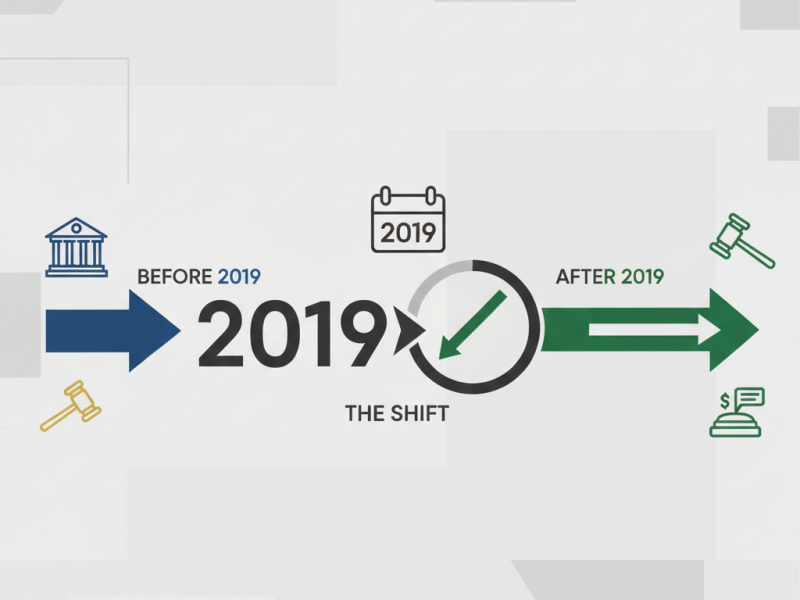
    For divorces finalized after December 31, 2018, alimony is no longer tax-deductible for the payor and no longer taxable income for the recipient at both federal and state levels.

    Before 2019, someone in the 35% tax bracket paying $60,000 in alimony only spent $39,000 after-tax because of the deduction. Now they need to earn $92,000 pre-tax to have $60,000 available after paying their own taxes. The recipient receives $60,000 tax-free instead of paying $9,000 in taxes on it.

    This change fundamentally altered negotiations. Property settlements may be more tax-efficient than ongoing alimony since asset transfers are generally tax-free.

    For divorces finalized before 2019, the old rules still apply—alimony remains deductible for the payor and taxable for the recipient.

    [/fusion_toggle][fusion_toggle title=”9. Who qualifies for alimony in New Jersey and what disqualifies someone?” open=”no” awb-switch-editor-focus=”” class=”” id=”” fusion_font_family_title_font=”” fusion_font_variant_title_font=”” title_font_size=”” title_line_height=”” title_letter_spacing=”” title_text_transform=”” title_color=”var(–awb-color8)” hue=”” saturation=”” lightness=”” alpha=”” fusion_font_family_content_font=”” fusion_font_variant_content_font=”” content_font_size=”” content_line_height=”” content_letter_spacing=”” content_text_transform=”” content_color=”var(–awb-color8)”]

    Qualifies: The spouse with significantly lower income or earning capacity may qualify if they need financial assistance to maintain a reasonably comparable lifestyle while working toward self-sufficiency. Key factors: demonstrable income disparity, career sacrifices during marriage, time out of workforce, need for retraining, and homemaking contributions.

    Disqualifies: Comparable incomes between spouses, very short marriages (1-3 years), valid prenuptial agreements waiving support, financial independence through assets or inheritance, and conviction of murder, manslaughter, or similar serious offenses resulting in death or injury to a family member.

    No minimum marriage duration exists—even shorter marriages can result in alimony if circumstances warrant.

    [/fusion_toggle][fusion_toggle title=”10. What are the different types of alimony in New Jersey?” open=”no” awb-switch-editor-focus=”” class=”” id=”” fusion_font_family_title_font=”” fusion_font_variant_title_font=”” title_font_size=”” title_line_height=”” title_letter_spacing=”” title_text_transform=”” title_color=”var(–awb-color8)” hue=”” saturation=”” lightness=”” alpha=”” fusion_font_family_content_font=”” fusion_font_variant_content_font=”” content_font_size=”” content_line_height=”” content_letter_spacing=”” content_text_transform=”” content_color=”var(–awb-color8)”]

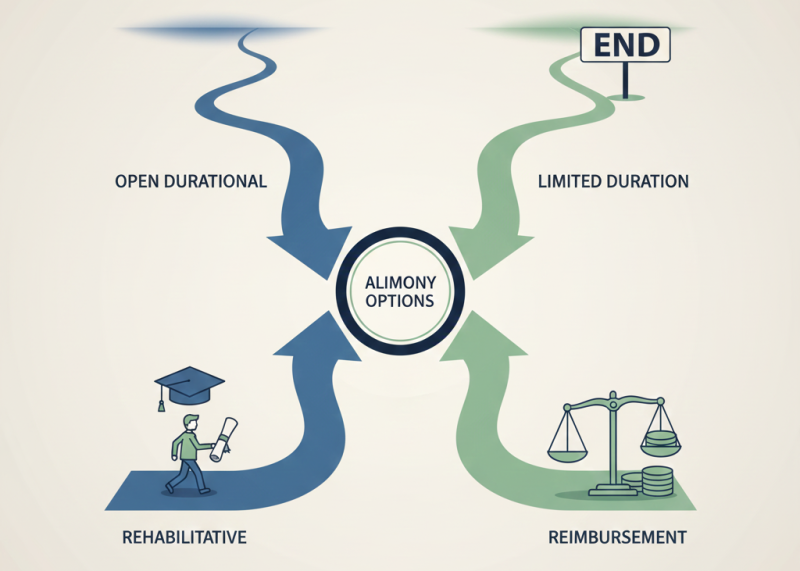
    Pendente lite (temporary): Support during divorce proceedings to maintain financial status quo. Ends when the final judgment is entered.

    Open durational: Support without a predetermined end date, typically for 20+ year marriages. Subject to modification or termination based on changed circumstances.

    Limited duration: Support for a defined period that cannot exceed the marriage length unless exceptional circumstances exist. Typically for marriages under 20 years.

    Rehabilitative: Assists the recipient in acquiring education, training, or work experience to become self-supporting. For example, $3,000 monthly for 2 years while completing a master’s program, then $1,500 monthly for 3 years while building career experience.

    Reimbursement: Compensates one spouse for contributions toward the other’s advanced education or career development (like supporting a spouse through medical or law school). Cannot be modified once awarded.

    Multiple types can be combined as warranted by circumstances.

    [/fusion_toggle][/fusion_accordion][fusion_code]PHN0eWxlPgogIC8qIEZyb250IGVuZCBvbmx5OiBzdGFydCBoaWRkZW4gYW5kIGZhZGUgaW4gKi8KYm9keTpub3QoLmZ1c2lvbi1idWlsZGVyLWxpdmUpIC5mdXNpb24tcGFuZWwgewogIG9wYWNpdHk6IDA7CiAgdHJhbnNpdGlvbjogb3BhY2l0eSAwLjZzIGVhc2Utb3V0Owp9CmJvZHk6bm90KC5mdXNpb24tYnVpbGRlci1saXZlKSAuZnVzaW9uLXBhbmVsLmFuaW1hdGUgewogIG9wYWNpdHk6IDE7Cn0KCi8qIEJ1aWxkZXI6IGFsd2F5cyB2aXNpYmxlLCBldmVuIHdoZW4gdGhlIGNsYXNzIGlzIG9uIGEgY29sdW1uICovCmJvZHkuZnVzaW9uLWJ1aWxkZXItbGl2ZSAuZnVzaW9uLXBhbmVsLAouZnVzaW9uLWJ1aWxkZXItbGl2ZS1lbGVtZW50LmZ1c2lvbi1wYW5lbCwKLmZ1c2lvbi1idWlsZGVyLWxpdmUgLmZ1c2lvbi1idWlsZGVyLWNvbHVtbi5mdXNpb24tcGFuZWwsCi5mdXNpb24tYnVpbGRlci1saXZlIC5mdXNpb24tYnVpbGRlci1jb2x1bW4tb3V0ZXIuZnVzaW9uLXBhbmVsIHsKICBvcGFjaXR5OiAxICFpbXBvcnRhbnQ7Cn0KPC9zdHlsZT4KCjxzY3JpcHQ+Ci8qTGF6eSBMb2FkIEFuaW1hdGlvbiovCmRvY3VtZW50LmFkZEV2ZW50TGlzdGVuZXIoIkRPTUNvbnRlbnRMb2FkZWQiLCBmdW5jdGlvbiAoKSB7CiAgY29uc3QgZWxlbWVudHMgPSBkb2N1bWVudC5xdWVyeVNlbGVjdG9yQWxsKCIuZnVzaW9uLXBhbmVsIik7CgogIGZ1bmN0aW9uIGFuaW1hdGVPblNjcm9sbCgpIHsKICAgIGNvbnN0IHRyaWdnZXJQb2ludCA9IHdpbmRvdy5pbm5lckhlaWdodCAqICgzIC8gNCk7CgogICAgZWxlbWVudHMuZm9yRWFjaChlbCA9PiB7CiAgICAgIGNvbnN0IHJlY3QgPSBlbC5nZXRCb3VuZGluZ0NsaWVudFJlY3QoKTsKICAgICAgaWYgKHJlY3QudG9wIDw9IHRyaWdnZXJQb2ludCAmJiAhZWwuY2xhc3NMaXN0LmNvbnRhaW5zKCJhbmltYXRlIikpIHsKICAgICAgICBlbC5jbGFzc0xpc3QuYWRkKCJhbmltYXRlIik7CiAgICAgIH0KICAgIH0pOwogIH0KCiAgd2luZG93LmFkZEV2ZW50TGlzdGVuZXIoInNjcm9sbCIsIGFuaW1hdGVPblNjcm9sbCk7CiAgYW5pbWF0ZU9uU2Nyb2xsKCk7Cn0pOwogIDwvc2NyaXB0Pgo=[/fusion_code][/fusion_builder_column][/fusion_builder_row][/fusion_builder_container][fusion_builder_container type=”flex” hundred_percent=”no” hundred_percent_height=”no” hundred_percent_height_scroll=”no” align_content=”stretch” flex_align_items=”flex-start” flex_justify_content=”flex-start” flex_wrap=”wrap” hundred_percent_height_center_content=”yes” equal_height_columns=”no” container_tag=”div” hide_on_mobile=”small-visibility,medium-visibility,large-visibility” status=”published” padding_top=”50px” border_style=”solid” box_shadow=”no” box_shadow_blur=”0″ box_shadow_spread=”0″ gradient_start_position=”0″ gradient_end_position=”100″ gradient_type=”linear” radial_direction=”center center” linear_angle=”180″ background_position=”center center” background_repeat=”no-repeat” fade=”no” background_parallax=”none” enable_mobile=”no” parallax_speed=”0.3″ background_blend_mode=”none” background_slider_skip_lazy_loading=”no” background_slider_loop=”yes” background_slider_pause_on_hover=”no” background_slider_slideshow_speed=”5000″ background_slider_animation=”fade” background_slider_direction=”up” background_slider_animation_speed=”800″ video_aspect_ratio=”16:9″ video_loop=”yes” video_mute=”yes” pattern_bg=”none” pattern_bg_style=”default” pattern_bg_opacity=”100″ pattern_bg_blend_mode=”normal” mask_bg=”none” mask_bg_style=”default” mask_bg_opacity=”100″ mask_bg_transform=”left” mask_bg_blend_mode=”normal” absolute=”off” absolute_devices=”small,medium,large” sticky=”off” sticky_devices=”small-visibility,medium-visibility,large-visibility” sticky_transition_offset=”0″ scroll_offset=”0″ animation_direction=”left” animation_speed=”0.3″ animation_delay=”0″ filter_hue=”0″ filter_saturation=”100″ filter_brightness=”100″ filter_contrast=”100″ filter_invert=”0″ filter_sepia=”0″ filter_opacity=”100″ filter_blur=”0″ filter_hue_hover=”0″ filter_saturation_hover=”100″ filter_brightness_hover=”100″ filter_contrast_hover=”100″ filter_invert_hover=”0″ filter_sepia_hover=”0″ filter_opacity_hover=”100″ filter_blur_hover=”0″ admin_label=”Call to Action” admin_toggled=”yes”][fusion_builder_row][fusion_builder_column type=”1_1″ layout=”60.00″ align_self=”auto” content_layout=”column” align_content=”flex-start” valign_content=”flex-start” content_wrap=”wrap” center_content=”no” column_tag=”div” target=”_self” hide_on_mobile=”small-visibility,medium-visibility,large-visibility” sticky_display=”normal,sticky” order_medium=”0″ order_small=”0″ hover_type=”none” border_style=”solid” box_shadow=”no” box_shadow_blur=”0″ box_shadow_spread=”0″ background_type=”single” gradient_start_position=”0″ gradient_end_position=”100″ gradient_type=”linear” radial_direction=”center center” linear_angle=”180″ lazy_load=”none” background_position=”left top” background_repeat=”no-repeat” background_blend_mode=”none” background_slider_skip_lazy_loading=”no” background_slider_loop=”yes” background_slider_pause_on_hover=”no” background_slider_slideshow_speed=”5000″ background_slider_animation=”fade” background_slider_direction=”up” background_slider_animation_speed=”800″ sticky=”off” sticky_devices=”small-visibility,medium-visibility,large-visibility” absolute=”off” filter_type=”regular” filter_hover_element=”self” filter_hue_hover=”0″ filter_saturation_hover=”100″ filter_brightness_hover=”100″ filter_contrast_hover=”100″ filter_invert_hover=”0″ filter_sepia_hover=”0″ filter_opacity_hover=”100″ filter_blur_hover=”0″ filter_hue=”0″ filter_saturation=”100″ filter_brightness=”100″ filter_contrast=”100″ filter_invert=”0″ filter_sepia=”0″ filter_opacity=”100″ filter_blur=”0″ transform_type=”regular” transform_hover_element=”self” transform_scale_x_hover=”1″ transform_scale_y_hover=”1″ transform_translate_x_hover=”0″ transform_translate_y_hover=”0″ transform_rotate_hover=”0″ transform_skew_x_hover=”0″ transform_skew_y_hover=”0″ transform_scale_x=”1″ transform_scale_y=”1″ transform_translate_x=”0″ transform_translate_y=”0″ transform_rotate=”0″ transform_skew_x=”0″ transform_skew_y=”0″ transition_duration=”300″ transition_easing=”ease” motion_effects=”W10=” scroll_motion_devices=”small-visibility,medium-visibility,large-visibility” animation_direction=”left” animation_speed=”0.3″ animation_delay=”0″ last=”true” border_position=”all” first=”true” min_height=”” link=””][fusion_builder_row_inner][fusion_builder_column_inner type=”1_1″ layout=”1_1″ align_self=”auto” content_layout=”column” align_content=”flex-start” valign_content=”flex-start” content_wrap=”wrap” center_content=”no” column_tag=”div” target=”_self” hide_on_mobile=”small-visibility,medium-visibility,large-visibility” sticky_display=”normal,sticky” order_medium=”0″ order_small=”0″ padding_top=”50px” padding_right=”20px” padding_bottom=”50px” padding_left=”20px” hover_type=”none” border_style=”solid” border_radius_top_left=”30px” border_radius_top_right=”30px” border_radius_bottom_right=”30px” border_radius_bottom_left=”30px” box_shadow=”no” box_shadow_blur=”0″ box_shadow_spread=”0″ background_type=”single” background_color=”#d8e8f2″ gradient_start_position=”0″ gradient_end_position=”100″ gradient_type=”linear” radial_direction=”center center” linear_angle=”180″ lazy_load=”none” background_position=”left top” background_repeat=”no-repeat” background_blend_mode=”none” background_slider_skip_lazy_loading=”no” background_slider_loop=”yes” background_slider_pause_on_hover=”no” background_slider_slideshow_speed=”5000″ background_slider_animation=”fade” background_slider_direction=”up” background_slider_animation_speed=”800″ sticky=”off” sticky_devices=”small-visibility,medium-visibility,large-visibility” absolute=”off” filter_type=”regular” filter_hover_element=”self” filter_hue_hover=”0″ filter_saturation_hover=”100″ filter_brightness_hover=”100″ filter_contrast_hover=”100″ filter_invert_hover=”0″ filter_sepia_hover=”0″ filter_opacity_hover=”100″ filter_blur_hover=”0″ filter_hue=”0″ filter_saturation=”100″ filter_brightness=”100″ filter_contrast=”100″ filter_invert=”0″ filter_sepia=”0″ filter_opacity=”100″ filter_blur=”0″ transform_type=”regular” transform_hover_element=”self” transform_scale_x_hover=”1″ transform_scale_y_hover=”1″ transform_translate_x_hover=”0″ transform_translate_y_hover=”0″ transform_rotate_hover=”0″ transform_skew_x_hover=”0″ transform_skew_y_hover=”0″ transform_scale_x=”1″ transform_scale_y=”1″ transform_translate_x=”0″ transform_translate_y=”0″ transform_rotate=”0″ transform_skew_x=”0″ transform_skew_y=”0″ transition_duration=”300″ transition_easing=”ease” motion_effects=”W10=” scroll_motion_devices=”small-visibility,medium-visibility,large-visibility” animation_direction=”left” animation_speed=”0.3″ animation_delay=”0″ last=”true” border_position=”all” first=”true” min_height=”” link=””][fusion_title title_type=”text” scroll_reveal_effect=”color_change” scroll_reveal_basis=”chars” scroll_reveal_behavior=”always” scroll_reveal_duration=”500″ scroll_reveal_stagger=”200″ scroll_reveal_delay=”0″ scroll_reveal_above_fold=”yes” marquee_direction=”left” marquee_mask_edges=”no” marquee_speed=”15000″ rotation_effect=”bounceIn” display_time=”1200″ highlight_effect=”circle” loop_animation=”once” highlight_animation_duration=”1500″ highlight_width=”9″ highlight_smudge_effect=”no” highlight_top_margin=”0″ title_link=”off” link_target=”_self” hide_on_mobile=”small-visibility,medium-visibility,large-visibility” sticky_display=”normal,sticky” content_align_small=”center” content_align=”center” size=”2″ font_size=”38px” text_color=”var(–awb-color4)” text_shadow=”no” text_shadow_blur=”0″ text_stroke=”no” text_stroke_size=”1″ text_overflow=”none” margin_top=”0px” gradient_font=”no” gradient_start_position=”0″ gradient_end_position=”100″ gradient_type=”linear” radial_direction=”center center” linear_angle=”180″ style_type=”default” animation_type=”fade” animation_direction=”static” animation_speed=”1.0″ animation_delay=”0.5″]

    Lay the groundwork for a peaceful divorce

    [/fusion_title][fusion_button link=”/tag/courses-kits” enable_hover_text_icon=”no” title=”Explore Courses” target=”_self” aria_role_button=”0″ alignment=”center” hide_on_mobile=”small-visibility,medium-visibility,large-visibility” sticky_display=”normal,sticky” class=”btn-style-blue” color=”custom” button_gradient_top_color_hover=”var(–awb-color4)” button_gradient_top_color=”var(–awb-custom_color_2)” button_gradient_bottom_color_hover=”var(–awb-color4)” button_gradient_bottom_color=”var(–awb-color4)” linear_angle=”180″ accent_color=”var(–awb-color5)” border_top=”2px” border_right=”2px” border_bottom=”2px” border_left=”2px” border_radius_top_left=”30px” border_radius_top_right=”30px” border_radius_bottom_right=”30px” border_radius_bottom_left=”30px” border_hover_color=”var(–awb-color5)” border_color=”var(–awb-color5)” size=”large” fusion_font_family_button_font=”Poppins” fusion_font_variant_button_font=”700″ font_size=”16px” stretch=”default” margin_top=”22px” icon_position=”left” icon_divider=”no” hover_transition=”none” animation_type=”fade” animation_direction=”static” animation_speed=”1.0″ animation_delay=”0.5″]Explore Courses[/fusion_button][/fusion_builder_column_inner][/fusion_builder_row_inner][/fusion_builder_column][/fusion_builder_row][/fusion_builder_container][fusion_global id=”2082″]


  • What Are the 13 Alimony Statutory Factors in New Jersey, and Which Ones Actually Matter Most in Mediation?

    What Are the 13 Alimony Statutory Factors in New Jersey, and Which Ones Actually Matter Most in Mediation?

    [fusion_builder_container type=”flex” hundred_percent=”no” hundred_percent_height=”no” hundred_percent_height_scroll=”no” align_content=”stretch” flex_align_items=”flex-start” flex_justify_content=”flex-start” flex_wrap=”wrap” hundred_percent_height_center_content=”yes” equal_height_columns=”no” container_tag=”div” hide_on_mobile=”small-visibility,medium-visibility,large-visibility” status=”published” margin_top=”80px” border_style=”solid” box_shadow=”no” box_shadow_blur=”0″ box_shadow_spread=”0″ gradient_start_position=”0″ gradient_end_position=”100″ gradient_type=”linear” radial_direction=”center center” linear_angle=”180″ background_position=”center center” background_repeat=”no-repeat” fade=”no” background_parallax=”none” enable_mobile=”no” parallax_speed=”0.3″ background_blend_mode=”none” background_slider_skip_lazy_loading=”no” background_slider_loop=”yes” background_slider_pause_on_hover=”no” background_slider_slideshow_speed=”5000″ background_slider_animation=”fade” background_slider_direction=”up” background_slider_animation_speed=”800″ video_aspect_ratio=”16:9″ video_loop=”yes” video_mute=”yes” pattern_bg=”none” pattern_bg_style=”default” pattern_bg_opacity=”100″ pattern_bg_blend_mode=”normal” mask_bg=”none” mask_bg_style=”default” mask_bg_opacity=”100″ mask_bg_transform=”left” mask_bg_blend_mode=”normal” absolute=”off” absolute_devices=”small,medium,large” sticky=”off” sticky_devices=”small-visibility,medium-visibility,large-visibility” sticky_transition_offset=”0″ scroll_offset=”0″ animation_direction=”left” animation_speed=”0.3″ animation_delay=”0″ filter_hue=”0″ filter_saturation=”100″ filter_brightness=”100″ filter_contrast=”100″ filter_invert=”0″ filter_sepia=”0″ filter_opacity=”100″ filter_blur=”0″ filter_hue_hover=”0″ filter_saturation_hover=”100″ filter_brightness_hover=”100″ filter_contrast_hover=”100″ filter_invert_hover=”0″ filter_sepia_hover=”0″ filter_opacity_hover=”100″ filter_blur_hover=”0″][fusion_builder_row][fusion_builder_column type=”1_1″ layout=”1_1″ align_self=”auto” content_layout=”column” align_content=”flex-start” valign_content=”flex-start” content_wrap=”wrap” center_content=”no” column_tag=”div” target=”_self” hide_on_mobile=”small-visibility,medium-visibility,large-visibility” sticky_display=”normal,sticky” order_medium=”0″ order_small=”0″ hover_type=”none” border_style=”solid” box_shadow=”no” box_shadow_blur=”0″ box_shadow_spread=”0″ background_type=”single” gradient_start_position=”0″ gradient_end_position=”100″ gradient_type=”linear” radial_direction=”center center” linear_angle=”180″ lazy_load=”none” background_position=”left top” background_repeat=”no-repeat” background_blend_mode=”none” background_slider_skip_lazy_loading=”no” background_slider_loop=”yes” background_slider_pause_on_hover=”no” background_slider_slideshow_speed=”5000″ background_slider_animation=”fade” background_slider_direction=”up” background_slider_animation_speed=”800″ sticky=”off” sticky_devices=”small-visibility,medium-visibility,large-visibility” absolute=”off” filter_type=”regular” filter_hover_element=”self” filter_hue=”0″ filter_saturation=”100″ filter_brightness=”100″ filter_contrast=”100″ filter_invert=”0″ filter_sepia=”0″ filter_opacity=”100″ filter_blur=”0″ filter_hue_hover=”0″ filter_saturation_hover=”100″ filter_brightness_hover=”100″ filter_contrast_hover=”100″ filter_invert_hover=”0″ filter_sepia_hover=”0″ filter_opacity_hover=”100″ filter_blur_hover=”0″ transform_type=”regular” transform_hover_element=”self” transform_scale_x=”1″ transform_scale_y=”1″ transform_translate_x=”0″ transform_translate_y=”0″ transform_rotate=”0″ transform_skew_x=”0″ transform_skew_y=”0″ transform_scale_x_hover=”1″ transform_scale_y_hover=”1″ transform_translate_x_hover=”0″ transform_translate_y_hover=”0″ transform_rotate_hover=”0″ transform_skew_x_hover=”0″ transform_skew_y_hover=”0″ transition_duration=”300″ transition_easing=”ease” scroll_motion_devices=”small-visibility,medium-visibility,large-visibility” animation_direction=”left” animation_speed=”0.3″ animation_delay=”0″ last=”true” border_position=”all” first=”true” min_height=”” link=””][fusion_text columns=”” column_min_width=”” column_spacing=”” rule_style=”” rule_size=”” rule_color=”” hue=”” saturation=”” lightness=”” alpha=”” user_select=”” awb-switch-editor-focus=”” content_alignment_medium=”” content_alignment_small=”left” content_alignment=”left” disable_idd=”no” hide_on_mobile=”small-visibility,medium-visibility,large-visibility” sticky_display=”normal,sticky” class=”” id=”” width_medium=”” width_small=”” width=”” min_width_medium=”” min_width_small=”” min_width=”” max_width_medium=”” max_width_small=”” max_width=”” margin_top_medium=”” margin_right_medium=”” margin_bottom_medium=”” margin_left_medium=”” margin_top_small=”” margin_right_small=”” margin_bottom_small=”” margin_left_small=”” margin_top=”” margin_right=”” margin_bottom=”” margin_left=”” fusion_font_family_text_font=”” fusion_font_variant_text_font=”” font_size=”16px” line_height=”” letter_spacing=”” text_transform=”” text_color=”var(–awb-color6)” render_logics=”” logics=”” animation_type=”” animation_direction=”left” animation_color=”” animation_speed=”0.3″ animation_delay=”0″ animation_offset=””]

    If you’ve started researching New Jersey alimony, you’ve probably come across references to “statutory factors” that get considered when determining whether alimony is appropriate and how much makes sense. Maybe you’ve even found a list of 13 different factors.

    Reading through that list can feel overwhelming. How are you supposed to weigh your age against your earning capacity against your standard of living? Which factors matter more than others?

    As a divorce mediator with an MBA in finance, I help couples work through these factors every day. And while I can’t give you legal advice, I can tell you which factors tend to drive the conversation in mediation and which ones don’t move the needle much. More importantly, I can show you how understanding these factors helps you negotiate an agreement that actually makes sense.

    The 13 Factors New Jersey Considers (In Plain Language)

    In New Jersey, what gets considered includes: the actual need and ability to pay; the duration of the marriage; the age and health of both parties; the marital standard of living; the earning capacities and employability of both parties; the length of absence from the job market; parental responsibilities; the time and expense needed for education or training; the contributions each party made to the marriage; the property division; income available from assets; and tax consequences.

    That’s a lot to consider, and it can feel abstract until you apply it to your specific situation.

    Please note: The financial examples in this post are for illustration purposes only and use simplified scenarios with round numbers to demonstrate concepts. Every divorce situation is unique, with different income levels, expenses, family circumstances, and financial complexities. These examples are not predictions of what you should expect in your specific case. I’m not a lawyer and cannot provide legal advice or tell you what alimony amount you’ll receive or pay.

    Which Factors Actually Drive the Conversation in Mediation

    Here’s what I’ve learned from working with more than 1,000 couples: while all 13 factors technically matter, in practice, about 4 or 5 factors do the heavy lifting in most mediation conversations.

    Actual Need and Ability to Pay

    Understand the 13 alimony statutory factors in New Jersey and how they affect spousal support negotiations, call Equitable Mediation at (877) 732-6682 for guidance. These factors help couples navigate divorce with confidence and clarity.

    This is almost always the starting point. This is where my finance background really comes into play. We’re building realistic post-divorce budgets for both of you. What does it actually cost you to live? Not what you wish it costs, but what does your real life actually require?

    Let’s say one spouse currently earns $120,000 and the other earns $50,000. We build out detailed budgets. Maybe the higher earner’s realistic monthly expenses total $7,000, while the lower earner needs $5,000 to maintain reasonable stability. The higher earner has $10,000 in monthly after-tax income—roughly $120,000. After covering their $7,000 in expenses, they have $3,000 available. The lower earner brings in about $4,000 monthly after taxes but needs $5,000. There’s your $1,000 monthly gap.

    But we don’t stop there. What can the higher-earning spouse actually afford to pay after covering their own reasonable expenses? This isn’t about living extravagantly or living like a monk. It’s about examining actual numbers and realistic budgets.

    I help couples build detailed budgets that account for all their expenses—housing, utilities, food, insurance, transportation, and children’s costs. We’re not guessing. We’re analyzing actual spending patterns and projecting realistic post-divorce costs.

    Marital Standard of Living

    Discover how to apply the 13 alimony statutory factors in New Jersey to reach equitable spousal support agreements, contact Equitable Mediation at (877) 732-6682 for personalized mediation support. Understanding these factors helps you negotiate effectively.

    This factor is closely tied to the budget conversation. If you maintained a particular lifestyle during the marriage, that established a standard. In New Jersey, alimony should help both of you maintain something reasonably comparable to that standard, recognizing that two households cost more than one.

    Maybe during your marriage, you lived in a $500,000 home, took annual vacations costing $8,000, and had a household spending around $12,000 monthly. That established your marital standard. Post-divorce, you’re not both going to maintain $500,000 homes on divided income, but the goal is that neither of you experiences a dramatic drop in lifestyle if it can be avoided.

    But here’s where mediation gives you flexibility: you get to decide together what “reasonably comparable” means. Perhaps you’re both open to downsizing to move forward more quickly. Maybe maintaining stability is crucial, especially with teenagers at home. These are your choices to make.

    Duration of the Marriage

    This matters enormously, as we discussed in a previous post about the 20-year threshold. A five-year marriage and a 25-year marriage look very different from an alimony perspective. The longer you were married, the more intertwined your financial lives became, and the more time someone may have sacrificed career development for the family.

    Earning Capacity and Employability

    This often becomes the most complex part of the analysis. This is about more than just current income. It’s about what each of you could potentially earn with your education, skills, and experience.

    Maybe one spouse has been out of the workforce for 15 years, raising children. They’re currently earning nothing, but they have a bachelor’s degree in marketing. What’s their earning capacity? With some skill updates, they could potentially earn $60,000 within 2 years. Do they need retraining? How long will it take to get back to that meaningful income level? What does that cost?

    Or maybe one spouse owns a business. Their tax return shows $100,000 in income. Still, they’re driving a $50,000 company car, running personal expenses through the business, and taking clients to dinner on the company dime—another $20,000 in value annually. What’s their real earning capacity? Their lifestyle suggests they’re really living on $120,000, not $100,000. This is where financial analysis gets nuanced, and my MBA background helps couples work through the complexity.

    Length of Absence from the Job Market

    This directly ties to earning capacity. Someone who paused their career for three years is in a very different position than someone who’s been out for 20 years. The time and investment required to return to meaningful employment differ significantly.

    If you’ve been out for three years, maybe you need six months and a few courses to get back to your previous earning level. If you’ve been out for 18 years, you might need two years of education and another year of building experience before you’re earning a meaningful income. These timelines affect how we structure rehabilitative alimony.

    The Factors That Matter Less in Practice

    Age and health matter when they’re extreme. If someone is 62 with serious health issues affecting their ability to work, that’s relevant. But for most couples divorcing in their 40s or 50s who are reasonably healthy, these don’t dramatically shift the conversation.

    Parental responsibilities matter more for child support than alimony, though if one parent’s caretaking role significantly limits their earning capacity, it can affect the alimony discussion.

    The property division is technically separate from alimony, but in mediation, we look at everything together. Sometimes, giving one spouse an extra $150,000 in marital assets can offset ongoing alimony needs entirely. A spouse receiving $400,000 instead of $250,000 in assets might not need $2,000 monthly in alimony. These pieces connect, which is why mediation’s holistic approach works so well.

    How Mediation Lets You Weigh These Factors Your Way

    Learn which of the 13 alimony statutory factors in New Jersey truly matter for mediation and fair spousal support, call Equitable Mediation at (877) 732-6682 to get expert guidance. Focus on the most important factors to negotiate confidently.

    Here’s the beauty of mediation: you’re not bound by how someone else might weigh these factors. If you went to court, you’d be stuck with a judge’s interpretation based on 13 factors applied in a 30-minute hearing. You’d both likely walk away feeling unheard and unhappy with decisions made by someone who doesn’t understand your priorities or circumstances.

    In mediation, you can have transparent conversations about which factors matter most to you and why. Perhaps the marital standard of living isn’t as important since you’re both ready to simplify. Maybe earning capacity is crucial because one of you has tremendous unrealized potential.

    I help facilitate these conversations by bringing a realistic financial approach to alimony to the table. We can model different scenarios:

    What if alimony is $3,000 per month for 3 years while one spouse completes retraining, with the expectation that it drops to $1,500 for another 3 years as they build earning capacity?

    What if it’s $4,000 per month for 8 years versus $2,500 per month for 15 years?

    What if we adjust the asset division—giving one spouse an extra $100,000 from the house equity and $50,000 more from retirement accounts—to reduce alimony from $3,000 monthly to $1,500 monthly?

    We run the numbers. We look at budgets. We project what each scenario means for both of your financial futures. That’s where the financial expertise makes an enormous difference.

    Moving Forward with Confidence and Clarity

    Understanding the 13 factors in New Jersey goes beyond merely memorizing a list. It’s about identifying the factors that actually impact your situation and having informed conversations about them.

    The factors that matter most—need and ability to pay, marital standard of living, duration of marriage, and earning capacity—are where detailed financial analysis makes the most significant difference. These aren’t abstract legal concepts. They’re concrete financial realities that require real number-crunching to get right.

    In mediation, you’re not hoping someone else weighs these factors fairly. You’re deciding together how to weigh them based on what actually matters to both of you. You’re in control of the outcome.

    This is especially important when the financial picture gets complicated. When someone owns a business, earning capacity is hard to pin down, and you’re balancing asset division with ongoing support. With an MBA in finance and experience working through these exact questions with more than 1,000 couples, we can work through that complexity together. I don’t just help you understand the 13 factors—I help you analyze your specific situation, model different scenarios with real numbers, and craft an agreement that makes financial sense both today and 10 years from now.

    That future-focused approach means you’re not just checking boxes on the 13 factors. You’re anticipating how your agreement will work when circumstances change, when earning capacity grows, and when retirement approaches. You’re building something that adapts to real life instead of creating a rigid agreement that stops making sense three years later.

    Suppose you’re facing these alimony questions in New Jersey. In that case, mediation with the right financial expertise helps you move from an overwhelming list of factors to a clear understanding and informed decisions. You deserve an approach that turns complexity into clarity and helps both of you move forward with confidence.

    [/fusion_text][/fusion_builder_column][fusion_builder_column type=”1_1″ layout=”1_1″ align_self=”auto” content_layout=”column” align_content=”flex-start” valign_content=”flex-start” content_wrap=”wrap” center_content=”no” column_tag=”div” target=”_self” hide_on_mobile=”medium-visibility,large-visibility” sticky_display=”normal,sticky” order_medium=”0″ order_small=”0″ margin_top=”60px” margin_bottom=”60px” hover_type=”none” border_style=”solid” box_shadow=”no” box_shadow_blur=”0″ box_shadow_spread=”0″ background_type=”single” gradient_start_position=”0″ gradient_end_position=”100″ gradient_type=”linear” radial_direction=”center center” linear_angle=”180″ lazy_load=”none” background_position=”left top” background_repeat=”no-repeat” background_blend_mode=”none” background_slider_skip_lazy_loading=”no” background_slider_loop=”yes” background_slider_pause_on_hover=”no” background_slider_slideshow_speed=”5000″ background_slider_animation=”fade” background_slider_direction=”up” background_slider_animation_speed=”800″ sticky=”off” sticky_devices=”small-visibility,medium-visibility,large-visibility” absolute=”off” filter_type=”regular” filter_hover_element=”self” filter_hue_hover=”0″ filter_saturation_hover=”100″ filter_brightness_hover=”100″ filter_contrast_hover=”100″ filter_invert_hover=”0″ filter_sepia_hover=”0″ filter_opacity_hover=”100″ filter_blur_hover=”0″ filter_hue=”0″ filter_saturation=”100″ filter_brightness=”100″ filter_contrast=”100″ filter_invert=”0″ filter_sepia=”0″ filter_opacity=”100″ filter_blur=”0″ transform_type=”regular” transform_hover_element=”self” transform_scale_x_hover=”1″ transform_scale_y_hover=”1″ transform_translate_x_hover=”0″ transform_translate_y_hover=”0″ transform_rotate_hover=”0″ transform_skew_x_hover=”0″ transform_skew_y_hover=”0″ transform_scale_x=”1″ transform_scale_y=”1″ transform_translate_x=”0″ transform_translate_y=”0″ transform_rotate=”0″ transform_skew_x=”0″ transform_skew_y=”0″ transition_duration=”300″ transition_easing=”ease” motion_effects=”W10=” scroll_motion_devices=”small-visibility,medium-visibility,large-visibility” animation_direction=”left” animation_speed=”0.3″ animation_delay=”0″ last=”true” border_position=”all” first=”true” min_height=”” link=””][fusion_builder_row_inner][fusion_builder_column_inner type=”1_1″ layout=”1_1″ align_self=”auto” content_layout=”column” align_content=”flex-start” valign_content=”flex-start” content_wrap=”wrap” center_content=”no” column_tag=”div” target=”_self” hide_on_mobile=”small-visibility,medium-visibility,large-visibility” sticky_display=”normal,sticky” order_medium=”0″ order_small=”0″ padding_top=”50px” padding_right=”20px” padding_bottom=”50px” padding_left=”20px” hover_type=”none” border_style=”solid” border_radius_top_left=”30px” border_radius_top_right=”30px” border_radius_bottom_right=”30px” border_radius_bottom_left=”30px” box_shadow=”no” box_shadow_blur=”0″ box_shadow_spread=”0″ background_type=”single” background_color=”#f4f3ef” gradient_start_position=”0″ gradient_end_position=”100″ gradient_type=”linear” radial_direction=”center center” linear_angle=”180″ lazy_load=”none” background_position=”left top” background_repeat=”no-repeat” background_blend_mode=”none” background_slider_skip_lazy_loading=”no” background_slider_loop=”yes” background_slider_pause_on_hover=”no” background_slider_slideshow_speed=”5000″ background_slider_animation=”fade” background_slider_direction=”up” background_slider_animation_speed=”800″ sticky=”off” sticky_devices=”small-visibility,medium-visibility,large-visibility” absolute=”off” filter_type=”regular” filter_hover_element=”self” filter_hue_hover=”0″ filter_saturation_hover=”100″ filter_brightness_hover=”100″ filter_contrast_hover=”100″ filter_invert_hover=”0″ filter_sepia_hover=”0″ filter_opacity_hover=”100″ filter_blur_hover=”0″ filter_hue=”0″ filter_saturation=”100″ filter_brightness=”100″ filter_contrast=”100″ filter_invert=”0″ filter_sepia=”0″ filter_opacity=”100″ filter_blur=”0″ transform_type=”regular” transform_hover_element=”self” transform_scale_x_hover=”1″ transform_scale_y_hover=”1″ transform_translate_x_hover=”0″ transform_translate_y_hover=”0″ transform_rotate_hover=”0″ transform_skew_x_hover=”0″ transform_skew_y_hover=”0″ transform_scale_x=”1″ transform_scale_y=”1″ transform_translate_x=”0″ transform_translate_y=”0″ transform_rotate=”0″ transform_skew_x=”0″ transform_skew_y=”0″ transition_duration=”300″ transition_easing=”ease” motion_effects=”W10=” scroll_motion_devices=”small-visibility,medium-visibility,large-visibility” animation_direction=”left” animation_speed=”0.3″ animation_delay=”0″ last=”true” border_position=”all” first=”true” min_height=”” link=””][fusion_code]ICA8c3R5bGU+CiAgIAoKICAgIC5zbGlkZXItY29udGFpbmVyIHsKICAgICAgLyptYXgtd2lkdGg6IDcwMHB4OyAqLwogICAgbWFyZ2luOiAwIGF1dG87CiAgICBwb3NpdGlvbjogcmVsYXRpdmU7CiAgICAvKiBiYWNrZ3JvdW5kOiB3aGl0ZTsgKi8KICAgIGJvcmRlci1yYWRpdXM6IDE2cHg7CiAgICAvKiBib3gtc2hhZG93OiAwIDAgMTBweCByZ2JhKDAsIDAsIDAsIDAuMSk7ICovCiAgICBwYWRkaW5nOiAyMHB4IDUwcHg7CiAgICB0ZXh0LWFsaWduOiBsZWZ0OwogICAgb3ZlcmZsb3c6IGhpZGRlbjsKICAgIC8qIGhlaWdodDogNTAwcHg7Ki8KICAgIH0KCiAgICAuc2xpZGUgewogICAgICBwb3NpdGlvbjogYWJzb2x1dGU7CiAgICAgIHRvcDogMDsKICAgICAgbGVmdDogMDsKICAgICAgd2lkdGg6IDEwMCU7CiAgICAgIG9wYWNpdHk6IDA7CiAgICAgIHRyYW5zZm9ybTogdHJhbnNsYXRlWCgxMDAlKTsKICAgICAgdHJhbnNpdGlvbjogYWxsIDAuNXMgZWFzZTsKICAgICAgdmlzaWJpbGl0eTogaGlkZGVuOwogICAgfQoKICAgIC5zbGlkZS5hY3RpdmUgewogICAgICBvcGFjaXR5OiAxOwogICAgICB0cmFuc2Zvcm06IHRyYW5zbGF0ZVgoMCk7CiAgICAgIHZpc2liaWxpdHk6IHZpc2libGU7CiAgICAgIHBvc2l0aW9uOiByZWxhdGl2ZTsKICAgIH0KCiAgICAudGl0bGUgewogICAgY29sb3I6ICMyNDdkYjQ7CiAgICBmb250LXNpemU6IDI2cHg7CiAgICBmb250LXdlaWdodDogNjAwOwogICAgbWFyZ2luLWJvdHRvbTogMThweDsKICAgIHRleHQtYWxpZ246IGNlbnRlcjsKICAgIGxpbmUtaGVpZ2h0OiAxLjJlbTsKfQoKICAgIC5jb250ZW50IHsKICAgICAgZm9udC1zaXplOiAxNnB4OwogICAgICBjb2xvcjogIzMzMzsKICAgICAgbGluZS1oZWlnaHQ6IDEuNjsKICAgIH0KCQoJc3Bhbi5zZXAgewogICAgcGFkZGluZy1sZWZ0OiAyNXB4OwogICAgcGFkZGluZy1yaWdodDogMjVweDsKICAgIGNvbG9yOiAjM2EyZjJhOwogICAgZm9udC1zaXplOiAxOHB4OwogICAgZm9udC13ZWlnaHQ6IG5vcm1hbDsKfQoKICAgIC5hdXRob3IgewogICAgICBkaXNwbGF5OiBmbGV4OwogICAgYWxpZ24taXRlbXM6IGNlbnRlcjsKICAgIG1hcmdpbi10b3A6IDMwcHg7CiAgICBqdXN0aWZ5LWNvbnRlbnQ6IGNlbnRlcjsKICAgIH0KCiAgICAuYXV0aG9yIGltZyB7CiAgICAgIGJvcmRlci1yYWRpdXM6IDUwJTsKICAgICAgd2lkdGg6IDcwcHg7CiAgICAgIGhlaWdodDogNzBweDsKICAgICAgbWFyZ2luLXJpZ2h0OiAxNXB4OwogICAgfQoJCgkuYXV0aG9yLWRldGFpbHMgcCB7CiAgICBtYXJnaW4tYm90dG9tOiAwcHg7Cn0KCiAgICAuYXV0aG9yLWRldGFpbHMgewogICAgICBmb250LXNpemU6IDE1cHg7CiAgICB9CgogICAgLmF1dGhvci1kZXRhaWxzIHN0cm9uZyB7CiAgICAgIGNvbG9yOiAjMjQ3MWViOwogICAgfQoKICAgIC5uYXYgewogICAgICBwb3NpdGlvbjogYWJzb2x1dGU7CiAgICAgIHRvcDogNTAlOwogICAgICB0cmFuc2Zvcm06IHRyYW5zbGF0ZVkoLTUwJSk7CiAgICAgIGZvbnQtc2l6ZTogMzBweDsKICAgICAgY29sb3I6ICNhYWE7CiAgICAgIGN1cnNvcjogcG9pbnRlcjsKICAgICAgei1pbmRleDogMTsKICAgIH0KCiAgICAubmF2LmxlZnQgewogICAgICBsZWZ0OiAyMHB4OwogICAgfQoKICAgIC5uYXYucmlnaHQgewogICAgICByaWdodDogMjBweDsKICAgIH0KCiAgICAubmF2OmhvdmVyIHsKICAgICAgY29sb3I6ICMyNDcxZWI7CiAgICB9CgkKCS5hdXRob3ItZGV0YWlscyAuaGVhZC1kZXN7Cgljb2xvcjogIzI0N2RiNDsgCglmb250LXNpemU6IDMwcHg7IAoJZm9udC13ZWlnaHQ6IDUwMDsKCWZvbnQtZmFtaWx5OiJETSBTZXJpZiBEaXNwbGF5IiwgQXJpYWwsIEhlbHZldGljYSwgc2Fucy1zZXJpZjsKCX0KCQoJLmF1dGhvci1kZXRhaWxzIC5zdWItZGVzewoJbGV0dGVyLXNwYWNpbmc6IDNweDsgCgl0ZXh0LXRyYW5zZm9ybTogdXBwZXJjYXNlOyAKCWZvbnQtc2l6ZTogMTZweDsgCgljb2xvcjogIzNhMmYyYTsKCX0KICA8L3N0eWxlPgoKPGRpdiBjbGFzcz0ic2xpZGVyLWNvbnRhaW5lciI+CiAgPCEtLSBTbGlkZSAxIC0tPgogIDxkaXYgY2xhc3M9InNsaWRlIGFjdGl2ZSI+CiAgICA8ZGl2IGNsYXNzPSJjb250ZW50Ij4KICAgICAgPHA+4oCcWW91IG1heSBoYXZlIHJlc2VhcmNoZWQgaG93IGFsaW1vbnkgd29ya3MgaW4geW91ciBzdGF0ZS4gQnV0IGluIG15IGV4cGVyaWVuY2UsIHJlZ2FyZGxlc3Mgb2Ygd2hldGhlciBhIHN0YXRlIG9mZmVycyBndWlkYW5jZSBvbiBob3cgdG8gcmVzb2x2ZSBhbGltb255LCBvZnRlbiwgY291cGxlcyBuZWdvdGlhdGUgdGhlaXIgb3duIGFncmVlbWVudCB0YWlsb3JlZCB0byB0aGVpciB1bmlxdWUgc2l0dWF0aW9uIGFuZCBjaXJjdW1zdGFuY2VzLjwvcD4KICAgICAgPHA+U28geW91IGhhdmUgYSBsb3Qgb2YgZmxleGliaWxpdHkgYW5kIGNhbiBtYWludGFpbiBhIGxvdCBvZiBjb250cm9sIGlmIHlvdSBuZWdvdGlhdGUgdGhlIHRlcm1zIG9mIGFsaW1vbnkgb3V0IG9mIGNvdXJ0IHdpdGggdGhlIGhlbHAgb2YgYSBza2lsbGVkIHByb2Zlc3Npb25hbCB1c2luZyBhbiBhbHRlcm5hdGl2ZSBkaXNwdXRlIHJlc29sdXRpb24gcHJvY2VzcyBsaWtlIDxhIGhyZWY9Ii9yZXNvdXJjZXMvY29sbGFib3JhdGl2ZS1kaXZvcmNlLXZzLW1lZGlhdGlvbiIgcmVsPSJub29wZW5lciI+ZGl2b3JjZSBtZWRpYXRpb24gb3IgYSBjb2xsYWJvcmF0aXZlIGRpdm9yY2UgPC9hPi48L3A+CiAgICAgIDxwPllvdSBhbmQgeW91ciBzb29uLXRvLWJlIGV4LXNwb3VzZSB3aWxsIG1vcmUgbGlrZWx5IGNvbWUgdG8gYW4gYWxpbW9ueSBhcnJhbmdlbWVudCB0aGF0J3MgYWNjZXB0YWJsZSB0byBib3RoIG9mIHlvdS4iPHA+CiAgICA8L2Rpdj4KICAgIDxkaXYgY2xhc3M9ImF1dGhvciI+CiAgICAgIDxpbWcgc3JjPSIvd3AtY29udGVudC91cGxvYWRzLzIwMjUvMDYvZXF1aXRhYmxlLW1lZGlhdGlvbi10ZWFtLWpvZS1kaWxsb24ud2VicCIgYWx0PSJKb2UgRGlsbG9uIGhlYWRzaG90IiAvPgogICAgICA8ZGl2IGNsYXNzPSJhdXRob3ItZGV0YWlscyI+CiAgICAgICAgPHA+IDxzcGFuIGNsYXNzPSJoZWFkLWRlcyI+IEpvZSBEaWxsb248L3NwYW4+IDxzcGFuIGNsYXNzPSJzZXAiPnw8L3NwYW4+IDxzcGFuIGNsYXNzPSJzdWItZGVzIj5EaXZvcmNlIE1lZGlhdG9yICYgRm91bmRlcjwvc3Bhbj48L3A+CiAgICAgIDwvZGl2PgogICAgPC9kaXY+CiAgPC9kaXY+CiAgPCEtLSBBcnJvd3MgLS0+CiAgPCEtLSA8ZGl2IGNsYXNzPSJuYXYgbGVmdCIgb25jbGljaz0icHJldlNsaWRlKCkiPiYjMTAwOTQ7PC9kaXY+CiAgPGRpdiBjbGFzcz0ibmF2IHJpZ2h0IiBvbmNsaWNrPSJuZXh0U2xpZGUoKSI+JiMxMDA5NTs8L2Rpdj4gLS0+CjwvZGl2PgoKPHNjcmlwdD4KICBsZXQgY3VycmVudFNsaWRlID0gMDsKICBjb25zdCBzbGlkZXMgPSBkb2N1bWVudC5xdWVyeVNlbGVjdG9yQWxsKCcuc2xpZGUnKTsKCiAgZnVuY3Rpb24gc2hvd1NsaWRlKGluZGV4KSB7CiAgICBzbGlkZXMuZm9yRWFjaCgocywgaSkgPT4gewogICAgICBzLmNsYXNzTGlzdC5yZW1vdmUoJ2FjdGl2ZScpOwogICAgfSk7CiAgICBzbGlkZXNbaW5kZXhdLmNsYXNzTGlzdC5hZGQoJ2FjdGl2ZScpOwogIH0KCiAgZnVuY3Rpb24gbmV4dFNsaWRlKCkgewogICAgY3VycmVudFNsaWRlID0gKGN1cnJlbnRTbGlkZSArIDEpICUgc2xpZGVzLmxlbmd0aDsKICAgIHNob3dTbGlkZShjdXJyZW50U2xpZGUpOwogIH0KCiAgZnVuY3Rpb24gcHJldlNsaWRlKCkgewogICAgY3VycmVudFNsaWRlID0gKGN1cnJlbnRTbGlkZSAtIDEgKyBzbGlkZXMubGVuZ3RoKSAlIHNsaWRlcy5sZW5ndGg7CiAgICBzaG93U2xpZGUoY3VycmVudFNsaWRlKTsKICB9Cjwvc2NyaXB0Pg==[/fusion_code][/fusion_builder_column_inner][/fusion_builder_row_inner][/fusion_builder_column][/fusion_builder_row][/fusion_builder_container][fusion_builder_container type=”flex” hundred_percent=”no” hundred_percent_height=”no” hundred_percent_height_scroll=”no” align_content=”stretch” flex_align_items=”flex-start” flex_justify_content=”flex-start” flex_wrap=”wrap” hundred_percent_height_center_content=”yes” equal_height_columns=”no” container_tag=”div” hide_on_mobile=”small-visibility,medium-visibility,large-visibility” status=”published” padding_bottom_medium=”50px” padding_bottom_small=”30px” padding_top=”100px” padding_bottom=”100px” border_style=”solid” box_shadow=”no” box_shadow_blur=”0″ box_shadow_spread=”0″ gradient_start_position=”0″ gradient_end_position=”100″ gradient_type=”linear” radial_direction=”center center” linear_angle=”180″ background_position=”center center” background_repeat=”no-repeat” fade=”no” background_parallax=”none” enable_mobile=”no” parallax_speed=”0.3″ background_blend_mode=”none” background_slider_skip_lazy_loading=”no” background_slider_loop=”yes” background_slider_pause_on_hover=”no” background_slider_slideshow_speed=”5000″ background_slider_animation=”fade” background_slider_direction=”up” background_slider_animation_speed=”800″ video_aspect_ratio=”16:9″ video_loop=”yes” video_mute=”yes” pattern_bg=”none” pattern_bg_style=”default” pattern_bg_opacity=”100″ pattern_bg_blend_mode=”normal” mask_bg=”none” mask_bg_style=”default” mask_bg_opacity=”100″ mask_bg_transform=”left” mask_bg_blend_mode=”normal” absolute=”off” absolute_devices=”small,medium,large” sticky=”off” sticky_devices=”small-visibility,medium-visibility,large-visibility” sticky_transition_offset=”0″ scroll_offset=”0″ animation_direction=”left” animation_speed=”0.3″ animation_delay=”0″ filter_hue=”0″ filter_saturation=”100″ filter_brightness=”100″ filter_contrast=”100″ filter_invert=”0″ filter_sepia=”0″ filter_opacity=”100″ filter_blur=”0″ filter_hue_hover=”0″ filter_saturation_hover=”100″ filter_brightness_hover=”100″ filter_contrast_hover=”100″ filter_invert_hover=”0″ filter_sepia_hover=”0″ filter_opacity_hover=”100″ filter_blur_hover=”0″ admin_label=”FAQ Alimony New Jersey” admin_toggled=”no”][fusion_builder_row][fusion_builder_column type=”1_1″ layout=”1_1″ align_self=”auto” content_layout=”column” align_content=”flex-start” valign_content=”flex-start” content_wrap=”wrap” center_content=”no” column_tag=”div” target=”_self” hide_on_mobile=”small-visibility,medium-visibility,large-visibility” sticky_display=”normal,sticky” order_medium=”0″ order_small=”0″ hover_type=”none” border_style=”solid” box_shadow=”no” box_shadow_blur=”0″ box_shadow_spread=”0″ background_type=”single” gradient_start_position=”0″ gradient_end_position=”100″ gradient_type=”linear” radial_direction=”center center” linear_angle=”180″ lazy_load=”none” background_position=”left top” background_repeat=”no-repeat” background_blend_mode=”none” background_slider_skip_lazy_loading=”no” background_slider_loop=”yes” background_slider_pause_on_hover=”no” background_slider_slideshow_speed=”5000″ background_slider_animation=”fade” background_slider_direction=”up” background_slider_animation_speed=”800″ sticky=”off” sticky_devices=”small-visibility,medium-visibility,large-visibility” absolute=”off” filter_type=”regular” filter_hover_element=”self” filter_hue_hover=”0″ filter_saturation_hover=”100″ filter_brightness_hover=”100″ filter_contrast_hover=”100″ filter_invert_hover=”0″ filter_sepia_hover=”0″ filter_opacity_hover=”100″ filter_blur_hover=”0″ filter_hue=”0″ filter_saturation=”100″ filter_brightness=”100″ filter_contrast=”100″ filter_invert=”0″ filter_sepia=”0″ filter_opacity=”100″ filter_blur=”0″ transform_type=”regular” transform_hover_element=”self” transform_scale_x_hover=”1″ transform_scale_y_hover=”1″ transform_translate_x_hover=”0″ transform_translate_y_hover=”0″ transform_rotate_hover=”0″ transform_skew_x_hover=”0″ transform_skew_y_hover=”0″ transform_scale_x=”1″ transform_scale_y=”1″ transform_translate_x=”0″ transform_translate_y=”0″ transform_rotate=”0″ transform_skew_x=”0″ transform_skew_y=”0″ transition_duration=”300″ transition_easing=”ease” motion_effects=”W10=” scroll_motion_devices=”small-visibility,medium-visibility,large-visibility” animation_direction=”left” animation_speed=”0.3″ animation_delay=”0″ last=”true” border_position=”all” first=”true” min_height=”” link=””][fusion_title title_type=”text” scroll_reveal_effect=”color_change” scroll_reveal_basis=”chars” scroll_reveal_behavior=”always” scroll_reveal_duration=”500″ scroll_reveal_stagger=”200″ scroll_reveal_delay=”0″ scroll_reveal_above_fold=”yes” marquee_direction=”left” marquee_mask_edges=”no” marquee_speed=”15000″ rotation_effect=”bounceIn” display_time=”1200″ highlight_effect=”circle” loop_animation=”once” highlight_animation_duration=”1500″ highlight_width=”9″ highlight_smudge_effect=”no” highlight_top_margin=”0″ before_text=”” rotation_text=”” highlight_text=”” after_text=”” awb-switch-editor-focus=”” title_link=”off” link_url=”” link_target=”_self” hide_on_mobile=”small-visibility,medium-visibility,large-visibility” sticky_display=”normal,sticky” class=”” id=”” content_align_medium=”” content_align_small=”left” content_align=”left” size=”2″ animated_font_size=”” fusion_font_family_title_font=”” fusion_font_variant_title_font=”” font_size=”38px” line_height=”” letter_spacing=”” text_transform=”” text_color=”var(–awb-color4)” hue=”” saturation=”” lightness=”” alpha=”” animated_text_color=”” highlight_color=”” text_shadow=”no” text_shadow_vertical=”” text_shadow_horizontal=”” text_shadow_blur=”0″ text_shadow_color=”” text_stroke=”no” text_stroke_size=”1″ text_stroke_color=”” text_overflow=”none” margin_top_medium=”” margin_right_medium=”” margin_bottom_medium=”” margin_left_medium=”” margin_top_small=”” margin_right_small=”” margin_bottom_small=”” margin_left_small=”” margin_top=”0px” margin_right=”” margin_bottom=”60px” margin_left=”” margin_top_mobile=”” margin_bottom_mobile=”” gradient_font=”no” gradient_start_color=”” gradient_end_color=”” gradient_start_position=”0″ gradient_end_position=”100″ gradient_type=”linear” radial_direction=”center center” linear_angle=”180″ style_type=”default” sep_color=”” link_color=”” link_hover_color=”” render_logics=”” animation_type=”fade” animation_direction=”static” animation_color=”” animation_speed=”1.0″ animation_delay=”0.5″ animation_offset=”” logics=””]

    FAQs About Alimony in New Jersey

    [/fusion_title][fusion_accordion type=”toggles” inactive_icon=”” active_icon=”” margin_top=”” margin_bottom=”” hide_on_mobile=”small-visibility,medium-visibility,large-visibility” class=”” id=”” boxed_mode=”yes” border_size=”2″ border_color=”#d8e8f2″ hue=”” saturation=”” lightness=”” alpha=”” hover_color=”#f4f3ef” background_color=”” divider_line=”” divider_hover_color=”” divider_color=”” padding_top=”10px” padding_right=”5px” padding_bottom=”10px” padding_left=”5px” title_tag=”h4″ fusion_font_family_title_font=”Poppins” fusion_font_variant_title_font=”600″ title_font_size=”18px” title_line_height=”” title_letter_spacing=”” title_text_transform=”” title_color=”var(–awb-color6)” icon_size=”25px” icon_color=”#d8e8f2″ icon_boxed_mode=”no” icon_box_color=”#d8e8f2″ icon_alignment=”right” fusion_font_family_content_font=”” fusion_font_variant_content_font=”” content_font_size=”16px” content_line_height=”” content_letter_spacing=”” content_text_transform=”” content_color=”var(–awb-color6)” toggle_hover_accent_color=”var(–awb-color6)” toggle_active_accent_color=”var(–awb-color6)” render_logics=”” parent_dynamic_content=””][fusion_toggle title=”1. What is alimony in New Jersey and how does it work?” open=”no” awb-switch-editor-focus=”” class=”” id=”” fusion_font_family_title_font=”” fusion_font_variant_title_font=”” title_font_size=”” title_line_height=”” title_letter_spacing=”” title_text_transform=”” title_color=”var(–awb-color8)” hue=”” saturation=”” lightness=”” alpha=”” fusion_font_family_content_font=”” fusion_font_variant_content_font=”” content_font_size=”” content_line_height=”” content_letter_spacing=”” content_text_transform=”” content_color=”var(–awb-color8)”]

    Alimony, also called spousal support, is a financial payment one spouse provides to the other during or after divorce. The purpose is to help both spouses maintain a lifestyle reasonably comparable to what they had during marriage.

    In New Jersey, alimony works through two phases: temporary support during divorce proceedings (pendente lite) and post-judgment alimony in the final agreement. Different types of alimony can be awarded based on your circumstances. Unlike child support which follows a formula, alimony gets determined by analyzing multiple factors including need, ability to pay, marriage duration, earning capacities, and standard of living.

    Alimony is not automatic—it’s only awarded when one spouse demonstrates financial need and the other has ability to pay.

    [/fusion_toggle][fusion_toggle title=”2. How long does alimony last in New Jersey?” open=”no” awb-switch-editor-focus=”” class=”” id=”” fusion_font_family_title_font=”” fusion_font_variant_title_font=”” title_font_size=”” title_line_height=”” title_letter_spacing=”” title_text_transform=”” title_color=”var(–awb-color8)” hue=”” saturation=”” lightness=”” alpha=”” fusion_font_family_content_font=”” fusion_font_variant_content_font=”” content_font_size=”” content_line_height=”” content_letter_spacing=”” content_text_transform=”” content_color=”var(–awb-color8)”]

    Duration changed significantly with the 2014 reform. For marriages under 20 years, alimony typically cannot exceed the marriage length unless exceptional circumstances exist (chronic illness, special needs children). A 12-year marriage generally means maximum 12 years of alimony.

    For marriages of 20+ years, open durational alimony becomes possible—support without a predetermined end date. However, it’s not guaranteed for life and can be modified or terminated based on changed circumstances.

    Alimony automatically ends when the recipient remarries, enters a civil union, or dies. When the payor reaches full retirement age (typically 67), there’s a presumption that alimony should terminate.

    [/fusion_toggle][fusion_toggle title=”3. What factors get considered when determining alimony in New Jersey?” open=”no” awb-switch-editor-focus=”” class=”” id=”” fusion_font_family_title_font=”” fusion_font_variant_title_font=”” title_font_size=”” title_line_height=”” title_letter_spacing=”” title_text_transform=”” title_color=”var(–awb-color8)” hue=”” saturation=”” lightness=”” alpha=”” fusion_font_family_content_font=”” fusion_font_variant_content_font=”” content_font_size=”” content_line_height=”” content_letter_spacing=”” content_text_transform=”” content_color=”var(–awb-color8)”]

    In New Jersey, 13 factors get evaluated: actual need and ability to pay, marriage duration, age and health of both spouses, standard of living during marriage, earning capacities and employability, time needed for education or training, each party’s income and property, contributions to the marriage (including homemaking and childcare), parental responsibilities, tax consequences, career sacrifices made during marriage, and whether property division already addresses economic circumstances.

    For example, if one spouse earns $150,000 while the other stayed home for 15 years raising children, multiple factors favor alimony: significant income disparity, lengthy absence from workforce requiring retraining time, career sacrifice for family benefit, and homemaking contributions.

    [/fusion_toggle][fusion_toggle title=”4. Is there a formula for calculating spousal support in New Jersey?” open=”no” awb-switch-editor-focus=”” class=”” id=”” fusion_font_family_title_font=”” fusion_font_variant_title_font=”” title_font_size=”” title_line_height=”” title_letter_spacing=”” title_text_transform=”” title_color=”var(–awb-color8)” hue=”” saturation=”” lightness=”” alpha=”” fusion_font_family_content_font=”” fusion_font_variant_content_font=”” content_font_size=”” content_line_height=”” content_letter_spacing=”” content_text_transform=”” content_color=”var(–awb-color8)”]

    No. Unlike child support, New Jersey doesn’t use a fixed formula. Each case gets decided individually based on the 13 factors.

    However, some practitioners reference an informal guideline as a starting point: 20-25% of the income difference. If one spouse earns $120,000 and the other earns $50,000, the $70,000 difference might suggest $1,200 to $1,500 monthly ($14,000-$18,000 annually). But this is just a discussion starting point—actual amounts depend on complete financial analysis.

    In mediation, we analyze detailed budgets, actual expenses, earning capacity, and all relevant factors to determine what makes sense for your situation.

    [/fusion_toggle][fusion_toggle title=”5. What is the significance of a 20-year marriage in New Jersey?” open=”no” awb-switch-editor-focus=”” class=”” id=”” fusion_font_family_title_font=”” fusion_font_variant_title_font=”” title_font_size=”” title_line_height=”” title_letter_spacing=”” title_text_transform=”” title_color=”var(–awb-color8)” hue=”” saturation=”” lightness=”” alpha=”” fusion_font_family_content_font=”” fusion_font_variant_content_font=”” content_font_size=”” content_line_height=”” content_letter_spacing=”” content_text_transform=”” content_color=”var(–awb-color8)”]

    The 20-year threshold is the most important dividing line. Marriages of 20+ years are eligible for open durational alimony (support without a predetermined end date). For marriages under 20 years, duration typically cannot exceed the marriage length.

    This doesn’t mean 20 years automatically guarantees alimony. A 22-year marriage where both spouses earn $100,000 annually may result in no alimony. A 22-year marriage where one earns $200,000 and the other hasn’t worked in 18 years will likely involve substantial alimony.

    The 20-year mark opens the door to longer duration but doesn’t guarantee any particular outcome.

    [/fusion_toggle][fusion_toggle title=”6. Does remarriage or cohabitation affect alimony payments?” open=”no” awb-switch-editor-focus=”” class=”” id=”” fusion_font_family_title_font=”” fusion_font_variant_title_font=”” title_font_size=”” title_line_height=”” title_letter_spacing=”” title_text_transform=”” title_color=”var(–awb-color8)” hue=”” saturation=”” lightness=”” alpha=”” fusion_font_family_content_font=”” fusion_font_variant_content_font=”” content_font_size=”” content_line_height=”” content_letter_spacing=”” content_text_transform=”” content_color=”var(–awb-color8)”]Remarriage automatically terminates alimony immediately—no court hearing needed. The recipient must notify the payor. Any failure to notify can result in repayment of improperly received support.

    Cohabitation is more complex. If the recipient cohabits with a new partner in a mutually supportive relationship, alimony may be suspended or terminated. The payor must file a motion and prove the relationship exists by showing joint finances, shared responsibilities, social recognition of the relationship, and economic interdependence.

    Importantly, cohabitation doesn’t require living together full-time—part-time arrangements can still qualify if they demonstrate financial interdependence.[/fusion_toggle][fusion_toggle title=”7. Can alimony be modified or terminated in New Jersey?” open=”no” awb-switch-editor-focus=”” class=”” id=”” fusion_font_family_title_font=”” fusion_font_variant_title_font=”” title_font_size=”” title_line_height=”” title_letter_spacing=”” title_text_transform=”” title_color=”var(–awb-color8)” hue=”” saturation=”” lightness=”” alpha=”” fusion_font_family_content_font=”” fusion_font_variant_content_font=”” content_font_size=”” content_line_height=”” content_letter_spacing=”” content_text_transform=”” content_color=”var(–awb-color8)”]

    Yes. Either spouse can request modification by demonstrating significant changed circumstances. Common grounds include:

    Income changes: If the payor experiences involuntary income reduction lasting 90+ days, they can seek reduced payments. If income increases substantially, the recipient may seek increased support.

    Retirement: Reaching full retirement age (67) creates a presumption that alimony should terminate. Early retirement requires proving the decision was made in good faith and is objectively reasonable.

    Health changes: Substantial changes in health or onset of disability affecting earning capacity can warrant modification.
    Recipient’s improved circumstances: If the recipient’s income increases significantly through employment, inheritance, or other means, the payor can seek reduction or termination.

    Modifications take effect from the filing date, not retroactively, so timing matters.

    [/fusion_toggle][fusion_toggle title=”8. What are the tax implications of alimony payments in New Jersey?” open=”no” awb-switch-editor-focus=”” class=”” id=”” fusion_font_family_title_font=”” fusion_font_variant_title_font=”” title_font_size=”” title_line_height=”” title_letter_spacing=”” title_text_transform=”” title_color=”var(–awb-color8)” hue=”” saturation=”” lightness=”” alpha=”” fusion_font_family_content_font=”” fusion_font_variant_content_font=”” content_font_size=”” content_line_height=”” content_letter_spacing=”” content_text_transform=”” content_color=”var(–awb-color8)”]

    For divorces finalized after December 31, 2018, alimony is no longer tax-deductible for the payor and no longer taxable income for the recipient at both federal and state levels.

    Before 2019, someone in the 35% tax bracket paying $60,000 in alimony only spent $39,000 after-tax because of the deduction. Now they need to earn $92,000 pre-tax to have $60,000 available after paying their own taxes. The recipient receives $60,000 tax-free instead of paying $9,000 in taxes on it.

    This change fundamentally altered negotiations. Property settlements may be more tax-efficient than ongoing alimony since asset transfers are generally tax-free.

    For divorces finalized before 2019, the old rules still apply—alimony remains deductible for the payor and taxable for the recipient.

    [/fusion_toggle][fusion_toggle title=”9. Who qualifies for alimony in New Jersey and what disqualifies someone?” open=”no” awb-switch-editor-focus=”” class=”” id=”” fusion_font_family_title_font=”” fusion_font_variant_title_font=”” title_font_size=”” title_line_height=”” title_letter_spacing=”” title_text_transform=”” title_color=”var(–awb-color8)” hue=”” saturation=”” lightness=”” alpha=”” fusion_font_family_content_font=”” fusion_font_variant_content_font=”” content_font_size=”” content_line_height=”” content_letter_spacing=”” content_text_transform=”” content_color=”var(–awb-color8)”]

    Qualifies: The spouse with significantly lower income or earning capacity may qualify if they need financial assistance to maintain a reasonably comparable lifestyle while working toward self-sufficiency. Key factors: demonstrable income disparity, career sacrifices during marriage, time out of workforce, need for retraining, and homemaking contributions.

    Disqualifies: Comparable incomes between spouses, very short marriages (1-3 years), valid prenuptial agreements waiving support, financial independence through assets or inheritance, and conviction of murder, manslaughter, or similar serious offenses resulting in death or injury to a family member.

    No minimum marriage duration exists—even shorter marriages can result in alimony if circumstances warrant.

    [/fusion_toggle][fusion_toggle title=”10. What are the different types of alimony in New Jersey?” open=”no” awb-switch-editor-focus=”” class=”” id=”” fusion_font_family_title_font=”” fusion_font_variant_title_font=”” title_font_size=”” title_line_height=”” title_letter_spacing=”” title_text_transform=”” title_color=”var(–awb-color8)” hue=”” saturation=”” lightness=”” alpha=”” fusion_font_family_content_font=”” fusion_font_variant_content_font=”” content_font_size=”” content_line_height=”” content_letter_spacing=”” content_text_transform=”” content_color=”var(–awb-color8)”]

    Pendente lite (temporary): Support during divorce proceedings to maintain financial status quo. Ends when the final judgment is entered.

    Open durational: Support without a predetermined end date, typically for 20+ year marriages. Subject to modification or termination based on changed circumstances.

    Limited duration: Support for a defined period that cannot exceed the marriage length unless exceptional circumstances exist. Typically for marriages under 20 years.

    Rehabilitative: Assists the recipient in acquiring education, training, or work experience to become self-supporting. For example, $3,000 monthly for 2 years while completing a master’s program, then $1,500 monthly for 3 years while building career experience.

    Reimbursement: Compensates one spouse for contributions toward the other’s advanced education or career development (like supporting a spouse through medical or law school). Cannot be modified once awarded.

    Multiple types can be combined as warranted by circumstances.

    [/fusion_toggle][/fusion_accordion][fusion_code]PHN0eWxlPgogIC8qIEZyb250IGVuZCBvbmx5OiBzdGFydCBoaWRkZW4gYW5kIGZhZGUgaW4gKi8KYm9keTpub3QoLmZ1c2lvbi1idWlsZGVyLWxpdmUpIC5mdXNpb24tcGFuZWwgewogIG9wYWNpdHk6IDA7CiAgdHJhbnNpdGlvbjogb3BhY2l0eSAwLjZzIGVhc2Utb3V0Owp9CmJvZHk6bm90KC5mdXNpb24tYnVpbGRlci1saXZlKSAuZnVzaW9uLXBhbmVsLmFuaW1hdGUgewogIG9wYWNpdHk6IDE7Cn0KCi8qIEJ1aWxkZXI6IGFsd2F5cyB2aXNpYmxlLCBldmVuIHdoZW4gdGhlIGNsYXNzIGlzIG9uIGEgY29sdW1uICovCmJvZHkuZnVzaW9uLWJ1aWxkZXItbGl2ZSAuZnVzaW9uLXBhbmVsLAouZnVzaW9uLWJ1aWxkZXItbGl2ZS1lbGVtZW50LmZ1c2lvbi1wYW5lbCwKLmZ1c2lvbi1idWlsZGVyLWxpdmUgLmZ1c2lvbi1idWlsZGVyLWNvbHVtbi5mdXNpb24tcGFuZWwsCi5mdXNpb24tYnVpbGRlci1saXZlIC5mdXNpb24tYnVpbGRlci1jb2x1bW4tb3V0ZXIuZnVzaW9uLXBhbmVsIHsKICBvcGFjaXR5OiAxICFpbXBvcnRhbnQ7Cn0KPC9zdHlsZT4KCjxzY3JpcHQ+Ci8qTGF6eSBMb2FkIEFuaW1hdGlvbiovCmRvY3VtZW50LmFkZEV2ZW50TGlzdGVuZXIoIkRPTUNvbnRlbnRMb2FkZWQiLCBmdW5jdGlvbiAoKSB7CiAgY29uc3QgZWxlbWVudHMgPSBkb2N1bWVudC5xdWVyeVNlbGVjdG9yQWxsKCIuZnVzaW9uLXBhbmVsIik7CgogIGZ1bmN0aW9uIGFuaW1hdGVPblNjcm9sbCgpIHsKICAgIGNvbnN0IHRyaWdnZXJQb2ludCA9IHdpbmRvdy5pbm5lckhlaWdodCAqICgzIC8gNCk7CgogICAgZWxlbWVudHMuZm9yRWFjaChlbCA9PiB7CiAgICAgIGNvbnN0IHJlY3QgPSBlbC5nZXRCb3VuZGluZ0NsaWVudFJlY3QoKTsKICAgICAgaWYgKHJlY3QudG9wIDw9IHRyaWdnZXJQb2ludCAmJiAhZWwuY2xhc3NMaXN0LmNvbnRhaW5zKCJhbmltYXRlIikpIHsKICAgICAgICBlbC5jbGFzc0xpc3QuYWRkKCJhbmltYXRlIik7CiAgICAgIH0KICAgIH0pOwogIH0KCiAgd2luZG93LmFkZEV2ZW50TGlzdGVuZXIoInNjcm9sbCIsIGFuaW1hdGVPblNjcm9sbCk7CiAgYW5pbWF0ZU9uU2Nyb2xsKCk7Cn0pOwogIDwvc2NyaXB0Pgo=[/fusion_code][/fusion_builder_column][/fusion_builder_row][/fusion_builder_container][fusion_builder_container type=”flex” hundred_percent=”no” hundred_percent_height=”no” hundred_percent_height_scroll=”no” align_content=”stretch” flex_align_items=”flex-start” flex_justify_content=”flex-start” flex_wrap=”wrap” hundred_percent_height_center_content=”yes” equal_height_columns=”no” container_tag=”div” hide_on_mobile=”small-visibility,medium-visibility,large-visibility” status=”published” padding_top=”50px” border_style=”solid” box_shadow=”no” box_shadow_blur=”0″ box_shadow_spread=”0″ gradient_start_position=”0″ gradient_end_position=”100″ gradient_type=”linear” radial_direction=”center center” linear_angle=”180″ background_position=”center center” background_repeat=”no-repeat” fade=”no” background_parallax=”none” enable_mobile=”no” parallax_speed=”0.3″ background_blend_mode=”none” background_slider_skip_lazy_loading=”no” background_slider_loop=”yes” background_slider_pause_on_hover=”no” background_slider_slideshow_speed=”5000″ background_slider_animation=”fade” background_slider_direction=”up” background_slider_animation_speed=”800″ video_aspect_ratio=”16:9″ video_loop=”yes” video_mute=”yes” pattern_bg=”none” pattern_bg_style=”default” pattern_bg_opacity=”100″ pattern_bg_blend_mode=”normal” mask_bg=”none” mask_bg_style=”default” mask_bg_opacity=”100″ mask_bg_transform=”left” mask_bg_blend_mode=”normal” absolute=”off” absolute_devices=”small,medium,large” sticky=”off” sticky_devices=”small-visibility,medium-visibility,large-visibility” sticky_transition_offset=”0″ scroll_offset=”0″ animation_direction=”left” animation_speed=”0.3″ animation_delay=”0″ filter_hue=”0″ filter_saturation=”100″ filter_brightness=”100″ filter_contrast=”100″ filter_invert=”0″ filter_sepia=”0″ filter_opacity=”100″ filter_blur=”0″ filter_hue_hover=”0″ filter_saturation_hover=”100″ filter_brightness_hover=”100″ filter_contrast_hover=”100″ filter_invert_hover=”0″ filter_sepia_hover=”0″ filter_opacity_hover=”100″ filter_blur_hover=”0″ admin_label=”Call to Action” admin_toggled=”yes”][fusion_builder_row][fusion_builder_column type=”1_1″ layout=”60.00″ align_self=”auto” content_layout=”column” align_content=”flex-start” valign_content=”flex-start” content_wrap=”wrap” center_content=”no” column_tag=”div” target=”_self” hide_on_mobile=”small-visibility,medium-visibility,large-visibility” sticky_display=”normal,sticky” order_medium=”0″ order_small=”0″ hover_type=”none” border_style=”solid” box_shadow=”no” box_shadow_blur=”0″ box_shadow_spread=”0″ background_type=”single” gradient_start_position=”0″ gradient_end_position=”100″ gradient_type=”linear” radial_direction=”center center” linear_angle=”180″ lazy_load=”none” background_position=”left top” background_repeat=”no-repeat” background_blend_mode=”none” background_slider_skip_lazy_loading=”no” background_slider_loop=”yes” background_slider_pause_on_hover=”no” background_slider_slideshow_speed=”5000″ background_slider_animation=”fade” background_slider_direction=”up” background_slider_animation_speed=”800″ sticky=”off” sticky_devices=”small-visibility,medium-visibility,large-visibility” absolute=”off” filter_type=”regular” filter_hover_element=”self” filter_hue_hover=”0″ filter_saturation_hover=”100″ filter_brightness_hover=”100″ filter_contrast_hover=”100″ filter_invert_hover=”0″ filter_sepia_hover=”0″ filter_opacity_hover=”100″ filter_blur_hover=”0″ filter_hue=”0″ filter_saturation=”100″ filter_brightness=”100″ filter_contrast=”100″ filter_invert=”0″ filter_sepia=”0″ filter_opacity=”100″ filter_blur=”0″ transform_type=”regular” transform_hover_element=”self” transform_scale_x_hover=”1″ transform_scale_y_hover=”1″ transform_translate_x_hover=”0″ transform_translate_y_hover=”0″ transform_rotate_hover=”0″ transform_skew_x_hover=”0″ transform_skew_y_hover=”0″ transform_scale_x=”1″ transform_scale_y=”1″ transform_translate_x=”0″ transform_translate_y=”0″ transform_rotate=”0″ transform_skew_x=”0″ transform_skew_y=”0″ transition_duration=”300″ transition_easing=”ease” motion_effects=”W10=” scroll_motion_devices=”small-visibility,medium-visibility,large-visibility” animation_direction=”left” animation_speed=”0.3″ animation_delay=”0″ last=”true” border_position=”all” first=”true” min_height=”” link=””][fusion_builder_row_inner][fusion_builder_column_inner type=”1_1″ layout=”1_1″ align_self=”auto” content_layout=”column” align_content=”flex-start” valign_content=”flex-start” content_wrap=”wrap” center_content=”no” column_tag=”div” target=”_self” hide_on_mobile=”small-visibility,medium-visibility,large-visibility” sticky_display=”normal,sticky” order_medium=”0″ order_small=”0″ padding_top=”50px” padding_right=”20px” padding_bottom=”50px” padding_left=”20px” hover_type=”none” border_style=”solid” border_radius_top_left=”30px” border_radius_top_right=”30px” border_radius_bottom_right=”30px” border_radius_bottom_left=”30px” box_shadow=”no” box_shadow_blur=”0″ box_shadow_spread=”0″ background_type=”single” background_color=”#d8e8f2″ gradient_start_position=”0″ gradient_end_position=”100″ gradient_type=”linear” radial_direction=”center center” linear_angle=”180″ lazy_load=”none” background_position=”left top” background_repeat=”no-repeat” background_blend_mode=”none” background_slider_skip_lazy_loading=”no” background_slider_loop=”yes” background_slider_pause_on_hover=”no” background_slider_slideshow_speed=”5000″ background_slider_animation=”fade” background_slider_direction=”up” background_slider_animation_speed=”800″ sticky=”off” sticky_devices=”small-visibility,medium-visibility,large-visibility” absolute=”off” filter_type=”regular” filter_hover_element=”self” filter_hue_hover=”0″ filter_saturation_hover=”100″ filter_brightness_hover=”100″ filter_contrast_hover=”100″ filter_invert_hover=”0″ filter_sepia_hover=”0″ filter_opacity_hover=”100″ filter_blur_hover=”0″ filter_hue=”0″ filter_saturation=”100″ filter_brightness=”100″ filter_contrast=”100″ filter_invert=”0″ filter_sepia=”0″ filter_opacity=”100″ filter_blur=”0″ transform_type=”regular” transform_hover_element=”self” transform_scale_x_hover=”1″ transform_scale_y_hover=”1″ transform_translate_x_hover=”0″ transform_translate_y_hover=”0″ transform_rotate_hover=”0″ transform_skew_x_hover=”0″ transform_skew_y_hover=”0″ transform_scale_x=”1″ transform_scale_y=”1″ transform_translate_x=”0″ transform_translate_y=”0″ transform_rotate=”0″ transform_skew_x=”0″ transform_skew_y=”0″ transition_duration=”300″ transition_easing=”ease” motion_effects=”W10=” scroll_motion_devices=”small-visibility,medium-visibility,large-visibility” animation_direction=”left” animation_speed=”0.3″ animation_delay=”0″ last=”true” border_position=”all” first=”true” min_height=”” link=””][fusion_title title_type=”text” scroll_reveal_effect=”color_change” scroll_reveal_basis=”chars” scroll_reveal_behavior=”always” scroll_reveal_duration=”500″ scroll_reveal_stagger=”200″ scroll_reveal_delay=”0″ scroll_reveal_above_fold=”yes” marquee_direction=”left” marquee_mask_edges=”no” marquee_speed=”15000″ rotation_effect=”bounceIn” display_time=”1200″ highlight_effect=”circle” loop_animation=”once” highlight_animation_duration=”1500″ highlight_width=”9″ highlight_smudge_effect=”no” highlight_top_margin=”0″ title_link=”off” link_target=”_self” hide_on_mobile=”small-visibility,medium-visibility,large-visibility” sticky_display=”normal,sticky” content_align_small=”center” content_align=”center” size=”2″ font_size=”38px” text_color=”var(–awb-color4)” text_shadow=”no” text_shadow_blur=”0″ text_stroke=”no” text_stroke_size=”1″ text_overflow=”none” margin_top=”0px” gradient_font=”no” gradient_start_position=”0″ gradient_end_position=”100″ gradient_type=”linear” radial_direction=”center center” linear_angle=”180″ style_type=”default” animation_type=”fade” animation_direction=”static” animation_speed=”1.0″ animation_delay=”0.5″]

    Lay the groundwork for a peaceful divorce

    [/fusion_title][fusion_button link=”/tag/courses-kits” enable_hover_text_icon=”no” title=”Explore Courses” target=”_self” aria_role_button=”0″ alignment=”center” hide_on_mobile=”small-visibility,medium-visibility,large-visibility” sticky_display=”normal,sticky” class=”btn-style-blue” color=”custom” button_gradient_top_color_hover=”var(–awb-color4)” button_gradient_top_color=”var(–awb-custom_color_2)” button_gradient_bottom_color_hover=”var(–awb-color4)” button_gradient_bottom_color=”var(–awb-color4)” linear_angle=”180″ accent_color=”var(–awb-color5)” border_top=”2px” border_right=”2px” border_bottom=”2px” border_left=”2px” border_radius_top_left=”30px” border_radius_top_right=”30px” border_radius_bottom_right=”30px” border_radius_bottom_left=”30px” border_hover_color=”var(–awb-color5)” border_color=”var(–awb-color5)” size=”large” fusion_font_family_button_font=”Poppins” fusion_font_variant_button_font=”700″ font_size=”16px” stretch=”default” margin_top=”22px” icon_position=”left” icon_divider=”no” hover_transition=”none” animation_type=”fade” animation_direction=”static” animation_speed=”1.0″ animation_delay=”0.5″]Explore Courses[/fusion_button][/fusion_builder_column_inner][/fusion_builder_row_inner][/fusion_builder_column][/fusion_builder_row][/fusion_builder_container][fusion_global id=”2082″]

  • How Do I Calculate a Reasonable Alimony Amount in New Jersey When Income Includes Bonuses, Stock Options, or Business Ownership?

    How Do I Calculate a Reasonable Alimony Amount in New Jersey When Income Includes Bonuses, Stock Options, or Business Ownership?

    [fusion_builder_container type=”flex” hundred_percent=”no” hundred_percent_height=”no” hundred_percent_height_scroll=”no” align_content=”stretch” flex_align_items=”flex-start” flex_justify_content=”flex-start” flex_wrap=”wrap” hundred_percent_height_center_content=”yes” equal_height_columns=”no” container_tag=”div” hide_on_mobile=”small-visibility,medium-visibility,large-visibility” status=”published” margin_top=”80px” border_style=”solid” box_shadow=”no” box_shadow_blur=”0″ box_shadow_spread=”0″ gradient_start_position=”0″ gradient_end_position=”100″ gradient_type=”linear” radial_direction=”center center” linear_angle=”180″ background_position=”center center” background_repeat=”no-repeat” fade=”no” background_parallax=”none” enable_mobile=”no” parallax_speed=”0.3″ background_blend_mode=”none” background_slider_skip_lazy_loading=”no” background_slider_loop=”yes” background_slider_pause_on_hover=”no” background_slider_slideshow_speed=”5000″ background_slider_animation=”fade” background_slider_direction=”up” background_slider_animation_speed=”800″ video_aspect_ratio=”16:9″ video_loop=”yes” video_mute=”yes” pattern_bg=”none” pattern_bg_style=”default” pattern_bg_opacity=”100″ pattern_bg_blend_mode=”normal” mask_bg=”none” mask_bg_style=”default” mask_bg_opacity=”100″ mask_bg_transform=”left” mask_bg_blend_mode=”normal” absolute=”off” absolute_devices=”small,medium,large” sticky=”off” sticky_devices=”small-visibility,medium-visibility,large-visibility” sticky_transition_offset=”0″ scroll_offset=”0″ animation_direction=”left” animation_speed=”0.3″ animation_delay=”0″ filter_hue=”0″ filter_saturation=”100″ filter_brightness=”100″ filter_contrast=”100″ filter_invert=”0″ filter_sepia=”0″ filter_opacity=”100″ filter_blur=”0″ filter_hue_hover=”0″ filter_saturation_hover=”100″ filter_brightness_hover=”100″ filter_contrast_hover=”100″ filter_invert_hover=”0″ filter_sepia_hover=”0″ filter_opacity_hover=”100″ filter_blur_hover=”0″][fusion_builder_row][fusion_builder_column type=”1_1″ layout=”1_1″ align_self=”auto” content_layout=”column” align_content=”flex-start” valign_content=”flex-start” content_wrap=”wrap” center_content=”no” column_tag=”div” target=”_self” hide_on_mobile=”small-visibility,medium-visibility,large-visibility” sticky_display=”normal,sticky” order_medium=”0″ order_small=”0″ hover_type=”none” border_style=”solid” box_shadow=”no” box_shadow_blur=”0″ box_shadow_spread=”0″ background_type=”single” gradient_start_position=”0″ gradient_end_position=”100″ gradient_type=”linear” radial_direction=”center center” linear_angle=”180″ lazy_load=”none” background_position=”left top” background_repeat=”no-repeat” background_blend_mode=”none” background_slider_skip_lazy_loading=”no” background_slider_loop=”yes” background_slider_pause_on_hover=”no” background_slider_slideshow_speed=”5000″ background_slider_animation=”fade” background_slider_direction=”up” background_slider_animation_speed=”800″ sticky=”off” sticky_devices=”small-visibility,medium-visibility,large-visibility” absolute=”off” filter_type=”regular” filter_hover_element=”self” filter_hue=”0″ filter_saturation=”100″ filter_brightness=”100″ filter_contrast=”100″ filter_invert=”0″ filter_sepia=”0″ filter_opacity=”100″ filter_blur=”0″ filter_hue_hover=”0″ filter_saturation_hover=”100″ filter_brightness_hover=”100″ filter_contrast_hover=”100″ filter_invert_hover=”0″ filter_sepia_hover=”0″ filter_opacity_hover=”100″ filter_blur_hover=”0″ transform_type=”regular” transform_hover_element=”self” transform_scale_x=”1″ transform_scale_y=”1″ transform_translate_x=”0″ transform_translate_y=”0″ transform_rotate=”0″ transform_skew_x=”0″ transform_skew_y=”0″ transform_scale_x_hover=”1″ transform_scale_y_hover=”1″ transform_translate_x_hover=”0″ transform_translate_y_hover=”0″ transform_rotate_hover=”0″ transform_skew_x_hover=”0″ transform_skew_y_hover=”0″ transition_duration=”300″ transition_easing=”ease” scroll_motion_devices=”small-visibility,medium-visibility,large-visibility” animation_direction=”left” animation_speed=”0.3″ animation_delay=”0″ last=”true” border_position=”all” first=”true” min_height=”” link=””][fusion_text columns=”” column_min_width=”” column_spacing=”” rule_style=”” rule_size=”” rule_color=”” hue=”” saturation=”” lightness=”” alpha=”” user_select=”” awb-switch-editor-focus=”” content_alignment_medium=”” content_alignment_small=”left” content_alignment=”left” disable_idd=”no” hide_on_mobile=”small-visibility,medium-visibility,large-visibility” sticky_display=”normal,sticky” class=”” id=”” width_medium=”” width_small=”” width=”” min_width_medium=”” min_width_small=”” min_width=”” max_width_medium=”” max_width_small=”” max_width=”” margin_top_medium=”” margin_right_medium=”” margin_bottom_medium=”” margin_left_medium=”” margin_top_small=”” margin_right_small=”” margin_bottom_small=”” margin_left_small=”” margin_top=”” margin_right=”” margin_bottom=”” margin_left=”” fusion_font_family_text_font=”” fusion_font_variant_text_font=”” font_size=”16px” line_height=”” letter_spacing=”” text_transform=”” text_color=”var(–awb-color6)” render_logics=”” logics=”” animation_type=”” animation_direction=”left” animation_color=”” animation_speed=”0.3″ animation_delay=”0″ animation_offset=””]

    If your household income during the marriage came from a straightforward W-2 salary, calculating alimony is relatively simple math. But what if your spouse receives a $150,000 base salary, plus annual bonuses ranging from $50,000 to $200,000? Or what if significant compensation comes from stock options that vest over several years? Or what if one of you owns a business where the income reported on tax returns doesn’t tell the whole story?

    These situations make alimony calculations significantly more complex. And if you’re the spouse without a finance background, trying to understand what’s fair, it can feel overwhelming. You know the marital lifestyle was comfortable, but you’re not sure how to translate variable income and complex compensation into a monthly alimony number that makes sense.

    As a divorce mediator with an MBA in Finance, my background makes the most significant difference for couples in this area. While I can’t give you legal advice, I can help you understand how to analyze complex income and use that analysis to negotiate alimony that’s fair and realistic for your specific situation.

    Please note: The financial examples in this post are for illustration purposes only and use simplified scenarios with round numbers to demonstrate concepts. Every divorce situation is unique, with different income levels, expenses, family circumstances, and financial complexities. These examples are not predictions of what you should expect in your specific case. I’m not a lawyer and cannot provide legal advice or tell you what alimony amount you’ll receive or pay.

    Why Complex Income Makes Alimony More Complicated

    Alimony calculations start with a fundamental question: what income is available to pay support, and what income does the other spouse need to maintain a reasonable standard of living?

    When someone earns $120,000 in salary every year like clockwork, that question is straightforward. But when income varies significantly year to year, or when compensation comes in forms other than salary, you’re dealing with much more complex questions. Do you use the best year? The worst year? An average? How do you account for compensation that hasn’t vested yet? What if the business income could be higher if someone made different decisions?

    If you leave these questions to a judge who doesn’t know your industry, your compensation structure, or your actual financial life, you might end up with alimony based on assumptions that don’t match reality. In a 30-minute hearing, there’s no time to dig into three years of bonus history or analyze add-backs from business expenses. That’s why mediation is so valuable for couples dealing with complex income—you can dig into the details together and make informed decisions.

    Please note: The financial examples in this post are for illustration purposes only and use simplified scenarios with round numbers to demonstrate concepts. Every divorce situation is unique, with different income levels, expenses, family circumstances, and financial complexities. These examples are not predictions of what you should expect in your specific case. I’m not a lawyer and cannot provide legal advice or tell you what alimony amount you’ll receive or pay. The purpose of this post is to help you understand how complex income gets analyzed in mediation so you can have more informed conversations about your own situation.

    Analyzing Bonuses and Variable Compensation

    Calculating alimony amount in New Jersey with bonuses, stock options, and business income. Call Equitable Mediation at (877) 732-6682 for guidance on navigating complex income in divorce.

    Let’s start with bonuses and variable compensation, as these are extremely common, especially for people in sales, finance, or executive roles.

    The first question is whether bonuses are truly variable or essentially guaranteed. Some “bonuses” are really just deferred salary paid annually. Others are genuinely performance-based and fluctuate significantly. Understanding the difference matters enormously.

    In mediation, I help couples review their financial history over three to five years. What’s the pattern? Has the bonus been consistent? Is there an upward trend as the person advances in their career? Or are bonuses genuinely unpredictable based on company performance or personal sales numbers?

    Let’s say someone has a $150,000 base salary and earned bonuses of $80,000, $120,000, $95,000, $140,000, and $110,000 over the past five years. We can estimate an average bonus of about $110,000, bringing our total income to $260,000 annually. After taxes, that’s roughly $170,000 available annually, or about $14,000 monthly.

    But we also need to look forward. Is the higher-earning year repeatable? Was the lower year an anomaly? This is financial analysis, not guesswork. If we determine the realistic going-forward income is $150,000 base plus $110,000 average bonus, we can work through the calculation. The payor has $14,000 in monthly after-tax income and needs $7,000 for expenses, leaving $7,000 potentially available. The recipient spouse earns $40,000 annually (about $3,000 monthly after tax) and needs $5,000 monthly to maintain reasonable stability. The gap is $2,000 per month, which serves as the basis for alimony.

    Here’s where mediation gives you flexibility: you can structure alimony to account for variable income. Perhaps base alimony at $1,500 monthly, calculated from salary alone, with an additional 20% of any bonus paid within 30 days of receipt. Or maybe you average the bonuses and build that into regular $2,000 monthly alimony, with an understanding that if income drops significantly for two consecutive years, there’s a mechanism to revisit it.

    These creative structures are possible in mediation but challenging to achieve if you’re leaving decisions to someone who doesn’t understand your compensation in a brief court hearing.

    Understanding Stock Options, RSUs, and Equity Compensation

    Reviewing tax returns, pay stubs, and business income documents for calculating alimony amount in New Jersey. Contact Equitable Mediation at (877) 732-6682 to ensure fair and accurate spousal support planning.

    Stock-based compensation adds another layer of complexity. There are different types—incentive stock options, non-qualified stock options, restricted stock units (RSUs), performance shares—and they all work differently for tax and timing purposes.

    The key questions are: When does this compensation vest? What’s it actually worth? And how should it factor into alimony calculations?

    Let’s say someone receives RSUs worth $100,000 that vest over four years—$25,000 per year. Should that be counted as $100,000 of current income? Or $25,000 per year as it vests? And what if the stock price changes significantly—should alimony adjust based on market fluctuations?

    Here’s a realistic scenario: Someone earns a $120,000 salary plus $25,000 in vesting RSUs annually. After taxes, that’s about $95,000 in actual take-home, or roughly $8,000 monthly. If they need $5,000 monthly for their expenses and their spouse earns $50,000 annually (about $3,500 monthly after tax), the gap is $1,500 monthly. We might structure base alimony at $1,500 per month from regular income, with a provision that, when larger equity grants vest (e.g., $50,000 or more), an additional percentage is paid as a one-time alimony supplement.

    In mediation, I help couples understand the vesting schedule, the tax implications, and the realistic after-tax value of equity compensation. We can model different scenarios. Perhaps we count unvested equity at a 30% discount, given it’s currently inaccessible and at market risk. We could agree to revisit alimony once a significant equity grant vests. Maybe we prioritize giving equity to one spouse in the property division rather than factoring it into ongoing alimony calculations.

    The financial modeling here gets sophisticated, which is exactly where having an MBA makes a difference. We’re not just looking at what the equity is worth on paper—we’re analyzing what it means for actual cash flow and post-tax dollars available.

    Business Ownership and Income Analysis

    Reviewing complex financial documents with a mediator to calculate a fair alimony amount in New Jersey, including bonuses and business income. Call Equitable Mediation at (877) 732-6682 to schedule your consultation.

    Business ownership is often the most complex income situation for alimony purposes. Tax returns for business owners rarely tell the complete story of their actual income or lifestyle.

    Here’s why: business owners often run personal expenses through the business. The company covers the car, phone, meals, travel, and sometimes even housing-related costs. The tax return might show $150,000 in income, but the actual lifestyle being funded is much higher.

    In mediation, we do what’s called “income available for support” analysis. We look beyond the bottom line on the tax return and identify personal expenses being paid by the business (also known as “add-backs”). This isn’t about being accusatory—it’s about getting an accurate picture of what income is actually available.

    We also look at discretionary spending within the business. Perhaps the company’s lower profit is due to the owner maximizing retirement contributions or holding cash for future growth. These are legitimate business decisions, but they affect the alimony analysis.

    Here’s a real example from my practice: A business owner reported $175,000 in income on tax returns. But detailed analysis revealed $30,000 in company car expenses (personal use), $15,000 in meals and entertainment that were substantially personal, $20,000 in travel that included family vacations, and $10,000 in other personal expenses run through the business—total add-backs: $75,000. Combined with the $175,000 reported income, the real income available for support was $250,000—43% higher than what appeared on the tax return.

    That changes the alimony conversation dramatically. At $175,000, after-tax income might support $2,000 monthly in alimony. At $250,000, we’re looking at a range of $3,500 to $4,000 monthly as reasonable. That’s a $1,500 to $2,000 monthly difference based on accurate financial analysis.

    This level of analysis requires financial sophistication and access to detailed business records, which is why full financial disclosure in mediation is so important.

    Tax Implications Matter More Than You Think

    Here’s something many people don’t realize: alimony isn’t tax-deductible for the payor or taxable to the recipient for divorces finalized after 2018. This fundamentally changed alimony negotiations.

    Under the old rules, if someone in a high tax bracket paid $50,000 in alimony, their after-tax cost might only be $32,000 because of the deduction. Now they’re paying the full $50,000 from after-tax dollars. This means the actual dollars available for alimony are lower than they were before 2018.

    When analyzing complex income, we need to consider it on an after-tax basis. If someone receives a $100,000 bonus, they’re not receiving $100,000 in spendable income. After federal, state, and payroll taxes, they might net $60,000. That’s what’s actually available.

    Let’s run a complete example: someone earns a $200,000 base salary plus a $100,000 bonus, for a total of $300,000. After taxes (roughly 40% effective rate), they net about $180,000 annually, or $15,000 monthly. They need $8,000 per month for expenses. Their spouse needs $6,000 per month and currently earns $60,000 (about $4,000 per month after tax). The gap is $2,000 per month, which establishes the reasonable alimony range.

    But if we hadn’t done the after-tax analysis and had just worked from gross income, we might have thought $5,000 per month in alimony was reasonable when the actual available cash flow doesn’t support it.

    In mediation, I help couples run these tax calculations accurately so you’re negotiating based on real after-tax cash flow, not gross income figures that overstate what’s actually available.

    The Mediation Advantage for Complex Income

    When income is complex, mediation’s cooperative approach becomes even more valuable. You can dig into the details together, share complete financial information, and model different scenarios to see what actually works.

    You can structure creative solutions that match your specific compensation pattern. You can account for vesting schedules, business cycles, and variable bonuses in ways that feel fair to both of you.

    Most importantly, you maintain control over how your income is analyzed and how that analysis is applied to alimony. If you go to court, a judge is making assumptions about your compensation based on a brief hearing and limited financial documents. They might use the wrong year’s bonus. They might miss significant add-backs. They might not understand your industry’s compensation structure. You both end up with alimony amounts that don’t reflect your actual financial realities.

    Building Agreements That Work Now and in the Future

    If your divorce involves bonuses, equity compensation, or business ownership, you need someone who can perform sophisticated financial analysis to arrive at fair alimony. This isn’t something you can calculate with a simple online calculator or a rule of thumb.

    This is precisely where financial complexity expertise makes the most significant difference. With an MBA in Finance and experience working through these specific situations with hundreds of couples, I can help you understand the complete compensation picture—not just what shows up on a W-2 or tax return, but what income is really available and how it should translate into reasonable alimony.

    We don’t just calculate a number for today. We think ahead to how your agreement will work when circumstances change. What happens when the big equity grant vests in three years? What happens if the business has a down year? What happens when bonuses increase as someone advances in their career? Building those provisions into your agreement from the start prevents you from needing to renegotiate or modify later.

    That future-focused planning approach means you’re creating an agreement that adapts to real life instead of becoming outdated the moment income changes. You understand precisely how alimony adjusts when bonuses fluctuate, when equity vests, and when business income varies. You’re not left wondering whether every change requires going back to modify the agreement.

    In mediation, we can do the detailed work necessary to understand your complete compensation picture, model different alimony scenarios based on various income projections, and structure an agreement that reflects financial reality rather than assumptions. We can build in the flexibility and clarity you need when income is complex.

    If you’re facing alimony questions in New Jersey when income includes bonuses, stock options, or business ownership, mediation with the right financial expertise makes all the difference. You deserve an approach that cuts through the complexity, accurately analyzes your situation, and helps both of you reach an agreement based on real numbers rather than guesswork.

    [/fusion_text][/fusion_builder_column][fusion_builder_column type=”1_1″ layout=”1_1″ align_self=”auto” content_layout=”column” align_content=”flex-start” valign_content=”flex-start” content_wrap=”wrap” center_content=”no” column_tag=”div” target=”_self” hide_on_mobile=”medium-visibility,large-visibility” sticky_display=”normal,sticky” order_medium=”0″ order_small=”0″ margin_top=”60px” margin_bottom=”60px” hover_type=”none” border_style=”solid” box_shadow=”no” box_shadow_blur=”0″ box_shadow_spread=”0″ background_type=”single” gradient_start_position=”0″ gradient_end_position=”100″ gradient_type=”linear” radial_direction=”center center” linear_angle=”180″ lazy_load=”none” background_position=”left top” background_repeat=”no-repeat” background_blend_mode=”none” background_slider_skip_lazy_loading=”no” background_slider_loop=”yes” background_slider_pause_on_hover=”no” background_slider_slideshow_speed=”5000″ background_slider_animation=”fade” background_slider_direction=”up” background_slider_animation_speed=”800″ sticky=”off” sticky_devices=”small-visibility,medium-visibility,large-visibility” absolute=”off” filter_type=”regular” filter_hover_element=”self” filter_hue_hover=”0″ filter_saturation_hover=”100″ filter_brightness_hover=”100″ filter_contrast_hover=”100″ filter_invert_hover=”0″ filter_sepia_hover=”0″ filter_opacity_hover=”100″ filter_blur_hover=”0″ filter_hue=”0″ filter_saturation=”100″ filter_brightness=”100″ filter_contrast=”100″ filter_invert=”0″ filter_sepia=”0″ filter_opacity=”100″ filter_blur=”0″ transform_type=”regular” transform_hover_element=”self” transform_scale_x_hover=”1″ transform_scale_y_hover=”1″ transform_translate_x_hover=”0″ transform_translate_y_hover=”0″ transform_rotate_hover=”0″ transform_skew_x_hover=”0″ transform_skew_y_hover=”0″ transform_scale_x=”1″ transform_scale_y=”1″ transform_translate_x=”0″ transform_translate_y=”0″ transform_rotate=”0″ transform_skew_x=”0″ transform_skew_y=”0″ transition_duration=”300″ transition_easing=”ease” motion_effects=”W10=” scroll_motion_devices=”small-visibility,medium-visibility,large-visibility” animation_direction=”left” animation_speed=”0.3″ animation_delay=”0″ last=”true” border_position=”all” first=”true” min_height=”” link=””][fusion_builder_row_inner][fusion_builder_column_inner type=”1_1″ layout=”1_1″ align_self=”auto” content_layout=”column” align_content=”flex-start” valign_content=”flex-start” content_wrap=”wrap” center_content=”no” column_tag=”div” target=”_self” hide_on_mobile=”small-visibility,medium-visibility,large-visibility” sticky_display=”normal,sticky” order_medium=”0″ order_small=”0″ padding_top=”50px” padding_right=”20px” padding_bottom=”50px” padding_left=”20px” hover_type=”none” border_style=”solid” border_radius_top_left=”30px” border_radius_top_right=”30px” border_radius_bottom_right=”30px” border_radius_bottom_left=”30px” box_shadow=”no” box_shadow_blur=”0″ box_shadow_spread=”0″ background_type=”single” background_color=”#f4f3ef” gradient_start_position=”0″ gradient_end_position=”100″ gradient_type=”linear” radial_direction=”center center” linear_angle=”180″ lazy_load=”none” background_position=”left top” background_repeat=”no-repeat” background_blend_mode=”none” background_slider_skip_lazy_loading=”no” background_slider_loop=”yes” background_slider_pause_on_hover=”no” background_slider_slideshow_speed=”5000″ background_slider_animation=”fade” background_slider_direction=”up” background_slider_animation_speed=”800″ sticky=”off” sticky_devices=”small-visibility,medium-visibility,large-visibility” absolute=”off” filter_type=”regular” filter_hover_element=”self” filter_hue_hover=”0″ filter_saturation_hover=”100″ filter_brightness_hover=”100″ filter_contrast_hover=”100″ filter_invert_hover=”0″ filter_sepia_hover=”0″ filter_opacity_hover=”100″ filter_blur_hover=”0″ filter_hue=”0″ filter_saturation=”100″ filter_brightness=”100″ filter_contrast=”100″ filter_invert=”0″ filter_sepia=”0″ filter_opacity=”100″ filter_blur=”0″ transform_type=”regular” transform_hover_element=”self” transform_scale_x_hover=”1″ transform_scale_y_hover=”1″ transform_translate_x_hover=”0″ transform_translate_y_hover=”0″ transform_rotate_hover=”0″ transform_skew_x_hover=”0″ transform_skew_y_hover=”0″ transform_scale_x=”1″ transform_scale_y=”1″ transform_translate_x=”0″ transform_translate_y=”0″ transform_rotate=”0″ transform_skew_x=”0″ transform_skew_y=”0″ transition_duration=”300″ transition_easing=”ease” motion_effects=”W10=” scroll_motion_devices=”small-visibility,medium-visibility,large-visibility” animation_direction=”left” animation_speed=”0.3″ animation_delay=”0″ last=”true” border_position=”all” first=”true” min_height=”” link=””][fusion_code]ICA8c3R5bGU+CiAgIAoKICAgIC5zbGlkZXItY29udGFpbmVyIHsKICAgICAgLyptYXgtd2lkdGg6IDcwMHB4OyAqLwogICAgbWFyZ2luOiAwIGF1dG87CiAgICBwb3NpdGlvbjogcmVsYXRpdmU7CiAgICAvKiBiYWNrZ3JvdW5kOiB3aGl0ZTsgKi8KICAgIGJvcmRlci1yYWRpdXM6IDE2cHg7CiAgICAvKiBib3gtc2hhZG93OiAwIDAgMTBweCByZ2JhKDAsIDAsIDAsIDAuMSk7ICovCiAgICBwYWRkaW5nOiAyMHB4IDUwcHg7CiAgICB0ZXh0LWFsaWduOiBsZWZ0OwogICAgb3ZlcmZsb3c6IGhpZGRlbjsKICAgIC8qIGhlaWdodDogNTAwcHg7Ki8KICAgIH0KCiAgICAuc2xpZGUgewogICAgICBwb3NpdGlvbjogYWJzb2x1dGU7CiAgICAgIHRvcDogMDsKICAgICAgbGVmdDogMDsKICAgICAgd2lkdGg6IDEwMCU7CiAgICAgIG9wYWNpdHk6IDA7CiAgICAgIHRyYW5zZm9ybTogdHJhbnNsYXRlWCgxMDAlKTsKICAgICAgdHJhbnNpdGlvbjogYWxsIDAuNXMgZWFzZTsKICAgICAgdmlzaWJpbGl0eTogaGlkZGVuOwogICAgfQoKICAgIC5zbGlkZS5hY3RpdmUgewogICAgICBvcGFjaXR5OiAxOwogICAgICB0cmFuc2Zvcm06IHRyYW5zbGF0ZVgoMCk7CiAgICAgIHZpc2liaWxpdHk6IHZpc2libGU7CiAgICAgIHBvc2l0aW9uOiByZWxhdGl2ZTsKICAgIH0KCiAgICAudGl0bGUgewogICAgY29sb3I6ICMyNDdkYjQ7CiAgICBmb250LXNpemU6IDI2cHg7CiAgICBmb250LXdlaWdodDogNjAwOwogICAgbWFyZ2luLWJvdHRvbTogMThweDsKICAgIHRleHQtYWxpZ246IGNlbnRlcjsKICAgIGxpbmUtaGVpZ2h0OiAxLjJlbTsKfQoKICAgIC5jb250ZW50IHsKICAgICAgZm9udC1zaXplOiAxNnB4OwogICAgICBjb2xvcjogIzMzMzsKICAgICAgbGluZS1oZWlnaHQ6IDEuNjsKICAgIH0KCQoJc3Bhbi5zZXAgewogICAgcGFkZGluZy1sZWZ0OiAyNXB4OwogICAgcGFkZGluZy1yaWdodDogMjVweDsKICAgIGNvbG9yOiAjM2EyZjJhOwogICAgZm9udC1zaXplOiAxOHB4OwogICAgZm9udC13ZWlnaHQ6IG5vcm1hbDsKfQoKICAgIC5hdXRob3IgewogICAgICBkaXNwbGF5OiBmbGV4OwogICAgYWxpZ24taXRlbXM6IGNlbnRlcjsKICAgIG1hcmdpbi10b3A6IDMwcHg7CiAgICBqdXN0aWZ5LWNvbnRlbnQ6IGNlbnRlcjsKICAgIH0KCiAgICAuYXV0aG9yIGltZyB7CiAgICAgIGJvcmRlci1yYWRpdXM6IDUwJTsKICAgICAgd2lkdGg6IDcwcHg7CiAgICAgIGhlaWdodDogNzBweDsKICAgICAgbWFyZ2luLXJpZ2h0OiAxNXB4OwogICAgfQoJCgkuYXV0aG9yLWRldGFpbHMgcCB7CiAgICBtYXJnaW4tYm90dG9tOiAwcHg7Cn0KCiAgICAuYXV0aG9yLWRldGFpbHMgewogICAgICBmb250LXNpemU6IDE1cHg7CiAgICB9CgogICAgLmF1dGhvci1kZXRhaWxzIHN0cm9uZyB7CiAgICAgIGNvbG9yOiAjMjQ3MWViOwogICAgfQoKICAgIC5uYXYgewogICAgICBwb3NpdGlvbjogYWJzb2x1dGU7CiAgICAgIHRvcDogNTAlOwogICAgICB0cmFuc2Zvcm06IHRyYW5zbGF0ZVkoLTUwJSk7CiAgICAgIGZvbnQtc2l6ZTogMzBweDsKICAgICAgY29sb3I6ICNhYWE7CiAgICAgIGN1cnNvcjogcG9pbnRlcjsKICAgICAgei1pbmRleDogMTsKICAgIH0KCiAgICAubmF2LmxlZnQgewogICAgICBsZWZ0OiAyMHB4OwogICAgfQoKICAgIC5uYXYucmlnaHQgewogICAgICByaWdodDogMjBweDsKICAgIH0KCiAgICAubmF2OmhvdmVyIHsKICAgICAgY29sb3I6ICMyNDcxZWI7CiAgICB9CgkKCS5hdXRob3ItZGV0YWlscyAuaGVhZC1kZXN7Cgljb2xvcjogIzI0N2RiNDsgCglmb250LXNpemU6IDMwcHg7IAoJZm9udC13ZWlnaHQ6IDUwMDsKCWZvbnQtZmFtaWx5OiJETSBTZXJpZiBEaXNwbGF5IiwgQXJpYWwsIEhlbHZldGljYSwgc2Fucy1zZXJpZjsKCX0KCQoJLmF1dGhvci1kZXRhaWxzIC5zdWItZGVzewoJbGV0dGVyLXNwYWNpbmc6IDNweDsgCgl0ZXh0LXRyYW5zZm9ybTogdXBwZXJjYXNlOyAKCWZvbnQtc2l6ZTogMTZweDsgCgljb2xvcjogIzNhMmYyYTsKCX0KICA8L3N0eWxlPgoKPGRpdiBjbGFzcz0ic2xpZGVyLWNvbnRhaW5lciI+CiAgPCEtLSBTbGlkZSAxIC0tPgogIDxkaXYgY2xhc3M9InNsaWRlIGFjdGl2ZSI+CiAgICA8ZGl2IGNsYXNzPSJjb250ZW50Ij4KICAgICAgPHA+4oCcWW91IG1heSBoYXZlIHJlc2VhcmNoZWQgaG93IGFsaW1vbnkgd29ya3MgaW4geW91ciBzdGF0ZS4gQnV0IGluIG15IGV4cGVyaWVuY2UsIHJlZ2FyZGxlc3Mgb2Ygd2hldGhlciBhIHN0YXRlIG9mZmVycyBndWlkYW5jZSBvbiBob3cgdG8gcmVzb2x2ZSBhbGltb255LCBvZnRlbiwgY291cGxlcyBuZWdvdGlhdGUgdGhlaXIgb3duIGFncmVlbWVudCB0YWlsb3JlZCB0byB0aGVpciB1bmlxdWUgc2l0dWF0aW9uIGFuZCBjaXJjdW1zdGFuY2VzLjwvcD4KICAgICAgPHA+U28geW91IGhhdmUgYSBsb3Qgb2YgZmxleGliaWxpdHkgYW5kIGNhbiBtYWludGFpbiBhIGxvdCBvZiBjb250cm9sIGlmIHlvdSBuZWdvdGlhdGUgdGhlIHRlcm1zIG9mIGFsaW1vbnkgb3V0IG9mIGNvdXJ0IHdpdGggdGhlIGhlbHAgb2YgYSBza2lsbGVkIHByb2Zlc3Npb25hbCB1c2luZyBhbiBhbHRlcm5hdGl2ZSBkaXNwdXRlIHJlc29sdXRpb24gcHJvY2VzcyBsaWtlIDxhIGhyZWY9Ii9yZXNvdXJjZXMvY29sbGFib3JhdGl2ZS1kaXZvcmNlLXZzLW1lZGlhdGlvbiIgcmVsPSJub29wZW5lciI+ZGl2b3JjZSBtZWRpYXRpb24gb3IgYSBjb2xsYWJvcmF0aXZlIGRpdm9yY2UgPC9hPi48L3A+CiAgICAgIDxwPllvdSBhbmQgeW91ciBzb29uLXRvLWJlIGV4LXNwb3VzZSB3aWxsIG1vcmUgbGlrZWx5IGNvbWUgdG8gYW4gYWxpbW9ueSBhcnJhbmdlbWVudCB0aGF0J3MgYWNjZXB0YWJsZSB0byBib3RoIG9mIHlvdS4iPHA+CiAgICA8L2Rpdj4KICAgIDxkaXYgY2xhc3M9ImF1dGhvciI+CiAgICAgIDxpbWcgc3JjPSIvd3AtY29udGVudC91cGxvYWRzLzIwMjUvMDYvZXF1aXRhYmxlLW1lZGlhdGlvbi10ZWFtLWpvZS1kaWxsb24ud2VicCIgYWx0PSJKb2UgRGlsbG9uIGhlYWRzaG90IiAvPgogICAgICA8ZGl2IGNsYXNzPSJhdXRob3ItZGV0YWlscyI+CiAgICAgICAgPHA+IDxzcGFuIGNsYXNzPSJoZWFkLWRlcyI+IEpvZSBEaWxsb248L3NwYW4+IDxzcGFuIGNsYXNzPSJzZXAiPnw8L3NwYW4+IDxzcGFuIGNsYXNzPSJzdWItZGVzIj5EaXZvcmNlIE1lZGlhdG9yICYgRm91bmRlcjwvc3Bhbj48L3A+CiAgICAgIDwvZGl2PgogICAgPC9kaXY+CiAgPC9kaXY+CiAgPCEtLSBBcnJvd3MgLS0+CiAgPCEtLSA8ZGl2IGNsYXNzPSJuYXYgbGVmdCIgb25jbGljaz0icHJldlNsaWRlKCkiPiYjMTAwOTQ7PC9kaXY+CiAgPGRpdiBjbGFzcz0ibmF2IHJpZ2h0IiBvbmNsaWNrPSJuZXh0U2xpZGUoKSI+JiMxMDA5NTs8L2Rpdj4gLS0+CjwvZGl2PgoKPHNjcmlwdD4KICBsZXQgY3VycmVudFNsaWRlID0gMDsKICBjb25zdCBzbGlkZXMgPSBkb2N1bWVudC5xdWVyeVNlbGVjdG9yQWxsKCcuc2xpZGUnKTsKCiAgZnVuY3Rpb24gc2hvd1NsaWRlKGluZGV4KSB7CiAgICBzbGlkZXMuZm9yRWFjaCgocywgaSkgPT4gewogICAgICBzLmNsYXNzTGlzdC5yZW1vdmUoJ2FjdGl2ZScpOwogICAgfSk7CiAgICBzbGlkZXNbaW5kZXhdLmNsYXNzTGlzdC5hZGQoJ2FjdGl2ZScpOwogIH0KCiAgZnVuY3Rpb24gbmV4dFNsaWRlKCkgewogICAgY3VycmVudFNsaWRlID0gKGN1cnJlbnRTbGlkZSArIDEpICUgc2xpZGVzLmxlbmd0aDsKICAgIHNob3dTbGlkZShjdXJyZW50U2xpZGUpOwogIH0KCiAgZnVuY3Rpb24gcHJldlNsaWRlKCkgewogICAgY3VycmVudFNsaWRlID0gKGN1cnJlbnRTbGlkZSAtIDEgKyBzbGlkZXMubGVuZ3RoKSAlIHNsaWRlcy5sZW5ndGg7CiAgICBzaG93U2xpZGUoY3VycmVudFNsaWRlKTsKICB9Cjwvc2NyaXB0Pg==[/fusion_code][/fusion_builder_column_inner][/fusion_builder_row_inner][/fusion_builder_column][/fusion_builder_row][/fusion_builder_container][fusion_builder_container type=”flex” hundred_percent=”no” hundred_percent_height=”no” hundred_percent_height_scroll=”no” align_content=”stretch” flex_align_items=”flex-start” flex_justify_content=”flex-start” flex_wrap=”wrap” hundred_percent_height_center_content=”yes” equal_height_columns=”no” container_tag=”div” hide_on_mobile=”small-visibility,medium-visibility,large-visibility” status=”published” padding_bottom_medium=”50px” padding_bottom_small=”30px” padding_top=”100px” padding_bottom=”100px” border_style=”solid” box_shadow=”no” box_shadow_blur=”0″ box_shadow_spread=”0″ gradient_start_position=”0″ gradient_end_position=”100″ gradient_type=”linear” radial_direction=”center center” linear_angle=”180″ background_position=”center center” background_repeat=”no-repeat” fade=”no” background_parallax=”none” enable_mobile=”no” parallax_speed=”0.3″ background_blend_mode=”none” background_slider_skip_lazy_loading=”no” background_slider_loop=”yes” background_slider_pause_on_hover=”no” background_slider_slideshow_speed=”5000″ background_slider_animation=”fade” background_slider_direction=”up” background_slider_animation_speed=”800″ video_aspect_ratio=”16:9″ video_loop=”yes” video_mute=”yes” pattern_bg=”none” pattern_bg_style=”default” pattern_bg_opacity=”100″ pattern_bg_blend_mode=”normal” mask_bg=”none” mask_bg_style=”default” mask_bg_opacity=”100″ mask_bg_transform=”left” mask_bg_blend_mode=”normal” absolute=”off” absolute_devices=”small,medium,large” sticky=”off” sticky_devices=”small-visibility,medium-visibility,large-visibility” sticky_transition_offset=”0″ scroll_offset=”0″ animation_direction=”left” animation_speed=”0.3″ animation_delay=”0″ filter_hue=”0″ filter_saturation=”100″ filter_brightness=”100″ filter_contrast=”100″ filter_invert=”0″ filter_sepia=”0″ filter_opacity=”100″ filter_blur=”0″ filter_hue_hover=”0″ filter_saturation_hover=”100″ filter_brightness_hover=”100″ filter_contrast_hover=”100″ filter_invert_hover=”0″ filter_sepia_hover=”0″ filter_opacity_hover=”100″ filter_blur_hover=”0″ admin_label=”FAQ” admin_toggled=”no”][fusion_builder_row][fusion_builder_column type=”1_1″ layout=”1_1″ align_self=”auto” content_layout=”column” align_content=”flex-start” valign_content=”flex-start” content_wrap=”wrap” center_content=”no” column_tag=”div” target=”_self” hide_on_mobile=”small-visibility,medium-visibility,large-visibility” sticky_display=”normal,sticky” order_medium=”0″ order_small=”0″ hover_type=”none” border_style=”solid” box_shadow=”no” box_shadow_blur=”0″ box_shadow_spread=”0″ background_type=”single” gradient_start_position=”0″ gradient_end_position=”100″ gradient_type=”linear” radial_direction=”center center” linear_angle=”180″ lazy_load=”none” background_position=”left top” background_repeat=”no-repeat” background_blend_mode=”none” background_slider_skip_lazy_loading=”no” background_slider_loop=”yes” background_slider_pause_on_hover=”no” background_slider_slideshow_speed=”5000″ background_slider_animation=”fade” background_slider_direction=”up” background_slider_animation_speed=”800″ sticky=”off” sticky_devices=”small-visibility,medium-visibility,large-visibility” absolute=”off” filter_type=”regular” filter_hover_element=”self” filter_hue_hover=”0″ filter_saturation_hover=”100″ filter_brightness_hover=”100″ filter_contrast_hover=”100″ filter_invert_hover=”0″ filter_sepia_hover=”0″ filter_opacity_hover=”100″ filter_blur_hover=”0″ filter_hue=”0″ filter_saturation=”100″ filter_brightness=”100″ filter_contrast=”100″ filter_invert=”0″ filter_sepia=”0″ filter_opacity=”100″ filter_blur=”0″ transform_type=”regular” transform_hover_element=”self” transform_scale_x_hover=”1″ transform_scale_y_hover=”1″ transform_translate_x_hover=”0″ transform_translate_y_hover=”0″ transform_rotate_hover=”0″ transform_skew_x_hover=”0″ transform_skew_y_hover=”0″ transform_scale_x=”1″ transform_scale_y=”1″ transform_translate_x=”0″ transform_translate_y=”0″ transform_rotate=”0″ transform_skew_x=”0″ transform_skew_y=”0″ transition_duration=”300″ transition_easing=”ease” motion_effects=”W10=” scroll_motion_devices=”small-visibility,medium-visibility,large-visibility” animation_direction=”left” animation_speed=”0.3″ animation_delay=”0″ last=”true” border_position=”all” first=”true” min_height=”” link=””][fusion_title title_type=”text” scroll_reveal_effect=”color_change” scroll_reveal_basis=”chars” scroll_reveal_behavior=”always” scroll_reveal_duration=”500″ scroll_reveal_stagger=”200″ scroll_reveal_delay=”0″ scroll_reveal_above_fold=”yes” marquee_direction=”left” marquee_mask_edges=”no” marquee_speed=”15000″ rotation_effect=”bounceIn” display_time=”1200″ highlight_effect=”circle” loop_animation=”once” highlight_animation_duration=”1500″ highlight_width=”9″ highlight_smudge_effect=”no” highlight_top_margin=”0″ before_text=”” rotation_text=”” highlight_text=”” after_text=”” awb-switch-editor-focus=”” title_link=”off” link_url=”” link_target=”_self” hide_on_mobile=”small-visibility,medium-visibility,large-visibility” sticky_display=”normal,sticky” class=”” id=”” content_align_medium=”” content_align_small=”left” content_align=”left” size=”2″ animated_font_size=”” fusion_font_family_title_font=”” fusion_font_variant_title_font=”” font_size=”38px” line_height=”” letter_spacing=”” text_transform=”” text_color=”var(–awb-color4)” hue=”” saturation=”” lightness=”” alpha=”” animated_text_color=”” highlight_color=”” text_shadow=”no” text_shadow_vertical=”” text_shadow_horizontal=”” text_shadow_blur=”0″ text_shadow_color=”” text_stroke=”no” text_stroke_size=”1″ text_stroke_color=”” text_overflow=”none” margin_top_medium=”” margin_right_medium=”” margin_bottom_medium=”” margin_left_medium=”” margin_top_small=”” margin_right_small=”” margin_bottom_small=”” margin_left_small=”” margin_top=”0px” margin_right=”” margin_bottom=”60px” margin_left=”” margin_top_mobile=”” margin_bottom_mobile=”” gradient_font=”no” gradient_start_color=”” gradient_end_color=”” gradient_start_position=”0″ gradient_end_position=”100″ gradient_type=”linear” radial_direction=”center center” linear_angle=”180″ style_type=”default” sep_color=”” link_color=”” link_hover_color=”” render_logics=”” animation_type=”fade” animation_direction=”static” animation_color=”” animation_speed=”1.0″ animation_delay=”0.5″ animation_offset=”” logics=””]

    FAQs About Alimony in New Jersey

    [/fusion_title][fusion_accordion type=”toggles” inactive_icon=”” active_icon=”” margin_top=”” margin_bottom=”” hide_on_mobile=”small-visibility,medium-visibility,large-visibility” class=”” id=”” boxed_mode=”yes” border_size=”2″ border_color=”#d8e8f2″ hue=”” saturation=”” lightness=”” alpha=”” hover_color=”#f4f3ef” background_color=”” divider_line=”” divider_hover_color=”” divider_color=”” padding_top=”10px” padding_right=”5px” padding_bottom=”10px” padding_left=”5px” title_tag=”h4″ fusion_font_family_title_font=”Poppins” fusion_font_variant_title_font=”600″ title_font_size=”18px” title_line_height=”” title_letter_spacing=”” title_text_transform=”” title_color=”var(–awb-color6)” icon_size=”25px” icon_color=”#d8e8f2″ icon_boxed_mode=”no” icon_box_color=”#d8e8f2″ icon_alignment=”right” fusion_font_family_content_font=”” fusion_font_variant_content_font=”” content_font_size=”16px” content_line_height=”” content_letter_spacing=”” content_text_transform=”” content_color=”var(–awb-color6)” toggle_hover_accent_color=”var(–awb-color6)” toggle_active_accent_color=”var(–awb-color6)” render_logics=”” parent_dynamic_content=””][fusion_toggle title=”1. What is alimony in New Jersey and how does it work?” open=”no” awb-switch-editor-focus=”” class=”” id=”” fusion_font_family_title_font=”” fusion_font_variant_title_font=”” title_font_size=”” title_line_height=”” title_letter_spacing=”” title_text_transform=”” title_color=”var(–awb-color8)” hue=”” saturation=”” lightness=”” alpha=”” fusion_font_family_content_font=”” fusion_font_variant_content_font=”” content_font_size=”” content_line_height=”” content_letter_spacing=”” content_text_transform=”” content_color=”var(–awb-color8)”]

    Alimony, also called spousal support, is a financial payment one spouse provides to the other during or after divorce. The purpose is to help both spouses maintain a lifestyle reasonably comparable to what they had during marriage.

    In New Jersey, alimony works through two phases: temporary support during divorce proceedings (pendente lite) and post-judgment alimony in the final agreement. Different types of alimony can be awarded based on your circumstances. Unlike child support which follows a formula, alimony gets determined by analyzing multiple factors including need, ability to pay, marriage duration, earning capacities, and standard of living.

    Alimony is not automatic—it’s only awarded when one spouse demonstrates financial need and the other has ability to pay.

    [/fusion_toggle][fusion_toggle title=”2. How long does alimony last in New Jersey?” open=”no” awb-switch-editor-focus=”” class=”” id=”” fusion_font_family_title_font=”” fusion_font_variant_title_font=”” title_font_size=”” title_line_height=”” title_letter_spacing=”” title_text_transform=”” title_color=”var(–awb-color8)” hue=”” saturation=”” lightness=”” alpha=”” fusion_font_family_content_font=”” fusion_font_variant_content_font=”” content_font_size=”” content_line_height=”” content_letter_spacing=”” content_text_transform=”” content_color=”var(–awb-color8)”]

    Duration changed significantly with the 2014 reform. For marriages under 20 years, alimony typically cannot exceed the marriage length unless exceptional circumstances exist (chronic illness, special needs children). A 12-year marriage generally means maximum 12 years of alimony.

    For marriages of 20+ years, open durational alimony becomes possible—support without a predetermined end date. However, it’s not guaranteed for life and can be modified or terminated based on changed circumstances.

    Alimony automatically ends when the recipient remarries, enters a civil union, or dies. When the payor reaches full retirement age (typically 67), there’s a presumption that alimony should terminate.

    [/fusion_toggle][fusion_toggle title=”3. What factors get considered when determining alimony in New Jersey?” open=”no” awb-switch-editor-focus=”” class=”” id=”” fusion_font_family_title_font=”” fusion_font_variant_title_font=”” title_font_size=”” title_line_height=”” title_letter_spacing=”” title_text_transform=”” title_color=”var(–awb-color8)” hue=”” saturation=”” lightness=”” alpha=”” fusion_font_family_content_font=”” fusion_font_variant_content_font=”” content_font_size=”” content_line_height=”” content_letter_spacing=”” content_text_transform=”” content_color=”var(–awb-color8)”]

    In New Jersey, 13 factors get evaluated: actual need and ability to pay, marriage duration, age and health of both spouses, standard of living during marriage, earning capacities and employability, time needed for education or training, each party’s income and property, contributions to the marriage (including homemaking and childcare), parental responsibilities, tax consequences, career sacrifices made during marriage, and whether property division already addresses economic circumstances.

    For example, if one spouse earns $150,000 while the other stayed home for 15 years raising children, multiple factors favor alimony: significant income disparity, lengthy absence from workforce requiring retraining time, career sacrifice for family benefit, and homemaking contributions.

    [/fusion_toggle][fusion_toggle title=”4. Is there a formula for calculating spousal support in New Jersey?” open=”no” awb-switch-editor-focus=”” class=”” id=”” fusion_font_family_title_font=”” fusion_font_variant_title_font=”” title_font_size=”” title_line_height=”” title_letter_spacing=”” title_text_transform=”” title_color=”var(–awb-color8)” hue=”” saturation=”” lightness=”” alpha=”” fusion_font_family_content_font=”” fusion_font_variant_content_font=”” content_font_size=”” content_line_height=”” content_letter_spacing=”” content_text_transform=”” content_color=”var(–awb-color8)”]

    No. Unlike child support, New Jersey doesn’t use a fixed formula. Each case gets decided individually based on the 13 factors.

    However, some practitioners reference an informal guideline as a starting point: 20-25% of the income difference. If one spouse earns $120,000 and the other earns $50,000, the $70,000 difference might suggest $1,200 to $1,500 monthly ($14,000-$18,000 annually). But this is just a discussion starting point—actual amounts depend on complete financial analysis.

    In mediation, we analyze detailed budgets, actual expenses, earning capacity, and all relevant factors to determine what makes sense for your situation.

    [/fusion_toggle][fusion_toggle title=”5. What is the significance of a 20-year marriage in New Jersey?” open=”no” awb-switch-editor-focus=”” class=”” id=”” fusion_font_family_title_font=”” fusion_font_variant_title_font=”” title_font_size=”” title_line_height=”” title_letter_spacing=”” title_text_transform=”” title_color=”var(–awb-color8)” hue=”” saturation=”” lightness=”” alpha=”” fusion_font_family_content_font=”” fusion_font_variant_content_font=”” content_font_size=”” content_line_height=”” content_letter_spacing=”” content_text_transform=”” content_color=”var(–awb-color8)”]

    The 20-year threshold is the most important dividing line. Marriages of 20+ years are eligible for open durational alimony (support without a predetermined end date). For marriages under 20 years, duration typically cannot exceed the marriage length.

    This doesn’t mean 20 years automatically guarantees alimony. A 22-year marriage where both spouses earn $100,000 annually may result in no alimony. A 22-year marriage where one earns $200,000 and the other hasn’t worked in 18 years will likely involve substantial alimony.

    The 20-year mark opens the door to longer duration but doesn’t guarantee any particular outcome.

    [/fusion_toggle][fusion_toggle title=”6. Does remarriage or cohabitation affect alimony payments?” open=”no” awb-switch-editor-focus=”” class=”” id=”” fusion_font_family_title_font=”” fusion_font_variant_title_font=”” title_font_size=”” title_line_height=”” title_letter_spacing=”” title_text_transform=”” title_color=”var(–awb-color8)” hue=”” saturation=”” lightness=”” alpha=”” fusion_font_family_content_font=”” fusion_font_variant_content_font=”” content_font_size=”” content_line_height=”” content_letter_spacing=”” content_text_transform=”” content_color=”var(–awb-color8)”]Remarriage automatically terminates alimony immediately—no court hearing needed. The recipient must notify the payor. Any failure to notify can result in repayment of improperly received support.

    Cohabitation is more complex. If the recipient cohabits with a new partner in a mutually supportive relationship, alimony may be suspended or terminated. The payor must file a motion and prove the relationship exists by showing joint finances, shared responsibilities, social recognition of the relationship, and economic interdependence.

    Importantly, cohabitation doesn’t require living together full-time—part-time arrangements can still qualify if they demonstrate financial interdependence.[/fusion_toggle][fusion_toggle title=”7. Can alimony be modified or terminated in New Jersey?” open=”no” awb-switch-editor-focus=”” class=”” id=”” fusion_font_family_title_font=”” fusion_font_variant_title_font=”” title_font_size=”” title_line_height=”” title_letter_spacing=”” title_text_transform=”” title_color=”var(–awb-color8)” hue=”” saturation=”” lightness=”” alpha=”” fusion_font_family_content_font=”” fusion_font_variant_content_font=”” content_font_size=”” content_line_height=”” content_letter_spacing=”” content_text_transform=”” content_color=”var(–awb-color8)”]

    Yes. Either spouse can request modification by demonstrating significant changed circumstances. Common grounds include:

    Income changes: If the payor experiences involuntary income reduction lasting 90+ days, they can seek reduced payments. If income increases substantially, the recipient may seek increased support.

    Retirement: Reaching full retirement age (67) creates a presumption that alimony should terminate. Early retirement requires proving the decision was made in good faith and is objectively reasonable.

    Health changes: Substantial changes in health or onset of disability affecting earning capacity can warrant modification.
    Recipient’s improved circumstances: If the recipient’s income increases significantly through employment, inheritance, or other means, the payor can seek reduction or termination.

    Modifications take effect from the filing date, not retroactively, so timing matters.

    [/fusion_toggle][fusion_toggle title=”8. What are the tax implications of alimony payments in New Jersey?” open=”no” awb-switch-editor-focus=”” class=”” id=”” fusion_font_family_title_font=”” fusion_font_variant_title_font=”” title_font_size=”” title_line_height=”” title_letter_spacing=”” title_text_transform=”” title_color=”var(–awb-color8)” hue=”” saturation=”” lightness=”” alpha=”” fusion_font_family_content_font=”” fusion_font_variant_content_font=”” content_font_size=”” content_line_height=”” content_letter_spacing=”” content_text_transform=”” content_color=”var(–awb-color8)”]

    For divorces finalized after December 31, 2018, alimony is no longer tax-deductible for the payor and no longer taxable income for the recipient at both federal and state levels.

    Before 2019, someone in the 35% tax bracket paying $60,000 in alimony only spent $39,000 after-tax because of the deduction. Now they need to earn $92,000 pre-tax to have $60,000 available after paying their own taxes. The recipient receives $60,000 tax-free instead of paying $9,000 in taxes on it.

    This change fundamentally altered negotiations. Property settlements may be more tax-efficient than ongoing alimony since asset transfers are generally tax-free.

    For divorces finalized before 2019, the old rules still apply—alimony remains deductible for the payor and taxable for the recipient.

    [/fusion_toggle][fusion_toggle title=”9. Who qualifies for alimony in New Jersey and what disqualifies someone?” open=”no” awb-switch-editor-focus=”” class=”” id=”” fusion_font_family_title_font=”” fusion_font_variant_title_font=”” title_font_size=”” title_line_height=”” title_letter_spacing=”” title_text_transform=”” title_color=”var(–awb-color8)” hue=”” saturation=”” lightness=”” alpha=”” fusion_font_family_content_font=”” fusion_font_variant_content_font=”” content_font_size=”” content_line_height=”” content_letter_spacing=”” content_text_transform=”” content_color=”var(–awb-color8)”]

    Qualifies: The spouse with significantly lower income or earning capacity may qualify if they need financial assistance to maintain a reasonably comparable lifestyle while working toward self-sufficiency. Key factors: demonstrable income disparity, career sacrifices during marriage, time out of workforce, need for retraining, and homemaking contributions.

    Disqualifies: Comparable incomes between spouses, very short marriages (1-3 years), valid prenuptial agreements waiving support, financial independence through assets or inheritance, and conviction of murder, manslaughter, or similar serious offenses resulting in death or injury to a family member.

    No minimum marriage duration exists—even shorter marriages can result in alimony if circumstances warrant.

    [/fusion_toggle][fusion_toggle title=”10. What are the different types of alimony in New Jersey?” open=”no” awb-switch-editor-focus=”” class=”” id=”” fusion_font_family_title_font=”” fusion_font_variant_title_font=”” title_font_size=”” title_line_height=”” title_letter_spacing=”” title_text_transform=”” title_color=”var(–awb-color8)” hue=”” saturation=”” lightness=”” alpha=”” fusion_font_family_content_font=”” fusion_font_variant_content_font=”” content_font_size=”” content_line_height=”” content_letter_spacing=”” content_text_transform=”” content_color=”var(–awb-color8)”]

    Pendente lite (temporary): Support during divorce proceedings to maintain financial status quo. Ends when the final judgment is entered.

    Open durational: Support without a predetermined end date, typically for 20+ year marriages. Subject to modification or termination based on changed circumstances.

    Limited duration: Support for a defined period that cannot exceed the marriage length unless exceptional circumstances exist. Typically for marriages under 20 years.

    Rehabilitative: Assists the recipient in acquiring education, training, or work experience to become self-supporting. For example, $3,000 monthly for 2 years while completing a master’s program, then $1,500 monthly for 3 years while building career experience.

    Reimbursement: Compensates one spouse for contributions toward the other’s advanced education or career development (like supporting a spouse through medical or law school). Cannot be modified once awarded.

    Multiple types can be combined as warranted by circumstances.

    [/fusion_toggle][/fusion_accordion][fusion_code]PHN0eWxlPgogIC8qIEZyb250IGVuZCBvbmx5OiBzdGFydCBoaWRkZW4gYW5kIGZhZGUgaW4gKi8KYm9keTpub3QoLmZ1c2lvbi1idWlsZGVyLWxpdmUpIC5mdXNpb24tcGFuZWwgewogIG9wYWNpdHk6IDA7CiAgdHJhbnNpdGlvbjogb3BhY2l0eSAwLjZzIGVhc2Utb3V0Owp9CmJvZHk6bm90KC5mdXNpb24tYnVpbGRlci1saXZlKSAuZnVzaW9uLXBhbmVsLmFuaW1hdGUgewogIG9wYWNpdHk6IDE7Cn0KCi8qIEJ1aWxkZXI6IGFsd2F5cyB2aXNpYmxlLCBldmVuIHdoZW4gdGhlIGNsYXNzIGlzIG9uIGEgY29sdW1uICovCmJvZHkuZnVzaW9uLWJ1aWxkZXItbGl2ZSAuZnVzaW9uLXBhbmVsLAouZnVzaW9uLWJ1aWxkZXItbGl2ZS1lbGVtZW50LmZ1c2lvbi1wYW5lbCwKLmZ1c2lvbi1idWlsZGVyLWxpdmUgLmZ1c2lvbi1idWlsZGVyLWNvbHVtbi5mdXNpb24tcGFuZWwsCi5mdXNpb24tYnVpbGRlci1saXZlIC5mdXNpb24tYnVpbGRlci1jb2x1bW4tb3V0ZXIuZnVzaW9uLXBhbmVsIHsKICBvcGFjaXR5OiAxICFpbXBvcnRhbnQ7Cn0KPC9zdHlsZT4KCjxzY3JpcHQ+Ci8qTGF6eSBMb2FkIEFuaW1hdGlvbiovCmRvY3VtZW50LmFkZEV2ZW50TGlzdGVuZXIoIkRPTUNvbnRlbnRMb2FkZWQiLCBmdW5jdGlvbiAoKSB7CiAgY29uc3QgZWxlbWVudHMgPSBkb2N1bWVudC5xdWVyeVNlbGVjdG9yQWxsKCIuZnVzaW9uLXBhbmVsIik7CgogIGZ1bmN0aW9uIGFuaW1hdGVPblNjcm9sbCgpIHsKICAgIGNvbnN0IHRyaWdnZXJQb2ludCA9IHdpbmRvdy5pbm5lckhlaWdodCAqICgzIC8gNCk7CgogICAgZWxlbWVudHMuZm9yRWFjaChlbCA9PiB7CiAgICAgIGNvbnN0IHJlY3QgPSBlbC5nZXRCb3VuZGluZ0NsaWVudFJlY3QoKTsKICAgICAgaWYgKHJlY3QudG9wIDw9IHRyaWdnZXJQb2ludCAmJiAhZWwuY2xhc3NMaXN0LmNvbnRhaW5zKCJhbmltYXRlIikpIHsKICAgICAgICBlbC5jbGFzc0xpc3QuYWRkKCJhbmltYXRlIik7CiAgICAgIH0KICAgIH0pOwogIH0KCiAgd2luZG93LmFkZEV2ZW50TGlzdGVuZXIoInNjcm9sbCIsIGFuaW1hdGVPblNjcm9sbCk7CiAgYW5pbWF0ZU9uU2Nyb2xsKCk7Cn0pOwogIDwvc2NyaXB0Pgo=[/fusion_code][/fusion_builder_column][/fusion_builder_row][/fusion_builder_container][fusion_builder_container type=”flex” hundred_percent=”no” hundred_percent_height=”no” hundred_percent_height_scroll=”no” align_content=”stretch” flex_align_items=”flex-start” flex_justify_content=”flex-start” flex_wrap=”wrap” hundred_percent_height_center_content=”yes” equal_height_columns=”no” container_tag=”div” hide_on_mobile=”small-visibility,medium-visibility,large-visibility” status=”published” padding_top=”50px” border_style=”solid” box_shadow=”no” box_shadow_blur=”0″ box_shadow_spread=”0″ gradient_start_position=”0″ gradient_end_position=”100″ gradient_type=”linear” radial_direction=”center center” linear_angle=”180″ background_position=”center center” background_repeat=”no-repeat” fade=”no” background_parallax=”none” enable_mobile=”no” parallax_speed=”0.3″ background_blend_mode=”none” background_slider_skip_lazy_loading=”no” background_slider_loop=”yes” background_slider_pause_on_hover=”no” background_slider_slideshow_speed=”5000″ background_slider_animation=”fade” background_slider_direction=”up” background_slider_animation_speed=”800″ video_aspect_ratio=”16:9″ video_loop=”yes” video_mute=”yes” pattern_bg=”none” pattern_bg_style=”default” pattern_bg_opacity=”100″ pattern_bg_blend_mode=”normal” mask_bg=”none” mask_bg_style=”default” mask_bg_opacity=”100″ mask_bg_transform=”left” mask_bg_blend_mode=”normal” absolute=”off” absolute_devices=”small,medium,large” sticky=”off” sticky_devices=”small-visibility,medium-visibility,large-visibility” sticky_transition_offset=”0″ scroll_offset=”0″ animation_direction=”left” animation_speed=”0.3″ animation_delay=”0″ filter_hue=”0″ filter_saturation=”100″ filter_brightness=”100″ filter_contrast=”100″ filter_invert=”0″ filter_sepia=”0″ filter_opacity=”100″ filter_blur=”0″ filter_hue_hover=”0″ filter_saturation_hover=”100″ filter_brightness_hover=”100″ filter_contrast_hover=”100″ filter_invert_hover=”0″ filter_sepia_hover=”0″ filter_opacity_hover=”100″ filter_blur_hover=”0″ admin_label=”Call to Action” admin_toggled=”yes”][fusion_builder_row][fusion_builder_column type=”1_1″ layout=”60.00″ align_self=”auto” content_layout=”column” align_content=”flex-start” valign_content=”flex-start” content_wrap=”wrap” center_content=”no” column_tag=”div” target=”_self” hide_on_mobile=”small-visibility,medium-visibility,large-visibility” sticky_display=”normal,sticky” order_medium=”0″ order_small=”0″ hover_type=”none” border_style=”solid” box_shadow=”no” box_shadow_blur=”0″ box_shadow_spread=”0″ background_type=”single” gradient_start_position=”0″ gradient_end_position=”100″ gradient_type=”linear” radial_direction=”center center” linear_angle=”180″ lazy_load=”none” background_position=”left top” background_repeat=”no-repeat” background_blend_mode=”none” background_slider_skip_lazy_loading=”no” background_slider_loop=”yes” background_slider_pause_on_hover=”no” background_slider_slideshow_speed=”5000″ background_slider_animation=”fade” background_slider_direction=”up” background_slider_animation_speed=”800″ sticky=”off” sticky_devices=”small-visibility,medium-visibility,large-visibility” absolute=”off” filter_type=”regular” filter_hover_element=”self” filter_hue_hover=”0″ filter_saturation_hover=”100″ filter_brightness_hover=”100″ filter_contrast_hover=”100″ filter_invert_hover=”0″ filter_sepia_hover=”0″ filter_opacity_hover=”100″ filter_blur_hover=”0″ filter_hue=”0″ filter_saturation=”100″ filter_brightness=”100″ filter_contrast=”100″ filter_invert=”0″ filter_sepia=”0″ filter_opacity=”100″ filter_blur=”0″ transform_type=”regular” transform_hover_element=”self” transform_scale_x_hover=”1″ transform_scale_y_hover=”1″ transform_translate_x_hover=”0″ transform_translate_y_hover=”0″ transform_rotate_hover=”0″ transform_skew_x_hover=”0″ transform_skew_y_hover=”0″ transform_scale_x=”1″ transform_scale_y=”1″ transform_translate_x=”0″ transform_translate_y=”0″ transform_rotate=”0″ transform_skew_x=”0″ transform_skew_y=”0″ transition_duration=”300″ transition_easing=”ease” motion_effects=”W10=” scroll_motion_devices=”small-visibility,medium-visibility,large-visibility” animation_direction=”left” animation_speed=”0.3″ animation_delay=”0″ last=”true” border_position=”all” first=”true” min_height=”” link=””][fusion_builder_row_inner][fusion_builder_column_inner type=”1_1″ layout=”1_1″ align_self=”auto” content_layout=”column” align_content=”flex-start” valign_content=”flex-start” content_wrap=”wrap” center_content=”no” column_tag=”div” target=”_self” hide_on_mobile=”small-visibility,medium-visibility,large-visibility” sticky_display=”normal,sticky” order_medium=”0″ order_small=”0″ padding_top=”50px” padding_right=”20px” padding_bottom=”50px” padding_left=”20px” hover_type=”none” border_style=”solid” border_radius_top_left=”30px” border_radius_top_right=”30px” border_radius_bottom_right=”30px” border_radius_bottom_left=”30px” box_shadow=”no” box_shadow_blur=”0″ box_shadow_spread=”0″ background_type=”single” background_color=”#d8e8f2″ gradient_start_position=”0″ gradient_end_position=”100″ gradient_type=”linear” radial_direction=”center center” linear_angle=”180″ lazy_load=”none” background_position=”left top” background_repeat=”no-repeat” background_blend_mode=”none” background_slider_skip_lazy_loading=”no” background_slider_loop=”yes” background_slider_pause_on_hover=”no” background_slider_slideshow_speed=”5000″ background_slider_animation=”fade” background_slider_direction=”up” background_slider_animation_speed=”800″ sticky=”off” sticky_devices=”small-visibility,medium-visibility,large-visibility” absolute=”off” filter_type=”regular” filter_hover_element=”self” filter_hue_hover=”0″ filter_saturation_hover=”100″ filter_brightness_hover=”100″ filter_contrast_hover=”100″ filter_invert_hover=”0″ filter_sepia_hover=”0″ filter_opacity_hover=”100″ filter_blur_hover=”0″ filter_hue=”0″ filter_saturation=”100″ filter_brightness=”100″ filter_contrast=”100″ filter_invert=”0″ filter_sepia=”0″ filter_opacity=”100″ filter_blur=”0″ transform_type=”regular” transform_hover_element=”self” transform_scale_x_hover=”1″ transform_scale_y_hover=”1″ transform_translate_x_hover=”0″ transform_translate_y_hover=”0″ transform_rotate_hover=”0″ transform_skew_x_hover=”0″ transform_skew_y_hover=”0″ transform_scale_x=”1″ transform_scale_y=”1″ transform_translate_x=”0″ transform_translate_y=”0″ transform_rotate=”0″ transform_skew_x=”0″ transform_skew_y=”0″ transition_duration=”300″ transition_easing=”ease” motion_effects=”W10=” scroll_motion_devices=”small-visibility,medium-visibility,large-visibility” animation_direction=”left” animation_speed=”0.3″ animation_delay=”0″ last=”true” border_position=”all” first=”true” min_height=”” link=””][fusion_title title_type=”text” scroll_reveal_effect=”color_change” scroll_reveal_basis=”chars” scroll_reveal_behavior=”always” scroll_reveal_duration=”500″ scroll_reveal_stagger=”200″ scroll_reveal_delay=”0″ scroll_reveal_above_fold=”yes” marquee_direction=”left” marquee_mask_edges=”no” marquee_speed=”15000″ rotation_effect=”bounceIn” display_time=”1200″ highlight_effect=”circle” loop_animation=”once” highlight_animation_duration=”1500″ highlight_width=”9″ highlight_smudge_effect=”no” highlight_top_margin=”0″ title_link=”off” link_target=”_self” hide_on_mobile=”small-visibility,medium-visibility,large-visibility” sticky_display=”normal,sticky” content_align_small=”center” content_align=”center” size=”2″ font_size=”38px” text_color=”var(–awb-color4)” text_shadow=”no” text_shadow_blur=”0″ text_stroke=”no” text_stroke_size=”1″ text_overflow=”none” margin_top=”0px” gradient_font=”no” gradient_start_position=”0″ gradient_end_position=”100″ gradient_type=”linear” radial_direction=”center center” linear_angle=”180″ style_type=”default” animation_type=”fade” animation_direction=”static” animation_speed=”1.0″ animation_delay=”0.5″]

    Lay the groundwork for a peaceful divorce

    [/fusion_title][fusion_button link=”/tag/courses-kits” enable_hover_text_icon=”no” title=”Explore Courses” target=”_self” aria_role_button=”0″ alignment=”center” hide_on_mobile=”small-visibility,medium-visibility,large-visibility” sticky_display=”normal,sticky” class=”btn-style-blue” color=”custom” button_gradient_top_color_hover=”var(–awb-color4)” button_gradient_top_color=”var(–awb-custom_color_2)” button_gradient_bottom_color_hover=”var(–awb-color4)” button_gradient_bottom_color=”var(–awb-color4)” linear_angle=”180″ accent_color=”var(–awb-color5)” border_top=”2px” border_right=”2px” border_bottom=”2px” border_left=”2px” border_radius_top_left=”30px” border_radius_top_right=”30px” border_radius_bottom_right=”30px” border_radius_bottom_left=”30px” border_hover_color=”var(–awb-color5)” border_color=”var(–awb-color5)” size=”large” fusion_font_family_button_font=”Poppins” fusion_font_variant_button_font=”700″ font_size=”16px” stretch=”default” margin_top=”22px” icon_position=”left” icon_divider=”no” hover_transition=”none” animation_type=”fade” animation_direction=”static” animation_speed=”1.0″ animation_delay=”0.5″]Explore Courses[/fusion_button][/fusion_builder_column_inner][/fusion_builder_row_inner][/fusion_builder_column][/fusion_builder_row][/fusion_builder_container][fusion_global id=”2082″]

  • What’s the Difference Between Negotiating Alimony Through Mediation Versus Litigation in New Jersey, And Which Approach Saves Money Long-Term?

    What’s the Difference Between Negotiating Alimony Through Mediation Versus Litigation in New Jersey, And Which Approach Saves Money Long-Term?

    [fusion_builder_container type=”flex” hundred_percent=”no” hundred_percent_height=”no” hundred_percent_height_scroll=”no” align_content=”stretch” flex_align_items=”flex-start” flex_justify_content=”flex-start” flex_wrap=”wrap” hundred_percent_height_center_content=”yes” equal_height_columns=”no” container_tag=”div” hide_on_mobile=”small-visibility,medium-visibility,large-visibility” status=”published” margin_top=”80px” border_style=”solid” box_shadow=”no” box_shadow_blur=”0″ box_shadow_spread=”0″ gradient_start_position=”0″ gradient_end_position=”100″ gradient_type=”linear” radial_direction=”center center” linear_angle=”180″ background_position=”center center” background_repeat=”no-repeat” fade=”no” background_parallax=”none” enable_mobile=”no” parallax_speed=”0.3″ background_blend_mode=”none” background_slider_skip_lazy_loading=”no” background_slider_loop=”yes” background_slider_pause_on_hover=”no” background_slider_slideshow_speed=”5000″ background_slider_animation=”fade” background_slider_direction=”up” background_slider_animation_speed=”800″ video_aspect_ratio=”16:9″ video_loop=”yes” video_mute=”yes” pattern_bg=”none” pattern_bg_style=”default” pattern_bg_opacity=”100″ pattern_bg_blend_mode=”normal” mask_bg=”none” mask_bg_style=”default” mask_bg_opacity=”100″ mask_bg_transform=”left” mask_bg_blend_mode=”normal” absolute=”off” absolute_devices=”small,medium,large” sticky=”off” sticky_devices=”small-visibility,medium-visibility,large-visibility” sticky_transition_offset=”0″ scroll_offset=”0″ animation_direction=”left” animation_speed=”0.3″ animation_delay=”0″ filter_hue=”0″ filter_saturation=”100″ filter_brightness=”100″ filter_contrast=”100″ filter_invert=”0″ filter_sepia=”0″ filter_opacity=”100″ filter_blur=”0″ filter_hue_hover=”0″ filter_saturation_hover=”100″ filter_brightness_hover=”100″ filter_contrast_hover=”100″ filter_invert_hover=”0″ filter_sepia_hover=”0″ filter_opacity_hover=”100″ filter_blur_hover=”0″][fusion_builder_row][fusion_builder_column type=”1_1″ layout=”1_1″ align_self=”auto” content_layout=”column” align_content=”flex-start” valign_content=”flex-start” content_wrap=”wrap” center_content=”no” column_tag=”div” target=”_self” hide_on_mobile=”small-visibility,medium-visibility,large-visibility” sticky_display=”normal,sticky” order_medium=”0″ order_small=”0″ hover_type=”none” border_style=”solid” box_shadow=”no” box_shadow_blur=”0″ box_shadow_spread=”0″ background_type=”single” gradient_start_position=”0″ gradient_end_position=”100″ gradient_type=”linear” radial_direction=”center center” linear_angle=”180″ lazy_load=”none” background_position=”left top” background_repeat=”no-repeat” background_blend_mode=”none” background_slider_skip_lazy_loading=”no” background_slider_loop=”yes” background_slider_pause_on_hover=”no” background_slider_slideshow_speed=”5000″ background_slider_animation=”fade” background_slider_direction=”up” background_slider_animation_speed=”800″ sticky=”off” sticky_devices=”small-visibility,medium-visibility,large-visibility” absolute=”off” filter_type=”regular” filter_hover_element=”self” filter_hue=”0″ filter_saturation=”100″ filter_brightness=”100″ filter_contrast=”100″ filter_invert=”0″ filter_sepia=”0″ filter_opacity=”100″ filter_blur=”0″ filter_hue_hover=”0″ filter_saturation_hover=”100″ filter_brightness_hover=”100″ filter_contrast_hover=”100″ filter_invert_hover=”0″ filter_sepia_hover=”0″ filter_opacity_hover=”100″ filter_blur_hover=”0″ transform_type=”regular” transform_hover_element=”self” transform_scale_x=”1″ transform_scale_y=”1″ transform_translate_x=”0″ transform_translate_y=”0″ transform_rotate=”0″ transform_skew_x=”0″ transform_skew_y=”0″ transform_scale_x_hover=”1″ transform_scale_y_hover=”1″ transform_translate_x_hover=”0″ transform_translate_y_hover=”0″ transform_rotate_hover=”0″ transform_skew_x_hover=”0″ transform_skew_y_hover=”0″ transition_duration=”300″ transition_easing=”ease” scroll_motion_devices=”small-visibility,medium-visibility,large-visibility” animation_direction=”left” animation_speed=”0.3″ animation_delay=”0″ last=”true” border_position=”all” first=”true” min_height=”” link=””][fusion_text columns=”” column_min_width=”” column_spacing=”” rule_style=”” rule_size=”” rule_color=”” hue=”” saturation=”” lightness=”” alpha=”” user_select=”” awb-switch-editor-focus=”” content_alignment_medium=”” content_alignment_small=”left” content_alignment=”left” disable_idd=”no” hide_on_mobile=”small-visibility,medium-visibility,large-visibility” sticky_display=”normal,sticky” class=”” id=”” width_medium=”” width_small=”” width=”” min_width_medium=”” min_width_small=”” min_width=”” max_width_medium=”” max_width_small=”” max_width=”” margin_top_medium=”” margin_right_medium=”” margin_bottom_medium=”” margin_left_medium=”” margin_top_small=”” margin_right_small=”” margin_bottom_small=”” margin_left_small=”” margin_top=”” margin_right=”” margin_bottom=”” margin_left=”” fusion_font_family_text_font=”” fusion_font_variant_text_font=”” font_size=”16px” line_height=”” letter_spacing=”” text_transform=”” text_color=”var(–awb-color6)” render_logics=”” logics=”” animation_type=”” animation_direction=”left” animation_color=”” animation_speed=”0.3″ animation_delay=”0″ animation_offset=””]

    When you’re facing divorce and alimony is on the table, you have a choice about how to negotiate it. You can hire separate attorneys, which may lead to a court battle. Alternatively, you can opt for mediation, working through issues together with a neutral third party’s guidance.

    Most people understand that mediation is generally cheaper and faster than litigation. But what they often overlook is the dramatic difference—not just in immediate costs, but in long-term financial impact.

    As a divorce mediator with an MBA in Finance, I help couples understand both the immediate and long-term financial implications of their choices. While I can’t give you legal advice, I can show you the fundamental differences so you can make an informed decision.

    Please note: The financial examples in this post are for illustration purposes only and use simplified scenarios with round numbers to demonstrate concepts. Every divorce situation is unique, with different income levels, expenses, family circumstances, and financial complexities. These examples are not predictions of what you should expect in your specific case. I’m not a lawyer and cannot provide legal advice or tell you what alimony amount you’ll receive or pay.

    The Immediate Cost Difference

    Negotiating alimony in New Jersey through mediation compared to litigation with Equitable Mediation helping couples achieve cost-effective spousal support agreements. Call (877) 732-6682 for expert guidance.

    In litigation, you each hire your own attorney. Family law attorneys in New Jersey typically charge between $400 and $750 per hour, though some charge more. Your attorney bills for every phone call, every email, every document they review, and every hour spent in court.

    Let’s break down what this looks like in a real case. A moderately complex divorce with alimony issues might involve:

    • 60 hours of attorney time at $400/hour = $24,000 per spouse
    • Expert witness fees for income analysis = $8,000 per side
    • Court filing and appearance fees = $2,000 per side
    • Total per spouse: $34,000
    • Combined cost: $68,000

    And that’s a moderately complex case. If your case is particularly contentious or involves business valuations, complex compensation structures, or multiple court hearings, costs can easily exceed $75,000 per person. That’s $50,000 to $150,000 total that both of you are paying from marital assets or future income.

    In mediation, you’re working with one neutral mediator instead of two opposing attorneys. Comprehensive mediation services that resolve all issues—including alimony, asset division, and parenting plans—typically cost between $8,000 and $15,000 total for both of you.

    That’s the immediate difference: $8,000 to $15,000 for mediation versus $50,000 to $150,000 for litigation. Between $40,000 and $135,000 stays in your pockets instead of going to attorneys.

    The Hidden Costs of Litigation

    Litigation comes with costs beyond attorney fees that people don’t always anticipate:

    Expert witness fees: In litigated alimony cases, you often need experts to evaluate earning capacity, analyze business income, or assess pension values. These experts charge $5,000 to $20,000 or more. Both sides might hire their own experts, multiplying these costs. A vocational expert to assess earning capacity: $8,000. A business valuator: $15,000. A pension expert: $6,000. Suddenly, you’re looking at $30,000 to $60,000 in combined expert fees.

    Court costs and lost productivity: Filing fees, court appearances, and depositions add thousands of dollars. Plus, you’re losing work time. If you earn $75/hour and miss 40 hours of work for court appearances and attorney meetings, that’s $3,000 in lost income. If you run a business, the distraction costs even more.

    Stress costs: Litigation stress affects your work performance, your health, and your decision-making. I’ve seen people make poor financial decisions under the stress of litigation that cost them far more than the legal fees—accepting unfavorable settlement terms to end the battle, or letting anger drive decisions that hurt them financially.

    In mediation, these hidden costs are minimal. You typically don’t need dueling experts—one neutral expert’s opinion suffices. Court costs are limited to the final filing. The process moves efficiently over 3 to 6 months rather than 12 to 24 months, and the collaborative atmosphere reduces stress significantly.

    The Quality of the Agreement Matters Long-Term

    Here’s what many people miss: the agreement you reach through litigation versus mediation might be substantively different, and those differences have long-term financial implications.

    In litigation, a judge decides on alimony after a brief hearing with limited information. You get a standard order that might not fit your actual circumstances. The judge might use a formula or guideline without understanding the nuances of your situation.

    In mediation, we can conduct detailed financial analyses and develop creative solutions. Maybe we should structure alimony to coordinate with retirement planning. Maybe we can blend property settlement with alimony in a tax-efficient way. Maybe we can create step-downs that align with the recipient’s earnings capacity development.

    Negotiating alimony in New Jersey with customized mediation strategies, and tax-aware settlement planning guided by Equitable Mediation. Call (877) 732-6682 for expert support.

    Here’s a real example: I worked with a couple where the husband owned a business with highly variable income—ranging from $120,000 to $250,000 annually over the past five years. In litigation, they likely would have set alimony based on his average income of $180,000, which might have been $3,500 monthly. In a $120,000 year, he’d struggle to pay that. In a $250,000 year, she’d feel shortchanged.

    In mediation, we structured alimony as $2,000 monthly base, plus 15% of annual business income over $150,000. In a $120,000 year, he pays $2,000 monthly ($24,000 annually). In a $180,000 year, he pays $2,000 monthly plus 15% of $30,000, for a total of $2,375 monthly ($28,500 annually). In a $250,000 year, he pays $2,000 monthly plus 15% of $100,000, for a total of $3,250 monthly ($39,000 annually).

    This approach worked better for both parties in the long term and avoided future modification battles. That kind of creative problem-solving doesn’t happen in litigation. You’re stuck with whatever standard approach a judge applies in a brief hearing.

    The Risk of Future Litigation

    Agreements reached through litigation are more likely to result in future court battles. When a judge imposes an alimony order, neither of you may be happy with it. You didn’t agree to it—it was forced on you. This creates resentment and increases the likelihood that one of you will be back in court years later seeking modification.

    Every time you’re back in court, you’re spending another $10,000 to $30,000 in legal fees per person. Let’s say you litigate the initial divorce ($70,000 combined), then one spouse seeks modification three years later ($25,000 combined), then there’s a dispute about retirement five years after that ($20,000 combined). You’ve now spent $115,000 total over eight years.

    Agreements reached through mediation are much more stable. When you’ve both had input into the terms, when you understand the reasoning behind the structure, you’re both more likely to honor the agreement. You’ve built in provisions for anticipated changes, such as retirement, income fluctuations, or the recipient’s career development, so there’s less ambiguity to fight about later.

    The Impact on Your Relationship and Co-Parenting

    Negotiating alimony in New Jersey through collaborative mediation to reduce co-parenting conflict, and create stable spousal support agreements with Equitable Mediation. Call (877) 732-6682 for compassionate guidance.

    If you have children, there’s another long-term cost to consider: how litigation versus mediation affects your ability to co-parent effectively.
    Litigation is adversarial by nature. Your attorneys are advocating for your individual interests, often portraying the other spouse in a negative light. This damages whatever relationship remains and makes co-parenting much harder.

    When co-parenting is difficult, you end up spending more money over time. Maybe you need separate school events. Maybe you duplicate children’s belongings. Maybe you end up back in court over parenting disputes, spending another $15,000 to $25,000 combined.

    Mediation preserves the ability to work together as co-parents. You’re solving problems collaboratively, not fighting adversarially. These skills carry forward, reducing future conflicts and their costs.

    The Time Factor and Opportunity Cost

    Litigation takes significantly longer than mediation. A litigated divorce in New Jersey typically takes 12 to 24 months from filing to final judgment. That’s 1 to 2 years of paying legal fees, living in limbo, and not being able to move forward financially.

    Mediation typically takes 3 to 6 months. The faster resolution means you can start rebuilding financially sooner. You know what your budget is, what alimony looks like, and what assets you have. That earlier financial clarity has real value.

    Consider this: If you have $100,000 in marital assets and you could invest them at 6% annual return, but they’re sitting frozen during 18 months of litigation, you’ve lost $9,000 in potential growth. If you’re paying $3,000 monthly in temporary support, that’s not the correct long-term amount; you might be overpaying or underpaying by $500 per month. Over 18 months, that’s another $9,000 in inefficiency.

    The Total Long-Term Savings

    When you add it all up—immediate legal fees, expert costs, hidden expenses, the quality of the agreement, the risk of future litigation, co-parenting preservation, and time efficiency—mediation saves money in multiple ways:

    Immediate savings: $40,000 to $135,000 in legal and expert fees

    Better agreement quality: An agreement tailored to your circumstances might save $20,000 to $50,000 over its life compared to a standard court order that doesn’t quite fit

    Reduced future litigation: Avoiding one or two post-judgment court battles saves $30,000 to $60,000

    Preserved co-parenting: Reduced conflicts and avoided disputes save $10,000 to $30,000 over the years

    Time efficiency: Earlier financial clarity and asset deployment save $10,000 to $20,000

    Over 10 or 20 years, choosing mediation over litigation could easily save you $110,000 to $295,000 when you account for all these factors.

    Making the Choice That Protects Your Financial Future

    The choice between mediation and litigation isn’t just about what’s cheaper today. It’s about the total cost over the life of your divorce agreement and the quality of the outcome you achieve.

    Mediation costs less immediately, produces better-quality agreements, reduces future conflict, and preserves essential relationships. When you account for all these factors, mediation isn’t just a little cheaper—it’s dramatically more cost-effective in the long run.

    If you went to court, you’d face a judge making alimony decisions in a brief hearing without truly understanding your financial complexity, your industry’s compensation patterns, your business income variability, or your family’s specific needs. You’d get a standard order that might not adapt well to changing circumstances, leaving you with expensive modifications down the road.

    In mediation, we can analyze your complete financial picture with the depth it deserves. With an MBA in Finance and experience working with hundreds of couples through these exact decisions, I can help you structure alimony that integrates with retirement planning, coordinates with asset division, accounts for variable income, and adapts to anticipated changes. We don’t just pick a number—we model scenarios, project long-term impacts, and build agreements that work for years to come.

    That future-focused approach means you’re not just saving money on legal fees today. You’re building a more stable agreement that’s less likely to need modification, better tailored to your circumstances, and designed to work as life changes. You’re preserving your ability to communicate and cooperate on ongoing issues. You’re maintaining control over the outcome instead of hoping a judge makes good decisions about your family in a 30-minute hearing.

    The money you save through mediation—potentially $100,000 to $300,000 over the long term—can fund your children’s education, secure your retirement, or give you both more financial breathing room as you start your new lives. That’s money in your pocket instead of legal fees, making your future more secure.

    If you’re facing alimony negotiations in New Jersey, the choice between mediation and litigation is one of the most important financial decisions you’ll make. Understanding the actual long-term cost difference helps you make that choice with your eyes open and your financial future protected.

    [/fusion_text][/fusion_builder_column][fusion_builder_column type=”1_1″ layout=”1_1″ align_self=”auto” content_layout=”column” align_content=”flex-start” valign_content=”flex-start” content_wrap=”wrap” center_content=”no” column_tag=”div” target=”_self” hide_on_mobile=”medium-visibility,large-visibility” sticky_display=”normal,sticky” order_medium=”0″ order_small=”0″ margin_top=”60px” margin_bottom=”60px” hover_type=”none” border_style=”solid” box_shadow=”no” box_shadow_blur=”0″ box_shadow_spread=”0″ background_type=”single” gradient_start_position=”0″ gradient_end_position=”100″ gradient_type=”linear” radial_direction=”center center” linear_angle=”180″ lazy_load=”none” background_position=”left top” background_repeat=”no-repeat” background_blend_mode=”none” background_slider_skip_lazy_loading=”no” background_slider_loop=”yes” background_slider_pause_on_hover=”no” background_slider_slideshow_speed=”5000″ background_slider_animation=”fade” background_slider_direction=”up” background_slider_animation_speed=”800″ sticky=”off” sticky_devices=”small-visibility,medium-visibility,large-visibility” absolute=”off” filter_type=”regular” filter_hover_element=”self” filter_hue_hover=”0″ filter_saturation_hover=”100″ filter_brightness_hover=”100″ filter_contrast_hover=”100″ filter_invert_hover=”0″ filter_sepia_hover=”0″ filter_opacity_hover=”100″ filter_blur_hover=”0″ filter_hue=”0″ filter_saturation=”100″ filter_brightness=”100″ filter_contrast=”100″ filter_invert=”0″ filter_sepia=”0″ filter_opacity=”100″ filter_blur=”0″ transform_type=”regular” transform_hover_element=”self” transform_scale_x_hover=”1″ transform_scale_y_hover=”1″ transform_translate_x_hover=”0″ transform_translate_y_hover=”0″ transform_rotate_hover=”0″ transform_skew_x_hover=”0″ transform_skew_y_hover=”0″ transform_scale_x=”1″ transform_scale_y=”1″ transform_translate_x=”0″ transform_translate_y=”0″ transform_rotate=”0″ transform_skew_x=”0″ transform_skew_y=”0″ transition_duration=”300″ transition_easing=”ease” motion_effects=”W10=” scroll_motion_devices=”small-visibility,medium-visibility,large-visibility” animation_direction=”left” animation_speed=”0.3″ animation_delay=”0″ last=”true” border_position=”all” first=”true” min_height=”” link=””][fusion_builder_row_inner][fusion_builder_column_inner type=”1_1″ layout=”1_1″ align_self=”auto” content_layout=”column” align_content=”flex-start” valign_content=”flex-start” content_wrap=”wrap” center_content=”no” column_tag=”div” target=”_self” hide_on_mobile=”small-visibility,medium-visibility,large-visibility” sticky_display=”normal,sticky” order_medium=”0″ order_small=”0″ padding_top=”50px” padding_right=”20px” padding_bottom=”50px” padding_left=”20px” hover_type=”none” border_style=”solid” border_radius_top_left=”30px” border_radius_top_right=”30px” border_radius_bottom_right=”30px” border_radius_bottom_left=”30px” box_shadow=”no” box_shadow_blur=”0″ box_shadow_spread=”0″ background_type=”single” background_color=”#f4f3ef” gradient_start_position=”0″ gradient_end_position=”100″ gradient_type=”linear” radial_direction=”center center” linear_angle=”180″ lazy_load=”none” background_position=”left top” background_repeat=”no-repeat” background_blend_mode=”none” background_slider_skip_lazy_loading=”no” background_slider_loop=”yes” background_slider_pause_on_hover=”no” background_slider_slideshow_speed=”5000″ background_slider_animation=”fade” background_slider_direction=”up” background_slider_animation_speed=”800″ sticky=”off” sticky_devices=”small-visibility,medium-visibility,large-visibility” absolute=”off” filter_type=”regular” filter_hover_element=”self” filter_hue_hover=”0″ filter_saturation_hover=”100″ filter_brightness_hover=”100″ filter_contrast_hover=”100″ filter_invert_hover=”0″ filter_sepia_hover=”0″ filter_opacity_hover=”100″ filter_blur_hover=”0″ filter_hue=”0″ filter_saturation=”100″ filter_brightness=”100″ filter_contrast=”100″ filter_invert=”0″ filter_sepia=”0″ filter_opacity=”100″ filter_blur=”0″ transform_type=”regular” transform_hover_element=”self” transform_scale_x_hover=”1″ transform_scale_y_hover=”1″ transform_translate_x_hover=”0″ transform_translate_y_hover=”0″ transform_rotate_hover=”0″ transform_skew_x_hover=”0″ transform_skew_y_hover=”0″ transform_scale_x=”1″ transform_scale_y=”1″ transform_translate_x=”0″ transform_translate_y=”0″ transform_rotate=”0″ transform_skew_x=”0″ transform_skew_y=”0″ transition_duration=”300″ transition_easing=”ease” motion_effects=”W10=” scroll_motion_devices=”small-visibility,medium-visibility,large-visibility” animation_direction=”left” animation_speed=”0.3″ animation_delay=”0″ last=”true” border_position=”all” first=”true” min_height=”” link=””][fusion_code]ICA8c3R5bGU+CiAgIAoKICAgIC5zbGlkZXItY29udGFpbmVyIHsKICAgICAgLyptYXgtd2lkdGg6IDcwMHB4OyAqLwogICAgbWFyZ2luOiAwIGF1dG87CiAgICBwb3NpdGlvbjogcmVsYXRpdmU7CiAgICAvKiBiYWNrZ3JvdW5kOiB3aGl0ZTsgKi8KICAgIGJvcmRlci1yYWRpdXM6IDE2cHg7CiAgICAvKiBib3gtc2hhZG93OiAwIDAgMTBweCByZ2JhKDAsIDAsIDAsIDAuMSk7ICovCiAgICBwYWRkaW5nOiAyMHB4IDUwcHg7CiAgICB0ZXh0LWFsaWduOiBsZWZ0OwogICAgb3ZlcmZsb3c6IGhpZGRlbjsKICAgIC8qIGhlaWdodDogNTAwcHg7Ki8KICAgIH0KCiAgICAuc2xpZGUgewogICAgICBwb3NpdGlvbjogYWJzb2x1dGU7CiAgICAgIHRvcDogMDsKICAgICAgbGVmdDogMDsKICAgICAgd2lkdGg6IDEwMCU7CiAgICAgIG9wYWNpdHk6IDA7CiAgICAgIHRyYW5zZm9ybTogdHJhbnNsYXRlWCgxMDAlKTsKICAgICAgdHJhbnNpdGlvbjogYWxsIDAuNXMgZWFzZTsKICAgICAgdmlzaWJpbGl0eTogaGlkZGVuOwogICAgfQoKICAgIC5zbGlkZS5hY3RpdmUgewogICAgICBvcGFjaXR5OiAxOwogICAgICB0cmFuc2Zvcm06IHRyYW5zbGF0ZVgoMCk7CiAgICAgIHZpc2liaWxpdHk6IHZpc2libGU7CiAgICAgIHBvc2l0aW9uOiByZWxhdGl2ZTsKICAgIH0KCiAgICAudGl0bGUgewogICAgY29sb3I6ICMyNDdkYjQ7CiAgICBmb250LXNpemU6IDI2cHg7CiAgICBmb250LXdlaWdodDogNjAwOwogICAgbWFyZ2luLWJvdHRvbTogMThweDsKICAgIHRleHQtYWxpZ246IGNlbnRlcjsKICAgIGxpbmUtaGVpZ2h0OiAxLjJlbTsKfQoKICAgIC5jb250ZW50IHsKICAgICAgZm9udC1zaXplOiAxNnB4OwogICAgICBjb2xvcjogIzMzMzsKICAgICAgbGluZS1oZWlnaHQ6IDEuNjsKICAgIH0KCQoJc3Bhbi5zZXAgewogICAgcGFkZGluZy1sZWZ0OiAyNXB4OwogICAgcGFkZGluZy1yaWdodDogMjVweDsKICAgIGNvbG9yOiAjM2EyZjJhOwogICAgZm9udC1zaXplOiAxOHB4OwogICAgZm9udC13ZWlnaHQ6IG5vcm1hbDsKfQoKICAgIC5hdXRob3IgewogICAgICBkaXNwbGF5OiBmbGV4OwogICAgYWxpZ24taXRlbXM6IGNlbnRlcjsKICAgIG1hcmdpbi10b3A6IDMwcHg7CiAgICBqdXN0aWZ5LWNvbnRlbnQ6IGNlbnRlcjsKICAgIH0KCiAgICAuYXV0aG9yIGltZyB7CiAgICAgIGJvcmRlci1yYWRpdXM6IDUwJTsKICAgICAgd2lkdGg6IDcwcHg7CiAgICAgIGhlaWdodDogNzBweDsKICAgICAgbWFyZ2luLXJpZ2h0OiAxNXB4OwogICAgfQoJCgkuYXV0aG9yLWRldGFpbHMgcCB7CiAgICBtYXJnaW4tYm90dG9tOiAwcHg7Cn0KCiAgICAuYXV0aG9yLWRldGFpbHMgewogICAgICBmb250LXNpemU6IDE1cHg7CiAgICB9CgogICAgLmF1dGhvci1kZXRhaWxzIHN0cm9uZyB7CiAgICAgIGNvbG9yOiAjMjQ3MWViOwogICAgfQoKICAgIC5uYXYgewogICAgICBwb3NpdGlvbjogYWJzb2x1dGU7CiAgICAgIHRvcDogNTAlOwogICAgICB0cmFuc2Zvcm06IHRyYW5zbGF0ZVkoLTUwJSk7CiAgICAgIGZvbnQtc2l6ZTogMzBweDsKICAgICAgY29sb3I6ICNhYWE7CiAgICAgIGN1cnNvcjogcG9pbnRlcjsKICAgICAgei1pbmRleDogMTsKICAgIH0KCiAgICAubmF2LmxlZnQgewogICAgICBsZWZ0OiAyMHB4OwogICAgfQoKICAgIC5uYXYucmlnaHQgewogICAgICByaWdodDogMjBweDsKICAgIH0KCiAgICAubmF2OmhvdmVyIHsKICAgICAgY29sb3I6ICMyNDcxZWI7CiAgICB9CgkKCS5hdXRob3ItZGV0YWlscyAuaGVhZC1kZXN7Cgljb2xvcjogIzI0N2RiNDsgCglmb250LXNpemU6IDMwcHg7IAoJZm9udC13ZWlnaHQ6IDUwMDsKCWZvbnQtZmFtaWx5OiJETSBTZXJpZiBEaXNwbGF5IiwgQXJpYWwsIEhlbHZldGljYSwgc2Fucy1zZXJpZjsKCX0KCQoJLmF1dGhvci1kZXRhaWxzIC5zdWItZGVzewoJbGV0dGVyLXNwYWNpbmc6IDNweDsgCgl0ZXh0LXRyYW5zZm9ybTogdXBwZXJjYXNlOyAKCWZvbnQtc2l6ZTogMTZweDsgCgljb2xvcjogIzNhMmYyYTsKCX0KICA8L3N0eWxlPgoKPGRpdiBjbGFzcz0ic2xpZGVyLWNvbnRhaW5lciI+CiAgPCEtLSBTbGlkZSAxIC0tPgogIDxkaXYgY2xhc3M9InNsaWRlIGFjdGl2ZSI+CiAgICA8ZGl2IGNsYXNzPSJjb250ZW50Ij4KICAgICAgPHA+4oCcWW91IG1heSBoYXZlIHJlc2VhcmNoZWQgaG93IGFsaW1vbnkgd29ya3MgaW4geW91ciBzdGF0ZS4gQnV0IGluIG15IGV4cGVyaWVuY2UsIHJlZ2FyZGxlc3Mgb2Ygd2hldGhlciBhIHN0YXRlIG9mZmVycyBndWlkYW5jZSBvbiBob3cgdG8gcmVzb2x2ZSBhbGltb255LCBvZnRlbiwgY291cGxlcyBuZWdvdGlhdGUgdGhlaXIgb3duIGFncmVlbWVudCB0YWlsb3JlZCB0byB0aGVpciB1bmlxdWUgc2l0dWF0aW9uIGFuZCBjaXJjdW1zdGFuY2VzLjwvcD4KICAgICAgPHA+U28geW91IGhhdmUgYSBsb3Qgb2YgZmxleGliaWxpdHkgYW5kIGNhbiBtYWludGFpbiBhIGxvdCBvZiBjb250cm9sIGlmIHlvdSBuZWdvdGlhdGUgdGhlIHRlcm1zIG9mIGFsaW1vbnkgb3V0IG9mIGNvdXJ0IHdpdGggdGhlIGhlbHAgb2YgYSBza2lsbGVkIHByb2Zlc3Npb25hbCB1c2luZyBhbiBhbHRlcm5hdGl2ZSBkaXNwdXRlIHJlc29sdXRpb24gcHJvY2VzcyBsaWtlIDxhIGhyZWY9Ii9yZXNvdXJjZXMvY29sbGFib3JhdGl2ZS1kaXZvcmNlLXZzLW1lZGlhdGlvbiIgcmVsPSJub29wZW5lciI+ZGl2b3JjZSBtZWRpYXRpb24gb3IgYSBjb2xsYWJvcmF0aXZlIGRpdm9yY2UgPC9hPi48L3A+CiAgICAgIDxwPllvdSBhbmQgeW91ciBzb29uLXRvLWJlIGV4LXNwb3VzZSB3aWxsIG1vcmUgbGlrZWx5IGNvbWUgdG8gYW4gYWxpbW9ueSBhcnJhbmdlbWVudCB0aGF0J3MgYWNjZXB0YWJsZSB0byBib3RoIG9mIHlvdS4iPHA+CiAgICA8L2Rpdj4KICAgIDxkaXYgY2xhc3M9ImF1dGhvciI+CiAgICAgIDxpbWcgc3JjPSIvd3AtY29udGVudC91cGxvYWRzLzIwMjUvMDYvZXF1aXRhYmxlLW1lZGlhdGlvbi10ZWFtLWpvZS1kaWxsb24ud2VicCIgYWx0PSJKb2UgRGlsbG9uIGhlYWRzaG90IiAvPgogICAgICA8ZGl2IGNsYXNzPSJhdXRob3ItZGV0YWlscyI+CiAgICAgICAgPHA+IDxzcGFuIGNsYXNzPSJoZWFkLWRlcyI+IEpvZSBEaWxsb248L3NwYW4+IDxzcGFuIGNsYXNzPSJzZXAiPnw8L3NwYW4+IDxzcGFuIGNsYXNzPSJzdWItZGVzIj5EaXZvcmNlIE1lZGlhdG9yICYgRm91bmRlcjwvc3Bhbj48L3A+CiAgICAgIDwvZGl2PgogICAgPC9kaXY+CiAgPC9kaXY+CiAgPCEtLSBBcnJvd3MgLS0+CiAgPCEtLSA8ZGl2IGNsYXNzPSJuYXYgbGVmdCIgb25jbGljaz0icHJldlNsaWRlKCkiPiYjMTAwOTQ7PC9kaXY+CiAgPGRpdiBjbGFzcz0ibmF2IHJpZ2h0IiBvbmNsaWNrPSJuZXh0U2xpZGUoKSI+JiMxMDA5NTs8L2Rpdj4gLS0+CjwvZGl2PgoKPHNjcmlwdD4KICBsZXQgY3VycmVudFNsaWRlID0gMDsKICBjb25zdCBzbGlkZXMgPSBkb2N1bWVudC5xdWVyeVNlbGVjdG9yQWxsKCcuc2xpZGUnKTsKCiAgZnVuY3Rpb24gc2hvd1NsaWRlKGluZGV4KSB7CiAgICBzbGlkZXMuZm9yRWFjaCgocywgaSkgPT4gewogICAgICBzLmNsYXNzTGlzdC5yZW1vdmUoJ2FjdGl2ZScpOwogICAgfSk7CiAgICBzbGlkZXNbaW5kZXhdLmNsYXNzTGlzdC5hZGQoJ2FjdGl2ZScpOwogIH0KCiAgZnVuY3Rpb24gbmV4dFNsaWRlKCkgewogICAgY3VycmVudFNsaWRlID0gKGN1cnJlbnRTbGlkZSArIDEpICUgc2xpZGVzLmxlbmd0aDsKICAgIHNob3dTbGlkZShjdXJyZW50U2xpZGUpOwogIH0KCiAgZnVuY3Rpb24gcHJldlNsaWRlKCkgewogICAgY3VycmVudFNsaWRlID0gKGN1cnJlbnRTbGlkZSAtIDEgKyBzbGlkZXMubGVuZ3RoKSAlIHNsaWRlcy5sZW5ndGg7CiAgICBzaG93U2xpZGUoY3VycmVudFNsaWRlKTsKICB9Cjwvc2NyaXB0Pg==[/fusion_code][/fusion_builder_column_inner][/fusion_builder_row_inner][/fusion_builder_column][/fusion_builder_row][/fusion_builder_container][fusion_builder_container type=”flex” hundred_percent=”no” hundred_percent_height=”no” hundred_percent_height_scroll=”no” align_content=”stretch” flex_align_items=”flex-start” flex_justify_content=”flex-start” flex_wrap=”wrap” hundred_percent_height_center_content=”yes” equal_height_columns=”no” container_tag=”div” hide_on_mobile=”small-visibility,medium-visibility,large-visibility” status=”published” padding_bottom_medium=”50px” padding_bottom_small=”30px” padding_top=”100px” padding_bottom=”100px” border_style=”solid” box_shadow=”no” box_shadow_blur=”0″ box_shadow_spread=”0″ gradient_start_position=”0″ gradient_end_position=”100″ gradient_type=”linear” radial_direction=”center center” linear_angle=”180″ background_position=”center center” background_repeat=”no-repeat” fade=”no” background_parallax=”none” enable_mobile=”no” parallax_speed=”0.3″ background_blend_mode=”none” background_slider_skip_lazy_loading=”no” background_slider_loop=”yes” background_slider_pause_on_hover=”no” background_slider_slideshow_speed=”5000″ background_slider_animation=”fade” background_slider_direction=”up” background_slider_animation_speed=”800″ video_aspect_ratio=”16:9″ video_loop=”yes” video_mute=”yes” pattern_bg=”none” pattern_bg_style=”default” pattern_bg_opacity=”100″ pattern_bg_blend_mode=”normal” mask_bg=”none” mask_bg_style=”default” mask_bg_opacity=”100″ mask_bg_transform=”left” mask_bg_blend_mode=”normal” absolute=”off” absolute_devices=”small,medium,large” sticky=”off” sticky_devices=”small-visibility,medium-visibility,large-visibility” sticky_transition_offset=”0″ scroll_offset=”0″ animation_direction=”left” animation_speed=”0.3″ animation_delay=”0″ filter_hue=”0″ filter_saturation=”100″ filter_brightness=”100″ filter_contrast=”100″ filter_invert=”0″ filter_sepia=”0″ filter_opacity=”100″ filter_blur=”0″ filter_hue_hover=”0″ filter_saturation_hover=”100″ filter_brightness_hover=”100″ filter_contrast_hover=”100″ filter_invert_hover=”0″ filter_sepia_hover=”0″ filter_opacity_hover=”100″ filter_blur_hover=”0″ admin_label=”FAQ” admin_toggled=”no”][fusion_builder_row][fusion_builder_column type=”1_1″ layout=”1_1″ align_self=”auto” content_layout=”column” align_content=”flex-start” valign_content=”flex-start” content_wrap=”wrap” center_content=”no” column_tag=”div” target=”_self” hide_on_mobile=”small-visibility,medium-visibility,large-visibility” sticky_display=”normal,sticky” order_medium=”0″ order_small=”0″ hover_type=”none” border_style=”solid” box_shadow=”no” box_shadow_blur=”0″ box_shadow_spread=”0″ background_type=”single” gradient_start_position=”0″ gradient_end_position=”100″ gradient_type=”linear” radial_direction=”center center” linear_angle=”180″ lazy_load=”none” background_position=”left top” background_repeat=”no-repeat” background_blend_mode=”none” background_slider_skip_lazy_loading=”no” background_slider_loop=”yes” background_slider_pause_on_hover=”no” background_slider_slideshow_speed=”5000″ background_slider_animation=”fade” background_slider_direction=”up” background_slider_animation_speed=”800″ sticky=”off” sticky_devices=”small-visibility,medium-visibility,large-visibility” absolute=”off” filter_type=”regular” filter_hover_element=”self” filter_hue_hover=”0″ filter_saturation_hover=”100″ filter_brightness_hover=”100″ filter_contrast_hover=”100″ filter_invert_hover=”0″ filter_sepia_hover=”0″ filter_opacity_hover=”100″ filter_blur_hover=”0″ filter_hue=”0″ filter_saturation=”100″ filter_brightness=”100″ filter_contrast=”100″ filter_invert=”0″ filter_sepia=”0″ filter_opacity=”100″ filter_blur=”0″ transform_type=”regular” transform_hover_element=”self” transform_scale_x_hover=”1″ transform_scale_y_hover=”1″ transform_translate_x_hover=”0″ transform_translate_y_hover=”0″ transform_rotate_hover=”0″ transform_skew_x_hover=”0″ transform_skew_y_hover=”0″ transform_scale_x=”1″ transform_scale_y=”1″ transform_translate_x=”0″ transform_translate_y=”0″ transform_rotate=”0″ transform_skew_x=”0″ transform_skew_y=”0″ transition_duration=”300″ transition_easing=”ease” motion_effects=”W10=” scroll_motion_devices=”small-visibility,medium-visibility,large-visibility” animation_direction=”left” animation_speed=”0.3″ animation_delay=”0″ last=”true” border_position=”all” first=”true” min_height=”” link=””][fusion_title title_type=”text” scroll_reveal_effect=”color_change” scroll_reveal_basis=”chars” scroll_reveal_behavior=”always” scroll_reveal_duration=”500″ scroll_reveal_stagger=”200″ scroll_reveal_delay=”0″ scroll_reveal_above_fold=”yes” marquee_direction=”left” marquee_mask_edges=”no” marquee_speed=”15000″ rotation_effect=”bounceIn” display_time=”1200″ highlight_effect=”circle” loop_animation=”once” highlight_animation_duration=”1500″ highlight_width=”9″ highlight_smudge_effect=”no” highlight_top_margin=”0″ before_text=”” rotation_text=”” highlight_text=”” after_text=”” awb-switch-editor-focus=”” title_link=”off” link_url=”” link_target=”_self” hide_on_mobile=”small-visibility,medium-visibility,large-visibility” sticky_display=”normal,sticky” class=”” id=”” content_align_medium=”” content_align_small=”left” content_align=”left” size=”2″ animated_font_size=”” fusion_font_family_title_font=”” fusion_font_variant_title_font=”” font_size=”38px” line_height=”” letter_spacing=”” text_transform=”” text_color=”var(–awb-color4)” hue=”” saturation=”” lightness=”” alpha=”” animated_text_color=”” highlight_color=”” text_shadow=”no” text_shadow_vertical=”” text_shadow_horizontal=”” text_shadow_blur=”0″ text_shadow_color=”” text_stroke=”no” text_stroke_size=”1″ text_stroke_color=”” text_overflow=”none” margin_top_medium=”” margin_right_medium=”” margin_bottom_medium=”” margin_left_medium=”” margin_top_small=”” margin_right_small=”” margin_bottom_small=”” margin_left_small=”” margin_top=”0px” margin_right=”” margin_bottom=”60px” margin_left=”” margin_top_mobile=”” margin_bottom_mobile=”” gradient_font=”no” gradient_start_color=”” gradient_end_color=”” gradient_start_position=”0″ gradient_end_position=”100″ gradient_type=”linear” radial_direction=”center center” linear_angle=”180″ style_type=”default” sep_color=”” link_color=”” link_hover_color=”” render_logics=”” animation_type=”fade” animation_direction=”static” animation_color=”” animation_speed=”1.0″ animation_delay=”0.5″ animation_offset=”” logics=””]

    FAQs About Alimony in New Jersey

    [/fusion_title][fusion_accordion type=”toggles” inactive_icon=”” active_icon=”” margin_top=”” margin_bottom=”” hide_on_mobile=”small-visibility,medium-visibility,large-visibility” class=”” id=”” boxed_mode=”yes” border_size=”2″ border_color=”#d8e8f2″ hue=”” saturation=”” lightness=”” alpha=”” hover_color=”#f4f3ef” background_color=”” divider_line=”” divider_hover_color=”” divider_color=”” padding_top=”10px” padding_right=”5px” padding_bottom=”10px” padding_left=”5px” title_tag=”h4″ fusion_font_family_title_font=”Poppins” fusion_font_variant_title_font=”600″ title_font_size=”18px” title_line_height=”” title_letter_spacing=”” title_text_transform=”” title_color=”var(–awb-color6)” icon_size=”25px” icon_color=”#d8e8f2″ icon_boxed_mode=”no” icon_box_color=”#d8e8f2″ icon_alignment=”right” fusion_font_family_content_font=”” fusion_font_variant_content_font=”” content_font_size=”16px” content_line_height=”” content_letter_spacing=”” content_text_transform=”” content_color=”var(–awb-color6)” toggle_hover_accent_color=”var(–awb-color6)” toggle_active_accent_color=”var(–awb-color6)” render_logics=”” parent_dynamic_content=””][fusion_toggle title=”1. What is alimony in New Jersey and how does it work?” open=”no” awb-switch-editor-focus=”” class=”” id=”” fusion_font_family_title_font=”” fusion_font_variant_title_font=”” title_font_size=”” title_line_height=”” title_letter_spacing=”” title_text_transform=”” title_color=”var(–awb-color8)” hue=”” saturation=”” lightness=”” alpha=”” fusion_font_family_content_font=”” fusion_font_variant_content_font=”” content_font_size=”” content_line_height=”” content_letter_spacing=”” content_text_transform=”” content_color=”var(–awb-color8)”]

    Alimony, also called spousal support, is a financial payment one spouse provides to the other during or after divorce. The purpose is to help both spouses maintain a lifestyle reasonably comparable to what they had during marriage.

    In New Jersey, alimony works through two phases: temporary support during divorce proceedings (pendente lite) and post-judgment alimony in the final agreement. Different types of alimony can be awarded based on your circumstances. Unlike child support which follows a formula, alimony gets determined by analyzing multiple factors including need, ability to pay, marriage duration, earning capacities, and standard of living.

    Alimony is not automatic—it’s only awarded when one spouse demonstrates financial need and the other has ability to pay.

    [/fusion_toggle][fusion_toggle title=”2. How long does alimony last in New Jersey?” open=”no” awb-switch-editor-focus=”” class=”” id=”” fusion_font_family_title_font=”” fusion_font_variant_title_font=”” title_font_size=”” title_line_height=”” title_letter_spacing=”” title_text_transform=”” title_color=”var(–awb-color8)” hue=”” saturation=”” lightness=”” alpha=”” fusion_font_family_content_font=”” fusion_font_variant_content_font=”” content_font_size=”” content_line_height=”” content_letter_spacing=”” content_text_transform=”” content_color=”var(–awb-color8)”]

    Duration changed significantly with the 2014 reform. For marriages under 20 years, alimony typically cannot exceed the marriage length unless exceptional circumstances exist (chronic illness, special needs children). A 12-year marriage generally means maximum 12 years of alimony.

    For marriages of 20+ years, open durational alimony becomes possible—support without a predetermined end date. However, it’s not guaranteed for life and can be modified or terminated based on changed circumstances.

    Alimony automatically ends when the recipient remarries, enters a civil union, or dies. When the payor reaches full retirement age (typically 67), there’s a presumption that alimony should terminate.

    [/fusion_toggle][fusion_toggle title=”3. What factors get considered when determining alimony in New Jersey?” open=”no” awb-switch-editor-focus=”” class=”” id=”” fusion_font_family_title_font=”” fusion_font_variant_title_font=”” title_font_size=”” title_line_height=”” title_letter_spacing=”” title_text_transform=”” title_color=”var(–awb-color8)” hue=”” saturation=”” lightness=”” alpha=”” fusion_font_family_content_font=”” fusion_font_variant_content_font=”” content_font_size=”” content_line_height=”” content_letter_spacing=”” content_text_transform=”” content_color=”var(–awb-color8)”]

    In New Jersey, 13 factors get evaluated: actual need and ability to pay, marriage duration, age and health of both spouses, standard of living during marriage, earning capacities and employability, time needed for education or training, each party’s income and property, contributions to the marriage (including homemaking and childcare), parental responsibilities, tax consequences, career sacrifices made during marriage, and whether property division already addresses economic circumstances.

    For example, if one spouse earns $150,000 while the other stayed home for 15 years raising children, multiple factors favor alimony: significant income disparity, lengthy absence from workforce requiring retraining time, career sacrifice for family benefit, and homemaking contributions.

    [/fusion_toggle][fusion_toggle title=”4. Is there a formula for calculating spousal support in New Jersey?” open=”no” awb-switch-editor-focus=”” class=”” id=”” fusion_font_family_title_font=”” fusion_font_variant_title_font=”” title_font_size=”” title_line_height=”” title_letter_spacing=”” title_text_transform=”” title_color=”var(–awb-color8)” hue=”” saturation=”” lightness=”” alpha=”” fusion_font_family_content_font=”” fusion_font_variant_content_font=”” content_font_size=”” content_line_height=”” content_letter_spacing=”” content_text_transform=”” content_color=”var(–awb-color8)”]

    No. Unlike child support, New Jersey doesn’t use a fixed formula. Each case gets decided individually based on the 13 factors.

    However, some practitioners reference an informal guideline as a starting point: 20-25% of the income difference. If one spouse earns $120,000 and the other earns $50,000, the $70,000 difference might suggest $1,200 to $1,500 monthly ($14,000-$18,000 annually). But this is just a discussion starting point—actual amounts depend on complete financial analysis.

    In mediation, we analyze detailed budgets, actual expenses, earning capacity, and all relevant factors to determine what makes sense for your situation.

    [/fusion_toggle][fusion_toggle title=”5. What is the significance of a 20-year marriage in New Jersey?” open=”no” awb-switch-editor-focus=”” class=”” id=”” fusion_font_family_title_font=”” fusion_font_variant_title_font=”” title_font_size=”” title_line_height=”” title_letter_spacing=”” title_text_transform=”” title_color=”var(–awb-color8)” hue=”” saturation=”” lightness=”” alpha=”” fusion_font_family_content_font=”” fusion_font_variant_content_font=”” content_font_size=”” content_line_height=”” content_letter_spacing=”” content_text_transform=”” content_color=”var(–awb-color8)”]

    The 20-year threshold is the most important dividing line. Marriages of 20+ years are eligible for open durational alimony (support without a predetermined end date). For marriages under 20 years, duration typically cannot exceed the marriage length.

    This doesn’t mean 20 years automatically guarantees alimony. A 22-year marriage where both spouses earn $100,000 annually may result in no alimony. A 22-year marriage where one earns $200,000 and the other hasn’t worked in 18 years will likely involve substantial alimony.

    The 20-year mark opens the door to longer duration but doesn’t guarantee any particular outcome.

    [/fusion_toggle][fusion_toggle title=”6. Does remarriage or cohabitation affect alimony payments?” open=”no” awb-switch-editor-focus=”” class=”” id=”” fusion_font_family_title_font=”” fusion_font_variant_title_font=”” title_font_size=”” title_line_height=”” title_letter_spacing=”” title_text_transform=”” title_color=”var(–awb-color8)” hue=”” saturation=”” lightness=”” alpha=”” fusion_font_family_content_font=”” fusion_font_variant_content_font=”” content_font_size=”” content_line_height=”” content_letter_spacing=”” content_text_transform=”” content_color=”var(–awb-color8)”]Remarriage automatically terminates alimony immediately—no court hearing needed. The recipient must notify the payor. Any failure to notify can result in repayment of improperly received support.

    Cohabitation is more complex. If the recipient cohabits with a new partner in a mutually supportive relationship, alimony may be suspended or terminated. The payor must file a motion and prove the relationship exists by showing joint finances, shared responsibilities, social recognition of the relationship, and economic interdependence.

    Importantly, cohabitation doesn’t require living together full-time—part-time arrangements can still qualify if they demonstrate financial interdependence.[/fusion_toggle][fusion_toggle title=”7. Can alimony be modified or terminated in New Jersey?” open=”no” awb-switch-editor-focus=”” class=”” id=”” fusion_font_family_title_font=”” fusion_font_variant_title_font=”” title_font_size=”” title_line_height=”” title_letter_spacing=”” title_text_transform=”” title_color=”var(–awb-color8)” hue=”” saturation=”” lightness=”” alpha=”” fusion_font_family_content_font=”” fusion_font_variant_content_font=”” content_font_size=”” content_line_height=”” content_letter_spacing=”” content_text_transform=”” content_color=”var(–awb-color8)”]

    Yes. Either spouse can request modification by demonstrating significant changed circumstances. Common grounds include:

    Income changes: If the payor experiences involuntary income reduction lasting 90+ days, they can seek reduced payments. If income increases substantially, the recipient may seek increased support.

    Retirement: Reaching full retirement age (67) creates a presumption that alimony should terminate. Early retirement requires proving the decision was made in good faith and is objectively reasonable.

    Health changes: Substantial changes in health or onset of disability affecting earning capacity can warrant modification.
    Recipient’s improved circumstances: If the recipient’s income increases significantly through employment, inheritance, or other means, the payor can seek reduction or termination.

    Modifications take effect from the filing date, not retroactively, so timing matters.

    [/fusion_toggle][fusion_toggle title=”8. What are the tax implications of alimony payments in New Jersey?” open=”no” awb-switch-editor-focus=”” class=”” id=”” fusion_font_family_title_font=”” fusion_font_variant_title_font=”” title_font_size=”” title_line_height=”” title_letter_spacing=”” title_text_transform=”” title_color=”var(–awb-color8)” hue=”” saturation=”” lightness=”” alpha=”” fusion_font_family_content_font=”” fusion_font_variant_content_font=”” content_font_size=”” content_line_height=”” content_letter_spacing=”” content_text_transform=”” content_color=”var(–awb-color8)”]

    For divorces finalized after December 31, 2018, alimony is no longer tax-deductible for the payor and no longer taxable income for the recipient at both federal and state levels.

    Before 2019, someone in the 35% tax bracket paying $60,000 in alimony only spent $39,000 after-tax because of the deduction. Now they need to earn $92,000 pre-tax to have $60,000 available after paying their own taxes. The recipient receives $60,000 tax-free instead of paying $9,000 in taxes on it.

    This change fundamentally altered negotiations. Property settlements may be more tax-efficient than ongoing alimony since asset transfers are generally tax-free.

    For divorces finalized before 2019, the old rules still apply—alimony remains deductible for the payor and taxable for the recipient.

    [/fusion_toggle][fusion_toggle title=”9. Who qualifies for alimony in New Jersey and what disqualifies someone?” open=”no” awb-switch-editor-focus=”” class=”” id=”” fusion_font_family_title_font=”” fusion_font_variant_title_font=”” title_font_size=”” title_line_height=”” title_letter_spacing=”” title_text_transform=”” title_color=”var(–awb-color8)” hue=”” saturation=”” lightness=”” alpha=”” fusion_font_family_content_font=”” fusion_font_variant_content_font=”” content_font_size=”” content_line_height=”” content_letter_spacing=”” content_text_transform=”” content_color=”var(–awb-color8)”]

    Qualifies: The spouse with significantly lower income or earning capacity may qualify if they need financial assistance to maintain a reasonably comparable lifestyle while working toward self-sufficiency. Key factors: demonstrable income disparity, career sacrifices during marriage, time out of workforce, need for retraining, and homemaking contributions.

    Disqualifies: Comparable incomes between spouses, very short marriages (1-3 years), valid prenuptial agreements waiving support, financial independence through assets or inheritance, and conviction of murder, manslaughter, or similar serious offenses resulting in death or injury to a family member.

    No minimum marriage duration exists—even shorter marriages can result in alimony if circumstances warrant.

    [/fusion_toggle][fusion_toggle title=”10. What are the different types of alimony in New Jersey?” open=”no” awb-switch-editor-focus=”” class=”” id=”” fusion_font_family_title_font=”” fusion_font_variant_title_font=”” title_font_size=”” title_line_height=”” title_letter_spacing=”” title_text_transform=”” title_color=”var(–awb-color8)” hue=”” saturation=”” lightness=”” alpha=”” fusion_font_family_content_font=”” fusion_font_variant_content_font=”” content_font_size=”” content_line_height=”” content_letter_spacing=”” content_text_transform=”” content_color=”var(–awb-color8)”]

    Pendente lite (temporary): Support during divorce proceedings to maintain financial status quo. Ends when the final judgment is entered.

    Open durational: Support without a predetermined end date, typically for 20+ year marriages. Subject to modification or termination based on changed circumstances.

    Limited duration: Support for a defined period that cannot exceed the marriage length unless exceptional circumstances exist. Typically for marriages under 20 years.

    Rehabilitative: Assists the recipient in acquiring education, training, or work experience to become self-supporting. For example, $3,000 monthly for 2 years while completing a master’s program, then $1,500 monthly for 3 years while building career experience.

    Reimbursement: Compensates one spouse for contributions toward the other’s advanced education or career development (like supporting a spouse through medical or law school). Cannot be modified once awarded.

    Multiple types can be combined as warranted by circumstances.

    [/fusion_toggle][/fusion_accordion][fusion_code]PHN0eWxlPgogIC8qIEZyb250IGVuZCBvbmx5OiBzdGFydCBoaWRkZW4gYW5kIGZhZGUgaW4gKi8KYm9keTpub3QoLmZ1c2lvbi1idWlsZGVyLWxpdmUpIC5mdXNpb24tcGFuZWwgewogIG9wYWNpdHk6IDA7CiAgdHJhbnNpdGlvbjogb3BhY2l0eSAwLjZzIGVhc2Utb3V0Owp9CmJvZHk6bm90KC5mdXNpb24tYnVpbGRlci1saXZlKSAuZnVzaW9uLXBhbmVsLmFuaW1hdGUgewogIG9wYWNpdHk6IDE7Cn0KCi8qIEJ1aWxkZXI6IGFsd2F5cyB2aXNpYmxlLCBldmVuIHdoZW4gdGhlIGNsYXNzIGlzIG9uIGEgY29sdW1uICovCmJvZHkuZnVzaW9uLWJ1aWxkZXItbGl2ZSAuZnVzaW9uLXBhbmVsLAouZnVzaW9uLWJ1aWxkZXItbGl2ZS1lbGVtZW50LmZ1c2lvbi1wYW5lbCwKLmZ1c2lvbi1idWlsZGVyLWxpdmUgLmZ1c2lvbi1idWlsZGVyLWNvbHVtbi5mdXNpb24tcGFuZWwsCi5mdXNpb24tYnVpbGRlci1saXZlIC5mdXNpb24tYnVpbGRlci1jb2x1bW4tb3V0ZXIuZnVzaW9uLXBhbmVsIHsKICBvcGFjaXR5OiAxICFpbXBvcnRhbnQ7Cn0KPC9zdHlsZT4KCjxzY3JpcHQ+Ci8qTGF6eSBMb2FkIEFuaW1hdGlvbiovCmRvY3VtZW50LmFkZEV2ZW50TGlzdGVuZXIoIkRPTUNvbnRlbnRMb2FkZWQiLCBmdW5jdGlvbiAoKSB7CiAgY29uc3QgZWxlbWVudHMgPSBkb2N1bWVudC5xdWVyeVNlbGVjdG9yQWxsKCIuZnVzaW9uLXBhbmVsIik7CgogIGZ1bmN0aW9uIGFuaW1hdGVPblNjcm9sbCgpIHsKICAgIGNvbnN0IHRyaWdnZXJQb2ludCA9IHdpbmRvdy5pbm5lckhlaWdodCAqICgzIC8gNCk7CgogICAgZWxlbWVudHMuZm9yRWFjaChlbCA9PiB7CiAgICAgIGNvbnN0IHJlY3QgPSBlbC5nZXRCb3VuZGluZ0NsaWVudFJlY3QoKTsKICAgICAgaWYgKHJlY3QudG9wIDw9IHRyaWdnZXJQb2ludCAmJiAhZWwuY2xhc3NMaXN0LmNvbnRhaW5zKCJhbmltYXRlIikpIHsKICAgICAgICBlbC5jbGFzc0xpc3QuYWRkKCJhbmltYXRlIik7CiAgICAgIH0KICAgIH0pOwogIH0KCiAgd2luZG93LmFkZEV2ZW50TGlzdGVuZXIoInNjcm9sbCIsIGFuaW1hdGVPblNjcm9sbCk7CiAgYW5pbWF0ZU9uU2Nyb2xsKCk7Cn0pOwogIDwvc2NyaXB0Pgo=[/fusion_code][/fusion_builder_column][/fusion_builder_row][/fusion_builder_container][fusion_builder_container type=”flex” hundred_percent=”no” hundred_percent_height=”no” hundred_percent_height_scroll=”no” align_content=”stretch” flex_align_items=”flex-start” flex_justify_content=”flex-start” flex_wrap=”wrap” hundred_percent_height_center_content=”yes” equal_height_columns=”no” container_tag=”div” hide_on_mobile=”small-visibility,medium-visibility,large-visibility” status=”published” padding_top=”50px” border_style=”solid” box_shadow=”no” box_shadow_blur=”0″ box_shadow_spread=”0″ gradient_start_position=”0″ gradient_end_position=”100″ gradient_type=”linear” radial_direction=”center center” linear_angle=”180″ background_position=”center center” background_repeat=”no-repeat” fade=”no” background_parallax=”none” enable_mobile=”no” parallax_speed=”0.3″ background_blend_mode=”none” background_slider_skip_lazy_loading=”no” background_slider_loop=”yes” background_slider_pause_on_hover=”no” background_slider_slideshow_speed=”5000″ background_slider_animation=”fade” background_slider_direction=”up” background_slider_animation_speed=”800″ video_aspect_ratio=”16:9″ video_loop=”yes” video_mute=”yes” pattern_bg=”none” pattern_bg_style=”default” pattern_bg_opacity=”100″ pattern_bg_blend_mode=”normal” mask_bg=”none” mask_bg_style=”default” mask_bg_opacity=”100″ mask_bg_transform=”left” mask_bg_blend_mode=”normal” absolute=”off” absolute_devices=”small,medium,large” sticky=”off” sticky_devices=”small-visibility,medium-visibility,large-visibility” sticky_transition_offset=”0″ scroll_offset=”0″ animation_direction=”left” animation_speed=”0.3″ animation_delay=”0″ filter_hue=”0″ filter_saturation=”100″ filter_brightness=”100″ filter_contrast=”100″ filter_invert=”0″ filter_sepia=”0″ filter_opacity=”100″ filter_blur=”0″ filter_hue_hover=”0″ filter_saturation_hover=”100″ filter_brightness_hover=”100″ filter_contrast_hover=”100″ filter_invert_hover=”0″ filter_sepia_hover=”0″ filter_opacity_hover=”100″ filter_blur_hover=”0″ admin_label=”Call to Action” admin_toggled=”yes”][fusion_builder_row][fusion_builder_column type=”1_1″ layout=”60.00″ align_self=”auto” content_layout=”column” align_content=”flex-start” valign_content=”flex-start” content_wrap=”wrap” center_content=”no” column_tag=”div” target=”_self” hide_on_mobile=”small-visibility,medium-visibility,large-visibility” sticky_display=”normal,sticky” order_medium=”0″ order_small=”0″ hover_type=”none” border_style=”solid” box_shadow=”no” box_shadow_blur=”0″ box_shadow_spread=”0″ background_type=”single” gradient_start_position=”0″ gradient_end_position=”100″ gradient_type=”linear” radial_direction=”center center” linear_angle=”180″ lazy_load=”none” background_position=”left top” background_repeat=”no-repeat” background_blend_mode=”none” background_slider_skip_lazy_loading=”no” background_slider_loop=”yes” background_slider_pause_on_hover=”no” background_slider_slideshow_speed=”5000″ background_slider_animation=”fade” background_slider_direction=”up” background_slider_animation_speed=”800″ sticky=”off” sticky_devices=”small-visibility,medium-visibility,large-visibility” absolute=”off” filter_type=”regular” filter_hover_element=”self” filter_hue_hover=”0″ filter_saturation_hover=”100″ filter_brightness_hover=”100″ filter_contrast_hover=”100″ filter_invert_hover=”0″ filter_sepia_hover=”0″ filter_opacity_hover=”100″ filter_blur_hover=”0″ filter_hue=”0″ filter_saturation=”100″ filter_brightness=”100″ filter_contrast=”100″ filter_invert=”0″ filter_sepia=”0″ filter_opacity=”100″ filter_blur=”0″ transform_type=”regular” transform_hover_element=”self” transform_scale_x_hover=”1″ transform_scale_y_hover=”1″ transform_translate_x_hover=”0″ transform_translate_y_hover=”0″ transform_rotate_hover=”0″ transform_skew_x_hover=”0″ transform_skew_y_hover=”0″ transform_scale_x=”1″ transform_scale_y=”1″ transform_translate_x=”0″ transform_translate_y=”0″ transform_rotate=”0″ transform_skew_x=”0″ transform_skew_y=”0″ transition_duration=”300″ transition_easing=”ease” motion_effects=”W10=” scroll_motion_devices=”small-visibility,medium-visibility,large-visibility” animation_direction=”left” animation_speed=”0.3″ animation_delay=”0″ last=”true” border_position=”all” first=”true” min_height=”” link=””][fusion_builder_row_inner][fusion_builder_column_inner type=”1_1″ layout=”1_1″ align_self=”auto” content_layout=”column” align_content=”flex-start” valign_content=”flex-start” content_wrap=”wrap” center_content=”no” column_tag=”div” target=”_self” hide_on_mobile=”small-visibility,medium-visibility,large-visibility” sticky_display=”normal,sticky” order_medium=”0″ order_small=”0″ padding_top=”50px” padding_right=”20px” padding_bottom=”50px” padding_left=”20px” hover_type=”none” border_style=”solid” border_radius_top_left=”30px” border_radius_top_right=”30px” border_radius_bottom_right=”30px” border_radius_bottom_left=”30px” box_shadow=”no” box_shadow_blur=”0″ box_shadow_spread=”0″ background_type=”single” background_color=”#d8e8f2″ gradient_start_position=”0″ gradient_end_position=”100″ gradient_type=”linear” radial_direction=”center center” linear_angle=”180″ lazy_load=”none” background_position=”left top” background_repeat=”no-repeat” background_blend_mode=”none” background_slider_skip_lazy_loading=”no” background_slider_loop=”yes” background_slider_pause_on_hover=”no” background_slider_slideshow_speed=”5000″ background_slider_animation=”fade” background_slider_direction=”up” background_slider_animation_speed=”800″ sticky=”off” sticky_devices=”small-visibility,medium-visibility,large-visibility” absolute=”off” filter_type=”regular” filter_hover_element=”self” filter_hue_hover=”0″ filter_saturation_hover=”100″ filter_brightness_hover=”100″ filter_contrast_hover=”100″ filter_invert_hover=”0″ filter_sepia_hover=”0″ filter_opacity_hover=”100″ filter_blur_hover=”0″ filter_hue=”0″ filter_saturation=”100″ filter_brightness=”100″ filter_contrast=”100″ filter_invert=”0″ filter_sepia=”0″ filter_opacity=”100″ filter_blur=”0″ transform_type=”regular” transform_hover_element=”self” transform_scale_x_hover=”1″ transform_scale_y_hover=”1″ transform_translate_x_hover=”0″ transform_translate_y_hover=”0″ transform_rotate_hover=”0″ transform_skew_x_hover=”0″ transform_skew_y_hover=”0″ transform_scale_x=”1″ transform_scale_y=”1″ transform_translate_x=”0″ transform_translate_y=”0″ transform_rotate=”0″ transform_skew_x=”0″ transform_skew_y=”0″ transition_duration=”300″ transition_easing=”ease” motion_effects=”W10=” scroll_motion_devices=”small-visibility,medium-visibility,large-visibility” animation_direction=”left” animation_speed=”0.3″ animation_delay=”0″ last=”true” border_position=”all” first=”true” min_height=”” link=””][fusion_title title_type=”text” scroll_reveal_effect=”color_change” scroll_reveal_basis=”chars” scroll_reveal_behavior=”always” scroll_reveal_duration=”500″ scroll_reveal_stagger=”200″ scroll_reveal_delay=”0″ scroll_reveal_above_fold=”yes” marquee_direction=”left” marquee_mask_edges=”no” marquee_speed=”15000″ rotation_effect=”bounceIn” display_time=”1200″ highlight_effect=”circle” loop_animation=”once” highlight_animation_duration=”1500″ highlight_width=”9″ highlight_smudge_effect=”no” highlight_top_margin=”0″ title_link=”off” link_target=”_self” hide_on_mobile=”small-visibility,medium-visibility,large-visibility” sticky_display=”normal,sticky” content_align_small=”center” content_align=”center” size=”2″ font_size=”38px” text_color=”var(–awb-color4)” text_shadow=”no” text_shadow_blur=”0″ text_stroke=”no” text_stroke_size=”1″ text_overflow=”none” margin_top=”0px” gradient_font=”no” gradient_start_position=”0″ gradient_end_position=”100″ gradient_type=”linear” radial_direction=”center center” linear_angle=”180″ style_type=”default” animation_type=”fade” animation_direction=”static” animation_speed=”1.0″ animation_delay=”0.5″]

    Lay the groundwork for a peaceful divorce

    [/fusion_title][fusion_button link=”/tag/courses-kits” enable_hover_text_icon=”no” title=”Explore Courses” target=”_self” aria_role_button=”0″ alignment=”center” hide_on_mobile=”small-visibility,medium-visibility,large-visibility” sticky_display=”normal,sticky” class=”btn-style-blue” color=”custom” button_gradient_top_color_hover=”var(–awb-color4)” button_gradient_top_color=”var(–awb-custom_color_2)” button_gradient_bottom_color_hover=”var(–awb-color4)” button_gradient_bottom_color=”var(–awb-color4)” linear_angle=”180″ accent_color=”var(–awb-color5)” border_top=”2px” border_right=”2px” border_bottom=”2px” border_left=”2px” border_radius_top_left=”30px” border_radius_top_right=”30px” border_radius_bottom_right=”30px” border_radius_bottom_left=”30px” border_hover_color=”var(–awb-color5)” border_color=”var(–awb-color5)” size=”large” fusion_font_family_button_font=”Poppins” fusion_font_variant_button_font=”700″ font_size=”16px” stretch=”default” margin_top=”22px” icon_position=”left” icon_divider=”no” hover_transition=”none” animation_type=”fade” animation_direction=”static” animation_speed=”1.0″ animation_delay=”0.5″]Explore Courses[/fusion_button][/fusion_builder_column_inner][/fusion_builder_row_inner][/fusion_builder_column][/fusion_builder_row][/fusion_builder_container][fusion_global id=”2082″]

  • How Can We Negotiate a Fair Alimony Agreement in New Jersey When Our Incomes Are Very Different, or One Spouse Hasn’t Worked During the Marriage?

    How Can We Negotiate a Fair Alimony Agreement in New Jersey When Our Incomes Are Very Different, or One Spouse Hasn’t Worked During the Marriage?

    [fusion_builder_container type=”flex” hundred_percent=”no” hundred_percent_height=”no” hundred_percent_height_scroll=”no” align_content=”stretch” flex_align_items=”flex-start” flex_justify_content=”flex-start” flex_wrap=”wrap” hundred_percent_height_center_content=”yes” equal_height_columns=”no” container_tag=”div” hide_on_mobile=”small-visibility,medium-visibility,large-visibility” status=”published” margin_top=”80px” border_style=”solid” box_shadow=”no” box_shadow_blur=”0″ box_shadow_spread=”0″ gradient_start_position=”0″ gradient_end_position=”100″ gradient_type=”linear” radial_direction=”center center” linear_angle=”180″ background_position=”center center” background_repeat=”no-repeat” fade=”no” background_parallax=”none” enable_mobile=”no” parallax_speed=”0.3″ background_blend_mode=”none” background_slider_skip_lazy_loading=”no” background_slider_loop=”yes” background_slider_pause_on_hover=”no” background_slider_slideshow_speed=”5000″ background_slider_animation=”fade” background_slider_direction=”up” background_slider_animation_speed=”800″ video_aspect_ratio=”16:9″ video_loop=”yes” video_mute=”yes” pattern_bg=”none” pattern_bg_style=”default” pattern_bg_opacity=”100″ pattern_bg_blend_mode=”normal” mask_bg=”none” mask_bg_style=”default” mask_bg_opacity=”100″ mask_bg_transform=”left” mask_bg_blend_mode=”normal” absolute=”off” absolute_devices=”small,medium,large” sticky=”off” sticky_devices=”small-visibility,medium-visibility,large-visibility” sticky_transition_offset=”0″ scroll_offset=”0″ animation_direction=”left” animation_speed=”0.3″ animation_delay=”0″ filter_hue=”0″ filter_saturation=”100″ filter_brightness=”100″ filter_contrast=”100″ filter_invert=”0″ filter_sepia=”0″ filter_opacity=”100″ filter_blur=”0″ filter_hue_hover=”0″ filter_saturation_hover=”100″ filter_brightness_hover=”100″ filter_contrast_hover=”100″ filter_invert_hover=”0″ filter_sepia_hover=”0″ filter_opacity_hover=”100″ filter_blur_hover=”0″][fusion_builder_row][fusion_builder_column type=”1_1″ layout=”1_1″ align_self=”auto” content_layout=”column” align_content=”flex-start” valign_content=”flex-start” content_wrap=”wrap” center_content=”no” column_tag=”div” target=”_self” hide_on_mobile=”small-visibility,medium-visibility,large-visibility” sticky_display=”normal,sticky” order_medium=”0″ order_small=”0″ hover_type=”none” border_style=”solid” box_shadow=”no” box_shadow_blur=”0″ box_shadow_spread=”0″ background_type=”single” gradient_start_position=”0″ gradient_end_position=”100″ gradient_type=”linear” radial_direction=”center center” linear_angle=”180″ lazy_load=”none” background_position=”left top” background_repeat=”no-repeat” background_blend_mode=”none” background_slider_skip_lazy_loading=”no” background_slider_loop=”yes” background_slider_pause_on_hover=”no” background_slider_slideshow_speed=”5000″ background_slider_animation=”fade” background_slider_direction=”up” background_slider_animation_speed=”800″ sticky=”off” sticky_devices=”small-visibility,medium-visibility,large-visibility” absolute=”off” filter_type=”regular” filter_hover_element=”self” filter_hue=”0″ filter_saturation=”100″ filter_brightness=”100″ filter_contrast=”100″ filter_invert=”0″ filter_sepia=”0″ filter_opacity=”100″ filter_blur=”0″ filter_hue_hover=”0″ filter_saturation_hover=”100″ filter_brightness_hover=”100″ filter_contrast_hover=”100″ filter_invert_hover=”0″ filter_sepia_hover=”0″ filter_opacity_hover=”100″ filter_blur_hover=”0″ transform_type=”regular” transform_hover_element=”self” transform_scale_x=”1″ transform_scale_y=”1″ transform_translate_x=”0″ transform_translate_y=”0″ transform_rotate=”0″ transform_skew_x=”0″ transform_skew_y=”0″ transform_scale_x_hover=”1″ transform_scale_y_hover=”1″ transform_translate_x_hover=”0″ transform_translate_y_hover=”0″ transform_rotate_hover=”0″ transform_skew_x_hover=”0″ transform_skew_y_hover=”0″ transition_duration=”300″ transition_easing=”ease” scroll_motion_devices=”small-visibility,medium-visibility,large-visibility” animation_direction=”left” animation_speed=”0.3″ animation_delay=”0″ last=”true” border_position=”all” first=”true” min_height=”” link=””][fusion_text columns=”” column_min_width=”” column_spacing=”” rule_style=”” rule_size=”” rule_color=”” hue=”” saturation=”” lightness=”” alpha=”” user_select=”” awb-switch-editor-focus=”” content_alignment_medium=”” content_alignment_small=”left” content_alignment=”left” disable_idd=”no” hide_on_mobile=”small-visibility,medium-visibility,large-visibility” sticky_display=”normal,sticky” class=”” id=”” width_medium=”” width_small=”” width=”” min_width_medium=”” min_width_small=”” min_width=”” max_width_medium=”” max_width_small=”” max_width=”” margin_top_medium=”” margin_right_medium=”” margin_bottom_medium=”” margin_left_medium=”” margin_top_small=”” margin_right_small=”” margin_bottom_small=”” margin_left_small=”” margin_top=”” margin_right=”” margin_bottom=”” margin_left=”” fusion_font_family_text_font=”” fusion_font_variant_text_font=”” font_size=”16px” line_height=”” letter_spacing=”” text_transform=”” text_color=”var(–awb-color6)” render_logics=”” logics=”” animation_type=”” animation_direction=”left” animation_color=”” animation_speed=”0.3″ animation_delay=”0″ animation_offset=””]

    If there’s a significant income gap in your marriage—maybe one spouse earns $200,000 while the other earns $40,000, or one spouse hasn’t worked at all for years—the alimony conversation can feel especially loaded with anxiety and emotion.

    The lower-earning or non-earning spouse might be terrified about their financial future. The higher-earning spouse might feel resentful. Why should they have to support someone who’s now leaving?

    These feelings are entirely understandable. But they can make it hard to have productive conversations about what’s actually fair.

    As a divorce mediator with an MBA in Finance, I help couples navigate these difficult conversations every day. While I can’t give you legal advice, I can show you how to think about fairness when incomes are dramatically different and how mediation creates space for both people’s concerns to be heard and addressed.

    Understanding Why the Income Gap Exists

    The first step in negotiating fair alimony when incomes are very different is understanding how you got here. Income gaps don’t usually happen by accident—they’re often the result of decisions you made together during the marriage.

    Maybe one spouse paused their career or turned down promotions to be the primary parent while the other focused on career advancement. Maybe one spouse supported the other through graduate school. Perhaps one spouse managed the household and children’s schedules, allowing the other to work long hours and travel for work.

    These were joint decisions that benefited the marriage, even if only one paycheck reflected them. When you understand the income gap as the result of partnership decisions rather than one person’s failure or the other person’s sole achievement, the conversation about fairness shifts.

    Valuing Non-Financial Contributions to the Marriage

    One of the most complex parts of these conversations is that our society assigns clear value to paid work but not to unpaid work. The spouse earning $200,000 can cite a specific figure. The spouse who managed the household and raised the children can’t.

    But that unpaid work had enormous value. If you’d hired someone to do everything the stay-at-home spouse did, you would have paid significant amounts annually:

    • Full-time nanny for two children: $50,000 to $70,000
    • Household manager: $30,000 to $50,000
    • Meal planning and preparation: $15,000 to $25,000
    • Transportation and activity coordination: $10,000 to $20,000
    • Total replacement cost: $105,000 to $165,000 annually

    Beyond the replacement cost, there’s the opportunity cost. Let’s say one spouse had been earning $60,000 before staying home. Over 15 years, with regular raises and advancement, they might have reached $90,000. They gave up not just $60,000 to $90,000 in annual income, but also 15 years of retirement savings (potentially $300,000 to $400,000 in accumulated retirement accounts), Social Security credits, and professional development.

    In mediation, I help couples talk about these contributions openly. We’re not trying to assign a precise dollar value to raising children. Still, we acknowledge that the income gap exists partly because one person’s contributions took the form of unpaid labor that had real value.

    Please note: The financial examples in this post are for illustration purposes only and use simplified scenarios with round numbers to demonstrate concepts. Every divorce situation is unique, with different income levels, expenses, family circumstances, and financial complexities. These examples are not predictions of what you should expect in your specific case. I’m not a lawyer and cannot provide legal advice or tell you what alimony amount you’ll receive or pay.

    Assessing Earning Capacity and Realistic Timelines

    Assessing earning capacity and realistic workforce reentry timelines for a fair alimony agreement in New Jersey, guided by Equitable Mediation. Call (877) 732-6682 for expert help negotiating balanced spousal support.

    When one spouse hasn’t worked for years, a critical question is: what’s their earning capacity? Not what they’re earning now, but what they could reasonably earn with time and effort?

    This requires honest, realistic analysis. If someone has a college degree but hasn’t used it in 15 years, they’re not going to step back into the workforce at full earning potential immediately. If someone left a career in technology 10 years ago, they need retraining. If someone is 55 years old trying to reenter the workforce, they face age discrimination whether we like it or not.

    Let me show you what realistic scenarios look like:

    Scenario 1 – Marketing professional out for 12 years:

    • Before leaving the workforce, earned $65,000.
    • The current market rate for that role is $80,000.
    • With 6 months of retraining and skill updates, you can likely reenter at $50,000 to $55,000.
    • After 2 years of experience, I could reach $65,000 to $70,000.
    • After 5 years, it could potentially reach the current market rate of $80,000 to $85,000.

    Scenario 2 – Teacher out 18 years:

    • Before leaving, earned $45,000.
    • The current starting teacher salary is $55,000.
    • Would need to renew certification (6-12 months, $5,000 in costs).
    • Could reenter at $50,000.
    • With experience credit for previous years, could reach $60,000 within 3 years.

    I help couples model realistic scenarios of earning capacity. This analysis helps set realistic expectations. The higher-earning spouse can see that their ex isn’t going to be self-supporting next month. The lower-earning spouse can see a path forward that doesn’t require alimony forever.

    Rehabilitative Alimony as a Bridge

    Rehabilitative alimony planning in a New Jersey divorce with Equitable Mediation, supporting education, career training, and financial independence through structured spousal support. Call (877) 732-6682 to design a clear, goal-driven alimony agreement.

    When one spouse has a significantly reduced earning capacity, rehabilitative alimony often makes sense. This type explicitly supports the spouse as they gain the education, training, or experience needed to become self-supporting.

    Here’s a complete example: One spouse earns $180,000 annually ($12,000 monthly after tax). The other hasn’t worked in 15 years. They have a bachelor’s degree and could earn $70,000 with an updated master’s degree in their field. The master’s program costs $40,000 and takes 2 years full-time.

    We structure rehabilitative alimony at $4,000 monthly for 2 years to cover tuition and living expenses during the program ($96,000 total). After graduation, alimony is reduced to $2,000 per month for three additional years while they build experience and increase earnings from $50,000 to $70,000 ($72,000 total). Total: $168,000 over 5 years, with a clear plan and timeline for independence.

    The beauty of rehabilitative alimony in mediation is that you can tailor it to a specific plan. You’re not guessing—you’re agreeing on concrete goals and timelines. This gives the higher-earning spouse confidence that they’re supporting a real plan, and gives the lower-earning spouse the security they need to take steps toward independence.

    Balancing Short-Term Support with Long-Term Assets

    Balancing alimony and marital asset division in New Jersey with Equitable Mediation, coordinating retirement assets and home equity with spousal support for long-term financial security. Call (877) 732-6682 to negotiate equitable and strategic divorce settlements.

    When incomes are very different, the alimony conversation shouldn’t happen in isolation from asset division. These two pieces need to work together.

    Let me show you three different alimony approaches with the same couple: One spouse earns $200,000 annually, the other hasn’t worked in 16 years. They have $800,000 in marital assets ($600,000 in retirement accounts, $200,000 in home equity).

    Option 1 – Equal assets, longer alimony:

    • Assets: 50/50 split, each receives $400,000
    • Alimony: $4,000 monthly for 12 years ($576,000 total)
    • Higher earner’s outcome: Keeps half the assets, pays moderate alimony for an extended period
    • Lower earner’s outcome: Receives substantial long-term support plus equal assets

    Option 2 – Larger asset share, shorter alimony:

    • Assets: 60/40 split, lower earner receives $480,000
    • Alimony: $3,000 monthly for 8 years ($288,000 total)
    • Higher earner’s outcome: Gives up more assets now, pays less alimony for a shorter period
    • Lower earner’s outcome: Larger asset base for long-term security, less long-term alimony

    Option 3 – Unequal assets, minimal alimony:

    • Assets: 65/35 split, lower earner receives $520,000
    • Alimony: $2,000 monthly for 5 years ($120,000 total)
    • Higher earner’s outcome: Gives up significant assets, minimal alimony obligation
    • Lower earner’s outcome: Substantial asset base for investment income, short-term support for transition

    I help couples model these combinations with detailed projections. At an average 6% return over 10 years, $480,000 in Option 2 grows to about $860,000. The $288,000 in alimony received over 8 years, invested at the same rate, adds another $350,000. Total: $1.21 million after 10 years. Compare that to Option 1’s $400,000 growing to $715,000, plus $576,000 in alimony invested, for a total of $700,000 = $1.415 million. We run these scenarios to find the combination that feels fair to both of you.

    Why Mediation Works for These Conversations

    When incomes are dramatically different, you need a setting where both people feel heard and where fairness can be explored from multiple angles. If you went to court, you’d face a judge who doesn’t know your story, making decisions in a brief hearing. You’d get a standard order based on guidelines that might not account for your specific career sacrifices, earning capacity trajectory, or family circumstances.

    In mediation, we can discuss all aspects of the issue. The career sacrifices. The partnership decisions. The realistic earning capacity. The children’s needs. The retirement assets. The timeline for independence. All the factors that make your situation unique are considered.

    I bring financial analysis that helps ground these emotional conversations in numbers. We’re not debating abstract fairness—we’re examining budgets, modeling earning trajectories, projecting asset growth, and analyzing long-term financial security. That analytical framework helps couples find solutions both can accept.

    The lower-earning spouse’s anxiety about financial survival is real. The higher-earning spouse’s concern about fairness and sustainability is genuine. Both deserve to be addressed.

    Creating Fairness Through Comprehensive Analysis

    Negotiating fair alimony when incomes are dramatically different requires more than just picking a number. It requires understanding the full story of how you got here, valuing the unpaid contributions, realistically assessing earning capacity, and integrating alimony with asset division to create a comprehensive plan.

    If you went to court, you’d get a decision based on current incomes and needs, with limited consideration of the nuances that make your situation unique. The judge wouldn’t model different combinations of assets and alimony. They wouldn’t help you project what earning capacity looks like over the next 5 or 10 years. They wouldn’t build in the flexibility to adapt as circumstances change.

    In mediation, we can do all of that. With an MBA in Finance and experience working through these exact situations with hundreds of couples, I can help you understand not just what’s fair today, but what creates long-term stability for both of you. We model multiple scenarios, project outcomes over 5, 10, and 15 years, and help you see which approaches provide security for the lower-earning spouse while being sustainable for the higher-earning spouse.

    That future-focused approach means you’re not just agreeing on an alimony number. You’re building a comprehensive plan that accounts for earning capacity development, asset growth, retirement planning, and the path to independence. You’re creating an agreement that both of you understand and believe in, rather than one imposed by someone who doesn’t know your story.

    This is especially important when one spouse hasn’t worked during the marriage. The financial analysis needs to be sophisticated enough to capture opportunity costs, model realistic re-entry scenarios, structure rehabilitative support effectively, and integrate asset division strategically. That level of analysis requires real financial expertise, not just a standard formula or guideline.

    The difference between a well-structured agreement and a poorly structured one could be hundreds of thousands of dollars over the life of your divorce. It could mean the difference between the lower-earning spouse achieving absolute independence versus remaining financially insecure. It could mean the difference between the higher-earning spouse being able to rebuild financially versus feeling trapped by unsustainable obligations.

    Suppose you’re facing alimony negotiations in New Jersey when incomes are dramatically different. In that case, mediation with sophisticated financial analysis helps you create an agreement that’s fair to both of you—one that provides security while encouraging independence, that honors past contributions while planning for future self-sufficiency, and that works not just on paper but in your real lives over the years ahead.

    [/fusion_text][/fusion_builder_column][fusion_builder_column type=”1_1″ layout=”1_1″ align_self=”auto” content_layout=”column” align_content=”flex-start” valign_content=”flex-start” content_wrap=”wrap” center_content=”no” column_tag=”div” target=”_self” hide_on_mobile=”medium-visibility,large-visibility” sticky_display=”normal,sticky” order_medium=”0″ order_small=”0″ margin_top=”60px” margin_bottom=”60px” hover_type=”none” border_style=”solid” box_shadow=”no” box_shadow_blur=”0″ box_shadow_spread=”0″ background_type=”single” gradient_start_position=”0″ gradient_end_position=”100″ gradient_type=”linear” radial_direction=”center center” linear_angle=”180″ lazy_load=”none” background_position=”left top” background_repeat=”no-repeat” background_blend_mode=”none” background_slider_skip_lazy_loading=”no” background_slider_loop=”yes” background_slider_pause_on_hover=”no” background_slider_slideshow_speed=”5000″ background_slider_animation=”fade” background_slider_direction=”up” background_slider_animation_speed=”800″ sticky=”off” sticky_devices=”small-visibility,medium-visibility,large-visibility” absolute=”off” filter_type=”regular” filter_hover_element=”self” filter_hue_hover=”0″ filter_saturation_hover=”100″ filter_brightness_hover=”100″ filter_contrast_hover=”100″ filter_invert_hover=”0″ filter_sepia_hover=”0″ filter_opacity_hover=”100″ filter_blur_hover=”0″ filter_hue=”0″ filter_saturation=”100″ filter_brightness=”100″ filter_contrast=”100″ filter_invert=”0″ filter_sepia=”0″ filter_opacity=”100″ filter_blur=”0″ transform_type=”regular” transform_hover_element=”self” transform_scale_x_hover=”1″ transform_scale_y_hover=”1″ transform_translate_x_hover=”0″ transform_translate_y_hover=”0″ transform_rotate_hover=”0″ transform_skew_x_hover=”0″ transform_skew_y_hover=”0″ transform_scale_x=”1″ transform_scale_y=”1″ transform_translate_x=”0″ transform_translate_y=”0″ transform_rotate=”0″ transform_skew_x=”0″ transform_skew_y=”0″ transition_duration=”300″ transition_easing=”ease” motion_effects=”W10=” scroll_motion_devices=”small-visibility,medium-visibility,large-visibility” animation_direction=”left” animation_speed=”0.3″ animation_delay=”0″ last=”true” border_position=”all” first=”true” min_height=”” link=””][fusion_builder_row_inner][fusion_builder_column_inner type=”1_1″ layout=”1_1″ align_self=”auto” content_layout=”column” align_content=”flex-start” valign_content=”flex-start” content_wrap=”wrap” center_content=”no” column_tag=”div” target=”_self” hide_on_mobile=”small-visibility,medium-visibility,large-visibility” sticky_display=”normal,sticky” order_medium=”0″ order_small=”0″ padding_top=”50px” padding_right=”20px” padding_bottom=”50px” padding_left=”20px” hover_type=”none” border_style=”solid” border_radius_top_left=”30px” border_radius_top_right=”30px” border_radius_bottom_right=”30px” border_radius_bottom_left=”30px” box_shadow=”no” box_shadow_blur=”0″ box_shadow_spread=”0″ background_type=”single” background_color=”#f4f3ef” gradient_start_position=”0″ gradient_end_position=”100″ gradient_type=”linear” radial_direction=”center center” linear_angle=”180″ lazy_load=”none” background_position=”left top” background_repeat=”no-repeat” background_blend_mode=”none” background_slider_skip_lazy_loading=”no” background_slider_loop=”yes” background_slider_pause_on_hover=”no” background_slider_slideshow_speed=”5000″ background_slider_animation=”fade” background_slider_direction=”up” background_slider_animation_speed=”800″ sticky=”off” sticky_devices=”small-visibility,medium-visibility,large-visibility” absolute=”off” filter_type=”regular” filter_hover_element=”self” filter_hue_hover=”0″ filter_saturation_hover=”100″ filter_brightness_hover=”100″ filter_contrast_hover=”100″ filter_invert_hover=”0″ filter_sepia_hover=”0″ filter_opacity_hover=”100″ filter_blur_hover=”0″ filter_hue=”0″ filter_saturation=”100″ filter_brightness=”100″ filter_contrast=”100″ filter_invert=”0″ filter_sepia=”0″ filter_opacity=”100″ filter_blur=”0″ transform_type=”regular” transform_hover_element=”self” transform_scale_x_hover=”1″ transform_scale_y_hover=”1″ transform_translate_x_hover=”0″ transform_translate_y_hover=”0″ transform_rotate_hover=”0″ transform_skew_x_hover=”0″ transform_skew_y_hover=”0″ transform_scale_x=”1″ transform_scale_y=”1″ transform_translate_x=”0″ transform_translate_y=”0″ transform_rotate=”0″ transform_skew_x=”0″ transform_skew_y=”0″ transition_duration=”300″ transition_easing=”ease” motion_effects=”W10=” scroll_motion_devices=”small-visibility,medium-visibility,large-visibility” animation_direction=”left” animation_speed=”0.3″ animation_delay=”0″ last=”true” border_position=”all” first=”true” min_height=”” link=””][fusion_code]ICA8c3R5bGU+CiAgIAoKICAgIC5zbGlkZXItY29udGFpbmVyIHsKICAgICAgLyptYXgtd2lkdGg6IDcwMHB4OyAqLwogICAgbWFyZ2luOiAwIGF1dG87CiAgICBwb3NpdGlvbjogcmVsYXRpdmU7CiAgICAvKiBiYWNrZ3JvdW5kOiB3aGl0ZTsgKi8KICAgIGJvcmRlci1yYWRpdXM6IDE2cHg7CiAgICAvKiBib3gtc2hhZG93OiAwIDAgMTBweCByZ2JhKDAsIDAsIDAsIDAuMSk7ICovCiAgICBwYWRkaW5nOiAyMHB4IDUwcHg7CiAgICB0ZXh0LWFsaWduOiBsZWZ0OwogICAgb3ZlcmZsb3c6IGhpZGRlbjsKICAgIC8qIGhlaWdodDogNTAwcHg7Ki8KICAgIH0KCiAgICAuc2xpZGUgewogICAgICBwb3NpdGlvbjogYWJzb2x1dGU7CiAgICAgIHRvcDogMDsKICAgICAgbGVmdDogMDsKICAgICAgd2lkdGg6IDEwMCU7CiAgICAgIG9wYWNpdHk6IDA7CiAgICAgIHRyYW5zZm9ybTogdHJhbnNsYXRlWCgxMDAlKTsKICAgICAgdHJhbnNpdGlvbjogYWxsIDAuNXMgZWFzZTsKICAgICAgdmlzaWJpbGl0eTogaGlkZGVuOwogICAgfQoKICAgIC5zbGlkZS5hY3RpdmUgewogICAgICBvcGFjaXR5OiAxOwogICAgICB0cmFuc2Zvcm06IHRyYW5zbGF0ZVgoMCk7CiAgICAgIHZpc2liaWxpdHk6IHZpc2libGU7CiAgICAgIHBvc2l0aW9uOiByZWxhdGl2ZTsKICAgIH0KCiAgICAudGl0bGUgewogICAgY29sb3I6ICMyNDdkYjQ7CiAgICBmb250LXNpemU6IDI2cHg7CiAgICBmb250LXdlaWdodDogNjAwOwogICAgbWFyZ2luLWJvdHRvbTogMThweDsKICAgIHRleHQtYWxpZ246IGNlbnRlcjsKICAgIGxpbmUtaGVpZ2h0OiAxLjJlbTsKfQoKICAgIC5jb250ZW50IHsKICAgICAgZm9udC1zaXplOiAxNnB4OwogICAgICBjb2xvcjogIzMzMzsKICAgICAgbGluZS1oZWlnaHQ6IDEuNjsKICAgIH0KCQoJc3Bhbi5zZXAgewogICAgcGFkZGluZy1sZWZ0OiAyNXB4OwogICAgcGFkZGluZy1yaWdodDogMjVweDsKICAgIGNvbG9yOiAjM2EyZjJhOwogICAgZm9udC1zaXplOiAxOHB4OwogICAgZm9udC13ZWlnaHQ6IG5vcm1hbDsKfQoKICAgIC5hdXRob3IgewogICAgICBkaXNwbGF5OiBmbGV4OwogICAgYWxpZ24taXRlbXM6IGNlbnRlcjsKICAgIG1hcmdpbi10b3A6IDMwcHg7CiAgICBqdXN0aWZ5LWNvbnRlbnQ6IGNlbnRlcjsKICAgIH0KCiAgICAuYXV0aG9yIGltZyB7CiAgICAgIGJvcmRlci1yYWRpdXM6IDUwJTsKICAgICAgd2lkdGg6IDcwcHg7CiAgICAgIGhlaWdodDogNzBweDsKICAgICAgbWFyZ2luLXJpZ2h0OiAxNXB4OwogICAgfQoJCgkuYXV0aG9yLWRldGFpbHMgcCB7CiAgICBtYXJnaW4tYm90dG9tOiAwcHg7Cn0KCiAgICAuYXV0aG9yLWRldGFpbHMgewogICAgICBmb250LXNpemU6IDE1cHg7CiAgICB9CgogICAgLmF1dGhvci1kZXRhaWxzIHN0cm9uZyB7CiAgICAgIGNvbG9yOiAjMjQ3MWViOwogICAgfQoKICAgIC5uYXYgewogICAgICBwb3NpdGlvbjogYWJzb2x1dGU7CiAgICAgIHRvcDogNTAlOwogICAgICB0cmFuc2Zvcm06IHRyYW5zbGF0ZVkoLTUwJSk7CiAgICAgIGZvbnQtc2l6ZTogMzBweDsKICAgICAgY29sb3I6ICNhYWE7CiAgICAgIGN1cnNvcjogcG9pbnRlcjsKICAgICAgei1pbmRleDogMTsKICAgIH0KCiAgICAubmF2LmxlZnQgewogICAgICBsZWZ0OiAyMHB4OwogICAgfQoKICAgIC5uYXYucmlnaHQgewogICAgICByaWdodDogMjBweDsKICAgIH0KCiAgICAubmF2OmhvdmVyIHsKICAgICAgY29sb3I6ICMyNDcxZWI7CiAgICB9CgkKCS5hdXRob3ItZGV0YWlscyAuaGVhZC1kZXN7Cgljb2xvcjogIzI0N2RiNDsgCglmb250LXNpemU6IDMwcHg7IAoJZm9udC13ZWlnaHQ6IDUwMDsKCWZvbnQtZmFtaWx5OiJETSBTZXJpZiBEaXNwbGF5IiwgQXJpYWwsIEhlbHZldGljYSwgc2Fucy1zZXJpZjsKCX0KCQoJLmF1dGhvci1kZXRhaWxzIC5zdWItZGVzewoJbGV0dGVyLXNwYWNpbmc6IDNweDsgCgl0ZXh0LXRyYW5zZm9ybTogdXBwZXJjYXNlOyAKCWZvbnQtc2l6ZTogMTZweDsgCgljb2xvcjogIzNhMmYyYTsKCX0KICA8L3N0eWxlPgoKPGRpdiBjbGFzcz0ic2xpZGVyLWNvbnRhaW5lciI+CiAgPCEtLSBTbGlkZSAxIC0tPgogIDxkaXYgY2xhc3M9InNsaWRlIGFjdGl2ZSI+CiAgICA8ZGl2IGNsYXNzPSJjb250ZW50Ij4KICAgICAgPHA+4oCcWW91IG1heSBoYXZlIHJlc2VhcmNoZWQgaG93IGFsaW1vbnkgd29ya3MgaW4geW91ciBzdGF0ZS4gQnV0IGluIG15IGV4cGVyaWVuY2UsIHJlZ2FyZGxlc3Mgb2Ygd2hldGhlciBhIHN0YXRlIG9mZmVycyBndWlkYW5jZSBvbiBob3cgdG8gcmVzb2x2ZSBhbGltb255LCBvZnRlbiwgY291cGxlcyBuZWdvdGlhdGUgdGhlaXIgb3duIGFncmVlbWVudCB0YWlsb3JlZCB0byB0aGVpciB1bmlxdWUgc2l0dWF0aW9uIGFuZCBjaXJjdW1zdGFuY2VzLjwvcD4KICAgICAgPHA+U28geW91IGhhdmUgYSBsb3Qgb2YgZmxleGliaWxpdHkgYW5kIGNhbiBtYWludGFpbiBhIGxvdCBvZiBjb250cm9sIGlmIHlvdSBuZWdvdGlhdGUgdGhlIHRlcm1zIG9mIGFsaW1vbnkgb3V0IG9mIGNvdXJ0IHdpdGggdGhlIGhlbHAgb2YgYSBza2lsbGVkIHByb2Zlc3Npb25hbCB1c2luZyBhbiBhbHRlcm5hdGl2ZSBkaXNwdXRlIHJlc29sdXRpb24gcHJvY2VzcyBsaWtlIDxhIGhyZWY9Ii9yZXNvdXJjZXMvY29sbGFib3JhdGl2ZS1kaXZvcmNlLXZzLW1lZGlhdGlvbiIgcmVsPSJub29wZW5lciI+ZGl2b3JjZSBtZWRpYXRpb24gb3IgYSBjb2xsYWJvcmF0aXZlIGRpdm9yY2UgPC9hPi48L3A+CiAgICAgIDxwPllvdSBhbmQgeW91ciBzb29uLXRvLWJlIGV4LXNwb3VzZSB3aWxsIG1vcmUgbGlrZWx5IGNvbWUgdG8gYW4gYWxpbW9ueSBhcnJhbmdlbWVudCB0aGF0J3MgYWNjZXB0YWJsZSB0byBib3RoIG9mIHlvdS4iPHA+CiAgICA8L2Rpdj4KICAgIDxkaXYgY2xhc3M9ImF1dGhvciI+CiAgICAgIDxpbWcgc3JjPSIvd3AtY29udGVudC91cGxvYWRzLzIwMjUvMDYvZXF1aXRhYmxlLW1lZGlhdGlvbi10ZWFtLWpvZS1kaWxsb24ud2VicCIgYWx0PSJKb2UgRGlsbG9uIGhlYWRzaG90IiAvPgogICAgICA8ZGl2IGNsYXNzPSJhdXRob3ItZGV0YWlscyI+CiAgICAgICAgPHA+IDxzcGFuIGNsYXNzPSJoZWFkLWRlcyI+IEpvZSBEaWxsb248L3NwYW4+IDxzcGFuIGNsYXNzPSJzZXAiPnw8L3NwYW4+IDxzcGFuIGNsYXNzPSJzdWItZGVzIj5EaXZvcmNlIE1lZGlhdG9yICYgRm91bmRlcjwvc3Bhbj48L3A+CiAgICAgIDwvZGl2PgogICAgPC9kaXY+CiAgPC9kaXY+CiAgPCEtLSBBcnJvd3MgLS0+CiAgPCEtLSA8ZGl2IGNsYXNzPSJuYXYgbGVmdCIgb25jbGljaz0icHJldlNsaWRlKCkiPiYjMTAwOTQ7PC9kaXY+CiAgPGRpdiBjbGFzcz0ibmF2IHJpZ2h0IiBvbmNsaWNrPSJuZXh0U2xpZGUoKSI+JiMxMDA5NTs8L2Rpdj4gLS0+CjwvZGl2PgoKPHNjcmlwdD4KICBsZXQgY3VycmVudFNsaWRlID0gMDsKICBjb25zdCBzbGlkZXMgPSBkb2N1bWVudC5xdWVyeVNlbGVjdG9yQWxsKCcuc2xpZGUnKTsKCiAgZnVuY3Rpb24gc2hvd1NsaWRlKGluZGV4KSB7CiAgICBzbGlkZXMuZm9yRWFjaCgocywgaSkgPT4gewogICAgICBzLmNsYXNzTGlzdC5yZW1vdmUoJ2FjdGl2ZScpOwogICAgfSk7CiAgICBzbGlkZXNbaW5kZXhdLmNsYXNzTGlzdC5hZGQoJ2FjdGl2ZScpOwogIH0KCiAgZnVuY3Rpb24gbmV4dFNsaWRlKCkgewogICAgY3VycmVudFNsaWRlID0gKGN1cnJlbnRTbGlkZSArIDEpICUgc2xpZGVzLmxlbmd0aDsKICAgIHNob3dTbGlkZShjdXJyZW50U2xpZGUpOwogIH0KCiAgZnVuY3Rpb24gcHJldlNsaWRlKCkgewogICAgY3VycmVudFNsaWRlID0gKGN1cnJlbnRTbGlkZSAtIDEgKyBzbGlkZXMubGVuZ3RoKSAlIHNsaWRlcy5sZW5ndGg7CiAgICBzaG93U2xpZGUoY3VycmVudFNsaWRlKTsKICB9Cjwvc2NyaXB0Pg==[/fusion_code][/fusion_builder_column_inner][/fusion_builder_row_inner][/fusion_builder_column][/fusion_builder_row][/fusion_builder_container][fusion_builder_container type=”flex” hundred_percent=”no” hundred_percent_height=”no” hundred_percent_height_scroll=”no” align_content=”stretch” flex_align_items=”flex-start” flex_justify_content=”flex-start” flex_wrap=”wrap” hundred_percent_height_center_content=”yes” equal_height_columns=”no” container_tag=”div” hide_on_mobile=”small-visibility,medium-visibility,large-visibility” status=”published” padding_bottom_medium=”50px” padding_bottom_small=”30px” padding_top=”100px” padding_bottom=”100px” border_style=”solid” box_shadow=”no” box_shadow_blur=”0″ box_shadow_spread=”0″ gradient_start_position=”0″ gradient_end_position=”100″ gradient_type=”linear” radial_direction=”center center” linear_angle=”180″ background_position=”center center” background_repeat=”no-repeat” fade=”no” background_parallax=”none” enable_mobile=”no” parallax_speed=”0.3″ background_blend_mode=”none” background_slider_skip_lazy_loading=”no” background_slider_loop=”yes” background_slider_pause_on_hover=”no” background_slider_slideshow_speed=”5000″ background_slider_animation=”fade” background_slider_direction=”up” background_slider_animation_speed=”800″ video_aspect_ratio=”16:9″ video_loop=”yes” video_mute=”yes” pattern_bg=”none” pattern_bg_style=”default” pattern_bg_opacity=”100″ pattern_bg_blend_mode=”normal” mask_bg=”none” mask_bg_style=”default” mask_bg_opacity=”100″ mask_bg_transform=”left” mask_bg_blend_mode=”normal” absolute=”off” absolute_devices=”small,medium,large” sticky=”off” sticky_devices=”small-visibility,medium-visibility,large-visibility” sticky_transition_offset=”0″ scroll_offset=”0″ animation_direction=”left” animation_speed=”0.3″ animation_delay=”0″ filter_hue=”0″ filter_saturation=”100″ filter_brightness=”100″ filter_contrast=”100″ filter_invert=”0″ filter_sepia=”0″ filter_opacity=”100″ filter_blur=”0″ filter_hue_hover=”0″ filter_saturation_hover=”100″ filter_brightness_hover=”100″ filter_contrast_hover=”100″ filter_invert_hover=”0″ filter_sepia_hover=”0″ filter_opacity_hover=”100″ filter_blur_hover=”0″ admin_label=”FAQ” admin_toggled=”no”][fusion_builder_row][fusion_builder_column type=”1_1″ layout=”1_1″ align_self=”auto” content_layout=”column” align_content=”flex-start” valign_content=”flex-start” content_wrap=”wrap” center_content=”no” column_tag=”div” target=”_self” hide_on_mobile=”small-visibility,medium-visibility,large-visibility” sticky_display=”normal,sticky” order_medium=”0″ order_small=”0″ hover_type=”none” border_style=”solid” box_shadow=”no” box_shadow_blur=”0″ box_shadow_spread=”0″ background_type=”single” gradient_start_position=”0″ gradient_end_position=”100″ gradient_type=”linear” radial_direction=”center center” linear_angle=”180″ lazy_load=”none” background_position=”left top” background_repeat=”no-repeat” background_blend_mode=”none” background_slider_skip_lazy_loading=”no” background_slider_loop=”yes” background_slider_pause_on_hover=”no” background_slider_slideshow_speed=”5000″ background_slider_animation=”fade” background_slider_direction=”up” background_slider_animation_speed=”800″ sticky=”off” sticky_devices=”small-visibility,medium-visibility,large-visibility” absolute=”off” filter_type=”regular” filter_hover_element=”self” filter_hue_hover=”0″ filter_saturation_hover=”100″ filter_brightness_hover=”100″ filter_contrast_hover=”100″ filter_invert_hover=”0″ filter_sepia_hover=”0″ filter_opacity_hover=”100″ filter_blur_hover=”0″ filter_hue=”0″ filter_saturation=”100″ filter_brightness=”100″ filter_contrast=”100″ filter_invert=”0″ filter_sepia=”0″ filter_opacity=”100″ filter_blur=”0″ transform_type=”regular” transform_hover_element=”self” transform_scale_x_hover=”1″ transform_scale_y_hover=”1″ transform_translate_x_hover=”0″ transform_translate_y_hover=”0″ transform_rotate_hover=”0″ transform_skew_x_hover=”0″ transform_skew_y_hover=”0″ transform_scale_x=”1″ transform_scale_y=”1″ transform_translate_x=”0″ transform_translate_y=”0″ transform_rotate=”0″ transform_skew_x=”0″ transform_skew_y=”0″ transition_duration=”300″ transition_easing=”ease” motion_effects=”W10=” scroll_motion_devices=”small-visibility,medium-visibility,large-visibility” animation_direction=”left” animation_speed=”0.3″ animation_delay=”0″ last=”true” border_position=”all” first=”true” min_height=”” link=””][fusion_title title_type=”text” scroll_reveal_effect=”color_change” scroll_reveal_basis=”chars” scroll_reveal_behavior=”always” scroll_reveal_duration=”500″ scroll_reveal_stagger=”200″ scroll_reveal_delay=”0″ scroll_reveal_above_fold=”yes” marquee_direction=”left” marquee_mask_edges=”no” marquee_speed=”15000″ rotation_effect=”bounceIn” display_time=”1200″ highlight_effect=”circle” loop_animation=”once” highlight_animation_duration=”1500″ highlight_width=”9″ highlight_smudge_effect=”no” highlight_top_margin=”0″ before_text=”” rotation_text=”” highlight_text=”” after_text=”” awb-switch-editor-focus=”” title_link=”off” link_url=”” link_target=”_self” hide_on_mobile=”small-visibility,medium-visibility,large-visibility” sticky_display=”normal,sticky” class=”” id=”” content_align_medium=”” content_align_small=”left” content_align=”left” size=”2″ animated_font_size=”” fusion_font_family_title_font=”” fusion_font_variant_title_font=”” font_size=”38px” line_height=”” letter_spacing=”” text_transform=”” text_color=”var(–awb-color4)” hue=”” saturation=”” lightness=”” alpha=”” animated_text_color=”” highlight_color=”” text_shadow=”no” text_shadow_vertical=”” text_shadow_horizontal=”” text_shadow_blur=”0″ text_shadow_color=”” text_stroke=”no” text_stroke_size=”1″ text_stroke_color=”” text_overflow=”none” margin_top_medium=”” margin_right_medium=”” margin_bottom_medium=”” margin_left_medium=”” margin_top_small=”” margin_right_small=”” margin_bottom_small=”” margin_left_small=”” margin_top=”0px” margin_right=”” margin_bottom=”60px” margin_left=”” margin_top_mobile=”” margin_bottom_mobile=”” gradient_font=”no” gradient_start_color=”” gradient_end_color=”” gradient_start_position=”0″ gradient_end_position=”100″ gradient_type=”linear” radial_direction=”center center” linear_angle=”180″ style_type=”default” sep_color=”” link_color=”” link_hover_color=”” render_logics=”” animation_type=”fade” animation_direction=”static” animation_color=”” animation_speed=”1.0″ animation_delay=”0.5″ animation_offset=”” logics=””]

    FAQs About Alimony in New Jersey

    [/fusion_title][fusion_accordion type=”toggles” inactive_icon=”” active_icon=”” margin_top=”” margin_bottom=”” hide_on_mobile=”small-visibility,medium-visibility,large-visibility” class=”” id=”” boxed_mode=”yes” border_size=”2″ border_color=”#d8e8f2″ hue=”” saturation=”” lightness=”” alpha=”” hover_color=”#f4f3ef” background_color=”” divider_line=”” divider_hover_color=”” divider_color=”” padding_top=”10px” padding_right=”5px” padding_bottom=”10px” padding_left=”5px” title_tag=”h4″ fusion_font_family_title_font=”Poppins” fusion_font_variant_title_font=”600″ title_font_size=”18px” title_line_height=”” title_letter_spacing=”” title_text_transform=”” title_color=”var(–awb-color6)” icon_size=”25px” icon_color=”#d8e8f2″ icon_boxed_mode=”no” icon_box_color=”#d8e8f2″ icon_alignment=”right” fusion_font_family_content_font=”” fusion_font_variant_content_font=”” content_font_size=”16px” content_line_height=”” content_letter_spacing=”” content_text_transform=”” content_color=”var(–awb-color6)” toggle_hover_accent_color=”var(–awb-color6)” toggle_active_accent_color=”var(–awb-color6)” render_logics=”” parent_dynamic_content=””][fusion_toggle title=”1. What is alimony in New Jersey and how does it work?” open=”no” awb-switch-editor-focus=”” class=”” id=”” fusion_font_family_title_font=”” fusion_font_variant_title_font=”” title_font_size=”” title_line_height=”” title_letter_spacing=”” title_text_transform=”” title_color=”var(–awb-color8)” hue=”” saturation=”” lightness=”” alpha=”” fusion_font_family_content_font=”” fusion_font_variant_content_font=”” content_font_size=”” content_line_height=”” content_letter_spacing=”” content_text_transform=”” content_color=”var(–awb-color8)”]

    Alimony, also called spousal support, is a financial payment one spouse provides to the other during or after divorce. The purpose is to help both spouses maintain a lifestyle reasonably comparable to what they had during marriage.

    In New Jersey, alimony works through two phases: temporary support during divorce proceedings (pendente lite) and post-judgment alimony in the final agreement. Different types of alimony can be awarded based on your circumstances. Unlike child support which follows a formula, alimony gets determined by analyzing multiple factors including need, ability to pay, marriage duration, earning capacities, and standard of living.

    Alimony is not automatic—it’s only awarded when one spouse demonstrates financial need and the other has ability to pay.

    [/fusion_toggle][fusion_toggle title=”2. How long does alimony last in New Jersey?” open=”no” awb-switch-editor-focus=”” class=”” id=”” fusion_font_family_title_font=”” fusion_font_variant_title_font=”” title_font_size=”” title_line_height=”” title_letter_spacing=”” title_text_transform=”” title_color=”var(–awb-color8)” hue=”” saturation=”” lightness=”” alpha=”” fusion_font_family_content_font=”” fusion_font_variant_content_font=”” content_font_size=”” content_line_height=”” content_letter_spacing=”” content_text_transform=”” content_color=”var(–awb-color8)”]

    Duration changed significantly with the 2014 reform. For marriages under 20 years, alimony typically cannot exceed the marriage length unless exceptional circumstances exist (chronic illness, special needs children). A 12-year marriage generally means maximum 12 years of alimony.

    For marriages of 20+ years, open durational alimony becomes possible—support without a predetermined end date. However, it’s not guaranteed for life and can be modified or terminated based on changed circumstances.

    Alimony automatically ends when the recipient remarries, enters a civil union, or dies. When the payor reaches full retirement age (typically 67), there’s a presumption that alimony should terminate.

    [/fusion_toggle][fusion_toggle title=”3. What factors get considered when determining alimony in New Jersey?” open=”no” awb-switch-editor-focus=”” class=”” id=”” fusion_font_family_title_font=”” fusion_font_variant_title_font=”” title_font_size=”” title_line_height=”” title_letter_spacing=”” title_text_transform=”” title_color=”var(–awb-color8)” hue=”” saturation=”” lightness=”” alpha=”” fusion_font_family_content_font=”” fusion_font_variant_content_font=”” content_font_size=”” content_line_height=”” content_letter_spacing=”” content_text_transform=”” content_color=”var(–awb-color8)”]

    In New Jersey, 13 factors get evaluated: actual need and ability to pay, marriage duration, age and health of both spouses, standard of living during marriage, earning capacities and employability, time needed for education or training, each party’s income and property, contributions to the marriage (including homemaking and childcare), parental responsibilities, tax consequences, career sacrifices made during marriage, and whether property division already addresses economic circumstances.

    For example, if one spouse earns $150,000 while the other stayed home for 15 years raising children, multiple factors favor alimony: significant income disparity, lengthy absence from workforce requiring retraining time, career sacrifice for family benefit, and homemaking contributions.

    [/fusion_toggle][fusion_toggle title=”4. Is there a formula for calculating spousal support in New Jersey?” open=”no” awb-switch-editor-focus=”” class=”” id=”” fusion_font_family_title_font=”” fusion_font_variant_title_font=”” title_font_size=”” title_line_height=”” title_letter_spacing=”” title_text_transform=”” title_color=”var(–awb-color8)” hue=”” saturation=”” lightness=”” alpha=”” fusion_font_family_content_font=”” fusion_font_variant_content_font=”” content_font_size=”” content_line_height=”” content_letter_spacing=”” content_text_transform=”” content_color=”var(–awb-color8)”]

    No. Unlike child support, New Jersey doesn’t use a fixed formula. Each case gets decided individually based on the 13 factors.

    However, some practitioners reference an informal guideline as a starting point: 20-25% of the income difference. If one spouse earns $120,000 and the other earns $50,000, the $70,000 difference might suggest $1,200 to $1,500 monthly ($14,000-$18,000 annually). But this is just a discussion starting point—actual amounts depend on complete financial analysis.

    In mediation, we analyze detailed budgets, actual expenses, earning capacity, and all relevant factors to determine what makes sense for your situation.

    [/fusion_toggle][fusion_toggle title=”5. What is the significance of a 20-year marriage in New Jersey?” open=”no” awb-switch-editor-focus=”” class=”” id=”” fusion_font_family_title_font=”” fusion_font_variant_title_font=”” title_font_size=”” title_line_height=”” title_letter_spacing=”” title_text_transform=”” title_color=”var(–awb-color8)” hue=”” saturation=”” lightness=”” alpha=”” fusion_font_family_content_font=”” fusion_font_variant_content_font=”” content_font_size=”” content_line_height=”” content_letter_spacing=”” content_text_transform=”” content_color=”var(–awb-color8)”]

    The 20-year threshold is the most important dividing line. Marriages of 20+ years are eligible for open durational alimony (support without a predetermined end date). For marriages under 20 years, duration typically cannot exceed the marriage length.

    This doesn’t mean 20 years automatically guarantees alimony. A 22-year marriage where both spouses earn $100,000 annually may result in no alimony. A 22-year marriage where one earns $200,000 and the other hasn’t worked in 18 years will likely involve substantial alimony.

    The 20-year mark opens the door to longer duration but doesn’t guarantee any particular outcome.

    [/fusion_toggle][fusion_toggle title=”6. Does remarriage or cohabitation affect alimony payments?” open=”no” awb-switch-editor-focus=”” class=”” id=”” fusion_font_family_title_font=”” fusion_font_variant_title_font=”” title_font_size=”” title_line_height=”” title_letter_spacing=”” title_text_transform=”” title_color=”var(–awb-color8)” hue=”” saturation=”” lightness=”” alpha=”” fusion_font_family_content_font=”” fusion_font_variant_content_font=”” content_font_size=”” content_line_height=”” content_letter_spacing=”” content_text_transform=”” content_color=”var(–awb-color8)”]Remarriage automatically terminates alimony immediately—no court hearing needed. The recipient must notify the payor. Any failure to notify can result in repayment of improperly received support.

    Cohabitation is more complex. If the recipient cohabits with a new partner in a mutually supportive relationship, alimony may be suspended or terminated. The payor must file a motion and prove the relationship exists by showing joint finances, shared responsibilities, social recognition of the relationship, and economic interdependence.

    Importantly, cohabitation doesn’t require living together full-time—part-time arrangements can still qualify if they demonstrate financial interdependence.[/fusion_toggle][fusion_toggle title=”7. Can alimony be modified or terminated in New Jersey?” open=”no” awb-switch-editor-focus=”” class=”” id=”” fusion_font_family_title_font=”” fusion_font_variant_title_font=”” title_font_size=”” title_line_height=”” title_letter_spacing=”” title_text_transform=”” title_color=”var(–awb-color8)” hue=”” saturation=”” lightness=”” alpha=”” fusion_font_family_content_font=”” fusion_font_variant_content_font=”” content_font_size=”” content_line_height=”” content_letter_spacing=”” content_text_transform=”” content_color=”var(–awb-color8)”]

    Yes. Either spouse can request modification by demonstrating significant changed circumstances. Common grounds include:

    Income changes: If the payor experiences involuntary income reduction lasting 90+ days, they can seek reduced payments. If income increases substantially, the recipient may seek increased support.

    Retirement: Reaching full retirement age (67) creates a presumption that alimony should terminate. Early retirement requires proving the decision was made in good faith and is objectively reasonable.

    Health changes: Substantial changes in health or onset of disability affecting earning capacity can warrant modification.
    Recipient’s improved circumstances: If the recipient’s income increases significantly through employment, inheritance, or other means, the payor can seek reduction or termination.

    Modifications take effect from the filing date, not retroactively, so timing matters.

    [/fusion_toggle][fusion_toggle title=”8. What are the tax implications of alimony payments in New Jersey?” open=”no” awb-switch-editor-focus=”” class=”” id=”” fusion_font_family_title_font=”” fusion_font_variant_title_font=”” title_font_size=”” title_line_height=”” title_letter_spacing=”” title_text_transform=”” title_color=”var(–awb-color8)” hue=”” saturation=”” lightness=”” alpha=”” fusion_font_family_content_font=”” fusion_font_variant_content_font=”” content_font_size=”” content_line_height=”” content_letter_spacing=”” content_text_transform=”” content_color=”var(–awb-color8)”]

    For divorces finalized after December 31, 2018, alimony is no longer tax-deductible for the payor and no longer taxable income for the recipient at both federal and state levels.

    Before 2019, someone in the 35% tax bracket paying $60,000 in alimony only spent $39,000 after-tax because of the deduction. Now they need to earn $92,000 pre-tax to have $60,000 available after paying their own taxes. The recipient receives $60,000 tax-free instead of paying $9,000 in taxes on it.

    This change fundamentally altered negotiations. Property settlements may be more tax-efficient than ongoing alimony since asset transfers are generally tax-free.

    For divorces finalized before 2019, the old rules still apply—alimony remains deductible for the payor and taxable for the recipient.

    [/fusion_toggle][fusion_toggle title=”9. Who qualifies for alimony in New Jersey and what disqualifies someone?” open=”no” awb-switch-editor-focus=”” class=”” id=”” fusion_font_family_title_font=”” fusion_font_variant_title_font=”” title_font_size=”” title_line_height=”” title_letter_spacing=”” title_text_transform=”” title_color=”var(–awb-color8)” hue=”” saturation=”” lightness=”” alpha=”” fusion_font_family_content_font=”” fusion_font_variant_content_font=”” content_font_size=”” content_line_height=”” content_letter_spacing=”” content_text_transform=”” content_color=”var(–awb-color8)”]

    Qualifies: The spouse with significantly lower income or earning capacity may qualify if they need financial assistance to maintain a reasonably comparable lifestyle while working toward self-sufficiency. Key factors: demonstrable income disparity, career sacrifices during marriage, time out of workforce, need for retraining, and homemaking contributions.

    Disqualifies: Comparable incomes between spouses, very short marriages (1-3 years), valid prenuptial agreements waiving support, financial independence through assets or inheritance, and conviction of murder, manslaughter, or similar serious offenses resulting in death or injury to a family member.

    No minimum marriage duration exists—even shorter marriages can result in alimony if circumstances warrant.

    [/fusion_toggle][fusion_toggle title=”10. What are the different types of alimony in New Jersey?” open=”no” awb-switch-editor-focus=”” class=”” id=”” fusion_font_family_title_font=”” fusion_font_variant_title_font=”” title_font_size=”” title_line_height=”” title_letter_spacing=”” title_text_transform=”” title_color=”var(–awb-color8)” hue=”” saturation=”” lightness=”” alpha=”” fusion_font_family_content_font=”” fusion_font_variant_content_font=”” content_font_size=”” content_line_height=”” content_letter_spacing=”” content_text_transform=”” content_color=”var(–awb-color8)”]

    Pendente lite (temporary): Support during divorce proceedings to maintain financial status quo. Ends when the final judgment is entered.

    Open durational: Support without a predetermined end date, typically for 20+ year marriages. Subject to modification or termination based on changed circumstances.

    Limited duration: Support for a defined period that cannot exceed the marriage length unless exceptional circumstances exist. Typically for marriages under 20 years.

    Rehabilitative: Assists the recipient in acquiring education, training, or work experience to become self-supporting. For example, $3,000 monthly for 2 years while completing a master’s program, then $1,500 monthly for 3 years while building career experience.

    Reimbursement: Compensates one spouse for contributions toward the other’s advanced education or career development (like supporting a spouse through medical or law school). Cannot be modified once awarded.

    Multiple types can be combined as warranted by circumstances.

    [/fusion_toggle][/fusion_accordion][fusion_code]PHN0eWxlPgogIC8qIEZyb250IGVuZCBvbmx5OiBzdGFydCBoaWRkZW4gYW5kIGZhZGUgaW4gKi8KYm9keTpub3QoLmZ1c2lvbi1idWlsZGVyLWxpdmUpIC5mdXNpb24tcGFuZWwgewogIG9wYWNpdHk6IDA7CiAgdHJhbnNpdGlvbjogb3BhY2l0eSAwLjZzIGVhc2Utb3V0Owp9CmJvZHk6bm90KC5mdXNpb24tYnVpbGRlci1saXZlKSAuZnVzaW9uLXBhbmVsLmFuaW1hdGUgewogIG9wYWNpdHk6IDE7Cn0KCi8qIEJ1aWxkZXI6IGFsd2F5cyB2aXNpYmxlLCBldmVuIHdoZW4gdGhlIGNsYXNzIGlzIG9uIGEgY29sdW1uICovCmJvZHkuZnVzaW9uLWJ1aWxkZXItbGl2ZSAuZnVzaW9uLXBhbmVsLAouZnVzaW9uLWJ1aWxkZXItbGl2ZS1lbGVtZW50LmZ1c2lvbi1wYW5lbCwKLmZ1c2lvbi1idWlsZGVyLWxpdmUgLmZ1c2lvbi1idWlsZGVyLWNvbHVtbi5mdXNpb24tcGFuZWwsCi5mdXNpb24tYnVpbGRlci1saXZlIC5mdXNpb24tYnVpbGRlci1jb2x1bW4tb3V0ZXIuZnVzaW9uLXBhbmVsIHsKICBvcGFjaXR5OiAxICFpbXBvcnRhbnQ7Cn0KPC9zdHlsZT4KCjxzY3JpcHQ+Ci8qTGF6eSBMb2FkIEFuaW1hdGlvbiovCmRvY3VtZW50LmFkZEV2ZW50TGlzdGVuZXIoIkRPTUNvbnRlbnRMb2FkZWQiLCBmdW5jdGlvbiAoKSB7CiAgY29uc3QgZWxlbWVudHMgPSBkb2N1bWVudC5xdWVyeVNlbGVjdG9yQWxsKCIuZnVzaW9uLXBhbmVsIik7CgogIGZ1bmN0aW9uIGFuaW1hdGVPblNjcm9sbCgpIHsKICAgIGNvbnN0IHRyaWdnZXJQb2ludCA9IHdpbmRvdy5pbm5lckhlaWdodCAqICgzIC8gNCk7CgogICAgZWxlbWVudHMuZm9yRWFjaChlbCA9PiB7CiAgICAgIGNvbnN0IHJlY3QgPSBlbC5nZXRCb3VuZGluZ0NsaWVudFJlY3QoKTsKICAgICAgaWYgKHJlY3QudG9wIDw9IHRyaWdnZXJQb2ludCAmJiAhZWwuY2xhc3NMaXN0LmNvbnRhaW5zKCJhbmltYXRlIikpIHsKICAgICAgICBlbC5jbGFzc0xpc3QuYWRkKCJhbmltYXRlIik7CiAgICAgIH0KICAgIH0pOwogIH0KCiAgd2luZG93LmFkZEV2ZW50TGlzdGVuZXIoInNjcm9sbCIsIGFuaW1hdGVPblNjcm9sbCk7CiAgYW5pbWF0ZU9uU2Nyb2xsKCk7Cn0pOwogIDwvc2NyaXB0Pgo=[/fusion_code][/fusion_builder_column][/fusion_builder_row][/fusion_builder_container][fusion_builder_container type=”flex” hundred_percent=”no” hundred_percent_height=”no” hundred_percent_height_scroll=”no” align_content=”stretch” flex_align_items=”flex-start” flex_justify_content=”flex-start” flex_wrap=”wrap” hundred_percent_height_center_content=”yes” equal_height_columns=”no” container_tag=”div” hide_on_mobile=”small-visibility,medium-visibility,large-visibility” status=”published” padding_top=”50px” border_style=”solid” box_shadow=”no” box_shadow_blur=”0″ box_shadow_spread=”0″ gradient_start_position=”0″ gradient_end_position=”100″ gradient_type=”linear” radial_direction=”center center” linear_angle=”180″ background_position=”center center” background_repeat=”no-repeat” fade=”no” background_parallax=”none” enable_mobile=”no” parallax_speed=”0.3″ background_blend_mode=”none” background_slider_skip_lazy_loading=”no” background_slider_loop=”yes” background_slider_pause_on_hover=”no” background_slider_slideshow_speed=”5000″ background_slider_animation=”fade” background_slider_direction=”up” background_slider_animation_speed=”800″ video_aspect_ratio=”16:9″ video_loop=”yes” video_mute=”yes” pattern_bg=”none” pattern_bg_style=”default” pattern_bg_opacity=”100″ pattern_bg_blend_mode=”normal” mask_bg=”none” mask_bg_style=”default” mask_bg_opacity=”100″ mask_bg_transform=”left” mask_bg_blend_mode=”normal” absolute=”off” absolute_devices=”small,medium,large” sticky=”off” sticky_devices=”small-visibility,medium-visibility,large-visibility” sticky_transition_offset=”0″ scroll_offset=”0″ animation_direction=”left” animation_speed=”0.3″ animation_delay=”0″ filter_hue=”0″ filter_saturation=”100″ filter_brightness=”100″ filter_contrast=”100″ filter_invert=”0″ filter_sepia=”0″ filter_opacity=”100″ filter_blur=”0″ filter_hue_hover=”0″ filter_saturation_hover=”100″ filter_brightness_hover=”100″ filter_contrast_hover=”100″ filter_invert_hover=”0″ filter_sepia_hover=”0″ filter_opacity_hover=”100″ filter_blur_hover=”0″ admin_label=”Call to Action” admin_toggled=”yes”][fusion_builder_row][fusion_builder_column type=”1_1″ layout=”60.00″ align_self=”auto” content_layout=”column” align_content=”flex-start” valign_content=”flex-start” content_wrap=”wrap” center_content=”no” column_tag=”div” target=”_self” hide_on_mobile=”small-visibility,medium-visibility,large-visibility” sticky_display=”normal,sticky” order_medium=”0″ order_small=”0″ hover_type=”none” border_style=”solid” box_shadow=”no” box_shadow_blur=”0″ box_shadow_spread=”0″ background_type=”single” gradient_start_position=”0″ gradient_end_position=”100″ gradient_type=”linear” radial_direction=”center center” linear_angle=”180″ lazy_load=”none” background_position=”left top” background_repeat=”no-repeat” background_blend_mode=”none” background_slider_skip_lazy_loading=”no” background_slider_loop=”yes” background_slider_pause_on_hover=”no” background_slider_slideshow_speed=”5000″ background_slider_animation=”fade” background_slider_direction=”up” background_slider_animation_speed=”800″ sticky=”off” sticky_devices=”small-visibility,medium-visibility,large-visibility” absolute=”off” filter_type=”regular” filter_hover_element=”self” filter_hue_hover=”0″ filter_saturation_hover=”100″ filter_brightness_hover=”100″ filter_contrast_hover=”100″ filter_invert_hover=”0″ filter_sepia_hover=”0″ filter_opacity_hover=”100″ filter_blur_hover=”0″ filter_hue=”0″ filter_saturation=”100″ filter_brightness=”100″ filter_contrast=”100″ filter_invert=”0″ filter_sepia=”0″ filter_opacity=”100″ filter_blur=”0″ transform_type=”regular” transform_hover_element=”self” transform_scale_x_hover=”1″ transform_scale_y_hover=”1″ transform_translate_x_hover=”0″ transform_translate_y_hover=”0″ transform_rotate_hover=”0″ transform_skew_x_hover=”0″ transform_skew_y_hover=”0″ transform_scale_x=”1″ transform_scale_y=”1″ transform_translate_x=”0″ transform_translate_y=”0″ transform_rotate=”0″ transform_skew_x=”0″ transform_skew_y=”0″ transition_duration=”300″ transition_easing=”ease” motion_effects=”W10=” scroll_motion_devices=”small-visibility,medium-visibility,large-visibility” animation_direction=”left” animation_speed=”0.3″ animation_delay=”0″ last=”true” border_position=”all” first=”true” min_height=”” link=””][fusion_builder_row_inner][fusion_builder_column_inner type=”1_1″ layout=”1_1″ align_self=”auto” content_layout=”column” align_content=”flex-start” valign_content=”flex-start” content_wrap=”wrap” center_content=”no” column_tag=”div” target=”_self” hide_on_mobile=”small-visibility,medium-visibility,large-visibility” sticky_display=”normal,sticky” order_medium=”0″ order_small=”0″ padding_top=”50px” padding_right=”20px” padding_bottom=”50px” padding_left=”20px” hover_type=”none” border_style=”solid” border_radius_top_left=”30px” border_radius_top_right=”30px” border_radius_bottom_right=”30px” border_radius_bottom_left=”30px” box_shadow=”no” box_shadow_blur=”0″ box_shadow_spread=”0″ background_type=”single” background_color=”#d8e8f2″ gradient_start_position=”0″ gradient_end_position=”100″ gradient_type=”linear” radial_direction=”center center” linear_angle=”180″ lazy_load=”none” background_position=”left top” background_repeat=”no-repeat” background_blend_mode=”none” background_slider_skip_lazy_loading=”no” background_slider_loop=”yes” background_slider_pause_on_hover=”no” background_slider_slideshow_speed=”5000″ background_slider_animation=”fade” background_slider_direction=”up” background_slider_animation_speed=”800″ sticky=”off” sticky_devices=”small-visibility,medium-visibility,large-visibility” absolute=”off” filter_type=”regular” filter_hover_element=”self” filter_hue_hover=”0″ filter_saturation_hover=”100″ filter_brightness_hover=”100″ filter_contrast_hover=”100″ filter_invert_hover=”0″ filter_sepia_hover=”0″ filter_opacity_hover=”100″ filter_blur_hover=”0″ filter_hue=”0″ filter_saturation=”100″ filter_brightness=”100″ filter_contrast=”100″ filter_invert=”0″ filter_sepia=”0″ filter_opacity=”100″ filter_blur=”0″ transform_type=”regular” transform_hover_element=”self” transform_scale_x_hover=”1″ transform_scale_y_hover=”1″ transform_translate_x_hover=”0″ transform_translate_y_hover=”0″ transform_rotate_hover=”0″ transform_skew_x_hover=”0″ transform_skew_y_hover=”0″ transform_scale_x=”1″ transform_scale_y=”1″ transform_translate_x=”0″ transform_translate_y=”0″ transform_rotate=”0″ transform_skew_x=”0″ transform_skew_y=”0″ transition_duration=”300″ transition_easing=”ease” motion_effects=”W10=” scroll_motion_devices=”small-visibility,medium-visibility,large-visibility” animation_direction=”left” animation_speed=”0.3″ animation_delay=”0″ last=”true” border_position=”all” first=”true” min_height=”” link=””][fusion_title title_type=”text” scroll_reveal_effect=”color_change” scroll_reveal_basis=”chars” scroll_reveal_behavior=”always” scroll_reveal_duration=”500″ scroll_reveal_stagger=”200″ scroll_reveal_delay=”0″ scroll_reveal_above_fold=”yes” marquee_direction=”left” marquee_mask_edges=”no” marquee_speed=”15000″ rotation_effect=”bounceIn” display_time=”1200″ highlight_effect=”circle” loop_animation=”once” highlight_animation_duration=”1500″ highlight_width=”9″ highlight_smudge_effect=”no” highlight_top_margin=”0″ title_link=”off” link_target=”_self” hide_on_mobile=”small-visibility,medium-visibility,large-visibility” sticky_display=”normal,sticky” content_align_small=”center” content_align=”center” size=”2″ font_size=”38px” text_color=”var(–awb-color4)” text_shadow=”no” text_shadow_blur=”0″ text_stroke=”no” text_stroke_size=”1″ text_overflow=”none” margin_top=”0px” gradient_font=”no” gradient_start_position=”0″ gradient_end_position=”100″ gradient_type=”linear” radial_direction=”center center” linear_angle=”180″ style_type=”default” animation_type=”fade” animation_direction=”static” animation_speed=”1.0″ animation_delay=”0.5″]

    Lay the groundwork for a peaceful divorce

    [/fusion_title][fusion_button link=”/tag/courses-kits” enable_hover_text_icon=”no” title=”Explore Courses” target=”_self” aria_role_button=”0″ alignment=”center” hide_on_mobile=”small-visibility,medium-visibility,large-visibility” sticky_display=”normal,sticky” class=”btn-style-blue” color=”custom” button_gradient_top_color_hover=”var(–awb-color4)” button_gradient_top_color=”var(–awb-custom_color_2)” button_gradient_bottom_color_hover=”var(–awb-color4)” button_gradient_bottom_color=”var(–awb-color4)” linear_angle=”180″ accent_color=”var(–awb-color5)” border_top=”2px” border_right=”2px” border_bottom=”2px” border_left=”2px” border_radius_top_left=”30px” border_radius_top_right=”30px” border_radius_bottom_right=”30px” border_radius_bottom_left=”30px” border_hover_color=”var(–awb-color5)” border_color=”var(–awb-color5)” size=”large” fusion_font_family_button_font=”Poppins” fusion_font_variant_button_font=”700″ font_size=”16px” stretch=”default” margin_top=”22px” icon_position=”left” icon_divider=”no” hover_transition=”none” animation_type=”fade” animation_direction=”static” animation_speed=”1.0″ animation_delay=”0.5″]Explore Courses[/fusion_button][/fusion_builder_column_inner][/fusion_builder_row_inner][/fusion_builder_column][/fusion_builder_row][/fusion_builder_container][fusion_global id=”2082″]

  • How Should Retirement Plans and Social Security Affect Our Alimony Negotiations in a New Jersey Divorce?

    How Should Retirement Plans and Social Security Affect Our Alimony Negotiations in a New Jersey Divorce?

    [fusion_builder_container type=”flex” hundred_percent=”no” hundred_percent_height=”no” hundred_percent_height_scroll=”no” align_content=”stretch” flex_align_items=”flex-start” flex_justify_content=”flex-start” flex_wrap=”wrap” hundred_percent_height_center_content=”yes” equal_height_columns=”no” container_tag=”div” hide_on_mobile=”small-visibility,medium-visibility,large-visibility” status=”published” margin_top=”80px” border_style=”solid” box_shadow=”no” box_shadow_blur=”0″ box_shadow_spread=”0″ gradient_start_position=”0″ gradient_end_position=”100″ gradient_type=”linear” radial_direction=”center center” linear_angle=”180″ background_position=”center center” background_repeat=”no-repeat” fade=”no” background_parallax=”none” enable_mobile=”no” parallax_speed=”0.3″ background_blend_mode=”none” background_slider_skip_lazy_loading=”no” background_slider_loop=”yes” background_slider_pause_on_hover=”no” background_slider_slideshow_speed=”5000″ background_slider_animation=”fade” background_slider_direction=”up” background_slider_animation_speed=”800″ video_aspect_ratio=”16:9″ video_loop=”yes” video_mute=”yes” pattern_bg=”none” pattern_bg_style=”default” pattern_bg_opacity=”100″ pattern_bg_blend_mode=”normal” mask_bg=”none” mask_bg_style=”default” mask_bg_opacity=”100″ mask_bg_transform=”left” mask_bg_blend_mode=”normal” absolute=”off” absolute_devices=”small,medium,large” sticky=”off” sticky_devices=”small-visibility,medium-visibility,large-visibility” sticky_transition_offset=”0″ scroll_offset=”0″ animation_direction=”left” animation_speed=”0.3″ animation_delay=”0″ filter_hue=”0″ filter_saturation=”100″ filter_brightness=”100″ filter_contrast=”100″ filter_invert=”0″ filter_sepia=”0″ filter_opacity=”100″ filter_blur=”0″ filter_hue_hover=”0″ filter_saturation_hover=”100″ filter_brightness_hover=”100″ filter_contrast_hover=”100″ filter_invert_hover=”0″ filter_sepia_hover=”0″ filter_opacity_hover=”100″ filter_blur_hover=”0″][fusion_builder_row][fusion_builder_column type=”1_1″ layout=”1_1″ align_self=”auto” content_layout=”column” align_content=”flex-start” valign_content=”flex-start” content_wrap=”wrap” center_content=”no” column_tag=”div” target=”_self” hide_on_mobile=”small-visibility,medium-visibility,large-visibility” sticky_display=”normal,sticky” order_medium=”0″ order_small=”0″ hover_type=”none” border_style=”solid” box_shadow=”no” box_shadow_blur=”0″ box_shadow_spread=”0″ background_type=”single” gradient_start_position=”0″ gradient_end_position=”100″ gradient_type=”linear” radial_direction=”center center” linear_angle=”180″ lazy_load=”none” background_position=”left top” background_repeat=”no-repeat” background_blend_mode=”none” background_slider_skip_lazy_loading=”no” background_slider_loop=”yes” background_slider_pause_on_hover=”no” background_slider_slideshow_speed=”5000″ background_slider_animation=”fade” background_slider_direction=”up” background_slider_animation_speed=”800″ sticky=”off” sticky_devices=”small-visibility,medium-visibility,large-visibility” absolute=”off” filter_type=”regular” filter_hover_element=”self” filter_hue=”0″ filter_saturation=”100″ filter_brightness=”100″ filter_contrast=”100″ filter_invert=”0″ filter_sepia=”0″ filter_opacity=”100″ filter_blur=”0″ filter_hue_hover=”0″ filter_saturation_hover=”100″ filter_brightness_hover=”100″ filter_contrast_hover=”100″ filter_invert_hover=”0″ filter_sepia_hover=”0″ filter_opacity_hover=”100″ filter_blur_hover=”0″ transform_type=”regular” transform_hover_element=”self” transform_scale_x=”1″ transform_scale_y=”1″ transform_translate_x=”0″ transform_translate_y=”0″ transform_rotate=”0″ transform_skew_x=”0″ transform_skew_y=”0″ transform_scale_x_hover=”1″ transform_scale_y_hover=”1″ transform_translate_x_hover=”0″ transform_translate_y_hover=”0″ transform_rotate_hover=”0″ transform_skew_x_hover=”0″ transform_skew_y_hover=”0″ transition_duration=”300″ transition_easing=”ease” scroll_motion_devices=”small-visibility,medium-visibility,large-visibility” animation_direction=”left” animation_speed=”0.3″ animation_delay=”0″ last=”true” border_position=”all” first=”true” min_height=”” link=””][fusion_text columns=”” column_min_width=”” column_spacing=”” rule_style=”” rule_size=”” rule_color=”” hue=”” saturation=”” lightness=”” alpha=”” user_select=”” awb-switch-editor-focus=”” content_alignment_medium=”” content_alignment_small=”left” content_alignment=”left” disable_idd=”no” hide_on_mobile=”small-visibility,medium-visibility,large-visibility” sticky_display=”normal,sticky” class=”” id=”” width_medium=”” width_small=”” width=”” min_width_medium=”” min_width_small=”” min_width=”” max_width_medium=”” max_width_small=”” max_width=”” margin_top_medium=”” margin_right_medium=”” margin_bottom_medium=”” margin_left_medium=”” margin_top_small=”” margin_right_small=”” margin_bottom_small=”” margin_left_small=”” margin_top=”” margin_right=”” margin_bottom=”” margin_left=”” fusion_font_family_text_font=”” fusion_font_variant_text_font=”” font_size=”16px” line_height=”” letter_spacing=”” text_transform=”” text_color=”var(–awb-color6)” render_logics=”” logics=”” animation_type=”” animation_direction=”left” animation_color=”” animation_speed=”0.3″ animation_delay=”0″ animation_offset=””]

    When you’re negotiating alimony, it’s easy to focus entirely on the present: what income is available now, what expenses you have now, what budget makes sense now. But if you’re in your 40s, 50s, or 60s, there’s another conversation that’s just as important: what happens when you retire?

    Retirement isn’t some distant abstraction anymore. It’s something you’ll likely need to plan for within the next 10 to 25 years. And the alimony decisions you make today will directly affect your retirement security—for both of you.

    Here’s what makes this complicated: retirement affects alimony in multiple ways. Retirement assets accumulated during marriage must be divided. There’s Social Security that both of you will eventually receive. There’s the question of what happens to alimony when the payor retires. And there’s the question of whether each of you will have enough to live on in retirement.

    As a divorce mediator with an MBA in Finance, I help couples think through these interconnected questions every day. This is where mediation’s flexibility becomes invaluable—you can structure agreements that work for the long term, not just for today.

    Please note: The financial examples in this post are for illustration purposes only and use simplified scenarios with round numbers to demonstrate concepts. Every divorce situation is unique, with different income levels, expenses, family circumstances, and financial complexities. These examples are not predictions of what you should expect in your specific case. I’m not a lawyer and cannot provide legal advice or tell you what alimony amount you’ll receive or pay.

    Securing the Safety Net: Why Retirement Planning and Alimony Can’t Be Separated

    Retirement-focused alimony planning in a New Jersey divorce guided by Equitable Mediation, balancing pension income, and long-term spousal support to prevent future financial conflict. Call (877) 732-6682 for expert guidance on fair, sustainable alimony.

    I worked with a couple who had been married for 24 years. He was 54, earning $180,000 annually, and she was 50, earning $40,000 after years out of the workforce. Initially, they considered open durational alimony of $5,000 monthly based on current incomes and expenses. His after-tax income was about $120,000 annually ($10,000 monthly), and he needed $6,000 monthly for expenses, leaving $4,000 available. She had $2,800 in after-tax income and needed $5,500. The $2,700 gap suggested $2,500 to $3,000 monthly in alimony, but they were thinking $5,000 to maintain her marital lifestyle.

    But we looked ahead: he planned to retire at 67, which was 13 years away. His income would drop to about $65,000 in pension and Social Security (roughly $5,000 monthly after tax). Could he afford $5,000 monthly in alimony on retirement income when his own expenses would be at least $4,500 monthly? Not realistically. Without addressing this timeline, they’d be setting up an inevitable conflict years down the road.

    So we structured it differently. Alimony would be $4,500 per month until his retirement at 67, then reduced to $1,500 per month for an additional 10 years. Here’s why that $1,500 mattered.

    We projected that their Social Security benefits at retirement would differ by approximately $3,000 monthly—he’d receive about $3,500 based on his higher lifetime earnings. In comparison, she’d receive about $2,200 (including spousal benefits based on his record). By continuing alimony at $1,500 per month, we essentially narrowed that Social Security gap to $1,500 per month. Combined with splitting their $750,000 in retirement savings equally ($375,000 each), she’d have her own retirement assets to draw on without depleting them faster to compensate for lower Social Security benefits.

    We modeled their financial situations over the first 10 years of retirement. He’d have $5,000 monthly from retirement income plus $1,500 from drawing down his $375,000 in retirement assets (about 5% annually). She’d have $2,200 from Social Security, $1,500 in alimony, plus $1,800 from her own $375,000 in retirement assets. Both could maintain reasonable lifestyles through age 77.

    That’s coordinating retirement planning with alimony. You’re not just solving for today—you’re solving for the next 20 or 30 years.

    How Retirement Gets Handled in New Jersey

    In New Jersey, since 2014, reaching full retirement age (currently age 67 for most people) creates a valid basis for modifying or terminating alimony. Retirement at full retirement age is presumed to be in good faith, not an attempt to avoid paying support. This means the payor isn’t forced to work indefinitely.

    But what should happen to alimony when someone retires? Should it end completely? Reduce? Continue? These are questions you decide in mediation.

    If you don’t address retirement in your alimony agreement, you’re setting up future problems. The payor might assume alimony ends at retirement. The recipient might assume it continues unchanged. Years from now, you’re back in conflict when you could have resolved this clearly during the divorce.

    The Role of Retirement Asset Division

    The retirement assets you’re dividing aren’t separate from the alimony conversation. They’re deeply connected.

    Let’s work through a concrete example. You accumulated $800,000 in retirement accounts during marriage—$500,000 in one spouse’s 401(k) and $300,000 in the other’s. How those get divided affects what’s reasonable for alimony, both now and in retirement.

    Scenario 1: Divide retirement assets 50/50. Each person has $400,000 growing for retirement. At a 6% return over 15 years until retirement, that grows to about $950,000 each. Drawing 4% annually in retirement yields about $3,200 per person per month.

    Scenario 2: Split them 60/40 in favor of the lower-earning spouse. They have $480,000, and the higher earner has $320,000. At retirement, that’s $1,150,000 versus $770,000. The lower earner can draw $3,800 monthly, and the higher earner can draw $2,600 monthly. This larger asset base for the lower earner might reduce the need for alimony to continue at the same level through retirement, or eliminate it if combined with other income sources.

    I help couples model these scenarios with real numbers. What does each person’s retirement income look like under different asset divisions? How does that affect what’s reasonable for alimony? Can a larger share of retirement assets offset lower or shorter-term alimony?

    This integrated financial planning occurs in mediation but is often overlooked when these issues are addressed separately in court.

    How Social Security Factors Into the Equation

    Social Security and alimony planning during a New Jersey divorce with Equitable Mediation, illustrating spousal benefits, and structured alimony for long-term financial stability. Call (877) 732-6682 to speak with a knowledgeable mediation professional.

    Social Security is another piece that affects alimony negotiations.

    If you were married at least 10 years, you may be entitled to Social Security benefits based on your ex-spouse’s earnings record. You can receive up to 50% of their benefit if it’s higher than your own. This doesn’t reduce what they receive.

    Let’s say the higher earner will receive $3,200 in Social Security benefits per month at full retirement age. The lower earner’s own benefit will only be $1,100 monthly, but they can claim $1,600 monthly (50% of their ex-spouse’s benefit) based on their ex-spouse’s record. That additional $500 monthly in guaranteed retirement income affects what’s reasonable for alimony after retirement.

    Here’s a complete scenario: One spouse receives $3,200 monthly in Social Security, has $400,000 in retirement assets providing $1,300 monthly (4% draw), and a pension providing $2,000 monthly. Total retirement income: $6,500 monthly. The other spouse receives $1,600 monthly in Social Security (spousal benefit) and has $400,000 in retirement assets that provide $1,300 monthly. Total: $2,900 monthly. The gap is $3,600 monthly. This suggests alimony might need to continue at $2,500 to $3,000 monthly in retirement to ensure both people can maintain reasonable lifestyles.

    In mediation, we factor this into financial modeling. We’re examining all sources of retirement income—Social Security, pensions, withdrawals from retirement accounts, and potential alimony—to build each person’s complete retirement picture.

    Structuring Alimony to Coordinate with Retirement

    Once you understand how retirement assets and Social Security factor in, you can structure alimony thoughtfully. Here are approaches I’ve used with couples that work well:

    Step-down at retirement: Alimony continues until retirement, but reduces significantly when the payor retires—maybe $5,000 monthly during working years, dropping to $2,000 monthly after retirement for 10 years.

    Termination at retirement age: Alimony ends when the payor reaches full retirement age, but the recipient receives a larger share of retirement assets to offset earlier termination. For example, alimony of $4,000 per month for 12 years (until retirement), with the recipient receiving $500,000 of the $800,000 in retirement assets instead of splitting 50/50.

    Continued with adjustments: Alimony continues through retirement, but at a level sustainable on retirement income. Maybe $3,500 monthly during working years and $2,500 monthly after retirement, based on modeling both people’s complete retirement income.

    Hybrid approaches: Higher alimony for a set number of years, then reduces to a lower long-term amount sustainable through retirement. Perhaps $5,500 monthly for 8 years, then $2,000 monthly for another 12 years through retirement.

    The key is modeling what each approach means for both people’s long-term financial security. What does your lifestyle look like at age 70 under each scenario? At 75? At 80?

    This is where my finance background makes a difference. I build detailed projections showing income from all sources—retirement accounts, pensions, Social Security, and alimony—and help you see which structures actually work long term.

    Special Considerations for Longer Marriages

    If you’ve been married 20 years or longer, retirement coordination becomes even more critical because you’re potentially talking about open durational alimony that could continue for decades.

    At this stage in life, retirement might be only 10 or 15 years away. The decisions you make about alimony today will directly affect what retirement looks like for both of you.

    These longer marriages often involve substantial retirement assets—maybe $1 million or more accumulated over decades. A 55-year-old couple with $1.2 million in retirement assets has 12 years until retirement at 67. At 6% growth, that’s $2.4 million to divide at retirement. How that gets divided is just as crucial as the alimony terms, and the two decisions should be made together.

    Building Retirement Security Through Strategic Planning

    Strategic retirement security and alimony planning in a New Jersey divorce led by Equitable Mediation, combining financial modeling, and Social Security timing to protect long-term financial stability. Call (877) 732-6682 for trusted mediation support.

    Retirement planning and alimony aren’t separate conversations—they’re interconnected pieces of your long-term financial security. The alimony agreement you negotiate today will affect what your life looks like at 65, 70, and beyond. The difference between a well-coordinated plan and one that ignores retirement can be hundreds of thousands of dollars in retirement security.

    If you went to court, you’d face a judge making decisions in a brief hearing with limited information. They’d issue a standard alimony order based on current circumstances, maybe with a generic provision about retirement modification rights. You wouldn’t get customized, integrated planning that coordinates alimony with retirement asset division, Social Security timing, and long-term cash flow projections. You’d be left hoping your agreement still makes sense 15 years from now when retirement arrives.

    In mediation, we can perform sophisticated financial modeling to show exactly what each person’s retirement looks like under different scenarios. We can coordinate alimony terms with asset division to optimize both people’s long-term security. We can structure agreements that reflect your specific retirement timeline, whether that’s 62 or 70.

    This is precisely where financial complexity expertise makes the most significant difference. With an MBA in Finance and experience working through these specific retirement coordination questions with hundreds of couples, I can help you understand not just what alimony looks like today, but how it integrates with retirement assets, Social Security, pensions, and long-term cash flow. We model your complete financial picture at age 65, 70, and 75 to ensure the agreement we’re building today actually works when retirement arrives.

    That future-focused planning approach means you won’t be surprised when retirement comes. You’ve already built in how alimony is calculated, how assets are distributed, and how Social Security affects the picture. You understand what happens in year 10 when retirement hits, in year 15 when drawing down assets, and in year 20 when cash flow changes. You’ve planned for it all from the start.

    Retirement planning isn’t one-size-fits-all. Maybe you want to retire at 62 or work until 70. Perhaps you have a pension, or you don’t. You might have $400,000 in retirement assets or $1.5 million. These specifics matter enormously for determining the appropriate alimony structure and how it coordinates with your retirement planning.

    If you’re facing alimony negotiations in New Jersey and retirement is on your horizon, mediation with sophisticated financial expertise helps you build an agreement that works not just for today but for the next 20 or 30 years. You deserve an approach that integrates all the pieces—alimony, retirement assets, Social Security, pensions—into a comprehensive plan that gives you both security and clarity for the decades ahead.

    [/fusion_text][/fusion_builder_column][fusion_builder_column type=”1_1″ layout=”1_1″ align_self=”auto” content_layout=”column” align_content=”flex-start” valign_content=”flex-start” content_wrap=”wrap” center_content=”no” column_tag=”div” target=”_self” hide_on_mobile=”medium-visibility,large-visibility” sticky_display=”normal,sticky” order_medium=”0″ order_small=”0″ margin_top=”60px” margin_bottom=”60px” hover_type=”none” border_style=”solid” box_shadow=”no” box_shadow_blur=”0″ box_shadow_spread=”0″ background_type=”single” gradient_start_position=”0″ gradient_end_position=”100″ gradient_type=”linear” radial_direction=”center center” linear_angle=”180″ lazy_load=”none” background_position=”left top” background_repeat=”no-repeat” background_blend_mode=”none” background_slider_skip_lazy_loading=”no” background_slider_loop=”yes” background_slider_pause_on_hover=”no” background_slider_slideshow_speed=”5000″ background_slider_animation=”fade” background_slider_direction=”up” background_slider_animation_speed=”800″ sticky=”off” sticky_devices=”small-visibility,medium-visibility,large-visibility” absolute=”off” filter_type=”regular” filter_hover_element=”self” filter_hue_hover=”0″ filter_saturation_hover=”100″ filter_brightness_hover=”100″ filter_contrast_hover=”100″ filter_invert_hover=”0″ filter_sepia_hover=”0″ filter_opacity_hover=”100″ filter_blur_hover=”0″ filter_hue=”0″ filter_saturation=”100″ filter_brightness=”100″ filter_contrast=”100″ filter_invert=”0″ filter_sepia=”0″ filter_opacity=”100″ filter_blur=”0″ transform_type=”regular” transform_hover_element=”self” transform_scale_x_hover=”1″ transform_scale_y_hover=”1″ transform_translate_x_hover=”0″ transform_translate_y_hover=”0″ transform_rotate_hover=”0″ transform_skew_x_hover=”0″ transform_skew_y_hover=”0″ transform_scale_x=”1″ transform_scale_y=”1″ transform_translate_x=”0″ transform_translate_y=”0″ transform_rotate=”0″ transform_skew_x=”0″ transform_skew_y=”0″ transition_duration=”300″ transition_easing=”ease” motion_effects=”W10=” scroll_motion_devices=”small-visibility,medium-visibility,large-visibility” animation_direction=”left” animation_speed=”0.3″ animation_delay=”0″ last=”true” border_position=”all” first=”true” min_height=”” link=””][fusion_builder_row_inner][fusion_builder_column_inner type=”1_1″ layout=”1_1″ align_self=”auto” content_layout=”column” align_content=”flex-start” valign_content=”flex-start” content_wrap=”wrap” center_content=”no” column_tag=”div” target=”_self” hide_on_mobile=”small-visibility,medium-visibility,large-visibility” sticky_display=”normal,sticky” order_medium=”0″ order_small=”0″ padding_top=”50px” padding_right=”20px” padding_bottom=”50px” padding_left=”20px” hover_type=”none” border_style=”solid” border_radius_top_left=”30px” border_radius_top_right=”30px” border_radius_bottom_right=”30px” border_radius_bottom_left=”30px” box_shadow=”no” box_shadow_blur=”0″ box_shadow_spread=”0″ background_type=”single” background_color=”#f4f3ef” gradient_start_position=”0″ gradient_end_position=”100″ gradient_type=”linear” radial_direction=”center center” linear_angle=”180″ lazy_load=”none” background_position=”left top” background_repeat=”no-repeat” background_blend_mode=”none” background_slider_skip_lazy_loading=”no” background_slider_loop=”yes” background_slider_pause_on_hover=”no” background_slider_slideshow_speed=”5000″ background_slider_animation=”fade” background_slider_direction=”up” background_slider_animation_speed=”800″ sticky=”off” sticky_devices=”small-visibility,medium-visibility,large-visibility” absolute=”off” filter_type=”regular” filter_hover_element=”self” filter_hue_hover=”0″ filter_saturation_hover=”100″ filter_brightness_hover=”100″ filter_contrast_hover=”100″ filter_invert_hover=”0″ filter_sepia_hover=”0″ filter_opacity_hover=”100″ filter_blur_hover=”0″ filter_hue=”0″ filter_saturation=”100″ filter_brightness=”100″ filter_contrast=”100″ filter_invert=”0″ filter_sepia=”0″ filter_opacity=”100″ filter_blur=”0″ transform_type=”regular” transform_hover_element=”self” transform_scale_x_hover=”1″ transform_scale_y_hover=”1″ transform_translate_x_hover=”0″ transform_translate_y_hover=”0″ transform_rotate_hover=”0″ transform_skew_x_hover=”0″ transform_skew_y_hover=”0″ transform_scale_x=”1″ transform_scale_y=”1″ transform_translate_x=”0″ transform_translate_y=”0″ transform_rotate=”0″ transform_skew_x=”0″ transform_skew_y=”0″ transition_duration=”300″ transition_easing=”ease” motion_effects=”W10=” scroll_motion_devices=”small-visibility,medium-visibility,large-visibility” animation_direction=”left” animation_speed=”0.3″ animation_delay=”0″ last=”true” border_position=”all” first=”true” min_height=”” link=””][fusion_code]ICA8c3R5bGU+CiAgIAoKICAgIC5zbGlkZXItY29udGFpbmVyIHsKICAgICAgLyptYXgtd2lkdGg6IDcwMHB4OyAqLwogICAgbWFyZ2luOiAwIGF1dG87CiAgICBwb3NpdGlvbjogcmVsYXRpdmU7CiAgICAvKiBiYWNrZ3JvdW5kOiB3aGl0ZTsgKi8KICAgIGJvcmRlci1yYWRpdXM6IDE2cHg7CiAgICAvKiBib3gtc2hhZG93OiAwIDAgMTBweCByZ2JhKDAsIDAsIDAsIDAuMSk7ICovCiAgICBwYWRkaW5nOiAyMHB4IDUwcHg7CiAgICB0ZXh0LWFsaWduOiBsZWZ0OwogICAgb3ZlcmZsb3c6IGhpZGRlbjsKICAgIC8qIGhlaWdodDogNTAwcHg7Ki8KICAgIH0KCiAgICAuc2xpZGUgewogICAgICBwb3NpdGlvbjogYWJzb2x1dGU7CiAgICAgIHRvcDogMDsKICAgICAgbGVmdDogMDsKICAgICAgd2lkdGg6IDEwMCU7CiAgICAgIG9wYWNpdHk6IDA7CiAgICAgIHRyYW5zZm9ybTogdHJhbnNsYXRlWCgxMDAlKTsKICAgICAgdHJhbnNpdGlvbjogYWxsIDAuNXMgZWFzZTsKICAgICAgdmlzaWJpbGl0eTogaGlkZGVuOwogICAgfQoKICAgIC5zbGlkZS5hY3RpdmUgewogICAgICBvcGFjaXR5OiAxOwogICAgICB0cmFuc2Zvcm06IHRyYW5zbGF0ZVgoMCk7CiAgICAgIHZpc2liaWxpdHk6IHZpc2libGU7CiAgICAgIHBvc2l0aW9uOiByZWxhdGl2ZTsKICAgIH0KCiAgICAudGl0bGUgewogICAgY29sb3I6ICMyNDdkYjQ7CiAgICBmb250LXNpemU6IDI2cHg7CiAgICBmb250LXdlaWdodDogNjAwOwogICAgbWFyZ2luLWJvdHRvbTogMThweDsKICAgIHRleHQtYWxpZ246IGNlbnRlcjsKICAgIGxpbmUtaGVpZ2h0OiAxLjJlbTsKfQoKICAgIC5jb250ZW50IHsKICAgICAgZm9udC1zaXplOiAxNnB4OwogICAgICBjb2xvcjogIzMzMzsKICAgICAgbGluZS1oZWlnaHQ6IDEuNjsKICAgIH0KCQoJc3Bhbi5zZXAgewogICAgcGFkZGluZy1sZWZ0OiAyNXB4OwogICAgcGFkZGluZy1yaWdodDogMjVweDsKICAgIGNvbG9yOiAjM2EyZjJhOwogICAgZm9udC1zaXplOiAxOHB4OwogICAgZm9udC13ZWlnaHQ6IG5vcm1hbDsKfQoKICAgIC5hdXRob3IgewogICAgICBkaXNwbGF5OiBmbGV4OwogICAgYWxpZ24taXRlbXM6IGNlbnRlcjsKICAgIG1hcmdpbi10b3A6IDMwcHg7CiAgICBqdXN0aWZ5LWNvbnRlbnQ6IGNlbnRlcjsKICAgIH0KCiAgICAuYXV0aG9yIGltZyB7CiAgICAgIGJvcmRlci1yYWRpdXM6IDUwJTsKICAgICAgd2lkdGg6IDcwcHg7CiAgICAgIGhlaWdodDogNzBweDsKICAgICAgbWFyZ2luLXJpZ2h0OiAxNXB4OwogICAgfQoJCgkuYXV0aG9yLWRldGFpbHMgcCB7CiAgICBtYXJnaW4tYm90dG9tOiAwcHg7Cn0KCiAgICAuYXV0aG9yLWRldGFpbHMgewogICAgICBmb250LXNpemU6IDE1cHg7CiAgICB9CgogICAgLmF1dGhvci1kZXRhaWxzIHN0cm9uZyB7CiAgICAgIGNvbG9yOiAjMjQ3MWViOwogICAgfQoKICAgIC5uYXYgewogICAgICBwb3NpdGlvbjogYWJzb2x1dGU7CiAgICAgIHRvcDogNTAlOwogICAgICB0cmFuc2Zvcm06IHRyYW5zbGF0ZVkoLTUwJSk7CiAgICAgIGZvbnQtc2l6ZTogMzBweDsKICAgICAgY29sb3I6ICNhYWE7CiAgICAgIGN1cnNvcjogcG9pbnRlcjsKICAgICAgei1pbmRleDogMTsKICAgIH0KCiAgICAubmF2LmxlZnQgewogICAgICBsZWZ0OiAyMHB4OwogICAgfQoKICAgIC5uYXYucmlnaHQgewogICAgICByaWdodDogMjBweDsKICAgIH0KCiAgICAubmF2OmhvdmVyIHsKICAgICAgY29sb3I6ICMyNDcxZWI7CiAgICB9CgkKCS5hdXRob3ItZGV0YWlscyAuaGVhZC1kZXN7Cgljb2xvcjogIzI0N2RiNDsgCglmb250LXNpemU6IDMwcHg7IAoJZm9udC13ZWlnaHQ6IDUwMDsKCWZvbnQtZmFtaWx5OiJETSBTZXJpZiBEaXNwbGF5IiwgQXJpYWwsIEhlbHZldGljYSwgc2Fucy1zZXJpZjsKCX0KCQoJLmF1dGhvci1kZXRhaWxzIC5zdWItZGVzewoJbGV0dGVyLXNwYWNpbmc6IDNweDsgCgl0ZXh0LXRyYW5zZm9ybTogdXBwZXJjYXNlOyAKCWZvbnQtc2l6ZTogMTZweDsgCgljb2xvcjogIzNhMmYyYTsKCX0KICA8L3N0eWxlPgoKPGRpdiBjbGFzcz0ic2xpZGVyLWNvbnRhaW5lciI+CiAgPCEtLSBTbGlkZSAxIC0tPgogIDxkaXYgY2xhc3M9InNsaWRlIGFjdGl2ZSI+CiAgICA8ZGl2IGNsYXNzPSJjb250ZW50Ij4KICAgICAgPHA+4oCcWW91IG1heSBoYXZlIHJlc2VhcmNoZWQgaG93IGFsaW1vbnkgd29ya3MgaW4geW91ciBzdGF0ZS4gQnV0IGluIG15IGV4cGVyaWVuY2UsIHJlZ2FyZGxlc3Mgb2Ygd2hldGhlciBhIHN0YXRlIG9mZmVycyBndWlkYW5jZSBvbiBob3cgdG8gcmVzb2x2ZSBhbGltb255LCBvZnRlbiwgY291cGxlcyBuZWdvdGlhdGUgdGhlaXIgb3duIGFncmVlbWVudCB0YWlsb3JlZCB0byB0aGVpciB1bmlxdWUgc2l0dWF0aW9uIGFuZCBjaXJjdW1zdGFuY2VzLjwvcD4KICAgICAgPHA+U28geW91IGhhdmUgYSBsb3Qgb2YgZmxleGliaWxpdHkgYW5kIGNhbiBtYWludGFpbiBhIGxvdCBvZiBjb250cm9sIGlmIHlvdSBuZWdvdGlhdGUgdGhlIHRlcm1zIG9mIGFsaW1vbnkgb3V0IG9mIGNvdXJ0IHdpdGggdGhlIGhlbHAgb2YgYSBza2lsbGVkIHByb2Zlc3Npb25hbCB1c2luZyBhbiBhbHRlcm5hdGl2ZSBkaXNwdXRlIHJlc29sdXRpb24gcHJvY2VzcyBsaWtlIDxhIGhyZWY9Ii9yZXNvdXJjZXMvY29sbGFib3JhdGl2ZS1kaXZvcmNlLXZzLW1lZGlhdGlvbiIgcmVsPSJub29wZW5lciI+ZGl2b3JjZSBtZWRpYXRpb24gb3IgYSBjb2xsYWJvcmF0aXZlIGRpdm9yY2UgPC9hPi48L3A+CiAgICAgIDxwPllvdSBhbmQgeW91ciBzb29uLXRvLWJlIGV4LXNwb3VzZSB3aWxsIG1vcmUgbGlrZWx5IGNvbWUgdG8gYW4gYWxpbW9ueSBhcnJhbmdlbWVudCB0aGF0J3MgYWNjZXB0YWJsZSB0byBib3RoIG9mIHlvdS4iPHA+CiAgICA8L2Rpdj4KICAgIDxkaXYgY2xhc3M9ImF1dGhvciI+CiAgICAgIDxpbWcgc3JjPSIvd3AtY29udGVudC91cGxvYWRzLzIwMjUvMDYvZXF1aXRhYmxlLW1lZGlhdGlvbi10ZWFtLWpvZS1kaWxsb24ud2VicCIgYWx0PSJKb2UgRGlsbG9uIGhlYWRzaG90IiAvPgogICAgICA8ZGl2IGNsYXNzPSJhdXRob3ItZGV0YWlscyI+CiAgICAgICAgPHA+IDxzcGFuIGNsYXNzPSJoZWFkLWRlcyI+IEpvZSBEaWxsb248L3NwYW4+IDxzcGFuIGNsYXNzPSJzZXAiPnw8L3NwYW4+IDxzcGFuIGNsYXNzPSJzdWItZGVzIj5EaXZvcmNlIE1lZGlhdG9yICYgRm91bmRlcjwvc3Bhbj48L3A+CiAgICAgIDwvZGl2PgogICAgPC9kaXY+CiAgPC9kaXY+CiAgPCEtLSBBcnJvd3MgLS0+CiAgPCEtLSA8ZGl2IGNsYXNzPSJuYXYgbGVmdCIgb25jbGljaz0icHJldlNsaWRlKCkiPiYjMTAwOTQ7PC9kaXY+CiAgPGRpdiBjbGFzcz0ibmF2IHJpZ2h0IiBvbmNsaWNrPSJuZXh0U2xpZGUoKSI+JiMxMDA5NTs8L2Rpdj4gLS0+CjwvZGl2PgoKPHNjcmlwdD4KICBsZXQgY3VycmVudFNsaWRlID0gMDsKICBjb25zdCBzbGlkZXMgPSBkb2N1bWVudC5xdWVyeVNlbGVjdG9yQWxsKCcuc2xpZGUnKTsKCiAgZnVuY3Rpb24gc2hvd1NsaWRlKGluZGV4KSB7CiAgICBzbGlkZXMuZm9yRWFjaCgocywgaSkgPT4gewogICAgICBzLmNsYXNzTGlzdC5yZW1vdmUoJ2FjdGl2ZScpOwogICAgfSk7CiAgICBzbGlkZXNbaW5kZXhdLmNsYXNzTGlzdC5hZGQoJ2FjdGl2ZScpOwogIH0KCiAgZnVuY3Rpb24gbmV4dFNsaWRlKCkgewogICAgY3VycmVudFNsaWRlID0gKGN1cnJlbnRTbGlkZSArIDEpICUgc2xpZGVzLmxlbmd0aDsKICAgIHNob3dTbGlkZShjdXJyZW50U2xpZGUpOwogIH0KCiAgZnVuY3Rpb24gcHJldlNsaWRlKCkgewogICAgY3VycmVudFNsaWRlID0gKGN1cnJlbnRTbGlkZSAtIDEgKyBzbGlkZXMubGVuZ3RoKSAlIHNsaWRlcy5sZW5ndGg7CiAgICBzaG93U2xpZGUoY3VycmVudFNsaWRlKTsKICB9Cjwvc2NyaXB0Pg==[/fusion_code][/fusion_builder_column_inner][/fusion_builder_row_inner][/fusion_builder_column][/fusion_builder_row][/fusion_builder_container][fusion_builder_container type=”flex” hundred_percent=”no” hundred_percent_height=”no” hundred_percent_height_scroll=”no” align_content=”stretch” flex_align_items=”flex-start” flex_justify_content=”flex-start” flex_wrap=”wrap” hundred_percent_height_center_content=”yes” equal_height_columns=”no” container_tag=”div” hide_on_mobile=”small-visibility,medium-visibility,large-visibility” status=”published” padding_bottom_medium=”50px” padding_bottom_small=”30px” padding_top=”100px” padding_bottom=”100px” border_style=”solid” box_shadow=”no” box_shadow_blur=”0″ box_shadow_spread=”0″ gradient_start_position=”0″ gradient_end_position=”100″ gradient_type=”linear” radial_direction=”center center” linear_angle=”180″ background_position=”center center” background_repeat=”no-repeat” fade=”no” background_parallax=”none” enable_mobile=”no” parallax_speed=”0.3″ background_blend_mode=”none” background_slider_skip_lazy_loading=”no” background_slider_loop=”yes” background_slider_pause_on_hover=”no” background_slider_slideshow_speed=”5000″ background_slider_animation=”fade” background_slider_direction=”up” background_slider_animation_speed=”800″ video_aspect_ratio=”16:9″ video_loop=”yes” video_mute=”yes” pattern_bg=”none” pattern_bg_style=”default” pattern_bg_opacity=”100″ pattern_bg_blend_mode=”normal” mask_bg=”none” mask_bg_style=”default” mask_bg_opacity=”100″ mask_bg_transform=”left” mask_bg_blend_mode=”normal” absolute=”off” absolute_devices=”small,medium,large” sticky=”off” sticky_devices=”small-visibility,medium-visibility,large-visibility” sticky_transition_offset=”0″ scroll_offset=”0″ animation_direction=”left” animation_speed=”0.3″ animation_delay=”0″ filter_hue=”0″ filter_saturation=”100″ filter_brightness=”100″ filter_contrast=”100″ filter_invert=”0″ filter_sepia=”0″ filter_opacity=”100″ filter_blur=”0″ filter_hue_hover=”0″ filter_saturation_hover=”100″ filter_brightness_hover=”100″ filter_contrast_hover=”100″ filter_invert_hover=”0″ filter_sepia_hover=”0″ filter_opacity_hover=”100″ filter_blur_hover=”0″ admin_label=”FAQ” admin_toggled=”no”][fusion_builder_row][fusion_builder_column type=”1_1″ layout=”1_1″ align_self=”auto” content_layout=”column” align_content=”flex-start” valign_content=”flex-start” content_wrap=”wrap” center_content=”no” column_tag=”div” target=”_self” hide_on_mobile=”small-visibility,medium-visibility,large-visibility” sticky_display=”normal,sticky” order_medium=”0″ order_small=”0″ hover_type=”none” border_style=”solid” box_shadow=”no” box_shadow_blur=”0″ box_shadow_spread=”0″ background_type=”single” gradient_start_position=”0″ gradient_end_position=”100″ gradient_type=”linear” radial_direction=”center center” linear_angle=”180″ lazy_load=”none” background_position=”left top” background_repeat=”no-repeat” background_blend_mode=”none” background_slider_skip_lazy_loading=”no” background_slider_loop=”yes” background_slider_pause_on_hover=”no” background_slider_slideshow_speed=”5000″ background_slider_animation=”fade” background_slider_direction=”up” background_slider_animation_speed=”800″ sticky=”off” sticky_devices=”small-visibility,medium-visibility,large-visibility” absolute=”off” filter_type=”regular” filter_hover_element=”self” filter_hue_hover=”0″ filter_saturation_hover=”100″ filter_brightness_hover=”100″ filter_contrast_hover=”100″ filter_invert_hover=”0″ filter_sepia_hover=”0″ filter_opacity_hover=”100″ filter_blur_hover=”0″ filter_hue=”0″ filter_saturation=”100″ filter_brightness=”100″ filter_contrast=”100″ filter_invert=”0″ filter_sepia=”0″ filter_opacity=”100″ filter_blur=”0″ transform_type=”regular” transform_hover_element=”self” transform_scale_x_hover=”1″ transform_scale_y_hover=”1″ transform_translate_x_hover=”0″ transform_translate_y_hover=”0″ transform_rotate_hover=”0″ transform_skew_x_hover=”0″ transform_skew_y_hover=”0″ transform_scale_x=”1″ transform_scale_y=”1″ transform_translate_x=”0″ transform_translate_y=”0″ transform_rotate=”0″ transform_skew_x=”0″ transform_skew_y=”0″ transition_duration=”300″ transition_easing=”ease” motion_effects=”W10=” scroll_motion_devices=”small-visibility,medium-visibility,large-visibility” animation_direction=”left” animation_speed=”0.3″ animation_delay=”0″ last=”true” border_position=”all” first=”true” min_height=”” link=””][fusion_title title_type=”text” scroll_reveal_effect=”color_change” scroll_reveal_basis=”chars” scroll_reveal_behavior=”always” scroll_reveal_duration=”500″ scroll_reveal_stagger=”200″ scroll_reveal_delay=”0″ scroll_reveal_above_fold=”yes” marquee_direction=”left” marquee_mask_edges=”no” marquee_speed=”15000″ rotation_effect=”bounceIn” display_time=”1200″ highlight_effect=”circle” loop_animation=”once” highlight_animation_duration=”1500″ highlight_width=”9″ highlight_smudge_effect=”no” highlight_top_margin=”0″ before_text=”” rotation_text=”” highlight_text=”” after_text=”” awb-switch-editor-focus=”” title_link=”off” link_url=”” link_target=”_self” hide_on_mobile=”small-visibility,medium-visibility,large-visibility” sticky_display=”normal,sticky” class=”” id=”” content_align_medium=”” content_align_small=”left” content_align=”left” size=”2″ animated_font_size=”” fusion_font_family_title_font=”” fusion_font_variant_title_font=”” font_size=”38px” line_height=”” letter_spacing=”” text_transform=”” text_color=”var(–awb-color4)” hue=”” saturation=”” lightness=”” alpha=”” animated_text_color=”” highlight_color=”” text_shadow=”no” text_shadow_vertical=”” text_shadow_horizontal=”” text_shadow_blur=”0″ text_shadow_color=”” text_stroke=”no” text_stroke_size=”1″ text_stroke_color=”” text_overflow=”none” margin_top_medium=”” margin_right_medium=”” margin_bottom_medium=”” margin_left_medium=”” margin_top_small=”” margin_right_small=”” margin_bottom_small=”” margin_left_small=”” margin_top=”0px” margin_right=”” margin_bottom=”60px” margin_left=”” margin_top_mobile=”” margin_bottom_mobile=”” gradient_font=”no” gradient_start_color=”” gradient_end_color=”” gradient_start_position=”0″ gradient_end_position=”100″ gradient_type=”linear” radial_direction=”center center” linear_angle=”180″ style_type=”default” sep_color=”” link_color=”” link_hover_color=”” render_logics=”” animation_type=”fade” animation_direction=”static” animation_color=”” animation_speed=”1.0″ animation_delay=”0.5″ animation_offset=”” logics=””]

    FAQs About Alimony in New Jersey

    [/fusion_title][fusion_accordion type=”toggles” inactive_icon=”” active_icon=”” margin_top=”” margin_bottom=”” hide_on_mobile=”small-visibility,medium-visibility,large-visibility” class=”” id=”” boxed_mode=”yes” border_size=”2″ border_color=”#d8e8f2″ hue=”” saturation=”” lightness=”” alpha=”” hover_color=”#f4f3ef” background_color=”” divider_line=”” divider_hover_color=”” divider_color=”” padding_top=”10px” padding_right=”5px” padding_bottom=”10px” padding_left=”5px” title_tag=”h4″ fusion_font_family_title_font=”Poppins” fusion_font_variant_title_font=”600″ title_font_size=”18px” title_line_height=”” title_letter_spacing=”” title_text_transform=”” title_color=”var(–awb-color6)” icon_size=”25px” icon_color=”#d8e8f2″ icon_boxed_mode=”no” icon_box_color=”#d8e8f2″ icon_alignment=”right” fusion_font_family_content_font=”” fusion_font_variant_content_font=”” content_font_size=”16px” content_line_height=”” content_letter_spacing=”” content_text_transform=”” content_color=”var(–awb-color6)” toggle_hover_accent_color=”var(–awb-color6)” toggle_active_accent_color=”var(–awb-color6)” render_logics=”” parent_dynamic_content=””][fusion_toggle title=”1. What is alimony in New Jersey and how does it work?” open=”no” awb-switch-editor-focus=”” class=”” id=”” fusion_font_family_title_font=”” fusion_font_variant_title_font=”” title_font_size=”” title_line_height=”” title_letter_spacing=”” title_text_transform=”” title_color=”var(–awb-color8)” hue=”” saturation=”” lightness=”” alpha=”” fusion_font_family_content_font=”” fusion_font_variant_content_font=”” content_font_size=”” content_line_height=”” content_letter_spacing=”” content_text_transform=”” content_color=”var(–awb-color8)”]

    Alimony, also called spousal support, is a financial payment one spouse provides to the other during or after divorce. The purpose is to help both spouses maintain a lifestyle reasonably comparable to what they had during marriage.

    In New Jersey, alimony works through two phases: temporary support during divorce proceedings (pendente lite) and post-judgment alimony in the final agreement. Different types of alimony can be awarded based on your circumstances. Unlike child support which follows a formula, alimony gets determined by analyzing multiple factors including need, ability to pay, marriage duration, earning capacities, and standard of living.

    Alimony is not automatic—it’s only awarded when one spouse demonstrates financial need and the other has ability to pay.

    [/fusion_toggle][fusion_toggle title=”2. How long does alimony last in New Jersey?” open=”no” awb-switch-editor-focus=”” class=”” id=”” fusion_font_family_title_font=”” fusion_font_variant_title_font=”” title_font_size=”” title_line_height=”” title_letter_spacing=”” title_text_transform=”” title_color=”var(–awb-color8)” hue=”” saturation=”” lightness=”” alpha=”” fusion_font_family_content_font=”” fusion_font_variant_content_font=”” content_font_size=”” content_line_height=”” content_letter_spacing=”” content_text_transform=”” content_color=”var(–awb-color8)”]

    Duration changed significantly with the 2014 reform. For marriages under 20 years, alimony typically cannot exceed the marriage length unless exceptional circumstances exist (chronic illness, special needs children). A 12-year marriage generally means maximum 12 years of alimony.

    For marriages of 20+ years, open durational alimony becomes possible—support without a predetermined end date. However, it’s not guaranteed for life and can be modified or terminated based on changed circumstances.

    Alimony automatically ends when the recipient remarries, enters a civil union, or dies. When the payor reaches full retirement age (typically 67), there’s a presumption that alimony should terminate.

    [/fusion_toggle][fusion_toggle title=”3. What factors get considered when determining alimony in New Jersey?” open=”no” awb-switch-editor-focus=”” class=”” id=”” fusion_font_family_title_font=”” fusion_font_variant_title_font=”” title_font_size=”” title_line_height=”” title_letter_spacing=”” title_text_transform=”” title_color=”var(–awb-color8)” hue=”” saturation=”” lightness=”” alpha=”” fusion_font_family_content_font=”” fusion_font_variant_content_font=”” content_font_size=”” content_line_height=”” content_letter_spacing=”” content_text_transform=”” content_color=”var(–awb-color8)”]

    In New Jersey, 13 factors get evaluated: actual need and ability to pay, marriage duration, age and health of both spouses, standard of living during marriage, earning capacities and employability, time needed for education or training, each party’s income and property, contributions to the marriage (including homemaking and childcare), parental responsibilities, tax consequences, career sacrifices made during marriage, and whether property division already addresses economic circumstances.

    For example, if one spouse earns $150,000 while the other stayed home for 15 years raising children, multiple factors favor alimony: significant income disparity, lengthy absence from workforce requiring retraining time, career sacrifice for family benefit, and homemaking contributions.

    [/fusion_toggle][fusion_toggle title=”4. Is there a formula for calculating spousal support in New Jersey?” open=”no” awb-switch-editor-focus=”” class=”” id=”” fusion_font_family_title_font=”” fusion_font_variant_title_font=”” title_font_size=”” title_line_height=”” title_letter_spacing=”” title_text_transform=”” title_color=”var(–awb-color8)” hue=”” saturation=”” lightness=”” alpha=”” fusion_font_family_content_font=”” fusion_font_variant_content_font=”” content_font_size=”” content_line_height=”” content_letter_spacing=”” content_text_transform=”” content_color=”var(–awb-color8)”]

    No. Unlike child support, New Jersey doesn’t use a fixed formula. Each case gets decided individually based on the 13 factors.

    However, some practitioners reference an informal guideline as a starting point: 20-25% of the income difference. If one spouse earns $120,000 and the other earns $50,000, the $70,000 difference might suggest $1,200 to $1,500 monthly ($14,000-$18,000 annually). But this is just a discussion starting point—actual amounts depend on complete financial analysis.

    In mediation, we analyze detailed budgets, actual expenses, earning capacity, and all relevant factors to determine what makes sense for your situation.

    [/fusion_toggle][fusion_toggle title=”5. What is the significance of a 20-year marriage in New Jersey?” open=”no” awb-switch-editor-focus=”” class=”” id=”” fusion_font_family_title_font=”” fusion_font_variant_title_font=”” title_font_size=”” title_line_height=”” title_letter_spacing=”” title_text_transform=”” title_color=”var(–awb-color8)” hue=”” saturation=”” lightness=”” alpha=”” fusion_font_family_content_font=”” fusion_font_variant_content_font=”” content_font_size=”” content_line_height=”” content_letter_spacing=”” content_text_transform=”” content_color=”var(–awb-color8)”]

    The 20-year threshold is the most important dividing line. Marriages of 20+ years are eligible for open durational alimony (support without a predetermined end date). For marriages under 20 years, duration typically cannot exceed the marriage length.

    This doesn’t mean 20 years automatically guarantees alimony. A 22-year marriage where both spouses earn $100,000 annually may result in no alimony. A 22-year marriage where one earns $200,000 and the other hasn’t worked in 18 years will likely involve substantial alimony.

    The 20-year mark opens the door to longer duration but doesn’t guarantee any particular outcome.

    [/fusion_toggle][fusion_toggle title=”6. Does remarriage or cohabitation affect alimony payments?” open=”no” awb-switch-editor-focus=”” class=”” id=”” fusion_font_family_title_font=”” fusion_font_variant_title_font=”” title_font_size=”” title_line_height=”” title_letter_spacing=”” title_text_transform=”” title_color=”var(–awb-color8)” hue=”” saturation=”” lightness=”” alpha=”” fusion_font_family_content_font=”” fusion_font_variant_content_font=”” content_font_size=”” content_line_height=”” content_letter_spacing=”” content_text_transform=”” content_color=”var(–awb-color8)”]Remarriage automatically terminates alimony immediately—no court hearing needed. The recipient must notify the payor. Any failure to notify can result in repayment of improperly received support.

    Cohabitation is more complex. If the recipient cohabits with a new partner in a mutually supportive relationship, alimony may be suspended or terminated. The payor must file a motion and prove the relationship exists by showing joint finances, shared responsibilities, social recognition of the relationship, and economic interdependence.

    Importantly, cohabitation doesn’t require living together full-time—part-time arrangements can still qualify if they demonstrate financial interdependence.[/fusion_toggle][fusion_toggle title=”7. Can alimony be modified or terminated in New Jersey?” open=”no” awb-switch-editor-focus=”” class=”” id=”” fusion_font_family_title_font=”” fusion_font_variant_title_font=”” title_font_size=”” title_line_height=”” title_letter_spacing=”” title_text_transform=”” title_color=”var(–awb-color8)” hue=”” saturation=”” lightness=”” alpha=”” fusion_font_family_content_font=”” fusion_font_variant_content_font=”” content_font_size=”” content_line_height=”” content_letter_spacing=”” content_text_transform=”” content_color=”var(–awb-color8)”]

    Yes. Either spouse can request modification by demonstrating significant changed circumstances. Common grounds include:

    Income changes: If the payor experiences involuntary income reduction lasting 90+ days, they can seek reduced payments. If income increases substantially, the recipient may seek increased support.

    Retirement: Reaching full retirement age (67) creates a presumption that alimony should terminate. Early retirement requires proving the decision was made in good faith and is objectively reasonable.

    Health changes: Substantial changes in health or onset of disability affecting earning capacity can warrant modification.
    Recipient’s improved circumstances: If the recipient’s income increases significantly through employment, inheritance, or other means, the payor can seek reduction or termination.

    Modifications take effect from the filing date, not retroactively, so timing matters.

    [/fusion_toggle][fusion_toggle title=”8. What are the tax implications of alimony payments in New Jersey?” open=”no” awb-switch-editor-focus=”” class=”” id=”” fusion_font_family_title_font=”” fusion_font_variant_title_font=”” title_font_size=”” title_line_height=”” title_letter_spacing=”” title_text_transform=”” title_color=”var(–awb-color8)” hue=”” saturation=”” lightness=”” alpha=”” fusion_font_family_content_font=”” fusion_font_variant_content_font=”” content_font_size=”” content_line_height=”” content_letter_spacing=”” content_text_transform=”” content_color=”var(–awb-color8)”]

    For divorces finalized after December 31, 2018, alimony is no longer tax-deductible for the payor and no longer taxable income for the recipient at both federal and state levels.

    Before 2019, someone in the 35% tax bracket paying $60,000 in alimony only spent $39,000 after-tax because of the deduction. Now they need to earn $92,000 pre-tax to have $60,000 available after paying their own taxes. The recipient receives $60,000 tax-free instead of paying $9,000 in taxes on it.

    This change fundamentally altered negotiations. Property settlements may be more tax-efficient than ongoing alimony since asset transfers are generally tax-free.

    For divorces finalized before 2019, the old rules still apply—alimony remains deductible for the payor and taxable for the recipient.

    [/fusion_toggle][fusion_toggle title=”9. Who qualifies for alimony in New Jersey and what disqualifies someone?” open=”no” awb-switch-editor-focus=”” class=”” id=”” fusion_font_family_title_font=”” fusion_font_variant_title_font=”” title_font_size=”” title_line_height=”” title_letter_spacing=”” title_text_transform=”” title_color=”var(–awb-color8)” hue=”” saturation=”” lightness=”” alpha=”” fusion_font_family_content_font=”” fusion_font_variant_content_font=”” content_font_size=”” content_line_height=”” content_letter_spacing=”” content_text_transform=”” content_color=”var(–awb-color8)”]

    Qualifies: The spouse with significantly lower income or earning capacity may qualify if they need financial assistance to maintain a reasonably comparable lifestyle while working toward self-sufficiency. Key factors: demonstrable income disparity, career sacrifices during marriage, time out of workforce, need for retraining, and homemaking contributions.

    Disqualifies: Comparable incomes between spouses, very short marriages (1-3 years), valid prenuptial agreements waiving support, financial independence through assets or inheritance, and conviction of murder, manslaughter, or similar serious offenses resulting in death or injury to a family member.

    No minimum marriage duration exists—even shorter marriages can result in alimony if circumstances warrant.

    [/fusion_toggle][fusion_toggle title=”10. What are the different types of alimony in New Jersey?” open=”no” awb-switch-editor-focus=”” class=”” id=”” fusion_font_family_title_font=”” fusion_font_variant_title_font=”” title_font_size=”” title_line_height=”” title_letter_spacing=”” title_text_transform=”” title_color=”var(–awb-color8)” hue=”” saturation=”” lightness=”” alpha=”” fusion_font_family_content_font=”” fusion_font_variant_content_font=”” content_font_size=”” content_line_height=”” content_letter_spacing=”” content_text_transform=”” content_color=”var(–awb-color8)”]

    Pendente lite (temporary): Support during divorce proceedings to maintain financial status quo. Ends when the final judgment is entered.

    Open durational: Support without a predetermined end date, typically for 20+ year marriages. Subject to modification or termination based on changed circumstances.

    Limited duration: Support for a defined period that cannot exceed the marriage length unless exceptional circumstances exist. Typically for marriages under 20 years.

    Rehabilitative: Assists the recipient in acquiring education, training, or work experience to become self-supporting. For example, $3,000 monthly for 2 years while completing a master’s program, then $1,500 monthly for 3 years while building career experience.

    Reimbursement: Compensates one spouse for contributions toward the other’s advanced education or career development (like supporting a spouse through medical or law school). Cannot be modified once awarded.

    Multiple types can be combined as warranted by circumstances.

    [/fusion_toggle][/fusion_accordion][fusion_code]PHN0eWxlPgogIC8qIEZyb250IGVuZCBvbmx5OiBzdGFydCBoaWRkZW4gYW5kIGZhZGUgaW4gKi8KYm9keTpub3QoLmZ1c2lvbi1idWlsZGVyLWxpdmUpIC5mdXNpb24tcGFuZWwgewogIG9wYWNpdHk6IDA7CiAgdHJhbnNpdGlvbjogb3BhY2l0eSAwLjZzIGVhc2Utb3V0Owp9CmJvZHk6bm90KC5mdXNpb24tYnVpbGRlci1saXZlKSAuZnVzaW9uLXBhbmVsLmFuaW1hdGUgewogIG9wYWNpdHk6IDE7Cn0KCi8qIEJ1aWxkZXI6IGFsd2F5cyB2aXNpYmxlLCBldmVuIHdoZW4gdGhlIGNsYXNzIGlzIG9uIGEgY29sdW1uICovCmJvZHkuZnVzaW9uLWJ1aWxkZXItbGl2ZSAuZnVzaW9uLXBhbmVsLAouZnVzaW9uLWJ1aWxkZXItbGl2ZS1lbGVtZW50LmZ1c2lvbi1wYW5lbCwKLmZ1c2lvbi1idWlsZGVyLWxpdmUgLmZ1c2lvbi1idWlsZGVyLWNvbHVtbi5mdXNpb24tcGFuZWwsCi5mdXNpb24tYnVpbGRlci1saXZlIC5mdXNpb24tYnVpbGRlci1jb2x1bW4tb3V0ZXIuZnVzaW9uLXBhbmVsIHsKICBvcGFjaXR5OiAxICFpbXBvcnRhbnQ7Cn0KPC9zdHlsZT4KCjxzY3JpcHQ+Ci8qTGF6eSBMb2FkIEFuaW1hdGlvbiovCmRvY3VtZW50LmFkZEV2ZW50TGlzdGVuZXIoIkRPTUNvbnRlbnRMb2FkZWQiLCBmdW5jdGlvbiAoKSB7CiAgY29uc3QgZWxlbWVudHMgPSBkb2N1bWVudC5xdWVyeVNlbGVjdG9yQWxsKCIuZnVzaW9uLXBhbmVsIik7CgogIGZ1bmN0aW9uIGFuaW1hdGVPblNjcm9sbCgpIHsKICAgIGNvbnN0IHRyaWdnZXJQb2ludCA9IHdpbmRvdy5pbm5lckhlaWdodCAqICgzIC8gNCk7CgogICAgZWxlbWVudHMuZm9yRWFjaChlbCA9PiB7CiAgICAgIGNvbnN0IHJlY3QgPSBlbC5nZXRCb3VuZGluZ0NsaWVudFJlY3QoKTsKICAgICAgaWYgKHJlY3QudG9wIDw9IHRyaWdnZXJQb2ludCAmJiAhZWwuY2xhc3NMaXN0LmNvbnRhaW5zKCJhbmltYXRlIikpIHsKICAgICAgICBlbC5jbGFzc0xpc3QuYWRkKCJhbmltYXRlIik7CiAgICAgIH0KICAgIH0pOwogIH0KCiAgd2luZG93LmFkZEV2ZW50TGlzdGVuZXIoInNjcm9sbCIsIGFuaW1hdGVPblNjcm9sbCk7CiAgYW5pbWF0ZU9uU2Nyb2xsKCk7Cn0pOwogIDwvc2NyaXB0Pgo=[/fusion_code][/fusion_builder_column][/fusion_builder_row][/fusion_builder_container][fusion_builder_container type=”flex” hundred_percent=”no” hundred_percent_height=”no” hundred_percent_height_scroll=”no” align_content=”stretch” flex_align_items=”flex-start” flex_justify_content=”flex-start” flex_wrap=”wrap” hundred_percent_height_center_content=”yes” equal_height_columns=”no” container_tag=”div” hide_on_mobile=”small-visibility,medium-visibility,large-visibility” status=”published” padding_top=”50px” border_style=”solid” box_shadow=”no” box_shadow_blur=”0″ box_shadow_spread=”0″ gradient_start_position=”0″ gradient_end_position=”100″ gradient_type=”linear” radial_direction=”center center” linear_angle=”180″ background_position=”center center” background_repeat=”no-repeat” fade=”no” background_parallax=”none” enable_mobile=”no” parallax_speed=”0.3″ background_blend_mode=”none” background_slider_skip_lazy_loading=”no” background_slider_loop=”yes” background_slider_pause_on_hover=”no” background_slider_slideshow_speed=”5000″ background_slider_animation=”fade” background_slider_direction=”up” background_slider_animation_speed=”800″ video_aspect_ratio=”16:9″ video_loop=”yes” video_mute=”yes” pattern_bg=”none” pattern_bg_style=”default” pattern_bg_opacity=”100″ pattern_bg_blend_mode=”normal” mask_bg=”none” mask_bg_style=”default” mask_bg_opacity=”100″ mask_bg_transform=”left” mask_bg_blend_mode=”normal” absolute=”off” absolute_devices=”small,medium,large” sticky=”off” sticky_devices=”small-visibility,medium-visibility,large-visibility” sticky_transition_offset=”0″ scroll_offset=”0″ animation_direction=”left” animation_speed=”0.3″ animation_delay=”0″ filter_hue=”0″ filter_saturation=”100″ filter_brightness=”100″ filter_contrast=”100″ filter_invert=”0″ filter_sepia=”0″ filter_opacity=”100″ filter_blur=”0″ filter_hue_hover=”0″ filter_saturation_hover=”100″ filter_brightness_hover=”100″ filter_contrast_hover=”100″ filter_invert_hover=”0″ filter_sepia_hover=”0″ filter_opacity_hover=”100″ filter_blur_hover=”0″ admin_label=”Call to Action” admin_toggled=”yes”][fusion_builder_row][fusion_builder_column type=”1_1″ layout=”60.00″ align_self=”auto” content_layout=”column” align_content=”flex-start” valign_content=”flex-start” content_wrap=”wrap” center_content=”no” column_tag=”div” target=”_self” hide_on_mobile=”small-visibility,medium-visibility,large-visibility” sticky_display=”normal,sticky” order_medium=”0″ order_small=”0″ hover_type=”none” border_style=”solid” box_shadow=”no” box_shadow_blur=”0″ box_shadow_spread=”0″ background_type=”single” gradient_start_position=”0″ gradient_end_position=”100″ gradient_type=”linear” radial_direction=”center center” linear_angle=”180″ lazy_load=”none” background_position=”left top” background_repeat=”no-repeat” background_blend_mode=”none” background_slider_skip_lazy_loading=”no” background_slider_loop=”yes” background_slider_pause_on_hover=”no” background_slider_slideshow_speed=”5000″ background_slider_animation=”fade” background_slider_direction=”up” background_slider_animation_speed=”800″ sticky=”off” sticky_devices=”small-visibility,medium-visibility,large-visibility” absolute=”off” filter_type=”regular” filter_hover_element=”self” filter_hue_hover=”0″ filter_saturation_hover=”100″ filter_brightness_hover=”100″ filter_contrast_hover=”100″ filter_invert_hover=”0″ filter_sepia_hover=”0″ filter_opacity_hover=”100″ filter_blur_hover=”0″ filter_hue=”0″ filter_saturation=”100″ filter_brightness=”100″ filter_contrast=”100″ filter_invert=”0″ filter_sepia=”0″ filter_opacity=”100″ filter_blur=”0″ transform_type=”regular” transform_hover_element=”self” transform_scale_x_hover=”1″ transform_scale_y_hover=”1″ transform_translate_x_hover=”0″ transform_translate_y_hover=”0″ transform_rotate_hover=”0″ transform_skew_x_hover=”0″ transform_skew_y_hover=”0″ transform_scale_x=”1″ transform_scale_y=”1″ transform_translate_x=”0″ transform_translate_y=”0″ transform_rotate=”0″ transform_skew_x=”0″ transform_skew_y=”0″ transition_duration=”300″ transition_easing=”ease” motion_effects=”W10=” scroll_motion_devices=”small-visibility,medium-visibility,large-visibility” animation_direction=”left” animation_speed=”0.3″ animation_delay=”0″ last=”true” border_position=”all” first=”true” min_height=”” link=””][fusion_builder_row_inner][fusion_builder_column_inner type=”1_1″ layout=”1_1″ align_self=”auto” content_layout=”column” align_content=”flex-start” valign_content=”flex-start” content_wrap=”wrap” center_content=”no” column_tag=”div” target=”_self” hide_on_mobile=”small-visibility,medium-visibility,large-visibility” sticky_display=”normal,sticky” order_medium=”0″ order_small=”0″ padding_top=”50px” padding_right=”20px” padding_bottom=”50px” padding_left=”20px” hover_type=”none” border_style=”solid” border_radius_top_left=”30px” border_radius_top_right=”30px” border_radius_bottom_right=”30px” border_radius_bottom_left=”30px” box_shadow=”no” box_shadow_blur=”0″ box_shadow_spread=”0″ background_type=”single” background_color=”#d8e8f2″ gradient_start_position=”0″ gradient_end_position=”100″ gradient_type=”linear” radial_direction=”center center” linear_angle=”180″ lazy_load=”none” background_position=”left top” background_repeat=”no-repeat” background_blend_mode=”none” background_slider_skip_lazy_loading=”no” background_slider_loop=”yes” background_slider_pause_on_hover=”no” background_slider_slideshow_speed=”5000″ background_slider_animation=”fade” background_slider_direction=”up” background_slider_animation_speed=”800″ sticky=”off” sticky_devices=”small-visibility,medium-visibility,large-visibility” absolute=”off” filter_type=”regular” filter_hover_element=”self” filter_hue_hover=”0″ filter_saturation_hover=”100″ filter_brightness_hover=”100″ filter_contrast_hover=”100″ filter_invert_hover=”0″ filter_sepia_hover=”0″ filter_opacity_hover=”100″ filter_blur_hover=”0″ filter_hue=”0″ filter_saturation=”100″ filter_brightness=”100″ filter_contrast=”100″ filter_invert=”0″ filter_sepia=”0″ filter_opacity=”100″ filter_blur=”0″ transform_type=”regular” transform_hover_element=”self” transform_scale_x_hover=”1″ transform_scale_y_hover=”1″ transform_translate_x_hover=”0″ transform_translate_y_hover=”0″ transform_rotate_hover=”0″ transform_skew_x_hover=”0″ transform_skew_y_hover=”0″ transform_scale_x=”1″ transform_scale_y=”1″ transform_translate_x=”0″ transform_translate_y=”0″ transform_rotate=”0″ transform_skew_x=”0″ transform_skew_y=”0″ transition_duration=”300″ transition_easing=”ease” motion_effects=”W10=” scroll_motion_devices=”small-visibility,medium-visibility,large-visibility” animation_direction=”left” animation_speed=”0.3″ animation_delay=”0″ last=”true” border_position=”all” first=”true” min_height=”” link=””][fusion_title title_type=”text” scroll_reveal_effect=”color_change” scroll_reveal_basis=”chars” scroll_reveal_behavior=”always” scroll_reveal_duration=”500″ scroll_reveal_stagger=”200″ scroll_reveal_delay=”0″ scroll_reveal_above_fold=”yes” marquee_direction=”left” marquee_mask_edges=”no” marquee_speed=”15000″ rotation_effect=”bounceIn” display_time=”1200″ highlight_effect=”circle” loop_animation=”once” highlight_animation_duration=”1500″ highlight_width=”9″ highlight_smudge_effect=”no” highlight_top_margin=”0″ title_link=”off” link_target=”_self” hide_on_mobile=”small-visibility,medium-visibility,large-visibility” sticky_display=”normal,sticky” content_align_small=”center” content_align=”center” size=”2″ font_size=”38px” text_color=”var(–awb-color4)” text_shadow=”no” text_shadow_blur=”0″ text_stroke=”no” text_stroke_size=”1″ text_overflow=”none” margin_top=”0px” gradient_font=”no” gradient_start_position=”0″ gradient_end_position=”100″ gradient_type=”linear” radial_direction=”center center” linear_angle=”180″ style_type=”default” animation_type=”fade” animation_direction=”static” animation_speed=”1.0″ animation_delay=”0.5″]

    Lay the groundwork for a peaceful divorce

    [/fusion_title][fusion_button link=”/tag/courses-kits” enable_hover_text_icon=”no” title=”Explore Courses” target=”_self” aria_role_button=”0″ alignment=”center” hide_on_mobile=”small-visibility,medium-visibility,large-visibility” sticky_display=”normal,sticky” class=”btn-style-blue” color=”custom” button_gradient_top_color_hover=”var(–awb-color4)” button_gradient_top_color=”var(–awb-custom_color_2)” button_gradient_bottom_color_hover=”var(–awb-color4)” button_gradient_bottom_color=”var(–awb-color4)” linear_angle=”180″ accent_color=”var(–awb-color5)” border_top=”2px” border_right=”2px” border_bottom=”2px” border_left=”2px” border_radius_top_left=”30px” border_radius_top_right=”30px” border_radius_bottom_right=”30px” border_radius_bottom_left=”30px” border_hover_color=”var(–awb-color5)” border_color=”var(–awb-color5)” size=”large” fusion_font_family_button_font=”Poppins” fusion_font_variant_button_font=”700″ font_size=”16px” stretch=”default” margin_top=”22px” icon_position=”left” icon_divider=”no” hover_transition=”none” animation_type=”fade” animation_direction=”static” animation_speed=”1.0″ animation_delay=”0.5″]Explore Courses[/fusion_button][/fusion_builder_column_inner][/fusion_builder_row_inner][/fusion_builder_column][/fusion_builder_row][/fusion_builder_container][fusion_global id=”2082″]
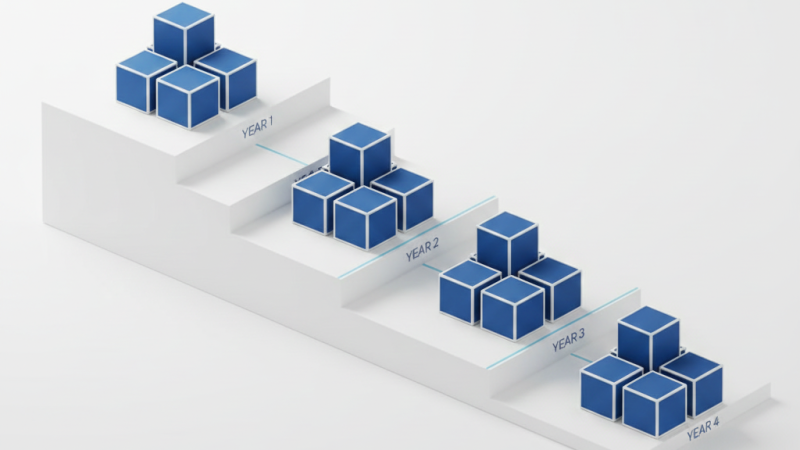
  • How Long Will I Pay or Receive Alimony in New Jersey if Our Marriage Lasted 12 Years, Versus 18 Years, Versus 22 Years?

    How Long Will I Pay or Receive Alimony in New Jersey if Our Marriage Lasted 12 Years, Versus 18 Years, Versus 22 Years?

    [fusion_builder_container type=”flex” hundred_percent=”no” hundred_percent_height=”no” hundred_percent_height_scroll=”no” align_content=”stretch” flex_align_items=”flex-start” flex_justify_content=”flex-start” flex_wrap=”wrap” hundred_percent_height_center_content=”yes” equal_height_columns=”no” container_tag=”div” hide_on_mobile=”small-visibility,medium-visibility,large-visibility” status=”published” margin_top=”80px” border_style=”solid” box_shadow=”no” box_shadow_blur=”0″ box_shadow_spread=”0″ gradient_start_position=”0″ gradient_end_position=”100″ gradient_type=”linear” radial_direction=”center center” linear_angle=”180″ background_position=”center center” background_repeat=”no-repeat” fade=”no” background_parallax=”none” enable_mobile=”no” parallax_speed=”0.3″ background_blend_mode=”none” background_slider_skip_lazy_loading=”no” background_slider_loop=”yes” background_slider_pause_on_hover=”no” background_slider_slideshow_speed=”5000″ background_slider_animation=”fade” background_slider_direction=”up” background_slider_animation_speed=”800″ video_aspect_ratio=”16:9″ video_loop=”yes” video_mute=”yes” pattern_bg=”none” pattern_bg_style=”default” pattern_bg_opacity=”100″ pattern_bg_blend_mode=”normal” mask_bg=”none” mask_bg_style=”default” mask_bg_opacity=”100″ mask_bg_transform=”left” mask_bg_blend_mode=”normal” absolute=”off” absolute_devices=”small,medium,large” sticky=”off” sticky_devices=”small-visibility,medium-visibility,large-visibility” sticky_transition_offset=”0″ scroll_offset=”0″ animation_direction=”left” animation_speed=”0.3″ animation_delay=”0″ filter_hue=”0″ filter_saturation=”100″ filter_brightness=”100″ filter_contrast=”100″ filter_invert=”0″ filter_sepia=”0″ filter_opacity=”100″ filter_blur=”0″ filter_hue_hover=”0″ filter_saturation_hover=”100″ filter_brightness_hover=”100″ filter_contrast_hover=”100″ filter_invert_hover=”0″ filter_sepia_hover=”0″ filter_opacity_hover=”100″ filter_blur_hover=”0″][fusion_builder_row][fusion_builder_column type=”1_1″ layout=”1_1″ align_self=”auto” content_layout=”column” align_content=”flex-start” valign_content=”flex-start” content_wrap=”wrap” center_content=”no” column_tag=”div” target=”_self” hide_on_mobile=”small-visibility,medium-visibility,large-visibility” sticky_display=”normal,sticky” order_medium=”0″ order_small=”0″ hover_type=”none” border_style=”solid” box_shadow=”no” box_shadow_blur=”0″ box_shadow_spread=”0″ background_type=”single” gradient_start_position=”0″ gradient_end_position=”100″ gradient_type=”linear” radial_direction=”center center” linear_angle=”180″ lazy_load=”none” background_position=”left top” background_repeat=”no-repeat” background_blend_mode=”none” background_slider_skip_lazy_loading=”no” background_slider_loop=”yes” background_slider_pause_on_hover=”no” background_slider_slideshow_speed=”5000″ background_slider_animation=”fade” background_slider_direction=”up” background_slider_animation_speed=”800″ sticky=”off” sticky_devices=”small-visibility,medium-visibility,large-visibility” absolute=”off” filter_type=”regular” filter_hover_element=”self” filter_hue=”0″ filter_saturation=”100″ filter_brightness=”100″ filter_contrast=”100″ filter_invert=”0″ filter_sepia=”0″ filter_opacity=”100″ filter_blur=”0″ filter_hue_hover=”0″ filter_saturation_hover=”100″ filter_brightness_hover=”100″ filter_contrast_hover=”100″ filter_invert_hover=”0″ filter_sepia_hover=”0″ filter_opacity_hover=”100″ filter_blur_hover=”0″ transform_type=”regular” transform_hover_element=”self” transform_scale_x=”1″ transform_scale_y=”1″ transform_translate_x=”0″ transform_translate_y=”0″ transform_rotate=”0″ transform_skew_x=”0″ transform_skew_y=”0″ transform_scale_x_hover=”1″ transform_scale_y_hover=”1″ transform_translate_x_hover=”0″ transform_translate_y_hover=”0″ transform_rotate_hover=”0″ transform_skew_x_hover=”0″ transform_skew_y_hover=”0″ transition_duration=”300″ transition_easing=”ease” scroll_motion_devices=”small-visibility,medium-visibility,large-visibility” animation_direction=”left” animation_speed=”0.3″ animation_delay=”0″ last=”true” border_position=”all” first=”true” min_height=”” link=””][fusion_text columns=”” column_min_width=”” column_spacing=”” rule_style=”” rule_size=”” rule_color=”” hue=”” saturation=”” lightness=”” alpha=”” user_select=”” awb-switch-editor-focus=”” content_alignment_medium=”” content_alignment_small=”left” content_alignment=”left” disable_idd=”no” hide_on_mobile=”small-visibility,medium-visibility,large-visibility” sticky_display=”normal,sticky” class=”” id=”” width_medium=”” width_small=”” width=”” min_width_medium=”” min_width_small=”” min_width=”” max_width_medium=”” max_width_small=”” max_width=”” margin_top_medium=”” margin_right_medium=”” margin_bottom_medium=”” margin_left_medium=”” margin_top_small=”” margin_right_small=”” margin_bottom_small=”” margin_left_small=”” margin_top=”” margin_right=”” margin_bottom=”” margin_left=”” fusion_font_family_text_font=”” fusion_font_variant_text_font=”” font_size=”16px” line_height=”” letter_spacing=”” text_transform=”” text_color=”var(–awb-color6)” render_logics=”” logics=”” animation_type=”” animation_direction=”left” animation_color=”” animation_speed=”0.3″ animation_delay=”0″ animation_offset=””]

    One of the most anxiety-producing questions in divorce is how long? If you’re going to pay alimony, how many years are we talking about? If you’re going to receive alimony, how long can you count on it?

    The answer in New Jersey depends heavily on how long you were married. But it’s not as simple as a formula or a calculator. The length of your marriage provides a framework, but your specific circumstances, ages, earning capacity, and priorities all factor into what duration actually makes sense.

    Here’s what often surprises people: two couples married the same length of time can end up with very different alimony durations based on their specific situations. And that’s especially true when you negotiate in mediation rather than leaving these decisions to someone else.

    As a divorce mediator with a finance background, I help couples understand how marriage length affects alimony duration and, more importantly, how to think about what duration makes sense for your specific financial picture. While I can’t give you legal advice, I can walk you through the framework and show you how mediation gives you flexibility to structure something that actually works for both of you.

    Please note: The financial examples in this post are for illustration purposes only and use simplified scenarios with round numbers to demonstrate concepts. Every divorce situation is unique, with different income levels, expenses, family circumstances, and financial complexities. These examples are not predictions of what you should expect in your specific case. I’m not a lawyer and cannot provide legal advice or tell you what alimony amount you’ll receive or pay.

    The Basic Framework: Under 20 Years Versus 20+ Years

    Alimony in New Jersey guidance by Equitable Mediation explaining the difference between under 20-year marriages and 20+ year marriages for spousal support duration. Call (877) 732-6682 to learn how long alimony may last in your situation.

    In New Jersey, the 2014 alimony reform created a clear dividing line at 20 years of marriage. This is the most important threshold to understand because it fundamentally changes how duration works.

    For marriages under 20 years, limited-duration alimony typically cannot exceed the length of the marriage unless there are exceptional circumstances. So if you were married 12 years, you’re generally looking at a maximum of 12 years of alimony. If married for 18 years, the maximum is typically 18 years.

    For marriages of 20 years or longer, the durational cap disappears. Open durational alimony becomes an option—alimony without a predetermined end date. That doesn’t mean it’s guaranteed or that it literally lasts forever, but there’s no automatic time limit like there is for shorter marriages.

    If Your Marriage Lasted 12 Years

    A 12-year marriage falls squarely in the middle range, where limited duration alimony is the norm. The starting point is that alimony typically wouldn’t exceed 12 years. But whether alimony should last the full 12 years or something shorter depends on many other factors.

    If you’re relatively young—say you married at 26 and divorced at 38—and both have strong earning potential, maybe alimony for 5 or 6 years makes more sense. That gives the lower-earning spouse time to rebuild their career without tying you together financially indefinitely.

    Let’s work through a concrete example. One spouse earns $120,000 annually ($8,000 monthly after tax), and the other earns $35,000 annually ($2,500 monthly after tax) after being out of the workforce for most of the marriage. With alimony at $2,500 per month for 6 years, the recipient has a total of $5,000 per month and time to complete retraining and build income. By year 7, they’re targeting earnings of $60,000 to $70,000. Alternatively, alimony of $2,000 per month for the full 12 years provides more extended support at a lower amount, giving more time for gradual career rebuilding.

    From a financial planning perspective, I help couples understand these trade-offs. Can the recipient realistically become self-supporting in 6 years with intensive retraining, or do they need the full 12 years for a slower rebuild? What does the payor’s cash flow look like under each scenario? Can they buy a home sooner if alimony ends at year 6 rather than year 12?

    These conversations in mediation allow you to determine the actual duration that makes sense, rather than defaulting to the maximum simply because it’s the guideline.

    If Your Marriage Lasted 18 Years

    Alimony in New Jersey for an 18-year marriage explained by Equitable Mediation, including step-down structures, retirement planning, and fair support strategies. Call (877) 732-6682 to schedule expert mediation guidance.

    An 18-year marriage is interesting because you’re approaching that 20-year threshold but haven’t quite reached it. The durational cap still applies—alimony typically cannot exceed 18 years.

    But 18 years is a long marriage. You likely have teenage or young adult children. You’re probably in your mid-40s or older. Retirement planning is becoming concrete, not theoretical.

    The conversation about alimony duration often intersects with retirement planning. If the payor is 47 and planning to retire at 67, that’s 20 years away. Does it make sense for alimony to last 18 years, essentially continuing until near retirement? Or should alimony be structured to end sooner, perhaps with higher amounts for a shorter period?

    Here’s a real scenario: Both spouses are 48 after an 18-year marriage. One earns $180,000 annually, the other $45,000 after being out of the workforce for 15 years. Option one: $3,000 monthly for 10 years, with the recipient receiving an extra $150,000 in retirement assets to build long-term security. Option two: $2,500 monthly for the full 18 years, continuing until both are 66. Option three: $3,500 monthly for 12 years with step-downs in the final three years ($2,500, then $1,500) as the recipient’s earnings increase and Social Security approaches.

    I’ve worked with couples who negotiated 10 years with larger asset transfers. I’ve worked with others who agreed to the full 18 years with step-downs. And I’ve worked with some who chose 12 years because both parties wanted a cleaner break sooner. The 18-year marriage length gives you options.

    One important consideration: if one spouse has been out of the workforce for most of those 18 years, getting back to meaningful employment becomes more challenging. Age discrimination is real. Skills gaps are significant. The financial modeling needs to be realistic about earning capacity and the time required to rebuild a career.

    If Your Marriage Lasted 22 Years

    Once you cross that 20-year threshold, everything changes. At 22 years, the durational cap disappears. Open durational alimony becomes an option.

    But here’s what couples often misunderstand: just because open durational alimony is an option doesn’t mean it’s required or that it’s the right choice for your situation.

    Perhaps you’ve been married 22 years, but now that you’re both 50 with strong careers, you’re eager to move forward independently. In mediation, you could negotiate limited-duration alimony of 8 or 10 years, even though open durational alimony is possible. You get to choose.

    Or maybe you’ve been married 22 years, one spouse hasn’t worked in 20 years, and there’s a significant age and health disparity. Open durational alimony might make sense, but even then, you can structure it thoughtfully. Perhaps it continues until the payor reaches retirement age, with clear terms about what happens then. Maybe it includes step-downs over time as the recipient’s Social Security benefits begin.

    Here’s a typical scenario: After a 22-year marriage, one spouse earns $200,000 annually and plans to retire at 65 (13 years away). The other spouse earns $30,000 and is 52 years old. Option one: Open durational alimony at $3,500 monthly, continuing until retirement at 65, then dropping to $1,500 monthly. Option two: Limited duration alimony at $4,500 monthly for 10 years, with the recipient receiving an extra $250,000 in retirement assets. Option three: $4,000 monthly for 13 years (until retirement), ending completely at that point, with the recipient receiving a larger share of pension benefits.

    The key with marriages of 20 years or more is that retirement planning becomes central to the conversation about duration. You’re no longer talking about alimony ending while both of you are in prime working years. You’re potentially talking about alimony continuing into retirement years, which has significant implications for both of your financial security.

    I help couples model their retirement scenarios. What do both of your financial pictures look like at age 65 or 67? How does alimony affect retirement savings for both of you? What happens to each person’s lifestyle in retirement under different alimony structures?

    The Factors Beyond Marriage Length

    Alimony in New Jersey insights by Equitable Mediation highlighting factors beyond marriage length like age, earning potential, and children’s needs. Call (877) 732-6682 for guidance on fair and balanced spousal support agreements.

    While marriage length provides the framework, other factors significantly influence what makes sense:

    Your ages matter enormously. A 12-year marriage when you’re both 35 looks very different from one when you’re both 55. The younger you are, the more time you have to rebuild careers and financial independence.

    Earning capacity matters. If the lower-earning spouse has a high earning potential that needs reactivation, a shorter duration with career support might work better than a longer duration with lower amounts.

    Your children’s ages matter. If you have young children and one parent has been the primary caretaker, alimony duration might align with when the youngest child reaches a certain age, allowing the caretaker parent to work more hours.

    Your priorities matter. Some couples value long-term security and are comfortable with a longer duration at lower amounts. Others prefer higher amounts for shorter durations to create a cleaner break sooner.

    Creating Clarity Through Strategic Financial Planning

    Understanding how the length of marriage affects alimony duration helps you approach negotiations with realistic expectations. A 12-year marriage, an 18-year marriage, and a 22-year marriage each come with different frameworks and different considerations.

    But the framework is just a starting point. Your specific situation—your ages, earning capacity, children, and retirement timeline—determines what duration actually makes sense. And the difference between 6 and 12 years of alimony at $2,500 per month is $180,000. Between 10 and 18 years, at $3,000 monthly, is $288,000. These are real dollars with real consequences for both of your futures.

    If you went to court, a judge would apply guidelines in a brief hearing with limited information. You might end up with 12 years when eight would have worked better for both of you, or 10 years when you really needed 15. You’d have no control over the outcome.

    In mediation, you can have nuanced conversations about what duration actually makes sense. You can model different scenarios and see the long-term implications—not just the monthly payment, but how it affects retirement savings, home buying, and financial security 10 or 15 years from now.

    This is where sophisticated financial analysis makes the most significant difference. With an MBA in Finance and experience working through these specific questions with hundreds of couples, I help you project the real impact of different duration choices. We don’t just pick several years—we model what happens to both of your financial lives under different scenarios, integrating alimony duration with retirement planning, asset division, and long-term cash flow.

    That future-focused approach means you’re making decisions with your eyes open. You understand what happens in year 5 when the recipient’s income has grown, in year 10 when the kids finish college, and in year 15 when retirement approaches. You’re not surprised when circumstances change because you’ve already planned for how your agreement adapts.

    Suppose you’re facing these questions about alimony duration in New Jersey. In that case, mediation with the right financial expertise helps you move from anxiety about an unknown timeline to clarity about a duration that works for both of you. You deserve an approach that shows you the real long-term impact of different choices and helps you make decisions with confidence.

    [/fusion_text][/fusion_builder_column][fusion_builder_column type=”1_1″ layout=”1_1″ align_self=”auto” content_layout=”column” align_content=”flex-start” valign_content=”flex-start” content_wrap=”wrap” center_content=”no” column_tag=”div” target=”_self” hide_on_mobile=”medium-visibility,large-visibility” sticky_display=”normal,sticky” order_medium=”0″ order_small=”0″ margin_top=”60px” margin_bottom=”60px” hover_type=”none” border_style=”solid” box_shadow=”no” box_shadow_blur=”0″ box_shadow_spread=”0″ background_type=”single” gradient_start_position=”0″ gradient_end_position=”100″ gradient_type=”linear” radial_direction=”center center” linear_angle=”180″ lazy_load=”none” background_position=”left top” background_repeat=”no-repeat” background_blend_mode=”none” background_slider_skip_lazy_loading=”no” background_slider_loop=”yes” background_slider_pause_on_hover=”no” background_slider_slideshow_speed=”5000″ background_slider_animation=”fade” background_slider_direction=”up” background_slider_animation_speed=”800″ sticky=”off” sticky_devices=”small-visibility,medium-visibility,large-visibility” absolute=”off” filter_type=”regular” filter_hover_element=”self” filter_hue_hover=”0″ filter_saturation_hover=”100″ filter_brightness_hover=”100″ filter_contrast_hover=”100″ filter_invert_hover=”0″ filter_sepia_hover=”0″ filter_opacity_hover=”100″ filter_blur_hover=”0″ filter_hue=”0″ filter_saturation=”100″ filter_brightness=”100″ filter_contrast=”100″ filter_invert=”0″ filter_sepia=”0″ filter_opacity=”100″ filter_blur=”0″ transform_type=”regular” transform_hover_element=”self” transform_scale_x_hover=”1″ transform_scale_y_hover=”1″ transform_translate_x_hover=”0″ transform_translate_y_hover=”0″ transform_rotate_hover=”0″ transform_skew_x_hover=”0″ transform_skew_y_hover=”0″ transform_scale_x=”1″ transform_scale_y=”1″ transform_translate_x=”0″ transform_translate_y=”0″ transform_rotate=”0″ transform_skew_x=”0″ transform_skew_y=”0″ transition_duration=”300″ transition_easing=”ease” motion_effects=”W10=” scroll_motion_devices=”small-visibility,medium-visibility,large-visibility” animation_direction=”left” animation_speed=”0.3″ animation_delay=”0″ last=”true” border_position=”all” first=”true” min_height=”” link=””][fusion_builder_row_inner][fusion_builder_column_inner type=”1_1″ layout=”1_1″ align_self=”auto” content_layout=”column” align_content=”flex-start” valign_content=”flex-start” content_wrap=”wrap” center_content=”no” column_tag=”div” target=”_self” hide_on_mobile=”small-visibility,medium-visibility,large-visibility” sticky_display=”normal,sticky” order_medium=”0″ order_small=”0″ padding_top=”50px” padding_right=”20px” padding_bottom=”50px” padding_left=”20px” hover_type=”none” border_style=”solid” border_radius_top_left=”30px” border_radius_top_right=”30px” border_radius_bottom_right=”30px” border_radius_bottom_left=”30px” box_shadow=”no” box_shadow_blur=”0″ box_shadow_spread=”0″ background_type=”single” background_color=”#f4f3ef” gradient_start_position=”0″ gradient_end_position=”100″ gradient_type=”linear” radial_direction=”center center” linear_angle=”180″ lazy_load=”none” background_position=”left top” background_repeat=”no-repeat” background_blend_mode=”none” background_slider_skip_lazy_loading=”no” background_slider_loop=”yes” background_slider_pause_on_hover=”no” background_slider_slideshow_speed=”5000″ background_slider_animation=”fade” background_slider_direction=”up” background_slider_animation_speed=”800″ sticky=”off” sticky_devices=”small-visibility,medium-visibility,large-visibility” absolute=”off” filter_type=”regular” filter_hover_element=”self” filter_hue_hover=”0″ filter_saturation_hover=”100″ filter_brightness_hover=”100″ filter_contrast_hover=”100″ filter_invert_hover=”0″ filter_sepia_hover=”0″ filter_opacity_hover=”100″ filter_blur_hover=”0″ filter_hue=”0″ filter_saturation=”100″ filter_brightness=”100″ filter_contrast=”100″ filter_invert=”0″ filter_sepia=”0″ filter_opacity=”100″ filter_blur=”0″ transform_type=”regular” transform_hover_element=”self” transform_scale_x_hover=”1″ transform_scale_y_hover=”1″ transform_translate_x_hover=”0″ transform_translate_y_hover=”0″ transform_rotate_hover=”0″ transform_skew_x_hover=”0″ transform_skew_y_hover=”0″ transform_scale_x=”1″ transform_scale_y=”1″ transform_translate_x=”0″ transform_translate_y=”0″ transform_rotate=”0″ transform_skew_x=”0″ transform_skew_y=”0″ transition_duration=”300″ transition_easing=”ease” motion_effects=”W10=” scroll_motion_devices=”small-visibility,medium-visibility,large-visibility” animation_direction=”left” animation_speed=”0.3″ animation_delay=”0″ last=”true” border_position=”all” first=”true” min_height=”” link=””][fusion_code]ICA8c3R5bGU+CiAgIAoKICAgIC5zbGlkZXItY29udGFpbmVyIHsKICAgICAgLyptYXgtd2lkdGg6IDcwMHB4OyAqLwogICAgbWFyZ2luOiAwIGF1dG87CiAgICBwb3NpdGlvbjogcmVsYXRpdmU7CiAgICAvKiBiYWNrZ3JvdW5kOiB3aGl0ZTsgKi8KICAgIGJvcmRlci1yYWRpdXM6IDE2cHg7CiAgICAvKiBib3gtc2hhZG93OiAwIDAgMTBweCByZ2JhKDAsIDAsIDAsIDAuMSk7ICovCiAgICBwYWRkaW5nOiAyMHB4IDUwcHg7CiAgICB0ZXh0LWFsaWduOiBsZWZ0OwogICAgb3ZlcmZsb3c6IGhpZGRlbjsKICAgIC8qIGhlaWdodDogNTAwcHg7Ki8KICAgIH0KCiAgICAuc2xpZGUgewogICAgICBwb3NpdGlvbjogYWJzb2x1dGU7CiAgICAgIHRvcDogMDsKICAgICAgbGVmdDogMDsKICAgICAgd2lkdGg6IDEwMCU7CiAgICAgIG9wYWNpdHk6IDA7CiAgICAgIHRyYW5zZm9ybTogdHJhbnNsYXRlWCgxMDAlKTsKICAgICAgdHJhbnNpdGlvbjogYWxsIDAuNXMgZWFzZTsKICAgICAgdmlzaWJpbGl0eTogaGlkZGVuOwogICAgfQoKICAgIC5zbGlkZS5hY3RpdmUgewogICAgICBvcGFjaXR5OiAxOwogICAgICB0cmFuc2Zvcm06IHRyYW5zbGF0ZVgoMCk7CiAgICAgIHZpc2liaWxpdHk6IHZpc2libGU7CiAgICAgIHBvc2l0aW9uOiByZWxhdGl2ZTsKICAgIH0KCiAgICAudGl0bGUgewogICAgY29sb3I6ICMyNDdkYjQ7CiAgICBmb250LXNpemU6IDI2cHg7CiAgICBmb250LXdlaWdodDogNjAwOwogICAgbWFyZ2luLWJvdHRvbTogMThweDsKICAgIHRleHQtYWxpZ246IGNlbnRlcjsKICAgIGxpbmUtaGVpZ2h0OiAxLjJlbTsKfQoKICAgIC5jb250ZW50IHsKICAgICAgZm9udC1zaXplOiAxNnB4OwogICAgICBjb2xvcjogIzMzMzsKICAgICAgbGluZS1oZWlnaHQ6IDEuNjsKICAgIH0KCQoJc3Bhbi5zZXAgewogICAgcGFkZGluZy1sZWZ0OiAyNXB4OwogICAgcGFkZGluZy1yaWdodDogMjVweDsKICAgIGNvbG9yOiAjM2EyZjJhOwogICAgZm9udC1zaXplOiAxOHB4OwogICAgZm9udC13ZWlnaHQ6IG5vcm1hbDsKfQoKICAgIC5hdXRob3IgewogICAgICBkaXNwbGF5OiBmbGV4OwogICAgYWxpZ24taXRlbXM6IGNlbnRlcjsKICAgIG1hcmdpbi10b3A6IDMwcHg7CiAgICBqdXN0aWZ5LWNvbnRlbnQ6IGNlbnRlcjsKICAgIH0KCiAgICAuYXV0aG9yIGltZyB7CiAgICAgIGJvcmRlci1yYWRpdXM6IDUwJTsKICAgICAgd2lkdGg6IDcwcHg7CiAgICAgIGhlaWdodDogNzBweDsKICAgICAgbWFyZ2luLXJpZ2h0OiAxNXB4OwogICAgfQoJCgkuYXV0aG9yLWRldGFpbHMgcCB7CiAgICBtYXJnaW4tYm90dG9tOiAwcHg7Cn0KCiAgICAuYXV0aG9yLWRldGFpbHMgewogICAgICBmb250LXNpemU6IDE1cHg7CiAgICB9CgogICAgLmF1dGhvci1kZXRhaWxzIHN0cm9uZyB7CiAgICAgIGNvbG9yOiAjMjQ3MWViOwogICAgfQoKICAgIC5uYXYgewogICAgICBwb3NpdGlvbjogYWJzb2x1dGU7CiAgICAgIHRvcDogNTAlOwogICAgICB0cmFuc2Zvcm06IHRyYW5zbGF0ZVkoLTUwJSk7CiAgICAgIGZvbnQtc2l6ZTogMzBweDsKICAgICAgY29sb3I6ICNhYWE7CiAgICAgIGN1cnNvcjogcG9pbnRlcjsKICAgICAgei1pbmRleDogMTsKICAgIH0KCiAgICAubmF2LmxlZnQgewogICAgICBsZWZ0OiAyMHB4OwogICAgfQoKICAgIC5uYXYucmlnaHQgewogICAgICByaWdodDogMjBweDsKICAgIH0KCiAgICAubmF2OmhvdmVyIHsKICAgICAgY29sb3I6ICMyNDcxZWI7CiAgICB9CgkKCS5hdXRob3ItZGV0YWlscyAuaGVhZC1kZXN7Cgljb2xvcjogIzI0N2RiNDsgCglmb250LXNpemU6IDMwcHg7IAoJZm9udC13ZWlnaHQ6IDUwMDsKCWZvbnQtZmFtaWx5OiJETSBTZXJpZiBEaXNwbGF5IiwgQXJpYWwsIEhlbHZldGljYSwgc2Fucy1zZXJpZjsKCX0KCQoJLmF1dGhvci1kZXRhaWxzIC5zdWItZGVzewoJbGV0dGVyLXNwYWNpbmc6IDNweDsgCgl0ZXh0LXRyYW5zZm9ybTogdXBwZXJjYXNlOyAKCWZvbnQtc2l6ZTogMTZweDsgCgljb2xvcjogIzNhMmYyYTsKCX0KICA8L3N0eWxlPgoKPGRpdiBjbGFzcz0ic2xpZGVyLWNvbnRhaW5lciI+CiAgPCEtLSBTbGlkZSAxIC0tPgogIDxkaXYgY2xhc3M9InNsaWRlIGFjdGl2ZSI+CiAgICA8ZGl2IGNsYXNzPSJjb250ZW50Ij4KICAgICAgPHA+4oCcWW91IG1heSBoYXZlIHJlc2VhcmNoZWQgaG93IGFsaW1vbnkgd29ya3MgaW4geW91ciBzdGF0ZS4gQnV0IGluIG15IGV4cGVyaWVuY2UsIHJlZ2FyZGxlc3Mgb2Ygd2hldGhlciBhIHN0YXRlIG9mZmVycyBndWlkYW5jZSBvbiBob3cgdG8gcmVzb2x2ZSBhbGltb255LCBvZnRlbiwgY291cGxlcyBuZWdvdGlhdGUgdGhlaXIgb3duIGFncmVlbWVudCB0YWlsb3JlZCB0byB0aGVpciB1bmlxdWUgc2l0dWF0aW9uIGFuZCBjaXJjdW1zdGFuY2VzLjwvcD4KICAgICAgPHA+U28geW91IGhhdmUgYSBsb3Qgb2YgZmxleGliaWxpdHkgYW5kIGNhbiBtYWludGFpbiBhIGxvdCBvZiBjb250cm9sIGlmIHlvdSBuZWdvdGlhdGUgdGhlIHRlcm1zIG9mIGFsaW1vbnkgb3V0IG9mIGNvdXJ0IHdpdGggdGhlIGhlbHAgb2YgYSBza2lsbGVkIHByb2Zlc3Npb25hbCB1c2luZyBhbiBhbHRlcm5hdGl2ZSBkaXNwdXRlIHJlc29sdXRpb24gcHJvY2VzcyBsaWtlIDxhIGhyZWY9Ii9yZXNvdXJjZXMvY29sbGFib3JhdGl2ZS1kaXZvcmNlLXZzLW1lZGlhdGlvbiIgcmVsPSJub29wZW5lciI+ZGl2b3JjZSBtZWRpYXRpb24gb3IgYSBjb2xsYWJvcmF0aXZlIGRpdm9yY2UgPC9hPi48L3A+CiAgICAgIDxwPllvdSBhbmQgeW91ciBzb29uLXRvLWJlIGV4LXNwb3VzZSB3aWxsIG1vcmUgbGlrZWx5IGNvbWUgdG8gYW4gYWxpbW9ueSBhcnJhbmdlbWVudCB0aGF0J3MgYWNjZXB0YWJsZSB0byBib3RoIG9mIHlvdS4iPHA+CiAgICA8L2Rpdj4KICAgIDxkaXYgY2xhc3M9ImF1dGhvciI+CiAgICAgIDxpbWcgc3JjPSIvd3AtY29udGVudC91cGxvYWRzLzIwMjUvMDYvZXF1aXRhYmxlLW1lZGlhdGlvbi10ZWFtLWpvZS1kaWxsb24ud2VicCIgYWx0PSJKb2UgRGlsbG9uIGhlYWRzaG90IiAvPgogICAgICA8ZGl2IGNsYXNzPSJhdXRob3ItZGV0YWlscyI+CiAgICAgICAgPHA+IDxzcGFuIGNsYXNzPSJoZWFkLWRlcyI+IEpvZSBEaWxsb248L3NwYW4+IDxzcGFuIGNsYXNzPSJzZXAiPnw8L3NwYW4+IDxzcGFuIGNsYXNzPSJzdWItZGVzIj5EaXZvcmNlIE1lZGlhdG9yICYgRm91bmRlcjwvc3Bhbj48L3A+CiAgICAgIDwvZGl2PgogICAgPC9kaXY+CiAgPC9kaXY+CiAgPCEtLSBBcnJvd3MgLS0+CiAgPCEtLSA8ZGl2IGNsYXNzPSJuYXYgbGVmdCIgb25jbGljaz0icHJldlNsaWRlKCkiPiYjMTAwOTQ7PC9kaXY+CiAgPGRpdiBjbGFzcz0ibmF2IHJpZ2h0IiBvbmNsaWNrPSJuZXh0U2xpZGUoKSI+JiMxMDA5NTs8L2Rpdj4gLS0+CjwvZGl2PgoKPHNjcmlwdD4KICBsZXQgY3VycmVudFNsaWRlID0gMDsKICBjb25zdCBzbGlkZXMgPSBkb2N1bWVudC5xdWVyeVNlbGVjdG9yQWxsKCcuc2xpZGUnKTsKCiAgZnVuY3Rpb24gc2hvd1NsaWRlKGluZGV4KSB7CiAgICBzbGlkZXMuZm9yRWFjaCgocywgaSkgPT4gewogICAgICBzLmNsYXNzTGlzdC5yZW1vdmUoJ2FjdGl2ZScpOwogICAgfSk7CiAgICBzbGlkZXNbaW5kZXhdLmNsYXNzTGlzdC5hZGQoJ2FjdGl2ZScpOwogIH0KCiAgZnVuY3Rpb24gbmV4dFNsaWRlKCkgewogICAgY3VycmVudFNsaWRlID0gKGN1cnJlbnRTbGlkZSArIDEpICUgc2xpZGVzLmxlbmd0aDsKICAgIHNob3dTbGlkZShjdXJyZW50U2xpZGUpOwogIH0KCiAgZnVuY3Rpb24gcHJldlNsaWRlKCkgewogICAgY3VycmVudFNsaWRlID0gKGN1cnJlbnRTbGlkZSAtIDEgKyBzbGlkZXMubGVuZ3RoKSAlIHNsaWRlcy5sZW5ndGg7CiAgICBzaG93U2xpZGUoY3VycmVudFNsaWRlKTsKICB9Cjwvc2NyaXB0Pg==[/fusion_code][/fusion_builder_column_inner][/fusion_builder_row_inner][/fusion_builder_column][/fusion_builder_row][/fusion_builder_container][fusion_builder_container type=”flex” hundred_percent=”no” hundred_percent_height=”no” hundred_percent_height_scroll=”no” align_content=”stretch” flex_align_items=”flex-start” flex_justify_content=”flex-start” flex_wrap=”wrap” hundred_percent_height_center_content=”yes” equal_height_columns=”no” container_tag=”div” hide_on_mobile=”small-visibility,medium-visibility,large-visibility” status=”published” padding_bottom_medium=”50px” padding_bottom_small=”30px” padding_top=”100px” padding_bottom=”100px” border_style=”solid” box_shadow=”no” box_shadow_blur=”0″ box_shadow_spread=”0″ gradient_start_position=”0″ gradient_end_position=”100″ gradient_type=”linear” radial_direction=”center center” linear_angle=”180″ background_position=”center center” background_repeat=”no-repeat” fade=”no” background_parallax=”none” enable_mobile=”no” parallax_speed=”0.3″ background_blend_mode=”none” background_slider_skip_lazy_loading=”no” background_slider_loop=”yes” background_slider_pause_on_hover=”no” background_slider_slideshow_speed=”5000″ background_slider_animation=”fade” background_slider_direction=”up” background_slider_animation_speed=”800″ video_aspect_ratio=”16:9″ video_loop=”yes” video_mute=”yes” pattern_bg=”none” pattern_bg_style=”default” pattern_bg_opacity=”100″ pattern_bg_blend_mode=”normal” mask_bg=”none” mask_bg_style=”default” mask_bg_opacity=”100″ mask_bg_transform=”left” mask_bg_blend_mode=”normal” absolute=”off” absolute_devices=”small,medium,large” sticky=”off” sticky_devices=”small-visibility,medium-visibility,large-visibility” sticky_transition_offset=”0″ scroll_offset=”0″ animation_direction=”left” animation_speed=”0.3″ animation_delay=”0″ filter_hue=”0″ filter_saturation=”100″ filter_brightness=”100″ filter_contrast=”100″ filter_invert=”0″ filter_sepia=”0″ filter_opacity=”100″ filter_blur=”0″ filter_hue_hover=”0″ filter_saturation_hover=”100″ filter_brightness_hover=”100″ filter_contrast_hover=”100″ filter_invert_hover=”0″ filter_sepia_hover=”0″ filter_opacity_hover=”100″ filter_blur_hover=”0″ admin_label=”FAQ” admin_toggled=”no”][fusion_builder_row][fusion_builder_column type=”1_1″ layout=”1_1″ align_self=”auto” content_layout=”column” align_content=”flex-start” valign_content=”flex-start” content_wrap=”wrap” center_content=”no” column_tag=”div” target=”_self” hide_on_mobile=”small-visibility,medium-visibility,large-visibility” sticky_display=”normal,sticky” order_medium=”0″ order_small=”0″ hover_type=”none” border_style=”solid” box_shadow=”no” box_shadow_blur=”0″ box_shadow_spread=”0″ background_type=”single” gradient_start_position=”0″ gradient_end_position=”100″ gradient_type=”linear” radial_direction=”center center” linear_angle=”180″ lazy_load=”none” background_position=”left top” background_repeat=”no-repeat” background_blend_mode=”none” background_slider_skip_lazy_loading=”no” background_slider_loop=”yes” background_slider_pause_on_hover=”no” background_slider_slideshow_speed=”5000″ background_slider_animation=”fade” background_slider_direction=”up” background_slider_animation_speed=”800″ sticky=”off” sticky_devices=”small-visibility,medium-visibility,large-visibility” absolute=”off” filter_type=”regular” filter_hover_element=”self” filter_hue_hover=”0″ filter_saturation_hover=”100″ filter_brightness_hover=”100″ filter_contrast_hover=”100″ filter_invert_hover=”0″ filter_sepia_hover=”0″ filter_opacity_hover=”100″ filter_blur_hover=”0″ filter_hue=”0″ filter_saturation=”100″ filter_brightness=”100″ filter_contrast=”100″ filter_invert=”0″ filter_sepia=”0″ filter_opacity=”100″ filter_blur=”0″ transform_type=”regular” transform_hover_element=”self” transform_scale_x_hover=”1″ transform_scale_y_hover=”1″ transform_translate_x_hover=”0″ transform_translate_y_hover=”0″ transform_rotate_hover=”0″ transform_skew_x_hover=”0″ transform_skew_y_hover=”0″ transform_scale_x=”1″ transform_scale_y=”1″ transform_translate_x=”0″ transform_translate_y=”0″ transform_rotate=”0″ transform_skew_x=”0″ transform_skew_y=”0″ transition_duration=”300″ transition_easing=”ease” motion_effects=”W10=” scroll_motion_devices=”small-visibility,medium-visibility,large-visibility” animation_direction=”left” animation_speed=”0.3″ animation_delay=”0″ last=”true” border_position=”all” first=”true” min_height=”” link=””][fusion_title title_type=”text” scroll_reveal_effect=”color_change” scroll_reveal_basis=”chars” scroll_reveal_behavior=”always” scroll_reveal_duration=”500″ scroll_reveal_stagger=”200″ scroll_reveal_delay=”0″ scroll_reveal_above_fold=”yes” marquee_direction=”left” marquee_mask_edges=”no” marquee_speed=”15000″ rotation_effect=”bounceIn” display_time=”1200″ highlight_effect=”circle” loop_animation=”once” highlight_animation_duration=”1500″ highlight_width=”9″ highlight_smudge_effect=”no” highlight_top_margin=”0″ before_text=”” rotation_text=”” highlight_text=”” after_text=”” awb-switch-editor-focus=”” title_link=”off” link_url=”” link_target=”_self” hide_on_mobile=”small-visibility,medium-visibility,large-visibility” sticky_display=”normal,sticky” class=”” id=”” content_align_medium=”” content_align_small=”left” content_align=”left” size=”2″ animated_font_size=”” fusion_font_family_title_font=”” fusion_font_variant_title_font=”” font_size=”38px” line_height=”” letter_spacing=”” text_transform=”” text_color=”var(–awb-color4)” hue=”” saturation=”” lightness=”” alpha=”” animated_text_color=”” highlight_color=”” text_shadow=”no” text_shadow_vertical=”” text_shadow_horizontal=”” text_shadow_blur=”0″ text_shadow_color=”” text_stroke=”no” text_stroke_size=”1″ text_stroke_color=”” text_overflow=”none” margin_top_medium=”” margin_right_medium=”” margin_bottom_medium=”” margin_left_medium=”” margin_top_small=”” margin_right_small=”” margin_bottom_small=”” margin_left_small=”” margin_top=”0px” margin_right=”” margin_bottom=”60px” margin_left=”” margin_top_mobile=”” margin_bottom_mobile=”” gradient_font=”no” gradient_start_color=”” gradient_end_color=”” gradient_start_position=”0″ gradient_end_position=”100″ gradient_type=”linear” radial_direction=”center center” linear_angle=”180″ style_type=”default” sep_color=”” link_color=”” link_hover_color=”” render_logics=”” animation_type=”fade” animation_direction=”static” animation_color=”” animation_speed=”1.0″ animation_delay=”0.5″ animation_offset=”” logics=””]

    FAQs About Alimony in New Jersey

    [/fusion_title][fusion_accordion type=”toggles” inactive_icon=”” active_icon=”” margin_top=”” margin_bottom=”” hide_on_mobile=”small-visibility,medium-visibility,large-visibility” class=”” id=”” boxed_mode=”yes” border_size=”2″ border_color=”#d8e8f2″ hue=”” saturation=”” lightness=”” alpha=”” hover_color=”#f4f3ef” background_color=”” divider_line=”” divider_hover_color=”” divider_color=”” padding_top=”10px” padding_right=”5px” padding_bottom=”10px” padding_left=”5px” title_tag=”h4″ fusion_font_family_title_font=”Poppins” fusion_font_variant_title_font=”600″ title_font_size=”18px” title_line_height=”” title_letter_spacing=”” title_text_transform=”” title_color=”var(–awb-color6)” icon_size=”25px” icon_color=”#d8e8f2″ icon_boxed_mode=”no” icon_box_color=”#d8e8f2″ icon_alignment=”right” fusion_font_family_content_font=”” fusion_font_variant_content_font=”” content_font_size=”16px” content_line_height=”” content_letter_spacing=”” content_text_transform=”” content_color=”var(–awb-color6)” toggle_hover_accent_color=”var(–awb-color6)” toggle_active_accent_color=”var(–awb-color6)” render_logics=”” parent_dynamic_content=””][fusion_toggle title=”1. What is alimony in New Jersey and how does it work?” open=”no” awb-switch-editor-focus=”” class=”” id=”” fusion_font_family_title_font=”” fusion_font_variant_title_font=”” title_font_size=”” title_line_height=”” title_letter_spacing=”” title_text_transform=”” title_color=”var(–awb-color8)” hue=”” saturation=”” lightness=”” alpha=”” fusion_font_family_content_font=”” fusion_font_variant_content_font=”” content_font_size=”” content_line_height=”” content_letter_spacing=”” content_text_transform=”” content_color=”var(–awb-color8)”]

    Alimony, also called spousal support, is a financial payment one spouse provides to the other during or after divorce. The purpose is to help both spouses maintain a lifestyle reasonably comparable to what they had during marriage.

    In New Jersey, alimony works through two phases: temporary support during divorce proceedings (pendente lite) and post-judgment alimony in the final agreement. Different types of alimony can be awarded based on your circumstances. Unlike child support which follows a formula, alimony gets determined by analyzing multiple factors including need, ability to pay, marriage duration, earning capacities, and standard of living.

    Alimony is not automatic—it’s only awarded when one spouse demonstrates financial need and the other has ability to pay.

    [/fusion_toggle][fusion_toggle title=”2. How long does alimony last in New Jersey?” open=”no” awb-switch-editor-focus=”” class=”” id=”” fusion_font_family_title_font=”” fusion_font_variant_title_font=”” title_font_size=”” title_line_height=”” title_letter_spacing=”” title_text_transform=”” title_color=”var(–awb-color8)” hue=”” saturation=”” lightness=”” alpha=”” fusion_font_family_content_font=”” fusion_font_variant_content_font=”” content_font_size=”” content_line_height=”” content_letter_spacing=”” content_text_transform=”” content_color=”var(–awb-color8)”]

    Duration changed significantly with the 2014 reform. For marriages under 20 years, alimony typically cannot exceed the marriage length unless exceptional circumstances exist (chronic illness, special needs children). A 12-year marriage generally means maximum 12 years of alimony.

    For marriages of 20+ years, open durational alimony becomes possible—support without a predetermined end date. However, it’s not guaranteed for life and can be modified or terminated based on changed circumstances.

    Alimony automatically ends when the recipient remarries, enters a civil union, or dies. When the payor reaches full retirement age (typically 67), there’s a presumption that alimony should terminate.

    [/fusion_toggle][fusion_toggle title=”3. What factors get considered when determining alimony in New Jersey?” open=”no” awb-switch-editor-focus=”” class=”” id=”” fusion_font_family_title_font=”” fusion_font_variant_title_font=”” title_font_size=”” title_line_height=”” title_letter_spacing=”” title_text_transform=”” title_color=”var(–awb-color8)” hue=”” saturation=”” lightness=”” alpha=”” fusion_font_family_content_font=”” fusion_font_variant_content_font=”” content_font_size=”” content_line_height=”” content_letter_spacing=”” content_text_transform=”” content_color=”var(–awb-color8)”]

    In New Jersey, 13 factors get evaluated: actual need and ability to pay, marriage duration, age and health of both spouses, standard of living during marriage, earning capacities and employability, time needed for education or training, each party’s income and property, contributions to the marriage (including homemaking and childcare), parental responsibilities, tax consequences, career sacrifices made during marriage, and whether property division already addresses economic circumstances.

    For example, if one spouse earns $150,000 while the other stayed home for 15 years raising children, multiple factors favor alimony: significant income disparity, lengthy absence from workforce requiring retraining time, career sacrifice for family benefit, and homemaking contributions.

    [/fusion_toggle][fusion_toggle title=”4. Is there a formula for calculating spousal support in New Jersey?” open=”no” awb-switch-editor-focus=”” class=”” id=”” fusion_font_family_title_font=”” fusion_font_variant_title_font=”” title_font_size=”” title_line_height=”” title_letter_spacing=”” title_text_transform=”” title_color=”var(–awb-color8)” hue=”” saturation=”” lightness=”” alpha=”” fusion_font_family_content_font=”” fusion_font_variant_content_font=”” content_font_size=”” content_line_height=”” content_letter_spacing=”” content_text_transform=”” content_color=”var(–awb-color8)”]

    No. Unlike child support, New Jersey doesn’t use a fixed formula. Each case gets decided individually based on the 13 factors.

    However, some practitioners reference an informal guideline as a starting point: 20-25% of the income difference. If one spouse earns $120,000 and the other earns $50,000, the $70,000 difference might suggest $1,200 to $1,500 monthly ($14,000-$18,000 annually). But this is just a discussion starting point—actual amounts depend on complete financial analysis.

    In mediation, we analyze detailed budgets, actual expenses, earning capacity, and all relevant factors to determine what makes sense for your situation.

    [/fusion_toggle][fusion_toggle title=”5. What is the significance of a 20-year marriage in New Jersey?” open=”no” awb-switch-editor-focus=”” class=”” id=”” fusion_font_family_title_font=”” fusion_font_variant_title_font=”” title_font_size=”” title_line_height=”” title_letter_spacing=”” title_text_transform=”” title_color=”var(–awb-color8)” hue=”” saturation=”” lightness=”” alpha=”” fusion_font_family_content_font=”” fusion_font_variant_content_font=”” content_font_size=”” content_line_height=”” content_letter_spacing=”” content_text_transform=”” content_color=”var(–awb-color8)”]

    The 20-year threshold is the most important dividing line. Marriages of 20+ years are eligible for open durational alimony (support without a predetermined end date). For marriages under 20 years, duration typically cannot exceed the marriage length.

    This doesn’t mean 20 years automatically guarantees alimony. A 22-year marriage where both spouses earn $100,000 annually may result in no alimony. A 22-year marriage where one earns $200,000 and the other hasn’t worked in 18 years will likely involve substantial alimony.

    The 20-year mark opens the door to longer duration but doesn’t guarantee any particular outcome.

    [/fusion_toggle][fusion_toggle title=”6. Does remarriage or cohabitation affect alimony payments?” open=”no” awb-switch-editor-focus=”” class=”” id=”” fusion_font_family_title_font=”” fusion_font_variant_title_font=”” title_font_size=”” title_line_height=”” title_letter_spacing=”” title_text_transform=”” title_color=”var(–awb-color8)” hue=”” saturation=”” lightness=”” alpha=”” fusion_font_family_content_font=”” fusion_font_variant_content_font=”” content_font_size=”” content_line_height=”” content_letter_spacing=”” content_text_transform=”” content_color=”var(–awb-color8)”]Remarriage automatically terminates alimony immediately—no court hearing needed. The recipient must notify the payor. Any failure to notify can result in repayment of improperly received support.

    Cohabitation is more complex. If the recipient cohabits with a new partner in a mutually supportive relationship, alimony may be suspended or terminated. The payor must file a motion and prove the relationship exists by showing joint finances, shared responsibilities, social recognition of the relationship, and economic interdependence.

    Importantly, cohabitation doesn’t require living together full-time—part-time arrangements can still qualify if they demonstrate financial interdependence.[/fusion_toggle][fusion_toggle title=”7. Can alimony be modified or terminated in New Jersey?” open=”no” awb-switch-editor-focus=”” class=”” id=”” fusion_font_family_title_font=”” fusion_font_variant_title_font=”” title_font_size=”” title_line_height=”” title_letter_spacing=”” title_text_transform=”” title_color=”var(–awb-color8)” hue=”” saturation=”” lightness=”” alpha=”” fusion_font_family_content_font=”” fusion_font_variant_content_font=”” content_font_size=”” content_line_height=”” content_letter_spacing=”” content_text_transform=”” content_color=”var(–awb-color8)”]

    Yes. Either spouse can request modification by demonstrating significant changed circumstances. Common grounds include:

    Income changes: If the payor experiences involuntary income reduction lasting 90+ days, they can seek reduced payments. If income increases substantially, the recipient may seek increased support.

    Retirement: Reaching full retirement age (67) creates a presumption that alimony should terminate. Early retirement requires proving the decision was made in good faith and is objectively reasonable.

    Health changes: Substantial changes in health or onset of disability affecting earning capacity can warrant modification.
    Recipient’s improved circumstances: If the recipient’s income increases significantly through employment, inheritance, or other means, the payor can seek reduction or termination.

    Modifications take effect from the filing date, not retroactively, so timing matters.

    [/fusion_toggle][fusion_toggle title=”8. What are the tax implications of alimony payments in New Jersey?” open=”no” awb-switch-editor-focus=”” class=”” id=”” fusion_font_family_title_font=”” fusion_font_variant_title_font=”” title_font_size=”” title_line_height=”” title_letter_spacing=”” title_text_transform=”” title_color=”var(–awb-color8)” hue=”” saturation=”” lightness=”” alpha=”” fusion_font_family_content_font=”” fusion_font_variant_content_font=”” content_font_size=”” content_line_height=”” content_letter_spacing=”” content_text_transform=”” content_color=”var(–awb-color8)”]

    For divorces finalized after December 31, 2018, alimony is no longer tax-deductible for the payor and no longer taxable income for the recipient at both federal and state levels.

    Before 2019, someone in the 35% tax bracket paying $60,000 in alimony only spent $39,000 after-tax because of the deduction. Now they need to earn $92,000 pre-tax to have $60,000 available after paying their own taxes. The recipient receives $60,000 tax-free instead of paying $9,000 in taxes on it.

    This change fundamentally altered negotiations. Property settlements may be more tax-efficient than ongoing alimony since asset transfers are generally tax-free.

    For divorces finalized before 2019, the old rules still apply—alimony remains deductible for the payor and taxable for the recipient.

    [/fusion_toggle][fusion_toggle title=”9. Who qualifies for alimony in New Jersey and what disqualifies someone?” open=”no” awb-switch-editor-focus=”” class=”” id=”” fusion_font_family_title_font=”” fusion_font_variant_title_font=”” title_font_size=”” title_line_height=”” title_letter_spacing=”” title_text_transform=”” title_color=”var(–awb-color8)” hue=”” saturation=”” lightness=”” alpha=”” fusion_font_family_content_font=”” fusion_font_variant_content_font=”” content_font_size=”” content_line_height=”” content_letter_spacing=”” content_text_transform=”” content_color=”var(–awb-color8)”]

    Qualifies: The spouse with significantly lower income or earning capacity may qualify if they need financial assistance to maintain a reasonably comparable lifestyle while working toward self-sufficiency. Key factors: demonstrable income disparity, career sacrifices during marriage, time out of workforce, need for retraining, and homemaking contributions.

    Disqualifies: Comparable incomes between spouses, very short marriages (1-3 years), valid prenuptial agreements waiving support, financial independence through assets or inheritance, and conviction of murder, manslaughter, or similar serious offenses resulting in death or injury to a family member.

    No minimum marriage duration exists—even shorter marriages can result in alimony if circumstances warrant.

    [/fusion_toggle][fusion_toggle title=”10. What are the different types of alimony in New Jersey?” open=”no” awb-switch-editor-focus=”” class=”” id=”” fusion_font_family_title_font=”” fusion_font_variant_title_font=”” title_font_size=”” title_line_height=”” title_letter_spacing=”” title_text_transform=”” title_color=”var(–awb-color8)” hue=”” saturation=”” lightness=”” alpha=”” fusion_font_family_content_font=”” fusion_font_variant_content_font=”” content_font_size=”” content_line_height=”” content_letter_spacing=”” content_text_transform=”” content_color=”var(–awb-color8)”]

    Pendente lite (temporary): Support during divorce proceedings to maintain financial status quo. Ends when the final judgment is entered.

    Open durational: Support without a predetermined end date, typically for 20+ year marriages. Subject to modification or termination based on changed circumstances.

    Limited duration: Support for a defined period that cannot exceed the marriage length unless exceptional circumstances exist. Typically for marriages under 20 years.

    Rehabilitative: Assists the recipient in acquiring education, training, or work experience to become self-supporting. For example, $3,000 monthly for 2 years while completing a master’s program, then $1,500 monthly for 3 years while building career experience.

    Reimbursement: Compensates one spouse for contributions toward the other’s advanced education or career development (like supporting a spouse through medical or law school). Cannot be modified once awarded.

    Multiple types can be combined as warranted by circumstances.

    [/fusion_toggle][/fusion_accordion][fusion_code]PHN0eWxlPgogIC8qIEZyb250IGVuZCBvbmx5OiBzdGFydCBoaWRkZW4gYW5kIGZhZGUgaW4gKi8KYm9keTpub3QoLmZ1c2lvbi1idWlsZGVyLWxpdmUpIC5mdXNpb24tcGFuZWwgewogIG9wYWNpdHk6IDA7CiAgdHJhbnNpdGlvbjogb3BhY2l0eSAwLjZzIGVhc2Utb3V0Owp9CmJvZHk6bm90KC5mdXNpb24tYnVpbGRlci1saXZlKSAuZnVzaW9uLXBhbmVsLmFuaW1hdGUgewogIG9wYWNpdHk6IDE7Cn0KCi8qIEJ1aWxkZXI6IGFsd2F5cyB2aXNpYmxlLCBldmVuIHdoZW4gdGhlIGNsYXNzIGlzIG9uIGEgY29sdW1uICovCmJvZHkuZnVzaW9uLWJ1aWxkZXItbGl2ZSAuZnVzaW9uLXBhbmVsLAouZnVzaW9uLWJ1aWxkZXItbGl2ZS1lbGVtZW50LmZ1c2lvbi1wYW5lbCwKLmZ1c2lvbi1idWlsZGVyLWxpdmUgLmZ1c2lvbi1idWlsZGVyLWNvbHVtbi5mdXNpb24tcGFuZWwsCi5mdXNpb24tYnVpbGRlci1saXZlIC5mdXNpb24tYnVpbGRlci1jb2x1bW4tb3V0ZXIuZnVzaW9uLXBhbmVsIHsKICBvcGFjaXR5OiAxICFpbXBvcnRhbnQ7Cn0KPC9zdHlsZT4KCjxzY3JpcHQ+Ci8qTGF6eSBMb2FkIEFuaW1hdGlvbiovCmRvY3VtZW50LmFkZEV2ZW50TGlzdGVuZXIoIkRPTUNvbnRlbnRMb2FkZWQiLCBmdW5jdGlvbiAoKSB7CiAgY29uc3QgZWxlbWVudHMgPSBkb2N1bWVudC5xdWVyeVNlbGVjdG9yQWxsKCIuZnVzaW9uLXBhbmVsIik7CgogIGZ1bmN0aW9uIGFuaW1hdGVPblNjcm9sbCgpIHsKICAgIGNvbnN0IHRyaWdnZXJQb2ludCA9IHdpbmRvdy5pbm5lckhlaWdodCAqICgzIC8gNCk7CgogICAgZWxlbWVudHMuZm9yRWFjaChlbCA9PiB7CiAgICAgIGNvbnN0IHJlY3QgPSBlbC5nZXRCb3VuZGluZ0NsaWVudFJlY3QoKTsKICAgICAgaWYgKHJlY3QudG9wIDw9IHRyaWdnZXJQb2ludCAmJiAhZWwuY2xhc3NMaXN0LmNvbnRhaW5zKCJhbmltYXRlIikpIHsKICAgICAgICBlbC5jbGFzc0xpc3QuYWRkKCJhbmltYXRlIik7CiAgICAgIH0KICAgIH0pOwogIH0KCiAgd2luZG93LmFkZEV2ZW50TGlzdGVuZXIoInNjcm9sbCIsIGFuaW1hdGVPblNjcm9sbCk7CiAgYW5pbWF0ZU9uU2Nyb2xsKCk7Cn0pOwogIDwvc2NyaXB0Pgo=[/fusion_code][/fusion_builder_column][/fusion_builder_row][/fusion_builder_container][fusion_builder_container type=”flex” hundred_percent=”no” hundred_percent_height=”no” hundred_percent_height_scroll=”no” align_content=”stretch” flex_align_items=”flex-start” flex_justify_content=”flex-start” flex_wrap=”wrap” hundred_percent_height_center_content=”yes” equal_height_columns=”no” container_tag=”div” hide_on_mobile=”small-visibility,medium-visibility,large-visibility” status=”published” padding_top=”50px” border_style=”solid” box_shadow=”no” box_shadow_blur=”0″ box_shadow_spread=”0″ gradient_start_position=”0″ gradient_end_position=”100″ gradient_type=”linear” radial_direction=”center center” linear_angle=”180″ background_position=”center center” background_repeat=”no-repeat” fade=”no” background_parallax=”none” enable_mobile=”no” parallax_speed=”0.3″ background_blend_mode=”none” background_slider_skip_lazy_loading=”no” background_slider_loop=”yes” background_slider_pause_on_hover=”no” background_slider_slideshow_speed=”5000″ background_slider_animation=”fade” background_slider_direction=”up” background_slider_animation_speed=”800″ video_aspect_ratio=”16:9″ video_loop=”yes” video_mute=”yes” pattern_bg=”none” pattern_bg_style=”default” pattern_bg_opacity=”100″ pattern_bg_blend_mode=”normal” mask_bg=”none” mask_bg_style=”default” mask_bg_opacity=”100″ mask_bg_transform=”left” mask_bg_blend_mode=”normal” absolute=”off” absolute_devices=”small,medium,large” sticky=”off” sticky_devices=”small-visibility,medium-visibility,large-visibility” sticky_transition_offset=”0″ scroll_offset=”0″ animation_direction=”left” animation_speed=”0.3″ animation_delay=”0″ filter_hue=”0″ filter_saturation=”100″ filter_brightness=”100″ filter_contrast=”100″ filter_invert=”0″ filter_sepia=”0″ filter_opacity=”100″ filter_blur=”0″ filter_hue_hover=”0″ filter_saturation_hover=”100″ filter_brightness_hover=”100″ filter_contrast_hover=”100″ filter_invert_hover=”0″ filter_sepia_hover=”0″ filter_opacity_hover=”100″ filter_blur_hover=”0″ admin_label=”Call to Action” admin_toggled=”yes”][fusion_builder_row][fusion_builder_column type=”1_1″ layout=”60.00″ align_self=”auto” content_layout=”column” align_content=”flex-start” valign_content=”flex-start” content_wrap=”wrap” center_content=”no” column_tag=”div” target=”_self” hide_on_mobile=”small-visibility,medium-visibility,large-visibility” sticky_display=”normal,sticky” order_medium=”0″ order_small=”0″ hover_type=”none” border_style=”solid” box_shadow=”no” box_shadow_blur=”0″ box_shadow_spread=”0″ background_type=”single” gradient_start_position=”0″ gradient_end_position=”100″ gradient_type=”linear” radial_direction=”center center” linear_angle=”180″ lazy_load=”none” background_position=”left top” background_repeat=”no-repeat” background_blend_mode=”none” background_slider_skip_lazy_loading=”no” background_slider_loop=”yes” background_slider_pause_on_hover=”no” background_slider_slideshow_speed=”5000″ background_slider_animation=”fade” background_slider_direction=”up” background_slider_animation_speed=”800″ sticky=”off” sticky_devices=”small-visibility,medium-visibility,large-visibility” absolute=”off” filter_type=”regular” filter_hover_element=”self” filter_hue_hover=”0″ filter_saturation_hover=”100″ filter_brightness_hover=”100″ filter_contrast_hover=”100″ filter_invert_hover=”0″ filter_sepia_hover=”0″ filter_opacity_hover=”100″ filter_blur_hover=”0″ filter_hue=”0″ filter_saturation=”100″ filter_brightness=”100″ filter_contrast=”100″ filter_invert=”0″ filter_sepia=”0″ filter_opacity=”100″ filter_blur=”0″ transform_type=”regular” transform_hover_element=”self” transform_scale_x_hover=”1″ transform_scale_y_hover=”1″ transform_translate_x_hover=”0″ transform_translate_y_hover=”0″ transform_rotate_hover=”0″ transform_skew_x_hover=”0″ transform_skew_y_hover=”0″ transform_scale_x=”1″ transform_scale_y=”1″ transform_translate_x=”0″ transform_translate_y=”0″ transform_rotate=”0″ transform_skew_x=”0″ transform_skew_y=”0″ transition_duration=”300″ transition_easing=”ease” motion_effects=”W10=” scroll_motion_devices=”small-visibility,medium-visibility,large-visibility” animation_direction=”left” animation_speed=”0.3″ animation_delay=”0″ last=”true” border_position=”all” first=”true” min_height=”” link=””][fusion_builder_row_inner][fusion_builder_column_inner type=”1_1″ layout=”1_1″ align_self=”auto” content_layout=”column” align_content=”flex-start” valign_content=”flex-start” content_wrap=”wrap” center_content=”no” column_tag=”div” target=”_self” hide_on_mobile=”small-visibility,medium-visibility,large-visibility” sticky_display=”normal,sticky” order_medium=”0″ order_small=”0″ padding_top=”50px” padding_right=”20px” padding_bottom=”50px” padding_left=”20px” hover_type=”none” border_style=”solid” border_radius_top_left=”30px” border_radius_top_right=”30px” border_radius_bottom_right=”30px” border_radius_bottom_left=”30px” box_shadow=”no” box_shadow_blur=”0″ box_shadow_spread=”0″ background_type=”single” background_color=”#d8e8f2″ gradient_start_position=”0″ gradient_end_position=”100″ gradient_type=”linear” radial_direction=”center center” linear_angle=”180″ lazy_load=”none” background_position=”left top” background_repeat=”no-repeat” background_blend_mode=”none” background_slider_skip_lazy_loading=”no” background_slider_loop=”yes” background_slider_pause_on_hover=”no” background_slider_slideshow_speed=”5000″ background_slider_animation=”fade” background_slider_direction=”up” background_slider_animation_speed=”800″ sticky=”off” sticky_devices=”small-visibility,medium-visibility,large-visibility” absolute=”off” filter_type=”regular” filter_hover_element=”self” filter_hue_hover=”0″ filter_saturation_hover=”100″ filter_brightness_hover=”100″ filter_contrast_hover=”100″ filter_invert_hover=”0″ filter_sepia_hover=”0″ filter_opacity_hover=”100″ filter_blur_hover=”0″ filter_hue=”0″ filter_saturation=”100″ filter_brightness=”100″ filter_contrast=”100″ filter_invert=”0″ filter_sepia=”0″ filter_opacity=”100″ filter_blur=”0″ transform_type=”regular” transform_hover_element=”self” transform_scale_x_hover=”1″ transform_scale_y_hover=”1″ transform_translate_x_hover=”0″ transform_translate_y_hover=”0″ transform_rotate_hover=”0″ transform_skew_x_hover=”0″ transform_skew_y_hover=”0″ transform_scale_x=”1″ transform_scale_y=”1″ transform_translate_x=”0″ transform_translate_y=”0″ transform_rotate=”0″ transform_skew_x=”0″ transform_skew_y=”0″ transition_duration=”300″ transition_easing=”ease” motion_effects=”W10=” scroll_motion_devices=”small-visibility,medium-visibility,large-visibility” animation_direction=”left” animation_speed=”0.3″ animation_delay=”0″ last=”true” border_position=”all” first=”true” min_height=”” link=””][fusion_title title_type=”text” scroll_reveal_effect=”color_change” scroll_reveal_basis=”chars” scroll_reveal_behavior=”always” scroll_reveal_duration=”500″ scroll_reveal_stagger=”200″ scroll_reveal_delay=”0″ scroll_reveal_above_fold=”yes” marquee_direction=”left” marquee_mask_edges=”no” marquee_speed=”15000″ rotation_effect=”bounceIn” display_time=”1200″ highlight_effect=”circle” loop_animation=”once” highlight_animation_duration=”1500″ highlight_width=”9″ highlight_smudge_effect=”no” highlight_top_margin=”0″ title_link=”off” link_target=”_self” hide_on_mobile=”small-visibility,medium-visibility,large-visibility” sticky_display=”normal,sticky” content_align_small=”center” content_align=”center” size=”2″ font_size=”38px” text_color=”var(–awb-color4)” text_shadow=”no” text_shadow_blur=”0″ text_stroke=”no” text_stroke_size=”1″ text_overflow=”none” margin_top=”0px” gradient_font=”no” gradient_start_position=”0″ gradient_end_position=”100″ gradient_type=”linear” radial_direction=”center center” linear_angle=”180″ style_type=”default” animation_type=”fade” animation_direction=”static” animation_speed=”1.0″ animation_delay=”0.5″]

    Lay the groundwork for a peaceful divorce

    [/fusion_title][fusion_button link=”/tag/courses-kits” enable_hover_text_icon=”no” title=”Explore Courses” target=”_self” aria_role_button=”0″ alignment=”center” hide_on_mobile=”small-visibility,medium-visibility,large-visibility” sticky_display=”normal,sticky” class=”btn-style-blue” color=”custom” button_gradient_top_color_hover=”var(–awb-color4)” button_gradient_top_color=”var(–awb-custom_color_2)” button_gradient_bottom_color_hover=”var(–awb-color4)” button_gradient_bottom_color=”var(–awb-color4)” linear_angle=”180″ accent_color=”var(–awb-color5)” border_top=”2px” border_right=”2px” border_bottom=”2px” border_left=”2px” border_radius_top_left=”30px” border_radius_top_right=”30px” border_radius_bottom_right=”30px” border_radius_bottom_left=”30px” border_hover_color=”var(–awb-color5)” border_color=”var(–awb-color5)” size=”large” fusion_font_family_button_font=”Poppins” fusion_font_variant_button_font=”700″ font_size=”16px” stretch=”default” margin_top=”22px” icon_position=”left” icon_divider=”no” hover_transition=”none” animation_type=”fade” animation_direction=”static” animation_speed=”1.0″ animation_delay=”0.5″]Explore Courses[/fusion_button][/fusion_builder_column_inner][/fusion_builder_row_inner][/fusion_builder_column][/fusion_builder_row][/fusion_builder_container][fusion_global id=”2082″]

  • How Will Alimony Affect My Taxes in a New Jersey Divorce, and Should We Structure Payments Differently for Tax Efficiency?

    How Will Alimony Affect My Taxes in a New Jersey Divorce, and Should We Structure Payments Differently for Tax Efficiency?

    [fusion_builder_container type=”flex” hundred_percent=”no” hundred_percent_height=”no” hundred_percent_height_scroll=”no” align_content=”stretch” flex_align_items=”flex-start” flex_justify_content=”flex-start” flex_wrap=”wrap” hundred_percent_height_center_content=”yes” equal_height_columns=”no” container_tag=”div” hide_on_mobile=”small-visibility,medium-visibility,large-visibility” status=”published” margin_top=”80px” border_style=”solid” box_shadow=”no” box_shadow_blur=”0″ box_shadow_spread=”0″ gradient_start_position=”0″ gradient_end_position=”100″ gradient_type=”linear” radial_direction=”center center” linear_angle=”180″ background_position=”center center” background_repeat=”no-repeat” fade=”no” background_parallax=”none” enable_mobile=”no” parallax_speed=”0.3″ background_blend_mode=”none” background_slider_skip_lazy_loading=”no” background_slider_loop=”yes” background_slider_pause_on_hover=”no” background_slider_slideshow_speed=”5000″ background_slider_animation=”fade” background_slider_direction=”up” background_slider_animation_speed=”800″ video_aspect_ratio=”16:9″ video_loop=”yes” video_mute=”yes” pattern_bg=”none” pattern_bg_style=”default” pattern_bg_opacity=”100″ pattern_bg_blend_mode=”normal” mask_bg=”none” mask_bg_style=”default” mask_bg_opacity=”100″ mask_bg_transform=”left” mask_bg_blend_mode=”normal” absolute=”off” absolute_devices=”small,medium,large” sticky=”off” sticky_devices=”small-visibility,medium-visibility,large-visibility” sticky_transition_offset=”0″ scroll_offset=”0″ animation_direction=”left” animation_speed=”0.3″ animation_delay=”0″ filter_hue=”0″ filter_saturation=”100″ filter_brightness=”100″ filter_contrast=”100″ filter_invert=”0″ filter_sepia=”0″ filter_opacity=”100″ filter_blur=”0″ filter_hue_hover=”0″ filter_saturation_hover=”100″ filter_brightness_hover=”100″ filter_contrast_hover=”100″ filter_invert_hover=”0″ filter_sepia_hover=”0″ filter_opacity_hover=”100″ filter_blur_hover=”0″][fusion_builder_row][fusion_builder_column type=”1_1″ layout=”1_1″ align_self=”auto” content_layout=”column” align_content=”flex-start” valign_content=”flex-start” content_wrap=”wrap” center_content=”no” column_tag=”div” target=”_self” hide_on_mobile=”small-visibility,medium-visibility,large-visibility” sticky_display=”normal,sticky” order_medium=”0″ order_small=”0″ hover_type=”none” border_style=”solid” box_shadow=”no” box_shadow_blur=”0″ box_shadow_spread=”0″ background_type=”single” gradient_start_position=”0″ gradient_end_position=”100″ gradient_type=”linear” radial_direction=”center center” linear_angle=”180″ lazy_load=”none” background_position=”left top” background_repeat=”no-repeat” background_blend_mode=”none” background_slider_skip_lazy_loading=”no” background_slider_loop=”yes” background_slider_pause_on_hover=”no” background_slider_slideshow_speed=”5000″ background_slider_animation=”fade” background_slider_direction=”up” background_slider_animation_speed=”800″ sticky=”off” sticky_devices=”small-visibility,medium-visibility,large-visibility” absolute=”off” filter_type=”regular” filter_hover_element=”self” filter_hue=”0″ filter_saturation=”100″ filter_brightness=”100″ filter_contrast=”100″ filter_invert=”0″ filter_sepia=”0″ filter_opacity=”100″ filter_blur=”0″ filter_hue_hover=”0″ filter_saturation_hover=”100″ filter_brightness_hover=”100″ filter_contrast_hover=”100″ filter_invert_hover=”0″ filter_sepia_hover=”0″ filter_opacity_hover=”100″ filter_blur_hover=”0″ transform_type=”regular” transform_hover_element=”self” transform_scale_x=”1″ transform_scale_y=”1″ transform_translate_x=”0″ transform_translate_y=”0″ transform_rotate=”0″ transform_skew_x=”0″ transform_skew_y=”0″ transform_scale_x_hover=”1″ transform_scale_y_hover=”1″ transform_translate_x_hover=”0″ transform_translate_y_hover=”0″ transform_rotate_hover=”0″ transform_skew_x_hover=”0″ transform_skew_y_hover=”0″ transition_duration=”300″ transition_easing=”ease” scroll_motion_devices=”small-visibility,medium-visibility,large-visibility” animation_direction=”left” animation_speed=”0.3″ animation_delay=”0″ last=”true” border_position=”all” first=”true” min_height=”” link=””][fusion_text columns=”” column_min_width=”” column_spacing=”” rule_style=”” rule_size=”” rule_color=”” hue=”” saturation=”” lightness=”” alpha=”” user_select=”” awb-switch-editor-focus=”” content_alignment_medium=”” content_alignment_small=”left” content_alignment=”left” disable_idd=”no” hide_on_mobile=”small-visibility,medium-visibility,large-visibility” sticky_display=”normal,sticky” class=”” id=”” width_medium=”” width_small=”” width=”” min_width_medium=”” min_width_small=”” min_width=”” max_width_medium=”” max_width_small=”” max_width=”” margin_top_medium=”” margin_right_medium=”” margin_bottom_medium=”” margin_left_medium=”” margin_top_small=”” margin_right_small=”” margin_bottom_small=”” margin_left_small=”” margin_top=”” margin_right=”” margin_bottom=”” margin_left=”” fusion_font_family_text_font=”” fusion_font_variant_text_font=”” font_size=”16px” line_height=”” letter_spacing=”” text_transform=”” text_color=”var(–awb-color6)” render_logics=”” logics=”” animation_type=”” animation_direction=”left” animation_color=”” animation_speed=”0.3″ animation_delay=”0″ animation_offset=””]

    When negotiating alimony, the conversation typically centers on the amount and duration. But there’s another crucial question that often gets overlooked: how will this affect your taxes?

    If you’re thinking, “Well, I’ll pay taxes on alimony I receive and get a deduction for alimony I pay,” I need to stop you right there. That’s how it used to work, but how alimony gets treated for tax purposes changed dramatically in 2019. And this change fundamentally altered how couples should think about alimony negotiations.

    For any divorce finalized after December 31, 2018, alimony is no longer tax-deductible for the person paying it, and it’s no longer taxable income for the person receiving it at the Federal level. This is the opposite of how it worked for decades, and the shift has massive implications for how you should structure your divorce agreement.

    As a divorce mediator with an MBA in Finance, I help couples navigate these tax implications every day. While I can’t give you tax or legal advice, I can show you how to think about the tax landscape and explore creative structuring options that might save both of you money.

    Please note: The financial examples in this post are for illustration purposes only and use simplified scenarios with round numbers to demonstrate concepts. Every divorce situation is unique, with different income levels, expenses, family circumstances, and financial complexities. These examples are not predictions of what you should expect in your specific case. I’m not a lawyer and cannot provide legal advice or tell you what alimony amount you’ll receive or pay.

    What Changed in 2019 and Why It Matters

    Explaining how the 2018 tax law changes affect alimony in a New Jersey divorce with guidance from Equitable Mediation for fair and financially informed support decisions. Call (877) 732-6682 for expert divorce mediation support.

    Before 2019, the tax treatment of alimony was straightforward: the person paying could deduct it from their taxable income, and the person receiving had to report it as taxable income. This created tax efficiency by shifting income from a higher earner (usually in a higher tax bracket) to a lower earner (usually in a lower tax bracket).

    Let’s say before 2019, someone in the 35% tax bracket paid $60,000 in annual alimony to an ex-spouse in the 15% tax bracket. The payor’s after-tax cost was only $39,000, reflecting the deduction ($60,000 minus $21,000 in tax savings). The recipient paid about $9,000 in taxes on the $60,000, netting $51,000. Between them, they paid $9,000 in total taxes on the $60,000 transfer.

    Now, for divorces finalized after 2018, alimony is no longer deductible or taxable at the Federal level. Using the same example, someone in the 35% tax bracket paying $60,000 in alimony now pays from after-tax dollars—meaning they need to earn about $92,000 pre-tax to have $60,000 available for alimony after paying their own taxes. The recipient receives the full $60,000 tax-free, which is better for them. But the payor’s actual cost increased from $60,000 to $92,000—a 53% increase in the pre-tax income required.

    This change means there are fewer after-tax dollars available to fund two households. That’s just mathematical reality. So couples need to think more creatively about structuring their agreements.

    How This Changes Alimony Negotiations

    Alimony negotiations in a New Jersey divorce analyzed through detailed after-tax cash flow, helping couples understand realistic payment options with Equitable Mediation’s guidance. Call (877) 732-6682 to create balanced, sustainable alimony arrangements.

    Because alimony is no longer deductible, the person paying it has less cash available than they would have under the old rules. This often means alimony amounts need to be structured differently to make the math work.

    In mediation, I help couples understand what income is actually available after taxes. If someone earns $250,000 per year, after federal, state, and payroll taxes, they might net $155,000 annually, or about $13,000 monthly. That’s what’s available for their own living expenses and alimony.

    Let’s work through a complete example. One spouse earns $200,000 annually (about $130,000 after tax, or $11,000 monthly). The other earns $50,000 annually (about $40,000 after tax, or $3,300 monthly). The higher earner needs $6,000 monthly for reasonable expenses. The lower earner needs $5,500 monthly. Under current tax treatment, if we structure alimony at $2,500 per month, the payor has $11,000 available, pays $2,500 in alimony from after-tax dollars, and has $8,500 remaining (enough to cover their $6,000 in expenses, with $2,500 left for savings). The recipient has $3,300 from earnings plus $2,500 in tax-free alimony, totaling $5,800 monthly—just enough to meet the $5,500 need with a small cushion.

    We build detailed after-tax cash flow analyses for both of you under different alimony scenarios. What does your monthly budget look like with $2,000 monthly in alimony versus $3,500 monthly? How does each scenario affect both of your abilities to save for retirement or handle unexpected expenses?

    This after-tax analysis is crucial because gross income figures can be misleading. Someone might appear to be able to easily afford $6,000 in monthly alimony based on their $250,000 salary. Still, when you account for taxes taking $95,000 and their own reasonable expenses of $7,000 monthly ($84,000 annually), the actual available amount for alimony is only $71,000 annually, or about $6,000 monthly.

    Property Settlement Versus Alimony Characterization

    Here’s where tax efficiency gets interesting: while alimony isn’t deductible anymore, property transfers in divorce are generally tax-free between spouses. This creates opportunities to structure agreements differently.

    Let’s say, under a traditional approach, you might negotiate $5,000 in monthly alimony for 10 years—a total of $600,000. Because the payor can’t deduct it, they need to earn roughly $920,000 pre-tax over those 10 years to have $600,000 available after their own taxes (assuming a 35% effective tax rate). The recipient receives $600,000 tax-free.

    But what if instead, the lower-earning spouse receives a larger share of retirement accounts or other assets? Transferring $400,000 in additional retirement assets as part of the property settlement is generally tax-free at the time of transfer. The recipient then has a substantial asset base that can generate income or be drawn down over time. Meanwhile, alimony could be reduced to $2,000 monthly for 10 years ($240,000 total), requiring the payor to earn only $370,000 pre-tax to fund that obligation.

    Let’s compare: Traditional structure requires the payor to earn $920,000 pre-tax. The hybrid structure (additional $400,000 in assets plus $240,000 in alimony) requires the payor to earn $370,000 pre-tax, plus they give up $400,000 more in assets. But depending on the overall asset division and each person’s needs, this hybrid approach might work better for both people.

    This is where the analysis gets sophisticated. We need to consider the time value of money (getting $400,000 now versus $5,000 monthly for 10 years), the investment returns those assets might generate, the tax treatment when funds are eventually withdrawn from retirement accounts, and each person’s liquidity needs.

    I help couples model these different scenarios. What if we reduce alimony by $2,500 per month while shifting an additional $250,000 in retirement assets to the recipient? What does that mean for each person’s financial picture over 10 years, including investment growth?

    Other Creative Structuring Options

    Creative alimony structuring strategies in a New Jersey divorce—including step-downs, front-loading, lump-sum options, and hybrid settlements—supported by Equitable Mediation. Call (877) 732-6682 for expert spousal support guidance.

    Beyond the property settlement versus alimony question, there are other ways to structure agreements for tax efficiency:

    Front-loading alimony: Maybe $4,000 monthly for five years works better than $2,500 monthly for eight years, depending on each person’s tax situation and the recipient’s timeline for becoming self-supporting.

    Step-down structures: Perhaps alimony starts at $4,500 monthly when the recipient needs it most, then steps down to $3,000 monthly after three years, then $1,500 monthly for the final three years as they build their own income.

    Lump-sum payments: In some situations, a single lump-sum payment of $200,000 (treated as a property settlement, not alimony) might make more sense than $3,000 per month for 5.5 years.

    Hybrid approach: Combining $2,000 monthly in alimony with an additional $150,000 in a property settlement might optimize the overall financial outcome for both of you compared to $4,000 monthly in alimony alone.

    The key is running the numbers for each structure. What’s the total after-tax cost to the payor? What’s the total after-tax benefit to the recipient? Which structure maximizes the dollars available to both of you?

    Why Working with Tax Professionals Matters

    Tax situations are complex, and everyone’s circumstances are different. The examples I’ve given are simplified to illustrate concepts. Your actual tax situation depends on your income level, state taxes, deductions, retirement account types, and many other factors.

    That’s why I always encourage couples to consult with a tax professional—a CPA or tax attorney—to review any proposed alimony structure before finalizing it. In mediation, I build financial models and explore creative structuring options, identifying which approaches are most likely to work. Then you can take those scenarios to your tax advisor to verify the specific implications for your situation and ensure we’ve optimized the structure correctly.

    As a divorce mediator with an MBA in Finance, I bring financial analysis skills to identify the right questions to ask and the most effective structures to explore with your tax advisor. I help you understand the trade-offs between different approaches and model the long-term implications of each option with detailed projections.

    Moving Forward with Smart Tax Planning

    The tax implications of alimony are too significant to ignore. The 2018 changes mean you need to approach alimony negotiations differently than couples did even a few years ago—and differently than you might expect based on advice from friends or family who divorced under the old rules.

    In court, there’s no time for this kind of sophisticated analysis. A judge isn’t going to explore whether giving you an extra $300,000 in retirement assets plus $2,000 monthly in alimony works better than $4,500 monthly in alimony alone. You’ll get a standard alimony order based on income and need, with no consideration of tax-efficient structuring. You’d both walk away, leaving money on the table that could have been preserved through smarter structuring.

    In mediation, we can conduct a detailed financial analysis to understand the after-tax implications of different structures and identify approaches that work for both of you. We can explore whether property settlements, hybrid structures, or creative alimony arrangements might leave both of you better off than a standard approach.

    This is precisely where financial complexity expertise makes the most significant difference. With an MBA in Finance and experience working through these specific tax questions with hundreds of couples since the 2018 changes, I can help you understand not just what you’re paying or receiving, but what it really costs in after-tax dollars and how to structure your agreement to maximize the value for both of you.

    We don’t just look at this year’s taxes. We project forward—what happens when tax brackets change, when retirement accounts get distributed, when income levels shift? Building that future-focused tax planning into your agreement from the start means you’re not surprised five years from now when a distribution you didn’t anticipate creates a tax bill you didn’t expect.

    That sophisticated analysis, combined with the flexibility to structure creative solutions, is only possible in mediation. You’re not limited to standard alimony payments. You can design hybrid approaches tailored to your specific financial and tax situation, maximizing the after-tax dollars available to both of you.

    Suppose you’re facing alimony negotiations in New Jersey. In that case, understanding the tax implications and exploring tax-efficient structures can make a difference of tens of thousands of dollars over the life of your agreement. You deserve an approach that combines financial expertise with creative problem-solving to help both of you keep more of what you’ve earned.

    [/fusion_text][/fusion_builder_column][fusion_builder_column type=”1_1″ layout=”1_1″ align_self=”auto” content_layout=”column” align_content=”flex-start” valign_content=”flex-start” content_wrap=”wrap” center_content=”no” column_tag=”div” target=”_self” hide_on_mobile=”medium-visibility,large-visibility” sticky_display=”normal,sticky” order_medium=”0″ order_small=”0″ margin_top=”60px” margin_bottom=”60px” hover_type=”none” border_style=”solid” box_shadow=”no” box_shadow_blur=”0″ box_shadow_spread=”0″ background_type=”single” gradient_start_position=”0″ gradient_end_position=”100″ gradient_type=”linear” radial_direction=”center center” linear_angle=”180″ lazy_load=”none” background_position=”left top” background_repeat=”no-repeat” background_blend_mode=”none” background_slider_skip_lazy_loading=”no” background_slider_loop=”yes” background_slider_pause_on_hover=”no” background_slider_slideshow_speed=”5000″ background_slider_animation=”fade” background_slider_direction=”up” background_slider_animation_speed=”800″ sticky=”off” sticky_devices=”small-visibility,medium-visibility,large-visibility” absolute=”off” filter_type=”regular” filter_hover_element=”self” filter_hue_hover=”0″ filter_saturation_hover=”100″ filter_brightness_hover=”100″ filter_contrast_hover=”100″ filter_invert_hover=”0″ filter_sepia_hover=”0″ filter_opacity_hover=”100″ filter_blur_hover=”0″ filter_hue=”0″ filter_saturation=”100″ filter_brightness=”100″ filter_contrast=”100″ filter_invert=”0″ filter_sepia=”0″ filter_opacity=”100″ filter_blur=”0″ transform_type=”regular” transform_hover_element=”self” transform_scale_x_hover=”1″ transform_scale_y_hover=”1″ transform_translate_x_hover=”0″ transform_translate_y_hover=”0″ transform_rotate_hover=”0″ transform_skew_x_hover=”0″ transform_skew_y_hover=”0″ transform_scale_x=”1″ transform_scale_y=”1″ transform_translate_x=”0″ transform_translate_y=”0″ transform_rotate=”0″ transform_skew_x=”0″ transform_skew_y=”0″ transition_duration=”300″ transition_easing=”ease” motion_effects=”W10=” scroll_motion_devices=”small-visibility,medium-visibility,large-visibility” animation_direction=”left” animation_speed=”0.3″ animation_delay=”0″ last=”true” border_position=”all” first=”true” min_height=”” link=””][fusion_builder_row_inner][fusion_builder_column_inner type=”1_1″ layout=”1_1″ align_self=”auto” content_layout=”column” align_content=”flex-start” valign_content=”flex-start” content_wrap=”wrap” center_content=”no” column_tag=”div” target=”_self” hide_on_mobile=”small-visibility,medium-visibility,large-visibility” sticky_display=”normal,sticky” order_medium=”0″ order_small=”0″ padding_top=”50px” padding_right=”20px” padding_bottom=”50px” padding_left=”20px” hover_type=”none” border_style=”solid” border_radius_top_left=”30px” border_radius_top_right=”30px” border_radius_bottom_right=”30px” border_radius_bottom_left=”30px” box_shadow=”no” box_shadow_blur=”0″ box_shadow_spread=”0″ background_type=”single” background_color=”#f4f3ef” gradient_start_position=”0″ gradient_end_position=”100″ gradient_type=”linear” radial_direction=”center center” linear_angle=”180″ lazy_load=”none” background_position=”left top” background_repeat=”no-repeat” background_blend_mode=”none” background_slider_skip_lazy_loading=”no” background_slider_loop=”yes” background_slider_pause_on_hover=”no” background_slider_slideshow_speed=”5000″ background_slider_animation=”fade” background_slider_direction=”up” background_slider_animation_speed=”800″ sticky=”off” sticky_devices=”small-visibility,medium-visibility,large-visibility” absolute=”off” filter_type=”regular” filter_hover_element=”self” filter_hue_hover=”0″ filter_saturation_hover=”100″ filter_brightness_hover=”100″ filter_contrast_hover=”100″ filter_invert_hover=”0″ filter_sepia_hover=”0″ filter_opacity_hover=”100″ filter_blur_hover=”0″ filter_hue=”0″ filter_saturation=”100″ filter_brightness=”100″ filter_contrast=”100″ filter_invert=”0″ filter_sepia=”0″ filter_opacity=”100″ filter_blur=”0″ transform_type=”regular” transform_hover_element=”self” transform_scale_x_hover=”1″ transform_scale_y_hover=”1″ transform_translate_x_hover=”0″ transform_translate_y_hover=”0″ transform_rotate_hover=”0″ transform_skew_x_hover=”0″ transform_skew_y_hover=”0″ transform_scale_x=”1″ transform_scale_y=”1″ transform_translate_x=”0″ transform_translate_y=”0″ transform_rotate=”0″ transform_skew_x=”0″ transform_skew_y=”0″ transition_duration=”300″ transition_easing=”ease” motion_effects=”W10=” scroll_motion_devices=”small-visibility,medium-visibility,large-visibility” animation_direction=”left” animation_speed=”0.3″ animation_delay=”0″ last=”true” border_position=”all” first=”true” min_height=”” link=””][fusion_code]ICA8c3R5bGU+CiAgIAoKICAgIC5zbGlkZXItY29udGFpbmVyIHsKICAgICAgLyptYXgtd2lkdGg6IDcwMHB4OyAqLwogICAgbWFyZ2luOiAwIGF1dG87CiAgICBwb3NpdGlvbjogcmVsYXRpdmU7CiAgICAvKiBiYWNrZ3JvdW5kOiB3aGl0ZTsgKi8KICAgIGJvcmRlci1yYWRpdXM6IDE2cHg7CiAgICAvKiBib3gtc2hhZG93OiAwIDAgMTBweCByZ2JhKDAsIDAsIDAsIDAuMSk7ICovCiAgICBwYWRkaW5nOiAyMHB4IDUwcHg7CiAgICB0ZXh0LWFsaWduOiBsZWZ0OwogICAgb3ZlcmZsb3c6IGhpZGRlbjsKICAgIC8qIGhlaWdodDogNTAwcHg7Ki8KICAgIH0KCiAgICAuc2xpZGUgewogICAgICBwb3NpdGlvbjogYWJzb2x1dGU7CiAgICAgIHRvcDogMDsKICAgICAgbGVmdDogMDsKICAgICAgd2lkdGg6IDEwMCU7CiAgICAgIG9wYWNpdHk6IDA7CiAgICAgIHRyYW5zZm9ybTogdHJhbnNsYXRlWCgxMDAlKTsKICAgICAgdHJhbnNpdGlvbjogYWxsIDAuNXMgZWFzZTsKICAgICAgdmlzaWJpbGl0eTogaGlkZGVuOwogICAgfQoKICAgIC5zbGlkZS5hY3RpdmUgewogICAgICBvcGFjaXR5OiAxOwogICAgICB0cmFuc2Zvcm06IHRyYW5zbGF0ZVgoMCk7CiAgICAgIHZpc2liaWxpdHk6IHZpc2libGU7CiAgICAgIHBvc2l0aW9uOiByZWxhdGl2ZTsKICAgIH0KCiAgICAudGl0bGUgewogICAgY29sb3I6ICMyNDdkYjQ7CiAgICBmb250LXNpemU6IDI2cHg7CiAgICBmb250LXdlaWdodDogNjAwOwogICAgbWFyZ2luLWJvdHRvbTogMThweDsKICAgIHRleHQtYWxpZ246IGNlbnRlcjsKICAgIGxpbmUtaGVpZ2h0OiAxLjJlbTsKfQoKICAgIC5jb250ZW50IHsKICAgICAgZm9udC1zaXplOiAxNnB4OwogICAgICBjb2xvcjogIzMzMzsKICAgICAgbGluZS1oZWlnaHQ6IDEuNjsKICAgIH0KCQoJc3Bhbi5zZXAgewogICAgcGFkZGluZy1sZWZ0OiAyNXB4OwogICAgcGFkZGluZy1yaWdodDogMjVweDsKICAgIGNvbG9yOiAjM2EyZjJhOwogICAgZm9udC1zaXplOiAxOHB4OwogICAgZm9udC13ZWlnaHQ6IG5vcm1hbDsKfQoKICAgIC5hdXRob3IgewogICAgICBkaXNwbGF5OiBmbGV4OwogICAgYWxpZ24taXRlbXM6IGNlbnRlcjsKICAgIG1hcmdpbi10b3A6IDMwcHg7CiAgICBqdXN0aWZ5LWNvbnRlbnQ6IGNlbnRlcjsKICAgIH0KCiAgICAuYXV0aG9yIGltZyB7CiAgICAgIGJvcmRlci1yYWRpdXM6IDUwJTsKICAgICAgd2lkdGg6IDcwcHg7CiAgICAgIGhlaWdodDogNzBweDsKICAgICAgbWFyZ2luLXJpZ2h0OiAxNXB4OwogICAgfQoJCgkuYXV0aG9yLWRldGFpbHMgcCB7CiAgICBtYXJnaW4tYm90dG9tOiAwcHg7Cn0KCiAgICAuYXV0aG9yLWRldGFpbHMgewogICAgICBmb250LXNpemU6IDE1cHg7CiAgICB9CgogICAgLmF1dGhvci1kZXRhaWxzIHN0cm9uZyB7CiAgICAgIGNvbG9yOiAjMjQ3MWViOwogICAgfQoKICAgIC5uYXYgewogICAgICBwb3NpdGlvbjogYWJzb2x1dGU7CiAgICAgIHRvcDogNTAlOwogICAgICB0cmFuc2Zvcm06IHRyYW5zbGF0ZVkoLTUwJSk7CiAgICAgIGZvbnQtc2l6ZTogMzBweDsKICAgICAgY29sb3I6ICNhYWE7CiAgICAgIGN1cnNvcjogcG9pbnRlcjsKICAgICAgei1pbmRleDogMTsKICAgIH0KCiAgICAubmF2LmxlZnQgewogICAgICBsZWZ0OiAyMHB4OwogICAgfQoKICAgIC5uYXYucmlnaHQgewogICAgICByaWdodDogMjBweDsKICAgIH0KCiAgICAubmF2OmhvdmVyIHsKICAgICAgY29sb3I6ICMyNDcxZWI7CiAgICB9CgkKCS5hdXRob3ItZGV0YWlscyAuaGVhZC1kZXN7Cgljb2xvcjogIzI0N2RiNDsgCglmb250LXNpemU6IDMwcHg7IAoJZm9udC13ZWlnaHQ6IDUwMDsKCWZvbnQtZmFtaWx5OiJETSBTZXJpZiBEaXNwbGF5IiwgQXJpYWwsIEhlbHZldGljYSwgc2Fucy1zZXJpZjsKCX0KCQoJLmF1dGhvci1kZXRhaWxzIC5zdWItZGVzewoJbGV0dGVyLXNwYWNpbmc6IDNweDsgCgl0ZXh0LXRyYW5zZm9ybTogdXBwZXJjYXNlOyAKCWZvbnQtc2l6ZTogMTZweDsgCgljb2xvcjogIzNhMmYyYTsKCX0KICA8L3N0eWxlPgoKPGRpdiBjbGFzcz0ic2xpZGVyLWNvbnRhaW5lciI+CiAgPCEtLSBTbGlkZSAxIC0tPgogIDxkaXYgY2xhc3M9InNsaWRlIGFjdGl2ZSI+CiAgICA8ZGl2IGNsYXNzPSJjb250ZW50Ij4KICAgICAgPHA+4oCcWW91IG1heSBoYXZlIHJlc2VhcmNoZWQgaG93IGFsaW1vbnkgd29ya3MgaW4geW91ciBzdGF0ZS4gQnV0IGluIG15IGV4cGVyaWVuY2UsIHJlZ2FyZGxlc3Mgb2Ygd2hldGhlciBhIHN0YXRlIG9mZmVycyBndWlkYW5jZSBvbiBob3cgdG8gcmVzb2x2ZSBhbGltb255LCBvZnRlbiwgY291cGxlcyBuZWdvdGlhdGUgdGhlaXIgb3duIGFncmVlbWVudCB0YWlsb3JlZCB0byB0aGVpciB1bmlxdWUgc2l0dWF0aW9uIGFuZCBjaXJjdW1zdGFuY2VzLjwvcD4KICAgICAgPHA+U28geW91IGhhdmUgYSBsb3Qgb2YgZmxleGliaWxpdHkgYW5kIGNhbiBtYWludGFpbiBhIGxvdCBvZiBjb250cm9sIGlmIHlvdSBuZWdvdGlhdGUgdGhlIHRlcm1zIG9mIGFsaW1vbnkgb3V0IG9mIGNvdXJ0IHdpdGggdGhlIGhlbHAgb2YgYSBza2lsbGVkIHByb2Zlc3Npb25hbCB1c2luZyBhbiBhbHRlcm5hdGl2ZSBkaXNwdXRlIHJlc29sdXRpb24gcHJvY2VzcyBsaWtlIDxhIGhyZWY9Ii9yZXNvdXJjZXMvY29sbGFib3JhdGl2ZS1kaXZvcmNlLXZzLW1lZGlhdGlvbiIgcmVsPSJub29wZW5lciI+ZGl2b3JjZSBtZWRpYXRpb24gb3IgYSBjb2xsYWJvcmF0aXZlIGRpdm9yY2UgPC9hPi48L3A+CiAgICAgIDxwPllvdSBhbmQgeW91ciBzb29uLXRvLWJlIGV4LXNwb3VzZSB3aWxsIG1vcmUgbGlrZWx5IGNvbWUgdG8gYW4gYWxpbW9ueSBhcnJhbmdlbWVudCB0aGF0J3MgYWNjZXB0YWJsZSB0byBib3RoIG9mIHlvdS4iPHA+CiAgICA8L2Rpdj4KICAgIDxkaXYgY2xhc3M9ImF1dGhvciI+CiAgICAgIDxpbWcgc3JjPSIvd3AtY29udGVudC91cGxvYWRzLzIwMjUvMDYvZXF1aXRhYmxlLW1lZGlhdGlvbi10ZWFtLWpvZS1kaWxsb24ud2VicCIgYWx0PSJKb2UgRGlsbG9uIGhlYWRzaG90IiAvPgogICAgICA8ZGl2IGNsYXNzPSJhdXRob3ItZGV0YWlscyI+CiAgICAgICAgPHA+IDxzcGFuIGNsYXNzPSJoZWFkLWRlcyI+IEpvZSBEaWxsb248L3NwYW4+IDxzcGFuIGNsYXNzPSJzZXAiPnw8L3NwYW4+IDxzcGFuIGNsYXNzPSJzdWItZGVzIj5EaXZvcmNlIE1lZGlhdG9yICYgRm91bmRlcjwvc3Bhbj48L3A+CiAgICAgIDwvZGl2PgogICAgPC9kaXY+CiAgPC9kaXY+CiAgPCEtLSBBcnJvd3MgLS0+CiAgPCEtLSA8ZGl2IGNsYXNzPSJuYXYgbGVmdCIgb25jbGljaz0icHJldlNsaWRlKCkiPiYjMTAwOTQ7PC9kaXY+CiAgPGRpdiBjbGFzcz0ibmF2IHJpZ2h0IiBvbmNsaWNrPSJuZXh0U2xpZGUoKSI+JiMxMDA5NTs8L2Rpdj4gLS0+CjwvZGl2PgoKPHNjcmlwdD4KICBsZXQgY3VycmVudFNsaWRlID0gMDsKICBjb25zdCBzbGlkZXMgPSBkb2N1bWVudC5xdWVyeVNlbGVjdG9yQWxsKCcuc2xpZGUnKTsKCiAgZnVuY3Rpb24gc2hvd1NsaWRlKGluZGV4KSB7CiAgICBzbGlkZXMuZm9yRWFjaCgocywgaSkgPT4gewogICAgICBzLmNsYXNzTGlzdC5yZW1vdmUoJ2FjdGl2ZScpOwogICAgfSk7CiAgICBzbGlkZXNbaW5kZXhdLmNsYXNzTGlzdC5hZGQoJ2FjdGl2ZScpOwogIH0KCiAgZnVuY3Rpb24gbmV4dFNsaWRlKCkgewogICAgY3VycmVudFNsaWRlID0gKGN1cnJlbnRTbGlkZSArIDEpICUgc2xpZGVzLmxlbmd0aDsKICAgIHNob3dTbGlkZShjdXJyZW50U2xpZGUpOwogIH0KCiAgZnVuY3Rpb24gcHJldlNsaWRlKCkgewogICAgY3VycmVudFNsaWRlID0gKGN1cnJlbnRTbGlkZSAtIDEgKyBzbGlkZXMubGVuZ3RoKSAlIHNsaWRlcy5sZW5ndGg7CiAgICBzaG93U2xpZGUoY3VycmVudFNsaWRlKTsKICB9Cjwvc2NyaXB0Pg==[/fusion_code][/fusion_builder_column_inner][/fusion_builder_row_inner][/fusion_builder_column][/fusion_builder_row][/fusion_builder_container][fusion_builder_container type=”flex” hundred_percent=”no” hundred_percent_height=”no” hundred_percent_height_scroll=”no” align_content=”stretch” flex_align_items=”flex-start” flex_justify_content=”flex-start” flex_wrap=”wrap” hundred_percent_height_center_content=”yes” equal_height_columns=”no” container_tag=”div” hide_on_mobile=”small-visibility,medium-visibility,large-visibility” status=”published” padding_bottom_medium=”50px” padding_bottom_small=”30px” padding_top=”100px” padding_bottom=”100px” border_style=”solid” box_shadow=”no” box_shadow_blur=”0″ box_shadow_spread=”0″ gradient_start_position=”0″ gradient_end_position=”100″ gradient_type=”linear” radial_direction=”center center” linear_angle=”180″ background_position=”center center” background_repeat=”no-repeat” fade=”no” background_parallax=”none” enable_mobile=”no” parallax_speed=”0.3″ background_blend_mode=”none” background_slider_skip_lazy_loading=”no” background_slider_loop=”yes” background_slider_pause_on_hover=”no” background_slider_slideshow_speed=”5000″ background_slider_animation=”fade” background_slider_direction=”up” background_slider_animation_speed=”800″ video_aspect_ratio=”16:9″ video_loop=”yes” video_mute=”yes” pattern_bg=”none” pattern_bg_style=”default” pattern_bg_opacity=”100″ pattern_bg_blend_mode=”normal” mask_bg=”none” mask_bg_style=”default” mask_bg_opacity=”100″ mask_bg_transform=”left” mask_bg_blend_mode=”normal” absolute=”off” absolute_devices=”small,medium,large” sticky=”off” sticky_devices=”small-visibility,medium-visibility,large-visibility” sticky_transition_offset=”0″ scroll_offset=”0″ animation_direction=”left” animation_speed=”0.3″ animation_delay=”0″ filter_hue=”0″ filter_saturation=”100″ filter_brightness=”100″ filter_contrast=”100″ filter_invert=”0″ filter_sepia=”0″ filter_opacity=”100″ filter_blur=”0″ filter_hue_hover=”0″ filter_saturation_hover=”100″ filter_brightness_hover=”100″ filter_contrast_hover=”100″ filter_invert_hover=”0″ filter_sepia_hover=”0″ filter_opacity_hover=”100″ filter_blur_hover=”0″ admin_label=”FAQ” admin_toggled=”no”][fusion_builder_row][fusion_builder_column type=”1_1″ layout=”1_1″ align_self=”auto” content_layout=”column” align_content=”flex-start” valign_content=”flex-start” content_wrap=”wrap” center_content=”no” column_tag=”div” target=”_self” hide_on_mobile=”small-visibility,medium-visibility,large-visibility” sticky_display=”normal,sticky” order_medium=”0″ order_small=”0″ hover_type=”none” border_style=”solid” box_shadow=”no” box_shadow_blur=”0″ box_shadow_spread=”0″ background_type=”single” gradient_start_position=”0″ gradient_end_position=”100″ gradient_type=”linear” radial_direction=”center center” linear_angle=”180″ lazy_load=”none” background_position=”left top” background_repeat=”no-repeat” background_blend_mode=”none” background_slider_skip_lazy_loading=”no” background_slider_loop=”yes” background_slider_pause_on_hover=”no” background_slider_slideshow_speed=”5000″ background_slider_animation=”fade” background_slider_direction=”up” background_slider_animation_speed=”800″ sticky=”off” sticky_devices=”small-visibility,medium-visibility,large-visibility” absolute=”off” filter_type=”regular” filter_hover_element=”self” filter_hue_hover=”0″ filter_saturation_hover=”100″ filter_brightness_hover=”100″ filter_contrast_hover=”100″ filter_invert_hover=”0″ filter_sepia_hover=”0″ filter_opacity_hover=”100″ filter_blur_hover=”0″ filter_hue=”0″ filter_saturation=”100″ filter_brightness=”100″ filter_contrast=”100″ filter_invert=”0″ filter_sepia=”0″ filter_opacity=”100″ filter_blur=”0″ transform_type=”regular” transform_hover_element=”self” transform_scale_x_hover=”1″ transform_scale_y_hover=”1″ transform_translate_x_hover=”0″ transform_translate_y_hover=”0″ transform_rotate_hover=”0″ transform_skew_x_hover=”0″ transform_skew_y_hover=”0″ transform_scale_x=”1″ transform_scale_y=”1″ transform_translate_x=”0″ transform_translate_y=”0″ transform_rotate=”0″ transform_skew_x=”0″ transform_skew_y=”0″ transition_duration=”300″ transition_easing=”ease” motion_effects=”W10=” scroll_motion_devices=”small-visibility,medium-visibility,large-visibility” animation_direction=”left” animation_speed=”0.3″ animation_delay=”0″ last=”true” border_position=”all” first=”true” min_height=”” link=””][fusion_title title_type=”text” scroll_reveal_effect=”color_change” scroll_reveal_basis=”chars” scroll_reveal_behavior=”always” scroll_reveal_duration=”500″ scroll_reveal_stagger=”200″ scroll_reveal_delay=”0″ scroll_reveal_above_fold=”yes” marquee_direction=”left” marquee_mask_edges=”no” marquee_speed=”15000″ rotation_effect=”bounceIn” display_time=”1200″ highlight_effect=”circle” loop_animation=”once” highlight_animation_duration=”1500″ highlight_width=”9″ highlight_smudge_effect=”no” highlight_top_margin=”0″ title_link=”off” link_target=”_self” hide_on_mobile=”small-visibility,medium-visibility,large-visibility” sticky_display=”normal,sticky” content_align_small=”left” content_align=”left” size=”2″ font_size=”38px” text_color=”var(–awb-color4)” text_shadow=”no” text_shadow_blur=”0″ text_stroke=”no” text_stroke_size=”1″ text_overflow=”none” margin_top=”0px” margin_bottom=”60px” gradient_font=”no” gradient_start_position=”0″ gradient_end_position=”100″ gradient_type=”linear” radial_direction=”center center” linear_angle=”180″ style_type=”default” animation_type=”fade” animation_direction=”static” animation_speed=”1.0″ animation_delay=”0.5″]

    FAQs About Alimony in New Jersey

    [/fusion_title][fusion_accordion type=”toggles” hide_on_mobile=”small-visibility,medium-visibility,large-visibility” boxed_mode=”yes” border_size=”2″ border_color=”#d8e8f2″ hover_color=”#f4f3ef” padding_top=”10px” padding_right=”5px” padding_bottom=”10px” padding_left=”5px” title_tag=”h4″ fusion_font_family_title_font=”Poppins” fusion_font_variant_title_font=”600″ title_font_size=”18px” title_color=”var(–awb-color6)” icon_size=”25px” icon_color=”#d8e8f2″ icon_boxed_mode=”no” icon_box_color=”#d8e8f2″ icon_alignment=”right” content_font_size=”16px” content_color=”var(–awb-color6)” toggle_hover_accent_color=”var(–awb-color6)” toggle_active_accent_color=”var(–awb-color6)”][fusion_toggle title=”1. What is alimony in New Jersey and how does it work?” open=”no” title_color=”var(–awb-color8)” content_color=”var(–awb-color8)”]

    Alimony, also called spousal support, is a financial payment one spouse provides to the other during or after divorce. The purpose is to help both spouses maintain a lifestyle reasonably comparable to what they had during marriage.

    In New Jersey, alimony works through two phases: temporary support during divorce proceedings (pendente lite) and post-judgment alimony in the final agreement. Different types of alimony can be awarded based on your circumstances. Unlike child support which follows a formula, alimony gets determined by analyzing multiple factors including need, ability to pay, marriage duration, earning capacities, and standard of living.

    Alimony is not automatic—it’s only awarded when one spouse demonstrates financial need and the other has ability to pay.

    [/fusion_toggle][fusion_toggle title=”2. How long does alimony last in New Jersey?” open=”no” title_color=”var(–awb-color8)” content_color=”var(–awb-color8)”]

    Duration changed significantly with the 2014 reform. For marriages under 20 years, alimony typically cannot exceed the marriage length unless exceptional circumstances exist (chronic illness, special needs children). A 12-year marriage generally means maximum 12 years of alimony.

    For marriages of 20+ years, open durational alimony becomes possible—support without a predetermined end date. However, it’s not guaranteed for life and can be modified or terminated based on changed circumstances.

    Alimony automatically ends when the recipient remarries, enters a civil union, or dies. When the payor reaches full retirement age (typically 67), there’s a presumption that alimony should terminate.

    [/fusion_toggle][fusion_toggle title=”3. What factors get considered when determining alimony in New Jersey?” open=”no” title_color=”var(–awb-color8)” content_color=”var(–awb-color8)”]

    In New Jersey, 13 factors get evaluated: actual need and ability to pay, marriage duration, age and health of both spouses, standard of living during marriage, earning capacities and employability, time needed for education or training, each party’s income and property, contributions to the marriage (including homemaking and childcare), parental responsibilities, tax consequences, career sacrifices made during marriage, and whether property division already addresses economic circumstances.

    For example, if one spouse earns $150,000 while the other stayed home for 15 years raising children, multiple factors favor alimony: significant income disparity, lengthy absence from workforce requiring retraining time, career sacrifice for family benefit, and homemaking contributions.

    [/fusion_toggle][fusion_toggle title=”4. Is there a formula for calculating spousal support in New Jersey?” open=”no” title_color=”var(–awb-color8)” content_color=”var(–awb-color8)”]

    No. Unlike child support, New Jersey doesn’t use a fixed formula. Each case gets decided individually based on the 13 factors.

    However, some practitioners reference an informal guideline as a starting point: 20-25% of the income difference. If one spouse earns $120,000 and the other earns $50,000, the $70,000 difference might suggest $1,200 to $1,500 monthly ($14,000-$18,000 annually). But this is just a discussion starting point—actual amounts depend on complete financial analysis.

    In mediation, we analyze detailed budgets, actual expenses, earning capacity, and all relevant factors to determine what makes sense for your situation.

    [/fusion_toggle][fusion_toggle title=”5. What is the significance of a 20-year marriage in New Jersey?” open=”no” title_color=”var(–awb-color8)” content_color=”var(–awb-color8)”]

    The 20-year threshold is the most important dividing line. Marriages of 20+ years are eligible for open durational alimony (support without a predetermined end date). For marriages under 20 years, duration typically cannot exceed the marriage length.

    This doesn’t mean 20 years automatically guarantees alimony. A 22-year marriage where both spouses earn $100,000 annually may result in no alimony. A 22-year marriage where one earns $200,000 and the other hasn’t worked in 18 years will likely involve substantial alimony.

    The 20-year mark opens the door to longer duration but doesn’t guarantee any particular outcome.

    [/fusion_toggle][fusion_toggle title=”6. Does remarriage or cohabitation affect alimony payments?” open=”no” title_color=”var(–awb-color8)” content_color=”var(–awb-color8)”]Remarriage automatically terminates alimony immediately—no court hearing needed. The recipient must notify the payor. Any failure to notify can result in repayment of improperly received support.

    Cohabitation is more complex. If the recipient cohabits with a new partner in a mutually supportive relationship, alimony may be suspended or terminated. The payor must file a motion and prove the relationship exists by showing joint finances, shared responsibilities, social recognition of the relationship, and economic interdependence.

    Importantly, cohabitation doesn’t require living together full-time—part-time arrangements can still qualify if they demonstrate financial interdependence.[/fusion_toggle][fusion_toggle title=”7. Can alimony be modified or terminated in New Jersey?” open=”no” title_color=”var(–awb-color8)” content_color=”var(–awb-color8)”]

    Yes. Either spouse can request modification by demonstrating significant changed circumstances. Common grounds include:

    Income changes: If the payor experiences involuntary income reduction lasting 90+ days, they can seek reduced payments. If income increases substantially, the recipient may seek increased support.

    Retirement: Reaching full retirement age (67) creates a presumption that alimony should terminate. Early retirement requires proving the decision was made in good faith and is objectively reasonable.

    Health changes: Substantial changes in health or onset of disability affecting earning capacity can warrant modification.
    Recipient’s improved circumstances: If the recipient’s income increases significantly through employment, inheritance, or other means, the payor can seek reduction or termination.

    Modifications take effect from the filing date, not retroactively, so timing matters.

    [/fusion_toggle][fusion_toggle title=”8. What are the tax implications of alimony payments in New Jersey?” open=”no” title_color=”var(–awb-color8)” content_color=”var(–awb-color8)”]

    For divorces finalized after December 31, 2018, alimony is no longer tax-deductible for the payor and no longer taxable income for the recipient at both federal and state levels.

    Before 2019, someone in the 35% tax bracket paying $60,000 in alimony only spent $39,000 after-tax because of the deduction. Now they need to earn $92,000 pre-tax to have $60,000 available after paying their own taxes. The recipient receives $60,000 tax-free instead of paying $9,000 in taxes on it.

    This change fundamentally altered negotiations. Property settlements may be more tax-efficient than ongoing alimony since asset transfers are generally tax-free.

    For divorces finalized before 2019, the old rules still apply—alimony remains deductible for the payor and taxable for the recipient.

    [/fusion_toggle][fusion_toggle title=”9. Who qualifies for alimony in New Jersey and what disqualifies someone?” open=”no” title_color=”var(–awb-color8)” content_color=”var(–awb-color8)”]

    Qualifies: The spouse with significantly lower income or earning capacity may qualify if they need financial assistance to maintain a reasonably comparable lifestyle while working toward self-sufficiency. Key factors: demonstrable income disparity, career sacrifices during marriage, time out of workforce, need for retraining, and homemaking contributions.

    Disqualifies: Comparable incomes between spouses, very short marriages (1-3 years), valid prenuptial agreements waiving support, financial independence through assets or inheritance, and conviction of murder, manslaughter, or similar serious offenses resulting in death or injury to a family member.

    No minimum marriage duration exists—even shorter marriages can result in alimony if circumstances warrant.

    [/fusion_toggle][fusion_toggle title=”10. What are the different types of alimony in New Jersey?” open=”no” title_color=”var(–awb-color8)” content_color=”var(–awb-color8)”]

    Pendente lite (temporary): Support during divorce proceedings to maintain financial status quo. Ends when the final judgment is entered.

    Open durational: Support without a predetermined end date, typically for 20+ year marriages. Subject to modification or termination based on changed circumstances.

    Limited duration: Support for a defined period that cannot exceed the marriage length unless exceptional circumstances exist. Typically for marriages under 20 years.

    Rehabilitative: Assists the recipient in acquiring education, training, or work experience to become self-supporting. For example, $3,000 monthly for 2 years while completing a master’s program, then $1,500 monthly for 3 years while building career experience.

    Reimbursement: Compensates one spouse for contributions toward the other’s advanced education or career development (like supporting a spouse through medical or law school). Cannot be modified once awarded.

    Multiple types can be combined as warranted by circumstances.

    [/fusion_toggle][/fusion_accordion][fusion_code]PHN0eWxlPgogIC8qIEZyb250IGVuZCBvbmx5OiBzdGFydCBoaWRkZW4gYW5kIGZhZGUgaW4gKi8KYm9keTpub3QoLmZ1c2lvbi1idWlsZGVyLWxpdmUpIC5mdXNpb24tcGFuZWwgewogIG9wYWNpdHk6IDA7CiAgdHJhbnNpdGlvbjogb3BhY2l0eSAwLjZzIGVhc2Utb3V0Owp9CmJvZHk6bm90KC5mdXNpb24tYnVpbGRlci1saXZlKSAuZnVzaW9uLXBhbmVsLmFuaW1hdGUgewogIG9wYWNpdHk6IDE7Cn0KCi8qIEJ1aWxkZXI6IGFsd2F5cyB2aXNpYmxlLCBldmVuIHdoZW4gdGhlIGNsYXNzIGlzIG9uIGEgY29sdW1uICovCmJvZHkuZnVzaW9uLWJ1aWxkZXItbGl2ZSAuZnVzaW9uLXBhbmVsLAouZnVzaW9uLWJ1aWxkZXItbGl2ZS1lbGVtZW50LmZ1c2lvbi1wYW5lbCwKLmZ1c2lvbi1idWlsZGVyLWxpdmUgLmZ1c2lvbi1idWlsZGVyLWNvbHVtbi5mdXNpb24tcGFuZWwsCi5mdXNpb24tYnVpbGRlci1saXZlIC5mdXNpb24tYnVpbGRlci1jb2x1bW4tb3V0ZXIuZnVzaW9uLXBhbmVsIHsKICBvcGFjaXR5OiAxICFpbXBvcnRhbnQ7Cn0KPC9zdHlsZT4KCjxzY3JpcHQ+Ci8qTGF6eSBMb2FkIEFuaW1hdGlvbiovCmRvY3VtZW50LmFkZEV2ZW50TGlzdGVuZXIoIkRPTUNvbnRlbnRMb2FkZWQiLCBmdW5jdGlvbiAoKSB7CiAgY29uc3QgZWxlbWVudHMgPSBkb2N1bWVudC5xdWVyeVNlbGVjdG9yQWxsKCIuZnVzaW9uLXBhbmVsIik7CgogIGZ1bmN0aW9uIGFuaW1hdGVPblNjcm9sbCgpIHsKICAgIGNvbnN0IHRyaWdnZXJQb2ludCA9IHdpbmRvdy5pbm5lckhlaWdodCAqICgzIC8gNCk7CgogICAgZWxlbWVudHMuZm9yRWFjaChlbCA9PiB7CiAgICAgIGNvbnN0IHJlY3QgPSBlbC5nZXRCb3VuZGluZ0NsaWVudFJlY3QoKTsKICAgICAgaWYgKHJlY3QudG9wIDw9IHRyaWdnZXJQb2ludCAmJiAhZWwuY2xhc3NMaXN0LmNvbnRhaW5zKCJhbmltYXRlIikpIHsKICAgICAgICBlbC5jbGFzc0xpc3QuYWRkKCJhbmltYXRlIik7CiAgICAgIH0KICAgIH0pOwogIH0KCiAgd2luZG93LmFkZEV2ZW50TGlzdGVuZXIoInNjcm9sbCIsIGFuaW1hdGVPblNjcm9sbCk7CiAgYW5pbWF0ZU9uU2Nyb2xsKCk7Cn0pOwogIDwvc2NyaXB0Pgo=[/fusion_code][/fusion_builder_column][/fusion_builder_row][/fusion_builder_container][fusion_builder_container type=”flex” hundred_percent=”no” hundred_percent_height=”no” hundred_percent_height_scroll=”no” align_content=”stretch” flex_align_items=”flex-start” flex_justify_content=”flex-start” flex_wrap=”wrap” hundred_percent_height_center_content=”yes” equal_height_columns=”no” container_tag=”div” hide_on_mobile=”small-visibility,medium-visibility,large-visibility” status=”published” padding_top=”50px” border_style=”solid” box_shadow=”no” box_shadow_blur=”0″ box_shadow_spread=”0″ gradient_start_position=”0″ gradient_end_position=”100″ gradient_type=”linear” radial_direction=”center center” linear_angle=”180″ background_position=”center center” background_repeat=”no-repeat” fade=”no” background_parallax=”none” enable_mobile=”no” parallax_speed=”0.3″ background_blend_mode=”none” background_slider_skip_lazy_loading=”no” background_slider_loop=”yes” background_slider_pause_on_hover=”no” background_slider_slideshow_speed=”5000″ background_slider_animation=”fade” background_slider_direction=”up” background_slider_animation_speed=”800″ video_aspect_ratio=”16:9″ video_loop=”yes” video_mute=”yes” pattern_bg=”none” pattern_bg_style=”default” pattern_bg_opacity=”100″ pattern_bg_blend_mode=”normal” mask_bg=”none” mask_bg_style=”default” mask_bg_opacity=”100″ mask_bg_transform=”left” mask_bg_blend_mode=”normal” absolute=”off” absolute_devices=”small,medium,large” sticky=”off” sticky_devices=”small-visibility,medium-visibility,large-visibility” sticky_transition_offset=”0″ scroll_offset=”0″ animation_direction=”left” animation_speed=”0.3″ animation_delay=”0″ filter_hue=”0″ filter_saturation=”100″ filter_brightness=”100″ filter_contrast=”100″ filter_invert=”0″ filter_sepia=”0″ filter_opacity=”100″ filter_blur=”0″ filter_hue_hover=”0″ filter_saturation_hover=”100″ filter_brightness_hover=”100″ filter_contrast_hover=”100″ filter_invert_hover=”0″ filter_sepia_hover=”0″ filter_opacity_hover=”100″ filter_blur_hover=”0″ admin_label=”Call to Action” admin_toggled=”yes”][fusion_builder_row][fusion_builder_column type=”1_1″ layout=”60.00″ align_self=”auto” content_layout=”column” align_content=”flex-start” valign_content=”flex-start” content_wrap=”wrap” center_content=”no” column_tag=”div” target=”_self” hide_on_mobile=”small-visibility,medium-visibility,large-visibility” sticky_display=”normal,sticky” order_medium=”0″ order_small=”0″ hover_type=”none” border_style=”solid” box_shadow=”no” box_shadow_blur=”0″ box_shadow_spread=”0″ background_type=”single” gradient_start_position=”0″ gradient_end_position=”100″ gradient_type=”linear” radial_direction=”center center” linear_angle=”180″ lazy_load=”none” background_position=”left top” background_repeat=”no-repeat” background_blend_mode=”none” background_slider_skip_lazy_loading=”no” background_slider_loop=”yes” background_slider_pause_on_hover=”no” background_slider_slideshow_speed=”5000″ background_slider_animation=”fade” background_slider_direction=”up” background_slider_animation_speed=”800″ sticky=”off” sticky_devices=”small-visibility,medium-visibility,large-visibility” absolute=”off” filter_type=”regular” filter_hover_element=”self” filter_hue_hover=”0″ filter_saturation_hover=”100″ filter_brightness_hover=”100″ filter_contrast_hover=”100″ filter_invert_hover=”0″ filter_sepia_hover=”0″ filter_opacity_hover=”100″ filter_blur_hover=”0″ filter_hue=”0″ filter_saturation=”100″ filter_brightness=”100″ filter_contrast=”100″ filter_invert=”0″ filter_sepia=”0″ filter_opacity=”100″ filter_blur=”0″ transform_type=”regular” transform_hover_element=”self” transform_scale_x_hover=”1″ transform_scale_y_hover=”1″ transform_translate_x_hover=”0″ transform_translate_y_hover=”0″ transform_rotate_hover=”0″ transform_skew_x_hover=”0″ transform_skew_y_hover=”0″ transform_scale_x=”1″ transform_scale_y=”1″ transform_translate_x=”0″ transform_translate_y=”0″ transform_rotate=”0″ transform_skew_x=”0″ transform_skew_y=”0″ transition_duration=”300″ transition_easing=”ease” motion_effects=”W10=” scroll_motion_devices=”small-visibility,medium-visibility,large-visibility” animation_direction=”left” animation_speed=”0.3″ animation_delay=”0″ last=”true” border_position=”all” first=”true” min_height=”” link=””][fusion_builder_row_inner][fusion_builder_column_inner type=”1_1″ layout=”1_1″ align_self=”auto” content_layout=”column” align_content=”flex-start” valign_content=”flex-start” content_wrap=”wrap” center_content=”no” column_tag=”div” target=”_self” hide_on_mobile=”small-visibility,medium-visibility,large-visibility” sticky_display=”normal,sticky” order_medium=”0″ order_small=”0″ padding_top=”50px” padding_right=”20px” padding_bottom=”50px” padding_left=”20px” hover_type=”none” border_style=”solid” border_radius_top_left=”30px” border_radius_top_right=”30px” border_radius_bottom_right=”30px” border_radius_bottom_left=”30px” box_shadow=”no” box_shadow_blur=”0″ box_shadow_spread=”0″ background_type=”single” background_color=”#d8e8f2″ gradient_start_position=”0″ gradient_end_position=”100″ gradient_type=”linear” radial_direction=”center center” linear_angle=”180″ lazy_load=”none” background_position=”left top” background_repeat=”no-repeat” background_blend_mode=”none” background_slider_skip_lazy_loading=”no” background_slider_loop=”yes” background_slider_pause_on_hover=”no” background_slider_slideshow_speed=”5000″ background_slider_animation=”fade” background_slider_direction=”up” background_slider_animation_speed=”800″ sticky=”off” sticky_devices=”small-visibility,medium-visibility,large-visibility” absolute=”off” filter_type=”regular” filter_hover_element=”self” filter_hue_hover=”0″ filter_saturation_hover=”100″ filter_brightness_hover=”100″ filter_contrast_hover=”100″ filter_invert_hover=”0″ filter_sepia_hover=”0″ filter_opacity_hover=”100″ filter_blur_hover=”0″ filter_hue=”0″ filter_saturation=”100″ filter_brightness=”100″ filter_contrast=”100″ filter_invert=”0″ filter_sepia=”0″ filter_opacity=”100″ filter_blur=”0″ transform_type=”regular” transform_hover_element=”self” transform_scale_x_hover=”1″ transform_scale_y_hover=”1″ transform_translate_x_hover=”0″ transform_translate_y_hover=”0″ transform_rotate_hover=”0″ transform_skew_x_hover=”0″ transform_skew_y_hover=”0″ transform_scale_x=”1″ transform_scale_y=”1″ transform_translate_x=”0″ transform_translate_y=”0″ transform_rotate=”0″ transform_skew_x=”0″ transform_skew_y=”0″ transition_duration=”300″ transition_easing=”ease” motion_effects=”W10=” scroll_motion_devices=”small-visibility,medium-visibility,large-visibility” animation_direction=”left” animation_speed=”0.3″ animation_delay=”0″ last=”true” border_position=”all” first=”true” min_height=”” link=””][fusion_title title_type=”text” scroll_reveal_effect=”color_change” scroll_reveal_basis=”chars” scroll_reveal_behavior=”always” scroll_reveal_duration=”500″ scroll_reveal_stagger=”200″ scroll_reveal_delay=”0″ scroll_reveal_above_fold=”yes” marquee_direction=”left” marquee_mask_edges=”no” marquee_speed=”15000″ rotation_effect=”bounceIn” display_time=”1200″ highlight_effect=”circle” loop_animation=”once” highlight_animation_duration=”1500″ highlight_width=”9″ highlight_smudge_effect=”no” highlight_top_margin=”0″ title_link=”off” link_target=”_self” hide_on_mobile=”small-visibility,medium-visibility,large-visibility” sticky_display=”normal,sticky” content_align_small=”center” content_align=”center” size=”2″ font_size=”38px” text_color=”var(–awb-color4)” text_shadow=”no” text_shadow_blur=”0″ text_stroke=”no” text_stroke_size=”1″ text_overflow=”none” margin_top=”0px” gradient_font=”no” gradient_start_position=”0″ gradient_end_position=”100″ gradient_type=”linear” radial_direction=”center center” linear_angle=”180″ style_type=”default” animation_type=”fade” animation_direction=”static” animation_speed=”1.0″ animation_delay=”0.5″]

    Lay the groundwork for a peaceful divorce

    [/fusion_title][fusion_button link=”/tag/courses-kits” enable_hover_text_icon=”no” title=”Explore Courses” target=”_self” aria_role_button=”0″ alignment=”center” hide_on_mobile=”small-visibility,medium-visibility,large-visibility” sticky_display=”normal,sticky” class=”btn-style-blue” color=”custom” button_gradient_top_color_hover=”var(–awb-color4)” button_gradient_top_color=”var(–awb-custom_color_2)” button_gradient_bottom_color_hover=”var(–awb-color4)” button_gradient_bottom_color=”var(–awb-color4)” linear_angle=”180″ accent_color=”var(–awb-color5)” border_top=”2px” border_right=”2px” border_bottom=”2px” border_left=”2px” border_radius_top_left=”30px” border_radius_top_right=”30px” border_radius_bottom_right=”30px” border_radius_bottom_left=”30px” border_hover_color=”var(–awb-color5)” border_color=”var(–awb-color5)” size=”large” fusion_font_family_button_font=”Poppins” fusion_font_variant_button_font=”700″ font_size=”16px” stretch=”default” margin_top=”22px” icon_position=”left” icon_divider=”no” hover_transition=”none” animation_type=”fade” animation_direction=”static” animation_speed=”1.0″ animation_delay=”0.5″]Explore Courses[/fusion_button][/fusion_builder_column_inner][/fusion_builder_row_inner][/fusion_builder_column][/fusion_builder_row][/fusion_builder_container][fusion_global id=”2082″]

  • Should Alimony Negotiations in New Jersey Focus on Lifestyle Maintenance or Actual Financial Need?

    Should Alimony Negotiations in New Jersey Focus on Lifestyle Maintenance or Actual Financial Need?

    [fusion_builder_container type=”flex” hundred_percent=”no” hundred_percent_height=”no” hundred_percent_height_scroll=”no” align_content=”stretch” flex_align_items=”flex-start” flex_justify_content=”flex-start” flex_wrap=”wrap” hundred_percent_height_center_content=”yes” equal_height_columns=”no” container_tag=”div” hide_on_mobile=”small-visibility,medium-visibility,large-visibility” status=”published” margin_top=”80px” border_style=”solid” box_shadow=”no” box_shadow_blur=”0″ box_shadow_spread=”0″ gradient_start_position=”0″ gradient_end_position=”100″ gradient_type=”linear” radial_direction=”center center” linear_angle=”180″ background_position=”center center” background_repeat=”no-repeat” fade=”no” background_parallax=”none” enable_mobile=”no” parallax_speed=”0.3″ background_blend_mode=”none” background_slider_skip_lazy_loading=”no” background_slider_loop=”yes” background_slider_pause_on_hover=”no” background_slider_slideshow_speed=”5000″ background_slider_animation=”fade” background_slider_direction=”up” background_slider_animation_speed=”800″ video_aspect_ratio=”16:9″ video_loop=”yes” video_mute=”yes” pattern_bg=”none” pattern_bg_style=”default” pattern_bg_opacity=”100″ pattern_bg_blend_mode=”normal” mask_bg=”none” mask_bg_style=”default” mask_bg_opacity=”100″ mask_bg_transform=”left” mask_bg_blend_mode=”normal” absolute=”off” absolute_devices=”small,medium,large” sticky=”off” sticky_devices=”small-visibility,medium-visibility,large-visibility” sticky_transition_offset=”0″ scroll_offset=”0″ animation_direction=”left” animation_speed=”0.3″ animation_delay=”0″ filter_hue=”0″ filter_saturation=”100″ filter_brightness=”100″ filter_contrast=”100″ filter_invert=”0″ filter_sepia=”0″ filter_opacity=”100″ filter_blur=”0″ filter_hue_hover=”0″ filter_saturation_hover=”100″ filter_brightness_hover=”100″ filter_contrast_hover=”100″ filter_invert_hover=”0″ filter_sepia_hover=”0″ filter_opacity_hover=”100″ filter_blur_hover=”0″][fusion_builder_row][fusion_builder_column type=”1_1″ layout=”1_1″ align_self=”auto” content_layout=”column” align_content=”flex-start” valign_content=”flex-start” content_wrap=”wrap” center_content=”no” column_tag=”div” target=”_self” hide_on_mobile=”small-visibility,medium-visibility,large-visibility” sticky_display=”normal,sticky” order_medium=”0″ order_small=”0″ hover_type=”none” border_style=”solid” box_shadow=”no” box_shadow_blur=”0″ box_shadow_spread=”0″ background_type=”single” gradient_start_position=”0″ gradient_end_position=”100″ gradient_type=”linear” radial_direction=”center center” linear_angle=”180″ lazy_load=”none” background_position=”left top” background_repeat=”no-repeat” background_blend_mode=”none” background_slider_skip_lazy_loading=”no” background_slider_loop=”yes” background_slider_pause_on_hover=”no” background_slider_slideshow_speed=”5000″ background_slider_animation=”fade” background_slider_direction=”up” background_slider_animation_speed=”800″ sticky=”off” sticky_devices=”small-visibility,medium-visibility,large-visibility” absolute=”off” filter_type=”regular” filter_hover_element=”self” filter_hue=”0″ filter_saturation=”100″ filter_brightness=”100″ filter_contrast=”100″ filter_invert=”0″ filter_sepia=”0″ filter_opacity=”100″ filter_blur=”0″ filter_hue_hover=”0″ filter_saturation_hover=”100″ filter_brightness_hover=”100″ filter_contrast_hover=”100″ filter_invert_hover=”0″ filter_sepia_hover=”0″ filter_opacity_hover=”100″ filter_blur_hover=”0″ transform_type=”regular” transform_hover_element=”self” transform_scale_x=”1″ transform_scale_y=”1″ transform_translate_x=”0″ transform_translate_y=”0″ transform_rotate=”0″ transform_skew_x=”0″ transform_skew_y=”0″ transform_scale_x_hover=”1″ transform_scale_y_hover=”1″ transform_translate_x_hover=”0″ transform_translate_y_hover=”0″ transform_rotate_hover=”0″ transform_skew_x_hover=”0″ transform_skew_y_hover=”0″ transition_duration=”300″ transition_easing=”ease” scroll_motion_devices=”small-visibility,medium-visibility,large-visibility” animation_direction=”left” animation_speed=”0.3″ animation_delay=”0″ last=”true” border_position=”all” first=”true” min_height=”” link=””][fusion_text columns=”” column_min_width=”” column_spacing=”” rule_style=”” rule_size=”” rule_color=”” hue=”” saturation=”” lightness=”” alpha=”” user_select=”” awb-switch-editor-focus=”” content_alignment_medium=”” content_alignment_small=”left” content_alignment=”left” disable_idd=”no” hide_on_mobile=”small-visibility,medium-visibility,large-visibility” sticky_display=”normal,sticky” class=”” id=”” width_medium=”” width_small=”” width=”” min_width_medium=”” min_width_small=”” min_width=”” max_width_medium=”” max_width_small=”” max_width=”” margin_top_medium=”” margin_right_medium=”” margin_bottom_medium=”” margin_left_medium=”” margin_top_small=”” margin_right_small=”” margin_bottom_small=”” margin_left_small=”” margin_top=”” margin_right=”” margin_bottom=”” margin_left=”” fusion_font_family_text_font=”” fusion_font_variant_text_font=”” font_size=”16px” line_height=”” letter_spacing=”” text_transform=”” text_color=”var(–awb-color6)” render_logics=”” logics=”” animation_type=”” animation_direction=”left” animation_color=”” animation_speed=”0.3″ animation_delay=”0″ animation_offset=””]

    When you start talking about alimony, one of the first questions that comes up is What’s the goal here? Are we trying to maintain the lifestyle you had during the marriage? Or are we trying to ensure each person can meet their reasonable financial needs?

    This might sound like a subtle distinction, but it’s actually one of the most fundamental questions in alimony negotiations. The approach you take—lifestyle maintenance versus needs-based support—can lead to dramatically different outcomes, both in the amount of alimony and in its duration.

    Here’s what makes this complicated: In New Jersey, what gets considered includes both “the standard of living established during the marriage” and “the actual need and ability of the parties to pay.” So which one drives the conversation?

    As a divorce mediator with a finance background, I help couples carefully consider this question. While I can’t give you legal advice, I can show you how these two approaches work in practice and help you understand the long-term implications of each. That’s the beauty of mediation—you get to decide your philosophy rather than having someone else impose theirs on you.

    Please note: The financial examples in this post are for illustration purposes only and use simplified scenarios with round numbers to demonstrate concepts. Every divorce situation is unique, with different income levels, expenses, family circumstances, and financial complexities. These examples are not predictions of what you should expect in your specific case. I’m not a lawyer and cannot provide legal advice or tell you what alimony amount you’ll receive or pay.

    The Lifestyle Maintenance Approach

    Alimony negotiations in New Jersey explained through the lifestyle-maintenance approach by Equitable Mediation. Contact (877) 732-6682 for help creating balanced post-divorce financial plans.

    The lifestyle maintenance approach starts with a straightforward premise: during your marriage, you established a certain standard of living. You lived in a particular kind of home, took certain vacations, and generally lived at a certain comfort level.

    The idea is that divorce shouldn’t force either person into a dramatically lower standard of living than during the marriage. If you lived comfortably, you should both be able to continue living reasonably comfortably, recognizing that two households cost more than one.

    In practice, this means looking at your actual spending during the marriage and using that as the baseline for post-divorce budgets. Suppose you spent $8,000 per month on housing, food, utilities, transportation, and discretionary expenses during the marriage. We’d look at how to structure your post-divorce finances so both of you can maintain something comparable.

    Let’s work through a complete example. One spouse earns $150,000 annually (about $10,000 monthly after tax), and the other earns $40,000 annually (about $3,000 monthly after tax). During the marriage, you maintained a combined monthly lifestyle costing $10,000. Post-divorce, if each person tries to maintain a lifestyle close to that standard, they need about $7,000 to $8,000 per month. The higher earner has $10,000 available and needs $7,000, leaving $3,000 available. The lower earner has $3,000 available but needs $7,000. Under a lifestyle maintenance approach, alimony might be $4,000 per month—enough to allow both parties to maintain something reasonably comparable to the marital standard.

    This approach tends to result in higher alimony amounts, especially when there’s a significant income disparity. The argument for this approach is fairness. You both contributed to building that lifestyle—maybe one person earned the income while the other managed the home and raised children. Why should one person continue living at that standard while the other’s lifestyle drops dramatically?

    The Needs-Based Approach

    Alimony negotiations in New Jersey using the needs-based approach with support from Equitable Mediation to build realistic post-divorce budgets. Reach (877) 732-6682 for expert guidance on equitable spousal support solutions.

    The needs-based approach starts from a different premise: alimony should ensure each person can meet their reasonable financial needs and live decently, but it’s not trying to replicate the marital lifestyle exactly.

    This approach asks: what do you actually need to live safely and comfortably? Not what you became accustomed to during the marriage, but what represents a reasonable standard of living post-divorce?

    In practice, this often means building budgets that are more modest than marital spending. Perhaps you previously lived in a $ 4,500-per-month apartment during the marriage, but a $ 2,800-per-month apartment might better meet your actual housing needs post-divorce. Perhaps you spent $1,200 per month on dining out during the marriage, but $400 per month might be a more reasonable amount post-divorce.

    Using the same income example—$150,000 vs $40,000 earners—let’s apply the needs-based approach. Instead of trying to maintain $7,000 to $8,000 monthly lifestyles, we build budgets based on reasonable needs. Maybe the higher earner needs $5,500 monthly for reasonable housing, transportation, food, and essentials. The lower earner needs $4,500 monthly for the same. The higher earner has $10,000 available and needs $5,500, leaving $4,500 available. The lower earner has $3,000 available but needs $4,500. Under a needs-based approach, alimony might be $1,500 to $2,000 monthly—enough to ensure both people can meet reasonable needs and live comfortably.

    This approach tends to result in lower alimony amounts because you’re not trying to fund two households at the full marital standard of living—you’re trying to ensure both people can meet their needs and live reasonably.

    The argument for this approach is practicality. The income that supports one household at a particular lifestyle often can’t support two households at that same lifestyle. Something has to give. This approach acknowledges reality and focuses on ensuring both people are financially stable.

    How Each Approach Affects Long-Term Outcomes

    The approach you choose doesn’t just affect the monthly alimony amount—it affects your entire financial trajectory post-divorce.

    Looking at our example, under a $4,000 monthly alimony arrangement, the paying spouse has $6,000 monthly to work with ($10,000 minus $4,000). After their $7,000 monthly expenses, they’re running a deficit and may need to dip into savings or reduce their lifestyle. They’re funding two households at near-marital standards, which creates ongoing financial pressure and may delay retirement savings.

    Under the needs-based approach, at $1,500 to $2,000 monthly alimony, the paying spouse has $8,000 to $8,500 available each month. After their $5,500 in reasonable expenses, they have $2,500 to $3,000 monthly for savings, investments, and financial flexibility. They can rebuild their financial foundation more quickly and save for retirement.

    For the receiving spouse, a $4,000 monthly lifestyle maintenance allowance gives them $7,000 total to work with. They can maintain their housing, social connections, and children’s activities. The adjustment to divorced life is less jarring financially.

    With needs-based at $1,500 to $2,000 per month, the receiving spouse has $4,500 to $5,000 in total monthly income. They’re meeting their needs and living comfortably, but they’re living differently than they did during the marriage. There’s a more significant lifestyle adjustment.

    From a financial planning perspective, I help couples model both approaches over five or ten years. What does your net worth look like under each scenario? What about retirement savings? These long-term projections often show that the initial choice between $4,000 and $2,000 in monthly alimony can result in a difference of $100,000 to $200,000 in retirement savings over a decade.

    Building Realistic Budgets for Each Approach

    Regardless of which approach you choose, you need detailed, realistic budgets. This is where my finance background really helps couples get beyond vague estimates to actual numbers.

    We break spending into the following categories: housing, transportation, food, insurance, children’s expenses, and personal spending. For the lifestyle maintenance approach, we look at your actual spending during the marriage using bank statements, credit card statements, and tax returns. We’re documenting it, not guessing.

    For the needs-based approach, we build budgets that reflect reasonable spending in each category rather than matching marital spending. Perhaps you spent $1,800 monthly on groceries and dining during the marriage, but allocating $900 monthly could meet nutritional needs while still allowing for occasional restaurant meals.

    The key is being honest and realistic. Needs-based doesn’t mean bare-bones or spartan. It means reasonable and sustainable. I help couples find the balance between necessary and discretionary spending.

    Why Mediation Lets You Choose Your Approach

    In mediation, you don’t have to pick one approach and stick to it rigidly. You can blend them. You can choose lifestyle maintenance for some categories and needs-based for others.

    Maybe you decide that housing should be needs-based—everyone downsizes somewhat—but children’s expenses should maintain the marital standard, because you don’t want the kids’ activities disrupted. Perhaps you agree to lifestyle maintenance for the first three years to allow for a gradual adjustment, then step down to needs-based alimony. Or you might start at $3,500 monthly for five years, then drop to $2,000 monthly for another five years as the lower-earning spouse builds their income.

    If you went to court, you’d face a judge who barely knows your situation, making assumptions about which approach fits, all in a 30-minute hearing with limited financial information. You’d both walk away frustrated, with an alimony number that might not reflect what either of you thinks is fair. In mediation, you can have transparent conversations about which approach feels fair to both of you and why.

    I’ve worked with couples who chose lifestyle maintenance because they’d been married 28 years and it felt right to preserve continuity. I’ve worked with other couples who opted for needs-based planning because they both wanted to move forward quickly and minimize ongoing financial entanglement. Neither approach is inherently right or wrong—it’s about what makes sense for your situation and your priorities.

    Creating Your Financial Future with Confidence

    The lifestyle maintenance versus needs-based question isn’t just about money—it’s about your priorities, your values, and your vision for post-divorce life. Some couples prioritize continuity and stability, especially when children are involved. Others prioritize clean breaks and financial independence.

    The difference between these approaches isn’t just philosophical. It’s $2,000 to $2,500 monthly in our example. That’s $24,000 to $30,000 annually. Over ten years, it’s $240,000 to $300,000 in total alimony payments. These numbers have real consequences for your retirement savings, financial security, and quality of life.

    That’s why this decision requires sophisticated financial analysis, not guesswork or assumptions. With an MBA in Finance and experience working through these exact questions with hundreds of couples, I help you model both approaches with detailed projections. You see precisely what each philosophy means for your monthly cash flow, your budget in each spending category, your ability to save for retirement, and your long-term financial security.

    We don’t just look at today—we project five, ten, fifteen years into the future. What happens when the kids finish college? When the lower-earning spouse’s income grows? When retirement approaches? How does your agreement adapt to those changes? Building that future-focused thinking into your decision from the start prevents surprises and gives you confidence that your agreement will work not just today but years from now.

    This is the kind of personalized approach that’s only possible in mediation. You’re not getting a one-size-fits-all formula based on what worked for other couples. You’re designing a solution tailored to your income, expenses, priorities, and your family’s needs. You maintain control over the philosophy that drives your agreement, and you can see exactly what that philosophy means in practice with real numbers.

    If you’re facing questions about alimony in New Jersey, mediation with the right financial expertise helps you move from an abstract, philosophical debate to a concrete understanding and informed decisions. You deserve an approach that shows you the real financial impact of each choice and helps both of you move forward with clarity and confidence.

    [/fusion_text][/fusion_builder_column][fusion_builder_column type=”1_1″ layout=”1_1″ align_self=”auto” content_layout=”column” align_content=”flex-start” valign_content=”flex-start” content_wrap=”wrap” center_content=”no” column_tag=”div” target=”_self” hide_on_mobile=”medium-visibility,large-visibility” sticky_display=”normal,sticky” order_medium=”0″ order_small=”0″ margin_top=”60px” margin_bottom=”60px” hover_type=”none” border_style=”solid” box_shadow=”no” box_shadow_blur=”0″ box_shadow_spread=”0″ background_type=”single” gradient_start_position=”0″ gradient_end_position=”100″ gradient_type=”linear” radial_direction=”center center” linear_angle=”180″ lazy_load=”none” background_position=”left top” background_repeat=”no-repeat” background_blend_mode=”none” background_slider_skip_lazy_loading=”no” background_slider_loop=”yes” background_slider_pause_on_hover=”no” background_slider_slideshow_speed=”5000″ background_slider_animation=”fade” background_slider_direction=”up” background_slider_animation_speed=”800″ sticky=”off” sticky_devices=”small-visibility,medium-visibility,large-visibility” absolute=”off” filter_type=”regular” filter_hover_element=”self” filter_hue_hover=”0″ filter_saturation_hover=”100″ filter_brightness_hover=”100″ filter_contrast_hover=”100″ filter_invert_hover=”0″ filter_sepia_hover=”0″ filter_opacity_hover=”100″ filter_blur_hover=”0″ filter_hue=”0″ filter_saturation=”100″ filter_brightness=”100″ filter_contrast=”100″ filter_invert=”0″ filter_sepia=”0″ filter_opacity=”100″ filter_blur=”0″ transform_type=”regular” transform_hover_element=”self” transform_scale_x_hover=”1″ transform_scale_y_hover=”1″ transform_translate_x_hover=”0″ transform_translate_y_hover=”0″ transform_rotate_hover=”0″ transform_skew_x_hover=”0″ transform_skew_y_hover=”0″ transform_scale_x=”1″ transform_scale_y=”1″ transform_translate_x=”0″ transform_translate_y=”0″ transform_rotate=”0″ transform_skew_x=”0″ transform_skew_y=”0″ transition_duration=”300″ transition_easing=”ease” motion_effects=”W10=” scroll_motion_devices=”small-visibility,medium-visibility,large-visibility” animation_direction=”left” animation_speed=”0.3″ animation_delay=”0″ last=”true” border_position=”all” first=”true” min_height=”” link=””][fusion_builder_row_inner][fusion_builder_column_inner type=”1_1″ layout=”1_1″ align_self=”auto” content_layout=”column” align_content=”flex-start” valign_content=”flex-start” content_wrap=”wrap” center_content=”no” column_tag=”div” target=”_self” hide_on_mobile=”small-visibility,medium-visibility,large-visibility” sticky_display=”normal,sticky” order_medium=”0″ order_small=”0″ padding_top=”50px” padding_right=”20px” padding_bottom=”50px” padding_left=”20px” hover_type=”none” border_style=”solid” border_radius_top_left=”30px” border_radius_top_right=”30px” border_radius_bottom_right=”30px” border_radius_bottom_left=”30px” box_shadow=”no” box_shadow_blur=”0″ box_shadow_spread=”0″ background_type=”single” background_color=”#f4f3ef” gradient_start_position=”0″ gradient_end_position=”100″ gradient_type=”linear” radial_direction=”center center” linear_angle=”180″ lazy_load=”none” background_position=”left top” background_repeat=”no-repeat” background_blend_mode=”none” background_slider_skip_lazy_loading=”no” background_slider_loop=”yes” background_slider_pause_on_hover=”no” background_slider_slideshow_speed=”5000″ background_slider_animation=”fade” background_slider_direction=”up” background_slider_animation_speed=”800″ sticky=”off” sticky_devices=”small-visibility,medium-visibility,large-visibility” absolute=”off” filter_type=”regular” filter_hover_element=”self” filter_hue_hover=”0″ filter_saturation_hover=”100″ filter_brightness_hover=”100″ filter_contrast_hover=”100″ filter_invert_hover=”0″ filter_sepia_hover=”0″ filter_opacity_hover=”100″ filter_blur_hover=”0″ filter_hue=”0″ filter_saturation=”100″ filter_brightness=”100″ filter_contrast=”100″ filter_invert=”0″ filter_sepia=”0″ filter_opacity=”100″ filter_blur=”0″ transform_type=”regular” transform_hover_element=”self” transform_scale_x_hover=”1″ transform_scale_y_hover=”1″ transform_translate_x_hover=”0″ transform_translate_y_hover=”0″ transform_rotate_hover=”0″ transform_skew_x_hover=”0″ transform_skew_y_hover=”0″ transform_scale_x=”1″ transform_scale_y=”1″ transform_translate_x=”0″ transform_translate_y=”0″ transform_rotate=”0″ transform_skew_x=”0″ transform_skew_y=”0″ transition_duration=”300″ transition_easing=”ease” motion_effects=”W10=” scroll_motion_devices=”small-visibility,medium-visibility,large-visibility” animation_direction=”left” animation_speed=”0.3″ animation_delay=”0″ last=”true” border_position=”all” first=”true” min_height=”” link=””][fusion_code]ICA8c3R5bGU+CiAgIAoKICAgIC5zbGlkZXItY29udGFpbmVyIHsKICAgICAgLyptYXgtd2lkdGg6IDcwMHB4OyAqLwogICAgbWFyZ2luOiAwIGF1dG87CiAgICBwb3NpdGlvbjogcmVsYXRpdmU7CiAgICAvKiBiYWNrZ3JvdW5kOiB3aGl0ZTsgKi8KICAgIGJvcmRlci1yYWRpdXM6IDE2cHg7CiAgICAvKiBib3gtc2hhZG93OiAwIDAgMTBweCByZ2JhKDAsIDAsIDAsIDAuMSk7ICovCiAgICBwYWRkaW5nOiAyMHB4IDUwcHg7CiAgICB0ZXh0LWFsaWduOiBsZWZ0OwogICAgb3ZlcmZsb3c6IGhpZGRlbjsKICAgIC8qIGhlaWdodDogNTAwcHg7Ki8KICAgIH0KCiAgICAuc2xpZGUgewogICAgICBwb3NpdGlvbjogYWJzb2x1dGU7CiAgICAgIHRvcDogMDsKICAgICAgbGVmdDogMDsKICAgICAgd2lkdGg6IDEwMCU7CiAgICAgIG9wYWNpdHk6IDA7CiAgICAgIHRyYW5zZm9ybTogdHJhbnNsYXRlWCgxMDAlKTsKICAgICAgdHJhbnNpdGlvbjogYWxsIDAuNXMgZWFzZTsKICAgICAgdmlzaWJpbGl0eTogaGlkZGVuOwogICAgfQoKICAgIC5zbGlkZS5hY3RpdmUgewogICAgICBvcGFjaXR5OiAxOwogICAgICB0cmFuc2Zvcm06IHRyYW5zbGF0ZVgoMCk7CiAgICAgIHZpc2liaWxpdHk6IHZpc2libGU7CiAgICAgIHBvc2l0aW9uOiByZWxhdGl2ZTsKICAgIH0KCiAgICAudGl0bGUgewogICAgY29sb3I6ICMyNDdkYjQ7CiAgICBmb250LXNpemU6IDI2cHg7CiAgICBmb250LXdlaWdodDogNjAwOwogICAgbWFyZ2luLWJvdHRvbTogMThweDsKICAgIHRleHQtYWxpZ246IGNlbnRlcjsKICAgIGxpbmUtaGVpZ2h0OiAxLjJlbTsKfQoKICAgIC5jb250ZW50IHsKICAgICAgZm9udC1zaXplOiAxNnB4OwogICAgICBjb2xvcjogIzMzMzsKICAgICAgbGluZS1oZWlnaHQ6IDEuNjsKICAgIH0KCQoJc3Bhbi5zZXAgewogICAgcGFkZGluZy1sZWZ0OiAyNXB4OwogICAgcGFkZGluZy1yaWdodDogMjVweDsKICAgIGNvbG9yOiAjM2EyZjJhOwogICAgZm9udC1zaXplOiAxOHB4OwogICAgZm9udC13ZWlnaHQ6IG5vcm1hbDsKfQoKICAgIC5hdXRob3IgewogICAgICBkaXNwbGF5OiBmbGV4OwogICAgYWxpZ24taXRlbXM6IGNlbnRlcjsKICAgIG1hcmdpbi10b3A6IDMwcHg7CiAgICBqdXN0aWZ5LWNvbnRlbnQ6IGNlbnRlcjsKICAgIH0KCiAgICAuYXV0aG9yIGltZyB7CiAgICAgIGJvcmRlci1yYWRpdXM6IDUwJTsKICAgICAgd2lkdGg6IDcwcHg7CiAgICAgIGhlaWdodDogNzBweDsKICAgICAgbWFyZ2luLXJpZ2h0OiAxNXB4OwogICAgfQoJCgkuYXV0aG9yLWRldGFpbHMgcCB7CiAgICBtYXJnaW4tYm90dG9tOiAwcHg7Cn0KCiAgICAuYXV0aG9yLWRldGFpbHMgewogICAgICBmb250LXNpemU6IDE1cHg7CiAgICB9CgogICAgLmF1dGhvci1kZXRhaWxzIHN0cm9uZyB7CiAgICAgIGNvbG9yOiAjMjQ3MWViOwogICAgfQoKICAgIC5uYXYgewogICAgICBwb3NpdGlvbjogYWJzb2x1dGU7CiAgICAgIHRvcDogNTAlOwogICAgICB0cmFuc2Zvcm06IHRyYW5zbGF0ZVkoLTUwJSk7CiAgICAgIGZvbnQtc2l6ZTogMzBweDsKICAgICAgY29sb3I6ICNhYWE7CiAgICAgIGN1cnNvcjogcG9pbnRlcjsKICAgICAgei1pbmRleDogMTsKICAgIH0KCiAgICAubmF2LmxlZnQgewogICAgICBsZWZ0OiAyMHB4OwogICAgfQoKICAgIC5uYXYucmlnaHQgewogICAgICByaWdodDogMjBweDsKICAgIH0KCiAgICAubmF2OmhvdmVyIHsKICAgICAgY29sb3I6ICMyNDcxZWI7CiAgICB9CgkKCS5hdXRob3ItZGV0YWlscyAuaGVhZC1kZXN7Cgljb2xvcjogIzI0N2RiNDsgCglmb250LXNpemU6IDMwcHg7IAoJZm9udC13ZWlnaHQ6IDUwMDsKCWZvbnQtZmFtaWx5OiJETSBTZXJpZiBEaXNwbGF5IiwgQXJpYWwsIEhlbHZldGljYSwgc2Fucy1zZXJpZjsKCX0KCQoJLmF1dGhvci1kZXRhaWxzIC5zdWItZGVzewoJbGV0dGVyLXNwYWNpbmc6IDNweDsgCgl0ZXh0LXRyYW5zZm9ybTogdXBwZXJjYXNlOyAKCWZvbnQtc2l6ZTogMTZweDsgCgljb2xvcjogIzNhMmYyYTsKCX0KICA8L3N0eWxlPgoKPGRpdiBjbGFzcz0ic2xpZGVyLWNvbnRhaW5lciI+CiAgPCEtLSBTbGlkZSAxIC0tPgogIDxkaXYgY2xhc3M9InNsaWRlIGFjdGl2ZSI+CiAgICA8ZGl2IGNsYXNzPSJjb250ZW50Ij4KICAgICAgPHA+4oCcWW91IG1heSBoYXZlIHJlc2VhcmNoZWQgaG93IGFsaW1vbnkgd29ya3MgaW4geW91ciBzdGF0ZS4gQnV0IGluIG15IGV4cGVyaWVuY2UsIHJlZ2FyZGxlc3Mgb2Ygd2hldGhlciBhIHN0YXRlIG9mZmVycyBndWlkYW5jZSBvbiBob3cgdG8gcmVzb2x2ZSBhbGltb255LCBvZnRlbiwgY291cGxlcyBuZWdvdGlhdGUgdGhlaXIgb3duIGFncmVlbWVudCB0YWlsb3JlZCB0byB0aGVpciB1bmlxdWUgc2l0dWF0aW9uIGFuZCBjaXJjdW1zdGFuY2VzLjwvcD4KICAgICAgPHA+U28geW91IGhhdmUgYSBsb3Qgb2YgZmxleGliaWxpdHkgYW5kIGNhbiBtYWludGFpbiBhIGxvdCBvZiBjb250cm9sIGlmIHlvdSBuZWdvdGlhdGUgdGhlIHRlcm1zIG9mIGFsaW1vbnkgb3V0IG9mIGNvdXJ0IHdpdGggdGhlIGhlbHAgb2YgYSBza2lsbGVkIHByb2Zlc3Npb25hbCB1c2luZyBhbiBhbHRlcm5hdGl2ZSBkaXNwdXRlIHJlc29sdXRpb24gcHJvY2VzcyBsaWtlIDxhIGhyZWY9Ii9yZXNvdXJjZXMvY29sbGFib3JhdGl2ZS1kaXZvcmNlLXZzLW1lZGlhdGlvbiIgcmVsPSJub29wZW5lciI+ZGl2b3JjZSBtZWRpYXRpb24gb3IgYSBjb2xsYWJvcmF0aXZlIGRpdm9yY2UgPC9hPi48L3A+CiAgICAgIDxwPllvdSBhbmQgeW91ciBzb29uLXRvLWJlIGV4LXNwb3VzZSB3aWxsIG1vcmUgbGlrZWx5IGNvbWUgdG8gYW4gYWxpbW9ueSBhcnJhbmdlbWVudCB0aGF0J3MgYWNjZXB0YWJsZSB0byBib3RoIG9mIHlvdS4iPHA+CiAgICA8L2Rpdj4KICAgIDxkaXYgY2xhc3M9ImF1dGhvciI+CiAgICAgIDxpbWcgc3JjPSIvd3AtY29udGVudC91cGxvYWRzLzIwMjUvMDYvZXF1aXRhYmxlLW1lZGlhdGlvbi10ZWFtLWpvZS1kaWxsb24ud2VicCIgYWx0PSJKb2UgRGlsbG9uIGhlYWRzaG90IiAvPgogICAgICA8ZGl2IGNsYXNzPSJhdXRob3ItZGV0YWlscyI+CiAgICAgICAgPHA+IDxzcGFuIGNsYXNzPSJoZWFkLWRlcyI+IEpvZSBEaWxsb248L3NwYW4+IDxzcGFuIGNsYXNzPSJzZXAiPnw8L3NwYW4+IDxzcGFuIGNsYXNzPSJzdWItZGVzIj5EaXZvcmNlIE1lZGlhdG9yICYgRm91bmRlcjwvc3Bhbj48L3A+CiAgICAgIDwvZGl2PgogICAgPC9kaXY+CiAgPC9kaXY+CiAgPCEtLSBBcnJvd3MgLS0+CiAgPCEtLSA8ZGl2IGNsYXNzPSJuYXYgbGVmdCIgb25jbGljaz0icHJldlNsaWRlKCkiPiYjMTAwOTQ7PC9kaXY+CiAgPGRpdiBjbGFzcz0ibmF2IHJpZ2h0IiBvbmNsaWNrPSJuZXh0U2xpZGUoKSI+JiMxMDA5NTs8L2Rpdj4gLS0+CjwvZGl2PgoKPHNjcmlwdD4KICBsZXQgY3VycmVudFNsaWRlID0gMDsKICBjb25zdCBzbGlkZXMgPSBkb2N1bWVudC5xdWVyeVNlbGVjdG9yQWxsKCcuc2xpZGUnKTsKCiAgZnVuY3Rpb24gc2hvd1NsaWRlKGluZGV4KSB7CiAgICBzbGlkZXMuZm9yRWFjaCgocywgaSkgPT4gewogICAgICBzLmNsYXNzTGlzdC5yZW1vdmUoJ2FjdGl2ZScpOwogICAgfSk7CiAgICBzbGlkZXNbaW5kZXhdLmNsYXNzTGlzdC5hZGQoJ2FjdGl2ZScpOwogIH0KCiAgZnVuY3Rpb24gbmV4dFNsaWRlKCkgewogICAgY3VycmVudFNsaWRlID0gKGN1cnJlbnRTbGlkZSArIDEpICUgc2xpZGVzLmxlbmd0aDsKICAgIHNob3dTbGlkZShjdXJyZW50U2xpZGUpOwogIH0KCiAgZnVuY3Rpb24gcHJldlNsaWRlKCkgewogICAgY3VycmVudFNsaWRlID0gKGN1cnJlbnRTbGlkZSAtIDEgKyBzbGlkZXMubGVuZ3RoKSAlIHNsaWRlcy5sZW5ndGg7CiAgICBzaG93U2xpZGUoY3VycmVudFNsaWRlKTsKICB9Cjwvc2NyaXB0Pg==[/fusion_code][/fusion_builder_column_inner][/fusion_builder_row_inner][/fusion_builder_column][/fusion_builder_row][/fusion_builder_container][fusion_builder_container type=”flex” hundred_percent=”no” hundred_percent_height=”no” hundred_percent_height_scroll=”no” align_content=”stretch” flex_align_items=”flex-start” flex_justify_content=”flex-start” flex_wrap=”wrap” hundred_percent_height_center_content=”yes” equal_height_columns=”no” container_tag=”div” hide_on_mobile=”small-visibility,medium-visibility,large-visibility” status=”published” padding_bottom_medium=”50px” padding_bottom_small=”30px” padding_top=”100px” padding_bottom=”100px” border_style=”solid” box_shadow=”no” box_shadow_blur=”0″ box_shadow_spread=”0″ gradient_start_position=”0″ gradient_end_position=”100″ gradient_type=”linear” radial_direction=”center center” linear_angle=”180″ background_position=”center center” background_repeat=”no-repeat” fade=”no” background_parallax=”none” enable_mobile=”no” parallax_speed=”0.3″ background_blend_mode=”none” background_slider_skip_lazy_loading=”no” background_slider_loop=”yes” background_slider_pause_on_hover=”no” background_slider_slideshow_speed=”5000″ background_slider_animation=”fade” background_slider_direction=”up” background_slider_animation_speed=”800″ video_aspect_ratio=”16:9″ video_loop=”yes” video_mute=”yes” pattern_bg=”none” pattern_bg_style=”default” pattern_bg_opacity=”100″ pattern_bg_blend_mode=”normal” mask_bg=”none” mask_bg_style=”default” mask_bg_opacity=”100″ mask_bg_transform=”left” mask_bg_blend_mode=”normal” absolute=”off” absolute_devices=”small,medium,large” sticky=”off” sticky_devices=”small-visibility,medium-visibility,large-visibility” sticky_transition_offset=”0″ scroll_offset=”0″ animation_direction=”left” animation_speed=”0.3″ animation_delay=”0″ filter_hue=”0″ filter_saturation=”100″ filter_brightness=”100″ filter_contrast=”100″ filter_invert=”0″ filter_sepia=”0″ filter_opacity=”100″ filter_blur=”0″ filter_hue_hover=”0″ filter_saturation_hover=”100″ filter_brightness_hover=”100″ filter_contrast_hover=”100″ filter_invert_hover=”0″ filter_sepia_hover=”0″ filter_opacity_hover=”100″ filter_blur_hover=”0″ admin_label=”FAQ” admin_toggled=”no”][fusion_builder_row][fusion_builder_column type=”1_1″ layout=”1_1″ align_self=”auto” content_layout=”column” align_content=”flex-start” valign_content=”flex-start” content_wrap=”wrap” center_content=”no” column_tag=”div” target=”_self” hide_on_mobile=”small-visibility,medium-visibility,large-visibility” sticky_display=”normal,sticky” order_medium=”0″ order_small=”0″ hover_type=”none” border_style=”solid” box_shadow=”no” box_shadow_blur=”0″ box_shadow_spread=”0″ background_type=”single” gradient_start_position=”0″ gradient_end_position=”100″ gradient_type=”linear” radial_direction=”center center” linear_angle=”180″ lazy_load=”none” background_position=”left top” background_repeat=”no-repeat” background_blend_mode=”none” background_slider_skip_lazy_loading=”no” background_slider_loop=”yes” background_slider_pause_on_hover=”no” background_slider_slideshow_speed=”5000″ background_slider_animation=”fade” background_slider_direction=”up” background_slider_animation_speed=”800″ sticky=”off” sticky_devices=”small-visibility,medium-visibility,large-visibility” absolute=”off” filter_type=”regular” filter_hover_element=”self” filter_hue_hover=”0″ filter_saturation_hover=”100″ filter_brightness_hover=”100″ filter_contrast_hover=”100″ filter_invert_hover=”0″ filter_sepia_hover=”0″ filter_opacity_hover=”100″ filter_blur_hover=”0″ filter_hue=”0″ filter_saturation=”100″ filter_brightness=”100″ filter_contrast=”100″ filter_invert=”0″ filter_sepia=”0″ filter_opacity=”100″ filter_blur=”0″ transform_type=”regular” transform_hover_element=”self” transform_scale_x_hover=”1″ transform_scale_y_hover=”1″ transform_translate_x_hover=”0″ transform_translate_y_hover=”0″ transform_rotate_hover=”0″ transform_skew_x_hover=”0″ transform_skew_y_hover=”0″ transform_scale_x=”1″ transform_scale_y=”1″ transform_translate_x=”0″ transform_translate_y=”0″ transform_rotate=”0″ transform_skew_x=”0″ transform_skew_y=”0″ transition_duration=”300″ transition_easing=”ease” motion_effects=”W10=” scroll_motion_devices=”small-visibility,medium-visibility,large-visibility” animation_direction=”left” animation_speed=”0.3″ animation_delay=”0″ last=”true” border_position=”all” first=”true” min_height=”” link=””][fusion_title title_type=”text” scroll_reveal_effect=”color_change” scroll_reveal_basis=”chars” scroll_reveal_behavior=”always” scroll_reveal_duration=”500″ scroll_reveal_stagger=”200″ scroll_reveal_delay=”0″ scroll_reveal_above_fold=”yes” marquee_direction=”left” marquee_mask_edges=”no” marquee_speed=”15000″ rotation_effect=”bounceIn” display_time=”1200″ highlight_effect=”circle” loop_animation=”once” highlight_animation_duration=”1500″ highlight_width=”9″ highlight_smudge_effect=”no” highlight_top_margin=”0″ before_text=”” rotation_text=”” highlight_text=”” after_text=”” awb-switch-editor-focus=”” title_link=”off” link_url=”” link_target=”_self” hide_on_mobile=”small-visibility,medium-visibility,large-visibility” sticky_display=”normal,sticky” class=”” id=”” content_align_medium=”” content_align_small=”left” content_align=”left” size=”2″ animated_font_size=”” fusion_font_family_title_font=”” fusion_font_variant_title_font=”” font_size=”38px” line_height=”” letter_spacing=”” text_transform=”” text_color=”var(–awb-color4)” hue=”” saturation=”” lightness=”” alpha=”” animated_text_color=”” highlight_color=”” text_shadow=”no” text_shadow_vertical=”” text_shadow_horizontal=”” text_shadow_blur=”0″ text_shadow_color=”” text_stroke=”no” text_stroke_size=”1″ text_stroke_color=”” text_overflow=”none” margin_top_medium=”” margin_right_medium=”” margin_bottom_medium=”” margin_left_medium=”” margin_top_small=”” margin_right_small=”” margin_bottom_small=”” margin_left_small=”” margin_top=”0px” margin_right=”” margin_bottom=”60px” margin_left=”” margin_top_mobile=”” margin_bottom_mobile=”” gradient_font=”no” gradient_start_color=”” gradient_end_color=”” gradient_start_position=”0″ gradient_end_position=”100″ gradient_type=”linear” radial_direction=”center center” linear_angle=”180″ style_type=”default” sep_color=”” link_color=”” link_hover_color=”” render_logics=”” animation_type=”fade” animation_direction=”static” animation_color=”” animation_speed=”1.0″ animation_delay=”0.5″ animation_offset=”” logics=””]

    FAQs About Alimony in New Jersey

    [/fusion_title][fusion_accordion type=”toggles” inactive_icon=”” active_icon=”” margin_top=”” margin_bottom=”” hide_on_mobile=”small-visibility,medium-visibility,large-visibility” class=”” id=”” boxed_mode=”yes” border_size=”2″ border_color=”#d8e8f2″ hue=”” saturation=”” lightness=”” alpha=”” hover_color=”#f4f3ef” background_color=”” divider_line=”” divider_hover_color=”” divider_color=”” padding_top=”10px” padding_right=”5px” padding_bottom=”10px” padding_left=”5px” title_tag=”h4″ fusion_font_family_title_font=”Poppins” fusion_font_variant_title_font=”600″ title_font_size=”18px” title_line_height=”” title_letter_spacing=”” title_text_transform=”” title_color=”var(–awb-color6)” icon_size=”25px” icon_color=”#d8e8f2″ icon_boxed_mode=”no” icon_box_color=”#d8e8f2″ icon_alignment=”right” fusion_font_family_content_font=”” fusion_font_variant_content_font=”” content_font_size=”16px” content_line_height=”” content_letter_spacing=”” content_text_transform=”” content_color=”var(–awb-color6)” toggle_hover_accent_color=”var(–awb-color6)” toggle_active_accent_color=”var(–awb-color6)” render_logics=”” parent_dynamic_content=””][fusion_toggle title=”1. What is alimony in New Jersey and how does it work?” open=”no” awb-switch-editor-focus=”” class=”” id=”” fusion_font_family_title_font=”” fusion_font_variant_title_font=”” title_font_size=”” title_line_height=”” title_letter_spacing=”” title_text_transform=”” title_color=”var(–awb-color8)” hue=”” saturation=”” lightness=”” alpha=”” fusion_font_family_content_font=”” fusion_font_variant_content_font=”” content_font_size=”” content_line_height=”” content_letter_spacing=”” content_text_transform=”” content_color=”var(–awb-color8)”]

    Alimony, also called spousal support, is a financial payment one spouse provides to the other during or after divorce. The purpose is to help both spouses maintain a lifestyle reasonably comparable to what they had during marriage.

    In New Jersey, alimony works through two phases: temporary support during divorce proceedings (pendente lite) and post-judgment alimony in the final agreement. Different types of alimony can be awarded based on your circumstances. Unlike child support which follows a formula, alimony gets determined by analyzing multiple factors including need, ability to pay, marriage duration, earning capacities, and standard of living.

    Alimony is not automatic—it’s only awarded when one spouse demonstrates financial need and the other has ability to pay.

    [/fusion_toggle][fusion_toggle title=”2. How long does alimony last in New Jersey?” open=”no” awb-switch-editor-focus=”” class=”” id=”” fusion_font_family_title_font=”” fusion_font_variant_title_font=”” title_font_size=”” title_line_height=”” title_letter_spacing=”” title_text_transform=”” title_color=”var(–awb-color8)” hue=”” saturation=”” lightness=”” alpha=”” fusion_font_family_content_font=”” fusion_font_variant_content_font=”” content_font_size=”” content_line_height=”” content_letter_spacing=”” content_text_transform=”” content_color=”var(–awb-color8)”]

    Duration changed significantly with the 2014 reform. For marriages under 20 years, alimony typically cannot exceed the marriage length unless exceptional circumstances exist (chronic illness, special needs children). A 12-year marriage generally means maximum 12 years of alimony.

    For marriages of 20+ years, open durational alimony becomes possible—support without a predetermined end date. However, it’s not guaranteed for life and can be modified or terminated based on changed circumstances.

    Alimony automatically ends when the recipient remarries, enters a civil union, or dies. When the payor reaches full retirement age (typically 67), there’s a presumption that alimony should terminate.

    [/fusion_toggle][fusion_toggle title=”3. What factors get considered when determining alimony in New Jersey?” open=”no” awb-switch-editor-focus=”” class=”” id=”” fusion_font_family_title_font=”” fusion_font_variant_title_font=”” title_font_size=”” title_line_height=”” title_letter_spacing=”” title_text_transform=”” title_color=”var(–awb-color8)” hue=”” saturation=”” lightness=”” alpha=”” fusion_font_family_content_font=”” fusion_font_variant_content_font=”” content_font_size=”” content_line_height=”” content_letter_spacing=”” content_text_transform=”” content_color=”var(–awb-color8)”]

    In New Jersey, 13 factors get evaluated: actual need and ability to pay, marriage duration, age and health of both spouses, standard of living during marriage, earning capacities and employability, time needed for education or training, each party’s income and property, contributions to the marriage (including homemaking and childcare), parental responsibilities, tax consequences, career sacrifices made during marriage, and whether property division already addresses economic circumstances.

    For example, if one spouse earns $150,000 while the other stayed home for 15 years raising children, multiple factors favor alimony: significant income disparity, lengthy absence from workforce requiring retraining time, career sacrifice for family benefit, and homemaking contributions.

    [/fusion_toggle][fusion_toggle title=”4. Is there a formula for calculating spousal support in New Jersey?” open=”no” awb-switch-editor-focus=”” class=”” id=”” fusion_font_family_title_font=”” fusion_font_variant_title_font=”” title_font_size=”” title_line_height=”” title_letter_spacing=”” title_text_transform=”” title_color=”var(–awb-color8)” hue=”” saturation=”” lightness=”” alpha=”” fusion_font_family_content_font=”” fusion_font_variant_content_font=”” content_font_size=”” content_line_height=”” content_letter_spacing=”” content_text_transform=”” content_color=”var(–awb-color8)”]

    No. Unlike child support, New Jersey doesn’t use a fixed formula. Each case gets decided individually based on the 13 factors.

    However, some practitioners reference an informal guideline as a starting point: 20-25% of the income difference. If one spouse earns $120,000 and the other earns $50,000, the $70,000 difference might suggest $1,200 to $1,500 monthly ($14,000-$18,000 annually). But this is just a discussion starting point—actual amounts depend on complete financial analysis.

    In mediation, we analyze detailed budgets, actual expenses, earning capacity, and all relevant factors to determine what makes sense for your situation.

    [/fusion_toggle][fusion_toggle title=”5. What is the significance of a 20-year marriage in New Jersey?” open=”no” awb-switch-editor-focus=”” class=”” id=”” fusion_font_family_title_font=”” fusion_font_variant_title_font=”” title_font_size=”” title_line_height=”” title_letter_spacing=”” title_text_transform=”” title_color=”var(–awb-color8)” hue=”” saturation=”” lightness=”” alpha=”” fusion_font_family_content_font=”” fusion_font_variant_content_font=”” content_font_size=”” content_line_height=”” content_letter_spacing=”” content_text_transform=”” content_color=”var(–awb-color8)”]

    The 20-year threshold is the most important dividing line. Marriages of 20+ years are eligible for open durational alimony (support without a predetermined end date). For marriages under 20 years, duration typically cannot exceed the marriage length.

    This doesn’t mean 20 years automatically guarantees alimony. A 22-year marriage where both spouses earn $100,000 annually may result in no alimony. A 22-year marriage where one earns $200,000 and the other hasn’t worked in 18 years will likely involve substantial alimony.

    The 20-year mark opens the door to longer duration but doesn’t guarantee any particular outcome.

    [/fusion_toggle][fusion_toggle title=”6. Does remarriage or cohabitation affect alimony payments?” open=”no” awb-switch-editor-focus=”” class=”” id=”” fusion_font_family_title_font=”” fusion_font_variant_title_font=”” title_font_size=”” title_line_height=”” title_letter_spacing=”” title_text_transform=”” title_color=”var(–awb-color8)” hue=”” saturation=”” lightness=”” alpha=”” fusion_font_family_content_font=”” fusion_font_variant_content_font=”” content_font_size=”” content_line_height=”” content_letter_spacing=”” content_text_transform=”” content_color=”var(–awb-color8)”]Remarriage automatically terminates alimony immediately—no court hearing needed. The recipient must notify the payor. Any failure to notify can result in repayment of improperly received support.

    Cohabitation is more complex. If the recipient cohabits with a new partner in a mutually supportive relationship, alimony may be suspended or terminated. The payor must file a motion and prove the relationship exists by showing joint finances, shared responsibilities, social recognition of the relationship, and economic interdependence.

    Importantly, cohabitation doesn’t require living together full-time—part-time arrangements can still qualify if they demonstrate financial interdependence.[/fusion_toggle][fusion_toggle title=”7. Can alimony be modified or terminated in New Jersey?” open=”no” awb-switch-editor-focus=”” class=”” id=”” fusion_font_family_title_font=”” fusion_font_variant_title_font=”” title_font_size=”” title_line_height=”” title_letter_spacing=”” title_text_transform=”” title_color=”var(–awb-color8)” hue=”” saturation=”” lightness=”” alpha=”” fusion_font_family_content_font=”” fusion_font_variant_content_font=”” content_font_size=”” content_line_height=”” content_letter_spacing=”” content_text_transform=”” content_color=”var(–awb-color8)”]

    Yes. Either spouse can request modification by demonstrating significant changed circumstances. Common grounds include:

    Income changes: If the payor experiences involuntary income reduction lasting 90+ days, they can seek reduced payments. If income increases substantially, the recipient may seek increased support.

    Retirement: Reaching full retirement age (67) creates a presumption that alimony should terminate. Early retirement requires proving the decision was made in good faith and is objectively reasonable.

    Health changes: Substantial changes in health or onset of disability affecting earning capacity can warrant modification.
    Recipient’s improved circumstances: If the recipient’s income increases significantly through employment, inheritance, or other means, the payor can seek reduction or termination.

    Modifications take effect from the filing date, not retroactively, so timing matters.

    [/fusion_toggle][fusion_toggle title=”8. What are the tax implications of alimony payments in New Jersey?” open=”no” awb-switch-editor-focus=”” class=”” id=”” fusion_font_family_title_font=”” fusion_font_variant_title_font=”” title_font_size=”” title_line_height=”” title_letter_spacing=”” title_text_transform=”” title_color=”var(–awb-color8)” hue=”” saturation=”” lightness=”” alpha=”” fusion_font_family_content_font=”” fusion_font_variant_content_font=”” content_font_size=”” content_line_height=”” content_letter_spacing=”” content_text_transform=”” content_color=”var(–awb-color8)”]

    For divorces finalized after December 31, 2018, alimony is no longer tax-deductible for the payor and no longer taxable income for the recipient at both federal and state levels.

    Before 2019, someone in the 35% tax bracket paying $60,000 in alimony only spent $39,000 after-tax because of the deduction. Now they need to earn $92,000 pre-tax to have $60,000 available after paying their own taxes. The recipient receives $60,000 tax-free instead of paying $9,000 in taxes on it.

    This change fundamentally altered negotiations. Property settlements may be more tax-efficient than ongoing alimony since asset transfers are generally tax-free.

    For divorces finalized before 2019, the old rules still apply—alimony remains deductible for the payor and taxable for the recipient.

    [/fusion_toggle][fusion_toggle title=”9. Who qualifies for alimony in New Jersey and what disqualifies someone?” open=”no” awb-switch-editor-focus=”” class=”” id=”” fusion_font_family_title_font=”” fusion_font_variant_title_font=”” title_font_size=”” title_line_height=”” title_letter_spacing=”” title_text_transform=”” title_color=”var(–awb-color8)” hue=”” saturation=”” lightness=”” alpha=”” fusion_font_family_content_font=”” fusion_font_variant_content_font=”” content_font_size=”” content_line_height=”” content_letter_spacing=”” content_text_transform=”” content_color=”var(–awb-color8)”]

    Qualifies: The spouse with significantly lower income or earning capacity may qualify if they need financial assistance to maintain a reasonably comparable lifestyle while working toward self-sufficiency. Key factors: demonstrable income disparity, career sacrifices during marriage, time out of workforce, need for retraining, and homemaking contributions.

    Disqualifies: Comparable incomes between spouses, very short marriages (1-3 years), valid prenuptial agreements waiving support, financial independence through assets or inheritance, and conviction of murder, manslaughter, or similar serious offenses resulting in death or injury to a family member.

    No minimum marriage duration exists—even shorter marriages can result in alimony if circumstances warrant.

    [/fusion_toggle][fusion_toggle title=”10. What are the different types of alimony in New Jersey?” open=”no” awb-switch-editor-focus=”” class=”” id=”” fusion_font_family_title_font=”” fusion_font_variant_title_font=”” title_font_size=”” title_line_height=”” title_letter_spacing=”” title_text_transform=”” title_color=”var(–awb-color8)” hue=”” saturation=”” lightness=”” alpha=”” fusion_font_family_content_font=”” fusion_font_variant_content_font=”” content_font_size=”” content_line_height=”” content_letter_spacing=”” content_text_transform=”” content_color=”var(–awb-color8)”]

    Pendente lite (temporary): Support during divorce proceedings to maintain financial status quo. Ends when the final judgment is entered.

    Open durational: Support without a predetermined end date, typically for 20+ year marriages. Subject to modification or termination based on changed circumstances.

    Limited duration: Support for a defined period that cannot exceed the marriage length unless exceptional circumstances exist. Typically for marriages under 20 years.

    Rehabilitative: Assists the recipient in acquiring education, training, or work experience to become self-supporting. For example, $3,000 monthly for 2 years while completing a master’s program, then $1,500 monthly for 3 years while building career experience.

    Reimbursement: Compensates one spouse for contributions toward the other’s advanced education or career development (like supporting a spouse through medical or law school). Cannot be modified once awarded.

    Multiple types can be combined as warranted by circumstances.

    [/fusion_toggle][/fusion_accordion][fusion_code]PHN0eWxlPgogIC8qIEZyb250IGVuZCBvbmx5OiBzdGFydCBoaWRkZW4gYW5kIGZhZGUgaW4gKi8KYm9keTpub3QoLmZ1c2lvbi1idWlsZGVyLWxpdmUpIC5mdXNpb24tcGFuZWwgewogIG9wYWNpdHk6IDA7CiAgdHJhbnNpdGlvbjogb3BhY2l0eSAwLjZzIGVhc2Utb3V0Owp9CmJvZHk6bm90KC5mdXNpb24tYnVpbGRlci1saXZlKSAuZnVzaW9uLXBhbmVsLmFuaW1hdGUgewogIG9wYWNpdHk6IDE7Cn0KCi8qIEJ1aWxkZXI6IGFsd2F5cyB2aXNpYmxlLCBldmVuIHdoZW4gdGhlIGNsYXNzIGlzIG9uIGEgY29sdW1uICovCmJvZHkuZnVzaW9uLWJ1aWxkZXItbGl2ZSAuZnVzaW9uLXBhbmVsLAouZnVzaW9uLWJ1aWxkZXItbGl2ZS1lbGVtZW50LmZ1c2lvbi1wYW5lbCwKLmZ1c2lvbi1idWlsZGVyLWxpdmUgLmZ1c2lvbi1idWlsZGVyLWNvbHVtbi5mdXNpb24tcGFuZWwsCi5mdXNpb24tYnVpbGRlci1saXZlIC5mdXNpb24tYnVpbGRlci1jb2x1bW4tb3V0ZXIuZnVzaW9uLXBhbmVsIHsKICBvcGFjaXR5OiAxICFpbXBvcnRhbnQ7Cn0KPC9zdHlsZT4KCjxzY3JpcHQ+Ci8qTGF6eSBMb2FkIEFuaW1hdGlvbiovCmRvY3VtZW50LmFkZEV2ZW50TGlzdGVuZXIoIkRPTUNvbnRlbnRMb2FkZWQiLCBmdW5jdGlvbiAoKSB7CiAgY29uc3QgZWxlbWVudHMgPSBkb2N1bWVudC5xdWVyeVNlbGVjdG9yQWxsKCIuZnVzaW9uLXBhbmVsIik7CgogIGZ1bmN0aW9uIGFuaW1hdGVPblNjcm9sbCgpIHsKICAgIGNvbnN0IHRyaWdnZXJQb2ludCA9IHdpbmRvdy5pbm5lckhlaWdodCAqICgzIC8gNCk7CgogICAgZWxlbWVudHMuZm9yRWFjaChlbCA9PiB7CiAgICAgIGNvbnN0IHJlY3QgPSBlbC5nZXRCb3VuZGluZ0NsaWVudFJlY3QoKTsKICAgICAgaWYgKHJlY3QudG9wIDw9IHRyaWdnZXJQb2ludCAmJiAhZWwuY2xhc3NMaXN0LmNvbnRhaW5zKCJhbmltYXRlIikpIHsKICAgICAgICBlbC5jbGFzc0xpc3QuYWRkKCJhbmltYXRlIik7CiAgICAgIH0KICAgIH0pOwogIH0KCiAgd2luZG93LmFkZEV2ZW50TGlzdGVuZXIoInNjcm9sbCIsIGFuaW1hdGVPblNjcm9sbCk7CiAgYW5pbWF0ZU9uU2Nyb2xsKCk7Cn0pOwogIDwvc2NyaXB0Pgo=[/fusion_code][/fusion_builder_column][/fusion_builder_row][/fusion_builder_container][fusion_builder_container type=”flex” hundred_percent=”no” hundred_percent_height=”no” hundred_percent_height_scroll=”no” align_content=”stretch” flex_align_items=”flex-start” flex_justify_content=”flex-start” flex_wrap=”wrap” hundred_percent_height_center_content=”yes” equal_height_columns=”no” container_tag=”div” hide_on_mobile=”small-visibility,medium-visibility,large-visibility” status=”published” padding_top=”50px” border_style=”solid” box_shadow=”no” box_shadow_blur=”0″ box_shadow_spread=”0″ gradient_start_position=”0″ gradient_end_position=”100″ gradient_type=”linear” radial_direction=”center center” linear_angle=”180″ background_position=”center center” background_repeat=”no-repeat” fade=”no” background_parallax=”none” enable_mobile=”no” parallax_speed=”0.3″ background_blend_mode=”none” background_slider_skip_lazy_loading=”no” background_slider_loop=”yes” background_slider_pause_on_hover=”no” background_slider_slideshow_speed=”5000″ background_slider_animation=”fade” background_slider_direction=”up” background_slider_animation_speed=”800″ video_aspect_ratio=”16:9″ video_loop=”yes” video_mute=”yes” pattern_bg=”none” pattern_bg_style=”default” pattern_bg_opacity=”100″ pattern_bg_blend_mode=”normal” mask_bg=”none” mask_bg_style=”default” mask_bg_opacity=”100″ mask_bg_transform=”left” mask_bg_blend_mode=”normal” absolute=”off” absolute_devices=”small,medium,large” sticky=”off” sticky_devices=”small-visibility,medium-visibility,large-visibility” sticky_transition_offset=”0″ scroll_offset=”0″ animation_direction=”left” animation_speed=”0.3″ animation_delay=”0″ filter_hue=”0″ filter_saturation=”100″ filter_brightness=”100″ filter_contrast=”100″ filter_invert=”0″ filter_sepia=”0″ filter_opacity=”100″ filter_blur=”0″ filter_hue_hover=”0″ filter_saturation_hover=”100″ filter_brightness_hover=”100″ filter_contrast_hover=”100″ filter_invert_hover=”0″ filter_sepia_hover=”0″ filter_opacity_hover=”100″ filter_blur_hover=”0″ admin_label=”Call to Action” admin_toggled=”yes”][fusion_builder_row][fusion_builder_column type=”1_1″ layout=”60.00″ align_self=”auto” content_layout=”column” align_content=”flex-start” valign_content=”flex-start” content_wrap=”wrap” center_content=”no” column_tag=”div” target=”_self” hide_on_mobile=”small-visibility,medium-visibility,large-visibility” sticky_display=”normal,sticky” order_medium=”0″ order_small=”0″ hover_type=”none” border_style=”solid” box_shadow=”no” box_shadow_blur=”0″ box_shadow_spread=”0″ background_type=”single” gradient_start_position=”0″ gradient_end_position=”100″ gradient_type=”linear” radial_direction=”center center” linear_angle=”180″ lazy_load=”none” background_position=”left top” background_repeat=”no-repeat” background_blend_mode=”none” background_slider_skip_lazy_loading=”no” background_slider_loop=”yes” background_slider_pause_on_hover=”no” background_slider_slideshow_speed=”5000″ background_slider_animation=”fade” background_slider_direction=”up” background_slider_animation_speed=”800″ sticky=”off” sticky_devices=”small-visibility,medium-visibility,large-visibility” absolute=”off” filter_type=”regular” filter_hover_element=”self” filter_hue_hover=”0″ filter_saturation_hover=”100″ filter_brightness_hover=”100″ filter_contrast_hover=”100″ filter_invert_hover=”0″ filter_sepia_hover=”0″ filter_opacity_hover=”100″ filter_blur_hover=”0″ filter_hue=”0″ filter_saturation=”100″ filter_brightness=”100″ filter_contrast=”100″ filter_invert=”0″ filter_sepia=”0″ filter_opacity=”100″ filter_blur=”0″ transform_type=”regular” transform_hover_element=”self” transform_scale_x_hover=”1″ transform_scale_y_hover=”1″ transform_translate_x_hover=”0″ transform_translate_y_hover=”0″ transform_rotate_hover=”0″ transform_skew_x_hover=”0″ transform_skew_y_hover=”0″ transform_scale_x=”1″ transform_scale_y=”1″ transform_translate_x=”0″ transform_translate_y=”0″ transform_rotate=”0″ transform_skew_x=”0″ transform_skew_y=”0″ transition_duration=”300″ transition_easing=”ease” motion_effects=”W10=” scroll_motion_devices=”small-visibility,medium-visibility,large-visibility” animation_direction=”left” animation_speed=”0.3″ animation_delay=”0″ last=”true” border_position=”all” first=”true” min_height=”” link=””][fusion_builder_row_inner][fusion_builder_column_inner type=”1_1″ layout=”1_1″ align_self=”auto” content_layout=”column” align_content=”flex-start” valign_content=”flex-start” content_wrap=”wrap” center_content=”no” column_tag=”div” target=”_self” hide_on_mobile=”small-visibility,medium-visibility,large-visibility” sticky_display=”normal,sticky” order_medium=”0″ order_small=”0″ padding_top=”50px” padding_right=”20px” padding_bottom=”50px” padding_left=”20px” hover_type=”none” border_style=”solid” border_radius_top_left=”30px” border_radius_top_right=”30px” border_radius_bottom_right=”30px” border_radius_bottom_left=”30px” box_shadow=”no” box_shadow_blur=”0″ box_shadow_spread=”0″ background_type=”single” background_color=”#d8e8f2″ gradient_start_position=”0″ gradient_end_position=”100″ gradient_type=”linear” radial_direction=”center center” linear_angle=”180″ lazy_load=”none” background_position=”left top” background_repeat=”no-repeat” background_blend_mode=”none” background_slider_skip_lazy_loading=”no” background_slider_loop=”yes” background_slider_pause_on_hover=”no” background_slider_slideshow_speed=”5000″ background_slider_animation=”fade” background_slider_direction=”up” background_slider_animation_speed=”800″ sticky=”off” sticky_devices=”small-visibility,medium-visibility,large-visibility” absolute=”off” filter_type=”regular” filter_hover_element=”self” filter_hue_hover=”0″ filter_saturation_hover=”100″ filter_brightness_hover=”100″ filter_contrast_hover=”100″ filter_invert_hover=”0″ filter_sepia_hover=”0″ filter_opacity_hover=”100″ filter_blur_hover=”0″ filter_hue=”0″ filter_saturation=”100″ filter_brightness=”100″ filter_contrast=”100″ filter_invert=”0″ filter_sepia=”0″ filter_opacity=”100″ filter_blur=”0″ transform_type=”regular” transform_hover_element=”self” transform_scale_x_hover=”1″ transform_scale_y_hover=”1″ transform_translate_x_hover=”0″ transform_translate_y_hover=”0″ transform_rotate_hover=”0″ transform_skew_x_hover=”0″ transform_skew_y_hover=”0″ transform_scale_x=”1″ transform_scale_y=”1″ transform_translate_x=”0″ transform_translate_y=”0″ transform_rotate=”0″ transform_skew_x=”0″ transform_skew_y=”0″ transition_duration=”300″ transition_easing=”ease” motion_effects=”W10=” scroll_motion_devices=”small-visibility,medium-visibility,large-visibility” animation_direction=”left” animation_speed=”0.3″ animation_delay=”0″ last=”true” border_position=”all” first=”true” min_height=”” link=””][fusion_title title_type=”text” scroll_reveal_effect=”color_change” scroll_reveal_basis=”chars” scroll_reveal_behavior=”always” scroll_reveal_duration=”500″ scroll_reveal_stagger=”200″ scroll_reveal_delay=”0″ scroll_reveal_above_fold=”yes” marquee_direction=”left” marquee_mask_edges=”no” marquee_speed=”15000″ rotation_effect=”bounceIn” display_time=”1200″ highlight_effect=”circle” loop_animation=”once” highlight_animation_duration=”1500″ highlight_width=”9″ highlight_smudge_effect=”no” highlight_top_margin=”0″ title_link=”off” link_target=”_self” hide_on_mobile=”small-visibility,medium-visibility,large-visibility” sticky_display=”normal,sticky” content_align_small=”center” content_align=”center” size=”2″ font_size=”38px” text_color=”var(–awb-color4)” text_shadow=”no” text_shadow_blur=”0″ text_stroke=”no” text_stroke_size=”1″ text_overflow=”none” margin_top=”0px” gradient_font=”no” gradient_start_position=”0″ gradient_end_position=”100″ gradient_type=”linear” radial_direction=”center center” linear_angle=”180″ style_type=”default” animation_type=”fade” animation_direction=”static” animation_speed=”1.0″ animation_delay=”0.5″]

    Lay the groundwork for a peaceful divorce

    [/fusion_title][fusion_button link=”/tag/courses-kits” enable_hover_text_icon=”no” title=”Explore Courses” target=”_self” aria_role_button=”0″ alignment=”center” hide_on_mobile=”small-visibility,medium-visibility,large-visibility” sticky_display=”normal,sticky” class=”btn-style-blue” color=”custom” button_gradient_top_color_hover=”var(–awb-color4)” button_gradient_top_color=”var(–awb-custom_color_2)” button_gradient_bottom_color_hover=”var(–awb-color4)” button_gradient_bottom_color=”var(–awb-color4)” linear_angle=”180″ accent_color=”var(–awb-color5)” border_top=”2px” border_right=”2px” border_bottom=”2px” border_left=”2px” border_radius_top_left=”30px” border_radius_top_right=”30px” border_radius_bottom_right=”30px” border_radius_bottom_left=”30px” border_hover_color=”var(–awb-color5)” border_color=”var(–awb-color5)” size=”large” fusion_font_family_button_font=”Poppins” fusion_font_variant_button_font=”700″ font_size=”16px” stretch=”default” margin_top=”22px” icon_position=”left” icon_divider=”no” hover_transition=”none” animation_type=”fade” animation_direction=”static” animation_speed=”1.0″ animation_delay=”0.5″]Explore Courses[/fusion_button][/fusion_builder_column_inner][/fusion_builder_row_inner][/fusion_builder_column][/fusion_builder_row][/fusion_builder_container][fusion_global id=”2082″]

  • What Types of Alimony Exist in New Jersey and How Did the 2014 Reform Change Them?

    What Types of Alimony Exist in New Jersey and How Did the 2014 Reform Change Them?

    [fusion_builder_container type=”flex” hundred_percent=”no” hundred_percent_height=”no” hundred_percent_height_scroll=”no” align_content=”stretch” flex_align_items=”flex-start” flex_justify_content=”flex-start” flex_wrap=”wrap” hundred_percent_height_center_content=”yes” equal_height_columns=”no” container_tag=”div” hide_on_mobile=”small-visibility,medium-visibility,large-visibility” status=”published” margin_top=”80px” border_style=”solid” box_shadow=”no” box_shadow_blur=”0″ box_shadow_spread=”0″ gradient_start_position=”0″ gradient_end_position=”100″ gradient_type=”linear” radial_direction=”center center” linear_angle=”180″ background_position=”center center” background_repeat=”no-repeat” fade=”no” background_parallax=”none” enable_mobile=”no” parallax_speed=”0.3″ background_blend_mode=”none” background_slider_skip_lazy_loading=”no” background_slider_loop=”yes” background_slider_pause_on_hover=”no” background_slider_slideshow_speed=”5000″ background_slider_animation=”fade” background_slider_direction=”up” background_slider_animation_speed=”800″ video_aspect_ratio=”16:9″ video_loop=”yes” video_mute=”yes” pattern_bg=”none” pattern_bg_style=”default” pattern_bg_opacity=”100″ pattern_bg_blend_mode=”normal” mask_bg=”none” mask_bg_style=”default” mask_bg_opacity=”100″ mask_bg_transform=”left” mask_bg_blend_mode=”normal” absolute=”off” absolute_devices=”small,medium,large” sticky=”off” sticky_devices=”small-visibility,medium-visibility,large-visibility” sticky_transition_offset=”0″ scroll_offset=”0″ animation_direction=”left” animation_speed=”0.3″ animation_delay=”0″ filter_hue=”0″ filter_saturation=”100″ filter_brightness=”100″ filter_contrast=”100″ filter_invert=”0″ filter_sepia=”0″ filter_opacity=”100″ filter_blur=”0″ filter_hue_hover=”0″ filter_saturation_hover=”100″ filter_brightness_hover=”100″ filter_contrast_hover=”100″ filter_invert_hover=”0″ filter_sepia_hover=”0″ filter_opacity_hover=”100″ filter_blur_hover=”0″][fusion_builder_row][fusion_builder_column type=”1_1″ layout=”1_1″ align_self=”auto” content_layout=”column” align_content=”flex-start” valign_content=”flex-start” content_wrap=”wrap” center_content=”no” column_tag=”div” target=”_self” hide_on_mobile=”small-visibility,medium-visibility,large-visibility” sticky_display=”normal,sticky” order_medium=”0″ order_small=”0″ hover_type=”none” border_style=”solid” box_shadow=”no” box_shadow_blur=”0″ box_shadow_spread=”0″ background_type=”single” gradient_start_position=”0″ gradient_end_position=”100″ gradient_type=”linear” radial_direction=”center center” linear_angle=”180″ lazy_load=”none” background_position=”left top” background_repeat=”no-repeat” background_blend_mode=”none” background_slider_skip_lazy_loading=”no” background_slider_loop=”yes” background_slider_pause_on_hover=”no” background_slider_slideshow_speed=”5000″ background_slider_animation=”fade” background_slider_direction=”up” background_slider_animation_speed=”800″ sticky=”off” sticky_devices=”small-visibility,medium-visibility,large-visibility” absolute=”off” filter_type=”regular” filter_hover_element=”self” filter_hue=”0″ filter_saturation=”100″ filter_brightness=”100″ filter_contrast=”100″ filter_invert=”0″ filter_sepia=”0″ filter_opacity=”100″ filter_blur=”0″ filter_hue_hover=”0″ filter_saturation_hover=”100″ filter_brightness_hover=”100″ filter_contrast_hover=”100″ filter_invert_hover=”0″ filter_sepia_hover=”0″ filter_opacity_hover=”100″ filter_blur_hover=”0″ transform_type=”regular” transform_hover_element=”self” transform_scale_x=”1″ transform_scale_y=”1″ transform_translate_x=”0″ transform_translate_y=”0″ transform_rotate=”0″ transform_skew_x=”0″ transform_skew_y=”0″ transform_scale_x_hover=”1″ transform_scale_y_hover=”1″ transform_translate_x_hover=”0″ transform_translate_y_hover=”0″ transform_rotate_hover=”0″ transform_skew_x_hover=”0″ transform_skew_y_hover=”0″ transition_duration=”300″ transition_easing=”ease” scroll_motion_devices=”small-visibility,medium-visibility,large-visibility” animation_direction=”left” animation_speed=”0.3″ animation_delay=”0″ last=”true” border_position=”all” first=”true” min_height=”” link=””][fusion_text columns=”” column_min_width=”” column_spacing=”” rule_style=”” rule_size=”” rule_color=”” hue=”” saturation=”” lightness=”” alpha=”” user_select=”” awb-switch-editor-focus=”” content_alignment_medium=”” content_alignment_small=”left” content_alignment=”left” disable_idd=”no” hide_on_mobile=”small-visibility,medium-visibility,large-visibility” sticky_display=”normal,sticky” class=”” id=”” width_medium=”” width_small=”” width=”” min_width_medium=”” min_width_small=”” min_width=”” max_width_medium=”” max_width_small=”” max_width=”” margin_top_medium=”” margin_right_medium=”” margin_bottom_medium=”” margin_left_medium=”” margin_top_small=”” margin_right_small=”” margin_bottom_small=”” margin_left_small=”” margin_top=”” margin_right=”” margin_bottom=”” margin_left=”” fusion_font_family_text_font=”” fusion_font_variant_text_font=”” font_size=”16px” line_height=”” letter_spacing=”” text_transform=”” text_color=”var(–awb-color6)” render_logics=”” logics=”” animation_type=”” animation_direction=”left” animation_color=”” animation_speed=”0.3″ animation_delay=”0″ animation_offset=””]

    When you’re facing divorce, the word “alimony” can trigger a lot of anxiety. Perhaps you’ve heard a friend mention paying “permanent alimony” for decades. Or maybe you’re concerned about supporting yourself after being out of the workforce for years.

    Here’s some good news: New Jersey actually changed its entire approach to spousal support back in 2014, and those changes make the system much fairer and more predictable than what you might have heard about from older divorces.

    As a divorce mediator with a finance background, I walk couples through these distinctions every day. And while I can’t give you legal advice, I can help you understand how New Jersey’s alimony system works and what it means for your specific situation.

    Please note: The financial examples in this post are for illustration purposes only and use simplified scenarios with round numbers to demonstrate concepts. Every divorce situation is unique, with different income levels, expenses, family circumstances, and financial complexities. These examples are not predictions of what you should expect in your specific case. I’m not a lawyer and cannot provide legal advice or tell you what alimony amount you’ll receive or pay.

    The Four Types of Alimony You Should Know About

    Understand your options for alimony in New Jersey and get clear guidance from Equitable Mediation—take the first step toward a fair spousal support plan. Call us today at (877) 732-6682 to schedule a consultation and gain clarity on your financial future.

    Think of New Jersey’s alimony system as having four different tools in the toolbox. Each one is designed for a different situation, and understanding which one applies to you can help take some of the mystery out of the process.

    Open Durational Alimony

    This is the type that used to be called “permanent alimony,” but the name change actually matters. Open durational alimony doesn’t have a specific end date when you finalize your divorce. However, you can still seek modification or termination when circumstances change significantly—such as retirement, remarriage, or significant shifts in either person’s financial situation.

    This type typically applies to marriages lasting 20 years or more. From a financial planning perspective, I help couples envision their future, considering what their lives might look like 10, 15, or 20 years from now. How does alimony fit with retirement plans? When does Social Security kick in? These long-term projections help both people feel more confident about the path forward.

    For instance, if you’re 55 now and planning to retire at 67, we might model alimony payments of $3,000 monthly for the next 12 years, then explore how a gradual step-down could work as retirement approaches. This prevents the shock of support dropping to zero overnight and helps both people realistically plan their financial futures.

    Limited Duration Alimony

    This type provides support for a specific period of time that you determine when you finalize your divorce. For marriages under 20 years, limited-duration alimony in New Jersey typically can’t last longer than the marriage itself, unless there are exceptional circumstances.

    So if you were married for 12 years, you’re generally looking at alimony lasting no more than 12 years. This creates a clear finish line that both people can see and plan for. If you’re receiving alimony, you know how long you have to build up your own income. If you’re paying, you can prepare financially for when that obligation ends.

    Let’s say one spouse earns $100,000 and the other earns $40,000 after a 15-year marriage. We might structure limited-duration alimony of $2,000 per month for 12-15 years, giving the lower-earning spouse time to increase their income while the higher earner can see a definite endpoint.

    Rehabilitative Alimony

    This type has a specific goal: helping a spouse get back on their feet financially by gaining education, training, or work experience. Perhaps you’ve paused your career to raise children and now need to update your skills, or you’re looking to complete a degree you began years ago.

    What I really like about rehabilitative alimony in mediation is that you can create a concrete plan together. You’re outlining specific steps: “I’m enrolling in this certification program, it takes 18 months, and here’s what my earning potential looks like when I complete it.” This creates clarity for both parties, enabling the recipient to achieve financial security and make real progress.

    For example, suppose you need to complete a nursing degree that costs $20,000 and takes 2 years. In that case, we can structure rehabilitative alimony of $2,500 per month for 24 months to cover both tuition and living expenses during that focused period.

    Reimbursement Alimony

    This one’s less ordinary but necessary when it applies. Reimbursement alimony addresses situations where one spouse supported the other through medical school, law school, or another advanced degree, expecting to benefit from that increased earning power later. If the marriage ends before that benefit materializes, reimbursement alimony compensates the supporting spouse for their investment.

    The financial analysis here gets detailed—we’re calculating not just the tuition you paid, but also the opportunities you gave up along the way.

    What Changed in 2014 (And Why It Matters to You)

    Learn about the different types of alimony in New Jersey and make informed decisions with expert support from Equitable Mediation—explore your rights today. Reach out at (877) 732-6682 to speak with a mediator who can guide you through every step.

    New Jersey’s 2014 reform fundamentally shifted how alimony works, affecting real people’s lives. If you’re getting divorced now, you’re operating under a much more balanced system than existed before, in my opinion.

    “Permanent Alimony” Is Gone

    The most significant change was eliminating the term “permanent alimony” and replacing it with “open durational alimony.” Under the old system, the term “permanent” created the expectation that alimony would last forever, leading to considerable bitterness and conflict. The payor felt trapped indefinitely. The recipient felt entitled to lifetime support.

    The new terminology acknowledges reality: circumstances change over time. People retire. Life evolves. This shift helps couples in mediation have more grounded discussions about duration without getting stuck in all-or-nothing thinking.

    Clear Guidelines for Marriage Length

    For marriages under 20 years, limited-duration alimony typically can’t exceed the length of the marriage unless there are exceptional circumstances. Before 2014, if you went to court, you faced judges with much broader discretion, making outcomes feel arbitrary and stressful. That unpredictability made it harder for couples to feel confident about their futures.

    Now, if you were married for 14 years, you generally know you’re looking at a maximum 14-year alimony period. In mediation, we use this as a starting point, though you’re always free to negotiate something that better suits your situation.

    Retirement Actually Matters Now

    In New Jersey, now, reaching full retirement age (as defined by Social Security – currently 67 for most people) creates a valid reason to modify or end alimony. Most people struggle to afford the same alimony payments once they’re living on a fixed retirement income.

    In mediation, we can build this reality into your agreement from the start. Perhaps alimony should be phased out gradually as the payor approaches retirement age, or we should ensure the recipient has sufficient retirement assets to offset the potential termination of support. We can model different scenarios: What if alimony drops from $3,000 to $2,000 at age 62, then to $1,000 at age 65, and ends at 67? This prevents financial shocks and gives both people clear expectations.

    How Understanding This Framework Helps You in Mediation

    When you walk into mediation with a basic understanding of how New Jersey’s alimony system works, something shifts. Instead of feeling like you’re stumbling through the dark, you can have informed conversations about what actually makes sense for your situation.

    I’ve seen it happen countless times. A couple comes in anxious and adversarial about alimony. But once we break down the four types and discuss how New Jersey handles them, they can step back from fighting and start problem-solving.

    Using my finance background, I can help you model different scenarios. What does your budget look like with $2,500 monthly in alimony versus $3,500? What if we do without alimony entirely, but adjust the asset division so you keep the house with an additional $200,000 in equity? How do taxes factor in? What happens when the recipient’s income increases from $40,000 to $70,000 or when the payor retires?

    The 2014 reform made mediation even more effective by providing clearer frameworks to work within, while still preserving your freedom to negotiate something that fits your specific needs.

    Creating Your Path Forward with Confidence

    Discover how the 2014 reforms impact alimony in New Jersey and plan for your financial future with help from Equitable Mediation—get started now. Call (877) 732-6682 to discuss your situation and take control of your spousal support planning.

    Divorce is hard. The financial uncertainty makes it even harder. But understanding the four types of alimony and how New Jersey’s system actually works can help transform that free-floating anxiety into concrete discussions about real numbers and realistic timelines.

    Whether your marriage lasted 9 years or 25 years. Whether you’re worried about paying or worried about having enough to live on. Knowing these distinctions helps you ask better questions, evaluate proposals more thoughtfully, and make decisions you can feel confident about.

    Mediation gives you something litigation never can: control over your own outcome. In court, you’re hoping a judge who doesn’t know your family makes the right call about your financial future. In mediation, you’re designing solutions that actually work for your situation.

    This is especially true when finances get complicated—when you’re dealing with multiple types of income, retirement planning, career transitions, or complex assets. With an MBA in finance and nearly 20 years of mediation experience, we can clear through that complexity and help you see a path forward. We don’t just address the immediate alimony question—we help you anticipate how your agreement will work five, ten, or twenty years from now. What happens when you retire? When your youngest finishes college? When circumstances change?

    That future-focused planning makes all the difference. You’re not just getting through your divorce. You’re setting yourself up for financial security and peace of mind in the years ahead.

    If you’re facing these questions about alimony in New Jersey, consider mediation with someone who combines financial expertise with deep mediation experience. You deserve an approach that turns anxiety into clarity and helps both of you move forward with confidence.

    [/fusion_text][/fusion_builder_column][fusion_builder_column type=”1_1″ layout=”1_1″ align_self=”auto” content_layout=”column” align_content=”flex-start” valign_content=”flex-start” content_wrap=”wrap” center_content=”no” column_tag=”div” target=”_self” hide_on_mobile=”medium-visibility,large-visibility” sticky_display=”normal,sticky” order_medium=”0″ order_small=”0″ margin_top=”60px” margin_bottom=”60px” hover_type=”none” border_style=”solid” box_shadow=”no” box_shadow_blur=”0″ box_shadow_spread=”0″ background_type=”single” gradient_start_position=”0″ gradient_end_position=”100″ gradient_type=”linear” radial_direction=”center center” linear_angle=”180″ lazy_load=”none” background_position=”left top” background_repeat=”no-repeat” background_blend_mode=”none” background_slider_skip_lazy_loading=”no” background_slider_loop=”yes” background_slider_pause_on_hover=”no” background_slider_slideshow_speed=”5000″ background_slider_animation=”fade” background_slider_direction=”up” background_slider_animation_speed=”800″ sticky=”off” sticky_devices=”small-visibility,medium-visibility,large-visibility” absolute=”off” filter_type=”regular” filter_hover_element=”self” filter_hue_hover=”0″ filter_saturation_hover=”100″ filter_brightness_hover=”100″ filter_contrast_hover=”100″ filter_invert_hover=”0″ filter_sepia_hover=”0″ filter_opacity_hover=”100″ filter_blur_hover=”0″ filter_hue=”0″ filter_saturation=”100″ filter_brightness=”100″ filter_contrast=”100″ filter_invert=”0″ filter_sepia=”0″ filter_opacity=”100″ filter_blur=”0″ transform_type=”regular” transform_hover_element=”self” transform_scale_x_hover=”1″ transform_scale_y_hover=”1″ transform_translate_x_hover=”0″ transform_translate_y_hover=”0″ transform_rotate_hover=”0″ transform_skew_x_hover=”0″ transform_skew_y_hover=”0″ transform_scale_x=”1″ transform_scale_y=”1″ transform_translate_x=”0″ transform_translate_y=”0″ transform_rotate=”0″ transform_skew_x=”0″ transform_skew_y=”0″ transition_duration=”300″ transition_easing=”ease” motion_effects=”W10=” scroll_motion_devices=”small-visibility,medium-visibility,large-visibility” animation_direction=”left” animation_speed=”0.3″ animation_delay=”0″ last=”true” border_position=”all” first=”true” min_height=”” link=””][fusion_builder_row_inner][fusion_builder_column_inner type=”1_1″ layout=”1_1″ align_self=”auto” content_layout=”column” align_content=”flex-start” valign_content=”flex-start” content_wrap=”wrap” center_content=”no” column_tag=”div” target=”_self” hide_on_mobile=”small-visibility,medium-visibility,large-visibility” sticky_display=”normal,sticky” order_medium=”0″ order_small=”0″ padding_top=”50px” padding_right=”20px” padding_bottom=”50px” padding_left=”20px” hover_type=”none” border_style=”solid” border_radius_top_left=”30px” border_radius_top_right=”30px” border_radius_bottom_right=”30px” border_radius_bottom_left=”30px” box_shadow=”no” box_shadow_blur=”0″ box_shadow_spread=”0″ background_type=”single” background_color=”#f4f3ef” gradient_start_position=”0″ gradient_end_position=”100″ gradient_type=”linear” radial_direction=”center center” linear_angle=”180″ lazy_load=”none” background_position=”left top” background_repeat=”no-repeat” background_blend_mode=”none” background_slider_skip_lazy_loading=”no” background_slider_loop=”yes” background_slider_pause_on_hover=”no” background_slider_slideshow_speed=”5000″ background_slider_animation=”fade” background_slider_direction=”up” background_slider_animation_speed=”800″ sticky=”off” sticky_devices=”small-visibility,medium-visibility,large-visibility” absolute=”off” filter_type=”regular” filter_hover_element=”self” filter_hue_hover=”0″ filter_saturation_hover=”100″ filter_brightness_hover=”100″ filter_contrast_hover=”100″ filter_invert_hover=”0″ filter_sepia_hover=”0″ filter_opacity_hover=”100″ filter_blur_hover=”0″ filter_hue=”0″ filter_saturation=”100″ filter_brightness=”100″ filter_contrast=”100″ filter_invert=”0″ filter_sepia=”0″ filter_opacity=”100″ filter_blur=”0″ transform_type=”regular” transform_hover_element=”self” transform_scale_x_hover=”1″ transform_scale_y_hover=”1″ transform_translate_x_hover=”0″ transform_translate_y_hover=”0″ transform_rotate_hover=”0″ transform_skew_x_hover=”0″ transform_skew_y_hover=”0″ transform_scale_x=”1″ transform_scale_y=”1″ transform_translate_x=”0″ transform_translate_y=”0″ transform_rotate=”0″ transform_skew_x=”0″ transform_skew_y=”0″ transition_duration=”300″ transition_easing=”ease” motion_effects=”W10=” scroll_motion_devices=”small-visibility,medium-visibility,large-visibility” animation_direction=”left” animation_speed=”0.3″ animation_delay=”0″ last=”true” border_position=”all” first=”true” min_height=”” link=””][fusion_code]ICA8c3R5bGU+CiAgIAoKICAgIC5zbGlkZXItY29udGFpbmVyIHsKICAgICAgLyptYXgtd2lkdGg6IDcwMHB4OyAqLwogICAgbWFyZ2luOiAwIGF1dG87CiAgICBwb3NpdGlvbjogcmVsYXRpdmU7CiAgICAvKiBiYWNrZ3JvdW5kOiB3aGl0ZTsgKi8KICAgIGJvcmRlci1yYWRpdXM6IDE2cHg7CiAgICAvKiBib3gtc2hhZG93OiAwIDAgMTBweCByZ2JhKDAsIDAsIDAsIDAuMSk7ICovCiAgICBwYWRkaW5nOiAyMHB4IDUwcHg7CiAgICB0ZXh0LWFsaWduOiBsZWZ0OwogICAgb3ZlcmZsb3c6IGhpZGRlbjsKICAgIC8qIGhlaWdodDogNTAwcHg7Ki8KICAgIH0KCiAgICAuc2xpZGUgewogICAgICBwb3NpdGlvbjogYWJzb2x1dGU7CiAgICAgIHRvcDogMDsKICAgICAgbGVmdDogMDsKICAgICAgd2lkdGg6IDEwMCU7CiAgICAgIG9wYWNpdHk6IDA7CiAgICAgIHRyYW5zZm9ybTogdHJhbnNsYXRlWCgxMDAlKTsKICAgICAgdHJhbnNpdGlvbjogYWxsIDAuNXMgZWFzZTsKICAgICAgdmlzaWJpbGl0eTogaGlkZGVuOwogICAgfQoKICAgIC5zbGlkZS5hY3RpdmUgewogICAgICBvcGFjaXR5OiAxOwogICAgICB0cmFuc2Zvcm06IHRyYW5zbGF0ZVgoMCk7CiAgICAgIHZpc2liaWxpdHk6IHZpc2libGU7CiAgICAgIHBvc2l0aW9uOiByZWxhdGl2ZTsKICAgIH0KCiAgICAudGl0bGUgewogICAgY29sb3I6ICMyNDdkYjQ7CiAgICBmb250LXNpemU6IDI2cHg7CiAgICBmb250LXdlaWdodDogNjAwOwogICAgbWFyZ2luLWJvdHRvbTogMThweDsKICAgIHRleHQtYWxpZ246IGNlbnRlcjsKICAgIGxpbmUtaGVpZ2h0OiAxLjJlbTsKfQoKICAgIC5jb250ZW50IHsKICAgICAgZm9udC1zaXplOiAxNnB4OwogICAgICBjb2xvcjogIzMzMzsKICAgICAgbGluZS1oZWlnaHQ6IDEuNjsKICAgIH0KCQoJc3Bhbi5zZXAgewogICAgcGFkZGluZy1sZWZ0OiAyNXB4OwogICAgcGFkZGluZy1yaWdodDogMjVweDsKICAgIGNvbG9yOiAjM2EyZjJhOwogICAgZm9udC1zaXplOiAxOHB4OwogICAgZm9udC13ZWlnaHQ6IG5vcm1hbDsKfQoKICAgIC5hdXRob3IgewogICAgICBkaXNwbGF5OiBmbGV4OwogICAgYWxpZ24taXRlbXM6IGNlbnRlcjsKICAgIG1hcmdpbi10b3A6IDMwcHg7CiAgICBqdXN0aWZ5LWNvbnRlbnQ6IGNlbnRlcjsKICAgIH0KCiAgICAuYXV0aG9yIGltZyB7CiAgICAgIGJvcmRlci1yYWRpdXM6IDUwJTsKICAgICAgd2lkdGg6IDcwcHg7CiAgICAgIGhlaWdodDogNzBweDsKICAgICAgbWFyZ2luLXJpZ2h0OiAxNXB4OwogICAgfQoJCgkuYXV0aG9yLWRldGFpbHMgcCB7CiAgICBtYXJnaW4tYm90dG9tOiAwcHg7Cn0KCiAgICAuYXV0aG9yLWRldGFpbHMgewogICAgICBmb250LXNpemU6IDE1cHg7CiAgICB9CgogICAgLmF1dGhvci1kZXRhaWxzIHN0cm9uZyB7CiAgICAgIGNvbG9yOiAjMjQ3MWViOwogICAgfQoKICAgIC5uYXYgewogICAgICBwb3NpdGlvbjogYWJzb2x1dGU7CiAgICAgIHRvcDogNTAlOwogICAgICB0cmFuc2Zvcm06IHRyYW5zbGF0ZVkoLTUwJSk7CiAgICAgIGZvbnQtc2l6ZTogMzBweDsKICAgICAgY29sb3I6ICNhYWE7CiAgICAgIGN1cnNvcjogcG9pbnRlcjsKICAgICAgei1pbmRleDogMTsKICAgIH0KCiAgICAubmF2LmxlZnQgewogICAgICBsZWZ0OiAyMHB4OwogICAgfQoKICAgIC5uYXYucmlnaHQgewogICAgICByaWdodDogMjBweDsKICAgIH0KCiAgICAubmF2OmhvdmVyIHsKICAgICAgY29sb3I6ICMyNDcxZWI7CiAgICB9CgkKCS5hdXRob3ItZGV0YWlscyAuaGVhZC1kZXN7Cgljb2xvcjogIzI0N2RiNDsgCglmb250LXNpemU6IDMwcHg7IAoJZm9udC13ZWlnaHQ6IDUwMDsKCWZvbnQtZmFtaWx5OiJETSBTZXJpZiBEaXNwbGF5IiwgQXJpYWwsIEhlbHZldGljYSwgc2Fucy1zZXJpZjsKCX0KCQoJLmF1dGhvci1kZXRhaWxzIC5zdWItZGVzewoJbGV0dGVyLXNwYWNpbmc6IDNweDsgCgl0ZXh0LXRyYW5zZm9ybTogdXBwZXJjYXNlOyAKCWZvbnQtc2l6ZTogMTZweDsgCgljb2xvcjogIzNhMmYyYTsKCX0KICA8L3N0eWxlPgoKPGRpdiBjbGFzcz0ic2xpZGVyLWNvbnRhaW5lciI+CiAgPCEtLSBTbGlkZSAxIC0tPgogIDxkaXYgY2xhc3M9InNsaWRlIGFjdGl2ZSI+CiAgICA8ZGl2IGNsYXNzPSJjb250ZW50Ij4KICAgICAgPHA+4oCcWW91IG1heSBoYXZlIHJlc2VhcmNoZWQgaG93IGFsaW1vbnkgd29ya3MgaW4geW91ciBzdGF0ZS4gQnV0IGluIG15IGV4cGVyaWVuY2UsIHJlZ2FyZGxlc3Mgb2Ygd2hldGhlciBhIHN0YXRlIG9mZmVycyBndWlkYW5jZSBvbiBob3cgdG8gcmVzb2x2ZSBhbGltb255LCBvZnRlbiwgY291cGxlcyBuZWdvdGlhdGUgdGhlaXIgb3duIGFncmVlbWVudCB0YWlsb3JlZCB0byB0aGVpciB1bmlxdWUgc2l0dWF0aW9uIGFuZCBjaXJjdW1zdGFuY2VzLjwvcD4KICAgICAgPHA+U28geW91IGhhdmUgYSBsb3Qgb2YgZmxleGliaWxpdHkgYW5kIGNhbiBtYWludGFpbiBhIGxvdCBvZiBjb250cm9sIGlmIHlvdSBuZWdvdGlhdGUgdGhlIHRlcm1zIG9mIGFsaW1vbnkgb3V0IG9mIGNvdXJ0IHdpdGggdGhlIGhlbHAgb2YgYSBza2lsbGVkIHByb2Zlc3Npb25hbCB1c2luZyBhbiBhbHRlcm5hdGl2ZSBkaXNwdXRlIHJlc29sdXRpb24gcHJvY2VzcyBsaWtlIDxhIGhyZWY9Ii9yZXNvdXJjZXMvY29sbGFib3JhdGl2ZS1kaXZvcmNlLXZzLW1lZGlhdGlvbiIgcmVsPSJub29wZW5lciI+ZGl2b3JjZSBtZWRpYXRpb24gb3IgYSBjb2xsYWJvcmF0aXZlIGRpdm9yY2UgPC9hPi48L3A+CiAgICAgIDxwPllvdSBhbmQgeW91ciBzb29uLXRvLWJlIGV4LXNwb3VzZSB3aWxsIG1vcmUgbGlrZWx5IGNvbWUgdG8gYW4gYWxpbW9ueSBhcnJhbmdlbWVudCB0aGF0J3MgYWNjZXB0YWJsZSB0byBib3RoIG9mIHlvdS4iPHA+CiAgICA8L2Rpdj4KICAgIDxkaXYgY2xhc3M9ImF1dGhvciI+CiAgICAgIDxpbWcgc3JjPSIvd3AtY29udGVudC91cGxvYWRzLzIwMjUvMDYvZXF1aXRhYmxlLW1lZGlhdGlvbi10ZWFtLWpvZS1kaWxsb24ud2VicCIgYWx0PSJKb2UgRGlsbG9uIGhlYWRzaG90IiAvPgogICAgICA8ZGl2IGNsYXNzPSJhdXRob3ItZGV0YWlscyI+CiAgICAgICAgPHA+IDxzcGFuIGNsYXNzPSJoZWFkLWRlcyI+IEpvZSBEaWxsb248L3NwYW4+IDxzcGFuIGNsYXNzPSJzZXAiPnw8L3NwYW4+IDxzcGFuIGNsYXNzPSJzdWItZGVzIj5EaXZvcmNlIE1lZGlhdG9yICYgRm91bmRlcjwvc3Bhbj48L3A+CiAgICAgIDwvZGl2PgogICAgPC9kaXY+CiAgPC9kaXY+CiAgPCEtLSBBcnJvd3MgLS0+CiAgPCEtLSA8ZGl2IGNsYXNzPSJuYXYgbGVmdCIgb25jbGljaz0icHJldlNsaWRlKCkiPiYjMTAwOTQ7PC9kaXY+CiAgPGRpdiBjbGFzcz0ibmF2IHJpZ2h0IiBvbmNsaWNrPSJuZXh0U2xpZGUoKSI+JiMxMDA5NTs8L2Rpdj4gLS0+CjwvZGl2PgoKPHNjcmlwdD4KICBsZXQgY3VycmVudFNsaWRlID0gMDsKICBjb25zdCBzbGlkZXMgPSBkb2N1bWVudC5xdWVyeVNlbGVjdG9yQWxsKCcuc2xpZGUnKTsKCiAgZnVuY3Rpb24gc2hvd1NsaWRlKGluZGV4KSB7CiAgICBzbGlkZXMuZm9yRWFjaCgocywgaSkgPT4gewogICAgICBzLmNsYXNzTGlzdC5yZW1vdmUoJ2FjdGl2ZScpOwogICAgfSk7CiAgICBzbGlkZXNbaW5kZXhdLmNsYXNzTGlzdC5hZGQoJ2FjdGl2ZScpOwogIH0KCiAgZnVuY3Rpb24gbmV4dFNsaWRlKCkgewogICAgY3VycmVudFNsaWRlID0gKGN1cnJlbnRTbGlkZSArIDEpICUgc2xpZGVzLmxlbmd0aDsKICAgIHNob3dTbGlkZShjdXJyZW50U2xpZGUpOwogIH0KCiAgZnVuY3Rpb24gcHJldlNsaWRlKCkgewogICAgY3VycmVudFNsaWRlID0gKGN1cnJlbnRTbGlkZSAtIDEgKyBzbGlkZXMubGVuZ3RoKSAlIHNsaWRlcy5sZW5ndGg7CiAgICBzaG93U2xpZGUoY3VycmVudFNsaWRlKTsKICB9Cjwvc2NyaXB0Pg==[/fusion_code][/fusion_builder_column_inner][/fusion_builder_row_inner][/fusion_builder_column][/fusion_builder_row][/fusion_builder_container][fusion_builder_container type=”flex” hundred_percent=”no” hundred_percent_height=”no” hundred_percent_height_scroll=”no” align_content=”stretch” flex_align_items=”flex-start” flex_justify_content=”flex-start” flex_wrap=”wrap” hundred_percent_height_center_content=”yes” equal_height_columns=”no” container_tag=”div” hide_on_mobile=”small-visibility,medium-visibility,large-visibility” status=”published” padding_bottom_medium=”50px” padding_bottom_small=”30px” padding_top=”100px” padding_bottom=”100px” border_style=”solid” box_shadow=”no” box_shadow_blur=”0″ box_shadow_spread=”0″ gradient_start_position=”0″ gradient_end_position=”100″ gradient_type=”linear” radial_direction=”center center” linear_angle=”180″ background_position=”center center” background_repeat=”no-repeat” fade=”no” background_parallax=”none” enable_mobile=”no” parallax_speed=”0.3″ background_blend_mode=”none” background_slider_skip_lazy_loading=”no” background_slider_loop=”yes” background_slider_pause_on_hover=”no” background_slider_slideshow_speed=”5000″ background_slider_animation=”fade” background_slider_direction=”up” background_slider_animation_speed=”800″ video_aspect_ratio=”16:9″ video_loop=”yes” video_mute=”yes” pattern_bg=”none” pattern_bg_style=”default” pattern_bg_opacity=”100″ pattern_bg_blend_mode=”normal” mask_bg=”none” mask_bg_style=”default” mask_bg_opacity=”100″ mask_bg_transform=”left” mask_bg_blend_mode=”normal” absolute=”off” absolute_devices=”small,medium,large” sticky=”off” sticky_devices=”small-visibility,medium-visibility,large-visibility” sticky_transition_offset=”0″ scroll_offset=”0″ animation_direction=”left” animation_speed=”0.3″ animation_delay=”0″ filter_hue=”0″ filter_saturation=”100″ filter_brightness=”100″ filter_contrast=”100″ filter_invert=”0″ filter_sepia=”0″ filter_opacity=”100″ filter_blur=”0″ filter_hue_hover=”0″ filter_saturation_hover=”100″ filter_brightness_hover=”100″ filter_contrast_hover=”100″ filter_invert_hover=”0″ filter_sepia_hover=”0″ filter_opacity_hover=”100″ filter_blur_hover=”0″ admin_label=”FAQ” admin_toggled=”no”][fusion_builder_row][fusion_builder_column type=”1_1″ layout=”1_1″ align_self=”auto” content_layout=”column” align_content=”flex-start” valign_content=”flex-start” content_wrap=”wrap” center_content=”no” column_tag=”div” target=”_self” hide_on_mobile=”small-visibility,medium-visibility,large-visibility” sticky_display=”normal,sticky” order_medium=”0″ order_small=”0″ hover_type=”none” border_style=”solid” box_shadow=”no” box_shadow_blur=”0″ box_shadow_spread=”0″ background_type=”single” gradient_start_position=”0″ gradient_end_position=”100″ gradient_type=”linear” radial_direction=”center center” linear_angle=”180″ lazy_load=”none” background_position=”left top” background_repeat=”no-repeat” background_blend_mode=”none” background_slider_skip_lazy_loading=”no” background_slider_loop=”yes” background_slider_pause_on_hover=”no” background_slider_slideshow_speed=”5000″ background_slider_animation=”fade” background_slider_direction=”up” background_slider_animation_speed=”800″ sticky=”off” sticky_devices=”small-visibility,medium-visibility,large-visibility” absolute=”off” filter_type=”regular” filter_hover_element=”self” filter_hue_hover=”0″ filter_saturation_hover=”100″ filter_brightness_hover=”100″ filter_contrast_hover=”100″ filter_invert_hover=”0″ filter_sepia_hover=”0″ filter_opacity_hover=”100″ filter_blur_hover=”0″ filter_hue=”0″ filter_saturation=”100″ filter_brightness=”100″ filter_contrast=”100″ filter_invert=”0″ filter_sepia=”0″ filter_opacity=”100″ filter_blur=”0″ transform_type=”regular” transform_hover_element=”self” transform_scale_x_hover=”1″ transform_scale_y_hover=”1″ transform_translate_x_hover=”0″ transform_translate_y_hover=”0″ transform_rotate_hover=”0″ transform_skew_x_hover=”0″ transform_skew_y_hover=”0″ transform_scale_x=”1″ transform_scale_y=”1″ transform_translate_x=”0″ transform_translate_y=”0″ transform_rotate=”0″ transform_skew_x=”0″ transform_skew_y=”0″ transition_duration=”300″ transition_easing=”ease” motion_effects=”W10=” scroll_motion_devices=”small-visibility,medium-visibility,large-visibility” animation_direction=”left” animation_speed=”0.3″ animation_delay=”0″ last=”true” border_position=”all” first=”true” min_height=”” link=””][fusion_title title_type=”text” scroll_reveal_effect=”color_change” scroll_reveal_basis=”chars” scroll_reveal_behavior=”always” scroll_reveal_duration=”500″ scroll_reveal_stagger=”200″ scroll_reveal_delay=”0″ scroll_reveal_above_fold=”yes” marquee_direction=”left” marquee_mask_edges=”no” marquee_speed=”15000″ rotation_effect=”bounceIn” display_time=”1200″ highlight_effect=”circle” loop_animation=”once” highlight_animation_duration=”1500″ highlight_width=”9″ highlight_smudge_effect=”no” highlight_top_margin=”0″ before_text=”” rotation_text=”” highlight_text=”” after_text=”” awb-switch-editor-focus=”” title_link=”off” link_url=”” link_target=”_self” hide_on_mobile=”small-visibility,medium-visibility,large-visibility” sticky_display=”normal,sticky” class=”” id=”” content_align_medium=”” content_align_small=”left” content_align=”left” size=”2″ animated_font_size=”” fusion_font_family_title_font=”” fusion_font_variant_title_font=”” font_size=”38px” line_height=”” letter_spacing=”” text_transform=”” text_color=”var(–awb-color4)” hue=”” saturation=”” lightness=”” alpha=”” animated_text_color=”” highlight_color=”” text_shadow=”no” text_shadow_vertical=”” text_shadow_horizontal=”” text_shadow_blur=”0″ text_shadow_color=”” text_stroke=”no” text_stroke_size=”1″ text_stroke_color=”” text_overflow=”none” margin_top_medium=”” margin_right_medium=”” margin_bottom_medium=”” margin_left_medium=”” margin_top_small=”” margin_right_small=”” margin_bottom_small=”” margin_left_small=”” margin_top=”0px” margin_right=”” margin_bottom=”60px” margin_left=”” margin_top_mobile=”” margin_bottom_mobile=”” gradient_font=”no” gradient_start_color=”” gradient_end_color=”” gradient_start_position=”0″ gradient_end_position=”100″ gradient_type=”linear” radial_direction=”center center” linear_angle=”180″ style_type=”default” sep_color=”” link_color=”” link_hover_color=”” render_logics=”” animation_type=”fade” animation_direction=”static” animation_color=”” animation_speed=”1.0″ animation_delay=”0.5″ animation_offset=”” logics=””]

    FAQs About Alimony in New Jersey

    [/fusion_title][fusion_accordion type=”toggles” inactive_icon=”” active_icon=”” margin_top=”” margin_bottom=”” hide_on_mobile=”small-visibility,medium-visibility,large-visibility” class=”” id=”” boxed_mode=”yes” border_size=”2″ border_color=”#d8e8f2″ hue=”” saturation=”” lightness=”” alpha=”” hover_color=”#f4f3ef” background_color=”” divider_line=”” divider_hover_color=”” divider_color=”” padding_top=”10px” padding_right=”5px” padding_bottom=”10px” padding_left=”5px” title_tag=”h4″ fusion_font_family_title_font=”Poppins” fusion_font_variant_title_font=”600″ title_font_size=”18px” title_line_height=”” title_letter_spacing=”” title_text_transform=”” title_color=”var(–awb-color6)” icon_size=”25px” icon_color=”#d8e8f2″ icon_boxed_mode=”no” icon_box_color=”#d8e8f2″ icon_alignment=”right” fusion_font_family_content_font=”” fusion_font_variant_content_font=”” content_font_size=”16px” content_line_height=”” content_letter_spacing=”” content_text_transform=”” content_color=”var(–awb-color6)” toggle_hover_accent_color=”var(–awb-color6)” toggle_active_accent_color=”var(–awb-color6)” render_logics=”” parent_dynamic_content=””][fusion_toggle title=”1. What is alimony in New Jersey and how does it work?” open=”no” awb-switch-editor-focus=”” class=”” id=”” fusion_font_family_title_font=”” fusion_font_variant_title_font=”” title_font_size=”” title_line_height=”” title_letter_spacing=”” title_text_transform=”” title_color=”var(–awb-color8)” hue=”” saturation=”” lightness=”” alpha=”” fusion_font_family_content_font=”” fusion_font_variant_content_font=”” content_font_size=”” content_line_height=”” content_letter_spacing=”” content_text_transform=”” content_color=”var(–awb-color8)”]

    Alimony, also called spousal support, is a financial payment one spouse provides to the other during or after divorce. The purpose is to help both spouses maintain a lifestyle reasonably comparable to what they had during marriage.

    In New Jersey, alimony works through two phases: temporary support during divorce proceedings (pendente lite) and post-judgment alimony in the final agreement. Different types of alimony can be awarded based on your circumstances. Unlike child support which follows a formula, alimony gets determined by analyzing multiple factors including need, ability to pay, marriage duration, earning capacities, and standard of living.

    Alimony is not automatic—it’s only awarded when one spouse demonstrates financial need and the other has ability to pay.

    [/fusion_toggle][fusion_toggle title=”2. How long does alimony last in New Jersey?” open=”no” awb-switch-editor-focus=”” class=”” id=”” fusion_font_family_title_font=”” fusion_font_variant_title_font=”” title_font_size=”” title_line_height=”” title_letter_spacing=”” title_text_transform=”” title_color=”var(–awb-color8)” hue=”” saturation=”” lightness=”” alpha=”” fusion_font_family_content_font=”” fusion_font_variant_content_font=”” content_font_size=”” content_line_height=”” content_letter_spacing=”” content_text_transform=”” content_color=”var(–awb-color8)”]

    Duration changed significantly with the 2014 reform. For marriages under 20 years, alimony typically cannot exceed the marriage length unless exceptional circumstances exist (chronic illness, special needs children). A 12-year marriage generally means maximum 12 years of alimony.

    For marriages of 20+ years, open durational alimony becomes possible—support without a predetermined end date. However, it’s not guaranteed for life and can be modified or terminated based on changed circumstances.

    Alimony automatically ends when the recipient remarries, enters a civil union, or dies. When the payor reaches full retirement age (typically 67), there’s a presumption that alimony should terminate.

    [/fusion_toggle][fusion_toggle title=”3. What factors get considered when determining alimony in New Jersey?” open=”no” awb-switch-editor-focus=”” class=”” id=”” fusion_font_family_title_font=”” fusion_font_variant_title_font=”” title_font_size=”” title_line_height=”” title_letter_spacing=”” title_text_transform=”” title_color=”var(–awb-color8)” hue=”” saturation=”” lightness=”” alpha=”” fusion_font_family_content_font=”” fusion_font_variant_content_font=”” content_font_size=”” content_line_height=”” content_letter_spacing=”” content_text_transform=”” content_color=”var(–awb-color8)”]

    In New Jersey, 13 factors get evaluated: actual need and ability to pay, marriage duration, age and health of both spouses, standard of living during marriage, earning capacities and employability, time needed for education or training, each party’s income and property, contributions to the marriage (including homemaking and childcare), parental responsibilities, tax consequences, career sacrifices made during marriage, and whether property division already addresses economic circumstances.

    For example, if one spouse earns $150,000 while the other stayed home for 15 years raising children, multiple factors favor alimony: significant income disparity, lengthy absence from workforce requiring retraining time, career sacrifice for family benefit, and homemaking contributions.

    [/fusion_toggle][fusion_toggle title=”4. Is there a formula for calculating spousal support in New Jersey?” open=”no” awb-switch-editor-focus=”” class=”” id=”” fusion_font_family_title_font=”” fusion_font_variant_title_font=”” title_font_size=”” title_line_height=”” title_letter_spacing=”” title_text_transform=”” title_color=”var(–awb-color8)” hue=”” saturation=”” lightness=”” alpha=”” fusion_font_family_content_font=”” fusion_font_variant_content_font=”” content_font_size=”” content_line_height=”” content_letter_spacing=”” content_text_transform=”” content_color=”var(–awb-color8)”]

    No. Unlike child support, New Jersey doesn’t use a fixed formula. Each case gets decided individually based on the 13 factors.

    However, some practitioners reference an informal guideline as a starting point: 20-25% of the income difference. If one spouse earns $120,000 and the other earns $50,000, the $70,000 difference might suggest $1,200 to $1,500 monthly ($14,000-$18,000 annually). But this is just a discussion starting point—actual amounts depend on complete financial analysis.

    In mediation, we analyze detailed budgets, actual expenses, earning capacity, and all relevant factors to determine what makes sense for your situation.

    [/fusion_toggle][fusion_toggle title=”5. What is the significance of a 20-year marriage in New Jersey?” open=”no” awb-switch-editor-focus=”” class=”” id=”” fusion_font_family_title_font=”” fusion_font_variant_title_font=”” title_font_size=”” title_line_height=”” title_letter_spacing=”” title_text_transform=”” title_color=”var(–awb-color8)” hue=”” saturation=”” lightness=”” alpha=”” fusion_font_family_content_font=”” fusion_font_variant_content_font=”” content_font_size=”” content_line_height=”” content_letter_spacing=”” content_text_transform=”” content_color=”var(–awb-color8)”]

    The 20-year threshold is the most important dividing line. Marriages of 20+ years are eligible for open durational alimony (support without a predetermined end date). For marriages under 20 years, duration typically cannot exceed the marriage length.

    This doesn’t mean 20 years automatically guarantees alimony. A 22-year marriage where both spouses earn $100,000 annually may result in no alimony. A 22-year marriage where one earns $200,000 and the other hasn’t worked in 18 years will likely involve substantial alimony.

    The 20-year mark opens the door to longer duration but doesn’t guarantee any particular outcome.

    [/fusion_toggle][fusion_toggle title=”6. Does remarriage or cohabitation affect alimony payments?” open=”no” awb-switch-editor-focus=”” class=”” id=”” fusion_font_family_title_font=”” fusion_font_variant_title_font=”” title_font_size=”” title_line_height=”” title_letter_spacing=”” title_text_transform=”” title_color=”var(–awb-color8)” hue=”” saturation=”” lightness=”” alpha=”” fusion_font_family_content_font=”” fusion_font_variant_content_font=”” content_font_size=”” content_line_height=”” content_letter_spacing=”” content_text_transform=”” content_color=”var(–awb-color8)”]Remarriage automatically terminates alimony immediately—no court hearing needed. The recipient must notify the payor. Any failure to notify can result in repayment of improperly received support.

    Cohabitation is more complex. If the recipient cohabits with a new partner in a mutually supportive relationship, alimony may be suspended or terminated. The payor must file a motion and prove the relationship exists by showing joint finances, shared responsibilities, social recognition of the relationship, and economic interdependence.

    Importantly, cohabitation doesn’t require living together full-time—part-time arrangements can still qualify if they demonstrate financial interdependence.[/fusion_toggle][fusion_toggle title=”7. Can alimony be modified or terminated in New Jersey?” open=”no” awb-switch-editor-focus=”” class=”” id=”” fusion_font_family_title_font=”” fusion_font_variant_title_font=”” title_font_size=”” title_line_height=”” title_letter_spacing=”” title_text_transform=”” title_color=”var(–awb-color8)” hue=”” saturation=”” lightness=”” alpha=”” fusion_font_family_content_font=”” fusion_font_variant_content_font=”” content_font_size=”” content_line_height=”” content_letter_spacing=”” content_text_transform=”” content_color=”var(–awb-color8)”]

    Yes. Either spouse can request modification by demonstrating significant changed circumstances. Common grounds include:

    Income changes: If the payor experiences involuntary income reduction lasting 90+ days, they can seek reduced payments. If income increases substantially, the recipient may seek increased support.

    Retirement: Reaching full retirement age (67) creates a presumption that alimony should terminate. Early retirement requires proving the decision was made in good faith and is objectively reasonable.

    Health changes: Substantial changes in health or onset of disability affecting earning capacity can warrant modification.
    Recipient’s improved circumstances: If the recipient’s income increases significantly through employment, inheritance, or other means, the payor can seek reduction or termination.

    Modifications take effect from the filing date, not retroactively, so timing matters.

    [/fusion_toggle][fusion_toggle title=”8. What are the tax implications of alimony payments in New Jersey?” open=”no” awb-switch-editor-focus=”” class=”” id=”” fusion_font_family_title_font=”” fusion_font_variant_title_font=”” title_font_size=”” title_line_height=”” title_letter_spacing=”” title_text_transform=”” title_color=”var(–awb-color8)” hue=”” saturation=”” lightness=”” alpha=”” fusion_font_family_content_font=”” fusion_font_variant_content_font=”” content_font_size=”” content_line_height=”” content_letter_spacing=”” content_text_transform=”” content_color=”var(–awb-color8)”]

    For divorces finalized after December 31, 2018, alimony is no longer tax-deductible for the payor and no longer taxable income for the recipient at both federal and state levels.

    Before 2019, someone in the 35% tax bracket paying $60,000 in alimony only spent $39,000 after-tax because of the deduction. Now they need to earn $92,000 pre-tax to have $60,000 available after paying their own taxes. The recipient receives $60,000 tax-free instead of paying $9,000 in taxes on it.

    This change fundamentally altered negotiations. Property settlements may be more tax-efficient than ongoing alimony since asset transfers are generally tax-free.

    For divorces finalized before 2019, the old rules still apply—alimony remains deductible for the payor and taxable for the recipient.

    [/fusion_toggle][fusion_toggle title=”9. Who qualifies for alimony in New Jersey and what disqualifies someone?” open=”no” awb-switch-editor-focus=”” class=”” id=”” fusion_font_family_title_font=”” fusion_font_variant_title_font=”” title_font_size=”” title_line_height=”” title_letter_spacing=”” title_text_transform=”” title_color=”var(–awb-color8)” hue=”” saturation=”” lightness=”” alpha=”” fusion_font_family_content_font=”” fusion_font_variant_content_font=”” content_font_size=”” content_line_height=”” content_letter_spacing=”” content_text_transform=”” content_color=”var(–awb-color8)”]

    Qualifies: The spouse with significantly lower income or earning capacity may qualify if they need financial assistance to maintain a reasonably comparable lifestyle while working toward self-sufficiency. Key factors: demonstrable income disparity, career sacrifices during marriage, time out of workforce, need for retraining, and homemaking contributions.

    Disqualifies: Comparable incomes between spouses, very short marriages (1-3 years), valid prenuptial agreements waiving support, financial independence through assets or inheritance, and conviction of murder, manslaughter, or similar serious offenses resulting in death or injury to a family member.

    No minimum marriage duration exists—even shorter marriages can result in alimony if circumstances warrant.

    [/fusion_toggle][fusion_toggle title=”10. What are the different types of alimony in New Jersey?” open=”no” awb-switch-editor-focus=”” class=”” id=”” fusion_font_family_title_font=”” fusion_font_variant_title_font=”” title_font_size=”” title_line_height=”” title_letter_spacing=”” title_text_transform=”” title_color=”var(–awb-color8)” hue=”” saturation=”” lightness=”” alpha=”” fusion_font_family_content_font=”” fusion_font_variant_content_font=”” content_font_size=”” content_line_height=”” content_letter_spacing=”” content_text_transform=”” content_color=”var(–awb-color8)”]

    Pendente lite (temporary): Support during divorce proceedings to maintain financial status quo. Ends when the final judgment is entered.

    Open durational: Support without a predetermined end date, typically for 20+ year marriages. Subject to modification or termination based on changed circumstances.

    Limited duration: Support for a defined period that cannot exceed the marriage length unless exceptional circumstances exist. Typically for marriages under 20 years.

    Rehabilitative: Assists the recipient in acquiring education, training, or work experience to become self-supporting. For example, $3,000 monthly for 2 years while completing a master’s program, then $1,500 monthly for 3 years while building career experience.

    Reimbursement: Compensates one spouse for contributions toward the other’s advanced education or career development (like supporting a spouse through medical or law school). Cannot be modified once awarded.

    Multiple types can be combined as warranted by circumstances.

    [/fusion_toggle][/fusion_accordion][fusion_code]PHN0eWxlPgogIC8qIEZyb250IGVuZCBvbmx5OiBzdGFydCBoaWRkZW4gYW5kIGZhZGUgaW4gKi8KYm9keTpub3QoLmZ1c2lvbi1idWlsZGVyLWxpdmUpIC5mdXNpb24tcGFuZWwgewogIG9wYWNpdHk6IDA7CiAgdHJhbnNpdGlvbjogb3BhY2l0eSAwLjZzIGVhc2Utb3V0Owp9CmJvZHk6bm90KC5mdXNpb24tYnVpbGRlci1saXZlKSAuZnVzaW9uLXBhbmVsLmFuaW1hdGUgewogIG9wYWNpdHk6IDE7Cn0KCi8qIEJ1aWxkZXI6IGFsd2F5cyB2aXNpYmxlLCBldmVuIHdoZW4gdGhlIGNsYXNzIGlzIG9uIGEgY29sdW1uICovCmJvZHkuZnVzaW9uLWJ1aWxkZXItbGl2ZSAuZnVzaW9uLXBhbmVsLAouZnVzaW9uLWJ1aWxkZXItbGl2ZS1lbGVtZW50LmZ1c2lvbi1wYW5lbCwKLmZ1c2lvbi1idWlsZGVyLWxpdmUgLmZ1c2lvbi1idWlsZGVyLWNvbHVtbi5mdXNpb24tcGFuZWwsCi5mdXNpb24tYnVpbGRlci1saXZlIC5mdXNpb24tYnVpbGRlci1jb2x1bW4tb3V0ZXIuZnVzaW9uLXBhbmVsIHsKICBvcGFjaXR5OiAxICFpbXBvcnRhbnQ7Cn0KPC9zdHlsZT4KCjxzY3JpcHQ+Ci8qTGF6eSBMb2FkIEFuaW1hdGlvbiovCmRvY3VtZW50LmFkZEV2ZW50TGlzdGVuZXIoIkRPTUNvbnRlbnRMb2FkZWQiLCBmdW5jdGlvbiAoKSB7CiAgY29uc3QgZWxlbWVudHMgPSBkb2N1bWVudC5xdWVyeVNlbGVjdG9yQWxsKCIuZnVzaW9uLXBhbmVsIik7CgogIGZ1bmN0aW9uIGFuaW1hdGVPblNjcm9sbCgpIHsKICAgIGNvbnN0IHRyaWdnZXJQb2ludCA9IHdpbmRvdy5pbm5lckhlaWdodCAqICgzIC8gNCk7CgogICAgZWxlbWVudHMuZm9yRWFjaChlbCA9PiB7CiAgICAgIGNvbnN0IHJlY3QgPSBlbC5nZXRCb3VuZGluZ0NsaWVudFJlY3QoKTsKICAgICAgaWYgKHJlY3QudG9wIDw9IHRyaWdnZXJQb2ludCAmJiAhZWwuY2xhc3NMaXN0LmNvbnRhaW5zKCJhbmltYXRlIikpIHsKICAgICAgICBlbC5jbGFzc0xpc3QuYWRkKCJhbmltYXRlIik7CiAgICAgIH0KICAgIH0pOwogIH0KCiAgd2luZG93LmFkZEV2ZW50TGlzdGVuZXIoInNjcm9sbCIsIGFuaW1hdGVPblNjcm9sbCk7CiAgYW5pbWF0ZU9uU2Nyb2xsKCk7Cn0pOwogIDwvc2NyaXB0Pgo=[/fusion_code][/fusion_builder_column][/fusion_builder_row][/fusion_builder_container][fusion_builder_container type=”flex” hundred_percent=”no” hundred_percent_height=”no” hundred_percent_height_scroll=”no” align_content=”stretch” flex_align_items=”flex-start” flex_justify_content=”flex-start” flex_wrap=”wrap” hundred_percent_height_center_content=”yes” equal_height_columns=”no” container_tag=”div” hide_on_mobile=”small-visibility,medium-visibility,large-visibility” status=”published” padding_top=”50px” border_style=”solid” box_shadow=”no” box_shadow_blur=”0″ box_shadow_spread=”0″ gradient_start_position=”0″ gradient_end_position=”100″ gradient_type=”linear” radial_direction=”center center” linear_angle=”180″ background_position=”center center” background_repeat=”no-repeat” fade=”no” background_parallax=”none” enable_mobile=”no” parallax_speed=”0.3″ background_blend_mode=”none” background_slider_skip_lazy_loading=”no” background_slider_loop=”yes” background_slider_pause_on_hover=”no” background_slider_slideshow_speed=”5000″ background_slider_animation=”fade” background_slider_direction=”up” background_slider_animation_speed=”800″ video_aspect_ratio=”16:9″ video_loop=”yes” video_mute=”yes” pattern_bg=”none” pattern_bg_style=”default” pattern_bg_opacity=”100″ pattern_bg_blend_mode=”normal” mask_bg=”none” mask_bg_style=”default” mask_bg_opacity=”100″ mask_bg_transform=”left” mask_bg_blend_mode=”normal” absolute=”off” absolute_devices=”small,medium,large” sticky=”off” sticky_devices=”small-visibility,medium-visibility,large-visibility” sticky_transition_offset=”0″ scroll_offset=”0″ animation_direction=”left” animation_speed=”0.3″ animation_delay=”0″ filter_hue=”0″ filter_saturation=”100″ filter_brightness=”100″ filter_contrast=”100″ filter_invert=”0″ filter_sepia=”0″ filter_opacity=”100″ filter_blur=”0″ filter_hue_hover=”0″ filter_saturation_hover=”100″ filter_brightness_hover=”100″ filter_contrast_hover=”100″ filter_invert_hover=”0″ filter_sepia_hover=”0″ filter_opacity_hover=”100″ filter_blur_hover=”0″ admin_label=”Call to Action” admin_toggled=”yes”][fusion_builder_row][fusion_builder_column type=”1_1″ layout=”60.00″ align_self=”auto” content_layout=”column” align_content=”flex-start” valign_content=”flex-start” content_wrap=”wrap” center_content=”no” column_tag=”div” target=”_self” hide_on_mobile=”small-visibility,medium-visibility,large-visibility” sticky_display=”normal,sticky” order_medium=”0″ order_small=”0″ hover_type=”none” border_style=”solid” box_shadow=”no” box_shadow_blur=”0″ box_shadow_spread=”0″ background_type=”single” gradient_start_position=”0″ gradient_end_position=”100″ gradient_type=”linear” radial_direction=”center center” linear_angle=”180″ lazy_load=”none” background_position=”left top” background_repeat=”no-repeat” background_blend_mode=”none” background_slider_skip_lazy_loading=”no” background_slider_loop=”yes” background_slider_pause_on_hover=”no” background_slider_slideshow_speed=”5000″ background_slider_animation=”fade” background_slider_direction=”up” background_slider_animation_speed=”800″ sticky=”off” sticky_devices=”small-visibility,medium-visibility,large-visibility” absolute=”off” filter_type=”regular” filter_hover_element=”self” filter_hue_hover=”0″ filter_saturation_hover=”100″ filter_brightness_hover=”100″ filter_contrast_hover=”100″ filter_invert_hover=”0″ filter_sepia_hover=”0″ filter_opacity_hover=”100″ filter_blur_hover=”0″ filter_hue=”0″ filter_saturation=”100″ filter_brightness=”100″ filter_contrast=”100″ filter_invert=”0″ filter_sepia=”0″ filter_opacity=”100″ filter_blur=”0″ transform_type=”regular” transform_hover_element=”self” transform_scale_x_hover=”1″ transform_scale_y_hover=”1″ transform_translate_x_hover=”0″ transform_translate_y_hover=”0″ transform_rotate_hover=”0″ transform_skew_x_hover=”0″ transform_skew_y_hover=”0″ transform_scale_x=”1″ transform_scale_y=”1″ transform_translate_x=”0″ transform_translate_y=”0″ transform_rotate=”0″ transform_skew_x=”0″ transform_skew_y=”0″ transition_duration=”300″ transition_easing=”ease” motion_effects=”W10=” scroll_motion_devices=”small-visibility,medium-visibility,large-visibility” animation_direction=”left” animation_speed=”0.3″ animation_delay=”0″ last=”true” border_position=”all” first=”true” min_height=”” link=””][fusion_builder_row_inner][fusion_builder_column_inner type=”1_1″ layout=”1_1″ align_self=”auto” content_layout=”column” align_content=”flex-start” valign_content=”flex-start” content_wrap=”wrap” center_content=”no” column_tag=”div” target=”_self” hide_on_mobile=”small-visibility,medium-visibility,large-visibility” sticky_display=”normal,sticky” order_medium=”0″ order_small=”0″ padding_top=”50px” padding_right=”20px” padding_bottom=”50px” padding_left=”20px” hover_type=”none” border_style=”solid” border_radius_top_left=”30px” border_radius_top_right=”30px” border_radius_bottom_right=”30px” border_radius_bottom_left=”30px” box_shadow=”no” box_shadow_blur=”0″ box_shadow_spread=”0″ background_type=”single” background_color=”#d8e8f2″ gradient_start_position=”0″ gradient_end_position=”100″ gradient_type=”linear” radial_direction=”center center” linear_angle=”180″ lazy_load=”none” background_position=”left top” background_repeat=”no-repeat” background_blend_mode=”none” background_slider_skip_lazy_loading=”no” background_slider_loop=”yes” background_slider_pause_on_hover=”no” background_slider_slideshow_speed=”5000″ background_slider_animation=”fade” background_slider_direction=”up” background_slider_animation_speed=”800″ sticky=”off” sticky_devices=”small-visibility,medium-visibility,large-visibility” absolute=”off” filter_type=”regular” filter_hover_element=”self” filter_hue_hover=”0″ filter_saturation_hover=”100″ filter_brightness_hover=”100″ filter_contrast_hover=”100″ filter_invert_hover=”0″ filter_sepia_hover=”0″ filter_opacity_hover=”100″ filter_blur_hover=”0″ filter_hue=”0″ filter_saturation=”100″ filter_brightness=”100″ filter_contrast=”100″ filter_invert=”0″ filter_sepia=”0″ filter_opacity=”100″ filter_blur=”0″ transform_type=”regular” transform_hover_element=”self” transform_scale_x_hover=”1″ transform_scale_y_hover=”1″ transform_translate_x_hover=”0″ transform_translate_y_hover=”0″ transform_rotate_hover=”0″ transform_skew_x_hover=”0″ transform_skew_y_hover=”0″ transform_scale_x=”1″ transform_scale_y=”1″ transform_translate_x=”0″ transform_translate_y=”0″ transform_rotate=”0″ transform_skew_x=”0″ transform_skew_y=”0″ transition_duration=”300″ transition_easing=”ease” motion_effects=”W10=” scroll_motion_devices=”small-visibility,medium-visibility,large-visibility” animation_direction=”left” animation_speed=”0.3″ animation_delay=”0″ last=”true” border_position=”all” first=”true” min_height=”” link=””][fusion_title title_type=”text” scroll_reveal_effect=”color_change” scroll_reveal_basis=”chars” scroll_reveal_behavior=”always” scroll_reveal_duration=”500″ scroll_reveal_stagger=”200″ scroll_reveal_delay=”0″ scroll_reveal_above_fold=”yes” marquee_direction=”left” marquee_mask_edges=”no” marquee_speed=”15000″ rotation_effect=”bounceIn” display_time=”1200″ highlight_effect=”circle” loop_animation=”once” highlight_animation_duration=”1500″ highlight_width=”9″ highlight_smudge_effect=”no” highlight_top_margin=”0″ title_link=”off” link_target=”_self” hide_on_mobile=”small-visibility,medium-visibility,large-visibility” sticky_display=”normal,sticky” content_align_small=”center” content_align=”center” size=”2″ font_size=”38px” text_color=”var(–awb-color4)” text_shadow=”no” text_shadow_blur=”0″ text_stroke=”no” text_stroke_size=”1″ text_overflow=”none” margin_top=”0px” gradient_font=”no” gradient_start_position=”0″ gradient_end_position=”100″ gradient_type=”linear” radial_direction=”center center” linear_angle=”180″ style_type=”default” animation_type=”fade” animation_direction=”static” animation_speed=”1.0″ animation_delay=”0.5″]

    Lay the groundwork for a peaceful divorce

    [/fusion_title][fusion_button link=”/tag/courses-kits” enable_hover_text_icon=”no” title=”Explore Courses” target=”_self” aria_role_button=”0″ alignment=”center” hide_on_mobile=”small-visibility,medium-visibility,large-visibility” sticky_display=”normal,sticky” class=”btn-style-blue” color=”custom” button_gradient_top_color_hover=”var(–awb-color4)” button_gradient_top_color=”var(–awb-custom_color_2)” button_gradient_bottom_color_hover=”var(–awb-color4)” button_gradient_bottom_color=”var(–awb-color4)” linear_angle=”180″ accent_color=”var(–awb-color5)” border_top=”2px” border_right=”2px” border_bottom=”2px” border_left=”2px” border_radius_top_left=”30px” border_radius_top_right=”30px” border_radius_bottom_right=”30px” border_radius_bottom_left=”30px” border_hover_color=”var(–awb-color5)” border_color=”var(–awb-color5)” size=”large” fusion_font_family_button_font=”Poppins” fusion_font_variant_button_font=”700″ font_size=”16px” stretch=”default” margin_top=”22px” icon_position=”left” icon_divider=”no” hover_transition=”none” animation_type=”fade” animation_direction=”static” animation_speed=”1.0″ animation_delay=”0.5″]Explore Courses[/fusion_button][/fusion_builder_column_inner][/fusion_builder_row_inner][/fusion_builder_column][/fusion_builder_row][/fusion_builder_container][fusion_global id=”2082″]