Equitable Mediation

Author: Joe Dillon, Divorce Mediator

  • Divorce Settlement With a Special Needs Child: What You Need to Know

    Divorce Settlement With a Special Needs Child: What You Need to Know

    [fusion_builder_container type=”flex” hundred_percent=”no” hundred_percent_height=”no” hundred_percent_height_scroll=”no” align_content=”stretch” flex_align_items=”flex-start” flex_justify_content=”flex-start” flex_wrap=”wrap” hundred_percent_height_center_content=”yes” equal_height_columns=”no” container_tag=”div” hide_on_mobile=”small-visibility,medium-visibility,large-visibility” status=”published” margin_top=”80px” border_style=”solid” box_shadow=”no” box_shadow_blur=”0″ box_shadow_spread=”0″ gradient_start_position=”0″ gradient_end_position=”100″ gradient_type=”linear” radial_direction=”center center” linear_angle=”180″ background_position=”center center” background_repeat=”no-repeat” fade=”no” background_parallax=”none” enable_mobile=”no” parallax_speed=”0.3″ background_blend_mode=”none” background_slider_skip_lazy_loading=”no” background_slider_loop=”yes” background_slider_pause_on_hover=”no” background_slider_slideshow_speed=”5000″ background_slider_animation=”fade” background_slider_direction=”up” background_slider_animation_speed=”800″ video_aspect_ratio=”16:9″ video_loop=”yes” video_mute=”yes” pattern_bg=”none” pattern_bg_style=”default” pattern_bg_opacity=”100″ pattern_bg_blend_mode=”normal” mask_bg=”none” mask_bg_style=”default” mask_bg_opacity=”100″ mask_bg_transform=”left” mask_bg_blend_mode=”normal” absolute=”off” absolute_devices=”small,medium,large” sticky=”off” sticky_devices=”small-visibility,medium-visibility,large-visibility” sticky_transition_offset=”0″ scroll_offset=”0″ animation_direction=”left” animation_speed=”0.3″ animation_delay=”0″ filter_hue=”0″ filter_saturation=”100″ filter_brightness=”100″ filter_contrast=”100″ filter_invert=”0″ filter_sepia=”0″ filter_opacity=”100″ filter_blur=”0″ filter_hue_hover=”0″ filter_saturation_hover=”100″ filter_brightness_hover=”100″ filter_contrast_hover=”100″ filter_invert_hover=”0″ filter_sepia_hover=”0″ filter_opacity_hover=”100″ filter_blur_hover=”0″][fusion_builder_row][fusion_builder_column type=”1_1″ layout=”1_1″ align_self=”auto” content_layout=”column” align_content=”flex-start” valign_content=”flex-start” content_wrap=”wrap” center_content=”no” column_tag=”div” target=”_self” hide_on_mobile=”small-visibility,medium-visibility,large-visibility” sticky_display=”normal,sticky” order_medium=”0″ order_small=”0″ hover_type=”none” border_style=”solid” box_shadow=”no” box_shadow_blur=”0″ box_shadow_spread=”0″ background_type=”single” gradient_start_position=”0″ gradient_end_position=”100″ gradient_type=”linear” radial_direction=”center center” linear_angle=”180″ lazy_load=”none” background_position=”left top” background_repeat=”no-repeat” background_blend_mode=”none” background_slider_skip_lazy_loading=”no” background_slider_loop=”yes” background_slider_pause_on_hover=”no” background_slider_slideshow_speed=”5000″ background_slider_animation=”fade” background_slider_direction=”up” background_slider_animation_speed=”800″ sticky=”off” sticky_devices=”small-visibility,medium-visibility,large-visibility” absolute=”off” filter_type=”regular” filter_hover_element=”self” filter_hue=”0″ filter_saturation=”100″ filter_brightness=”100″ filter_contrast=”100″ filter_invert=”0″ filter_sepia=”0″ filter_opacity=”100″ filter_blur=”0″ filter_hue_hover=”0″ filter_saturation_hover=”100″ filter_brightness_hover=”100″ filter_contrast_hover=”100″ filter_invert_hover=”0″ filter_sepia_hover=”0″ filter_opacity_hover=”100″ filter_blur_hover=”0″ transform_type=”regular” transform_hover_element=”self” transform_scale_x=”1″ transform_scale_y=”1″ transform_translate_x=”0″ transform_translate_y=”0″ transform_rotate=”0″ transform_skew_x=”0″ transform_skew_y=”0″ transform_scale_x_hover=”1″ transform_scale_y_hover=”1″ transform_translate_x_hover=”0″ transform_translate_y_hover=”0″ transform_rotate_hover=”0″ transform_skew_x_hover=”0″ transform_skew_y_hover=”0″ transition_duration=”300″ transition_easing=”ease” scroll_motion_devices=”small-visibility,medium-visibility,large-visibility” animation_direction=”left” animation_speed=”0.3″ animation_delay=”0″ last=”true” border_position=”all” first=”true” min_height=”” link=””][fusion_text columns=”” column_min_width=”” column_spacing=”” rule_style=”” rule_size=”” rule_color=”” hue=”” saturation=”” lightness=”” alpha=”” user_select=”” awb-switch-editor-focus=”” content_alignment_medium=”” content_alignment_small=”” content_alignment=”” disable_idd=”no” hide_on_mobile=”small-visibility,medium-visibility,large-visibility” sticky_display=”normal,sticky” class=”” id=”” width_medium=”” width_small=”” width=”” min_width_medium=”” min_width_small=”” min_width=”” max_width_medium=”” max_width_small=”” max_width=”” margin_top_medium=”” margin_right_medium=”” margin_bottom_medium=”” margin_left_medium=”” margin_top_small=”” margin_right_small=”” margin_bottom_small=”” margin_left_small=”” margin_top=”” margin_right=”” margin_bottom=”60px” margin_left=”” fusion_font_family_text_font=”” fusion_font_variant_text_font=”” font_size=”” line_height=”” letter_spacing=”” text_transform=”” text_color=”” render_logics=”” logics=”” animation_type=”” animation_direction=”left” animation_color=”” animation_speed=”0.3″ animation_delay=”0″ animation_offset=””]

    Key takeaways:

    • Standard divorce formulas don’t account for your reality. Typical child support calculations and custody schedules are built for average childhood expenses and transitions—not the therapy costs, adaptive equipment, medical needs, and routine sensitivity that special needs parenting involves.
    • Direct child support payments can jeopardize critical benefits. When child support is paid conventionally, it counts as income that can reduce or eliminate your child’s SSI and Medicaid eligibility. Structuring support correctly—potentially through a special needs trust—requires specialized expertise.
    • Beneficiary designations are a hidden minefield. Leaving retirement accounts, life insurance, or other assets directly to your special needs child can disqualify them from means-tested benefits. Every designation needs careful review, and this protection must be maintained as you open new accounts over time.
    • Your parenting plan must fit your child’s actual capabilities. Questions like whether your child can handle transitions between homes, whether both parents can manage your child’s care needs, and how custody affects school placement require an honest assessment rather than idealistic equal-time arrangements.
    • You need specialists beyond your mediator. A special needs attorney who understands disability benefits and a financial advisor experienced in benefit planning are essential team members to ensure your settlement protects your child’s eligibility while providing the support they need.

    [/fusion_text][fusion_text columns=”” column_min_width=”” column_spacing=”” rule_style=”” rule_size=”” rule_color=”” hue=”” saturation=”” lightness=”” alpha=”” user_select=”” awb-switch-editor-focus=”” content_alignment_medium=”” content_alignment_small=”left” content_alignment=”left” disable_idd=”no” hide_on_mobile=”small-visibility,medium-visibility,large-visibility” sticky_display=”normal,sticky” class=”” id=”” width_medium=”” width_small=”” width=”” min_width_medium=”” min_width_small=”” min_width=”” max_width_medium=”” max_width_small=”” max_width=”” margin_top_medium=”” margin_right_medium=”” margin_bottom_medium=”” margin_left_medium=”” margin_top_small=”” margin_right_small=”” margin_bottom_small=”” margin_left_small=”” margin_top=”” margin_right=”” margin_bottom=”” margin_left=”” fusion_font_family_text_font=”” fusion_font_variant_text_font=”” font_size=”16px” line_height=”” letter_spacing=”” text_transform=”” text_color=”var(–awb-color6)” render_logics=”” logics=”” animation_type=”” animation_direction=”left” animation_color=”” animation_speed=”0.3″ animation_delay=”0″ animation_offset=””]

    If you’re the parent of a special needs child and you’re facing divorce, you’re probably feeling overwhelmed. You already navigate challenges most parents never face—IEP meetings, therapy schedules, specialized medical care, and constant advocacy. Now you’re looking at divorce on top of all that, and the weight of it probably feels crushing.

    Here’s what I want you to know: with the right approach and the right team, you can create a divorce settlement that protects your child’s needs and preserves their access to critical benefits. But I won’t sugarcoat it—divorce with a special needs child is significantly more complex than a typical divorce. The stakes are higher, the considerations are more nuanced, and the potential for costly mistakes is real.

    Let me walk you through what you need to understand about negotiating a divorce settlement when your child has special needs.

    Why This Type of Divorce Is Different

    In any divorce involving children, you negotiate four main areas: the parenting plan, child support, spousal support, and property division. When your child has special needs, each of these becomes exponentially more complicated.

    You’re not just figuring out a custody schedule—you’re figuring out whether your child can handle splitting time between two homes. You’re not just calculating standard child support—you’re trying to account for therapy costs, adaptive equipment, and expenses that continue well into adulthood. You’re not just dividing retirement accounts—you’re making sure beneficiary designations don’t accidentally disqualify your child from government benefits.

    Here’s what makes this even more challenging: you and your spouse may not agree on the nature or extent of your child’s disabilities. I’ve worked with couples where one parent sees significant limitations, while the other maintains that their child will “grow out of it.” This disconnect has real consequences. If you don’t both acknowledge your child’s special needs in your agreement, you risk losing the ability to continue support past age 18 or establish necessary trusts.

    Parenting Plans Require Deeper Consideration

    The standard every-other-weekend schedule that works for many divorced families might be entirely inappropriate for your special needs child. You need to ask questions that other divorcing parents never think to ask.

    Does your child have the capacity to handle splitting time between two homes? Some children with autism struggle intensely with transitions and routine changes. What helps them feel regulated at one home might take weeks to establish, and then you’re disrupting that stability. For these children, explore a primary residence with carefully structured time at the other parent’s home.

    Can you safely transport your child between households? If your child uses a wheelchair or requires specialized medical equipment, do both parents have appropriate vehicles? Will your child need duplicate equipment at each home, or will items travel back and forth?

    Do both parents understand how to care for your child’s needs? This isn’t about love—it’s about practical capability. Can both parents manage medication schedules, recognize signs of distress, and handle medical emergencies? If one parent has been the primary caregiver, the other may need training before taking on significant parenting time.

    You also need to think about school placement. If your child thrives in their current school district with a strong IEP, maintaining that placement might matter more than achieving a perfectly equal custody split. I worked with a California couple where the child had finally found stability in a specialized program after years of struggle. Disrupting that for the sake of a 50/50 schedule would have been devastating—instead, we structured a plan that preserved the school placement while giving both parents meaningful time.

    And here’s something many parents overlook: if your child will need someone to make decisions on their behalf after turning 18, you need to plan for guardianship now. Your agreement should address how you’ll handle this transition.

    Child Support Gets Complicated by Benefits

    Standard child support formulas assume typical childhood expenses. Those formulas don’t account for specialty medical care, occupational therapy, speech therapy, adaptive equipment, or respite care.

    But here’s where things get really complicated: paying child support the conventional way—directly from one parent to the other—can actually harm your child financially. If your child receives SSI benefits, child support payments count as income that can reduce or eliminate those benefits. And if SSI drops to zero, your child may also lose the Medicaid coverage that comes with it.

    This is why working with specialists who understand government benefits becomes essential. There are ways to structure support—potentially through special needs trusts—that provide financial resources without jeopardizing benefit eligibility. But setting this up correctly requires expertise in both disability benefits and trust law.

    Life insurance also becomes critical. It’s always crucial for the parent paying child support to carry coverage, but it’s essential when that support is for a child who may need care for life. How that insurance gets structured—who the beneficiary is, how proceeds are distributed—matters enormously for benefit protection.

    Child support and SSI benefits planning during a New Jersey divorce with a special needs child, showing how medical care, therapy expenses, and special needs trusts protect eligibility for Medicaid and long-term financial support.

    Spousal Support Deserves Honest Assessment

    Here’s something often overlooked: managing care for a special needs child is frequently a full-time job. The parent who has been the primary caregiver may have sacrificed their career entirely to attend therapy appointments, manage medical needs, and provide constant supervision.

    When negotiating spousal support, you need to consider the caregiving parent’s realistic earning capacity. Can they actually work full-time while managing your child’s needs? Probably not. Even if your child is in school during the day, there are appointments, emergencies, and the sheer exhaustion of special needs parenting that affects work availability.

    This is where careful financial analysis becomes crucial. You need to look at the complete picture—what income is realistically achievable, what expenses the caregiving parent will face, and what support duration makes sense given that complete self-sufficiency may never be possible.

    You also need to understand how spousal support and child support together affect benefit eligibility. This requires working with professionals who understand the complex rules around means-tested programs.

    Property Division Requires Extreme Care

    Property division in a special needs divorce requires careful attention to beneficiary designations. This is where families make costly mistakes.

    Suppose you leave money or assets directly to your special needs child through retirement accounts, life insurance policies, or your will. In that case, you risk disqualifying them from SSI, Medicaid, and other means-tested benefits. Those assets count against strict eligibility limits.

    Go through every account you own—retirement accounts, life insurance policies, bank accounts with payable-on-death designations. Consider how each beneficiary designation affects your child’s benefit eligibility. This typically means directing assets to a special needs trust rather than to your child directly, but setting up such a trust requires specialized legal guidance.

    Commit to reviewing these designations regularly. As time passes and you open new accounts or change policies, you need to maintain this protection. One forgotten beneficiary designation can undo all your careful planning.

    Building the Right Team

    Collaborative special needs divorce team in New Jersey, including a mediator, special needs attorney, and financial advisor working together to protect SSI, Medicaid, and trust-based benefits for a child with disabilities.

    We can help you mediate the terms of your divorce settlement, but navigating a special needs divorce requires additional specialists. You need a special needs attorney who understands SSI, Medicaid, and disability law—someone who can draft or review trusts to ensure they actually protect your child’s eligibility. You also need a financial advisor experienced in special needs planning who can help you understand how different settlement structures affect benefits.

    In our Elite Mediation service, we work collaboratively with these specialists to create a team approach where everyone’s expertise contributes to a settlement that truly serves your child’s needs.

    Why Mediation Works Better for Your Family

    Mediation-focused divorce planning for a New Jersey family raising a special needs child, highlighting cooperative decision-making, customized support agreements, and long-term care stability.

    When you have a special needs child, litigation is particularly devastating. Court battles are expensive, and you need those financial resources for your child’s care. They’re slow, and your child’s needs don’t wait. Most importantly, in litigation, you’re handing decisions to someone who doesn’t know your child or understand the nuanced solutions your family needs.

    In mediation, you and your spouse make these decisions together with proper guidance. You can craft creative solutions and structure arrangements that fit your child’s needs. You maintain the cooperative co-parenting relationship your child desperately needs.

    Navigating Complexity With Specialized Expertise

    The financial intricacies of special needs divorce demand more than general knowledge—they require specialized training and experience. With an MBA in Finance and certification from the Institute for Divorce Financial Analysis, I can help you understand how different settlement structures affect not just your immediate finances, but your child’s long-term benefit eligibility and financial security.

    We can model different scenarios together. What if we structure child support through a trust versus direct payments? How does that affect SSI eligibility? What if we allocate more assets to spousal support and less to child support? What happens to benefits if the caregiving parent remarries? These aren’t simple questions, and getting the answers wrong can cost your child tens of thousands of dollars in lost benefits over their lifetime.

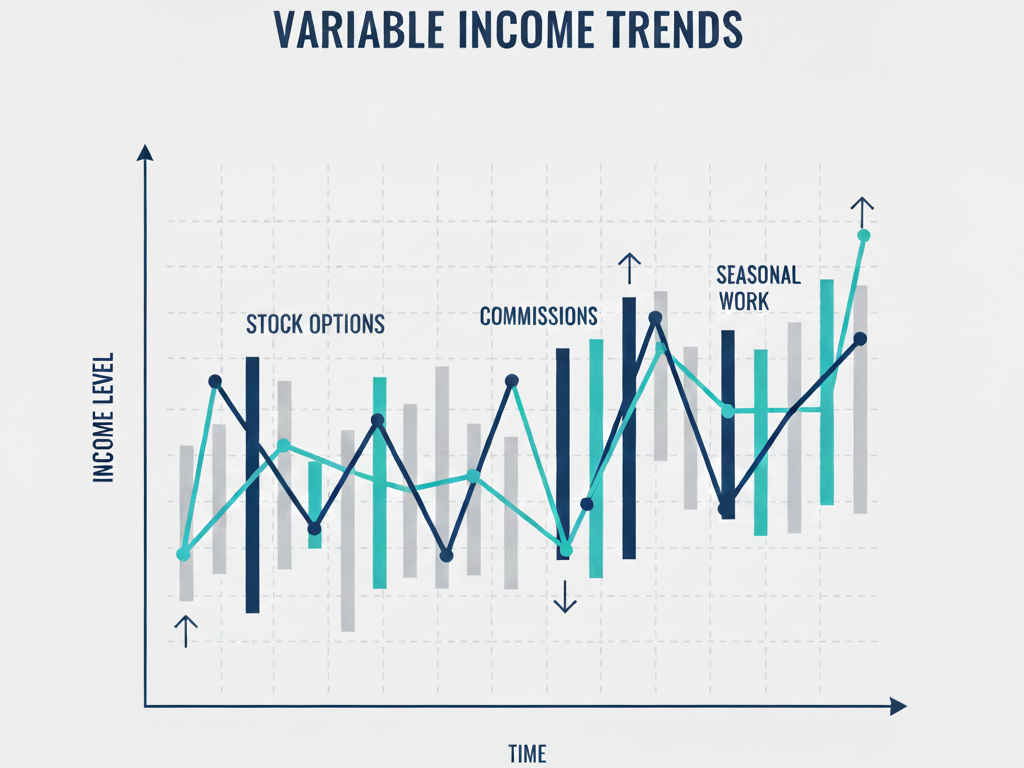
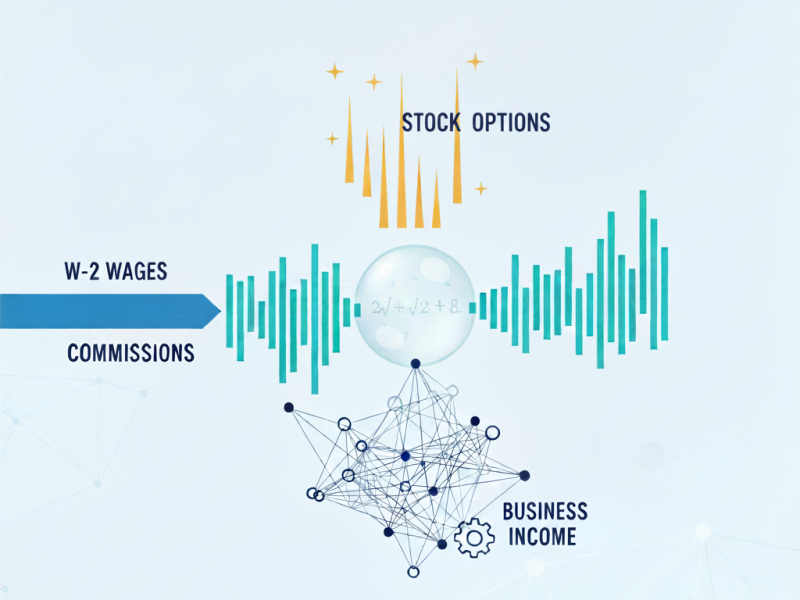
    When your situation involves complex income structures—maybe one spouse has stock options, RSUs, or business income—we can cut through that complexity to determine appropriate support levels while protecting benefit eligibility. The intersection of high-asset divorce and special needs planning requires someone who understands both worlds.

    Active Guidance Through Difficult Decisions

    We don’t expect you to understand the intricacies of SSI rules, Medicaid eligibility, or special needs trusts. That’s not realistic, and it’s not necessary. Instead, we actively guide you through each decision point, bringing in the right specialists at the correct times and helping you understand what you’re deciding and why it matters.

    Should you establish the special needs trust now or later? How do you structure life insurance to ensure it is adequately funded? What happens if your child’s condition changes over time—does the agreement need provisions for that? How do you handle disagreements about medical treatment or educational placement? You’re not navigating these questions alone or hoping you didn’t miss something critical that surfaces years later.

    Planning for a Future You Can’t Fully Predict

    Dividing assets and determining support isn’t just about today—it’s about ensuring your child has the resources and protections they need for decades to come. That requires thinking beyond the immediate divorce to how changes in circumstances might affect your child’s care and financial security.

    What if your child’s needs increase as they age? What if medical treatments or therapies emerge that weren’t anticipated? What if one parent’s income changes substantially? What if the caregiving parent’s health declines and they can no longer provide the same level of care? While we can’t predict everything, we can build agreements that account for likely scenarios and give you mechanisms to adapt as life changes.

    I worked with a New Jersey couple whose child was moderately functional at age 10, but whose doctors indicated increasing care needs were likely as the child aged. We structured the agreement with provisions for continued support beyond age 18, built in regular reviews of care needs and expenses. We established a framework for addressing changing circumstances without requiring them to relitigate everything years later.

    This future-focused approach distinguishes mediation from litigation. In litigation, you get an order based on today’s circumstances. In mediation, we can build in flexibility and protections that serve your child’s evolving needs over time.

    A Personalized Approach to Your Unique Situation

    Every special needs child is different. Every family’s financial situation is different. That’s why cookie-cutter approaches fail these families so completely.

    Maybe your child needs intensive early intervention now, but may gain substantial independence by adulthood. Perhaps your child will always need significant care and supervision. You might be dealing with physical disabilities, developmental delays, autism, or multiple diagnoses that create unique challenges. Your income structure might be straightforward W-2 wages, or it might involve business ownership and equity compensation.

    We tailor our approach to your specific circumstances. The mediation process we design for your family addresses your child’s particular needs, your family dynamics, your financial realities, and your concerns about the future. We’re not applying standard formulas—we’re helping you solve the specific challenges you face in ways that protect your child’s well-being and financial security.

    Your Child Needs Both of You

    Your child didn’t ask for a divorce. They need both parents working together, probably more than most children do. The cooperative relationship you establish now becomes the foundation for decades of co-parenting around your child’s needs—therapy decisions, medical treatments, educational planning, transition to adulthood, and eventually planning for care after you’re gone.

    Litigation destroys that cooperation. It turns parents into adversaries fighting over their child. Mediation preserves it. It helps you work together even when your marriage couldn’t survive, creating a framework for the collaborative parenting your child needs.

    When you’re ready to explore how mediation can help your family navigate this complexity, working with someone who understands both the financial intricacies and the emotional stakes makes all the difference. Your child’s needs don’t have to become casualties of your divorce. With the right approach, the right team, and a commitment to protecting what matters most, you can create a settlement that truly serves your child’s future.

    [/fusion_text][/fusion_builder_column][/fusion_builder_row][/fusion_builder_container][fusion_builder_container type=”flex” hundred_percent=”no” hundred_percent_height=”no” hundred_percent_height_scroll=”no” align_content=”stretch” flex_align_items=”flex-start” flex_justify_content=”flex-start” flex_wrap=”wrap” hundred_percent_height_center_content=”yes” equal_height_columns=”no” container_tag=”div” hide_on_mobile=”small-visibility,medium-visibility,large-visibility” status=”published” padding_bottom_medium=”50px” padding_bottom_small=”30px” padding_top=”100px” padding_bottom=”100px” border_style=”solid” box_shadow=”no” box_shadow_blur=”0″ box_shadow_spread=”0″ gradient_start_position=”0″ gradient_end_position=”100″ gradient_type=”linear” radial_direction=”center center” linear_angle=”180″ background_position=”center center” background_repeat=”no-repeat” fade=”no” background_parallax=”none” enable_mobile=”no” parallax_speed=”0.3″ background_blend_mode=”none” background_slider_skip_lazy_loading=”no” background_slider_loop=”yes” background_slider_pause_on_hover=”no” background_slider_slideshow_speed=”5000″ background_slider_animation=”fade” background_slider_direction=”up” background_slider_animation_speed=”800″ video_aspect_ratio=”16:9″ video_loop=”yes” video_mute=”yes” pattern_bg=”none” pattern_bg_style=”default” pattern_bg_opacity=”100″ pattern_bg_blend_mode=”normal” mask_bg=”none” mask_bg_style=”default” mask_bg_opacity=”100″ mask_bg_transform=”left” mask_bg_blend_mode=”normal” absolute=”off” absolute_devices=”small,medium,large” sticky=”off” sticky_devices=”small-visibility,medium-visibility,large-visibility” sticky_transition_offset=”0″ scroll_offset=”0″ animation_direction=”left” animation_speed=”0.3″ animation_delay=”0″ filter_hue=”0″ filter_saturation=”100″ filter_brightness=”100″ filter_contrast=”100″ filter_invert=”0″ filter_sepia=”0″ filter_opacity=”100″ filter_blur=”0″ filter_hue_hover=”0″ filter_saturation_hover=”100″ filter_brightness_hover=”100″ filter_contrast_hover=”100″ filter_invert_hover=”0″ filter_sepia_hover=”0″ filter_opacity_hover=”100″ filter_blur_hover=”0″ admin_label=”FAQ” admin_toggled=”no”][fusion_builder_row][fusion_builder_column type=”1_1″ layout=”1_1″ align_self=”auto” content_layout=”column” align_content=”flex-start” valign_content=”flex-start” content_wrap=”wrap” center_content=”no” column_tag=”div” target=”_self” hide_on_mobile=”small-visibility,medium-visibility,large-visibility” sticky_display=”normal,sticky” order_medium=”0″ order_small=”0″ hover_type=”none” border_style=”solid” box_shadow=”no” box_shadow_blur=”0″ box_shadow_spread=”0″ background_type=”single” gradient_start_position=”0″ gradient_end_position=”100″ gradient_type=”linear” radial_direction=”center center” linear_angle=”180″ lazy_load=”none” background_position=”left top” background_repeat=”no-repeat” background_blend_mode=”none” background_slider_skip_lazy_loading=”no” background_slider_loop=”yes” background_slider_pause_on_hover=”no” background_slider_slideshow_speed=”5000″ background_slider_animation=”fade” background_slider_direction=”up” background_slider_animation_speed=”800″ sticky=”off” sticky_devices=”small-visibility,medium-visibility,large-visibility” absolute=”off” filter_type=”regular” filter_hover_element=”self” filter_hue_hover=”0″ filter_saturation_hover=”100″ filter_brightness_hover=”100″ filter_contrast_hover=”100″ filter_invert_hover=”0″ filter_sepia_hover=”0″ filter_opacity_hover=”100″ filter_blur_hover=”0″ filter_hue=”0″ filter_saturation=”100″ filter_brightness=”100″ filter_contrast=”100″ filter_invert=”0″ filter_sepia=”0″ filter_opacity=”100″ filter_blur=”0″ transform_type=”regular” transform_hover_element=”self” transform_scale_x_hover=”1″ transform_scale_y_hover=”1″ transform_translate_x_hover=”0″ transform_translate_y_hover=”0″ transform_rotate_hover=”0″ transform_skew_x_hover=”0″ transform_skew_y_hover=”0″ transform_scale_x=”1″ transform_scale_y=”1″ transform_translate_x=”0″ transform_translate_y=”0″ transform_rotate=”0″ transform_skew_x=”0″ transform_skew_y=”0″ transition_duration=”300″ transition_easing=”ease” motion_effects=”W10=” scroll_motion_devices=”small-visibility,medium-visibility,large-visibility” animation_direction=”left” animation_speed=”0.3″ animation_delay=”0″ last=”true” border_position=”all” first=”true” min_height=”” link=””][fusion_title title_type=”text” scroll_reveal_effect=”color_change” scroll_reveal_basis=”chars” scroll_reveal_behavior=”always” scroll_reveal_duration=”500″ scroll_reveal_stagger=”200″ scroll_reveal_delay=”0″ scroll_reveal_above_fold=”yes” marquee_direction=”left” marquee_mask_edges=”no” marquee_speed=”15000″ rotation_effect=”bounceIn” display_time=”1200″ highlight_effect=”circle” loop_animation=”once” highlight_animation_duration=”1500″ highlight_width=”9″ highlight_smudge_effect=”no” highlight_top_margin=”0″ before_text=”” rotation_text=”” highlight_text=”” after_text=”” awb-switch-editor-focus=”” title_link=”off” link_url=”” link_target=”_self” hide_on_mobile=”small-visibility,medium-visibility,large-visibility” sticky_display=”normal,sticky” class=”” id=”” content_align_medium=”” content_align_small=”left” content_align=”left” size=”2″ animated_font_size=”” fusion_font_family_title_font=”” fusion_font_variant_title_font=”” font_size=”38px” line_height=”” letter_spacing=”” text_transform=”” text_color=”var(–awb-color4)” hue=”” saturation=”” lightness=”” alpha=”” animated_text_color=”” highlight_color=”” text_shadow=”no” text_shadow_vertical=”” text_shadow_horizontal=”” text_shadow_blur=”0″ text_shadow_color=”” text_stroke=”no” text_stroke_size=”1″ text_stroke_color=”” text_overflow=”none” margin_top_medium=”” margin_right_medium=”” margin_bottom_medium=”” margin_left_medium=”” margin_top_small=”” margin_right_small=”” margin_bottom_small=”” margin_left_small=”” margin_top=”0px” margin_right=”” margin_bottom=”60px” margin_left=”” margin_top_mobile=”” margin_bottom_mobile=”” gradient_font=”no” gradient_start_color=”” gradient_end_color=”” gradient_start_position=”0″ gradient_end_position=”100″ gradient_type=”linear” radial_direction=”center center” linear_angle=”180″ style_type=”default” sep_color=”” link_color=”” link_hover_color=”” render_logics=”” animation_type=”fade” animation_direction=”static” animation_color=”” animation_speed=”1.0″ animation_delay=”0.5″ animation_offset=”” logics=””]

    FAQs About Divorce With a Special Needs Child

    [/fusion_title][fusion_accordion type=”toggles” inactive_icon=”” active_icon=”” margin_top=”” margin_bottom=”” hide_on_mobile=”small-visibility,medium-visibility,large-visibility” class=”” id=”” boxed_mode=”yes” border_size=”2″ border_color=”#d8e8f2″ hue=”” saturation=”” lightness=”” alpha=”” hover_color=”#f4f3ef” background_color=”” divider_line=”” divider_hover_color=”” divider_color=”” padding_top=”10px” padding_right=”5px” padding_bottom=”10px” padding_left=”5px” title_tag=”h4″ fusion_font_family_title_font=”Poppins” fusion_font_variant_title_font=”600″ title_font_size=”18px” title_line_height=”” title_letter_spacing=”” title_text_transform=”” title_color=”var(–awb-color6)” icon_size=”25px” icon_color=”#d8e8f2″ icon_boxed_mode=”no” icon_box_color=”#d8e8f2″ icon_alignment=”right” fusion_font_family_content_font=”” fusion_font_variant_content_font=”” content_font_size=”16px” content_line_height=”” content_letter_spacing=”” content_text_transform=”” content_color=”var(–awb-color6)” toggle_hover_accent_color=”var(–awb-color6)” toggle_active_accent_color=”var(–awb-color6)” render_logics=”” parent_dynamic_content=””][fusion_toggle title=”1. How does having a child with disabilities affect custody arrangements during divorce?” open=”no” awb-switch-editor-focus=”” class=”” id=”” fusion_font_family_title_font=”” fusion_font_variant_title_font=”” title_font_size=”” title_line_height=”” title_letter_spacing=”” title_text_transform=”” title_color=”var(–awb-color8)” hue=”” saturation=”” lightness=”” alpha=”” fusion_font_family_content_font=”” fusion_font_variant_content_font=”” content_font_size=”” content_line_height=”” content_letter_spacing=”” content_text_transform=”” content_color=”var(–awb-color8)”]

    When parents divorce with a child who has disabilities, custody decisions become more nuanced than in typical family situations. The “best interest of the child” standard still applies, but additional factors specific to developmental delays, autism spectrum disorder, physical impairments, or cognitive disabilities come into play.

    Capability to manage care needs

    The evaluation focuses on each parent’s capability to manage medical appointments, therapy sessions, special education services, and daily caregiving routines. Parents who have served as primary caregivers often demonstrate deeper understanding of the child’s medication schedules, dietary restrictions, behavioral triggers, and sensory needs.

    The importance of routine and predictability

    Many children with autism, ADHD, or anxiety disorders thrive on predictability and consistent routines, which means frequent transitions between households may prove detrimental to their wellbeing. Standard joint physical custody arrangements may not serve the child’s best interests when they require specialized care, medical equipment, or have difficulty adapting to environmental changes.

    Home environment considerations

    Each parent’s home gets evaluated for appropriate safety features like locks on cabinets containing harmful substances, audio monitors for children who elope, or wheelchair accessibility.

    Proximity to services matters

    Proximity to special schools, therapeutic services, and established support networks weighs heavily in custody determinations. Relocating could disrupt essential educational programs and community resources that benefit the child’s development, making stability in the current environment a compelling factor.

    [/fusion_toggle][fusion_toggle title=”2. What is a special needs trust and why is it critical in divorce proceedings?” open=”no” awb-switch-editor-focus=”” class=”” id=”” fusion_font_family_title_font=”” fusion_font_variant_title_font=”” title_font_size=”” title_line_height=”” title_letter_spacing=”” title_text_transform=”” title_color=”var(–awb-color8)” hue=”” saturation=”” lightness=”” alpha=”” fusion_font_family_content_font=”” fusion_font_variant_content_font=”” content_font_size=”” content_line_height=”” content_letter_spacing=”” content_text_transform=”” content_color=”var(–awb-color8)”]

    A special needs trust (also called a supplemental needs trust) serves as a vital financial planning tool that preserves a disabled child’s eligibility for means-tested government benefits while providing supplemental resources for their care.

    Why direct payments can be harmful

    During divorce negotiations, establishing this trust becomes essential because direct child support payments to a custodial parent or child can disqualify them from Supplemental Security Income (SSI) and Medicaid coverage. These federal assistance programs have strict income and asset limitations, and unstructured financial support can trigger benefit reductions or complete loss of eligibility.

    How the trust protects benefits

    The trust functions as a protective vehicle where child support payments, life insurance proceeds, and inheritance funds can be directed without counting as the child’s personal income or resources. A properly drafted special needs trust allows for expenditures on items and services that government benefits don’t cover—recreational activities, supplemental therapies, specialized equipment, educational tutors, and quality-of-life enhancements.

    What the divorce settlement should address

    Parents must work with attorneys experienced in both family law and disability planning to ensure the trust document meets all legal requirements for benefit preservation. The divorce settlement should specify who bears responsibility for trust creation costs (typically $3,000 to $5,000), designate appropriate trustees who understand the beneficiary’s needs, and name the trust as beneficiary on life insurance policies and retirement accounts.

    The stakes are high

    This planning prevents the catastrophic scenario where a child receives a lump sum payment that eliminates their access to healthcare coverage and income support that may be needed for lifetime care.

    [/fusion_toggle][fusion_toggle title=”3. How is child support calculated differently for a child with special needs?” open=”no” awb-switch-editor-focus=”” class=”” id=”” fusion_font_family_title_font=”” fusion_font_variant_title_font=”” title_font_size=”” title_line_height=”” title_letter_spacing=”” title_text_transform=”” title_color=”var(–awb-color8)” hue=”” saturation=”” lightness=”” alpha=”” fusion_font_family_content_font=”” fusion_font_variant_content_font=”” content_font_size=”” content_line_height=”” content_letter_spacing=”” content_text_transform=”” content_color=”var(–awb-color8)”]

    Child support calculations for children with disabilities extend far beyond standard state guideline formulas that base amounts on parental income and number of children.

    Recognizing disability-related expenses

    Standard formulas don’t account for the full scope of disability-related expenses: uninsured medical treatments, durable medical equipment, home modifications for accessibility, specialized childcare providers trained in disability care, private therapies like occupational therapy or speech pathology, specialized transportation, dietary supplements, assistive technology, respite care services, and educational expenses beyond what public schools provide through Individualized Education Programs.

    These costs require meticulous documentation through medical bills, therapy invoices, school receipts, and provider statements to substantiate requests for enhanced support.

    Impact on earning capacity

    Another consideration is the impact on the custodial parent’s earning capacity when full-time caregiving prevents outside employment. Some parents cannot maintain careers because their child requires constant supervision, frequent medical appointments, or behavioral interventions throughout the day.

    Alternative payment structures

    Rather than using standard child support worksheets, different approaches may be used—paying specific expenses directly to providers or allocating responsibility for different categories of costs. The goal is ensuring adequate financial resources reach the child while maintaining benefit eligibility through careful structuring of payment arrangements, which may include directing funds to special needs trusts or using in-kind support rather than cash transfers that could affect SSI calculations.

    [/fusion_toggle][fusion_toggle title=”4. Does child support continue past age 18 for a child with disabilities?” open=”no” awb-switch-editor-focus=”” class=”” id=”” fusion_font_family_title_font=”” fusion_font_variant_title_font=”” title_font_size=”” title_line_height=”” title_letter_spacing=”” title_text_transform=”” title_color=”var(–awb-color8)” hue=”” saturation=”” lightness=”” alpha=”” fusion_font_family_content_font=”” fusion_font_variant_content_font=”” content_font_size=”” content_line_height=”” content_letter_spacing=”” content_text_transform=”” content_color=”var(–awb-color8)”]

    Unlike traditional child support that terminates when a child reaches majority age or graduates high school, financial support for children with severe and permanent disabilities often continues indefinitely into adulthood.

    How different jurisdictions approach this

    State laws vary significantly on this issue, with some jurisdictions requiring ongoing support as long as the adult child remains dependent and incapable of self-sufficiency. When a child has profound cognitive impairments, developmental disabilities, or physical conditions that prevent independent living and gainful employment, parental financial obligations don’t end at age 18.

    What your divorce settlement should address

    The divorce settlement should explicitly address post-majority support expectations, establishing clear terms for continued assistance throughout the adult child’s lifetime. This becomes particularly important as the adult child transitions from pediatric to adult services, potentially losing school-based therapies and supports.

    Parents should address who will bear responsibility for future residential care costs, ongoing medical expenses, adaptive equipment replacement, and daily living support services.

    Transforming support at age 18

    Some parents negotiate that child support transforms into payments to a special needs trust upon the child reaching majority, ensuring benefit preservation while maintaining financial security.

    Planning for guardianship and beyond

    The settlement may also specify arrangements for sharing costs of guardianship proceedings, since many adults with disabilities require court-appointed guardians to make legal, medical, and financial decisions on their behalf.

    Forward-thinking divorce agreements include provisions for regular review of the adult child’s needs and expenses, allowing for modifications as care requirements evolve with aging. Estate planning documents should coordinate with ongoing support obligations, designating how life insurance benefits, retirement assets, and inheritances will continue providing for the child’s needs if either parent becomes incapacitated or dies.

    [/fusion_toggle][fusion_toggle title=”5. How can I protect my child’s Supplemental Security Income and Medicaid benefits during divorce?” open=”no” awb-switch-editor-focus=”” class=”” id=”” fusion_font_family_title_font=”” fusion_font_variant_title_font=”” title_font_size=”” title_line_height=”” title_letter_spacing=”” title_text_transform=”” title_color=”var(–awb-color8)” hue=”” saturation=”” lightness=”” alpha=”” fusion_font_family_content_font=”” fusion_font_variant_content_font=”” content_font_size=”” content_line_height=”” content_letter_spacing=”” content_text_transform=”” content_color=”var(–awb-color8)”]

    Protecting means-tested government benefits like SSI and Medicaid requires strategic structuring of child support and asset division during divorce proceedings.

    Understanding how support affects benefits

    SSI has strict income limitations, and child support payments received directly by a custodial parent on behalf of a child count as unearned income, reducing SSI benefits dollar-for-dollar after a partial disregard (one-third of the payment is excluded for children under 18 living with a parent). This means a child could lose more in medical coverage and benefit dollars than they gain in child support.

    Structuring support to preserve benefits

    To avoid benefit disqualification, parents should direct child support payments into a properly drafted special needs trust rather than making direct payments. The divorce settlement can also structure support as in-kind assistance, where the non-custodial parent pays specific expenses like rent, utilities, educational costs, or therapy services directly to providers rather than giving cash to the custodial parent. This arrangement prevents the support from counting as income for SSI purposes.

    Understanding resource limits

    Parents must understand resource limits as well. SSI restricts countable assets to $2,000 for individuals. Any lump sum settlements, personal injury awards, or inheritance the child receives could eliminate benefit eligibility unless channeled through appropriate trust structures.

    ABLE accounts as an additional tool

    ABLE accounts (Achieving a Better Life Experience) offer another tool for disability savings without jeopardizing benefits, though annual contribution limits restrict their use for large child support amounts exceeding $16,000.

    Working with specialists

    Divorce attorneys must collaborate with special needs planners who understand the intricate regulations governing SSI, Medicaid, Social Security Disability Insurance (SSDI), and state-specific waiver programs.

    Timing considerations

    The timing of benefit applications matters too. Many children don’t qualify for SSI until reaching age 18 when parental income no longer factors into eligibility calculations.

    Ongoing compliance

    Preserving benefits requires vigilant monitoring and compliance with reporting requirements. Changes in living arrangements, income, or resources during and after divorce must be promptly disclosed to Social Security Administration to avoid overpayments and penalties.

    [/fusion_toggle][fusion_toggle title=”6. What specific provisions should be included in a parenting plan for a child with special needs?” open=”no” awb-switch-editor-focus=”” class=”” id=”” fusion_font_family_title_font=”” fusion_font_variant_title_font=”” title_font_size=”” title_line_height=”” title_letter_spacing=”” title_text_transform=”” title_color=”var(–awb-color8)” hue=”” saturation=”” lightness=”” alpha=”” fusion_font_family_content_font=”” fusion_font_variant_content_font=”” content_font_size=”” content_line_height=”” content_letter_spacing=”” content_text_transform=”” content_color=”var(–awb-color8)”]

    A comprehensive parenting plan for a child with disabilities must go far beyond standard custody schedules to address the unique daily requirements that support the child’s health, safety, and development.

    Documenting the child’s needs

    The plan should begin with detailed descriptions of the child’s diagnosis, functional limitations, behavioral characteristics, communication abilities, mobility needs, and current treatment regimens. This helps both parents and potentially others understand the child’s day-to-day reality.

    Essential medical information

    Essential medical information includes medication names, dosages, administration schedules, potential side effects, emergency protocols for seizures or behavioral crises, dietary restrictions or feeding requirements, and contact information for all healthcare providers.

    Custody schedule considerations

    The schedule itself may need to deviate from typical alternating week arrangements if the child struggles with transitions, has strong attachment to one home environment, or requires proximity to specific schools or therapy centers. Some families implement nesting arrangements where children remain in one residence while parents rotate in and out, maintaining consistency for kids who thrive on routine.

    Coordination responsibilities

    The plan must specify responsibilities for attending Individualized Education Program meetings, coordinating with teachers and therapists, transporting the child to appointments, administering treatments at home, and ensuring continuity of therapeutic interventions across both households.

    Communication protocols

    Parents should outline communication protocols for sharing information about the child’s medical status, behavioral changes, educational progress, and any concerns that arise. The agreement can require both parents to maintain identical routines for bedtime, meals, and daily activities to minimize confusion and anxiety.

    Equipment and supplies

    Provisions addressing equipment and supply management ensure both homes stock necessary medical devices, sensory items, adaptive tools, and comfort objects the child relies upon.

    Decision-making authority

    The plan should prohibit either parent from unilaterally changing treatment approaches, educational placements, or therapy providers without joint agreement or mediation.

    Detailed care guidance

    Including detailed information about the child’s triggers, calming strategies, reward systems, and behavioral management techniques helps less involved parents provide appropriate care during their parenting time.

    [/fusion_toggle][fusion_toggle title=”7. How should I tell my child with developmental delays about the divorce?” open=”no” awb-switch-editor-focus=”” class=”” id=”” fusion_font_family_title_font=”” fusion_font_variant_title_font=”” title_font_size=”” title_line_height=”” title_letter_spacing=”” title_text_transform=”” title_color=”var(–awb-color8)” hue=”” saturation=”” lightness=”” alpha=”” fusion_font_family_content_font=”” fusion_font_variant_content_font=”” content_font_size=”” content_line_height=”” content_letter_spacing=”” content_text_transform=”” content_color=”var(–awb-color8)”]

    Discussing divorce with a child who has developmental disabilities, autism spectrum disorder, or processing difficulties requires thoughtful planning, age-appropriate adaptations, and often professional guidance.

    Present information as a united front

    Parents should ideally present information together, conveying that the decision was mutual rather than blaming one party, which helps the child feel secure in both relationships.

    Consult with professionals first

    Before the conversation, consult with the child’s therapist, counselor, or developmental specialist who understands their cognitive level, emotional regulation capabilities, and communication style. These professionals can recommend appropriate language, visual supports, and timing strategies tailored to the child’s needs.

    Use visual supports for children with autism

    Children with autism may benefit from social stories that explain divorce concepts using simple language, sequential pictures, and concrete examples of what will change and what will stay the same.

    Break information into small pieces

    For children with intellectual disabilities, breaking information into very small pieces delivered over multiple conversations prevents overwhelming them with too much at once.

    Use clear, literal language

    Use clear, literal language avoiding euphemisms or abstract concepts that might confuse children who think concretely. Instead of saying “Mommy and Daddy don’t love each other anymore,” explain “Mommy and Daddy will live in different houses, but we both still love you very much and will take care of you.”

    Visual schedules help with predictability

    Visual schedules showing which days they’ll be at each parent’s home can reduce anxiety for children who need predictability.

    Allow time to process

    Allow ample time for the child to process information, ask questions, and express feelings, recognizing that children with special needs may need extra support understanding emotional concepts and managing their own responses to change.

    Watch for signs of distress

    Some children may show increased behavioral challenges, regression in skills, sleep disturbances, or heightened anxiety as they adjust to the new family structure. Maintaining consistent routines, providing reassurance, and ensuring the child has access to familiar therapists or counselors throughout the transition helps minimize disruption to their emotional wellbeing and development.

    [/fusion_toggle][fusion_toggle title=”8. What role does my child’s Individualized Education Program play in divorce proceedings?” open=”no” awb-switch-editor-focus=”” class=”” id=”” fusion_font_family_title_font=”” fusion_font_variant_title_font=”” title_font_size=”” title_line_height=”” title_letter_spacing=”” title_text_transform=”” title_color=”var(–awb-color8)” hue=”” saturation=”” lightness=”” alpha=”” fusion_font_family_content_font=”” fusion_font_variant_content_font=”” content_font_size=”” content_line_height=”” content_letter_spacing=”” content_text_transform=”” content_color=”var(–awb-color8)”]

    The Individualized Education Program serves as a critical legal document during divorce when a child receives special education services, significantly impacting custody determinations, parenting plan details, and school district considerations.

    What the IEP contains

    An IEP outlines the child’s unique learning disabilities, developmental delays, or other qualifying conditions, specifies educational goals and accommodations, details related services like speech therapy or counseling, and establishes the specialized instruction the school district must provide.

    Impact on custody decisions

    IEP requirements get evaluated when considering which custody arrangement best serves the child’s educational needs and whether proposed moves would disrupt access to quality special education programs. School districts vary dramatically in their resources, expertise with specific disabilities, and reputation for IEP compliance, making remaining in a strong district a compelling factor in custody decisions.

    Preserving both parents’ rights

    The parenting plan should explicitly preserve both parents’ rights to attend IEP meetings, receive educational records, communicate with teachers and providers, and participate in placement decisions. This becomes especially important when one parent has historically managed the child’s education while the other has been less involved.

    Joint approval requirements

    Some agreements specify that parents must jointly approve any changes to educational placement, therapeutic services, or significant modifications to the IEP to prevent one parent from unilaterally altering the child’s program.

    Consistency across households

    The plan can outline expectations for each parent to implement IEP accommodations and home-based interventions during their parenting time, ensuring consistency in supporting the child’s learning goals.

    Dispute resolution

    Parents should address what happens if they disagree about IEP content or district proposals, potentially requiring mediation before pursuing due process hearings.

    Transportation considerations

    Transportation to special education programs, particularly if the child attends an out-of-district placement, requires clear delineation of responsibilities. Including IEP-related provisions in the divorce settlement protects the child’s access to appropriate educational services and prevents future conflicts over special education decisions.

    [/fusion_toggle][fusion_toggle title=”9. Do I need a special needs planning attorney in addition to my family law attorney?” open=”no” awb-switch-editor-focus=”” class=”” id=”” fusion_font_family_title_font=”” fusion_font_variant_title_font=”” title_font_size=”” title_line_height=”” title_letter_spacing=”” title_text_transform=”” title_color=”var(–awb-color8)” hue=”” saturation=”” lightness=”” alpha=”” fusion_font_family_content_font=”” fusion_font_variant_content_font=”” content_font_size=”” content_line_height=”” content_letter_spacing=”” content_text_transform=”” content_color=”var(–awb-color8)”]

    Successfully navigating divorce with a child who has disabilities almost always requires collaboration between a family law attorney and a special needs planning attorney, as the intersection of divorce law and disability law involves highly specialized knowledge.

    What family law attorneys typically don’t know

    Most matrimonial attorneys, while skilled in custody disputes and asset division, lack expertise in the complex federal and state regulations governing means-tested benefit programs like SSI and Medicaid, special needs trust drafting requirements, ABLE account rules, guardianship proceedings, and estate planning for individuals with disabilities.

    What special needs attorneys bring to the table

    A special needs attorney understands how child support payments impact benefit eligibility, how to structure settlements that preserve government assistance while maximizing family resources, and how to draft trust documents that meet strict legal standards for protecting assets without disqualifying the child from vital programs.

    These specialists know state-specific variations in benefit programs, waiver services, and supported living options that influence long-term planning.

    How the team approach works

    During divorce, the team approach works best. The family law attorney handles custody negotiations, support calculations, and procedural requirements while consulting with the special needs attorney on benefit preservation strategies, trust creation, and future planning considerations.

    The special needs attorney can draft or review proposed settlement language to ensure it adequately addresses lifetime care needs, identifies appropriate trustees, establishes funding mechanisms for ongoing support, and coordinates with estate planning documents.

    Understanding financial implications

    They also help families understand the financial implications of different settlement options, calculating how various support structures affect net benefits to the child.

    Other specialists you might need

    Some families engage life care planners as well—professionals who assess the child’s current and projected future needs, estimate lifetime care costs, and provide expert testimony if needed.

    The investment is worth it

    While involving multiple professionals increases upfront costs, the investment protects against devastating mistakes that could cost thousands in lost benefits or create funding gaps for essential services. The complexity increases exponentially when children receive Medicaid waiver services, have personal injury settlements, or will require residential placement as adults.

    [/fusion_toggle][fusion_toggle title=”10. Is the divorce rate really higher for parents of children with special needs?” open=”no” awb-switch-editor-focus=”” class=”” id=”” fusion_font_family_title_font=”” fusion_font_variant_title_font=”” title_font_size=”” title_line_height=”” title_letter_spacing=”” title_text_transform=”” title_color=”var(–awb-color8)” hue=”” saturation=”” lightness=”” alpha=”” fusion_font_family_content_font=”” fusion_font_variant_content_font=”” content_font_size=”” content_line_height=”” content_letter_spacing=”” content_text_transform=”” content_color=”var(–awb-color8)”]

    Research on divorce rates among parents of children with disabilities presents mixed findings, with earlier studies suggesting rates as high as 80-87%, though more recent research has questioned these figures as potentially overstated.

    The frequently cited statistic has been debunked

    A frequently cited statistic claiming an 80% divorce rate among autism parents has been specifically debunked by subsequent studies.

    The reality of disability-related stress

    While having a child with special needs doesn’t directly cause divorce, the reality is that disability-related stressors can strain even strong marriages.

    Financial pressures

    Families face increased financial pressure from therapy costs, medical expenses, specialized equipment, and potential lost income when one parent reduces work hours or leaves employment entirely to provide care.

    Emotional toll

    The emotional toll of navigating complex medical systems, fighting for appropriate educational services, managing behavioral challenges, and worrying about the child’s future creates chronic stress that impacts marital relationships.

    Different caregiving roles create distance

    Parents often fall into different roles, with one becoming the primary caregiver managing day-to-day disability needs while the other focuses on earning income to support the family. This can lead to feelings of isolation, resentment, or being unsupported by their partner.

    Disagreements about the child’s needs

    Disagreements about diagnosis acceptance, treatment approaches, discipline strategies, and the severity of the child’s limitations can create fundamental conflicts between spouses.

    Time and energy depletion

    The intensive caregiving demands leave little time or energy for maintaining the marital relationship, resulting in emotional distance and communication breakdowns. Sleep deprivation from children with sleep disorders or medical needs requiring nighttime care affects parents’ physical and mental health. Siblings may receive less attention, creating guilt and additional family stress.

    Many families grow stronger

    Despite these challenges, many families raising children with disabilities develop stronger partnerships and deeper appreciation for each other’s contributions.

    What helps families cope

    What research consistently shows is that families need access to respite care, family support services, counseling, and community resources to manage the unique pressures, whether they stay married or divorce.

    For parents who do divorce

    For parents who do divorce, putting the child’s needs first, maintaining respectful co-parenting relationships, and accessing appropriate legal and financial guidance helps ensure the child’s wellbeing remains protected throughout the transition and beyond.

    [/fusion_toggle][/fusion_accordion][fusion_code]PHN0eWxlPgogIC8qIEZyb250IGVuZCBvbmx5OiBzdGFydCBoaWRkZW4gYW5kIGZhZGUgaW4gKi8KYm9keTpub3QoLmZ1c2lvbi1idWlsZGVyLWxpdmUpIC5mdXNpb24tcGFuZWwgewogIG9wYWNpdHk6IDA7CiAgdHJhbnNpdGlvbjogb3BhY2l0eSAwLjZzIGVhc2Utb3V0Owp9CmJvZHk6bm90KC5mdXNpb24tYnVpbGRlci1saXZlKSAuZnVzaW9uLXBhbmVsLmFuaW1hdGUgewogIG9wYWNpdHk6IDE7Cn0KCi8qIEJ1aWxkZXI6IGFsd2F5cyB2aXNpYmxlLCBldmVuIHdoZW4gdGhlIGNsYXNzIGlzIG9uIGEgY29sdW1uICovCmJvZHkuZnVzaW9uLWJ1aWxkZXItbGl2ZSAuZnVzaW9uLXBhbmVsLAouZnVzaW9uLWJ1aWxkZXItbGl2ZS1lbGVtZW50LmZ1c2lvbi1wYW5lbCwKLmZ1c2lvbi1idWlsZGVyLWxpdmUgLmZ1c2lvbi1idWlsZGVyLWNvbHVtbi5mdXNpb24tcGFuZWwsCi5mdXNpb24tYnVpbGRlci1saXZlIC5mdXNpb24tYnVpbGRlci1jb2x1bW4tb3V0ZXIuZnVzaW9uLXBhbmVsIHsKICBvcGFjaXR5OiAxICFpbXBvcnRhbnQ7Cn0KPC9zdHlsZT4KCjxzY3JpcHQ+Ci8qTGF6eSBMb2FkIEFuaW1hdGlvbiovCmRvY3VtZW50LmFkZEV2ZW50TGlzdGVuZXIoIkRPTUNvbnRlbnRMb2FkZWQiLCBmdW5jdGlvbiAoKSB7CiAgY29uc3QgZWxlbWVudHMgPSBkb2N1bWVudC5xdWVyeVNlbGVjdG9yQWxsKCIuZnVzaW9uLXBhbmVsIik7CgogIGZ1bmN0aW9uIGFuaW1hdGVPblNjcm9sbCgpIHsKICAgIGNvbnN0IHRyaWdnZXJQb2ludCA9IHdpbmRvdy5pbm5lckhlaWdodCAqICgzIC8gNCk7CgogICAgZWxlbWVudHMuZm9yRWFjaChlbCA9PiB7CiAgICAgIGNvbnN0IHJlY3QgPSBlbC5nZXRCb3VuZGluZ0NsaWVudFJlY3QoKTsKICAgICAgaWYgKHJlY3QudG9wIDw9IHRyaWdnZXJQb2ludCAmJiAhZWwuY2xhc3NMaXN0LmNvbnRhaW5zKCJhbmltYXRlIikpIHsKICAgICAgICBlbC5jbGFzc0xpc3QuYWRkKCJhbmltYXRlIik7CiAgICAgIH0KICAgIH0pOwogIH0KCiAgd2luZG93LmFkZEV2ZW50TGlzdGVuZXIoInNjcm9sbCIsIGFuaW1hdGVPblNjcm9sbCk7CiAgYW5pbWF0ZU9uU2Nyb2xsKCk7Cn0pOwogIDwvc2NyaXB0Pgo=[/fusion_code][/fusion_builder_column][/fusion_builder_row][/fusion_builder_container][fusion_builder_container type=”flex” hundred_percent=”no” hundred_percent_height=”no” hundred_percent_height_scroll=”no” align_content=”stretch” flex_align_items=”flex-start” flex_justify_content=”flex-start” flex_wrap=”wrap” hundred_percent_height_center_content=”yes” equal_height_columns=”no” container_tag=”div” hide_on_mobile=”small-visibility,medium-visibility,large-visibility” status=”published” padding_top=”50px” border_style=”solid” box_shadow=”no” box_shadow_blur=”0″ box_shadow_spread=”0″ gradient_start_position=”0″ gradient_end_position=”100″ gradient_type=”linear” radial_direction=”center center” linear_angle=”180″ background_position=”center center” background_repeat=”no-repeat” fade=”no” background_parallax=”none” enable_mobile=”no” parallax_speed=”0.3″ background_blend_mode=”none” background_slider_skip_lazy_loading=”no” background_slider_loop=”yes” background_slider_pause_on_hover=”no” background_slider_slideshow_speed=”5000″ background_slider_animation=”fade” background_slider_direction=”up” background_slider_animation_speed=”800″ video_aspect_ratio=”16:9″ video_loop=”yes” video_mute=”yes” pattern_bg=”none” pattern_bg_style=”default” pattern_bg_opacity=”100″ pattern_bg_blend_mode=”normal” mask_bg=”none” mask_bg_style=”default” mask_bg_opacity=”100″ mask_bg_transform=”left” mask_bg_blend_mode=”normal” absolute=”off” absolute_devices=”small,medium,large” sticky=”off” sticky_devices=”small-visibility,medium-visibility,large-visibility” sticky_transition_offset=”0″ scroll_offset=”0″ animation_direction=”left” animation_speed=”0.3″ animation_delay=”0″ filter_hue=”0″ filter_saturation=”100″ filter_brightness=”100″ filter_contrast=”100″ filter_invert=”0″ filter_sepia=”0″ filter_opacity=”100″ filter_blur=”0″ filter_hue_hover=”0″ filter_saturation_hover=”100″ filter_brightness_hover=”100″ filter_contrast_hover=”100″ filter_invert_hover=”0″ filter_sepia_hover=”0″ filter_opacity_hover=”100″ filter_blur_hover=”0″ admin_label=”Call to Action” admin_toggled=”yes”][fusion_builder_row][fusion_builder_column type=”1_1″ layout=”60.00″ align_self=”auto” content_layout=”column” align_content=”flex-start” valign_content=”flex-start” content_wrap=”wrap” center_content=”no” column_tag=”div” target=”_self” hide_on_mobile=”small-visibility,medium-visibility,large-visibility” sticky_display=”normal,sticky” order_medium=”0″ order_small=”0″ hover_type=”none” border_style=”solid” box_shadow=”no” box_shadow_blur=”0″ box_shadow_spread=”0″ background_type=”single” gradient_start_position=”0″ gradient_end_position=”100″ gradient_type=”linear” radial_direction=”center center” linear_angle=”180″ lazy_load=”none” background_position=”left top” background_repeat=”no-repeat” background_blend_mode=”none” background_slider_skip_lazy_loading=”no” background_slider_loop=”yes” background_slider_pause_on_hover=”no” background_slider_slideshow_speed=”5000″ background_slider_animation=”fade” background_slider_direction=”up” background_slider_animation_speed=”800″ sticky=”off” sticky_devices=”small-visibility,medium-visibility,large-visibility” absolute=”off” filter_type=”regular” filter_hover_element=”self” filter_hue_hover=”0″ filter_saturation_hover=”100″ filter_brightness_hover=”100″ filter_contrast_hover=”100″ filter_invert_hover=”0″ filter_sepia_hover=”0″ filter_opacity_hover=”100″ filter_blur_hover=”0″ filter_hue=”0″ filter_saturation=”100″ filter_brightness=”100″ filter_contrast=”100″ filter_invert=”0″ filter_sepia=”0″ filter_opacity=”100″ filter_blur=”0″ transform_type=”regular” transform_hover_element=”self” transform_scale_x_hover=”1″ transform_scale_y_hover=”1″ transform_translate_x_hover=”0″ transform_translate_y_hover=”0″ transform_rotate_hover=”0″ transform_skew_x_hover=”0″ transform_skew_y_hover=”0″ transform_scale_x=”1″ transform_scale_y=”1″ transform_translate_x=”0″ transform_translate_y=”0″ transform_rotate=”0″ transform_skew_x=”0″ transform_skew_y=”0″ transition_duration=”300″ transition_easing=”ease” motion_effects=”W10=” scroll_motion_devices=”small-visibility,medium-visibility,large-visibility” animation_direction=”left” animation_speed=”0.3″ animation_delay=”0″ last=”true” border_position=”all” first=”true” min_height=”” link=””][fusion_builder_row_inner][fusion_builder_column_inner type=”1_1″ layout=”1_1″ align_self=”auto” content_layout=”column” align_content=”flex-start” valign_content=”flex-start” content_wrap=”wrap” center_content=”no” column_tag=”div” target=”_self” hide_on_mobile=”small-visibility,medium-visibility,large-visibility” sticky_display=”normal,sticky” order_medium=”0″ order_small=”0″ padding_top=”50px” padding_right=”20px” padding_bottom=”50px” padding_left=”20px” hover_type=”none” border_style=”solid” border_radius_top_left=”30px” border_radius_top_right=”30px” border_radius_bottom_right=”30px” border_radius_bottom_left=”30px” box_shadow=”no” box_shadow_blur=”0″ box_shadow_spread=”0″ background_type=”single” background_color=”#d8e8f2″ gradient_start_position=”0″ gradient_end_position=”100″ gradient_type=”linear” radial_direction=”center center” linear_angle=”180″ lazy_load=”none” background_position=”left top” background_repeat=”no-repeat” background_blend_mode=”none” background_slider_skip_lazy_loading=”no” background_slider_loop=”yes” background_slider_pause_on_hover=”no” background_slider_slideshow_speed=”5000″ background_slider_animation=”fade” background_slider_direction=”up” background_slider_animation_speed=”800″ sticky=”off” sticky_devices=”small-visibility,medium-visibility,large-visibility” absolute=”off” filter_type=”regular” filter_hover_element=”self” filter_hue_hover=”0″ filter_saturation_hover=”100″ filter_brightness_hover=”100″ filter_contrast_hover=”100″ filter_invert_hover=”0″ filter_sepia_hover=”0″ filter_opacity_hover=”100″ filter_blur_hover=”0″ filter_hue=”0″ filter_saturation=”100″ filter_brightness=”100″ filter_contrast=”100″ filter_invert=”0″ filter_sepia=”0″ filter_opacity=”100″ filter_blur=”0″ transform_type=”regular” transform_hover_element=”self” transform_scale_x_hover=”1″ transform_scale_y_hover=”1″ transform_translate_x_hover=”0″ transform_translate_y_hover=”0″ transform_rotate_hover=”0″ transform_skew_x_hover=”0″ transform_skew_y_hover=”0″ transform_scale_x=”1″ transform_scale_y=”1″ transform_translate_x=”0″ transform_translate_y=”0″ transform_rotate=”0″ transform_skew_x=”0″ transform_skew_y=”0″ transition_duration=”300″ transition_easing=”ease” motion_effects=”W10=” scroll_motion_devices=”small-visibility,medium-visibility,large-visibility” animation_direction=”left” animation_speed=”0.3″ animation_delay=”0″ last=”true” border_position=”all” first=”true” min_height=”” link=””][fusion_title title_type=”text” scroll_reveal_effect=”color_change” scroll_reveal_basis=”chars” scroll_reveal_behavior=”always” scroll_reveal_duration=”500″ scroll_reveal_stagger=”200″ scroll_reveal_delay=”0″ scroll_reveal_above_fold=”yes” marquee_direction=”left” marquee_mask_edges=”no” marquee_speed=”15000″ rotation_effect=”bounceIn” display_time=”1200″ highlight_effect=”circle” loop_animation=”once” highlight_animation_duration=”1500″ highlight_width=”9″ highlight_smudge_effect=”no” highlight_top_margin=”0″ title_link=”off” link_target=”_self” hide_on_mobile=”small-visibility,medium-visibility,large-visibility” sticky_display=”normal,sticky” content_align_small=”center” content_align=”center” size=”2″ font_size=”38px” text_color=”var(–awb-color4)” text_shadow=”no” text_shadow_blur=”0″ text_stroke=”no” text_stroke_size=”1″ text_overflow=”none” margin_top=”0px” gradient_font=”no” gradient_start_position=”0″ gradient_end_position=”100″ gradient_type=”linear” radial_direction=”center center” linear_angle=”180″ style_type=”default” animation_type=”fade” animation_direction=”static” animation_speed=”1.0″ animation_delay=”0.5″]

    Lay the groundwork for a peaceful divorce

    [/fusion_title][fusion_button link=”/tag/courses-kits” enable_hover_text_icon=”no” title=”Explore Courses” target=”_self” aria_role_button=”0″ alignment=”center” hide_on_mobile=”small-visibility,medium-visibility,large-visibility” sticky_display=”normal,sticky” class=”btn-style-blue” color=”custom” button_gradient_top_color_hover=”var(–awb-color4)” button_gradient_top_color=”var(–awb-custom_color_2)” button_gradient_bottom_color_hover=”var(–awb-color4)” button_gradient_bottom_color=”var(–awb-color4)” linear_angle=”180″ accent_color=”var(–awb-color5)” border_top=”2px” border_right=”2px” border_bottom=”2px” border_left=”2px” border_radius_top_left=”30px” border_radius_top_right=”30px” border_radius_bottom_right=”30px” border_radius_bottom_left=”30px” border_hover_color=”var(–awb-color5)” border_color=”var(–awb-color5)” size=”large” fusion_font_family_button_font=”Poppins” fusion_font_variant_button_font=”700″ font_size=”16px” stretch=”default” margin_top=”22px” icon_position=”left” icon_divider=”no” hover_transition=”none” animation_type=”fade” animation_direction=”static” animation_speed=”1.0″ animation_delay=”0.5″]Explore Courses[/fusion_button][/fusion_builder_column_inner][/fusion_builder_row_inner][/fusion_builder_column][/fusion_builder_row][/fusion_builder_container][fusion_global id=”2082″]

  • Having the NY Maintenance Conversation: How to Discuss Financial Support Without Destroying Your Co-Parenting Relationship

    Having the NY Maintenance Conversation: How to Discuss Financial Support Without Destroying Your Co-Parenting Relationship

    [fusion_builder_container type=”flex” hundred_percent=”no” hundred_percent_height=”no” hundred_percent_height_scroll=”no” align_content=”stretch” flex_align_items=”flex-start” flex_justify_content=”flex-start” flex_wrap=”wrap” hundred_percent_height_center_content=”yes” equal_height_columns=”no” container_tag=”div” hide_on_mobile=”small-visibility,medium-visibility,large-visibility” status=”published” margin_top=”80px” border_style=”solid” box_shadow=”no” box_shadow_blur=”0″ box_shadow_spread=”0″ gradient_start_position=”0″ gradient_end_position=”100″ gradient_type=”linear” radial_direction=”center center” linear_angle=”180″ background_position=”center center” background_repeat=”no-repeat” fade=”no” background_parallax=”none” enable_mobile=”no” parallax_speed=”0.3″ background_blend_mode=”none” background_slider_skip_lazy_loading=”no” background_slider_loop=”yes” background_slider_pause_on_hover=”no” background_slider_slideshow_speed=”5000″ background_slider_animation=”fade” background_slider_direction=”up” background_slider_animation_speed=”800″ video_aspect_ratio=”16:9″ video_loop=”yes” video_mute=”yes” pattern_bg=”none” pattern_bg_style=”default” pattern_bg_opacity=”100″ pattern_bg_blend_mode=”normal” mask_bg=”none” mask_bg_style=”default” mask_bg_opacity=”100″ mask_bg_transform=”left” mask_bg_blend_mode=”normal” absolute=”off” absolute_devices=”small,medium,large” sticky=”off” sticky_devices=”small-visibility,medium-visibility,large-visibility” sticky_transition_offset=”0″ scroll_offset=”0″ animation_direction=”left” animation_speed=”0.3″ animation_delay=”0″ filter_hue=”0″ filter_saturation=”100″ filter_brightness=”100″ filter_contrast=”100″ filter_invert=”0″ filter_sepia=”0″ filter_opacity=”100″ filter_blur=”0″ filter_hue_hover=”0″ filter_saturation_hover=”100″ filter_brightness_hover=”100″ filter_contrast_hover=”100″ filter_invert_hover=”0″ filter_sepia_hover=”0″ filter_opacity_hover=”100″ filter_blur_hover=”0″][fusion_builder_row][fusion_builder_column type=”1_1″ layout=”1_1″ align_self=”auto” content_layout=”column” align_content=”flex-start” valign_content=”flex-start” content_wrap=”wrap” center_content=”no” column_tag=”div” target=”_self” hide_on_mobile=”small-visibility,medium-visibility,large-visibility” sticky_display=”normal,sticky” order_medium=”0″ order_small=”0″ hover_type=”none” border_style=”solid” box_shadow=”no” box_shadow_blur=”0″ box_shadow_spread=”0″ background_type=”single” gradient_start_position=”0″ gradient_end_position=”100″ gradient_type=”linear” radial_direction=”center center” linear_angle=”180″ lazy_load=”none” background_position=”left top” background_repeat=”no-repeat” background_blend_mode=”none” background_slider_skip_lazy_loading=”no” background_slider_loop=”yes” background_slider_pause_on_hover=”no” background_slider_slideshow_speed=”5000″ background_slider_animation=”fade” background_slider_direction=”up” background_slider_animation_speed=”800″ sticky=”off” sticky_devices=”small-visibility,medium-visibility,large-visibility” absolute=”off” filter_type=”regular” filter_hover_element=”self” filter_hue=”0″ filter_saturation=”100″ filter_brightness=”100″ filter_contrast=”100″ filter_invert=”0″ filter_sepia=”0″ filter_opacity=”100″ filter_blur=”0″ filter_hue_hover=”0″ filter_saturation_hover=”100″ filter_brightness_hover=”100″ filter_contrast_hover=”100″ filter_invert_hover=”0″ filter_sepia_hover=”0″ filter_opacity_hover=”100″ filter_blur_hover=”0″ transform_type=”regular” transform_hover_element=”self” transform_scale_x=”1″ transform_scale_y=”1″ transform_translate_x=”0″ transform_translate_y=”0″ transform_rotate=”0″ transform_skew_x=”0″ transform_skew_y=”0″ transform_scale_x_hover=”1″ transform_scale_y_hover=”1″ transform_translate_x_hover=”0″ transform_translate_y_hover=”0″ transform_rotate_hover=”0″ transform_skew_x_hover=”0″ transform_skew_y_hover=”0″ transition_duration=”300″ transition_easing=”ease” scroll_motion_devices=”small-visibility,medium-visibility,large-visibility” animation_direction=”left” animation_speed=”0.3″ animation_delay=”0″ last=”true” border_position=”all” first=”true” min_height=”” link=””][fusion_text columns=”” column_min_width=”” column_spacing=”” rule_style=”” rule_size=”” rule_color=”” hue=”” saturation=”” lightness=”” alpha=”” user_select=”” awb-switch-editor-focus=”” content_alignment_medium=”” content_alignment_small=”left” content_alignment=”left” disable_idd=”no” hide_on_mobile=”small-visibility,medium-visibility,large-visibility” sticky_display=”normal,sticky” class=”” id=”” html_attributes=”W10=” width_medium=”” width_small=”” width=”” min_width_medium=”” min_width_small=”” min_width=”” max_width_medium=”” max_width_small=”” max_width=”” margin_top_medium=”” margin_right_medium=”” margin_bottom_medium=”” margin_left_medium=”” margin_top_small=”” margin_right_small=”” margin_bottom_small=”” margin_left_small=”” margin_top=”” margin_right=”” margin_bottom=”” margin_left=”” fusion_font_family_text_font=”” fusion_font_variant_text_font=”” font_size=”16px” line_height=”” letter_spacing=”” text_transform=”” text_color=”var(–awb-color6)” render_logics=”” logics=”” animation_type=”” animation_direction=”left” animation_color=”” animation_speed=”0.3″ animation_delay=”0″ animation_offset=””]

    The most difficult sentence you might say in your New York divorce negotiations is: “We need to talk about spousal maintenance.” You’re discussing money with someone you once loved, someone who is now the co-parent of your children. The stakes feel impossibly high because this conversation could either pave the way for functional co-parenting or create wounds that never heal.

    I know this from both sides. As a mediator, I’ve sat with countless couples at this crossroads. But I also know it as a child of divorce. When I was fifteen, I lost contact with my father after my parents’ contentious divorce. The adversarial process didn’t just divide their assets—it destroyed their ability to co-parent and cost me a relationship with my dad. That experience is why I founded Equitable Mediation Services: to help families avoid the damage that litigation inflicts on co-parenting relationships.

    How you have this conversation matters as much as what you ultimately decide. The couples who navigate this successfully have a different approach to the conversation itself—one that litigation actively undermines.

    Why Litigation Makes This Conversation Toxic

    When you’re discussing spousal maintenance in New York, you’re not just talking about formulas and income caps. You’re talking about fairness, sacrifice, value, and worth. You’re talking about fear—financial insecurity on one side and fear of being taken advantage of on the other.

    For co-parents, there’s additional complexity. Every harsh word, every accusation, every moment of contempt becomes part of the foundation of your co-parenting relationship. The person you’re calling selfish today is the same person you’ll need to communicate with about your child’s school performance next month.

    The traditional adversarial approach is particularly damaging for co-parents. When attorneys position maintenance as a battle to be won, they’re teaching you to see your co-parent as an opponent. That mindset might help you fight harder in the short term, but it makes successful co-parenting nearly impossible. I watched this happen with my own parents. Once the attorneys got involved, every conversation became a fight. By the time their divorce was final, they couldn’t speak civilly to each other—and that hostility cost me my relationship with my father.

    The First Principle: Separate Positions from Interests

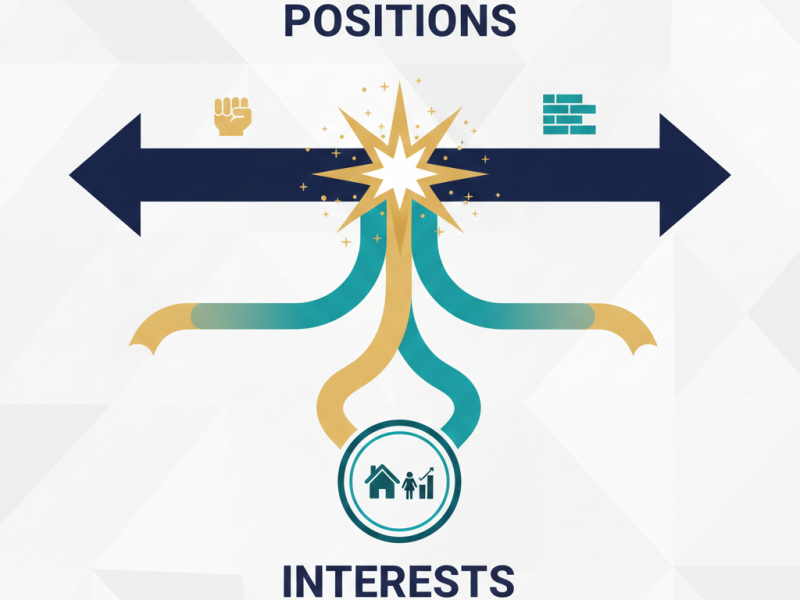
    Separating positions from interests helps resolve spousal maintenance disputes in New York divorce negotiations, focusing on housing stability, education goals, and financial security for children—contact Equitable Mediation at (877) 732-6682 to discuss your situation.

    In my training at Harvard’s Program on Negotiation, I learned a distinction that transforms difficult conversations: the difference between positions and interests. Your position is what you say you want. Your interest is what you want.

    One spouse might take the position: “I need $4,000 per month for five years.” The other: “I’ll pay $1,500 for two years, maximum.” These positions feel mutually exclusive.

    But underneath are interests. The spouse requesting maintenance might need housing stability for the children, time to complete a degree, or recognition of homemaker contributions. The spouse facing payments might need to maintain a home where children can visit, or worry about inflexible payment terms.

    When you shift from positions to interests, you stop debating numbers and start problem-solving. The requesting spouse might not need $4,000 monthly—they need $2,000 plus a plan to complete a nursing degree. The paying spouse might not oppose support—they’re worried about inflexibility.

    We guide couples through this reframing by asking, “What would this maintenance allow you to do?” What concerns do you have? What does fairness look like here? These questions move from demands to dialogue.

    Reframing Maintenance as a Shared Problem

    Divorcing parents in mediation reframing spousal maintenance as a shared financial planning challenge during New York divorce negotiations, emphasizing collaboration and child-focused solutions. Call Equitable Mediation at (877) 732-6682 for supportive guidance.

    One of the most powerful strategies from my training is reframing. Instead of treating maintenance as something one person takes from the other, successful co-parents frame it as a shared problem requiring a shared solution.

    The shared problem becomes: “How do we ensure both of us can maintain stable homes for our children while acknowledging the financial realities of supporting two households?” Notice how different this feels from “How much do I have to pay you?”

    This reframing changes the fundamental dynamic. When maintenance is a shared problem, you’re both on the same side of the table. You become collaborators rather than adversaries. This shift is essential for co-parents because it establishes collaborative problem-solving that will serve you in every future co-parenting decision.

    New York’s maintenance guidelines actually support this approach. The state provides formulas—currently using a $228,000 income cap and duration ranges based on marriage length—but explicitly allows deviation when appropriate. This flexibility enables couples to work together toward solutions that make sense for their circumstances.

    Having Honest Conversations About Needs and Capabilities

    The maintenance conversation requires vulnerable honesty. The person seeking maintenance must be honest about financial needs without shame. The person paying must be honest about capabilities without guilt or resentment.

    During my training at Northwestern, I learned about “transparent disclosure”—the idea that in relationship-preserving negotiations, clarity creates better long-term outcomes than strategic ambiguity.

    We create space for these conversations by establishing ground rules that prevent information from being weaponized. We discuss financial capabilities separately from what anyone “deserves.” We focus on the present and future rather than litigating the past.

    The Mediation Process: Creating Structure for Difficult Conversations

    Maintenance conversations often go badly because couples try having them in unstructured ways—late-night texts, kitchen arguments, tense parking lot discussions. The mediation process provides a structure that makes difficult conversations possible.

    We use interest-based negotiation to dig beneath positions. Rather than starting with numbers, we start with understanding: What’s most important to each of you? What concerns keep you up at night?

    We engage in “reality-testing” of assumptions. People arrive with untested beliefs that we examine together using actual data and scenarios. This isn’t about proving someone wrong—it’s about working from the same accurate information.

    Most importantly, mediation encourages generating multiple options before committing to solutions. Instead of negotiating between $4,000 and $1,500, we explore: What if maintenance decreases over time? What if we structure it for specific expenses? What if we combine it with unequal property division? What if we include regular check-ins?

    By generating options together, you’re not just compromising—you’re creating solutions neither would have come up with on their own. And because you created them together, both of you have ownership.

    The Long Game: Maintenance as Co-Parenting Practice

    New York divorce negotiations, modeling healthy conflict resolution and co-parenting communication. Speak with Equitable Mediation at (877) 732-6682 to protect your family’s future.

    How you negotiate maintenance is practice for co-parenting. If you can discuss money without contempt, listen to concerns, acknowledge different perspectives, and problem-solve together, you’re building skills you’ll use in every co-parenting decision ahead.

    Your children are watching. They’re noticing whether you speak respectfully about their other parent. They’re absorbing whether conflicts escalate or resolve. They’re learning what it looks like to handle disagreements. The maintenance conversation is your first opportunity to show them—and yourselves—that you can be divorced partners who still treat each other with dignity.

    I wish my parents had been given that opportunity. Instead, the adversarial process taught them to see each other as enemies. That hostility didn’t end when the divorce was final—it became the foundation of their inability to co-parent. That’s what I’m committed to helping you avoid.

    This doesn’t mean it will be easy. It means committing to having the conversation in a way that makes future conversations possible. It means pausing when you feel the urge to say something cutting. It means acknowledging when you’re not ready to continue productively.

    Choosing the Path That Preserves What Matters Most

    The maintenance conversation doesn’t have to destroy your co-parenting relationship. With the right approach, it can strengthen it by establishing that you can work through complex issues together. The key is treating it as problem-solving rather than a battle, focusing on interests rather than positions, and committing to honesty and respect even when it’s hard.

    Couples who approach these conversations collaboratively consistently report better long-term co-parenting relationships and greater satisfaction with their agreements than those who fight through attorneys. They’re not just reaching better financial agreements—they’re preserving the ability to co-parent effectively.

    This is personal for me. I’ve spent nearly twenty years as a mediator helping families find peaceful paths through divorce, specifically because I know the damage that adversarial divorce inflicts on children. My parents’ litigated divorce didn’t just cost them their relationship—it cost me mine with my father. That’s why I’m committed to offering couples a different path.

    How you have this conversation matters. Choose collaboration over combat, understanding over ultimatums, and problem-solving over point-scoring. Your future co-parenting relationship—and your children’s wellbeing—depends on it. That’s not just my professional opinion. It’s my lived experience.

    [/fusion_text][/fusion_builder_column][fusion_builder_column type=”1_1″ layout=”1_1″ align_self=”auto” content_layout=”column” align_content=”flex-start” valign_content=”flex-start” content_wrap=”wrap” center_content=”no” column_tag=”div” target=”_self” hide_on_mobile=”medium-visibility,large-visibility” sticky_display=”normal,sticky” order_medium=”0″ order_small=”0″ margin_top=”60px” margin_bottom=”60px” hover_type=”none” border_style=”solid” box_shadow=”no” box_shadow_blur=”0″ box_shadow_spread=”0″ background_type=”single” gradient_start_position=”0″ gradient_end_position=”100″ gradient_type=”linear” radial_direction=”center center” linear_angle=”180″ lazy_load=”none” background_position=”left top” background_repeat=”no-repeat” background_blend_mode=”none” background_slider_skip_lazy_loading=”no” background_slider_loop=”yes” background_slider_pause_on_hover=”no” background_slider_slideshow_speed=”5000″ background_slider_animation=”fade” background_slider_direction=”up” background_slider_animation_speed=”800″ sticky=”off” sticky_devices=”small-visibility,medium-visibility,large-visibility” absolute=”off” filter_type=”regular” filter_hover_element=”self” filter_hue_hover=”0″ filter_saturation_hover=”100″ filter_brightness_hover=”100″ filter_contrast_hover=”100″ filter_invert_hover=”0″ filter_sepia_hover=”0″ filter_opacity_hover=”100″ filter_blur_hover=”0″ filter_hue=”0″ filter_saturation=”100″ filter_brightness=”100″ filter_contrast=”100″ filter_invert=”0″ filter_sepia=”0″ filter_opacity=”100″ filter_blur=”0″ transform_type=”regular” transform_hover_element=”self” transform_scale_x_hover=”1″ transform_scale_y_hover=”1″ transform_translate_x_hover=”0″ transform_translate_y_hover=”0″ transform_rotate_hover=”0″ transform_skew_x_hover=”0″ transform_skew_y_hover=”0″ transform_scale_x=”1″ transform_scale_y=”1″ transform_translate_x=”0″ transform_translate_y=”0″ transform_rotate=”0″ transform_skew_x=”0″ transform_skew_y=”0″ transition_duration=”300″ transition_easing=”ease” motion_effects=”W10=” scroll_motion_devices=”small-visibility,medium-visibility,large-visibility” animation_direction=”left” animation_speed=”0.3″ animation_delay=”0″ last=”true” border_position=”all” first=”true” min_height=”” link=””][fusion_builder_row_inner][fusion_builder_column_inner type=”1_1″ layout=”1_1″ align_self=”auto” content_layout=”column” align_content=”flex-start” valign_content=”flex-start” content_wrap=”wrap” center_content=”no” column_tag=”div” target=”_self” hide_on_mobile=”small-visibility,medium-visibility,large-visibility” sticky_display=”normal,sticky” order_medium=”0″ order_small=”0″ padding_top=”50px” padding_right=”20px” padding_bottom=”50px” padding_left=”20px” hover_type=”none” border_style=”solid” border_radius_top_left=”30px” border_radius_top_right=”30px” border_radius_bottom_right=”30px” border_radius_bottom_left=”30px” box_shadow=”no” box_shadow_blur=”0″ box_shadow_spread=”0″ background_type=”single” background_color=”#f4f3ef” gradient_start_position=”0″ gradient_end_position=”100″ gradient_type=”linear” radial_direction=”center center” linear_angle=”180″ lazy_load=”none” background_position=”left top” background_repeat=”no-repeat” background_blend_mode=”none” background_slider_skip_lazy_loading=”no” background_slider_loop=”yes” background_slider_pause_on_hover=”no” background_slider_slideshow_speed=”5000″ background_slider_animation=”fade” background_slider_direction=”up” background_slider_animation_speed=”800″ sticky=”off” sticky_devices=”small-visibility,medium-visibility,large-visibility” absolute=”off” filter_type=”regular” filter_hover_element=”self” filter_hue_hover=”0″ filter_saturation_hover=”100″ filter_brightness_hover=”100″ filter_contrast_hover=”100″ filter_invert_hover=”0″ filter_sepia_hover=”0″ filter_opacity_hover=”100″ filter_blur_hover=”0″ filter_hue=”0″ filter_saturation=”100″ filter_brightness=”100″ filter_contrast=”100″ filter_invert=”0″ filter_sepia=”0″ filter_opacity=”100″ filter_blur=”0″ transform_type=”regular” transform_hover_element=”self” transform_scale_x_hover=”1″ transform_scale_y_hover=”1″ transform_translate_x_hover=”0″ transform_translate_y_hover=”0″ transform_rotate_hover=”0″ transform_skew_x_hover=”0″ transform_skew_y_hover=”0″ transform_scale_x=”1″ transform_scale_y=”1″ transform_translate_x=”0″ transform_translate_y=”0″ transform_rotate=”0″ transform_skew_x=”0″ transform_skew_y=”0″ transition_duration=”300″ transition_easing=”ease” motion_effects=”W10=” scroll_motion_devices=”small-visibility,medium-visibility,large-visibility” animation_direction=”left” animation_speed=”0.3″ animation_delay=”0″ last=”true” border_position=”all” first=”true” min_height=”” link=””][fusion_code]ICA8c3R5bGU+CiAgIAoKICAgIC5zbGlkZXItY29udGFpbmVyIHsKICAgICAgLyptYXgtd2lkdGg6IDcwMHB4OyAqLwogICAgbWFyZ2luOiAwIGF1dG87CiAgICBwb3NpdGlvbjogcmVsYXRpdmU7CiAgICAvKiBiYWNrZ3JvdW5kOiB3aGl0ZTsgKi8KICAgIGJvcmRlci1yYWRpdXM6IDE2cHg7CiAgICAvKiBib3gtc2hhZG93OiAwIDAgMTBweCByZ2JhKDAsIDAsIDAsIDAuMSk7ICovCiAgICBwYWRkaW5nOiAyMHB4IDUwcHg7CiAgICB0ZXh0LWFsaWduOiBsZWZ0OwogICAgb3ZlcmZsb3c6IGhpZGRlbjsKICAgIC8qIGhlaWdodDogNTAwcHg7Ki8KICAgIH0KCiAgICAuc2xpZGUgewogICAgICBwb3NpdGlvbjogYWJzb2x1dGU7CiAgICAgIHRvcDogMDsKICAgICAgbGVmdDogMDsKICAgICAgd2lkdGg6IDEwMCU7CiAgICAgIG9wYWNpdHk6IDA7CiAgICAgIHRyYW5zZm9ybTogdHJhbnNsYXRlWCgxMDAlKTsKICAgICAgdHJhbnNpdGlvbjogYWxsIDAuNXMgZWFzZTsKICAgICAgdmlzaWJpbGl0eTogaGlkZGVuOwogICAgfQoKICAgIC5zbGlkZS5hY3RpdmUgewogICAgICBvcGFjaXR5OiAxOwogICAgICB0cmFuc2Zvcm06IHRyYW5zbGF0ZVgoMCk7CiAgICAgIHZpc2liaWxpdHk6IHZpc2libGU7CiAgICAgIHBvc2l0aW9uOiByZWxhdGl2ZTsKICAgIH0KCiAgICAudGl0bGUgewogICAgY29sb3I6ICMyNDdkYjQ7CiAgICBmb250LXNpemU6IDI2cHg7CiAgICBmb250LXdlaWdodDogNjAwOwogICAgbWFyZ2luLWJvdHRvbTogMThweDsKICAgIHRleHQtYWxpZ246IGNlbnRlcjsKICAgIGxpbmUtaGVpZ2h0OiAxLjJlbTsKfQoKICAgIC5jb250ZW50IHsKICAgICAgZm9udC1zaXplOiAxNnB4OwogICAgICBjb2xvcjogIzMzMzsKICAgICAgbGluZS1oZWlnaHQ6IDEuNjsKICAgIH0KCQoJc3Bhbi5zZXAgewogICAgcGFkZGluZy1sZWZ0OiAyNXB4OwogICAgcGFkZGluZy1yaWdodDogMjVweDsKICAgIGNvbG9yOiAjM2EyZjJhOwogICAgZm9udC1zaXplOiAxOHB4OwogICAgZm9udC13ZWlnaHQ6IG5vcm1hbDsKfQoKICAgIC5hdXRob3IgewogICAgICBkaXNwbGF5OiBmbGV4OwogICAgYWxpZ24taXRlbXM6IGNlbnRlcjsKICAgIG1hcmdpbi10b3A6IDMwcHg7CiAgICBqdXN0aWZ5LWNvbnRlbnQ6IGNlbnRlcjsKICAgIH0KCiAgICAuYXV0aG9yIGltZyB7CiAgICAgIGJvcmRlci1yYWRpdXM6IDUwJTsKICAgICAgd2lkdGg6IDcwcHg7CiAgICAgIGhlaWdodDogNzBweDsKICAgICAgbWFyZ2luLXJpZ2h0OiAxNXB4OwogICAgfQoJCgkuYXV0aG9yLWRldGFpbHMgcCB7CiAgICBtYXJnaW4tYm90dG9tOiAwcHg7Cn0KCiAgICAuYXV0aG9yLWRldGFpbHMgewogICAgICBmb250LXNpemU6IDE1cHg7CiAgICB9CgogICAgLmF1dGhvci1kZXRhaWxzIHN0cm9uZyB7CiAgICAgIGNvbG9yOiAjMjQ3MWViOwogICAgfQoKICAgIC5uYXYgewogICAgICBwb3NpdGlvbjogYWJzb2x1dGU7CiAgICAgIHRvcDogNTAlOwogICAgICB0cmFuc2Zvcm06IHRyYW5zbGF0ZVkoLTUwJSk7CiAgICAgIGZvbnQtc2l6ZTogMzBweDsKICAgICAgY29sb3I6ICNhYWE7CiAgICAgIGN1cnNvcjogcG9pbnRlcjsKICAgICAgei1pbmRleDogMTsKICAgIH0KCiAgICAubmF2LmxlZnQgewogICAgICBsZWZ0OiAyMHB4OwogICAgfQoKICAgIC5uYXYucmlnaHQgewogICAgICByaWdodDogMjBweDsKICAgIH0KCiAgICAubmF2OmhvdmVyIHsKICAgICAgY29sb3I6ICMyNDcxZWI7CiAgICB9CgkKCS5hdXRob3ItZGV0YWlscyAuaGVhZC1kZXN7Cgljb2xvcjogIzI0N2RiNDsgCglmb250LXNpemU6IDMwcHg7IAoJZm9udC13ZWlnaHQ6IDUwMDsKCWZvbnQtZmFtaWx5OiJETSBTZXJpZiBEaXNwbGF5IiwgQXJpYWwsIEhlbHZldGljYSwgc2Fucy1zZXJpZjsKCX0KCQoJLmF1dGhvci1kZXRhaWxzIC5zdWItZGVzewoJbGV0dGVyLXNwYWNpbmc6IDNweDsgCgl0ZXh0LXRyYW5zZm9ybTogdXBwZXJjYXNlOyAKCWZvbnQtc2l6ZTogMTZweDsgCgljb2xvcjogIzNhMmYyYTsKCX0KICA8L3N0eWxlPgoKPGRpdiBjbGFzcz0ic2xpZGVyLWNvbnRhaW5lciI+CiAgPCEtLSBTbGlkZSAxIC0tPgogIDxkaXYgY2xhc3M9InNsaWRlIGFjdGl2ZSI+CiAgICA8ZGl2IGNsYXNzPSJjb250ZW50Ij4KICAgICAgPHA+4oCcWW91IG1heSBoYXZlIHJlc2VhcmNoZWQgaG93IGFsaW1vbnkgd29ya3MgaW4geW91ciBzdGF0ZS4gQnV0IGluIG15IGV4cGVyaWVuY2UsIHJlZ2FyZGxlc3Mgb2Ygd2hldGhlciBhIHN0YXRlIG9mZmVycyBndWlkYW5jZSBvbiBob3cgdG8gcmVzb2x2ZSBhbGltb255LCBvZnRlbiwgY291cGxlcyBuZWdvdGlhdGUgdGhlaXIgb3duIGFncmVlbWVudCB0YWlsb3JlZCB0byB0aGVpciB1bmlxdWUgc2l0dWF0aW9uIGFuZCBjaXJjdW1zdGFuY2VzLjwvcD4KICAgICAgPHA+U28geW91IGhhdmUgYSBsb3Qgb2YgZmxleGliaWxpdHkgYW5kIGNhbiBtYWludGFpbiBhIGxvdCBvZiBjb250cm9sIGlmIHlvdSBuZWdvdGlhdGUgdGhlIHRlcm1zIG9mIGFsaW1vbnkgb3V0IG9mIGNvdXJ0IHdpdGggdGhlIGhlbHAgb2YgYSBza2lsbGVkIHByb2Zlc3Npb25hbCB1c2luZyBhbiBhbHRlcm5hdGl2ZSBkaXNwdXRlIHJlc29sdXRpb24gcHJvY2VzcyBsaWtlIDxhIGhyZWY9Ii9yZXNvdXJjZXMvY29sbGFib3JhdGl2ZS1kaXZvcmNlLXZzLW1lZGlhdGlvbiIgcmVsPSJub29wZW5lciI+ZGl2b3JjZSBtZWRpYXRpb24gb3IgYSBjb2xsYWJvcmF0aXZlIGRpdm9yY2UgPC9hPi48L3A+CiAgICAgIDxwPllvdSBhbmQgeW91ciBzb29uLXRvLWJlIGV4LXNwb3VzZSB3aWxsIG1vcmUgbGlrZWx5IGNvbWUgdG8gYW4gYWxpbW9ueSBhcnJhbmdlbWVudCB0aGF0J3MgYWNjZXB0YWJsZSB0byBib3RoIG9mIHlvdS4iPHA+CiAgICA8L2Rpdj4KICAgIDxkaXYgY2xhc3M9ImF1dGhvciI+CiAgICAgIDxpbWcgc3JjPSIvd3AtY29udGVudC91cGxvYWRzLzIwMjUvMDYvZXF1aXRhYmxlLW1lZGlhdGlvbi10ZWFtLWpvZS1kaWxsb24ud2VicCIgYWx0PSJKb2UgRGlsbG9uIGhlYWRzaG90IiAvPgogICAgICA8ZGl2IGNsYXNzPSJhdXRob3ItZGV0YWlscyI+CiAgICAgICAgPHA+IDxzcGFuIGNsYXNzPSJoZWFkLWRlcyI+IEpvZSBEaWxsb248L3NwYW4+IDxzcGFuIGNsYXNzPSJzZXAiPnw8L3NwYW4+IDxzcGFuIGNsYXNzPSJzdWItZGVzIj5EaXZvcmNlIE1lZGlhdG9yICYgRm91bmRlcjwvc3Bhbj48L3A+CiAgICAgIDwvZGl2PgogICAgPC9kaXY+CiAgPC9kaXY+CiAgPCEtLSBBcnJvd3MgLS0+CiAgPCEtLSA8ZGl2IGNsYXNzPSJuYXYgbGVmdCIgb25jbGljaz0icHJldlNsaWRlKCkiPiYjMTAwOTQ7PC9kaXY+CiAgPGRpdiBjbGFzcz0ibmF2IHJpZ2h0IiBvbmNsaWNrPSJuZXh0U2xpZGUoKSI+JiMxMDA5NTs8L2Rpdj4gLS0+CjwvZGl2PgoKPHNjcmlwdD4KICBsZXQgY3VycmVudFNsaWRlID0gMDsKICBjb25zdCBzbGlkZXMgPSBkb2N1bWVudC5xdWVyeVNlbGVjdG9yQWxsKCcuc2xpZGUnKTsKCiAgZnVuY3Rpb24gc2hvd1NsaWRlKGluZGV4KSB7CiAgICBzbGlkZXMuZm9yRWFjaCgocywgaSkgPT4gewogICAgICBzLmNsYXNzTGlzdC5yZW1vdmUoJ2FjdGl2ZScpOwogICAgfSk7CiAgICBzbGlkZXNbaW5kZXhdLmNsYXNzTGlzdC5hZGQoJ2FjdGl2ZScpOwogIH0KCiAgZnVuY3Rpb24gbmV4dFNsaWRlKCkgewogICAgY3VycmVudFNsaWRlID0gKGN1cnJlbnRTbGlkZSArIDEpICUgc2xpZGVzLmxlbmd0aDsKICAgIHNob3dTbGlkZShjdXJyZW50U2xpZGUpOwogIH0KCiAgZnVuY3Rpb24gcHJldlNsaWRlKCkgewogICAgY3VycmVudFNsaWRlID0gKGN1cnJlbnRTbGlkZSAtIDEgKyBzbGlkZXMubGVuZ3RoKSAlIHNsaWRlcy5sZW5ndGg7CiAgICBzaG93U2xpZGUoY3VycmVudFNsaWRlKTsKICB9Cjwvc2NyaXB0Pg==[/fusion_code][/fusion_builder_column_inner][/fusion_builder_row_inner][/fusion_builder_column][/fusion_builder_row][/fusion_builder_container][fusion_builder_container type=”flex” hundred_percent=”no” hundred_percent_height=”no” hundred_percent_height_scroll=”no” align_content=”stretch” flex_align_items=”flex-start” flex_justify_content=”flex-start” flex_wrap=”wrap” hundred_percent_height_center_content=”yes” equal_height_columns=”no” container_tag=”div” hide_on_mobile=”small-visibility,medium-visibility,large-visibility” status=”published” padding_bottom_medium=”50px” padding_bottom_small=”30px” padding_top=”100px” padding_bottom=”100px” border_style=”solid” box_shadow=”no” box_shadow_blur=”0″ box_shadow_spread=”0″ gradient_start_position=”0″ gradient_end_position=”100″ gradient_type=”linear” radial_direction=”center center” linear_angle=”180″ background_position=”center center” background_repeat=”no-repeat” fade=”no” background_parallax=”none” enable_mobile=”no” parallax_speed=”0.3″ background_blend_mode=”none” background_slider_skip_lazy_loading=”no” background_slider_loop=”yes” background_slider_pause_on_hover=”no” background_slider_slideshow_speed=”5000″ background_slider_animation=”fade” background_slider_direction=”up” background_slider_animation_speed=”800″ video_aspect_ratio=”16:9″ video_loop=”yes” video_mute=”yes” pattern_bg=”none” pattern_bg_style=”default” pattern_bg_opacity=”100″ pattern_bg_blend_mode=”normal” mask_bg=”none” mask_bg_style=”default” mask_bg_opacity=”100″ mask_bg_transform=”left” mask_bg_blend_mode=”normal” absolute=”off” absolute_devices=”small,medium,large” sticky=”off” sticky_devices=”small-visibility,medium-visibility,large-visibility” sticky_transition_offset=”0″ scroll_offset=”0″ animation_direction=”left” animation_speed=”0.3″ animation_delay=”0″ filter_hue=”0″ filter_saturation=”100″ filter_brightness=”100″ filter_contrast=”100″ filter_invert=”0″ filter_sepia=”0″ filter_opacity=”100″ filter_blur=”0″ filter_hue_hover=”0″ filter_saturation_hover=”100″ filter_brightness_hover=”100″ filter_contrast_hover=”100″ filter_invert_hover=”0″ filter_sepia_hover=”0″ filter_opacity_hover=”100″ filter_blur_hover=”0″ admin_label=”FAQ” admin_toggled=”no”][fusion_builder_row][fusion_builder_column type=”1_1″ layout=”1_1″ align_self=”auto” content_layout=”column” align_content=”flex-start” valign_content=”flex-start” content_wrap=”wrap” center_content=”no” column_tag=”div” target=”_self” hide_on_mobile=”small-visibility,medium-visibility,large-visibility” sticky_display=”normal,sticky” order_medium=”0″ order_small=”0″ hover_type=”none” border_style=”solid” box_shadow=”no” box_shadow_blur=”0″ box_shadow_spread=”0″ background_type=”single” gradient_start_position=”0″ gradient_end_position=”100″ gradient_type=”linear” radial_direction=”center center” linear_angle=”180″ lazy_load=”none” background_position=”left top” background_repeat=”no-repeat” background_blend_mode=”none” background_slider_skip_lazy_loading=”no” background_slider_loop=”yes” background_slider_pause_on_hover=”no” background_slider_slideshow_speed=”5000″ background_slider_animation=”fade” background_slider_direction=”up” background_slider_animation_speed=”800″ sticky=”off” sticky_devices=”small-visibility,medium-visibility,large-visibility” absolute=”off” filter_type=”regular” filter_hover_element=”self” filter_hue_hover=”0″ filter_saturation_hover=”100″ filter_brightness_hover=”100″ filter_contrast_hover=”100″ filter_invert_hover=”0″ filter_sepia_hover=”0″ filter_opacity_hover=”100″ filter_blur_hover=”0″ filter_hue=”0″ filter_saturation=”100″ filter_brightness=”100″ filter_contrast=”100″ filter_invert=”0″ filter_sepia=”0″ filter_opacity=”100″ filter_blur=”0″ transform_type=”regular” transform_hover_element=”self” transform_scale_x_hover=”1″ transform_scale_y_hover=”1″ transform_translate_x_hover=”0″ transform_translate_y_hover=”0″ transform_rotate_hover=”0″ transform_skew_x_hover=”0″ transform_skew_y_hover=”0″ transform_scale_x=”1″ transform_scale_y=”1″ transform_translate_x=”0″ transform_translate_y=”0″ transform_rotate=”0″ transform_skew_x=”0″ transform_skew_y=”0″ transition_duration=”300″ transition_easing=”ease” motion_effects=”W10=” scroll_motion_devices=”small-visibility,medium-visibility,large-visibility” animation_direction=”left” animation_speed=”0.3″ animation_delay=”0″ last=”true” border_position=”all” first=”true” min_height=”” link=””][fusion_title title_type=”text” scroll_reveal_effect=”color_change” scroll_reveal_basis=”chars” scroll_reveal_behavior=”always” scroll_reveal_duration=”500″ scroll_reveal_stagger=”200″ scroll_reveal_delay=”0″ scroll_reveal_above_fold=”yes” marquee_direction=”left” marquee_mask_edges=”no” marquee_speed=”15000″ rotation_effect=”bounceIn” display_time=”1200″ highlight_effect=”circle” loop_animation=”once” highlight_animation_duration=”1500″ highlight_width=”9″ highlight_smudge_effect=”no” highlight_top_margin=”0″ title_link=”off” link_target=”_self” hide_on_mobile=”small-visibility,medium-visibility,large-visibility” sticky_display=”normal,sticky” content_align_small=”left” content_align=”left” size=”2″ font_size=”38px” text_color=”var(–awb-color4)” text_shadow=”no” text_shadow_blur=”0″ text_stroke=”no” text_stroke_size=”1″ text_overflow=”none” margin_top=”0px” margin_bottom=”60px” gradient_font=”no” gradient_start_position=”0″ gradient_end_position=”100″ gradient_type=”linear” radial_direction=”center center” linear_angle=”180″ style_type=”default” animation_type=”fade” animation_direction=”static” animation_speed=”1.0″ animation_delay=”0.5″]

    FAQs About Spousal Maintenance in New York

    [/fusion_title][fusion_accordion type=”toggles” hide_on_mobile=”small-visibility,medium-visibility,large-visibility” boxed_mode=”yes” border_size=”2″ border_color=”#d8e8f2″ hover_color=”#f4f3ef” padding_top=”10px” padding_right=”5px” padding_bottom=”10px” padding_left=”5px” title_tag=”h4″ fusion_font_family_title_font=”Poppins” fusion_font_variant_title_font=”600″ title_font_size=”18px” title_color=”var(–awb-color6)” icon_size=”25px” icon_color=”#d8e8f2″ icon_boxed_mode=”no” icon_box_color=”#d8e8f2″ icon_alignment=”right” content_font_size=”16px” content_color=”var(–awb-color6)” toggle_hover_accent_color=”var(–awb-color6)” toggle_active_accent_color=”var(–awb-color6)”][fusion_toggle title=”1. What is spousal maintenance in New York and how is it different from alimony?” open=”no” title_color=”var(–awb-color8)” content_color=”var(–awb-color8)”]Spousal maintenance is the current legal term in New York for financial support that one spouse pays to another during or after divorce. “Alimony” is an older term replaced in New York law years ago. The purpose is to help the financially dependent spouse meet reasonable needs and become self-supporting.

    In mediation, we discuss maintenance as part of your overall financial planning rather than as something imposed by external rules. Understanding that maintenance serves as a bridge to financial independence helps frame productive conversations about what makes sense for your specific situation.[/fusion_toggle][fusion_toggle title=”2. What are the different types of spousal maintenance available in New York?” open=”no” awb-switch-editor-focus=”New York recognizes three types: informal spousal support during separation, temporary maintenance paid during the divorce process, and post-divorce maintenance paid after finalization. Temporary maintenance helps maintain financial stability while the divorce proceeds, while post-divorce maintenance facilitates the transition to financial independence. Receiving temporary maintenance doesn’t automatically guarantee post-divorce maintenance. In mediation, we help you structure the transition between phases using step-down provisions or rehabilitative plans that align with realistic timelines. This integrated approach works better than treating phases separately, which often happens in litigation.” title_color=”var(–awb-color8)” content_color=”var(–awb-color8)”]New York recognizes three types: informal spousal support during separation, temporary maintenance paid during the divorce process, and post-divorce maintenance paid after finalization.

    Temporary maintenance helps maintain financial stability while the divorce proceeds, while post-divorce maintenance facilitates the transition to financial independence. Receiving temporary maintenance doesn’t automatically guarantee post-divorce maintenance.

    In mediation, we help you structure the transition between phases using step-down provisions or rehabilitative plans that align with realistic timelines. This integrated approach works better than treating phases separately, which often happens in litigation.[/fusion_toggle][fusion_toggle title=”3. How is spousal maintenance calculated in New York?” open=”no” title_color=”var(–awb-color8)” content_color=”var(–awb-color8)”]

    New York uses statutory formulas that consider both spouses’ incomes and whether child support is involved. Without child support, the formula subtracts 20% of the receiving spouse’s income from 30% of the paying spouse’s income. With child support, it subtracts 25% of the receiving spouse’s income from 20% of the paying spouse’s income. There’s also a check calculation: 40% of combined income minus the receiving spouse’s income. The lower result generally serves as the guideline amount.

    As of 2025, the formula applies to income up to $228,000. For income above that cap, how New York approaches maintenance becomes more discretionary, based on factors like standard of living during the marriage, earning capacity, career sacrifices, and health conditions.

    While these formulas provide a starting point, they often produce results that don’t match real-world circumstances. In mediation, we calculate what the guidelines would produce, then explore whether that makes sense for your situation or whether creative alternatives might work better. With an MBA in finance, we can model different scenarios, show you tax implications, and help you understand long-term financial impact. This rigorous financial analysis goes well beyond simply plugging numbers into a formula.

    [/fusion_toggle][fusion_toggle title=”4. How long does spousal maintenance last in New York?” open=”no” title_color=”var(–awb-color8)” content_color=”var(–awb-color8)”]How New York approaches duration depends on marriage length. For 0-15 year marriages, maintenance typically ranges from 15-30% of the marriage length. For 15-20 year marriages, it’s 30-40%. For marriages over 20 years, it’s 35-50%.

    These are ranges, not fixed rules. A twelve-year marriage might result in maintenance for roughly 2-4 years, depending on factors like age, employability, and career sacrifices. Maintenance typically ends when either spouse dies or when the receiving spouse remarries.

    In mediation, we model different duration scenarios and their long-term impacts. We help you think through whether standard ranges make sense or whether step-down provisions or review mechanisms would work better.[/fusion_toggle][fusion_toggle title=”5. Who qualifies for spousal maintenance in New York?” open=”no” title_color=”var(–awb-color8)” content_color=”var(–awb-color8)”]

    Qualification requires demonstrating financial need—meaning you lack sufficient income or assets to meet reasonable expenses—while the other spouse has the financial ability to provide support. If both spouses earn similar incomes and have comparable resources, maintenance is unlikely.

    How New York evaluates eligibility involves examining income disparity, particularly where one spouse sacrificed career opportunities to support the family. The requesting spouse’s employability skills and realistic earning potential matter. A spouse’s role as homemaker or support system for the higher-earning spouse’s career is relevant.

    In mediation, we examine actual earning capacity, career timelines, and financial needs with specificity rather than making worst-case or best-case assumptions.

    [/fusion_toggle][fusion_toggle title=”6. What factors does New York consider when determining spousal maintenance?” open=”no” title_color=”var(–awb-color8)” content_color=”var(–awb-color8)”]

    How New York approaches maintenance involves thirteen statutory factors: age and health of both parties, earning capacity, need for education or training expenses, wasteful dissipation of marital property, domestic violence that inhibited earning capacity, medical insurance availability and cost, care of children, reduced lifetime earning capacity due to forgone career opportunities, pre-marital joint household duration, contributions to the marriage, property distribution, tax consequences, and other relevant factors.

    In litigation, attorneys argue about how these factors apply. In mediation, we work through them together to build shared understanding and structure maintenance that acknowledges what’s most important to both of you.

    [/fusion_toggle][fusion_toggle title=”7. Is spousal maintenance automatic in New York divorces?” open=”no” title_color=”var(–awb-color8)” content_color=”var(–awb-color8)”]

    No, maintenance is not automatic. Unlike child support which is mandatory when children are involved, maintenance is based on specific financial circumstances.

    In litigation, someone petitions for maintenance and makes arguments about why it should be awarded. In mediation, you can have open conversations about whether maintenance makes sense, how much, and for how long, without adversarial positioning. You can negotiate your own arrangement as part of a comprehensive settlement that considers property division, tax planning, and your long-term goals together.

    This flexibility is one of mediation’s most valuable advantages.

    [/fusion_toggle][fusion_toggle title=”8. What are the tax implications of spousal maintenance in New York?” open=”no” title_color=”var(–awb-color8)” content_color=”var(–awb-color8)”]

    For divorces finalized after January 1, 2019, federal tax law changed significantly: the paying spouse can no longer deduct maintenance payments, and the receiving spouse doesn’t report them as income on federal returns. However, New York state tax law didn’t change—maintenance payments remain deductible for the paying spouse and taxable to the receiving spouse on state returns.

    This creates a split where you must file federal and state taxes differently regarding maintenance. The federal tax law change eliminated what had been a significant incentive for higher maintenance amounts, as payors could previously reduce their taxable income through these deductions.

    This tax complexity is exactly where financial expertise makes a critical difference. Understanding the actual after-tax cost and benefit requires sophisticated modeling that most people—and many mediators—aren’t equipped to do. With an MBA in finance, we can model the tax impact accurately, show you side-by-side scenarios, and help you structure maintenance in ways that maximize the benefit to both parties when tax treatment is considered. This kind of analysis can reveal opportunities for structuring agreements that litigation simply doesn’t accommodate.

    [/fusion_toggle][fusion_toggle title=”9. Can spousal maintenance be paid as a lump sum instead of monthly payments?” open=”no” title_color=”var(–awb-color8)” content_color=”var(–awb-color8)”]

    Yes, lump-sum maintenance is possible. Rather than monthly payments over time, one spouse provides the full maintenance amount upfront.

    This works when the paying spouse has sufficient liquid assets and values finality. For the receiving spouse, benefits include immediate access to funds and no concerns about future ability or willingness to pay. However, recipients lose flexibility since lump-sum payments typically can’t be modified.

    Evaluating whether lump-sum maintenance makes sense requires rigorous financial analysis: calculating present value of payment streams, assessing liquidity and tax implications, and understanding opportunity costs. This is where financial expertise matters significantly.

    [/fusion_toggle][fusion_toggle title=”10. What is the income cap for calculating spousal maintenance in New York?” open=”no” title_color=”var(–awb-color8)” content_color=”var(–awb-color8)”]As of 2025, New York’s statutory formula applies to income up to $228,000. For income above that cap, how maintenance is determined becomes more discretionary based on factors like standard of living during the marriage, financial needs, and ability to maintain reasonable needs while providing support.

    When you’re dealing with income above the cap, financial sophistication becomes essential. Rather than a simple formula, you’re negotiating based on complex factors, often involving variable compensation like bonuses, stock options, or business income. In mediation with financial expertise, we can analyze these complex structures, model different scenarios, and help you structure agreements that make financial sense.[/fusion_toggle][/fusion_accordion][fusion_text disable_idd=”no” hide_on_mobile=”small-visibility,medium-visibility,large-visibility” sticky_display=”normal,sticky” animation_direction=”left” animation_speed=”0.3″ animation_delay=”0″]

    The Mediation Advantage for Maintenance Discussions

    Throughout these FAQs, you’ve seen references to mediation as an alternative to litigation. In litigation, attorneys fight over what guidelines produce and argue about how factors apply. You’re spending tens of thousands on adversarial processes that often produce outcomes neither party accepts. For co-parents, this poisons the relationship foundation you need for years ahead.

    In mediation, you’re working together to understand what the guidelines say, whether they fit your circumstances, and what alternatives might work better. When you combine that collaborative process with genuine financial expertise—the ability to model scenarios, calculate present values, analyze tax impacts, and structure creative solutions—you get agreements that are both fair and sustainable.

    That’s what makes the difference between maintenance arrangements that work and ones that create ongoing conflict.

    [/fusion_text][fusion_code]PHN0eWxlPgogIC8qIEZyb250IGVuZCBvbmx5OiBzdGFydCBoaWRkZW4gYW5kIGZhZGUgaW4gKi8KYm9keTpub3QoLmZ1c2lvbi1idWlsZGVyLWxpdmUpIC5mdXNpb24tcGFuZWwgewogIG9wYWNpdHk6IDA7CiAgdHJhbnNpdGlvbjogb3BhY2l0eSAwLjZzIGVhc2Utb3V0Owp9CmJvZHk6bm90KC5mdXNpb24tYnVpbGRlci1saXZlKSAuZnVzaW9uLXBhbmVsLmFuaW1hdGUgewogIG9wYWNpdHk6IDE7Cn0KCi8qIEJ1aWxkZXI6IGFsd2F5cyB2aXNpYmxlLCBldmVuIHdoZW4gdGhlIGNsYXNzIGlzIG9uIGEgY29sdW1uICovCmJvZHkuZnVzaW9uLWJ1aWxkZXItbGl2ZSAuZnVzaW9uLXBhbmVsLAouZnVzaW9uLWJ1aWxkZXItbGl2ZS1lbGVtZW50LmZ1c2lvbi1wYW5lbCwKLmZ1c2lvbi1idWlsZGVyLWxpdmUgLmZ1c2lvbi1idWlsZGVyLWNvbHVtbi5mdXNpb24tcGFuZWwsCi5mdXNpb24tYnVpbGRlci1saXZlIC5mdXNpb24tYnVpbGRlci1jb2x1bW4tb3V0ZXIuZnVzaW9uLXBhbmVsIHsKICBvcGFjaXR5OiAxICFpbXBvcnRhbnQ7Cn0KPC9zdHlsZT4KCjxzY3JpcHQ+Ci8qTGF6eSBMb2FkIEFuaW1hdGlvbiovCmRvY3VtZW50LmFkZEV2ZW50TGlzdGVuZXIoIkRPTUNvbnRlbnRMb2FkZWQiLCBmdW5jdGlvbiAoKSB7CiAgY29uc3QgZWxlbWVudHMgPSBkb2N1bWVudC5xdWVyeVNlbGVjdG9yQWxsKCIuZnVzaW9uLXBhbmVsIik7CgogIGZ1bmN0aW9uIGFuaW1hdGVPblNjcm9sbCgpIHsKICAgIGNvbnN0IHRyaWdnZXJQb2ludCA9IHdpbmRvdy5pbm5lckhlaWdodCAqICgzIC8gNCk7CgogICAgZWxlbWVudHMuZm9yRWFjaChlbCA9PiB7CiAgICAgIGNvbnN0IHJlY3QgPSBlbC5nZXRCb3VuZGluZ0NsaWVudFJlY3QoKTsKICAgICAgaWYgKHJlY3QudG9wIDw9IHRyaWdnZXJQb2ludCAmJiAhZWwuY2xhc3NMaXN0LmNvbnRhaW5zKCJhbmltYXRlIikpIHsKICAgICAgICBlbC5jbGFzc0xpc3QuYWRkKCJhbmltYXRlIik7CiAgICAgIH0KICAgIH0pOwogIH0KCiAgd2luZG93LmFkZEV2ZW50TGlzdGVuZXIoInNjcm9sbCIsIGFuaW1hdGVPblNjcm9sbCk7CiAgYW5pbWF0ZU9uU2Nyb2xsKCk7Cn0pOwogIDwvc2NyaXB0Pgo=[/fusion_code][/fusion_builder_column][/fusion_builder_row][/fusion_builder_container][fusion_builder_container type=”flex” hundred_percent=”no” hundred_percent_height=”no” hundred_percent_height_scroll=”no” align_content=”stretch” flex_align_items=”flex-start” flex_justify_content=”flex-start” flex_wrap=”wrap” hundred_percent_height_center_content=”yes” equal_height_columns=”no” container_tag=”div” hide_on_mobile=”small-visibility,medium-visibility,large-visibility” status=”published” padding_top=”50px” border_style=”solid” box_shadow=”no” box_shadow_blur=”0″ box_shadow_spread=”0″ gradient_start_position=”0″ gradient_end_position=”100″ gradient_type=”linear” radial_direction=”center center” linear_angle=”180″ background_position=”center center” background_repeat=”no-repeat” fade=”no” background_parallax=”none” enable_mobile=”no” parallax_speed=”0.3″ background_blend_mode=”none” background_slider_skip_lazy_loading=”no” background_slider_loop=”yes” background_slider_pause_on_hover=”no” background_slider_slideshow_speed=”5000″ background_slider_animation=”fade” background_slider_direction=”up” background_slider_animation_speed=”800″ video_aspect_ratio=”16:9″ video_loop=”yes” video_mute=”yes” pattern_bg=”none” pattern_bg_style=”default” pattern_bg_opacity=”100″ pattern_bg_blend_mode=”normal” mask_bg=”none” mask_bg_style=”default” mask_bg_opacity=”100″ mask_bg_transform=”left” mask_bg_blend_mode=”normal” absolute=”off” absolute_devices=”small,medium,large” sticky=”off” sticky_devices=”small-visibility,medium-visibility,large-visibility” sticky_transition_offset=”0″ scroll_offset=”0″ animation_direction=”left” animation_speed=”0.3″ animation_delay=”0″ filter_hue=”0″ filter_saturation=”100″ filter_brightness=”100″ filter_contrast=”100″ filter_invert=”0″ filter_sepia=”0″ filter_opacity=”100″ filter_blur=”0″ filter_hue_hover=”0″ filter_saturation_hover=”100″ filter_brightness_hover=”100″ filter_contrast_hover=”100″ filter_invert_hover=”0″ filter_sepia_hover=”0″ filter_opacity_hover=”100″ filter_blur_hover=”0″ admin_label=”Call to Action” admin_toggled=”yes”][fusion_builder_row][fusion_builder_column type=”1_1″ layout=”60.00″ align_self=”auto” content_layout=”column” align_content=”flex-start” valign_content=”flex-start” content_wrap=”wrap” center_content=”no” column_tag=”div” target=”_self” hide_on_mobile=”small-visibility,medium-visibility,large-visibility” sticky_display=”normal,sticky” order_medium=”0″ order_small=”0″ hover_type=”none” border_style=”solid” box_shadow=”no” box_shadow_blur=”0″ box_shadow_spread=”0″ background_type=”single” gradient_start_position=”0″ gradient_end_position=”100″ gradient_type=”linear” radial_direction=”center center” linear_angle=”180″ lazy_load=”none” background_position=”left top” background_repeat=”no-repeat” background_blend_mode=”none” background_slider_skip_lazy_loading=”no” background_slider_loop=”yes” background_slider_pause_on_hover=”no” background_slider_slideshow_speed=”5000″ background_slider_animation=”fade” background_slider_direction=”up” background_slider_animation_speed=”800″ sticky=”off” sticky_devices=”small-visibility,medium-visibility,large-visibility” absolute=”off” filter_type=”regular” filter_hover_element=”self” filter_hue_hover=”0″ filter_saturation_hover=”100″ filter_brightness_hover=”100″ filter_contrast_hover=”100″ filter_invert_hover=”0″ filter_sepia_hover=”0″ filter_opacity_hover=”100″ filter_blur_hover=”0″ filter_hue=”0″ filter_saturation=”100″ filter_brightness=”100″ filter_contrast=”100″ filter_invert=”0″ filter_sepia=”0″ filter_opacity=”100″ filter_blur=”0″ transform_type=”regular” transform_hover_element=”self” transform_scale_x_hover=”1″ transform_scale_y_hover=”1″ transform_translate_x_hover=”0″ transform_translate_y_hover=”0″ transform_rotate_hover=”0″ transform_skew_x_hover=”0″ transform_skew_y_hover=”0″ transform_scale_x=”1″ transform_scale_y=”1″ transform_translate_x=”0″ transform_translate_y=”0″ transform_rotate=”0″ transform_skew_x=”0″ transform_skew_y=”0″ transition_duration=”300″ transition_easing=”ease” motion_effects=”W10=” scroll_motion_devices=”small-visibility,medium-visibility,large-visibility” animation_direction=”left” animation_speed=”0.3″ animation_delay=”0″ last=”true” border_position=”all” first=”true” min_height=”” link=””][fusion_builder_row_inner][fusion_builder_column_inner type=”1_1″ layout=”1_1″ align_self=”auto” content_layout=”column” align_content=”flex-start” valign_content=”flex-start” content_wrap=”wrap” center_content=”no” column_tag=”div” target=”_self” hide_on_mobile=”small-visibility,medium-visibility,large-visibility” sticky_display=”normal,sticky” order_medium=”0″ order_small=”0″ padding_top=”50px” padding_right=”20px” padding_bottom=”50px” padding_left=”20px” hover_type=”none” border_style=”solid” border_radius_top_left=”30px” border_radius_top_right=”30px” border_radius_bottom_right=”30px” border_radius_bottom_left=”30px” box_shadow=”no” box_shadow_blur=”0″ box_shadow_spread=”0″ background_type=”single” background_color=”#d8e8f2″ gradient_start_position=”0″ gradient_end_position=”100″ gradient_type=”linear” radial_direction=”center center” linear_angle=”180″ lazy_load=”none” background_position=”left top” background_repeat=”no-repeat” background_blend_mode=”none” background_slider_skip_lazy_loading=”no” background_slider_loop=”yes” background_slider_pause_on_hover=”no” background_slider_slideshow_speed=”5000″ background_slider_animation=”fade” background_slider_direction=”up” background_slider_animation_speed=”800″ sticky=”off” sticky_devices=”small-visibility,medium-visibility,large-visibility” absolute=”off” filter_type=”regular” filter_hover_element=”self” filter_hue_hover=”0″ filter_saturation_hover=”100″ filter_brightness_hover=”100″ filter_contrast_hover=”100″ filter_invert_hover=”0″ filter_sepia_hover=”0″ filter_opacity_hover=”100″ filter_blur_hover=”0″ filter_hue=”0″ filter_saturation=”100″ filter_brightness=”100″ filter_contrast=”100″ filter_invert=”0″ filter_sepia=”0″ filter_opacity=”100″ filter_blur=”0″ transform_type=”regular” transform_hover_element=”self” transform_scale_x_hover=”1″ transform_scale_y_hover=”1″ transform_translate_x_hover=”0″ transform_translate_y_hover=”0″ transform_rotate_hover=”0″ transform_skew_x_hover=”0″ transform_skew_y_hover=”0″ transform_scale_x=”1″ transform_scale_y=”1″ transform_translate_x=”0″ transform_translate_y=”0″ transform_rotate=”0″ transform_skew_x=”0″ transform_skew_y=”0″ transition_duration=”300″ transition_easing=”ease” motion_effects=”W10=” scroll_motion_devices=”small-visibility,medium-visibility,large-visibility” animation_direction=”left” animation_speed=”0.3″ animation_delay=”0″ last=”true” border_position=”all” first=”true” min_height=”” link=””][fusion_title title_type=”text” scroll_reveal_effect=”color_change” scroll_reveal_basis=”chars” scroll_reveal_behavior=”always” scroll_reveal_duration=”500″ scroll_reveal_stagger=”200″ scroll_reveal_delay=”0″ scroll_reveal_above_fold=”yes” marquee_direction=”left” marquee_mask_edges=”no” marquee_speed=”15000″ rotation_effect=”bounceIn” display_time=”1200″ highlight_effect=”circle” loop_animation=”once” highlight_animation_duration=”1500″ highlight_width=”9″ highlight_smudge_effect=”no” highlight_top_margin=”0″ title_link=”off” link_target=”_self” hide_on_mobile=”small-visibility,medium-visibility,large-visibility” sticky_display=”normal,sticky” content_align_small=”center” content_align=”center” size=”2″ font_size=”38px” text_color=”var(–awb-color4)” text_shadow=”no” text_shadow_blur=”0″ text_stroke=”no” text_stroke_size=”1″ text_overflow=”none” margin_top=”0px” gradient_font=”no” gradient_start_position=”0″ gradient_end_position=”100″ gradient_type=”linear” radial_direction=”center center” linear_angle=”180″ style_type=”default” animation_type=”fade” animation_direction=”static” animation_speed=”1.0″ animation_delay=”0.5″]

    Lay the groundwork for a peaceful divorce

    [/fusion_title][fusion_button link=”/tag/courses-kits” enable_hover_text_icon=”no” title=”Explore Courses” target=”_self” aria_role_button=”0″ alignment=”center” hide_on_mobile=”small-visibility,medium-visibility,large-visibility” sticky_display=”normal,sticky” class=”btn-style-blue” color=”custom” button_gradient_top_color_hover=”var(–awb-color4)” button_gradient_top_color=”var(–awb-custom_color_2)” button_gradient_bottom_color_hover=”var(–awb-color4)” button_gradient_bottom_color=”var(–awb-color4)” linear_angle=”180″ accent_color=”var(–awb-color5)” border_top=”2px” border_right=”2px” border_bottom=”2px” border_left=”2px” border_radius_top_left=”30px” border_radius_top_right=”30px” border_radius_bottom_right=”30px” border_radius_bottom_left=”30px” border_hover_color=”var(–awb-color5)” border_color=”var(–awb-color5)” size=”large” fusion_font_family_button_font=”Poppins” fusion_font_variant_button_font=”700″ font_size=”16px” stretch=”default” margin_top=”22px” icon_position=”left” icon_divider=”no” hover_transition=”none” animation_type=”fade” animation_direction=”static” animation_speed=”1.0″ animation_delay=”0.5″]Explore Courses[/fusion_button][/fusion_builder_column_inner][/fusion_builder_row_inner][/fusion_builder_column][/fusion_builder_row][/fusion_builder_container][fusion_global id=”2082″]

  • The Mediation Math: Using Financial Projections to Find Maintenance Solutions Both Spouses Can Accept

    The Mediation Math: Using Financial Projections to Find Maintenance Solutions Both Spouses Can Accept

    [fusion_builder_container type=”flex” hundred_percent=”no” hundred_percent_height=”no” hundred_percent_height_scroll=”no” align_content=”stretch” flex_align_items=”flex-start” flex_justify_content=”flex-start” flex_wrap=”wrap” hundred_percent_height_center_content=”yes” equal_height_columns=”no” container_tag=”div” hide_on_mobile=”small-visibility,medium-visibility,large-visibility” status=”published” margin_top=”80px” border_style=”solid” box_shadow=”no” box_shadow_blur=”0″ box_shadow_spread=”0″ gradient_start_position=”0″ gradient_end_position=”100″ gradient_type=”linear” radial_direction=”center center” linear_angle=”180″ background_position=”center center” background_repeat=”no-repeat” fade=”no” background_parallax=”none” enable_mobile=”no” parallax_speed=”0.3″ background_blend_mode=”none” background_slider_skip_lazy_loading=”no” background_slider_loop=”yes” background_slider_pause_on_hover=”no” background_slider_slideshow_speed=”5000″ background_slider_animation=”fade” background_slider_direction=”up” background_slider_animation_speed=”800″ video_aspect_ratio=”16:9″ video_loop=”yes” video_mute=”yes” pattern_bg=”none” pattern_bg_style=”default” pattern_bg_opacity=”100″ pattern_bg_blend_mode=”normal” mask_bg=”none” mask_bg_style=”default” mask_bg_opacity=”100″ mask_bg_transform=”left” mask_bg_blend_mode=”normal” absolute=”off” absolute_devices=”small,medium,large” sticky=”off” sticky_devices=”small-visibility,medium-visibility,large-visibility” sticky_transition_offset=”0″ scroll_offset=”0″ animation_direction=”left” animation_speed=”0.3″ animation_delay=”0″ filter_hue=”0″ filter_saturation=”100″ filter_brightness=”100″ filter_contrast=”100″ filter_invert=”0″ filter_sepia=”0″ filter_opacity=”100″ filter_blur=”0″ filter_hue_hover=”0″ filter_saturation_hover=”100″ filter_brightness_hover=”100″ filter_contrast_hover=”100″ filter_invert_hover=”0″ filter_sepia_hover=”0″ filter_opacity_hover=”100″ filter_blur_hover=”0″][fusion_builder_row][fusion_builder_column type=”1_1″ layout=”1_1″ align_self=”auto” content_layout=”column” align_content=”flex-start” valign_content=”flex-start” content_wrap=”wrap” center_content=”no” column_tag=”div” target=”_self” hide_on_mobile=”small-visibility,medium-visibility,large-visibility” sticky_display=”normal,sticky” order_medium=”0″ order_small=”0″ hover_type=”none” border_style=”solid” box_shadow=”no” box_shadow_blur=”0″ box_shadow_spread=”0″ background_type=”single” gradient_start_position=”0″ gradient_end_position=”100″ gradient_type=”linear” radial_direction=”center center” linear_angle=”180″ lazy_load=”none” background_position=”left top” background_repeat=”no-repeat” background_blend_mode=”none” background_slider_skip_lazy_loading=”no” background_slider_loop=”yes” background_slider_pause_on_hover=”no” background_slider_slideshow_speed=”5000″ background_slider_animation=”fade” background_slider_direction=”up” background_slider_animation_speed=”800″ sticky=”off” sticky_devices=”small-visibility,medium-visibility,large-visibility” absolute=”off” filter_type=”regular” filter_hover_element=”self” filter_hue=”0″ filter_saturation=”100″ filter_brightness=”100″ filter_contrast=”100″ filter_invert=”0″ filter_sepia=”0″ filter_opacity=”100″ filter_blur=”0″ filter_hue_hover=”0″ filter_saturation_hover=”100″ filter_brightness_hover=”100″ filter_contrast_hover=”100″ filter_invert_hover=”0″ filter_sepia_hover=”0″ filter_opacity_hover=”100″ filter_blur_hover=”0″ transform_type=”regular” transform_hover_element=”self” transform_scale_x=”1″ transform_scale_y=”1″ transform_translate_x=”0″ transform_translate_y=”0″ transform_rotate=”0″ transform_skew_x=”0″ transform_skew_y=”0″ transform_scale_x_hover=”1″ transform_scale_y_hover=”1″ transform_translate_x_hover=”0″ transform_translate_y_hover=”0″ transform_rotate_hover=”0″ transform_skew_x_hover=”0″ transform_skew_y_hover=”0″ transition_duration=”300″ transition_easing=”ease” scroll_motion_devices=”small-visibility,medium-visibility,large-visibility” animation_direction=”left” animation_speed=”0.3″ animation_delay=”0″ last=”true” border_position=”all” first=”true” min_height=”” link=””][fusion_text columns=”” column_min_width=”” column_spacing=”” rule_style=”” rule_size=”” rule_color=”” hue=”” saturation=”” lightness=”” alpha=”” user_select=”” awb-switch-editor-focus=”” content_alignment_medium=”” content_alignment_small=”left” content_alignment=”left” disable_idd=”no” hide_on_mobile=”small-visibility,medium-visibility,large-visibility” sticky_display=”normal,sticky” class=”” id=”” html_attributes=”W10=” width_medium=”” width_small=”” width=”” min_width_medium=”” min_width_small=”” min_width=”” max_width_medium=”” max_width_small=”” max_width=”” margin_top_medium=”” margin_right_medium=”” margin_bottom_medium=”” margin_left_medium=”” margin_top_small=”” margin_right_small=”” margin_bottom_small=”” margin_left_small=”” margin_top=”” margin_right=”” margin_bottom=”” margin_left=”” fusion_font_family_text_font=”” fusion_font_variant_text_font=”” font_size=”16px” line_height=”” letter_spacing=”” text_transform=”” text_color=”var(–awb-color6)” render_logics=”” logics=”” animation_type=”” animation_direction=”left” animation_color=”” animation_speed=”0.3″ animation_delay=”0″ animation_offset=””]

    One of the most potent tools in mediation work isn’t a persuasive argument or clever negotiation tactics. It’s a spreadsheet. More specifically, it’s the ability to model out what your financial life will actually look like under different maintenance scenarios over the next five to ten years. And if you live in New York City, that can be quite a challenge!

    When couples negotiate maintenance in a New York divorce, they’re often arguing over snapshots rather than movies. One spouse says, “I need $3,000 a month.” The other says, “I can’t afford $3,000 a month.” But what you really need to understand is what happens over time—how income grows, expenses evolve, property division interacts with maintenance, and whether the path to financial independence is realistic.

    Financial modeling transforms mediation from positional bargaining into collaborative problem-solving. This is precisely the kind of sophisticated financial analysis that litigation can’t accommodate and that many mediators lack the training to provide.

    Multi-Year Cash Flow Projections

    Multi-year cash flow projections in mediation, mapping income, expenses, and New York maintenance obligations over five years to evaluate long-term financial sustainability. Call (877) 732-6682 to speak with Equitable Mediation.

    The foundation is creating realistic cash flow projections for both spouses, mapping income and expenses month by month for at least 5 years.

    For the receiving spouse, start with current monthly expenses—housing, utilities, food, transportation, insurance, debt payments, and child-related costs. Then consider how those expenses might change. Will housing costs decrease? Will childcare costs drop when your youngest starts school?

    For income, project forward. If you’re returning to work full-time once kids are in school, when does that happen, and what income can you expect? If you’re completing a certification, when does that change your earning capacity?

    The paying spouse needs the same analysis. What are essential expenses post-divorce? How much income is genuinely available for maintenance?

    When you lay out five years of monthly cash flow, patterns emerge. You can see where cash crunches will occur, when financial pressure eases, and whether proposed maintenance creates sustainable outcomes or predictable crises.

    Modeling Maintenance Combined With Property Division

    Maintenance and property division aren’t separate conversations—they’re deeply interconnected. A New York maintenance agreement that looks reasonable in isolation might create problems when combined with how you’re splitting assets.

    Model several scenarios simultaneously. What happens if the receiving spouse gets the house with $200,000 in equity and no liquid assets, plus $2,500 monthly maintenance for four years? Compare that to getting $100,000 in investment accounts, $100,000 in retirement accounts, no house equity, with $3,000 monthly maintenance for three years.

    Consider income from distributed assets. If you’re receiving $300,000 in investment accounts earning 4% annually, that’s $12,000 in income per year. Does that change what maintenance amount makes sense?

    Look at liquidity carefully. One scenario might give you more total value, but it’s tied up in retirement accounts. Another provides less total value but more liquid assets. Which serves your needs better? The model shows you by projecting accessible cash flow, not just net worth.

    This integrated financial modeling requires genuine expertise. With an MBA in finance, we can build these models rigorously. In litigation, you’re fighting over each piece separately rather than optimizing the complete financial picture.

    Analyzing the Path to Self-Sufficiency

    One of the most essential uses of financial modeling is testing whether the receiving spouse’s path to self-sufficiency is realistic. It’s easy to say, “I’ll get my nursing certification and earn $65,000 in three years.” It’s more complex to model whether you can actually afford school while covering expenses.

    Start with the goal—what income level do you need to be self-supporting? Then work backward. What steps are required? How long does the program take? What’s a realistic timeline to rebuild your career?

    Model the transition period. If you’re going to school part-time while working part-time, what’s your reduced income? How do expenses compare to income plus maintenance?

    This modeling often reveals that proposed timelines are unrealistic. Maybe maintenance duration is based on “three years to get certified,” but the model shows you’ll need six months after certification to find the right job. When both spouses can see the projected path with real numbers, you’re both looking at what’s actually achievable.

    Stress-Testing Your Assumptions

    Financial modeling charts comparing optimistic, realistic, and pessimistic scenarios for New York maintenance payments, income changes, and step-down provisions during mediation. Call (877) 732-6682 for guidance from Equitable Mediation.

    Financial modeling isn’t just about creating one projection—it’s about testing what happens if your assumptions are wrong. Life doesn’t unfold according to plan.

    Create multiple scenarios. What if the paying spouse’s income doesn’t grow as expected? What if the receiving spouse’s return to work takes longer? What if investment returns are lower than assumed?

    Model the optimistic scenario where everything goes better than expected, the pessimistic scenario where everything goes wrong, and the most likely scenario in the middle. If your maintenance agreement only works in the optimistic scenario, you might need different terms or adjustment mechanisms.

    This stress-testing is particularly important for step-down provisions. If maintenance drops from $3,000 to $1,500 after two years based on expected income increase, model what happens if that increase doesn’t materialize.

    How Objective Data Depersonalizes Emotional Discussions

    The emotional charge around maintenance often comes from feeling unheard or disbelieved. When the receiving spouse says, “I can’t survive on less than $3,000 a month,” and the paying spouse responds, “That’s ridiculous,” you’re at an impasse.

    Financial modeling changes that dynamic. Instead of arguing about whether $3,000 is reasonable, you’re looking at a spreadsheet showing monthly expenses, income sources, and resulting cash flow. If the model shows that the receiving spouse will run through their liquid assets and be unable to pay their mortgage in year three, that’s not drama; it’s math.

    Couples go from heated argument to calm problem-solving when we put projections on the screen. Instead of “you’re being unreasonable,” it becomes “the model shows a cash crunch in year two, so what can we adjust?”

    The paying spouse benefits from this objectivity, too. When you can show through modeling that you genuinely can’t afford the requested amount, it’s much more compelling than just saying “I can’t afford it.”

    Making Informed Decisions Together

    Couple collaboratively analyzing financial projections in mediation, adjusting assumptions to assess maintenance, property trade-offs, and long-term outcomes. Contact (877) 732-6682 to work with Equitable Mediation.

    The real power of financial modeling is that it allows both spouses to make truly informed decisions. You’re seeing plausible scenarios based on reasonable assumptions, and you can adjust those assumptions to test different possibilities. It’s not just for Wall Street power brokers.

    We often spend significant time together building financial models. Both spouses see the inputs, understand the assumptions, and can suggest changes. The modeling reveals trade-offs more clearly. Maybe if the receiving spouse takes a larger share of the property, they can afford to accept lower maintenance. Or the paying spouse can afford higher maintenance if the duration is shorter.

    Sometimes the modeling reveals you need to think differently. Maybe the guideline maintenance amount creates long-term problems, but a hybrid approach works. You wouldn’t necessarily discover that creative solution through negotiation alone.

    Why This Level of Financial Analysis Matters

    Financial modeling in mediation isn’t about replacing human judgment with cold calculation. It’s about giving that judgment a solid foundation in information.

    What the modeling does is move you from arguing about competing stories to solving a shared problem. The financial projections help you see whether what you’re considering will actually work.

    Here’s what’s critical: this kind of sophisticated financial modeling requires genuine financial expertise. Many mediators come from legal or mental health backgrounds and don’t have the training to build multi-year cash flow projections, model the interaction between property division and maintenance, or analyze paths to self-sufficiency with this level of rigor.

    We actively bring this financial modeling capability to the mediation process. We actually build the models, run the scenarios, and show you the numbers. That’s the difference between facilitation and active guidance—between generic mediation and working with someone who has both mediation skills and financial expertise.

    In litigation, this collaborative financial modeling doesn’t happen. You’re fighting over positions rather than exploring scenarios together. Competing financial experts might prepare projections designed to support adversarial positions, not to help you find workable solutions collaboratively.

    Couples who invest time in serious financial modeling reach stronger agreements. They understand what they’re agreeing to, they’ve tested it against various scenarios, and they’re confident it will hold up. The spreadsheets turn what often feels like an impossible negotiation into a problem you can solve together—with precise numbers, realistic projections, and a shared understanding of what the future holds.

    [/fusion_text][/fusion_builder_column][fusion_builder_column type=”1_1″ layout=”1_1″ align_self=”auto” content_layout=”column” align_content=”flex-start” valign_content=”flex-start” content_wrap=”wrap” center_content=”no” column_tag=”div” target=”_self” hide_on_mobile=”medium-visibility,large-visibility” sticky_display=”normal,sticky” order_medium=”0″ order_small=”0″ margin_top=”60px” margin_bottom=”60px” hover_type=”none” border_style=”solid” box_shadow=”no” box_shadow_blur=”0″ box_shadow_spread=”0″ background_type=”single” gradient_start_position=”0″ gradient_end_position=”100″ gradient_type=”linear” radial_direction=”center center” linear_angle=”180″ lazy_load=”none” background_position=”left top” background_repeat=”no-repeat” background_blend_mode=”none” background_slider_skip_lazy_loading=”no” background_slider_loop=”yes” background_slider_pause_on_hover=”no” background_slider_slideshow_speed=”5000″ background_slider_animation=”fade” background_slider_direction=”up” background_slider_animation_speed=”800″ sticky=”off” sticky_devices=”small-visibility,medium-visibility,large-visibility” absolute=”off” filter_type=”regular” filter_hover_element=”self” filter_hue_hover=”0″ filter_saturation_hover=”100″ filter_brightness_hover=”100″ filter_contrast_hover=”100″ filter_invert_hover=”0″ filter_sepia_hover=”0″ filter_opacity_hover=”100″ filter_blur_hover=”0″ filter_hue=”0″ filter_saturation=”100″ filter_brightness=”100″ filter_contrast=”100″ filter_invert=”0″ filter_sepia=”0″ filter_opacity=”100″ filter_blur=”0″ transform_type=”regular” transform_hover_element=”self” transform_scale_x_hover=”1″ transform_scale_y_hover=”1″ transform_translate_x_hover=”0″ transform_translate_y_hover=”0″ transform_rotate_hover=”0″ transform_skew_x_hover=”0″ transform_skew_y_hover=”0″ transform_scale_x=”1″ transform_scale_y=”1″ transform_translate_x=”0″ transform_translate_y=”0″ transform_rotate=”0″ transform_skew_x=”0″ transform_skew_y=”0″ transition_duration=”300″ transition_easing=”ease” motion_effects=”W10=” scroll_motion_devices=”small-visibility,medium-visibility,large-visibility” animation_direction=”left” animation_speed=”0.3″ animation_delay=”0″ last=”true” border_position=”all” first=”true” min_height=”” link=””][fusion_builder_row_inner][fusion_builder_column_inner type=”1_1″ layout=”1_1″ align_self=”auto” content_layout=”column” align_content=”flex-start” valign_content=”flex-start” content_wrap=”wrap” center_content=”no” column_tag=”div” target=”_self” hide_on_mobile=”small-visibility,medium-visibility,large-visibility” sticky_display=”normal,sticky” order_medium=”0″ order_small=”0″ padding_top=”50px” padding_right=”20px” padding_bottom=”50px” padding_left=”20px” hover_type=”none” border_style=”solid” border_radius_top_left=”30px” border_radius_top_right=”30px” border_radius_bottom_right=”30px” border_radius_bottom_left=”30px” box_shadow=”no” box_shadow_blur=”0″ box_shadow_spread=”0″ background_type=”single” background_color=”#f4f3ef” gradient_start_position=”0″ gradient_end_position=”100″ gradient_type=”linear” radial_direction=”center center” linear_angle=”180″ lazy_load=”none” background_position=”left top” background_repeat=”no-repeat” background_blend_mode=”none” background_slider_skip_lazy_loading=”no” background_slider_loop=”yes” background_slider_pause_on_hover=”no” background_slider_slideshow_speed=”5000″ background_slider_animation=”fade” background_slider_direction=”up” background_slider_animation_speed=”800″ sticky=”off” sticky_devices=”small-visibility,medium-visibility,large-visibility” absolute=”off” filter_type=”regular” filter_hover_element=”self” filter_hue_hover=”0″ filter_saturation_hover=”100″ filter_brightness_hover=”100″ filter_contrast_hover=”100″ filter_invert_hover=”0″ filter_sepia_hover=”0″ filter_opacity_hover=”100″ filter_blur_hover=”0″ filter_hue=”0″ filter_saturation=”100″ filter_brightness=”100″ filter_contrast=”100″ filter_invert=”0″ filter_sepia=”0″ filter_opacity=”100″ filter_blur=”0″ transform_type=”regular” transform_hover_element=”self” transform_scale_x_hover=”1″ transform_scale_y_hover=”1″ transform_translate_x_hover=”0″ transform_translate_y_hover=”0″ transform_rotate_hover=”0″ transform_skew_x_hover=”0″ transform_skew_y_hover=”0″ transform_scale_x=”1″ transform_scale_y=”1″ transform_translate_x=”0″ transform_translate_y=”0″ transform_rotate=”0″ transform_skew_x=”0″ transform_skew_y=”0″ transition_duration=”300″ transition_easing=”ease” motion_effects=”W10=” scroll_motion_devices=”small-visibility,medium-visibility,large-visibility” animation_direction=”left” animation_speed=”0.3″ animation_delay=”0″ last=”true” border_position=”all” first=”true” min_height=”” link=””][fusion_code]ICA8c3R5bGU+CiAgIAoKICAgIC5zbGlkZXItY29udGFpbmVyIHsKICAgICAgLyptYXgtd2lkdGg6IDcwMHB4OyAqLwogICAgbWFyZ2luOiAwIGF1dG87CiAgICBwb3NpdGlvbjogcmVsYXRpdmU7CiAgICAvKiBiYWNrZ3JvdW5kOiB3aGl0ZTsgKi8KICAgIGJvcmRlci1yYWRpdXM6IDE2cHg7CiAgICAvKiBib3gtc2hhZG93OiAwIDAgMTBweCByZ2JhKDAsIDAsIDAsIDAuMSk7ICovCiAgICBwYWRkaW5nOiAyMHB4IDUwcHg7CiAgICB0ZXh0LWFsaWduOiBsZWZ0OwogICAgb3ZlcmZsb3c6IGhpZGRlbjsKICAgIC8qIGhlaWdodDogNTAwcHg7Ki8KICAgIH0KCiAgICAuc2xpZGUgewogICAgICBwb3NpdGlvbjogYWJzb2x1dGU7CiAgICAgIHRvcDogMDsKICAgICAgbGVmdDogMDsKICAgICAgd2lkdGg6IDEwMCU7CiAgICAgIG9wYWNpdHk6IDA7CiAgICAgIHRyYW5zZm9ybTogdHJhbnNsYXRlWCgxMDAlKTsKICAgICAgdHJhbnNpdGlvbjogYWxsIDAuNXMgZWFzZTsKICAgICAgdmlzaWJpbGl0eTogaGlkZGVuOwogICAgfQoKICAgIC5zbGlkZS5hY3RpdmUgewogICAgICBvcGFjaXR5OiAxOwogICAgICB0cmFuc2Zvcm06IHRyYW5zbGF0ZVgoMCk7CiAgICAgIHZpc2liaWxpdHk6IHZpc2libGU7CiAgICAgIHBvc2l0aW9uOiByZWxhdGl2ZTsKICAgIH0KCiAgICAudGl0bGUgewogICAgY29sb3I6ICMyNDdkYjQ7CiAgICBmb250LXNpemU6IDI2cHg7CiAgICBmb250LXdlaWdodDogNjAwOwogICAgbWFyZ2luLWJvdHRvbTogMThweDsKICAgIHRleHQtYWxpZ246IGNlbnRlcjsKICAgIGxpbmUtaGVpZ2h0OiAxLjJlbTsKfQoKICAgIC5jb250ZW50IHsKICAgICAgZm9udC1zaXplOiAxNnB4OwogICAgICBjb2xvcjogIzMzMzsKICAgICAgbGluZS1oZWlnaHQ6IDEuNjsKICAgIH0KCQoJc3Bhbi5zZXAgewogICAgcGFkZGluZy1sZWZ0OiAyNXB4OwogICAgcGFkZGluZy1yaWdodDogMjVweDsKICAgIGNvbG9yOiAjM2EyZjJhOwogICAgZm9udC1zaXplOiAxOHB4OwogICAgZm9udC13ZWlnaHQ6IG5vcm1hbDsKfQoKICAgIC5hdXRob3IgewogICAgICBkaXNwbGF5OiBmbGV4OwogICAgYWxpZ24taXRlbXM6IGNlbnRlcjsKICAgIG1hcmdpbi10b3A6IDMwcHg7CiAgICBqdXN0aWZ5LWNvbnRlbnQ6IGNlbnRlcjsKICAgIH0KCiAgICAuYXV0aG9yIGltZyB7CiAgICAgIGJvcmRlci1yYWRpdXM6IDUwJTsKICAgICAgd2lkdGg6IDcwcHg7CiAgICAgIGhlaWdodDogNzBweDsKICAgICAgbWFyZ2luLXJpZ2h0OiAxNXB4OwogICAgfQoJCgkuYXV0aG9yLWRldGFpbHMgcCB7CiAgICBtYXJnaW4tYm90dG9tOiAwcHg7Cn0KCiAgICAuYXV0aG9yLWRldGFpbHMgewogICAgICBmb250LXNpemU6IDE1cHg7CiAgICB9CgogICAgLmF1dGhvci1kZXRhaWxzIHN0cm9uZyB7CiAgICAgIGNvbG9yOiAjMjQ3MWViOwogICAgfQoKICAgIC5uYXYgewogICAgICBwb3NpdGlvbjogYWJzb2x1dGU7CiAgICAgIHRvcDogNTAlOwogICAgICB0cmFuc2Zvcm06IHRyYW5zbGF0ZVkoLTUwJSk7CiAgICAgIGZvbnQtc2l6ZTogMzBweDsKICAgICAgY29sb3I6ICNhYWE7CiAgICAgIGN1cnNvcjogcG9pbnRlcjsKICAgICAgei1pbmRleDogMTsKICAgIH0KCiAgICAubmF2LmxlZnQgewogICAgICBsZWZ0OiAyMHB4OwogICAgfQoKICAgIC5uYXYucmlnaHQgewogICAgICByaWdodDogMjBweDsKICAgIH0KCiAgICAubmF2OmhvdmVyIHsKICAgICAgY29sb3I6ICMyNDcxZWI7CiAgICB9CgkKCS5hdXRob3ItZGV0YWlscyAuaGVhZC1kZXN7Cgljb2xvcjogIzI0N2RiNDsgCglmb250LXNpemU6IDMwcHg7IAoJZm9udC13ZWlnaHQ6IDUwMDsKCWZvbnQtZmFtaWx5OiJETSBTZXJpZiBEaXNwbGF5IiwgQXJpYWwsIEhlbHZldGljYSwgc2Fucy1zZXJpZjsKCX0KCQoJLmF1dGhvci1kZXRhaWxzIC5zdWItZGVzewoJbGV0dGVyLXNwYWNpbmc6IDNweDsgCgl0ZXh0LXRyYW5zZm9ybTogdXBwZXJjYXNlOyAKCWZvbnQtc2l6ZTogMTZweDsgCgljb2xvcjogIzNhMmYyYTsKCX0KICA8L3N0eWxlPgoKPGRpdiBjbGFzcz0ic2xpZGVyLWNvbnRhaW5lciI+CiAgPCEtLSBTbGlkZSAxIC0tPgogIDxkaXYgY2xhc3M9InNsaWRlIGFjdGl2ZSI+CiAgICA8ZGl2IGNsYXNzPSJjb250ZW50Ij4KICAgICAgPHA+4oCcWW91IG1heSBoYXZlIHJlc2VhcmNoZWQgaG93IGFsaW1vbnkgd29ya3MgaW4geW91ciBzdGF0ZS4gQnV0IGluIG15IGV4cGVyaWVuY2UsIHJlZ2FyZGxlc3Mgb2Ygd2hldGhlciBhIHN0YXRlIG9mZmVycyBndWlkYW5jZSBvbiBob3cgdG8gcmVzb2x2ZSBhbGltb255LCBvZnRlbiwgY291cGxlcyBuZWdvdGlhdGUgdGhlaXIgb3duIGFncmVlbWVudCB0YWlsb3JlZCB0byB0aGVpciB1bmlxdWUgc2l0dWF0aW9uIGFuZCBjaXJjdW1zdGFuY2VzLjwvcD4KICAgICAgPHA+U28geW91IGhhdmUgYSBsb3Qgb2YgZmxleGliaWxpdHkgYW5kIGNhbiBtYWludGFpbiBhIGxvdCBvZiBjb250cm9sIGlmIHlvdSBuZWdvdGlhdGUgdGhlIHRlcm1zIG9mIGFsaW1vbnkgb3V0IG9mIGNvdXJ0IHdpdGggdGhlIGhlbHAgb2YgYSBza2lsbGVkIHByb2Zlc3Npb25hbCB1c2luZyBhbiBhbHRlcm5hdGl2ZSBkaXNwdXRlIHJlc29sdXRpb24gcHJvY2VzcyBsaWtlIDxhIGhyZWY9Ii9yZXNvdXJjZXMvY29sbGFib3JhdGl2ZS1kaXZvcmNlLXZzLW1lZGlhdGlvbiIgcmVsPSJub29wZW5lciI+ZGl2b3JjZSBtZWRpYXRpb24gb3IgYSBjb2xsYWJvcmF0aXZlIGRpdm9yY2UgPC9hPi48L3A+CiAgICAgIDxwPllvdSBhbmQgeW91ciBzb29uLXRvLWJlIGV4LXNwb3VzZSB3aWxsIG1vcmUgbGlrZWx5IGNvbWUgdG8gYW4gYWxpbW9ueSBhcnJhbmdlbWVudCB0aGF0J3MgYWNjZXB0YWJsZSB0byBib3RoIG9mIHlvdS4iPHA+CiAgICA8L2Rpdj4KICAgIDxkaXYgY2xhc3M9ImF1dGhvciI+CiAgICAgIDxpbWcgc3JjPSIvd3AtY29udGVudC91cGxvYWRzLzIwMjUvMDYvZXF1aXRhYmxlLW1lZGlhdGlvbi10ZWFtLWpvZS1kaWxsb24ud2VicCIgYWx0PSJKb2UgRGlsbG9uIGhlYWRzaG90IiAvPgogICAgICA8ZGl2IGNsYXNzPSJhdXRob3ItZGV0YWlscyI+CiAgICAgICAgPHA+IDxzcGFuIGNsYXNzPSJoZWFkLWRlcyI+IEpvZSBEaWxsb248L3NwYW4+IDxzcGFuIGNsYXNzPSJzZXAiPnw8L3NwYW4+IDxzcGFuIGNsYXNzPSJzdWItZGVzIj5EaXZvcmNlIE1lZGlhdG9yICYgRm91bmRlcjwvc3Bhbj48L3A+CiAgICAgIDwvZGl2PgogICAgPC9kaXY+CiAgPC9kaXY+CiAgPCEtLSBBcnJvd3MgLS0+CiAgPCEtLSA8ZGl2IGNsYXNzPSJuYXYgbGVmdCIgb25jbGljaz0icHJldlNsaWRlKCkiPiYjMTAwOTQ7PC9kaXY+CiAgPGRpdiBjbGFzcz0ibmF2IHJpZ2h0IiBvbmNsaWNrPSJuZXh0U2xpZGUoKSI+JiMxMDA5NTs8L2Rpdj4gLS0+CjwvZGl2PgoKPHNjcmlwdD4KICBsZXQgY3VycmVudFNsaWRlID0gMDsKICBjb25zdCBzbGlkZXMgPSBkb2N1bWVudC5xdWVyeVNlbGVjdG9yQWxsKCcuc2xpZGUnKTsKCiAgZnVuY3Rpb24gc2hvd1NsaWRlKGluZGV4KSB7CiAgICBzbGlkZXMuZm9yRWFjaCgocywgaSkgPT4gewogICAgICBzLmNsYXNzTGlzdC5yZW1vdmUoJ2FjdGl2ZScpOwogICAgfSk7CiAgICBzbGlkZXNbaW5kZXhdLmNsYXNzTGlzdC5hZGQoJ2FjdGl2ZScpOwogIH0KCiAgZnVuY3Rpb24gbmV4dFNsaWRlKCkgewogICAgY3VycmVudFNsaWRlID0gKGN1cnJlbnRTbGlkZSArIDEpICUgc2xpZGVzLmxlbmd0aDsKICAgIHNob3dTbGlkZShjdXJyZW50U2xpZGUpOwogIH0KCiAgZnVuY3Rpb24gcHJldlNsaWRlKCkgewogICAgY3VycmVudFNsaWRlID0gKGN1cnJlbnRTbGlkZSAtIDEgKyBzbGlkZXMubGVuZ3RoKSAlIHNsaWRlcy5sZW5ndGg7CiAgICBzaG93U2xpZGUoY3VycmVudFNsaWRlKTsKICB9Cjwvc2NyaXB0Pg==[/fusion_code][/fusion_builder_column_inner][/fusion_builder_row_inner][/fusion_builder_column][/fusion_builder_row][/fusion_builder_container][fusion_builder_container type=”flex” hundred_percent=”no” hundred_percent_height=”no” hundred_percent_height_scroll=”no” align_content=”stretch” flex_align_items=”flex-start” flex_justify_content=”flex-start” flex_wrap=”wrap” hundred_percent_height_center_content=”yes” equal_height_columns=”no” container_tag=”div” hide_on_mobile=”small-visibility,medium-visibility,large-visibility” status=”published” padding_bottom_medium=”50px” padding_bottom_small=”30px” padding_top=”100px” padding_bottom=”100px” border_style=”solid” box_shadow=”no” box_shadow_blur=”0″ box_shadow_spread=”0″ gradient_start_position=”0″ gradient_end_position=”100″ gradient_type=”linear” radial_direction=”center center” linear_angle=”180″ background_position=”center center” background_repeat=”no-repeat” fade=”no” background_parallax=”none” enable_mobile=”no” parallax_speed=”0.3″ background_blend_mode=”none” background_slider_skip_lazy_loading=”no” background_slider_loop=”yes” background_slider_pause_on_hover=”no” background_slider_slideshow_speed=”5000″ background_slider_animation=”fade” background_slider_direction=”up” background_slider_animation_speed=”800″ video_aspect_ratio=”16:9″ video_loop=”yes” video_mute=”yes” pattern_bg=”none” pattern_bg_style=”default” pattern_bg_opacity=”100″ pattern_bg_blend_mode=”normal” mask_bg=”none” mask_bg_style=”default” mask_bg_opacity=”100″ mask_bg_transform=”left” mask_bg_blend_mode=”normal” absolute=”off” absolute_devices=”small,medium,large” sticky=”off” sticky_devices=”small-visibility,medium-visibility,large-visibility” sticky_transition_offset=”0″ scroll_offset=”0″ animation_direction=”left” animation_speed=”0.3″ animation_delay=”0″ filter_hue=”0″ filter_saturation=”100″ filter_brightness=”100″ filter_contrast=”100″ filter_invert=”0″ filter_sepia=”0″ filter_opacity=”100″ filter_blur=”0″ filter_hue_hover=”0″ filter_saturation_hover=”100″ filter_brightness_hover=”100″ filter_contrast_hover=”100″ filter_invert_hover=”0″ filter_sepia_hover=”0″ filter_opacity_hover=”100″ filter_blur_hover=”0″ admin_label=”FAQ Alimony in New York” admin_toggled=”no”][fusion_builder_row][fusion_builder_column type=”1_1″ layout=”1_1″ align_self=”auto” content_layout=”column” align_content=”flex-start” valign_content=”flex-start” content_wrap=”wrap” center_content=”no” column_tag=”div” target=”_self” hide_on_mobile=”small-visibility,medium-visibility,large-visibility” sticky_display=”normal,sticky” order_medium=”0″ order_small=”0″ hover_type=”none” border_style=”solid” box_shadow=”no” box_shadow_blur=”0″ box_shadow_spread=”0″ background_type=”single” gradient_start_position=”0″ gradient_end_position=”100″ gradient_type=”linear” radial_direction=”center center” linear_angle=”180″ lazy_load=”none” background_position=”left top” background_repeat=”no-repeat” background_blend_mode=”none” background_slider_skip_lazy_loading=”no” background_slider_loop=”yes” background_slider_pause_on_hover=”no” background_slider_slideshow_speed=”5000″ background_slider_animation=”fade” background_slider_direction=”up” background_slider_animation_speed=”800″ sticky=”off” sticky_devices=”small-visibility,medium-visibility,large-visibility” absolute=”off” filter_type=”regular” filter_hover_element=”self” filter_hue_hover=”0″ filter_saturation_hover=”100″ filter_brightness_hover=”100″ filter_contrast_hover=”100″ filter_invert_hover=”0″ filter_sepia_hover=”0″ filter_opacity_hover=”100″ filter_blur_hover=”0″ filter_hue=”0″ filter_saturation=”100″ filter_brightness=”100″ filter_contrast=”100″ filter_invert=”0″ filter_sepia=”0″ filter_opacity=”100″ filter_blur=”0″ transform_type=”regular” transform_hover_element=”self” transform_scale_x_hover=”1″ transform_scale_y_hover=”1″ transform_translate_x_hover=”0″ transform_translate_y_hover=”0″ transform_rotate_hover=”0″ transform_skew_x_hover=”0″ transform_skew_y_hover=”0″ transform_scale_x=”1″ transform_scale_y=”1″ transform_translate_x=”0″ transform_translate_y=”0″ transform_rotate=”0″ transform_skew_x=”0″ transform_skew_y=”0″ transition_duration=”300″ transition_easing=”ease” motion_effects=”W10=” scroll_motion_devices=”small-visibility,medium-visibility,large-visibility” animation_direction=”left” animation_speed=”0.3″ animation_delay=”0″ last=”true” border_position=”all” first=”true” min_height=”” link=””][fusion_title title_type=”text” scroll_reveal_effect=”color_change” scroll_reveal_basis=”chars” scroll_reveal_behavior=”always” scroll_reveal_duration=”500″ scroll_reveal_stagger=”200″ scroll_reveal_delay=”0″ scroll_reveal_above_fold=”yes” marquee_direction=”left” marquee_mask_edges=”no” marquee_speed=”15000″ rotation_effect=”bounceIn” display_time=”1200″ highlight_effect=”circle” loop_animation=”once” highlight_animation_duration=”1500″ highlight_width=”9″ highlight_smudge_effect=”no” highlight_top_margin=”0″ title_link=”off” link_target=”_self” hide_on_mobile=”small-visibility,medium-visibility,large-visibility” sticky_display=”normal,sticky” content_align_small=”left” content_align=”left” size=”2″ font_size=”38px” text_color=”var(–awb-color4)” text_shadow=”no” text_shadow_blur=”0″ text_stroke=”no” text_stroke_size=”1″ text_overflow=”none” margin_top=”0px” margin_bottom=”60px” gradient_font=”no” gradient_start_position=”0″ gradient_end_position=”100″ gradient_type=”linear” radial_direction=”center center” linear_angle=”180″ style_type=”default” animation_type=”fade” animation_direction=”static” animation_speed=”1.0″ animation_delay=”0.5″]

    FAQs About Spousal Maintenance in New York

    [/fusion_title][fusion_accordion type=”toggles” hide_on_mobile=”small-visibility,medium-visibility,large-visibility” boxed_mode=”yes” border_size=”2″ border_color=”#d8e8f2″ hover_color=”#f4f3ef” padding_top=”10px” padding_right=”5px” padding_bottom=”10px” padding_left=”5px” title_tag=”h4″ fusion_font_family_title_font=”Poppins” fusion_font_variant_title_font=”600″ title_font_size=”18px” title_color=”var(–awb-color6)” icon_size=”25px” icon_color=”#d8e8f2″ icon_boxed_mode=”no” icon_box_color=”#d8e8f2″ icon_alignment=”right” content_font_size=”16px” content_color=”var(–awb-color6)” toggle_hover_accent_color=”var(–awb-color6)” toggle_active_accent_color=”var(–awb-color6)”][fusion_toggle title=”1. What is spousal maintenance in New York and how is it different from alimony?” open=”no” title_color=”var(–awb-color8)” content_color=”var(–awb-color8)”]Spousal maintenance is the current legal term in New York for financial support that one spouse pays to another during or after divorce. “Alimony” is an older term replaced in New York law years ago. The purpose is to help the financially dependent spouse meet reasonable needs and become self-supporting.

    In mediation, we discuss maintenance as part of your overall financial planning rather than as something imposed by external rules. Understanding that maintenance serves as a bridge to financial independence helps frame productive conversations about what makes sense for your specific situation.[/fusion_toggle][fusion_toggle title=”2. What are the different types of spousal maintenance available in New York?” open=”no” awb-switch-editor-focus=”New York recognizes three types: informal spousal support during separation, temporary maintenance paid during the divorce process, and post-divorce maintenance paid after finalization. Temporary maintenance helps maintain financial stability while the divorce proceeds, while post-divorce maintenance facilitates the transition to financial independence. Receiving temporary maintenance doesn’t automatically guarantee post-divorce maintenance. In mediation, we help you structure the transition between phases using step-down provisions or rehabilitative plans that align with realistic timelines. This integrated approach works better than treating phases separately, which often happens in litigation.” title_color=”var(–awb-color8)” content_color=”var(–awb-color8)”]New York recognizes three types: informal spousal support during separation, temporary maintenance paid during the divorce process, and post-divorce maintenance paid after finalization.

    Temporary maintenance helps maintain financial stability while the divorce proceeds, while post-divorce maintenance facilitates the transition to financial independence. Receiving temporary maintenance doesn’t automatically guarantee post-divorce maintenance.

    In mediation, we help you structure the transition between phases using step-down provisions or rehabilitative plans that align with realistic timelines. This integrated approach works better than treating phases separately, which often happens in litigation.[/fusion_toggle][fusion_toggle title=”3. How is spousal maintenance calculated in New York?” open=”no” title_color=”var(–awb-color8)” content_color=”var(–awb-color8)”]

    New York uses statutory formulas that consider both spouses’ incomes and whether child support is involved. Without child support, the formula subtracts 20% of the receiving spouse’s income from 30% of the paying spouse’s income. With child support, it subtracts 25% of the receiving spouse’s income from 20% of the paying spouse’s income. There’s also a check calculation: 40% of combined income minus the receiving spouse’s income. The lower result generally serves as the guideline amount.

    As of 2025, the formula applies to income up to $228,000. For income above that cap, how New York approaches maintenance becomes more discretionary, based on factors like standard of living during the marriage, earning capacity, career sacrifices, and health conditions.

    While these formulas provide a starting point, they often produce results that don’t match real-world circumstances. In mediation, we calculate what the guidelines would produce, then explore whether that makes sense for your situation or whether creative alternatives might work better. With an MBA in finance, we can model different scenarios, show you tax implications, and help you understand long-term financial impact. This rigorous financial analysis goes well beyond simply plugging numbers into a formula.

    [/fusion_toggle][fusion_toggle title=”4. How long does spousal maintenance last in New York?” open=”no” title_color=”var(–awb-color8)” content_color=”var(–awb-color8)”]How New York approaches duration depends on marriage length. For 0-15 year marriages, maintenance typically ranges from 15-30% of the marriage length. For 15-20 year marriages, it’s 30-40%. For marriages over 20 years, it’s 35-50%.

    These are ranges, not fixed rules. A twelve-year marriage might result in maintenance for roughly 2-4 years, depending on factors like age, employability, and career sacrifices. Maintenance typically ends when either spouse dies or when the receiving spouse remarries.

    In mediation, we model different duration scenarios and their long-term impacts. We help you think through whether standard ranges make sense or whether step-down provisions or review mechanisms would work better.[/fusion_toggle][fusion_toggle title=”5. Who qualifies for spousal maintenance in New York?” open=”no” title_color=”var(–awb-color8)” content_color=”var(–awb-color8)”]

    Qualification requires demonstrating financial need—meaning you lack sufficient income or assets to meet reasonable expenses—while the other spouse has the financial ability to provide support. If both spouses earn similar incomes and have comparable resources, maintenance is unlikely.

    How New York evaluates eligibility involves examining income disparity, particularly where one spouse sacrificed career opportunities to support the family. The requesting spouse’s employability skills and realistic earning potential matter. A spouse’s role as homemaker or support system for the higher-earning spouse’s career is relevant.

    In mediation, we examine actual earning capacity, career timelines, and financial needs with specificity rather than making worst-case or best-case assumptions.

    [/fusion_toggle][fusion_toggle title=”6. What factors does New York consider when determining spousal maintenance?” open=”no” title_color=”var(–awb-color8)” content_color=”var(–awb-color8)”]

    How New York approaches maintenance involves thirteen statutory factors: age and health of both parties, earning capacity, need for education or training expenses, wasteful dissipation of marital property, domestic violence that inhibited earning capacity, medical insurance availability and cost, care of children, reduced lifetime earning capacity due to forgone career opportunities, pre-marital joint household duration, contributions to the marriage, property distribution, tax consequences, and other relevant factors.

    In litigation, attorneys argue about how these factors apply. In mediation, we work through them together to build shared understanding and structure maintenance that acknowledges what’s most important to both of you.

    [/fusion_toggle][fusion_toggle title=”7. Is spousal maintenance automatic in New York divorces?” open=”no” title_color=”var(–awb-color8)” content_color=”var(–awb-color8)”]

    No, maintenance is not automatic. Unlike child support which is mandatory when children are involved, maintenance is based on specific financial circumstances.

    In litigation, someone petitions for maintenance and makes arguments about why it should be awarded. In mediation, you can have open conversations about whether maintenance makes sense, how much, and for how long, without adversarial positioning. You can negotiate your own arrangement as part of a comprehensive settlement that considers property division, tax planning, and your long-term goals together.

    This flexibility is one of mediation’s most valuable advantages.

    [/fusion_toggle][fusion_toggle title=”8. What are the tax implications of spousal maintenance in New York?” open=”no” title_color=”var(–awb-color8)” content_color=”var(–awb-color8)”]

    For divorces finalized after January 1, 2019, federal tax law changed significantly: the paying spouse can no longer deduct maintenance payments, and the receiving spouse doesn’t report them as income on federal returns. However, New York state tax law didn’t change—maintenance payments remain deductible for the paying spouse and taxable to the receiving spouse on state returns.

    This creates a split where you must file federal and state taxes differently regarding maintenance. The federal tax law change eliminated what had been a significant incentive for higher maintenance amounts, as payors could previously reduce their taxable income through these deductions.

    This tax complexity is exactly where financial expertise makes a critical difference. Understanding the actual after-tax cost and benefit requires sophisticated modeling that most people—and many mediators—aren’t equipped to do. With an MBA in finance, we can model the tax impact accurately, show you side-by-side scenarios, and help you structure maintenance in ways that maximize the benefit to both parties when tax treatment is considered. This kind of analysis can reveal opportunities for structuring agreements that litigation simply doesn’t accommodate.

    [/fusion_toggle][fusion_toggle title=”9. Can spousal maintenance be paid as a lump sum instead of monthly payments?” open=”no” title_color=”var(–awb-color8)” content_color=”var(–awb-color8)”]

    Yes, lump-sum maintenance is possible. Rather than monthly payments over time, one spouse provides the full maintenance amount upfront.

    This works when the paying spouse has sufficient liquid assets and values finality. For the receiving spouse, benefits include immediate access to funds and no concerns about future ability or willingness to pay. However, recipients lose flexibility since lump-sum payments typically can’t be modified.

    Evaluating whether lump-sum maintenance makes sense requires rigorous financial analysis: calculating present value of payment streams, assessing liquidity and tax implications, and understanding opportunity costs. This is where financial expertise matters significantly.

    [/fusion_toggle][fusion_toggle title=”10. What is the income cap for calculating spousal maintenance in New York?” open=”no” title_color=”var(–awb-color8)” content_color=”var(–awb-color8)”]As of 2025, New York’s statutory formula applies to income up to $228,000. For income above that cap, how maintenance is determined becomes more discretionary based on factors like standard of living during the marriage, financial needs, and ability to maintain reasonable needs while providing support.

    When you’re dealing with income above the cap, financial sophistication becomes essential. Rather than a simple formula, you’re negotiating based on complex factors, often involving variable compensation like bonuses, stock options, or business income. In mediation with financial expertise, we can analyze these complex structures, model different scenarios, and help you structure agreements that make financial sense.[/fusion_toggle][/fusion_accordion][fusion_text disable_idd=”no” hide_on_mobile=”small-visibility,medium-visibility,large-visibility” sticky_display=”normal,sticky” animation_direction=”left” animation_speed=”0.3″ animation_delay=”0″]

    The Mediation Advantage for Maintenance Discussions

    Throughout these FAQs, you’ve seen references to mediation as an alternative to litigation. In litigation, attorneys fight over what guidelines produce and argue about how factors apply. You’re spending tens of thousands on adversarial processes that often produce outcomes neither party accepts. For co-parents, this poisons the relationship foundation you need for years ahead.

    In mediation, you’re working together to understand what the guidelines say, whether they fit your circumstances, and what alternatives might work better. When you combine that collaborative process with genuine financial expertise—the ability to model scenarios, calculate present values, analyze tax impacts, and structure creative solutions—you get agreements that are both fair and sustainable.

    That’s what makes the difference between maintenance arrangements that work and ones that create ongoing conflict.

    [/fusion_text][fusion_code]PHN0eWxlPgogIC8qIEZyb250IGVuZCBvbmx5OiBzdGFydCBoaWRkZW4gYW5kIGZhZGUgaW4gKi8KYm9keTpub3QoLmZ1c2lvbi1idWlsZGVyLWxpdmUpIC5mdXNpb24tcGFuZWwgewogIG9wYWNpdHk6IDA7CiAgdHJhbnNpdGlvbjogb3BhY2l0eSAwLjZzIGVhc2Utb3V0Owp9CmJvZHk6bm90KC5mdXNpb24tYnVpbGRlci1saXZlKSAuZnVzaW9uLXBhbmVsLmFuaW1hdGUgewogIG9wYWNpdHk6IDE7Cn0KCi8qIEJ1aWxkZXI6IGFsd2F5cyB2aXNpYmxlLCBldmVuIHdoZW4gdGhlIGNsYXNzIGlzIG9uIGEgY29sdW1uICovCmJvZHkuZnVzaW9uLWJ1aWxkZXItbGl2ZSAuZnVzaW9uLXBhbmVsLAouZnVzaW9uLWJ1aWxkZXItbGl2ZS1lbGVtZW50LmZ1c2lvbi1wYW5lbCwKLmZ1c2lvbi1idWlsZGVyLWxpdmUgLmZ1c2lvbi1idWlsZGVyLWNvbHVtbi5mdXNpb24tcGFuZWwsCi5mdXNpb24tYnVpbGRlci1saXZlIC5mdXNpb24tYnVpbGRlci1jb2x1bW4tb3V0ZXIuZnVzaW9uLXBhbmVsIHsKICBvcGFjaXR5OiAxICFpbXBvcnRhbnQ7Cn0KPC9zdHlsZT4KCjxzY3JpcHQ+Ci8qTGF6eSBMb2FkIEFuaW1hdGlvbiovCmRvY3VtZW50LmFkZEV2ZW50TGlzdGVuZXIoIkRPTUNvbnRlbnRMb2FkZWQiLCBmdW5jdGlvbiAoKSB7CiAgY29uc3QgZWxlbWVudHMgPSBkb2N1bWVudC5xdWVyeVNlbGVjdG9yQWxsKCIuZnVzaW9uLXBhbmVsIik7CgogIGZ1bmN0aW9uIGFuaW1hdGVPblNjcm9sbCgpIHsKICAgIGNvbnN0IHRyaWdnZXJQb2ludCA9IHdpbmRvdy5pbm5lckhlaWdodCAqICgzIC8gNCk7CgogICAgZWxlbWVudHMuZm9yRWFjaChlbCA9PiB7CiAgICAgIGNvbnN0IHJlY3QgPSBlbC5nZXRCb3VuZGluZ0NsaWVudFJlY3QoKTsKICAgICAgaWYgKHJlY3QudG9wIDw9IHRyaWdnZXJQb2ludCAmJiAhZWwuY2xhc3NMaXN0LmNvbnRhaW5zKCJhbmltYXRlIikpIHsKICAgICAgICBlbC5jbGFzc0xpc3QuYWRkKCJhbmltYXRlIik7CiAgICAgIH0KICAgIH0pOwogIH0KCiAgd2luZG93LmFkZEV2ZW50TGlzdGVuZXIoInNjcm9sbCIsIGFuaW1hdGVPblNjcm9sbCk7CiAgYW5pbWF0ZU9uU2Nyb2xsKCk7Cn0pOwogIDwvc2NyaXB0Pgo=[/fusion_code][/fusion_builder_column][/fusion_builder_row][/fusion_builder_container][fusion_builder_container type=”flex” hundred_percent=”no” hundred_percent_height=”no” hundred_percent_height_scroll=”no” align_content=”stretch” flex_align_items=”flex-start” flex_justify_content=”flex-start” flex_wrap=”wrap” hundred_percent_height_center_content=”yes” equal_height_columns=”no” container_tag=”div” hide_on_mobile=”small-visibility,medium-visibility,large-visibility” status=”published” padding_top=”50px” border_style=”solid” box_shadow=”no” box_shadow_blur=”0″ box_shadow_spread=”0″ gradient_start_position=”0″ gradient_end_position=”100″ gradient_type=”linear” radial_direction=”center center” linear_angle=”180″ background_position=”center center” background_repeat=”no-repeat” fade=”no” background_parallax=”none” enable_mobile=”no” parallax_speed=”0.3″ background_blend_mode=”none” background_slider_skip_lazy_loading=”no” background_slider_loop=”yes” background_slider_pause_on_hover=”no” background_slider_slideshow_speed=”5000″ background_slider_animation=”fade” background_slider_direction=”up” background_slider_animation_speed=”800″ video_aspect_ratio=”16:9″ video_loop=”yes” video_mute=”yes” pattern_bg=”none” pattern_bg_style=”default” pattern_bg_opacity=”100″ pattern_bg_blend_mode=”normal” mask_bg=”none” mask_bg_style=”default” mask_bg_opacity=”100″ mask_bg_transform=”left” mask_bg_blend_mode=”normal” absolute=”off” absolute_devices=”small,medium,large” sticky=”off” sticky_devices=”small-visibility,medium-visibility,large-visibility” sticky_transition_offset=”0″ scroll_offset=”0″ animation_direction=”left” animation_speed=”0.3″ animation_delay=”0″ filter_hue=”0″ filter_saturation=”100″ filter_brightness=”100″ filter_contrast=”100″ filter_invert=”0″ filter_sepia=”0″ filter_opacity=”100″ filter_blur=”0″ filter_hue_hover=”0″ filter_saturation_hover=”100″ filter_brightness_hover=”100″ filter_contrast_hover=”100″ filter_invert_hover=”0″ filter_sepia_hover=”0″ filter_opacity_hover=”100″ filter_blur_hover=”0″ admin_label=”Call to Action” admin_toggled=”yes”][fusion_builder_row][fusion_builder_column type=”1_1″ layout=”60.00″ align_self=”auto” content_layout=”column” align_content=”flex-start” valign_content=”flex-start” content_wrap=”wrap” center_content=”no” column_tag=”div” target=”_self” hide_on_mobile=”small-visibility,medium-visibility,large-visibility” sticky_display=”normal,sticky” order_medium=”0″ order_small=”0″ hover_type=”none” border_style=”solid” box_shadow=”no” box_shadow_blur=”0″ box_shadow_spread=”0″ background_type=”single” gradient_start_position=”0″ gradient_end_position=”100″ gradient_type=”linear” radial_direction=”center center” linear_angle=”180″ lazy_load=”none” background_position=”left top” background_repeat=”no-repeat” background_blend_mode=”none” background_slider_skip_lazy_loading=”no” background_slider_loop=”yes” background_slider_pause_on_hover=”no” background_slider_slideshow_speed=”5000″ background_slider_animation=”fade” background_slider_direction=”up” background_slider_animation_speed=”800″ sticky=”off” sticky_devices=”small-visibility,medium-visibility,large-visibility” absolute=”off” filter_type=”regular” filter_hover_element=”self” filter_hue_hover=”0″ filter_saturation_hover=”100″ filter_brightness_hover=”100″ filter_contrast_hover=”100″ filter_invert_hover=”0″ filter_sepia_hover=”0″ filter_opacity_hover=”100″ filter_blur_hover=”0″ filter_hue=”0″ filter_saturation=”100″ filter_brightness=”100″ filter_contrast=”100″ filter_invert=”0″ filter_sepia=”0″ filter_opacity=”100″ filter_blur=”0″ transform_type=”regular” transform_hover_element=”self” transform_scale_x_hover=”1″ transform_scale_y_hover=”1″ transform_translate_x_hover=”0″ transform_translate_y_hover=”0″ transform_rotate_hover=”0″ transform_skew_x_hover=”0″ transform_skew_y_hover=”0″ transform_scale_x=”1″ transform_scale_y=”1″ transform_translate_x=”0″ transform_translate_y=”0″ transform_rotate=”0″ transform_skew_x=”0″ transform_skew_y=”0″ transition_duration=”300″ transition_easing=”ease” motion_effects=”W10=” scroll_motion_devices=”small-visibility,medium-visibility,large-visibility” animation_direction=”left” animation_speed=”0.3″ animation_delay=”0″ last=”true” border_position=”all” first=”true” min_height=”” link=””][fusion_builder_row_inner][fusion_builder_column_inner type=”1_1″ layout=”1_1″ align_self=”auto” content_layout=”column” align_content=”flex-start” valign_content=”flex-start” content_wrap=”wrap” center_content=”no” column_tag=”div” target=”_self” hide_on_mobile=”small-visibility,medium-visibility,large-visibility” sticky_display=”normal,sticky” order_medium=”0″ order_small=”0″ padding_top=”50px” padding_right=”20px” padding_bottom=”50px” padding_left=”20px” hover_type=”none” border_style=”solid” border_radius_top_left=”30px” border_radius_top_right=”30px” border_radius_bottom_right=”30px” border_radius_bottom_left=”30px” box_shadow=”no” box_shadow_blur=”0″ box_shadow_spread=”0″ background_type=”single” background_color=”#d8e8f2″ gradient_start_position=”0″ gradient_end_position=”100″ gradient_type=”linear” radial_direction=”center center” linear_angle=”180″ lazy_load=”none” background_position=”left top” background_repeat=”no-repeat” background_blend_mode=”none” background_slider_skip_lazy_loading=”no” background_slider_loop=”yes” background_slider_pause_on_hover=”no” background_slider_slideshow_speed=”5000″ background_slider_animation=”fade” background_slider_direction=”up” background_slider_animation_speed=”800″ sticky=”off” sticky_devices=”small-visibility,medium-visibility,large-visibility” absolute=”off” filter_type=”regular” filter_hover_element=”self” filter_hue_hover=”0″ filter_saturation_hover=”100″ filter_brightness_hover=”100″ filter_contrast_hover=”100″ filter_invert_hover=”0″ filter_sepia_hover=”0″ filter_opacity_hover=”100″ filter_blur_hover=”0″ filter_hue=”0″ filter_saturation=”100″ filter_brightness=”100″ filter_contrast=”100″ filter_invert=”0″ filter_sepia=”0″ filter_opacity=”100″ filter_blur=”0″ transform_type=”regular” transform_hover_element=”self” transform_scale_x_hover=”1″ transform_scale_y_hover=”1″ transform_translate_x_hover=”0″ transform_translate_y_hover=”0″ transform_rotate_hover=”0″ transform_skew_x_hover=”0″ transform_skew_y_hover=”0″ transform_scale_x=”1″ transform_scale_y=”1″ transform_translate_x=”0″ transform_translate_y=”0″ transform_rotate=”0″ transform_skew_x=”0″ transform_skew_y=”0″ transition_duration=”300″ transition_easing=”ease” motion_effects=”W10=” scroll_motion_devices=”small-visibility,medium-visibility,large-visibility” animation_direction=”left” animation_speed=”0.3″ animation_delay=”0″ last=”true” border_position=”all” first=”true” min_height=”” link=””][fusion_title title_type=”text” scroll_reveal_effect=”color_change” scroll_reveal_basis=”chars” scroll_reveal_behavior=”always” scroll_reveal_duration=”500″ scroll_reveal_stagger=”200″ scroll_reveal_delay=”0″ scroll_reveal_above_fold=”yes” marquee_direction=”left” marquee_mask_edges=”no” marquee_speed=”15000″ rotation_effect=”bounceIn” display_time=”1200″ highlight_effect=”circle” loop_animation=”once” highlight_animation_duration=”1500″ highlight_width=”9″ highlight_smudge_effect=”no” highlight_top_margin=”0″ title_link=”off” link_target=”_self” hide_on_mobile=”small-visibility,medium-visibility,large-visibility” sticky_display=”normal,sticky” content_align_small=”center” content_align=”center” size=”2″ font_size=”38px” text_color=”var(–awb-color4)” text_shadow=”no” text_shadow_blur=”0″ text_stroke=”no” text_stroke_size=”1″ text_overflow=”none” margin_top=”0px” gradient_font=”no” gradient_start_position=”0″ gradient_end_position=”100″ gradient_type=”linear” radial_direction=”center center” linear_angle=”180″ style_type=”default” animation_type=”fade” animation_direction=”static” animation_speed=”1.0″ animation_delay=”0.5″]

    Lay the groundwork for a peaceful divorce

    [/fusion_title][fusion_button link=”/tag/courses-kits” enable_hover_text_icon=”no” title=”Explore Courses” target=”_self” aria_role_button=”0″ alignment=”center” hide_on_mobile=”small-visibility,medium-visibility,large-visibility” sticky_display=”normal,sticky” class=”btn-style-blue” color=”custom” button_gradient_top_color_hover=”var(–awb-color4)” button_gradient_top_color=”var(–awb-custom_color_2)” button_gradient_bottom_color_hover=”var(–awb-color4)” button_gradient_bottom_color=”var(–awb-color4)” linear_angle=”180″ accent_color=”var(–awb-color5)” border_top=”2px” border_right=”2px” border_bottom=”2px” border_left=”2px” border_radius_top_left=”30px” border_radius_top_right=”30px” border_radius_bottom_right=”30px” border_radius_bottom_left=”30px” border_hover_color=”var(–awb-color5)” border_color=”var(–awb-color5)” size=”large” fusion_font_family_button_font=”Poppins” fusion_font_variant_button_font=”700″ font_size=”16px” stretch=”default” margin_top=”22px” icon_position=”left” icon_divider=”no” hover_transition=”none” animation_type=”fade” animation_direction=”static” animation_speed=”1.0″ animation_delay=”0.5″]Explore Courses[/fusion_button][/fusion_builder_column_inner][/fusion_builder_row_inner][/fusion_builder_column][/fusion_builder_row][/fusion_builder_container][fusion_global id=”2082″]
  • Opt-Out Strategies: When and How to Negotiate Around New York’s Maintenance Guidelines

    Opt-Out Strategies: When and How to Negotiate Around New York’s Maintenance Guidelines

    [fusion_builder_container type=”flex” hundred_percent=”no” hundred_percent_height=”no” hundred_percent_height_scroll=”no” align_content=”stretch” flex_align_items=”flex-start” flex_justify_content=”flex-start” flex_wrap=”wrap” hundred_percent_height_center_content=”yes” equal_height_columns=”no” container_tag=”div” hide_on_mobile=”small-visibility,medium-visibility,large-visibility” status=”published” margin_top=”80px” border_style=”solid” box_shadow=”no” box_shadow_blur=”0″ box_shadow_spread=”0″ gradient_start_position=”0″ gradient_end_position=”100″ gradient_type=”linear” radial_direction=”center center” linear_angle=”180″ background_position=”center center” background_repeat=”no-repeat” fade=”no” background_parallax=”none” enable_mobile=”no” parallax_speed=”0.3″ background_blend_mode=”none” background_slider_skip_lazy_loading=”no” background_slider_loop=”yes” background_slider_pause_on_hover=”no” background_slider_slideshow_speed=”5000″ background_slider_animation=”fade” background_slider_direction=”up” background_slider_animation_speed=”800″ video_aspect_ratio=”16:9″ video_loop=”yes” video_mute=”yes” pattern_bg=”none” pattern_bg_style=”default” pattern_bg_opacity=”100″ pattern_bg_blend_mode=”normal” mask_bg=”none” mask_bg_style=”default” mask_bg_opacity=”100″ mask_bg_transform=”left” mask_bg_blend_mode=”normal” absolute=”off” absolute_devices=”small,medium,large” sticky=”off” sticky_devices=”small-visibility,medium-visibility,large-visibility” sticky_transition_offset=”0″ scroll_offset=”0″ animation_direction=”left” animation_speed=”0.3″ animation_delay=”0″ filter_hue=”0″ filter_saturation=”100″ filter_brightness=”100″ filter_contrast=”100″ filter_invert=”0″ filter_sepia=”0″ filter_opacity=”100″ filter_blur=”0″ filter_hue_hover=”0″ filter_saturation_hover=”100″ filter_brightness_hover=”100″ filter_contrast_hover=”100″ filter_invert_hover=”0″ filter_sepia_hover=”0″ filter_opacity_hover=”100″ filter_blur_hover=”0″][fusion_builder_row][fusion_builder_column type=”1_1″ layout=”1_1″ align_self=”auto” content_layout=”column” align_content=”flex-start” valign_content=”flex-start” content_wrap=”wrap” center_content=”no” column_tag=”div” target=”_self” hide_on_mobile=”small-visibility,medium-visibility,large-visibility” sticky_display=”normal,sticky” order_medium=”0″ order_small=”0″ hover_type=”none” border_style=”solid” box_shadow=”no” box_shadow_blur=”0″ box_shadow_spread=”0″ background_type=”single” gradient_start_position=”0″ gradient_end_position=”100″ gradient_type=”linear” radial_direction=”center center” linear_angle=”180″ lazy_load=”none” background_position=”left top” background_repeat=”no-repeat” background_blend_mode=”none” background_slider_skip_lazy_loading=”no” background_slider_loop=”yes” background_slider_pause_on_hover=”no” background_slider_slideshow_speed=”5000″ background_slider_animation=”fade” background_slider_direction=”up” background_slider_animation_speed=”800″ sticky=”off” sticky_devices=”small-visibility,medium-visibility,large-visibility” absolute=”off” filter_type=”regular” filter_hover_element=”self” filter_hue=”0″ filter_saturation=”100″ filter_brightness=”100″ filter_contrast=”100″ filter_invert=”0″ filter_sepia=”0″ filter_opacity=”100″ filter_blur=”0″ filter_hue_hover=”0″ filter_saturation_hover=”100″ filter_brightness_hover=”100″ filter_contrast_hover=”100″ filter_invert_hover=”0″ filter_sepia_hover=”0″ filter_opacity_hover=”100″ filter_blur_hover=”0″ transform_type=”regular” transform_hover_element=”self” transform_scale_x=”1″ transform_scale_y=”1″ transform_translate_x=”0″ transform_translate_y=”0″ transform_rotate=”0″ transform_skew_x=”0″ transform_skew_y=”0″ transform_scale_x_hover=”1″ transform_scale_y_hover=”1″ transform_translate_x_hover=”0″ transform_translate_y_hover=”0″ transform_rotate_hover=”0″ transform_skew_x_hover=”0″ transform_skew_y_hover=”0″ transition_duration=”300″ transition_easing=”ease” scroll_motion_devices=”small-visibility,medium-visibility,large-visibility” animation_direction=”left” animation_speed=”0.3″ animation_delay=”0″ last=”true” border_position=”all” first=”true” min_height=”” link=””][fusion_text content_alignment_small=”left” content_alignment=”left” disable_idd=”no” hide_on_mobile=”small-visibility,medium-visibility,large-visibility” sticky_display=”normal,sticky” font_size=”16px” text_color=”var(–awb-color6)” animation_direction=”left” animation_speed=”0.3″ animation_delay=”0″]

    One of the most important things to understand about New York’s maintenance guidelines is this: they’re presumptive, not mandatory. You and your spouse can agree to something completely different—more, less, or no maintenance.

    This flexibility is one of the strongest arguments for mediation over litigation. In court, judges generally follow the guidelines unless there’s a compelling reason to deviate. In mediation, you have the freedom to craft agreements that actually match your circumstances rather than forcing your situation into a formula designed for the average case.

    But opting out comes with essential requirements. Your agreement needs to be “fair and reasonable at the time of the making of the agreement” and “not unconscionable at the time of entry of final judgment.” Understanding when to opt out and how to structure these agreements properly is exactly where active guidance from someone with both mediation skills and financial expertise makes all the difference.

    Understanding What You’re Opting Out Of

    Before deciding whether to deviate from the guidelines, know what they would produce. The best practice is to calculate the presumptive guideline amount before discussing alternatives.

    The guidelines use income-based formulas (capped at $228,000 as of 2025) and provide advisory duration schedules. For marriages up to 15 years, maintenance typically lasts 15-30% of the marriage length. For 15-20 years, it’s 30-40%. For over 20 years, it’s been 35-50%.

    Knowing these numbers gives you a baseline. You need to understand what you’re agreeing to compared to what a guideline calculation would produce. This prevents someone from later claiming they didn’t understand what they were giving up or accepting.

    When Opting Out Makes Strategic Sense

    New York’s Maintenance Guidelines during mediation, discussing opt-out strategies, property-for-maintenance trade-offs, and tax considerations. Speak with Equitable Mediation at (877) 732-6682 to explore customized solutions.

    There are several situations where deviating from the guidelines serves both parties better than sticking to the formula.

    The most common scenario is when the formula produces results that don’t match your actual circumstances. Maybe the guideline amount is too high, given other aspects of your agreement, if the receiving spouse is getting substantially more property. Or perhaps it’s too low, given special circumstances the formula doesn’t account for.

    Property trade-offs often make sense. If the paying spouse strongly prefers finality and the receiving spouse needs capital for a home down payment or business investment, trading a larger property share for reduced or waived maintenance can benefit both parties.

    Tax considerations can also justify deviation. While maintenance is no longer deductible or taxable under federal law, there may be other tax planning opportunities that suggest different structures.

    Lump-sum arrangements are another area where opting out makes sense. Some couples prefer a single payment rather than ongoing monthly obligations.

    In litigation, presenting these creative alternatives becomes extraordinarily difficult. You’re locked into arguing within the guidelines framework unless you can convince a judge there’s a compelling reason to deviate. In mediation, these alternatives emerge naturally.

    When the Guidelines Should Probably Apply

    Just because you can opt out doesn’t mean you should. The guidelines exist for good reasons—they reflect considered judgment about what’s typically fair.

    You should generally stick close to the guidelines when there’s a significant power imbalance. If one spouse has substantially more financial sophistication, better access to information, or greater leverage, the guidelines provide protection.

    Cases with substantial ongoing income disparity are another area where the guidelines typically make sense. If one spouse earns $200,000 and the other $40,000, with limited prospects for significant income growth, waiving or dramatically reducing maintenance without clear offsetting benefits risks that the agreement will not be enforceable.

    The Legal Requirements: Fair and Reasonable, Not Unconscionable

    New York sets standards for opt-out agreements. They must be in writing, signed by both parties, and notarized. Beyond these formalities, the terms must be “fair and reasonable at the time of the making of the agreement and are not unconscionable at the time of entry of final judgment.”

    This two-part test is essential. An agreement can be fair when you sign it, but it can become unconscionable by the time you’re finalizing the divorce if circumstances change dramatically.

    What is considered “fair and reasonable”? Full financial disclosure, whether both parties understood what they were agreeing to, whether the terms reflect a reasonable balancing of needs and resources, and whether anyone was under duress all come into play. This is where having someone actively guide you through the analysis matters.

    Structuring Opt-Out Agreements Properly

    Documented opt-out maintenance terms, present value calculations, and financial assumptions under New York law. Call (877) 732-6682 to get clarity from Equitable Mediation.

    When you decide to deviate from the guidelines, documenting your reasoning is crucial. Your agreement should explicitly state that you know the guideline amount, understand you can opt out by agreement, and have chosen to structure maintenance differently for specific reasons.

    Spell out those reasons. If you’re trading property for maintenance, document the present value calculations and assumptions. If you’re waiving maintenance in exchange for other valuable consideration, clearly identify it.

    This documentation requires financial sophistication. If you’re doing a property-for-maintenance trade, someone needs to accurately calculate the present value, consider tax implications, assess liquidity needs, and ensure the trade makes financial sense. With an MBA in finance, we can guide you through these calculations rigorously.

    Include clear termination events. Consider review or modification provisions if there’s uncertainty. Build in protections if the paying spouse agrees to higher-than-guideline maintenance, or if the receiving spouse accepts less based on projected future income.

    Why Active Guidance Through This Complexity Matters

    In mediation, opt-out discussions occur in a problem-solving environment rather than an adversarial one. You can openly discuss what the guidelines would produce, whether those results make sense for your situation, and what alternatives might work better.

    We help couples think through the decision to deviate from guidelines using a structured framework. We start by calculating the presumptive guideline amount to set a baseline. Then we explore whether there are reasons the guidelines might not fit your circumstances. We discuss alternative options that might work better and model the financial implications. Finally, we document the reasoning clearly in your agreement.

    This isn’t passive facilitation—it’s active guidance through complex decision-making. We don’t just listen while you debate whether to opt out. We bring options to the table, help you understand the implications of different choices, run the financial calculations that support informed decisions, and ensure your reasoning is adequately documented.

    The key is transparency. Both parties need to understand the guidelines, why you’re choosing something different, and the consequences. Many mediators can have that conversation, but few have the financial training to help you model different scenarios accurately or the experience to ensure your opt-out agreement will actually hold up.

    Getting the Agreement Right

    Finalizing a balanced opt-out maintenance agreement through mediation, evaluating fairness, future changes, and sustainability. Connect with Equitable Mediation at (877) 732-6682 for experienced guidance.

    The goal isn’t to game the system or squeeze every advantage. It’s to reach an agreement that’s genuinely fair to both of you and serves your actual needs better than a formulaic approach would. Sometimes that means following the guidelines closely. Other times, it means creative alternatives that the guidelines never contemplated.

    Before finalizing any opt-out agreement, ask yourself: If I had to explain this agreement to a judge five years from now, could I articulate why it was fair when we made it? If circumstances changed and someone wanted to modify it, would the original reasoning still make sense?

    These aren’t just hypothetical questions. Agreements that work are agreements both parties can live with as circumstances evolve. The flexibility to opt out of guidelines is valuable, but it comes with the responsibility to use that flexibility fairly.

    In litigation, you don’t get this kind of strategic flexibility. You’re either accepting what the guidelines produce or fighting an uphill battle to convince a judge to deviate. You’re spending tens of thousands on attorneys to argue positions rather than collaborating on solutions.

    In mediation, we work through these questions together. The result is agreements that reflect your actual priorities and circumstances rather than forcing your complex situation into a simple formula. When you combine that collaborative process with genuine financial expertise and active guidance through the complexity, you get agreements that are both creative and sound—agreements that serve your interests while meeting the legal standards for fairness.

    That’s what makes the difference between an opt-out agreement that works and one that creates problems down the road. The freedom to negotiate around the guidelines is powerful, but only when exercised with proper guidance, rigorous analysis, and precise documentation. That’s precisely what mediation with financial expertise delivers.

    [/fusion_text][/fusion_builder_column][fusion_builder_column type=”1_1″ layout=”1_1″ align_self=”auto” content_layout=”column” align_content=”flex-start” valign_content=”flex-start” content_wrap=”wrap” center_content=”no” column_tag=”div” target=”_self” hide_on_mobile=”medium-visibility,large-visibility” sticky_display=”normal,sticky” order_medium=”0″ order_small=”0″ margin_top=”60px” margin_bottom=”60px” hover_type=”none” border_style=”solid” box_shadow=”no” box_shadow_blur=”0″ box_shadow_spread=”0″ background_type=”single” gradient_start_position=”0″ gradient_end_position=”100″ gradient_type=”linear” radial_direction=”center center” linear_angle=”180″ lazy_load=”none” background_position=”left top” background_repeat=”no-repeat” background_blend_mode=”none” background_slider_skip_lazy_loading=”no” background_slider_loop=”yes” background_slider_pause_on_hover=”no” background_slider_slideshow_speed=”5000″ background_slider_animation=”fade” background_slider_direction=”up” background_slider_animation_speed=”800″ sticky=”off” sticky_devices=”small-visibility,medium-visibility,large-visibility” absolute=”off” filter_type=”regular” filter_hover_element=”self” filter_hue_hover=”0″ filter_saturation_hover=”100″ filter_brightness_hover=”100″ filter_contrast_hover=”100″ filter_invert_hover=”0″ filter_sepia_hover=”0″ filter_opacity_hover=”100″ filter_blur_hover=”0″ filter_hue=”0″ filter_saturation=”100″ filter_brightness=”100″ filter_contrast=”100″ filter_invert=”0″ filter_sepia=”0″ filter_opacity=”100″ filter_blur=”0″ transform_type=”regular” transform_hover_element=”self” transform_scale_x_hover=”1″ transform_scale_y_hover=”1″ transform_translate_x_hover=”0″ transform_translate_y_hover=”0″ transform_rotate_hover=”0″ transform_skew_x_hover=”0″ transform_skew_y_hover=”0″ transform_scale_x=”1″ transform_scale_y=”1″ transform_translate_x=”0″ transform_translate_y=”0″ transform_rotate=”0″ transform_skew_x=”0″ transform_skew_y=”0″ transition_duration=”300″ transition_easing=”ease” motion_effects=”W10=” scroll_motion_devices=”small-visibility,medium-visibility,large-visibility” animation_direction=”left” animation_speed=”0.3″ animation_delay=”0″ last=”true” border_position=”all” first=”true” min_height=”” link=””][fusion_builder_row_inner][fusion_builder_column_inner type=”1_1″ layout=”1_1″ align_self=”auto” content_layout=”column” align_content=”flex-start” valign_content=”flex-start” content_wrap=”wrap” center_content=”no” column_tag=”div” target=”_self” hide_on_mobile=”small-visibility,medium-visibility,large-visibility” sticky_display=”normal,sticky” order_medium=”0″ order_small=”0″ padding_top=”50px” padding_right=”20px” padding_bottom=”50px” padding_left=”20px” hover_type=”none” border_style=”solid” border_radius_top_left=”30px” border_radius_top_right=”30px” border_radius_bottom_right=”30px” border_radius_bottom_left=”30px” box_shadow=”no” box_shadow_blur=”0″ box_shadow_spread=”0″ background_type=”single” background_color=”#f4f3ef” gradient_start_position=”0″ gradient_end_position=”100″ gradient_type=”linear” radial_direction=”center center” linear_angle=”180″ lazy_load=”none” background_position=”left top” background_repeat=”no-repeat” background_blend_mode=”none” background_slider_skip_lazy_loading=”no” background_slider_loop=”yes” background_slider_pause_on_hover=”no” background_slider_slideshow_speed=”5000″ background_slider_animation=”fade” background_slider_direction=”up” background_slider_animation_speed=”800″ sticky=”off” sticky_devices=”small-visibility,medium-visibility,large-visibility” absolute=”off” filter_type=”regular” filter_hover_element=”self” filter_hue_hover=”0″ filter_saturation_hover=”100″ filter_brightness_hover=”100″ filter_contrast_hover=”100″ filter_invert_hover=”0″ filter_sepia_hover=”0″ filter_opacity_hover=”100″ filter_blur_hover=”0″ filter_hue=”0″ filter_saturation=”100″ filter_brightness=”100″ filter_contrast=”100″ filter_invert=”0″ filter_sepia=”0″ filter_opacity=”100″ filter_blur=”0″ transform_type=”regular” transform_hover_element=”self” transform_scale_x_hover=”1″ transform_scale_y_hover=”1″ transform_translate_x_hover=”0″ transform_translate_y_hover=”0″ transform_rotate_hover=”0″ transform_skew_x_hover=”0″ transform_skew_y_hover=”0″ transform_scale_x=”1″ transform_scale_y=”1″ transform_translate_x=”0″ transform_translate_y=”0″ transform_rotate=”0″ transform_skew_x=”0″ transform_skew_y=”0″ transition_duration=”300″ transition_easing=”ease” motion_effects=”W10=” scroll_motion_devices=”small-visibility,medium-visibility,large-visibility” animation_direction=”left” animation_speed=”0.3″ animation_delay=”0″ last=”true” border_position=”all” first=”true” min_height=”” link=””][fusion_code]ICA8c3R5bGU+CiAgIAoKICAgIC5zbGlkZXItY29udGFpbmVyIHsKICAgICAgLyptYXgtd2lkdGg6IDcwMHB4OyAqLwogICAgbWFyZ2luOiAwIGF1dG87CiAgICBwb3NpdGlvbjogcmVsYXRpdmU7CiAgICAvKiBiYWNrZ3JvdW5kOiB3aGl0ZTsgKi8KICAgIGJvcmRlci1yYWRpdXM6IDE2cHg7CiAgICAvKiBib3gtc2hhZG93OiAwIDAgMTBweCByZ2JhKDAsIDAsIDAsIDAuMSk7ICovCiAgICBwYWRkaW5nOiAyMHB4IDUwcHg7CiAgICB0ZXh0LWFsaWduOiBsZWZ0OwogICAgb3ZlcmZsb3c6IGhpZGRlbjsKICAgIC8qIGhlaWdodDogNTAwcHg7Ki8KICAgIH0KCiAgICAuc2xpZGUgewogICAgICBwb3NpdGlvbjogYWJzb2x1dGU7CiAgICAgIHRvcDogMDsKICAgICAgbGVmdDogMDsKICAgICAgd2lkdGg6IDEwMCU7CiAgICAgIG9wYWNpdHk6IDA7CiAgICAgIHRyYW5zZm9ybTogdHJhbnNsYXRlWCgxMDAlKTsKICAgICAgdHJhbnNpdGlvbjogYWxsIDAuNXMgZWFzZTsKICAgICAgdmlzaWJpbGl0eTogaGlkZGVuOwogICAgfQoKICAgIC5zbGlkZS5hY3RpdmUgewogICAgICBvcGFjaXR5OiAxOwogICAgICB0cmFuc2Zvcm06IHRyYW5zbGF0ZVgoMCk7CiAgICAgIHZpc2liaWxpdHk6IHZpc2libGU7CiAgICAgIHBvc2l0aW9uOiByZWxhdGl2ZTsKICAgIH0KCiAgICAudGl0bGUgewogICAgY29sb3I6ICMyNDdkYjQ7CiAgICBmb250LXNpemU6IDI2cHg7CiAgICBmb250LXdlaWdodDogNjAwOwogICAgbWFyZ2luLWJvdHRvbTogMThweDsKICAgIHRleHQtYWxpZ246IGNlbnRlcjsKICAgIGxpbmUtaGVpZ2h0OiAxLjJlbTsKfQoKICAgIC5jb250ZW50IHsKICAgICAgZm9udC1zaXplOiAxNnB4OwogICAgICBjb2xvcjogIzMzMzsKICAgICAgbGluZS1oZWlnaHQ6IDEuNjsKICAgIH0KCQoJc3Bhbi5zZXAgewogICAgcGFkZGluZy1sZWZ0OiAyNXB4OwogICAgcGFkZGluZy1yaWdodDogMjVweDsKICAgIGNvbG9yOiAjM2EyZjJhOwogICAgZm9udC1zaXplOiAxOHB4OwogICAgZm9udC13ZWlnaHQ6IG5vcm1hbDsKfQoKICAgIC5hdXRob3IgewogICAgICBkaXNwbGF5OiBmbGV4OwogICAgYWxpZ24taXRlbXM6IGNlbnRlcjsKICAgIG1hcmdpbi10b3A6IDMwcHg7CiAgICBqdXN0aWZ5LWNvbnRlbnQ6IGNlbnRlcjsKICAgIH0KCiAgICAuYXV0aG9yIGltZyB7CiAgICAgIGJvcmRlci1yYWRpdXM6IDUwJTsKICAgICAgd2lkdGg6IDcwcHg7CiAgICAgIGhlaWdodDogNzBweDsKICAgICAgbWFyZ2luLXJpZ2h0OiAxNXB4OwogICAgfQoJCgkuYXV0aG9yLWRldGFpbHMgcCB7CiAgICBtYXJnaW4tYm90dG9tOiAwcHg7Cn0KCiAgICAuYXV0aG9yLWRldGFpbHMgewogICAgICBmb250LXNpemU6IDE1cHg7CiAgICB9CgogICAgLmF1dGhvci1kZXRhaWxzIHN0cm9uZyB7CiAgICAgIGNvbG9yOiAjMjQ3MWViOwogICAgfQoKICAgIC5uYXYgewogICAgICBwb3NpdGlvbjogYWJzb2x1dGU7CiAgICAgIHRvcDogNTAlOwogICAgICB0cmFuc2Zvcm06IHRyYW5zbGF0ZVkoLTUwJSk7CiAgICAgIGZvbnQtc2l6ZTogMzBweDsKICAgICAgY29sb3I6ICNhYWE7CiAgICAgIGN1cnNvcjogcG9pbnRlcjsKICAgICAgei1pbmRleDogMTsKICAgIH0KCiAgICAubmF2LmxlZnQgewogICAgICBsZWZ0OiAyMHB4OwogICAgfQoKICAgIC5uYXYucmlnaHQgewogICAgICByaWdodDogMjBweDsKICAgIH0KCiAgICAubmF2OmhvdmVyIHsKICAgICAgY29sb3I6ICMyNDcxZWI7CiAgICB9CgkKCS5hdXRob3ItZGV0YWlscyAuaGVhZC1kZXN7Cgljb2xvcjogIzI0N2RiNDsgCglmb250LXNpemU6IDMwcHg7IAoJZm9udC13ZWlnaHQ6IDUwMDsKCWZvbnQtZmFtaWx5OiJETSBTZXJpZiBEaXNwbGF5IiwgQXJpYWwsIEhlbHZldGljYSwgc2Fucy1zZXJpZjsKCX0KCQoJLmF1dGhvci1kZXRhaWxzIC5zdWItZGVzewoJbGV0dGVyLXNwYWNpbmc6IDNweDsgCgl0ZXh0LXRyYW5zZm9ybTogdXBwZXJjYXNlOyAKCWZvbnQtc2l6ZTogMTZweDsgCgljb2xvcjogIzNhMmYyYTsKCX0KICA8L3N0eWxlPgoKPGRpdiBjbGFzcz0ic2xpZGVyLWNvbnRhaW5lciI+CiAgPCEtLSBTbGlkZSAxIC0tPgogIDxkaXYgY2xhc3M9InNsaWRlIGFjdGl2ZSI+CiAgICA8ZGl2IGNsYXNzPSJjb250ZW50Ij4KICAgICAgPHA+4oCcWW91IG1heSBoYXZlIHJlc2VhcmNoZWQgaG93IGFsaW1vbnkgd29ya3MgaW4geW91ciBzdGF0ZS4gQnV0IGluIG15IGV4cGVyaWVuY2UsIHJlZ2FyZGxlc3Mgb2Ygd2hldGhlciBhIHN0YXRlIG9mZmVycyBndWlkYW5jZSBvbiBob3cgdG8gcmVzb2x2ZSBhbGltb255LCBvZnRlbiwgY291cGxlcyBuZWdvdGlhdGUgdGhlaXIgb3duIGFncmVlbWVudCB0YWlsb3JlZCB0byB0aGVpciB1bmlxdWUgc2l0dWF0aW9uIGFuZCBjaXJjdW1zdGFuY2VzLjwvcD4KICAgICAgPHA+U28geW91IGhhdmUgYSBsb3Qgb2YgZmxleGliaWxpdHkgYW5kIGNhbiBtYWludGFpbiBhIGxvdCBvZiBjb250cm9sIGlmIHlvdSBuZWdvdGlhdGUgdGhlIHRlcm1zIG9mIGFsaW1vbnkgb3V0IG9mIGNvdXJ0IHdpdGggdGhlIGhlbHAgb2YgYSBza2lsbGVkIHByb2Zlc3Npb25hbCB1c2luZyBhbiBhbHRlcm5hdGl2ZSBkaXNwdXRlIHJlc29sdXRpb24gcHJvY2VzcyBsaWtlIDxhIGhyZWY9Ii9yZXNvdXJjZXMvY29sbGFib3JhdGl2ZS1kaXZvcmNlLXZzLW1lZGlhdGlvbiIgcmVsPSJub29wZW5lciI+ZGl2b3JjZSBtZWRpYXRpb24gb3IgYSBjb2xsYWJvcmF0aXZlIGRpdm9yY2UgPC9hPi48L3A+CiAgICAgIDxwPllvdSBhbmQgeW91ciBzb29uLXRvLWJlIGV4LXNwb3VzZSB3aWxsIG1vcmUgbGlrZWx5IGNvbWUgdG8gYW4gYWxpbW9ueSBhcnJhbmdlbWVudCB0aGF0J3MgYWNjZXB0YWJsZSB0byBib3RoIG9mIHlvdS4iPHA+CiAgICA8L2Rpdj4KICAgIDxkaXYgY2xhc3M9ImF1dGhvciI+CiAgICAgIDxpbWcgc3JjPSIvd3AtY29udGVudC91cGxvYWRzLzIwMjUvMDYvZXF1aXRhYmxlLW1lZGlhdGlvbi10ZWFtLWpvZS1kaWxsb24ud2VicCIgYWx0PSJKb2UgRGlsbG9uIGhlYWRzaG90IiAvPgogICAgICA8ZGl2IGNsYXNzPSJhdXRob3ItZGV0YWlscyI+CiAgICAgICAgPHA+IDxzcGFuIGNsYXNzPSJoZWFkLWRlcyI+IEpvZSBEaWxsb248L3NwYW4+IDxzcGFuIGNsYXNzPSJzZXAiPnw8L3NwYW4+IDxzcGFuIGNsYXNzPSJzdWItZGVzIj5EaXZvcmNlIE1lZGlhdG9yICYgRm91bmRlcjwvc3Bhbj48L3A+CiAgICAgIDwvZGl2PgogICAgPC9kaXY+CiAgPC9kaXY+CiAgPCEtLSBBcnJvd3MgLS0+CiAgPCEtLSA8ZGl2IGNsYXNzPSJuYXYgbGVmdCIgb25jbGljaz0icHJldlNsaWRlKCkiPiYjMTAwOTQ7PC9kaXY+CiAgPGRpdiBjbGFzcz0ibmF2IHJpZ2h0IiBvbmNsaWNrPSJuZXh0U2xpZGUoKSI+JiMxMDA5NTs8L2Rpdj4gLS0+CjwvZGl2PgoKPHNjcmlwdD4KICBsZXQgY3VycmVudFNsaWRlID0gMDsKICBjb25zdCBzbGlkZXMgPSBkb2N1bWVudC5xdWVyeVNlbGVjdG9yQWxsKCcuc2xpZGUnKTsKCiAgZnVuY3Rpb24gc2hvd1NsaWRlKGluZGV4KSB7CiAgICBzbGlkZXMuZm9yRWFjaCgocywgaSkgPT4gewogICAgICBzLmNsYXNzTGlzdC5yZW1vdmUoJ2FjdGl2ZScpOwogICAgfSk7CiAgICBzbGlkZXNbaW5kZXhdLmNsYXNzTGlzdC5hZGQoJ2FjdGl2ZScpOwogIH0KCiAgZnVuY3Rpb24gbmV4dFNsaWRlKCkgewogICAgY3VycmVudFNsaWRlID0gKGN1cnJlbnRTbGlkZSArIDEpICUgc2xpZGVzLmxlbmd0aDsKICAgIHNob3dTbGlkZShjdXJyZW50U2xpZGUpOwogIH0KCiAgZnVuY3Rpb24gcHJldlNsaWRlKCkgewogICAgY3VycmVudFNsaWRlID0gKGN1cnJlbnRTbGlkZSAtIDEgKyBzbGlkZXMubGVuZ3RoKSAlIHNsaWRlcy5sZW5ndGg7CiAgICBzaG93U2xpZGUoY3VycmVudFNsaWRlKTsKICB9Cjwvc2NyaXB0Pg==[/fusion_code][/fusion_builder_column_inner][/fusion_builder_row_inner][/fusion_builder_column][/fusion_builder_row][/fusion_builder_container][fusion_builder_container type=”flex” hundred_percent=”no” hundred_percent_height=”no” hundred_percent_height_scroll=”no” align_content=”stretch” flex_align_items=”flex-start” flex_justify_content=”flex-start” flex_wrap=”wrap” hundred_percent_height_center_content=”yes” equal_height_columns=”no” container_tag=”div” hide_on_mobile=”small-visibility,medium-visibility,large-visibility” status=”published” padding_bottom_medium=”50px” padding_bottom_small=”30px” padding_top=”100px” padding_bottom=”100px” border_style=”solid” box_shadow=”no” box_shadow_blur=”0″ box_shadow_spread=”0″ gradient_start_position=”0″ gradient_end_position=”100″ gradient_type=”linear” radial_direction=”center center” linear_angle=”180″ background_position=”center center” background_repeat=”no-repeat” fade=”no” background_parallax=”none” enable_mobile=”no” parallax_speed=”0.3″ background_blend_mode=”none” background_slider_skip_lazy_loading=”no” background_slider_loop=”yes” background_slider_pause_on_hover=”no” background_slider_slideshow_speed=”5000″ background_slider_animation=”fade” background_slider_direction=”up” background_slider_animation_speed=”800″ video_aspect_ratio=”16:9″ video_loop=”yes” video_mute=”yes” pattern_bg=”none” pattern_bg_style=”default” pattern_bg_opacity=”100″ pattern_bg_blend_mode=”normal” mask_bg=”none” mask_bg_style=”default” mask_bg_opacity=”100″ mask_bg_transform=”left” mask_bg_blend_mode=”normal” absolute=”off” absolute_devices=”small,medium,large” sticky=”off” sticky_devices=”small-visibility,medium-visibility,large-visibility” sticky_transition_offset=”0″ scroll_offset=”0″ animation_direction=”left” animation_speed=”0.3″ animation_delay=”0″ filter_hue=”0″ filter_saturation=”100″ filter_brightness=”100″ filter_contrast=”100″ filter_invert=”0″ filter_sepia=”0″ filter_opacity=”100″ filter_blur=”0″ filter_hue_hover=”0″ filter_saturation_hover=”100″ filter_brightness_hover=”100″ filter_contrast_hover=”100″ filter_invert_hover=”0″ filter_sepia_hover=”0″ filter_opacity_hover=”100″ filter_blur_hover=”0″ admin_label=”FAQ” admin_toggled=”no”][fusion_builder_row][fusion_builder_column type=”1_1″ layout=”1_1″ align_self=”auto” content_layout=”column” align_content=”flex-start” valign_content=”flex-start” content_wrap=”wrap” center_content=”no” column_tag=”div” target=”_self” hide_on_mobile=”small-visibility,medium-visibility,large-visibility” sticky_display=”normal,sticky” order_medium=”0″ order_small=”0″ hover_type=”none” border_style=”solid” box_shadow=”no” box_shadow_blur=”0″ box_shadow_spread=”0″ background_type=”single” gradient_start_position=”0″ gradient_end_position=”100″ gradient_type=”linear” radial_direction=”center center” linear_angle=”180″ lazy_load=”none” background_position=”left top” background_repeat=”no-repeat” background_blend_mode=”none” background_slider_skip_lazy_loading=”no” background_slider_loop=”yes” background_slider_pause_on_hover=”no” background_slider_slideshow_speed=”5000″ background_slider_animation=”fade” background_slider_direction=”up” background_slider_animation_speed=”800″ sticky=”off” sticky_devices=”small-visibility,medium-visibility,large-visibility” absolute=”off” filter_type=”regular” filter_hover_element=”self” filter_hue_hover=”0″ filter_saturation_hover=”100″ filter_brightness_hover=”100″ filter_contrast_hover=”100″ filter_invert_hover=”0″ filter_sepia_hover=”0″ filter_opacity_hover=”100″ filter_blur_hover=”0″ filter_hue=”0″ filter_saturation=”100″ filter_brightness=”100″ filter_contrast=”100″ filter_invert=”0″ filter_sepia=”0″ filter_opacity=”100″ filter_blur=”0″ transform_type=”regular” transform_hover_element=”self” transform_scale_x_hover=”1″ transform_scale_y_hover=”1″ transform_translate_x_hover=”0″ transform_translate_y_hover=”0″ transform_rotate_hover=”0″ transform_skew_x_hover=”0″ transform_skew_y_hover=”0″ transform_scale_x=”1″ transform_scale_y=”1″ transform_translate_x=”0″ transform_translate_y=”0″ transform_rotate=”0″ transform_skew_x=”0″ transform_skew_y=”0″ transition_duration=”300″ transition_easing=”ease” motion_effects=”W10=” scroll_motion_devices=”small-visibility,medium-visibility,large-visibility” animation_direction=”left” animation_speed=”0.3″ animation_delay=”0″ last=”true” border_position=”all” first=”true” min_height=”” link=””][fusion_title title_type=”text” scroll_reveal_effect=”color_change” scroll_reveal_basis=”chars” scroll_reveal_behavior=”always” scroll_reveal_duration=”500″ scroll_reveal_stagger=”200″ scroll_reveal_delay=”0″ scroll_reveal_above_fold=”yes” marquee_direction=”left” marquee_mask_edges=”no” marquee_speed=”15000″ rotation_effect=”bounceIn” display_time=”1200″ highlight_effect=”circle” loop_animation=”once” highlight_animation_duration=”1500″ highlight_width=”9″ highlight_smudge_effect=”no” highlight_top_margin=”0″ title_link=”off” link_target=”_self” hide_on_mobile=”small-visibility,medium-visibility,large-visibility” sticky_display=”normal,sticky” content_align_small=”left” content_align=”left” size=”2″ font_size=”38px” text_color=”var(–awb-color4)” text_shadow=”no” text_shadow_blur=”0″ text_stroke=”no” text_stroke_size=”1″ text_overflow=”none” margin_top=”0px” margin_bottom=”60px” gradient_font=”no” gradient_start_position=”0″ gradient_end_position=”100″ gradient_type=”linear” radial_direction=”center center” linear_angle=”180″ style_type=”default” animation_type=”fade” animation_direction=”static” animation_speed=”1.0″ animation_delay=”0.5″]

    FAQs About Spousal Maintenance in New York

    [/fusion_title][fusion_accordion type=”toggles” hide_on_mobile=”small-visibility,medium-visibility,large-visibility” boxed_mode=”yes” border_size=”2″ border_color=”#d8e8f2″ hover_color=”#f4f3ef” padding_top=”10px” padding_right=”5px” padding_bottom=”10px” padding_left=”5px” title_tag=”h4″ fusion_font_family_title_font=”Poppins” fusion_font_variant_title_font=”600″ title_font_size=”18px” title_color=”var(–awb-color6)” icon_size=”25px” icon_color=”#d8e8f2″ icon_boxed_mode=”no” icon_box_color=”#d8e8f2″ icon_alignment=”right” content_font_size=”16px” content_color=”var(–awb-color6)” toggle_hover_accent_color=”var(–awb-color6)” toggle_active_accent_color=”var(–awb-color6)”][fusion_toggle title=”1. What is spousal maintenance in New York and how is it different from alimony?” open=”no” title_color=”var(–awb-color8)” content_color=”var(–awb-color8)”]Spousal maintenance is the current legal term in New York for financial support that one spouse pays to another during or after divorce. “Alimony” is an older term replaced in New York law years ago. The purpose is to help the financially dependent spouse meet reasonable needs and become self-supporting.

    In mediation, we discuss maintenance as part of your overall financial planning rather than as something imposed by external rules. Understanding that maintenance serves as a bridge to financial independence helps frame productive conversations about what makes sense for your specific situation.[/fusion_toggle][fusion_toggle title=”2. What are the different types of spousal maintenance available in New York?” open=”no” awb-switch-editor-focus=”New York recognizes three types: informal spousal support during separation, temporary maintenance paid during the divorce process, and post-divorce maintenance paid after finalization. Temporary maintenance helps maintain financial stability while the divorce proceeds, while post-divorce maintenance facilitates the transition to financial independence. Receiving temporary maintenance doesn’t automatically guarantee post-divorce maintenance. In mediation, we help you structure the transition between phases using step-down provisions or rehabilitative plans that align with realistic timelines. This integrated approach works better than treating phases separately, which often happens in litigation.” title_color=”var(–awb-color8)” content_color=”var(–awb-color8)”]New York recognizes three types: informal spousal support during separation, temporary maintenance paid during the divorce process, and post-divorce maintenance paid after finalization.

    Temporary maintenance helps maintain financial stability while the divorce proceeds, while post-divorce maintenance facilitates the transition to financial independence. Receiving temporary maintenance doesn’t automatically guarantee post-divorce maintenance.

    In mediation, we help you structure the transition between phases using step-down provisions or rehabilitative plans that align with realistic timelines. This integrated approach works better than treating phases separately, which often happens in litigation.[/fusion_toggle][fusion_toggle title=”3. How is spousal maintenance calculated in New York?” open=”no” title_color=”var(–awb-color8)” content_color=”var(–awb-color8)”]

    New York uses statutory formulas that consider both spouses’ incomes and whether child support is involved. Without child support, the formula subtracts 20% of the receiving spouse’s income from 30% of the paying spouse’s income. With child support, it subtracts 25% of the receiving spouse’s income from 20% of the paying spouse’s income. There’s also a check calculation: 40% of combined income minus the receiving spouse’s income. The lower result generally serves as the guideline amount.

    As of 2025, the formula applies to income up to $228,000. For income above that cap, how New York approaches maintenance becomes more discretionary, based on factors like standard of living during the marriage, earning capacity, career sacrifices, and health conditions.

    While these formulas provide a starting point, they often produce results that don’t match real-world circumstances. In mediation, we calculate what the guidelines would produce, then explore whether that makes sense for your situation or whether creative alternatives might work better. With an MBA in finance, we can model different scenarios, show you tax implications, and help you understand long-term financial impact. This rigorous financial analysis goes well beyond simply plugging numbers into a formula.

    [/fusion_toggle][fusion_toggle title=”4. How long does spousal maintenance last in New York?” open=”no” title_color=”var(–awb-color8)” content_color=”var(–awb-color8)”]How New York approaches duration depends on marriage length. For 0-15 year marriages, maintenance typically ranges from 15-30% of the marriage length. For 15-20 year marriages, it’s 30-40%. For marriages over 20 years, it’s 35-50%.

    These are ranges, not fixed rules. A twelve-year marriage might result in maintenance for roughly 2-4 years, depending on factors like age, employability, and career sacrifices. Maintenance typically ends when either spouse dies or when the receiving spouse remarries.

    In mediation, we model different duration scenarios and their long-term impacts. We help you think through whether standard ranges make sense or whether step-down provisions or review mechanisms would work better.[/fusion_toggle][fusion_toggle title=”5. Who qualifies for spousal maintenance in New York?” open=”no” title_color=”var(–awb-color8)” content_color=”var(–awb-color8)”]

    Qualification requires demonstrating financial need—meaning you lack sufficient income or assets to meet reasonable expenses—while the other spouse has the financial ability to provide support. If both spouses earn similar incomes and have comparable resources, maintenance is unlikely.

    How New York evaluates eligibility involves examining income disparity, particularly where one spouse sacrificed career opportunities to support the family. The requesting spouse’s employability skills and realistic earning potential matter. A spouse’s role as homemaker or support system for the higher-earning spouse’s career is relevant.

    In mediation, we examine actual earning capacity, career timelines, and financial needs with specificity rather than making worst-case or best-case assumptions.

    [/fusion_toggle][fusion_toggle title=”6. What factors does New York consider when determining spousal maintenance?” open=”no” title_color=”var(–awb-color8)” content_color=”var(–awb-color8)”]

    How New York approaches maintenance involves thirteen statutory factors: age and health of both parties, earning capacity, need for education or training expenses, wasteful dissipation of marital property, domestic violence that inhibited earning capacity, medical insurance availability and cost, care of children, reduced lifetime earning capacity due to forgone career opportunities, pre-marital joint household duration, contributions to the marriage, property distribution, tax consequences, and other relevant factors.

    In litigation, attorneys argue about how these factors apply. In mediation, we work through them together to build shared understanding and structure maintenance that acknowledges what’s most important to both of you.

    [/fusion_toggle][fusion_toggle title=”7. Is spousal maintenance automatic in New York divorces?” open=”no” title_color=”var(–awb-color8)” content_color=”var(–awb-color8)”]

    No, maintenance is not automatic. Unlike child support which is mandatory when children are involved, maintenance is based on specific financial circumstances.

    In litigation, someone petitions for maintenance and makes arguments about why it should be awarded. In mediation, you can have open conversations about whether maintenance makes sense, how much, and for how long, without adversarial positioning. You can negotiate your own arrangement as part of a comprehensive settlement that considers property division, tax planning, and your long-term goals together.

    This flexibility is one of mediation’s most valuable advantages.

    [/fusion_toggle][fusion_toggle title=”8. What are the tax implications of spousal maintenance in New York?” open=”no” title_color=”var(–awb-color8)” content_color=”var(–awb-color8)”]

    For divorces finalized after January 1, 2019, federal tax law changed significantly: the paying spouse can no longer deduct maintenance payments, and the receiving spouse doesn’t report them as income on federal returns. However, New York state tax law didn’t change—maintenance payments remain deductible for the paying spouse and taxable to the receiving spouse on state returns.

    This creates a split where you must file federal and state taxes differently regarding maintenance. The federal tax law change eliminated what had been a significant incentive for higher maintenance amounts, as payors could previously reduce their taxable income through these deductions.

    This tax complexity is exactly where financial expertise makes a critical difference. Understanding the actual after-tax cost and benefit requires sophisticated modeling that most people—and many mediators—aren’t equipped to do. With an MBA in finance, we can model the tax impact accurately, show you side-by-side scenarios, and help you structure maintenance in ways that maximize the benefit to both parties when tax treatment is considered. This kind of analysis can reveal opportunities for structuring agreements that litigation simply doesn’t accommodate.

    [/fusion_toggle][fusion_toggle title=”9. Can spousal maintenance be paid as a lump sum instead of monthly payments?” open=”no” title_color=”var(–awb-color8)” content_color=”var(–awb-color8)”]

    Yes, lump-sum maintenance is possible. Rather than monthly payments over time, one spouse provides the full maintenance amount upfront.

    This works when the paying spouse has sufficient liquid assets and values finality. For the receiving spouse, benefits include immediate access to funds and no concerns about future ability or willingness to pay. However, recipients lose flexibility since lump-sum payments typically can’t be modified.

    Evaluating whether lump-sum maintenance makes sense requires rigorous financial analysis: calculating present value of payment streams, assessing liquidity and tax implications, and understanding opportunity costs. This is where financial expertise matters significantly.

    [/fusion_toggle][fusion_toggle title=”10. What is the income cap for calculating spousal maintenance in New York?” open=”no” title_color=”var(–awb-color8)” content_color=”var(–awb-color8)”]As of 2025, New York’s statutory formula applies to income up to $228,000. For income above that cap, how maintenance is determined becomes more discretionary based on factors like standard of living during the marriage, financial needs, and ability to maintain reasonable needs while providing support.

    When you’re dealing with income above the cap, financial sophistication becomes essential. Rather than a simple formula, you’re negotiating based on complex factors, often involving variable compensation like bonuses, stock options, or business income. In mediation with financial expertise, we can analyze these complex structures, model different scenarios, and help you structure agreements that make financial sense.[/fusion_toggle][/fusion_accordion][fusion_text columns=”” column_min_width=”” column_spacing=”” rule_style=”” rule_size=”” rule_color=”” hue=”” saturation=”” lightness=”” alpha=”” user_select=”” awb-switch-editor-focus=”” content_alignment_medium=”” content_alignment_small=”” content_alignment=”” disable_idd=”no” hide_on_mobile=”small-visibility,medium-visibility,large-visibility” sticky_display=”normal,sticky” class=”” id=”” html_attributes=”W10=” width_medium=”” width_small=”” width=”” min_width_medium=”” min_width_small=”” min_width=”” max_width_medium=”” max_width_small=”” max_width=”” margin_top_medium=”” margin_right_medium=”” margin_bottom_medium=”” margin_left_medium=”” margin_top_small=”” margin_right_small=”” margin_bottom_small=”” margin_left_small=”” margin_top=”60px” margin_right=”” margin_bottom=”” margin_left=”” fusion_font_family_text_font=”” fusion_font_variant_text_font=”” font_size=”” line_height=”” letter_spacing=”” text_transform=”” text_color=”” render_logics=”” logics=”” animation_type=”” animation_direction=”left” animation_color=”” animation_speed=”0.3″ animation_delay=”0″ animation_offset=””]

    The Mediation Advantage for Maintenance Discussions

    Throughout these FAQs, you’ve seen references to mediation as an alternative to litigation. In litigation, attorneys fight over what guidelines produce and argue about how factors apply. You’re spending tens of thousands on adversarial processes that often produce outcomes neither party accepts. For co-parents, this poisons the relationship foundation you need for years ahead.

    In mediation, you’re working together to understand what the guidelines say, whether they fit your circumstances, and what alternatives might work better. When you combine that collaborative process with genuine financial expertise—the ability to model scenarios, calculate present values, analyze tax impacts, and structure creative solutions—you get agreements that are both fair and sustainable.

    That’s what makes the difference between maintenance arrangements that work and ones that create ongoing conflict.

    [/fusion_text][fusion_code]PHN0eWxlPgogIC8qIEZyb250IGVuZCBvbmx5OiBzdGFydCBoaWRkZW4gYW5kIGZhZGUgaW4gKi8KYm9keTpub3QoLmZ1c2lvbi1idWlsZGVyLWxpdmUpIC5mdXNpb24tcGFuZWwgewogIG9wYWNpdHk6IDA7CiAgdHJhbnNpdGlvbjogb3BhY2l0eSAwLjZzIGVhc2Utb3V0Owp9CmJvZHk6bm90KC5mdXNpb24tYnVpbGRlci1saXZlKSAuZnVzaW9uLXBhbmVsLmFuaW1hdGUgewogIG9wYWNpdHk6IDE7Cn0KCi8qIEJ1aWxkZXI6IGFsd2F5cyB2aXNpYmxlLCBldmVuIHdoZW4gdGhlIGNsYXNzIGlzIG9uIGEgY29sdW1uICovCmJvZHkuZnVzaW9uLWJ1aWxkZXItbGl2ZSAuZnVzaW9uLXBhbmVsLAouZnVzaW9uLWJ1aWxkZXItbGl2ZS1lbGVtZW50LmZ1c2lvbi1wYW5lbCwKLmZ1c2lvbi1idWlsZGVyLWxpdmUgLmZ1c2lvbi1idWlsZGVyLWNvbHVtbi5mdXNpb24tcGFuZWwsCi5mdXNpb24tYnVpbGRlci1saXZlIC5mdXNpb24tYnVpbGRlci1jb2x1bW4tb3V0ZXIuZnVzaW9uLXBhbmVsIHsKICBvcGFjaXR5OiAxICFpbXBvcnRhbnQ7Cn0KPC9zdHlsZT4KCjxzY3JpcHQ+Ci8qTGF6eSBMb2FkIEFuaW1hdGlvbiovCmRvY3VtZW50LmFkZEV2ZW50TGlzdGVuZXIoIkRPTUNvbnRlbnRMb2FkZWQiLCBmdW5jdGlvbiAoKSB7CiAgY29uc3QgZWxlbWVudHMgPSBkb2N1bWVudC5xdWVyeVNlbGVjdG9yQWxsKCIuZnVzaW9uLXBhbmVsIik7CgogIGZ1bmN0aW9uIGFuaW1hdGVPblNjcm9sbCgpIHsKICAgIGNvbnN0IHRyaWdnZXJQb2ludCA9IHdpbmRvdy5pbm5lckhlaWdodCAqICgzIC8gNCk7CgogICAgZWxlbWVudHMuZm9yRWFjaChlbCA9PiB7CiAgICAgIGNvbnN0IHJlY3QgPSBlbC5nZXRCb3VuZGluZ0NsaWVudFJlY3QoKTsKICAgICAgaWYgKHJlY3QudG9wIDw9IHRyaWdnZXJQb2ludCAmJiAhZWwuY2xhc3NMaXN0LmNvbnRhaW5zKCJhbmltYXRlIikpIHsKICAgICAgICBlbC5jbGFzc0xpc3QuYWRkKCJhbmltYXRlIik7CiAgICAgIH0KICAgIH0pOwogIH0KCiAgd2luZG93LmFkZEV2ZW50TGlzdGVuZXIoInNjcm9sbCIsIGFuaW1hdGVPblNjcm9sbCk7CiAgYW5pbWF0ZU9uU2Nyb2xsKCk7Cn0pOwogIDwvc2NyaXB0Pgo=[/fusion_code][/fusion_builder_column][/fusion_builder_row][/fusion_builder_container][fusion_builder_container type=”flex” hundred_percent=”no” hundred_percent_height=”no” hundred_percent_height_scroll=”no” align_content=”stretch” flex_align_items=”flex-start” flex_justify_content=”flex-start” flex_wrap=”wrap” hundred_percent_height_center_content=”yes” equal_height_columns=”no” container_tag=”div” hide_on_mobile=”small-visibility,medium-visibility,large-visibility” status=”published” padding_top=”50px” border_style=”solid” box_shadow=”no” box_shadow_blur=”0″ box_shadow_spread=”0″ gradient_start_position=”0″ gradient_end_position=”100″ gradient_type=”linear” radial_direction=”center center” linear_angle=”180″ background_position=”center center” background_repeat=”no-repeat” fade=”no” background_parallax=”none” enable_mobile=”no” parallax_speed=”0.3″ background_blend_mode=”none” background_slider_skip_lazy_loading=”no” background_slider_loop=”yes” background_slider_pause_on_hover=”no” background_slider_slideshow_speed=”5000″ background_slider_animation=”fade” background_slider_direction=”up” background_slider_animation_speed=”800″ video_aspect_ratio=”16:9″ video_loop=”yes” video_mute=”yes” pattern_bg=”none” pattern_bg_style=”default” pattern_bg_opacity=”100″ pattern_bg_blend_mode=”normal” mask_bg=”none” mask_bg_style=”default” mask_bg_opacity=”100″ mask_bg_transform=”left” mask_bg_blend_mode=”normal” absolute=”off” absolute_devices=”small,medium,large” sticky=”off” sticky_devices=”small-visibility,medium-visibility,large-visibility” sticky_transition_offset=”0″ scroll_offset=”0″ animation_direction=”left” animation_speed=”0.3″ animation_delay=”0″ filter_hue=”0″ filter_saturation=”100″ filter_brightness=”100″ filter_contrast=”100″ filter_invert=”0″ filter_sepia=”0″ filter_opacity=”100″ filter_blur=”0″ filter_hue_hover=”0″ filter_saturation_hover=”100″ filter_brightness_hover=”100″ filter_contrast_hover=”100″ filter_invert_hover=”0″ filter_sepia_hover=”0″ filter_opacity_hover=”100″ filter_blur_hover=”0″ admin_label=”Call to Action” admin_toggled=”yes”][fusion_builder_row][fusion_builder_column type=”1_1″ layout=”60.00″ align_self=”auto” content_layout=”column” align_content=”flex-start” valign_content=”flex-start” content_wrap=”wrap” center_content=”no” column_tag=”div” target=”_self” hide_on_mobile=”small-visibility,medium-visibility,large-visibility” sticky_display=”normal,sticky” order_medium=”0″ order_small=”0″ hover_type=”none” border_style=”solid” box_shadow=”no” box_shadow_blur=”0″ box_shadow_spread=”0″ background_type=”single” gradient_start_position=”0″ gradient_end_position=”100″ gradient_type=”linear” radial_direction=”center center” linear_angle=”180″ lazy_load=”none” background_position=”left top” background_repeat=”no-repeat” background_blend_mode=”none” background_slider_skip_lazy_loading=”no” background_slider_loop=”yes” background_slider_pause_on_hover=”no” background_slider_slideshow_speed=”5000″ background_slider_animation=”fade” background_slider_direction=”up” background_slider_animation_speed=”800″ sticky=”off” sticky_devices=”small-visibility,medium-visibility,large-visibility” absolute=”off” filter_type=”regular” filter_hover_element=”self” filter_hue_hover=”0″ filter_saturation_hover=”100″ filter_brightness_hover=”100″ filter_contrast_hover=”100″ filter_invert_hover=”0″ filter_sepia_hover=”0″ filter_opacity_hover=”100″ filter_blur_hover=”0″ filter_hue=”0″ filter_saturation=”100″ filter_brightness=”100″ filter_contrast=”100″ filter_invert=”0″ filter_sepia=”0″ filter_opacity=”100″ filter_blur=”0″ transform_type=”regular” transform_hover_element=”self” transform_scale_x_hover=”1″ transform_scale_y_hover=”1″ transform_translate_x_hover=”0″ transform_translate_y_hover=”0″ transform_rotate_hover=”0″ transform_skew_x_hover=”0″ transform_skew_y_hover=”0″ transform_scale_x=”1″ transform_scale_y=”1″ transform_translate_x=”0″ transform_translate_y=”0″ transform_rotate=”0″ transform_skew_x=”0″ transform_skew_y=”0″ transition_duration=”300″ transition_easing=”ease” motion_effects=”W10=” scroll_motion_devices=”small-visibility,medium-visibility,large-visibility” animation_direction=”left” animation_speed=”0.3″ animation_delay=”0″ last=”true” border_position=”all” first=”true” min_height=”” link=””][fusion_builder_row_inner][fusion_builder_column_inner type=”1_1″ layout=”1_1″ align_self=”auto” content_layout=”column” align_content=”flex-start” valign_content=”flex-start” content_wrap=”wrap” center_content=”no” column_tag=”div” target=”_self” hide_on_mobile=”small-visibility,medium-visibility,large-visibility” sticky_display=”normal,sticky” order_medium=”0″ order_small=”0″ padding_top=”50px” padding_right=”20px” padding_bottom=”50px” padding_left=”20px” hover_type=”none” border_style=”solid” border_radius_top_left=”30px” border_radius_top_right=”30px” border_radius_bottom_right=”30px” border_radius_bottom_left=”30px” box_shadow=”no” box_shadow_blur=”0″ box_shadow_spread=”0″ background_type=”single” background_color=”#d8e8f2″ gradient_start_position=”0″ gradient_end_position=”100″ gradient_type=”linear” radial_direction=”center center” linear_angle=”180″ lazy_load=”none” background_position=”left top” background_repeat=”no-repeat” background_blend_mode=”none” background_slider_skip_lazy_loading=”no” background_slider_loop=”yes” background_slider_pause_on_hover=”no” background_slider_slideshow_speed=”5000″ background_slider_animation=”fade” background_slider_direction=”up” background_slider_animation_speed=”800″ sticky=”off” sticky_devices=”small-visibility,medium-visibility,large-visibility” absolute=”off” filter_type=”regular” filter_hover_element=”self” filter_hue_hover=”0″ filter_saturation_hover=”100″ filter_brightness_hover=”100″ filter_contrast_hover=”100″ filter_invert_hover=”0″ filter_sepia_hover=”0″ filter_opacity_hover=”100″ filter_blur_hover=”0″ filter_hue=”0″ filter_saturation=”100″ filter_brightness=”100″ filter_contrast=”100″ filter_invert=”0″ filter_sepia=”0″ filter_opacity=”100″ filter_blur=”0″ transform_type=”regular” transform_hover_element=”self” transform_scale_x_hover=”1″ transform_scale_y_hover=”1″ transform_translate_x_hover=”0″ transform_translate_y_hover=”0″ transform_rotate_hover=”0″ transform_skew_x_hover=”0″ transform_skew_y_hover=”0″ transform_scale_x=”1″ transform_scale_y=”1″ transform_translate_x=”0″ transform_translate_y=”0″ transform_rotate=”0″ transform_skew_x=”0″ transform_skew_y=”0″ transition_duration=”300″ transition_easing=”ease” motion_effects=”W10=” scroll_motion_devices=”small-visibility,medium-visibility,large-visibility” animation_direction=”left” animation_speed=”0.3″ animation_delay=”0″ last=”true” border_position=”all” first=”true” min_height=”” link=””][fusion_title title_type=”text” scroll_reveal_effect=”color_change” scroll_reveal_basis=”chars” scroll_reveal_behavior=”always” scroll_reveal_duration=”500″ scroll_reveal_stagger=”200″ scroll_reveal_delay=”0″ scroll_reveal_above_fold=”yes” marquee_direction=”left” marquee_mask_edges=”no” marquee_speed=”15000″ rotation_effect=”bounceIn” display_time=”1200″ highlight_effect=”circle” loop_animation=”once” highlight_animation_duration=”1500″ highlight_width=”9″ highlight_smudge_effect=”no” highlight_top_margin=”0″ title_link=”off” link_target=”_self” hide_on_mobile=”small-visibility,medium-visibility,large-visibility” sticky_display=”normal,sticky” content_align_small=”center” content_align=”center” size=”2″ font_size=”38px” text_color=”var(–awb-color4)” text_shadow=”no” text_shadow_blur=”0″ text_stroke=”no” text_stroke_size=”1″ text_overflow=”none” margin_top=”0px” gradient_font=”no” gradient_start_position=”0″ gradient_end_position=”100″ gradient_type=”linear” radial_direction=”center center” linear_angle=”180″ style_type=”default” animation_type=”fade” animation_direction=”static” animation_speed=”1.0″ animation_delay=”0.5″]

    Lay the groundwork for a peaceful divorce

    [/fusion_title][fusion_button link=”/tag/courses-kits” enable_hover_text_icon=”no” title=”Explore Courses” target=”_self” aria_role_button=”0″ alignment=”center” hide_on_mobile=”small-visibility,medium-visibility,large-visibility” sticky_display=”normal,sticky” class=”btn-style-blue” color=”custom” button_gradient_top_color_hover=”var(–awb-color4)” button_gradient_top_color=”var(–awb-custom_color_2)” button_gradient_bottom_color_hover=”var(–awb-color4)” button_gradient_bottom_color=”var(–awb-color4)” linear_angle=”180″ accent_color=”var(–awb-color5)” border_top=”2px” border_right=”2px” border_bottom=”2px” border_left=”2px” border_radius_top_left=”30px” border_radius_top_right=”30px” border_radius_bottom_right=”30px” border_radius_bottom_left=”30px” border_hover_color=”var(–awb-color5)” border_color=”var(–awb-color5)” size=”large” fusion_font_family_button_font=”Poppins” fusion_font_variant_button_font=”700″ font_size=”16px” stretch=”default” margin_top=”22px” icon_position=”left” icon_divider=”no” hover_transition=”none” animation_type=”fade” animation_direction=”static” animation_speed=”1.0″ animation_delay=”0.5″]Explore Courses[/fusion_button][/fusion_builder_column_inner][/fusion_builder_row_inner][/fusion_builder_column][/fusion_builder_row][/fusion_builder_container][fusion_global id=”2082″]
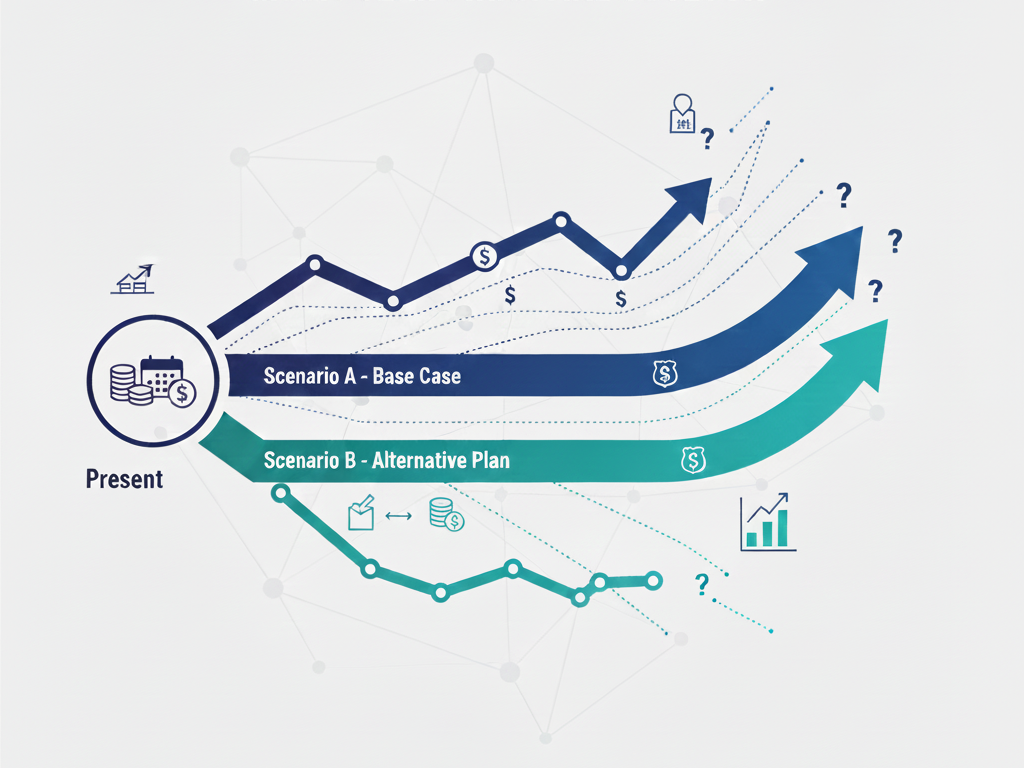
  • When Income Isn’t Straightforward: Calculating New York Maintenance for Business Owners, Professionals, and Variable Earners

    When Income Isn’t Straightforward: Calculating New York Maintenance for Business Owners, Professionals, and Variable Earners

    [fusion_builder_container type=”flex” hundred_percent=”no” hundred_percent_height=”no” hundred_percent_height_scroll=”no” align_content=”stretch” flex_align_items=”flex-start” flex_justify_content=”flex-start” flex_wrap=”wrap” hundred_percent_height_center_content=”yes” equal_height_columns=”no” container_tag=”div” hide_on_mobile=”small-visibility,medium-visibility,large-visibility” status=”published” margin_top=”80px” border_style=”solid” box_shadow=”no” box_shadow_blur=”0″ box_shadow_spread=”0″ gradient_start_position=”0″ gradient_end_position=”100″ gradient_type=”linear” radial_direction=”center center” linear_angle=”180″ background_position=”center center” background_repeat=”no-repeat” fade=”no” background_parallax=”none” enable_mobile=”no” parallax_speed=”0.3″ background_blend_mode=”none” background_slider_skip_lazy_loading=”no” background_slider_loop=”yes” background_slider_pause_on_hover=”no” background_slider_slideshow_speed=”5000″ background_slider_animation=”fade” background_slider_direction=”up” background_slider_animation_speed=”800″ video_aspect_ratio=”16:9″ video_loop=”yes” video_mute=”yes” pattern_bg=”none” pattern_bg_style=”default” pattern_bg_opacity=”100″ pattern_bg_blend_mode=”normal” mask_bg=”none” mask_bg_style=”default” mask_bg_opacity=”100″ mask_bg_transform=”left” mask_bg_blend_mode=”normal” absolute=”off” absolute_devices=”small,medium,large” sticky=”off” sticky_devices=”small-visibility,medium-visibility,large-visibility” sticky_transition_offset=”0″ scroll_offset=”0″ animation_direction=”left” animation_speed=”0.3″ animation_delay=”0″ filter_hue=”0″ filter_saturation=”100″ filter_brightness=”100″ filter_contrast=”100″ filter_invert=”0″ filter_sepia=”0″ filter_opacity=”100″ filter_blur=”0″ filter_hue_hover=”0″ filter_saturation_hover=”100″ filter_brightness_hover=”100″ filter_contrast_hover=”100″ filter_invert_hover=”0″ filter_sepia_hover=”0″ filter_opacity_hover=”100″ filter_blur_hover=”0″][fusion_builder_row][fusion_builder_column type=”1_1″ type=”1_1″ layout=”1_1″ align_self=”auto” content_layout=”column” align_content=”flex-start” valign_content=”flex-start” content_wrap=”wrap” center_content=”no” column_tag=”div” target=”_self” hide_on_mobile=”small-visibility,medium-visibility,large-visibility” sticky_display=”normal,sticky” order_medium=”0″ order_small=”0″ hover_type=”none” border_style=”solid” box_shadow=”no” box_shadow_blur=”0″ box_shadow_spread=”0″ background_type=”single” gradient_start_position=”0″ gradient_end_position=”100″ gradient_type=”linear” radial_direction=”center center” linear_angle=”180″ lazy_load=”none” background_position=”left top” background_repeat=”no-repeat” background_blend_mode=”none” background_slider_skip_lazy_loading=”no” background_slider_loop=”yes” background_slider_pause_on_hover=”no” background_slider_slideshow_speed=”5000″ background_slider_animation=”fade” background_slider_direction=”up” background_slider_animation_speed=”800″ sticky=”off” sticky_devices=”small-visibility,medium-visibility,large-visibility” absolute=”off” filter_type=”regular” filter_hover_element=”self” filter_hue=”0″ filter_saturation=”100″ filter_brightness=”100″ filter_contrast=”100″ filter_invert=”0″ filter_sepia=”0″ filter_opacity=”100″ filter_blur=”0″ filter_hue_hover=”0″ filter_saturation_hover=”100″ filter_brightness_hover=”100″ filter_contrast_hover=”100″ filter_invert_hover=”0″ filter_sepia_hover=”0″ filter_opacity_hover=”100″ filter_blur_hover=”0″ transform_type=”regular” transform_hover_element=”self” transform_scale_x=”1″ transform_scale_y=”1″ transform_translate_x=”0″ transform_translate_y=”0″ transform_rotate=”0″ transform_skew_x=”0″ transform_skew_y=”0″ transform_scale_x_hover=”1″ transform_scale_y_hover=”1″ transform_translate_x_hover=”0″ transform_translate_y_hover=”0″ transform_rotate_hover=”0″ transform_skew_x_hover=”0″ transform_skew_y_hover=”0″ transition_duration=”300″ transition_easing=”ease” scroll_motion_devices=”small-visibility,medium-visibility,large-visibility” animation_direction=”left” animation_speed=”0.3″ animation_delay=”0″ last=”true” border_position=”all” first=”true” min_height=”” link=””][fusion_text content_alignment_small=”left” content_alignment=”left” disable_idd=”no” hide_on_mobile=”small-visibility,medium-visibility,large-visibility” sticky_display=”normal,sticky” font_size=”16px” text_color=”var(–awb-color6)” animation_direction=”left” animation_speed=”0.3″ animation_delay=”0″]

    If you’re going through a divorce and someone’s paycheck doesn’t arrive like clockwork every two weeks, calculating maintenance gets complicated fast. Business owners, self-employed professionals, commission-based salespeople, and anyone with fluctuating income face a challenge: there’s no simple number that tells the whole story.

    Getting the income calculation right is critical. Miscalculate it, and you’re either paying too much or receiving too little for years. This is precisely where financial expertise matters most—and where litigation’s adversarial approach fails.

    How New York Defines Income for Maintenance

    New York ties maintenance income calculations to the definition in the Child Support Standards Act. The starting point is your gross income—essentially what you reported or should have reported on your most recent federal tax return.

    The definition includes income from all sources: investment income, workers’ compensation, disability benefits, unemployment, social security, veterans’ benefits, pensions, fellowships, stipends, annuities, and even maintenance from a prior marriage.

    Why Your Tax Return Isn’t the Final Answer

    If you own a business or are self-employed, there’s probably a significant gap between what your tax return shows and what you’re actually able to spend. This is perfectly legal—tax law encourages business deductions. But when determining maintenance, we look at things differently.

    New York adds back explicitly certain self-employment deductions: depreciation exceeding straight-line depreciation, and entertainment and travel allowances to the extent they reduce personal expenditures. But the analysis often goes deeper.

    If your business pays for your car, cell phone, home office, meals, and travel, you’re receiving economic benefit even though these expenses reduce taxable income. For maintenance purposes, we need to recognize the economic value of these perks.

    This is where having a mediator with an MBA in finance makes a real difference. Many mediators lack the background to analyze business financial statements properly. We can guide you through this analysis accurately.

    Analyzing Business Financial Statements

    Reviewing business tax returns and financial statements to calculate New York maintenance for a business owner. Get expert guidance from Equitable Mediation by calling (877) 732-6682.

    When one spouse owns a business, look beyond the personal tax return to business tax returns and financial statements. Start with the business tax return—Schedule C for sole proprietors, K-1 from partnerships or S-corporations, or corporate returns.

    For each expense category, ask: Does this represent actual business costs, or does it include personal consumption? Cost of goods sold, employee salaries, rent for separate business space, business insurance—these are real costs. Other expenses sit in a gray area. A business vehicle used 80% for business, and 20% personally, should have some portion added back. Business meals that are really your daily lunch? That’s personal consumption.

    In mediation, we can discuss what represents sustainable business spending versus the income you chose to spend on the business. In litigation, competing financial experts present dramatically different analyses, and you’re gambling on which version gets accepted.

    The Personal Consumption Test

    Here’s a practical approach: look at lifestyle and spending. Suppose your tax return shows $60,000 in income, but you’re living in a $4,000-a-month apartment, driving a new luxury car, taking international vacations, and paying private school tuition. In that case, the numbers don’t add up. Something’s generating economic benefit beyond what the tax return shows.

    In litigation, this becomes a battle of dueling financial experts. In mediation, we can have an honest discussion about lifestyle without adversarial posturing.

    Create a monthly budget reflecting actual spending. Include housing, transportation, food, clothing, entertainment, vacation, insurance, and everything else. If that spending significantly exceeds what the tax return would support, there’s income flowing through that needs to be identified.

    Normalizing Variable Income

    Analyzing variable income trends, including commissions and bonuses, to calculate New York maintenance. Consult Equitable Mediation today at (877) 732-6682 for personalized support.

    For professionals with commissions, substantial bonuses, or fluctuating income, the challenge is determining a normalized income that reflects earning capacity without being artificially inflated by a single exceptional year or deflated by a single slow year.

    The standard approach is a multi-year average, typically three to five years. But averaging alone isn’t enough—understand the trend. A salesperson whose commissions were $150,000 three years ago, $120,000 two years ago, and $90,000 last year has a different picture than someone earning $90,000, $120,000, and $150,000 over the same period.

    Consider the reasons behind fluctuations. Was last year unusually low because of a resolved health issue? Was the prior year unusually high due to a one-time windfall? In mediation, we can discuss these nuances and agree on what represents sustainable earning capacity.

    Investment Income and Distributed Assets

    New York adds complexity: income from assets distributed in the divorce can be considered when calculating maintenance. If you’re receiving $500,000 in investment accounts generating $20,000 in annual income, that investment income may be factored into maintenance calculations.

    This creates strategic considerations. If the lower-earning spouse receives substantial income-producing assets, it might reduce or eliminate their maintenance entitlement. If they receive illiquid assets, such as home equity, that don’t generate cash flow, the maintenance calculation might be higher.

    The analysis requires understanding not just current income from assets but what they could reasonably generate. This is sophisticated financial planning that requires genuine expertise.

    Imputed Income and Earning Capacity

    New York allows the imputation of income based on former resources or earning capacity if someone reduced their income to avoid support obligations. This can apply to business owners who start taking lower salaries, professionals who suddenly scale back, or anyone whose income decline seems more strategic than genuine.

    In mediation, imputation discussions can be more productive because we can discuss choices and motivations candidly. Did you genuinely pursue a lower-stress career for mental health, or are you trying to reduce support obligations? The goal isn’t to punish legitimate life choices, but to ensure support calculations reflect actual earning capacity.

    Active Guidance Through Financial Complexity

    Reviewing comprehensive financial documents to navigate complex New York maintenance calculations. Speak with Equitable Mediation experts at (877) 732-6682 for guidance.

    When negotiating maintenance where income isn’t straightforward, transparency is everything. Gather comprehensive documentation: personal and business tax returns for three years, profit and loss statements, balance sheets, and business bank statements for business owners. For variable earners, gather pay stubs and 1099s.

    We walk through financial statements together, identifying each business expense category and discussing whether each is a pure business cost or contains personal consumption. We don’t require you to have this figured out—we actively guide you through the analysis, bringing financial expertise to help you understand what the numbers mean.

    Acknowledge uncertainty and build in flexibility. If income is probably between $120,000 and $150,000 but you can’t pin down an exact number, consider structuring maintenance that adjusts if actual income demonstrates you were significantly off.

    Getting to a Number You Can Both Accept

    The goal isn’t finding the “perfect” income number—it’s finding a number both parties view as reasonable given available information. Business owners often feel their income is being inflated, while their spouses feel the tax return understates real economic benefit. The truth usually sits in the middle.

    Sometimes working backward helps. If you agree that a certain maintenance level feels right, reverse-engineer what income would produce that amount and test whether that number seems reasonable.

    Why Financial Expertise Makes All the Difference

    Calculating maintenance when income isn’t straightforward requires more than plugging numbers into a formula. It requires careful financial analysis, understanding of business operations, honest conversation about lifestyle, and willingness to look at multiple years.

    This is precisely where many mediators fall short. Coming from legal or mental health backgrounds, they don’t have the training to properly analyze business financial statements, understand add-backs, normalize variable income, or assess whether lifestyle spending aligns with reported income. They might facilitate conversation, but they can’t guide you through the sophisticated financial analysis required.

    With an MBA in finance, we can help you understand what Schedule C expenses should be added back, how to properly average variable income, what investment income assumptions are reasonable, and whether imputed income arguments have merit.

    In litigation, you’re stuck with dueling financial experts presenting dramatically different income calculations designed to support their client’s position. The process is expensive, adversarial, and often produces unsatisfactory outcomes.

    In mediation with genuine financial expertise, complexity becomes an asset. This deeper analysis often leads to stronger agreements because both parties understand and accept the reasoning. With sound financial guidance, transparent disclosure, and a collaborative approach, you can reach a maintenance agreement that reflects actual economic reality—exactly what financial expertise combined with mediation skill delivers.

    [/fusion_text][/fusion_builder_column][fusion_builder_column type=”1_1″ type=”1_1″ layout=”1_1″ align_self=”auto” content_layout=”column” align_content=”flex-start” valign_content=”flex-start” content_wrap=”wrap” center_content=”no” column_tag=”div” target=”_self” hide_on_mobile=”medium-visibility,large-visibility” sticky_display=”normal,sticky” order_medium=”0″ order_small=”0″ margin_top=”60px” margin_bottom=”60px” hover_type=”none” border_style=”solid” box_shadow=”no” box_shadow_blur=”0″ box_shadow_spread=”0″ background_type=”single” gradient_start_position=”0″ gradient_end_position=”100″ gradient_type=”linear” radial_direction=”center center” linear_angle=”180″ lazy_load=”none” background_position=”left top” background_repeat=”no-repeat” background_blend_mode=”none” background_slider_skip_lazy_loading=”no” background_slider_loop=”yes” background_slider_pause_on_hover=”no” background_slider_slideshow_speed=”5000″ background_slider_animation=”fade” background_slider_direction=”up” background_slider_animation_speed=”800″ sticky=”off” sticky_devices=”small-visibility,medium-visibility,large-visibility” absolute=”off” filter_type=”regular” filter_hover_element=”self” filter_hue_hover=”0″ filter_saturation_hover=”100″ filter_brightness_hover=”100″ filter_contrast_hover=”100″ filter_invert_hover=”0″ filter_sepia_hover=”0″ filter_opacity_hover=”100″ filter_blur_hover=”0″ filter_hue=”0″ filter_saturation=”100″ filter_brightness=”100″ filter_contrast=”100″ filter_invert=”0″ filter_sepia=”0″ filter_opacity=”100″ filter_blur=”0″ transform_type=”regular” transform_hover_element=”self” transform_scale_x_hover=”1″ transform_scale_y_hover=”1″ transform_translate_x_hover=”0″ transform_translate_y_hover=”0″ transform_rotate_hover=”0″ transform_skew_x_hover=”0″ transform_skew_y_hover=”0″ transform_scale_x=”1″ transform_scale_y=”1″ transform_translate_x=”0″ transform_translate_y=”0″ transform_rotate=”0″ transform_skew_x=”0″ transform_skew_y=”0″ transition_duration=”300″ transition_easing=”ease” motion_effects=”W10=” scroll_motion_devices=”small-visibility,medium-visibility,large-visibility” animation_direction=”left” animation_speed=”0.3″ animation_delay=”0″ last=”true” border_position=”all” first=”true” min_height=”” link=””][fusion_builder_row_inner][fusion_builder_column_inner type=”1_1″ type=”1_1″ layout=”1_1″ align_self=”auto” content_layout=”column” align_content=”flex-start” valign_content=”flex-start” content_wrap=”wrap” center_content=”no” column_tag=”div” target=”_self” hide_on_mobile=”small-visibility,medium-visibility,large-visibility” sticky_display=”normal,sticky” order_medium=”0″ order_small=”0″ padding_top=”50px” padding_right=”20px” padding_bottom=”50px” padding_left=”20px” hover_type=”none” border_style=”solid” border_radius_top_left=”30px” border_radius_top_right=”30px” border_radius_bottom_right=”30px” border_radius_bottom_left=”30px” box_shadow=”no” box_shadow_blur=”0″ box_shadow_spread=”0″ background_type=”single” background_color=”#f4f3ef” gradient_start_position=”0″ gradient_end_position=”100″ gradient_type=”linear” radial_direction=”center center” linear_angle=”180″ lazy_load=”none” background_position=”left top” background_repeat=”no-repeat” background_blend_mode=”none” background_slider_skip_lazy_loading=”no” background_slider_loop=”yes” background_slider_pause_on_hover=”no” background_slider_slideshow_speed=”5000″ background_slider_animation=”fade” background_slider_direction=”up” background_slider_animation_speed=”800″ sticky=”off” sticky_devices=”small-visibility,medium-visibility,large-visibility” absolute=”off” filter_type=”regular” filter_hover_element=”self” filter_hue_hover=”0″ filter_saturation_hover=”100″ filter_brightness_hover=”100″ filter_contrast_hover=”100″ filter_invert_hover=”0″ filter_sepia_hover=”0″ filter_opacity_hover=”100″ filter_blur_hover=”0″ filter_hue=”0″ filter_saturation=”100″ filter_brightness=”100″ filter_contrast=”100″ filter_invert=”0″ filter_sepia=”0″ filter_opacity=”100″ filter_blur=”0″ transform_type=”regular” transform_hover_element=”self” transform_scale_x_hover=”1″ transform_scale_y_hover=”1″ transform_translate_x_hover=”0″ transform_translate_y_hover=”0″ transform_rotate_hover=”0″ transform_skew_x_hover=”0″ transform_skew_y_hover=”0″ transform_scale_x=”1″ transform_scale_y=”1″ transform_translate_x=”0″ transform_translate_y=”0″ transform_rotate=”0″ transform_skew_x=”0″ transform_skew_y=”0″ transition_duration=”300″ transition_easing=”ease” motion_effects=”W10=” scroll_motion_devices=”small-visibility,medium-visibility,large-visibility” animation_direction=”left” animation_speed=”0.3″ animation_delay=”0″ last=”true” border_position=”all” first=”true” min_height=”” link=””][fusion_code]ICA8c3R5bGU+CiAgIAoKICAgIC5zbGlkZXItY29udGFpbmVyIHsKICAgICAgLyptYXgtd2lkdGg6IDcwMHB4OyAqLwogICAgbWFyZ2luOiAwIGF1dG87CiAgICBwb3NpdGlvbjogcmVsYXRpdmU7CiAgICAvKiBiYWNrZ3JvdW5kOiB3aGl0ZTsgKi8KICAgIGJvcmRlci1yYWRpdXM6IDE2cHg7CiAgICAvKiBib3gtc2hhZG93OiAwIDAgMTBweCByZ2JhKDAsIDAsIDAsIDAuMSk7ICovCiAgICBwYWRkaW5nOiAyMHB4IDUwcHg7CiAgICB0ZXh0LWFsaWduOiBsZWZ0OwogICAgb3ZlcmZsb3c6IGhpZGRlbjsKICAgIC8qIGhlaWdodDogNTAwcHg7Ki8KICAgIH0KCiAgICAuc2xpZGUgewogICAgICBwb3NpdGlvbjogYWJzb2x1dGU7CiAgICAgIHRvcDogMDsKICAgICAgbGVmdDogMDsKICAgICAgd2lkdGg6IDEwMCU7CiAgICAgIG9wYWNpdHk6IDA7CiAgICAgIHRyYW5zZm9ybTogdHJhbnNsYXRlWCgxMDAlKTsKICAgICAgdHJhbnNpdGlvbjogYWxsIDAuNXMgZWFzZTsKICAgICAgdmlzaWJpbGl0eTogaGlkZGVuOwogICAgfQoKICAgIC5zbGlkZS5hY3RpdmUgewogICAgICBvcGFjaXR5OiAxOwogICAgICB0cmFuc2Zvcm06IHRyYW5zbGF0ZVgoMCk7CiAgICAgIHZpc2liaWxpdHk6IHZpc2libGU7CiAgICAgIHBvc2l0aW9uOiByZWxhdGl2ZTsKICAgIH0KCiAgICAudGl0bGUgewogICAgY29sb3I6ICMyNDdkYjQ7CiAgICBmb250LXNpemU6IDI2cHg7CiAgICBmb250LXdlaWdodDogNjAwOwogICAgbWFyZ2luLWJvdHRvbTogMThweDsKICAgIHRleHQtYWxpZ246IGNlbnRlcjsKICAgIGxpbmUtaGVpZ2h0OiAxLjJlbTsKfQoKICAgIC5jb250ZW50IHsKICAgICAgZm9udC1zaXplOiAxNnB4OwogICAgICBjb2xvcjogIzMzMzsKICAgICAgbGluZS1oZWlnaHQ6IDEuNjsKICAgIH0KCQoJc3Bhbi5zZXAgewogICAgcGFkZGluZy1sZWZ0OiAyNXB4OwogICAgcGFkZGluZy1yaWdodDogMjVweDsKICAgIGNvbG9yOiAjM2EyZjJhOwogICAgZm9udC1zaXplOiAxOHB4OwogICAgZm9udC13ZWlnaHQ6IG5vcm1hbDsKfQoKICAgIC5hdXRob3IgewogICAgICBkaXNwbGF5OiBmbGV4OwogICAgYWxpZ24taXRlbXM6IGNlbnRlcjsKICAgIG1hcmdpbi10b3A6IDMwcHg7CiAgICBqdXN0aWZ5LWNvbnRlbnQ6IGNlbnRlcjsKICAgIH0KCiAgICAuYXV0aG9yIGltZyB7CiAgICAgIGJvcmRlci1yYWRpdXM6IDUwJTsKICAgICAgd2lkdGg6IDcwcHg7CiAgICAgIGhlaWdodDogNzBweDsKICAgICAgbWFyZ2luLXJpZ2h0OiAxNXB4OwogICAgfQoJCgkuYXV0aG9yLWRldGFpbHMgcCB7CiAgICBtYXJnaW4tYm90dG9tOiAwcHg7Cn0KCiAgICAuYXV0aG9yLWRldGFpbHMgewogICAgICBmb250LXNpemU6IDE1cHg7CiAgICB9CgogICAgLmF1dGhvci1kZXRhaWxzIHN0cm9uZyB7CiAgICAgIGNvbG9yOiAjMjQ3MWViOwogICAgfQoKICAgIC5uYXYgewogICAgICBwb3NpdGlvbjogYWJzb2x1dGU7CiAgICAgIHRvcDogNTAlOwogICAgICB0cmFuc2Zvcm06IHRyYW5zbGF0ZVkoLTUwJSk7CiAgICAgIGZvbnQtc2l6ZTogMzBweDsKICAgICAgY29sb3I6ICNhYWE7CiAgICAgIGN1cnNvcjogcG9pbnRlcjsKICAgICAgei1pbmRleDogMTsKICAgIH0KCiAgICAubmF2LmxlZnQgewogICAgICBsZWZ0OiAyMHB4OwogICAgfQoKICAgIC5uYXYucmlnaHQgewogICAgICByaWdodDogMjBweDsKICAgIH0KCiAgICAubmF2OmhvdmVyIHsKICAgICAgY29sb3I6ICMyNDcxZWI7CiAgICB9CgkKCS5hdXRob3ItZGV0YWlscyAuaGVhZC1kZXN7Cgljb2xvcjogIzI0N2RiNDsgCglmb250LXNpemU6IDMwcHg7IAoJZm9udC13ZWlnaHQ6IDUwMDsKCWZvbnQtZmFtaWx5OiJETSBTZXJpZiBEaXNwbGF5IiwgQXJpYWwsIEhlbHZldGljYSwgc2Fucy1zZXJpZjsKCX0KCQoJLmF1dGhvci1kZXRhaWxzIC5zdWItZGVzewoJbGV0dGVyLXNwYWNpbmc6IDNweDsgCgl0ZXh0LXRyYW5zZm9ybTogdXBwZXJjYXNlOyAKCWZvbnQtc2l6ZTogMTZweDsgCgljb2xvcjogIzNhMmYyYTsKCX0KICA8L3N0eWxlPgoKPGRpdiBjbGFzcz0ic2xpZGVyLWNvbnRhaW5lciI+CiAgPCEtLSBTbGlkZSAxIC0tPgogIDxkaXYgY2xhc3M9InNsaWRlIGFjdGl2ZSI+CiAgICA8ZGl2IGNsYXNzPSJjb250ZW50Ij4KICAgICAgPHA+4oCcWW91IG1heSBoYXZlIHJlc2VhcmNoZWQgaG93IGFsaW1vbnkgd29ya3MgaW4geW91ciBzdGF0ZS4gQnV0IGluIG15IGV4cGVyaWVuY2UsIHJlZ2FyZGxlc3Mgb2Ygd2hldGhlciBhIHN0YXRlIG9mZmVycyBndWlkYW5jZSBvbiBob3cgdG8gcmVzb2x2ZSBhbGltb255LCBvZnRlbiwgY291cGxlcyBuZWdvdGlhdGUgdGhlaXIgb3duIGFncmVlbWVudCB0YWlsb3JlZCB0byB0aGVpciB1bmlxdWUgc2l0dWF0aW9uIGFuZCBjaXJjdW1zdGFuY2VzLjwvcD4KICAgICAgPHA+U28geW91IGhhdmUgYSBsb3Qgb2YgZmxleGliaWxpdHkgYW5kIGNhbiBtYWludGFpbiBhIGxvdCBvZiBjb250cm9sIGlmIHlvdSBuZWdvdGlhdGUgdGhlIHRlcm1zIG9mIGFsaW1vbnkgb3V0IG9mIGNvdXJ0IHdpdGggdGhlIGhlbHAgb2YgYSBza2lsbGVkIHByb2Zlc3Npb25hbCB1c2luZyBhbiBhbHRlcm5hdGl2ZSBkaXNwdXRlIHJlc29sdXRpb24gcHJvY2VzcyBsaWtlIDxhIGhyZWY9Ii9yZXNvdXJjZXMvY29sbGFib3JhdGl2ZS1kaXZvcmNlLXZzLW1lZGlhdGlvbiIgcmVsPSJub29wZW5lciI+ZGl2b3JjZSBtZWRpYXRpb24gb3IgYSBjb2xsYWJvcmF0aXZlIGRpdm9yY2UgPC9hPi48L3A+CiAgICAgIDxwPllvdSBhbmQgeW91ciBzb29uLXRvLWJlIGV4LXNwb3VzZSB3aWxsIG1vcmUgbGlrZWx5IGNvbWUgdG8gYW4gYWxpbW9ueSBhcnJhbmdlbWVudCB0aGF0J3MgYWNjZXB0YWJsZSB0byBib3RoIG9mIHlvdS4iPHA+CiAgICA8L2Rpdj4KICAgIDxkaXYgY2xhc3M9ImF1dGhvciI+CiAgICAgIDxpbWcgc3JjPSIvd3AtY29udGVudC91cGxvYWRzLzIwMjUvMDYvZXF1aXRhYmxlLW1lZGlhdGlvbi10ZWFtLWpvZS1kaWxsb24ud2VicCIgYWx0PSJKb2UgRGlsbG9uIGhlYWRzaG90IiAvPgogICAgICA8ZGl2IGNsYXNzPSJhdXRob3ItZGV0YWlscyI+CiAgICAgICAgPHA+IDxzcGFuIGNsYXNzPSJoZWFkLWRlcyI+IEpvZSBEaWxsb248L3NwYW4+IDxzcGFuIGNsYXNzPSJzZXAiPnw8L3NwYW4+IDxzcGFuIGNsYXNzPSJzdWItZGVzIj5EaXZvcmNlIE1lZGlhdG9yICYgRm91bmRlcjwvc3Bhbj48L3A+CiAgICAgIDwvZGl2PgogICAgPC9kaXY+CiAgPC9kaXY+CiAgPCEtLSBBcnJvd3MgLS0+CiAgPCEtLSA8ZGl2IGNsYXNzPSJuYXYgbGVmdCIgb25jbGljaz0icHJldlNsaWRlKCkiPiYjMTAwOTQ7PC9kaXY+CiAgPGRpdiBjbGFzcz0ibmF2IHJpZ2h0IiBvbmNsaWNrPSJuZXh0U2xpZGUoKSI+JiMxMDA5NTs8L2Rpdj4gLS0+CjwvZGl2PgoKPHNjcmlwdD4KICBsZXQgY3VycmVudFNsaWRlID0gMDsKICBjb25zdCBzbGlkZXMgPSBkb2N1bWVudC5xdWVyeVNlbGVjdG9yQWxsKCcuc2xpZGUnKTsKCiAgZnVuY3Rpb24gc2hvd1NsaWRlKGluZGV4KSB7CiAgICBzbGlkZXMuZm9yRWFjaCgocywgaSkgPT4gewogICAgICBzLmNsYXNzTGlzdC5yZW1vdmUoJ2FjdGl2ZScpOwogICAgfSk7CiAgICBzbGlkZXNbaW5kZXhdLmNsYXNzTGlzdC5hZGQoJ2FjdGl2ZScpOwogIH0KCiAgZnVuY3Rpb24gbmV4dFNsaWRlKCkgewogICAgY3VycmVudFNsaWRlID0gKGN1cnJlbnRTbGlkZSArIDEpICUgc2xpZGVzLmxlbmd0aDsKICAgIHNob3dTbGlkZShjdXJyZW50U2xpZGUpOwogIH0KCiAgZnVuY3Rpb24gcHJldlNsaWRlKCkgewogICAgY3VycmVudFNsaWRlID0gKGN1cnJlbnRTbGlkZSAtIDEgKyBzbGlkZXMubGVuZ3RoKSAlIHNsaWRlcy5sZW5ndGg7CiAgICBzaG93U2xpZGUoY3VycmVudFNsaWRlKTsKICB9Cjwvc2NyaXB0Pg==[/fusion_code][/fusion_builder_column_inner][/fusion_builder_row_inner][/fusion_builder_column][/fusion_builder_row][/fusion_builder_container][fusion_builder_container type=”flex” hundred_percent=”no” hundred_percent_height=”no” hundred_percent_height_scroll=”no” align_content=”stretch” flex_align_items=”flex-start” flex_justify_content=”flex-start” flex_wrap=”wrap” hundred_percent_height_center_content=”yes” equal_height_columns=”no” container_tag=”div” hide_on_mobile=”small-visibility,medium-visibility,large-visibility” status=”published” padding_bottom_medium=”50px” padding_bottom_small=”30px” padding_top=”100px” padding_bottom=”100px” border_style=”solid” box_shadow=”no” box_shadow_blur=”0″ box_shadow_spread=”0″ gradient_start_position=”0″ gradient_end_position=”100″ gradient_type=”linear” radial_direction=”center center” linear_angle=”180″ background_position=”center center” background_repeat=”no-repeat” fade=”no” background_parallax=”none” enable_mobile=”no” parallax_speed=”0.3″ background_blend_mode=”none” background_slider_skip_lazy_loading=”no” background_slider_loop=”yes” background_slider_pause_on_hover=”no” background_slider_slideshow_speed=”5000″ background_slider_animation=”fade” background_slider_direction=”up” background_slider_animation_speed=”800″ video_aspect_ratio=”16:9″ video_loop=”yes” video_mute=”yes” pattern_bg=”none” pattern_bg_style=”default” pattern_bg_opacity=”100″ pattern_bg_blend_mode=”normal” mask_bg=”none” mask_bg_style=”default” mask_bg_opacity=”100″ mask_bg_transform=”left” mask_bg_blend_mode=”normal” absolute=”off” absolute_devices=”small,medium,large” sticky=”off” sticky_devices=”small-visibility,medium-visibility,large-visibility” sticky_transition_offset=”0″ scroll_offset=”0″ animation_direction=”left” animation_speed=”0.3″ animation_delay=”0″ filter_hue=”0″ filter_saturation=”100″ filter_brightness=”100″ filter_contrast=”100″ filter_invert=”0″ filter_sepia=”0″ filter_opacity=”100″ filter_blur=”0″ filter_hue_hover=”0″ filter_saturation_hover=”100″ filter_brightness_hover=”100″ filter_contrast_hover=”100″ filter_invert_hover=”0″ filter_sepia_hover=”0″ filter_opacity_hover=”100″ filter_blur_hover=”0″ admin_label=”FAQ” admin_toggled=”no”][fusion_builder_row][fusion_builder_column type=”1_1″ type=”1_1″ layout=”1_1″ align_self=”auto” content_layout=”column” align_content=”flex-start” valign_content=”flex-start” content_wrap=”wrap” center_content=”no” column_tag=”div” target=”_self” hide_on_mobile=”small-visibility,medium-visibility,large-visibility” sticky_display=”normal,sticky” order_medium=”0″ order_small=”0″ hover_type=”none” border_style=”solid” box_shadow=”no” box_shadow_blur=”0″ box_shadow_spread=”0″ background_type=”single” gradient_start_position=”0″ gradient_end_position=”100″ gradient_type=”linear” radial_direction=”center center” linear_angle=”180″ lazy_load=”none” background_position=”left top” background_repeat=”no-repeat” background_blend_mode=”none” background_slider_skip_lazy_loading=”no” background_slider_loop=”yes” background_slider_pause_on_hover=”no” background_slider_slideshow_speed=”5000″ background_slider_animation=”fade” background_slider_direction=”up” background_slider_animation_speed=”800″ sticky=”off” sticky_devices=”small-visibility,medium-visibility,large-visibility” absolute=”off” filter_type=”regular” filter_hover_element=”self” filter_hue_hover=”0″ filter_saturation_hover=”100″ filter_brightness_hover=”100″ filter_contrast_hover=”100″ filter_invert_hover=”0″ filter_sepia_hover=”0″ filter_opacity_hover=”100″ filter_blur_hover=”0″ filter_hue=”0″ filter_saturation=”100″ filter_brightness=”100″ filter_contrast=”100″ filter_invert=”0″ filter_sepia=”0″ filter_opacity=”100″ filter_blur=”0″ transform_type=”regular” transform_hover_element=”self” transform_scale_x_hover=”1″ transform_scale_y_hover=”1″ transform_translate_x_hover=”0″ transform_translate_y_hover=”0″ transform_rotate_hover=”0″ transform_skew_x_hover=”0″ transform_skew_y_hover=”0″ transform_scale_x=”1″ transform_scale_y=”1″ transform_translate_x=”0″ transform_translate_y=”0″ transform_rotate=”0″ transform_skew_x=”0″ transform_skew_y=”0″ transition_duration=”300″ transition_easing=”ease” motion_effects=”W10=” scroll_motion_devices=”small-visibility,medium-visibility,large-visibility” animation_direction=”left” animation_speed=”0.3″ animation_delay=”0″ last=”true” border_position=”all” first=”true” min_height=”” link=””][fusion_title title_type=”text” scroll_reveal_effect=”color_change” scroll_reveal_basis=”chars” scroll_reveal_behavior=”always” scroll_reveal_duration=”500″ scroll_reveal_stagger=”200″ scroll_reveal_delay=”0″ scroll_reveal_above_fold=”yes” marquee_direction=”left” marquee_mask_edges=”no” marquee_speed=”15000″ rotation_effect=”bounceIn” display_time=”1200″ highlight_effect=”circle” loop_animation=”once” highlight_animation_duration=”1500″ highlight_width=”9″ highlight_smudge_effect=”no” highlight_top_margin=”0″ title_link=”off” link_target=”_self” hide_on_mobile=”small-visibility,medium-visibility,large-visibility” sticky_display=”normal,sticky” content_align_small=”left” content_align=”left” size=”2″ font_size=”38px” text_color=”var(–awb-color4)” text_shadow=”no” text_shadow_blur=”0″ text_stroke=”no” text_stroke_size=”1″ text_overflow=”none” margin_top=”0px” margin_bottom=”60px” gradient_font=”no” gradient_start_position=”0″ gradient_end_position=”100″ gradient_type=”linear” radial_direction=”center center” linear_angle=”180″ style_type=”default” animation_type=”fade” animation_direction=”static” animation_speed=”1.0″ animation_delay=”0.5″]

    FAQs About Spousal Maintenance in New York

    [/fusion_title][fusion_accordion type=”toggles” hide_on_mobile=”small-visibility,medium-visibility,large-visibility” boxed_mode=”yes” border_size=”2″ border_color=”#d8e8f2″ hover_color=”#f4f3ef” padding_top=”10px” padding_right=”5px” padding_bottom=”10px” padding_left=”5px” title_tag=”h4″ fusion_font_family_title_font=”Poppins” fusion_font_variant_title_font=”600″ title_font_size=”18px” title_color=”var(–awb-color6)” icon_size=”25px” icon_color=”#d8e8f2″ icon_boxed_mode=”no” icon_box_color=”#d8e8f2″ icon_alignment=”right” content_font_size=”16px” content_color=”var(–awb-color6)” toggle_hover_accent_color=”var(–awb-color6)” toggle_active_accent_color=”var(–awb-color6)”][fusion_toggle title=”1. What is spousal maintenance in New York and how is it different from alimony?” open=”no” title_color=”var(–awb-color8)” content_color=”var(–awb-color8)”]Spousal maintenance is the current legal term in New York for financial support that one spouse pays to another during or after divorce. “Alimony” is an older term replaced in New York law years ago. The purpose is to help the financially dependent spouse meet reasonable needs and become self-supporting.

    In mediation, we discuss maintenance as part of your overall financial planning rather than as something imposed by external rules. Understanding that maintenance serves as a bridge to financial independence helps frame productive conversations about what makes sense for your specific situation.[/fusion_toggle][fusion_toggle title=”2. What are the different types of spousal maintenance available in New York?” open=”no” awb-switch-editor-focus=”New York recognizes three types: informal spousal support during separation, temporary maintenance paid during the divorce process, and post-divorce maintenance paid after finalization. Temporary maintenance helps maintain financial stability while the divorce proceeds, while post-divorce maintenance facilitates the transition to financial independence. Receiving temporary maintenance doesn’t automatically guarantee post-divorce maintenance. In mediation, we help you structure the transition between phases using step-down provisions or rehabilitative plans that align with realistic timelines. This integrated approach works better than treating phases separately, which often happens in litigation.” title_color=”var(–awb-color8)” content_color=”var(–awb-color8)”]New York recognizes three types: informal spousal support during separation, temporary maintenance paid during the divorce process, and post-divorce maintenance paid after finalization.

    Temporary maintenance helps maintain financial stability while the divorce proceeds, while post-divorce maintenance facilitates the transition to financial independence. Receiving temporary maintenance doesn’t automatically guarantee post-divorce maintenance.

    In mediation, we help you structure the transition between phases using step-down provisions or rehabilitative plans that align with realistic timelines. This integrated approach works better than treating phases separately, which often happens in litigation.[/fusion_toggle][fusion_toggle title=”3. How is spousal maintenance calculated in New York?” open=”no” title_color=”var(–awb-color8)” content_color=”var(–awb-color8)”]

    New York uses statutory formulas that consider both spouses’ incomes and whether child support is involved. Without child support, the formula subtracts 20% of the receiving spouse’s income from 30% of the paying spouse’s income. With child support, it subtracts 25% of the receiving spouse’s income from 20% of the paying spouse’s income. There’s also a check calculation: 40% of combined income minus the receiving spouse’s income. The lower result generally serves as the guideline amount.

    As of 2025, the formula applies to income up to $228,000. For income above that cap, how New York approaches maintenance becomes more discretionary, based on factors like standard of living during the marriage, earning capacity, career sacrifices, and health conditions.

    While these formulas provide a starting point, they often produce results that don’t match real-world circumstances. In mediation, we calculate what the guidelines would produce, then explore whether that makes sense for your situation or whether creative alternatives might work better. With an MBA in finance, we can model different scenarios, show you tax implications, and help you understand long-term financial impact. This rigorous financial analysis goes well beyond simply plugging numbers into a formula.

    [/fusion_toggle][fusion_toggle title=”4. How long does spousal maintenance last in New York?” open=”no” title_color=”var(–awb-color8)” content_color=”var(–awb-color8)”]How New York approaches duration depends on marriage length. For 0-15 year marriages, maintenance typically ranges from 15-30% of the marriage length. For 15-20 year marriages, it’s 30-40%. For marriages over 20 years, it’s 35-50%.

    These are ranges, not fixed rules. A twelve-year marriage might result in maintenance for roughly 2-4 years, depending on factors like age, employability, and career sacrifices. Maintenance typically ends when either spouse dies or when the receiving spouse remarries.

    In mediation, we model different duration scenarios and their long-term impacts. We help you think through whether standard ranges make sense or whether step-down provisions or review mechanisms would work better.[/fusion_toggle][fusion_toggle title=”5. Who qualifies for spousal maintenance in New York?” open=”no” title_color=”var(–awb-color8)” content_color=”var(–awb-color8)”]

    Qualification requires demonstrating financial need—meaning you lack sufficient income or assets to meet reasonable expenses—while the other spouse has the financial ability to provide support. If both spouses earn similar incomes and have comparable resources, maintenance is unlikely.

    How New York evaluates eligibility involves examining income disparity, particularly where one spouse sacrificed career opportunities to support the family. The requesting spouse’s employability skills and realistic earning potential matter. A spouse’s role as homemaker or support system for the higher-earning spouse’s career is relevant.

    In mediation, we examine actual earning capacity, career timelines, and financial needs with specificity rather than making worst-case or best-case assumptions.

    [/fusion_toggle][fusion_toggle title=”6. What factors does New York consider when determining spousal maintenance?” open=”no” title_color=”var(–awb-color8)” content_color=”var(–awb-color8)”]

    How New York approaches maintenance involves thirteen statutory factors: age and health of both parties, earning capacity, need for education or training expenses, wasteful dissipation of marital property, domestic violence that inhibited earning capacity, medical insurance availability and cost, care of children, reduced lifetime earning capacity due to forgone career opportunities, pre-marital joint household duration, contributions to the marriage, property distribution, tax consequences, and other relevant factors.

    In litigation, attorneys argue about how these factors apply. In mediation, we work through them together to build shared understanding and structure maintenance that acknowledges what’s most important to both of you.

    [/fusion_toggle][fusion_toggle title=”7. Is spousal maintenance automatic in New York divorces?” open=”no” title_color=”var(–awb-color8)” content_color=”var(–awb-color8)”]

    No, maintenance is not automatic. Unlike child support which is mandatory when children are involved, maintenance is based on specific financial circumstances.

    In litigation, someone petitions for maintenance and makes arguments about why it should be awarded. In mediation, you can have open conversations about whether maintenance makes sense, how much, and for how long, without adversarial positioning. You can negotiate your own arrangement as part of a comprehensive settlement that considers property division, tax planning, and your long-term goals together.

    This flexibility is one of mediation’s most valuable advantages.

    [/fusion_toggle][fusion_toggle title=”8. What are the tax implications of spousal maintenance in New York?” open=”no” title_color=”var(–awb-color8)” content_color=”var(–awb-color8)”]

    For divorces finalized after January 1, 2019, federal tax law changed significantly: the paying spouse can no longer deduct maintenance payments, and the receiving spouse doesn’t report them as income on federal returns. However, New York state tax law didn’t change—maintenance payments remain deductible for the paying spouse and taxable to the receiving spouse on state returns.

    This creates a split where you must file federal and state taxes differently regarding maintenance. The federal tax law change eliminated what had been a significant incentive for higher maintenance amounts, as payors could previously reduce their taxable income through these deductions.

    This tax complexity is exactly where financial expertise makes a critical difference. Understanding the actual after-tax cost and benefit requires sophisticated modeling that most people—and many mediators—aren’t equipped to do. With an MBA in finance, we can model the tax impact accurately, show you side-by-side scenarios, and help you structure maintenance in ways that maximize the benefit to both parties when tax treatment is considered. This kind of analysis can reveal opportunities for structuring agreements that litigation simply doesn’t accommodate.

    [/fusion_toggle][fusion_toggle title=”9. Can spousal maintenance be paid as a lump sum instead of monthly payments?” open=”no” title_color=”var(–awb-color8)” content_color=”var(–awb-color8)”]

    Yes, lump-sum maintenance is possible. Rather than monthly payments over time, one spouse provides the full maintenance amount upfront.

    This works when the paying spouse has sufficient liquid assets and values finality. For the receiving spouse, benefits include immediate access to funds and no concerns about future ability or willingness to pay. However, recipients lose flexibility since lump-sum payments typically can’t be modified.

    Evaluating whether lump-sum maintenance makes sense requires rigorous financial analysis: calculating present value of payment streams, assessing liquidity and tax implications, and understanding opportunity costs. This is where financial expertise matters significantly.

    [/fusion_toggle][fusion_toggle title=”10. What is the income cap for calculating spousal maintenance in New York?” open=”no” title_color=”var(–awb-color8)” content_color=”var(–awb-color8)”]As of 2025, New York’s statutory formula applies to income up to $228,000. For income above that cap, how maintenance is determined becomes more discretionary based on factors like standard of living during the marriage, financial needs, and ability to maintain reasonable needs while providing support.

    When you’re dealing with income above the cap, financial sophistication becomes essential. Rather than a simple formula, you’re negotiating based on complex factors, often involving variable compensation like bonuses, stock options, or business income. In mediation with financial expertise, we can analyze these complex structures, model different scenarios, and help you structure agreements that make financial sense.[/fusion_toggle][/fusion_accordion][fusion_text disable_idd=”no” hide_on_mobile=”small-visibility,medium-visibility,large-visibility” sticky_display=”normal,sticky” animation_direction=”left” animation_speed=”0.3″ animation_delay=”0″]

    The Mediation Advantage for Maintenance Discussions

    Throughout these FAQs, you’ve seen references to mediation as an alternative to litigation. In litigation, attorneys fight over what guidelines produce and argue about how factors apply. You’re spending tens of thousands on adversarial processes that often produce outcomes neither party accepts. For co-parents, this poisons the relationship foundation you need for years ahead.

    In mediation, you’re working together to understand what the guidelines say, whether they fit your circumstances, and what alternatives might work better. When you combine that collaborative process with genuine financial expertise—the ability to model scenarios, calculate present values, analyze tax impacts, and structure creative solutions—you get agreements that are both fair and sustainable.

    That’s what makes the difference between maintenance arrangements that work and ones that create ongoing conflict.

    [/fusion_text][fusion_code]PHN0eWxlPgogIC8qIEZyb250IGVuZCBvbmx5OiBzdGFydCBoaWRkZW4gYW5kIGZhZGUgaW4gKi8KYm9keTpub3QoLmZ1c2lvbi1idWlsZGVyLWxpdmUpIC5mdXNpb24tcGFuZWwgewogIG9wYWNpdHk6IDA7CiAgdHJhbnNpdGlvbjogb3BhY2l0eSAwLjZzIGVhc2Utb3V0Owp9CmJvZHk6bm90KC5mdXNpb24tYnVpbGRlci1saXZlKSAuZnVzaW9uLXBhbmVsLmFuaW1hdGUgewogIG9wYWNpdHk6IDE7Cn0KCi8qIEJ1aWxkZXI6IGFsd2F5cyB2aXNpYmxlLCBldmVuIHdoZW4gdGhlIGNsYXNzIGlzIG9uIGEgY29sdW1uICovCmJvZHkuZnVzaW9uLWJ1aWxkZXItbGl2ZSAuZnVzaW9uLXBhbmVsLAouZnVzaW9uLWJ1aWxkZXItbGl2ZS1lbGVtZW50LmZ1c2lvbi1wYW5lbCwKLmZ1c2lvbi1idWlsZGVyLWxpdmUgLmZ1c2lvbi1idWlsZGVyLWNvbHVtbi5mdXNpb24tcGFuZWwsCi5mdXNpb24tYnVpbGRlci1saXZlIC5mdXNpb24tYnVpbGRlci1jb2x1bW4tb3V0ZXIuZnVzaW9uLXBhbmVsIHsKICBvcGFjaXR5OiAxICFpbXBvcnRhbnQ7Cn0KPC9zdHlsZT4KCjxzY3JpcHQ+Ci8qTGF6eSBMb2FkIEFuaW1hdGlvbiovCmRvY3VtZW50LmFkZEV2ZW50TGlzdGVuZXIoIkRPTUNvbnRlbnRMb2FkZWQiLCBmdW5jdGlvbiAoKSB7CiAgY29uc3QgZWxlbWVudHMgPSBkb2N1bWVudC5xdWVyeVNlbGVjdG9yQWxsKCIuZnVzaW9uLXBhbmVsIik7CgogIGZ1bmN0aW9uIGFuaW1hdGVPblNjcm9sbCgpIHsKICAgIGNvbnN0IHRyaWdnZXJQb2ludCA9IHdpbmRvdy5pbm5lckhlaWdodCAqICgzIC8gNCk7CgogICAgZWxlbWVudHMuZm9yRWFjaChlbCA9PiB7CiAgICAgIGNvbnN0IHJlY3QgPSBlbC5nZXRCb3VuZGluZ0NsaWVudFJlY3QoKTsKICAgICAgaWYgKHJlY3QudG9wIDw9IHRyaWdnZXJQb2ludCAmJiAhZWwuY2xhc3NMaXN0LmNvbnRhaW5zKCJhbmltYXRlIikpIHsKICAgICAgICBlbC5jbGFzc0xpc3QuYWRkKCJhbmltYXRlIik7CiAgICAgIH0KICAgIH0pOwogIH0KCiAgd2luZG93LmFkZEV2ZW50TGlzdGVuZXIoInNjcm9sbCIsIGFuaW1hdGVPblNjcm9sbCk7CiAgYW5pbWF0ZU9uU2Nyb2xsKCk7Cn0pOwogIDwvc2NyaXB0Pgo=[/fusion_code][/fusion_builder_column][/fusion_builder_row][/fusion_builder_container][fusion_builder_container type=”flex” hundred_percent=”no” hundred_percent_height=”no” hundred_percent_height_scroll=”no” align_content=”stretch” flex_align_items=”flex-start” flex_justify_content=”flex-start” flex_wrap=”wrap” hundred_percent_height_center_content=”yes” equal_height_columns=”no” container_tag=”div” hide_on_mobile=”small-visibility,medium-visibility,large-visibility” status=”published” padding_top=”50px” border_style=”solid” box_shadow=”no” box_shadow_blur=”0″ box_shadow_spread=”0″ gradient_start_position=”0″ gradient_end_position=”100″ gradient_type=”linear” radial_direction=”center center” linear_angle=”180″ background_position=”center center” background_repeat=”no-repeat” fade=”no” background_parallax=”none” enable_mobile=”no” parallax_speed=”0.3″ background_blend_mode=”none” background_slider_skip_lazy_loading=”no” background_slider_loop=”yes” background_slider_pause_on_hover=”no” background_slider_slideshow_speed=”5000″ background_slider_animation=”fade” background_slider_direction=”up” background_slider_animation_speed=”800″ video_aspect_ratio=”16:9″ video_loop=”yes” video_mute=”yes” pattern_bg=”none” pattern_bg_style=”default” pattern_bg_opacity=”100″ pattern_bg_blend_mode=”normal” mask_bg=”none” mask_bg_style=”default” mask_bg_opacity=”100″ mask_bg_transform=”left” mask_bg_blend_mode=”normal” absolute=”off” absolute_devices=”small,medium,large” sticky=”off” sticky_devices=”small-visibility,medium-visibility,large-visibility” sticky_transition_offset=”0″ scroll_offset=”0″ animation_direction=”left” animation_speed=”0.3″ animation_delay=”0″ filter_hue=”0″ filter_saturation=”100″ filter_brightness=”100″ filter_contrast=”100″ filter_invert=”0″ filter_sepia=”0″ filter_opacity=”100″ filter_blur=”0″ filter_hue_hover=”0″ filter_saturation_hover=”100″ filter_brightness_hover=”100″ filter_contrast_hover=”100″ filter_invert_hover=”0″ filter_sepia_hover=”0″ filter_opacity_hover=”100″ filter_blur_hover=”0″ admin_label=”Call to Action” admin_toggled=”yes”][fusion_builder_row][fusion_builder_column type=”1_1″ type=”1_1″ layout=”60.00″ align_self=”auto” content_layout=”column” align_content=”flex-start” valign_content=”flex-start” content_wrap=”wrap” center_content=”no” column_tag=”div” target=”_self” hide_on_mobile=”small-visibility,medium-visibility,large-visibility” sticky_display=”normal,sticky” order_medium=”0″ order_small=”0″ hover_type=”none” border_style=”solid” box_shadow=”no” box_shadow_blur=”0″ box_shadow_spread=”0″ background_type=”single” gradient_start_position=”0″ gradient_end_position=”100″ gradient_type=”linear” radial_direction=”center center” linear_angle=”180″ lazy_load=”none” background_position=”left top” background_repeat=”no-repeat” background_blend_mode=”none” background_slider_skip_lazy_loading=”no” background_slider_loop=”yes” background_slider_pause_on_hover=”no” background_slider_slideshow_speed=”5000″ background_slider_animation=”fade” background_slider_direction=”up” background_slider_animation_speed=”800″ sticky=”off” sticky_devices=”small-visibility,medium-visibility,large-visibility” absolute=”off” filter_type=”regular” filter_hover_element=”self” filter_hue_hover=”0″ filter_saturation_hover=”100″ filter_brightness_hover=”100″ filter_contrast_hover=”100″ filter_invert_hover=”0″ filter_sepia_hover=”0″ filter_opacity_hover=”100″ filter_blur_hover=”0″ filter_hue=”0″ filter_saturation=”100″ filter_brightness=”100″ filter_contrast=”100″ filter_invert=”0″ filter_sepia=”0″ filter_opacity=”100″ filter_blur=”0″ transform_type=”regular” transform_hover_element=”self” transform_scale_x_hover=”1″ transform_scale_y_hover=”1″ transform_translate_x_hover=”0″ transform_translate_y_hover=”0″ transform_rotate_hover=”0″ transform_skew_x_hover=”0″ transform_skew_y_hover=”0″ transform_scale_x=”1″ transform_scale_y=”1″ transform_translate_x=”0″ transform_translate_y=”0″ transform_rotate=”0″ transform_skew_x=”0″ transform_skew_y=”0″ transition_duration=”300″ transition_easing=”ease” motion_effects=”W10=” scroll_motion_devices=”small-visibility,medium-visibility,large-visibility” animation_direction=”left” animation_speed=”0.3″ animation_delay=”0″ last=”true” border_position=”all” first=”true” min_height=”” link=””][fusion_builder_row_inner][fusion_builder_column_inner type=”1_1″ type=”1_1″ layout=”1_1″ align_self=”auto” content_layout=”column” align_content=”flex-start” valign_content=”flex-start” content_wrap=”wrap” center_content=”no” column_tag=”div” target=”_self” hide_on_mobile=”small-visibility,medium-visibility,large-visibility” sticky_display=”normal,sticky” order_medium=”0″ order_small=”0″ padding_top=”50px” padding_right=”20px” padding_bottom=”50px” padding_left=”20px” hover_type=”none” border_style=”solid” border_radius_top_left=”30px” border_radius_top_right=”30px” border_radius_bottom_right=”30px” border_radius_bottom_left=”30px” box_shadow=”no” box_shadow_blur=”0″ box_shadow_spread=”0″ background_type=”single” background_color=”#d8e8f2″ gradient_start_position=”0″ gradient_end_position=”100″ gradient_type=”linear” radial_direction=”center center” linear_angle=”180″ lazy_load=”none” background_position=”left top” background_repeat=”no-repeat” background_blend_mode=”none” background_slider_skip_lazy_loading=”no” background_slider_loop=”yes” background_slider_pause_on_hover=”no” background_slider_slideshow_speed=”5000″ background_slider_animation=”fade” background_slider_direction=”up” background_slider_animation_speed=”800″ sticky=”off” sticky_devices=”small-visibility,medium-visibility,large-visibility” absolute=”off” filter_type=”regular” filter_hover_element=”self” filter_hue_hover=”0″ filter_saturation_hover=”100″ filter_brightness_hover=”100″ filter_contrast_hover=”100″ filter_invert_hover=”0″ filter_sepia_hover=”0″ filter_opacity_hover=”100″ filter_blur_hover=”0″ filter_hue=”0″ filter_saturation=”100″ filter_brightness=”100″ filter_contrast=”100″ filter_invert=”0″ filter_sepia=”0″ filter_opacity=”100″ filter_blur=”0″ transform_type=”regular” transform_hover_element=”self” transform_scale_x_hover=”1″ transform_scale_y_hover=”1″ transform_translate_x_hover=”0″ transform_translate_y_hover=”0″ transform_rotate_hover=”0″ transform_skew_x_hover=”0″ transform_skew_y_hover=”0″ transform_scale_x=”1″ transform_scale_y=”1″ transform_translate_x=”0″ transform_translate_y=”0″ transform_rotate=”0″ transform_skew_x=”0″ transform_skew_y=”0″ transition_duration=”300″ transition_easing=”ease” motion_effects=”W10=” scroll_motion_devices=”small-visibility,medium-visibility,large-visibility” animation_direction=”left” animation_speed=”0.3″ animation_delay=”0″ last=”true” border_position=”all” first=”true” min_height=”” link=””][fusion_title title_type=”text” scroll_reveal_effect=”color_change” scroll_reveal_basis=”chars” scroll_reveal_behavior=”always” scroll_reveal_duration=”500″ scroll_reveal_stagger=”200″ scroll_reveal_delay=”0″ scroll_reveal_above_fold=”yes” marquee_direction=”left” marquee_mask_edges=”no” marquee_speed=”15000″ rotation_effect=”bounceIn” display_time=”1200″ highlight_effect=”circle” loop_animation=”once” highlight_animation_duration=”1500″ highlight_width=”9″ highlight_smudge_effect=”no” highlight_top_margin=”0″ title_link=”off” link_target=”_self” hide_on_mobile=”small-visibility,medium-visibility,large-visibility” sticky_display=”normal,sticky” content_align_small=”center” content_align=”center” size=”2″ font_size=”38px” text_color=”var(–awb-color4)” text_shadow=”no” text_shadow_blur=”0″ text_stroke=”no” text_stroke_size=”1″ text_overflow=”none” margin_top=”0px” gradient_font=”no” gradient_start_position=”0″ gradient_end_position=”100″ gradient_type=”linear” radial_direction=”center center” linear_angle=”180″ style_type=”default” animation_type=”fade” animation_direction=”static” animation_speed=”1.0″ animation_delay=”0.5″]

    Lay the groundwork for a peaceful divorce

    [/fusion_title][fusion_button link=”/tag/courses-kits” enable_hover_text_icon=”no” title=”Explore Courses” target=”_self” aria_role_button=”0″ alignment=”center” hide_on_mobile=”small-visibility,medium-visibility,large-visibility” sticky_display=”normal,sticky” class=”btn-style-blue” color=”custom” button_gradient_top_color_hover=”var(–awb-color4)” button_gradient_top_color=”var(–awb-custom_color_2)” button_gradient_bottom_color_hover=”var(–awb-color4)” button_gradient_bottom_color=”var(–awb-color4)” linear_angle=”180″ accent_color=”var(–awb-color5)” border_top=”2px” border_right=”2px” border_bottom=”2px” border_left=”2px” border_radius_top_left=”30px” border_radius_top_right=”30px” border_radius_bottom_right=”30px” border_radius_bottom_left=”30px” border_hover_color=”var(–awb-color5)” border_color=”var(–awb-color5)” size=”large” fusion_font_family_button_font=”Poppins” fusion_font_variant_button_font=”700″ font_size=”16px” stretch=”default” margin_top=”22px” icon_position=”left” icon_divider=”no” hover_transition=”none” animation_type=”fade” animation_direction=”static” animation_speed=”1.0″ animation_delay=”0.5″]Explore Courses[/fusion_button][/fusion_builder_column_inner][/fusion_builder_row_inner][/fusion_builder_column][/fusion_builder_row][/fusion_builder_container][fusion_global id=”2082″]

  • Trading Property for Maintenance: The Financial Analysis Behind New York’s Most Common Settlement Strategy

    Trading Property for Maintenance: The Financial Analysis Behind New York’s Most Common Settlement Strategy

    [fusion_builder_container type=”flex” hundred_percent=”no” hundred_percent_height=”no” hundred_percent_height_scroll=”no” align_content=”stretch” flex_align_items=”flex-start” flex_justify_content=”flex-start” flex_wrap=”wrap” hundred_percent_height_center_content=”yes” equal_height_columns=”no” container_tag=”div” hide_on_mobile=”small-visibility,medium-visibility,large-visibility” status=”published” margin_top=”80px” border_style=”solid” box_shadow=”no” box_shadow_blur=”0″ box_shadow_spread=”0″ gradient_start_position=”0″ gradient_end_position=”100″ gradient_type=”linear” radial_direction=”center center” linear_angle=”180″ background_position=”center center” background_repeat=”no-repeat” fade=”no” background_parallax=”none” enable_mobile=”no” parallax_speed=”0.3″ background_blend_mode=”none” background_slider_skip_lazy_loading=”no” background_slider_loop=”yes” background_slider_pause_on_hover=”no” background_slider_slideshow_speed=”5000″ background_slider_animation=”fade” background_slider_direction=”up” background_slider_animation_speed=”800″ video_aspect_ratio=”16:9″ video_loop=”yes” video_mute=”yes” pattern_bg=”none” pattern_bg_style=”default” pattern_bg_opacity=”100″ pattern_bg_blend_mode=”normal” mask_bg=”none” mask_bg_style=”default” mask_bg_opacity=”100″ mask_bg_transform=”left” mask_bg_blend_mode=”normal” absolute=”off” absolute_devices=”small,medium,large” sticky=”off” sticky_devices=”small-visibility,medium-visibility,large-visibility” sticky_transition_offset=”0″ scroll_offset=”0″ animation_direction=”left” animation_speed=”0.3″ animation_delay=”0″ filter_hue=”0″ filter_saturation=”100″ filter_brightness=”100″ filter_contrast=”100″ filter_invert=”0″ filter_sepia=”0″ filter_opacity=”100″ filter_blur=”0″ filter_hue_hover=”0″ filter_saturation_hover=”100″ filter_brightness_hover=”100″ filter_contrast_hover=”100″ filter_invert_hover=”0″ filter_sepia_hover=”0″ filter_opacity_hover=”100″ filter_blur_hover=”0″][fusion_builder_row][fusion_builder_column type=”1_1″ type=”1_1″ layout=”1_1″ align_self=”auto” content_layout=”column” align_content=”flex-start” valign_content=”flex-start” content_wrap=”wrap” center_content=”no” column_tag=”div” target=”_self” hide_on_mobile=”small-visibility,medium-visibility,large-visibility” sticky_display=”normal,sticky” order_medium=”0″ order_small=”0″ hover_type=”none” border_style=”solid” box_shadow=”no” box_shadow_blur=”0″ box_shadow_spread=”0″ background_type=”single” gradient_start_position=”0″ gradient_end_position=”100″ gradient_type=”linear” radial_direction=”center center” linear_angle=”180″ lazy_load=”none” background_position=”left top” background_repeat=”no-repeat” background_blend_mode=”none” background_slider_skip_lazy_loading=”no” background_slider_loop=”yes” background_slider_pause_on_hover=”no” background_slider_slideshow_speed=”5000″ background_slider_animation=”fade” background_slider_direction=”up” background_slider_animation_speed=”800″ sticky=”off” sticky_devices=”small-visibility,medium-visibility,large-visibility” absolute=”off” filter_type=”regular” filter_hover_element=”self” filter_hue=”0″ filter_saturation=”100″ filter_brightness=”100″ filter_contrast=”100″ filter_invert=”0″ filter_sepia=”0″ filter_opacity=”100″ filter_blur=”0″ filter_hue_hover=”0″ filter_saturation_hover=”100″ filter_brightness_hover=”100″ filter_contrast_hover=”100″ filter_invert_hover=”0″ filter_sepia_hover=”0″ filter_opacity_hover=”100″ filter_blur_hover=”0″ transform_type=”regular” transform_hover_element=”self” transform_scale_x=”1″ transform_scale_y=”1″ transform_translate_x=”0″ transform_translate_y=”0″ transform_rotate=”0″ transform_skew_x=”0″ transform_skew_y=”0″ transform_scale_x_hover=”1″ transform_scale_y_hover=”1″ transform_translate_x_hover=”0″ transform_translate_y_hover=”0″ transform_rotate_hover=”0″ transform_skew_x_hover=”0″ transform_skew_y_hover=”0″ transition_duration=”300″ transition_easing=”ease” scroll_motion_devices=”small-visibility,medium-visibility,large-visibility” animation_direction=”left” animation_speed=”0.3″ animation_delay=”0″ last=”true” border_position=”all” first=”true” min_height=”” link=””][fusion_text content_alignment_small=”left” content_alignment=”left” disable_idd=”no” hide_on_mobile=”small-visibility,medium-visibility,large-visibility” sticky_display=”normal,sticky” font_size=”16px” text_color=”var(–awb-color6)” animation_direction=”left” animation_speed=”0.3″ animation_delay=”0″]

    “What if I just take more of the house equity instead of receiving monthly maintenance payments?” Or from the other side: “Can I give her a larger share of our assets so I don’t have to write checks every month for the next five years?”

    This property-for-maintenance trade is probably the most common settlement strategy in New York divorce negotiations. It offers certainty, finality, and freedom from ongoing financial entanglement. But these trades look simpler than they actually are. The financial analysis required is more rigorous than most people realize—and it’s precisely the type of sophisticated financial planning that litigation can’t accommodate, but that mediation with genuine financial expertise can.

    Why This Strategy Is So Popular

    The appeal is powerful. The paying spouse gets predictability and closure. The receiving spouse gets capital now—a down payment on a new home, the ability to start a business, or the psychological freedom of financial independence.

    In litigation, these trades rarely get rigorous analysis. In mediation, we explore whether this trade makes sense and structure it properly.

    What’s a Maintenance Stream Actually Worth?

    Financial modeling of New York property-for-maintenance trades, calculating present value of maintenance streams, investment potential, and risk; Call (877) 732-6682 for guidance from Equitable Mediation.

    A promise of $2,000 per month for five years isn’t the same as receiving $120,000 today, even though the nominal amounts are identical. Money today is worth more because you could invest it and earn returns, you have certainty rather than risk, and you avoid the possibility that circumstances change.

    To calculate what a maintenance stream is worth today, you determine its present value using a discount rate—perhaps 4-6% in current market conditions. If you’re considering $2,500 monthly for 4 years (nominally $120,000) at a 5% discount rate, the present value is approximately $107,000. That means receiving $107,000 in property today is financially equivalent to the payment stream—before taxes, liquidity, and risk are considered.

    This requires genuine financial training to do correctly. With an MBA in finance, we can rigorously model these scenarios, showing you exactly what different trade structures mean in real financial terms.

    New York’s Income-from-Property Wrinkle

    In New York, income from distributed assets can be considered when negotiating spousal maintenance, creating a circular relationship between what property you receive and what maintenance you’re entitled to.

    If you’re the lower-earning spouse receiving investment portfolios worth $500,000 that generate $20,000 annually, that income may reduce your maintenance award. Conversely, if you receive illiquid assets like home equity that don’t generate income, earnings from those assets won’t come into play.

    Taking on more illiquid assets and less income-producing property can result in higher maintenance costs. Taking significant income-producing assets might justify waiving maintenance entirely. Understanding this interplay is crucial.

    This complexity is why you need someone who can analyze the financial implications of different asset allocation scenarios. In litigation, this nuanced analysis doesn’t happen.

    The Liquidity Question: Can You Actually Afford This?

    Showing cash flow analysis for New York property-for-maintenance trades, evaluating liquidity, mortgage payments, and living expenses; Call (877) 732-6682 for guidance from Equitable Mediation.

    Present value calculations tell you the theoretical worth, but not whether you can afford the trade. Imagine you’re offered $150,000 in additional home equity instead of $2,000 monthly maintenance for six years. The math might work, but you can’t pay your mortgage with home equity. If you need that $2,000 monthly to cover living expenses, taking the equity instead creates a cash flow crisis.

    Highly liquid assets, such as cash or marketable securities, are more valuable than their raw numbers suggest. Illiquid assets, such as retirement accounts with withdrawal restrictions, might be worth less when trying to replace maintenance income.

    Map out your cash flow needs month by month for at least the first two years. Where will your mortgage payment come from? Health insurance premiums? If the property you’re receiving doesn’t generate enough liquidity, you’ll be forced to liquidate assets—potentially with unfavorable tax consequences.

    We help you build detailed cash flow projections that show whether a proposed trade actually works in practice, not just on paper.

    Risk Assessment: Certainty Has Value

    Every property-for-maintenance trade involves risk transfer. The paying spouse transfers the risk of future inability to pay. The receiving spouse accepts the risk that the trade will be mispriced or that the property won’t perform as expected.

    If you accept property instead of maintenance, you’re betting you can manage those assets effectively and that they won’t decline significantly. Consider various scenarios—stock market drops 30%, paying spouse loses their job, receiving spouse needs expensive medical care. Running through these scenarios helps determine whether certainty is worth more than flexibility. This scenario analysis is fundamental to sound financial planning, but rarely happens in litigation’s adversarial environment.

    Tax Implications Matter

    Maintenance payments made pursuant to agreements executed after December 31, 2018, are neither tax-deductible nor taxable. But property trades still have significant tax considerations.

    Different assets have different tax characteristics. Traditional retirement accounts will be taxed as ordinary income when withdrawn. Roth accounts can be withdrawn tax-free. Taxable investment accounts may have built-in capital gains. Think in after-tax terms—receiving $100,000 in a traditional IRA isn’t the same as $100,000 in cash.

    We help you calculate the after-tax value of different asset combinations so you understand what you’re actually receiving.

    When These Trades Work Well

    High-asset cases with substantial liquid assets are perfect candidates. When there’s enough property to meaningfully offset maintenance without creating liquidity problems, both parties benefit.

    Cases where the paying spouse highly values certainty are good fits. If your income is variable, paying more for property to eliminate maintenance risk makes sense. If the receiving spouse needs capital, a lump sum may be more valuable than a stream of payments.

    When These Trades Become Problematic

    The strategy becomes risky when assets are primarily illiquid. If most of your marital estate is home equity, retirement accounts you can’t access, or business interests without ready markets, you can’t easily make this trade.

    Cases with volatile or hard-to-value property—stock options, cryptocurrency, or closely-held business interests—make determining fair trades more art than science.

    When there’s insufficient property to offset maintenance meaningfully, these trades don’t make sense. If guideline maintenance totals $160,000 in present value but your entire marital estate is only $200,000, giving up 80% of all assets leaves the paying spouse with almost nothing.

    If the receiving spouse has limited financial sophistication, taking a large property settlement instead of a guaranteed monthly income might leave you worse off.

    Strategic Planning You Won’t Get in Litigation

    In mediation, we start by calculating the present value of the maintenance stream. Then we adjust for your specific factors—liquidity needs, tax implications, risk tolerance, and available assets.

    Consider whether a partial trade makes more sense—some additional property plus reduced maintenance for a shorter duration. This hybrid approach can provide cash flow while giving both parties the benefits of finality.

    We actively guide you through the analysis, model different scenarios, and help you stress-test assumptions. In litigation, these sophisticated trades rarely happen. You’re fighting maintenance and property division as separate battles, rather than designing an integrated financial strategy.

    Making Financial Complexity Work for You, Not Against You

    Illustration of spouses reviewing complex financial scenarios in New York property-for-maintenance trades, analyzing value, risk, and after-tax impacts; Call (877) 732-6682 for guidance from Equitable Mediation.

    Property-for-maintenance trades can be elegant solutions that benefit both spouses, but only when based on rigorous financial analysis. You need to understand present value calculations, realistically assess liquidity needs, consider how New York’s treatment of income from distributed property affects your situation, evaluate risk honestly, and account for after-tax values.

    Don’t let analysis paralyze you. Sometimes a trade that’s slightly unfavorable on paper is still right because of the psychological benefits of independence and closure. The question isn’t just “what is this worth mathematically?” but “what is this worth to me?”

    We help couples work through both numbers and intangibles. We model scenarios, stress-test assumptions, and ensure that both parties understand what they’re gaining and what they’re giving up. The goal isn’t the theoretically perfect answer—it’s an answer both can live with.

    This is where financial complexity expertise makes the difference. These trades require sophisticated analysis—present value calculations, cash flow projections, tax impact modeling, and risk assessment. Many mediators lack the training to guide couples through this level of financial planning.

    In litigation, you’re gambling that competing financial experts will present analysis fairly and that the adversarial process will produce an optimal outcome. In mediation with genuine financial expertise, you maintain control over the analysis, understand precisely what you’re trading and why, and design solutions that reflect your actual needs. That’s what financial expertise combined with mediation skill delivers—the difference between a trade that works and one that creates problems down the road.

    [/fusion_text][/fusion_builder_column][fusion_builder_column type=”1_1″ type=”1_1″ layout=”1_1″ align_self=”auto” content_layout=”column” align_content=”flex-start” valign_content=”flex-start” content_wrap=”wrap” center_content=”no” column_tag=”div” target=”_self” hide_on_mobile=”medium-visibility,large-visibility” sticky_display=”normal,sticky” order_medium=”0″ order_small=”0″ margin_top=”60px” margin_bottom=”60px” hover_type=”none” border_style=”solid” box_shadow=”no” box_shadow_blur=”0″ box_shadow_spread=”0″ background_type=”single” gradient_start_position=”0″ gradient_end_position=”100″ gradient_type=”linear” radial_direction=”center center” linear_angle=”180″ lazy_load=”none” background_position=”left top” background_repeat=”no-repeat” background_blend_mode=”none” background_slider_skip_lazy_loading=”no” background_slider_loop=”yes” background_slider_pause_on_hover=”no” background_slider_slideshow_speed=”5000″ background_slider_animation=”fade” background_slider_direction=”up” background_slider_animation_speed=”800″ sticky=”off” sticky_devices=”small-visibility,medium-visibility,large-visibility” absolute=”off” filter_type=”regular” filter_hover_element=”self” filter_hue_hover=”0″ filter_saturation_hover=”100″ filter_brightness_hover=”100″ filter_contrast_hover=”100″ filter_invert_hover=”0″ filter_sepia_hover=”0″ filter_opacity_hover=”100″ filter_blur_hover=”0″ filter_hue=”0″ filter_saturation=”100″ filter_brightness=”100″ filter_contrast=”100″ filter_invert=”0″ filter_sepia=”0″ filter_opacity=”100″ filter_blur=”0″ transform_type=”regular” transform_hover_element=”self” transform_scale_x_hover=”1″ transform_scale_y_hover=”1″ transform_translate_x_hover=”0″ transform_translate_y_hover=”0″ transform_rotate_hover=”0″ transform_skew_x_hover=”0″ transform_skew_y_hover=”0″ transform_scale_x=”1″ transform_scale_y=”1″ transform_translate_x=”0″ transform_translate_y=”0″ transform_rotate=”0″ transform_skew_x=”0″ transform_skew_y=”0″ transition_duration=”300″ transition_easing=”ease” motion_effects=”W10=” scroll_motion_devices=”small-visibility,medium-visibility,large-visibility” animation_direction=”left” animation_speed=”0.3″ animation_delay=”0″ last=”true” border_position=”all” first=”true” min_height=”” link=””][fusion_builder_row_inner][fusion_builder_column_inner type=”1_1″ type=”1_1″ layout=”1_1″ align_self=”auto” content_layout=”column” align_content=”flex-start” valign_content=”flex-start” content_wrap=”wrap” center_content=”no” column_tag=”div” target=”_self” hide_on_mobile=”small-visibility,medium-visibility,large-visibility” sticky_display=”normal,sticky” order_medium=”0″ order_small=”0″ padding_top=”50px” padding_right=”20px” padding_bottom=”50px” padding_left=”20px” hover_type=”none” border_style=”solid” border_radius_top_left=”30px” border_radius_top_right=”30px” border_radius_bottom_right=”30px” border_radius_bottom_left=”30px” box_shadow=”no” box_shadow_blur=”0″ box_shadow_spread=”0″ background_type=”single” background_color=”#f4f3ef” gradient_start_position=”0″ gradient_end_position=”100″ gradient_type=”linear” radial_direction=”center center” linear_angle=”180″ lazy_load=”none” background_position=”left top” background_repeat=”no-repeat” background_blend_mode=”none” background_slider_skip_lazy_loading=”no” background_slider_loop=”yes” background_slider_pause_on_hover=”no” background_slider_slideshow_speed=”5000″ background_slider_animation=”fade” background_slider_direction=”up” background_slider_animation_speed=”800″ sticky=”off” sticky_devices=”small-visibility,medium-visibility,large-visibility” absolute=”off” filter_type=”regular” filter_hover_element=”self” filter_hue_hover=”0″ filter_saturation_hover=”100″ filter_brightness_hover=”100″ filter_contrast_hover=”100″ filter_invert_hover=”0″ filter_sepia_hover=”0″ filter_opacity_hover=”100″ filter_blur_hover=”0″ filter_hue=”0″ filter_saturation=”100″ filter_brightness=”100″ filter_contrast=”100″ filter_invert=”0″ filter_sepia=”0″ filter_opacity=”100″ filter_blur=”0″ transform_type=”regular” transform_hover_element=”self” transform_scale_x_hover=”1″ transform_scale_y_hover=”1″ transform_translate_x_hover=”0″ transform_translate_y_hover=”0″ transform_rotate_hover=”0″ transform_skew_x_hover=”0″ transform_skew_y_hover=”0″ transform_scale_x=”1″ transform_scale_y=”1″ transform_translate_x=”0″ transform_translate_y=”0″ transform_rotate=”0″ transform_skew_x=”0″ transform_skew_y=”0″ transition_duration=”300″ transition_easing=”ease” motion_effects=”W10=” scroll_motion_devices=”small-visibility,medium-visibility,large-visibility” animation_direction=”left” animation_speed=”0.3″ animation_delay=”0″ last=”true” border_position=”all” first=”true” min_height=”” link=””][fusion_code]ICA8c3R5bGU+CiAgIAoKICAgIC5zbGlkZXItY29udGFpbmVyIHsKICAgICAgLyptYXgtd2lkdGg6IDcwMHB4OyAqLwogICAgbWFyZ2luOiAwIGF1dG87CiAgICBwb3NpdGlvbjogcmVsYXRpdmU7CiAgICAvKiBiYWNrZ3JvdW5kOiB3aGl0ZTsgKi8KICAgIGJvcmRlci1yYWRpdXM6IDE2cHg7CiAgICAvKiBib3gtc2hhZG93OiAwIDAgMTBweCByZ2JhKDAsIDAsIDAsIDAuMSk7ICovCiAgICBwYWRkaW5nOiAyMHB4IDUwcHg7CiAgICB0ZXh0LWFsaWduOiBsZWZ0OwogICAgb3ZlcmZsb3c6IGhpZGRlbjsKICAgIC8qIGhlaWdodDogNTAwcHg7Ki8KICAgIH0KCiAgICAuc2xpZGUgewogICAgICBwb3NpdGlvbjogYWJzb2x1dGU7CiAgICAgIHRvcDogMDsKICAgICAgbGVmdDogMDsKICAgICAgd2lkdGg6IDEwMCU7CiAgICAgIG9wYWNpdHk6IDA7CiAgICAgIHRyYW5zZm9ybTogdHJhbnNsYXRlWCgxMDAlKTsKICAgICAgdHJhbnNpdGlvbjogYWxsIDAuNXMgZWFzZTsKICAgICAgdmlzaWJpbGl0eTogaGlkZGVuOwogICAgfQoKICAgIC5zbGlkZS5hY3RpdmUgewogICAgICBvcGFjaXR5OiAxOwogICAgICB0cmFuc2Zvcm06IHRyYW5zbGF0ZVgoMCk7CiAgICAgIHZpc2liaWxpdHk6IHZpc2libGU7CiAgICAgIHBvc2l0aW9uOiByZWxhdGl2ZTsKICAgIH0KCiAgICAudGl0bGUgewogICAgY29sb3I6ICMyNDdkYjQ7CiAgICBmb250LXNpemU6IDI2cHg7CiAgICBmb250LXdlaWdodDogNjAwOwogICAgbWFyZ2luLWJvdHRvbTogMThweDsKICAgIHRleHQtYWxpZ246IGNlbnRlcjsKICAgIGxpbmUtaGVpZ2h0OiAxLjJlbTsKfQoKICAgIC5jb250ZW50IHsKICAgICAgZm9udC1zaXplOiAxNnB4OwogICAgICBjb2xvcjogIzMzMzsKICAgICAgbGluZS1oZWlnaHQ6IDEuNjsKICAgIH0KCQoJc3Bhbi5zZXAgewogICAgcGFkZGluZy1sZWZ0OiAyNXB4OwogICAgcGFkZGluZy1yaWdodDogMjVweDsKICAgIGNvbG9yOiAjM2EyZjJhOwogICAgZm9udC1zaXplOiAxOHB4OwogICAgZm9udC13ZWlnaHQ6IG5vcm1hbDsKfQoKICAgIC5hdXRob3IgewogICAgICBkaXNwbGF5OiBmbGV4OwogICAgYWxpZ24taXRlbXM6IGNlbnRlcjsKICAgIG1hcmdpbi10b3A6IDMwcHg7CiAgICBqdXN0aWZ5LWNvbnRlbnQ6IGNlbnRlcjsKICAgIH0KCiAgICAuYXV0aG9yIGltZyB7CiAgICAgIGJvcmRlci1yYWRpdXM6IDUwJTsKICAgICAgd2lkdGg6IDcwcHg7CiAgICAgIGhlaWdodDogNzBweDsKICAgICAgbWFyZ2luLXJpZ2h0OiAxNXB4OwogICAgfQoJCgkuYXV0aG9yLWRldGFpbHMgcCB7CiAgICBtYXJnaW4tYm90dG9tOiAwcHg7Cn0KCiAgICAuYXV0aG9yLWRldGFpbHMgewogICAgICBmb250LXNpemU6IDE1cHg7CiAgICB9CgogICAgLmF1dGhvci1kZXRhaWxzIHN0cm9uZyB7CiAgICAgIGNvbG9yOiAjMjQ3MWViOwogICAgfQoKICAgIC5uYXYgewogICAgICBwb3NpdGlvbjogYWJzb2x1dGU7CiAgICAgIHRvcDogNTAlOwogICAgICB0cmFuc2Zvcm06IHRyYW5zbGF0ZVkoLTUwJSk7CiAgICAgIGZvbnQtc2l6ZTogMzBweDsKICAgICAgY29sb3I6ICNhYWE7CiAgICAgIGN1cnNvcjogcG9pbnRlcjsKICAgICAgei1pbmRleDogMTsKICAgIH0KCiAgICAubmF2LmxlZnQgewogICAgICBsZWZ0OiAyMHB4OwogICAgfQoKICAgIC5uYXYucmlnaHQgewogICAgICByaWdodDogMjBweDsKICAgIH0KCiAgICAubmF2OmhvdmVyIHsKICAgICAgY29sb3I6ICMyNDcxZWI7CiAgICB9CgkKCS5hdXRob3ItZGV0YWlscyAuaGVhZC1kZXN7Cgljb2xvcjogIzI0N2RiNDsgCglmb250LXNpemU6IDMwcHg7IAoJZm9udC13ZWlnaHQ6IDUwMDsKCWZvbnQtZmFtaWx5OiJETSBTZXJpZiBEaXNwbGF5IiwgQXJpYWwsIEhlbHZldGljYSwgc2Fucy1zZXJpZjsKCX0KCQoJLmF1dGhvci1kZXRhaWxzIC5zdWItZGVzewoJbGV0dGVyLXNwYWNpbmc6IDNweDsgCgl0ZXh0LXRyYW5zZm9ybTogdXBwZXJjYXNlOyAKCWZvbnQtc2l6ZTogMTZweDsgCgljb2xvcjogIzNhMmYyYTsKCX0KICA8L3N0eWxlPgoKPGRpdiBjbGFzcz0ic2xpZGVyLWNvbnRhaW5lciI+CiAgPCEtLSBTbGlkZSAxIC0tPgogIDxkaXYgY2xhc3M9InNsaWRlIGFjdGl2ZSI+CiAgICA8ZGl2IGNsYXNzPSJjb250ZW50Ij4KICAgICAgPHA+4oCcWW91IG1heSBoYXZlIHJlc2VhcmNoZWQgaG93IGFsaW1vbnkgd29ya3MgaW4geW91ciBzdGF0ZS4gQnV0IGluIG15IGV4cGVyaWVuY2UsIHJlZ2FyZGxlc3Mgb2Ygd2hldGhlciBhIHN0YXRlIG9mZmVycyBndWlkYW5jZSBvbiBob3cgdG8gcmVzb2x2ZSBhbGltb255LCBvZnRlbiwgY291cGxlcyBuZWdvdGlhdGUgdGhlaXIgb3duIGFncmVlbWVudCB0YWlsb3JlZCB0byB0aGVpciB1bmlxdWUgc2l0dWF0aW9uIGFuZCBjaXJjdW1zdGFuY2VzLjwvcD4KICAgICAgPHA+U28geW91IGhhdmUgYSBsb3Qgb2YgZmxleGliaWxpdHkgYW5kIGNhbiBtYWludGFpbiBhIGxvdCBvZiBjb250cm9sIGlmIHlvdSBuZWdvdGlhdGUgdGhlIHRlcm1zIG9mIGFsaW1vbnkgb3V0IG9mIGNvdXJ0IHdpdGggdGhlIGhlbHAgb2YgYSBza2lsbGVkIHByb2Zlc3Npb25hbCB1c2luZyBhbiBhbHRlcm5hdGl2ZSBkaXNwdXRlIHJlc29sdXRpb24gcHJvY2VzcyBsaWtlIDxhIGhyZWY9Ii9yZXNvdXJjZXMvY29sbGFib3JhdGl2ZS1kaXZvcmNlLXZzLW1lZGlhdGlvbiIgcmVsPSJub29wZW5lciI+ZGl2b3JjZSBtZWRpYXRpb24gb3IgYSBjb2xsYWJvcmF0aXZlIGRpdm9yY2UgPC9hPi48L3A+CiAgICAgIDxwPllvdSBhbmQgeW91ciBzb29uLXRvLWJlIGV4LXNwb3VzZSB3aWxsIG1vcmUgbGlrZWx5IGNvbWUgdG8gYW4gYWxpbW9ueSBhcnJhbmdlbWVudCB0aGF0J3MgYWNjZXB0YWJsZSB0byBib3RoIG9mIHlvdS4iPHA+CiAgICA8L2Rpdj4KICAgIDxkaXYgY2xhc3M9ImF1dGhvciI+CiAgICAgIDxpbWcgc3JjPSIvd3AtY29udGVudC91cGxvYWRzLzIwMjUvMDYvZXF1aXRhYmxlLW1lZGlhdGlvbi10ZWFtLWpvZS1kaWxsb24ud2VicCIgYWx0PSJKb2UgRGlsbG9uIGhlYWRzaG90IiAvPgogICAgICA8ZGl2IGNsYXNzPSJhdXRob3ItZGV0YWlscyI+CiAgICAgICAgPHA+IDxzcGFuIGNsYXNzPSJoZWFkLWRlcyI+IEpvZSBEaWxsb248L3NwYW4+IDxzcGFuIGNsYXNzPSJzZXAiPnw8L3NwYW4+IDxzcGFuIGNsYXNzPSJzdWItZGVzIj5EaXZvcmNlIE1lZGlhdG9yICYgRm91bmRlcjwvc3Bhbj48L3A+CiAgICAgIDwvZGl2PgogICAgPC9kaXY+CiAgPC9kaXY+CiAgPCEtLSBBcnJvd3MgLS0+CiAgPCEtLSA8ZGl2IGNsYXNzPSJuYXYgbGVmdCIgb25jbGljaz0icHJldlNsaWRlKCkiPiYjMTAwOTQ7PC9kaXY+CiAgPGRpdiBjbGFzcz0ibmF2IHJpZ2h0IiBvbmNsaWNrPSJuZXh0U2xpZGUoKSI+JiMxMDA5NTs8L2Rpdj4gLS0+CjwvZGl2PgoKPHNjcmlwdD4KICBsZXQgY3VycmVudFNsaWRlID0gMDsKICBjb25zdCBzbGlkZXMgPSBkb2N1bWVudC5xdWVyeVNlbGVjdG9yQWxsKCcuc2xpZGUnKTsKCiAgZnVuY3Rpb24gc2hvd1NsaWRlKGluZGV4KSB7CiAgICBzbGlkZXMuZm9yRWFjaCgocywgaSkgPT4gewogICAgICBzLmNsYXNzTGlzdC5yZW1vdmUoJ2FjdGl2ZScpOwogICAgfSk7CiAgICBzbGlkZXNbaW5kZXhdLmNsYXNzTGlzdC5hZGQoJ2FjdGl2ZScpOwogIH0KCiAgZnVuY3Rpb24gbmV4dFNsaWRlKCkgewogICAgY3VycmVudFNsaWRlID0gKGN1cnJlbnRTbGlkZSArIDEpICUgc2xpZGVzLmxlbmd0aDsKICAgIHNob3dTbGlkZShjdXJyZW50U2xpZGUpOwogIH0KCiAgZnVuY3Rpb24gcHJldlNsaWRlKCkgewogICAgY3VycmVudFNsaWRlID0gKGN1cnJlbnRTbGlkZSAtIDEgKyBzbGlkZXMubGVuZ3RoKSAlIHNsaWRlcy5sZW5ndGg7CiAgICBzaG93U2xpZGUoY3VycmVudFNsaWRlKTsKICB9Cjwvc2NyaXB0Pg==[/fusion_code][/fusion_builder_column_inner][/fusion_builder_row_inner][/fusion_builder_column][/fusion_builder_row][/fusion_builder_container][fusion_builder_container type=”flex” hundred_percent=”no” hundred_percent_height=”no” hundred_percent_height_scroll=”no” align_content=”stretch” flex_align_items=”flex-start” flex_justify_content=”flex-start” flex_wrap=”wrap” hundred_percent_height_center_content=”yes” equal_height_columns=”no” container_tag=”div” hide_on_mobile=”small-visibility,medium-visibility,large-visibility” status=”published” padding_bottom_medium=”50px” padding_bottom_small=”30px” padding_top=”100px” padding_bottom=”100px” border_style=”solid” box_shadow=”no” box_shadow_blur=”0″ box_shadow_spread=”0″ gradient_start_position=”0″ gradient_end_position=”100″ gradient_type=”linear” radial_direction=”center center” linear_angle=”180″ background_position=”center center” background_repeat=”no-repeat” fade=”no” background_parallax=”none” enable_mobile=”no” parallax_speed=”0.3″ background_blend_mode=”none” background_slider_skip_lazy_loading=”no” background_slider_loop=”yes” background_slider_pause_on_hover=”no” background_slider_slideshow_speed=”5000″ background_slider_animation=”fade” background_slider_direction=”up” background_slider_animation_speed=”800″ video_aspect_ratio=”16:9″ video_loop=”yes” video_mute=”yes” pattern_bg=”none” pattern_bg_style=”default” pattern_bg_opacity=”100″ pattern_bg_blend_mode=”normal” mask_bg=”none” mask_bg_style=”default” mask_bg_opacity=”100″ mask_bg_transform=”left” mask_bg_blend_mode=”normal” absolute=”off” absolute_devices=”small,medium,large” sticky=”off” sticky_devices=”small-visibility,medium-visibility,large-visibility” sticky_transition_offset=”0″ scroll_offset=”0″ animation_direction=”left” animation_speed=”0.3″ animation_delay=”0″ filter_hue=”0″ filter_saturation=”100″ filter_brightness=”100″ filter_contrast=”100″ filter_invert=”0″ filter_sepia=”0″ filter_opacity=”100″ filter_blur=”0″ filter_hue_hover=”0″ filter_saturation_hover=”100″ filter_brightness_hover=”100″ filter_contrast_hover=”100″ filter_invert_hover=”0″ filter_sepia_hover=”0″ filter_opacity_hover=”100″ filter_blur_hover=”0″ admin_label=”FAQ” admin_toggled=”no”][fusion_builder_row][fusion_builder_column type=”1_1″ type=”1_1″ layout=”1_1″ align_self=”auto” content_layout=”column” align_content=”flex-start” valign_content=”flex-start” content_wrap=”wrap” center_content=”no” column_tag=”div” target=”_self” hide_on_mobile=”small-visibility,medium-visibility,large-visibility” sticky_display=”normal,sticky” order_medium=”0″ order_small=”0″ hover_type=”none” border_style=”solid” box_shadow=”no” box_shadow_blur=”0″ box_shadow_spread=”0″ background_type=”single” gradient_start_position=”0″ gradient_end_position=”100″ gradient_type=”linear” radial_direction=”center center” linear_angle=”180″ lazy_load=”none” background_position=”left top” background_repeat=”no-repeat” background_blend_mode=”none” background_slider_skip_lazy_loading=”no” background_slider_loop=”yes” background_slider_pause_on_hover=”no” background_slider_slideshow_speed=”5000″ background_slider_animation=”fade” background_slider_direction=”up” background_slider_animation_speed=”800″ sticky=”off” sticky_devices=”small-visibility,medium-visibility,large-visibility” absolute=”off” filter_type=”regular” filter_hover_element=”self” filter_hue_hover=”0″ filter_saturation_hover=”100″ filter_brightness_hover=”100″ filter_contrast_hover=”100″ filter_invert_hover=”0″ filter_sepia_hover=”0″ filter_opacity_hover=”100″ filter_blur_hover=”0″ filter_hue=”0″ filter_saturation=”100″ filter_brightness=”100″ filter_contrast=”100″ filter_invert=”0″ filter_sepia=”0″ filter_opacity=”100″ filter_blur=”0″ transform_type=”regular” transform_hover_element=”self” transform_scale_x_hover=”1″ transform_scale_y_hover=”1″ transform_translate_x_hover=”0″ transform_translate_y_hover=”0″ transform_rotate_hover=”0″ transform_skew_x_hover=”0″ transform_skew_y_hover=”0″ transform_scale_x=”1″ transform_scale_y=”1″ transform_translate_x=”0″ transform_translate_y=”0″ transform_rotate=”0″ transform_skew_x=”0″ transform_skew_y=”0″ transition_duration=”300″ transition_easing=”ease” motion_effects=”W10=” scroll_motion_devices=”small-visibility,medium-visibility,large-visibility” animation_direction=”left” animation_speed=”0.3″ animation_delay=”0″ last=”true” border_position=”all” first=”true” min_height=”” link=””][fusion_title title_type=”text” scroll_reveal_effect=”color_change” scroll_reveal_basis=”chars” scroll_reveal_behavior=”always” scroll_reveal_duration=”500″ scroll_reveal_stagger=”200″ scroll_reveal_delay=”0″ scroll_reveal_above_fold=”yes” marquee_direction=”left” marquee_mask_edges=”no” marquee_speed=”15000″ rotation_effect=”bounceIn” display_time=”1200″ highlight_effect=”circle” loop_animation=”once” highlight_animation_duration=”1500″ highlight_width=”9″ highlight_smudge_effect=”no” highlight_top_margin=”0″ title_link=”off” link_target=”_self” hide_on_mobile=”small-visibility,medium-visibility,large-visibility” sticky_display=”normal,sticky” content_align_small=”left” content_align=”left” size=”2″ font_size=”38px” text_color=”var(–awb-color4)” text_shadow=”no” text_shadow_blur=”0″ text_stroke=”no” text_stroke_size=”1″ text_overflow=”none” margin_top=”0px” margin_bottom=”60px” gradient_font=”no” gradient_start_position=”0″ gradient_end_position=”100″ gradient_type=”linear” radial_direction=”center center” linear_angle=”180″ style_type=”default” animation_type=”fade” animation_direction=”static” animation_speed=”1.0″ animation_delay=”0.5″]

    FAQs About Spousal Maintenance in New York

    [/fusion_title][fusion_accordion type=”toggles” hide_on_mobile=”small-visibility,medium-visibility,large-visibility” boxed_mode=”yes” border_size=”2″ border_color=”#d8e8f2″ hover_color=”#f4f3ef” padding_top=”10px” padding_right=”5px” padding_bottom=”10px” padding_left=”5px” title_tag=”h4″ fusion_font_family_title_font=”Poppins” fusion_font_variant_title_font=”600″ title_font_size=”18px” title_color=”var(–awb-color6)” icon_size=”25px” icon_color=”#d8e8f2″ icon_boxed_mode=”no” icon_box_color=”#d8e8f2″ icon_alignment=”right” content_font_size=”16px” content_color=”var(–awb-color6)” toggle_hover_accent_color=”var(–awb-color6)” toggle_active_accent_color=”var(–awb-color6)”][fusion_toggle title=”1. What is spousal maintenance in New York and how is it different from alimony?” open=”no” title_color=”var(–awb-color8)” content_color=”var(–awb-color8)”]Spousal maintenance is the current legal term in New York for financial support that one spouse pays to another during or after divorce. “Alimony” is an older term replaced in New York law years ago. The purpose is to help the financially dependent spouse meet reasonable needs and become self-supporting.

    In mediation, we discuss maintenance as part of your overall financial planning rather than as something imposed by external rules. Understanding that maintenance serves as a bridge to financial independence helps frame productive conversations about what makes sense for your specific situation.[/fusion_toggle][fusion_toggle title=”2. What are the different types of spousal maintenance available in New York?” open=”no” awb-switch-editor-focus=”New York recognizes three types: informal spousal support during separation, temporary maintenance paid during the divorce process, and post-divorce maintenance paid after finalization. Temporary maintenance helps maintain financial stability while the divorce proceeds, while post-divorce maintenance facilitates the transition to financial independence. Receiving temporary maintenance doesn’t automatically guarantee post-divorce maintenance. In mediation, we help you structure the transition between phases using step-down provisions or rehabilitative plans that align with realistic timelines. This integrated approach works better than treating phases separately, which often happens in litigation.” title_color=”var(–awb-color8)” content_color=”var(–awb-color8)”]New York recognizes three types: informal spousal support during separation, temporary maintenance paid during the divorce process, and post-divorce maintenance paid after finalization.

    Temporary maintenance helps maintain financial stability while the divorce proceeds, while post-divorce maintenance facilitates the transition to financial independence. Receiving temporary maintenance doesn’t automatically guarantee post-divorce maintenance.

    In mediation, we help you structure the transition between phases using step-down provisions or rehabilitative plans that align with realistic timelines. This integrated approach works better than treating phases separately, which often happens in litigation.[/fusion_toggle][fusion_toggle title=”3. How is spousal maintenance calculated in New York?” open=”no” title_color=”var(–awb-color8)” content_color=”var(–awb-color8)”]

    New York uses statutory formulas that consider both spouses’ incomes and whether child support is involved. Without child support, the formula subtracts 20% of the receiving spouse’s income from 30% of the paying spouse’s income. With child support, it subtracts 25% of the receiving spouse’s income from 20% of the paying spouse’s income. There’s also a check calculation: 40% of combined income minus the receiving spouse’s income. The lower result generally serves as the guideline amount.

    As of 2025, the formula applies to income up to $228,000. For income above that cap, how New York approaches maintenance becomes more discretionary, based on factors like standard of living during the marriage, earning capacity, career sacrifices, and health conditions.

    While these formulas provide a starting point, they often produce results that don’t match real-world circumstances. In mediation, we calculate what the guidelines would produce, then explore whether that makes sense for your situation or whether creative alternatives might work better. With an MBA in finance, we can model different scenarios, show you tax implications, and help you understand long-term financial impact. This rigorous financial analysis goes well beyond simply plugging numbers into a formula.

    [/fusion_toggle][fusion_toggle title=”4. How long does spousal maintenance last in New York?” open=”no” title_color=”var(–awb-color8)” content_color=”var(–awb-color8)”]How New York approaches duration depends on marriage length. For 0-15 year marriages, maintenance typically ranges from 15-30% of the marriage length. For 15-20 year marriages, it’s 30-40%. For marriages over 20 years, it’s 35-50%.

    These are ranges, not fixed rules. A twelve-year marriage might result in maintenance for roughly 2-4 years, depending on factors like age, employability, and career sacrifices. Maintenance typically ends when either spouse dies or when the receiving spouse remarries.

    In mediation, we model different duration scenarios and their long-term impacts. We help you think through whether standard ranges make sense or whether step-down provisions or review mechanisms would work better.[/fusion_toggle][fusion_toggle title=”5. Who qualifies for spousal maintenance in New York?” open=”no” title_color=”var(–awb-color8)” content_color=”var(–awb-color8)”]

    Qualification requires demonstrating financial need—meaning you lack sufficient income or assets to meet reasonable expenses—while the other spouse has the financial ability to provide support. If both spouses earn similar incomes and have comparable resources, maintenance is unlikely.

    How New York evaluates eligibility involves examining income disparity, particularly where one spouse sacrificed career opportunities to support the family. The requesting spouse’s employability skills and realistic earning potential matter. A spouse’s role as homemaker or support system for the higher-earning spouse’s career is relevant.

    In mediation, we examine actual earning capacity, career timelines, and financial needs with specificity rather than making worst-case or best-case assumptions.

    [/fusion_toggle][fusion_toggle title=”6. What factors does New York consider when determining spousal maintenance?” open=”no” title_color=”var(–awb-color8)” content_color=”var(–awb-color8)”]

    How New York approaches maintenance involves thirteen statutory factors: age and health of both parties, earning capacity, need for education or training expenses, wasteful dissipation of marital property, domestic violence that inhibited earning capacity, medical insurance availability and cost, care of children, reduced lifetime earning capacity due to forgone career opportunities, pre-marital joint household duration, contributions to the marriage, property distribution, tax consequences, and other relevant factors.

    In litigation, attorneys argue about how these factors apply. In mediation, we work through them together to build shared understanding and structure maintenance that acknowledges what’s most important to both of you.

    [/fusion_toggle][fusion_toggle title=”7. Is spousal maintenance automatic in New York divorces?” open=”no” title_color=”var(–awb-color8)” content_color=”var(–awb-color8)”]

    No, maintenance is not automatic. Unlike child support which is mandatory when children are involved, maintenance is based on specific financial circumstances.

    In litigation, someone petitions for maintenance and makes arguments about why it should be awarded. In mediation, you can have open conversations about whether maintenance makes sense, how much, and for how long, without adversarial positioning. You can negotiate your own arrangement as part of a comprehensive settlement that considers property division, tax planning, and your long-term goals together.

    This flexibility is one of mediation’s most valuable advantages.

    [/fusion_toggle][fusion_toggle title=”8. What are the tax implications of spousal maintenance in New York?” open=”no” title_color=”var(–awb-color8)” content_color=”var(–awb-color8)”]

    For divorces finalized after January 1, 2019, federal tax law changed significantly: the paying spouse can no longer deduct maintenance payments, and the receiving spouse doesn’t report them as income on federal returns. However, New York state tax law didn’t change—maintenance payments remain deductible for the paying spouse and taxable to the receiving spouse on state returns.

    This creates a split where you must file federal and state taxes differently regarding maintenance. The federal tax law change eliminated what had been a significant incentive for higher maintenance amounts, as payors could previously reduce their taxable income through these deductions.

    This tax complexity is exactly where financial expertise makes a critical difference. Understanding the actual after-tax cost and benefit requires sophisticated modeling that most people—and many mediators—aren’t equipped to do. With an MBA in finance, we can model the tax impact accurately, show you side-by-side scenarios, and help you structure maintenance in ways that maximize the benefit to both parties when tax treatment is considered. This kind of analysis can reveal opportunities for structuring agreements that litigation simply doesn’t accommodate.

    [/fusion_toggle][fusion_toggle title=”9. Can spousal maintenance be paid as a lump sum instead of monthly payments?” open=”no” title_color=”var(–awb-color8)” content_color=”var(–awb-color8)”]

    Yes, lump-sum maintenance is possible. Rather than monthly payments over time, one spouse provides the full maintenance amount upfront.

    This works when the paying spouse has sufficient liquid assets and values finality. For the receiving spouse, benefits include immediate access to funds and no concerns about future ability or willingness to pay. However, recipients lose flexibility since lump-sum payments typically can’t be modified.

    Evaluating whether lump-sum maintenance makes sense requires rigorous financial analysis: calculating present value of payment streams, assessing liquidity and tax implications, and understanding opportunity costs. This is where financial expertise matters significantly.

    [/fusion_toggle][fusion_toggle title=”10. What is the income cap for calculating spousal maintenance in New York?” open=”no” title_color=”var(–awb-color8)” content_color=”var(–awb-color8)”]As of 2025, New York’s statutory formula applies to income up to $228,000. For income above that cap, how maintenance is determined becomes more discretionary based on factors like standard of living during the marriage, financial needs, and ability to maintain reasonable needs while providing support.

    When you’re dealing with income above the cap, financial sophistication becomes essential. Rather than a simple formula, you’re negotiating based on complex factors, often involving variable compensation like bonuses, stock options, or business income. In mediation with financial expertise, we can analyze these complex structures, model different scenarios, and help you structure agreements that make financial sense.[/fusion_toggle][/fusion_accordion][fusion_text disable_idd=”no” hide_on_mobile=”small-visibility,medium-visibility,large-visibility” sticky_display=”normal,sticky” animation_direction=”left” animation_speed=”0.3″ animation_delay=”0″]

    The Mediation Advantage for Maintenance Discussions

    Throughout these FAQs, you’ve seen references to mediation as an alternative to litigation. In litigation, attorneys fight over what guidelines produce and argue about how factors apply. You’re spending tens of thousands on adversarial processes that often produce outcomes neither party accepts. For co-parents, this poisons the relationship foundation you need for years ahead.

    In mediation, you’re working together to understand what the guidelines say, whether they fit your circumstances, and what alternatives might work better. When you combine that collaborative process with genuine financial expertise—the ability to model scenarios, calculate present values, analyze tax impacts, and structure creative solutions—you get agreements that are both fair and sustainable.

    That’s what makes the difference between maintenance arrangements that work and ones that create ongoing conflict.

    [/fusion_text][fusion_code]PHN0eWxlPgogIC8qIEZyb250IGVuZCBvbmx5OiBzdGFydCBoaWRkZW4gYW5kIGZhZGUgaW4gKi8KYm9keTpub3QoLmZ1c2lvbi1idWlsZGVyLWxpdmUpIC5mdXNpb24tcGFuZWwgewogIG9wYWNpdHk6IDA7CiAgdHJhbnNpdGlvbjogb3BhY2l0eSAwLjZzIGVhc2Utb3V0Owp9CmJvZHk6bm90KC5mdXNpb24tYnVpbGRlci1saXZlKSAuZnVzaW9uLXBhbmVsLmFuaW1hdGUgewogIG9wYWNpdHk6IDE7Cn0KCi8qIEJ1aWxkZXI6IGFsd2F5cyB2aXNpYmxlLCBldmVuIHdoZW4gdGhlIGNsYXNzIGlzIG9uIGEgY29sdW1uICovCmJvZHkuZnVzaW9uLWJ1aWxkZXItbGl2ZSAuZnVzaW9uLXBhbmVsLAouZnVzaW9uLWJ1aWxkZXItbGl2ZS1lbGVtZW50LmZ1c2lvbi1wYW5lbCwKLmZ1c2lvbi1idWlsZGVyLWxpdmUgLmZ1c2lvbi1idWlsZGVyLWNvbHVtbi5mdXNpb24tcGFuZWwsCi5mdXNpb24tYnVpbGRlci1saXZlIC5mdXNpb24tYnVpbGRlci1jb2x1bW4tb3V0ZXIuZnVzaW9uLXBhbmVsIHsKICBvcGFjaXR5OiAxICFpbXBvcnRhbnQ7Cn0KPC9zdHlsZT4KCjxzY3JpcHQ+Ci8qTGF6eSBMb2FkIEFuaW1hdGlvbiovCmRvY3VtZW50LmFkZEV2ZW50TGlzdGVuZXIoIkRPTUNvbnRlbnRMb2FkZWQiLCBmdW5jdGlvbiAoKSB7CiAgY29uc3QgZWxlbWVudHMgPSBkb2N1bWVudC5xdWVyeVNlbGVjdG9yQWxsKCIuZnVzaW9uLXBhbmVsIik7CgogIGZ1bmN0aW9uIGFuaW1hdGVPblNjcm9sbCgpIHsKICAgIGNvbnN0IHRyaWdnZXJQb2ludCA9IHdpbmRvdy5pbm5lckhlaWdodCAqICgzIC8gNCk7CgogICAgZWxlbWVudHMuZm9yRWFjaChlbCA9PiB7CiAgICAgIGNvbnN0IHJlY3QgPSBlbC5nZXRCb3VuZGluZ0NsaWVudFJlY3QoKTsKICAgICAgaWYgKHJlY3QudG9wIDw9IHRyaWdnZXJQb2ludCAmJiAhZWwuY2xhc3NMaXN0LmNvbnRhaW5zKCJhbmltYXRlIikpIHsKICAgICAgICBlbC5jbGFzc0xpc3QuYWRkKCJhbmltYXRlIik7CiAgICAgIH0KICAgIH0pOwogIH0KCiAgd2luZG93LmFkZEV2ZW50TGlzdGVuZXIoInNjcm9sbCIsIGFuaW1hdGVPblNjcm9sbCk7CiAgYW5pbWF0ZU9uU2Nyb2xsKCk7Cn0pOwogIDwvc2NyaXB0Pgo=[/fusion_code][/fusion_builder_column][/fusion_builder_row][/fusion_builder_container][fusion_builder_container type=”flex” hundred_percent=”no” hundred_percent_height=”no” hundred_percent_height_scroll=”no” align_content=”stretch” flex_align_items=”flex-start” flex_justify_content=”flex-start” flex_wrap=”wrap” hundred_percent_height_center_content=”yes” equal_height_columns=”no” container_tag=”div” hide_on_mobile=”small-visibility,medium-visibility,large-visibility” status=”published” padding_top=”50px” border_style=”solid” box_shadow=”no” box_shadow_blur=”0″ box_shadow_spread=”0″ gradient_start_position=”0″ gradient_end_position=”100″ gradient_type=”linear” radial_direction=”center center” linear_angle=”180″ background_position=”center center” background_repeat=”no-repeat” fade=”no” background_parallax=”none” enable_mobile=”no” parallax_speed=”0.3″ background_blend_mode=”none” background_slider_skip_lazy_loading=”no” background_slider_loop=”yes” background_slider_pause_on_hover=”no” background_slider_slideshow_speed=”5000″ background_slider_animation=”fade” background_slider_direction=”up” background_slider_animation_speed=”800″ video_aspect_ratio=”16:9″ video_loop=”yes” video_mute=”yes” pattern_bg=”none” pattern_bg_style=”default” pattern_bg_opacity=”100″ pattern_bg_blend_mode=”normal” mask_bg=”none” mask_bg_style=”default” mask_bg_opacity=”100″ mask_bg_transform=”left” mask_bg_blend_mode=”normal” absolute=”off” absolute_devices=”small,medium,large” sticky=”off” sticky_devices=”small-visibility,medium-visibility,large-visibility” sticky_transition_offset=”0″ scroll_offset=”0″ animation_direction=”left” animation_speed=”0.3″ animation_delay=”0″ filter_hue=”0″ filter_saturation=”100″ filter_brightness=”100″ filter_contrast=”100″ filter_invert=”0″ filter_sepia=”0″ filter_opacity=”100″ filter_blur=”0″ filter_hue_hover=”0″ filter_saturation_hover=”100″ filter_brightness_hover=”100″ filter_contrast_hover=”100″ filter_invert_hover=”0″ filter_sepia_hover=”0″ filter_opacity_hover=”100″ filter_blur_hover=”0″ admin_label=”Call to Action” admin_toggled=”yes”][fusion_builder_row][fusion_builder_column type=”1_1″ type=”1_1″ layout=”60.00″ align_self=”auto” content_layout=”column” align_content=”flex-start” valign_content=”flex-start” content_wrap=”wrap” center_content=”no” column_tag=”div” target=”_self” hide_on_mobile=”small-visibility,medium-visibility,large-visibility” sticky_display=”normal,sticky” order_medium=”0″ order_small=”0″ hover_type=”none” border_style=”solid” box_shadow=”no” box_shadow_blur=”0″ box_shadow_spread=”0″ background_type=”single” gradient_start_position=”0″ gradient_end_position=”100″ gradient_type=”linear” radial_direction=”center center” linear_angle=”180″ lazy_load=”none” background_position=”left top” background_repeat=”no-repeat” background_blend_mode=”none” background_slider_skip_lazy_loading=”no” background_slider_loop=”yes” background_slider_pause_on_hover=”no” background_slider_slideshow_speed=”5000″ background_slider_animation=”fade” background_slider_direction=”up” background_slider_animation_speed=”800″ sticky=”off” sticky_devices=”small-visibility,medium-visibility,large-visibility” absolute=”off” filter_type=”regular” filter_hover_element=”self” filter_hue_hover=”0″ filter_saturation_hover=”100″ filter_brightness_hover=”100″ filter_contrast_hover=”100″ filter_invert_hover=”0″ filter_sepia_hover=”0″ filter_opacity_hover=”100″ filter_blur_hover=”0″ filter_hue=”0″ filter_saturation=”100″ filter_brightness=”100″ filter_contrast=”100″ filter_invert=”0″ filter_sepia=”0″ filter_opacity=”100″ filter_blur=”0″ transform_type=”regular” transform_hover_element=”self” transform_scale_x_hover=”1″ transform_scale_y_hover=”1″ transform_translate_x_hover=”0″ transform_translate_y_hover=”0″ transform_rotate_hover=”0″ transform_skew_x_hover=”0″ transform_skew_y_hover=”0″ transform_scale_x=”1″ transform_scale_y=”1″ transform_translate_x=”0″ transform_translate_y=”0″ transform_rotate=”0″ transform_skew_x=”0″ transform_skew_y=”0″ transition_duration=”300″ transition_easing=”ease” motion_effects=”W10=” scroll_motion_devices=”small-visibility,medium-visibility,large-visibility” animation_direction=”left” animation_speed=”0.3″ animation_delay=”0″ last=”true” border_position=”all” first=”true” min_height=”” link=””][fusion_builder_row_inner][fusion_builder_column_inner type=”1_1″ type=”1_1″ layout=”1_1″ align_self=”auto” content_layout=”column” align_content=”flex-start” valign_content=”flex-start” content_wrap=”wrap” center_content=”no” column_tag=”div” target=”_self” hide_on_mobile=”small-visibility,medium-visibility,large-visibility” sticky_display=”normal,sticky” order_medium=”0″ order_small=”0″ padding_top=”50px” padding_right=”20px” padding_bottom=”50px” padding_left=”20px” hover_type=”none” border_style=”solid” border_radius_top_left=”30px” border_radius_top_right=”30px” border_radius_bottom_right=”30px” border_radius_bottom_left=”30px” box_shadow=”no” box_shadow_blur=”0″ box_shadow_spread=”0″ background_type=”single” background_color=”#d8e8f2″ gradient_start_position=”0″ gradient_end_position=”100″ gradient_type=”linear” radial_direction=”center center” linear_angle=”180″ lazy_load=”none” background_position=”left top” background_repeat=”no-repeat” background_blend_mode=”none” background_slider_skip_lazy_loading=”no” background_slider_loop=”yes” background_slider_pause_on_hover=”no” background_slider_slideshow_speed=”5000″ background_slider_animation=”fade” background_slider_direction=”up” background_slider_animation_speed=”800″ sticky=”off” sticky_devices=”small-visibility,medium-visibility,large-visibility” absolute=”off” filter_type=”regular” filter_hover_element=”self” filter_hue_hover=”0″ filter_saturation_hover=”100″ filter_brightness_hover=”100″ filter_contrast_hover=”100″ filter_invert_hover=”0″ filter_sepia_hover=”0″ filter_opacity_hover=”100″ filter_blur_hover=”0″ filter_hue=”0″ filter_saturation=”100″ filter_brightness=”100″ filter_contrast=”100″ filter_invert=”0″ filter_sepia=”0″ filter_opacity=”100″ filter_blur=”0″ transform_type=”regular” transform_hover_element=”self” transform_scale_x_hover=”1″ transform_scale_y_hover=”1″ transform_translate_x_hover=”0″ transform_translate_y_hover=”0″ transform_rotate_hover=”0″ transform_skew_x_hover=”0″ transform_skew_y_hover=”0″ transform_scale_x=”1″ transform_scale_y=”1″ transform_translate_x=”0″ transform_translate_y=”0″ transform_rotate=”0″ transform_skew_x=”0″ transform_skew_y=”0″ transition_duration=”300″ transition_easing=”ease” motion_effects=”W10=” scroll_motion_devices=”small-visibility,medium-visibility,large-visibility” animation_direction=”left” animation_speed=”0.3″ animation_delay=”0″ last=”true” border_position=”all” first=”true” min_height=”” link=””][fusion_title title_type=”text” scroll_reveal_effect=”color_change” scroll_reveal_basis=”chars” scroll_reveal_behavior=”always” scroll_reveal_duration=”500″ scroll_reveal_stagger=”200″ scroll_reveal_delay=”0″ scroll_reveal_above_fold=”yes” marquee_direction=”left” marquee_mask_edges=”no” marquee_speed=”15000″ rotation_effect=”bounceIn” display_time=”1200″ highlight_effect=”circle” loop_animation=”once” highlight_animation_duration=”1500″ highlight_width=”9″ highlight_smudge_effect=”no” highlight_top_margin=”0″ title_link=”off” link_target=”_self” hide_on_mobile=”small-visibility,medium-visibility,large-visibility” sticky_display=”normal,sticky” content_align_small=”center” content_align=”center” size=”2″ font_size=”38px” text_color=”var(–awb-color4)” text_shadow=”no” text_shadow_blur=”0″ text_stroke=”no” text_stroke_size=”1″ text_overflow=”none” margin_top=”0px” gradient_font=”no” gradient_start_position=”0″ gradient_end_position=”100″ gradient_type=”linear” radial_direction=”center center” linear_angle=”180″ style_type=”default” animation_type=”fade” animation_direction=”static” animation_speed=”1.0″ animation_delay=”0.5″]

    Lay the groundwork for a peaceful divorce

    [/fusion_title][fusion_button link=”/tag/courses-kits” enable_hover_text_icon=”no” title=”Explore Courses” target=”_self” aria_role_button=”0″ alignment=”center” hide_on_mobile=”small-visibility,medium-visibility,large-visibility” sticky_display=”normal,sticky” class=”btn-style-blue” color=”custom” button_gradient_top_color_hover=”var(–awb-color4)” button_gradient_top_color=”var(–awb-custom_color_2)” button_gradient_bottom_color_hover=”var(–awb-color4)” button_gradient_bottom_color=”var(–awb-color4)” linear_angle=”180″ accent_color=”var(–awb-color5)” border_top=”2px” border_right=”2px” border_bottom=”2px” border_left=”2px” border_radius_top_left=”30px” border_radius_top_right=”30px” border_radius_bottom_right=”30px” border_radius_bottom_left=”30px” border_hover_color=”var(–awb-color5)” border_color=”var(–awb-color5)” size=”large” fusion_font_family_button_font=”Poppins” fusion_font_variant_button_font=”700″ font_size=”16px” stretch=”default” margin_top=”22px” icon_position=”left” icon_divider=”no” hover_transition=”none” animation_type=”fade” animation_direction=”static” animation_speed=”1.0″ animation_delay=”0.5″]Explore Courses[/fusion_button][/fusion_builder_column_inner][/fusion_builder_row_inner][/fusion_builder_column][/fusion_builder_row][/fusion_builder_container][fusion_global id=”2082″]
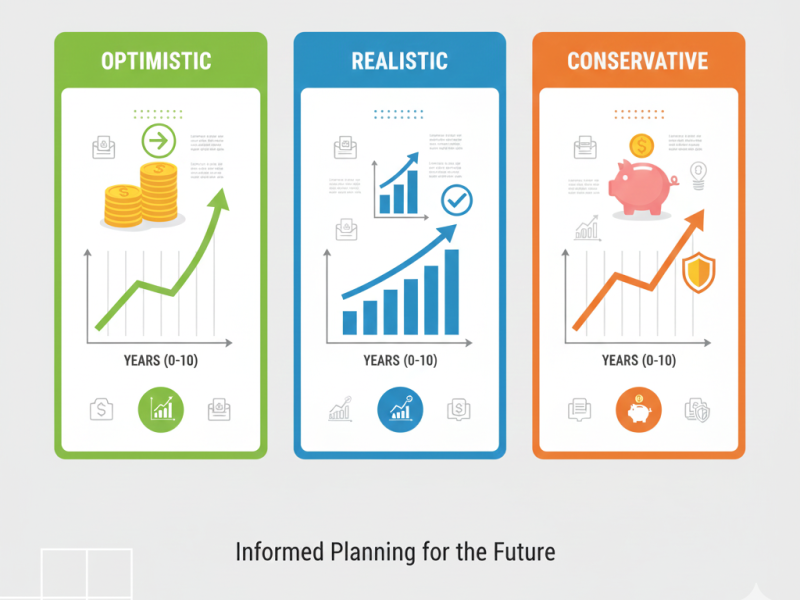
  • Temporary vs. Post-Divorce Maintenance in New York: Structuring a Financial Bridge That Works

    Temporary vs. Post-Divorce Maintenance in New York: Structuring a Financial Bridge That Works

    [fusion_builder_container type=”flex” hundred_percent=”no” hundred_percent_height=”no” hundred_percent_height_scroll=”no” align_content=”stretch” flex_align_items=”flex-start” flex_justify_content=”flex-start” flex_wrap=”wrap” hundred_percent_height_center_content=”yes” equal_height_columns=”no” container_tag=”div” hide_on_mobile=”small-visibility,medium-visibility,large-visibility” status=”published” margin_top=”80px” border_style=”solid” box_shadow=”no” box_shadow_blur=”0″ box_shadow_spread=”0″ gradient_start_position=”0″ gradient_end_position=”100″ gradient_type=”linear” radial_direction=”center center” linear_angle=”180″ background_position=”center center” background_repeat=”no-repeat” fade=”no” background_parallax=”none” enable_mobile=”no” parallax_speed=”0.3″ background_blend_mode=”none” background_slider_skip_lazy_loading=”no” background_slider_loop=”yes” background_slider_pause_on_hover=”no” background_slider_slideshow_speed=”5000″ background_slider_animation=”fade” background_slider_direction=”up” background_slider_animation_speed=”800″ video_aspect_ratio=”16:9″ video_loop=”yes” video_mute=”yes” pattern_bg=”none” pattern_bg_style=”default” pattern_bg_opacity=”100″ pattern_bg_blend_mode=”normal” mask_bg=”none” mask_bg_style=”default” mask_bg_opacity=”100″ mask_bg_transform=”left” mask_bg_blend_mode=”normal” absolute=”off” absolute_devices=”small,medium,large” sticky=”off” sticky_devices=”small-visibility,medium-visibility,large-visibility” sticky_transition_offset=”0″ scroll_offset=”0″ animation_direction=”left” animation_speed=”0.3″ animation_delay=”0″ filter_hue=”0″ filter_saturation=”100″ filter_brightness=”100″ filter_contrast=”100″ filter_invert=”0″ filter_sepia=”0″ filter_opacity=”100″ filter_blur=”0″ filter_hue_hover=”0″ filter_saturation_hover=”100″ filter_brightness_hover=”100″ filter_contrast_hover=”100″ filter_invert_hover=”0″ filter_sepia_hover=”0″ filter_opacity_hover=”100″ filter_blur_hover=”0″][fusion_builder_row][fusion_builder_column type=”1_1″ type=”1_1″ layout=”1_1″ align_self=”auto” content_layout=”column” align_content=”flex-start” valign_content=”flex-start” content_wrap=”wrap” center_content=”no” column_tag=”div” target=”_self” hide_on_mobile=”small-visibility,medium-visibility,large-visibility” sticky_display=”normal,sticky” order_medium=”0″ order_small=”0″ hover_type=”none” border_style=”solid” box_shadow=”no” box_shadow_blur=”0″ box_shadow_spread=”0″ background_type=”single” gradient_start_position=”0″ gradient_end_position=”100″ gradient_type=”linear” radial_direction=”center center” linear_angle=”180″ lazy_load=”none” background_position=”left top” background_repeat=”no-repeat” background_blend_mode=”none” background_slider_skip_lazy_loading=”no” background_slider_loop=”yes” background_slider_pause_on_hover=”no” background_slider_slideshow_speed=”5000″ background_slider_animation=”fade” background_slider_direction=”up” background_slider_animation_speed=”800″ sticky=”off” sticky_devices=”small-visibility,medium-visibility,large-visibility” absolute=”off” filter_type=”regular” filter_hover_element=”self” filter_hue=”0″ filter_saturation=”100″ filter_brightness=”100″ filter_contrast=”100″ filter_invert=”0″ filter_sepia=”0″ filter_opacity=”100″ filter_blur=”0″ filter_hue_hover=”0″ filter_saturation_hover=”100″ filter_brightness_hover=”100″ filter_contrast_hover=”100″ filter_invert_hover=”0″ filter_sepia_hover=”0″ filter_opacity_hover=”100″ filter_blur_hover=”0″ transform_type=”regular” transform_hover_element=”self” transform_scale_x=”1″ transform_scale_y=”1″ transform_translate_x=”0″ transform_translate_y=”0″ transform_rotate=”0″ transform_skew_x=”0″ transform_skew_y=”0″ transform_scale_x_hover=”1″ transform_scale_y_hover=”1″ transform_translate_x_hover=”0″ transform_translate_y_hover=”0″ transform_rotate_hover=”0″ transform_skew_x_hover=”0″ transform_skew_y_hover=”0″ transition_duration=”300″ transition_easing=”ease” scroll_motion_devices=”small-visibility,medium-visibility,large-visibility” animation_direction=”left” animation_speed=”0.3″ animation_delay=”0″ last=”true” border_position=”all” first=”true” min_height=”” link=””][fusion_text content_alignment_small=”left” content_alignment=”left” disable_idd=”no” hide_on_mobile=”small-visibility,medium-visibility,large-visibility” sticky_display=”normal,sticky” font_size=”16px” text_color=”var(–awb-color6)” animation_direction=”left” animation_speed=”0.3″ animation_delay=”0″]

    If you’re starting the divorce process in New York and maintenance might be part of your picture, here’s something that catches many people off guard: temporary maintenance and post-divorce maintenance are two completely separate phases. Receiving support during your divorce doesn’t automatically mean you’ll receive it afterward. Understanding this distinction is key to making wise financial decisions. More importantly, understanding how to structure both phases strategically is where mediation gives you a massive advantage over litigation.

    Two Phases, Two Different Purposes

    Temporary vs. Post-Divorce Maintenance in New York, showing financial support phases during and after divorce; includes a call to action: Call (877) 732-6682 for guidance from Equitable Mediation.

    Temporary maintenance is your financial lifeline during the divorce itself, while post-divorce maintenance is about your transition to self-sufficiency afterward. Even though New York uses similar formulas, they serve fundamentally different purposes.

    Temporary maintenance maintains the status quo while your divorce is pending. If you’ve been financially dependent or earning significantly less, this support helps cover living expenses and legal costs during what might be several months of negotiations.

    Post-divorce maintenance is forward-looking, designed to help the lower-earning spouse transition to financial independence. It’s not meant to replace your spouse’s income forever, but to give you time and resources to rebuild your financial life.

    In litigation, these two phases often get treated as entirely separate battles. In mediation, we design both phases as a cohesive plan that gets you from where you are now to financial independence.

    The Formulas: Starting Points, Not Final Answers

    New York uses statutory formulas for both types of maintenance. As of 2025, calculations cap income at $228,000. The formula varies depending on whether child support is being paid.

    The formula is just a starting point. For temporary maintenance, the guidelines tend to be applied fairly mechanically. For post-divorce maintenance, there’s more room for thoughtful structuring because you’re looking at long-term realities.

    Just because you’re receiving temporary maintenance doesn’t mean that same amount continues afterward. During a divorce, temporary support might be higher to manage legal fees. Afterward, when those costs disappear, and you’ve adjusted, a different structure might make more sense.

    In litigation, this transition happens without strategic planning—a temporary amount is set, then months later, you’re fighting over what comes next. In mediation, we plan both phases from the start, creating a complete financial roadmap.

    How temporary maintenance transitions into post-divorce maintenance in New York, with planning strategies for both phases; includes a call to action: Call (877) 732-6682 for guidance from Equitable Mediation.

    Duration Guidelines and Creating a Glide Path

    For post-divorce maintenance, New York provides advisory guidelines on the duration of maintenance. For marriages up to 15 years, maintenance typically lasts 15% to 30% of the marriage length. For fifteen to twenty years, it’s 30% to 40%. For over twenty years, it’s 35% to 50%.

    A ten-year marriage might result in maintenance lasting 18 months to 3 years. That’s a wide window. This flexibility is where the “glide path to independence” takes shape—you want enough time to rebuild your financial foundation without creating a cliff where support suddenly stops.

    The Power of Step-Down Provisions

    This is where financial expertise really matters in mediation. Rather than having maintenance at one level for the entire duration, then dropping to zero, many couples benefit from a step-down approach that gradually reduces maintenance over time.

    For example, $3,000 per month for the first year might step down to $2,000 for the second year, then to $1,000 for the third year. This creates a realistic transition rather than a financial shock, and it can be coordinated with your specific situation. Maybe you’re completing an 18-month certification program. Or perhaps you have a child entering school full-time in two years, freeing you up for full-time employment. A step-down structure can mirror these life changes.

    These creative structures rarely emerge in litigation. You’re typically fighting over a single amount for a single duration rather than designing a strategic glide path. In mediation, we model different step-down scenarios together, looking at how each structure affects both spouses’ cash flow over time.

    Coordinating Maintenance with Career Re-Entry Plans

    New York recognizes rehabilitative maintenance—support designed to help you gain the education, training, or work experience needed to become self-supporting. This is particularly relevant if you stepped away from your career during the marriage.

    When structuring a financial bridge in mediation, rehabilitative considerations are crucial. If you need to go back to school, update your credentials, or re-enter a field you left years ago, your maintenance agreement should account for that reality. This isn’t just about covering living expenses—it’s about investing in your earning capacity.

    If you’re planning a two-year graduate program, you’ll need higher maintenance during those years when you can’t work full-time, then potentially a step-down once you’ve completed the program. The maintenance structure should align with your actual path back to financial independence, not an abstract timeline.

    This planning gets lost in litigation. You’re arguing positions rather than designing solutions. In mediation, we actively help you think through your career re-entry strategy and the structure you need to support it.

    Modeling Cash Flow for Both Phases

    Before negotiating a maintenance agreement that works, understand your cash flow needs during both phases. Create a realistic budget accounting for your actual post-separation expenses.

    During temporary maintenance, costs might include legal fees, duplicate housing, and transitional expenses. Post-divorce needs might look different—lower in some categories, higher in others.

    Model multiple scenarios. Year one budget? Year two, when your youngest starts school? Year three, when your car lease ends? These aren’t abstract questions—they’re the foundation for structuring maintenance that actually works.

    Don’t forget tax implications. For agreements executed after December 31, 2018, maintenance is neither tax-deductible for the payor nor taxable income for the recipient.

    With an MBA in finance, we help you run these numbers correctly. We build detailed cash flow models that show you exactly what your financial situation looks like under different maintenance structures. That level of financial analysis allows you to make truly informed decisions.

    Strategic Planning You Won’t Get in Litigation

    In mediation, you have tremendous flexibility to structure spousal maintenance in creative ways. Unlike litigation, where rigid formulas are applied, mediated agreements can be tailored to your circumstances.

    You can build in review points, tie adjustments to specific milestones, such as completing a degree or children reaching certain ages, and structure different amounts for temporary versus post-divorce phases, with clear reasoning for each.

    The conversation shifts from “what am I entitled to?” to “what do I actually need, and what’s realistic for both of us?” This results in agreements that both spouses feel are fair and that hold up over time.

    In litigation, you’re fighting over temporary maintenance in one hearing, then coming back months later to fight over post-divorce maintenance. There’s no strategic coordination, no thoughtful planning about how these phases work together.

    Thinking About the Transition Point

    The transition point from temporary to post-divorce maintenance, highlighting financial planning and career adjustments. Call (877) 732-6682 for guidance from Equitable Mediation.

    The moment when temporary maintenance ends and post-divorce maintenance begins (or doesn’t) is a critical inflection point. Some couples find that post-divorce maintenance should be lower than temporary maintenance, since legal expenses have ended and both parties have adjusted. Others discover post-divorce maintenance needs are higher because the recipient spouse is investing in education or career retraining.

    The key is recognizing these are two separate determinations, even though they’re related. Your temporary maintenance might be set to maintain stability during the divorce, while your post-divorce maintenance might be structured as a decreasing payment over time.

    We don’t leave you to figure out this transition on your own. We actively guide you through analyzing what makes sense at each phase, presenting options, and helping you understand the financial implications. That personalized guidance gives you the tools to design a maintenance structure that genuinely works.

    Building a Bridge That Actually Supports Both Spouses

    The best maintenance structure provides genuine support during transition while remaining sustainable for the paying spouse. If payments are too high or too low, the agreement creates ongoing conflict.

    We help couples look at both sides. What can you realistically afford? What do you realistically need? How do we bridge that gap?

    Understanding that temporary and post-divorce maintenance are two distinct phases is the first step. Structuring them thoughtfully transforms maintenance from a source of conflict into a genuine bridge to your new life.

    In litigation, you’re gambling that someone else will design this bridge properly. In mediation, you maintain control. You’re the architects of your own financial future, working with expert guidance to create solutions that reflect your actual circumstances.

    Litigation imposes solutions; mediation empowers you to design them. When it comes to the financial bridge supporting you through and after divorce, having control over that design makes all the difference.

    [/fusion_text][/fusion_builder_column][fusion_builder_column type=”1_1″ type=”1_1″ layout=”1_1″ align_self=”auto” content_layout=”column” align_content=”flex-start” valign_content=”flex-start” content_wrap=”wrap” center_content=”no” column_tag=”div” target=”_self” hide_on_mobile=”medium-visibility,large-visibility” sticky_display=”normal,sticky” order_medium=”0″ order_small=”0″ margin_top=”60px” margin_bottom=”60px” hover_type=”none” border_style=”solid” box_shadow=”no” box_shadow_blur=”0″ box_shadow_spread=”0″ background_type=”single” gradient_start_position=”0″ gradient_end_position=”100″ gradient_type=”linear” radial_direction=”center center” linear_angle=”180″ lazy_load=”none” background_position=”left top” background_repeat=”no-repeat” background_blend_mode=”none” background_slider_skip_lazy_loading=”no” background_slider_loop=”yes” background_slider_pause_on_hover=”no” background_slider_slideshow_speed=”5000″ background_slider_animation=”fade” background_slider_direction=”up” background_slider_animation_speed=”800″ sticky=”off” sticky_devices=”small-visibility,medium-visibility,large-visibility” absolute=”off” filter_type=”regular” filter_hover_element=”self” filter_hue_hover=”0″ filter_saturation_hover=”100″ filter_brightness_hover=”100″ filter_contrast_hover=”100″ filter_invert_hover=”0″ filter_sepia_hover=”0″ filter_opacity_hover=”100″ filter_blur_hover=”0″ filter_hue=”0″ filter_saturation=”100″ filter_brightness=”100″ filter_contrast=”100″ filter_invert=”0″ filter_sepia=”0″ filter_opacity=”100″ filter_blur=”0″ transform_type=”regular” transform_hover_element=”self” transform_scale_x_hover=”1″ transform_scale_y_hover=”1″ transform_translate_x_hover=”0″ transform_translate_y_hover=”0″ transform_rotate_hover=”0″ transform_skew_x_hover=”0″ transform_skew_y_hover=”0″ transform_scale_x=”1″ transform_scale_y=”1″ transform_translate_x=”0″ transform_translate_y=”0″ transform_rotate=”0″ transform_skew_x=”0″ transform_skew_y=”0″ transition_duration=”300″ transition_easing=”ease” motion_effects=”W10=” scroll_motion_devices=”small-visibility,medium-visibility,large-visibility” animation_direction=”left” animation_speed=”0.3″ animation_delay=”0″ last=”true” border_position=”all” first=”true” min_height=”” link=””][fusion_builder_row_inner][fusion_builder_column_inner type=”1_1″ type=”1_1″ layout=”1_1″ align_self=”auto” content_layout=”column” align_content=”flex-start” valign_content=”flex-start” content_wrap=”wrap” center_content=”no” column_tag=”div” target=”_self” hide_on_mobile=”small-visibility,medium-visibility,large-visibility” sticky_display=”normal,sticky” order_medium=”0″ order_small=”0″ padding_top=”50px” padding_right=”20px” padding_bottom=”50px” padding_left=”20px” hover_type=”none” border_style=”solid” border_radius_top_left=”30px” border_radius_top_right=”30px” border_radius_bottom_right=”30px” border_radius_bottom_left=”30px” box_shadow=”no” box_shadow_blur=”0″ box_shadow_spread=”0″ background_type=”single” background_color=”#f4f3ef” gradient_start_position=”0″ gradient_end_position=”100″ gradient_type=”linear” radial_direction=”center center” linear_angle=”180″ lazy_load=”none” background_position=”left top” background_repeat=”no-repeat” background_blend_mode=”none” background_slider_skip_lazy_loading=”no” background_slider_loop=”yes” background_slider_pause_on_hover=”no” background_slider_slideshow_speed=”5000″ background_slider_animation=”fade” background_slider_direction=”up” background_slider_animation_speed=”800″ sticky=”off” sticky_devices=”small-visibility,medium-visibility,large-visibility” absolute=”off” filter_type=”regular” filter_hover_element=”self” filter_hue_hover=”0″ filter_saturation_hover=”100″ filter_brightness_hover=”100″ filter_contrast_hover=”100″ filter_invert_hover=”0″ filter_sepia_hover=”0″ filter_opacity_hover=”100″ filter_blur_hover=”0″ filter_hue=”0″ filter_saturation=”100″ filter_brightness=”100″ filter_contrast=”100″ filter_invert=”0″ filter_sepia=”0″ filter_opacity=”100″ filter_blur=”0″ transform_type=”regular” transform_hover_element=”self” transform_scale_x_hover=”1″ transform_scale_y_hover=”1″ transform_translate_x_hover=”0″ transform_translate_y_hover=”0″ transform_rotate_hover=”0″ transform_skew_x_hover=”0″ transform_skew_y_hover=”0″ transform_scale_x=”1″ transform_scale_y=”1″ transform_translate_x=”0″ transform_translate_y=”0″ transform_rotate=”0″ transform_skew_x=”0″ transform_skew_y=”0″ transition_duration=”300″ transition_easing=”ease” motion_effects=”W10=” scroll_motion_devices=”small-visibility,medium-visibility,large-visibility” animation_direction=”left” animation_speed=”0.3″ animation_delay=”0″ last=”true” border_position=”all” first=”true” min_height=”” link=””][fusion_code]ICA8c3R5bGU+CiAgIAoKICAgIC5zbGlkZXItY29udGFpbmVyIHsKICAgICAgLyptYXgtd2lkdGg6IDcwMHB4OyAqLwogICAgbWFyZ2luOiAwIGF1dG87CiAgICBwb3NpdGlvbjogcmVsYXRpdmU7CiAgICAvKiBiYWNrZ3JvdW5kOiB3aGl0ZTsgKi8KICAgIGJvcmRlci1yYWRpdXM6IDE2cHg7CiAgICAvKiBib3gtc2hhZG93OiAwIDAgMTBweCByZ2JhKDAsIDAsIDAsIDAuMSk7ICovCiAgICBwYWRkaW5nOiAyMHB4IDUwcHg7CiAgICB0ZXh0LWFsaWduOiBsZWZ0OwogICAgb3ZlcmZsb3c6IGhpZGRlbjsKICAgIC8qIGhlaWdodDogNTAwcHg7Ki8KICAgIH0KCiAgICAuc2xpZGUgewogICAgICBwb3NpdGlvbjogYWJzb2x1dGU7CiAgICAgIHRvcDogMDsKICAgICAgbGVmdDogMDsKICAgICAgd2lkdGg6IDEwMCU7CiAgICAgIG9wYWNpdHk6IDA7CiAgICAgIHRyYW5zZm9ybTogdHJhbnNsYXRlWCgxMDAlKTsKICAgICAgdHJhbnNpdGlvbjogYWxsIDAuNXMgZWFzZTsKICAgICAgdmlzaWJpbGl0eTogaGlkZGVuOwogICAgfQoKICAgIC5zbGlkZS5hY3RpdmUgewogICAgICBvcGFjaXR5OiAxOwogICAgICB0cmFuc2Zvcm06IHRyYW5zbGF0ZVgoMCk7CiAgICAgIHZpc2liaWxpdHk6IHZpc2libGU7CiAgICAgIHBvc2l0aW9uOiByZWxhdGl2ZTsKICAgIH0KCiAgICAudGl0bGUgewogICAgY29sb3I6ICMyNDdkYjQ7CiAgICBmb250LXNpemU6IDI2cHg7CiAgICBmb250LXdlaWdodDogNjAwOwogICAgbWFyZ2luLWJvdHRvbTogMThweDsKICAgIHRleHQtYWxpZ246IGNlbnRlcjsKICAgIGxpbmUtaGVpZ2h0OiAxLjJlbTsKfQoKICAgIC5jb250ZW50IHsKICAgICAgZm9udC1zaXplOiAxNnB4OwogICAgICBjb2xvcjogIzMzMzsKICAgICAgbGluZS1oZWlnaHQ6IDEuNjsKICAgIH0KCQoJc3Bhbi5zZXAgewogICAgcGFkZGluZy1sZWZ0OiAyNXB4OwogICAgcGFkZGluZy1yaWdodDogMjVweDsKICAgIGNvbG9yOiAjM2EyZjJhOwogICAgZm9udC1zaXplOiAxOHB4OwogICAgZm9udC13ZWlnaHQ6IG5vcm1hbDsKfQoKICAgIC5hdXRob3IgewogICAgICBkaXNwbGF5OiBmbGV4OwogICAgYWxpZ24taXRlbXM6IGNlbnRlcjsKICAgIG1hcmdpbi10b3A6IDMwcHg7CiAgICBqdXN0aWZ5LWNvbnRlbnQ6IGNlbnRlcjsKICAgIH0KCiAgICAuYXV0aG9yIGltZyB7CiAgICAgIGJvcmRlci1yYWRpdXM6IDUwJTsKICAgICAgd2lkdGg6IDcwcHg7CiAgICAgIGhlaWdodDogNzBweDsKICAgICAgbWFyZ2luLXJpZ2h0OiAxNXB4OwogICAgfQoJCgkuYXV0aG9yLWRldGFpbHMgcCB7CiAgICBtYXJnaW4tYm90dG9tOiAwcHg7Cn0KCiAgICAuYXV0aG9yLWRldGFpbHMgewogICAgICBmb250LXNpemU6IDE1cHg7CiAgICB9CgogICAgLmF1dGhvci1kZXRhaWxzIHN0cm9uZyB7CiAgICAgIGNvbG9yOiAjMjQ3MWViOwogICAgfQoKICAgIC5uYXYgewogICAgICBwb3NpdGlvbjogYWJzb2x1dGU7CiAgICAgIHRvcDogNTAlOwogICAgICB0cmFuc2Zvcm06IHRyYW5zbGF0ZVkoLTUwJSk7CiAgICAgIGZvbnQtc2l6ZTogMzBweDsKICAgICAgY29sb3I6ICNhYWE7CiAgICAgIGN1cnNvcjogcG9pbnRlcjsKICAgICAgei1pbmRleDogMTsKICAgIH0KCiAgICAubmF2LmxlZnQgewogICAgICBsZWZ0OiAyMHB4OwogICAgfQoKICAgIC5uYXYucmlnaHQgewogICAgICByaWdodDogMjBweDsKICAgIH0KCiAgICAubmF2OmhvdmVyIHsKICAgICAgY29sb3I6ICMyNDcxZWI7CiAgICB9CgkKCS5hdXRob3ItZGV0YWlscyAuaGVhZC1kZXN7Cgljb2xvcjogIzI0N2RiNDsgCglmb250LXNpemU6IDMwcHg7IAoJZm9udC13ZWlnaHQ6IDUwMDsKCWZvbnQtZmFtaWx5OiJETSBTZXJpZiBEaXNwbGF5IiwgQXJpYWwsIEhlbHZldGljYSwgc2Fucy1zZXJpZjsKCX0KCQoJLmF1dGhvci1kZXRhaWxzIC5zdWItZGVzewoJbGV0dGVyLXNwYWNpbmc6IDNweDsgCgl0ZXh0LXRyYW5zZm9ybTogdXBwZXJjYXNlOyAKCWZvbnQtc2l6ZTogMTZweDsgCgljb2xvcjogIzNhMmYyYTsKCX0KICA8L3N0eWxlPgoKPGRpdiBjbGFzcz0ic2xpZGVyLWNvbnRhaW5lciI+CiAgPCEtLSBTbGlkZSAxIC0tPgogIDxkaXYgY2xhc3M9InNsaWRlIGFjdGl2ZSI+CiAgICA8ZGl2IGNsYXNzPSJjb250ZW50Ij4KICAgICAgPHA+4oCcWW91IG1heSBoYXZlIHJlc2VhcmNoZWQgaG93IGFsaW1vbnkgd29ya3MgaW4geW91ciBzdGF0ZS4gQnV0IGluIG15IGV4cGVyaWVuY2UsIHJlZ2FyZGxlc3Mgb2Ygd2hldGhlciBhIHN0YXRlIG9mZmVycyBndWlkYW5jZSBvbiBob3cgdG8gcmVzb2x2ZSBhbGltb255LCBvZnRlbiwgY291cGxlcyBuZWdvdGlhdGUgdGhlaXIgb3duIGFncmVlbWVudCB0YWlsb3JlZCB0byB0aGVpciB1bmlxdWUgc2l0dWF0aW9uIGFuZCBjaXJjdW1zdGFuY2VzLjwvcD4KICAgICAgPHA+U28geW91IGhhdmUgYSBsb3Qgb2YgZmxleGliaWxpdHkgYW5kIGNhbiBtYWludGFpbiBhIGxvdCBvZiBjb250cm9sIGlmIHlvdSBuZWdvdGlhdGUgdGhlIHRlcm1zIG9mIGFsaW1vbnkgb3V0IG9mIGNvdXJ0IHdpdGggdGhlIGhlbHAgb2YgYSBza2lsbGVkIHByb2Zlc3Npb25hbCB1c2luZyBhbiBhbHRlcm5hdGl2ZSBkaXNwdXRlIHJlc29sdXRpb24gcHJvY2VzcyBsaWtlIDxhIGhyZWY9Ii9yZXNvdXJjZXMvY29sbGFib3JhdGl2ZS1kaXZvcmNlLXZzLW1lZGlhdGlvbiIgcmVsPSJub29wZW5lciI+ZGl2b3JjZSBtZWRpYXRpb24gb3IgYSBjb2xsYWJvcmF0aXZlIGRpdm9yY2UgPC9hPi48L3A+CiAgICAgIDxwPllvdSBhbmQgeW91ciBzb29uLXRvLWJlIGV4LXNwb3VzZSB3aWxsIG1vcmUgbGlrZWx5IGNvbWUgdG8gYW4gYWxpbW9ueSBhcnJhbmdlbWVudCB0aGF0J3MgYWNjZXB0YWJsZSB0byBib3RoIG9mIHlvdS4iPHA+CiAgICA8L2Rpdj4KICAgIDxkaXYgY2xhc3M9ImF1dGhvciI+CiAgICAgIDxpbWcgc3JjPSIvd3AtY29udGVudC91cGxvYWRzLzIwMjUvMDYvZXF1aXRhYmxlLW1lZGlhdGlvbi10ZWFtLWpvZS1kaWxsb24ud2VicCIgYWx0PSJKb2UgRGlsbG9uIGhlYWRzaG90IiAvPgogICAgICA8ZGl2IGNsYXNzPSJhdXRob3ItZGV0YWlscyI+CiAgICAgICAgPHA+IDxzcGFuIGNsYXNzPSJoZWFkLWRlcyI+IEpvZSBEaWxsb248L3NwYW4+IDxzcGFuIGNsYXNzPSJzZXAiPnw8L3NwYW4+IDxzcGFuIGNsYXNzPSJzdWItZGVzIj5EaXZvcmNlIE1lZGlhdG9yICYgRm91bmRlcjwvc3Bhbj48L3A+CiAgICAgIDwvZGl2PgogICAgPC9kaXY+CiAgPC9kaXY+CiAgPCEtLSBBcnJvd3MgLS0+CiAgPCEtLSA8ZGl2IGNsYXNzPSJuYXYgbGVmdCIgb25jbGljaz0icHJldlNsaWRlKCkiPiYjMTAwOTQ7PC9kaXY+CiAgPGRpdiBjbGFzcz0ibmF2IHJpZ2h0IiBvbmNsaWNrPSJuZXh0U2xpZGUoKSI+JiMxMDA5NTs8L2Rpdj4gLS0+CjwvZGl2PgoKPHNjcmlwdD4KICBsZXQgY3VycmVudFNsaWRlID0gMDsKICBjb25zdCBzbGlkZXMgPSBkb2N1bWVudC5xdWVyeVNlbGVjdG9yQWxsKCcuc2xpZGUnKTsKCiAgZnVuY3Rpb24gc2hvd1NsaWRlKGluZGV4KSB7CiAgICBzbGlkZXMuZm9yRWFjaCgocywgaSkgPT4gewogICAgICBzLmNsYXNzTGlzdC5yZW1vdmUoJ2FjdGl2ZScpOwogICAgfSk7CiAgICBzbGlkZXNbaW5kZXhdLmNsYXNzTGlzdC5hZGQoJ2FjdGl2ZScpOwogIH0KCiAgZnVuY3Rpb24gbmV4dFNsaWRlKCkgewogICAgY3VycmVudFNsaWRlID0gKGN1cnJlbnRTbGlkZSArIDEpICUgc2xpZGVzLmxlbmd0aDsKICAgIHNob3dTbGlkZShjdXJyZW50U2xpZGUpOwogIH0KCiAgZnVuY3Rpb24gcHJldlNsaWRlKCkgewogICAgY3VycmVudFNsaWRlID0gKGN1cnJlbnRTbGlkZSAtIDEgKyBzbGlkZXMubGVuZ3RoKSAlIHNsaWRlcy5sZW5ndGg7CiAgICBzaG93U2xpZGUoY3VycmVudFNsaWRlKTsKICB9Cjwvc2NyaXB0Pg==[/fusion_code][/fusion_builder_column_inner][/fusion_builder_row_inner][/fusion_builder_column][/fusion_builder_row][/fusion_builder_container][fusion_builder_container type=”flex” hundred_percent=”no” hundred_percent_height=”no” hundred_percent_height_scroll=”no” align_content=”stretch” flex_align_items=”flex-start” flex_justify_content=”flex-start” flex_wrap=”wrap” hundred_percent_height_center_content=”yes” equal_height_columns=”no” container_tag=”div” hide_on_mobile=”small-visibility,medium-visibility,large-visibility” status=”published” padding_bottom_medium=”50px” padding_bottom_small=”30px” padding_top=”100px” padding_bottom=”100px” border_style=”solid” box_shadow=”no” box_shadow_blur=”0″ box_shadow_spread=”0″ gradient_start_position=”0″ gradient_end_position=”100″ gradient_type=”linear” radial_direction=”center center” linear_angle=”180″ background_position=”center center” background_repeat=”no-repeat” fade=”no” background_parallax=”none” enable_mobile=”no” parallax_speed=”0.3″ background_blend_mode=”none” background_slider_skip_lazy_loading=”no” background_slider_loop=”yes” background_slider_pause_on_hover=”no” background_slider_slideshow_speed=”5000″ background_slider_animation=”fade” background_slider_direction=”up” background_slider_animation_speed=”800″ video_aspect_ratio=”16:9″ video_loop=”yes” video_mute=”yes” pattern_bg=”none” pattern_bg_style=”default” pattern_bg_opacity=”100″ pattern_bg_blend_mode=”normal” mask_bg=”none” mask_bg_style=”default” mask_bg_opacity=”100″ mask_bg_transform=”left” mask_bg_blend_mode=”normal” absolute=”off” absolute_devices=”small,medium,large” sticky=”off” sticky_devices=”small-visibility,medium-visibility,large-visibility” sticky_transition_offset=”0″ scroll_offset=”0″ animation_direction=”left” animation_speed=”0.3″ animation_delay=”0″ filter_hue=”0″ filter_saturation=”100″ filter_brightness=”100″ filter_contrast=”100″ filter_invert=”0″ filter_sepia=”0″ filter_opacity=”100″ filter_blur=”0″ filter_hue_hover=”0″ filter_saturation_hover=”100″ filter_brightness_hover=”100″ filter_contrast_hover=”100″ filter_invert_hover=”0″ filter_sepia_hover=”0″ filter_opacity_hover=”100″ filter_blur_hover=”0″ admin_label=”FAQ” admin_toggled=”no”][fusion_builder_row][fusion_builder_column type=”1_1″ type=”1_1″ layout=”1_1″ align_self=”auto” content_layout=”column” align_content=”flex-start” valign_content=”flex-start” content_wrap=”wrap” center_content=”no” column_tag=”div” target=”_self” hide_on_mobile=”small-visibility,medium-visibility,large-visibility” sticky_display=”normal,sticky” order_medium=”0″ order_small=”0″ hover_type=”none” border_style=”solid” box_shadow=”no” box_shadow_blur=”0″ box_shadow_spread=”0″ background_type=”single” gradient_start_position=”0″ gradient_end_position=”100″ gradient_type=”linear” radial_direction=”center center” linear_angle=”180″ lazy_load=”none” background_position=”left top” background_repeat=”no-repeat” background_blend_mode=”none” background_slider_skip_lazy_loading=”no” background_slider_loop=”yes” background_slider_pause_on_hover=”no” background_slider_slideshow_speed=”5000″ background_slider_animation=”fade” background_slider_direction=”up” background_slider_animation_speed=”800″ sticky=”off” sticky_devices=”small-visibility,medium-visibility,large-visibility” absolute=”off” filter_type=”regular” filter_hover_element=”self” filter_hue_hover=”0″ filter_saturation_hover=”100″ filter_brightness_hover=”100″ filter_contrast_hover=”100″ filter_invert_hover=”0″ filter_sepia_hover=”0″ filter_opacity_hover=”100″ filter_blur_hover=”0″ filter_hue=”0″ filter_saturation=”100″ filter_brightness=”100″ filter_contrast=”100″ filter_invert=”0″ filter_sepia=”0″ filter_opacity=”100″ filter_blur=”0″ transform_type=”regular” transform_hover_element=”self” transform_scale_x_hover=”1″ transform_scale_y_hover=”1″ transform_translate_x_hover=”0″ transform_translate_y_hover=”0″ transform_rotate_hover=”0″ transform_skew_x_hover=”0″ transform_skew_y_hover=”0″ transform_scale_x=”1″ transform_scale_y=”1″ transform_translate_x=”0″ transform_translate_y=”0″ transform_rotate=”0″ transform_skew_x=”0″ transform_skew_y=”0″ transition_duration=”300″ transition_easing=”ease” motion_effects=”W10=” scroll_motion_devices=”small-visibility,medium-visibility,large-visibility” animation_direction=”left” animation_speed=”0.3″ animation_delay=”0″ last=”true” border_position=”all” first=”true” min_height=”” link=””][fusion_title title_type=”text” scroll_reveal_effect=”color_change” scroll_reveal_basis=”chars” scroll_reveal_behavior=”always” scroll_reveal_duration=”500″ scroll_reveal_stagger=”200″ scroll_reveal_delay=”0″ scroll_reveal_above_fold=”yes” marquee_direction=”left” marquee_mask_edges=”no” marquee_speed=”15000″ rotation_effect=”bounceIn” display_time=”1200″ highlight_effect=”circle” loop_animation=”once” highlight_animation_duration=”1500″ highlight_width=”9″ highlight_smudge_effect=”no” highlight_top_margin=”0″ title_link=”off” link_target=”_self” hide_on_mobile=”small-visibility,medium-visibility,large-visibility” sticky_display=”normal,sticky” content_align_small=”left” content_align=”left” size=”2″ font_size=”38px” text_color=”var(–awb-color4)” text_shadow=”no” text_shadow_blur=”0″ text_stroke=”no” text_stroke_size=”1″ text_overflow=”none” margin_top=”0px” margin_bottom=”60px” gradient_font=”no” gradient_start_position=”0″ gradient_end_position=”100″ gradient_type=”linear” radial_direction=”center center” linear_angle=”180″ style_type=”default” animation_type=”fade” animation_direction=”static” animation_speed=”1.0″ animation_delay=”0.5″]

    FAQs About Spousal Maintenance in New York

    [/fusion_title][fusion_accordion type=”toggles” hide_on_mobile=”small-visibility,medium-visibility,large-visibility” boxed_mode=”yes” border_size=”2″ border_color=”#d8e8f2″ hover_color=”#f4f3ef” padding_top=”10px” padding_right=”5px” padding_bottom=”10px” padding_left=”5px” title_tag=”h4″ fusion_font_family_title_font=”Poppins” fusion_font_variant_title_font=”600″ title_font_size=”18px” title_color=”var(–awb-color6)” icon_size=”25px” icon_color=”#d8e8f2″ icon_boxed_mode=”no” icon_box_color=”#d8e8f2″ icon_alignment=”right” content_font_size=”16px” content_color=”var(–awb-color6)” toggle_hover_accent_color=”var(–awb-color6)” toggle_active_accent_color=”var(–awb-color6)”][fusion_toggle title=”1. What is spousal maintenance in New York and how is it different from alimony?” open=”no” title_color=”var(–awb-color8)” content_color=”var(–awb-color8)”]Spousal maintenance is the current legal term in New York for financial support that one spouse pays to another during or after divorce. “Alimony” is an older term replaced in New York law years ago. The purpose is to help the financially dependent spouse meet reasonable needs and become self-supporting.

    In mediation, we discuss maintenance as part of your overall financial planning rather than as something imposed by external rules. Understanding that maintenance serves as a bridge to financial independence helps frame productive conversations about what makes sense for your specific situation.[/fusion_toggle][fusion_toggle title=”2. What are the different types of spousal maintenance available in New York?” open=”no” awb-switch-editor-focus=”New York recognizes three types: informal spousal support during separation, temporary maintenance paid during the divorce process, and post-divorce maintenance paid after finalization. Temporary maintenance helps maintain financial stability while the divorce proceeds, while post-divorce maintenance facilitates the transition to financial independence. Receiving temporary maintenance doesn’t automatically guarantee post-divorce maintenance. In mediation, we help you structure the transition between phases using step-down provisions or rehabilitative plans that align with realistic timelines. This integrated approach works better than treating phases separately, which often happens in litigation.” title_color=”var(–awb-color8)” content_color=”var(–awb-color8)”]New York recognizes three types: informal spousal support during separation, temporary maintenance paid during the divorce process, and post-divorce maintenance paid after finalization.

    Temporary maintenance helps maintain financial stability while the divorce proceeds, while post-divorce maintenance facilitates the transition to financial independence. Receiving temporary maintenance doesn’t automatically guarantee post-divorce maintenance.

    In mediation, we help you structure the transition between phases using step-down provisions or rehabilitative plans that align with realistic timelines. This integrated approach works better than treating phases separately, which often happens in litigation.[/fusion_toggle][fusion_toggle title=”3. How is spousal maintenance calculated in New York?” open=”no” title_color=”var(–awb-color8)” content_color=”var(–awb-color8)”]

    New York uses statutory formulas that consider both spouses’ incomes and whether child support is involved. Without child support, the formula subtracts 20% of the receiving spouse’s income from 30% of the paying spouse’s income. With child support, it subtracts 25% of the receiving spouse’s income from 20% of the paying spouse’s income. There’s also a check calculation: 40% of combined income minus the receiving spouse’s income. The lower result generally serves as the guideline amount.

    As of 2025, the formula applies to income up to $228,000. For income above that cap, how New York approaches maintenance becomes more discretionary, based on factors like standard of living during the marriage, earning capacity, career sacrifices, and health conditions.

    While these formulas provide a starting point, they often produce results that don’t match real-world circumstances. In mediation, we calculate what the guidelines would produce, then explore whether that makes sense for your situation or whether creative alternatives might work better. With an MBA in finance, we can model different scenarios, show you tax implications, and help you understand long-term financial impact. This rigorous financial analysis goes well beyond simply plugging numbers into a formula.

    [/fusion_toggle][fusion_toggle title=”4. How long does spousal maintenance last in New York?” open=”no” title_color=”var(–awb-color8)” content_color=”var(–awb-color8)”]How New York approaches duration depends on marriage length. For 0-15 year marriages, maintenance typically ranges from 15-30% of the marriage length. For 15-20 year marriages, it’s 30-40%. For marriages over 20 years, it’s 35-50%.

    These are ranges, not fixed rules. A twelve-year marriage might result in maintenance for roughly 2-4 years, depending on factors like age, employability, and career sacrifices. Maintenance typically ends when either spouse dies or when the receiving spouse remarries.

    In mediation, we model different duration scenarios and their long-term impacts. We help you think through whether standard ranges make sense or whether step-down provisions or review mechanisms would work better.[/fusion_toggle][fusion_toggle title=”5. Who qualifies for spousal maintenance in New York?” open=”no” title_color=”var(–awb-color8)” content_color=”var(–awb-color8)”]

    Qualification requires demonstrating financial need—meaning you lack sufficient income or assets to meet reasonable expenses—while the other spouse has the financial ability to provide support. If both spouses earn similar incomes and have comparable resources, maintenance is unlikely.

    How New York evaluates eligibility involves examining income disparity, particularly where one spouse sacrificed career opportunities to support the family. The requesting spouse’s employability skills and realistic earning potential matter. A spouse’s role as homemaker or support system for the higher-earning spouse’s career is relevant.

    In mediation, we examine actual earning capacity, career timelines, and financial needs with specificity rather than making worst-case or best-case assumptions.

    [/fusion_toggle][fusion_toggle title=”6. What factors does New York consider when determining spousal maintenance?” open=”no” title_color=”var(–awb-color8)” content_color=”var(–awb-color8)”]

    How New York approaches maintenance involves thirteen statutory factors: age and health of both parties, earning capacity, need for education or training expenses, wasteful dissipation of marital property, domestic violence that inhibited earning capacity, medical insurance availability and cost, care of children, reduced lifetime earning capacity due to forgone career opportunities, pre-marital joint household duration, contributions to the marriage, property distribution, tax consequences, and other relevant factors.

    In litigation, attorneys argue about how these factors apply. In mediation, we work through them together to build shared understanding and structure maintenance that acknowledges what’s most important to both of you.

    [/fusion_toggle][fusion_toggle title=”7. Is spousal maintenance automatic in New York divorces?” open=”no” title_color=”var(–awb-color8)” content_color=”var(–awb-color8)”]

    No, maintenance is not automatic. Unlike child support which is mandatory when children are involved, maintenance is based on specific financial circumstances.

    In litigation, someone petitions for maintenance and makes arguments about why it should be awarded. In mediation, you can have open conversations about whether maintenance makes sense, how much, and for how long, without adversarial positioning. You can negotiate your own arrangement as part of a comprehensive settlement that considers property division, tax planning, and your long-term goals together.

    This flexibility is one of mediation’s most valuable advantages.

    [/fusion_toggle][fusion_toggle title=”8. What are the tax implications of spousal maintenance in New York?” open=”no” title_color=”var(–awb-color8)” content_color=”var(–awb-color8)”]

    For divorces finalized after January 1, 2019, federal tax law changed significantly: the paying spouse can no longer deduct maintenance payments, and the receiving spouse doesn’t report them as income on federal returns. However, New York state tax law didn’t change—maintenance payments remain deductible for the paying spouse and taxable to the receiving spouse on state returns.

    This creates a split where you must file federal and state taxes differently regarding maintenance. The federal tax law change eliminated what had been a significant incentive for higher maintenance amounts, as payors could previously reduce their taxable income through these deductions.

    This tax complexity is exactly where financial expertise makes a critical difference. Understanding the actual after-tax cost and benefit requires sophisticated modeling that most people—and many mediators—aren’t equipped to do. With an MBA in finance, we can model the tax impact accurately, show you side-by-side scenarios, and help you structure maintenance in ways that maximize the benefit to both parties when tax treatment is considered. This kind of analysis can reveal opportunities for structuring agreements that litigation simply doesn’t accommodate.

    [/fusion_toggle][fusion_toggle title=”9. Can spousal maintenance be paid as a lump sum instead of monthly payments?” open=”no” title_color=”var(–awb-color8)” content_color=”var(–awb-color8)”]

    Yes, lump-sum maintenance is possible. Rather than monthly payments over time, one spouse provides the full maintenance amount upfront.

    This works when the paying spouse has sufficient liquid assets and values finality. For the receiving spouse, benefits include immediate access to funds and no concerns about future ability or willingness to pay. However, recipients lose flexibility since lump-sum payments typically can’t be modified.

    Evaluating whether lump-sum maintenance makes sense requires rigorous financial analysis: calculating present value of payment streams, assessing liquidity and tax implications, and understanding opportunity costs. This is where financial expertise matters significantly.

    [/fusion_toggle][fusion_toggle title=”10. What is the income cap for calculating spousal maintenance in New York?” open=”no” title_color=”var(–awb-color8)” content_color=”var(–awb-color8)”]As of 2025, New York’s statutory formula applies to income up to $228,000. For income above that cap, how maintenance is determined becomes more discretionary based on factors like standard of living during the marriage, financial needs, and ability to maintain reasonable needs while providing support.

    When you’re dealing with income above the cap, financial sophistication becomes essential. Rather than a simple formula, you’re negotiating based on complex factors, often involving variable compensation like bonuses, stock options, or business income. In mediation with financial expertise, we can analyze these complex structures, model different scenarios, and help you structure agreements that make financial sense.[/fusion_toggle][/fusion_accordion][fusion_text disable_idd=”no” hide_on_mobile=”small-visibility,medium-visibility,large-visibility” sticky_display=”normal,sticky” animation_direction=”left” animation_speed=”0.3″ animation_delay=”0″]

    The Mediation Advantage for Maintenance Discussions

    Throughout these FAQs, you’ve seen references to mediation as an alternative to litigation. In litigation, attorneys fight over what guidelines produce and argue about how factors apply. You’re spending tens of thousands on adversarial processes that often produce outcomes neither party accepts. For co-parents, this poisons the relationship foundation you need for years ahead.

    In mediation, you’re working together to understand what the guidelines say, whether they fit your circumstances, and what alternatives might work better. When you combine that collaborative process with genuine financial expertise—the ability to model scenarios, calculate present values, analyze tax impacts, and structure creative solutions—you get agreements that are both fair and sustainable.

    That’s what makes the difference between maintenance arrangements that work and ones that create ongoing conflict.

    [/fusion_text][fusion_code]PHN0eWxlPgogIC8qIEZyb250IGVuZCBvbmx5OiBzdGFydCBoaWRkZW4gYW5kIGZhZGUgaW4gKi8KYm9keTpub3QoLmZ1c2lvbi1idWlsZGVyLWxpdmUpIC5mdXNpb24tcGFuZWwgewogIG9wYWNpdHk6IDA7CiAgdHJhbnNpdGlvbjogb3BhY2l0eSAwLjZzIGVhc2Utb3V0Owp9CmJvZHk6bm90KC5mdXNpb24tYnVpbGRlci1saXZlKSAuZnVzaW9uLXBhbmVsLmFuaW1hdGUgewogIG9wYWNpdHk6IDE7Cn0KCi8qIEJ1aWxkZXI6IGFsd2F5cyB2aXNpYmxlLCBldmVuIHdoZW4gdGhlIGNsYXNzIGlzIG9uIGEgY29sdW1uICovCmJvZHkuZnVzaW9uLWJ1aWxkZXItbGl2ZSAuZnVzaW9uLXBhbmVsLAouZnVzaW9uLWJ1aWxkZXItbGl2ZS1lbGVtZW50LmZ1c2lvbi1wYW5lbCwKLmZ1c2lvbi1idWlsZGVyLWxpdmUgLmZ1c2lvbi1idWlsZGVyLWNvbHVtbi5mdXNpb24tcGFuZWwsCi5mdXNpb24tYnVpbGRlci1saXZlIC5mdXNpb24tYnVpbGRlci1jb2x1bW4tb3V0ZXIuZnVzaW9uLXBhbmVsIHsKICBvcGFjaXR5OiAxICFpbXBvcnRhbnQ7Cn0KPC9zdHlsZT4KCjxzY3JpcHQ+Ci8qTGF6eSBMb2FkIEFuaW1hdGlvbiovCmRvY3VtZW50LmFkZEV2ZW50TGlzdGVuZXIoIkRPTUNvbnRlbnRMb2FkZWQiLCBmdW5jdGlvbiAoKSB7CiAgY29uc3QgZWxlbWVudHMgPSBkb2N1bWVudC5xdWVyeVNlbGVjdG9yQWxsKCIuZnVzaW9uLXBhbmVsIik7CgogIGZ1bmN0aW9uIGFuaW1hdGVPblNjcm9sbCgpIHsKICAgIGNvbnN0IHRyaWdnZXJQb2ludCA9IHdpbmRvdy5pbm5lckhlaWdodCAqICgzIC8gNCk7CgogICAgZWxlbWVudHMuZm9yRWFjaChlbCA9PiB7CiAgICAgIGNvbnN0IHJlY3QgPSBlbC5nZXRCb3VuZGluZ0NsaWVudFJlY3QoKTsKICAgICAgaWYgKHJlY3QudG9wIDw9IHRyaWdnZXJQb2ludCAmJiAhZWwuY2xhc3NMaXN0LmNvbnRhaW5zKCJhbmltYXRlIikpIHsKICAgICAgICBlbC5jbGFzc0xpc3QuYWRkKCJhbmltYXRlIik7CiAgICAgIH0KICAgIH0pOwogIH0KCiAgd2luZG93LmFkZEV2ZW50TGlzdGVuZXIoInNjcm9sbCIsIGFuaW1hdGVPblNjcm9sbCk7CiAgYW5pbWF0ZU9uU2Nyb2xsKCk7Cn0pOwogIDwvc2NyaXB0Pgo=[/fusion_code][/fusion_builder_column][/fusion_builder_row][/fusion_builder_container][fusion_builder_container type=”flex” hundred_percent=”no” hundred_percent_height=”no” hundred_percent_height_scroll=”no” align_content=”stretch” flex_align_items=”flex-start” flex_justify_content=”flex-start” flex_wrap=”wrap” hundred_percent_height_center_content=”yes” equal_height_columns=”no” container_tag=”div” hide_on_mobile=”small-visibility,medium-visibility,large-visibility” status=”published” padding_top=”50px” border_style=”solid” box_shadow=”no” box_shadow_blur=”0″ box_shadow_spread=”0″ gradient_start_position=”0″ gradient_end_position=”100″ gradient_type=”linear” radial_direction=”center center” linear_angle=”180″ background_position=”center center” background_repeat=”no-repeat” fade=”no” background_parallax=”none” enable_mobile=”no” parallax_speed=”0.3″ background_blend_mode=”none” background_slider_skip_lazy_loading=”no” background_slider_loop=”yes” background_slider_pause_on_hover=”no” background_slider_slideshow_speed=”5000″ background_slider_animation=”fade” background_slider_direction=”up” background_slider_animation_speed=”800″ video_aspect_ratio=”16:9″ video_loop=”yes” video_mute=”yes” pattern_bg=”none” pattern_bg_style=”default” pattern_bg_opacity=”100″ pattern_bg_blend_mode=”normal” mask_bg=”none” mask_bg_style=”default” mask_bg_opacity=”100″ mask_bg_transform=”left” mask_bg_blend_mode=”normal” absolute=”off” absolute_devices=”small,medium,large” sticky=”off” sticky_devices=”small-visibility,medium-visibility,large-visibility” sticky_transition_offset=”0″ scroll_offset=”0″ animation_direction=”left” animation_speed=”0.3″ animation_delay=”0″ filter_hue=”0″ filter_saturation=”100″ filter_brightness=”100″ filter_contrast=”100″ filter_invert=”0″ filter_sepia=”0″ filter_opacity=”100″ filter_blur=”0″ filter_hue_hover=”0″ filter_saturation_hover=”100″ filter_brightness_hover=”100″ filter_contrast_hover=”100″ filter_invert_hover=”0″ filter_sepia_hover=”0″ filter_opacity_hover=”100″ filter_blur_hover=”0″ admin_label=”Call to Action” admin_toggled=”yes”][fusion_builder_row][fusion_builder_column type=”1_1″ type=”1_1″ layout=”60.00″ align_self=”auto” content_layout=”column” align_content=”flex-start” valign_content=”flex-start” content_wrap=”wrap” center_content=”no” column_tag=”div” target=”_self” hide_on_mobile=”small-visibility,medium-visibility,large-visibility” sticky_display=”normal,sticky” order_medium=”0″ order_small=”0″ hover_type=”none” border_style=”solid” box_shadow=”no” box_shadow_blur=”0″ box_shadow_spread=”0″ background_type=”single” gradient_start_position=”0″ gradient_end_position=”100″ gradient_type=”linear” radial_direction=”center center” linear_angle=”180″ lazy_load=”none” background_position=”left top” background_repeat=”no-repeat” background_blend_mode=”none” background_slider_skip_lazy_loading=”no” background_slider_loop=”yes” background_slider_pause_on_hover=”no” background_slider_slideshow_speed=”5000″ background_slider_animation=”fade” background_slider_direction=”up” background_slider_animation_speed=”800″ sticky=”off” sticky_devices=”small-visibility,medium-visibility,large-visibility” absolute=”off” filter_type=”regular” filter_hover_element=”self” filter_hue_hover=”0″ filter_saturation_hover=”100″ filter_brightness_hover=”100″ filter_contrast_hover=”100″ filter_invert_hover=”0″ filter_sepia_hover=”0″ filter_opacity_hover=”100″ filter_blur_hover=”0″ filter_hue=”0″ filter_saturation=”100″ filter_brightness=”100″ filter_contrast=”100″ filter_invert=”0″ filter_sepia=”0″ filter_opacity=”100″ filter_blur=”0″ transform_type=”regular” transform_hover_element=”self” transform_scale_x_hover=”1″ transform_scale_y_hover=”1″ transform_translate_x_hover=”0″ transform_translate_y_hover=”0″ transform_rotate_hover=”0″ transform_skew_x_hover=”0″ transform_skew_y_hover=”0″ transform_scale_x=”1″ transform_scale_y=”1″ transform_translate_x=”0″ transform_translate_y=”0″ transform_rotate=”0″ transform_skew_x=”0″ transform_skew_y=”0″ transition_duration=”300″ transition_easing=”ease” motion_effects=”W10=” scroll_motion_devices=”small-visibility,medium-visibility,large-visibility” animation_direction=”left” animation_speed=”0.3″ animation_delay=”0″ last=”true” border_position=”all” first=”true” min_height=”” link=””][fusion_builder_row_inner][fusion_builder_column_inner type=”1_1″ type=”1_1″ layout=”1_1″ align_self=”auto” content_layout=”column” align_content=”flex-start” valign_content=”flex-start” content_wrap=”wrap” center_content=”no” column_tag=”div” target=”_self” hide_on_mobile=”small-visibility,medium-visibility,large-visibility” sticky_display=”normal,sticky” order_medium=”0″ order_small=”0″ padding_top=”50px” padding_right=”20px” padding_bottom=”50px” padding_left=”20px” hover_type=”none” border_style=”solid” border_radius_top_left=”30px” border_radius_top_right=”30px” border_radius_bottom_right=”30px” border_radius_bottom_left=”30px” box_shadow=”no” box_shadow_blur=”0″ box_shadow_spread=”0″ background_type=”single” background_color=”#d8e8f2″ gradient_start_position=”0″ gradient_end_position=”100″ gradient_type=”linear” radial_direction=”center center” linear_angle=”180″ lazy_load=”none” background_position=”left top” background_repeat=”no-repeat” background_blend_mode=”none” background_slider_skip_lazy_loading=”no” background_slider_loop=”yes” background_slider_pause_on_hover=”no” background_slider_slideshow_speed=”5000″ background_slider_animation=”fade” background_slider_direction=”up” background_slider_animation_speed=”800″ sticky=”off” sticky_devices=”small-visibility,medium-visibility,large-visibility” absolute=”off” filter_type=”regular” filter_hover_element=”self” filter_hue_hover=”0″ filter_saturation_hover=”100″ filter_brightness_hover=”100″ filter_contrast_hover=”100″ filter_invert_hover=”0″ filter_sepia_hover=”0″ filter_opacity_hover=”100″ filter_blur_hover=”0″ filter_hue=”0″ filter_saturation=”100″ filter_brightness=”100″ filter_contrast=”100″ filter_invert=”0″ filter_sepia=”0″ filter_opacity=”100″ filter_blur=”0″ transform_type=”regular” transform_hover_element=”self” transform_scale_x_hover=”1″ transform_scale_y_hover=”1″ transform_translate_x_hover=”0″ transform_translate_y_hover=”0″ transform_rotate_hover=”0″ transform_skew_x_hover=”0″ transform_skew_y_hover=”0″ transform_scale_x=”1″ transform_scale_y=”1″ transform_translate_x=”0″ transform_translate_y=”0″ transform_rotate=”0″ transform_skew_x=”0″ transform_skew_y=”0″ transition_duration=”300″ transition_easing=”ease” motion_effects=”W10=” scroll_motion_devices=”small-visibility,medium-visibility,large-visibility” animation_direction=”left” animation_speed=”0.3″ animation_delay=”0″ last=”true” border_position=”all” first=”true” min_height=”” link=””][fusion_title title_type=”text” scroll_reveal_effect=”color_change” scroll_reveal_basis=”chars” scroll_reveal_behavior=”always” scroll_reveal_duration=”500″ scroll_reveal_stagger=”200″ scroll_reveal_delay=”0″ scroll_reveal_above_fold=”yes” marquee_direction=”left” marquee_mask_edges=”no” marquee_speed=”15000″ rotation_effect=”bounceIn” display_time=”1200″ highlight_effect=”circle” loop_animation=”once” highlight_animation_duration=”1500″ highlight_width=”9″ highlight_smudge_effect=”no” highlight_top_margin=”0″ title_link=”off” link_target=”_self” hide_on_mobile=”small-visibility,medium-visibility,large-visibility” sticky_display=”normal,sticky” content_align_small=”center” content_align=”center” size=”2″ font_size=”38px” text_color=”var(–awb-color4)” text_shadow=”no” text_shadow_blur=”0″ text_stroke=”no” text_stroke_size=”1″ text_overflow=”none” margin_top=”0px” gradient_font=”no” gradient_start_position=”0″ gradient_end_position=”100″ gradient_type=”linear” radial_direction=”center center” linear_angle=”180″ style_type=”default” animation_type=”fade” animation_direction=”static” animation_speed=”1.0″ animation_delay=”0.5″]

    Lay the groundwork for a peaceful divorce

    [/fusion_title][fusion_button link=”/tag/courses-kits” enable_hover_text_icon=”no” title=”Explore Courses” target=”_self” aria_role_button=”0″ alignment=”center” hide_on_mobile=”small-visibility,medium-visibility,large-visibility” sticky_display=”normal,sticky” class=”btn-style-blue” color=”custom” button_gradient_top_color_hover=”var(–awb-color4)” button_gradient_top_color=”var(–awb-custom_color_2)” button_gradient_bottom_color_hover=”var(–awb-color4)” button_gradient_bottom_color=”var(–awb-color4)” linear_angle=”180″ accent_color=”var(–awb-color5)” border_top=”2px” border_right=”2px” border_bottom=”2px” border_left=”2px” border_radius_top_left=”30px” border_radius_top_right=”30px” border_radius_bottom_right=”30px” border_radius_bottom_left=”30px” border_hover_color=”var(–awb-color5)” border_color=”var(–awb-color5)” size=”large” fusion_font_family_button_font=”Poppins” fusion_font_variant_button_font=”700″ font_size=”16px” stretch=”default” margin_top=”22px” icon_position=”left” icon_divider=”no” hover_transition=”none” animation_type=”fade” animation_direction=”static” animation_speed=”1.0″ animation_delay=”0.5″]Explore Courses[/fusion_button][/fusion_builder_column_inner][/fusion_builder_row_inner][/fusion_builder_column][/fusion_builder_row][/fusion_builder_container][fusion_global id=”2082″]

  • Understanding Maintenance Duration in New York: Why a 12-Year Marriage Doesn’t Always Mean 2-3 Years of Support

    Understanding Maintenance Duration in New York: Why a 12-Year Marriage Doesn’t Always Mean 2-3 Years of Support

    [fusion_builder_container type=”flex” hundred_percent=”no” hundred_percent_height=”no” hundred_percent_height_scroll=”no” align_content=”stretch” flex_align_items=”flex-start” flex_justify_content=”flex-start” flex_wrap=”wrap” hundred_percent_height_center_content=”yes” equal_height_columns=”no” container_tag=”div” hide_on_mobile=”small-visibility,medium-visibility,large-visibility” status=”published” margin_top=”80px” border_style=”solid” box_shadow=”no” box_shadow_blur=”0″ box_shadow_spread=”0″ gradient_start_position=”0″ gradient_end_position=”100″ gradient_type=”linear” radial_direction=”center center” linear_angle=”180″ background_position=”center center” background_repeat=”no-repeat” fade=”no” background_parallax=”none” enable_mobile=”no” parallax_speed=”0.3″ background_blend_mode=”none” background_slider_skip_lazy_loading=”no” background_slider_loop=”yes” background_slider_pause_on_hover=”no” background_slider_slideshow_speed=”5000″ background_slider_animation=”fade” background_slider_direction=”up” background_slider_animation_speed=”800″ video_aspect_ratio=”16:9″ video_loop=”yes” video_mute=”yes” pattern_bg=”none” pattern_bg_style=”default” pattern_bg_opacity=”100″ pattern_bg_blend_mode=”normal” mask_bg=”none” mask_bg_style=”default” mask_bg_opacity=”100″ mask_bg_transform=”left” mask_bg_blend_mode=”normal” absolute=”off” absolute_devices=”small,medium,large” sticky=”off” sticky_devices=”small-visibility,medium-visibility,large-visibility” sticky_transition_offset=”0″ scroll_offset=”0″ animation_direction=”left” animation_speed=”0.3″ animation_delay=”0″ filter_hue=”0″ filter_saturation=”100″ filter_brightness=”100″ filter_contrast=”100″ filter_invert=”0″ filter_sepia=”0″ filter_opacity=”100″ filter_blur=”0″ filter_hue_hover=”0″ filter_saturation_hover=”100″ filter_brightness_hover=”100″ filter_contrast_hover=”100″ filter_invert_hover=”0″ filter_sepia_hover=”0″ filter_opacity_hover=”100″ filter_blur_hover=”0″][fusion_builder_row][fusion_builder_column type=”1_1″ type=”1_1″ layout=”1_1″ align_self=”auto” content_layout=”column” align_content=”flex-start” valign_content=”flex-start” content_wrap=”wrap” center_content=”no” column_tag=”div” target=”_self” hide_on_mobile=”small-visibility,medium-visibility,large-visibility” sticky_display=”normal,sticky” order_medium=”0″ order_small=”0″ hover_type=”none” border_style=”solid” box_shadow=”no” box_shadow_blur=”0″ box_shadow_spread=”0″ background_type=”single” gradient_start_position=”0″ gradient_end_position=”100″ gradient_type=”linear” radial_direction=”center center” linear_angle=”180″ lazy_load=”none” background_position=”left top” background_repeat=”no-repeat” background_blend_mode=”none” background_slider_skip_lazy_loading=”no” background_slider_loop=”yes” background_slider_pause_on_hover=”no” background_slider_slideshow_speed=”5000″ background_slider_animation=”fade” background_slider_direction=”up” background_slider_animation_speed=”800″ sticky=”off” sticky_devices=”small-visibility,medium-visibility,large-visibility” absolute=”off” filter_type=”regular” filter_hover_element=”self” filter_hue=”0″ filter_saturation=”100″ filter_brightness=”100″ filter_contrast=”100″ filter_invert=”0″ filter_sepia=”0″ filter_opacity=”100″ filter_blur=”0″ filter_hue_hover=”0″ filter_saturation_hover=”100″ filter_brightness_hover=”100″ filter_contrast_hover=”100″ filter_invert_hover=”0″ filter_sepia_hover=”0″ filter_opacity_hover=”100″ filter_blur_hover=”0″ transform_type=”regular” transform_hover_element=”self” transform_scale_x=”1″ transform_scale_y=”1″ transform_translate_x=”0″ transform_translate_y=”0″ transform_rotate=”0″ transform_skew_x=”0″ transform_skew_y=”0″ transform_scale_x_hover=”1″ transform_scale_y_hover=”1″ transform_translate_x_hover=”0″ transform_translate_y_hover=”0″ transform_rotate_hover=”0″ transform_skew_x_hover=”0″ transform_skew_y_hover=”0″ transition_duration=”300″ transition_easing=”ease” scroll_motion_devices=”small-visibility,medium-visibility,large-visibility” animation_direction=”left” animation_speed=”0.3″ animation_delay=”0″ last=”true” border_position=”all” first=”true” min_height=”” link=””][fusion_text content_alignment_small=”left” content_alignment=”left” disable_idd=”no” hide_on_mobile=”small-visibility,medium-visibility,large-visibility” sticky_display=”normal,sticky” font_size=”16px” text_color=”var(–awb-color6)” animation_direction=”left” animation_speed=”0.3″ animation_delay=”0″]

    When you first learn about New York’s maintenance duration guidelines, they seem straightforward. For marriages of 0 to 15 years, maintenance lasts 15 to 30 percent of the marriage’s length. So if you’ve been married twelve years, that’s somewhere between 1.8 and 3.6 years.

    Except that’s not how it actually works in practice. Understanding why requires going deeper than the arithmetic, and that understanding matters for your financial planning. More importantly, understanding the flexibility within these ranges is exactly why mediation gives you such an advantage over litigation, where duration often gets decided by someone who doesn’t know your family.

    The Guidelines Are Advisory, Not Mandatory

    Reviewing New York Maintenance Duration guidelines during mediation, comparing advisory percentages to actual negotiated outcomes; includes a call to action: Call (877) 732-6682 for guidance from Equitable Mediation.

    These percentages are starting points, not rules that determine outcomes. For marriages of 0 to 15 years, the guideline suggests 15-30%. For fifteen to twenty years, thirty to forty percent. For over twenty years, thirty-five to fifty percent.

    For that twelve-year marriage, you’re identifying a range of 1.8 to 3.6 years, and then the real question becomes: where within that range does your situation actually fall? In litigation, that decision gets made by a stranger based on competing arguments. In mediation, you work together to find what actually makes sense.

    What Determines Where in the Range You Land

    Career sacrifice is often the most significant factor. If you gave up opportunities to support your spouse’s advancement or raise children, that points toward a longer duration. If both spouses maintained independent careers, that suggests a shorter duration. The question is how significantly those sacrifices affected long-term earning capacity.

    Age and health matter substantially. If you’re fifty-five when divorcing and have been out of the workforce for twenty years, rebuilding earning capacity looks very different than if you’re thirty-five with marketable skills. The older you are, the more challenging it becomes to reestablish career momentum.

    Factors influencing New York Maintenance Duration, including career sacrifices, age, health, education needs, and standard of living adjustments; includes a call to action: Call (877) 732-6682 for guidance from Equitable Mediation.

    The standard of living during marriage also plays a role. This isn’t about maintaining luxury, but recognizing that adjustment from a two-income lifestyle to self-sufficiency takes time.

    Training and education needs directly affect duration. We understand that self-sufficiency often requires rebuilding a career, not just finding any job. If you need 2 years of education, you likely need 3 to 4 years total to complete training and establish yourself.

    The Financial Reality of Duration Decisions

    Let me show you why this matters. Take that twelve-year marriage where one spouse earns $200,000 and the other earns $50,000. The maintenance formula might produce $30,000 annually.

    At the low end—two years—total maintenance is $60,000. At the high end—four years—it’s $120,000. That’s a $60,000 difference. For the recipient, it’s the difference between two and four years to rebuild career skills or establish financial independence. For the payor, it fundamentally changes long-term financial planning.

    Understanding this range helps both spouses plan realistically. You’re not just budgeting annual payments—you’re planning how many years this will continue and what your financial picture will look like when it ends. In litigation, you’re hoping someone else makes the right call. In mediation, you’re making informed decisions together.

    Deviating From Guidelines

    Sometimes the advisory percentages don’t fit at all. Sometimes couples agree to “non-durational” spousal maintenance, which continues indefinitely, typically until death or remarriage. This usually happens in longer marriages where one spouse has no realistic prospect of becoming self-supporting. If you’re 62, have been out of the workforce for 30 years, and have health issues that limit employability, time-limited maintenance may make no sense.

    Couples can also agree to a shorter duration than guidelines suggest. In mediation, we explore whether your circumstances warrant deviating from the guidelines and help you articulate the reasoning.

    Modeling Different Scenarios

    Don’t just pick a number and hope it works. Model different duration scenarios and look at the long-term financial impact.
    For the payor, model your finances for 2-, 3-, and 4-year periods. How does each scenario affect your ability to save for retirement, rebuild your household, or make major purchases? What happens to your budget when maintenance ends versus continues?

    For the recipient, model your path to self-sufficiency under different durations. Can you realistically complete the required training and establish a stable income within 2 years? What does your budget look like in year three if maintenance ends after year two? Run the actual numbers.

    Consider total dollars involved. Sometimes, a slightly higher annual payment with a shorter duration costs the payor less overall than a lower payment over a longer period. Sometimes, the recipient is better off with a shorter duration at higher amounts because it provides more resources during the crucial rebuilding period.

    This kind of financial modeling is where mediation truly delivers value. We don’t just discuss duration in the abstract—we actually run these scenarios together so you can see the real financial impact of different choices. That’s not happening in litigation, where you’re locked into adversarial positions rather than exploring options together.

    Tax Implications for Duration Planning

    For divorces finalized after January 1, 2019, maintenance isn’t deductible or taxable at the federal level. This affects duration planning because the payor pays from after-tax dollars for the entire duration.

    A shorter duration might feel more manageable than a longer one, even if total dollars are similar. If you’re paying $36,000 annually from income taxed at 24% federally and 6% in New York, you’re actually earning roughly $51,000 to have $36,000 available for maintenance. Cutting the duration from four years to three means one fewer year of that burden. This is a legitimate factor in negotiations.

    The Retirement Consideration

    We also consider anticipated retirement when determining duration. If you’re fifty-five and planning to retire at sixty-five, setting a fifteen-year maintenance duration doesn’t make sense. Your income will drop dramatically, making continued payments unrealistic. This works both ways—if you’re the recipient, consider whether your retirement timeline affects how much time you need to build independent retirement security.

    Creative Approaches in Mediation

    Planning New York Maintenance Duration in mediation, exploring creative structures, milestone-based payments, and blended durational provisions; includes a call to action: Call (877) 732-6682 for guidance from Equitable Mediation.

    The advantage of mediation is that you’re not locked into advisory percentages. You can craft a duration that makes sense for your specific situation.

    Some couples front-load payments with shorter duration—instead of $30,000 annually for four years, maybe $40,000 for three years. This gives the recipient more resources during crucial rebuilding while reducing the payor’s total years of obligation.

    Others structure duration around specific milestones—maintenance continues until the recipient completes a degree or certification, or until the youngest child finishes high school. This makes duration purposeful rather than arbitrary.

    Some couples blend durational and modifiable provisions—three years guaranteed, then an additional year that can be extended if the recipient demonstrates genuine effort toward self-sufficiency but needs more time. These creative structures don’t emerge in litigation’s adversarial environment.

    Moving Beyond the Numbers to Real Solutions

    Whether you’re the payor or recipient, the key to duration negotiations is thinking beyond percentages to actual outcomes. What is maintenance meant to accomplish in your situation? How much time does that realistically require? What happens financially for both of you under different scenarios?

    A twelve-year marriage doesn’t automatically mean 2-3 years of support. It means you start with a range of 1.8 to 3.6 years, then look at all the factors that determine where in that range makes sense, or whether you should deviate from the range entirely based on your specific circumstances.

    In litigation, you’re stuck presenting arguments about why you deserve the high or low end of the range, hoping someone else makes the right decision. In mediation, you’re having substantive conversations about which duration actually serves the purpose of maintenance in your situation.

    We don’t require you to have a duration figured out before mediation. We actively guide you through this analysis, presenting options and helping you understand the implications of different approaches. That personalized guidance, combined with financial modeling expertise to evaluate various scenarios, gives you the tools to make informed decisions rather than accepting whatever is imposed on you.

    The difference between mediation and litigation isn’t just about being nicer to each other. It’s about maintaining control over complex financial decisions that will affect both of your lives for years to come. It’s about having the flexibility to craft solutions that reflect your unique circumstances rather than fitting into rigid categories. And it’s about working with someone who actively helps you navigate the complexity, rather than leaving you to figure it out alone or fight it out in court.

    [/fusion_text][/fusion_builder_column][fusion_builder_column type=”1_1″ type=”1_1″ layout=”1_1″ align_self=”auto” content_layout=”column” align_content=”flex-start” valign_content=”flex-start” content_wrap=”wrap” center_content=”no” column_tag=”div” target=”_self” hide_on_mobile=”medium-visibility,large-visibility” sticky_display=”normal,sticky” order_medium=”0″ order_small=”0″ margin_top=”60px” margin_bottom=”60px” hover_type=”none” border_style=”solid” box_shadow=”no” box_shadow_blur=”0″ box_shadow_spread=”0″ background_type=”single” gradient_start_position=”0″ gradient_end_position=”100″ gradient_type=”linear” radial_direction=”center center” linear_angle=”180″ lazy_load=”none” background_position=”left top” background_repeat=”no-repeat” background_blend_mode=”none” background_slider_skip_lazy_loading=”no” background_slider_loop=”yes” background_slider_pause_on_hover=”no” background_slider_slideshow_speed=”5000″ background_slider_animation=”fade” background_slider_direction=”up” background_slider_animation_speed=”800″ sticky=”off” sticky_devices=”small-visibility,medium-visibility,large-visibility” absolute=”off” filter_type=”regular” filter_hover_element=”self” filter_hue_hover=”0″ filter_saturation_hover=”100″ filter_brightness_hover=”100″ filter_contrast_hover=”100″ filter_invert_hover=”0″ filter_sepia_hover=”0″ filter_opacity_hover=”100″ filter_blur_hover=”0″ filter_hue=”0″ filter_saturation=”100″ filter_brightness=”100″ filter_contrast=”100″ filter_invert=”0″ filter_sepia=”0″ filter_opacity=”100″ filter_blur=”0″ transform_type=”regular” transform_hover_element=”self” transform_scale_x_hover=”1″ transform_scale_y_hover=”1″ transform_translate_x_hover=”0″ transform_translate_y_hover=”0″ transform_rotate_hover=”0″ transform_skew_x_hover=”0″ transform_skew_y_hover=”0″ transform_scale_x=”1″ transform_scale_y=”1″ transform_translate_x=”0″ transform_translate_y=”0″ transform_rotate=”0″ transform_skew_x=”0″ transform_skew_y=”0″ transition_duration=”300″ transition_easing=”ease” motion_effects=”W10=” scroll_motion_devices=”small-visibility,medium-visibility,large-visibility” animation_direction=”left” animation_speed=”0.3″ animation_delay=”0″ last=”true” border_position=”all” first=”true” min_height=”” link=””][fusion_builder_row_inner][fusion_builder_column_inner type=”1_1″ type=”1_1″ layout=”1_1″ align_self=”auto” content_layout=”column” align_content=”flex-start” valign_content=”flex-start” content_wrap=”wrap” center_content=”no” column_tag=”div” target=”_self” hide_on_mobile=”small-visibility,medium-visibility,large-visibility” sticky_display=”normal,sticky” order_medium=”0″ order_small=”0″ padding_top=”50px” padding_right=”20px” padding_bottom=”50px” padding_left=”20px” hover_type=”none” border_style=”solid” border_radius_top_left=”30px” border_radius_top_right=”30px” border_radius_bottom_right=”30px” border_radius_bottom_left=”30px” box_shadow=”no” box_shadow_blur=”0″ box_shadow_spread=”0″ background_type=”single” background_color=”#f4f3ef” gradient_start_position=”0″ gradient_end_position=”100″ gradient_type=”linear” radial_direction=”center center” linear_angle=”180″ lazy_load=”none” background_position=”left top” background_repeat=”no-repeat” background_blend_mode=”none” background_slider_skip_lazy_loading=”no” background_slider_loop=”yes” background_slider_pause_on_hover=”no” background_slider_slideshow_speed=”5000″ background_slider_animation=”fade” background_slider_direction=”up” background_slider_animation_speed=”800″ sticky=”off” sticky_devices=”small-visibility,medium-visibility,large-visibility” absolute=”off” filter_type=”regular” filter_hover_element=”self” filter_hue_hover=”0″ filter_saturation_hover=”100″ filter_brightness_hover=”100″ filter_contrast_hover=”100″ filter_invert_hover=”0″ filter_sepia_hover=”0″ filter_opacity_hover=”100″ filter_blur_hover=”0″ filter_hue=”0″ filter_saturation=”100″ filter_brightness=”100″ filter_contrast=”100″ filter_invert=”0″ filter_sepia=”0″ filter_opacity=”100″ filter_blur=”0″ transform_type=”regular” transform_hover_element=”self” transform_scale_x_hover=”1″ transform_scale_y_hover=”1″ transform_translate_x_hover=”0″ transform_translate_y_hover=”0″ transform_rotate_hover=”0″ transform_skew_x_hover=”0″ transform_skew_y_hover=”0″ transform_scale_x=”1″ transform_scale_y=”1″ transform_translate_x=”0″ transform_translate_y=”0″ transform_rotate=”0″ transform_skew_x=”0″ transform_skew_y=”0″ transition_duration=”300″ transition_easing=”ease” motion_effects=”W10=” scroll_motion_devices=”small-visibility,medium-visibility,large-visibility” animation_direction=”left” animation_speed=”0.3″ animation_delay=”0″ last=”true” border_position=”all” first=”true” min_height=”” link=””][fusion_code]ICA8c3R5bGU+CiAgIAoKICAgIC5zbGlkZXItY29udGFpbmVyIHsKICAgICAgLyptYXgtd2lkdGg6IDcwMHB4OyAqLwogICAgbWFyZ2luOiAwIGF1dG87CiAgICBwb3NpdGlvbjogcmVsYXRpdmU7CiAgICAvKiBiYWNrZ3JvdW5kOiB3aGl0ZTsgKi8KICAgIGJvcmRlci1yYWRpdXM6IDE2cHg7CiAgICAvKiBib3gtc2hhZG93OiAwIDAgMTBweCByZ2JhKDAsIDAsIDAsIDAuMSk7ICovCiAgICBwYWRkaW5nOiAyMHB4IDUwcHg7CiAgICB0ZXh0LWFsaWduOiBsZWZ0OwogICAgb3ZlcmZsb3c6IGhpZGRlbjsKICAgIC8qIGhlaWdodDogNTAwcHg7Ki8KICAgIH0KCiAgICAuc2xpZGUgewogICAgICBwb3NpdGlvbjogYWJzb2x1dGU7CiAgICAgIHRvcDogMDsKICAgICAgbGVmdDogMDsKICAgICAgd2lkdGg6IDEwMCU7CiAgICAgIG9wYWNpdHk6IDA7CiAgICAgIHRyYW5zZm9ybTogdHJhbnNsYXRlWCgxMDAlKTsKICAgICAgdHJhbnNpdGlvbjogYWxsIDAuNXMgZWFzZTsKICAgICAgdmlzaWJpbGl0eTogaGlkZGVuOwogICAgfQoKICAgIC5zbGlkZS5hY3RpdmUgewogICAgICBvcGFjaXR5OiAxOwogICAgICB0cmFuc2Zvcm06IHRyYW5zbGF0ZVgoMCk7CiAgICAgIHZpc2liaWxpdHk6IHZpc2libGU7CiAgICAgIHBvc2l0aW9uOiByZWxhdGl2ZTsKICAgIH0KCiAgICAudGl0bGUgewogICAgY29sb3I6ICMyNDdkYjQ7CiAgICBmb250LXNpemU6IDI2cHg7CiAgICBmb250LXdlaWdodDogNjAwOwogICAgbWFyZ2luLWJvdHRvbTogMThweDsKICAgIHRleHQtYWxpZ246IGNlbnRlcjsKICAgIGxpbmUtaGVpZ2h0OiAxLjJlbTsKfQoKICAgIC5jb250ZW50IHsKICAgICAgZm9udC1zaXplOiAxNnB4OwogICAgICBjb2xvcjogIzMzMzsKICAgICAgbGluZS1oZWlnaHQ6IDEuNjsKICAgIH0KCQoJc3Bhbi5zZXAgewogICAgcGFkZGluZy1sZWZ0OiAyNXB4OwogICAgcGFkZGluZy1yaWdodDogMjVweDsKICAgIGNvbG9yOiAjM2EyZjJhOwogICAgZm9udC1zaXplOiAxOHB4OwogICAgZm9udC13ZWlnaHQ6IG5vcm1hbDsKfQoKICAgIC5hdXRob3IgewogICAgICBkaXNwbGF5OiBmbGV4OwogICAgYWxpZ24taXRlbXM6IGNlbnRlcjsKICAgIG1hcmdpbi10b3A6IDMwcHg7CiAgICBqdXN0aWZ5LWNvbnRlbnQ6IGNlbnRlcjsKICAgIH0KCiAgICAuYXV0aG9yIGltZyB7CiAgICAgIGJvcmRlci1yYWRpdXM6IDUwJTsKICAgICAgd2lkdGg6IDcwcHg7CiAgICAgIGhlaWdodDogNzBweDsKICAgICAgbWFyZ2luLXJpZ2h0OiAxNXB4OwogICAgfQoJCgkuYXV0aG9yLWRldGFpbHMgcCB7CiAgICBtYXJnaW4tYm90dG9tOiAwcHg7Cn0KCiAgICAuYXV0aG9yLWRldGFpbHMgewogICAgICBmb250LXNpemU6IDE1cHg7CiAgICB9CgogICAgLmF1dGhvci1kZXRhaWxzIHN0cm9uZyB7CiAgICAgIGNvbG9yOiAjMjQ3MWViOwogICAgfQoKICAgIC5uYXYgewogICAgICBwb3NpdGlvbjogYWJzb2x1dGU7CiAgICAgIHRvcDogNTAlOwogICAgICB0cmFuc2Zvcm06IHRyYW5zbGF0ZVkoLTUwJSk7CiAgICAgIGZvbnQtc2l6ZTogMzBweDsKICAgICAgY29sb3I6ICNhYWE7CiAgICAgIGN1cnNvcjogcG9pbnRlcjsKICAgICAgei1pbmRleDogMTsKICAgIH0KCiAgICAubmF2LmxlZnQgewogICAgICBsZWZ0OiAyMHB4OwogICAgfQoKICAgIC5uYXYucmlnaHQgewogICAgICByaWdodDogMjBweDsKICAgIH0KCiAgICAubmF2OmhvdmVyIHsKICAgICAgY29sb3I6ICMyNDcxZWI7CiAgICB9CgkKCS5hdXRob3ItZGV0YWlscyAuaGVhZC1kZXN7Cgljb2xvcjogIzI0N2RiNDsgCglmb250LXNpemU6IDMwcHg7IAoJZm9udC13ZWlnaHQ6IDUwMDsKCWZvbnQtZmFtaWx5OiJETSBTZXJpZiBEaXNwbGF5IiwgQXJpYWwsIEhlbHZldGljYSwgc2Fucy1zZXJpZjsKCX0KCQoJLmF1dGhvci1kZXRhaWxzIC5zdWItZGVzewoJbGV0dGVyLXNwYWNpbmc6IDNweDsgCgl0ZXh0LXRyYW5zZm9ybTogdXBwZXJjYXNlOyAKCWZvbnQtc2l6ZTogMTZweDsgCgljb2xvcjogIzNhMmYyYTsKCX0KICA8L3N0eWxlPgoKPGRpdiBjbGFzcz0ic2xpZGVyLWNvbnRhaW5lciI+CiAgPCEtLSBTbGlkZSAxIC0tPgogIDxkaXYgY2xhc3M9InNsaWRlIGFjdGl2ZSI+CiAgICA8ZGl2IGNsYXNzPSJjb250ZW50Ij4KICAgICAgPHA+4oCcWW91IG1heSBoYXZlIHJlc2VhcmNoZWQgaG93IGFsaW1vbnkgd29ya3MgaW4geW91ciBzdGF0ZS4gQnV0IGluIG15IGV4cGVyaWVuY2UsIHJlZ2FyZGxlc3Mgb2Ygd2hldGhlciBhIHN0YXRlIG9mZmVycyBndWlkYW5jZSBvbiBob3cgdG8gcmVzb2x2ZSBhbGltb255LCBvZnRlbiwgY291cGxlcyBuZWdvdGlhdGUgdGhlaXIgb3duIGFncmVlbWVudCB0YWlsb3JlZCB0byB0aGVpciB1bmlxdWUgc2l0dWF0aW9uIGFuZCBjaXJjdW1zdGFuY2VzLjwvcD4KICAgICAgPHA+U28geW91IGhhdmUgYSBsb3Qgb2YgZmxleGliaWxpdHkgYW5kIGNhbiBtYWludGFpbiBhIGxvdCBvZiBjb250cm9sIGlmIHlvdSBuZWdvdGlhdGUgdGhlIHRlcm1zIG9mIGFsaW1vbnkgb3V0IG9mIGNvdXJ0IHdpdGggdGhlIGhlbHAgb2YgYSBza2lsbGVkIHByb2Zlc3Npb25hbCB1c2luZyBhbiBhbHRlcm5hdGl2ZSBkaXNwdXRlIHJlc29sdXRpb24gcHJvY2VzcyBsaWtlIDxhIGhyZWY9Ii9yZXNvdXJjZXMvY29sbGFib3JhdGl2ZS1kaXZvcmNlLXZzLW1lZGlhdGlvbiIgcmVsPSJub29wZW5lciI+ZGl2b3JjZSBtZWRpYXRpb24gb3IgYSBjb2xsYWJvcmF0aXZlIGRpdm9yY2UgPC9hPi48L3A+CiAgICAgIDxwPllvdSBhbmQgeW91ciBzb29uLXRvLWJlIGV4LXNwb3VzZSB3aWxsIG1vcmUgbGlrZWx5IGNvbWUgdG8gYW4gYWxpbW9ueSBhcnJhbmdlbWVudCB0aGF0J3MgYWNjZXB0YWJsZSB0byBib3RoIG9mIHlvdS4iPHA+CiAgICA8L2Rpdj4KICAgIDxkaXYgY2xhc3M9ImF1dGhvciI+CiAgICAgIDxpbWcgc3JjPSIvd3AtY29udGVudC91cGxvYWRzLzIwMjUvMDYvZXF1aXRhYmxlLW1lZGlhdGlvbi10ZWFtLWpvZS1kaWxsb24ud2VicCIgYWx0PSJKb2UgRGlsbG9uIGhlYWRzaG90IiAvPgogICAgICA8ZGl2IGNsYXNzPSJhdXRob3ItZGV0YWlscyI+CiAgICAgICAgPHA+IDxzcGFuIGNsYXNzPSJoZWFkLWRlcyI+IEpvZSBEaWxsb248L3NwYW4+IDxzcGFuIGNsYXNzPSJzZXAiPnw8L3NwYW4+IDxzcGFuIGNsYXNzPSJzdWItZGVzIj5EaXZvcmNlIE1lZGlhdG9yICYgRm91bmRlcjwvc3Bhbj48L3A+CiAgICAgIDwvZGl2PgogICAgPC9kaXY+CiAgPC9kaXY+CiAgPCEtLSBBcnJvd3MgLS0+CiAgPCEtLSA8ZGl2IGNsYXNzPSJuYXYgbGVmdCIgb25jbGljaz0icHJldlNsaWRlKCkiPiYjMTAwOTQ7PC9kaXY+CiAgPGRpdiBjbGFzcz0ibmF2IHJpZ2h0IiBvbmNsaWNrPSJuZXh0U2xpZGUoKSI+JiMxMDA5NTs8L2Rpdj4gLS0+CjwvZGl2PgoKPHNjcmlwdD4KICBsZXQgY3VycmVudFNsaWRlID0gMDsKICBjb25zdCBzbGlkZXMgPSBkb2N1bWVudC5xdWVyeVNlbGVjdG9yQWxsKCcuc2xpZGUnKTsKCiAgZnVuY3Rpb24gc2hvd1NsaWRlKGluZGV4KSB7CiAgICBzbGlkZXMuZm9yRWFjaCgocywgaSkgPT4gewogICAgICBzLmNsYXNzTGlzdC5yZW1vdmUoJ2FjdGl2ZScpOwogICAgfSk7CiAgICBzbGlkZXNbaW5kZXhdLmNsYXNzTGlzdC5hZGQoJ2FjdGl2ZScpOwogIH0KCiAgZnVuY3Rpb24gbmV4dFNsaWRlKCkgewogICAgY3VycmVudFNsaWRlID0gKGN1cnJlbnRTbGlkZSArIDEpICUgc2xpZGVzLmxlbmd0aDsKICAgIHNob3dTbGlkZShjdXJyZW50U2xpZGUpOwogIH0KCiAgZnVuY3Rpb24gcHJldlNsaWRlKCkgewogICAgY3VycmVudFNsaWRlID0gKGN1cnJlbnRTbGlkZSAtIDEgKyBzbGlkZXMubGVuZ3RoKSAlIHNsaWRlcy5sZW5ndGg7CiAgICBzaG93U2xpZGUoY3VycmVudFNsaWRlKTsKICB9Cjwvc2NyaXB0Pg==[/fusion_code][/fusion_builder_column_inner][/fusion_builder_row_inner][/fusion_builder_column][/fusion_builder_row][/fusion_builder_container][fusion_builder_container type=”flex” hundred_percent=”no” hundred_percent_height=”no” hundred_percent_height_scroll=”no” align_content=”stretch” flex_align_items=”flex-start” flex_justify_content=”flex-start” flex_wrap=”wrap” hundred_percent_height_center_content=”yes” equal_height_columns=”no” container_tag=”div” hide_on_mobile=”small-visibility,medium-visibility,large-visibility” status=”published” padding_bottom_medium=”50px” padding_bottom_small=”30px” padding_top=”100px” padding_bottom=”100px” border_style=”solid” box_shadow=”no” box_shadow_blur=”0″ box_shadow_spread=”0″ gradient_start_position=”0″ gradient_end_position=”100″ gradient_type=”linear” radial_direction=”center center” linear_angle=”180″ background_position=”center center” background_repeat=”no-repeat” fade=”no” background_parallax=”none” enable_mobile=”no” parallax_speed=”0.3″ background_blend_mode=”none” background_slider_skip_lazy_loading=”no” background_slider_loop=”yes” background_slider_pause_on_hover=”no” background_slider_slideshow_speed=”5000″ background_slider_animation=”fade” background_slider_direction=”up” background_slider_animation_speed=”800″ video_aspect_ratio=”16:9″ video_loop=”yes” video_mute=”yes” pattern_bg=”none” pattern_bg_style=”default” pattern_bg_opacity=”100″ pattern_bg_blend_mode=”normal” mask_bg=”none” mask_bg_style=”default” mask_bg_opacity=”100″ mask_bg_transform=”left” mask_bg_blend_mode=”normal” absolute=”off” absolute_devices=”small,medium,large” sticky=”off” sticky_devices=”small-visibility,medium-visibility,large-visibility” sticky_transition_offset=”0″ scroll_offset=”0″ animation_direction=”left” animation_speed=”0.3″ animation_delay=”0″ filter_hue=”0″ filter_saturation=”100″ filter_brightness=”100″ filter_contrast=”100″ filter_invert=”0″ filter_sepia=”0″ filter_opacity=”100″ filter_blur=”0″ filter_hue_hover=”0″ filter_saturation_hover=”100″ filter_brightness_hover=”100″ filter_contrast_hover=”100″ filter_invert_hover=”0″ filter_sepia_hover=”0″ filter_opacity_hover=”100″ filter_blur_hover=”0″ admin_label=”FAQ” admin_toggled=”no”][fusion_builder_row][fusion_builder_column type=”1_1″ type=”1_1″ layout=”1_1″ align_self=”auto” content_layout=”column” align_content=”flex-start” valign_content=”flex-start” content_wrap=”wrap” center_content=”no” column_tag=”div” target=”_self” hide_on_mobile=”small-visibility,medium-visibility,large-visibility” sticky_display=”normal,sticky” order_medium=”0″ order_small=”0″ hover_type=”none” border_style=”solid” box_shadow=”no” box_shadow_blur=”0″ box_shadow_spread=”0″ background_type=”single” gradient_start_position=”0″ gradient_end_position=”100″ gradient_type=”linear” radial_direction=”center center” linear_angle=”180″ lazy_load=”none” background_position=”left top” background_repeat=”no-repeat” background_blend_mode=”none” background_slider_skip_lazy_loading=”no” background_slider_loop=”yes” background_slider_pause_on_hover=”no” background_slider_slideshow_speed=”5000″ background_slider_animation=”fade” background_slider_direction=”up” background_slider_animation_speed=”800″ sticky=”off” sticky_devices=”small-visibility,medium-visibility,large-visibility” absolute=”off” filter_type=”regular” filter_hover_element=”self” filter_hue_hover=”0″ filter_saturation_hover=”100″ filter_brightness_hover=”100″ filter_contrast_hover=”100″ filter_invert_hover=”0″ filter_sepia_hover=”0″ filter_opacity_hover=”100″ filter_blur_hover=”0″ filter_hue=”0″ filter_saturation=”100″ filter_brightness=”100″ filter_contrast=”100″ filter_invert=”0″ filter_sepia=”0″ filter_opacity=”100″ filter_blur=”0″ transform_type=”regular” transform_hover_element=”self” transform_scale_x_hover=”1″ transform_scale_y_hover=”1″ transform_translate_x_hover=”0″ transform_translate_y_hover=”0″ transform_rotate_hover=”0″ transform_skew_x_hover=”0″ transform_skew_y_hover=”0″ transform_scale_x=”1″ transform_scale_y=”1″ transform_translate_x=”0″ transform_translate_y=”0″ transform_rotate=”0″ transform_skew_x=”0″ transform_skew_y=”0″ transition_duration=”300″ transition_easing=”ease” motion_effects=”W10=” scroll_motion_devices=”small-visibility,medium-visibility,large-visibility” animation_direction=”left” animation_speed=”0.3″ animation_delay=”0″ last=”true” border_position=”all” first=”true” min_height=”” link=””][fusion_title title_type=”text” scroll_reveal_effect=”color_change” scroll_reveal_basis=”chars” scroll_reveal_behavior=”always” scroll_reveal_duration=”500″ scroll_reveal_stagger=”200″ scroll_reveal_delay=”0″ scroll_reveal_above_fold=”yes” marquee_direction=”left” marquee_mask_edges=”no” marquee_speed=”15000″ rotation_effect=”bounceIn” display_time=”1200″ highlight_effect=”circle” loop_animation=”once” highlight_animation_duration=”1500″ highlight_width=”9″ highlight_smudge_effect=”no” highlight_top_margin=”0″ title_link=”off” link_target=”_self” hide_on_mobile=”small-visibility,medium-visibility,large-visibility” sticky_display=”normal,sticky” content_align_small=”left” content_align=”left” size=”2″ font_size=”38px” text_color=”var(–awb-color4)” text_shadow=”no” text_shadow_blur=”0″ text_stroke=”no” text_stroke_size=”1″ text_overflow=”none” margin_top=”0px” margin_bottom=”60px” gradient_font=”no” gradient_start_position=”0″ gradient_end_position=”100″ gradient_type=”linear” radial_direction=”center center” linear_angle=”180″ style_type=”default” animation_type=”fade” animation_direction=”static” animation_speed=”1.0″ animation_delay=”0.5″]

    FAQs About Spousal Maintenance in New York

    [/fusion_title][fusion_accordion type=”toggles” hide_on_mobile=”small-visibility,medium-visibility,large-visibility” boxed_mode=”yes” border_size=”2″ border_color=”#d8e8f2″ hover_color=”#f4f3ef” padding_top=”10px” padding_right=”5px” padding_bottom=”10px” padding_left=”5px” title_tag=”h4″ fusion_font_family_title_font=”Poppins” fusion_font_variant_title_font=”600″ title_font_size=”18px” title_color=”var(–awb-color6)” icon_size=”25px” icon_color=”#d8e8f2″ icon_boxed_mode=”no” icon_box_color=”#d8e8f2″ icon_alignment=”right” content_font_size=”16px” content_color=”var(–awb-color6)” toggle_hover_accent_color=”var(–awb-color6)” toggle_active_accent_color=”var(–awb-color6)”][fusion_toggle title=”1. What is spousal maintenance in New York and how is it different from alimony?” open=”no” title_color=”var(–awb-color8)” content_color=”var(–awb-color8)”]Spousal maintenance is the current legal term in New York for financial support that one spouse pays to another during or after divorce. “Alimony” is an older term replaced in New York law years ago. The purpose is to help the financially dependent spouse meet reasonable needs and become self-supporting.

    In mediation, we discuss maintenance as part of your overall financial planning rather than as something imposed by external rules. Understanding that maintenance serves as a bridge to financial independence helps frame productive conversations about what makes sense for your specific situation.[/fusion_toggle][fusion_toggle title=”2. What are the different types of spousal maintenance available in New York?” open=”no” awb-switch-editor-focus=”New York recognizes three types: informal spousal support during separation, temporary maintenance paid during the divorce process, and post-divorce maintenance paid after finalization. Temporary maintenance helps maintain financial stability while the divorce proceeds, while post-divorce maintenance facilitates the transition to financial independence. Receiving temporary maintenance doesn’t automatically guarantee post-divorce maintenance. In mediation, we help you structure the transition between phases using step-down provisions or rehabilitative plans that align with realistic timelines. This integrated approach works better than treating phases separately, which often happens in litigation.” title_color=”var(–awb-color8)” content_color=”var(–awb-color8)”]New York recognizes three types: informal spousal support during separation, temporary maintenance paid during the divorce process, and post-divorce maintenance paid after finalization.

    Temporary maintenance helps maintain financial stability while the divorce proceeds, while post-divorce maintenance facilitates the transition to financial independence. Receiving temporary maintenance doesn’t automatically guarantee post-divorce maintenance.

    In mediation, we help you structure the transition between phases using step-down provisions or rehabilitative plans that align with realistic timelines. This integrated approach works better than treating phases separately, which often happens in litigation.[/fusion_toggle][fusion_toggle title=”3. How is spousal maintenance calculated in New York?” open=”no” title_color=”var(–awb-color8)” content_color=”var(–awb-color8)”]

    New York uses statutory formulas that consider both spouses’ incomes and whether child support is involved. Without child support, the formula subtracts 20% of the receiving spouse’s income from 30% of the paying spouse’s income. With child support, it subtracts 25% of the receiving spouse’s income from 20% of the paying spouse’s income. There’s also a check calculation: 40% of combined income minus the receiving spouse’s income. The lower result generally serves as the guideline amount.

    As of 2025, the formula applies to income up to $228,000. For income above that cap, how New York approaches maintenance becomes more discretionary, based on factors like standard of living during the marriage, earning capacity, career sacrifices, and health conditions.

    While these formulas provide a starting point, they often produce results that don’t match real-world circumstances. In mediation, we calculate what the guidelines would produce, then explore whether that makes sense for your situation or whether creative alternatives might work better. With an MBA in finance, we can model different scenarios, show you tax implications, and help you understand long-term financial impact. This rigorous financial analysis goes well beyond simply plugging numbers into a formula.

    [/fusion_toggle][fusion_toggle title=”4. How long does spousal maintenance last in New York?” open=”no” title_color=”var(–awb-color8)” content_color=”var(–awb-color8)”]How New York approaches duration depends on marriage length. For 0-15 year marriages, maintenance typically ranges from 15-30% of the marriage length. For 15-20 year marriages, it’s 30-40%. For marriages over 20 years, it’s 35-50%.

    These are ranges, not fixed rules. A twelve-year marriage might result in maintenance for roughly 2-4 years, depending on factors like age, employability, and career sacrifices. Maintenance typically ends when either spouse dies or when the receiving spouse remarries.

    In mediation, we model different duration scenarios and their long-term impacts. We help you think through whether standard ranges make sense or whether step-down provisions or review mechanisms would work better.[/fusion_toggle][fusion_toggle title=”5. Who qualifies for spousal maintenance in New York?” open=”no” title_color=”var(–awb-color8)” content_color=”var(–awb-color8)”]

    Qualification requires demonstrating financial need—meaning you lack sufficient income or assets to meet reasonable expenses—while the other spouse has the financial ability to provide support. If both spouses earn similar incomes and have comparable resources, maintenance is unlikely.

    How New York evaluates eligibility involves examining income disparity, particularly where one spouse sacrificed career opportunities to support the family. The requesting spouse’s employability skills and realistic earning potential matter. A spouse’s role as homemaker or support system for the higher-earning spouse’s career is relevant.

    In mediation, we examine actual earning capacity, career timelines, and financial needs with specificity rather than making worst-case or best-case assumptions.

    [/fusion_toggle][fusion_toggle title=”6. What factors does New York consider when determining spousal maintenance?” open=”no” title_color=”var(–awb-color8)” content_color=”var(–awb-color8)”]

    How New York approaches maintenance involves thirteen statutory factors: age and health of both parties, earning capacity, need for education or training expenses, wasteful dissipation of marital property, domestic violence that inhibited earning capacity, medical insurance availability and cost, care of children, reduced lifetime earning capacity due to forgone career opportunities, pre-marital joint household duration, contributions to the marriage, property distribution, tax consequences, and other relevant factors.

    In litigation, attorneys argue about how these factors apply. In mediation, we work through them together to build shared understanding and structure maintenance that acknowledges what’s most important to both of you.

    [/fusion_toggle][fusion_toggle title=”7. Is spousal maintenance automatic in New York divorces?” open=”no” title_color=”var(–awb-color8)” content_color=”var(–awb-color8)”]

    No, maintenance is not automatic. Unlike child support which is mandatory when children are involved, maintenance is based on specific financial circumstances.

    In litigation, someone petitions for maintenance and makes arguments about why it should be awarded. In mediation, you can have open conversations about whether maintenance makes sense, how much, and for how long, without adversarial positioning. You can negotiate your own arrangement as part of a comprehensive settlement that considers property division, tax planning, and your long-term goals together.

    This flexibility is one of mediation’s most valuable advantages.

    [/fusion_toggle][fusion_toggle title=”8. What are the tax implications of spousal maintenance in New York?” open=”no” title_color=”var(–awb-color8)” content_color=”var(–awb-color8)”]

    For divorces finalized after January 1, 2019, federal tax law changed significantly: the paying spouse can no longer deduct maintenance payments, and the receiving spouse doesn’t report them as income on federal returns. However, New York state tax law didn’t change—maintenance payments remain deductible for the paying spouse and taxable to the receiving spouse on state returns.

    This creates a split where you must file federal and state taxes differently regarding maintenance. The federal tax law change eliminated what had been a significant incentive for higher maintenance amounts, as payors could previously reduce their taxable income through these deductions.

    This tax complexity is exactly where financial expertise makes a critical difference. Understanding the actual after-tax cost and benefit requires sophisticated modeling that most people—and many mediators—aren’t equipped to do. With an MBA in finance, we can model the tax impact accurately, show you side-by-side scenarios, and help you structure maintenance in ways that maximize the benefit to both parties when tax treatment is considered. This kind of analysis can reveal opportunities for structuring agreements that litigation simply doesn’t accommodate.

    [/fusion_toggle][fusion_toggle title=”9. Can spousal maintenance be paid as a lump sum instead of monthly payments?” open=”no” title_color=”var(–awb-color8)” content_color=”var(–awb-color8)”]

    Yes, lump-sum maintenance is possible. Rather than monthly payments over time, one spouse provides the full maintenance amount upfront.

    This works when the paying spouse has sufficient liquid assets and values finality. For the receiving spouse, benefits include immediate access to funds and no concerns about future ability or willingness to pay. However, recipients lose flexibility since lump-sum payments typically can’t be modified.

    Evaluating whether lump-sum maintenance makes sense requires rigorous financial analysis: calculating present value of payment streams, assessing liquidity and tax implications, and understanding opportunity costs. This is where financial expertise matters significantly.

    [/fusion_toggle][fusion_toggle title=”10. What is the income cap for calculating spousal maintenance in New York?” open=”no” title_color=”var(–awb-color8)” content_color=”var(–awb-color8)”]As of 2025, New York’s statutory formula applies to income up to $228,000. For income above that cap, how maintenance is determined becomes more discretionary based on factors like standard of living during the marriage, financial needs, and ability to maintain reasonable needs while providing support.

    When you’re dealing with income above the cap, financial sophistication becomes essential. Rather than a simple formula, you’re negotiating based on complex factors, often involving variable compensation like bonuses, stock options, or business income. In mediation with financial expertise, we can analyze these complex structures, model different scenarios, and help you structure agreements that make financial sense.[/fusion_toggle][/fusion_accordion][fusion_text disable_idd=”no” hide_on_mobile=”small-visibility,medium-visibility,large-visibility” sticky_display=”normal,sticky” animation_direction=”left” animation_speed=”0.3″ animation_delay=”0″]

    The Mediation Advantage for Maintenance Discussions

    Throughout these FAQs, you’ve seen references to mediation as an alternative to litigation. In litigation, attorneys fight over what guidelines produce and argue about how factors apply. You’re spending tens of thousands on adversarial processes that often produce outcomes neither party accepts. For co-parents, this poisons the relationship foundation you need for years ahead.

    In mediation, you’re working together to understand what the guidelines say, whether they fit your circumstances, and what alternatives might work better. When you combine that collaborative process with genuine financial expertise—the ability to model scenarios, calculate present values, analyze tax impacts, and structure creative solutions—you get agreements that are both fair and sustainable.

    That’s what makes the difference between maintenance arrangements that work and ones that create ongoing conflict.

    [/fusion_text][fusion_code]PHN0eWxlPgogIC8qIEZyb250IGVuZCBvbmx5OiBzdGFydCBoaWRkZW4gYW5kIGZhZGUgaW4gKi8KYm9keTpub3QoLmZ1c2lvbi1idWlsZGVyLWxpdmUpIC5mdXNpb24tcGFuZWwgewogIG9wYWNpdHk6IDA7CiAgdHJhbnNpdGlvbjogb3BhY2l0eSAwLjZzIGVhc2Utb3V0Owp9CmJvZHk6bm90KC5mdXNpb24tYnVpbGRlci1saXZlKSAuZnVzaW9uLXBhbmVsLmFuaW1hdGUgewogIG9wYWNpdHk6IDE7Cn0KCi8qIEJ1aWxkZXI6IGFsd2F5cyB2aXNpYmxlLCBldmVuIHdoZW4gdGhlIGNsYXNzIGlzIG9uIGEgY29sdW1uICovCmJvZHkuZnVzaW9uLWJ1aWxkZXItbGl2ZSAuZnVzaW9uLXBhbmVsLAouZnVzaW9uLWJ1aWxkZXItbGl2ZS1lbGVtZW50LmZ1c2lvbi1wYW5lbCwKLmZ1c2lvbi1idWlsZGVyLWxpdmUgLmZ1c2lvbi1idWlsZGVyLWNvbHVtbi5mdXNpb24tcGFuZWwsCi5mdXNpb24tYnVpbGRlci1saXZlIC5mdXNpb24tYnVpbGRlci1jb2x1bW4tb3V0ZXIuZnVzaW9uLXBhbmVsIHsKICBvcGFjaXR5OiAxICFpbXBvcnRhbnQ7Cn0KPC9zdHlsZT4KCjxzY3JpcHQ+Ci8qTGF6eSBMb2FkIEFuaW1hdGlvbiovCmRvY3VtZW50LmFkZEV2ZW50TGlzdGVuZXIoIkRPTUNvbnRlbnRMb2FkZWQiLCBmdW5jdGlvbiAoKSB7CiAgY29uc3QgZWxlbWVudHMgPSBkb2N1bWVudC5xdWVyeVNlbGVjdG9yQWxsKCIuZnVzaW9uLXBhbmVsIik7CgogIGZ1bmN0aW9uIGFuaW1hdGVPblNjcm9sbCgpIHsKICAgIGNvbnN0IHRyaWdnZXJQb2ludCA9IHdpbmRvdy5pbm5lckhlaWdodCAqICgzIC8gNCk7CgogICAgZWxlbWVudHMuZm9yRWFjaChlbCA9PiB7CiAgICAgIGNvbnN0IHJlY3QgPSBlbC5nZXRCb3VuZGluZ0NsaWVudFJlY3QoKTsKICAgICAgaWYgKHJlY3QudG9wIDw9IHRyaWdnZXJQb2ludCAmJiAhZWwuY2xhc3NMaXN0LmNvbnRhaW5zKCJhbmltYXRlIikpIHsKICAgICAgICBlbC5jbGFzc0xpc3QuYWRkKCJhbmltYXRlIik7CiAgICAgIH0KICAgIH0pOwogIH0KCiAgd2luZG93LmFkZEV2ZW50TGlzdGVuZXIoInNjcm9sbCIsIGFuaW1hdGVPblNjcm9sbCk7CiAgYW5pbWF0ZU9uU2Nyb2xsKCk7Cn0pOwogIDwvc2NyaXB0Pgo=[/fusion_code][/fusion_builder_column][/fusion_builder_row][/fusion_builder_container][fusion_builder_container type=”flex” hundred_percent=”no” hundred_percent_height=”no” hundred_percent_height_scroll=”no” align_content=”stretch” flex_align_items=”flex-start” flex_justify_content=”flex-start” flex_wrap=”wrap” hundred_percent_height_center_content=”yes” equal_height_columns=”no” container_tag=”div” hide_on_mobile=”small-visibility,medium-visibility,large-visibility” status=”published” padding_top=”50px” border_style=”solid” box_shadow=”no” box_shadow_blur=”0″ box_shadow_spread=”0″ gradient_start_position=”0″ gradient_end_position=”100″ gradient_type=”linear” radial_direction=”center center” linear_angle=”180″ background_position=”center center” background_repeat=”no-repeat” fade=”no” background_parallax=”none” enable_mobile=”no” parallax_speed=”0.3″ background_blend_mode=”none” background_slider_skip_lazy_loading=”no” background_slider_loop=”yes” background_slider_pause_on_hover=”no” background_slider_slideshow_speed=”5000″ background_slider_animation=”fade” background_slider_direction=”up” background_slider_animation_speed=”800″ video_aspect_ratio=”16:9″ video_loop=”yes” video_mute=”yes” pattern_bg=”none” pattern_bg_style=”default” pattern_bg_opacity=”100″ pattern_bg_blend_mode=”normal” mask_bg=”none” mask_bg_style=”default” mask_bg_opacity=”100″ mask_bg_transform=”left” mask_bg_blend_mode=”normal” absolute=”off” absolute_devices=”small,medium,large” sticky=”off” sticky_devices=”small-visibility,medium-visibility,large-visibility” sticky_transition_offset=”0″ scroll_offset=”0″ animation_direction=”left” animation_speed=”0.3″ animation_delay=”0″ filter_hue=”0″ filter_saturation=”100″ filter_brightness=”100″ filter_contrast=”100″ filter_invert=”0″ filter_sepia=”0″ filter_opacity=”100″ filter_blur=”0″ filter_hue_hover=”0″ filter_saturation_hover=”100″ filter_brightness_hover=”100″ filter_contrast_hover=”100″ filter_invert_hover=”0″ filter_sepia_hover=”0″ filter_opacity_hover=”100″ filter_blur_hover=”0″ admin_label=”Call to Action” admin_toggled=”yes”][fusion_builder_row][fusion_builder_column type=”1_1″ type=”1_1″ layout=”60.00″ align_self=”auto” content_layout=”column” align_content=”flex-start” valign_content=”flex-start” content_wrap=”wrap” center_content=”no” column_tag=”div” target=”_self” hide_on_mobile=”small-visibility,medium-visibility,large-visibility” sticky_display=”normal,sticky” order_medium=”0″ order_small=”0″ hover_type=”none” border_style=”solid” box_shadow=”no” box_shadow_blur=”0″ box_shadow_spread=”0″ background_type=”single” gradient_start_position=”0″ gradient_end_position=”100″ gradient_type=”linear” radial_direction=”center center” linear_angle=”180″ lazy_load=”none” background_position=”left top” background_repeat=”no-repeat” background_blend_mode=”none” background_slider_skip_lazy_loading=”no” background_slider_loop=”yes” background_slider_pause_on_hover=”no” background_slider_slideshow_speed=”5000″ background_slider_animation=”fade” background_slider_direction=”up” background_slider_animation_speed=”800″ sticky=”off” sticky_devices=”small-visibility,medium-visibility,large-visibility” absolute=”off” filter_type=”regular” filter_hover_element=”self” filter_hue_hover=”0″ filter_saturation_hover=”100″ filter_brightness_hover=”100″ filter_contrast_hover=”100″ filter_invert_hover=”0″ filter_sepia_hover=”0″ filter_opacity_hover=”100″ filter_blur_hover=”0″ filter_hue=”0″ filter_saturation=”100″ filter_brightness=”100″ filter_contrast=”100″ filter_invert=”0″ filter_sepia=”0″ filter_opacity=”100″ filter_blur=”0″ transform_type=”regular” transform_hover_element=”self” transform_scale_x_hover=”1″ transform_scale_y_hover=”1″ transform_translate_x_hover=”0″ transform_translate_y_hover=”0″ transform_rotate_hover=”0″ transform_skew_x_hover=”0″ transform_skew_y_hover=”0″ transform_scale_x=”1″ transform_scale_y=”1″ transform_translate_x=”0″ transform_translate_y=”0″ transform_rotate=”0″ transform_skew_x=”0″ transform_skew_y=”0″ transition_duration=”300″ transition_easing=”ease” motion_effects=”W10=” scroll_motion_devices=”small-visibility,medium-visibility,large-visibility” animation_direction=”left” animation_speed=”0.3″ animation_delay=”0″ last=”true” border_position=”all” first=”true” min_height=”” link=””][fusion_builder_row_inner][fusion_builder_column_inner type=”1_1″ type=”1_1″ layout=”1_1″ align_self=”auto” content_layout=”column” align_content=”flex-start” valign_content=”flex-start” content_wrap=”wrap” center_content=”no” column_tag=”div” target=”_self” hide_on_mobile=”small-visibility,medium-visibility,large-visibility” sticky_display=”normal,sticky” order_medium=”0″ order_small=”0″ padding_top=”50px” padding_right=”20px” padding_bottom=”50px” padding_left=”20px” hover_type=”none” border_style=”solid” border_radius_top_left=”30px” border_radius_top_right=”30px” border_radius_bottom_right=”30px” border_radius_bottom_left=”30px” box_shadow=”no” box_shadow_blur=”0″ box_shadow_spread=”0″ background_type=”single” background_color=”#d8e8f2″ gradient_start_position=”0″ gradient_end_position=”100″ gradient_type=”linear” radial_direction=”center center” linear_angle=”180″ lazy_load=”none” background_position=”left top” background_repeat=”no-repeat” background_blend_mode=”none” background_slider_skip_lazy_loading=”no” background_slider_loop=”yes” background_slider_pause_on_hover=”no” background_slider_slideshow_speed=”5000″ background_slider_animation=”fade” background_slider_direction=”up” background_slider_animation_speed=”800″ sticky=”off” sticky_devices=”small-visibility,medium-visibility,large-visibility” absolute=”off” filter_type=”regular” filter_hover_element=”self” filter_hue_hover=”0″ filter_saturation_hover=”100″ filter_brightness_hover=”100″ filter_contrast_hover=”100″ filter_invert_hover=”0″ filter_sepia_hover=”0″ filter_opacity_hover=”100″ filter_blur_hover=”0″ filter_hue=”0″ filter_saturation=”100″ filter_brightness=”100″ filter_contrast=”100″ filter_invert=”0″ filter_sepia=”0″ filter_opacity=”100″ filter_blur=”0″ transform_type=”regular” transform_hover_element=”self” transform_scale_x_hover=”1″ transform_scale_y_hover=”1″ transform_translate_x_hover=”0″ transform_translate_y_hover=”0″ transform_rotate_hover=”0″ transform_skew_x_hover=”0″ transform_skew_y_hover=”0″ transform_scale_x=”1″ transform_scale_y=”1″ transform_translate_x=”0″ transform_translate_y=”0″ transform_rotate=”0″ transform_skew_x=”0″ transform_skew_y=”0″ transition_duration=”300″ transition_easing=”ease” motion_effects=”W10=” scroll_motion_devices=”small-visibility,medium-visibility,large-visibility” animation_direction=”left” animation_speed=”0.3″ animation_delay=”0″ last=”true” border_position=”all” first=”true” min_height=”” link=””][fusion_title title_type=”text” scroll_reveal_effect=”color_change” scroll_reveal_basis=”chars” scroll_reveal_behavior=”always” scroll_reveal_duration=”500″ scroll_reveal_stagger=”200″ scroll_reveal_delay=”0″ scroll_reveal_above_fold=”yes” marquee_direction=”left” marquee_mask_edges=”no” marquee_speed=”15000″ rotation_effect=”bounceIn” display_time=”1200″ highlight_effect=”circle” loop_animation=”once” highlight_animation_duration=”1500″ highlight_width=”9″ highlight_smudge_effect=”no” highlight_top_margin=”0″ title_link=”off” link_target=”_self” hide_on_mobile=”small-visibility,medium-visibility,large-visibility” sticky_display=”normal,sticky” content_align_small=”center” content_align=”center” size=”2″ font_size=”38px” text_color=”var(–awb-color4)” text_shadow=”no” text_shadow_blur=”0″ text_stroke=”no” text_stroke_size=”1″ text_overflow=”none” margin_top=”0px” gradient_font=”no” gradient_start_position=”0″ gradient_end_position=”100″ gradient_type=”linear” radial_direction=”center center” linear_angle=”180″ style_type=”default” animation_type=”fade” animation_direction=”static” animation_speed=”1.0″ animation_delay=”0.5″]

    Lay the groundwork for a peaceful divorce

    [/fusion_title][fusion_button link=”/tag/courses-kits” enable_hover_text_icon=”no” title=”Explore Courses” target=”_self” aria_role_button=”0″ alignment=”center” hide_on_mobile=”small-visibility,medium-visibility,large-visibility” sticky_display=”normal,sticky” class=”btn-style-blue” color=”custom” button_gradient_top_color_hover=”var(–awb-color4)” button_gradient_top_color=”var(–awb-custom_color_2)” button_gradient_bottom_color_hover=”var(–awb-color4)” button_gradient_bottom_color=”var(–awb-color4)” linear_angle=”180″ accent_color=”var(–awb-color5)” border_top=”2px” border_right=”2px” border_bottom=”2px” border_left=”2px” border_radius_top_left=”30px” border_radius_top_right=”30px” border_radius_bottom_right=”30px” border_radius_bottom_left=”30px” border_hover_color=”var(–awb-color5)” border_color=”var(–awb-color5)” size=”large” fusion_font_family_button_font=”Poppins” fusion_font_variant_button_font=”700″ font_size=”16px” stretch=”default” margin_top=”22px” icon_position=”left” icon_divider=”no” hover_transition=”none” animation_type=”fade” animation_direction=”static” animation_speed=”1.0″ animation_delay=”0.5″]Explore Courses[/fusion_button][/fusion_builder_column_inner][/fusion_builder_row_inner][/fusion_builder_column][/fusion_builder_row][/fusion_builder_container][fusion_global id=”2082″]
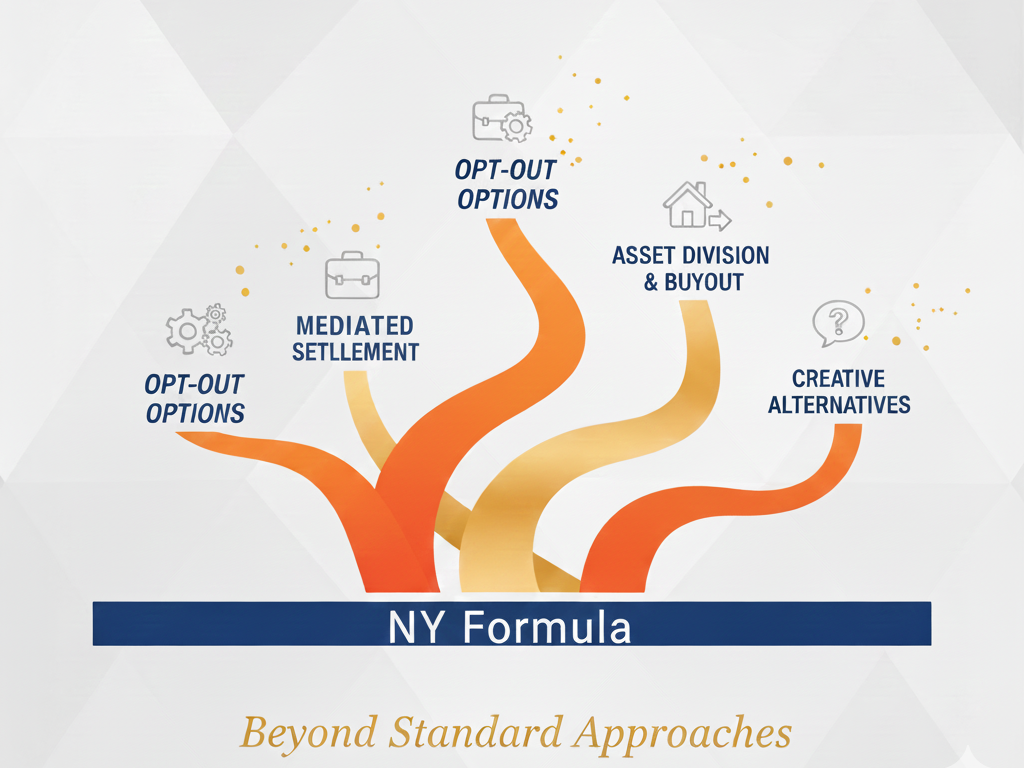
  • The New York State vs. Federal Tax Puzzle: How Spousal Maintenance Affects Your Real After-Tax Income

    The New York State vs. Federal Tax Puzzle: How Spousal Maintenance Affects Your Real After-Tax Income

    [fusion_builder_container type=”flex” hundred_percent=”no” hundred_percent_height=”no” hundred_percent_height_scroll=”no” align_content=”stretch” flex_align_items=”flex-start” flex_justify_content=”flex-start” flex_wrap=”wrap” hundred_percent_height_center_content=”yes” equal_height_columns=”no” container_tag=”div” hide_on_mobile=”small-visibility,medium-visibility,large-visibility” status=”published” margin_top=”80px” border_style=”solid” box_shadow=”no” box_shadow_blur=”0″ box_shadow_spread=”0″ gradient_start_position=”0″ gradient_end_position=”100″ gradient_type=”linear” radial_direction=”center center” linear_angle=”180″ background_position=”center center” background_repeat=”no-repeat” fade=”no” background_parallax=”none” enable_mobile=”no” parallax_speed=”0.3″ background_blend_mode=”none” background_slider_skip_lazy_loading=”no” background_slider_loop=”yes” background_slider_pause_on_hover=”no” background_slider_slideshow_speed=”5000″ background_slider_animation=”fade” background_slider_direction=”up” background_slider_animation_speed=”800″ video_aspect_ratio=”16:9″ video_loop=”yes” video_mute=”yes” pattern_bg=”none” pattern_bg_style=”default” pattern_bg_opacity=”100″ pattern_bg_blend_mode=”normal” mask_bg=”none” mask_bg_style=”default” mask_bg_opacity=”100″ mask_bg_transform=”left” mask_bg_blend_mode=”normal” absolute=”off” absolute_devices=”small,medium,large” sticky=”off” sticky_devices=”small-visibility,medium-visibility,large-visibility” sticky_transition_offset=”0″ scroll_offset=”0″ animation_direction=”left” animation_speed=”0.3″ animation_delay=”0″ filter_hue=”0″ filter_saturation=”100″ filter_brightness=”100″ filter_contrast=”100″ filter_invert=”0″ filter_sepia=”0″ filter_opacity=”100″ filter_blur=”0″ filter_hue_hover=”0″ filter_saturation_hover=”100″ filter_brightness_hover=”100″ filter_contrast_hover=”100″ filter_invert_hover=”0″ filter_sepia_hover=”0″ filter_opacity_hover=”100″ filter_blur_hover=”0″][fusion_builder_row][fusion_builder_column type=”1_1″ type=”1_1″ layout=”1_1″ align_self=”auto” content_layout=”column” align_content=”flex-start” valign_content=”flex-start” content_wrap=”wrap” center_content=”no” column_tag=”div” target=”_self” hide_on_mobile=”small-visibility,medium-visibility,large-visibility” sticky_display=”normal,sticky” order_medium=”0″ order_small=”0″ hover_type=”none” border_style=”solid” box_shadow=”no” box_shadow_blur=”0″ box_shadow_spread=”0″ background_type=”single” gradient_start_position=”0″ gradient_end_position=”100″ gradient_type=”linear” radial_direction=”center center” linear_angle=”180″ lazy_load=”none” background_position=”left top” background_repeat=”no-repeat” background_blend_mode=”none” background_slider_skip_lazy_loading=”no” background_slider_loop=”yes” background_slider_pause_on_hover=”no” background_slider_slideshow_speed=”5000″ background_slider_animation=”fade” background_slider_direction=”up” background_slider_animation_speed=”800″ sticky=”off” sticky_devices=”small-visibility,medium-visibility,large-visibility” absolute=”off” filter_type=”regular” filter_hover_element=”self” filter_hue=”0″ filter_saturation=”100″ filter_brightness=”100″ filter_contrast=”100″ filter_invert=”0″ filter_sepia=”0″ filter_opacity=”100″ filter_blur=”0″ filter_hue_hover=”0″ filter_saturation_hover=”100″ filter_brightness_hover=”100″ filter_contrast_hover=”100″ filter_invert_hover=”0″ filter_sepia_hover=”0″ filter_opacity_hover=”100″ filter_blur_hover=”0″ transform_type=”regular” transform_hover_element=”self” transform_scale_x=”1″ transform_scale_y=”1″ transform_translate_x=”0″ transform_translate_y=”0″ transform_rotate=”0″ transform_skew_x=”0″ transform_skew_y=”0″ transform_scale_x_hover=”1″ transform_scale_y_hover=”1″ transform_translate_x_hover=”0″ transform_translate_y_hover=”0″ transform_rotate_hover=”0″ transform_skew_x_hover=”0″ transform_skew_y_hover=”0″ transition_duration=”300″ transition_easing=”ease” scroll_motion_devices=”small-visibility,medium-visibility,large-visibility” animation_direction=”left” animation_speed=”0.3″ animation_delay=”0″ last=”true” border_position=”all” first=”true” min_height=”” link=””][fusion_text content_alignment_small=”left” content_alignment=”left” disable_idd=”no” hide_on_mobile=”small-visibility,medium-visibility,large-visibility” sticky_display=”normal,sticky” font_size=”16px” text_color=”var(–awb-color6)” animation_direction=”left” animation_speed=”0.3″ animation_delay=”0″]

    If you’re trying to figure out what spousal maintenance will actually cost you or put in your pocket after taxes, you’ve probably discovered something frustrating. The numbers don’t add up the way you expected. Your federal and state tax returns now treat the same maintenance payment in opposite ways. This isn’t imaginary—it’s real, significant, and affects every conversation you’ll have about maintenance amounts. Here’s what’s actually happening and why navigating this complexity matters so much more in mediation than in litigation.

    The Split That Changed Everything

    For over 75 years, the person paying maintenance could deduct those payments from taxable income, while the person receiving it reported it as income and paid taxes. Because the payor was typically in a higher tax bracket, this meant more money remained available for both households.

    The Tax Cuts and Jobs Act of 2017 changed everything. For divorces finalized on or after January 1, 2019, maintenance is neither deductible for the payor nor taxable for the recipient on federal returns. New York State didn’t follow suit—on your state return, maintenance remains deductible for the payor and taxable for the recipient.

    You now live in two different tax worlds, and this creates counterintuitive financial results. In litigation, this complexity typically gets ignored until after the divorce is finalized. In mediation, we work through these numbers together before you commit.

    What This Actually Looks Like in Real Numbers

    Learn how Spousal Maintenance New York calculations affect real after-tax income, showing federal non-deductible support payments, New York State adjustments, and the true cost and benefit for each spouse; includes a call to action: Call (877) 732-6682 for guidance from Equitable Mediation.

    Let me walk you through a realistic scenario. You earn $180,000 annually, your spouse earns $60,000, and you’ve agreed on $36,000 in annual maintenance. Here’s the actual financial impact.

    For the payor: You’ll pay federal tax on the full $180,000, since you can’t deduct maintenance under federal law. At a 24% federal rate, that’s about $43,200 in federal tax. On your New York State return, you deduct the $36,000 maintenance, so you only pay state tax on $144,000. At a roughly 6% effective state rate, you save about $2,160 in state taxes.

    Your after-tax cost isn’t just $36,000. You’re losing the federal deduction that would have saved roughly $8,640. Your actual after-tax cost is closer to $42,480, though the state deduction provides some relief.

    For the recipient: You receive $36,000 tax-free from the federal government, but you owe New York State tax on it. Your $60,000 salary plus $36,000 maintenance creates $96,000 of state taxable income. You’ll owe roughly $5,760 in state tax on that maintenance. Your real after-tax benefit is approximately $30,240.

    Here’s what’s striking: under the old rules, the total tax bite was smaller because more was taxed at the recipient’s lower rates. Now, total taxes paid by both spouses combined are higher. The federal government collects more at a higher rate, while New York State’s share stays roughly the same. Less money remains available for both households after all taxes.

    Why Your State Return Gets Complicated

    Understand why Spousal Maintenance New York requires special adjustments on the New York State IT-201 return, highlighting the add-back and deduction rules federal law no longer uses; includes a call to action: Call (877) 732-6682 for guidance from Equitable Mediation.

    On your federal Form 1040, you report your income with no adjustment for maintenance. On your New York State Form IT-201, you need adjustments. If paying maintenance, subtract it from your Federal Adjusted Gross Income. If receiving maintenance, add it.

    Many people miss these state-specific adjustments entirely, leading to incorrect state tax payments. Make sure your tax preparer understands that New York didn’t follow the federal tax law change.

    The Real Financial Planning Challenge

    This split tax treatment creates several practical challenges. First, you need to think about the actual after-tax cost and benefit, not just the headline number. That $36,000 maintenance figure from our example isn’t what either of you actually experiences financially.

    Second, this affects how you structure your agreement. In mediation, couples can negotiate amounts that account for the federal tax change. Instead of simply applying the guideline formula, you can calculate an amount that splits the tax impact fairly rather than having the payor bear it entirely. That creative problem-solving doesn’t happen in litigation, where you’re stuck with whatever the formula produces.

    If you’re the higher-earning spouse, plan for paying maintenance from after-tax dollars. If you’re the lower-earning spouse, remember you still pay New York State tax on maintenance—set aside roughly 4% to 6% of your maintenance payment for state tax.

    Income Over the Cap: Where Financial Expertise Becomes Critical

    This tax complexity becomes even more significant above the $228,000 formula cap. Maintenance on income above that threshold is discretionary, and the tax treatment matters when determining what’s fair.

    If you’re earning $350,000, the formula applies to the first $228,000 of that amount. For the remaining $122,000, you’re negotiating what additional maintenance makes sense. The fact that it won’t be federally deductible is absolutely relevant. You might negotiate a lower percentage on above-cap income to account for the tax disadvantage. This is where understanding the actual after-tax cost becomes critical.

    In litigation, this analysis doesn’t happen—you get a number, and you’re done. In mediation, we can model different scenarios, run the tax calculations, and help you understand the real financial impact before you commit.

    Working Through the Numbers Together

    Reviewing Spousal Maintenance New York tax scenarios during mediation, comparing net spendable income, federal tax burdens, and New York State adjustments; includes a call to action: Call (877) 732-6682 for guidance from Equitable Mediation.

    The most productive approach in mediation is for both spouses to understand these tax realities from the beginning. Some couples calculate what the old tax rules would have produced, then figure out how to split the additional federal tax cost. Others focus on net spendable income—how much maintenance leaves both of you with enough to cover actual living expenses and build toward financial independence?

    What you want to avoid is negotiating based on gross maintenance numbers without understanding the after-tax reality. That’s how people end up surprised six months later when the financial reality doesn’t match expectations.

    Why This Demands More Than Generic Mediation

    Every dollar of maintenance paid costs you more than a dollar when you account for the lost federal tax benefit. Every dollar received puts less than a dollar in your pocket after New York State taxes. The gap between the gross number and the net reality is typically 15% to 30% depending on your tax situation.

    This complexity is exactly why working with a mediator who has genuine financial expertise matters. Many mediators apply the formula without helping couples understand the after-tax reality. With an MBA in finance, we help you model various scenarios, understand the tax implications of different structures, and explore creative solutions that account for this split tax treatment.

    This isn’t a reason to avoid maintenance or to fight over every dollar. It’s information that helps you negotiate intelligently. When you understand the actual after-tax impact, you can have productive conversations about what amount actually accomplishes the goal—helping the lower-earning spouse maintain a reasonable standard of living while transitioning toward financial independence.

    Navigating Complexity While Maintaining Control

    You’re dealing with something genuinely complicated, and feeling confused is normal. But here’s what shouldn’t be normal: finalizing a maintenance agreement without understanding its real after-tax impact on both of you.

    In litigation, that’s precisely what happens. The formula gets applied, agreements get drafted, and only later do people realize the actual financial burden differs significantly from expectations. In mediation, you maintain control over this analysis. We don’t just calculate the guideline amount and move on. We help you understand what that number means in take-home dollars.

    If your income includes bonuses, stock options, or other variable compensation, this can make it even more complex. We can help you think through how to handle those elements fairly and sustainably. The goal isn’t just to reach an agreement—it’s to reach an agreement where both of you understand exactly what you’re committing to financially. That clarity allows you to move forward confidently, knowing the decisions you made together actually work in practice, not just on paper.

    [/fusion_text][/fusion_builder_column][fusion_builder_column type=”1_1″ type=”1_1″ layout=”1_1″ align_self=”auto” content_layout=”column” align_content=”flex-start” valign_content=”flex-start” content_wrap=”wrap” center_content=”no” column_tag=”div” target=”_self” hide_on_mobile=”medium-visibility,large-visibility” sticky_display=”normal,sticky” order_medium=”0″ order_small=”0″ margin_top=”60px” margin_bottom=”60px” hover_type=”none” border_style=”solid” box_shadow=”no” box_shadow_blur=”0″ box_shadow_spread=”0″ background_type=”single” gradient_start_position=”0″ gradient_end_position=”100″ gradient_type=”linear” radial_direction=”center center” linear_angle=”180″ lazy_load=”none” background_position=”left top” background_repeat=”no-repeat” background_blend_mode=”none” background_slider_skip_lazy_loading=”no” background_slider_loop=”yes” background_slider_pause_on_hover=”no” background_slider_slideshow_speed=”5000″ background_slider_animation=”fade” background_slider_direction=”up” background_slider_animation_speed=”800″ sticky=”off” sticky_devices=”small-visibility,medium-visibility,large-visibility” absolute=”off” filter_type=”regular” filter_hover_element=”self” filter_hue_hover=”0″ filter_saturation_hover=”100″ filter_brightness_hover=”100″ filter_contrast_hover=”100″ filter_invert_hover=”0″ filter_sepia_hover=”0″ filter_opacity_hover=”100″ filter_blur_hover=”0″ filter_hue=”0″ filter_saturation=”100″ filter_brightness=”100″ filter_contrast=”100″ filter_invert=”0″ filter_sepia=”0″ filter_opacity=”100″ filter_blur=”0″ transform_type=”regular” transform_hover_element=”self” transform_scale_x_hover=”1″ transform_scale_y_hover=”1″ transform_translate_x_hover=”0″ transform_translate_y_hover=”0″ transform_rotate_hover=”0″ transform_skew_x_hover=”0″ transform_skew_y_hover=”0″ transform_scale_x=”1″ transform_scale_y=”1″ transform_translate_x=”0″ transform_translate_y=”0″ transform_rotate=”0″ transform_skew_x=”0″ transform_skew_y=”0″ transition_duration=”300″ transition_easing=”ease” motion_effects=”W10=” scroll_motion_devices=”small-visibility,medium-visibility,large-visibility” animation_direction=”left” animation_speed=”0.3″ animation_delay=”0″ last=”true” border_position=”all” first=”true” min_height=”” link=””][fusion_builder_row_inner][fusion_builder_column_inner type=”1_1″ type=”1_1″ layout=”1_1″ align_self=”auto” content_layout=”column” align_content=”flex-start” valign_content=”flex-start” content_wrap=”wrap” center_content=”no” column_tag=”div” target=”_self” hide_on_mobile=”small-visibility,medium-visibility,large-visibility” sticky_display=”normal,sticky” order_medium=”0″ order_small=”0″ padding_top=”50px” padding_right=”20px” padding_bottom=”50px” padding_left=”20px” hover_type=”none” border_style=”solid” border_radius_top_left=”30px” border_radius_top_right=”30px” border_radius_bottom_right=”30px” border_radius_bottom_left=”30px” box_shadow=”no” box_shadow_blur=”0″ box_shadow_spread=”0″ background_type=”single” background_color=”#f4f3ef” gradient_start_position=”0″ gradient_end_position=”100″ gradient_type=”linear” radial_direction=”center center” linear_angle=”180″ lazy_load=”none” background_position=”left top” background_repeat=”no-repeat” background_blend_mode=”none” background_slider_skip_lazy_loading=”no” background_slider_loop=”yes” background_slider_pause_on_hover=”no” background_slider_slideshow_speed=”5000″ background_slider_animation=”fade” background_slider_direction=”up” background_slider_animation_speed=”800″ sticky=”off” sticky_devices=”small-visibility,medium-visibility,large-visibility” absolute=”off” filter_type=”regular” filter_hover_element=”self” filter_hue_hover=”0″ filter_saturation_hover=”100″ filter_brightness_hover=”100″ filter_contrast_hover=”100″ filter_invert_hover=”0″ filter_sepia_hover=”0″ filter_opacity_hover=”100″ filter_blur_hover=”0″ filter_hue=”0″ filter_saturation=”100″ filter_brightness=”100″ filter_contrast=”100″ filter_invert=”0″ filter_sepia=”0″ filter_opacity=”100″ filter_blur=”0″ transform_type=”regular” transform_hover_element=”self” transform_scale_x_hover=”1″ transform_scale_y_hover=”1″ transform_translate_x_hover=”0″ transform_translate_y_hover=”0″ transform_rotate_hover=”0″ transform_skew_x_hover=”0″ transform_skew_y_hover=”0″ transform_scale_x=”1″ transform_scale_y=”1″ transform_translate_x=”0″ transform_translate_y=”0″ transform_rotate=”0″ transform_skew_x=”0″ transform_skew_y=”0″ transition_duration=”300″ transition_easing=”ease” motion_effects=”W10=” scroll_motion_devices=”small-visibility,medium-visibility,large-visibility” animation_direction=”left” animation_speed=”0.3″ animation_delay=”0″ last=”true” border_position=”all” first=”true” min_height=”” link=””][fusion_code]ICA8c3R5bGU+CiAgIAoKICAgIC5zbGlkZXItY29udGFpbmVyIHsKICAgICAgLyptYXgtd2lkdGg6IDcwMHB4OyAqLwogICAgbWFyZ2luOiAwIGF1dG87CiAgICBwb3NpdGlvbjogcmVsYXRpdmU7CiAgICAvKiBiYWNrZ3JvdW5kOiB3aGl0ZTsgKi8KICAgIGJvcmRlci1yYWRpdXM6IDE2cHg7CiAgICAvKiBib3gtc2hhZG93OiAwIDAgMTBweCByZ2JhKDAsIDAsIDAsIDAuMSk7ICovCiAgICBwYWRkaW5nOiAyMHB4IDUwcHg7CiAgICB0ZXh0LWFsaWduOiBsZWZ0OwogICAgb3ZlcmZsb3c6IGhpZGRlbjsKICAgIC8qIGhlaWdodDogNTAwcHg7Ki8KICAgIH0KCiAgICAuc2xpZGUgewogICAgICBwb3NpdGlvbjogYWJzb2x1dGU7CiAgICAgIHRvcDogMDsKICAgICAgbGVmdDogMDsKICAgICAgd2lkdGg6IDEwMCU7CiAgICAgIG9wYWNpdHk6IDA7CiAgICAgIHRyYW5zZm9ybTogdHJhbnNsYXRlWCgxMDAlKTsKICAgICAgdHJhbnNpdGlvbjogYWxsIDAuNXMgZWFzZTsKICAgICAgdmlzaWJpbGl0eTogaGlkZGVuOwogICAgfQoKICAgIC5zbGlkZS5hY3RpdmUgewogICAgICBvcGFjaXR5OiAxOwogICAgICB0cmFuc2Zvcm06IHRyYW5zbGF0ZVgoMCk7CiAgICAgIHZpc2liaWxpdHk6IHZpc2libGU7CiAgICAgIHBvc2l0aW9uOiByZWxhdGl2ZTsKICAgIH0KCiAgICAudGl0bGUgewogICAgY29sb3I6ICMyNDdkYjQ7CiAgICBmb250LXNpemU6IDI2cHg7CiAgICBmb250LXdlaWdodDogNjAwOwogICAgbWFyZ2luLWJvdHRvbTogMThweDsKICAgIHRleHQtYWxpZ246IGNlbnRlcjsKICAgIGxpbmUtaGVpZ2h0OiAxLjJlbTsKfQoKICAgIC5jb250ZW50IHsKICAgICAgZm9udC1zaXplOiAxNnB4OwogICAgICBjb2xvcjogIzMzMzsKICAgICAgbGluZS1oZWlnaHQ6IDEuNjsKICAgIH0KCQoJc3Bhbi5zZXAgewogICAgcGFkZGluZy1sZWZ0OiAyNXB4OwogICAgcGFkZGluZy1yaWdodDogMjVweDsKICAgIGNvbG9yOiAjM2EyZjJhOwogICAgZm9udC1zaXplOiAxOHB4OwogICAgZm9udC13ZWlnaHQ6IG5vcm1hbDsKfQoKICAgIC5hdXRob3IgewogICAgICBkaXNwbGF5OiBmbGV4OwogICAgYWxpZ24taXRlbXM6IGNlbnRlcjsKICAgIG1hcmdpbi10b3A6IDMwcHg7CiAgICBqdXN0aWZ5LWNvbnRlbnQ6IGNlbnRlcjsKICAgIH0KCiAgICAuYXV0aG9yIGltZyB7CiAgICAgIGJvcmRlci1yYWRpdXM6IDUwJTsKICAgICAgd2lkdGg6IDcwcHg7CiAgICAgIGhlaWdodDogNzBweDsKICAgICAgbWFyZ2luLXJpZ2h0OiAxNXB4OwogICAgfQoJCgkuYXV0aG9yLWRldGFpbHMgcCB7CiAgICBtYXJnaW4tYm90dG9tOiAwcHg7Cn0KCiAgICAuYXV0aG9yLWRldGFpbHMgewogICAgICBmb250LXNpemU6IDE1cHg7CiAgICB9CgogICAgLmF1dGhvci1kZXRhaWxzIHN0cm9uZyB7CiAgICAgIGNvbG9yOiAjMjQ3MWViOwogICAgfQoKICAgIC5uYXYgewogICAgICBwb3NpdGlvbjogYWJzb2x1dGU7CiAgICAgIHRvcDogNTAlOwogICAgICB0cmFuc2Zvcm06IHRyYW5zbGF0ZVkoLTUwJSk7CiAgICAgIGZvbnQtc2l6ZTogMzBweDsKICAgICAgY29sb3I6ICNhYWE7CiAgICAgIGN1cnNvcjogcG9pbnRlcjsKICAgICAgei1pbmRleDogMTsKICAgIH0KCiAgICAubmF2LmxlZnQgewogICAgICBsZWZ0OiAyMHB4OwogICAgfQoKICAgIC5uYXYucmlnaHQgewogICAgICByaWdodDogMjBweDsKICAgIH0KCiAgICAubmF2OmhvdmVyIHsKICAgICAgY29sb3I6ICMyNDcxZWI7CiAgICB9CgkKCS5hdXRob3ItZGV0YWlscyAuaGVhZC1kZXN7Cgljb2xvcjogIzI0N2RiNDsgCglmb250LXNpemU6IDMwcHg7IAoJZm9udC13ZWlnaHQ6IDUwMDsKCWZvbnQtZmFtaWx5OiJETSBTZXJpZiBEaXNwbGF5IiwgQXJpYWwsIEhlbHZldGljYSwgc2Fucy1zZXJpZjsKCX0KCQoJLmF1dGhvci1kZXRhaWxzIC5zdWItZGVzewoJbGV0dGVyLXNwYWNpbmc6IDNweDsgCgl0ZXh0LXRyYW5zZm9ybTogdXBwZXJjYXNlOyAKCWZvbnQtc2l6ZTogMTZweDsgCgljb2xvcjogIzNhMmYyYTsKCX0KICA8L3N0eWxlPgoKPGRpdiBjbGFzcz0ic2xpZGVyLWNvbnRhaW5lciI+CiAgPCEtLSBTbGlkZSAxIC0tPgogIDxkaXYgY2xhc3M9InNsaWRlIGFjdGl2ZSI+CiAgICA8ZGl2IGNsYXNzPSJjb250ZW50Ij4KICAgICAgPHA+4oCcWW91IG1heSBoYXZlIHJlc2VhcmNoZWQgaG93IGFsaW1vbnkgd29ya3MgaW4geW91ciBzdGF0ZS4gQnV0IGluIG15IGV4cGVyaWVuY2UsIHJlZ2FyZGxlc3Mgb2Ygd2hldGhlciBhIHN0YXRlIG9mZmVycyBndWlkYW5jZSBvbiBob3cgdG8gcmVzb2x2ZSBhbGltb255LCBvZnRlbiwgY291cGxlcyBuZWdvdGlhdGUgdGhlaXIgb3duIGFncmVlbWVudCB0YWlsb3JlZCB0byB0aGVpciB1bmlxdWUgc2l0dWF0aW9uIGFuZCBjaXJjdW1zdGFuY2VzLjwvcD4KICAgICAgPHA+U28geW91IGhhdmUgYSBsb3Qgb2YgZmxleGliaWxpdHkgYW5kIGNhbiBtYWludGFpbiBhIGxvdCBvZiBjb250cm9sIGlmIHlvdSBuZWdvdGlhdGUgdGhlIHRlcm1zIG9mIGFsaW1vbnkgb3V0IG9mIGNvdXJ0IHdpdGggdGhlIGhlbHAgb2YgYSBza2lsbGVkIHByb2Zlc3Npb25hbCB1c2luZyBhbiBhbHRlcm5hdGl2ZSBkaXNwdXRlIHJlc29sdXRpb24gcHJvY2VzcyBsaWtlIDxhIGhyZWY9Ii9yZXNvdXJjZXMvY29sbGFib3JhdGl2ZS1kaXZvcmNlLXZzLW1lZGlhdGlvbiIgcmVsPSJub29wZW5lciI+ZGl2b3JjZSBtZWRpYXRpb24gb3IgYSBjb2xsYWJvcmF0aXZlIGRpdm9yY2UgPC9hPi48L3A+CiAgICAgIDxwPllvdSBhbmQgeW91ciBzb29uLXRvLWJlIGV4LXNwb3VzZSB3aWxsIG1vcmUgbGlrZWx5IGNvbWUgdG8gYW4gYWxpbW9ueSBhcnJhbmdlbWVudCB0aGF0J3MgYWNjZXB0YWJsZSB0byBib3RoIG9mIHlvdS4iPHA+CiAgICA8L2Rpdj4KICAgIDxkaXYgY2xhc3M9ImF1dGhvciI+CiAgICAgIDxpbWcgc3JjPSIvd3AtY29udGVudC91cGxvYWRzLzIwMjUvMDYvZXF1aXRhYmxlLW1lZGlhdGlvbi10ZWFtLWpvZS1kaWxsb24ud2VicCIgYWx0PSJKb2UgRGlsbG9uIGhlYWRzaG90IiAvPgogICAgICA8ZGl2IGNsYXNzPSJhdXRob3ItZGV0YWlscyI+CiAgICAgICAgPHA+IDxzcGFuIGNsYXNzPSJoZWFkLWRlcyI+IEpvZSBEaWxsb248L3NwYW4+IDxzcGFuIGNsYXNzPSJzZXAiPnw8L3NwYW4+IDxzcGFuIGNsYXNzPSJzdWItZGVzIj5EaXZvcmNlIE1lZGlhdG9yICYgRm91bmRlcjwvc3Bhbj48L3A+CiAgICAgIDwvZGl2PgogICAgPC9kaXY+CiAgPC9kaXY+CiAgPCEtLSBBcnJvd3MgLS0+CiAgPCEtLSA8ZGl2IGNsYXNzPSJuYXYgbGVmdCIgb25jbGljaz0icHJldlNsaWRlKCkiPiYjMTAwOTQ7PC9kaXY+CiAgPGRpdiBjbGFzcz0ibmF2IHJpZ2h0IiBvbmNsaWNrPSJuZXh0U2xpZGUoKSI+JiMxMDA5NTs8L2Rpdj4gLS0+CjwvZGl2PgoKPHNjcmlwdD4KICBsZXQgY3VycmVudFNsaWRlID0gMDsKICBjb25zdCBzbGlkZXMgPSBkb2N1bWVudC5xdWVyeVNlbGVjdG9yQWxsKCcuc2xpZGUnKTsKCiAgZnVuY3Rpb24gc2hvd1NsaWRlKGluZGV4KSB7CiAgICBzbGlkZXMuZm9yRWFjaCgocywgaSkgPT4gewogICAgICBzLmNsYXNzTGlzdC5yZW1vdmUoJ2FjdGl2ZScpOwogICAgfSk7CiAgICBzbGlkZXNbaW5kZXhdLmNsYXNzTGlzdC5hZGQoJ2FjdGl2ZScpOwogIH0KCiAgZnVuY3Rpb24gbmV4dFNsaWRlKCkgewogICAgY3VycmVudFNsaWRlID0gKGN1cnJlbnRTbGlkZSArIDEpICUgc2xpZGVzLmxlbmd0aDsKICAgIHNob3dTbGlkZShjdXJyZW50U2xpZGUpOwogIH0KCiAgZnVuY3Rpb24gcHJldlNsaWRlKCkgewogICAgY3VycmVudFNsaWRlID0gKGN1cnJlbnRTbGlkZSAtIDEgKyBzbGlkZXMubGVuZ3RoKSAlIHNsaWRlcy5sZW5ndGg7CiAgICBzaG93U2xpZGUoY3VycmVudFNsaWRlKTsKICB9Cjwvc2NyaXB0Pg==[/fusion_code][/fusion_builder_column_inner][/fusion_builder_row_inner][/fusion_builder_column][/fusion_builder_row][/fusion_builder_container][fusion_builder_container type=”flex” hundred_percent=”no” hundred_percent_height=”no” hundred_percent_height_scroll=”no” align_content=”stretch” flex_align_items=”flex-start” flex_justify_content=”flex-start” flex_wrap=”wrap” hundred_percent_height_center_content=”yes” equal_height_columns=”no” container_tag=”div” hide_on_mobile=”small-visibility,medium-visibility,large-visibility” status=”published” padding_bottom_medium=”50px” padding_bottom_small=”30px” padding_top=”100px” padding_bottom=”100px” border_style=”solid” box_shadow=”no” box_shadow_blur=”0″ box_shadow_spread=”0″ gradient_start_position=”0″ gradient_end_position=”100″ gradient_type=”linear” radial_direction=”center center” linear_angle=”180″ background_position=”center center” background_repeat=”no-repeat” fade=”no” background_parallax=”none” enable_mobile=”no” parallax_speed=”0.3″ background_blend_mode=”none” background_slider_skip_lazy_loading=”no” background_slider_loop=”yes” background_slider_pause_on_hover=”no” background_slider_slideshow_speed=”5000″ background_slider_animation=”fade” background_slider_direction=”up” background_slider_animation_speed=”800″ video_aspect_ratio=”16:9″ video_loop=”yes” video_mute=”yes” pattern_bg=”none” pattern_bg_style=”default” pattern_bg_opacity=”100″ pattern_bg_blend_mode=”normal” mask_bg=”none” mask_bg_style=”default” mask_bg_opacity=”100″ mask_bg_transform=”left” mask_bg_blend_mode=”normal” absolute=”off” absolute_devices=”small,medium,large” sticky=”off” sticky_devices=”small-visibility,medium-visibility,large-visibility” sticky_transition_offset=”0″ scroll_offset=”0″ animation_direction=”left” animation_speed=”0.3″ animation_delay=”0″ filter_hue=”0″ filter_saturation=”100″ filter_brightness=”100″ filter_contrast=”100″ filter_invert=”0″ filter_sepia=”0″ filter_opacity=”100″ filter_blur=”0″ filter_hue_hover=”0″ filter_saturation_hover=”100″ filter_brightness_hover=”100″ filter_contrast_hover=”100″ filter_invert_hover=”0″ filter_sepia_hover=”0″ filter_opacity_hover=”100″ filter_blur_hover=”0″ admin_label=”FAQ” admin_toggled=”no”][fusion_builder_row][fusion_builder_column type=”1_1″ type=”1_1″ layout=”1_1″ align_self=”auto” content_layout=”column” align_content=”flex-start” valign_content=”flex-start” content_wrap=”wrap” center_content=”no” column_tag=”div” target=”_self” hide_on_mobile=”small-visibility,medium-visibility,large-visibility” sticky_display=”normal,sticky” order_medium=”0″ order_small=”0″ hover_type=”none” border_style=”solid” box_shadow=”no” box_shadow_blur=”0″ box_shadow_spread=”0″ background_type=”single” gradient_start_position=”0″ gradient_end_position=”100″ gradient_type=”linear” radial_direction=”center center” linear_angle=”180″ lazy_load=”none” background_position=”left top” background_repeat=”no-repeat” background_blend_mode=”none” background_slider_skip_lazy_loading=”no” background_slider_loop=”yes” background_slider_pause_on_hover=”no” background_slider_slideshow_speed=”5000″ background_slider_animation=”fade” background_slider_direction=”up” background_slider_animation_speed=”800″ sticky=”off” sticky_devices=”small-visibility,medium-visibility,large-visibility” absolute=”off” filter_type=”regular” filter_hover_element=”self” filter_hue_hover=”0″ filter_saturation_hover=”100″ filter_brightness_hover=”100″ filter_contrast_hover=”100″ filter_invert_hover=”0″ filter_sepia_hover=”0″ filter_opacity_hover=”100″ filter_blur_hover=”0″ filter_hue=”0″ filter_saturation=”100″ filter_brightness=”100″ filter_contrast=”100″ filter_invert=”0″ filter_sepia=”0″ filter_opacity=”100″ filter_blur=”0″ transform_type=”regular” transform_hover_element=”self” transform_scale_x_hover=”1″ transform_scale_y_hover=”1″ transform_translate_x_hover=”0″ transform_translate_y_hover=”0″ transform_rotate_hover=”0″ transform_skew_x_hover=”0″ transform_skew_y_hover=”0″ transform_scale_x=”1″ transform_scale_y=”1″ transform_translate_x=”0″ transform_translate_y=”0″ transform_rotate=”0″ transform_skew_x=”0″ transform_skew_y=”0″ transition_duration=”300″ transition_easing=”ease” motion_effects=”W10=” scroll_motion_devices=”small-visibility,medium-visibility,large-visibility” animation_direction=”left” animation_speed=”0.3″ animation_delay=”0″ last=”true” border_position=”all” first=”true” min_height=”” link=””][fusion_title title_type=”text” scroll_reveal_effect=”color_change” scroll_reveal_basis=”chars” scroll_reveal_behavior=”always” scroll_reveal_duration=”500″ scroll_reveal_stagger=”200″ scroll_reveal_delay=”0″ scroll_reveal_above_fold=”yes” marquee_direction=”left” marquee_mask_edges=”no” marquee_speed=”15000″ rotation_effect=”bounceIn” display_time=”1200″ highlight_effect=”circle” loop_animation=”once” highlight_animation_duration=”1500″ highlight_width=”9″ highlight_smudge_effect=”no” highlight_top_margin=”0″ title_link=”off” link_target=”_self” hide_on_mobile=”small-visibility,medium-visibility,large-visibility” sticky_display=”normal,sticky” content_align_small=”left” content_align=”left” size=”2″ font_size=”38px” text_color=”var(–awb-color4)” text_shadow=”no” text_shadow_blur=”0″ text_stroke=”no” text_stroke_size=”1″ text_overflow=”none” margin_top=”0px” margin_bottom=”60px” gradient_font=”no” gradient_start_position=”0″ gradient_end_position=”100″ gradient_type=”linear” radial_direction=”center center” linear_angle=”180″ style_type=”default” animation_type=”fade” animation_direction=”static” animation_speed=”1.0″ animation_delay=”0.5″]

    FAQs About Spousal Maintenance in New York

    [/fusion_title][fusion_accordion type=”toggles” hide_on_mobile=”small-visibility,medium-visibility,large-visibility” boxed_mode=”yes” border_size=”2″ border_color=”#d8e8f2″ hover_color=”#f4f3ef” padding_top=”10px” padding_right=”5px” padding_bottom=”10px” padding_left=”5px” title_tag=”h4″ fusion_font_family_title_font=”Poppins” fusion_font_variant_title_font=”600″ title_font_size=”18px” title_color=”var(–awb-color6)” icon_size=”25px” icon_color=”#d8e8f2″ icon_boxed_mode=”no” icon_box_color=”#d8e8f2″ icon_alignment=”right” content_font_size=”16px” content_color=”var(–awb-color6)” toggle_hover_accent_color=”var(–awb-color6)” toggle_active_accent_color=”var(–awb-color6)”][fusion_toggle title=”1. What is spousal maintenance in New York and how is it different from alimony?” open=”no” title_color=”var(–awb-color8)” content_color=”var(–awb-color8)”]Spousal maintenance is the current legal term in New York for financial support that one spouse pays to another during or after divorce. “Alimony” is an older term replaced in New York law years ago. The purpose is to help the financially dependent spouse meet reasonable needs and become self-supporting.

    In mediation, we discuss maintenance as part of your overall financial planning rather than as something imposed by external rules. Understanding that maintenance serves as a bridge to financial independence helps frame productive conversations about what makes sense for your specific situation.[/fusion_toggle][fusion_toggle title=”2. What are the different types of spousal maintenance available in New York?” open=”no” awb-switch-editor-focus=”New York recognizes three types: informal spousal support during separation, temporary maintenance paid during the divorce process, and post-divorce maintenance paid after finalization. Temporary maintenance helps maintain financial stability while the divorce proceeds, while post-divorce maintenance facilitates the transition to financial independence. Receiving temporary maintenance doesn’t automatically guarantee post-divorce maintenance. In mediation, we help you structure the transition between phases using step-down provisions or rehabilitative plans that align with realistic timelines. This integrated approach works better than treating phases separately, which often happens in litigation.” title_color=”var(–awb-color8)” content_color=”var(–awb-color8)”]New York recognizes three types: informal spousal support during separation, temporary maintenance paid during the divorce process, and post-divorce maintenance paid after finalization.

    Temporary maintenance helps maintain financial stability while the divorce proceeds, while post-divorce maintenance facilitates the transition to financial independence. Receiving temporary maintenance doesn’t automatically guarantee post-divorce maintenance.

    In mediation, we help you structure the transition between phases using step-down provisions or rehabilitative plans that align with realistic timelines. This integrated approach works better than treating phases separately, which often happens in litigation.[/fusion_toggle][fusion_toggle title=”3. How is spousal maintenance calculated in New York?” open=”no” title_color=”var(–awb-color8)” content_color=”var(–awb-color8)”]

    New York uses statutory formulas that consider both spouses’ incomes and whether child support is involved. Without child support, the formula subtracts 20% of the receiving spouse’s income from 30% of the paying spouse’s income. With child support, it subtracts 25% of the receiving spouse’s income from 20% of the paying spouse’s income. There’s also a check calculation: 40% of combined income minus the receiving spouse’s income. The lower result generally serves as the guideline amount.

    As of 2025, the formula applies to income up to $228,000. For income above that cap, how New York approaches maintenance becomes more discretionary, based on factors like standard of living during the marriage, earning capacity, career sacrifices, and health conditions.

    While these formulas provide a starting point, they often produce results that don’t match real-world circumstances. In mediation, we calculate what the guidelines would produce, then explore whether that makes sense for your situation or whether creative alternatives might work better. With an MBA in finance, we can model different scenarios, show you tax implications, and help you understand long-term financial impact. This rigorous financial analysis goes well beyond simply plugging numbers into a formula.

    [/fusion_toggle][fusion_toggle title=”4. How long does spousal maintenance last in New York?” open=”no” title_color=”var(–awb-color8)” content_color=”var(–awb-color8)”]How New York approaches duration depends on marriage length. For 0-15 year marriages, maintenance typically ranges from 15-30% of the marriage length. For 15-20 year marriages, it’s 30-40%. For marriages over 20 years, it’s 35-50%.

    These are ranges, not fixed rules. A twelve-year marriage might result in maintenance for roughly 2-4 years, depending on factors like age, employability, and career sacrifices. Maintenance typically ends when either spouse dies or when the receiving spouse remarries.

    In mediation, we model different duration scenarios and their long-term impacts. We help you think through whether standard ranges make sense or whether step-down provisions or review mechanisms would work better.[/fusion_toggle][fusion_toggle title=”5. Who qualifies for spousal maintenance in New York?” open=”no” title_color=”var(–awb-color8)” content_color=”var(–awb-color8)”]

    Qualification requires demonstrating financial need—meaning you lack sufficient income or assets to meet reasonable expenses—while the other spouse has the financial ability to provide support. If both spouses earn similar incomes and have comparable resources, maintenance is unlikely.

    How New York evaluates eligibility involves examining income disparity, particularly where one spouse sacrificed career opportunities to support the family. The requesting spouse’s employability skills and realistic earning potential matter. A spouse’s role as homemaker or support system for the higher-earning spouse’s career is relevant.

    In mediation, we examine actual earning capacity, career timelines, and financial needs with specificity rather than making worst-case or best-case assumptions.

    [/fusion_toggle][fusion_toggle title=”6. What factors does New York consider when determining spousal maintenance?” open=”no” title_color=”var(–awb-color8)” content_color=”var(–awb-color8)”]

    How New York approaches maintenance involves thirteen statutory factors: age and health of both parties, earning capacity, need for education or training expenses, wasteful dissipation of marital property, domestic violence that inhibited earning capacity, medical insurance availability and cost, care of children, reduced lifetime earning capacity due to forgone career opportunities, pre-marital joint household duration, contributions to the marriage, property distribution, tax consequences, and other relevant factors.

    In litigation, attorneys argue about how these factors apply. In mediation, we work through them together to build shared understanding and structure maintenance that acknowledges what’s most important to both of you.

    [/fusion_toggle][fusion_toggle title=”7. Is spousal maintenance automatic in New York divorces?” open=”no” title_color=”var(–awb-color8)” content_color=”var(–awb-color8)”]

    No, maintenance is not automatic. Unlike child support which is mandatory when children are involved, maintenance is based on specific financial circumstances.

    In litigation, someone petitions for maintenance and makes arguments about why it should be awarded. In mediation, you can have open conversations about whether maintenance makes sense, how much, and for how long, without adversarial positioning. You can negotiate your own arrangement as part of a comprehensive settlement that considers property division, tax planning, and your long-term goals together.

    This flexibility is one of mediation’s most valuable advantages.

    [/fusion_toggle][fusion_toggle title=”8. What are the tax implications of spousal maintenance in New York?” open=”no” title_color=”var(–awb-color8)” content_color=”var(–awb-color8)”]

    For divorces finalized after January 1, 2019, federal tax law changed significantly: the paying spouse can no longer deduct maintenance payments, and the receiving spouse doesn’t report them as income on federal returns. However, New York state tax law didn’t change—maintenance payments remain deductible for the paying spouse and taxable to the receiving spouse on state returns.

    This creates a split where you must file federal and state taxes differently regarding maintenance. The federal tax law change eliminated what had been a significant incentive for higher maintenance amounts, as payors could previously reduce their taxable income through these deductions.

    This tax complexity is exactly where financial expertise makes a critical difference. Understanding the actual after-tax cost and benefit requires sophisticated modeling that most people—and many mediators—aren’t equipped to do. With an MBA in finance, we can model the tax impact accurately, show you side-by-side scenarios, and help you structure maintenance in ways that maximize the benefit to both parties when tax treatment is considered. This kind of analysis can reveal opportunities for structuring agreements that litigation simply doesn’t accommodate.

    [/fusion_toggle][fusion_toggle title=”9. Can spousal maintenance be paid as a lump sum instead of monthly payments?” open=”no” title_color=”var(–awb-color8)” content_color=”var(–awb-color8)”]

    Yes, lump-sum maintenance is possible. Rather than monthly payments over time, one spouse provides the full maintenance amount upfront.

    This works when the paying spouse has sufficient liquid assets and values finality. For the receiving spouse, benefits include immediate access to funds and no concerns about future ability or willingness to pay. However, recipients lose flexibility since lump-sum payments typically can’t be modified.

    Evaluating whether lump-sum maintenance makes sense requires rigorous financial analysis: calculating present value of payment streams, assessing liquidity and tax implications, and understanding opportunity costs. This is where financial expertise matters significantly.

    [/fusion_toggle][fusion_toggle title=”10. What is the income cap for calculating spousal maintenance in New York?” open=”no” title_color=”var(–awb-color8)” content_color=”var(–awb-color8)”]As of 2025, New York’s statutory formula applies to income up to $228,000. For income above that cap, how maintenance is determined becomes more discretionary based on factors like standard of living during the marriage, financial needs, and ability to maintain reasonable needs while providing support.

    When you’re dealing with income above the cap, financial sophistication becomes essential. Rather than a simple formula, you’re negotiating based on complex factors, often involving variable compensation like bonuses, stock options, or business income. In mediation with financial expertise, we can analyze these complex structures, model different scenarios, and help you structure agreements that make financial sense.[/fusion_toggle][/fusion_accordion][fusion_text disable_idd=”no” hide_on_mobile=”small-visibility,medium-visibility,large-visibility” sticky_display=”normal,sticky” animation_direction=”left” animation_speed=”0.3″ animation_delay=”0″]

    The Mediation Advantage for Maintenance Discussions

    Throughout these FAQs, you’ve seen references to mediation as an alternative to litigation. In litigation, attorneys fight over what guidelines produce and argue about how factors apply. You’re spending tens of thousands on adversarial processes that often produce outcomes neither party accepts. For co-parents, this poisons the relationship foundation you need for years ahead.

    In mediation, you’re working together to understand what the guidelines say, whether they fit your circumstances, and what alternatives might work better. When you combine that collaborative process with genuine financial expertise—the ability to model scenarios, calculate present values, analyze tax impacts, and structure creative solutions—you get agreements that are both fair and sustainable.

    That’s what makes the difference between maintenance arrangements that work and ones that create ongoing conflict.

    [/fusion_text][fusion_code]PHN0eWxlPgogIC8qIEZyb250IGVuZCBvbmx5OiBzdGFydCBoaWRkZW4gYW5kIGZhZGUgaW4gKi8KYm9keTpub3QoLmZ1c2lvbi1idWlsZGVyLWxpdmUpIC5mdXNpb24tcGFuZWwgewogIG9wYWNpdHk6IDA7CiAgdHJhbnNpdGlvbjogb3BhY2l0eSAwLjZzIGVhc2Utb3V0Owp9CmJvZHk6bm90KC5mdXNpb24tYnVpbGRlci1saXZlKSAuZnVzaW9uLXBhbmVsLmFuaW1hdGUgewogIG9wYWNpdHk6IDE7Cn0KCi8qIEJ1aWxkZXI6IGFsd2F5cyB2aXNpYmxlLCBldmVuIHdoZW4gdGhlIGNsYXNzIGlzIG9uIGEgY29sdW1uICovCmJvZHkuZnVzaW9uLWJ1aWxkZXItbGl2ZSAuZnVzaW9uLXBhbmVsLAouZnVzaW9uLWJ1aWxkZXItbGl2ZS1lbGVtZW50LmZ1c2lvbi1wYW5lbCwKLmZ1c2lvbi1idWlsZGVyLWxpdmUgLmZ1c2lvbi1idWlsZGVyLWNvbHVtbi5mdXNpb24tcGFuZWwsCi5mdXNpb24tYnVpbGRlci1saXZlIC5mdXNpb24tYnVpbGRlci1jb2x1bW4tb3V0ZXIuZnVzaW9uLXBhbmVsIHsKICBvcGFjaXR5OiAxICFpbXBvcnRhbnQ7Cn0KPC9zdHlsZT4KCjxzY3JpcHQ+Ci8qTGF6eSBMb2FkIEFuaW1hdGlvbiovCmRvY3VtZW50LmFkZEV2ZW50TGlzdGVuZXIoIkRPTUNvbnRlbnRMb2FkZWQiLCBmdW5jdGlvbiAoKSB7CiAgY29uc3QgZWxlbWVudHMgPSBkb2N1bWVudC5xdWVyeVNlbGVjdG9yQWxsKCIuZnVzaW9uLXBhbmVsIik7CgogIGZ1bmN0aW9uIGFuaW1hdGVPblNjcm9sbCgpIHsKICAgIGNvbnN0IHRyaWdnZXJQb2ludCA9IHdpbmRvdy5pbm5lckhlaWdodCAqICgzIC8gNCk7CgogICAgZWxlbWVudHMuZm9yRWFjaChlbCA9PiB7CiAgICAgIGNvbnN0IHJlY3QgPSBlbC5nZXRCb3VuZGluZ0NsaWVudFJlY3QoKTsKICAgICAgaWYgKHJlY3QudG9wIDw9IHRyaWdnZXJQb2ludCAmJiAhZWwuY2xhc3NMaXN0LmNvbnRhaW5zKCJhbmltYXRlIikpIHsKICAgICAgICBlbC5jbGFzc0xpc3QuYWRkKCJhbmltYXRlIik7CiAgICAgIH0KICAgIH0pOwogIH0KCiAgd2luZG93LmFkZEV2ZW50TGlzdGVuZXIoInNjcm9sbCIsIGFuaW1hdGVPblNjcm9sbCk7CiAgYW5pbWF0ZU9uU2Nyb2xsKCk7Cn0pOwogIDwvc2NyaXB0Pgo=[/fusion_code][/fusion_builder_column][/fusion_builder_row][/fusion_builder_container][fusion_builder_container type=”flex” hundred_percent=”no” hundred_percent_height=”no” hundred_percent_height_scroll=”no” align_content=”stretch” flex_align_items=”flex-start” flex_justify_content=”flex-start” flex_wrap=”wrap” hundred_percent_height_center_content=”yes” equal_height_columns=”no” container_tag=”div” hide_on_mobile=”small-visibility,medium-visibility,large-visibility” status=”published” padding_top=”50px” border_style=”solid” box_shadow=”no” box_shadow_blur=”0″ box_shadow_spread=”0″ gradient_start_position=”0″ gradient_end_position=”100″ gradient_type=”linear” radial_direction=”center center” linear_angle=”180″ background_position=”center center” background_repeat=”no-repeat” fade=”no” background_parallax=”none” enable_mobile=”no” parallax_speed=”0.3″ background_blend_mode=”none” background_slider_skip_lazy_loading=”no” background_slider_loop=”yes” background_slider_pause_on_hover=”no” background_slider_slideshow_speed=”5000″ background_slider_animation=”fade” background_slider_direction=”up” background_slider_animation_speed=”800″ video_aspect_ratio=”16:9″ video_loop=”yes” video_mute=”yes” pattern_bg=”none” pattern_bg_style=”default” pattern_bg_opacity=”100″ pattern_bg_blend_mode=”normal” mask_bg=”none” mask_bg_style=”default” mask_bg_opacity=”100″ mask_bg_transform=”left” mask_bg_blend_mode=”normal” absolute=”off” absolute_devices=”small,medium,large” sticky=”off” sticky_devices=”small-visibility,medium-visibility,large-visibility” sticky_transition_offset=”0″ scroll_offset=”0″ animation_direction=”left” animation_speed=”0.3″ animation_delay=”0″ filter_hue=”0″ filter_saturation=”100″ filter_brightness=”100″ filter_contrast=”100″ filter_invert=”0″ filter_sepia=”0″ filter_opacity=”100″ filter_blur=”0″ filter_hue_hover=”0″ filter_saturation_hover=”100″ filter_brightness_hover=”100″ filter_contrast_hover=”100″ filter_invert_hover=”0″ filter_sepia_hover=”0″ filter_opacity_hover=”100″ filter_blur_hover=”0″ admin_label=”Call to Action” admin_toggled=”yes”][fusion_builder_row][fusion_builder_column type=”1_1″ type=”1_1″ layout=”60.00″ align_self=”auto” content_layout=”column” align_content=”flex-start” valign_content=”flex-start” content_wrap=”wrap” center_content=”no” column_tag=”div” target=”_self” hide_on_mobile=”small-visibility,medium-visibility,large-visibility” sticky_display=”normal,sticky” order_medium=”0″ order_small=”0″ hover_type=”none” border_style=”solid” box_shadow=”no” box_shadow_blur=”0″ box_shadow_spread=”0″ background_type=”single” gradient_start_position=”0″ gradient_end_position=”100″ gradient_type=”linear” radial_direction=”center center” linear_angle=”180″ lazy_load=”none” background_position=”left top” background_repeat=”no-repeat” background_blend_mode=”none” background_slider_skip_lazy_loading=”no” background_slider_loop=”yes” background_slider_pause_on_hover=”no” background_slider_slideshow_speed=”5000″ background_slider_animation=”fade” background_slider_direction=”up” background_slider_animation_speed=”800″ sticky=”off” sticky_devices=”small-visibility,medium-visibility,large-visibility” absolute=”off” filter_type=”regular” filter_hover_element=”self” filter_hue_hover=”0″ filter_saturation_hover=”100″ filter_brightness_hover=”100″ filter_contrast_hover=”100″ filter_invert_hover=”0″ filter_sepia_hover=”0″ filter_opacity_hover=”100″ filter_blur_hover=”0″ filter_hue=”0″ filter_saturation=”100″ filter_brightness=”100″ filter_contrast=”100″ filter_invert=”0″ filter_sepia=”0″ filter_opacity=”100″ filter_blur=”0″ transform_type=”regular” transform_hover_element=”self” transform_scale_x_hover=”1″ transform_scale_y_hover=”1″ transform_translate_x_hover=”0″ transform_translate_y_hover=”0″ transform_rotate_hover=”0″ transform_skew_x_hover=”0″ transform_skew_y_hover=”0″ transform_scale_x=”1″ transform_scale_y=”1″ transform_translate_x=”0″ transform_translate_y=”0″ transform_rotate=”0″ transform_skew_x=”0″ transform_skew_y=”0″ transition_duration=”300″ transition_easing=”ease” motion_effects=”W10=” scroll_motion_devices=”small-visibility,medium-visibility,large-visibility” animation_direction=”left” animation_speed=”0.3″ animation_delay=”0″ last=”true” border_position=”all” first=”true” min_height=”” link=””][fusion_builder_row_inner][fusion_builder_column_inner type=”1_1″ type=”1_1″ layout=”1_1″ align_self=”auto” content_layout=”column” align_content=”flex-start” valign_content=”flex-start” content_wrap=”wrap” center_content=”no” column_tag=”div” target=”_self” hide_on_mobile=”small-visibility,medium-visibility,large-visibility” sticky_display=”normal,sticky” order_medium=”0″ order_small=”0″ padding_top=”50px” padding_right=”20px” padding_bottom=”50px” padding_left=”20px” hover_type=”none” border_style=”solid” border_radius_top_left=”30px” border_radius_top_right=”30px” border_radius_bottom_right=”30px” border_radius_bottom_left=”30px” box_shadow=”no” box_shadow_blur=”0″ box_shadow_spread=”0″ background_type=”single” background_color=”#d8e8f2″ gradient_start_position=”0″ gradient_end_position=”100″ gradient_type=”linear” radial_direction=”center center” linear_angle=”180″ lazy_load=”none” background_position=”left top” background_repeat=”no-repeat” background_blend_mode=”none” background_slider_skip_lazy_loading=”no” background_slider_loop=”yes” background_slider_pause_on_hover=”no” background_slider_slideshow_speed=”5000″ background_slider_animation=”fade” background_slider_direction=”up” background_slider_animation_speed=”800″ sticky=”off” sticky_devices=”small-visibility,medium-visibility,large-visibility” absolute=”off” filter_type=”regular” filter_hover_element=”self” filter_hue_hover=”0″ filter_saturation_hover=”100″ filter_brightness_hover=”100″ filter_contrast_hover=”100″ filter_invert_hover=”0″ filter_sepia_hover=”0″ filter_opacity_hover=”100″ filter_blur_hover=”0″ filter_hue=”0″ filter_saturation=”100″ filter_brightness=”100″ filter_contrast=”100″ filter_invert=”0″ filter_sepia=”0″ filter_opacity=”100″ filter_blur=”0″ transform_type=”regular” transform_hover_element=”self” transform_scale_x_hover=”1″ transform_scale_y_hover=”1″ transform_translate_x_hover=”0″ transform_translate_y_hover=”0″ transform_rotate_hover=”0″ transform_skew_x_hover=”0″ transform_skew_y_hover=”0″ transform_scale_x=”1″ transform_scale_y=”1″ transform_translate_x=”0″ transform_translate_y=”0″ transform_rotate=”0″ transform_skew_x=”0″ transform_skew_y=”0″ transition_duration=”300″ transition_easing=”ease” motion_effects=”W10=” scroll_motion_devices=”small-visibility,medium-visibility,large-visibility” animation_direction=”left” animation_speed=”0.3″ animation_delay=”0″ last=”true” border_position=”all” first=”true” min_height=”” link=””][fusion_title title_type=”text” scroll_reveal_effect=”color_change” scroll_reveal_basis=”chars” scroll_reveal_behavior=”always” scroll_reveal_duration=”500″ scroll_reveal_stagger=”200″ scroll_reveal_delay=”0″ scroll_reveal_above_fold=”yes” marquee_direction=”left” marquee_mask_edges=”no” marquee_speed=”15000″ rotation_effect=”bounceIn” display_time=”1200″ highlight_effect=”circle” loop_animation=”once” highlight_animation_duration=”1500″ highlight_width=”9″ highlight_smudge_effect=”no” highlight_top_margin=”0″ title_link=”off” link_target=”_self” hide_on_mobile=”small-visibility,medium-visibility,large-visibility” sticky_display=”normal,sticky” content_align_small=”center” content_align=”center” size=”2″ font_size=”38px” text_color=”var(–awb-color4)” text_shadow=”no” text_shadow_blur=”0″ text_stroke=”no” text_stroke_size=”1″ text_overflow=”none” margin_top=”0px” gradient_font=”no” gradient_start_position=”0″ gradient_end_position=”100″ gradient_type=”linear” radial_direction=”center center” linear_angle=”180″ style_type=”default” animation_type=”fade” animation_direction=”static” animation_speed=”1.0″ animation_delay=”0.5″]

    Lay the groundwork for a peaceful divorce

    [/fusion_title][fusion_button link=”/tag/courses-kits” enable_hover_text_icon=”no” title=”Explore Courses” target=”_self” aria_role_button=”0″ alignment=”center” hide_on_mobile=”small-visibility,medium-visibility,large-visibility” sticky_display=”normal,sticky” class=”btn-style-blue” color=”custom” button_gradient_top_color_hover=”var(–awb-color4)” button_gradient_top_color=”var(–awb-custom_color_2)” button_gradient_bottom_color_hover=”var(–awb-color4)” button_gradient_bottom_color=”var(–awb-color4)” linear_angle=”180″ accent_color=”var(–awb-color5)” border_top=”2px” border_right=”2px” border_bottom=”2px” border_left=”2px” border_radius_top_left=”30px” border_radius_top_right=”30px” border_radius_bottom_right=”30px” border_radius_bottom_left=”30px” border_hover_color=”var(–awb-color5)” border_color=”var(–awb-color5)” size=”large” fusion_font_family_button_font=”Poppins” fusion_font_variant_button_font=”700″ font_size=”16px” stretch=”default” margin_top=”22px” icon_position=”left” icon_divider=”no” hover_transition=”none” animation_type=”fade” animation_direction=”static” animation_speed=”1.0″ animation_delay=”0.5″]Explore Courses[/fusion_button][/fusion_builder_column_inner][/fusion_builder_row_inner][/fusion_builder_column][/fusion_builder_row][/fusion_builder_container][fusion_global id=”2082″]

  • How Does New York’s Spousal Maintenance Formula Actually Work? A Financial Analysis Beyond the Basics

    How Does New York’s Spousal Maintenance Formula Actually Work? A Financial Analysis Beyond the Basics

    [fusion_builder_container type=”flex” hundred_percent=”no” hundred_percent_height=”no” hundred_percent_height_scroll=”no” align_content=”stretch” flex_align_items=”flex-start” flex_justify_content=”flex-start” flex_wrap=”wrap” hundred_percent_height_center_content=”yes” equal_height_columns=”no” container_tag=”div” hide_on_mobile=”small-visibility,medium-visibility,large-visibility” status=”published” margin_top=”80px” border_style=”solid” box_shadow=”no” box_shadow_blur=”0″ box_shadow_spread=”0″ gradient_start_position=”0″ gradient_end_position=”100″ gradient_type=”linear” radial_direction=”center center” linear_angle=”180″ background_position=”center center” background_repeat=”no-repeat” fade=”no” background_parallax=”none” enable_mobile=”no” parallax_speed=”0.3″ background_blend_mode=”none” background_slider_skip_lazy_loading=”no” background_slider_loop=”yes” background_slider_pause_on_hover=”no” background_slider_slideshow_speed=”5000″ background_slider_animation=”fade” background_slider_direction=”up” background_slider_animation_speed=”800″ video_aspect_ratio=”16:9″ video_loop=”yes” video_mute=”yes” pattern_bg=”none” pattern_bg_style=”default” pattern_bg_opacity=”100″ pattern_bg_blend_mode=”normal” mask_bg=”none” mask_bg_style=”default” mask_bg_opacity=”100″ mask_bg_transform=”left” mask_bg_blend_mode=”normal” absolute=”off” absolute_devices=”small,medium,large” sticky=”off” sticky_devices=”small-visibility,medium-visibility,large-visibility” sticky_transition_offset=”0″ scroll_offset=”0″ animation_direction=”left” animation_speed=”0.3″ animation_delay=”0″ filter_hue=”0″ filter_saturation=”100″ filter_brightness=”100″ filter_contrast=”100″ filter_invert=”0″ filter_sepia=”0″ filter_opacity=”100″ filter_blur=”0″ filter_hue_hover=”0″ filter_saturation_hover=”100″ filter_brightness_hover=”100″ filter_contrast_hover=”100″ filter_invert_hover=”0″ filter_sepia_hover=”0″ filter_opacity_hover=”100″ filter_blur_hover=”0″][fusion_builder_row][fusion_builder_column type=”1_1″ type=”1_1″ layout=”1_1″ align_self=”auto” content_layout=”column” align_content=”flex-start” valign_content=”flex-start” content_wrap=”wrap” center_content=”no” column_tag=”div” target=”_self” hide_on_mobile=”small-visibility,medium-visibility,large-visibility” sticky_display=”normal,sticky” order_medium=”0″ order_small=”0″ hover_type=”none” border_style=”solid” box_shadow=”no” box_shadow_blur=”0″ box_shadow_spread=”0″ background_type=”single” gradient_start_position=”0″ gradient_end_position=”100″ gradient_type=”linear” radial_direction=”center center” linear_angle=”180″ lazy_load=”none” background_position=”left top” background_repeat=”no-repeat” background_blend_mode=”none” background_slider_skip_lazy_loading=”no” background_slider_loop=”yes” background_slider_pause_on_hover=”no” background_slider_slideshow_speed=”5000″ background_slider_animation=”fade” background_slider_direction=”up” background_slider_animation_speed=”800″ sticky=”off” sticky_devices=”small-visibility,medium-visibility,large-visibility” absolute=”off” filter_type=”regular” filter_hover_element=”self” filter_hue=”0″ filter_saturation=”100″ filter_brightness=”100″ filter_contrast=”100″ filter_invert=”0″ filter_sepia=”0″ filter_opacity=”100″ filter_blur=”0″ filter_hue_hover=”0″ filter_saturation_hover=”100″ filter_brightness_hover=”100″ filter_contrast_hover=”100″ filter_invert_hover=”0″ filter_sepia_hover=”0″ filter_opacity_hover=”100″ filter_blur_hover=”0″ transform_type=”regular” transform_hover_element=”self” transform_scale_x=”1″ transform_scale_y=”1″ transform_translate_x=”0″ transform_translate_y=”0″ transform_rotate=”0″ transform_skew_x=”0″ transform_skew_y=”0″ transform_scale_x_hover=”1″ transform_scale_y_hover=”1″ transform_translate_x_hover=”0″ transform_translate_y_hover=”0″ transform_rotate_hover=”0″ transform_skew_x_hover=”0″ transform_skew_y_hover=”0″ transition_duration=”300″ transition_easing=”ease” scroll_motion_devices=”small-visibility,medium-visibility,large-visibility” animation_direction=”left” animation_speed=”0.3″ animation_delay=”0″ last=”true” border_position=”all” first=”true” min_height=”” link=””][fusion_text content_alignment_small=”left” content_alignment=”left” disable_idd=”no” hide_on_mobile=”small-visibility,medium-visibility,large-visibility” sticky_display=”normal,sticky” font_size=”16px” text_color=”var(–awb-color6)” animation_direction=”left” animation_speed=”0.3″ animation_delay=”0″]

    Suppose you’re trying to understand New York’s spousal maintenance formula. In that case, you’re probably staring at a combination of percentages and income caps, wondering how they translate into real dollars in your situation. You’re not alone in finding this confusing. The formula itself isn’t particularly complex mathematically, but the way it works produces results that can feel counterintuitive until you understand the financial logic behind it.

    Let me walk you through how this actually works, why New York uses two different formulas, and what the current income thresholds mean for your financial planning. More importantly, I’ll show you why understanding these mechanics matters so much more in mediation, where you maintain control over the outcome, than in litigation, where you’re stuck with whatever the formula spits out.

    The Two-Formula System: Which One Applies to You?

    New York doesn’t use a one-size-fits-all approach to spousal maintenance. Instead, the state uses two different formulas depending on your specific situation, and which formula applies makes a meaningful difference in the outcome.

    The Lower Formula (20%/25%) applies when child support is involved, and the person paying maintenance is also the non-custodial parent. This is the most common scenario when you have children and one parent has primary custody.

    The Higher Formula (30%/20%) applies in two situations: when there are no children requiring support, or when the person paying maintenance is actually the custodial parent. This second scenario surprises people, but it makes sense when you think about it. If you’re already shouldering the day-to-day expenses of raising the children, the formula recognizes you have less income available for maintenance payments.

    Here’s what these formulas actually calculate. Both run two separate calculations and use whichever produces the lower number. For the Lower Formula, you calculate 20% of the payor’s income minus 25% of the payee’s income. For the Higher Formula, it’s 30% of the payor’s income minus 20% of the payee’s income. But then both formulas run a second calculation that effectively sets a ceiling on maintenance.

    The 40% Combined Income Ceiling: Understanding the Financial Logic

    Learn how New York’s 40% combined income rule caps guideline spousal maintenance, showing how combined household income, income disparity, and support calculations affect the final award during divorce mediation. Call (877) 732-6682 for guidance from Equitable Mediation

    This is where people often get confused, and it’s actually the most essential part of understanding how maintenance works in New York. The second calculation takes 40% of your combined income and subtracts the lower-earning spouse’s income. This effectively creates a ceiling on maintenance.

    Why 40%? The approach is designed so that after receiving maintenance, the lower-earning spouse doesn’t end up with more than 40% of the household income during the marriage. This ceiling prevents maintenance awards from being so high that they reverse the income disparity or create an unsustainable burden on the payor.

    Let me show you why this matters with a real example. Suppose you earn $200,000 and your spouse earns $80,000, with no child support involved. Using the Higher Formula’s first calculation: 30% of $200,000 equals $60,000, minus 20% of $80,000, which is $16,000, giving you $44,000. But when you run the second calculation, 40% of the combined $280,000 is $112,000, minus the payee’s $80,000, leaving just $32,000. Because this second calculation is lower, $32,000 becomes the guideline amount.

    This produces a counterintuitive result. Using just the percentage-based calculation suggested a $44,000 payment, but the 40% ceiling brought it down to $32,000. The formula essentially says that giving the lower-earning spouse $32,000 in maintenance on top of their $80,000 income brings their income to $112,000, which is precisely 40% of the combined income. That’s where New York draws the line.

    In litigation, you’re stuck with this result regardless of whether it makes sense for your situation. In mediation, this guideline becomes a starting point for discussing what actually works for both of you. Maybe the $32,000 figure feels right, or maybe your specific circumstances suggest a different number makes more sense. The difference is you’re making that decision together rather than having it imposed on you.

    The $228,000 Income Cap and What It Really Means

    Understand how New York’s $228,000 payor income cap impacts spousal maintenance formulas, including capped calculations, discretionary income considerations, and mediation-based support negotiation. Call (877) 732-6682 for guidance from Equitable Mediation

    As of March 2025, New York caps the payor’s income at $228,000 for purposes of the maintenance formula. This doesn’t mean maintenance stops if you earn more than this amount. Instead, the formula only applies automatically to income up to that threshold.

    If your income exceeds $228,000, the formula first calculates what it would produce on the capped amount. Then, for income above the cap, you and your spouse have discretion to agree on additional maintenance after considering factors like the length of your marriage, your respective ages and health, each person’s earning capacity, and the standard of living you established during the marriage.

    This creates an important planning consideration. If you’re the higher-earning spouse making $300,000, the formula will automatically calculate maintenance on $228,000 of that income. The remaining $72,000 becomes a matter of negotiation. In mediation, this discretionary portion gives you room to discuss what feels fair given your specific circumstances, taking into account everything from your variable compensation structure to future career plans to your children’s needs. In litigation, you’re leaving these decisions to someone who knows nothing about your family and has no stake in finding a solution that actually works.

    The Self-Support Reserve: The Floor Beneath the Formula

    While the 40% combined income calculation creates a ceiling, the self-support reserve creates a floor. As of March 2025, this figure is $21,128 annually. This represents 135% of the federal poverty guideline for a single person and is designed to ensure that paying maintenance doesn’t leave you unable to meet your basic needs.

    If the formula produces a maintenance award that would drop your income below $21,128, the amount gets automatically adjusted. Instead of paying what the formula calculates, you’d pay only the difference between your income and the self-support reserve. If your income is already below the self-support reserve, there’s a presumption that no maintenance should be awarded at all.

    This provision recognizes a fundamental financial reality. You can’t sustain New York spousal maintenance payments if doing so leaves you without enough income to cover your own housing, food, and basic expenses. The self-support reserve ensures the formula doesn’t create an impossible financial situation for the payor.

    Why Understanding These Thresholds Matters for Your Planning

    These numbers aren’t just abstract concepts. They’re critical reference points for your financial planning during divorce. Knowing that the formula caps at $228,000 helps you understand which portion of your income negotiation will be formula-driven and which will be discretionary. Understanding the self-support reserve helps you gauge whether you’re in a situation where the standard formula even applies, or whether you’ll need to focus on demonstrating why a reduced amount, or no maintenance, is appropriate.

    The 40% ceiling is significant for financial planning because it tells you the maximum percentage of combined income the payee spouse could receive. If you’re the lower-earning spouse, this helps you set realistic expectations. If you’re the higher-earning spouse, it helps you understand the upper boundary of your potential obligation under the formula.

    These thresholds also get periodically adjusted based on changes in the Consumer Price Index and federal poverty guidelines. The figures I’ve shared here are current as of March 2025, but they’ll likely increase in future years. This is worth considering if you’re negotiating a long-term maintenance arrangement.

    The Financial Reality Behind the Formulas

    Here’s what’s important to understand about why New York designed the system this way. The two-formula approach recognizes that child support obligations reduce the income available for maintenance. The 40% ceiling acknowledges that, while one spouse may have earned less during the marriage, maintenance shouldn’t result in that spouse receiving a disproportionate share of the total income. The income cap recognizes that extremely high earners need individualized analysis rather than formula-based calculations. And the self-support reserve ensures the payor can still meet basic needs.

    These aren’t arbitrary numbers. They reflect careful consideration of how to balance both spouses’ needs while recognizing the economic realities of divorce. When you’re sitting across from your spouse in mediation, understanding this financial logic helps you have more productive conversations about what feels fair given your specific situation.

    The formula provides a starting point for negotiations, not an immutable answer. In mediation, you have the flexibility to discuss whether the guideline amount makes sense for your circumstances, whether paying it over a different time period would work better for both of you, or whether other factors in your situation warrant a different approach. The key is understanding what the formula produces and why, so you can have informed discussions about whether it fits your needs.

    Making the Formula Work for Your Family, Not Against It

    A mediator helping spouses interpret New York’s spousal maintenance formula, including income analysis, variable compensation, and customized support planning for long-term financial stability. Call (877) 732-6682 for guidance from Equitable Mediation

    You’re navigating something genuinely complex here, and feeling uncertain about these calculations is entirely normal. But here’s what you need to understand. In litigation, these formulas get applied mechanically by someone who doesn’t know your family, your plans, or what matters most to you. The result might be technically correct, but it would be utterly impractical for your actual situation.

    In mediation, these same formulas become tools for discussion rather than rigid mandates. You can explore whether the guideline amount makes sense given your specific income structure, whether stepdown provisions might work better than a flat payment, or whether other considerations in your situation should affect the final number. That’s especially important if your compensation includes bonuses, stock options, or other forms of variable income that make rigid formulas problematic.

    We help couples navigate these calculations with an understanding that goes beyond just plugging numbers into formulas. With an MBA in finance and years of experience working with complex compensation structures, we can help you understand not just what the formula produces, but whether that result makes financial sense for your family’s future. We don’t just calculate the guideline amount and call it done. We help you think through how maintenance fits into your complete financial picture and work with both of you to find solutions that provide security for the lower-earning spouse while remaining sustainable for the payor.

    The difference between mediation and litigation isn’t just about saving money or avoiding court. It’s about maintaining control over decisions that will shape your financial life for years to come. Working with a mediator who combines financial expertise with years of mediation experience gives you the best chance of reaching an agreement that works not just on paper, but in reality.

    [/fusion_text][/fusion_builder_column][fusion_builder_column type=”1_1″ type=”1_1″ layout=”1_1″ align_self=”auto” content_layout=”column” align_content=”flex-start” valign_content=”flex-start” content_wrap=”wrap” center_content=”no” column_tag=”div” target=”_self” hide_on_mobile=”medium-visibility,large-visibility” sticky_display=”normal,sticky” order_medium=”0″ order_small=”0″ margin_top=”60px” margin_bottom=”60px” hover_type=”none” border_style=”solid” box_shadow=”no” box_shadow_blur=”0″ box_shadow_spread=”0″ background_type=”single” gradient_start_position=”0″ gradient_end_position=”100″ gradient_type=”linear” radial_direction=”center center” linear_angle=”180″ lazy_load=”none” background_position=”left top” background_repeat=”no-repeat” background_blend_mode=”none” background_slider_skip_lazy_loading=”no” background_slider_loop=”yes” background_slider_pause_on_hover=”no” background_slider_slideshow_speed=”5000″ background_slider_animation=”fade” background_slider_direction=”up” background_slider_animation_speed=”800″ sticky=”off” sticky_devices=”small-visibility,medium-visibility,large-visibility” absolute=”off” filter_type=”regular” filter_hover_element=”self” filter_hue_hover=”0″ filter_saturation_hover=”100″ filter_brightness_hover=”100″ filter_contrast_hover=”100″ filter_invert_hover=”0″ filter_sepia_hover=”0″ filter_opacity_hover=”100″ filter_blur_hover=”0″ filter_hue=”0″ filter_saturation=”100″ filter_brightness=”100″ filter_contrast=”100″ filter_invert=”0″ filter_sepia=”0″ filter_opacity=”100″ filter_blur=”0″ transform_type=”regular” transform_hover_element=”self” transform_scale_x_hover=”1″ transform_scale_y_hover=”1″ transform_translate_x_hover=”0″ transform_translate_y_hover=”0″ transform_rotate_hover=”0″ transform_skew_x_hover=”0″ transform_skew_y_hover=”0″ transform_scale_x=”1″ transform_scale_y=”1″ transform_translate_x=”0″ transform_translate_y=”0″ transform_rotate=”0″ transform_skew_x=”0″ transform_skew_y=”0″ transition_duration=”300″ transition_easing=”ease” motion_effects=”W10=” scroll_motion_devices=”small-visibility,medium-visibility,large-visibility” animation_direction=”left” animation_speed=”0.3″ animation_delay=”0″ last=”true” border_position=”all” first=”true” min_height=”” link=””][fusion_builder_row_inner][fusion_builder_column_inner type=”1_1″ type=”1_1″ layout=”1_1″ align_self=”auto” content_layout=”column” align_content=”flex-start” valign_content=”flex-start” content_wrap=”wrap” center_content=”no” column_tag=”div” target=”_self” hide_on_mobile=”small-visibility,medium-visibility,large-visibility” sticky_display=”normal,sticky” order_medium=”0″ order_small=”0″ padding_top=”50px” padding_right=”20px” padding_bottom=”50px” padding_left=”20px” hover_type=”none” border_style=”solid” border_radius_top_left=”30px” border_radius_top_right=”30px” border_radius_bottom_right=”30px” border_radius_bottom_left=”30px” box_shadow=”no” box_shadow_blur=”0″ box_shadow_spread=”0″ background_type=”single” background_color=”#f4f3ef” gradient_start_position=”0″ gradient_end_position=”100″ gradient_type=”linear” radial_direction=”center center” linear_angle=”180″ lazy_load=”none” background_position=”left top” background_repeat=”no-repeat” background_blend_mode=”none” background_slider_skip_lazy_loading=”no” background_slider_loop=”yes” background_slider_pause_on_hover=”no” background_slider_slideshow_speed=”5000″ background_slider_animation=”fade” background_slider_direction=”up” background_slider_animation_speed=”800″ sticky=”off” sticky_devices=”small-visibility,medium-visibility,large-visibility” absolute=”off” filter_type=”regular” filter_hover_element=”self” filter_hue_hover=”0″ filter_saturation_hover=”100″ filter_brightness_hover=”100″ filter_contrast_hover=”100″ filter_invert_hover=”0″ filter_sepia_hover=”0″ filter_opacity_hover=”100″ filter_blur_hover=”0″ filter_hue=”0″ filter_saturation=”100″ filter_brightness=”100″ filter_contrast=”100″ filter_invert=”0″ filter_sepia=”0″ filter_opacity=”100″ filter_blur=”0″ transform_type=”regular” transform_hover_element=”self” transform_scale_x_hover=”1″ transform_scale_y_hover=”1″ transform_translate_x_hover=”0″ transform_translate_y_hover=”0″ transform_rotate_hover=”0″ transform_skew_x_hover=”0″ transform_skew_y_hover=”0″ transform_scale_x=”1″ transform_scale_y=”1″ transform_translate_x=”0″ transform_translate_y=”0″ transform_rotate=”0″ transform_skew_x=”0″ transform_skew_y=”0″ transition_duration=”300″ transition_easing=”ease” motion_effects=”W10=” scroll_motion_devices=”small-visibility,medium-visibility,large-visibility” animation_direction=”left” animation_speed=”0.3″ animation_delay=”0″ last=”true” border_position=”all” first=”true” min_height=”” link=””][fusion_code]ICA8c3R5bGU+CiAgIAoKICAgIC5zbGlkZXItY29udGFpbmVyIHsKICAgICAgLyptYXgtd2lkdGg6IDcwMHB4OyAqLwogICAgbWFyZ2luOiAwIGF1dG87CiAgICBwb3NpdGlvbjogcmVsYXRpdmU7CiAgICAvKiBiYWNrZ3JvdW5kOiB3aGl0ZTsgKi8KICAgIGJvcmRlci1yYWRpdXM6IDE2cHg7CiAgICAvKiBib3gtc2hhZG93OiAwIDAgMTBweCByZ2JhKDAsIDAsIDAsIDAuMSk7ICovCiAgICBwYWRkaW5nOiAyMHB4IDUwcHg7CiAgICB0ZXh0LWFsaWduOiBsZWZ0OwogICAgb3ZlcmZsb3c6IGhpZGRlbjsKICAgIC8qIGhlaWdodDogNTAwcHg7Ki8KICAgIH0KCiAgICAuc2xpZGUgewogICAgICBwb3NpdGlvbjogYWJzb2x1dGU7CiAgICAgIHRvcDogMDsKICAgICAgbGVmdDogMDsKICAgICAgd2lkdGg6IDEwMCU7CiAgICAgIG9wYWNpdHk6IDA7CiAgICAgIHRyYW5zZm9ybTogdHJhbnNsYXRlWCgxMDAlKTsKICAgICAgdHJhbnNpdGlvbjogYWxsIDAuNXMgZWFzZTsKICAgICAgdmlzaWJpbGl0eTogaGlkZGVuOwogICAgfQoKICAgIC5zbGlkZS5hY3RpdmUgewogICAgICBvcGFjaXR5OiAxOwogICAgICB0cmFuc2Zvcm06IHRyYW5zbGF0ZVgoMCk7CiAgICAgIHZpc2liaWxpdHk6IHZpc2libGU7CiAgICAgIHBvc2l0aW9uOiByZWxhdGl2ZTsKICAgIH0KCiAgICAudGl0bGUgewogICAgY29sb3I6ICMyNDdkYjQ7CiAgICBmb250LXNpemU6IDI2cHg7CiAgICBmb250LXdlaWdodDogNjAwOwogICAgbWFyZ2luLWJvdHRvbTogMThweDsKICAgIHRleHQtYWxpZ246IGNlbnRlcjsKICAgIGxpbmUtaGVpZ2h0OiAxLjJlbTsKfQoKICAgIC5jb250ZW50IHsKICAgICAgZm9udC1zaXplOiAxNnB4OwogICAgICBjb2xvcjogIzMzMzsKICAgICAgbGluZS1oZWlnaHQ6IDEuNjsKICAgIH0KCQoJc3Bhbi5zZXAgewogICAgcGFkZGluZy1sZWZ0OiAyNXB4OwogICAgcGFkZGluZy1yaWdodDogMjVweDsKICAgIGNvbG9yOiAjM2EyZjJhOwogICAgZm9udC1zaXplOiAxOHB4OwogICAgZm9udC13ZWlnaHQ6IG5vcm1hbDsKfQoKICAgIC5hdXRob3IgewogICAgICBkaXNwbGF5OiBmbGV4OwogICAgYWxpZ24taXRlbXM6IGNlbnRlcjsKICAgIG1hcmdpbi10b3A6IDMwcHg7CiAgICBqdXN0aWZ5LWNvbnRlbnQ6IGNlbnRlcjsKICAgIH0KCiAgICAuYXV0aG9yIGltZyB7CiAgICAgIGJvcmRlci1yYWRpdXM6IDUwJTsKICAgICAgd2lkdGg6IDcwcHg7CiAgICAgIGhlaWdodDogNzBweDsKICAgICAgbWFyZ2luLXJpZ2h0OiAxNXB4OwogICAgfQoJCgkuYXV0aG9yLWRldGFpbHMgcCB7CiAgICBtYXJnaW4tYm90dG9tOiAwcHg7Cn0KCiAgICAuYXV0aG9yLWRldGFpbHMgewogICAgICBmb250LXNpemU6IDE1cHg7CiAgICB9CgogICAgLmF1dGhvci1kZXRhaWxzIHN0cm9uZyB7CiAgICAgIGNvbG9yOiAjMjQ3MWViOwogICAgfQoKICAgIC5uYXYgewogICAgICBwb3NpdGlvbjogYWJzb2x1dGU7CiAgICAgIHRvcDogNTAlOwogICAgICB0cmFuc2Zvcm06IHRyYW5zbGF0ZVkoLTUwJSk7CiAgICAgIGZvbnQtc2l6ZTogMzBweDsKICAgICAgY29sb3I6ICNhYWE7CiAgICAgIGN1cnNvcjogcG9pbnRlcjsKICAgICAgei1pbmRleDogMTsKICAgIH0KCiAgICAubmF2LmxlZnQgewogICAgICBsZWZ0OiAyMHB4OwogICAgfQoKICAgIC5uYXYucmlnaHQgewogICAgICByaWdodDogMjBweDsKICAgIH0KCiAgICAubmF2OmhvdmVyIHsKICAgICAgY29sb3I6ICMyNDcxZWI7CiAgICB9CgkKCS5hdXRob3ItZGV0YWlscyAuaGVhZC1kZXN7Cgljb2xvcjogIzI0N2RiNDsgCglmb250LXNpemU6IDMwcHg7IAoJZm9udC13ZWlnaHQ6IDUwMDsKCWZvbnQtZmFtaWx5OiJETSBTZXJpZiBEaXNwbGF5IiwgQXJpYWwsIEhlbHZldGljYSwgc2Fucy1zZXJpZjsKCX0KCQoJLmF1dGhvci1kZXRhaWxzIC5zdWItZGVzewoJbGV0dGVyLXNwYWNpbmc6IDNweDsgCgl0ZXh0LXRyYW5zZm9ybTogdXBwZXJjYXNlOyAKCWZvbnQtc2l6ZTogMTZweDsgCgljb2xvcjogIzNhMmYyYTsKCX0KICA8L3N0eWxlPgoKPGRpdiBjbGFzcz0ic2xpZGVyLWNvbnRhaW5lciI+CiAgPCEtLSBTbGlkZSAxIC0tPgogIDxkaXYgY2xhc3M9InNsaWRlIGFjdGl2ZSI+CiAgICA8ZGl2IGNsYXNzPSJjb250ZW50Ij4KICAgICAgPHA+4oCcWW91IG1heSBoYXZlIHJlc2VhcmNoZWQgaG93IGFsaW1vbnkgd29ya3MgaW4geW91ciBzdGF0ZS4gQnV0IGluIG15IGV4cGVyaWVuY2UsIHJlZ2FyZGxlc3Mgb2Ygd2hldGhlciBhIHN0YXRlIG9mZmVycyBndWlkYW5jZSBvbiBob3cgdG8gcmVzb2x2ZSBhbGltb255LCBvZnRlbiwgY291cGxlcyBuZWdvdGlhdGUgdGhlaXIgb3duIGFncmVlbWVudCB0YWlsb3JlZCB0byB0aGVpciB1bmlxdWUgc2l0dWF0aW9uIGFuZCBjaXJjdW1zdGFuY2VzLjwvcD4KICAgICAgPHA+U28geW91IGhhdmUgYSBsb3Qgb2YgZmxleGliaWxpdHkgYW5kIGNhbiBtYWludGFpbiBhIGxvdCBvZiBjb250cm9sIGlmIHlvdSBuZWdvdGlhdGUgdGhlIHRlcm1zIG9mIGFsaW1vbnkgb3V0IG9mIGNvdXJ0IHdpdGggdGhlIGhlbHAgb2YgYSBza2lsbGVkIHByb2Zlc3Npb25hbCB1c2luZyBhbiBhbHRlcm5hdGl2ZSBkaXNwdXRlIHJlc29sdXRpb24gcHJvY2VzcyBsaWtlIDxhIGhyZWY9Ii9yZXNvdXJjZXMvY29sbGFib3JhdGl2ZS1kaXZvcmNlLXZzLW1lZGlhdGlvbiIgcmVsPSJub29wZW5lciI+ZGl2b3JjZSBtZWRpYXRpb24gb3IgYSBjb2xsYWJvcmF0aXZlIGRpdm9yY2UgPC9hPi48L3A+CiAgICAgIDxwPllvdSBhbmQgeW91ciBzb29uLXRvLWJlIGV4LXNwb3VzZSB3aWxsIG1vcmUgbGlrZWx5IGNvbWUgdG8gYW4gYWxpbW9ueSBhcnJhbmdlbWVudCB0aGF0J3MgYWNjZXB0YWJsZSB0byBib3RoIG9mIHlvdS4iPHA+CiAgICA8L2Rpdj4KICAgIDxkaXYgY2xhc3M9ImF1dGhvciI+CiAgICAgIDxpbWcgc3JjPSIvd3AtY29udGVudC91cGxvYWRzLzIwMjUvMDYvZXF1aXRhYmxlLW1lZGlhdGlvbi10ZWFtLWpvZS1kaWxsb24ud2VicCIgYWx0PSJKb2UgRGlsbG9uIGhlYWRzaG90IiAvPgogICAgICA8ZGl2IGNsYXNzPSJhdXRob3ItZGV0YWlscyI+CiAgICAgICAgPHA+IDxzcGFuIGNsYXNzPSJoZWFkLWRlcyI+IEpvZSBEaWxsb248L3NwYW4+IDxzcGFuIGNsYXNzPSJzZXAiPnw8L3NwYW4+IDxzcGFuIGNsYXNzPSJzdWItZGVzIj5EaXZvcmNlIE1lZGlhdG9yICYgRm91bmRlcjwvc3Bhbj48L3A+CiAgICAgIDwvZGl2PgogICAgPC9kaXY+CiAgPC9kaXY+CiAgPCEtLSBBcnJvd3MgLS0+CiAgPCEtLSA8ZGl2IGNsYXNzPSJuYXYgbGVmdCIgb25jbGljaz0icHJldlNsaWRlKCkiPiYjMTAwOTQ7PC9kaXY+CiAgPGRpdiBjbGFzcz0ibmF2IHJpZ2h0IiBvbmNsaWNrPSJuZXh0U2xpZGUoKSI+JiMxMDA5NTs8L2Rpdj4gLS0+CjwvZGl2PgoKPHNjcmlwdD4KICBsZXQgY3VycmVudFNsaWRlID0gMDsKICBjb25zdCBzbGlkZXMgPSBkb2N1bWVudC5xdWVyeVNlbGVjdG9yQWxsKCcuc2xpZGUnKTsKCiAgZnVuY3Rpb24gc2hvd1NsaWRlKGluZGV4KSB7CiAgICBzbGlkZXMuZm9yRWFjaCgocywgaSkgPT4gewogICAgICBzLmNsYXNzTGlzdC5yZW1vdmUoJ2FjdGl2ZScpOwogICAgfSk7CiAgICBzbGlkZXNbaW5kZXhdLmNsYXNzTGlzdC5hZGQoJ2FjdGl2ZScpOwogIH0KCiAgZnVuY3Rpb24gbmV4dFNsaWRlKCkgewogICAgY3VycmVudFNsaWRlID0gKGN1cnJlbnRTbGlkZSArIDEpICUgc2xpZGVzLmxlbmd0aDsKICAgIHNob3dTbGlkZShjdXJyZW50U2xpZGUpOwogIH0KCiAgZnVuY3Rpb24gcHJldlNsaWRlKCkgewogICAgY3VycmVudFNsaWRlID0gKGN1cnJlbnRTbGlkZSAtIDEgKyBzbGlkZXMubGVuZ3RoKSAlIHNsaWRlcy5sZW5ndGg7CiAgICBzaG93U2xpZGUoY3VycmVudFNsaWRlKTsKICB9Cjwvc2NyaXB0Pg==[/fusion_code][/fusion_builder_column_inner][/fusion_builder_row_inner][/fusion_builder_column][/fusion_builder_row][/fusion_builder_container][fusion_builder_container type=”flex” hundred_percent=”no” hundred_percent_height=”no” hundred_percent_height_scroll=”no” align_content=”stretch” flex_align_items=”flex-start” flex_justify_content=”flex-start” flex_wrap=”wrap” hundred_percent_height_center_content=”yes” equal_height_columns=”no” container_tag=”div” hide_on_mobile=”small-visibility,medium-visibility,large-visibility” status=”published” padding_bottom_medium=”50px” padding_bottom_small=”30px” padding_top=”100px” padding_bottom=”100px” border_style=”solid” box_shadow=”no” box_shadow_blur=”0″ box_shadow_spread=”0″ gradient_start_position=”0″ gradient_end_position=”100″ gradient_type=”linear” radial_direction=”center center” linear_angle=”180″ background_position=”center center” background_repeat=”no-repeat” fade=”no” background_parallax=”none” enable_mobile=”no” parallax_speed=”0.3″ background_blend_mode=”none” background_slider_skip_lazy_loading=”no” background_slider_loop=”yes” background_slider_pause_on_hover=”no” background_slider_slideshow_speed=”5000″ background_slider_animation=”fade” background_slider_direction=”up” background_slider_animation_speed=”800″ video_aspect_ratio=”16:9″ video_loop=”yes” video_mute=”yes” pattern_bg=”none” pattern_bg_style=”default” pattern_bg_opacity=”100″ pattern_bg_blend_mode=”normal” mask_bg=”none” mask_bg_style=”default” mask_bg_opacity=”100″ mask_bg_transform=”left” mask_bg_blend_mode=”normal” absolute=”off” absolute_devices=”small,medium,large” sticky=”off” sticky_devices=”small-visibility,medium-visibility,large-visibility” sticky_transition_offset=”0″ scroll_offset=”0″ animation_direction=”left” animation_speed=”0.3″ animation_delay=”0″ filter_hue=”0″ filter_saturation=”100″ filter_brightness=”100″ filter_contrast=”100″ filter_invert=”0″ filter_sepia=”0″ filter_opacity=”100″ filter_blur=”0″ filter_hue_hover=”0″ filter_saturation_hover=”100″ filter_brightness_hover=”100″ filter_contrast_hover=”100″ filter_invert_hover=”0″ filter_sepia_hover=”0″ filter_opacity_hover=”100″ filter_blur_hover=”0″ admin_label=”FAQ” admin_toggled=”no”][fusion_builder_row][fusion_builder_column type=”1_1″ type=”1_1″ layout=”1_1″ align_self=”auto” content_layout=”column” align_content=”flex-start” valign_content=”flex-start” content_wrap=”wrap” center_content=”no” column_tag=”div” target=”_self” hide_on_mobile=”small-visibility,medium-visibility,large-visibility” sticky_display=”normal,sticky” order_medium=”0″ order_small=”0″ hover_type=”none” border_style=”solid” box_shadow=”no” box_shadow_blur=”0″ box_shadow_spread=”0″ background_type=”single” gradient_start_position=”0″ gradient_end_position=”100″ gradient_type=”linear” radial_direction=”center center” linear_angle=”180″ lazy_load=”none” background_position=”left top” background_repeat=”no-repeat” background_blend_mode=”none” background_slider_skip_lazy_loading=”no” background_slider_loop=”yes” background_slider_pause_on_hover=”no” background_slider_slideshow_speed=”5000″ background_slider_animation=”fade” background_slider_direction=”up” background_slider_animation_speed=”800″ sticky=”off” sticky_devices=”small-visibility,medium-visibility,large-visibility” absolute=”off” filter_type=”regular” filter_hover_element=”self” filter_hue_hover=”0″ filter_saturation_hover=”100″ filter_brightness_hover=”100″ filter_contrast_hover=”100″ filter_invert_hover=”0″ filter_sepia_hover=”0″ filter_opacity_hover=”100″ filter_blur_hover=”0″ filter_hue=”0″ filter_saturation=”100″ filter_brightness=”100″ filter_contrast=”100″ filter_invert=”0″ filter_sepia=”0″ filter_opacity=”100″ filter_blur=”0″ transform_type=”regular” transform_hover_element=”self” transform_scale_x_hover=”1″ transform_scale_y_hover=”1″ transform_translate_x_hover=”0″ transform_translate_y_hover=”0″ transform_rotate_hover=”0″ transform_skew_x_hover=”0″ transform_skew_y_hover=”0″ transform_scale_x=”1″ transform_scale_y=”1″ transform_translate_x=”0″ transform_translate_y=”0″ transform_rotate=”0″ transform_skew_x=”0″ transform_skew_y=”0″ transition_duration=”300″ transition_easing=”ease” motion_effects=”W10=” scroll_motion_devices=”small-visibility,medium-visibility,large-visibility” animation_direction=”left” animation_speed=”0.3″ animation_delay=”0″ last=”true” border_position=”all” first=”true” min_height=”” link=””][fusion_title title_type=”text” scroll_reveal_effect=”color_change” scroll_reveal_basis=”chars” scroll_reveal_behavior=”always” scroll_reveal_duration=”500″ scroll_reveal_stagger=”200″ scroll_reveal_delay=”0″ scroll_reveal_above_fold=”yes” marquee_direction=”left” marquee_mask_edges=”no” marquee_speed=”15000″ rotation_effect=”bounceIn” display_time=”1200″ highlight_effect=”circle” loop_animation=”once” highlight_animation_duration=”1500″ highlight_width=”9″ highlight_smudge_effect=”no” highlight_top_margin=”0″ title_link=”off” link_target=”_self” hide_on_mobile=”small-visibility,medium-visibility,large-visibility” sticky_display=”normal,sticky” content_align_small=”left” content_align=”left” size=”2″ font_size=”38px” text_color=”var(–awb-color4)” text_shadow=”no” text_shadow_blur=”0″ text_stroke=”no” text_stroke_size=”1″ text_overflow=”none” margin_top=”0px” margin_bottom=”60px” gradient_font=”no” gradient_start_position=”0″ gradient_end_position=”100″ gradient_type=”linear” radial_direction=”center center” linear_angle=”180″ style_type=”default” animation_type=”fade” animation_direction=”static” animation_speed=”1.0″ animation_delay=”0.5″]

    FAQs About Spousal Maintenance in New York

    [/fusion_title][fusion_accordion type=”toggles” hide_on_mobile=”small-visibility,medium-visibility,large-visibility” boxed_mode=”yes” border_size=”2″ border_color=”#d8e8f2″ hover_color=”#f4f3ef” padding_top=”10px” padding_right=”5px” padding_bottom=”10px” padding_left=”5px” title_tag=”h4″ fusion_font_family_title_font=”Poppins” fusion_font_variant_title_font=”600″ title_font_size=”18px” title_color=”var(–awb-color6)” icon_size=”25px” icon_color=”#d8e8f2″ icon_boxed_mode=”no” icon_box_color=”#d8e8f2″ icon_alignment=”right” content_font_size=”16px” content_color=”var(–awb-color6)” toggle_hover_accent_color=”var(–awb-color6)” toggle_active_accent_color=”var(–awb-color6)”][fusion_toggle title=”1. What is spousal maintenance in New York and how is it different from alimony?” open=”no” title_color=”var(–awb-color8)” content_color=”var(–awb-color8)”]Spousal maintenance is the current legal term in New York for financial support that one spouse pays to another during or after divorce. “Alimony” is an older term replaced in New York law years ago. The purpose is to help the financially dependent spouse meet reasonable needs and become self-supporting.

    In mediation, we discuss maintenance as part of your overall financial planning rather than as something imposed by external rules. Understanding that maintenance serves as a bridge to financial independence helps frame productive conversations about what makes sense for your specific situation.[/fusion_toggle][fusion_toggle title=”2. What are the different types of spousal maintenance available in New York?” open=”no” awb-switch-editor-focus=”New York recognizes three types: informal spousal support during separation, temporary maintenance paid during the divorce process, and post-divorce maintenance paid after finalization. Temporary maintenance helps maintain financial stability while the divorce proceeds, while post-divorce maintenance facilitates the transition to financial independence. Receiving temporary maintenance doesn’t automatically guarantee post-divorce maintenance. In mediation, we help you structure the transition between phases using step-down provisions or rehabilitative plans that align with realistic timelines. This integrated approach works better than treating phases separately, which often happens in litigation.” title_color=”var(–awb-color8)” content_color=”var(–awb-color8)”]New York recognizes three types: informal spousal support during separation, temporary maintenance paid during the divorce process, and post-divorce maintenance paid after finalization.

    Temporary maintenance helps maintain financial stability while the divorce proceeds, while post-divorce maintenance facilitates the transition to financial independence. Receiving temporary maintenance doesn’t automatically guarantee post-divorce maintenance.

    In mediation, we help you structure the transition between phases using step-down provisions or rehabilitative plans that align with realistic timelines. This integrated approach works better than treating phases separately, which often happens in litigation.[/fusion_toggle][fusion_toggle title=”3. How is spousal maintenance calculated in New York?” open=”no” title_color=”var(–awb-color8)” content_color=”var(–awb-color8)”]

    New York uses statutory formulas that consider both spouses’ incomes and whether child support is involved. Without child support, the formula subtracts 20% of the receiving spouse’s income from 30% of the paying spouse’s income. With child support, it subtracts 25% of the receiving spouse’s income from 20% of the paying spouse’s income. There’s also a check calculation: 40% of combined income minus the receiving spouse’s income. The lower result generally serves as the guideline amount.

    As of 2025, the formula applies to income up to $228,000. For income above that cap, how New York approaches maintenance becomes more discretionary, based on factors like standard of living during the marriage, earning capacity, career sacrifices, and health conditions.

    While these formulas provide a starting point, they often produce results that don’t match real-world circumstances. In mediation, we calculate what the guidelines would produce, then explore whether that makes sense for your situation or whether creative alternatives might work better. With an MBA in finance, we can model different scenarios, show you tax implications, and help you understand long-term financial impact. This rigorous financial analysis goes well beyond simply plugging numbers into a formula.

    [/fusion_toggle][fusion_toggle title=”4. How long does spousal maintenance last in New York?” open=”no” title_color=”var(–awb-color8)” content_color=”var(–awb-color8)”]How New York approaches duration depends on marriage length. For 0-15 year marriages, maintenance typically ranges from 15-30% of the marriage length. For 15-20 year marriages, it’s 30-40%. For marriages over 20 years, it’s 35-50%.

    These are ranges, not fixed rules. A twelve-year marriage might result in maintenance for roughly 2-4 years, depending on factors like age, employability, and career sacrifices. Maintenance typically ends when either spouse dies or when the receiving spouse remarries.

    In mediation, we model different duration scenarios and their long-term impacts. We help you think through whether standard ranges make sense or whether step-down provisions or review mechanisms would work better.[/fusion_toggle][fusion_toggle title=”5. Who qualifies for spousal maintenance in New York?” open=”no” title_color=”var(–awb-color8)” content_color=”var(–awb-color8)”]

    Qualification requires demonstrating financial need—meaning you lack sufficient income or assets to meet reasonable expenses—while the other spouse has the financial ability to provide support. If both spouses earn similar incomes and have comparable resources, maintenance is unlikely.

    How New York evaluates eligibility involves examining income disparity, particularly where one spouse sacrificed career opportunities to support the family. The requesting spouse’s employability skills and realistic earning potential matter. A spouse’s role as homemaker or support system for the higher-earning spouse’s career is relevant.

    In mediation, we examine actual earning capacity, career timelines, and financial needs with specificity rather than making worst-case or best-case assumptions.

    [/fusion_toggle][fusion_toggle title=”6. What factors does New York consider when determining spousal maintenance?” open=”no” title_color=”var(–awb-color8)” content_color=”var(–awb-color8)”]

    How New York approaches maintenance involves thirteen statutory factors: age and health of both parties, earning capacity, need for education or training expenses, wasteful dissipation of marital property, domestic violence that inhibited earning capacity, medical insurance availability and cost, care of children, reduced lifetime earning capacity due to forgone career opportunities, pre-marital joint household duration, contributions to the marriage, property distribution, tax consequences, and other relevant factors.

    In litigation, attorneys argue about how these factors apply. In mediation, we work through them together to build shared understanding and structure maintenance that acknowledges what’s most important to both of you.

    [/fusion_toggle][fusion_toggle title=”7. Is spousal maintenance automatic in New York divorces?” open=”no” title_color=”var(–awb-color8)” content_color=”var(–awb-color8)”]

    No, maintenance is not automatic. Unlike child support which is mandatory when children are involved, maintenance is based on specific financial circumstances.

    In litigation, someone petitions for maintenance and makes arguments about why it should be awarded. In mediation, you can have open conversations about whether maintenance makes sense, how much, and for how long, without adversarial positioning. You can negotiate your own arrangement as part of a comprehensive settlement that considers property division, tax planning, and your long-term goals together.

    This flexibility is one of mediation’s most valuable advantages.

    [/fusion_toggle][fusion_toggle title=”8. What are the tax implications of spousal maintenance in New York?” open=”no” title_color=”var(–awb-color8)” content_color=”var(–awb-color8)”]

    For divorces finalized after January 1, 2019, federal tax law changed significantly: the paying spouse can no longer deduct maintenance payments, and the receiving spouse doesn’t report them as income on federal returns. However, New York state tax law didn’t change—maintenance payments remain deductible for the paying spouse and taxable to the receiving spouse on state returns.

    This creates a split where you must file federal and state taxes differently regarding maintenance. The federal tax law change eliminated what had been a significant incentive for higher maintenance amounts, as payors could previously reduce their taxable income through these deductions.

    This tax complexity is exactly where financial expertise makes a critical difference. Understanding the actual after-tax cost and benefit requires sophisticated modeling that most people—and many mediators—aren’t equipped to do. With an MBA in finance, we can model the tax impact accurately, show you side-by-side scenarios, and help you structure maintenance in ways that maximize the benefit to both parties when tax treatment is considered. This kind of analysis can reveal opportunities for structuring agreements that litigation simply doesn’t accommodate.

    [/fusion_toggle][fusion_toggle title=”9. Can spousal maintenance be paid as a lump sum instead of monthly payments?” open=”no” title_color=”var(–awb-color8)” content_color=”var(–awb-color8)”]

    Yes, lump-sum maintenance is possible. Rather than monthly payments over time, one spouse provides the full maintenance amount upfront.

    This works when the paying spouse has sufficient liquid assets and values finality. For the receiving spouse, benefits include immediate access to funds and no concerns about future ability or willingness to pay. However, recipients lose flexibility since lump-sum payments typically can’t be modified.

    Evaluating whether lump-sum maintenance makes sense requires rigorous financial analysis: calculating present value of payment streams, assessing liquidity and tax implications, and understanding opportunity costs. This is where financial expertise matters significantly.

    [/fusion_toggle][fusion_toggle title=”10. What is the income cap for calculating spousal maintenance in New York?” open=”no” title_color=”var(–awb-color8)” content_color=”var(–awb-color8)”]As of 2025, New York’s statutory formula applies to income up to $228,000. For income above that cap, how maintenance is determined becomes more discretionary based on factors like standard of living during the marriage, financial needs, and ability to maintain reasonable needs while providing support.

    When you’re dealing with income above the cap, financial sophistication becomes essential. Rather than a simple formula, you’re negotiating based on complex factors, often involving variable compensation like bonuses, stock options, or business income. In mediation with financial expertise, we can analyze these complex structures, model different scenarios, and help you structure agreements that make financial sense.[/fusion_toggle][/fusion_accordion][fusion_text disable_idd=”no” hide_on_mobile=”small-visibility,medium-visibility,large-visibility” sticky_display=”normal,sticky” animation_direction=”left” animation_speed=”0.3″ animation_delay=”0″]

    The Mediation Advantage for Maintenance Discussions

    Throughout these FAQs, you’ve seen references to mediation as an alternative to litigation. In litigation, attorneys fight over what guidelines produce and argue about how factors apply. You’re spending tens of thousands on adversarial processes that often produce outcomes neither party accepts. For co-parents, this poisons the relationship foundation you need for years ahead.

    In mediation, you’re working together to understand what the guidelines say, whether they fit your circumstances, and what alternatives might work better. When you combine that collaborative process with genuine financial expertise—the ability to model scenarios, calculate present values, analyze tax impacts, and structure creative solutions—you get agreements that are both fair and sustainable.

    That’s what makes the difference between maintenance arrangements that work and ones that create ongoing conflict.

    [/fusion_text][fusion_code]PHN0eWxlPgogIC8qIEZyb250IGVuZCBvbmx5OiBzdGFydCBoaWRkZW4gYW5kIGZhZGUgaW4gKi8KYm9keTpub3QoLmZ1c2lvbi1idWlsZGVyLWxpdmUpIC5mdXNpb24tcGFuZWwgewogIG9wYWNpdHk6IDA7CiAgdHJhbnNpdGlvbjogb3BhY2l0eSAwLjZzIGVhc2Utb3V0Owp9CmJvZHk6bm90KC5mdXNpb24tYnVpbGRlci1saXZlKSAuZnVzaW9uLXBhbmVsLmFuaW1hdGUgewogIG9wYWNpdHk6IDE7Cn0KCi8qIEJ1aWxkZXI6IGFsd2F5cyB2aXNpYmxlLCBldmVuIHdoZW4gdGhlIGNsYXNzIGlzIG9uIGEgY29sdW1uICovCmJvZHkuZnVzaW9uLWJ1aWxkZXItbGl2ZSAuZnVzaW9uLXBhbmVsLAouZnVzaW9uLWJ1aWxkZXItbGl2ZS1lbGVtZW50LmZ1c2lvbi1wYW5lbCwKLmZ1c2lvbi1idWlsZGVyLWxpdmUgLmZ1c2lvbi1idWlsZGVyLWNvbHVtbi5mdXNpb24tcGFuZWwsCi5mdXNpb24tYnVpbGRlci1saXZlIC5mdXNpb24tYnVpbGRlci1jb2x1bW4tb3V0ZXIuZnVzaW9uLXBhbmVsIHsKICBvcGFjaXR5OiAxICFpbXBvcnRhbnQ7Cn0KPC9zdHlsZT4KCjxzY3JpcHQ+Ci8qTGF6eSBMb2FkIEFuaW1hdGlvbiovCmRvY3VtZW50LmFkZEV2ZW50TGlzdGVuZXIoIkRPTUNvbnRlbnRMb2FkZWQiLCBmdW5jdGlvbiAoKSB7CiAgY29uc3QgZWxlbWVudHMgPSBkb2N1bWVudC5xdWVyeVNlbGVjdG9yQWxsKCIuZnVzaW9uLXBhbmVsIik7CgogIGZ1bmN0aW9uIGFuaW1hdGVPblNjcm9sbCgpIHsKICAgIGNvbnN0IHRyaWdnZXJQb2ludCA9IHdpbmRvdy5pbm5lckhlaWdodCAqICgzIC8gNCk7CgogICAgZWxlbWVudHMuZm9yRWFjaChlbCA9PiB7CiAgICAgIGNvbnN0IHJlY3QgPSBlbC5nZXRCb3VuZGluZ0NsaWVudFJlY3QoKTsKICAgICAgaWYgKHJlY3QudG9wIDw9IHRyaWdnZXJQb2ludCAmJiAhZWwuY2xhc3NMaXN0LmNvbnRhaW5zKCJhbmltYXRlIikpIHsKICAgICAgICBlbC5jbGFzc0xpc3QuYWRkKCJhbmltYXRlIik7CiAgICAgIH0KICAgIH0pOwogIH0KCiAgd2luZG93LmFkZEV2ZW50TGlzdGVuZXIoInNjcm9sbCIsIGFuaW1hdGVPblNjcm9sbCk7CiAgYW5pbWF0ZU9uU2Nyb2xsKCk7Cn0pOwogIDwvc2NyaXB0Pgo=[/fusion_code][/fusion_builder_column][/fusion_builder_row][/fusion_builder_container][fusion_builder_container type=”flex” hundred_percent=”no” hundred_percent_height=”no” hundred_percent_height_scroll=”no” align_content=”stretch” flex_align_items=”flex-start” flex_justify_content=”flex-start” flex_wrap=”wrap” hundred_percent_height_center_content=”yes” equal_height_columns=”no” container_tag=”div” hide_on_mobile=”small-visibility,medium-visibility,large-visibility” status=”published” padding_top=”50px” border_style=”solid” box_shadow=”no” box_shadow_blur=”0″ box_shadow_spread=”0″ gradient_start_position=”0″ gradient_end_position=”100″ gradient_type=”linear” radial_direction=”center center” linear_angle=”180″ background_position=”center center” background_repeat=”no-repeat” fade=”no” background_parallax=”none” enable_mobile=”no” parallax_speed=”0.3″ background_blend_mode=”none” background_slider_skip_lazy_loading=”no” background_slider_loop=”yes” background_slider_pause_on_hover=”no” background_slider_slideshow_speed=”5000″ background_slider_animation=”fade” background_slider_direction=”up” background_slider_animation_speed=”800″ video_aspect_ratio=”16:9″ video_loop=”yes” video_mute=”yes” pattern_bg=”none” pattern_bg_style=”default” pattern_bg_opacity=”100″ pattern_bg_blend_mode=”normal” mask_bg=”none” mask_bg_style=”default” mask_bg_opacity=”100″ mask_bg_transform=”left” mask_bg_blend_mode=”normal” absolute=”off” absolute_devices=”small,medium,large” sticky=”off” sticky_devices=”small-visibility,medium-visibility,large-visibility” sticky_transition_offset=”0″ scroll_offset=”0″ animation_direction=”left” animation_speed=”0.3″ animation_delay=”0″ filter_hue=”0″ filter_saturation=”100″ filter_brightness=”100″ filter_contrast=”100″ filter_invert=”0″ filter_sepia=”0″ filter_opacity=”100″ filter_blur=”0″ filter_hue_hover=”0″ filter_saturation_hover=”100″ filter_brightness_hover=”100″ filter_contrast_hover=”100″ filter_invert_hover=”0″ filter_sepia_hover=”0″ filter_opacity_hover=”100″ filter_blur_hover=”0″ admin_label=”Call to Action” admin_toggled=”yes”][fusion_builder_row][fusion_builder_column type=”1_1″ type=”1_1″ layout=”60.00″ align_self=”auto” content_layout=”column” align_content=”flex-start” valign_content=”flex-start” content_wrap=”wrap” center_content=”no” column_tag=”div” target=”_self” hide_on_mobile=”small-visibility,medium-visibility,large-visibility” sticky_display=”normal,sticky” order_medium=”0″ order_small=”0″ hover_type=”none” border_style=”solid” box_shadow=”no” box_shadow_blur=”0″ box_shadow_spread=”0″ background_type=”single” gradient_start_position=”0″ gradient_end_position=”100″ gradient_type=”linear” radial_direction=”center center” linear_angle=”180″ lazy_load=”none” background_position=”left top” background_repeat=”no-repeat” background_blend_mode=”none” background_slider_skip_lazy_loading=”no” background_slider_loop=”yes” background_slider_pause_on_hover=”no” background_slider_slideshow_speed=”5000″ background_slider_animation=”fade” background_slider_direction=”up” background_slider_animation_speed=”800″ sticky=”off” sticky_devices=”small-visibility,medium-visibility,large-visibility” absolute=”off” filter_type=”regular” filter_hover_element=”self” filter_hue_hover=”0″ filter_saturation_hover=”100″ filter_brightness_hover=”100″ filter_contrast_hover=”100″ filter_invert_hover=”0″ filter_sepia_hover=”0″ filter_opacity_hover=”100″ filter_blur_hover=”0″ filter_hue=”0″ filter_saturation=”100″ filter_brightness=”100″ filter_contrast=”100″ filter_invert=”0″ filter_sepia=”0″ filter_opacity=”100″ filter_blur=”0″ transform_type=”regular” transform_hover_element=”self” transform_scale_x_hover=”1″ transform_scale_y_hover=”1″ transform_translate_x_hover=”0″ transform_translate_y_hover=”0″ transform_rotate_hover=”0″ transform_skew_x_hover=”0″ transform_skew_y_hover=”0″ transform_scale_x=”1″ transform_scale_y=”1″ transform_translate_x=”0″ transform_translate_y=”0″ transform_rotate=”0″ transform_skew_x=”0″ transform_skew_y=”0″ transition_duration=”300″ transition_easing=”ease” motion_effects=”W10=” scroll_motion_devices=”small-visibility,medium-visibility,large-visibility” animation_direction=”left” animation_speed=”0.3″ animation_delay=”0″ last=”true” border_position=”all” first=”true” min_height=”” link=””][fusion_builder_row_inner][fusion_builder_column_inner type=”1_1″ type=”1_1″ layout=”1_1″ align_self=”auto” content_layout=”column” align_content=”flex-start” valign_content=”flex-start” content_wrap=”wrap” center_content=”no” column_tag=”div” target=”_self” hide_on_mobile=”small-visibility,medium-visibility,large-visibility” sticky_display=”normal,sticky” order_medium=”0″ order_small=”0″ padding_top=”50px” padding_right=”20px” padding_bottom=”50px” padding_left=”20px” hover_type=”none” border_style=”solid” border_radius_top_left=”30px” border_radius_top_right=”30px” border_radius_bottom_right=”30px” border_radius_bottom_left=”30px” box_shadow=”no” box_shadow_blur=”0″ box_shadow_spread=”0″ background_type=”single” background_color=”#d8e8f2″ gradient_start_position=”0″ gradient_end_position=”100″ gradient_type=”linear” radial_direction=”center center” linear_angle=”180″ lazy_load=”none” background_position=”left top” background_repeat=”no-repeat” background_blend_mode=”none” background_slider_skip_lazy_loading=”no” background_slider_loop=”yes” background_slider_pause_on_hover=”no” background_slider_slideshow_speed=”5000″ background_slider_animation=”fade” background_slider_direction=”up” background_slider_animation_speed=”800″ sticky=”off” sticky_devices=”small-visibility,medium-visibility,large-visibility” absolute=”off” filter_type=”regular” filter_hover_element=”self” filter_hue_hover=”0″ filter_saturation_hover=”100″ filter_brightness_hover=”100″ filter_contrast_hover=”100″ filter_invert_hover=”0″ filter_sepia_hover=”0″ filter_opacity_hover=”100″ filter_blur_hover=”0″ filter_hue=”0″ filter_saturation=”100″ filter_brightness=”100″ filter_contrast=”100″ filter_invert=”0″ filter_sepia=”0″ filter_opacity=”100″ filter_blur=”0″ transform_type=”regular” transform_hover_element=”self” transform_scale_x_hover=”1″ transform_scale_y_hover=”1″ transform_translate_x_hover=”0″ transform_translate_y_hover=”0″ transform_rotate_hover=”0″ transform_skew_x_hover=”0″ transform_skew_y_hover=”0″ transform_scale_x=”1″ transform_scale_y=”1″ transform_translate_x=”0″ transform_translate_y=”0″ transform_rotate=”0″ transform_skew_x=”0″ transform_skew_y=”0″ transition_duration=”300″ transition_easing=”ease” motion_effects=”W10=” scroll_motion_devices=”small-visibility,medium-visibility,large-visibility” animation_direction=”left” animation_speed=”0.3″ animation_delay=”0″ last=”true” border_position=”all” first=”true” min_height=”” link=””][fusion_title title_type=”text” scroll_reveal_effect=”color_change” scroll_reveal_basis=”chars” scroll_reveal_behavior=”always” scroll_reveal_duration=”500″ scroll_reveal_stagger=”200″ scroll_reveal_delay=”0″ scroll_reveal_above_fold=”yes” marquee_direction=”left” marquee_mask_edges=”no” marquee_speed=”15000″ rotation_effect=”bounceIn” display_time=”1200″ highlight_effect=”circle” loop_animation=”once” highlight_animation_duration=”1500″ highlight_width=”9″ highlight_smudge_effect=”no” highlight_top_margin=”0″ title_link=”off” link_target=”_self” hide_on_mobile=”small-visibility,medium-visibility,large-visibility” sticky_display=”normal,sticky” content_align_small=”center” content_align=”center” size=”2″ font_size=”38px” text_color=”var(–awb-color4)” text_shadow=”no” text_shadow_blur=”0″ text_stroke=”no” text_stroke_size=”1″ text_overflow=”none” margin_top=”0px” gradient_font=”no” gradient_start_position=”0″ gradient_end_position=”100″ gradient_type=”linear” radial_direction=”center center” linear_angle=”180″ style_type=”default” animation_type=”fade” animation_direction=”static” animation_speed=”1.0″ animation_delay=”0.5″]

    Lay the groundwork for a peaceful divorce

    [/fusion_title][fusion_button link=”/tag/courses-kits” enable_hover_text_icon=”no” title=”Explore Courses” target=”_self” aria_role_button=”0″ alignment=”center” hide_on_mobile=”small-visibility,medium-visibility,large-visibility” sticky_display=”normal,sticky” class=”btn-style-blue” color=”custom” button_gradient_top_color_hover=”var(–awb-color4)” button_gradient_top_color=”var(–awb-custom_color_2)” button_gradient_bottom_color_hover=”var(–awb-color4)” button_gradient_bottom_color=”var(–awb-color4)” linear_angle=”180″ accent_color=”var(–awb-color5)” border_top=”2px” border_right=”2px” border_bottom=”2px” border_left=”2px” border_radius_top_left=”30px” border_radius_top_right=”30px” border_radius_bottom_right=”30px” border_radius_bottom_left=”30px” border_hover_color=”var(–awb-color5)” border_color=”var(–awb-color5)” size=”large” fusion_font_family_button_font=”Poppins” fusion_font_variant_button_font=”700″ font_size=”16px” stretch=”default” margin_top=”22px” icon_position=”left” icon_divider=”no” hover_transition=”none” animation_type=”fade” animation_direction=”static” animation_speed=”1.0″ animation_delay=”0.5″]Explore Courses[/fusion_button][/fusion_builder_column_inner][/fusion_builder_row_inner][/fusion_builder_column][/fusion_builder_row][/fusion_builder_container][fusion_global id=”2082″]