Equitable Mediation

Tag: Child Support

  • What Counts as Income for California Child Support Calculations Beyond My Salary?

    What Counts as Income for California Child Support Calculations Beyond My Salary?

    [fusion_builder_container type=”flex” hundred_percent=”no” hundred_percent_height=”no” hundred_percent_height_scroll=”no” align_content=”stretch” flex_align_items=”flex-start” flex_justify_content=”flex-start” flex_wrap=”wrap” hundred_percent_height_center_content=”yes” equal_height_columns=”no” container_tag=”div” hide_on_mobile=”small-visibility,medium-visibility,large-visibility” status=”published” margin_top=”80px” border_style=”solid” box_shadow=”no” box_shadow_blur=”0″ box_shadow_spread=”0″ gradient_start_position=”0″ gradient_end_position=”100″ gradient_type=”linear” radial_direction=”center center” linear_angle=”180″ background_position=”center center” background_repeat=”no-repeat” fade=”no” background_parallax=”none” enable_mobile=”no” parallax_speed=”0.3″ background_blend_mode=”none” background_slider_skip_lazy_loading=”no” background_slider_loop=”yes” background_slider_pause_on_hover=”no” background_slider_slideshow_speed=”5000″ background_slider_animation=”fade” background_slider_direction=”up” background_slider_animation_speed=”800″ video_aspect_ratio=”16:9″ video_loop=”yes” video_mute=”yes” pattern_bg=”none” pattern_bg_style=”default” pattern_bg_opacity=”100″ pattern_bg_blend_mode=”normal” mask_bg=”none” mask_bg_style=”default” mask_bg_opacity=”100″ mask_bg_transform=”left” mask_bg_blend_mode=”normal” absolute=”off” absolute_devices=”small,medium,large” sticky=”off” sticky_devices=”small-visibility,medium-visibility,large-visibility” sticky_transition_offset=”0″ scroll_offset=”0″ animation_direction=”left” animation_speed=”0.3″ animation_delay=”0″ filter_hue=”0″ filter_saturation=”100″ filter_brightness=”100″ filter_contrast=”100″ filter_invert=”0″ filter_sepia=”0″ filter_opacity=”100″ filter_blur=”0″ filter_hue_hover=”0″ filter_saturation_hover=”100″ filter_brightness_hover=”100″ filter_contrast_hover=”100″ filter_invert_hover=”0″ filter_sepia_hover=”0″ filter_opacity_hover=”100″ filter_blur_hover=”0″][fusion_builder_row][fusion_builder_column type=”1_1″ layout=”1_1″ align_self=”auto” content_layout=”column” align_content=”flex-start” valign_content=”flex-start” content_wrap=”wrap” center_content=”no” column_tag=”div” target=”_self” hide_on_mobile=”small-visibility,medium-visibility,large-visibility” sticky_display=”normal,sticky” order_medium=”0″ order_small=”0″ hover_type=”none” border_style=”solid” box_shadow=”no” box_shadow_blur=”0″ box_shadow_spread=”0″ background_type=”single” gradient_start_position=”0″ gradient_end_position=”100″ gradient_type=”linear” radial_direction=”center center” linear_angle=”180″ lazy_load=”none” background_position=”left top” background_repeat=”no-repeat” background_blend_mode=”none” background_slider_skip_lazy_loading=”no” background_slider_loop=”yes” background_slider_pause_on_hover=”no” background_slider_slideshow_speed=”5000″ background_slider_animation=”fade” background_slider_direction=”up” background_slider_animation_speed=”800″ sticky=”off” sticky_devices=”small-visibility,medium-visibility,large-visibility” absolute=”off” filter_type=”regular” filter_hover_element=”self” filter_hue=”0″ filter_saturation=”100″ filter_brightness=”100″ filter_contrast=”100″ filter_invert=”0″ filter_sepia=”0″ filter_opacity=”100″ filter_blur=”0″ filter_hue_hover=”0″ filter_saturation_hover=”100″ filter_brightness_hover=”100″ filter_contrast_hover=”100″ filter_invert_hover=”0″ filter_sepia_hover=”0″ filter_opacity_hover=”100″ filter_blur_hover=”0″ transform_type=”regular” transform_hover_element=”self” transform_scale_x=”1″ transform_scale_y=”1″ transform_translate_x=”0″ transform_translate_y=”0″ transform_rotate=”0″ transform_skew_x=”0″ transform_skew_y=”0″ transform_scale_x_hover=”1″ transform_scale_y_hover=”1″ transform_translate_x_hover=”0″ transform_translate_y_hover=”0″ transform_rotate_hover=”0″ transform_skew_x_hover=”0″ transform_skew_y_hover=”0″ transition_duration=”300″ transition_easing=”ease” scroll_motion_devices=”small-visibility,medium-visibility,large-visibility” animation_direction=”left” animation_speed=”0.3″ animation_delay=”0″ last=”true” border_position=”all” first=”true” min_height=”” link=””][fusion_text columns=”” column_min_width=”” column_spacing=”” rule_style=”” rule_size=”” rule_color=”” hue=”” saturation=”” lightness=”” alpha=”” user_select=”” awb-switch-editor-focus=”” content_alignment_medium=”” content_alignment_small=”left” content_alignment=”left” disable_idd=”no” hide_on_mobile=”small-visibility,medium-visibility,large-visibility” sticky_display=”normal,sticky” class=”” id=”” html_attributes=”W10=” width_medium=”” width_small=”” width=”” min_width_medium=”” min_width_small=”” min_width=”” max_width_medium=”” max_width_small=”” max_width=”” margin_top_medium=”” margin_right_medium=”” margin_bottom_medium=”” margin_left_medium=”” margin_top_small=”” margin_right_small=”” margin_bottom_small=”” margin_left_small=”” margin_top=”” margin_right=”” margin_bottom=”” margin_left=”” fusion_font_family_text_font=”” fusion_font_variant_text_font=”” font_size=”16px” line_height=”” letter_spacing=”” text_transform=”” text_color=”var(–awb-color6)” render_logics=”” logics=”” animation_type=”” animation_direction=”left” animation_color=”” animation_speed=”0.3″ animation_delay=”0″ animation_offset=””]

    When you think about income for child support purposes, you probably picture your paycheck. But California takes a comprehensive view of what constitutes income. If you receive bonuses, stock compensation, rental income, investment returns, or other financial benefits beyond base salary, you need to understand how these affect your support calculation.

    As a divorce mediator with an MBA in Finance, I regularly help parents navigate these income complexities. While I can’t provide legal advice, I can walk you through how California approaches income for child support purposes and what you’ll need to disclose during your divorce.

    California’s Comprehensive Approach to Income
    Understand what counts as income for California child support and how all earnings and benefits affect your case. Schedule a confidential consultation with Equitable Mediation at (877) 732-6682.

    How California handles child support calculations involves looking at money or benefits from all sources, with few exceptions. This reflects that children should share in their parents’ actual standard of living.

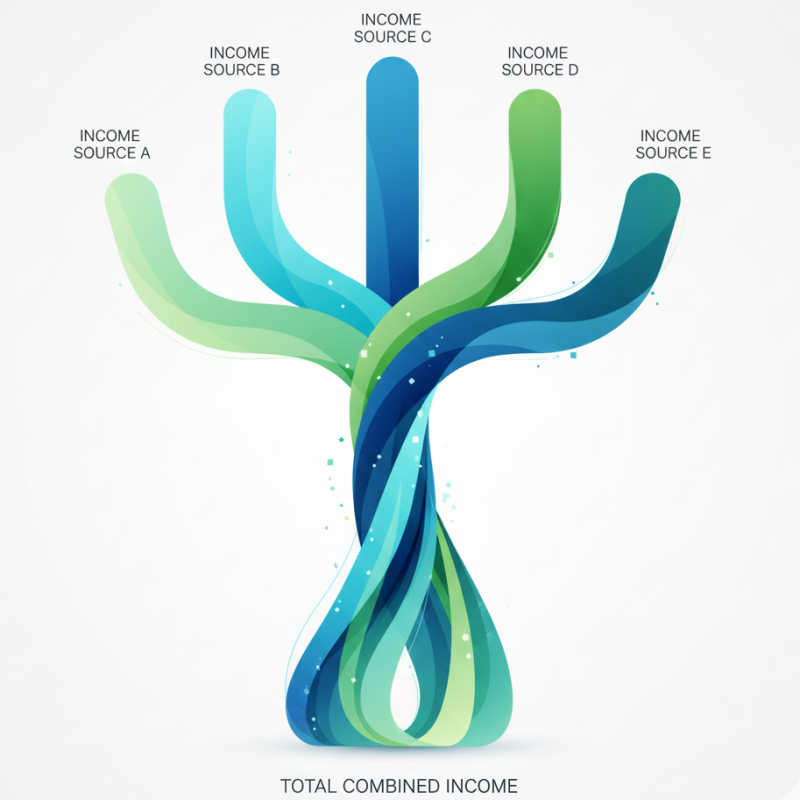
    What gets considered as income includes salaries, wages, commissions, bonuses, dividends, interest, rental income, business profits, pension payments, spousal support from previous relationships, unemployment benefits, disability benefits, and workers’ compensation.

    This comprehensive approach means you can’t structure your financial life to minimize apparent income for child support purposes. Whether the money comes as a paycheck, a dividend check, a rental deposit, or equity compensation, it matters for your calculation.

    Bonuses and Commissions: Irregular but Still Income

    If you receive bonuses or commissions in addition to your base salary, these amounts factor into your child support calculations. Even though bonuses and commissions may vary, they represent real income.

    For consistent annual bonuses, the average bonus amount typically gets factored into your monthly income calculation. If you’ve received bonuses of $15,000, $18,000, and $20,000 over the past three years, that $18,000 average becomes part of your picture, adding $1,500 monthly to your income calculation.

    Performance-based commissions get handled similarly through averaging. One-time bonuses, or signing bonuses, require more nuanced treatment depending on whether they represent ongoing income patterns or truly one-time events.

    Stock Options, RSUs, and Equity Compensation: Where Financial Expertise Matters

    Learn how RSUs, stock options, and equity compensation impact California child support. Talk with Equitable Mediation’s financial experts today at (877) 732-6682.

    Equity compensation definitely matters for child support purposes, but analyzing it correctly requires financial sophistication that most people lack. This is where having a mediator with an MBA in Finance becomes invaluable.

    Generally, California treats Restricted Stock Units as income in the year they vest. If you have RSUs worth $40,000 that vest this year, that $40,000 counts as income for this year. But what if you have $100,000 vesting in one unusual year? Should that be averaged? How do we handle restricted stock that vests quarterly versus annually?

    Stock options require even more analysis because their value depends on the difference between the exercise price and the current stock price. When you exercise and sell, the gain is included in income calculations. But determining when and how to account for unexercised options or underwater options requires financial expertise.

    For equity compensation granted during marriage but vesting after separation, there are complex questions about whether the compensation is community or separate property that intersect with child support calculations. Getting this analysis wrong can result in either inflated support obligations or inadequate support for children.

    Investment Income: Dividends, Interest, and Capital Gains

    All forms of investment income factor into your income picture for child support calculations. This includes interest from savings accounts, bonds, or CDs, dividends from stock holdings, and capital gains from selling investments at a profit.

    Even if you automatically reinvest dividends rather than taking them as cash, they still matter because you’re receiving value. The same principle applies to interest that compounds in savings or investment accounts.

    Capital gains require analysis of whether they’re ongoing or one-time events. Selling your entire investment portfolio in a single year, yielding $200,000, is likely not representative of ongoing income. But regular investment activities that generate $20,000 in capital gains annually are part of your income picture.

    Investment income from assets you owned before marriage or inherited still factors into child support calculations, though it may be characterized as separate property for division purposes.

    Rental Income and Real Estate Cash Flow

    If you own rental property, the net income from that property factors into your income calculations. Determining net rental income requires proper accounting for legitimate expenses against gross rents received.

    What is considered includes deducting actual operating expenses, such as property taxes, insurance, repairs and maintenance, property management fees, and utilities if you pay them, for example, if your rental property generates $3,000 monthly but incurs $1,200 in legitimate expenses, the $1,800 net income factors into child support.

    Mortgage principal payments typically don’t reduce the income calculation because they represent building equity. However, mortgage interest does. Depreciation on rental property often gets added back because it’s a non-cash expense that doesn’t reduce your actual cash flow.

    Retirement Distributions and Pension Income

    If you’re receiving distributions from retirement accounts or pension income, these amounts generally factor into child support calculations. Social Security retirement benefits get included, as do pension payments from private or public retirement systems.

    Distributions from IRAs or 401(k)s require more analysis. Required minimum distributions clearly factor in. Voluntary early distributions may be questioned as to whether they represent regular income or a temporary strategy to access funds.

    Disability benefits through Social Security Disability Insurance or private disability insurance factor in because they replace your earning capacity.

    Employee Benefits and Perquisites

    Certain non-cash employee benefits can be counted if they provide economic value. If your employer provides a company car you use personally, the personal use portion represents income. The same applies to employer-provided housing or housing allowances.

    Expense accounts that exceed actual business expenses, or reimbursements including personal expenditures, can factor into calculations. Employer contributions to retirement accounts generally don’t get counted as current income for support purposes because you can’t access those funds currently.

    Unemployment and Government Benefits

    Unemployment benefits factor into income calculations during the period you’re receiving them. The same is true for workers’ compensation benefits, state disability insurance payments, and most other government benefit programs.

    There are exceptions. Needs-based public assistance programs like CalFresh or Temporary Assistance for Needy Families generally don’t get counted because they meet basic needs at subsistence levels.

    How Mediation Handles Complex Income Situations Better Than Litigation

    When your income picture involves anything beyond straightforward W-2 wages, mediation offers significant advantages over the adversarial court system.

    In litigation, you’re trying to explain complex compensation structures to lawyers who then argue about it in front of someone who has limited time to understand your financial situation. Equity compensation, rental property accounting, investment strategies, variable bonuses—these topics get oversimplified or mischaracterized in the adversarial process. You lose control over decisions that profoundly affect your financial future.

    In mediation with someone with deep financial expertise, we can spend the time needed to accurately understand your complete income picture. My background in finance means I can analyze equity compensation vesting schedules, properly evaluate rental property cash flow, distinguish between ongoing investment income and one-time gains, and help both parents understand how various income sources should be characterized.

    This isn’t about hiding income or gaming the system. It’s about getting the analysis right so child support accurately reflects the actual earning capacity. Both parents benefit from this precision. The paying parent isn’t stuck with obligations based on inflated or mischaracterized income, while the receiving parent isn’t shortchanged because complexity obscures actual earnings.

    We can also have detailed conversations about income sources that aren’t purely straightforward. Maybe you have rental income from a property you’re still managing, which is temporarily suppressing net income. Perhaps you have equity compensation that vests irregularly. We can discuss these nuances and find approaches that are fair to everyone.

    Preparing Your Complete Income Picture

    Prepare your full income documentation for California child support mediation and avoid costly mistakes. Contact Equitable Mediation at (877) 732-6682 for guidance.

    When preparing for mediation, you’ll need to gather documentation for all your income sources. This means more than just pay stubs. You’ll need tax returns showing investment income, rental income, and other sources of income. You’ll need brokerage statements showing dividends and interest. If you receive equity compensation, you’ll need documentation of vesting schedules and values.

    California’s Income and Expense Declaration form is designed to capture a comprehensive picture. Take time to complete it thoroughly and accurately. If you’re unsure whether something should be included, list it and be prepared to discuss it rather than omitting it and risking accusations of non-disclosure.

    In mediation, transparency serves everyone. Both parents need to understand the complete financial picture to have informed discussions about child support. When you openly share information about all your income sources, it builds trust and facilitates productive negotiations rather than creating suspicion.

    Moving Forward with Clarity and Confidence

    Once all income sources are identified and valued correctly, they feed into California’s guideline calculator along with your spouse’s income and your timeshare arrangement. Understanding that California looks at income comprehensively helps you prepare for realistic support discussions.

    This comprehensive approach serves both parents and children. It ensures child support reflects parents’ actual financial capacity rather than just base salaries. Children deserve to share in their parents’ full standard of living, whether that comes from wages, investments, real estate, or other sources.

    If your income picture involves complexity beyond base salary—bonuses, equity compensation, rental properties, investment income, or any combination thereof—mediation with genuine financial expertise makes the difference between confusion and clarity. We actively guide you through determining how each income source should be characterized and valued, ensuring nothing gets misrepresented in either direction.

    When you approach divorce mediation with a comprehensive understanding of how California defines income, and you work with someone who has the financial expertise to analyze that income accurately, you’re positioned to reach fair agreements that serve your children while respecting both parents’ actual financial realities.

    [/fusion_text][/fusion_builder_column][fusion_builder_column type=”1_1″ layout=”1_1″ align_self=”auto” content_layout=”column” align_content=”flex-start” valign_content=”flex-start” content_wrap=”wrap” center_content=”no” column_tag=”div” target=”_self” hide_on_mobile=”medium-visibility,large-visibility” sticky_display=”normal,sticky” order_medium=”0″ order_small=”0″ margin_top=”60px” margin_bottom=”60px” hover_type=”none” border_style=”solid” box_shadow=”no” box_shadow_blur=”0″ box_shadow_spread=”0″ background_type=”single” gradient_start_position=”0″ gradient_end_position=”100″ gradient_type=”linear” radial_direction=”center center” linear_angle=”180″ lazy_load=”none” background_position=”left top” background_repeat=”no-repeat” background_blend_mode=”none” background_slider_skip_lazy_loading=”no” background_slider_loop=”yes” background_slider_pause_on_hover=”no” background_slider_slideshow_speed=”5000″ background_slider_animation=”fade” background_slider_direction=”up” background_slider_animation_speed=”800″ sticky=”off” sticky_devices=”small-visibility,medium-visibility,large-visibility” absolute=”off” filter_type=”regular” filter_hover_element=”self” filter_hue_hover=”0″ filter_saturation_hover=”100″ filter_brightness_hover=”100″ filter_contrast_hover=”100″ filter_invert_hover=”0″ filter_sepia_hover=”0″ filter_opacity_hover=”100″ filter_blur_hover=”0″ filter_hue=”0″ filter_saturation=”100″ filter_brightness=”100″ filter_contrast=”100″ filter_invert=”0″ filter_sepia=”0″ filter_opacity=”100″ filter_blur=”0″ transform_type=”regular” transform_hover_element=”self” transform_scale_x_hover=”1″ transform_scale_y_hover=”1″ transform_translate_x_hover=”0″ transform_translate_y_hover=”0″ transform_rotate_hover=”0″ transform_skew_x_hover=”0″ transform_skew_y_hover=”0″ transform_scale_x=”1″ transform_scale_y=”1″ transform_translate_x=”0″ transform_translate_y=”0″ transform_rotate=”0″ transform_skew_x=”0″ transform_skew_y=”0″ transition_duration=”300″ transition_easing=”ease” motion_effects=”W10=” scroll_motion_devices=”small-visibility,medium-visibility,large-visibility” animation_direction=”left” animation_speed=”0.3″ animation_delay=”0″ last=”true” border_position=”all” first=”true” min_height=”” link=””][fusion_builder_row_inner][fusion_builder_column_inner type=”1_1″ layout=”1_1″ align_self=”auto” content_layout=”column” align_content=”flex-start” valign_content=”flex-start” content_wrap=”wrap” center_content=”no” column_tag=”div” target=”_self” hide_on_mobile=”small-visibility,medium-visibility,large-visibility” sticky_display=”normal,sticky” order_medium=”0″ order_small=”0″ padding_top=”50px” padding_right=”20px” padding_bottom=”50px” padding_left=”20px” hover_type=”none” border_style=”solid” border_radius_top_left=”30px” border_radius_top_right=”30px” border_radius_bottom_right=”30px” border_radius_bottom_left=”30px” box_shadow=”no” box_shadow_blur=”0″ box_shadow_spread=”0″ background_type=”single” background_color=”#f4f3ef” gradient_start_position=”0″ gradient_end_position=”100″ gradient_type=”linear” radial_direction=”center center” linear_angle=”180″ lazy_load=”none” background_position=”left top” background_repeat=”no-repeat” background_blend_mode=”none” background_slider_skip_lazy_loading=”no” background_slider_loop=”yes” background_slider_pause_on_hover=”no” background_slider_slideshow_speed=”5000″ background_slider_animation=”fade” background_slider_direction=”up” background_slider_animation_speed=”800″ sticky=”off” sticky_devices=”small-visibility,medium-visibility,large-visibility” absolute=”off” filter_type=”regular” filter_hover_element=”self” filter_hue_hover=”0″ filter_saturation_hover=”100″ filter_brightness_hover=”100″ filter_contrast_hover=”100″ filter_invert_hover=”0″ filter_sepia_hover=”0″ filter_opacity_hover=”100″ filter_blur_hover=”0″ filter_hue=”0″ filter_saturation=”100″ filter_brightness=”100″ filter_contrast=”100″ filter_invert=”0″ filter_sepia=”0″ filter_opacity=”100″ filter_blur=”0″ transform_type=”regular” transform_hover_element=”self” transform_scale_x_hover=”1″ transform_scale_y_hover=”1″ transform_translate_x_hover=”0″ transform_translate_y_hover=”0″ transform_rotate_hover=”0″ transform_skew_x_hover=”0″ transform_skew_y_hover=”0″ transform_scale_x=”1″ transform_scale_y=”1″ transform_translate_x=”0″ transform_translate_y=”0″ transform_rotate=”0″ transform_skew_x=”0″ transform_skew_y=”0″ transition_duration=”300″ transition_easing=”ease” motion_effects=”W10=” scroll_motion_devices=”small-visibility,medium-visibility,large-visibility” animation_direction=”left” animation_speed=”0.3″ animation_delay=”0″ last=”true” border_position=”all” first=”true” min_height=”” link=””][fusion_code]ICA8c3R5bGU+CiAgIAoKICAgIC5zbGlkZXItY29udGFpbmVyIHsKICAgICAgLyptYXgtd2lkdGg6IDcwMHB4OyAqLwogICAgbWFyZ2luOiAwIGF1dG87CiAgICBwb3NpdGlvbjogcmVsYXRpdmU7CiAgICAvKiBiYWNrZ3JvdW5kOiB3aGl0ZTsgKi8KICAgIGJvcmRlci1yYWRpdXM6IDE2cHg7CiAgICAvKiBib3gtc2hhZG93OiAwIDAgMTBweCByZ2JhKDAsIDAsIDAsIDAuMSk7ICovCiAgICBwYWRkaW5nOiAyMHB4IDUwcHg7CiAgICB0ZXh0LWFsaWduOiBsZWZ0OwogICAgb3ZlcmZsb3c6IGhpZGRlbjsKICAgIC8qIGhlaWdodDogNTAwcHg7Ki8KICAgIH0KCiAgICAuc2xpZGUgewogICAgICBwb3NpdGlvbjogYWJzb2x1dGU7CiAgICAgIHRvcDogMDsKICAgICAgbGVmdDogMDsKICAgICAgd2lkdGg6IDEwMCU7CiAgICAgIG9wYWNpdHk6IDA7CiAgICAgIHRyYW5zZm9ybTogdHJhbnNsYXRlWCgxMDAlKTsKICAgICAgdHJhbnNpdGlvbjogYWxsIDAuNXMgZWFzZTsKICAgICAgdmlzaWJpbGl0eTogaGlkZGVuOwogICAgfQoKICAgIC5zbGlkZS5hY3RpdmUgewogICAgICBvcGFjaXR5OiAxOwogICAgICB0cmFuc2Zvcm06IHRyYW5zbGF0ZVgoMCk7CiAgICAgIHZpc2liaWxpdHk6IHZpc2libGU7CiAgICAgIHBvc2l0aW9uOiByZWxhdGl2ZTsKICAgIH0KCiAgICAudGl0bGUgewogICAgY29sb3I6ICMyNDdkYjQ7CiAgICBmb250LXNpemU6IDI2cHg7CiAgICBmb250LXdlaWdodDogNjAwOwogICAgbWFyZ2luLWJvdHRvbTogMThweDsKICAgIHRleHQtYWxpZ246IGNlbnRlcjsKICAgIGxpbmUtaGVpZ2h0OiAxLjJlbTsKfQoKICAgIC5jb250ZW50IHsKICAgICAgZm9udC1zaXplOiAxNnB4OwogICAgICBjb2xvcjogIzMzMzsKICAgICAgbGluZS1oZWlnaHQ6IDEuNjsKICAgIH0KCQoJc3Bhbi5zZXAgewogICAgcGFkZGluZy1sZWZ0OiAyNXB4OwogICAgcGFkZGluZy1yaWdodDogMjVweDsKICAgIGNvbG9yOiAjM2EyZjJhOwogICAgZm9udC1zaXplOiAxOHB4OwogICAgZm9udC13ZWlnaHQ6IG5vcm1hbDsKfQoKICAgIC5hdXRob3IgewogICAgICBkaXNwbGF5OiBmbGV4OwogICAgYWxpZ24taXRlbXM6IGNlbnRlcjsKICAgIG1hcmdpbi10b3A6IDMwcHg7CiAgICBqdXN0aWZ5LWNvbnRlbnQ6IGNlbnRlcjsKICAgIH0KCiAgICAuYXV0aG9yIGltZyB7CiAgICAgIGJvcmRlci1yYWRpdXM6IDUwJTsKICAgICAgd2lkdGg6IDcwcHg7CiAgICAgIGhlaWdodDogNzBweDsKICAgICAgbWFyZ2luLXJpZ2h0OiAxNXB4OwogICAgfQoJCgkuYXV0aG9yLWRldGFpbHMgcCB7CiAgICBtYXJnaW4tYm90dG9tOiAwcHg7Cn0KCiAgICAuYXV0aG9yLWRldGFpbHMgewogICAgICBmb250LXNpemU6IDE1cHg7CiAgICB9CgogICAgLmF1dGhvci1kZXRhaWxzIHN0cm9uZyB7CiAgICAgIGNvbG9yOiAjMjQ3MWViOwogICAgfQoKICAgIC5uYXYgewogICAgICBwb3NpdGlvbjogYWJzb2x1dGU7CiAgICAgIHRvcDogNTAlOwogICAgICB0cmFuc2Zvcm06IHRyYW5zbGF0ZVkoLTUwJSk7CiAgICAgIGZvbnQtc2l6ZTogMzBweDsKICAgICAgY29sb3I6ICNhYWE7CiAgICAgIGN1cnNvcjogcG9pbnRlcjsKICAgICAgei1pbmRleDogMTsKICAgIH0KCiAgICAubmF2LmxlZnQgewogICAgICBsZWZ0OiAyMHB4OwogICAgfQoKICAgIC5uYXYucmlnaHQgewogICAgICByaWdodDogMjBweDsKICAgIH0KCiAgICAubmF2OmhvdmVyIHsKICAgICAgY29sb3I6ICMyNDcxZWI7CiAgICB9CgkKCS5hdXRob3ItZGV0YWlscyAuaGVhZC1kZXN7Cgljb2xvcjogIzI0N2RiNDsgCglmb250LXNpemU6IDMwcHg7IAoJZm9udC13ZWlnaHQ6IDUwMDsKCWZvbnQtZmFtaWx5OiJETSBTZXJpZiBEaXNwbGF5IiwgQXJpYWwsIEhlbHZldGljYSwgc2Fucy1zZXJpZjsKCX0KCQoJLmF1dGhvci1kZXRhaWxzIC5zdWItZGVzewoJbGV0dGVyLXNwYWNpbmc6IDNweDsgCgl0ZXh0LXRyYW5zZm9ybTogdXBwZXJjYXNlOyAKCWZvbnQtc2l6ZTogMTZweDsgCgljb2xvcjogIzNhMmYyYTsKCX0KICA8L3N0eWxlPgoKPGRpdiBjbGFzcz0ic2xpZGVyLWNvbnRhaW5lciI+CiAgPCEtLSBTbGlkZSAxIC0tPgogIDxkaXYgY2xhc3M9InNsaWRlIGFjdGl2ZSI+CiAgICA8ZGl2IGNsYXNzPSJjb250ZW50Ij4KICAgICAgPHA+4oCcWW91IG1heSBoYXZlIHJlc2VhcmNoZWQgaG93IGFsaW1vbnkgd29ya3MgaW4geW91ciBzdGF0ZS4gQnV0IGluIG15IGV4cGVyaWVuY2UsIHJlZ2FyZGxlc3Mgb2Ygd2hldGhlciBhIHN0YXRlIG9mZmVycyBndWlkYW5jZSBvbiBob3cgdG8gcmVzb2x2ZSBhbGltb255LCBvZnRlbiwgY291cGxlcyBuZWdvdGlhdGUgdGhlaXIgb3duIGFncmVlbWVudCB0YWlsb3JlZCB0byB0aGVpciB1bmlxdWUgc2l0dWF0aW9uIGFuZCBjaXJjdW1zdGFuY2VzLjwvcD4KICAgICAgPHA+U28geW91IGhhdmUgYSBsb3Qgb2YgZmxleGliaWxpdHkgYW5kIGNhbiBtYWludGFpbiBhIGxvdCBvZiBjb250cm9sIGlmIHlvdSBuZWdvdGlhdGUgdGhlIHRlcm1zIG9mIGFsaW1vbnkgb3V0IG9mIGNvdXJ0IHdpdGggdGhlIGhlbHAgb2YgYSBza2lsbGVkIHByb2Zlc3Npb25hbCB1c2luZyBhbiBhbHRlcm5hdGl2ZSBkaXNwdXRlIHJlc29sdXRpb24gcHJvY2VzcyBsaWtlIDxhIGhyZWY9Ii9yZXNvdXJjZXMvY29sbGFib3JhdGl2ZS1kaXZvcmNlLXZzLW1lZGlhdGlvbiIgcmVsPSJub29wZW5lciI+ZGl2b3JjZSBtZWRpYXRpb24gb3IgYSBjb2xsYWJvcmF0aXZlIGRpdm9yY2UgPC9hPi48L3A+CiAgICAgIDxwPllvdSBhbmQgeW91ciBzb29uLXRvLWJlIGV4LXNwb3VzZSB3aWxsIG1vcmUgbGlrZWx5IGNvbWUgdG8gYW4gYWxpbW9ueSBhcnJhbmdlbWVudCB0aGF0J3MgYWNjZXB0YWJsZSB0byBib3RoIG9mIHlvdS4iPHA+CiAgICA8L2Rpdj4KICAgIDxkaXYgY2xhc3M9ImF1dGhvciI+CiAgICAgIDxpbWcgc3JjPSIvd3AtY29udGVudC91cGxvYWRzLzIwMjUvMDYvZXF1aXRhYmxlLW1lZGlhdGlvbi10ZWFtLWpvZS1kaWxsb24ud2VicCIgYWx0PSJKb2UgRGlsbG9uIGhlYWRzaG90IiAvPgogICAgICA8ZGl2IGNsYXNzPSJhdXRob3ItZGV0YWlscyI+CiAgICAgICAgPHA+IDxzcGFuIGNsYXNzPSJoZWFkLWRlcyI+IEpvZSBEaWxsb248L3NwYW4+IDxzcGFuIGNsYXNzPSJzZXAiPnw8L3NwYW4+IDxzcGFuIGNsYXNzPSJzdWItZGVzIj5EaXZvcmNlIE1lZGlhdG9yICYgRm91bmRlcjwvc3Bhbj48L3A+CiAgICAgIDwvZGl2PgogICAgPC9kaXY+CiAgPC9kaXY+CiAgPCEtLSBBcnJvd3MgLS0+CiAgPCEtLSA8ZGl2IGNsYXNzPSJuYXYgbGVmdCIgb25jbGljaz0icHJldlNsaWRlKCkiPiYjMTAwOTQ7PC9kaXY+CiAgPGRpdiBjbGFzcz0ibmF2IHJpZ2h0IiBvbmNsaWNrPSJuZXh0U2xpZGUoKSI+JiMxMDA5NTs8L2Rpdj4gLS0+CjwvZGl2PgoKPHNjcmlwdD4KICBsZXQgY3VycmVudFNsaWRlID0gMDsKICBjb25zdCBzbGlkZXMgPSBkb2N1bWVudC5xdWVyeVNlbGVjdG9yQWxsKCcuc2xpZGUnKTsKCiAgZnVuY3Rpb24gc2hvd1NsaWRlKGluZGV4KSB7CiAgICBzbGlkZXMuZm9yRWFjaCgocywgaSkgPT4gewogICAgICBzLmNsYXNzTGlzdC5yZW1vdmUoJ2FjdGl2ZScpOwogICAgfSk7CiAgICBzbGlkZXNbaW5kZXhdLmNsYXNzTGlzdC5hZGQoJ2FjdGl2ZScpOwogIH0KCiAgZnVuY3Rpb24gbmV4dFNsaWRlKCkgewogICAgY3VycmVudFNsaWRlID0gKGN1cnJlbnRTbGlkZSArIDEpICUgc2xpZGVzLmxlbmd0aDsKICAgIHNob3dTbGlkZShjdXJyZW50U2xpZGUpOwogIH0KCiAgZnVuY3Rpb24gcHJldlNsaWRlKCkgewogICAgY3VycmVudFNsaWRlID0gKGN1cnJlbnRTbGlkZSAtIDEgKyBzbGlkZXMubGVuZ3RoKSAlIHNsaWRlcy5sZW5ndGg7CiAgICBzaG93U2xpZGUoY3VycmVudFNsaWRlKTsKICB9Cjwvc2NyaXB0Pg==[/fusion_code][/fusion_builder_column_inner][/fusion_builder_row_inner][/fusion_builder_column][/fusion_builder_row][/fusion_builder_container][fusion_builder_container type=”flex” hundred_percent=”no” hundred_percent_height=”no” hundred_percent_height_scroll=”no” align_content=”stretch” flex_align_items=”flex-start” flex_justify_content=”flex-start” flex_wrap=”wrap” hundred_percent_height_center_content=”yes” equal_height_columns=”no” container_tag=”div” hide_on_mobile=”small-visibility,medium-visibility,large-visibility” status=”published” padding_bottom_medium=”50px” padding_bottom_small=”30px” padding_top=”100px” padding_bottom=”100px” border_style=”solid” box_shadow=”no” box_shadow_blur=”0″ box_shadow_spread=”0″ gradient_start_position=”0″ gradient_end_position=”100″ gradient_type=”linear” radial_direction=”center center” linear_angle=”180″ background_position=”center center” background_repeat=”no-repeat” fade=”no” background_parallax=”none” enable_mobile=”no” parallax_speed=”0.3″ background_blend_mode=”none” background_slider_skip_lazy_loading=”no” background_slider_loop=”yes” background_slider_pause_on_hover=”no” background_slider_slideshow_speed=”5000″ background_slider_animation=”fade” background_slider_direction=”up” background_slider_animation_speed=”800″ video_aspect_ratio=”16:9″ video_loop=”yes” video_mute=”yes” pattern_bg=”none” pattern_bg_style=”default” pattern_bg_opacity=”100″ pattern_bg_blend_mode=”normal” mask_bg=”none” mask_bg_style=”default” mask_bg_opacity=”100″ mask_bg_transform=”left” mask_bg_blend_mode=”normal” absolute=”off” absolute_devices=”small,medium,large” sticky=”off” sticky_devices=”small-visibility,medium-visibility,large-visibility” sticky_transition_offset=”0″ scroll_offset=”0″ animation_direction=”left” animation_speed=”0.3″ animation_delay=”0″ filter_hue=”0″ filter_saturation=”100″ filter_brightness=”100″ filter_contrast=”100″ filter_invert=”0″ filter_sepia=”0″ filter_opacity=”100″ filter_blur=”0″ filter_hue_hover=”0″ filter_saturation_hover=”100″ filter_brightness_hover=”100″ filter_contrast_hover=”100″ filter_invert_hover=”0″ filter_sepia_hover=”0″ filter_opacity_hover=”100″ filter_blur_hover=”0″ admin_label=”FAQs About California Child Support” admin_toggled=”no”][fusion_builder_row][fusion_builder_column type=”1_1″ layout=”1_1″ align_self=”auto” content_layout=”column” align_content=”flex-start” valign_content=”flex-start” content_wrap=”wrap” center_content=”no” column_tag=”div” target=”_self” hide_on_mobile=”small-visibility,medium-visibility,large-visibility” sticky_display=”normal,sticky” order_medium=”0″ order_small=”0″ hover_type=”none” border_style=”solid” box_shadow=”no” box_shadow_blur=”0″ box_shadow_spread=”0″ background_type=”single” gradient_start_position=”0″ gradient_end_position=”100″ gradient_type=”linear” radial_direction=”center center” linear_angle=”180″ lazy_load=”none” background_position=”left top” background_repeat=”no-repeat” background_blend_mode=”none” background_slider_skip_lazy_loading=”no” background_slider_loop=”yes” background_slider_pause_on_hover=”no” background_slider_slideshow_speed=”5000″ background_slider_animation=”fade” background_slider_direction=”up” background_slider_animation_speed=”800″ sticky=”off” sticky_devices=”small-visibility,medium-visibility,large-visibility” absolute=”off” filter_type=”regular” filter_hover_element=”self” filter_hue_hover=”0″ filter_saturation_hover=”100″ filter_brightness_hover=”100″ filter_contrast_hover=”100″ filter_invert_hover=”0″ filter_sepia_hover=”0″ filter_opacity_hover=”100″ filter_blur_hover=”0″ filter_hue=”0″ filter_saturation=”100″ filter_brightness=”100″ filter_contrast=”100″ filter_invert=”0″ filter_sepia=”0″ filter_opacity=”100″ filter_blur=”0″ transform_type=”regular” transform_hover_element=”self” transform_scale_x_hover=”1″ transform_scale_y_hover=”1″ transform_translate_x_hover=”0″ transform_translate_y_hover=”0″ transform_rotate_hover=”0″ transform_skew_x_hover=”0″ transform_skew_y_hover=”0″ transform_scale_x=”1″ transform_scale_y=”1″ transform_translate_x=”0″ transform_translate_y=”0″ transform_rotate=”0″ transform_skew_x=”0″ transform_skew_y=”0″ transition_duration=”300″ transition_easing=”ease” motion_effects=”W10=” scroll_motion_devices=”small-visibility,medium-visibility,large-visibility” animation_direction=”left” animation_speed=”0.3″ animation_delay=”0″ last=”true” border_position=”all” first=”true” min_height=”” link=””][fusion_title title_type=”text” scroll_reveal_effect=”color_change” scroll_reveal_basis=”chars” scroll_reveal_behavior=”always” scroll_reveal_duration=”500″ scroll_reveal_stagger=”200″ scroll_reveal_delay=”0″ scroll_reveal_above_fold=”yes” marquee_direction=”left” marquee_mask_edges=”no” marquee_speed=”15000″ rotation_effect=”bounceIn” display_time=”1200″ highlight_effect=”circle” loop_animation=”once” highlight_animation_duration=”1500″ highlight_width=”9″ highlight_smudge_effect=”no” highlight_top_margin=”0″ title_link=”off” link_target=”_self” hide_on_mobile=”small-visibility,medium-visibility,large-visibility” sticky_display=”normal,sticky” html_attributes=”W10=” content_align_small=”left” content_align=”left” size=”2″ font_size=”38px” text_color=”var(–awb-color4)” text_shadow=”no” text_shadow_blur=”0″ text_stroke=”no” text_stroke_size=”1″ text_overflow=”none” margin_top=”0px” margin_bottom=”60px” gradient_font=”no” gradient_start_position=”0″ gradient_end_position=”100″ gradient_type=”linear” radial_direction=”center center” linear_angle=”180″ style_type=”default” animation_type=”fade” animation_direction=”static” animation_speed=”1.0″ animation_delay=”0.5″]

    FAQs About California Child Support

    [/fusion_title][fusion_accordion type=”toggles” hide_on_mobile=”small-visibility,medium-visibility,large-visibility” boxed_mode=”yes” border_size=”2″ border_color=”#d8e8f2″ hover_color=”#f4f3ef” padding_top=”10px” padding_right=”5px” padding_bottom=”10px” padding_left=”5px” title_tag=”h4″ fusion_font_family_title_font=”Poppins” fusion_font_variant_title_font=”600″ title_font_size=”18px” title_color=”var(–awb-color6)” icon_size=”25px” icon_color=”#d8e8f2″ icon_boxed_mode=”no” icon_box_color=”#d8e8f2″ icon_alignment=”right” content_font_size=”16px” content_color=”var(–awb-color6)” toggle_hover_accent_color=”var(–awb-color6)” toggle_active_accent_color=”var(–awb-color6)”][fusion_toggle title=”1. How is child support calculated in California?” open=”no” title_color=”var(–awb-color8)” content_color=”var(–awb-color8)”]

    California uses a mandatory statewide guideline formula to calculate child support in all cases, as outlined in Family Code Section 4055. This formula is not optional – courts must use it unless specific exceptions apply. The formula is expressed as: CS = K[HN – (H%)(TN)], where CS represents the monthly child support amount, K is the amount of combined parental income allocated to child support, HN is the higher-earning parent’s net monthly disposable income, H% is the approximate percentage of time the higher earner has primary physical responsibility for the children, and TN is the total combined net monthly disposable income of both parents.

    The K value is itself calculated using a complex formula that considers the parents’ combined net disposable income and applies different multipliers at various income levels. These multipliers were updated in September 2024 for the first time since 1992 to better reflect current economic realities. The formula produces a rebuttable presumption that the calculated amount is the correct amount of child support, meaning courts must order this amount unless there are specific grounds to deviate from it.

    The guideline is designed to ensure children share in both parents’ standard of living and that both parents contribute to their children’s support in proportion to their respective incomes and time with the children. California provides an official online Guideline Calculator that parents, attorneys, and courts use to perform these complex calculations. However, understanding the underlying formula helps parents appreciate how various factors influence the final support amount.

    The formula accounts for the reality that the higher-earning parent typically pays support, but if the calculation results in a negative number, the lower-earning parent would pay support to the higher earner. This can occur when the higher earner has the children significantly more than half the time. The guideline applies in divorce cases (called dissolution of marriage in California), cases involving unmarried parents, modifications of existing orders, and any other proceeding where child support is at issue.

    [/fusion_toggle][fusion_toggle title=”2. What income is considered when calculating child support in California?” open=”no” title_color=”var(–awb-color8)” content_color=”var(–awb-color8)”]

    California takes an extremely broad view of what constitutes income for child support purposes, as defined in Family Code Section 4058. The law states that income includes money from whatever source derived, with very limited exceptions. The goal is to capture all resources available to parents to ensure adequate child support.

    Income that must be considered includes wages and salary from all employment, bonuses and commissions (typically averaged over 12 months if received regularly), overtime pay (though courts may exclude it if unlikely to continue or if it creates an excessively onerous work schedule), tips and gratuities, self-employment income (calculated as gross receipts minus legitimate business expenses required for operation), rental income from real property, interest and dividends from investments, royalties and income from patents or intellectual property, retirement and pension income including Social Security retirement benefits, disability payments from workers’ compensation, state disability insurance, Social Security disability, or veterans’ disability benefits not based on need, unemployment insurance benefits, spousal support received from a previous marriage to someone other than the current case’s other parent, annuity payments, capital gains from asset sales, trust income, partnership and LLC distributions, and any other monetary benefit a parent receives.

    The court may also consider employee benefits that reduce living expenses, such as a company car, housing allowances, or expense accounts, though this is discretionary. Importantly, courts can impute income based on earning capacity rather than actual earnings when a parent is voluntarily unemployed or underemployed. For example, if a parent with an MBA and history of earning $150,000 annually takes a minimum wage job to avoid support obligations, the court can calculate support based on what they could reasonably earn rather than actual current income.

    Income specifically excluded from calculations includes child support received for children from other relationships, certain need-based public assistance like SSI or CalWorks cash aid, life insurance proceeds (though interest earned on proceeds may be included), non-recurring gifts, foster care payments, financial aid like grants and loans for education, and certain personal injury settlement proceeds.

    After determining gross income from all sources, the court calculates net disposable income by subtracting allowable deductions including federal and state income tax liability, mandatory payroll deductions like Social Security and Medicare taxes, state disability and unemployment insurance, mandatory union dues, health insurance premiums for the parent and children, child support and spousal support actually being paid to others pursuant to court orders, and job-related expenses that are necessary and reasonable if approved by the court. The result is net monthly disposable income, which forms the basis for the guideline calculation.

    [/fusion_toggle][fusion_toggle title=”3. How does parenting time affect child support in California?” open=”no” title_color=”var(–awb-color8)” content_color=”var(–awb-color8)”]

    Parenting time, also called timeshare or custody time, significantly impacts child support calculations in California and is built directly into the guideline formula. The formula includes H%, which represents the approximate percentage of time the higher-earning parent has primary physical responsibility for the children compared to the other parent. This percentage directly affects how much support is owed – generally, the more time the paying parent spends with the children, the less child support they pay.

    This makes intuitive sense because a parent caring for children during their parenting time incurs direct expenses for food, housing, activities, and daily needs. California courts calculate timeshare based on the total number of hours or days each parent has the children over the course of a year. Most counties calculate timeshare by counting overnight stays, though some consider daytime hours as well.

    The California guideline recognizes different custody arrangements with varying support implications. In a primary custody arrangement where one parent has the children most of the time (typically 70% or more), that parent usually receives child support from the other parent. The less time the paying parent has with the children, the higher their support obligation tends to be.

    In shared custody arrangements where parents have relatively equal time (typically considered somewhere between 35% and 65% for each parent, though definitions vary), both parents spend substantial time with the children and both incur significant direct costs. Support calculations in shared custody situations account for this by reducing the support amount compared to what would be owed with less parenting time. In some cases with true 50/50 timeshare and similar incomes, no support may be owed. If one parent has significantly higher income even with equal time, they may still pay support but at a reduced amount compared to a scenario with less parenting time.

    Accurately calculating timeshare is critical and can impact support amounts by thousands of dollars annually. Courts require parents to provide detailed custody schedules showing exactly when children are with each parent. Rather than estimating, using a parenting time calendar or custody tracking software to calculate precise percentages provides the most accurate results. When different children have different timeshare arrangements between the parents, the formula averages the percentages across all children.

    It’s important to understand that the guideline formula itself automatically accounts for timeshare – parents don’t separately deduct costs for time with children. The formula is designed to distribute the total cost of raising children between both parents based on their incomes and time, recognizing that the parent with more time contributes more through direct daily expenses.

    [/fusion_toggle][fusion_toggle title=”4. When does child support end in California?” open=”no” title_color=”var(–awb-color8)” content_color=”var(–awb-color8)”]

    Under California law, the general rule is that child support ends when a child turns 18 years old, which is the age of majority in California. However, there are important exceptions that can extend support beyond age 18 or terminate it earlier in specific circumstances.

    The most common exception is found in Family Code Section 3901, which provides that if a child reaches age 18 while still enrolled as a full-time high school student and is not self-supporting, child support continues until the child graduates from 12th grade or turns 19 years old, whichever occurs first. For example, if a child turns 18 in October of their senior year, support continues through high school graduation the following June, assuming graduation occurs before the 19th birthday. However, if the child graduates in May before turning 18, support ends at graduation even though they haven’t yet reached 18. The child must be attending high school full-time and living with a parent (not self-supporting) for this extension to apply.

    Child support can also continue beyond age 18 or 19 if the child has a disability that prevents them from earning a living and becoming self-sufficient. Family Code Section 3910 provides that parents have an equal responsibility to maintain an adult child who is incapacitated from earning a living and without sufficient means to support themselves. This obligation continues based on the extent of the parents’ ability to provide support and the adult child’s needs.

    Parents can also agree to continue child support beyond the age of majority for any purpose, including college expenses. While California law does not require parents to pay for college (unlike some states), parents can voluntarily agree to provide educational support and include these terms in their settlement agreement or stipulation. Once incorporated into a court order, these agreements become enforceable.

    Certain events can terminate child support before the child reaches 18. If a minor child becomes legally emancipated through court order, marriage, or active military service, the support obligation ends. Emancipation means the child is legally recognized as independent and self-supporting. Death of either the child or the paying parent also terminates the obligation.

    An extremely important procedural point: even when a child reaches the age where support should end by operation of law, income withholding orders (wage garnishments) do not automatically stop. Employers will continue deducting support from paychecks until they receive an official Terminated Income Withholding Order (Form FL-195) signed by a judge. The parent paying support must file the appropriate paperwork with the family court to obtain this termination order and provide it to their employer. Failing to do so can result in continued wage withholding even after the legal obligation has ended.

    Additionally, if arrears (past-due child support) exist, the obligation to pay the outstanding balance continues even after current support ends. Child support enforcement agencies will continue collection efforts on arrears until paid in full, including interest.

    [/fusion_toggle][fusion_toggle title=”5. Can California child support orders be modified?” open=”no” title_color=”var(–awb-color8)” content_color=”var(–awb-color8)”]

    Yes, California child support orders can be modified when circumstances change, but certain legal requirements must be met. Either parent or the child’s legal guardian can request a modification at any time by filing the appropriate paperwork with the court or by requesting a review through the local child support agency.

    The fundamental requirement for modification is showing a material change of circumstances since the last court order was entered. A material change refers to a substantial shift in the conditions that formed the basis of the original support order, affecting either parent’s financial situation, the children’s needs, or the custody arrangement.

    Common examples include significant changes in either parent’s income, such as job loss, substantial pay increase or decrease, or change in employment hours; involuntary unemployment or underemployment (though voluntary reduction in income to avoid support typically doesn’t qualify); changes in the amount of time each parent spends with the children, particularly if custody arrangements have shifted substantially; changes in the children’s needs, such as increased childcare costs, medical expenses, educational expenses, or special needs that have developed; the birth or adoption of additional children to either parent, though courts handle this carefully to ensure existing children’s needs remain met; and incarceration of a parent for at least 90 days, which can suspend support obligations under recent California law.

    California has specific numeric thresholds that create a presumption that modification is warranted. Local child support agencies must request modification if the Guideline Calculator indicates the monthly support amount should change by at least 20% or $50, whichever is less. For example, if current support is $800 per month, a change to $960 or more (20% increase) or to $640 or less (20% decrease) would meet this threshold.

    An important exception exists under Family Code Section 4065(d): if parents previously agreed to a child support amount below the guideline amount, either parent can request modification to the guideline amount (or higher) at any time without having to show any change in circumstances. This recognizes that children are entitled to guideline support and below-guideline agreements can be revisited.

    Critical procedural points: Until the court approves a modification, the existing order remains in full force and effect. Parents cannot simply agree between themselves to pay different amounts – any informal agreement is not legally binding and the original court order continues to be enforceable. Modifications are only effective from the date the modification request is filed with the court going forward, not retroactively. This makes filing promptly when circumstances change critical.

    Parents can pursue modification through two paths: filing their own Request for Order (Form FL-300) with the court along with current Income and Expense Declarations (Form FL-150) and supporting documentation, or requesting a free review through their local child support agency by calling 1-866-901-3212 or visiting childsupport.ca.gov.

    [/fusion_toggle][fusion_toggle title=”6. What is the low-income adjustment for child support in California?” open=”no” title_color=”var(–awb-color8)” content_color=”var(–awb-color8)”]

    The low-income adjustment (LIA) is a provision in California’s child support guideline designed to protect low-income parents from child support orders that would leave them unable to meet their own basic living expenses. This adjustment reduces the child support amount that would otherwise be calculated under the standard guideline formula.

    Family Code Section 4055(b)(7) creates a rebuttable presumption that a parent is entitled to the low-income adjustment when their net disposable income per month is less than the gross income from full-time employment at California’s minimum wage. As of 2025, California’s general minimum wage is $16.50 per hour, which translates to approximately $2,860 in gross monthly income for full-time work (40 hours per week). This threshold adjusts annually with changes to the minimum wage.

    It’s crucial to understand the distinction between gross and net income for this purpose. The threshold is based on gross minimum wage income, but eligibility is determined by the parent’s net disposable income. This means even a parent earning more than minimum wage in gross income might qualify for the adjustment if their net disposable income (after taxes and allowable deductions) falls below the threshold.

    The low-income adjustment was significantly updated in late 2024, increasing the threshold from the previous standard which had been linked to federal poverty guidelines. This change recognized that the cost of living in California far exceeds federal poverty levels and that requiring very low-income parents to pay support calculated without adjustment could leave them unable to afford basic necessities like housing and food.

    When the low-income adjustment applies, it reduces the support obligation to help ensure the paying parent retains enough income for minimum basic needs. The exact reduction varies based on the specific circumstances and is built into the calculations performed by the official California Guideline Calculator. When using the calculator, there’s a checkbox for the low-income adjustment that, when selected, automatically applies the reduction to qualifying parents.

    The presumption that a low-income parent receives this adjustment is rebuttable, meaning the other parent can present evidence that the adjustment shouldn’t apply in a particular case. However, the burden is on the party opposing the adjustment to overcome the presumption. Courts consider factors like whether the low-income situation is temporary or long-term, whether the parent has assets that could generate income despite low current earnings, and whether the parent is voluntarily underemployed.

    The low-income adjustment interacts with the guideline formula in specific ways. The adjustment ensures that the guideline amount doesn’t exceed a certain percentage of the low-income parent’s net disposable income, generally 50% after application of the adjustment. This prevents support orders that would consume so much of a low-income parent’s earnings that they cannot survive.

    [/fusion_toggle][fusion_toggle title=”7. What are add-on expenses in California child support?” open=”no” title_color=”var(–awb-color8)” content_color=”var(–awb-color8)”]

    Add-on expenses, also called additional child support or mandatory add-ons, are costs for children that are not covered by the basic guideline child support amount and must be specifically ordered separately. The guideline support amount calculated under the formula is intended to cover ordinary daily living expenses like food, clothing, shelter, school supplies, and routine activities. However, certain extraordinary expenses fall outside this basic support and California law requires they be addressed separately in child support orders.

    The most common add-on expenses include childcare costs necessary for a parent to work or attend education or training that leads to employment. This includes daycare, after-school care, summer programs, and babysitting expenses required due to work schedules. Childcare costs can be substantial, particularly in California’s expensive childcare market, and the law recognizes these shouldn’t come solely from the basic support amount.

    Uninsured or unreimbursed healthcare costs for the children also constitute mandatory add-ons. This includes medical, dental, and vision expenses not covered by insurance such as copayments, deductibles, prescriptions, orthodontia, eyeglasses, and any medical treatment or therapy. Even parents with insurance often face significant out-of-pocket costs that must be allocated.

    Educational expenses can be add-ons depending on the circumstances, including costs for special education services, tutoring if educationally necessary, school-related fees for activities or equipment, and private school tuition if the parents agree or the court orders it based on the children’s history and the parties’ circumstances. Travel expenses related to visitation or parenting time when parents live far apart may be ordered as add-ons, particularly when distance requires air travel or substantial driving expenses.

    How these add-on expenses are allocated between parents is critical. Unless the court orders otherwise, the default rule is that parents split these costs equally – 50% each. However, Family Code Section 4062 permits the court to allocate these expenses in proportion to each parent’s net disposable income rather than equally. For example, if one parent has 70% of the combined income and the other has 30%, the court might allocate the childcare costs 70/30 rather than 50/50. This proportional allocation is often fairer when parents have significantly disparate incomes.

    Parents must specifically request that add-on expenses be included in their child support order. If they don’t ask the court to address these costs, the default 50/50 split applies, which may be problematic if incomes are very different or if costs weren’t anticipated. The court can only order what’s requested, so identifying and presenting evidence of these expenses is crucial.

    Documentation is essential – parents should maintain receipts, invoices, and statements showing actual costs for childcare, medical expenses, educational fees, and other add-ons. The parent requesting proportional allocation or seeking reimbursement for add-on costs bears the burden of proving the expenses are reasonable, necessary, and actually incurred.

    [/fusion_toggle][fusion_toggle title=”8. Can parents agree to a different child support amount than the California guideline?” open=”no” title_color=”var(–awb-color8)” content_color=”var(–awb-color8)”]

    California law strongly presumes that the guideline child support amount is correct, but parents can agree to different amounts under specific circumstances with court approval. The guideline creates a rebuttable presumption that the calculated amount is proper in any given case, meaning courts must order the guideline amount unless there are valid grounds to deviate.

    When parents reach their own agreement on child support, whether during divorce settlement negotiations or in an agreement for unmarried parents, the court must still approve the amount to make it enforceable. The court’s role is to ensure any agreed-upon amount serves the children’s best interests and meets legal requirements.

    Parents can agree to child support above the guideline amount without significant scrutiny – if both parents consent to higher support than the formula requires, courts generally approve this as it benefits the children. However, agreements for support below the guideline amount face more rigorous review.

    California law permits below-guideline agreements only if specific conditions are met. First, both parents must fully understand their rights and the guideline amount. Second, the agreement must not be the result of coercion or unequal bargaining power. Third, the agreement must be in the children’s best interests. Fourth, the agreement cannot be based on receipt of public assistance – parents cannot agree to low support if one parent or the children are receiving government benefits, as this effectively shifts the support obligation to taxpayers.

    However, even if parents agree to below-guideline support and the court approves it, that agreement can be modified later. Family Code Section 4065(d) provides that when a support order is below the guideline amount, either parent may request modification to the guideline amount (or higher) at any time without having to prove any change in circumstances. This provision recognizes that children are entitled to guideline support and protects against agreements that shortchange children’s needs.

    Parents can also agree to structure support payments differently than a straight monthly amount. Creative arrangements might include one parent taking more property in the divorce in exchange for reduced or waived ongoing support, payment of specific children’s expenses directly instead of monthly support, or lump-sum support payments rather than monthly installments. Any such alternative arrangements require court approval and careful drafting.

    It’s critical that any child support agreement be formalized in a written stipulation signed by both parents and approved by the court through a filed order. Informal agreements between parents, even if written down, are not legally enforceable. The original court order remains in full effect regardless of any private agreements to pay different amounts.

    [/fusion_toggle][fusion_toggle title=”9. What factors can justify deviating from California’s child support guideline?” open=”no” title_color=”var(–awb-color8)” content_color=”var(–awb-color8)”]

    While California law creates a strong presumption that the guideline child support amount is correct, Family Code Section 4057 allows courts to order amounts different from the guideline in specific circumstances where applying the formula would be unjust or inappropriate. However, deviations from the guideline are the exception rather than the rule, and the party seeking deviation bears the burden of proving it’s justified.

    Several circumstances can support deviation from the guideline. First, when the parents’ combined income is extraordinarily high, the guideline amount might exceed what’s reasonably necessary for the children’s needs. In these cases, courts can order support above or below guideline based on the children’s actual reasonable needs and the parents’ circumstances.

    Second, deviation may be appropriate when a parent is not contributing to the children’s needs at a level commensurate with their custodial time. The guideline formula assumes the parent caring for children during their timeshare pays for those direct needs. If a parent with substantial custody time fails to adequately provide for the children during their time, the court might adjust support upward to compensate.

    Third, special circumstances regarding the children’s needs can justify deviation. This includes children with extraordinary medical expenses, special education requirements, or other needs that make the guideline amount insufficient to meet their actual costs. Conversely, if children have independent income or resources (such as from trusts or employment), this might support deviation downward.

    Fourth, when children have more than two legal parents (which California law permits in certain circumstances), the guideline may not appropriately account for multiple support obligors. Courts can deviate to properly allocate support among three or more parents.

    Fifth, significant differences in the parents’ housing costs relative to their income may warrant deviation. For example, when parents share physical custody roughly equally but one parent pays a much higher percentage of their income for housing than the other, or when the family home sale has been deferred and the rental value exceeds actual housing costs.

    Sixth, if parents have different timeshare arrangements for different children, the standard guideline calculation might not properly account for the varying costs, and deviation could be appropriate to more accurately reflect each parent’s direct costs.

    Importantly, deviation must serve the children’s best interests. The court considers factors from Family Code Section 4053, which includes principles that children should share in the standard of living of both parents, child support may therefore appropriately improve the standard of living of the custodial household to improve the children’s lives, and the focus is on the children’s interests rather than the parents’ interests.

    If a court orders deviation from the guideline, the order must state the amount of support that would have been ordered under the guideline, the reasons the guideline amount would be unjust or inappropriate, and the specific reasons the ordered amount is in the children’s best interests.

    [/fusion_toggle][fusion_toggle title=”10. What happens if child support is not paid in California?” open=”no” title_color=”var(–awb-color8)” content_color=”var(–awb-color8)”]

    California has extensive enforcement mechanisms to ensure child support is paid, and the consequences for non-payment can be severe. When a parent fails to pay court-ordered child support, they accrue arrears (past-due support), which continue to accumulate interest at 10% per year on any overdue amounts. This debt doesn’t go away – it remains legally enforceable until paid in full, even after the children reach adulthood.

    California’s Department of Child Support Services (DCSS) and local child support agencies use multiple enforcement tools. The most common is wage withholding through an Income Withholding Order (IWO), which California law requires be included in all child support orders. The IWO directs the paying parent’s employer to automatically deduct the support amount from their paycheck and send it directly to the State Disbursement Unit (SDU), which then distributes the payment to the receiving parent. Employers must comply with these orders and can withhold up to 50% of the employee’s net disposable earnings.

    If wage withholding isn’t sufficient or possible, California employs numerous other enforcement remedies. Tax refund intercepts allow both federal and state tax refunds to be intercepted and applied to child support arrears. The IRS and California Franchise Tax Board automatically intercept refunds for parents who owe past-due support and send the money to the SDU for distribution.

    Credit reporting is another powerful tool – DCSS reports child support debt to all three major credit bureaus on a monthly basis. Arrears and payment history appear on credit reports, potentially damaging credit scores and making it difficult to obtain loans, mortgages, credit cards, or even rent apartments.

    Property liens can be placed against real estate, vehicles, and other assets of parents owing support. These liens must be satisfied before the property can be sold or refinanced. Bank levies and asset seizures allow enforcement agencies to freeze bank accounts and seize funds to satisfy support debt.

    License suspensions represent significant consequences – California can suspend or refuse to renew various licenses including driver’s licenses, professional licenses (medical, legal, contractor, real estate), and recreational licenses for parents who are delinquent in child support. Recent law changes in 2025 provide some protection for low-income parents from driver’s license suspension, but enforcement continues through other means.

    Passport denial is a federal remedy – parents owing more than $2,500 in child support can have their passport applications denied or existing passports revoked, preventing international travel. For serious cases of non-payment, contempt of court proceedings can result in fines and even jail time when a parent willfully refuses to pay support despite ability to do so.

    Given these serious consequences, parents who genuinely cannot pay due to changed circumstances should immediately file for modification rather than simply stopping payment. Modification can only be made prospectively from the filing date – no retroactive relief is available.

    [/fusion_toggle][/fusion_accordion][fusion_code]PHN0eWxlPgogIC8qIEZyb250IGVuZCBvbmx5OiBzdGFydCBoaWRkZW4gYW5kIGZhZGUgaW4gKi8KYm9keTpub3QoLmZ1c2lvbi1idWlsZGVyLWxpdmUpIC5mdXNpb24tcGFuZWwgewogIG9wYWNpdHk6IDA7CiAgdHJhbnNpdGlvbjogb3BhY2l0eSAwLjZzIGVhc2Utb3V0Owp9CmJvZHk6bm90KC5mdXNpb24tYnVpbGRlci1saXZlKSAuZnVzaW9uLXBhbmVsLmFuaW1hdGUgewogIG9wYWNpdHk6IDE7Cn0KCi8qIEJ1aWxkZXI6IGFsd2F5cyB2aXNpYmxlLCBldmVuIHdoZW4gdGhlIGNsYXNzIGlzIG9uIGEgY29sdW1uICovCmJvZHkuZnVzaW9uLWJ1aWxkZXItbGl2ZSAuZnVzaW9uLXBhbmVsLAouZnVzaW9uLWJ1aWxkZXItbGl2ZS1lbGVtZW50LmZ1c2lvbi1wYW5lbCwKLmZ1c2lvbi1idWlsZGVyLWxpdmUgLmZ1c2lvbi1idWlsZGVyLWNvbHVtbi5mdXNpb24tcGFuZWwsCi5mdXNpb24tYnVpbGRlci1saXZlIC5mdXNpb24tYnVpbGRlci1jb2x1bW4tb3V0ZXIuZnVzaW9uLXBhbmVsIHsKICBvcGFjaXR5OiAxICFpbXBvcnRhbnQ7Cn0KPC9zdHlsZT4KCjxzY3JpcHQ+Ci8qTGF6eSBMb2FkIEFuaW1hdGlvbiovCmRvY3VtZW50LmFkZEV2ZW50TGlzdGVuZXIoIkRPTUNvbnRlbnRMb2FkZWQiLCBmdW5jdGlvbiAoKSB7CiAgY29uc3QgZWxlbWVudHMgPSBkb2N1bWVudC5xdWVyeVNlbGVjdG9yQWxsKCIuZnVzaW9uLXBhbmVsIik7CgogIGZ1bmN0aW9uIGFuaW1hdGVPblNjcm9sbCgpIHsKICAgIGNvbnN0IHRyaWdnZXJQb2ludCA9IHdpbmRvdy5pbm5lckhlaWdodCAqICgzIC8gNCk7CgogICAgZWxlbWVudHMuZm9yRWFjaChlbCA9PiB7CiAgICAgIGNvbnN0IHJlY3QgPSBlbC5nZXRCb3VuZGluZ0NsaWVudFJlY3QoKTsKICAgICAgaWYgKHJlY3QudG9wIDw9IHRyaWdnZXJQb2ludCAmJiAhZWwuY2xhc3NMaXN0LmNvbnRhaW5zKCJhbmltYXRlIikpIHsKICAgICAgICBlbC5jbGFzc0xpc3QuYWRkKCJhbmltYXRlIik7CiAgICAgIH0KICAgIH0pOwogIH0KCiAgd2luZG93LmFkZEV2ZW50TGlzdGVuZXIoInNjcm9sbCIsIGFuaW1hdGVPblNjcm9sbCk7CiAgYW5pbWF0ZU9uU2Nyb2xsKCk7Cn0pOwogIDwvc2NyaXB0Pgo=[/fusion_code][/fusion_builder_column][/fusion_builder_row][/fusion_builder_container][fusion_builder_container type=”flex” hundred_percent=”no” hundred_percent_height=”no” hundred_percent_height_scroll=”no” align_content=”stretch” flex_align_items=”flex-start” flex_justify_content=”flex-start” flex_wrap=”wrap” hundred_percent_height_center_content=”yes” equal_height_columns=”no” container_tag=”div” hide_on_mobile=”small-visibility,medium-visibility,large-visibility” status=”published” padding_top=”50px” border_style=”solid” box_shadow=”no” box_shadow_blur=”0″ box_shadow_spread=”0″ gradient_start_position=”0″ gradient_end_position=”100″ gradient_type=”linear” radial_direction=”center center” linear_angle=”180″ background_position=”center center” background_repeat=”no-repeat” fade=”no” background_parallax=”none” enable_mobile=”no” parallax_speed=”0.3″ background_blend_mode=”none” background_slider_skip_lazy_loading=”no” background_slider_loop=”yes” background_slider_pause_on_hover=”no” background_slider_slideshow_speed=”5000″ background_slider_animation=”fade” background_slider_direction=”up” background_slider_animation_speed=”800″ video_aspect_ratio=”16:9″ video_loop=”yes” video_mute=”yes” pattern_bg=”none” pattern_bg_style=”default” pattern_bg_opacity=”100″ pattern_bg_blend_mode=”normal” mask_bg=”none” mask_bg_style=”default” mask_bg_opacity=”100″ mask_bg_transform=”left” mask_bg_blend_mode=”normal” absolute=”off” absolute_devices=”small,medium,large” sticky=”off” sticky_devices=”small-visibility,medium-visibility,large-visibility” sticky_transition_offset=”0″ scroll_offset=”0″ animation_direction=”left” animation_speed=”0.3″ animation_delay=”0″ filter_hue=”0″ filter_saturation=”100″ filter_brightness=”100″ filter_contrast=”100″ filter_invert=”0″ filter_sepia=”0″ filter_opacity=”100″ filter_blur=”0″ filter_hue_hover=”0″ filter_saturation_hover=”100″ filter_brightness_hover=”100″ filter_contrast_hover=”100″ filter_invert_hover=”0″ filter_sepia_hover=”0″ filter_opacity_hover=”100″ filter_blur_hover=”0″ admin_label=”Call to Action” admin_toggled=”yes”][fusion_builder_row][fusion_builder_column type=”1_1″ layout=”60.00″ align_self=”auto” content_layout=”column” align_content=”flex-start” valign_content=”flex-start” content_wrap=”wrap” center_content=”no” column_tag=”div” target=”_self” hide_on_mobile=”small-visibility,medium-visibility,large-visibility” sticky_display=”normal,sticky” order_medium=”0″ order_small=”0″ hover_type=”none” border_style=”solid” box_shadow=”no” box_shadow_blur=”0″ box_shadow_spread=”0″ background_type=”single” gradient_start_position=”0″ gradient_end_position=”100″ gradient_type=”linear” radial_direction=”center center” linear_angle=”180″ lazy_load=”none” background_position=”left top” background_repeat=”no-repeat” background_blend_mode=”none” background_slider_skip_lazy_loading=”no” background_slider_loop=”yes” background_slider_pause_on_hover=”no” background_slider_slideshow_speed=”5000″ background_slider_animation=”fade” background_slider_direction=”up” background_slider_animation_speed=”800″ sticky=”off” sticky_devices=”small-visibility,medium-visibility,large-visibility” absolute=”off” filter_type=”regular” filter_hover_element=”self” filter_hue_hover=”0″ filter_saturation_hover=”100″ filter_brightness_hover=”100″ filter_contrast_hover=”100″ filter_invert_hover=”0″ filter_sepia_hover=”0″ filter_opacity_hover=”100″ filter_blur_hover=”0″ filter_hue=”0″ filter_saturation=”100″ filter_brightness=”100″ filter_contrast=”100″ filter_invert=”0″ filter_sepia=”0″ filter_opacity=”100″ filter_blur=”0″ transform_type=”regular” transform_hover_element=”self” transform_scale_x_hover=”1″ transform_scale_y_hover=”1″ transform_translate_x_hover=”0″ transform_translate_y_hover=”0″ transform_rotate_hover=”0″ transform_skew_x_hover=”0″ transform_skew_y_hover=”0″ transform_scale_x=”1″ transform_scale_y=”1″ transform_translate_x=”0″ transform_translate_y=”0″ transform_rotate=”0″ transform_skew_x=”0″ transform_skew_y=”0″ transition_duration=”300″ transition_easing=”ease” motion_effects=”W10=” scroll_motion_devices=”small-visibility,medium-visibility,large-visibility” animation_direction=”left” animation_speed=”0.3″ animation_delay=”0″ last=”true” border_position=”all” first=”true” min_height=”” link=””][fusion_builder_row_inner][fusion_builder_column_inner type=”1_1″ layout=”1_1″ align_self=”auto” content_layout=”column” align_content=”flex-start” valign_content=”flex-start” content_wrap=”wrap” center_content=”no” column_tag=”div” target=”_self” hide_on_mobile=”small-visibility,medium-visibility,large-visibility” sticky_display=”normal,sticky” order_medium=”0″ order_small=”0″ padding_top=”50px” padding_right=”20px” padding_bottom=”50px” padding_left=”20px” hover_type=”none” border_style=”solid” border_radius_top_left=”30px” border_radius_top_right=”30px” border_radius_bottom_right=”30px” border_radius_bottom_left=”30px” box_shadow=”no” box_shadow_blur=”0″ box_shadow_spread=”0″ background_type=”single” background_color=”#d8e8f2″ gradient_start_position=”0″ gradient_end_position=”100″ gradient_type=”linear” radial_direction=”center center” linear_angle=”180″ lazy_load=”none” background_position=”left top” background_repeat=”no-repeat” background_blend_mode=”none” background_slider_skip_lazy_loading=”no” background_slider_loop=”yes” background_slider_pause_on_hover=”no” background_slider_slideshow_speed=”5000″ background_slider_animation=”fade” background_slider_direction=”up” background_slider_animation_speed=”800″ sticky=”off” sticky_devices=”small-visibility,medium-visibility,large-visibility” absolute=”off” filter_type=”regular” filter_hover_element=”self” filter_hue_hover=”0″ filter_saturation_hover=”100″ filter_brightness_hover=”100″ filter_contrast_hover=”100″ filter_invert_hover=”0″ filter_sepia_hover=”0″ filter_opacity_hover=”100″ filter_blur_hover=”0″ filter_hue=”0″ filter_saturation=”100″ filter_brightness=”100″ filter_contrast=”100″ filter_invert=”0″ filter_sepia=”0″ filter_opacity=”100″ filter_blur=”0″ transform_type=”regular” transform_hover_element=”self” transform_scale_x_hover=”1″ transform_scale_y_hover=”1″ transform_translate_x_hover=”0″ transform_translate_y_hover=”0″ transform_rotate_hover=”0″ transform_skew_x_hover=”0″ transform_skew_y_hover=”0″ transform_scale_x=”1″ transform_scale_y=”1″ transform_translate_x=”0″ transform_translate_y=”0″ transform_rotate=”0″ transform_skew_x=”0″ transform_skew_y=”0″ transition_duration=”300″ transition_easing=”ease” motion_effects=”W10=” scroll_motion_devices=”small-visibility,medium-visibility,large-visibility” animation_direction=”left” animation_speed=”0.3″ animation_delay=”0″ last=”true” border_position=”all” first=”true” min_height=”” link=””][fusion_title title_type=”text” scroll_reveal_effect=”color_change” scroll_reveal_basis=”chars” scroll_reveal_behavior=”always” scroll_reveal_duration=”500″ scroll_reveal_stagger=”200″ scroll_reveal_delay=”0″ scroll_reveal_above_fold=”yes” marquee_direction=”left” marquee_mask_edges=”no” marquee_speed=”15000″ rotation_effect=”bounceIn” display_time=”1200″ highlight_effect=”circle” loop_animation=”once” highlight_animation_duration=”1500″ highlight_width=”9″ highlight_smudge_effect=”no” highlight_top_margin=”0″ title_link=”off” link_target=”_self” hide_on_mobile=”small-visibility,medium-visibility,large-visibility” sticky_display=”normal,sticky” content_align_small=”center” content_align=”center” size=”2″ font_size=”38px” text_color=”var(–awb-color4)” text_shadow=”no” text_shadow_blur=”0″ text_stroke=”no” text_stroke_size=”1″ text_overflow=”none” margin_top=”0px” gradient_font=”no” gradient_start_position=”0″ gradient_end_position=”100″ gradient_type=”linear” radial_direction=”center center” linear_angle=”180″ style_type=”default” animation_type=”fade” animation_direction=”static” animation_speed=”1.0″ animation_delay=”0.5″]

    Lay the groundwork for a peaceful divorce

    [/fusion_title][fusion_button link=”/tag/courses-kits” enable_hover_text_icon=”no” title=”Explore Courses” target=”_self” aria_role_button=”0″ alignment=”center” hide_on_mobile=”small-visibility,medium-visibility,large-visibility” sticky_display=”normal,sticky” class=”btn-style-blue” color=”custom” button_gradient_top_color_hover=”var(–awb-color4)” button_gradient_top_color=”var(–awb-custom_color_2)” button_gradient_bottom_color_hover=”var(–awb-color4)” button_gradient_bottom_color=”var(–awb-color4)” linear_angle=”180″ accent_color=”var(–awb-color5)” border_top=”2px” border_right=”2px” border_bottom=”2px” border_left=”2px” border_radius_top_left=”30px” border_radius_top_right=”30px” border_radius_bottom_right=”30px” border_radius_bottom_left=”30px” border_hover_color=”var(–awb-color5)” border_color=”var(–awb-color5)” size=”large” fusion_font_family_button_font=”Poppins” fusion_font_variant_button_font=”700″ font_size=”16px” stretch=”default” margin_top=”22px” icon_position=”left” icon_divider=”no” hover_transition=”none” animation_type=”fade” animation_direction=”static” animation_speed=”1.0″ animation_delay=”0.5″]Explore Courses[/fusion_button][/fusion_builder_column_inner][/fusion_builder_row_inner][/fusion_builder_column][/fusion_builder_row][/fusion_builder_container][fusion_global id=”2082″]

  • How Does California Calculate Child Support When One Parent is Self-Employed or Has Variable Income?

    How Does California Calculate Child Support When One Parent is Self-Employed or Has Variable Income?

    [fusion_builder_container type=”flex” hundred_percent=”no” hundred_percent_height=”no” hundred_percent_height_scroll=”no” align_content=”stretch” flex_align_items=”flex-start” flex_justify_content=”flex-start” flex_wrap=”wrap” hundred_percent_height_center_content=”yes” equal_height_columns=”no” container_tag=”div” hide_on_mobile=”small-visibility,medium-visibility,large-visibility” status=”published” margin_top=”80px” border_style=”solid” box_shadow=”no” box_shadow_blur=”0″ box_shadow_spread=”0″ gradient_start_position=”0″ gradient_end_position=”100″ gradient_type=”linear” radial_direction=”center center” linear_angle=”180″ background_position=”center center” background_repeat=”no-repeat” fade=”no” background_parallax=”none” enable_mobile=”no” parallax_speed=”0.3″ background_blend_mode=”none” background_slider_skip_lazy_loading=”no” background_slider_loop=”yes” background_slider_pause_on_hover=”no” background_slider_slideshow_speed=”5000″ background_slider_animation=”fade” background_slider_direction=”up” background_slider_animation_speed=”800″ video_aspect_ratio=”16:9″ video_loop=”yes” video_mute=”yes” pattern_bg=”none” pattern_bg_style=”default” pattern_bg_opacity=”100″ pattern_bg_blend_mode=”normal” mask_bg=”none” mask_bg_style=”default” mask_bg_opacity=”100″ mask_bg_transform=”left” mask_bg_blend_mode=”normal” absolute=”off” absolute_devices=”small,medium,large” sticky=”off” sticky_devices=”small-visibility,medium-visibility,large-visibility” sticky_transition_offset=”0″ scroll_offset=”0″ animation_direction=”left” animation_speed=”0.3″ animation_delay=”0″ filter_hue=”0″ filter_saturation=”100″ filter_brightness=”100″ filter_contrast=”100″ filter_invert=”0″ filter_sepia=”0″ filter_opacity=”100″ filter_blur=”0″ filter_hue_hover=”0″ filter_saturation_hover=”100″ filter_brightness_hover=”100″ filter_contrast_hover=”100″ filter_invert_hover=”0″ filter_sepia_hover=”0″ filter_opacity_hover=”100″ filter_blur_hover=”0″][fusion_builder_row][fusion_builder_column type=”1_1″ layout=”1_1″ align_self=”auto” content_layout=”column” align_content=”flex-start” valign_content=”flex-start” content_wrap=”wrap” center_content=”no” column_tag=”div” target=”_self” hide_on_mobile=”small-visibility,medium-visibility,large-visibility” sticky_display=”normal,sticky” order_medium=”0″ order_small=”0″ hover_type=”none” border_style=”solid” box_shadow=”no” box_shadow_blur=”0″ box_shadow_spread=”0″ background_type=”single” gradient_start_position=”0″ gradient_end_position=”100″ gradient_type=”linear” radial_direction=”center center” linear_angle=”180″ lazy_load=”none” background_position=”left top” background_repeat=”no-repeat” background_blend_mode=”none” background_slider_skip_lazy_loading=”no” background_slider_loop=”yes” background_slider_pause_on_hover=”no” background_slider_slideshow_speed=”5000″ background_slider_animation=”fade” background_slider_direction=”up” background_slider_animation_speed=”800″ sticky=”off” sticky_devices=”small-visibility,medium-visibility,large-visibility” absolute=”off” filter_type=”regular” filter_hover_element=”self” filter_hue=”0″ filter_saturation=”100″ filter_brightness=”100″ filter_contrast=”100″ filter_invert=”0″ filter_sepia=”0″ filter_opacity=”100″ filter_blur=”0″ filter_hue_hover=”0″ filter_saturation_hover=”100″ filter_brightness_hover=”100″ filter_contrast_hover=”100″ filter_invert_hover=”0″ filter_sepia_hover=”0″ filter_opacity_hover=”100″ filter_blur_hover=”0″ transform_type=”regular” transform_hover_element=”self” transform_scale_x=”1″ transform_scale_y=”1″ transform_translate_x=”0″ transform_translate_y=”0″ transform_rotate=”0″ transform_skew_x=”0″ transform_skew_y=”0″ transform_scale_x_hover=”1″ transform_scale_y_hover=”1″ transform_translate_x_hover=”0″ transform_translate_y_hover=”0″ transform_rotate_hover=”0″ transform_skew_x_hover=”0″ transform_skew_y_hover=”0″ transition_duration=”300″ transition_easing=”ease” scroll_motion_devices=”small-visibility,medium-visibility,large-visibility” animation_direction=”left” animation_speed=”0.3″ animation_delay=”0″ last=”true” border_position=”all” first=”true” min_height=”” link=””][fusion_text columns=”” column_min_width=”” column_spacing=”” rule_style=”” rule_size=”” rule_color=”” hue=”” saturation=”” lightness=”” alpha=”” user_select=”” awb-switch-editor-focus=”” content_alignment_medium=”” content_alignment_small=”left” content_alignment=”left” disable_idd=”no” hide_on_mobile=”small-visibility,medium-visibility,large-visibility” sticky_display=”normal,sticky” class=”” id=”” html_attributes=”W10=” width_medium=”” width_small=”” width=”” min_width_medium=”” min_width_small=”” min_width=”” max_width_medium=”” max_width_small=”” max_width=”” margin_top_medium=”” margin_right_medium=”” margin_bottom_medium=”” margin_left_medium=”” margin_top_small=”” margin_right_small=”” margin_bottom_small=”” margin_left_small=”” margin_top=”” margin_right=”” margin_bottom=”” margin_left=”” fusion_font_family_text_font=”” fusion_font_variant_text_font=”” font_size=”16px” line_height=”” letter_spacing=”” text_transform=”” text_color=”var(–awb-color6)” render_logics=”” logics=”” animation_type=”” animation_direction=”left” animation_color=”” animation_speed=”0.3″ animation_delay=”0″ animation_offset=””]

    If you or your spouse is self-employed, owns a business, or has variable income, you’re probably wondering how California’s child support system handles these complexities. Calculating child support with variable or self-employment income is more nuanced than using a W-2 salary, but that doesn’t mean you’re at a disadvantage in mediation.

    As a divorce mediator with an MBA in Finance, this is precisely where my background becomes invaluable in helping parents work through the numbers. While I can’t provide legal advice, I can help you understand the analytical framework used in California and guide you through financial complexity that would leave most people lost in the weeds.

    Why Self-Employment Income Requires Deeper Analysis

    When determining child support based on self-employment income, your actual earning capacity is evaluated, not necessarily what you report as net income on your tax return. Self-employed individuals have legitimate business expenses that reduce taxable income, but not all of those expenses represent actual reductions in the ability to pay child support.

    For example, if you deduct your home office rent, that cost would exist whether you were self-employed or not. The deeper analysis happening in California is intended to prevent artificial reductions in support obligations while recognizing that legitimate business expenses are necessary to generate income.

    What Gets Counted as Income from Self-Employment

    For child support purposes, California starts by looking at your gross receipts or gross income from self-employment, then examines which expenses are necessary to generate that income. This differs significantly from what you show as net income on your Schedule C.

    Looking at two to three years of tax returns helps identify patterns and trends. Is your business growing or declining? Are there seasonal variations? Have there been one-time expenses or income that shouldn’t factor into ongoing calculations?

    What gets included in the income picture covers all revenue from business activities, regardless of whether you took that money personally. This includes payments for services or products, even if money stayed in business accounts, plus interest, dividends, and income from business-owned rental property.

    If your business generated $150,000 in gross receipts but you only paid yourself $80,000, the full picture matters. Where did that other $70,000 go, and does it represent legitimate business needs or available income?

    Business Expense Deductions: What Holds Up Under Scrutiny

    Not every expense you deduct on your business tax return gets treated the same way when calculating child support income.

    Direct costs of producing goods or services are typically accepted: materials, employee wages, mandatory business insurance, and necessary business travel. If you’re a contractor spending $30,000 annually on materials and $40,000 on labor, those expenses clearly enable revenue generation.

    However, depreciation is typically added back to income because it’s a non-cash expense representing a theoretical decline in the asset rather than an actual cash outflow. Personal expenses disguised as business expenses won’t hold up: meals that are personal dining, vehicles primarily for personal use, or home offices that are actually bedrooms.

    Self-employed parents who minimize apparent income by keeping excess funds in business accounts or taking unusually low draws will find this strategy doesn’t work when the complete financial picture is examined.

    Variable Income: Making Sense of Fluctuating Earnings

    How California calculates child support using income averaging for fluctuating or variable earnings to create fair payment amounts through mediation. Contact Equitable Mediation at (877) 732-6682.

    For parents whose income varies significantly, averaging creates a representative monthly income figure.

    Typically, income over the past two to three years gets averaged. If you earned $80,000 one year, $100,000 the next, and $90,000 most recently, your average would be $90,000 annually, or $7,500 per month.

    However, clear trends matter. If your income steadily increased from $70,000 to $90,000 to $110,000, recent income might be weighted more heavily. Conversely, if income declined from $120,000 to $90,000 to $70,000 due to genuine market changes, that downward trend needs to be acknowledged.

    One-time income requires special consideration. Selling a business asset for $50,000 shouldn’t be averaged into ongoing support. Seasonal variations also require thoughtful handling, with tax accountants or landscapers potentially benefiting from variable monthly amounts that match cash flow realities.

    Documentation You’ll Need for Transparent Income Analysis

    Required financial documents for calculating California child support when one parent is self-employed or has variable income for accurate mediation planning. Call Equitable Mediation at (877) 732-6682.

    Comprehensive documentation is essential for mediation with self-employment or variable income.

    You’ll need at a minimum two to three years of personal tax returns with all schedules: Schedule C for sole proprietors, K-1 forms for partnerships or S-corporations, and business tax returns if you operate as a corporation. Profit and loss statements showing gross revenue, expenses by category, and net income are tremendously helpful, including year-to-date statements for current trends.

    Bank statements for business and personal accounts verify income and expenses, showing actual money flow that sometimes tells a different story than tax returns. For variable income from commissions or bonuses, pay stubs covering several years establish patterns. Contract work needs 1099 forms and payment records.

    How My Financial Background Makes a Difference

    Having a mediator with genuine financial expertise, rather than just mediation training, becomes invaluable in complex income situations. Most mediators aren’t equipped to analyze business financials, understand profit and loss statements, or recognize how different business structures affect available income.

    With my MBA in Finance, I can help you organize documentation clearly and discuss which expenses are legitimately necessary versus questionable for support purposes. I regularly work with business owners, consultants, commissioned salespeople, and others whose income doesn’t fit W-2 boxes. A software consultant earning $150,000 one year and $90,000 the next, depending on contracts, or a real estate agent navigating market fluctuations—understanding how to analyze these patterns reasonably requires financial sophistication most divorce professionals lack.

    This expertise protects both parents, ensuring the paying parent isn’t stuck with inflated obligations while obscured earnings don’t shortchange the receiving parent.

    Mediation Creates Space for Complex Financial Conversations

    Why mediation is the best approach for complex California child support cases involving self-employment, business income, or irregular earnings. Speak with Equitable Mediation at (877) 732-6682.

    Mediation is particularly valuable for self-employed individuals or those with variable income because it allows detailed financial discussions that are impossible in litigation. In the adversarial court system, you have limited time, and lawyers argue positions rather than analyzing numbers collaboratively.

    In mediation, we can spend time understanding your business model, income patterns, and legitimate expenses. Both parents can ask questions and understand each other’s situations. There’s space for detailed examination that builds confidence in outcomes.

    Mediation also creates room for creative solutions. Perhaps support is adjusted based on actual quarterly income, with a floor to ensure children’s needs are always met. Maybe you agree to revisit calculations annually as business performance changes. These flexible approaches serve families far better than rigid formulas.

    Both parents leave understanding how income was calculated and why specific numbers were used, thereby preventing future disputes and laying the foundation for ongoing cooperation.

    When Earning Capacity Becomes Part of the Conversation

    Sometimes, one parent suspects the other is deliberately suppressing income to reduce support obligations. How California handles this situation involves looking at earning capacity when there’s evidence of voluntary underemployment or not working to full potential.

    For self-employed parents, this might mean working significantly fewer hours than they are capable of, turning down contracts without good reason, or making business decisions that prioritize minimizing child support over earning a reasonable income.

    In mediation, we can have frank but respectful conversations about earning capacity versus actual earnings. A genuine business downturn due to market forces differs from choosing to work 20 hours weekly when you could work 40. These discussions require sensitivity and trust-building, which is why mediation works better than litigation. Rather than making accusations across a courtroom, parents discuss circumstances in an environment designed for problem-solving.

    Moving Forward with Financial Clarity and Control

    Dealing with self-employment or variable income in child support calculations requires more documentation and analysis than straightforward W-2 situations. But with proper preparation, honest disclosure, and skilled guidance, you can reach fair and sustainable support arrangements.

    In litigation, you hand complicated financial questions to someone who has 30 minutes to understand your business. Your financial reality gets reduced to lawyer arguments. You lose control over decisions profoundly affecting your financial future.

    In mediation with deep financial expertise, you maintain control while getting sophisticated analysis of your situation. We actively guide you through determining what counts as income, which expenses are legitimate, how to handle fluctuations, and what approach serves your children while remaining realistic for both parents.

    This is especially crucial when your compensation involves complexity most people find overwhelming—business ownership, 1099 contract work, commission structures, seasonal variations. Having a mediator who genuinely understands financial analysis makes the difference between confusion and clarity while preserving your co-parenting relationship rather than destroying it through adversarial litigation.

    If you’re facing divorce in California with self-employment or variable income involved, reach out to discuss how mediation with genuine financial expertise can serve your family. When both parents understand the numbers and trust the analytical process, reaching agreements that serve your children’s needs while respecting both parents’ financial realities becomes entirely achievable.

    [/fusion_text][/fusion_builder_column][fusion_builder_column type=”1_1″ layout=”1_1″ align_self=”auto” content_layout=”column” align_content=”flex-start” valign_content=”flex-start” content_wrap=”wrap” center_content=”no” column_tag=”div” target=”_self” hide_on_mobile=”medium-visibility,large-visibility” sticky_display=”normal,sticky” order_medium=”0″ order_small=”0″ margin_top=”60px” margin_bottom=”60px” hover_type=”none” border_style=”solid” box_shadow=”no” box_shadow_blur=”0″ box_shadow_spread=”0″ background_type=”single” gradient_start_position=”0″ gradient_end_position=”100″ gradient_type=”linear” radial_direction=”center center” linear_angle=”180″ lazy_load=”none” background_position=”left top” background_repeat=”no-repeat” background_blend_mode=”none” background_slider_skip_lazy_loading=”no” background_slider_loop=”yes” background_slider_pause_on_hover=”no” background_slider_slideshow_speed=”5000″ background_slider_animation=”fade” background_slider_direction=”up” background_slider_animation_speed=”800″ sticky=”off” sticky_devices=”small-visibility,medium-visibility,large-visibility” absolute=”off” filter_type=”regular” filter_hover_element=”self” filter_hue_hover=”0″ filter_saturation_hover=”100″ filter_brightness_hover=”100″ filter_contrast_hover=”100″ filter_invert_hover=”0″ filter_sepia_hover=”0″ filter_opacity_hover=”100″ filter_blur_hover=”0″ filter_hue=”0″ filter_saturation=”100″ filter_brightness=”100″ filter_contrast=”100″ filter_invert=”0″ filter_sepia=”0″ filter_opacity=”100″ filter_blur=”0″ transform_type=”regular” transform_hover_element=”self” transform_scale_x_hover=”1″ transform_scale_y_hover=”1″ transform_translate_x_hover=”0″ transform_translate_y_hover=”0″ transform_rotate_hover=”0″ transform_skew_x_hover=”0″ transform_skew_y_hover=”0″ transform_scale_x=”1″ transform_scale_y=”1″ transform_translate_x=”0″ transform_translate_y=”0″ transform_rotate=”0″ transform_skew_x=”0″ transform_skew_y=”0″ transition_duration=”300″ transition_easing=”ease” motion_effects=”W10=” scroll_motion_devices=”small-visibility,medium-visibility,large-visibility” animation_direction=”left” animation_speed=”0.3″ animation_delay=”0″ last=”true” border_position=”all” first=”true” min_height=”” link=””][fusion_builder_row_inner][fusion_builder_column_inner type=”1_1″ layout=”1_1″ align_self=”auto” content_layout=”column” align_content=”flex-start” valign_content=”flex-start” content_wrap=”wrap” center_content=”no” column_tag=”div” target=”_self” hide_on_mobile=”small-visibility,medium-visibility,large-visibility” sticky_display=”normal,sticky” order_medium=”0″ order_small=”0″ padding_top=”50px” padding_right=”20px” padding_bottom=”50px” padding_left=”20px” hover_type=”none” border_style=”solid” border_radius_top_left=”30px” border_radius_top_right=”30px” border_radius_bottom_right=”30px” border_radius_bottom_left=”30px” box_shadow=”no” box_shadow_blur=”0″ box_shadow_spread=”0″ background_type=”single” background_color=”#f4f3ef” gradient_start_position=”0″ gradient_end_position=”100″ gradient_type=”linear” radial_direction=”center center” linear_angle=”180″ lazy_load=”none” background_position=”left top” background_repeat=”no-repeat” background_blend_mode=”none” background_slider_skip_lazy_loading=”no” background_slider_loop=”yes” background_slider_pause_on_hover=”no” background_slider_slideshow_speed=”5000″ background_slider_animation=”fade” background_slider_direction=”up” background_slider_animation_speed=”800″ sticky=”off” sticky_devices=”small-visibility,medium-visibility,large-visibility” absolute=”off” filter_type=”regular” filter_hover_element=”self” filter_hue_hover=”0″ filter_saturation_hover=”100″ filter_brightness_hover=”100″ filter_contrast_hover=”100″ filter_invert_hover=”0″ filter_sepia_hover=”0″ filter_opacity_hover=”100″ filter_blur_hover=”0″ filter_hue=”0″ filter_saturation=”100″ filter_brightness=”100″ filter_contrast=”100″ filter_invert=”0″ filter_sepia=”0″ filter_opacity=”100″ filter_blur=”0″ transform_type=”regular” transform_hover_element=”self” transform_scale_x_hover=”1″ transform_scale_y_hover=”1″ transform_translate_x_hover=”0″ transform_translate_y_hover=”0″ transform_rotate_hover=”0″ transform_skew_x_hover=”0″ transform_skew_y_hover=”0″ transform_scale_x=”1″ transform_scale_y=”1″ transform_translate_x=”0″ transform_translate_y=”0″ transform_rotate=”0″ transform_skew_x=”0″ transform_skew_y=”0″ transition_duration=”300″ transition_easing=”ease” motion_effects=”W10=” scroll_motion_devices=”small-visibility,medium-visibility,large-visibility” animation_direction=”left” animation_speed=”0.3″ animation_delay=”0″ last=”true” border_position=”all” first=”true” min_height=”” link=””][fusion_code]ICA8c3R5bGU+CiAgIAoKICAgIC5zbGlkZXItY29udGFpbmVyIHsKICAgICAgLyptYXgtd2lkdGg6IDcwMHB4OyAqLwogICAgbWFyZ2luOiAwIGF1dG87CiAgICBwb3NpdGlvbjogcmVsYXRpdmU7CiAgICAvKiBiYWNrZ3JvdW5kOiB3aGl0ZTsgKi8KICAgIGJvcmRlci1yYWRpdXM6IDE2cHg7CiAgICAvKiBib3gtc2hhZG93OiAwIDAgMTBweCByZ2JhKDAsIDAsIDAsIDAuMSk7ICovCiAgICBwYWRkaW5nOiAyMHB4IDUwcHg7CiAgICB0ZXh0LWFsaWduOiBsZWZ0OwogICAgb3ZlcmZsb3c6IGhpZGRlbjsKICAgIC8qIGhlaWdodDogNTAwcHg7Ki8KICAgIH0KCiAgICAuc2xpZGUgewogICAgICBwb3NpdGlvbjogYWJzb2x1dGU7CiAgICAgIHRvcDogMDsKICAgICAgbGVmdDogMDsKICAgICAgd2lkdGg6IDEwMCU7CiAgICAgIG9wYWNpdHk6IDA7CiAgICAgIHRyYW5zZm9ybTogdHJhbnNsYXRlWCgxMDAlKTsKICAgICAgdHJhbnNpdGlvbjogYWxsIDAuNXMgZWFzZTsKICAgICAgdmlzaWJpbGl0eTogaGlkZGVuOwogICAgfQoKICAgIC5zbGlkZS5hY3RpdmUgewogICAgICBvcGFjaXR5OiAxOwogICAgICB0cmFuc2Zvcm06IHRyYW5zbGF0ZVgoMCk7CiAgICAgIHZpc2liaWxpdHk6IHZpc2libGU7CiAgICAgIHBvc2l0aW9uOiByZWxhdGl2ZTsKICAgIH0KCiAgICAudGl0bGUgewogICAgY29sb3I6ICMyNDdkYjQ7CiAgICBmb250LXNpemU6IDI2cHg7CiAgICBmb250LXdlaWdodDogNjAwOwogICAgbWFyZ2luLWJvdHRvbTogMThweDsKICAgIHRleHQtYWxpZ246IGNlbnRlcjsKICAgIGxpbmUtaGVpZ2h0OiAxLjJlbTsKfQoKICAgIC5jb250ZW50IHsKICAgICAgZm9udC1zaXplOiAxNnB4OwogICAgICBjb2xvcjogIzMzMzsKICAgICAgbGluZS1oZWlnaHQ6IDEuNjsKICAgIH0KCQoJc3Bhbi5zZXAgewogICAgcGFkZGluZy1sZWZ0OiAyNXB4OwogICAgcGFkZGluZy1yaWdodDogMjVweDsKICAgIGNvbG9yOiAjM2EyZjJhOwogICAgZm9udC1zaXplOiAxOHB4OwogICAgZm9udC13ZWlnaHQ6IG5vcm1hbDsKfQoKICAgIC5hdXRob3IgewogICAgICBkaXNwbGF5OiBmbGV4OwogICAgYWxpZ24taXRlbXM6IGNlbnRlcjsKICAgIG1hcmdpbi10b3A6IDMwcHg7CiAgICBqdXN0aWZ5LWNvbnRlbnQ6IGNlbnRlcjsKICAgIH0KCiAgICAuYXV0aG9yIGltZyB7CiAgICAgIGJvcmRlci1yYWRpdXM6IDUwJTsKICAgICAgd2lkdGg6IDcwcHg7CiAgICAgIGhlaWdodDogNzBweDsKICAgICAgbWFyZ2luLXJpZ2h0OiAxNXB4OwogICAgfQoJCgkuYXV0aG9yLWRldGFpbHMgcCB7CiAgICBtYXJnaW4tYm90dG9tOiAwcHg7Cn0KCiAgICAuYXV0aG9yLWRldGFpbHMgewogICAgICBmb250LXNpemU6IDE1cHg7CiAgICB9CgogICAgLmF1dGhvci1kZXRhaWxzIHN0cm9uZyB7CiAgICAgIGNvbG9yOiAjMjQ3MWViOwogICAgfQoKICAgIC5uYXYgewogICAgICBwb3NpdGlvbjogYWJzb2x1dGU7CiAgICAgIHRvcDogNTAlOwogICAgICB0cmFuc2Zvcm06IHRyYW5zbGF0ZVkoLTUwJSk7CiAgICAgIGZvbnQtc2l6ZTogMzBweDsKICAgICAgY29sb3I6ICNhYWE7CiAgICAgIGN1cnNvcjogcG9pbnRlcjsKICAgICAgei1pbmRleDogMTsKICAgIH0KCiAgICAubmF2LmxlZnQgewogICAgICBsZWZ0OiAyMHB4OwogICAgfQoKICAgIC5uYXYucmlnaHQgewogICAgICByaWdodDogMjBweDsKICAgIH0KCiAgICAubmF2OmhvdmVyIHsKICAgICAgY29sb3I6ICMyNDcxZWI7CiAgICB9CgkKCS5hdXRob3ItZGV0YWlscyAuaGVhZC1kZXN7Cgljb2xvcjogIzI0N2RiNDsgCglmb250LXNpemU6IDMwcHg7IAoJZm9udC13ZWlnaHQ6IDUwMDsKCWZvbnQtZmFtaWx5OiJETSBTZXJpZiBEaXNwbGF5IiwgQXJpYWwsIEhlbHZldGljYSwgc2Fucy1zZXJpZjsKCX0KCQoJLmF1dGhvci1kZXRhaWxzIC5zdWItZGVzewoJbGV0dGVyLXNwYWNpbmc6IDNweDsgCgl0ZXh0LXRyYW5zZm9ybTogdXBwZXJjYXNlOyAKCWZvbnQtc2l6ZTogMTZweDsgCgljb2xvcjogIzNhMmYyYTsKCX0KICA8L3N0eWxlPgoKPGRpdiBjbGFzcz0ic2xpZGVyLWNvbnRhaW5lciI+CiAgPCEtLSBTbGlkZSAxIC0tPgogIDxkaXYgY2xhc3M9InNsaWRlIGFjdGl2ZSI+CiAgICA8ZGl2IGNsYXNzPSJjb250ZW50Ij4KICAgICAgPHA+4oCcWW91IG1heSBoYXZlIHJlc2VhcmNoZWQgaG93IGFsaW1vbnkgd29ya3MgaW4geW91ciBzdGF0ZS4gQnV0IGluIG15IGV4cGVyaWVuY2UsIHJlZ2FyZGxlc3Mgb2Ygd2hldGhlciBhIHN0YXRlIG9mZmVycyBndWlkYW5jZSBvbiBob3cgdG8gcmVzb2x2ZSBhbGltb255LCBvZnRlbiwgY291cGxlcyBuZWdvdGlhdGUgdGhlaXIgb3duIGFncmVlbWVudCB0YWlsb3JlZCB0byB0aGVpciB1bmlxdWUgc2l0dWF0aW9uIGFuZCBjaXJjdW1zdGFuY2VzLjwvcD4KICAgICAgPHA+U28geW91IGhhdmUgYSBsb3Qgb2YgZmxleGliaWxpdHkgYW5kIGNhbiBtYWludGFpbiBhIGxvdCBvZiBjb250cm9sIGlmIHlvdSBuZWdvdGlhdGUgdGhlIHRlcm1zIG9mIGFsaW1vbnkgb3V0IG9mIGNvdXJ0IHdpdGggdGhlIGhlbHAgb2YgYSBza2lsbGVkIHByb2Zlc3Npb25hbCB1c2luZyBhbiBhbHRlcm5hdGl2ZSBkaXNwdXRlIHJlc29sdXRpb24gcHJvY2VzcyBsaWtlIDxhIGhyZWY9Ii9yZXNvdXJjZXMvY29sbGFib3JhdGl2ZS1kaXZvcmNlLXZzLW1lZGlhdGlvbiIgcmVsPSJub29wZW5lciI+ZGl2b3JjZSBtZWRpYXRpb24gb3IgYSBjb2xsYWJvcmF0aXZlIGRpdm9yY2UgPC9hPi48L3A+CiAgICAgIDxwPllvdSBhbmQgeW91ciBzb29uLXRvLWJlIGV4LXNwb3VzZSB3aWxsIG1vcmUgbGlrZWx5IGNvbWUgdG8gYW4gYWxpbW9ueSBhcnJhbmdlbWVudCB0aGF0J3MgYWNjZXB0YWJsZSB0byBib3RoIG9mIHlvdS4iPHA+CiAgICA8L2Rpdj4KICAgIDxkaXYgY2xhc3M9ImF1dGhvciI+CiAgICAgIDxpbWcgc3JjPSIvd3AtY29udGVudC91cGxvYWRzLzIwMjUvMDYvZXF1aXRhYmxlLW1lZGlhdGlvbi10ZWFtLWpvZS1kaWxsb24ud2VicCIgYWx0PSJKb2UgRGlsbG9uIGhlYWRzaG90IiAvPgogICAgICA8ZGl2IGNsYXNzPSJhdXRob3ItZGV0YWlscyI+CiAgICAgICAgPHA+IDxzcGFuIGNsYXNzPSJoZWFkLWRlcyI+IEpvZSBEaWxsb248L3NwYW4+IDxzcGFuIGNsYXNzPSJzZXAiPnw8L3NwYW4+IDxzcGFuIGNsYXNzPSJzdWItZGVzIj5EaXZvcmNlIE1lZGlhdG9yICYgRm91bmRlcjwvc3Bhbj48L3A+CiAgICAgIDwvZGl2PgogICAgPC9kaXY+CiAgPC9kaXY+CiAgPCEtLSBBcnJvd3MgLS0+CiAgPCEtLSA8ZGl2IGNsYXNzPSJuYXYgbGVmdCIgb25jbGljaz0icHJldlNsaWRlKCkiPiYjMTAwOTQ7PC9kaXY+CiAgPGRpdiBjbGFzcz0ibmF2IHJpZ2h0IiBvbmNsaWNrPSJuZXh0U2xpZGUoKSI+JiMxMDA5NTs8L2Rpdj4gLS0+CjwvZGl2PgoKPHNjcmlwdD4KICBsZXQgY3VycmVudFNsaWRlID0gMDsKICBjb25zdCBzbGlkZXMgPSBkb2N1bWVudC5xdWVyeVNlbGVjdG9yQWxsKCcuc2xpZGUnKTsKCiAgZnVuY3Rpb24gc2hvd1NsaWRlKGluZGV4KSB7CiAgICBzbGlkZXMuZm9yRWFjaCgocywgaSkgPT4gewogICAgICBzLmNsYXNzTGlzdC5yZW1vdmUoJ2FjdGl2ZScpOwogICAgfSk7CiAgICBzbGlkZXNbaW5kZXhdLmNsYXNzTGlzdC5hZGQoJ2FjdGl2ZScpOwogIH0KCiAgZnVuY3Rpb24gbmV4dFNsaWRlKCkgewogICAgY3VycmVudFNsaWRlID0gKGN1cnJlbnRTbGlkZSArIDEpICUgc2xpZGVzLmxlbmd0aDsKICAgIHNob3dTbGlkZShjdXJyZW50U2xpZGUpOwogIH0KCiAgZnVuY3Rpb24gcHJldlNsaWRlKCkgewogICAgY3VycmVudFNsaWRlID0gKGN1cnJlbnRTbGlkZSAtIDEgKyBzbGlkZXMubGVuZ3RoKSAlIHNsaWRlcy5sZW5ndGg7CiAgICBzaG93U2xpZGUoY3VycmVudFNsaWRlKTsKICB9Cjwvc2NyaXB0Pg==[/fusion_code][/fusion_builder_column_inner][/fusion_builder_row_inner][/fusion_builder_column][/fusion_builder_row][/fusion_builder_container][fusion_builder_container type=”flex” hundred_percent=”no” hundred_percent_height=”no” hundred_percent_height_scroll=”no” align_content=”stretch” flex_align_items=”flex-start” flex_justify_content=”flex-start” flex_wrap=”wrap” hundred_percent_height_center_content=”yes” equal_height_columns=”no” container_tag=”div” hide_on_mobile=”small-visibility,medium-visibility,large-visibility” status=”published” padding_bottom_medium=”50px” padding_bottom_small=”30px” padding_top=”100px” padding_bottom=”100px” border_style=”solid” box_shadow=”no” box_shadow_blur=”0″ box_shadow_spread=”0″ gradient_start_position=”0″ gradient_end_position=”100″ gradient_type=”linear” radial_direction=”center center” linear_angle=”180″ background_position=”center center” background_repeat=”no-repeat” fade=”no” background_parallax=”none” enable_mobile=”no” parallax_speed=”0.3″ background_blend_mode=”none” background_slider_skip_lazy_loading=”no” background_slider_loop=”yes” background_slider_pause_on_hover=”no” background_slider_slideshow_speed=”5000″ background_slider_animation=”fade” background_slider_direction=”up” background_slider_animation_speed=”800″ video_aspect_ratio=”16:9″ video_loop=”yes” video_mute=”yes” pattern_bg=”none” pattern_bg_style=”default” pattern_bg_opacity=”100″ pattern_bg_blend_mode=”normal” mask_bg=”none” mask_bg_style=”default” mask_bg_opacity=”100″ mask_bg_transform=”left” mask_bg_blend_mode=”normal” absolute=”off” absolute_devices=”small,medium,large” sticky=”off” sticky_devices=”small-visibility,medium-visibility,large-visibility” sticky_transition_offset=”0″ scroll_offset=”0″ animation_direction=”left” animation_speed=”0.3″ animation_delay=”0″ filter_hue=”0″ filter_saturation=”100″ filter_brightness=”100″ filter_contrast=”100″ filter_invert=”0″ filter_sepia=”0″ filter_opacity=”100″ filter_blur=”0″ filter_hue_hover=”0″ filter_saturation_hover=”100″ filter_brightness_hover=”100″ filter_contrast_hover=”100″ filter_invert_hover=”0″ filter_sepia_hover=”0″ filter_opacity_hover=”100″ filter_blur_hover=”0″ admin_label=”FAQs About California Child Support” admin_toggled=”no”][fusion_builder_row][fusion_builder_column type=”1_1″ layout=”1_1″ align_self=”auto” content_layout=”column” align_content=”flex-start” valign_content=”flex-start” content_wrap=”wrap” center_content=”no” column_tag=”div” target=”_self” hide_on_mobile=”small-visibility,medium-visibility,large-visibility” sticky_display=”normal,sticky” order_medium=”0″ order_small=”0″ hover_type=”none” border_style=”solid” box_shadow=”no” box_shadow_blur=”0″ box_shadow_spread=”0″ background_type=”single” gradient_start_position=”0″ gradient_end_position=”100″ gradient_type=”linear” radial_direction=”center center” linear_angle=”180″ lazy_load=”none” background_position=”left top” background_repeat=”no-repeat” background_blend_mode=”none” background_slider_skip_lazy_loading=”no” background_slider_loop=”yes” background_slider_pause_on_hover=”no” background_slider_slideshow_speed=”5000″ background_slider_animation=”fade” background_slider_direction=”up” background_slider_animation_speed=”800″ sticky=”off” sticky_devices=”small-visibility,medium-visibility,large-visibility” absolute=”off” filter_type=”regular” filter_hover_element=”self” filter_hue_hover=”0″ filter_saturation_hover=”100″ filter_brightness_hover=”100″ filter_contrast_hover=”100″ filter_invert_hover=”0″ filter_sepia_hover=”0″ filter_opacity_hover=”100″ filter_blur_hover=”0″ filter_hue=”0″ filter_saturation=”100″ filter_brightness=”100″ filter_contrast=”100″ filter_invert=”0″ filter_sepia=”0″ filter_opacity=”100″ filter_blur=”0″ transform_type=”regular” transform_hover_element=”self” transform_scale_x_hover=”1″ transform_scale_y_hover=”1″ transform_translate_x_hover=”0″ transform_translate_y_hover=”0″ transform_rotate_hover=”0″ transform_skew_x_hover=”0″ transform_skew_y_hover=”0″ transform_scale_x=”1″ transform_scale_y=”1″ transform_translate_x=”0″ transform_translate_y=”0″ transform_rotate=”0″ transform_skew_x=”0″ transform_skew_y=”0″ transition_duration=”300″ transition_easing=”ease” motion_effects=”W10=” scroll_motion_devices=”small-visibility,medium-visibility,large-visibility” animation_direction=”left” animation_speed=”0.3″ animation_delay=”0″ last=”true” border_position=”all” first=”true” min_height=”” link=””][fusion_title title_type=”text” scroll_reveal_effect=”color_change” scroll_reveal_basis=”chars” scroll_reveal_behavior=”always” scroll_reveal_duration=”500″ scroll_reveal_stagger=”200″ scroll_reveal_delay=”0″ scroll_reveal_above_fold=”yes” marquee_direction=”left” marquee_mask_edges=”no” marquee_speed=”15000″ rotation_effect=”bounceIn” display_time=”1200″ highlight_effect=”circle” loop_animation=”once” highlight_animation_duration=”1500″ highlight_width=”9″ highlight_smudge_effect=”no” highlight_top_margin=”0″ title_link=”off” link_target=”_self” hide_on_mobile=”small-visibility,medium-visibility,large-visibility” sticky_display=”normal,sticky” html_attributes=”W10=” content_align_small=”left” content_align=”left” size=”2″ font_size=”38px” text_color=”var(–awb-color4)” text_shadow=”no” text_shadow_blur=”0″ text_stroke=”no” text_stroke_size=”1″ text_overflow=”none” margin_top=”0px” margin_bottom=”60px” gradient_font=”no” gradient_start_position=”0″ gradient_end_position=”100″ gradient_type=”linear” radial_direction=”center center” linear_angle=”180″ style_type=”default” animation_type=”fade” animation_direction=”static” animation_speed=”1.0″ animation_delay=”0.5″]

    FAQs About California Child Support

    [/fusion_title][fusion_accordion type=”toggles” hide_on_mobile=”small-visibility,medium-visibility,large-visibility” boxed_mode=”yes” border_size=”2″ border_color=”#d8e8f2″ hover_color=”#f4f3ef” padding_top=”10px” padding_right=”5px” padding_bottom=”10px” padding_left=”5px” title_tag=”h4″ fusion_font_family_title_font=”Poppins” fusion_font_variant_title_font=”600″ title_font_size=”18px” title_color=”var(–awb-color6)” icon_size=”25px” icon_color=”#d8e8f2″ icon_boxed_mode=”no” icon_box_color=”#d8e8f2″ icon_alignment=”right” content_font_size=”16px” content_color=”var(–awb-color6)” toggle_hover_accent_color=”var(–awb-color6)” toggle_active_accent_color=”var(–awb-color6)”][fusion_toggle title=”1. How is child support calculated in California?” open=”no” title_color=”var(–awb-color8)” content_color=”var(–awb-color8)”]

    California uses a mandatory statewide guideline formula to calculate child support in all cases, as outlined in Family Code Section 4055. This formula is not optional – courts must use it unless specific exceptions apply. The formula is expressed as: CS = K[HN – (H%)(TN)], where CS represents the monthly child support amount, K is the amount of combined parental income allocated to child support, HN is the higher-earning parent’s net monthly disposable income, H% is the approximate percentage of time the higher earner has primary physical responsibility for the children, and TN is the total combined net monthly disposable income of both parents.

    The K value is itself calculated using a complex formula that considers the parents’ combined net disposable income and applies different multipliers at various income levels. These multipliers were updated in September 2024 for the first time since 1992 to better reflect current economic realities. The formula produces a rebuttable presumption that the calculated amount is the correct amount of child support, meaning courts must order this amount unless there are specific grounds to deviate from it.

    The guideline is designed to ensure children share in both parents’ standard of living and that both parents contribute to their children’s support in proportion to their respective incomes and time with the children. California provides an official online Guideline Calculator that parents, attorneys, and courts use to perform these complex calculations. However, understanding the underlying formula helps parents appreciate how various factors influence the final support amount.

    The formula accounts for the reality that the higher-earning parent typically pays support, but if the calculation results in a negative number, the lower-earning parent would pay support to the higher earner. This can occur when the higher earner has the children significantly more than half the time. The guideline applies in divorce cases (called dissolution of marriage in California), cases involving unmarried parents, modifications of existing orders, and any other proceeding where child support is at issue.

    [/fusion_toggle][fusion_toggle title=”2. What income is considered when calculating child support in California?” open=”no” title_color=”var(–awb-color8)” content_color=”var(–awb-color8)”]

    California takes an extremely broad view of what constitutes income for child support purposes, as defined in Family Code Section 4058. The law states that income includes money from whatever source derived, with very limited exceptions. The goal is to capture all resources available to parents to ensure adequate child support.

    Income that must be considered includes wages and salary from all employment, bonuses and commissions (typically averaged over 12 months if received regularly), overtime pay (though courts may exclude it if unlikely to continue or if it creates an excessively onerous work schedule), tips and gratuities, self-employment income (calculated as gross receipts minus legitimate business expenses required for operation), rental income from real property, interest and dividends from investments, royalties and income from patents or intellectual property, retirement and pension income including Social Security retirement benefits, disability payments from workers’ compensation, state disability insurance, Social Security disability, or veterans’ disability benefits not based on need, unemployment insurance benefits, spousal support received from a previous marriage to someone other than the current case’s other parent, annuity payments, capital gains from asset sales, trust income, partnership and LLC distributions, and any other monetary benefit a parent receives.

    The court may also consider employee benefits that reduce living expenses, such as a company car, housing allowances, or expense accounts, though this is discretionary. Importantly, courts can impute income based on earning capacity rather than actual earnings when a parent is voluntarily unemployed or underemployed. For example, if a parent with an MBA and history of earning $150,000 annually takes a minimum wage job to avoid support obligations, the court can calculate support based on what they could reasonably earn rather than actual current income.

    Income specifically excluded from calculations includes child support received for children from other relationships, certain need-based public assistance like SSI or CalWorks cash aid, life insurance proceeds (though interest earned on proceeds may be included), non-recurring gifts, foster care payments, financial aid like grants and loans for education, and certain personal injury settlement proceeds.

    After determining gross income from all sources, the court calculates net disposable income by subtracting allowable deductions including federal and state income tax liability, mandatory payroll deductions like Social Security and Medicare taxes, state disability and unemployment insurance, mandatory union dues, health insurance premiums for the parent and children, child support and spousal support actually being paid to others pursuant to court orders, and job-related expenses that are necessary and reasonable if approved by the court. The result is net monthly disposable income, which forms the basis for the guideline calculation.

    [/fusion_toggle][fusion_toggle title=”3. How does parenting time affect child support in California?” open=”no” title_color=”var(–awb-color8)” content_color=”var(–awb-color8)”]

    Parenting time, also called timeshare or custody time, significantly impacts child support calculations in California and is built directly into the guideline formula. The formula includes H%, which represents the approximate percentage of time the higher-earning parent has primary physical responsibility for the children compared to the other parent. This percentage directly affects how much support is owed – generally, the more time the paying parent spends with the children, the less child support they pay.

    This makes intuitive sense because a parent caring for children during their parenting time incurs direct expenses for food, housing, activities, and daily needs. California courts calculate timeshare based on the total number of hours or days each parent has the children over the course of a year. Most counties calculate timeshare by counting overnight stays, though some consider daytime hours as well.

    The California guideline recognizes different custody arrangements with varying support implications. In a primary custody arrangement where one parent has the children most of the time (typically 70% or more), that parent usually receives child support from the other parent. The less time the paying parent has with the children, the higher their support obligation tends to be.

    In shared custody arrangements where parents have relatively equal time (typically considered somewhere between 35% and 65% for each parent, though definitions vary), both parents spend substantial time with the children and both incur significant direct costs. Support calculations in shared custody situations account for this by reducing the support amount compared to what would be owed with less parenting time. In some cases with true 50/50 timeshare and similar incomes, no support may be owed. If one parent has significantly higher income even with equal time, they may still pay support but at a reduced amount compared to a scenario with less parenting time.

    Accurately calculating timeshare is critical and can impact support amounts by thousands of dollars annually. Courts require parents to provide detailed custody schedules showing exactly when children are with each parent. Rather than estimating, using a parenting time calendar or custody tracking software to calculate precise percentages provides the most accurate results. When different children have different timeshare arrangements between the parents, the formula averages the percentages across all children.

    It’s important to understand that the guideline formula itself automatically accounts for timeshare – parents don’t separately deduct costs for time with children. The formula is designed to distribute the total cost of raising children between both parents based on their incomes and time, recognizing that the parent with more time contributes more through direct daily expenses.

    [/fusion_toggle][fusion_toggle title=”4. When does child support end in California?” open=”no” title_color=”var(–awb-color8)” content_color=”var(–awb-color8)”]

    Under California law, the general rule is that child support ends when a child turns 18 years old, which is the age of majority in California. However, there are important exceptions that can extend support beyond age 18 or terminate it earlier in specific circumstances.

    The most common exception is found in Family Code Section 3901, which provides that if a child reaches age 18 while still enrolled as a full-time high school student and is not self-supporting, child support continues until the child graduates from 12th grade or turns 19 years old, whichever occurs first. For example, if a child turns 18 in October of their senior year, support continues through high school graduation the following June, assuming graduation occurs before the 19th birthday. However, if the child graduates in May before turning 18, support ends at graduation even though they haven’t yet reached 18. The child must be attending high school full-time and living with a parent (not self-supporting) for this extension to apply.

    Child support can also continue beyond age 18 or 19 if the child has a disability that prevents them from earning a living and becoming self-sufficient. Family Code Section 3910 provides that parents have an equal responsibility to maintain an adult child who is incapacitated from earning a living and without sufficient means to support themselves. This obligation continues based on the extent of the parents’ ability to provide support and the adult child’s needs.

    Parents can also agree to continue child support beyond the age of majority for any purpose, including college expenses. While California law does not require parents to pay for college (unlike some states), parents can voluntarily agree to provide educational support and include these terms in their settlement agreement or stipulation. Once incorporated into a court order, these agreements become enforceable.

    Certain events can terminate child support before the child reaches 18. If a minor child becomes legally emancipated through court order, marriage, or active military service, the support obligation ends. Emancipation means the child is legally recognized as independent and self-supporting. Death of either the child or the paying parent also terminates the obligation.

    An extremely important procedural point: even when a child reaches the age where support should end by operation of law, income withholding orders (wage garnishments) do not automatically stop. Employers will continue deducting support from paychecks until they receive an official Terminated Income Withholding Order (Form FL-195) signed by a judge. The parent paying support must file the appropriate paperwork with the family court to obtain this termination order and provide it to their employer. Failing to do so can result in continued wage withholding even after the legal obligation has ended.

    Additionally, if arrears (past-due child support) exist, the obligation to pay the outstanding balance continues even after current support ends. Child support enforcement agencies will continue collection efforts on arrears until paid in full, including interest.

    [/fusion_toggle][fusion_toggle title=”5. Can California child support orders be modified?” open=”no” title_color=”var(–awb-color8)” content_color=”var(–awb-color8)”]

    Yes, California child support orders can be modified when circumstances change, but certain legal requirements must be met. Either parent or the child’s legal guardian can request a modification at any time by filing the appropriate paperwork with the court or by requesting a review through the local child support agency.

    The fundamental requirement for modification is showing a material change of circumstances since the last court order was entered. A material change refers to a substantial shift in the conditions that formed the basis of the original support order, affecting either parent’s financial situation, the children’s needs, or the custody arrangement.

    Common examples include significant changes in either parent’s income, such as job loss, substantial pay increase or decrease, or change in employment hours; involuntary unemployment or underemployment (though voluntary reduction in income to avoid support typically doesn’t qualify); changes in the amount of time each parent spends with the children, particularly if custody arrangements have shifted substantially; changes in the children’s needs, such as increased childcare costs, medical expenses, educational expenses, or special needs that have developed; the birth or adoption of additional children to either parent, though courts handle this carefully to ensure existing children’s needs remain met; and incarceration of a parent for at least 90 days, which can suspend support obligations under recent California law.

    California has specific numeric thresholds that create a presumption that modification is warranted. Local child support agencies must request modification if the Guideline Calculator indicates the monthly support amount should change by at least 20% or $50, whichever is less. For example, if current support is $800 per month, a change to $960 or more (20% increase) or to $640 or less (20% decrease) would meet this threshold.

    An important exception exists under Family Code Section 4065(d): if parents previously agreed to a child support amount below the guideline amount, either parent can request modification to the guideline amount (or higher) at any time without having to show any change in circumstances. This recognizes that children are entitled to guideline support and below-guideline agreements can be revisited.

    Critical procedural points: Until the court approves a modification, the existing order remains in full force and effect. Parents cannot simply agree between themselves to pay different amounts – any informal agreement is not legally binding and the original court order continues to be enforceable. Modifications are only effective from the date the modification request is filed with the court going forward, not retroactively. This makes filing promptly when circumstances change critical.

    Parents can pursue modification through two paths: filing their own Request for Order (Form FL-300) with the court along with current Income and Expense Declarations (Form FL-150) and supporting documentation, or requesting a free review through their local child support agency by calling 1-866-901-3212 or visiting childsupport.ca.gov.

    [/fusion_toggle][fusion_toggle title=”6. What is the low-income adjustment for child support in California?” open=”no” title_color=”var(–awb-color8)” content_color=”var(–awb-color8)”]

    The low-income adjustment (LIA) is a provision in California’s child support guideline designed to protect low-income parents from child support orders that would leave them unable to meet their own basic living expenses. This adjustment reduces the child support amount that would otherwise be calculated under the standard guideline formula.

    Family Code Section 4055(b)(7) creates a rebuttable presumption that a parent is entitled to the low-income adjustment when their net disposable income per month is less than the gross income from full-time employment at California’s minimum wage. As of 2025, California’s general minimum wage is $16.50 per hour, which translates to approximately $2,860 in gross monthly income for full-time work (40 hours per week). This threshold adjusts annually with changes to the minimum wage.

    It’s crucial to understand the distinction between gross and net income for this purpose. The threshold is based on gross minimum wage income, but eligibility is determined by the parent’s net disposable income. This means even a parent earning more than minimum wage in gross income might qualify for the adjustment if their net disposable income (after taxes and allowable deductions) falls below the threshold.

    The low-income adjustment was significantly updated in late 2024, increasing the threshold from the previous standard which had been linked to federal poverty guidelines. This change recognized that the cost of living in California far exceeds federal poverty levels and that requiring very low-income parents to pay support calculated without adjustment could leave them unable to afford basic necessities like housing and food.

    When the low-income adjustment applies, it reduces the support obligation to help ensure the paying parent retains enough income for minimum basic needs. The exact reduction varies based on the specific circumstances and is built into the calculations performed by the official California Guideline Calculator. When using the calculator, there’s a checkbox for the low-income adjustment that, when selected, automatically applies the reduction to qualifying parents.

    The presumption that a low-income parent receives this adjustment is rebuttable, meaning the other parent can present evidence that the adjustment shouldn’t apply in a particular case. However, the burden is on the party opposing the adjustment to overcome the presumption. Courts consider factors like whether the low-income situation is temporary or long-term, whether the parent has assets that could generate income despite low current earnings, and whether the parent is voluntarily underemployed.

    The low-income adjustment interacts with the guideline formula in specific ways. The adjustment ensures that the guideline amount doesn’t exceed a certain percentage of the low-income parent’s net disposable income, generally 50% after application of the adjustment. This prevents support orders that would consume so much of a low-income parent’s earnings that they cannot survive.

    [/fusion_toggle][fusion_toggle title=”7. What are add-on expenses in California child support?” open=”no” title_color=”var(–awb-color8)” content_color=”var(–awb-color8)”]

    Add-on expenses, also called additional child support or mandatory add-ons, are costs for children that are not covered by the basic guideline child support amount and must be specifically ordered separately. The guideline support amount calculated under the formula is intended to cover ordinary daily living expenses like food, clothing, shelter, school supplies, and routine activities. However, certain extraordinary expenses fall outside this basic support and California law requires they be addressed separately in child support orders.

    The most common add-on expenses include childcare costs necessary for a parent to work or attend education or training that leads to employment. This includes daycare, after-school care, summer programs, and babysitting expenses required due to work schedules. Childcare costs can be substantial, particularly in California’s expensive childcare market, and the law recognizes these shouldn’t come solely from the basic support amount.

    Uninsured or unreimbursed healthcare costs for the children also constitute mandatory add-ons. This includes medical, dental, and vision expenses not covered by insurance such as copayments, deductibles, prescriptions, orthodontia, eyeglasses, and any medical treatment or therapy. Even parents with insurance often face significant out-of-pocket costs that must be allocated.

    Educational expenses can be add-ons depending on the circumstances, including costs for special education services, tutoring if educationally necessary, school-related fees for activities or equipment, and private school tuition if the parents agree or the court orders it based on the children’s history and the parties’ circumstances. Travel expenses related to visitation or parenting time when parents live far apart may be ordered as add-ons, particularly when distance requires air travel or substantial driving expenses.

    How these add-on expenses are allocated between parents is critical. Unless the court orders otherwise, the default rule is that parents split these costs equally – 50% each. However, Family Code Section 4062 permits the court to allocate these expenses in proportion to each parent’s net disposable income rather than equally. For example, if one parent has 70% of the combined income and the other has 30%, the court might allocate the childcare costs 70/30 rather than 50/50. This proportional allocation is often fairer when parents have significantly disparate incomes.

    Parents must specifically request that add-on expenses be included in their child support order. If they don’t ask the court to address these costs, the default 50/50 split applies, which may be problematic if incomes are very different or if costs weren’t anticipated. The court can only order what’s requested, so identifying and presenting evidence of these expenses is crucial.

    Documentation is essential – parents should maintain receipts, invoices, and statements showing actual costs for childcare, medical expenses, educational fees, and other add-ons. The parent requesting proportional allocation or seeking reimbursement for add-on costs bears the burden of proving the expenses are reasonable, necessary, and actually incurred.

    [/fusion_toggle][fusion_toggle title=”8. Can parents agree to a different child support amount than the California guideline?” open=”no” title_color=”var(–awb-color8)” content_color=”var(–awb-color8)”]

    California law strongly presumes that the guideline child support amount is correct, but parents can agree to different amounts under specific circumstances with court approval. The guideline creates a rebuttable presumption that the calculated amount is proper in any given case, meaning courts must order the guideline amount unless there are valid grounds to deviate.

    When parents reach their own agreement on child support, whether during divorce settlement negotiations or in an agreement for unmarried parents, the court must still approve the amount to make it enforceable. The court’s role is to ensure any agreed-upon amount serves the children’s best interests and meets legal requirements.

    Parents can agree to child support above the guideline amount without significant scrutiny – if both parents consent to higher support than the formula requires, courts generally approve this as it benefits the children. However, agreements for support below the guideline amount face more rigorous review.

    California law permits below-guideline agreements only if specific conditions are met. First, both parents must fully understand their rights and the guideline amount. Second, the agreement must not be the result of coercion or unequal bargaining power. Third, the agreement must be in the children’s best interests. Fourth, the agreement cannot be based on receipt of public assistance – parents cannot agree to low support if one parent or the children are receiving government benefits, as this effectively shifts the support obligation to taxpayers.

    However, even if parents agree to below-guideline support and the court approves it, that agreement can be modified later. Family Code Section 4065(d) provides that when a support order is below the guideline amount, either parent may request modification to the guideline amount (or higher) at any time without having to prove any change in circumstances. This provision recognizes that children are entitled to guideline support and protects against agreements that shortchange children’s needs.

    Parents can also agree to structure support payments differently than a straight monthly amount. Creative arrangements might include one parent taking more property in the divorce in exchange for reduced or waived ongoing support, payment of specific children’s expenses directly instead of monthly support, or lump-sum support payments rather than monthly installments. Any such alternative arrangements require court approval and careful drafting.

    It’s critical that any child support agreement be formalized in a written stipulation signed by both parents and approved by the court through a filed order. Informal agreements between parents, even if written down, are not legally enforceable. The original court order remains in full effect regardless of any private agreements to pay different amounts.

    [/fusion_toggle][fusion_toggle title=”9. What factors can justify deviating from California’s child support guideline?” open=”no” title_color=”var(–awb-color8)” content_color=”var(–awb-color8)”]

    While California law creates a strong presumption that the guideline child support amount is correct, Family Code Section 4057 allows courts to order amounts different from the guideline in specific circumstances where applying the formula would be unjust or inappropriate. However, deviations from the guideline are the exception rather than the rule, and the party seeking deviation bears the burden of proving it’s justified.

    Several circumstances can support deviation from the guideline. First, when the parents’ combined income is extraordinarily high, the guideline amount might exceed what’s reasonably necessary for the children’s needs. In these cases, courts can order support above or below guideline based on the children’s actual reasonable needs and the parents’ circumstances.

    Second, deviation may be appropriate when a parent is not contributing to the children’s needs at a level commensurate with their custodial time. The guideline formula assumes the parent caring for children during their timeshare pays for those direct needs. If a parent with substantial custody time fails to adequately provide for the children during their time, the court might adjust support upward to compensate.

    Third, special circumstances regarding the children’s needs can justify deviation. This includes children with extraordinary medical expenses, special education requirements, or other needs that make the guideline amount insufficient to meet their actual costs. Conversely, if children have independent income or resources (such as from trusts or employment), this might support deviation downward.

    Fourth, when children have more than two legal parents (which California law permits in certain circumstances), the guideline may not appropriately account for multiple support obligors. Courts can deviate to properly allocate support among three or more parents.

    Fifth, significant differences in the parents’ housing costs relative to their income may warrant deviation. For example, when parents share physical custody roughly equally but one parent pays a much higher percentage of their income for housing than the other, or when the family home sale has been deferred and the rental value exceeds actual housing costs.

    Sixth, if parents have different timeshare arrangements for different children, the standard guideline calculation might not properly account for the varying costs, and deviation could be appropriate to more accurately reflect each parent’s direct costs.

    Importantly, deviation must serve the children’s best interests. The court considers factors from Family Code Section 4053, which includes principles that children should share in the standard of living of both parents, child support may therefore appropriately improve the standard of living of the custodial household to improve the children’s lives, and the focus is on the children’s interests rather than the parents’ interests.

    If a court orders deviation from the guideline, the order must state the amount of support that would have been ordered under the guideline, the reasons the guideline amount would be unjust or inappropriate, and the specific reasons the ordered amount is in the children’s best interests.

    [/fusion_toggle][fusion_toggle title=”10. What happens if child support is not paid in California?” open=”no” title_color=”var(–awb-color8)” content_color=”var(–awb-color8)”]

    California has extensive enforcement mechanisms to ensure child support is paid, and the consequences for non-payment can be severe. When a parent fails to pay court-ordered child support, they accrue arrears (past-due support), which continue to accumulate interest at 10% per year on any overdue amounts. This debt doesn’t go away – it remains legally enforceable until paid in full, even after the children reach adulthood.

    California’s Department of Child Support Services (DCSS) and local child support agencies use multiple enforcement tools. The most common is wage withholding through an Income Withholding Order (IWO), which California law requires be included in all child support orders. The IWO directs the paying parent’s employer to automatically deduct the support amount from their paycheck and send it directly to the State Disbursement Unit (SDU), which then distributes the payment to the receiving parent. Employers must comply with these orders and can withhold up to 50% of the employee’s net disposable earnings.

    If wage withholding isn’t sufficient or possible, California employs numerous other enforcement remedies. Tax refund intercepts allow both federal and state tax refunds to be intercepted and applied to child support arrears. The IRS and California Franchise Tax Board automatically intercept refunds for parents who owe past-due support and send the money to the SDU for distribution.

    Credit reporting is another powerful tool – DCSS reports child support debt to all three major credit bureaus on a monthly basis. Arrears and payment history appear on credit reports, potentially damaging credit scores and making it difficult to obtain loans, mortgages, credit cards, or even rent apartments.

    Property liens can be placed against real estate, vehicles, and other assets of parents owing support. These liens must be satisfied before the property can be sold or refinanced. Bank levies and asset seizures allow enforcement agencies to freeze bank accounts and seize funds to satisfy support debt.

    License suspensions represent significant consequences – California can suspend or refuse to renew various licenses including driver’s licenses, professional licenses (medical, legal, contractor, real estate), and recreational licenses for parents who are delinquent in child support. Recent law changes in 2025 provide some protection for low-income parents from driver’s license suspension, but enforcement continues through other means.

    Passport denial is a federal remedy – parents owing more than $2,500 in child support can have their passport applications denied or existing passports revoked, preventing international travel. For serious cases of non-payment, contempt of court proceedings can result in fines and even jail time when a parent willfully refuses to pay support despite ability to do so.

    Given these serious consequences, parents who genuinely cannot pay due to changed circumstances should immediately file for modification rather than simply stopping payment. Modification can only be made prospectively from the filing date – no retroactive relief is available.

    [/fusion_toggle][/fusion_accordion][fusion_code]PHN0eWxlPgogIC8qIEZyb250IGVuZCBvbmx5OiBzdGFydCBoaWRkZW4gYW5kIGZhZGUgaW4gKi8KYm9keTpub3QoLmZ1c2lvbi1idWlsZGVyLWxpdmUpIC5mdXNpb24tcGFuZWwgewogIG9wYWNpdHk6IDA7CiAgdHJhbnNpdGlvbjogb3BhY2l0eSAwLjZzIGVhc2Utb3V0Owp9CmJvZHk6bm90KC5mdXNpb24tYnVpbGRlci1saXZlKSAuZnVzaW9uLXBhbmVsLmFuaW1hdGUgewogIG9wYWNpdHk6IDE7Cn0KCi8qIEJ1aWxkZXI6IGFsd2F5cyB2aXNpYmxlLCBldmVuIHdoZW4gdGhlIGNsYXNzIGlzIG9uIGEgY29sdW1uICovCmJvZHkuZnVzaW9uLWJ1aWxkZXItbGl2ZSAuZnVzaW9uLXBhbmVsLAouZnVzaW9uLWJ1aWxkZXItbGl2ZS1lbGVtZW50LmZ1c2lvbi1wYW5lbCwKLmZ1c2lvbi1idWlsZGVyLWxpdmUgLmZ1c2lvbi1idWlsZGVyLWNvbHVtbi5mdXNpb24tcGFuZWwsCi5mdXNpb24tYnVpbGRlci1saXZlIC5mdXNpb24tYnVpbGRlci1jb2x1bW4tb3V0ZXIuZnVzaW9uLXBhbmVsIHsKICBvcGFjaXR5OiAxICFpbXBvcnRhbnQ7Cn0KPC9zdHlsZT4KCjxzY3JpcHQ+Ci8qTGF6eSBMb2FkIEFuaW1hdGlvbiovCmRvY3VtZW50LmFkZEV2ZW50TGlzdGVuZXIoIkRPTUNvbnRlbnRMb2FkZWQiLCBmdW5jdGlvbiAoKSB7CiAgY29uc3QgZWxlbWVudHMgPSBkb2N1bWVudC5xdWVyeVNlbGVjdG9yQWxsKCIuZnVzaW9uLXBhbmVsIik7CgogIGZ1bmN0aW9uIGFuaW1hdGVPblNjcm9sbCgpIHsKICAgIGNvbnN0IHRyaWdnZXJQb2ludCA9IHdpbmRvdy5pbm5lckhlaWdodCAqICgzIC8gNCk7CgogICAgZWxlbWVudHMuZm9yRWFjaChlbCA9PiB7CiAgICAgIGNvbnN0IHJlY3QgPSBlbC5nZXRCb3VuZGluZ0NsaWVudFJlY3QoKTsKICAgICAgaWYgKHJlY3QudG9wIDw9IHRyaWdnZXJQb2ludCAmJiAhZWwuY2xhc3NMaXN0LmNvbnRhaW5zKCJhbmltYXRlIikpIHsKICAgICAgICBlbC5jbGFzc0xpc3QuYWRkKCJhbmltYXRlIik7CiAgICAgIH0KICAgIH0pOwogIH0KCiAgd2luZG93LmFkZEV2ZW50TGlzdGVuZXIoInNjcm9sbCIsIGFuaW1hdGVPblNjcm9sbCk7CiAgYW5pbWF0ZU9uU2Nyb2xsKCk7Cn0pOwogIDwvc2NyaXB0Pgo=[/fusion_code][/fusion_builder_column][/fusion_builder_row][/fusion_builder_container][fusion_builder_container type=”flex” hundred_percent=”no” hundred_percent_height=”no” hundred_percent_height_scroll=”no” align_content=”stretch” flex_align_items=”flex-start” flex_justify_content=”flex-start” flex_wrap=”wrap” hundred_percent_height_center_content=”yes” equal_height_columns=”no” container_tag=”div” hide_on_mobile=”small-visibility,medium-visibility,large-visibility” status=”published” padding_top=”50px” border_style=”solid” box_shadow=”no” box_shadow_blur=”0″ box_shadow_spread=”0″ gradient_start_position=”0″ gradient_end_position=”100″ gradient_type=”linear” radial_direction=”center center” linear_angle=”180″ background_position=”center center” background_repeat=”no-repeat” fade=”no” background_parallax=”none” enable_mobile=”no” parallax_speed=”0.3″ background_blend_mode=”none” background_slider_skip_lazy_loading=”no” background_slider_loop=”yes” background_slider_pause_on_hover=”no” background_slider_slideshow_speed=”5000″ background_slider_animation=”fade” background_slider_direction=”up” background_slider_animation_speed=”800″ video_aspect_ratio=”16:9″ video_loop=”yes” video_mute=”yes” pattern_bg=”none” pattern_bg_style=”default” pattern_bg_opacity=”100″ pattern_bg_blend_mode=”normal” mask_bg=”none” mask_bg_style=”default” mask_bg_opacity=”100″ mask_bg_transform=”left” mask_bg_blend_mode=”normal” absolute=”off” absolute_devices=”small,medium,large” sticky=”off” sticky_devices=”small-visibility,medium-visibility,large-visibility” sticky_transition_offset=”0″ scroll_offset=”0″ animation_direction=”left” animation_speed=”0.3″ animation_delay=”0″ filter_hue=”0″ filter_saturation=”100″ filter_brightness=”100″ filter_contrast=”100″ filter_invert=”0″ filter_sepia=”0″ filter_opacity=”100″ filter_blur=”0″ filter_hue_hover=”0″ filter_saturation_hover=”100″ filter_brightness_hover=”100″ filter_contrast_hover=”100″ filter_invert_hover=”0″ filter_sepia_hover=”0″ filter_opacity_hover=”100″ filter_blur_hover=”0″ admin_label=”Call to Action” admin_toggled=”yes”][fusion_builder_row][fusion_builder_column type=”1_1″ layout=”60.00″ align_self=”auto” content_layout=”column” align_content=”flex-start” valign_content=”flex-start” content_wrap=”wrap” center_content=”no” column_tag=”div” target=”_self” hide_on_mobile=”small-visibility,medium-visibility,large-visibility” sticky_display=”normal,sticky” order_medium=”0″ order_small=”0″ hover_type=”none” border_style=”solid” box_shadow=”no” box_shadow_blur=”0″ box_shadow_spread=”0″ background_type=”single” gradient_start_position=”0″ gradient_end_position=”100″ gradient_type=”linear” radial_direction=”center center” linear_angle=”180″ lazy_load=”none” background_position=”left top” background_repeat=”no-repeat” background_blend_mode=”none” background_slider_skip_lazy_loading=”no” background_slider_loop=”yes” background_slider_pause_on_hover=”no” background_slider_slideshow_speed=”5000″ background_slider_animation=”fade” background_slider_direction=”up” background_slider_animation_speed=”800″ sticky=”off” sticky_devices=”small-visibility,medium-visibility,large-visibility” absolute=”off” filter_type=”regular” filter_hover_element=”self” filter_hue_hover=”0″ filter_saturation_hover=”100″ filter_brightness_hover=”100″ filter_contrast_hover=”100″ filter_invert_hover=”0″ filter_sepia_hover=”0″ filter_opacity_hover=”100″ filter_blur_hover=”0″ filter_hue=”0″ filter_saturation=”100″ filter_brightness=”100″ filter_contrast=”100″ filter_invert=”0″ filter_sepia=”0″ filter_opacity=”100″ filter_blur=”0″ transform_type=”regular” transform_hover_element=”self” transform_scale_x_hover=”1″ transform_scale_y_hover=”1″ transform_translate_x_hover=”0″ transform_translate_y_hover=”0″ transform_rotate_hover=”0″ transform_skew_x_hover=”0″ transform_skew_y_hover=”0″ transform_scale_x=”1″ transform_scale_y=”1″ transform_translate_x=”0″ transform_translate_y=”0″ transform_rotate=”0″ transform_skew_x=”0″ transform_skew_y=”0″ transition_duration=”300″ transition_easing=”ease” motion_effects=”W10=” scroll_motion_devices=”small-visibility,medium-visibility,large-visibility” animation_direction=”left” animation_speed=”0.3″ animation_delay=”0″ last=”true” border_position=”all” first=”true” min_height=”” link=””][fusion_builder_row_inner][fusion_builder_column_inner type=”1_1″ layout=”1_1″ align_self=”auto” content_layout=”column” align_content=”flex-start” valign_content=”flex-start” content_wrap=”wrap” center_content=”no” column_tag=”div” target=”_self” hide_on_mobile=”small-visibility,medium-visibility,large-visibility” sticky_display=”normal,sticky” order_medium=”0″ order_small=”0″ padding_top=”50px” padding_right=”20px” padding_bottom=”50px” padding_left=”20px” hover_type=”none” border_style=”solid” border_radius_top_left=”30px” border_radius_top_right=”30px” border_radius_bottom_right=”30px” border_radius_bottom_left=”30px” box_shadow=”no” box_shadow_blur=”0″ box_shadow_spread=”0″ background_type=”single” background_color=”#d8e8f2″ gradient_start_position=”0″ gradient_end_position=”100″ gradient_type=”linear” radial_direction=”center center” linear_angle=”180″ lazy_load=”none” background_position=”left top” background_repeat=”no-repeat” background_blend_mode=”none” background_slider_skip_lazy_loading=”no” background_slider_loop=”yes” background_slider_pause_on_hover=”no” background_slider_slideshow_speed=”5000″ background_slider_animation=”fade” background_slider_direction=”up” background_slider_animation_speed=”800″ sticky=”off” sticky_devices=”small-visibility,medium-visibility,large-visibility” absolute=”off” filter_type=”regular” filter_hover_element=”self” filter_hue_hover=”0″ filter_saturation_hover=”100″ filter_brightness_hover=”100″ filter_contrast_hover=”100″ filter_invert_hover=”0″ filter_sepia_hover=”0″ filter_opacity_hover=”100″ filter_blur_hover=”0″ filter_hue=”0″ filter_saturation=”100″ filter_brightness=”100″ filter_contrast=”100″ filter_invert=”0″ filter_sepia=”0″ filter_opacity=”100″ filter_blur=”0″ transform_type=”regular” transform_hover_element=”self” transform_scale_x_hover=”1″ transform_scale_y_hover=”1″ transform_translate_x_hover=”0″ transform_translate_y_hover=”0″ transform_rotate_hover=”0″ transform_skew_x_hover=”0″ transform_skew_y_hover=”0″ transform_scale_x=”1″ transform_scale_y=”1″ transform_translate_x=”0″ transform_translate_y=”0″ transform_rotate=”0″ transform_skew_x=”0″ transform_skew_y=”0″ transition_duration=”300″ transition_easing=”ease” motion_effects=”W10=” scroll_motion_devices=”small-visibility,medium-visibility,large-visibility” animation_direction=”left” animation_speed=”0.3″ animation_delay=”0″ last=”true” border_position=”all” first=”true” min_height=”” link=””][fusion_title title_type=”text” scroll_reveal_effect=”color_change” scroll_reveal_basis=”chars” scroll_reveal_behavior=”always” scroll_reveal_duration=”500″ scroll_reveal_stagger=”200″ scroll_reveal_delay=”0″ scroll_reveal_above_fold=”yes” marquee_direction=”left” marquee_mask_edges=”no” marquee_speed=”15000″ rotation_effect=”bounceIn” display_time=”1200″ highlight_effect=”circle” loop_animation=”once” highlight_animation_duration=”1500″ highlight_width=”9″ highlight_smudge_effect=”no” highlight_top_margin=”0″ title_link=”off” link_target=”_self” hide_on_mobile=”small-visibility,medium-visibility,large-visibility” sticky_display=”normal,sticky” content_align_small=”center” content_align=”center” size=”2″ font_size=”38px” text_color=”var(–awb-color4)” text_shadow=”no” text_shadow_blur=”0″ text_stroke=”no” text_stroke_size=”1″ text_overflow=”none” margin_top=”0px” gradient_font=”no” gradient_start_position=”0″ gradient_end_position=”100″ gradient_type=”linear” radial_direction=”center center” linear_angle=”180″ style_type=”default” animation_type=”fade” animation_direction=”static” animation_speed=”1.0″ animation_delay=”0.5″]

    Lay the groundwork for a peaceful divorce

    [/fusion_title][fusion_button link=”/tag/courses-kits” enable_hover_text_icon=”no” title=”Explore Courses” target=”_self” aria_role_button=”0″ alignment=”center” hide_on_mobile=”small-visibility,medium-visibility,large-visibility” sticky_display=”normal,sticky” class=”btn-style-blue” color=”custom” button_gradient_top_color_hover=”var(–awb-color4)” button_gradient_top_color=”var(–awb-custom_color_2)” button_gradient_bottom_color_hover=”var(–awb-color4)” button_gradient_bottom_color=”var(–awb-color4)” linear_angle=”180″ accent_color=”var(–awb-color5)” border_top=”2px” border_right=”2px” border_bottom=”2px” border_left=”2px” border_radius_top_left=”30px” border_radius_top_right=”30px” border_radius_bottom_right=”30px” border_radius_bottom_left=”30px” border_hover_color=”var(–awb-color5)” border_color=”var(–awb-color5)” size=”large” fusion_font_family_button_font=”Poppins” fusion_font_variant_button_font=”700″ font_size=”16px” stretch=”default” margin_top=”22px” icon_position=”left” icon_divider=”no” hover_transition=”none” animation_type=”fade” animation_direction=”static” animation_speed=”1.0″ animation_delay=”0.5″]Explore Courses[/fusion_button][/fusion_builder_column_inner][/fusion_builder_row_inner][/fusion_builder_column][/fusion_builder_row][/fusion_builder_container][fusion_global id=”2082″]

  • What’s the Difference Between Guideline Child Support and a Stipulated Agreement in California?

    What’s the Difference Between Guideline Child Support and a Stipulated Agreement in California?

    [fusion_builder_container type=”flex” hundred_percent=”no” hundred_percent_height=”no” hundred_percent_height_scroll=”no” align_content=”stretch” flex_align_items=”flex-start” flex_justify_content=”flex-start” flex_wrap=”wrap” hundred_percent_height_center_content=”yes” equal_height_columns=”no” container_tag=”div” hide_on_mobile=”small-visibility,medium-visibility,large-visibility” status=”published” margin_top=”80px” border_style=”solid” box_shadow=”no” box_shadow_blur=”0″ box_shadow_spread=”0″ gradient_start_position=”0″ gradient_end_position=”100″ gradient_type=”linear” radial_direction=”center center” linear_angle=”180″ background_position=”center center” background_repeat=”no-repeat” fade=”no” background_parallax=”none” enable_mobile=”no” parallax_speed=”0.3″ background_blend_mode=”none” background_slider_skip_lazy_loading=”no” background_slider_loop=”yes” background_slider_pause_on_hover=”no” background_slider_slideshow_speed=”5000″ background_slider_animation=”fade” background_slider_direction=”up” background_slider_animation_speed=”800″ video_aspect_ratio=”16:9″ video_loop=”yes” video_mute=”yes” pattern_bg=”none” pattern_bg_style=”default” pattern_bg_opacity=”100″ pattern_bg_blend_mode=”normal” mask_bg=”none” mask_bg_style=”default” mask_bg_opacity=”100″ mask_bg_transform=”left” mask_bg_blend_mode=”normal” absolute=”off” absolute_devices=”small,medium,large” sticky=”off” sticky_devices=”small-visibility,medium-visibility,large-visibility” sticky_transition_offset=”0″ scroll_offset=”0″ animation_direction=”left” animation_speed=”0.3″ animation_delay=”0″ filter_hue=”0″ filter_saturation=”100″ filter_brightness=”100″ filter_contrast=”100″ filter_invert=”0″ filter_sepia=”0″ filter_opacity=”100″ filter_blur=”0″ filter_hue_hover=”0″ filter_saturation_hover=”100″ filter_brightness_hover=”100″ filter_contrast_hover=”100″ filter_invert_hover=”0″ filter_sepia_hover=”0″ filter_opacity_hover=”100″ filter_blur_hover=”0″][fusion_builder_row][fusion_builder_column type=”1_1″ layout=”1_1″ align_self=”auto” content_layout=”column” align_content=”flex-start” valign_content=”flex-start” content_wrap=”wrap” center_content=”no” column_tag=”div” target=”_self” hide_on_mobile=”small-visibility,medium-visibility,large-visibility” sticky_display=”normal,sticky” order_medium=”0″ order_small=”0″ hover_type=”none” border_style=”solid” box_shadow=”no” box_shadow_blur=”0″ box_shadow_spread=”0″ background_type=”single” gradient_start_position=”0″ gradient_end_position=”100″ gradient_type=”linear” radial_direction=”center center” linear_angle=”180″ lazy_load=”none” background_position=”left top” background_repeat=”no-repeat” background_blend_mode=”none” background_slider_skip_lazy_loading=”no” background_slider_loop=”yes” background_slider_pause_on_hover=”no” background_slider_slideshow_speed=”5000″ background_slider_animation=”fade” background_slider_direction=”up” background_slider_animation_speed=”800″ sticky=”off” sticky_devices=”small-visibility,medium-visibility,large-visibility” absolute=”off” filter_type=”regular” filter_hover_element=”self” filter_hue=”0″ filter_saturation=”100″ filter_brightness=”100″ filter_contrast=”100″ filter_invert=”0″ filter_sepia=”0″ filter_opacity=”100″ filter_blur=”0″ filter_hue_hover=”0″ filter_saturation_hover=”100″ filter_brightness_hover=”100″ filter_contrast_hover=”100″ filter_invert_hover=”0″ filter_sepia_hover=”0″ filter_opacity_hover=”100″ filter_blur_hover=”0″ transform_type=”regular” transform_hover_element=”self” transform_scale_x=”1″ transform_scale_y=”1″ transform_translate_x=”0″ transform_translate_y=”0″ transform_rotate=”0″ transform_skew_x=”0″ transform_skew_y=”0″ transform_scale_x_hover=”1″ transform_scale_y_hover=”1″ transform_translate_x_hover=”0″ transform_translate_y_hover=”0″ transform_rotate_hover=”0″ transform_skew_x_hover=”0″ transform_skew_y_hover=”0″ transition_duration=”300″ transition_easing=”ease” scroll_motion_devices=”small-visibility,medium-visibility,large-visibility” animation_direction=”left” animation_speed=”0.3″ animation_delay=”0″ last=”true” border_position=”all” first=”true” min_height=”” link=””][fusion_text columns=”” column_min_width=”” column_spacing=”” rule_style=”” rule_size=”” rule_color=”” hue=”” saturation=”” lightness=”” alpha=”” user_select=”” awb-switch-editor-focus=”” content_alignment_medium=”” content_alignment_small=”left” content_alignment=”left” disable_idd=”no” hide_on_mobile=”small-visibility,medium-visibility,large-visibility” sticky_display=”normal,sticky” class=”” id=”” html_attributes=”W10=” width_medium=”” width_small=”” width=”” min_width_medium=”” min_width_small=”” min_width=”” max_width_medium=”” max_width_small=”” max_width=”” margin_top_medium=”” margin_right_medium=”” margin_bottom_medium=”” margin_left_medium=”” margin_top_small=”” margin_right_small=”” margin_bottom_small=”” margin_left_small=”” margin_top=”” margin_right=”” margin_bottom=”” margin_left=”” fusion_font_family_text_font=”” fusion_font_variant_text_font=”” font_size=”16px” line_height=”” letter_spacing=”” text_transform=”” text_color=”var(–awb-color6)” render_logics=”” logics=”” animation_type=”” animation_direction=”left” animation_color=”” animation_speed=”0.3″ animation_delay=”0″ animation_offset=””]

    When you’re navigating divorce in California with children, child support doesn’t have to be one-size-fits-all. While California takes a formula-based approach to calculating support amounts, the state also recognizes that parents sometimes know what’s best for their family better than any formula can predict.

    Understanding this difference is about knowing your options so you can make informed decisions during mediation. As a divorce mediator with an MBA in Finance, I’ve helped countless California parents navigate this choice. While I’m not an attorney and can’t provide legal advice, I can walk you through the financial and strategic considerations that make this distinction meaningful.

    California’s Guideline Child Support: The Default Starting Point

    California guideline child support formula overview explaining how income and parenting time determine standard support amounts. Call (877) 732-6682 for help from Equitable Mediation.

    California’s guideline child support is the amount calculated using the statewide formula. This formula considers both parents’ gross incomes, the timeshare percentage, and other factors to produce a specific monthly support number. How California handles this creates consistency across families in similar financial situations and prevents support from being determined by negotiating skills or legal resources.

    For many families, the guideline amount works well. When parents complete their post-divorce budget worksheets accurately, and the timeshare reflects reality, the guideline often produces a reasonable support amount.

    What makes the guideline valuable is that it removes arbitrary decision-making from the equation. You’re not hoping someone will be generous or fair. Instead, you have a mathematically determined baseline that accounts for both parents’ financial capacity and time with the children.

    When Parents Choose a Different Path: Stipulated Agreements

    A stipulated agreement for child support means both parents have agreed to a support amount that differs from what the California guideline calculator would produce. “Stipulated” means “agreed upon” by both parties.

    How California approaches this recognizes that some families have circumstances the formula can’t fully account for. What is considered in evaluating these agreements includes whether the arrangement adequately meets children’s needs and whether both parents agreed voluntarily, with a complete understanding of what they’re agreeing to.

    Stipulated agreements can deviate from the guideline in either direction. Parents might agree to support above the guideline to ensure children maintain a particular lifestyle, or more commonly, to lower-than-guideline support for specific reasons that make sense in their situation.

    Why Would Parents Choose a Stipulated Agreement?

    California stipulated child support agreement showing how parents can customize support based on shared expenses and unique financial situations. Call (877) 732-6682 for guidance.

    There are several legitimate reasons why parents might negotiate a stipulated agreement rather than follow the guideline calculation.

    Sometimes parents share expenses in ways the guideline formula doesn’t fully capture. Perhaps one parent pays $2,000 per month for private school tuition, while the other pays $800 per month for extracurricular activities and summer camps. When parents handle significant expenses directly, following strict guidelines might mean essentially paying for things twice.

    Other families find that one parent has significantly more parenting time than the typical arrangement, but they’re not quite at the threshold where the formula would dramatically adjust support. For instance, if you have your children 45% of the time rather than the more common 20-30%, you’re incurring substantial daily expenses that might warrant an agreement that reflects that reality more accurately than the formula does.

    Sometimes the guideline calculation produces an amount that would create genuine hardship for the paying parent, while the receiving parent has other resources that make strict guideline support unnecessary. Imagine a situation in which one parent inherited assets that generate investment income, or received a property settlement that significantly improved their financial position. The guideline formula might not fully account for these resources.

    I’ve also worked with families where one parent is transitioning to a new career or returning to school, and parents agree to a temporary support arrangement during this transition. Perhaps a parent who previously earned $100,000 is now earning $50,000 while building a new business, and parents recognize that flexibility during this period serves everyone’s long-term interests.

    The key in all these situations is that both parents fully understand what the guideline would be and are making an informed, voluntary choice to do something different because it genuinely serves their family better.

    How Mediation Creates Space for Thoughtful Agreements

    Mediation is uniquely suited to exploring whether a stipulated agreement makes sense for your family. In litigation, you’re trapped in an adversarial process where lawyers argue positions and someone else decides what’s right for your children. There’s little room for the nuanced conversations that lead to creative solutions.

    In mediation, we start by calculating the guideline amount to establish a clear baseline. Once you know what the guideline would be, you can have honest conversations about whether that amount truly fits your situation. This isn’t about trying to game the system or avoid proper support. It’s about examining whether the formula’s output serves your children’s actual needs, given your specific circumstances.

    I help by asking questions that uncover each parent’s interests and concerns. Why does this guideline amount feel problematic? What would work better and why? What expenses are you each actually covering? By understanding these underlying interests rather than just arguing positions, parents often find solutions they wouldn’t have imagined.

    For example, I’ve worked with parents who agreed to $1,500 monthly support instead of the $2,000 guideline amount because the paying parent was covering $800 monthly in orthodontia costs and contributing $200 monthly to college savings. The total financial support actually exceeded the guideline when you counted what was being provided directly.

    Others have structured agreements where support amounts adjust based on changes to the parenting schedule. If summer break significantly shifts timesharing, the support amount may temporarily adjust to reflect that reality.

    These nuanced agreements emerge naturally from mediation conversations where both parents feel heard and respected. In litigation, you’d never have the opportunity for this kind of collaborative problem-solving. You’re stuck with whatever the formula produces, regardless of whether it actually makes sense for your family.

    The Financial Expertise Advantage in Complex Situations

    When your income picture involves anything beyond straightforward W-2 wages, determining which numbers to plug into California’s formula can be complicated. Bonuses, stock compensation, self-employment income, or business ownership all create questions about how income should be characterized.

    My financial background becomes particularly valuable when crafting stipulated agreements around complex income situations. Should this year’s unusually high bonus be included at full value, or should we average multiple years? How do we handle stock options that have vested but haven’t been exercised? What about a business owner whose income fluctuates significantly year to year?

    These questions don’t have simple answers, and getting them wrong can result in either inadequate support for children or unsustainable obligations for the paying parent. Having someone with genuine financial expertise analyzing these situations helps ensure any stipulated agreement rests on solid ground rather than guesswork or wishful thinking.

    Making the Right Choice for Your Family

    California child support decision guide comparing guideline support and negotiated agreements based on family needs and financial realities. Call (877) 732-6682 for mediation support.

    Deciding between guideline support and a stipulated agreement isn’t about finding loopholes or paying less than you should. It’s about thoughtfully considering whether the guideline calculation truly reflects your family’s circumstances.

    If you’re considering a stipulated agreement, ask yourself: Do both of us fully understand what the guideline amount would be? Is our proposed agreement genuinely in our children’s best interests? Are we structuring this to solve real financial challenges rather than gain an advantage? Can we clearly explain why our agreement serves our children appropriately?

    If the answers are yes, exploring a stipulated agreement in mediation might yield solutions that work better for everyone. If you’re unsure, starting with the guideline is always a safe approach.

    Remember that child support agreements can be modified if circumstances change significantly. The goal is reaching an agreement that meets your children’s needs today while being realistic about what both parents can actually afford.

    Moving Forward with Clarity and Control

    The difference between guidelines and stipulated agreements ultimately reflects California’s recognition that while formulas provide essential structure, families sometimes need flexibility to craft arrangements that genuinely work.

    In mediation, you maintain control over these decisions rather than handing them to someone who doesn’t know your family. We actively guide you through the complexity of understanding both what the guideline would be and whether a different approach might better serve your children. You don’t have to figure this out alone or worry that you’re missing essential considerations.

    This personalized approach recognizes that every family’s situation is unique. Your income structure, your parenting arrangements, your children’s specific needs, and your financial resources all factor into what makes sense. A one-size-fits-all formula sometimes fits perfectly, and sometimes it doesn’t.

    If you’re facing divorce in California and want to understand your child support options with the benefit of financial expertise and a process that keeps you in control, reach out to explore how mediation can serve your family. Understanding the distinction between guideline and stipulated support empowers you to make choices that genuinely serve your children while respecting both parents’ financial realities.

    [/fusion_text][/fusion_builder_column][fusion_builder_column type=”1_1″ layout=”1_1″ align_self=”auto” content_layout=”column” align_content=”flex-start” valign_content=”flex-start” content_wrap=”wrap” center_content=”no” column_tag=”div” target=”_self” hide_on_mobile=”medium-visibility,large-visibility” sticky_display=”normal,sticky” order_medium=”0″ order_small=”0″ margin_top=”60px” margin_bottom=”60px” hover_type=”none” border_style=”solid” box_shadow=”no” box_shadow_blur=”0″ box_shadow_spread=”0″ background_type=”single” gradient_start_position=”0″ gradient_end_position=”100″ gradient_type=”linear” radial_direction=”center center” linear_angle=”180″ lazy_load=”none” background_position=”left top” background_repeat=”no-repeat” background_blend_mode=”none” background_slider_skip_lazy_loading=”no” background_slider_loop=”yes” background_slider_pause_on_hover=”no” background_slider_slideshow_speed=”5000″ background_slider_animation=”fade” background_slider_direction=”up” background_slider_animation_speed=”800″ sticky=”off” sticky_devices=”small-visibility,medium-visibility,large-visibility” absolute=”off” filter_type=”regular” filter_hover_element=”self” filter_hue_hover=”0″ filter_saturation_hover=”100″ filter_brightness_hover=”100″ filter_contrast_hover=”100″ filter_invert_hover=”0″ filter_sepia_hover=”0″ filter_opacity_hover=”100″ filter_blur_hover=”0″ filter_hue=”0″ filter_saturation=”100″ filter_brightness=”100″ filter_contrast=”100″ filter_invert=”0″ filter_sepia=”0″ filter_opacity=”100″ filter_blur=”0″ transform_type=”regular” transform_hover_element=”self” transform_scale_x_hover=”1″ transform_scale_y_hover=”1″ transform_translate_x_hover=”0″ transform_translate_y_hover=”0″ transform_rotate_hover=”0″ transform_skew_x_hover=”0″ transform_skew_y_hover=”0″ transform_scale_x=”1″ transform_scale_y=”1″ transform_translate_x=”0″ transform_translate_y=”0″ transform_rotate=”0″ transform_skew_x=”0″ transform_skew_y=”0″ transition_duration=”300″ transition_easing=”ease” motion_effects=”W10=” scroll_motion_devices=”small-visibility,medium-visibility,large-visibility” animation_direction=”left” animation_speed=”0.3″ animation_delay=”0″ last=”true” border_position=”all” first=”true” min_height=”” link=””][fusion_builder_row_inner][fusion_builder_column_inner type=”1_1″ layout=”1_1″ align_self=”auto” content_layout=”column” align_content=”flex-start” valign_content=”flex-start” content_wrap=”wrap” center_content=”no” column_tag=”div” target=”_self” hide_on_mobile=”small-visibility,medium-visibility,large-visibility” sticky_display=”normal,sticky” order_medium=”0″ order_small=”0″ padding_top=”50px” padding_right=”20px” padding_bottom=”50px” padding_left=”20px” hover_type=”none” border_style=”solid” border_radius_top_left=”30px” border_radius_top_right=”30px” border_radius_bottom_right=”30px” border_radius_bottom_left=”30px” box_shadow=”no” box_shadow_blur=”0″ box_shadow_spread=”0″ background_type=”single” background_color=”#f4f3ef” gradient_start_position=”0″ gradient_end_position=”100″ gradient_type=”linear” radial_direction=”center center” linear_angle=”180″ lazy_load=”none” background_position=”left top” background_repeat=”no-repeat” background_blend_mode=”none” background_slider_skip_lazy_loading=”no” background_slider_loop=”yes” background_slider_pause_on_hover=”no” background_slider_slideshow_speed=”5000″ background_slider_animation=”fade” background_slider_direction=”up” background_slider_animation_speed=”800″ sticky=”off” sticky_devices=”small-visibility,medium-visibility,large-visibility” absolute=”off” filter_type=”regular” filter_hover_element=”self” filter_hue_hover=”0″ filter_saturation_hover=”100″ filter_brightness_hover=”100″ filter_contrast_hover=”100″ filter_invert_hover=”0″ filter_sepia_hover=”0″ filter_opacity_hover=”100″ filter_blur_hover=”0″ filter_hue=”0″ filter_saturation=”100″ filter_brightness=”100″ filter_contrast=”100″ filter_invert=”0″ filter_sepia=”0″ filter_opacity=”100″ filter_blur=”0″ transform_type=”regular” transform_hover_element=”self” transform_scale_x_hover=”1″ transform_scale_y_hover=”1″ transform_translate_x_hover=”0″ transform_translate_y_hover=”0″ transform_rotate_hover=”0″ transform_skew_x_hover=”0″ transform_skew_y_hover=”0″ transform_scale_x=”1″ transform_scale_y=”1″ transform_translate_x=”0″ transform_translate_y=”0″ transform_rotate=”0″ transform_skew_x=”0″ transform_skew_y=”0″ transition_duration=”300″ transition_easing=”ease” motion_effects=”W10=” scroll_motion_devices=”small-visibility,medium-visibility,large-visibility” animation_direction=”left” animation_speed=”0.3″ animation_delay=”0″ last=”true” border_position=”all” first=”true” min_height=”” link=””][fusion_code]ICA8c3R5bGU+CiAgIAoKICAgIC5zbGlkZXItY29udGFpbmVyIHsKICAgICAgLyptYXgtd2lkdGg6IDcwMHB4OyAqLwogICAgbWFyZ2luOiAwIGF1dG87CiAgICBwb3NpdGlvbjogcmVsYXRpdmU7CiAgICAvKiBiYWNrZ3JvdW5kOiB3aGl0ZTsgKi8KICAgIGJvcmRlci1yYWRpdXM6IDE2cHg7CiAgICAvKiBib3gtc2hhZG93OiAwIDAgMTBweCByZ2JhKDAsIDAsIDAsIDAuMSk7ICovCiAgICBwYWRkaW5nOiAyMHB4IDUwcHg7CiAgICB0ZXh0LWFsaWduOiBsZWZ0OwogICAgb3ZlcmZsb3c6IGhpZGRlbjsKICAgIC8qIGhlaWdodDogNTAwcHg7Ki8KICAgIH0KCiAgICAuc2xpZGUgewogICAgICBwb3NpdGlvbjogYWJzb2x1dGU7CiAgICAgIHRvcDogMDsKICAgICAgbGVmdDogMDsKICAgICAgd2lkdGg6IDEwMCU7CiAgICAgIG9wYWNpdHk6IDA7CiAgICAgIHRyYW5zZm9ybTogdHJhbnNsYXRlWCgxMDAlKTsKICAgICAgdHJhbnNpdGlvbjogYWxsIDAuNXMgZWFzZTsKICAgICAgdmlzaWJpbGl0eTogaGlkZGVuOwogICAgfQoKICAgIC5zbGlkZS5hY3RpdmUgewogICAgICBvcGFjaXR5OiAxOwogICAgICB0cmFuc2Zvcm06IHRyYW5zbGF0ZVgoMCk7CiAgICAgIHZpc2liaWxpdHk6IHZpc2libGU7CiAgICAgIHBvc2l0aW9uOiByZWxhdGl2ZTsKICAgIH0KCiAgICAudGl0bGUgewogICAgY29sb3I6ICMyNDdkYjQ7CiAgICBmb250LXNpemU6IDI2cHg7CiAgICBmb250LXdlaWdodDogNjAwOwogICAgbWFyZ2luLWJvdHRvbTogMThweDsKICAgIHRleHQtYWxpZ246IGNlbnRlcjsKICAgIGxpbmUtaGVpZ2h0OiAxLjJlbTsKfQoKICAgIC5jb250ZW50IHsKICAgICAgZm9udC1zaXplOiAxNnB4OwogICAgICBjb2xvcjogIzMzMzsKICAgICAgbGluZS1oZWlnaHQ6IDEuNjsKICAgIH0KCQoJc3Bhbi5zZXAgewogICAgcGFkZGluZy1sZWZ0OiAyNXB4OwogICAgcGFkZGluZy1yaWdodDogMjVweDsKICAgIGNvbG9yOiAjM2EyZjJhOwogICAgZm9udC1zaXplOiAxOHB4OwogICAgZm9udC13ZWlnaHQ6IG5vcm1hbDsKfQoKICAgIC5hdXRob3IgewogICAgICBkaXNwbGF5OiBmbGV4OwogICAgYWxpZ24taXRlbXM6IGNlbnRlcjsKICAgIG1hcmdpbi10b3A6IDMwcHg7CiAgICBqdXN0aWZ5LWNvbnRlbnQ6IGNlbnRlcjsKICAgIH0KCiAgICAuYXV0aG9yIGltZyB7CiAgICAgIGJvcmRlci1yYWRpdXM6IDUwJTsKICAgICAgd2lkdGg6IDcwcHg7CiAgICAgIGhlaWdodDogNzBweDsKICAgICAgbWFyZ2luLXJpZ2h0OiAxNXB4OwogICAgfQoJCgkuYXV0aG9yLWRldGFpbHMgcCB7CiAgICBtYXJnaW4tYm90dG9tOiAwcHg7Cn0KCiAgICAuYXV0aG9yLWRldGFpbHMgewogICAgICBmb250LXNpemU6IDE1cHg7CiAgICB9CgogICAgLmF1dGhvci1kZXRhaWxzIHN0cm9uZyB7CiAgICAgIGNvbG9yOiAjMjQ3MWViOwogICAgfQoKICAgIC5uYXYgewogICAgICBwb3NpdGlvbjogYWJzb2x1dGU7CiAgICAgIHRvcDogNTAlOwogICAgICB0cmFuc2Zvcm06IHRyYW5zbGF0ZVkoLTUwJSk7CiAgICAgIGZvbnQtc2l6ZTogMzBweDsKICAgICAgY29sb3I6ICNhYWE7CiAgICAgIGN1cnNvcjogcG9pbnRlcjsKICAgICAgei1pbmRleDogMTsKICAgIH0KCiAgICAubmF2LmxlZnQgewogICAgICBsZWZ0OiAyMHB4OwogICAgfQoKICAgIC5uYXYucmlnaHQgewogICAgICByaWdodDogMjBweDsKICAgIH0KCiAgICAubmF2OmhvdmVyIHsKICAgICAgY29sb3I6ICMyNDcxZWI7CiAgICB9CgkKCS5hdXRob3ItZGV0YWlscyAuaGVhZC1kZXN7Cgljb2xvcjogIzI0N2RiNDsgCglmb250LXNpemU6IDMwcHg7IAoJZm9udC13ZWlnaHQ6IDUwMDsKCWZvbnQtZmFtaWx5OiJETSBTZXJpZiBEaXNwbGF5IiwgQXJpYWwsIEhlbHZldGljYSwgc2Fucy1zZXJpZjsKCX0KCQoJLmF1dGhvci1kZXRhaWxzIC5zdWItZGVzewoJbGV0dGVyLXNwYWNpbmc6IDNweDsgCgl0ZXh0LXRyYW5zZm9ybTogdXBwZXJjYXNlOyAKCWZvbnQtc2l6ZTogMTZweDsgCgljb2xvcjogIzNhMmYyYTsKCX0KICA8L3N0eWxlPgoKPGRpdiBjbGFzcz0ic2xpZGVyLWNvbnRhaW5lciI+CiAgPCEtLSBTbGlkZSAxIC0tPgogIDxkaXYgY2xhc3M9InNsaWRlIGFjdGl2ZSI+CiAgICA8ZGl2IGNsYXNzPSJjb250ZW50Ij4KICAgICAgPHA+4oCcWW91IG1heSBoYXZlIHJlc2VhcmNoZWQgaG93IGFsaW1vbnkgd29ya3MgaW4geW91ciBzdGF0ZS4gQnV0IGluIG15IGV4cGVyaWVuY2UsIHJlZ2FyZGxlc3Mgb2Ygd2hldGhlciBhIHN0YXRlIG9mZmVycyBndWlkYW5jZSBvbiBob3cgdG8gcmVzb2x2ZSBhbGltb255LCBvZnRlbiwgY291cGxlcyBuZWdvdGlhdGUgdGhlaXIgb3duIGFncmVlbWVudCB0YWlsb3JlZCB0byB0aGVpciB1bmlxdWUgc2l0dWF0aW9uIGFuZCBjaXJjdW1zdGFuY2VzLjwvcD4KICAgICAgPHA+U28geW91IGhhdmUgYSBsb3Qgb2YgZmxleGliaWxpdHkgYW5kIGNhbiBtYWludGFpbiBhIGxvdCBvZiBjb250cm9sIGlmIHlvdSBuZWdvdGlhdGUgdGhlIHRlcm1zIG9mIGFsaW1vbnkgb3V0IG9mIGNvdXJ0IHdpdGggdGhlIGhlbHAgb2YgYSBza2lsbGVkIHByb2Zlc3Npb25hbCB1c2luZyBhbiBhbHRlcm5hdGl2ZSBkaXNwdXRlIHJlc29sdXRpb24gcHJvY2VzcyBsaWtlIDxhIGhyZWY9Ii9yZXNvdXJjZXMvY29sbGFib3JhdGl2ZS1kaXZvcmNlLXZzLW1lZGlhdGlvbiIgcmVsPSJub29wZW5lciI+ZGl2b3JjZSBtZWRpYXRpb24gb3IgYSBjb2xsYWJvcmF0aXZlIGRpdm9yY2UgPC9hPi48L3A+CiAgICAgIDxwPllvdSBhbmQgeW91ciBzb29uLXRvLWJlIGV4LXNwb3VzZSB3aWxsIG1vcmUgbGlrZWx5IGNvbWUgdG8gYW4gYWxpbW9ueSBhcnJhbmdlbWVudCB0aGF0J3MgYWNjZXB0YWJsZSB0byBib3RoIG9mIHlvdS4iPHA+CiAgICA8L2Rpdj4KICAgIDxkaXYgY2xhc3M9ImF1dGhvciI+CiAgICAgIDxpbWcgc3JjPSIvd3AtY29udGVudC91cGxvYWRzLzIwMjUvMDYvZXF1aXRhYmxlLW1lZGlhdGlvbi10ZWFtLWpvZS1kaWxsb24ud2VicCIgYWx0PSJKb2UgRGlsbG9uIGhlYWRzaG90IiAvPgogICAgICA8ZGl2IGNsYXNzPSJhdXRob3ItZGV0YWlscyI+CiAgICAgICAgPHA+IDxzcGFuIGNsYXNzPSJoZWFkLWRlcyI+IEpvZSBEaWxsb248L3NwYW4+IDxzcGFuIGNsYXNzPSJzZXAiPnw8L3NwYW4+IDxzcGFuIGNsYXNzPSJzdWItZGVzIj5EaXZvcmNlIE1lZGlhdG9yICYgRm91bmRlcjwvc3Bhbj48L3A+CiAgICAgIDwvZGl2PgogICAgPC9kaXY+CiAgPC9kaXY+CiAgPCEtLSBBcnJvd3MgLS0+CiAgPCEtLSA8ZGl2IGNsYXNzPSJuYXYgbGVmdCIgb25jbGljaz0icHJldlNsaWRlKCkiPiYjMTAwOTQ7PC9kaXY+CiAgPGRpdiBjbGFzcz0ibmF2IHJpZ2h0IiBvbmNsaWNrPSJuZXh0U2xpZGUoKSI+JiMxMDA5NTs8L2Rpdj4gLS0+CjwvZGl2PgoKPHNjcmlwdD4KICBsZXQgY3VycmVudFNsaWRlID0gMDsKICBjb25zdCBzbGlkZXMgPSBkb2N1bWVudC5xdWVyeVNlbGVjdG9yQWxsKCcuc2xpZGUnKTsKCiAgZnVuY3Rpb24gc2hvd1NsaWRlKGluZGV4KSB7CiAgICBzbGlkZXMuZm9yRWFjaCgocywgaSkgPT4gewogICAgICBzLmNsYXNzTGlzdC5yZW1vdmUoJ2FjdGl2ZScpOwogICAgfSk7CiAgICBzbGlkZXNbaW5kZXhdLmNsYXNzTGlzdC5hZGQoJ2FjdGl2ZScpOwogIH0KCiAgZnVuY3Rpb24gbmV4dFNsaWRlKCkgewogICAgY3VycmVudFNsaWRlID0gKGN1cnJlbnRTbGlkZSArIDEpICUgc2xpZGVzLmxlbmd0aDsKICAgIHNob3dTbGlkZShjdXJyZW50U2xpZGUpOwogIH0KCiAgZnVuY3Rpb24gcHJldlNsaWRlKCkgewogICAgY3VycmVudFNsaWRlID0gKGN1cnJlbnRTbGlkZSAtIDEgKyBzbGlkZXMubGVuZ3RoKSAlIHNsaWRlcy5sZW5ndGg7CiAgICBzaG93U2xpZGUoY3VycmVudFNsaWRlKTsKICB9Cjwvc2NyaXB0Pg==[/fusion_code][/fusion_builder_column_inner][/fusion_builder_row_inner][/fusion_builder_column][/fusion_builder_row][/fusion_builder_container][fusion_builder_container type=”flex” hundred_percent=”no” hundred_percent_height=”no” hundred_percent_height_scroll=”no” align_content=”stretch” flex_align_items=”flex-start” flex_justify_content=”flex-start” flex_wrap=”wrap” hundred_percent_height_center_content=”yes” equal_height_columns=”no” container_tag=”div” hide_on_mobile=”small-visibility,medium-visibility,large-visibility” status=”published” padding_bottom_medium=”50px” padding_bottom_small=”30px” padding_top=”100px” padding_bottom=”100px” border_style=”solid” box_shadow=”no” box_shadow_blur=”0″ box_shadow_spread=”0″ gradient_start_position=”0″ gradient_end_position=”100″ gradient_type=”linear” radial_direction=”center center” linear_angle=”180″ background_position=”center center” background_repeat=”no-repeat” fade=”no” background_parallax=”none” enable_mobile=”no” parallax_speed=”0.3″ background_blend_mode=”none” background_slider_skip_lazy_loading=”no” background_slider_loop=”yes” background_slider_pause_on_hover=”no” background_slider_slideshow_speed=”5000″ background_slider_animation=”fade” background_slider_direction=”up” background_slider_animation_speed=”800″ video_aspect_ratio=”16:9″ video_loop=”yes” video_mute=”yes” pattern_bg=”none” pattern_bg_style=”default” pattern_bg_opacity=”100″ pattern_bg_blend_mode=”normal” mask_bg=”none” mask_bg_style=”default” mask_bg_opacity=”100″ mask_bg_transform=”left” mask_bg_blend_mode=”normal” absolute=”off” absolute_devices=”small,medium,large” sticky=”off” sticky_devices=”small-visibility,medium-visibility,large-visibility” sticky_transition_offset=”0″ scroll_offset=”0″ animation_direction=”left” animation_speed=”0.3″ animation_delay=”0″ filter_hue=”0″ filter_saturation=”100″ filter_brightness=”100″ filter_contrast=”100″ filter_invert=”0″ filter_sepia=”0″ filter_opacity=”100″ filter_blur=”0″ filter_hue_hover=”0″ filter_saturation_hover=”100″ filter_brightness_hover=”100″ filter_contrast_hover=”100″ filter_invert_hover=”0″ filter_sepia_hover=”0″ filter_opacity_hover=”100″ filter_blur_hover=”0″ admin_label=”FAQs About California Child Support” admin_toggled=”no”][fusion_builder_row][fusion_builder_column type=”1_1″ layout=”1_1″ align_self=”auto” content_layout=”column” align_content=”flex-start” valign_content=”flex-start” content_wrap=”wrap” center_content=”no” column_tag=”div” target=”_self” hide_on_mobile=”small-visibility,medium-visibility,large-visibility” sticky_display=”normal,sticky” order_medium=”0″ order_small=”0″ hover_type=”none” border_style=”solid” box_shadow=”no” box_shadow_blur=”0″ box_shadow_spread=”0″ background_type=”single” gradient_start_position=”0″ gradient_end_position=”100″ gradient_type=”linear” radial_direction=”center center” linear_angle=”180″ lazy_load=”none” background_position=”left top” background_repeat=”no-repeat” background_blend_mode=”none” background_slider_skip_lazy_loading=”no” background_slider_loop=”yes” background_slider_pause_on_hover=”no” background_slider_slideshow_speed=”5000″ background_slider_animation=”fade” background_slider_direction=”up” background_slider_animation_speed=”800″ sticky=”off” sticky_devices=”small-visibility,medium-visibility,large-visibility” absolute=”off” filter_type=”regular” filter_hover_element=”self” filter_hue_hover=”0″ filter_saturation_hover=”100″ filter_brightness_hover=”100″ filter_contrast_hover=”100″ filter_invert_hover=”0″ filter_sepia_hover=”0″ filter_opacity_hover=”100″ filter_blur_hover=”0″ filter_hue=”0″ filter_saturation=”100″ filter_brightness=”100″ filter_contrast=”100″ filter_invert=”0″ filter_sepia=”0″ filter_opacity=”100″ filter_blur=”0″ transform_type=”regular” transform_hover_element=”self” transform_scale_x_hover=”1″ transform_scale_y_hover=”1″ transform_translate_x_hover=”0″ transform_translate_y_hover=”0″ transform_rotate_hover=”0″ transform_skew_x_hover=”0″ transform_skew_y_hover=”0″ transform_scale_x=”1″ transform_scale_y=”1″ transform_translate_x=”0″ transform_translate_y=”0″ transform_rotate=”0″ transform_skew_x=”0″ transform_skew_y=”0″ transition_duration=”300″ transition_easing=”ease” motion_effects=”W10=” scroll_motion_devices=”small-visibility,medium-visibility,large-visibility” animation_direction=”left” animation_speed=”0.3″ animation_delay=”0″ last=”true” border_position=”all” first=”true” min_height=”” link=””][fusion_title title_type=”text” scroll_reveal_effect=”color_change” scroll_reveal_basis=”chars” scroll_reveal_behavior=”always” scroll_reveal_duration=”500″ scroll_reveal_stagger=”200″ scroll_reveal_delay=”0″ scroll_reveal_above_fold=”yes” marquee_direction=”left” marquee_mask_edges=”no” marquee_speed=”15000″ rotation_effect=”bounceIn” display_time=”1200″ highlight_effect=”circle” loop_animation=”once” highlight_animation_duration=”1500″ highlight_width=”9″ highlight_smudge_effect=”no” highlight_top_margin=”0″ title_link=”off” link_target=”_self” hide_on_mobile=”small-visibility,medium-visibility,large-visibility” sticky_display=”normal,sticky” html_attributes=”W10=” content_align_small=”left” content_align=”left” size=”2″ font_size=”38px” text_color=”var(–awb-color4)” text_shadow=”no” text_shadow_blur=”0″ text_stroke=”no” text_stroke_size=”1″ text_overflow=”none” margin_top=”0px” margin_bottom=”60px” gradient_font=”no” gradient_start_position=”0″ gradient_end_position=”100″ gradient_type=”linear” radial_direction=”center center” linear_angle=”180″ style_type=”default” animation_type=”fade” animation_direction=”static” animation_speed=”1.0″ animation_delay=”0.5″]

    FAQs About California Child Support

    [/fusion_title][fusion_accordion type=”toggles” hide_on_mobile=”small-visibility,medium-visibility,large-visibility” boxed_mode=”yes” border_size=”2″ border_color=”#d8e8f2″ hover_color=”#f4f3ef” padding_top=”10px” padding_right=”5px” padding_bottom=”10px” padding_left=”5px” title_tag=”h4″ fusion_font_family_title_font=”Poppins” fusion_font_variant_title_font=”600″ title_font_size=”18px” title_color=”var(–awb-color6)” icon_size=”25px” icon_color=”#d8e8f2″ icon_boxed_mode=”no” icon_box_color=”#d8e8f2″ icon_alignment=”right” content_font_size=”16px” content_color=”var(–awb-color6)” toggle_hover_accent_color=”var(–awb-color6)” toggle_active_accent_color=”var(–awb-color6)”][fusion_toggle title=”1. How is child support calculated in California?” open=”no” title_color=”var(–awb-color8)” content_color=”var(–awb-color8)”]

    California uses a mandatory statewide guideline formula to calculate child support in all cases, as outlined in Family Code Section 4055. This formula is not optional – courts must use it unless specific exceptions apply. The formula is expressed as: CS = K[HN – (H%)(TN)], where CS represents the monthly child support amount, K is the amount of combined parental income allocated to child support, HN is the higher-earning parent’s net monthly disposable income, H% is the approximate percentage of time the higher earner has primary physical responsibility for the children, and TN is the total combined net monthly disposable income of both parents.

    The K value is itself calculated using a complex formula that considers the parents’ combined net disposable income and applies different multipliers at various income levels. These multipliers were updated in September 2024 for the first time since 1992 to better reflect current economic realities. The formula produces a rebuttable presumption that the calculated amount is the correct amount of child support, meaning courts must order this amount unless there are specific grounds to deviate from it.

    The guideline is designed to ensure children share in both parents’ standard of living and that both parents contribute to their children’s support in proportion to their respective incomes and time with the children. California provides an official online Guideline Calculator that parents, attorneys, and courts use to perform these complex calculations. However, understanding the underlying formula helps parents appreciate how various factors influence the final support amount.

    The formula accounts for the reality that the higher-earning parent typically pays support, but if the calculation results in a negative number, the lower-earning parent would pay support to the higher earner. This can occur when the higher earner has the children significantly more than half the time. The guideline applies in divorce cases (called dissolution of marriage in California), cases involving unmarried parents, modifications of existing orders, and any other proceeding where child support is at issue.

    [/fusion_toggle][fusion_toggle title=”2. What income is considered when calculating child support in California?” open=”no” title_color=”var(–awb-color8)” content_color=”var(–awb-color8)”]

    California takes an extremely broad view of what constitutes income for child support purposes, as defined in Family Code Section 4058. The law states that income includes money from whatever source derived, with very limited exceptions. The goal is to capture all resources available to parents to ensure adequate child support.

    Income that must be considered includes wages and salary from all employment, bonuses and commissions (typically averaged over 12 months if received regularly), overtime pay (though courts may exclude it if unlikely to continue or if it creates an excessively onerous work schedule), tips and gratuities, self-employment income (calculated as gross receipts minus legitimate business expenses required for operation), rental income from real property, interest and dividends from investments, royalties and income from patents or intellectual property, retirement and pension income including Social Security retirement benefits, disability payments from workers’ compensation, state disability insurance, Social Security disability, or veterans’ disability benefits not based on need, unemployment insurance benefits, spousal support received from a previous marriage to someone other than the current case’s other parent, annuity payments, capital gains from asset sales, trust income, partnership and LLC distributions, and any other monetary benefit a parent receives.

    The court may also consider employee benefits that reduce living expenses, such as a company car, housing allowances, or expense accounts, though this is discretionary. Importantly, courts can impute income based on earning capacity rather than actual earnings when a parent is voluntarily unemployed or underemployed. For example, if a parent with an MBA and history of earning $150,000 annually takes a minimum wage job to avoid support obligations, the court can calculate support based on what they could reasonably earn rather than actual current income.

    Income specifically excluded from calculations includes child support received for children from other relationships, certain need-based public assistance like SSI or CalWorks cash aid, life insurance proceeds (though interest earned on proceeds may be included), non-recurring gifts, foster care payments, financial aid like grants and loans for education, and certain personal injury settlement proceeds.

    After determining gross income from all sources, the court calculates net disposable income by subtracting allowable deductions including federal and state income tax liability, mandatory payroll deductions like Social Security and Medicare taxes, state disability and unemployment insurance, mandatory union dues, health insurance premiums for the parent and children, child support and spousal support actually being paid to others pursuant to court orders, and job-related expenses that are necessary and reasonable if approved by the court. The result is net monthly disposable income, which forms the basis for the guideline calculation.

    [/fusion_toggle][fusion_toggle title=”3. How does parenting time affect child support in California?” open=”no” title_color=”var(–awb-color8)” content_color=”var(–awb-color8)”]

    Parenting time, also called timeshare or custody time, significantly impacts child support calculations in California and is built directly into the guideline formula. The formula includes H%, which represents the approximate percentage of time the higher-earning parent has primary physical responsibility for the children compared to the other parent. This percentage directly affects how much support is owed – generally, the more time the paying parent spends with the children, the less child support they pay.

    This makes intuitive sense because a parent caring for children during their parenting time incurs direct expenses for food, housing, activities, and daily needs. California courts calculate timeshare based on the total number of hours or days each parent has the children over the course of a year. Most counties calculate timeshare by counting overnight stays, though some consider daytime hours as well.

    The California guideline recognizes different custody arrangements with varying support implications. In a primary custody arrangement where one parent has the children most of the time (typically 70% or more), that parent usually receives child support from the other parent. The less time the paying parent has with the children, the higher their support obligation tends to be.

    In shared custody arrangements where parents have relatively equal time (typically considered somewhere between 35% and 65% for each parent, though definitions vary), both parents spend substantial time with the children and both incur significant direct costs. Support calculations in shared custody situations account for this by reducing the support amount compared to what would be owed with less parenting time. In some cases with true 50/50 timeshare and similar incomes, no support may be owed. If one parent has significantly higher income even with equal time, they may still pay support but at a reduced amount compared to a scenario with less parenting time.

    Accurately calculating timeshare is critical and can impact support amounts by thousands of dollars annually. Courts require parents to provide detailed custody schedules showing exactly when children are with each parent. Rather than estimating, using a parenting time calendar or custody tracking software to calculate precise percentages provides the most accurate results. When different children have different timeshare arrangements between the parents, the formula averages the percentages across all children.

    It’s important to understand that the guideline formula itself automatically accounts for timeshare – parents don’t separately deduct costs for time with children. The formula is designed to distribute the total cost of raising children between both parents based on their incomes and time, recognizing that the parent with more time contributes more through direct daily expenses.

    [/fusion_toggle][fusion_toggle title=”4. When does child support end in California?” open=”no” title_color=”var(–awb-color8)” content_color=”var(–awb-color8)”]

    Under California law, the general rule is that child support ends when a child turns 18 years old, which is the age of majority in California. However, there are important exceptions that can extend support beyond age 18 or terminate it earlier in specific circumstances.

    The most common exception is found in Family Code Section 3901, which provides that if a child reaches age 18 while still enrolled as a full-time high school student and is not self-supporting, child support continues until the child graduates from 12th grade or turns 19 years old, whichever occurs first. For example, if a child turns 18 in October of their senior year, support continues through high school graduation the following June, assuming graduation occurs before the 19th birthday. However, if the child graduates in May before turning 18, support ends at graduation even though they haven’t yet reached 18. The child must be attending high school full-time and living with a parent (not self-supporting) for this extension to apply.

    Child support can also continue beyond age 18 or 19 if the child has a disability that prevents them from earning a living and becoming self-sufficient. Family Code Section 3910 provides that parents have an equal responsibility to maintain an adult child who is incapacitated from earning a living and without sufficient means to support themselves. This obligation continues based on the extent of the parents’ ability to provide support and the adult child’s needs.

    Parents can also agree to continue child support beyond the age of majority for any purpose, including college expenses. While California law does not require parents to pay for college (unlike some states), parents can voluntarily agree to provide educational support and include these terms in their settlement agreement or stipulation. Once incorporated into a court order, these agreements become enforceable.

    Certain events can terminate child support before the child reaches 18. If a minor child becomes legally emancipated through court order, marriage, or active military service, the support obligation ends. Emancipation means the child is legally recognized as independent and self-supporting. Death of either the child or the paying parent also terminates the obligation.

    An extremely important procedural point: even when a child reaches the age where support should end by operation of law, income withholding orders (wage garnishments) do not automatically stop. Employers will continue deducting support from paychecks until they receive an official Terminated Income Withholding Order (Form FL-195) signed by a judge. The parent paying support must file the appropriate paperwork with the family court to obtain this termination order and provide it to their employer. Failing to do so can result in continued wage withholding even after the legal obligation has ended.

    Additionally, if arrears (past-due child support) exist, the obligation to pay the outstanding balance continues even after current support ends. Child support enforcement agencies will continue collection efforts on arrears until paid in full, including interest.

    [/fusion_toggle][fusion_toggle title=”5. Can California child support orders be modified?” open=”no” title_color=”var(–awb-color8)” content_color=”var(–awb-color8)”]

    Yes, California child support orders can be modified when circumstances change, but certain legal requirements must be met. Either parent or the child’s legal guardian can request a modification at any time by filing the appropriate paperwork with the court or by requesting a review through the local child support agency.

    The fundamental requirement for modification is showing a material change of circumstances since the last court order was entered. A material change refers to a substantial shift in the conditions that formed the basis of the original support order, affecting either parent’s financial situation, the children’s needs, or the custody arrangement.

    Common examples include significant changes in either parent’s income, such as job loss, substantial pay increase or decrease, or change in employment hours; involuntary unemployment or underemployment (though voluntary reduction in income to avoid support typically doesn’t qualify); changes in the amount of time each parent spends with the children, particularly if custody arrangements have shifted substantially; changes in the children’s needs, such as increased childcare costs, medical expenses, educational expenses, or special needs that have developed; the birth or adoption of additional children to either parent, though courts handle this carefully to ensure existing children’s needs remain met; and incarceration of a parent for at least 90 days, which can suspend support obligations under recent California law.

    California has specific numeric thresholds that create a presumption that modification is warranted. Local child support agencies must request modification if the Guideline Calculator indicates the monthly support amount should change by at least 20% or $50, whichever is less. For example, if current support is $800 per month, a change to $960 or more (20% increase) or to $640 or less (20% decrease) would meet this threshold.

    An important exception exists under Family Code Section 4065(d): if parents previously agreed to a child support amount below the guideline amount, either parent can request modification to the guideline amount (or higher) at any time without having to show any change in circumstances. This recognizes that children are entitled to guideline support and below-guideline agreements can be revisited.

    Critical procedural points: Until the court approves a modification, the existing order remains in full force and effect. Parents cannot simply agree between themselves to pay different amounts – any informal agreement is not legally binding and the original court order continues to be enforceable. Modifications are only effective from the date the modification request is filed with the court going forward, not retroactively. This makes filing promptly when circumstances change critical.

    Parents can pursue modification through two paths: filing their own Request for Order (Form FL-300) with the court along with current Income and Expense Declarations (Form FL-150) and supporting documentation, or requesting a free review through their local child support agency by calling 1-866-901-3212 or visiting childsupport.ca.gov.

    [/fusion_toggle][fusion_toggle title=”6. What is the low-income adjustment for child support in California?” open=”no” title_color=”var(–awb-color8)” content_color=”var(–awb-color8)”]

    The low-income adjustment (LIA) is a provision in California’s child support guideline designed to protect low-income parents from child support orders that would leave them unable to meet their own basic living expenses. This adjustment reduces the child support amount that would otherwise be calculated under the standard guideline formula.

    Family Code Section 4055(b)(7) creates a rebuttable presumption that a parent is entitled to the low-income adjustment when their net disposable income per month is less than the gross income from full-time employment at California’s minimum wage. As of 2025, California’s general minimum wage is $16.50 per hour, which translates to approximately $2,860 in gross monthly income for full-time work (40 hours per week). This threshold adjusts annually with changes to the minimum wage.

    It’s crucial to understand the distinction between gross and net income for this purpose. The threshold is based on gross minimum wage income, but eligibility is determined by the parent’s net disposable income. This means even a parent earning more than minimum wage in gross income might qualify for the adjustment if their net disposable income (after taxes and allowable deductions) falls below the threshold.

    The low-income adjustment was significantly updated in late 2024, increasing the threshold from the previous standard which had been linked to federal poverty guidelines. This change recognized that the cost of living in California far exceeds federal poverty levels and that requiring very low-income parents to pay support calculated without adjustment could leave them unable to afford basic necessities like housing and food.

    When the low-income adjustment applies, it reduces the support obligation to help ensure the paying parent retains enough income for minimum basic needs. The exact reduction varies based on the specific circumstances and is built into the calculations performed by the official California Guideline Calculator. When using the calculator, there’s a checkbox for the low-income adjustment that, when selected, automatically applies the reduction to qualifying parents.

    The presumption that a low-income parent receives this adjustment is rebuttable, meaning the other parent can present evidence that the adjustment shouldn’t apply in a particular case. However, the burden is on the party opposing the adjustment to overcome the presumption. Courts consider factors like whether the low-income situation is temporary or long-term, whether the parent has assets that could generate income despite low current earnings, and whether the parent is voluntarily underemployed.

    The low-income adjustment interacts with the guideline formula in specific ways. The adjustment ensures that the guideline amount doesn’t exceed a certain percentage of the low-income parent’s net disposable income, generally 50% after application of the adjustment. This prevents support orders that would consume so much of a low-income parent’s earnings that they cannot survive.

    [/fusion_toggle][fusion_toggle title=”7. What are add-on expenses in California child support?” open=”no” title_color=”var(–awb-color8)” content_color=”var(–awb-color8)”]

    Add-on expenses, also called additional child support or mandatory add-ons, are costs for children that are not covered by the basic guideline child support amount and must be specifically ordered separately. The guideline support amount calculated under the formula is intended to cover ordinary daily living expenses like food, clothing, shelter, school supplies, and routine activities. However, certain extraordinary expenses fall outside this basic support and California law requires they be addressed separately in child support orders.

    The most common add-on expenses include childcare costs necessary for a parent to work or attend education or training that leads to employment. This includes daycare, after-school care, summer programs, and babysitting expenses required due to work schedules. Childcare costs can be substantial, particularly in California’s expensive childcare market, and the law recognizes these shouldn’t come solely from the basic support amount.

    Uninsured or unreimbursed healthcare costs for the children also constitute mandatory add-ons. This includes medical, dental, and vision expenses not covered by insurance such as copayments, deductibles, prescriptions, orthodontia, eyeglasses, and any medical treatment or therapy. Even parents with insurance often face significant out-of-pocket costs that must be allocated.

    Educational expenses can be add-ons depending on the circumstances, including costs for special education services, tutoring if educationally necessary, school-related fees for activities or equipment, and private school tuition if the parents agree or the court orders it based on the children’s history and the parties’ circumstances. Travel expenses related to visitation or parenting time when parents live far apart may be ordered as add-ons, particularly when distance requires air travel or substantial driving expenses.

    How these add-on expenses are allocated between parents is critical. Unless the court orders otherwise, the default rule is that parents split these costs equally – 50% each. However, Family Code Section 4062 permits the court to allocate these expenses in proportion to each parent’s net disposable income rather than equally. For example, if one parent has 70% of the combined income and the other has 30%, the court might allocate the childcare costs 70/30 rather than 50/50. This proportional allocation is often fairer when parents have significantly disparate incomes.

    Parents must specifically request that add-on expenses be included in their child support order. If they don’t ask the court to address these costs, the default 50/50 split applies, which may be problematic if incomes are very different or if costs weren’t anticipated. The court can only order what’s requested, so identifying and presenting evidence of these expenses is crucial.

    Documentation is essential – parents should maintain receipts, invoices, and statements showing actual costs for childcare, medical expenses, educational fees, and other add-ons. The parent requesting proportional allocation or seeking reimbursement for add-on costs bears the burden of proving the expenses are reasonable, necessary, and actually incurred.

    [/fusion_toggle][fusion_toggle title=”8. Can parents agree to a different child support amount than the California guideline?” open=”no” title_color=”var(–awb-color8)” content_color=”var(–awb-color8)”]

    California law strongly presumes that the guideline child support amount is correct, but parents can agree to different amounts under specific circumstances with court approval. The guideline creates a rebuttable presumption that the calculated amount is proper in any given case, meaning courts must order the guideline amount unless there are valid grounds to deviate.

    When parents reach their own agreement on child support, whether during divorce settlement negotiations or in an agreement for unmarried parents, the court must still approve the amount to make it enforceable. The court’s role is to ensure any agreed-upon amount serves the children’s best interests and meets legal requirements.

    Parents can agree to child support above the guideline amount without significant scrutiny – if both parents consent to higher support than the formula requires, courts generally approve this as it benefits the children. However, agreements for support below the guideline amount face more rigorous review.

    California law permits below-guideline agreements only if specific conditions are met. First, both parents must fully understand their rights and the guideline amount. Second, the agreement must not be the result of coercion or unequal bargaining power. Third, the agreement must be in the children’s best interests. Fourth, the agreement cannot be based on receipt of public assistance – parents cannot agree to low support if one parent or the children are receiving government benefits, as this effectively shifts the support obligation to taxpayers.

    However, even if parents agree to below-guideline support and the court approves it, that agreement can be modified later. Family Code Section 4065(d) provides that when a support order is below the guideline amount, either parent may request modification to the guideline amount (or higher) at any time without having to prove any change in circumstances. This provision recognizes that children are entitled to guideline support and protects against agreements that shortchange children’s needs.

    Parents can also agree to structure support payments differently than a straight monthly amount. Creative arrangements might include one parent taking more property in the divorce in exchange for reduced or waived ongoing support, payment of specific children’s expenses directly instead of monthly support, or lump-sum support payments rather than monthly installments. Any such alternative arrangements require court approval and careful drafting.

    It’s critical that any child support agreement be formalized in a written stipulation signed by both parents and approved by the court through a filed order. Informal agreements between parents, even if written down, are not legally enforceable. The original court order remains in full effect regardless of any private agreements to pay different amounts.

    [/fusion_toggle][fusion_toggle title=”9. What factors can justify deviating from California’s child support guideline?” open=”no” title_color=”var(–awb-color8)” content_color=”var(–awb-color8)”]

    While California law creates a strong presumption that the guideline child support amount is correct, Family Code Section 4057 allows courts to order amounts different from the guideline in specific circumstances where applying the formula would be unjust or inappropriate. However, deviations from the guideline are the exception rather than the rule, and the party seeking deviation bears the burden of proving it’s justified.

    Several circumstances can support deviation from the guideline. First, when the parents’ combined income is extraordinarily high, the guideline amount might exceed what’s reasonably necessary for the children’s needs. In these cases, courts can order support above or below guideline based on the children’s actual reasonable needs and the parents’ circumstances.

    Second, deviation may be appropriate when a parent is not contributing to the children’s needs at a level commensurate with their custodial time. The guideline formula assumes the parent caring for children during their timeshare pays for those direct needs. If a parent with substantial custody time fails to adequately provide for the children during their time, the court might adjust support upward to compensate.

    Third, special circumstances regarding the children’s needs can justify deviation. This includes children with extraordinary medical expenses, special education requirements, or other needs that make the guideline amount insufficient to meet their actual costs. Conversely, if children have independent income or resources (such as from trusts or employment), this might support deviation downward.

    Fourth, when children have more than two legal parents (which California law permits in certain circumstances), the guideline may not appropriately account for multiple support obligors. Courts can deviate to properly allocate support among three or more parents.

    Fifth, significant differences in the parents’ housing costs relative to their income may warrant deviation. For example, when parents share physical custody roughly equally but one parent pays a much higher percentage of their income for housing than the other, or when the family home sale has been deferred and the rental value exceeds actual housing costs.

    Sixth, if parents have different timeshare arrangements for different children, the standard guideline calculation might not properly account for the varying costs, and deviation could be appropriate to more accurately reflect each parent’s direct costs.

    Importantly, deviation must serve the children’s best interests. The court considers factors from Family Code Section 4053, which includes principles that children should share in the standard of living of both parents, child support may therefore appropriately improve the standard of living of the custodial household to improve the children’s lives, and the focus is on the children’s interests rather than the parents’ interests.

    If a court orders deviation from the guideline, the order must state the amount of support that would have been ordered under the guideline, the reasons the guideline amount would be unjust or inappropriate, and the specific reasons the ordered amount is in the children’s best interests.

    [/fusion_toggle][fusion_toggle title=”10. What happens if child support is not paid in California?” open=”no” title_color=”var(–awb-color8)” content_color=”var(–awb-color8)”]

    California has extensive enforcement mechanisms to ensure child support is paid, and the consequences for non-payment can be severe. When a parent fails to pay court-ordered child support, they accrue arrears (past-due support), which continue to accumulate interest at 10% per year on any overdue amounts. This debt doesn’t go away – it remains legally enforceable until paid in full, even after the children reach adulthood.

    California’s Department of Child Support Services (DCSS) and local child support agencies use multiple enforcement tools. The most common is wage withholding through an Income Withholding Order (IWO), which California law requires be included in all child support orders. The IWO directs the paying parent’s employer to automatically deduct the support amount from their paycheck and send it directly to the State Disbursement Unit (SDU), which then distributes the payment to the receiving parent. Employers must comply with these orders and can withhold up to 50% of the employee’s net disposable earnings.

    If wage withholding isn’t sufficient or possible, California employs numerous other enforcement remedies. Tax refund intercepts allow both federal and state tax refunds to be intercepted and applied to child support arrears. The IRS and California Franchise Tax Board automatically intercept refunds for parents who owe past-due support and send the money to the SDU for distribution.

    Credit reporting is another powerful tool – DCSS reports child support debt to all three major credit bureaus on a monthly basis. Arrears and payment history appear on credit reports, potentially damaging credit scores and making it difficult to obtain loans, mortgages, credit cards, or even rent apartments.

    Property liens can be placed against real estate, vehicles, and other assets of parents owing support. These liens must be satisfied before the property can be sold or refinanced. Bank levies and asset seizures allow enforcement agencies to freeze bank accounts and seize funds to satisfy support debt.

    License suspensions represent significant consequences – California can suspend or refuse to renew various licenses including driver’s licenses, professional licenses (medical, legal, contractor, real estate), and recreational licenses for parents who are delinquent in child support. Recent law changes in 2025 provide some protection for low-income parents from driver’s license suspension, but enforcement continues through other means.

    Passport denial is a federal remedy – parents owing more than $2,500 in child support can have their passport applications denied or existing passports revoked, preventing international travel. For serious cases of non-payment, contempt of court proceedings can result in fines and even jail time when a parent willfully refuses to pay support despite ability to do so.

    Given these serious consequences, parents who genuinely cannot pay due to changed circumstances should immediately file for modification rather than simply stopping payment. Modification can only be made prospectively from the filing date – no retroactive relief is available.

    [/fusion_toggle][/fusion_accordion][fusion_code]PHN0eWxlPgogIC8qIEZyb250IGVuZCBvbmx5OiBzdGFydCBoaWRkZW4gYW5kIGZhZGUgaW4gKi8KYm9keTpub3QoLmZ1c2lvbi1idWlsZGVyLWxpdmUpIC5mdXNpb24tcGFuZWwgewogIG9wYWNpdHk6IDA7CiAgdHJhbnNpdGlvbjogb3BhY2l0eSAwLjZzIGVhc2Utb3V0Owp9CmJvZHk6bm90KC5mdXNpb24tYnVpbGRlci1saXZlKSAuZnVzaW9uLXBhbmVsLmFuaW1hdGUgewogIG9wYWNpdHk6IDE7Cn0KCi8qIEJ1aWxkZXI6IGFsd2F5cyB2aXNpYmxlLCBldmVuIHdoZW4gdGhlIGNsYXNzIGlzIG9uIGEgY29sdW1uICovCmJvZHkuZnVzaW9uLWJ1aWxkZXItbGl2ZSAuZnVzaW9uLXBhbmVsLAouZnVzaW9uLWJ1aWxkZXItbGl2ZS1lbGVtZW50LmZ1c2lvbi1wYW5lbCwKLmZ1c2lvbi1idWlsZGVyLWxpdmUgLmZ1c2lvbi1idWlsZGVyLWNvbHVtbi5mdXNpb24tcGFuZWwsCi5mdXNpb24tYnVpbGRlci1saXZlIC5mdXNpb24tYnVpbGRlci1jb2x1bW4tb3V0ZXIuZnVzaW9uLXBhbmVsIHsKICBvcGFjaXR5OiAxICFpbXBvcnRhbnQ7Cn0KPC9zdHlsZT4KCjxzY3JpcHQ+Ci8qTGF6eSBMb2FkIEFuaW1hdGlvbiovCmRvY3VtZW50LmFkZEV2ZW50TGlzdGVuZXIoIkRPTUNvbnRlbnRMb2FkZWQiLCBmdW5jdGlvbiAoKSB7CiAgY29uc3QgZWxlbWVudHMgPSBkb2N1bWVudC5xdWVyeVNlbGVjdG9yQWxsKCIuZnVzaW9uLXBhbmVsIik7CgogIGZ1bmN0aW9uIGFuaW1hdGVPblNjcm9sbCgpIHsKICAgIGNvbnN0IHRyaWdnZXJQb2ludCA9IHdpbmRvdy5pbm5lckhlaWdodCAqICgzIC8gNCk7CgogICAgZWxlbWVudHMuZm9yRWFjaChlbCA9PiB7CiAgICAgIGNvbnN0IHJlY3QgPSBlbC5nZXRCb3VuZGluZ0NsaWVudFJlY3QoKTsKICAgICAgaWYgKHJlY3QudG9wIDw9IHRyaWdnZXJQb2ludCAmJiAhZWwuY2xhc3NMaXN0LmNvbnRhaW5zKCJhbmltYXRlIikpIHsKICAgICAgICBlbC5jbGFzc0xpc3QuYWRkKCJhbmltYXRlIik7CiAgICAgIH0KICAgIH0pOwogIH0KCiAgd2luZG93LmFkZEV2ZW50TGlzdGVuZXIoInNjcm9sbCIsIGFuaW1hdGVPblNjcm9sbCk7CiAgYW5pbWF0ZU9uU2Nyb2xsKCk7Cn0pOwogIDwvc2NyaXB0Pgo=[/fusion_code][/fusion_builder_column][/fusion_builder_row][/fusion_builder_container][fusion_builder_container type=”flex” hundred_percent=”no” hundred_percent_height=”no” hundred_percent_height_scroll=”no” align_content=”stretch” flex_align_items=”flex-start” flex_justify_content=”flex-start” flex_wrap=”wrap” hundred_percent_height_center_content=”yes” equal_height_columns=”no” container_tag=”div” hide_on_mobile=”small-visibility,medium-visibility,large-visibility” status=”published” padding_top=”50px” border_style=”solid” box_shadow=”no” box_shadow_blur=”0″ box_shadow_spread=”0″ gradient_start_position=”0″ gradient_end_position=”100″ gradient_type=”linear” radial_direction=”center center” linear_angle=”180″ background_position=”center center” background_repeat=”no-repeat” fade=”no” background_parallax=”none” enable_mobile=”no” parallax_speed=”0.3″ background_blend_mode=”none” background_slider_skip_lazy_loading=”no” background_slider_loop=”yes” background_slider_pause_on_hover=”no” background_slider_slideshow_speed=”5000″ background_slider_animation=”fade” background_slider_direction=”up” background_slider_animation_speed=”800″ video_aspect_ratio=”16:9″ video_loop=”yes” video_mute=”yes” pattern_bg=”none” pattern_bg_style=”default” pattern_bg_opacity=”100″ pattern_bg_blend_mode=”normal” mask_bg=”none” mask_bg_style=”default” mask_bg_opacity=”100″ mask_bg_transform=”left” mask_bg_blend_mode=”normal” absolute=”off” absolute_devices=”small,medium,large” sticky=”off” sticky_devices=”small-visibility,medium-visibility,large-visibility” sticky_transition_offset=”0″ scroll_offset=”0″ animation_direction=”left” animation_speed=”0.3″ animation_delay=”0″ filter_hue=”0″ filter_saturation=”100″ filter_brightness=”100″ filter_contrast=”100″ filter_invert=”0″ filter_sepia=”0″ filter_opacity=”100″ filter_blur=”0″ filter_hue_hover=”0″ filter_saturation_hover=”100″ filter_brightness_hover=”100″ filter_contrast_hover=”100″ filter_invert_hover=”0″ filter_sepia_hover=”0″ filter_opacity_hover=”100″ filter_blur_hover=”0″ admin_label=”Call to Action” admin_toggled=”yes”][fusion_builder_row][fusion_builder_column type=”1_1″ layout=”60.00″ align_self=”auto” content_layout=”column” align_content=”flex-start” valign_content=”flex-start” content_wrap=”wrap” center_content=”no” column_tag=”div” target=”_self” hide_on_mobile=”small-visibility,medium-visibility,large-visibility” sticky_display=”normal,sticky” order_medium=”0″ order_small=”0″ hover_type=”none” border_style=”solid” box_shadow=”no” box_shadow_blur=”0″ box_shadow_spread=”0″ background_type=”single” gradient_start_position=”0″ gradient_end_position=”100″ gradient_type=”linear” radial_direction=”center center” linear_angle=”180″ lazy_load=”none” background_position=”left top” background_repeat=”no-repeat” background_blend_mode=”none” background_slider_skip_lazy_loading=”no” background_slider_loop=”yes” background_slider_pause_on_hover=”no” background_slider_slideshow_speed=”5000″ background_slider_animation=”fade” background_slider_direction=”up” background_slider_animation_speed=”800″ sticky=”off” sticky_devices=”small-visibility,medium-visibility,large-visibility” absolute=”off” filter_type=”regular” filter_hover_element=”self” filter_hue_hover=”0″ filter_saturation_hover=”100″ filter_brightness_hover=”100″ filter_contrast_hover=”100″ filter_invert_hover=”0″ filter_sepia_hover=”0″ filter_opacity_hover=”100″ filter_blur_hover=”0″ filter_hue=”0″ filter_saturation=”100″ filter_brightness=”100″ filter_contrast=”100″ filter_invert=”0″ filter_sepia=”0″ filter_opacity=”100″ filter_blur=”0″ transform_type=”regular” transform_hover_element=”self” transform_scale_x_hover=”1″ transform_scale_y_hover=”1″ transform_translate_x_hover=”0″ transform_translate_y_hover=”0″ transform_rotate_hover=”0″ transform_skew_x_hover=”0″ transform_skew_y_hover=”0″ transform_scale_x=”1″ transform_scale_y=”1″ transform_translate_x=”0″ transform_translate_y=”0″ transform_rotate=”0″ transform_skew_x=”0″ transform_skew_y=”0″ transition_duration=”300″ transition_easing=”ease” motion_effects=”W10=” scroll_motion_devices=”small-visibility,medium-visibility,large-visibility” animation_direction=”left” animation_speed=”0.3″ animation_delay=”0″ last=”true” border_position=”all” first=”true” min_height=”” link=””][fusion_builder_row_inner][fusion_builder_column_inner type=”1_1″ layout=”1_1″ align_self=”auto” content_layout=”column” align_content=”flex-start” valign_content=”flex-start” content_wrap=”wrap” center_content=”no” column_tag=”div” target=”_self” hide_on_mobile=”small-visibility,medium-visibility,large-visibility” sticky_display=”normal,sticky” order_medium=”0″ order_small=”0″ padding_top=”50px” padding_right=”20px” padding_bottom=”50px” padding_left=”20px” hover_type=”none” border_style=”solid” border_radius_top_left=”30px” border_radius_top_right=”30px” border_radius_bottom_right=”30px” border_radius_bottom_left=”30px” box_shadow=”no” box_shadow_blur=”0″ box_shadow_spread=”0″ background_type=”single” background_color=”#d8e8f2″ gradient_start_position=”0″ gradient_end_position=”100″ gradient_type=”linear” radial_direction=”center center” linear_angle=”180″ lazy_load=”none” background_position=”left top” background_repeat=”no-repeat” background_blend_mode=”none” background_slider_skip_lazy_loading=”no” background_slider_loop=”yes” background_slider_pause_on_hover=”no” background_slider_slideshow_speed=”5000″ background_slider_animation=”fade” background_slider_direction=”up” background_slider_animation_speed=”800″ sticky=”off” sticky_devices=”small-visibility,medium-visibility,large-visibility” absolute=”off” filter_type=”regular” filter_hover_element=”self” filter_hue_hover=”0″ filter_saturation_hover=”100″ filter_brightness_hover=”100″ filter_contrast_hover=”100″ filter_invert_hover=”0″ filter_sepia_hover=”0″ filter_opacity_hover=”100″ filter_blur_hover=”0″ filter_hue=”0″ filter_saturation=”100″ filter_brightness=”100″ filter_contrast=”100″ filter_invert=”0″ filter_sepia=”0″ filter_opacity=”100″ filter_blur=”0″ transform_type=”regular” transform_hover_element=”self” transform_scale_x_hover=”1″ transform_scale_y_hover=”1″ transform_translate_x_hover=”0″ transform_translate_y_hover=”0″ transform_rotate_hover=”0″ transform_skew_x_hover=”0″ transform_skew_y_hover=”0″ transform_scale_x=”1″ transform_scale_y=”1″ transform_translate_x=”0″ transform_translate_y=”0″ transform_rotate=”0″ transform_skew_x=”0″ transform_skew_y=”0″ transition_duration=”300″ transition_easing=”ease” motion_effects=”W10=” scroll_motion_devices=”small-visibility,medium-visibility,large-visibility” animation_direction=”left” animation_speed=”0.3″ animation_delay=”0″ last=”true” border_position=”all” first=”true” min_height=”” link=””][fusion_title title_type=”text” scroll_reveal_effect=”color_change” scroll_reveal_basis=”chars” scroll_reveal_behavior=”always” scroll_reveal_duration=”500″ scroll_reveal_stagger=”200″ scroll_reveal_delay=”0″ scroll_reveal_above_fold=”yes” marquee_direction=”left” marquee_mask_edges=”no” marquee_speed=”15000″ rotation_effect=”bounceIn” display_time=”1200″ highlight_effect=”circle” loop_animation=”once” highlight_animation_duration=”1500″ highlight_width=”9″ highlight_smudge_effect=”no” highlight_top_margin=”0″ title_link=”off” link_target=”_self” hide_on_mobile=”small-visibility,medium-visibility,large-visibility” sticky_display=”normal,sticky” content_align_small=”center” content_align=”center” size=”2″ font_size=”38px” text_color=”var(–awb-color4)” text_shadow=”no” text_shadow_blur=”0″ text_stroke=”no” text_stroke_size=”1″ text_overflow=”none” margin_top=”0px” gradient_font=”no” gradient_start_position=”0″ gradient_end_position=”100″ gradient_type=”linear” radial_direction=”center center” linear_angle=”180″ style_type=”default” animation_type=”fade” animation_direction=”static” animation_speed=”1.0″ animation_delay=”0.5″]

    Lay the groundwork for a peaceful divorce

    [/fusion_title][fusion_button link=”/tag/courses-kits” enable_hover_text_icon=”no” title=”Explore Courses” target=”_self” aria_role_button=”0″ alignment=”center” hide_on_mobile=”small-visibility,medium-visibility,large-visibility” sticky_display=”normal,sticky” class=”btn-style-blue” color=”custom” button_gradient_top_color_hover=”var(–awb-color4)” button_gradient_top_color=”var(–awb-custom_color_2)” button_gradient_bottom_color_hover=”var(–awb-color4)” button_gradient_bottom_color=”var(–awb-color4)” linear_angle=”180″ accent_color=”var(–awb-color5)” border_top=”2px” border_right=”2px” border_bottom=”2px” border_left=”2px” border_radius_top_left=”30px” border_radius_top_right=”30px” border_radius_bottom_right=”30px” border_radius_bottom_left=”30px” border_hover_color=”var(–awb-color5)” border_color=”var(–awb-color5)” size=”large” fusion_font_family_button_font=”Poppins” fusion_font_variant_button_font=”700″ font_size=”16px” stretch=”default” margin_top=”22px” icon_position=”left” icon_divider=”no” hover_transition=”none” animation_type=”fade” animation_direction=”static” animation_speed=”1.0″ animation_delay=”0.5″]Explore Courses[/fusion_button][/fusion_builder_column_inner][/fusion_builder_row_inner][/fusion_builder_column][/fusion_builder_row][/fusion_builder_container][fusion_global id=”2082″]

  • How is Child Support Calculated in California and What Factors Affect My Payment Amount?

    How is Child Support Calculated in California and What Factors Affect My Payment Amount?

    [fusion_builder_container type=”flex” hundred_percent=”no” hundred_percent_height=”no” hundred_percent_height_scroll=”no” align_content=”stretch” flex_align_items=”flex-start” flex_justify_content=”flex-start” flex_wrap=”wrap” hundred_percent_height_center_content=”yes” equal_height_columns=”no” container_tag=”div” hide_on_mobile=”small-visibility,medium-visibility,large-visibility” status=”published” margin_top=”80px” border_style=”solid” box_shadow=”no” box_shadow_blur=”0″ box_shadow_spread=”0″ gradient_start_position=”0″ gradient_end_position=”100″ gradient_type=”linear” radial_direction=”center center” linear_angle=”180″ background_position=”center center” background_repeat=”no-repeat” fade=”no” background_parallax=”none” enable_mobile=”no” parallax_speed=”0.3″ background_blend_mode=”none” background_slider_skip_lazy_loading=”no” background_slider_loop=”yes” background_slider_pause_on_hover=”no” background_slider_slideshow_speed=”5000″ background_slider_animation=”fade” background_slider_direction=”up” background_slider_animation_speed=”800″ video_aspect_ratio=”16:9″ video_loop=”yes” video_mute=”yes” pattern_bg=”none” pattern_bg_style=”default” pattern_bg_opacity=”100″ pattern_bg_blend_mode=”normal” mask_bg=”none” mask_bg_style=”default” mask_bg_opacity=”100″ mask_bg_transform=”left” mask_bg_blend_mode=”normal” absolute=”off” absolute_devices=”small,medium,large” sticky=”off” sticky_devices=”small-visibility,medium-visibility,large-visibility” sticky_transition_offset=”0″ scroll_offset=”0″ animation_direction=”left” animation_speed=”0.3″ animation_delay=”0″ filter_hue=”0″ filter_saturation=”100″ filter_brightness=”100″ filter_contrast=”100″ filter_invert=”0″ filter_sepia=”0″ filter_opacity=”100″ filter_blur=”0″ filter_hue_hover=”0″ filter_saturation_hover=”100″ filter_brightness_hover=”100″ filter_contrast_hover=”100″ filter_invert_hover=”0″ filter_sepia_hover=”0″ filter_opacity_hover=”100″ filter_blur_hover=”0″][fusion_builder_row][fusion_builder_column type=”1_1″ layout=”1_1″ align_self=”auto” content_layout=”column” align_content=”flex-start” valign_content=”flex-start” content_wrap=”wrap” center_content=”no” column_tag=”div” target=”_self” hide_on_mobile=”small-visibility,medium-visibility,large-visibility” sticky_display=”normal,sticky” order_medium=”0″ order_small=”0″ hover_type=”none” border_style=”solid” box_shadow=”no” box_shadow_blur=”0″ box_shadow_spread=”0″ background_type=”single” gradient_start_position=”0″ gradient_end_position=”100″ gradient_type=”linear” radial_direction=”center center” linear_angle=”180″ lazy_load=”none” background_position=”left top” background_repeat=”no-repeat” background_blend_mode=”none” background_slider_skip_lazy_loading=”no” background_slider_loop=”yes” background_slider_pause_on_hover=”no” background_slider_slideshow_speed=”5000″ background_slider_animation=”fade” background_slider_direction=”up” background_slider_animation_speed=”800″ sticky=”off” sticky_devices=”small-visibility,medium-visibility,large-visibility” absolute=”off” filter_type=”regular” filter_hover_element=”self” filter_hue=”0″ filter_saturation=”100″ filter_brightness=”100″ filter_contrast=”100″ filter_invert=”0″ filter_sepia=”0″ filter_opacity=”100″ filter_blur=”0″ filter_hue_hover=”0″ filter_saturation_hover=”100″ filter_brightness_hover=”100″ filter_contrast_hover=”100″ filter_invert_hover=”0″ filter_sepia_hover=”0″ filter_opacity_hover=”100″ filter_blur_hover=”0″ transform_type=”regular” transform_hover_element=”self” transform_scale_x=”1″ transform_scale_y=”1″ transform_translate_x=”0″ transform_translate_y=”0″ transform_rotate=”0″ transform_skew_x=”0″ transform_skew_y=”0″ transform_scale_x_hover=”1″ transform_scale_y_hover=”1″ transform_translate_x_hover=”0″ transform_translate_y_hover=”0″ transform_rotate_hover=”0″ transform_skew_x_hover=”0″ transform_skew_y_hover=”0″ transition_duration=”300″ transition_easing=”ease” scroll_motion_devices=”small-visibility,medium-visibility,large-visibility” animation_direction=”left” animation_speed=”0.3″ animation_delay=”0″ last=”true” border_position=”all” first=”true” min_height=”” link=””][fusion_text columns=”” column_min_width=”” column_spacing=”” rule_style=”” rule_size=”” rule_color=”” hue=”” saturation=”” lightness=”” alpha=”” user_select=”” awb-switch-editor-focus=”” content_alignment_medium=”” content_alignment_small=”left” content_alignment=”left” disable_idd=”no” hide_on_mobile=”small-visibility,medium-visibility,large-visibility” sticky_display=”normal,sticky” class=”” id=”” html_attributes=”W10=” width_medium=”” width_small=”” width=”” min_width_medium=”” min_width_small=”” min_width=”” max_width_medium=”” max_width_small=”” max_width=”” margin_top_medium=”” margin_right_medium=”” margin_bottom_medium=”” margin_left_medium=”” margin_top_small=”” margin_right_small=”” margin_bottom_small=”” margin_left_small=”” margin_top=”” margin_right=”” margin_bottom=”” margin_left=”” fusion_font_family_text_font=”” fusion_font_variant_text_font=”” font_size=”16px” line_height=”” letter_spacing=”” text_transform=”” text_color=”var(–awb-color6)” render_logics=”” logics=”” animation_type=”” animation_direction=”left” animation_color=”” animation_speed=”0.3″ animation_delay=”0″ animation_offset=””]

    If you’re beginning to explore divorce in California and have children, one of your biggest questions is probably “how much will child support be?” It’s a question that keeps many parents up at night, worried about whether they’ll be able to afford their current lifestyle or concerned about their children’s financial security after separation.

    Here’s what might surprise you: California doesn’t leave child support amounts up to guesswork. Instead, the state takes a mathematical approach that removes much of the unpredictability from the equation. Understanding how this calculation works can reduce your anxiety significantly because you’ll know what to expect rather than imagining worst-case scenarios.

    As a divorce mediator with an MBA in Finance, I’ve helped hundreds of California parents understand their child support calculations. While I can’t provide legal advice (I’m not an attorney), I can walk you through the financial mechanics of how California calculates child support and help you understand the factors that will influence your support obligation or entitlement.

    California’s Guideline Calculator: The Foundation of Child Support

    Overview of California child support calculations showing how income levels and parenting time affect support amounts and financial responsibility. Call (877) 732-6682 for guidance from Equitable Mediation.

    California uses a formula to calculate child support. Unlike some states that use simple percentage-of-income models, California’s formula is considerably more sophisticated, considering multiple factors simultaneously.

    How this calculation is handled ensures consistency and fairness across California families, prioritizing children’s needs based on their parents’ financial capacity. What makes California’s approach unique is that it considers both parents’ incomes and the time each spends with the children, creating a calculation that reflects the economic reality of raising children in two households.

    The Key Factors That Drive Your Child Support Amount

    When you’re trying to understand what your child support obligation or entitlement might be, you need to focus on three primary factors that have the most significant impact on the calculation.

    First, both parents’ gross incomes matter tremendously. How California calculates support looks at income from all sources, not just your salary. This includes wages, bonuses, commissions, self-employment income, rental property income, investment returns, retirement distributions, unemployment benefits, and recurring gifts. The state takes a comprehensive view of your financial resources to ensure children share in both parents’ actual standard of living.

    Your gross income is the starting point before most deductions, meaning the calculator uses a number that’s typically higher than your take-home pay. What gets factored into the calculation includes certain mandatory deductions like income taxes, Social Security, compulsory union dues, mandatory retirement contributions, and health insurance premiums, but many parents are surprised that their net paycheck amount isn’t what goes into the formula.

    Second, your timeshare percentage plays an enormous role in the calculation, often more than parents realize. Timeshare refers to the percentage of time each parent has the children in their care, typically measured by the number of overnight stays throughout the year. If you have your children 20% of the time rather than 40%, the support calculation can change dramatically, sometimes by thousands of dollars per month.

    This happens because California’s approach recognizes that when you have children in your care more often, you incur greater costs for their food, utilities, activities, and day-to-day expenses. The formula attempts to account for this by adjusting support obligations based on who is paying for what directly through their timeshare.

    Third, the interaction between child support and any spousal support affects the calculation. How California handles this treats spousal support as income to the recipient and as a deduction for the payor when calculating child support. This means the formula considers your complete financial picture, including any other support obligations between the parents.

    Understanding the Formula Without Getting Lost in the Math

    Explanation of how California child support guidelines balance children’s living standards across households based on income and timeshare percentages. Speak with Equitable Mediation at (877) 732-6682 for personalized support.

    The actual California guideline formula is complex enough that it requires computer software to calculate accurately. But here’s what you really need to understand: California’s approach attempts to equalize children’s standard of living across households while recognizing that the parent with less timesharing needs more support to maintain the children during their parenting time.

    What this means practically is that two families with the same timeshare arrangement but different income levels won’t see support calculated at the same percentage. A family with a $10,000 combined monthly income will have a different support obligation than a family with a $50,000 combined monthly income, even if the timeshare split is identical.

    Let me give you a concrete example. Imagine one parent earns $8,000 per month and the other earns $2,000 per month, with a 70-30 timeshare split in favor of the higher earner. The support obligation won’t simply be based on the income difference. Instead, the formula factors in that the lower-earning parent has the children 30% of the time and incurs direct expenses during that time. The resulting calculation balances these realities in ways that simple math wouldn’t capture.

    Why Understanding the Calculator Matters for Mediation

    When parents come to mediation, one of the most valuable things we do early is run the California guideline calculator so everyone knows what the formula produces. This isn’t about limiting your options but rather giving you an informed starting point for conversations.

    Some parents discover the guideline amount feels fair given their circumstances. Others find their specific situation calls for a different approach, perhaps because they’re sharing certain expenses directly or have unique childcare arrangements.

    The beauty of mediation is that you can have honest conversations about what makes sense for your family while understanding what the guideline calculation shows. This knowledge empowers you to make informed decisions rather than negotiate in the dark.

    I’ve seen parents use their understanding of the guidelines to facilitate productive conversations about trade-offs. Perhaps one parent takes on a larger share of specific expenses, such as music lessons or sports fees, in exchange for a slightly different monthly support arrangement. Or parents structure their timeshare arrangement first based on what’s genuinely best for their children, then work with the resulting support calculation.

    In litigation, you’re stuck with the formula’s output and have little room for the kind of creative problem-solving that serves families well. A stranger in a black robe decides for you based solely on the numbers, with no understanding of your family’s unique circumstances or priorities. In mediation, you retain control over how to structure support in ways that work for your actual lives.

    Complex Income Situations Require Financial Expertise

    California child support planning for complex income situations including bonuses, stock options, RSUs, and self-employment earnings. Contact Equitable Mediation at (877) 732-6682 for expert financial guidance.

    If your family’s income picture involves anything beyond straightforward W-2 wages, child support calculations in California become significantly more nuanced. Bonuses, stock options, RSUs, equity compensation, self-employment income, or business ownership all add layers of complexity to determining what income figure goes into California’s formula.

    I regularly work with parents whose compensation includes variable elements. A parent might earn a $100,000 base salary but receive $50,000 in annual bonuses that vary year to year. Should this year’s unusually high bonus be included? What about stock that vested but hasn’t been sold? How do you handle a business owner’s income when personal and business expenses overlap?

    These questions require financial sophistication to answer fairly. My background in finance becomes particularly valuable here. We can look at multiple years of earnings to establish patterns, analyze how different income streams should be characterized, and find approaches that neither inflate nor deflate the accurate economic picture. This financial clarity prevents disputes down the road and ensures children benefit appropriately from both parents’ earnings.

    Moving Forward with Confidence and Control

    Child support doesn’t have to be a source of ongoing conflict or anxiety. When you choose mediation with a professional who has deep financial expertise, you gain clarity about California’s guidelines while maintaining the flexibility to structure agreements that serve your family’s actual needs.

    Unlike litigation, where you’re handed a support order based purely on formula inputs with no opportunity for nuance, mediation allows you to understand the numbers while also addressing the real-world factors that matter to your family. You might have an irregular income that requires creative averaging. You might be sharing certain expenses directly that should factor into the overall picture. You might have children with special needs that create considerations beyond the standard formula.

    We actively guide you through these complexities rather than leaving you to figure them out on your own. We bring options to the table, help you understand financial implications, and negotiate areas where you don’t initially agree. This is especially valuable when your financial situation is complex enough to make child support calculations anything but straightforward.

    Most importantly, mediation preserves your co-parenting relationship rather than destroying it through adversarial litigation. Your children need both of you working together for years to come. The process you choose to determine child support sets the tone for future cooperation.

    If you’re facing divorce in California and want to understand your child support picture with the benefit of financial expertise and a process that keeps you in control, reach out to discuss how mediation can serve your family. Child support is designed to ensure your children’s needs are met and to help them maintain stability in two households. When you approach it from this child-centered perspective with professional guidance, you’ll be positioned to reach agreements that serve everyone’s interests while protecting what matters most.

    [/fusion_text][/fusion_builder_column][fusion_builder_column type=”1_1″ layout=”1_1″ align_self=”auto” content_layout=”column” align_content=”flex-start” valign_content=”flex-start” content_wrap=”wrap” center_content=”no” column_tag=”div” target=”_self” hide_on_mobile=”medium-visibility,large-visibility” sticky_display=”normal,sticky” order_medium=”0″ order_small=”0″ margin_top=”60px” margin_bottom=”60px” hover_type=”none” border_style=”solid” box_shadow=”no” box_shadow_blur=”0″ box_shadow_spread=”0″ background_type=”single” gradient_start_position=”0″ gradient_end_position=”100″ gradient_type=”linear” radial_direction=”center center” linear_angle=”180″ lazy_load=”none” background_position=”left top” background_repeat=”no-repeat” background_blend_mode=”none” background_slider_skip_lazy_loading=”no” background_slider_loop=”yes” background_slider_pause_on_hover=”no” background_slider_slideshow_speed=”5000″ background_slider_animation=”fade” background_slider_direction=”up” background_slider_animation_speed=”800″ sticky=”off” sticky_devices=”small-visibility,medium-visibility,large-visibility” absolute=”off” filter_type=”regular” filter_hover_element=”self” filter_hue_hover=”0″ filter_saturation_hover=”100″ filter_brightness_hover=”100″ filter_contrast_hover=”100″ filter_invert_hover=”0″ filter_sepia_hover=”0″ filter_opacity_hover=”100″ filter_blur_hover=”0″ filter_hue=”0″ filter_saturation=”100″ filter_brightness=”100″ filter_contrast=”100″ filter_invert=”0″ filter_sepia=”0″ filter_opacity=”100″ filter_blur=”0″ transform_type=”regular” transform_hover_element=”self” transform_scale_x_hover=”1″ transform_scale_y_hover=”1″ transform_translate_x_hover=”0″ transform_translate_y_hover=”0″ transform_rotate_hover=”0″ transform_skew_x_hover=”0″ transform_skew_y_hover=”0″ transform_scale_x=”1″ transform_scale_y=”1″ transform_translate_x=”0″ transform_translate_y=”0″ transform_rotate=”0″ transform_skew_x=”0″ transform_skew_y=”0″ transition_duration=”300″ transition_easing=”ease” motion_effects=”W10=” scroll_motion_devices=”small-visibility,medium-visibility,large-visibility” animation_direction=”left” animation_speed=”0.3″ animation_delay=”0″ last=”true” border_position=”all” first=”true” min_height=”” link=””][fusion_builder_row_inner][fusion_builder_column_inner type=”1_1″ layout=”1_1″ align_self=”auto” content_layout=”column” align_content=”flex-start” valign_content=”flex-start” content_wrap=”wrap” center_content=”no” column_tag=”div” target=”_self” hide_on_mobile=”small-visibility,medium-visibility,large-visibility” sticky_display=”normal,sticky” order_medium=”0″ order_small=”0″ padding_top=”50px” padding_right=”20px” padding_bottom=”50px” padding_left=”20px” hover_type=”none” border_style=”solid” border_radius_top_left=”30px” border_radius_top_right=”30px” border_radius_bottom_right=”30px” border_radius_bottom_left=”30px” box_shadow=”no” box_shadow_blur=”0″ box_shadow_spread=”0″ background_type=”single” background_color=”#f4f3ef” gradient_start_position=”0″ gradient_end_position=”100″ gradient_type=”linear” radial_direction=”center center” linear_angle=”180″ lazy_load=”none” background_position=”left top” background_repeat=”no-repeat” background_blend_mode=”none” background_slider_skip_lazy_loading=”no” background_slider_loop=”yes” background_slider_pause_on_hover=”no” background_slider_slideshow_speed=”5000″ background_slider_animation=”fade” background_slider_direction=”up” background_slider_animation_speed=”800″ sticky=”off” sticky_devices=”small-visibility,medium-visibility,large-visibility” absolute=”off” filter_type=”regular” filter_hover_element=”self” filter_hue_hover=”0″ filter_saturation_hover=”100″ filter_brightness_hover=”100″ filter_contrast_hover=”100″ filter_invert_hover=”0″ filter_sepia_hover=”0″ filter_opacity_hover=”100″ filter_blur_hover=”0″ filter_hue=”0″ filter_saturation=”100″ filter_brightness=”100″ filter_contrast=”100″ filter_invert=”0″ filter_sepia=”0″ filter_opacity=”100″ filter_blur=”0″ transform_type=”regular” transform_hover_element=”self” transform_scale_x_hover=”1″ transform_scale_y_hover=”1″ transform_translate_x_hover=”0″ transform_translate_y_hover=”0″ transform_rotate_hover=”0″ transform_skew_x_hover=”0″ transform_skew_y_hover=”0″ transform_scale_x=”1″ transform_scale_y=”1″ transform_translate_x=”0″ transform_translate_y=”0″ transform_rotate=”0″ transform_skew_x=”0″ transform_skew_y=”0″ transition_duration=”300″ transition_easing=”ease” motion_effects=”W10=” scroll_motion_devices=”small-visibility,medium-visibility,large-visibility” animation_direction=”left” animation_speed=”0.3″ animation_delay=”0″ last=”true” border_position=”all” first=”true” min_height=”” link=””][fusion_code]ICA8c3R5bGU+CiAgIAoKICAgIC5zbGlkZXItY29udGFpbmVyIHsKICAgICAgLyptYXgtd2lkdGg6IDcwMHB4OyAqLwogICAgbWFyZ2luOiAwIGF1dG87CiAgICBwb3NpdGlvbjogcmVsYXRpdmU7CiAgICAvKiBiYWNrZ3JvdW5kOiB3aGl0ZTsgKi8KICAgIGJvcmRlci1yYWRpdXM6IDE2cHg7CiAgICAvKiBib3gtc2hhZG93OiAwIDAgMTBweCByZ2JhKDAsIDAsIDAsIDAuMSk7ICovCiAgICBwYWRkaW5nOiAyMHB4IDUwcHg7CiAgICB0ZXh0LWFsaWduOiBsZWZ0OwogICAgb3ZlcmZsb3c6IGhpZGRlbjsKICAgIC8qIGhlaWdodDogNTAwcHg7Ki8KICAgIH0KCiAgICAuc2xpZGUgewogICAgICBwb3NpdGlvbjogYWJzb2x1dGU7CiAgICAgIHRvcDogMDsKICAgICAgbGVmdDogMDsKICAgICAgd2lkdGg6IDEwMCU7CiAgICAgIG9wYWNpdHk6IDA7CiAgICAgIHRyYW5zZm9ybTogdHJhbnNsYXRlWCgxMDAlKTsKICAgICAgdHJhbnNpdGlvbjogYWxsIDAuNXMgZWFzZTsKICAgICAgdmlzaWJpbGl0eTogaGlkZGVuOwogICAgfQoKICAgIC5zbGlkZS5hY3RpdmUgewogICAgICBvcGFjaXR5OiAxOwogICAgICB0cmFuc2Zvcm06IHRyYW5zbGF0ZVgoMCk7CiAgICAgIHZpc2liaWxpdHk6IHZpc2libGU7CiAgICAgIHBvc2l0aW9uOiByZWxhdGl2ZTsKICAgIH0KCiAgICAudGl0bGUgewogICAgY29sb3I6ICMyNDdkYjQ7CiAgICBmb250LXNpemU6IDI2cHg7CiAgICBmb250LXdlaWdodDogNjAwOwogICAgbWFyZ2luLWJvdHRvbTogMThweDsKICAgIHRleHQtYWxpZ246IGNlbnRlcjsKICAgIGxpbmUtaGVpZ2h0OiAxLjJlbTsKfQoKICAgIC5jb250ZW50IHsKICAgICAgZm9udC1zaXplOiAxNnB4OwogICAgICBjb2xvcjogIzMzMzsKICAgICAgbGluZS1oZWlnaHQ6IDEuNjsKICAgIH0KCQoJc3Bhbi5zZXAgewogICAgcGFkZGluZy1sZWZ0OiAyNXB4OwogICAgcGFkZGluZy1yaWdodDogMjVweDsKICAgIGNvbG9yOiAjM2EyZjJhOwogICAgZm9udC1zaXplOiAxOHB4OwogICAgZm9udC13ZWlnaHQ6IG5vcm1hbDsKfQoKICAgIC5hdXRob3IgewogICAgICBkaXNwbGF5OiBmbGV4OwogICAgYWxpZ24taXRlbXM6IGNlbnRlcjsKICAgIG1hcmdpbi10b3A6IDMwcHg7CiAgICBqdXN0aWZ5LWNvbnRlbnQ6IGNlbnRlcjsKICAgIH0KCiAgICAuYXV0aG9yIGltZyB7CiAgICAgIGJvcmRlci1yYWRpdXM6IDUwJTsKICAgICAgd2lkdGg6IDcwcHg7CiAgICAgIGhlaWdodDogNzBweDsKICAgICAgbWFyZ2luLXJpZ2h0OiAxNXB4OwogICAgfQoJCgkuYXV0aG9yLWRldGFpbHMgcCB7CiAgICBtYXJnaW4tYm90dG9tOiAwcHg7Cn0KCiAgICAuYXV0aG9yLWRldGFpbHMgewogICAgICBmb250LXNpemU6IDE1cHg7CiAgICB9CgogICAgLmF1dGhvci1kZXRhaWxzIHN0cm9uZyB7CiAgICAgIGNvbG9yOiAjMjQ3MWViOwogICAgfQoKICAgIC5uYXYgewogICAgICBwb3NpdGlvbjogYWJzb2x1dGU7CiAgICAgIHRvcDogNTAlOwogICAgICB0cmFuc2Zvcm06IHRyYW5zbGF0ZVkoLTUwJSk7CiAgICAgIGZvbnQtc2l6ZTogMzBweDsKICAgICAgY29sb3I6ICNhYWE7CiAgICAgIGN1cnNvcjogcG9pbnRlcjsKICAgICAgei1pbmRleDogMTsKICAgIH0KCiAgICAubmF2LmxlZnQgewogICAgICBsZWZ0OiAyMHB4OwogICAgfQoKICAgIC5uYXYucmlnaHQgewogICAgICByaWdodDogMjBweDsKICAgIH0KCiAgICAubmF2OmhvdmVyIHsKICAgICAgY29sb3I6ICMyNDcxZWI7CiAgICB9CgkKCS5hdXRob3ItZGV0YWlscyAuaGVhZC1kZXN7Cgljb2xvcjogIzI0N2RiNDsgCglmb250LXNpemU6IDMwcHg7IAoJZm9udC13ZWlnaHQ6IDUwMDsKCWZvbnQtZmFtaWx5OiJETSBTZXJpZiBEaXNwbGF5IiwgQXJpYWwsIEhlbHZldGljYSwgc2Fucy1zZXJpZjsKCX0KCQoJLmF1dGhvci1kZXRhaWxzIC5zdWItZGVzewoJbGV0dGVyLXNwYWNpbmc6IDNweDsgCgl0ZXh0LXRyYW5zZm9ybTogdXBwZXJjYXNlOyAKCWZvbnQtc2l6ZTogMTZweDsgCgljb2xvcjogIzNhMmYyYTsKCX0KICA8L3N0eWxlPgoKPGRpdiBjbGFzcz0ic2xpZGVyLWNvbnRhaW5lciI+CiAgPCEtLSBTbGlkZSAxIC0tPgogIDxkaXYgY2xhc3M9InNsaWRlIGFjdGl2ZSI+CiAgICA8ZGl2IGNsYXNzPSJjb250ZW50Ij4KICAgICAgPHA+4oCcWW91IG1heSBoYXZlIHJlc2VhcmNoZWQgaG93IGFsaW1vbnkgd29ya3MgaW4geW91ciBzdGF0ZS4gQnV0IGluIG15IGV4cGVyaWVuY2UsIHJlZ2FyZGxlc3Mgb2Ygd2hldGhlciBhIHN0YXRlIG9mZmVycyBndWlkYW5jZSBvbiBob3cgdG8gcmVzb2x2ZSBhbGltb255LCBvZnRlbiwgY291cGxlcyBuZWdvdGlhdGUgdGhlaXIgb3duIGFncmVlbWVudCB0YWlsb3JlZCB0byB0aGVpciB1bmlxdWUgc2l0dWF0aW9uIGFuZCBjaXJjdW1zdGFuY2VzLjwvcD4KICAgICAgPHA+U28geW91IGhhdmUgYSBsb3Qgb2YgZmxleGliaWxpdHkgYW5kIGNhbiBtYWludGFpbiBhIGxvdCBvZiBjb250cm9sIGlmIHlvdSBuZWdvdGlhdGUgdGhlIHRlcm1zIG9mIGFsaW1vbnkgb3V0IG9mIGNvdXJ0IHdpdGggdGhlIGhlbHAgb2YgYSBza2lsbGVkIHByb2Zlc3Npb25hbCB1c2luZyBhbiBhbHRlcm5hdGl2ZSBkaXNwdXRlIHJlc29sdXRpb24gcHJvY2VzcyBsaWtlIDxhIGhyZWY9Ii9yZXNvdXJjZXMvY29sbGFib3JhdGl2ZS1kaXZvcmNlLXZzLW1lZGlhdGlvbiIgcmVsPSJub29wZW5lciI+ZGl2b3JjZSBtZWRpYXRpb24gb3IgYSBjb2xsYWJvcmF0aXZlIGRpdm9yY2UgPC9hPi48L3A+CiAgICAgIDxwPllvdSBhbmQgeW91ciBzb29uLXRvLWJlIGV4LXNwb3VzZSB3aWxsIG1vcmUgbGlrZWx5IGNvbWUgdG8gYW4gYWxpbW9ueSBhcnJhbmdlbWVudCB0aGF0J3MgYWNjZXB0YWJsZSB0byBib3RoIG9mIHlvdS4iPHA+CiAgICA8L2Rpdj4KICAgIDxkaXYgY2xhc3M9ImF1dGhvciI+CiAgICAgIDxpbWcgc3JjPSIvd3AtY29udGVudC91cGxvYWRzLzIwMjUvMDYvZXF1aXRhYmxlLW1lZGlhdGlvbi10ZWFtLWpvZS1kaWxsb24ud2VicCIgYWx0PSJKb2UgRGlsbG9uIGhlYWRzaG90IiAvPgogICAgICA8ZGl2IGNsYXNzPSJhdXRob3ItZGV0YWlscyI+CiAgICAgICAgPHA+IDxzcGFuIGNsYXNzPSJoZWFkLWRlcyI+IEpvZSBEaWxsb248L3NwYW4+IDxzcGFuIGNsYXNzPSJzZXAiPnw8L3NwYW4+IDxzcGFuIGNsYXNzPSJzdWItZGVzIj5EaXZvcmNlIE1lZGlhdG9yICYgRm91bmRlcjwvc3Bhbj48L3A+CiAgICAgIDwvZGl2PgogICAgPC9kaXY+CiAgPC9kaXY+CiAgPCEtLSBBcnJvd3MgLS0+CiAgPCEtLSA8ZGl2IGNsYXNzPSJuYXYgbGVmdCIgb25jbGljaz0icHJldlNsaWRlKCkiPiYjMTAwOTQ7PC9kaXY+CiAgPGRpdiBjbGFzcz0ibmF2IHJpZ2h0IiBvbmNsaWNrPSJuZXh0U2xpZGUoKSI+JiMxMDA5NTs8L2Rpdj4gLS0+CjwvZGl2PgoKPHNjcmlwdD4KICBsZXQgY3VycmVudFNsaWRlID0gMDsKICBjb25zdCBzbGlkZXMgPSBkb2N1bWVudC5xdWVyeVNlbGVjdG9yQWxsKCcuc2xpZGUnKTsKCiAgZnVuY3Rpb24gc2hvd1NsaWRlKGluZGV4KSB7CiAgICBzbGlkZXMuZm9yRWFjaCgocywgaSkgPT4gewogICAgICBzLmNsYXNzTGlzdC5yZW1vdmUoJ2FjdGl2ZScpOwogICAgfSk7CiAgICBzbGlkZXNbaW5kZXhdLmNsYXNzTGlzdC5hZGQoJ2FjdGl2ZScpOwogIH0KCiAgZnVuY3Rpb24gbmV4dFNsaWRlKCkgewogICAgY3VycmVudFNsaWRlID0gKGN1cnJlbnRTbGlkZSArIDEpICUgc2xpZGVzLmxlbmd0aDsKICAgIHNob3dTbGlkZShjdXJyZW50U2xpZGUpOwogIH0KCiAgZnVuY3Rpb24gcHJldlNsaWRlKCkgewogICAgY3VycmVudFNsaWRlID0gKGN1cnJlbnRTbGlkZSAtIDEgKyBzbGlkZXMubGVuZ3RoKSAlIHNsaWRlcy5sZW5ndGg7CiAgICBzaG93U2xpZGUoY3VycmVudFNsaWRlKTsKICB9Cjwvc2NyaXB0Pg==[/fusion_code][/fusion_builder_column_inner][/fusion_builder_row_inner][/fusion_builder_column][/fusion_builder_row][/fusion_builder_container][fusion_builder_container type=”flex” hundred_percent=”no” hundred_percent_height=”no” hundred_percent_height_scroll=”no” align_content=”stretch” flex_align_items=”flex-start” flex_justify_content=”flex-start” flex_wrap=”wrap” hundred_percent_height_center_content=”yes” equal_height_columns=”no” container_tag=”div” hide_on_mobile=”small-visibility,medium-visibility,large-visibility” status=”published” padding_bottom_medium=”50px” padding_bottom_small=”30px” padding_top=”100px” padding_bottom=”100px” border_style=”solid” box_shadow=”no” box_shadow_blur=”0″ box_shadow_spread=”0″ gradient_start_position=”0″ gradient_end_position=”100″ gradient_type=”linear” radial_direction=”center center” linear_angle=”180″ background_position=”center center” background_repeat=”no-repeat” fade=”no” background_parallax=”none” enable_mobile=”no” parallax_speed=”0.3″ background_blend_mode=”none” background_slider_skip_lazy_loading=”no” background_slider_loop=”yes” background_slider_pause_on_hover=”no” background_slider_slideshow_speed=”5000″ background_slider_animation=”fade” background_slider_direction=”up” background_slider_animation_speed=”800″ video_aspect_ratio=”16:9″ video_loop=”yes” video_mute=”yes” pattern_bg=”none” pattern_bg_style=”default” pattern_bg_opacity=”100″ pattern_bg_blend_mode=”normal” mask_bg=”none” mask_bg_style=”default” mask_bg_opacity=”100″ mask_bg_transform=”left” mask_bg_blend_mode=”normal” absolute=”off” absolute_devices=”small,medium,large” sticky=”off” sticky_devices=”small-visibility,medium-visibility,large-visibility” sticky_transition_offset=”0″ scroll_offset=”0″ animation_direction=”left” animation_speed=”0.3″ animation_delay=”0″ filter_hue=”0″ filter_saturation=”100″ filter_brightness=”100″ filter_contrast=”100″ filter_invert=”0″ filter_sepia=”0″ filter_opacity=”100″ filter_blur=”0″ filter_hue_hover=”0″ filter_saturation_hover=”100″ filter_brightness_hover=”100″ filter_contrast_hover=”100″ filter_invert_hover=”0″ filter_sepia_hover=”0″ filter_opacity_hover=”100″ filter_blur_hover=”0″ admin_label=”FAQs About California Child Support” admin_toggled=”no”][fusion_builder_row][fusion_builder_column type=”1_1″ layout=”1_1″ align_self=”auto” content_layout=”column” align_content=”flex-start” valign_content=”flex-start” content_wrap=”wrap” center_content=”no” column_tag=”div” target=”_self” hide_on_mobile=”small-visibility,medium-visibility,large-visibility” sticky_display=”normal,sticky” order_medium=”0″ order_small=”0″ hover_type=”none” border_style=”solid” box_shadow=”no” box_shadow_blur=”0″ box_shadow_spread=”0″ background_type=”single” gradient_start_position=”0″ gradient_end_position=”100″ gradient_type=”linear” radial_direction=”center center” linear_angle=”180″ lazy_load=”none” background_position=”left top” background_repeat=”no-repeat” background_blend_mode=”none” background_slider_skip_lazy_loading=”no” background_slider_loop=”yes” background_slider_pause_on_hover=”no” background_slider_slideshow_speed=”5000″ background_slider_animation=”fade” background_slider_direction=”up” background_slider_animation_speed=”800″ sticky=”off” sticky_devices=”small-visibility,medium-visibility,large-visibility” absolute=”off” filter_type=”regular” filter_hover_element=”self” filter_hue_hover=”0″ filter_saturation_hover=”100″ filter_brightness_hover=”100″ filter_contrast_hover=”100″ filter_invert_hover=”0″ filter_sepia_hover=”0″ filter_opacity_hover=”100″ filter_blur_hover=”0″ filter_hue=”0″ filter_saturation=”100″ filter_brightness=”100″ filter_contrast=”100″ filter_invert=”0″ filter_sepia=”0″ filter_opacity=”100″ filter_blur=”0″ transform_type=”regular” transform_hover_element=”self” transform_scale_x_hover=”1″ transform_scale_y_hover=”1″ transform_translate_x_hover=”0″ transform_translate_y_hover=”0″ transform_rotate_hover=”0″ transform_skew_x_hover=”0″ transform_skew_y_hover=”0″ transform_scale_x=”1″ transform_scale_y=”1″ transform_translate_x=”0″ transform_translate_y=”0″ transform_rotate=”0″ transform_skew_x=”0″ transform_skew_y=”0″ transition_duration=”300″ transition_easing=”ease” motion_effects=”W10=” scroll_motion_devices=”small-visibility,medium-visibility,large-visibility” animation_direction=”left” animation_speed=”0.3″ animation_delay=”0″ last=”true” border_position=”all” first=”true” min_height=”” link=””][fusion_title title_type=”text” scroll_reveal_effect=”color_change” scroll_reveal_basis=”chars” scroll_reveal_behavior=”always” scroll_reveal_duration=”500″ scroll_reveal_stagger=”200″ scroll_reveal_delay=”0″ scroll_reveal_above_fold=”yes” marquee_direction=”left” marquee_mask_edges=”no” marquee_speed=”15000″ rotation_effect=”bounceIn” display_time=”1200″ highlight_effect=”circle” loop_animation=”once” highlight_animation_duration=”1500″ highlight_width=”9″ highlight_smudge_effect=”no” highlight_top_margin=”0″ title_link=”off” link_target=”_self” hide_on_mobile=”small-visibility,medium-visibility,large-visibility” sticky_display=”normal,sticky” html_attributes=”W10=” content_align_small=”left” content_align=”left” size=”2″ font_size=”38px” text_color=”var(–awb-color4)” text_shadow=”no” text_shadow_blur=”0″ text_stroke=”no” text_stroke_size=”1″ text_overflow=”none” margin_top=”0px” margin_bottom=”60px” gradient_font=”no” gradient_start_position=”0″ gradient_end_position=”100″ gradient_type=”linear” radial_direction=”center center” linear_angle=”180″ style_type=”default” animation_type=”fade” animation_direction=”static” animation_speed=”1.0″ animation_delay=”0.5″]

    FAQs About California Child Support

    [/fusion_title][fusion_accordion type=”toggles” hide_on_mobile=”small-visibility,medium-visibility,large-visibility” boxed_mode=”yes” border_size=”2″ border_color=”#d8e8f2″ hover_color=”#f4f3ef” padding_top=”10px” padding_right=”5px” padding_bottom=”10px” padding_left=”5px” title_tag=”h4″ fusion_font_family_title_font=”Poppins” fusion_font_variant_title_font=”600″ title_font_size=”18px” title_color=”var(–awb-color6)” icon_size=”25px” icon_color=”#d8e8f2″ icon_boxed_mode=”no” icon_box_color=”#d8e8f2″ icon_alignment=”right” content_font_size=”16px” content_color=”var(–awb-color6)” toggle_hover_accent_color=”var(–awb-color6)” toggle_active_accent_color=”var(–awb-color6)”][fusion_toggle title=”1. How is child support calculated in California?” open=”no” title_color=”var(–awb-color8)” content_color=”var(–awb-color8)”]

    California uses a mandatory statewide guideline formula to calculate child support in all cases, as outlined in Family Code Section 4055. This formula is not optional – courts must use it unless specific exceptions apply. The formula is expressed as: CS = K[HN – (H%)(TN)], where CS represents the monthly child support amount, K is the amount of combined parental income allocated to child support, HN is the higher-earning parent’s net monthly disposable income, H% is the approximate percentage of time the higher earner has primary physical responsibility for the children, and TN is the total combined net monthly disposable income of both parents.

    The K value is itself calculated using a complex formula that considers the parents’ combined net disposable income and applies different multipliers at various income levels. These multipliers were updated in September 2024 for the first time since 1992 to better reflect current economic realities. The formula produces a rebuttable presumption that the calculated amount is the correct amount of child support, meaning courts must order this amount unless there are specific grounds to deviate from it.

    The guideline is designed to ensure children share in both parents’ standard of living and that both parents contribute to their children’s support in proportion to their respective incomes and time with the children. California provides an official online Guideline Calculator that parents, attorneys, and courts use to perform these complex calculations. However, understanding the underlying formula helps parents appreciate how various factors influence the final support amount.

    The formula accounts for the reality that the higher-earning parent typically pays support, but if the calculation results in a negative number, the lower-earning parent would pay support to the higher earner. This can occur when the higher earner has the children significantly more than half the time. The guideline applies in divorce cases (called dissolution of marriage in California), cases involving unmarried parents, modifications of existing orders, and any other proceeding where child support is at issue.

    [/fusion_toggle][fusion_toggle title=”2. What income is considered when calculating child support in California?” open=”no” title_color=”var(–awb-color8)” content_color=”var(–awb-color8)”]

    California takes an extremely broad view of what constitutes income for child support purposes, as defined in Family Code Section 4058. The law states that income includes money from whatever source derived, with very limited exceptions. The goal is to capture all resources available to parents to ensure adequate child support.

    Income that must be considered includes wages and salary from all employment, bonuses and commissions (typically averaged over 12 months if received regularly), overtime pay (though courts may exclude it if unlikely to continue or if it creates an excessively onerous work schedule), tips and gratuities, self-employment income (calculated as gross receipts minus legitimate business expenses required for operation), rental income from real property, interest and dividends from investments, royalties and income from patents or intellectual property, retirement and pension income including Social Security retirement benefits, disability payments from workers’ compensation, state disability insurance, Social Security disability, or veterans’ disability benefits not based on need, unemployment insurance benefits, spousal support received from a previous marriage to someone other than the current case’s other parent, annuity payments, capital gains from asset sales, trust income, partnership and LLC distributions, and any other monetary benefit a parent receives.

    The court may also consider employee benefits that reduce living expenses, such as a company car, housing allowances, or expense accounts, though this is discretionary. Importantly, courts can impute income based on earning capacity rather than actual earnings when a parent is voluntarily unemployed or underemployed. For example, if a parent with an MBA and history of earning $150,000 annually takes a minimum wage job to avoid support obligations, the court can calculate support based on what they could reasonably earn rather than actual current income.

    Income specifically excluded from calculations includes child support received for children from other relationships, certain need-based public assistance like SSI or CalWorks cash aid, life insurance proceeds (though interest earned on proceeds may be included), non-recurring gifts, foster care payments, financial aid like grants and loans for education, and certain personal injury settlement proceeds.

    After determining gross income from all sources, the court calculates net disposable income by subtracting allowable deductions including federal and state income tax liability, mandatory payroll deductions like Social Security and Medicare taxes, state disability and unemployment insurance, mandatory union dues, health insurance premiums for the parent and children, child support and spousal support actually being paid to others pursuant to court orders, and job-related expenses that are necessary and reasonable if approved by the court. The result is net monthly disposable income, which forms the basis for the guideline calculation.

    [/fusion_toggle][fusion_toggle title=”3. How does parenting time affect child support in California?” open=”no” title_color=”var(–awb-color8)” content_color=”var(–awb-color8)”]

    Parenting time, also called timeshare or custody time, significantly impacts child support calculations in California and is built directly into the guideline formula. The formula includes H%, which represents the approximate percentage of time the higher-earning parent has primary physical responsibility for the children compared to the other parent. This percentage directly affects how much support is owed – generally, the more time the paying parent spends with the children, the less child support they pay.

    This makes intuitive sense because a parent caring for children during their parenting time incurs direct expenses for food, housing, activities, and daily needs. California courts calculate timeshare based on the total number of hours or days each parent has the children over the course of a year. Most counties calculate timeshare by counting overnight stays, though some consider daytime hours as well.

    The California guideline recognizes different custody arrangements with varying support implications. In a primary custody arrangement where one parent has the children most of the time (typically 70% or more), that parent usually receives child support from the other parent. The less time the paying parent has with the children, the higher their support obligation tends to be.

    In shared custody arrangements where parents have relatively equal time (typically considered somewhere between 35% and 65% for each parent, though definitions vary), both parents spend substantial time with the children and both incur significant direct costs. Support calculations in shared custody situations account for this by reducing the support amount compared to what would be owed with less parenting time. In some cases with true 50/50 timeshare and similar incomes, no support may be owed. If one parent has significantly higher income even with equal time, they may still pay support but at a reduced amount compared to a scenario with less parenting time.

    Accurately calculating timeshare is critical and can impact support amounts by thousands of dollars annually. Courts require parents to provide detailed custody schedules showing exactly when children are with each parent. Rather than estimating, using a parenting time calendar or custody tracking software to calculate precise percentages provides the most accurate results. When different children have different timeshare arrangements between the parents, the formula averages the percentages across all children.

    It’s important to understand that the guideline formula itself automatically accounts for timeshare – parents don’t separately deduct costs for time with children. The formula is designed to distribute the total cost of raising children between both parents based on their incomes and time, recognizing that the parent with more time contributes more through direct daily expenses.

    [/fusion_toggle][fusion_toggle title=”4. When does child support end in California?” open=”no” title_color=”var(–awb-color8)” content_color=”var(–awb-color8)”]

    Under California law, the general rule is that child support ends when a child turns 18 years old, which is the age of majority in California. However, there are important exceptions that can extend support beyond age 18 or terminate it earlier in specific circumstances.

    The most common exception is found in Family Code Section 3901, which provides that if a child reaches age 18 while still enrolled as a full-time high school student and is not self-supporting, child support continues until the child graduates from 12th grade or turns 19 years old, whichever occurs first. For example, if a child turns 18 in October of their senior year, support continues through high school graduation the following June, assuming graduation occurs before the 19th birthday. However, if the child graduates in May before turning 18, support ends at graduation even though they haven’t yet reached 18. The child must be attending high school full-time and living with a parent (not self-supporting) for this extension to apply.

    Child support can also continue beyond age 18 or 19 if the child has a disability that prevents them from earning a living and becoming self-sufficient. Family Code Section 3910 provides that parents have an equal responsibility to maintain an adult child who is incapacitated from earning a living and without sufficient means to support themselves. This obligation continues based on the extent of the parents’ ability to provide support and the adult child’s needs.

    Parents can also agree to continue child support beyond the age of majority for any purpose, including college expenses. While California law does not require parents to pay for college (unlike some states), parents can voluntarily agree to provide educational support and include these terms in their settlement agreement or stipulation. Once incorporated into a court order, these agreements become enforceable.

    Certain events can terminate child support before the child reaches 18. If a minor child becomes legally emancipated through court order, marriage, or active military service, the support obligation ends. Emancipation means the child is legally recognized as independent and self-supporting. Death of either the child or the paying parent also terminates the obligation.

    An extremely important procedural point: even when a child reaches the age where support should end by operation of law, income withholding orders (wage garnishments) do not automatically stop. Employers will continue deducting support from paychecks until they receive an official Terminated Income Withholding Order (Form FL-195) signed by a judge. The parent paying support must file the appropriate paperwork with the family court to obtain this termination order and provide it to their employer. Failing to do so can result in continued wage withholding even after the legal obligation has ended.

    Additionally, if arrears (past-due child support) exist, the obligation to pay the outstanding balance continues even after current support ends. Child support enforcement agencies will continue collection efforts on arrears until paid in full, including interest.

    [/fusion_toggle][fusion_toggle title=”5. Can California child support orders be modified?” open=”no” title_color=”var(–awb-color8)” content_color=”var(–awb-color8)”]

    Yes, California child support orders can be modified when circumstances change, but certain legal requirements must be met. Either parent or the child’s legal guardian can request a modification at any time by filing the appropriate paperwork with the court or by requesting a review through the local child support agency.

    The fundamental requirement for modification is showing a material change of circumstances since the last court order was entered. A material change refers to a substantial shift in the conditions that formed the basis of the original support order, affecting either parent’s financial situation, the children’s needs, or the custody arrangement.

    Common examples include significant changes in either parent’s income, such as job loss, substantial pay increase or decrease, or change in employment hours; involuntary unemployment or underemployment (though voluntary reduction in income to avoid support typically doesn’t qualify); changes in the amount of time each parent spends with the children, particularly if custody arrangements have shifted substantially; changes in the children’s needs, such as increased childcare costs, medical expenses, educational expenses, or special needs that have developed; the birth or adoption of additional children to either parent, though courts handle this carefully to ensure existing children’s needs remain met; and incarceration of a parent for at least 90 days, which can suspend support obligations under recent California law.

    California has specific numeric thresholds that create a presumption that modification is warranted. Local child support agencies must request modification if the Guideline Calculator indicates the monthly support amount should change by at least 20% or $50, whichever is less. For example, if current support is $800 per month, a change to $960 or more (20% increase) or to $640 or less (20% decrease) would meet this threshold.

    An important exception exists under Family Code Section 4065(d): if parents previously agreed to a child support amount below the guideline amount, either parent can request modification to the guideline amount (or higher) at any time without having to show any change in circumstances. This recognizes that children are entitled to guideline support and below-guideline agreements can be revisited.

    Critical procedural points: Until the court approves a modification, the existing order remains in full force and effect. Parents cannot simply agree between themselves to pay different amounts – any informal agreement is not legally binding and the original court order continues to be enforceable. Modifications are only effective from the date the modification request is filed with the court going forward, not retroactively. This makes filing promptly when circumstances change critical.

    Parents can pursue modification through two paths: filing their own Request for Order (Form FL-300) with the court along with current Income and Expense Declarations (Form FL-150) and supporting documentation, or requesting a free review through their local child support agency by calling 1-866-901-3212 or visiting childsupport.ca.gov.

    [/fusion_toggle][fusion_toggle title=”6. What is the low-income adjustment for child support in California?” open=”no” title_color=”var(–awb-color8)” content_color=”var(–awb-color8)”]

    The low-income adjustment (LIA) is a provision in California’s child support guideline designed to protect low-income parents from child support orders that would leave them unable to meet their own basic living expenses. This adjustment reduces the child support amount that would otherwise be calculated under the standard guideline formula.

    Family Code Section 4055(b)(7) creates a rebuttable presumption that a parent is entitled to the low-income adjustment when their net disposable income per month is less than the gross income from full-time employment at California’s minimum wage. As of 2025, California’s general minimum wage is $16.50 per hour, which translates to approximately $2,860 in gross monthly income for full-time work (40 hours per week). This threshold adjusts annually with changes to the minimum wage.

    It’s crucial to understand the distinction between gross and net income for this purpose. The threshold is based on gross minimum wage income, but eligibility is determined by the parent’s net disposable income. This means even a parent earning more than minimum wage in gross income might qualify for the adjustment if their net disposable income (after taxes and allowable deductions) falls below the threshold.

    The low-income adjustment was significantly updated in late 2024, increasing the threshold from the previous standard which had been linked to federal poverty guidelines. This change recognized that the cost of living in California far exceeds federal poverty levels and that requiring very low-income parents to pay support calculated without adjustment could leave them unable to afford basic necessities like housing and food.

    When the low-income adjustment applies, it reduces the support obligation to help ensure the paying parent retains enough income for minimum basic needs. The exact reduction varies based on the specific circumstances and is built into the calculations performed by the official California Guideline Calculator. When using the calculator, there’s a checkbox for the low-income adjustment that, when selected, automatically applies the reduction to qualifying parents.

    The presumption that a low-income parent receives this adjustment is rebuttable, meaning the other parent can present evidence that the adjustment shouldn’t apply in a particular case. However, the burden is on the party opposing the adjustment to overcome the presumption. Courts consider factors like whether the low-income situation is temporary or long-term, whether the parent has assets that could generate income despite low current earnings, and whether the parent is voluntarily underemployed.

    The low-income adjustment interacts with the guideline formula in specific ways. The adjustment ensures that the guideline amount doesn’t exceed a certain percentage of the low-income parent’s net disposable income, generally 50% after application of the adjustment. This prevents support orders that would consume so much of a low-income parent’s earnings that they cannot survive.

    [/fusion_toggle][fusion_toggle title=”7. What are add-on expenses in California child support?” open=”no” title_color=”var(–awb-color8)” content_color=”var(–awb-color8)”]

    Add-on expenses, also called additional child support or mandatory add-ons, are costs for children that are not covered by the basic guideline child support amount and must be specifically ordered separately. The guideline support amount calculated under the formula is intended to cover ordinary daily living expenses like food, clothing, shelter, school supplies, and routine activities. However, certain extraordinary expenses fall outside this basic support and California law requires they be addressed separately in child support orders.

    The most common add-on expenses include childcare costs necessary for a parent to work or attend education or training that leads to employment. This includes daycare, after-school care, summer programs, and babysitting expenses required due to work schedules. Childcare costs can be substantial, particularly in California’s expensive childcare market, and the law recognizes these shouldn’t come solely from the basic support amount.

    Uninsured or unreimbursed healthcare costs for the children also constitute mandatory add-ons. This includes medical, dental, and vision expenses not covered by insurance such as copayments, deductibles, prescriptions, orthodontia, eyeglasses, and any medical treatment or therapy. Even parents with insurance often face significant out-of-pocket costs that must be allocated.

    Educational expenses can be add-ons depending on the circumstances, including costs for special education services, tutoring if educationally necessary, school-related fees for activities or equipment, and private school tuition if the parents agree or the court orders it based on the children’s history and the parties’ circumstances. Travel expenses related to visitation or parenting time when parents live far apart may be ordered as add-ons, particularly when distance requires air travel or substantial driving expenses.

    How these add-on expenses are allocated between parents is critical. Unless the court orders otherwise, the default rule is that parents split these costs equally – 50% each. However, Family Code Section 4062 permits the court to allocate these expenses in proportion to each parent’s net disposable income rather than equally. For example, if one parent has 70% of the combined income and the other has 30%, the court might allocate the childcare costs 70/30 rather than 50/50. This proportional allocation is often fairer when parents have significantly disparate incomes.

    Parents must specifically request that add-on expenses be included in their child support order. If they don’t ask the court to address these costs, the default 50/50 split applies, which may be problematic if incomes are very different or if costs weren’t anticipated. The court can only order what’s requested, so identifying and presenting evidence of these expenses is crucial.

    Documentation is essential – parents should maintain receipts, invoices, and statements showing actual costs for childcare, medical expenses, educational fees, and other add-ons. The parent requesting proportional allocation or seeking reimbursement for add-on costs bears the burden of proving the expenses are reasonable, necessary, and actually incurred.

    [/fusion_toggle][fusion_toggle title=”8. Can parents agree to a different child support amount than the California guideline?” open=”no” title_color=”var(–awb-color8)” content_color=”var(–awb-color8)”]

    California law strongly presumes that the guideline child support amount is correct, but parents can agree to different amounts under specific circumstances with court approval. The guideline creates a rebuttable presumption that the calculated amount is proper in any given case, meaning courts must order the guideline amount unless there are valid grounds to deviate.

    When parents reach their own agreement on child support, whether during divorce settlement negotiations or in an agreement for unmarried parents, the court must still approve the amount to make it enforceable. The court’s role is to ensure any agreed-upon amount serves the children’s best interests and meets legal requirements.

    Parents can agree to child support above the guideline amount without significant scrutiny – if both parents consent to higher support than the formula requires, courts generally approve this as it benefits the children. However, agreements for support below the guideline amount face more rigorous review.

    California law permits below-guideline agreements only if specific conditions are met. First, both parents must fully understand their rights and the guideline amount. Second, the agreement must not be the result of coercion or unequal bargaining power. Third, the agreement must be in the children’s best interests. Fourth, the agreement cannot be based on receipt of public assistance – parents cannot agree to low support if one parent or the children are receiving government benefits, as this effectively shifts the support obligation to taxpayers.

    However, even if parents agree to below-guideline support and the court approves it, that agreement can be modified later. Family Code Section 4065(d) provides that when a support order is below the guideline amount, either parent may request modification to the guideline amount (or higher) at any time without having to prove any change in circumstances. This provision recognizes that children are entitled to guideline support and protects against agreements that shortchange children’s needs.

    Parents can also agree to structure support payments differently than a straight monthly amount. Creative arrangements might include one parent taking more property in the divorce in exchange for reduced or waived ongoing support, payment of specific children’s expenses directly instead of monthly support, or lump-sum support payments rather than monthly installments. Any such alternative arrangements require court approval and careful drafting.

    It’s critical that any child support agreement be formalized in a written stipulation signed by both parents and approved by the court through a filed order. Informal agreements between parents, even if written down, are not legally enforceable. The original court order remains in full effect regardless of any private agreements to pay different amounts.

    [/fusion_toggle][fusion_toggle title=”9. What factors can justify deviating from California’s child support guideline?” open=”no” title_color=”var(–awb-color8)” content_color=”var(–awb-color8)”]

    While California law creates a strong presumption that the guideline child support amount is correct, Family Code Section 4057 allows courts to order amounts different from the guideline in specific circumstances where applying the formula would be unjust or inappropriate. However, deviations from the guideline are the exception rather than the rule, and the party seeking deviation bears the burden of proving it’s justified.

    Several circumstances can support deviation from the guideline. First, when the parents’ combined income is extraordinarily high, the guideline amount might exceed what’s reasonably necessary for the children’s needs. In these cases, courts can order support above or below guideline based on the children’s actual reasonable needs and the parents’ circumstances.

    Second, deviation may be appropriate when a parent is not contributing to the children’s needs at a level commensurate with their custodial time. The guideline formula assumes the parent caring for children during their timeshare pays for those direct needs. If a parent with substantial custody time fails to adequately provide for the children during their time, the court might adjust support upward to compensate.

    Third, special circumstances regarding the children’s needs can justify deviation. This includes children with extraordinary medical expenses, special education requirements, or other needs that make the guideline amount insufficient to meet their actual costs. Conversely, if children have independent income or resources (such as from trusts or employment), this might support deviation downward.

    Fourth, when children have more than two legal parents (which California law permits in certain circumstances), the guideline may not appropriately account for multiple support obligors. Courts can deviate to properly allocate support among three or more parents.

    Fifth, significant differences in the parents’ housing costs relative to their income may warrant deviation. For example, when parents share physical custody roughly equally but one parent pays a much higher percentage of their income for housing than the other, or when the family home sale has been deferred and the rental value exceeds actual housing costs.

    Sixth, if parents have different timeshare arrangements for different children, the standard guideline calculation might not properly account for the varying costs, and deviation could be appropriate to more accurately reflect each parent’s direct costs.

    Importantly, deviation must serve the children’s best interests. The court considers factors from Family Code Section 4053, which includes principles that children should share in the standard of living of both parents, child support may therefore appropriately improve the standard of living of the custodial household to improve the children’s lives, and the focus is on the children’s interests rather than the parents’ interests.

    If a court orders deviation from the guideline, the order must state the amount of support that would have been ordered under the guideline, the reasons the guideline amount would be unjust or inappropriate, and the specific reasons the ordered amount is in the children’s best interests.

    [/fusion_toggle][fusion_toggle title=”10. What happens if child support is not paid in California?” open=”no” title_color=”var(–awb-color8)” content_color=”var(–awb-color8)”]

    California has extensive enforcement mechanisms to ensure child support is paid, and the consequences for non-payment can be severe. When a parent fails to pay court-ordered child support, they accrue arrears (past-due support), which continue to accumulate interest at 10% per year on any overdue amounts. This debt doesn’t go away – it remains legally enforceable until paid in full, even after the children reach adulthood.

    California’s Department of Child Support Services (DCSS) and local child support agencies use multiple enforcement tools. The most common is wage withholding through an Income Withholding Order (IWO), which California law requires be included in all child support orders. The IWO directs the paying parent’s employer to automatically deduct the support amount from their paycheck and send it directly to the State Disbursement Unit (SDU), which then distributes the payment to the receiving parent. Employers must comply with these orders and can withhold up to 50% of the employee’s net disposable earnings.

    If wage withholding isn’t sufficient or possible, California employs numerous other enforcement remedies. Tax refund intercepts allow both federal and state tax refunds to be intercepted and applied to child support arrears. The IRS and California Franchise Tax Board automatically intercept refunds for parents who owe past-due support and send the money to the SDU for distribution.

    Credit reporting is another powerful tool – DCSS reports child support debt to all three major credit bureaus on a monthly basis. Arrears and payment history appear on credit reports, potentially damaging credit scores and making it difficult to obtain loans, mortgages, credit cards, or even rent apartments.

    Property liens can be placed against real estate, vehicles, and other assets of parents owing support. These liens must be satisfied before the property can be sold or refinanced. Bank levies and asset seizures allow enforcement agencies to freeze bank accounts and seize funds to satisfy support debt.

    License suspensions represent significant consequences – California can suspend or refuse to renew various licenses including driver’s licenses, professional licenses (medical, legal, contractor, real estate), and recreational licenses for parents who are delinquent in child support. Recent law changes in 2025 provide some protection for low-income parents from driver’s license suspension, but enforcement continues through other means.

    Passport denial is a federal remedy – parents owing more than $2,500 in child support can have their passport applications denied or existing passports revoked, preventing international travel. For serious cases of non-payment, contempt of court proceedings can result in fines and even jail time when a parent willfully refuses to pay support despite ability to do so.

    Given these serious consequences, parents who genuinely cannot pay due to changed circumstances should immediately file for modification rather than simply stopping payment. Modification can only be made prospectively from the filing date – no retroactive relief is available.

    [/fusion_toggle][/fusion_accordion][fusion_code]PHN0eWxlPgogIC8qIEZyb250IGVuZCBvbmx5OiBzdGFydCBoaWRkZW4gYW5kIGZhZGUgaW4gKi8KYm9keTpub3QoLmZ1c2lvbi1idWlsZGVyLWxpdmUpIC5mdXNpb24tcGFuZWwgewogIG9wYWNpdHk6IDA7CiAgdHJhbnNpdGlvbjogb3BhY2l0eSAwLjZzIGVhc2Utb3V0Owp9CmJvZHk6bm90KC5mdXNpb24tYnVpbGRlci1saXZlKSAuZnVzaW9uLXBhbmVsLmFuaW1hdGUgewogIG9wYWNpdHk6IDE7Cn0KCi8qIEJ1aWxkZXI6IGFsd2F5cyB2aXNpYmxlLCBldmVuIHdoZW4gdGhlIGNsYXNzIGlzIG9uIGEgY29sdW1uICovCmJvZHkuZnVzaW9uLWJ1aWxkZXItbGl2ZSAuZnVzaW9uLXBhbmVsLAouZnVzaW9uLWJ1aWxkZXItbGl2ZS1lbGVtZW50LmZ1c2lvbi1wYW5lbCwKLmZ1c2lvbi1idWlsZGVyLWxpdmUgLmZ1c2lvbi1idWlsZGVyLWNvbHVtbi5mdXNpb24tcGFuZWwsCi5mdXNpb24tYnVpbGRlci1saXZlIC5mdXNpb24tYnVpbGRlci1jb2x1bW4tb3V0ZXIuZnVzaW9uLXBhbmVsIHsKICBvcGFjaXR5OiAxICFpbXBvcnRhbnQ7Cn0KPC9zdHlsZT4KCjxzY3JpcHQ+Ci8qTGF6eSBMb2FkIEFuaW1hdGlvbiovCmRvY3VtZW50LmFkZEV2ZW50TGlzdGVuZXIoIkRPTUNvbnRlbnRMb2FkZWQiLCBmdW5jdGlvbiAoKSB7CiAgY29uc3QgZWxlbWVudHMgPSBkb2N1bWVudC5xdWVyeVNlbGVjdG9yQWxsKCIuZnVzaW9uLXBhbmVsIik7CgogIGZ1bmN0aW9uIGFuaW1hdGVPblNjcm9sbCgpIHsKICAgIGNvbnN0IHRyaWdnZXJQb2ludCA9IHdpbmRvdy5pbm5lckhlaWdodCAqICgzIC8gNCk7CgogICAgZWxlbWVudHMuZm9yRWFjaChlbCA9PiB7CiAgICAgIGNvbnN0IHJlY3QgPSBlbC5nZXRCb3VuZGluZ0NsaWVudFJlY3QoKTsKICAgICAgaWYgKHJlY3QudG9wIDw9IHRyaWdnZXJQb2ludCAmJiAhZWwuY2xhc3NMaXN0LmNvbnRhaW5zKCJhbmltYXRlIikpIHsKICAgICAgICBlbC5jbGFzc0xpc3QuYWRkKCJhbmltYXRlIik7CiAgICAgIH0KICAgIH0pOwogIH0KCiAgd2luZG93LmFkZEV2ZW50TGlzdGVuZXIoInNjcm9sbCIsIGFuaW1hdGVPblNjcm9sbCk7CiAgYW5pbWF0ZU9uU2Nyb2xsKCk7Cn0pOwogIDwvc2NyaXB0Pgo=[/fusion_code][/fusion_builder_column][/fusion_builder_row][/fusion_builder_container][fusion_builder_container type=”flex” hundred_percent=”no” hundred_percent_height=”no” hundred_percent_height_scroll=”no” align_content=”stretch” flex_align_items=”flex-start” flex_justify_content=”flex-start” flex_wrap=”wrap” hundred_percent_height_center_content=”yes” equal_height_columns=”no” container_tag=”div” hide_on_mobile=”small-visibility,medium-visibility,large-visibility” status=”published” padding_top=”50px” border_style=”solid” box_shadow=”no” box_shadow_blur=”0″ box_shadow_spread=”0″ gradient_start_position=”0″ gradient_end_position=”100″ gradient_type=”linear” radial_direction=”center center” linear_angle=”180″ background_position=”center center” background_repeat=”no-repeat” fade=”no” background_parallax=”none” enable_mobile=”no” parallax_speed=”0.3″ background_blend_mode=”none” background_slider_skip_lazy_loading=”no” background_slider_loop=”yes” background_slider_pause_on_hover=”no” background_slider_slideshow_speed=”5000″ background_slider_animation=”fade” background_slider_direction=”up” background_slider_animation_speed=”800″ video_aspect_ratio=”16:9″ video_loop=”yes” video_mute=”yes” pattern_bg=”none” pattern_bg_style=”default” pattern_bg_opacity=”100″ pattern_bg_blend_mode=”normal” mask_bg=”none” mask_bg_style=”default” mask_bg_opacity=”100″ mask_bg_transform=”left” mask_bg_blend_mode=”normal” absolute=”off” absolute_devices=”small,medium,large” sticky=”off” sticky_devices=”small-visibility,medium-visibility,large-visibility” sticky_transition_offset=”0″ scroll_offset=”0″ animation_direction=”left” animation_speed=”0.3″ animation_delay=”0″ filter_hue=”0″ filter_saturation=”100″ filter_brightness=”100″ filter_contrast=”100″ filter_invert=”0″ filter_sepia=”0″ filter_opacity=”100″ filter_blur=”0″ filter_hue_hover=”0″ filter_saturation_hover=”100″ filter_brightness_hover=”100″ filter_contrast_hover=”100″ filter_invert_hover=”0″ filter_sepia_hover=”0″ filter_opacity_hover=”100″ filter_blur_hover=”0″ admin_label=”Call to Action” admin_toggled=”yes”][fusion_builder_row][fusion_builder_column type=”1_1″ layout=”60.00″ align_self=”auto” content_layout=”column” align_content=”flex-start” valign_content=”flex-start” content_wrap=”wrap” center_content=”no” column_tag=”div” target=”_self” hide_on_mobile=”small-visibility,medium-visibility,large-visibility” sticky_display=”normal,sticky” order_medium=”0″ order_small=”0″ hover_type=”none” border_style=”solid” box_shadow=”no” box_shadow_blur=”0″ box_shadow_spread=”0″ background_type=”single” gradient_start_position=”0″ gradient_end_position=”100″ gradient_type=”linear” radial_direction=”center center” linear_angle=”180″ lazy_load=”none” background_position=”left top” background_repeat=”no-repeat” background_blend_mode=”none” background_slider_skip_lazy_loading=”no” background_slider_loop=”yes” background_slider_pause_on_hover=”no” background_slider_slideshow_speed=”5000″ background_slider_animation=”fade” background_slider_direction=”up” background_slider_animation_speed=”800″ sticky=”off” sticky_devices=”small-visibility,medium-visibility,large-visibility” absolute=”off” filter_type=”regular” filter_hover_element=”self” filter_hue_hover=”0″ filter_saturation_hover=”100″ filter_brightness_hover=”100″ filter_contrast_hover=”100″ filter_invert_hover=”0″ filter_sepia_hover=”0″ filter_opacity_hover=”100″ filter_blur_hover=”0″ filter_hue=”0″ filter_saturation=”100″ filter_brightness=”100″ filter_contrast=”100″ filter_invert=”0″ filter_sepia=”0″ filter_opacity=”100″ filter_blur=”0″ transform_type=”regular” transform_hover_element=”self” transform_scale_x_hover=”1″ transform_scale_y_hover=”1″ transform_translate_x_hover=”0″ transform_translate_y_hover=”0″ transform_rotate_hover=”0″ transform_skew_x_hover=”0″ transform_skew_y_hover=”0″ transform_scale_x=”1″ transform_scale_y=”1″ transform_translate_x=”0″ transform_translate_y=”0″ transform_rotate=”0″ transform_skew_x=”0″ transform_skew_y=”0″ transition_duration=”300″ transition_easing=”ease” motion_effects=”W10=” scroll_motion_devices=”small-visibility,medium-visibility,large-visibility” animation_direction=”left” animation_speed=”0.3″ animation_delay=”0″ last=”true” border_position=”all” first=”true” min_height=”” link=””][fusion_builder_row_inner][fusion_builder_column_inner type=”1_1″ layout=”1_1″ align_self=”auto” content_layout=”column” align_content=”flex-start” valign_content=”flex-start” content_wrap=”wrap” center_content=”no” column_tag=”div” target=”_self” hide_on_mobile=”small-visibility,medium-visibility,large-visibility” sticky_display=”normal,sticky” order_medium=”0″ order_small=”0″ padding_top=”50px” padding_right=”20px” padding_bottom=”50px” padding_left=”20px” hover_type=”none” border_style=”solid” border_radius_top_left=”30px” border_radius_top_right=”30px” border_radius_bottom_right=”30px” border_radius_bottom_left=”30px” box_shadow=”no” box_shadow_blur=”0″ box_shadow_spread=”0″ background_type=”single” background_color=”#d8e8f2″ gradient_start_position=”0″ gradient_end_position=”100″ gradient_type=”linear” radial_direction=”center center” linear_angle=”180″ lazy_load=”none” background_position=”left top” background_repeat=”no-repeat” background_blend_mode=”none” background_slider_skip_lazy_loading=”no” background_slider_loop=”yes” background_slider_pause_on_hover=”no” background_slider_slideshow_speed=”5000″ background_slider_animation=”fade” background_slider_direction=”up” background_slider_animation_speed=”800″ sticky=”off” sticky_devices=”small-visibility,medium-visibility,large-visibility” absolute=”off” filter_type=”regular” filter_hover_element=”self” filter_hue_hover=”0″ filter_saturation_hover=”100″ filter_brightness_hover=”100″ filter_contrast_hover=”100″ filter_invert_hover=”0″ filter_sepia_hover=”0″ filter_opacity_hover=”100″ filter_blur_hover=”0″ filter_hue=”0″ filter_saturation=”100″ filter_brightness=”100″ filter_contrast=”100″ filter_invert=”0″ filter_sepia=”0″ filter_opacity=”100″ filter_blur=”0″ transform_type=”regular” transform_hover_element=”self” transform_scale_x_hover=”1″ transform_scale_y_hover=”1″ transform_translate_x_hover=”0″ transform_translate_y_hover=”0″ transform_rotate_hover=”0″ transform_skew_x_hover=”0″ transform_skew_y_hover=”0″ transform_scale_x=”1″ transform_scale_y=”1″ transform_translate_x=”0″ transform_translate_y=”0″ transform_rotate=”0″ transform_skew_x=”0″ transform_skew_y=”0″ transition_duration=”300″ transition_easing=”ease” motion_effects=”W10=” scroll_motion_devices=”small-visibility,medium-visibility,large-visibility” animation_direction=”left” animation_speed=”0.3″ animation_delay=”0″ last=”true” border_position=”all” first=”true” min_height=”” link=””][fusion_title title_type=”text” scroll_reveal_effect=”color_change” scroll_reveal_basis=”chars” scroll_reveal_behavior=”always” scroll_reveal_duration=”500″ scroll_reveal_stagger=”200″ scroll_reveal_delay=”0″ scroll_reveal_above_fold=”yes” marquee_direction=”left” marquee_mask_edges=”no” marquee_speed=”15000″ rotation_effect=”bounceIn” display_time=”1200″ highlight_effect=”circle” loop_animation=”once” highlight_animation_duration=”1500″ highlight_width=”9″ highlight_smudge_effect=”no” highlight_top_margin=”0″ title_link=”off” link_target=”_self” hide_on_mobile=”small-visibility,medium-visibility,large-visibility” sticky_display=”normal,sticky” content_align_small=”center” content_align=”center” size=”2″ font_size=”38px” text_color=”var(–awb-color4)” text_shadow=”no” text_shadow_blur=”0″ text_stroke=”no” text_stroke_size=”1″ text_overflow=”none” margin_top=”0px” gradient_font=”no” gradient_start_position=”0″ gradient_end_position=”100″ gradient_type=”linear” radial_direction=”center center” linear_angle=”180″ style_type=”default” animation_type=”fade” animation_direction=”static” animation_speed=”1.0″ animation_delay=”0.5″]

    Lay the groundwork for a peaceful divorce

    [/fusion_title][fusion_button link=”/tag/courses-kits” enable_hover_text_icon=”no” title=”Explore Courses” target=”_self” aria_role_button=”0″ alignment=”center” hide_on_mobile=”small-visibility,medium-visibility,large-visibility” sticky_display=”normal,sticky” class=”btn-style-blue” color=”custom” button_gradient_top_color_hover=”var(–awb-color4)” button_gradient_top_color=”var(–awb-custom_color_2)” button_gradient_bottom_color_hover=”var(–awb-color4)” button_gradient_bottom_color=”var(–awb-color4)” linear_angle=”180″ accent_color=”var(–awb-color5)” border_top=”2px” border_right=”2px” border_bottom=”2px” border_left=”2px” border_radius_top_left=”30px” border_radius_top_right=”30px” border_radius_bottom_right=”30px” border_radius_bottom_left=”30px” border_hover_color=”var(–awb-color5)” border_color=”var(–awb-color5)” size=”large” fusion_font_family_button_font=”Poppins” fusion_font_variant_button_font=”700″ font_size=”16px” stretch=”default” margin_top=”22px” icon_position=”left” icon_divider=”no” hover_transition=”none” animation_type=”fade” animation_direction=”static” animation_speed=”1.0″ animation_delay=”0.5″]Explore Courses[/fusion_button][/fusion_builder_column_inner][/fusion_builder_row_inner][/fusion_builder_column][/fusion_builder_row][/fusion_builder_container][fusion_global id=”2082″]