Equitable Mediation

Author: Joe Dillon

  • Podcast: Divorce Melodrama and How Mediation Can Help

    Podcast: Divorce Melodrama and How Mediation Can Help

    [fusion_builder_container type=”flex” hundred_percent=”no” hundred_percent_height=”no” min_height_medium=”” min_height_small=”” min_height=”” hundred_percent_height_scroll=”no” align_content=”stretch” flex_align_items=”flex-start” flex_justify_content=”flex-start” flex_wrap_medium=”” flex_wrap_small=”” flex_wrap=”wrap” flex_column_spacing=”” hundred_percent_height_center_content=”yes” equal_height_columns=”no” container_tag=”div” menu_anchor=”” hide_on_mobile=”small-visibility,medium-visibility,large-visibility” status=”published” publish_date=”” class=”” id=”” margin_top_medium=”” margin_bottom_medium=”” margin_top_small=”” margin_bottom_small=”” margin_top=”60px” margin_bottom=”” padding_top_medium=”” padding_right_medium=”” padding_bottom_medium=”” padding_left_medium=”” padding_top_small=”” padding_right_small=”” padding_bottom_small=”” padding_left_small=”” padding_top=”” padding_right=”” padding_bottom=”” padding_left=”” link_hover_color=”” hue=”” saturation=”” lightness=”” alpha=”” link_color=”” border_sizes_top=”” border_sizes_right=”” border_sizes_bottom=”” border_sizes_left=”” border_color=”” border_style=”solid” border_radius_top_left=”” border_radius_top_right=”” border_radius_bottom_right=”” border_radius_bottom_left=”” box_shadow=”no” box_shadow_vertical=”” box_shadow_horizontal=”” box_shadow_blur=”0″ box_shadow_spread=”0″ box_shadow_color=”” box_shadow_style=”” z_index=”” overflow=”” background_color_medium=”” background_color_small=”” background_color=”” gradient_start_color=”” gradient_end_color=”” gradient_start_position=”0″ gradient_end_position=”100″ gradient_type=”linear” radial_direction=”center center” linear_angle=”180″ background_image_medium=”” background_image_small=”” background_image=”” skip_lazy_load=”” background_position_medium=”” background_position_small=”” background_position=”center center” background_repeat_medium=”” background_repeat_small=”” background_repeat=”no-repeat” background_size_medium=”” background_size_small=”” background_size=”” background_custom_size=”” background_custom_size_medium=”” background_custom_size_small=”” fade=”no” background_parallax=”none” enable_mobile=”no” parallax_speed=”0.3″ background_blend_mode_medium=”” background_blend_mode_small=”” background_blend_mode=”none” background_slider_images=”” background_slider_position=”” background_slider_skip_lazy_loading=”no” background_slider_loop=”yes” background_slider_pause_on_hover=”no” background_slider_slideshow_speed=”5000″ background_slider_animation=”fade” background_slider_direction=”up” background_slider_animation_speed=”800″ background_slider_blend_mode=”” video_mp4=”” video_webm=”” video_ogv=”” video_url=”” video_aspect_ratio=”16:9″ video_loop=”yes” video_mute=”yes” video_preview_image=”” pattern_bg=”none” pattern_custom_bg=”” pattern_bg_color=”” pattern_bg_style=”default” pattern_bg_opacity=”100″ pattern_bg_size=”” pattern_bg_blend_mode=”normal” mask_bg=”none” mask_custom_bg=”” mask_bg_color=”” mask_bg_accent_color=”” mask_bg_style=”default” mask_bg_opacity=”100″ mask_bg_transform=”left” mask_bg_blend_mode=”normal” render_logics=”” logics=”” absolute=”off” absolute_devices=”small,medium,large” sticky=”off” sticky_devices=”small-visibility,medium-visibility,large-visibility” sticky_background_color=”” sticky_height=”” sticky_offset=”” sticky_transition_offset=”0″ scroll_offset=”0″ animation_type=”” animation_direction=”left” animation_color=”” animation_speed=”0.3″ animation_delay=”0″ animation_offset=”” filter_hue=”0″ filter_saturation=”100″ filter_brightness=”100″ filter_contrast=”100″ filter_invert=”0″ filter_sepia=”0″ filter_opacity=”100″ filter_blur=”0″ filter_hue_hover=”0″ filter_saturation_hover=”100″ filter_brightness_hover=”100″ filter_contrast_hover=”100″ filter_invert_hover=”0″ filter_sepia_hover=”0″ filter_opacity_hover=”100″ filter_blur_hover=”0″][fusion_builder_row][fusion_builder_column type=”1_1″ layout=”1_1″ align_self=”auto” content_layout=”column” align_content=”flex-start” valign_content=”flex-start” content_wrap=”wrap” spacing=”” center_content=”no” column_tag=”div” link=”” target=”_self” link_description=”” min_height=”” hide_on_mobile=”small-visibility,medium-visibility,large-visibility” sticky_display=”normal,sticky” class=”” id=”” type_medium=”” type_small=”” flex_grow_medium=”” flex_grow_small=”” flex_grow=”” flex_shrink_medium=”” flex_shrink_small=”” flex_shrink=”” order_medium=”0″ order_small=”0″ dimension_spacing_medium=”” dimension_spacing_small=”” dimension_spacing=”” dimension_margin_medium=”” dimension_margin_small=”” margin_top=”” margin_bottom=”” padding_medium=”” padding_small=”” padding_top=”” padding_right=”” padding_bottom=”” padding_left=”” hover_type=”none” border_sizes=”” border_color_hover=”” border_color=”” border_style=”solid” border_radius=”” box_shadow=”no” dimension_box_shadow=”” box_shadow_blur=”0″ box_shadow_spread=”0″ box_shadow_color=”” box_shadow_style=”” z_index_hover=”” z_index=”” overflow=”” background_type=”single” background_color_medium=”” background_color_small=”” background_color_medium_hover=”” background_color_small_hover=”” background_color_hover=”” background_color=”” gradient_start_color=”” gradient_end_color=”” gradient_start_position=”0″ gradient_end_position=”100″ gradient_type=”linear” radial_direction=”center center” linear_angle=”180″ background_image_medium=”” background_image_small=”” background_image=”” background_image_id_medium=”” background_image_id_small=”” background_image_id=”” lazy_load=”none” skip_lazy_load=”” background_position_medium=”” background_position_small=”” background_position=”left top” background_repeat_medium=”” background_repeat_small=”” background_repeat=”no-repeat” background_size_medium=”” background_size_small=”” background_size=”” background_custom_size=”” background_custom_size_medium=”” background_custom_size_small=”” background_blend_mode_medium=”” background_blend_mode_small=”” background_blend_mode=”none” background_slider_images=”” background_slider_position=”” background_slider_skip_lazy_loading=”no” background_slider_loop=”yes” background_slider_pause_on_hover=”no” background_slider_slideshow_speed=”5000″ background_slider_animation=”fade” background_slider_direction=”up” background_slider_animation_speed=”800″ background_slider_blend_mode=”” render_logics=”” sticky=”off” sticky_devices=”small-visibility,medium-visibility,large-visibility” sticky_offset=”” absolute=”off” absolute_props=”” filter_type=”regular” filter_hover_element=”self” filter_hue=”0″ filter_saturation=”100″ filter_brightness=”100″ filter_contrast=”100″ filter_invert=”0″ filter_sepia=”0″ filter_opacity=”100″ filter_blur=”0″ filter_hue_hover=”0″ filter_saturation_hover=”100″ filter_brightness_hover=”100″ filter_contrast_hover=”100″ filter_invert_hover=”0″ filter_sepia_hover=”0″ filter_opacity_hover=”100″ filter_blur_hover=”0″ transform_type=”regular” transform_hover_element=”self” transform_scale_x=”1″ transform_scale_y=”1″ transform_translate_x=”0″ transform_translate_y=”0″ transform_rotate=”0″ transform_skew_x=”0″ transform_skew_y=”0″ transform_scale_x_hover=”1″ transform_scale_y_hover=”1″ transform_translate_x_hover=”0″ transform_translate_y_hover=”0″ transform_rotate_hover=”0″ transform_skew_x_hover=”0″ transform_skew_y_hover=”0″ transform_origin=”” transition_duration=”300″ transition_easing=”ease” transition_custom_easing=”” motion_effects=”” scroll_motion_devices=”small-visibility,medium-visibility,large-visibility” animation_type=”” animation_direction=”left” animation_color=”” animation_speed=”0.3″ animation_delay=”0″ animation_offset=”” last=”true” border_position=”all” first=”true”][fusion_text columns=”” column_min_width=”” column_spacing=”” rule_style=”” rule_size=”” rule_color=”” hue=”” saturation=”” lightness=”” alpha=”” user_select=”” awb-switch-editor-focus=”” content_alignment_medium=”” content_alignment_small=”left” content_alignment=”left” disable_idd=”no” hide_on_mobile=”small-visibility,medium-visibility,large-visibility” sticky_display=”normal,sticky” class=”” id=”” width_medium=”” width_small=”” width=”” min_width_medium=”” min_width_small=”” min_width=”” max_width_medium=”” max_width_small=”” max_width=”” margin_top_medium=”” margin_right_medium=”” margin_bottom_medium=”” margin_left_medium=”” margin_top_small=”” margin_right_small=”” margin_bottom_small=”” margin_left_small=”” margin_top=”” margin_right=”” margin_bottom=”90px” margin_left=”” fusion_font_family_text_font=”” fusion_font_variant_text_font=”” font_size=”16px” line_height=”” letter_spacing=”” text_transform=”” text_color=”var(–awb-color6)” animation_type=”fade” animation_direction=”static” animation_color=”” animation_speed=”1.0″ animation_delay=”0.5″ animation_offset=”” logics=””]

    In part two of our podcast, we discuss how quiet skills – neutrality, boundaries, and deep listening – turn high conflict standoffs into agreements people can live with, while discussing the real work I do every day to remain neutral.

    [/fusion_text][fusion_code]PGRpdiBjbGFzcz0ic3BvdGlmeS1lbWJlZC1jb250YWluZXIiPgogIDxpZnJhbWUgCiAgICBkYXRhLXRlc3RpZD0iZW1iZWQtaWZyYW1lIiAKICAgIHNyYz0iaHR0cHM6Ly9vcGVuLnNwb3RpZnkuY29tL2VtYmVkL2VwaXNvZGUvMktjcmhYaVdLYVZySDcwRG9BOFdBWT91dG1fc291cmNlPWdlbmVyYXRvciZ0aGVtZT0wJnQ9MCIgCiAgICBmcmFtZUJvcmRlcj0iMCIgCiAgICBhbGxvd2Z1bGxzY3JlZW49IiIgCiAgICBhbGxvdz0iYXV0b3BsYXk7IGNsaXBib2FyZC13cml0ZTsgZW5jcnlwdGVkLW1lZGlhOyBmdWxsc2NyZWVuOyBwaWN0dXJlLWluLXBpY3R1cmUiIAogICAgbG9hZGluZz0ibGF6eSI+CiAgPC9pZnJhbWU+CjwvZGl2Pgo8c3R5bGU+Ci5zcG90aWZ5LWVtYmVkLWNvbnRhaW5lciB7CiAgcG9zaXRpb246IHJlbGF0aXZlOwogIHdpZHRoOiAxMDAlOwogIG1heC13aWR0aDogMTAwJTsKICBib3JkZXItcmFkaXVzOiAxMnB4OwogIG92ZXJmbG93OiBoaWRkZW47Cn0KLnNwb3RpZnktZW1iZWQtY29udGFpbmVyIGlmcmFtZSB7CiAgd2lkdGg6IDEwMCU7CiAgaGVpZ2h0OiAzNTJweDsKICBib3JkZXI6IDA7Cn0KLyogRm9yIHNtYWxsZXIgc2NyZWVucyAqLwpAbWVkaWEgKG1heC13aWR0aDogNzY4cHgpIHsKICAuc3BvdGlmeS1lbWJlZC1jb250YWluZXIgaWZyYW1lIHsKICAgIGhlaWdodDogMTUycHg7IC8qIFNwb3RpZnkncyBjb21wYWN0IGhlaWdodCAqLwogIH0KfQo8L3N0eWxlPg==[/fusion_code][fusion_text columns=”” column_min_width=”” column_spacing=”” rule_style=”” rule_size=”” rule_color=”” hue=”” saturation=”” lightness=”” alpha=”” user_select=”” awb-switch-editor-focus=”” content_alignment_medium=”” content_alignment_small=”left” content_alignment=”left” hide_on_mobile=”small-visibility,medium-visibility,large-visibility” sticky_display=”normal,sticky” class=”” id=”” width_medium=”” width_small=”” width=”” min_width_medium=”” min_width_small=”” min_width=”” max_width_medium=”” max_width_small=”” max_width=”” margin_top=”30px” margin_right=”” margin_bottom=”15px” margin_left=”” fusion_font_family_text_font=”” fusion_font_variant_text_font=”” font_size=”16px” line_height=”” letter_spacing=”” text_transform=”” text_color=”var(–awb-color6)” animation_type=”fade” animation_direction=”static” animation_color=”” animation_speed=”1.0″ animation_delay=”0.5″ animation_offset=”” logics=””]

    Disclaimer

    [/fusion_text][fusion_text columns=”” column_min_width=”” column_spacing=”” rule_style=”” rule_size=”” rule_color=”” hue=”” saturation=”” lightness=”” alpha=”” user_select=”” awb-switch-editor-focus=”” content_alignment_medium=”” content_alignment_small=”left” content_alignment=”left” disable_idd=”no” hide_on_mobile=”small-visibility,medium-visibility,large-visibility” sticky_display=”normal,sticky” class=”” id=”” width_medium=”” width_small=”” width=”” min_width_medium=”” min_width_small=”” min_width=”” max_width_medium=”” max_width_small=”” max_width=”” margin_top_medium=”” margin_right_medium=”” margin_bottom_medium=”” margin_left_medium=”” margin_top_small=”” margin_right_small=”” margin_bottom_small=”” margin_left_small=”” margin_top=”0px” margin_right=”” margin_bottom=”” margin_left=”” fusion_font_family_text_font=”” fusion_font_variant_text_font=”” font_size=”16px” line_height=”” letter_spacing=”” text_transform=”” text_color=”var(–awb-color6)” animation_type=”fade” animation_direction=”static” animation_color=”” animation_speed=”1.0″ animation_delay=”0.5″ animation_offset=”” logics=””]

    Anything discussed in this podcast should not be construed as legal, financial, or emotional advice. It is for informational purposes only. If you are in need of such advice you MUST seek the guidance of a qualified professional where you live.

    [/fusion_text][fusion_text columns=”” column_min_width=”” column_spacing=”” rule_style=”” rule_size=”” rule_color=”” hue=”” saturation=”” lightness=”” alpha=”” user_select=”” awb-switch-editor-focus=”” content_alignment_medium=”” content_alignment_small=”” content_alignment=”” disable_idd=”no” hide_on_mobile=”small-visibility,medium-visibility,large-visibility” sticky_display=”normal,sticky” class=”” id=”” width_medium=”” width_small=”” width=”” min_width_medium=”” min_width_small=”” min_width=”” max_width_medium=”” max_width_small=”” max_width=”” margin_top_medium=”” margin_right_medium=”” margin_bottom_medium=”” margin_left_medium=”” margin_top_small=”” margin_right_small=”” margin_bottom_small=”” margin_left_small=”” margin_top=”” margin_right=”” margin_bottom=”” margin_left=”” fusion_font_family_text_font=”” fusion_font_variant_text_font=”” font_size=”” line_height=”” letter_spacing=”” text_transform=”” text_color=”” animation_type=”” animation_direction=”left” animation_color=”” animation_speed=”0.3″ animation_delay=”0″ animation_offset=”” logics=””]

    Transcript unavailable.

    [/fusion_text][/fusion_builder_column][/fusion_builder_row][/fusion_builder_container][fusion_global id=”2082″]

  • Podcast: Rebuilding Life After Divorce with Mediation

    Podcast: Rebuilding Life After Divorce with Mediation

    [fusion_builder_container type=”flex” hundred_percent=”no” hundred_percent_height=”no” min_height_medium=”” min_height_small=”” min_height=”” hundred_percent_height_scroll=”no” align_content=”stretch” flex_align_items=”flex-start” flex_justify_content=”flex-start” flex_wrap_medium=”” flex_wrap_small=”” flex_wrap=”wrap” flex_column_spacing=”” hundred_percent_height_center_content=”yes” equal_height_columns=”no” container_tag=”div” menu_anchor=”” hide_on_mobile=”small-visibility,medium-visibility,large-visibility” status=”published” publish_date=”” class=”” id=”” margin_top_medium=”” margin_bottom_medium=”” margin_top_small=”” margin_bottom_small=”” margin_top=”60px” margin_bottom=”” padding_top_medium=”” padding_right_medium=”” padding_bottom_medium=”” padding_left_medium=”” padding_top_small=”” padding_right_small=”” padding_bottom_small=”” padding_left_small=”” padding_top=”” padding_right=”” padding_bottom=”” padding_left=”” link_hover_color=”” hue=”” saturation=”” lightness=”” alpha=”” link_color=”” border_sizes_top=”” border_sizes_right=”” border_sizes_bottom=”” border_sizes_left=”” border_color=”” border_style=”solid” border_radius_top_left=”” border_radius_top_right=”” border_radius_bottom_right=”” border_radius_bottom_left=”” box_shadow=”no” box_shadow_vertical=”” box_shadow_horizontal=”” box_shadow_blur=”0″ box_shadow_spread=”0″ box_shadow_color=”” box_shadow_style=”” z_index=”” overflow=”” background_color_medium=”” background_color_small=”” background_color=”” gradient_start_color=”” gradient_end_color=”” gradient_start_position=”0″ gradient_end_position=”100″ gradient_type=”linear” radial_direction=”center center” linear_angle=”180″ background_image_medium=”” background_image_small=”” background_image=”” skip_lazy_load=”” background_position_medium=”” background_position_small=”” background_position=”center center” background_repeat_medium=”” background_repeat_small=”” background_repeat=”no-repeat” background_size_medium=”” background_size_small=”” background_size=”” background_custom_size=”” background_custom_size_medium=”” background_custom_size_small=”” fade=”no” background_parallax=”none” enable_mobile=”no” parallax_speed=”0.3″ background_blend_mode_medium=”” background_blend_mode_small=”” background_blend_mode=”none” background_slider_images=”” background_slider_position=”” background_slider_skip_lazy_loading=”no” background_slider_loop=”yes” background_slider_pause_on_hover=”no” background_slider_slideshow_speed=”5000″ background_slider_animation=”fade” background_slider_direction=”up” background_slider_animation_speed=”800″ background_slider_blend_mode=”” video_mp4=”” video_webm=”” video_ogv=”” video_url=”” video_aspect_ratio=”16:9″ video_loop=”yes” video_mute=”yes” video_preview_image=”” pattern_bg=”none” pattern_custom_bg=”” pattern_bg_color=”” pattern_bg_style=”default” pattern_bg_opacity=”100″ pattern_bg_size=”” pattern_bg_blend_mode=”normal” mask_bg=”none” mask_custom_bg=”” mask_bg_color=”” mask_bg_accent_color=”” mask_bg_style=”default” mask_bg_opacity=”100″ mask_bg_transform=”left” mask_bg_blend_mode=”normal” render_logics=”” logics=”” absolute=”off” absolute_devices=”small,medium,large” sticky=”off” sticky_devices=”small-visibility,medium-visibility,large-visibility” sticky_background_color=”” sticky_height=”” sticky_offset=”” sticky_transition_offset=”0″ scroll_offset=”0″ animation_type=”” animation_direction=”left” animation_color=”” animation_speed=”0.3″ animation_delay=”0″ animation_offset=”” filter_hue=”0″ filter_saturation=”100″ filter_brightness=”100″ filter_contrast=”100″ filter_invert=”0″ filter_sepia=”0″ filter_opacity=”100″ filter_blur=”0″ filter_hue_hover=”0″ filter_saturation_hover=”100″ filter_brightness_hover=”100″ filter_contrast_hover=”100″ filter_invert_hover=”0″ filter_sepia_hover=”0″ filter_opacity_hover=”100″ filter_blur_hover=”0″][fusion_builder_row][fusion_builder_column type=”1_1″ layout=”1_1″ align_self=”auto” content_layout=”column” align_content=”flex-start” valign_content=”flex-start” content_wrap=”wrap” spacing=”” center_content=”no” column_tag=”div” link=”” target=”_self” link_description=”” min_height=”” hide_on_mobile=”small-visibility,medium-visibility,large-visibility” sticky_display=”normal,sticky” class=”” id=”” type_medium=”” type_small=”” flex_grow_medium=”” flex_grow_small=”” flex_grow=”” flex_shrink_medium=”” flex_shrink_small=”” flex_shrink=”” order_medium=”0″ order_small=”0″ dimension_spacing_medium=”” dimension_spacing_small=”” dimension_spacing=”” dimension_margin_medium=”” dimension_margin_small=”” margin_top=”” margin_bottom=”” padding_medium=”” padding_small=”” padding_top=”” padding_right=”” padding_bottom=”” padding_left=”” hover_type=”none” border_sizes=”” border_color_hover=”” border_color=”” border_style=”solid” border_radius=”” box_shadow=”no” dimension_box_shadow=”” box_shadow_blur=”0″ box_shadow_spread=”0″ box_shadow_color=”” box_shadow_style=”” z_index_hover=”” z_index=”” overflow=”” background_type=”single” background_color_medium=”” background_color_small=”” background_color_medium_hover=”” background_color_small_hover=”” background_color_hover=”” background_color=”” gradient_start_color=”” gradient_end_color=”” gradient_start_position=”0″ gradient_end_position=”100″ gradient_type=”linear” radial_direction=”center center” linear_angle=”180″ background_image_medium=”” background_image_small=”” background_image=”” background_image_id_medium=”” background_image_id_small=”” background_image_id=”” lazy_load=”none” skip_lazy_load=”” background_position_medium=”” background_position_small=”” background_position=”left top” background_repeat_medium=”” background_repeat_small=”” background_repeat=”no-repeat” background_size_medium=”” background_size_small=”” background_size=”” background_custom_size=”” background_custom_size_medium=”” background_custom_size_small=”” background_blend_mode_medium=”” background_blend_mode_small=”” background_blend_mode=”none” background_slider_images=”” background_slider_position=”” background_slider_skip_lazy_loading=”no” background_slider_loop=”yes” background_slider_pause_on_hover=”no” background_slider_slideshow_speed=”5000″ background_slider_animation=”fade” background_slider_direction=”up” background_slider_animation_speed=”800″ background_slider_blend_mode=”” render_logics=”” sticky=”off” sticky_devices=”small-visibility,medium-visibility,large-visibility” sticky_offset=”” absolute=”off” absolute_props=”” filter_type=”regular” filter_hover_element=”self” filter_hue=”0″ filter_saturation=”100″ filter_brightness=”100″ filter_contrast=”100″ filter_invert=”0″ filter_sepia=”0″ filter_opacity=”100″ filter_blur=”0″ filter_hue_hover=”0″ filter_saturation_hover=”100″ filter_brightness_hover=”100″ filter_contrast_hover=”100″ filter_invert_hover=”0″ filter_sepia_hover=”0″ filter_opacity_hover=”100″ filter_blur_hover=”0″ transform_type=”regular” transform_hover_element=”self” transform_scale_x=”1″ transform_scale_y=”1″ transform_translate_x=”0″ transform_translate_y=”0″ transform_rotate=”0″ transform_skew_x=”0″ transform_skew_y=”0″ transform_scale_x_hover=”1″ transform_scale_y_hover=”1″ transform_translate_x_hover=”0″ transform_translate_y_hover=”0″ transform_rotate_hover=”0″ transform_skew_x_hover=”0″ transform_skew_y_hover=”0″ transform_origin=”” transition_duration=”300″ transition_easing=”ease” transition_custom_easing=”” motion_effects=”” scroll_motion_devices=”small-visibility,medium-visibility,large-visibility” animation_type=”” animation_direction=”left” animation_color=”” animation_speed=”0.3″ animation_delay=”0″ animation_offset=”” last=”true” border_position=”all” first=”true”][fusion_text columns=”” column_min_width=”” column_spacing=”” rule_style=”” rule_size=”” rule_color=”” hue=”” saturation=”” lightness=”” alpha=”” user_select=”” awb-switch-editor-focus=”” content_alignment_medium=”” content_alignment_small=”left” content_alignment=”left” disable_idd=”no” hide_on_mobile=”small-visibility,medium-visibility,large-visibility” sticky_display=”normal,sticky” class=”” id=”” width_medium=”” width_small=”” width=”” min_width_medium=”” min_width_small=”” min_width=”” max_width_medium=”” max_width_small=”” max_width=”” margin_top_medium=”” margin_right_medium=”” margin_bottom_medium=”” margin_left_medium=”” margin_top_small=”” margin_right_small=”” margin_bottom_small=”” margin_left_small=”” margin_top=”” margin_right=”” margin_bottom=”90px” margin_left=”” fusion_font_family_text_font=”” fusion_font_variant_text_font=”” font_size=”16px” line_height=”” letter_spacing=”” text_transform=”” text_color=”var(–awb-color6)” animation_type=”fade” animation_direction=”static” animation_color=”” animation_speed=”1.0″ animation_delay=”0.5″ animation_offset=”” logics=””]

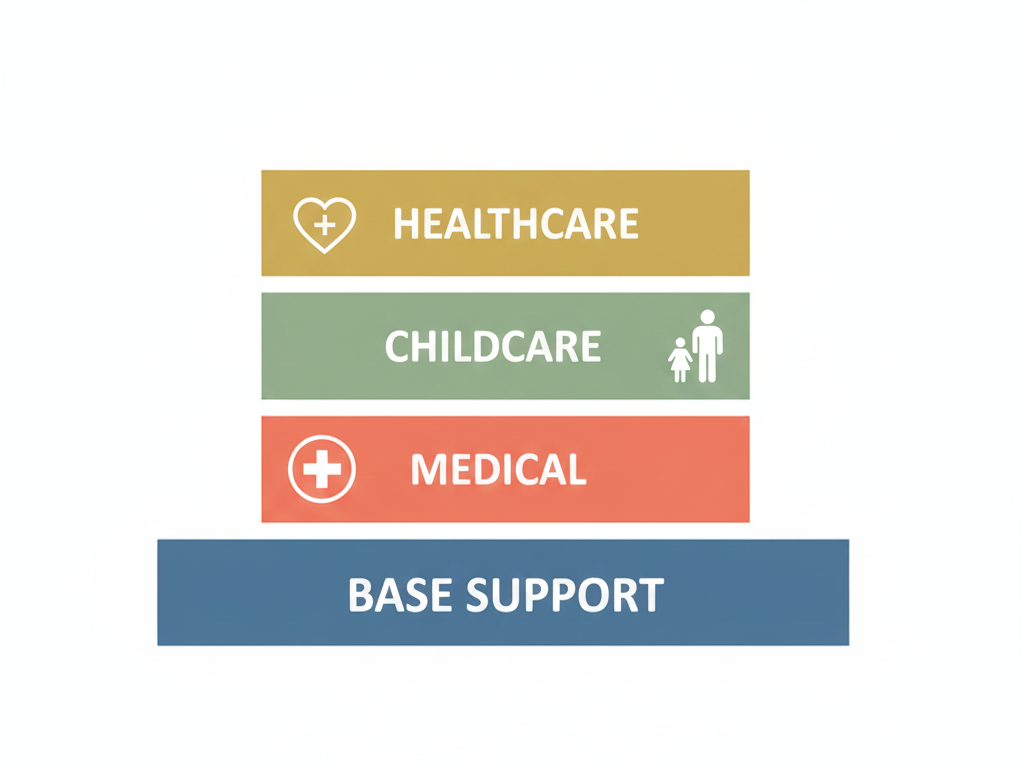
    A better divorce starts with better decisions. In this episode, I sit down with the team at Reignite Resilience to dig into the four pillars of divorce and explain why three of them are actually money conversations in disguise.

    We also talk about how relying on the courts to resolve the issues of your divorce can be unpredictable and why mediation gives couples a faster, clearer path to outcomes they can actually live with.

    [/fusion_text][fusion_code]PGRpdiBjbGFzcz0ic3BvdGlmeS1lbWJlZC1jb250YWluZXIiPgogIDxpZnJhbWUgCiAgICBkYXRhLXRlc3RpZD0iZW1iZWQtaWZyYW1lIiAKICAgIHNyYz0iaHR0cHM6Ly9vcGVuLnNwb3RpZnkuY29tL2VtYmVkL2VwaXNvZGUvMVVHNEJaVVdncTlmWlIzdlBzZ1lacj91dG1fc291cmNlPWdlbmVyYXRvciZ0aGVtZT0wJnQ9MCIgCiAgICBmcmFtZUJvcmRlcj0iMCIgCiAgICBhbGxvd2Z1bGxzY3JlZW49IiIgCiAgICBhbGxvdz0iYXV0b3BsYXk7IGNsaXBib2FyZC13cml0ZTsgZW5jcnlwdGVkLW1lZGlhOyBmdWxsc2NyZWVuOyBwaWN0dXJlLWluLXBpY3R1cmUiIAogICAgbG9hZGluZz0ibGF6eSI+CiAgPC9pZnJhbWU+CjwvZGl2Pgo8c3R5bGU+Ci5zcG90aWZ5LWVtYmVkLWNvbnRhaW5lciB7CiAgcG9zaXRpb246IHJlbGF0aXZlOwogIHdpZHRoOiAxMDAlOwogIG1heC13aWR0aDogMTAwJTsKICBib3JkZXItcmFkaXVzOiAxMnB4OwogIG92ZXJmbG93OiBoaWRkZW47Cn0KLnNwb3RpZnktZW1iZWQtY29udGFpbmVyIGlmcmFtZSB7CiAgd2lkdGg6IDEwMCU7CiAgaGVpZ2h0OiAzNTJweDsKICBib3JkZXI6IDA7Cn0KLyogRm9yIHNtYWxsZXIgc2NyZWVucyAqLwpAbWVkaWEgKG1heC13aWR0aDogNzY4cHgpIHsKICAuc3BvdGlmeS1lbWJlZC1jb250YWluZXIgaWZyYW1lIHsKICAgIGhlaWdodDogMTUycHg7IC8qIFNwb3RpZnkncyBjb21wYWN0IGhlaWdodCAqLwogIH0KfQo8L3N0eWxlPg==[/fusion_code][fusion_text columns=”” column_min_width=”” column_spacing=”” rule_style=”” rule_size=”” rule_color=”” hue=”” saturation=”” lightness=”” alpha=”” user_select=”” awb-switch-editor-focus=”” content_alignment_medium=”” content_alignment_small=”left” content_alignment=”left” hide_on_mobile=”small-visibility,medium-visibility,large-visibility” sticky_display=”normal,sticky” class=”” id=”” width_medium=”” width_small=”” width=”” min_width_medium=”” min_width_small=”” min_width=”” max_width_medium=”” max_width_small=”” max_width=”” margin_top=”30px” margin_right=”” margin_bottom=”15px” margin_left=”” fusion_font_family_text_font=”” fusion_font_variant_text_font=”” font_size=”16px” line_height=”” letter_spacing=”” text_transform=”” text_color=”var(–awb-color6)” animation_type=”fade” animation_direction=”static” animation_color=”” animation_speed=”1.0″ animation_delay=”0.5″ animation_offset=”” logics=””]

    Disclaimer

    [/fusion_text][fusion_text columns=”” column_min_width=”” column_spacing=”” rule_style=”” rule_size=”” rule_color=”” hue=”” saturation=”” lightness=”” alpha=”” user_select=”” awb-switch-editor-focus=”” content_alignment_medium=”” content_alignment_small=”left” content_alignment=”left” disable_idd=”no” hide_on_mobile=”small-visibility,medium-visibility,large-visibility” sticky_display=”normal,sticky” class=”” id=”” width_medium=”” width_small=”” width=”” min_width_medium=”” min_width_small=”” min_width=”” max_width_medium=”” max_width_small=”” max_width=”” margin_top_medium=”” margin_right_medium=”” margin_bottom_medium=”” margin_left_medium=”” margin_top_small=”” margin_right_small=”” margin_bottom_small=”” margin_left_small=”” margin_top=”0px” margin_right=”” margin_bottom=”” margin_left=”” fusion_font_family_text_font=”” fusion_font_variant_text_font=”” font_size=”16px” line_height=”” letter_spacing=”” text_transform=”” text_color=”var(–awb-color6)” animation_type=”fade” animation_direction=”static” animation_color=”” animation_speed=”1.0″ animation_delay=”0.5″ animation_offset=”” logics=””]

    Anything discussed in this podcast should not be construed as legal, financial, or emotional advice. It is for informational purposes only. If you are in need of such advice you MUST seek the guidance of a qualified professional where you live.

    [/fusion_text][fusion_text columns=”” column_min_width=”” column_spacing=”” rule_style=”” rule_size=”” rule_color=”” hue=”” saturation=”” lightness=”” alpha=”” user_select=”” awb-switch-editor-focus=”” content_alignment_medium=”” content_alignment_small=”” content_alignment=”” disable_idd=”no” hide_on_mobile=”small-visibility,medium-visibility,large-visibility” sticky_display=”normal,sticky” class=”” id=”” width_medium=”” width_small=”” width=”” min_width_medium=”” min_width_small=”” min_width=”” max_width_medium=”” max_width_small=”” max_width=”” margin_top_medium=”” margin_right_medium=”” margin_bottom_medium=”” margin_left_medium=”” margin_top_small=”” margin_right_small=”” margin_bottom_small=”” margin_left_small=”” margin_top=”” margin_right=”” margin_bottom=”” margin_left=”” fusion_font_family_text_font=”” fusion_font_variant_text_font=”” font_size=”” line_height=”” letter_spacing=”” text_transform=”” text_color=”” animation_type=”” animation_direction=”left” animation_color=”” animation_speed=”0.3″ animation_delay=”0″ animation_offset=”” logics=””]

    Transcript unavailable.

    [/fusion_text][/fusion_builder_column][/fusion_builder_row][/fusion_builder_container][fusion_global id=”2082″]

  • Podcast: Mediation – The Divorce Option Most People Don’t Know About

    Podcast: Mediation – The Divorce Option Most People Don’t Know About

    [fusion_builder_container type=”flex” hundred_percent=”no” hundred_percent_height=”no” min_height_medium=”” min_height_small=”” min_height=”” hundred_percent_height_scroll=”no” align_content=”stretch” flex_align_items=”flex-start” flex_justify_content=”flex-start” flex_wrap_medium=”” flex_wrap_small=”” flex_wrap=”wrap” flex_column_spacing=”” hundred_percent_height_center_content=”yes” equal_height_columns=”no” container_tag=”div” menu_anchor=”” hide_on_mobile=”small-visibility,medium-visibility,large-visibility” status=”published” publish_date=”” class=”” id=”” margin_top_medium=”” margin_bottom_medium=”” margin_top_small=”” margin_bottom_small=”” margin_top=”60px” margin_bottom=”” padding_top_medium=”” padding_right_medium=”” padding_bottom_medium=”” padding_left_medium=”” padding_top_small=”” padding_right_small=”” padding_bottom_small=”” padding_left_small=”” padding_top=”” padding_right=”” padding_bottom=”” padding_left=”” link_hover_color=”” hue=”” saturation=”” lightness=”” alpha=”” link_color=”” border_sizes_top=”” border_sizes_right=”” border_sizes_bottom=”” border_sizes_left=”” border_color=”” border_style=”solid” border_radius_top_left=”” border_radius_top_right=”” border_radius_bottom_right=”” border_radius_bottom_left=”” box_shadow=”no” box_shadow_vertical=”” box_shadow_horizontal=”” box_shadow_blur=”0″ box_shadow_spread=”0″ box_shadow_color=”” box_shadow_style=”” z_index=”” overflow=”” background_color_medium=”” background_color_small=”” background_color=”” gradient_start_color=”” gradient_end_color=”” gradient_start_position=”0″ gradient_end_position=”100″ gradient_type=”linear” radial_direction=”center center” linear_angle=”180″ background_image_medium=”” background_image_small=”” background_image=”” skip_lazy_load=”” background_position_medium=”” background_position_small=”” background_position=”center center” background_repeat_medium=”” background_repeat_small=”” background_repeat=”no-repeat” background_size_medium=”” background_size_small=”” background_size=”” background_custom_size=”” background_custom_size_medium=”” background_custom_size_small=”” fade=”no” background_parallax=”none” enable_mobile=”no” parallax_speed=”0.3″ background_blend_mode_medium=”” background_blend_mode_small=”” background_blend_mode=”none” background_slider_images=”” background_slider_position=”” background_slider_skip_lazy_loading=”no” background_slider_loop=”yes” background_slider_pause_on_hover=”no” background_slider_slideshow_speed=”5000″ background_slider_animation=”fade” background_slider_direction=”up” background_slider_animation_speed=”800″ background_slider_blend_mode=”” video_mp4=”” video_webm=”” video_ogv=”” video_url=”” video_aspect_ratio=”16:9″ video_loop=”yes” video_mute=”yes” video_preview_image=”” pattern_bg=”none” pattern_custom_bg=”” pattern_bg_color=”” pattern_bg_style=”default” pattern_bg_opacity=”100″ pattern_bg_size=”” pattern_bg_blend_mode=”normal” mask_bg=”none” mask_custom_bg=”” mask_bg_color=”” mask_bg_accent_color=”” mask_bg_style=”default” mask_bg_opacity=”100″ mask_bg_transform=”left” mask_bg_blend_mode=”normal” render_logics=”” logics=”” absolute=”off” absolute_devices=”small,medium,large” sticky=”off” sticky_devices=”small-visibility,medium-visibility,large-visibility” sticky_background_color=”” sticky_height=”” sticky_offset=”” sticky_transition_offset=”0″ scroll_offset=”0″ animation_type=”” animation_direction=”left” animation_color=”” animation_speed=”0.3″ animation_delay=”0″ animation_offset=”” filter_hue=”0″ filter_saturation=”100″ filter_brightness=”100″ filter_contrast=”100″ filter_invert=”0″ filter_sepia=”0″ filter_opacity=”100″ filter_blur=”0″ filter_hue_hover=”0″ filter_saturation_hover=”100″ filter_brightness_hover=”100″ filter_contrast_hover=”100″ filter_invert_hover=”0″ filter_sepia_hover=”0″ filter_opacity_hover=”100″ filter_blur_hover=”0″][fusion_builder_row][fusion_builder_column type=”1_1″ layout=”1_1″ align_self=”auto” content_layout=”column” align_content=”flex-start” valign_content=”flex-start” content_wrap=”wrap” spacing=”” center_content=”no” column_tag=”div” link=”” target=”_self” link_description=”” min_height=”” hide_on_mobile=”small-visibility,medium-visibility,large-visibility” sticky_display=”normal,sticky” class=”” id=”” type_medium=”” type_small=”” flex_grow_medium=”” flex_grow_small=”” flex_grow=”” flex_shrink_medium=”” flex_shrink_small=”” flex_shrink=”” order_medium=”0″ order_small=”0″ dimension_spacing_medium=”” dimension_spacing_small=”” dimension_spacing=”” dimension_margin_medium=”” dimension_margin_small=”” margin_top=”” margin_bottom=”” padding_medium=”” padding_small=”” padding_top=”” padding_right=”” padding_bottom=”” padding_left=”” hover_type=”none” border_sizes=”” border_color_hover=”” border_color=”” border_style=”solid” border_radius=”” box_shadow=”no” dimension_box_shadow=”” box_shadow_blur=”0″ box_shadow_spread=”0″ box_shadow_color=”” box_shadow_style=”” z_index_hover=”” z_index=”” overflow=”” background_type=”single” background_color_medium=”” background_color_small=”” background_color_medium_hover=”” background_color_small_hover=”” background_color_hover=”” background_color=”” gradient_start_color=”” gradient_end_color=”” gradient_start_position=”0″ gradient_end_position=”100″ gradient_type=”linear” radial_direction=”center center” linear_angle=”180″ background_image_medium=”” background_image_small=”” background_image=”” background_image_id_medium=”” background_image_id_small=”” background_image_id=”” lazy_load=”none” skip_lazy_load=”” background_position_medium=”” background_position_small=”” background_position=”left top” background_repeat_medium=”” background_repeat_small=”” background_repeat=”no-repeat” background_size_medium=”” background_size_small=”” background_size=”” background_custom_size=”” background_custom_size_medium=”” background_custom_size_small=”” background_blend_mode_medium=”” background_blend_mode_small=”” background_blend_mode=”none” background_slider_images=”” background_slider_position=”” background_slider_skip_lazy_loading=”no” background_slider_loop=”yes” background_slider_pause_on_hover=”no” background_slider_slideshow_speed=”5000″ background_slider_animation=”fade” background_slider_direction=”up” background_slider_animation_speed=”800″ background_slider_blend_mode=”” render_logics=”” sticky=”off” sticky_devices=”small-visibility,medium-visibility,large-visibility” sticky_offset=”” absolute=”off” absolute_props=”” filter_type=”regular” filter_hover_element=”self” filter_hue=”0″ filter_saturation=”100″ filter_brightness=”100″ filter_contrast=”100″ filter_invert=”0″ filter_sepia=”0″ filter_opacity=”100″ filter_blur=”0″ filter_hue_hover=”0″ filter_saturation_hover=”100″ filter_brightness_hover=”100″ filter_contrast_hover=”100″ filter_invert_hover=”0″ filter_sepia_hover=”0″ filter_opacity_hover=”100″ filter_blur_hover=”0″ transform_type=”regular” transform_hover_element=”self” transform_scale_x=”1″ transform_scale_y=”1″ transform_translate_x=”0″ transform_translate_y=”0″ transform_rotate=”0″ transform_skew_x=”0″ transform_skew_y=”0″ transform_scale_x_hover=”1″ transform_scale_y_hover=”1″ transform_translate_x_hover=”0″ transform_translate_y_hover=”0″ transform_rotate_hover=”0″ transform_skew_x_hover=”0″ transform_skew_y_hover=”0″ transform_origin=”” transition_duration=”300″ transition_easing=”ease” transition_custom_easing=”” motion_effects=”” scroll_motion_devices=”small-visibility,medium-visibility,large-visibility” animation_type=”” animation_direction=”left” animation_color=”” animation_speed=”0.3″ animation_delay=”0″ animation_offset=”” last=”true” border_position=”all” first=”true”][fusion_text columns=”” column_min_width=”” column_spacing=”” rule_style=”” rule_size=”” rule_color=”” hue=”” saturation=”” lightness=”” alpha=”” user_select=”” awb-switch-editor-focus=”” content_alignment_medium=”” content_alignment_small=”left” content_alignment=”left” disable_idd=”no” hide_on_mobile=”small-visibility,medium-visibility,large-visibility” sticky_display=”normal,sticky” class=”” id=”” width_medium=”” width_small=”” width=”” min_width_medium=”” min_width_small=”” min_width=”” max_width_medium=”” max_width_small=”” max_width=”” margin_top_medium=”” margin_right_medium=”” margin_bottom_medium=”” margin_left_medium=”” margin_top_small=”” margin_right_small=”” margin_bottom_small=”” margin_left_small=”” margin_top=”” margin_right=”” margin_bottom=”90px” margin_left=”” fusion_font_family_text_font=”” fusion_font_variant_text_font=”” font_size=”16px” line_height=”” letter_spacing=”” text_transform=”” text_color=”var(–awb-color6)” animation_type=”fade” animation_direction=”static” animation_color=”” animation_speed=”1.0″ animation_delay=”0.5″ animation_offset=”” logics=””]

    As someone who has been practicing mediation for more than 25 years, I always assumed everyone knew about divorce mediation. But after being a guest on Christopher’s podcast, I learned that’s not exactly the case.

    During our conversation I was able to share with Christopher that there is a more peaceful and cost effective alternative to an attorney driven divorce. And that is divorce mediation. He himself had been divorced and had no idea that he could have gotten a divorce without a lawyer.

    As the conversation unfolded it was my hope that Christopher understood why mediation is the preferred alternative to a knock down drag out courtroom battle. If you’re really not sure what mediation is or you’re on the fence, check out my latest appearance and listen to the podcast.

    [/fusion_text][fusion_code]PGRpdiBjbGFzcz0ic3BvdGlmeS1lbWJlZC1jb250YWluZXIiPgogIDxpZnJhbWUgCiAgICBkYXRhLXRlc3RpZD0iZW1iZWQtaWZyYW1lIiAKICAgIHNyYz0iaHR0cHM6Ly9vcGVuLnNwb3RpZnkuY29tL2VtYmVkL2VwaXNvZGUvMnMyZDdDUkZkSHRQcjg4aE9rQ2Z1VD91dG1fc291cmNlPWdlbmVyYXRvciZ0aGVtZT0wJnQ9MCIgCiAgICBmcmFtZUJvcmRlcj0iMCIgCiAgICBhbGxvd2Z1bGxzY3JlZW49IiIgCiAgICBhbGxvdz0iYXV0b3BsYXk7IGNsaXBib2FyZC13cml0ZTsgZW5jcnlwdGVkLW1lZGlhOyBmdWxsc2NyZWVuOyBwaWN0dXJlLWluLXBpY3R1cmUiIAogICAgbG9hZGluZz0ibGF6eSI+CiAgPC9pZnJhbWU+CjwvZGl2PgoKPHN0eWxlPgouc3BvdGlmeS1lbWJlZC1jb250YWluZXIgewogIHBvc2l0aW9uOiByZWxhdGl2ZTsKICB3aWR0aDogMTAwJTsKICBtYXgtd2lkdGg6IDEwMCU7CiAgYm9yZGVyLXJhZGl1czogMTJweDsKICBvdmVyZmxvdzogaGlkZGVuOwp9Cgouc3BvdGlmeS1lbWJlZC1jb250YWluZXIgaWZyYW1lIHsKICB3aWR0aDogMTAwJTsKICBoZWlnaHQ6IDM1MnB4OwogIGJvcmRlcjogMDsKfQoKLyogRm9yIHNtYWxsZXIgc2NyZWVucyAqLwpAbWVkaWEgKG1heC13aWR0aDogNzY4cHgpIHsKICAuc3BvdGlmeS1lbWJlZC1jb250YWluZXIgaWZyYW1lIHsKICAgIGhlaWdodDogMTUycHg7IC8qIFNwb3RpZnkncyBjb21wYWN0IGhlaWdodCAqLwogIH0KfQo8L3N0eWxlPg==[/fusion_code][fusion_text columns=”” column_min_width=”” column_spacing=”” rule_style=”” rule_size=”” rule_color=”” hue=”” saturation=”” lightness=”” alpha=”” user_select=”” awb-switch-editor-focus=”” content_alignment_medium=”” content_alignment_small=”left” content_alignment=”left” hide_on_mobile=”small-visibility,medium-visibility,large-visibility” sticky_display=”normal,sticky” class=”” id=”” width_medium=”” width_small=”” width=”” min_width_medium=”” min_width_small=”” min_width=”” max_width_medium=”” max_width_small=”” max_width=”” margin_top=”30px” margin_right=”” margin_bottom=”15px” margin_left=”” fusion_font_family_text_font=”” fusion_font_variant_text_font=”” font_size=”16px” line_height=”” letter_spacing=”” text_transform=”” text_color=”var(–awb-color6)” animation_type=”fade” animation_direction=”static” animation_color=”” animation_speed=”1.0″ animation_delay=”0.5″ animation_offset=”” logics=””]

    Disclaimer

    [/fusion_text][fusion_text columns=”” column_min_width=”” column_spacing=”” rule_style=”” rule_size=”” rule_color=”” hue=”” saturation=”” lightness=”” alpha=”” user_select=”” awb-switch-editor-focus=”” content_alignment_medium=”” content_alignment_small=”left” content_alignment=”left” disable_idd=”no” hide_on_mobile=”small-visibility,medium-visibility,large-visibility” sticky_display=”normal,sticky” class=”” id=”” width_medium=”” width_small=”” width=”” min_width_medium=”” min_width_small=”” min_width=”” max_width_medium=”” max_width_small=”” max_width=”” margin_top_medium=”” margin_right_medium=”” margin_bottom_medium=”” margin_left_medium=”” margin_top_small=”” margin_right_small=”” margin_bottom_small=”” margin_left_small=”” margin_top=”0px” margin_right=”” margin_bottom=”” margin_left=”” fusion_font_family_text_font=”” fusion_font_variant_text_font=”” font_size=”16px” line_height=”” letter_spacing=”” text_transform=”” text_color=”var(–awb-color6)” animation_type=”fade” animation_direction=”static” animation_color=”” animation_speed=”1.0″ animation_delay=”0.5″ animation_offset=”” logics=””]

    Anything discussed in this podcast should not be construed as legal, financial, or emotional advice. It is for informational purposes only. If you are in need of such advice you MUST seek the guidance of a qualified professional where you live.

    [/fusion_text][fusion_text columns=”” column_min_width=”” column_spacing=”” rule_style=”” rule_size=”” rule_color=”” hue=”” saturation=”” lightness=”” alpha=”” user_select=”” awb-switch-editor-focus=”” content_alignment_medium=”” content_alignment_small=”” content_alignment=”” disable_idd=”no” hide_on_mobile=”small-visibility,medium-visibility,large-visibility” sticky_display=”normal,sticky” class=”” id=”” width_medium=”” width_small=”” width=”” min_width_medium=”” min_width_small=”” min_width=”” max_width_medium=”” max_width_small=”” max_width=”” margin_top_medium=”” margin_right_medium=”” margin_bottom_medium=”” margin_left_medium=”” margin_top_small=”” margin_right_small=”” margin_bottom_small=”” margin_left_small=”” margin_top=”” margin_right=”” margin_bottom=”” margin_left=”” fusion_font_family_text_font=”” fusion_font_variant_text_font=”” font_size=”” line_height=”” letter_spacing=”” text_transform=”” text_color=”” animation_type=”” animation_direction=”left” animation_color=”” animation_speed=”0.3″ animation_delay=”0″ animation_offset=”” logics=””]

    Transcript unavailable.

    [/fusion_text][/fusion_builder_column][/fusion_builder_row][/fusion_builder_container][fusion_global id=”2082″]

  • Podcast: Divorce When You Have Complicated Kids

    Podcast: Divorce When You Have Complicated Kids

    [fusion_builder_container type=”flex” hundred_percent=”no” hundred_percent_height=”no” min_height_medium=”” min_height_small=”” min_height=”” hundred_percent_height_scroll=”no” align_content=”stretch” flex_align_items=”flex-start” flex_justify_content=”flex-start” flex_wrap_medium=”” flex_wrap_small=”” flex_wrap=”wrap” flex_column_spacing=”” hundred_percent_height_center_content=”yes” equal_height_columns=”no” container_tag=”div” menu_anchor=”” hide_on_mobile=”small-visibility,medium-visibility,large-visibility” status=”published” publish_date=”” class=”” id=”” margin_top_medium=”” margin_bottom_medium=”” margin_top_small=”” margin_bottom_small=”” margin_top=”60px” margin_bottom=”” padding_top_medium=”” padding_right_medium=”” padding_bottom_medium=”” padding_left_medium=”” padding_top_small=”” padding_right_small=”” padding_bottom_small=”” padding_left_small=”” padding_top=”” padding_right=”” padding_bottom=”” padding_left=”” link_hover_color=”” hue=”” saturation=”” lightness=”” alpha=”” link_color=”” border_sizes_top=”” border_sizes_right=”” border_sizes_bottom=”” border_sizes_left=”” border_color=”” border_style=”solid” border_radius_top_left=”” border_radius_top_right=”” border_radius_bottom_right=”” border_radius_bottom_left=”” box_shadow=”no” box_shadow_vertical=”” box_shadow_horizontal=”” box_shadow_blur=”0″ box_shadow_spread=”0″ box_shadow_color=”” box_shadow_style=”” z_index=”” overflow=”” background_color_medium=”” background_color_small=”” background_color=”” gradient_start_color=”” gradient_end_color=”” gradient_start_position=”0″ gradient_end_position=”100″ gradient_type=”linear” radial_direction=”center center” linear_angle=”180″ background_image_medium=”” background_image_small=”” background_image=”” skip_lazy_load=”” background_position_medium=”” background_position_small=”” background_position=”center center” background_repeat_medium=”” background_repeat_small=”” background_repeat=”no-repeat” background_size_medium=”” background_size_small=”” background_size=”” background_custom_size=”” background_custom_size_medium=”” background_custom_size_small=”” fade=”no” background_parallax=”none” enable_mobile=”no” parallax_speed=”0.3″ background_blend_mode_medium=”” background_blend_mode_small=”” background_blend_mode=”none” background_slider_images=”” background_slider_position=”” background_slider_skip_lazy_loading=”no” background_slider_loop=”yes” background_slider_pause_on_hover=”no” background_slider_slideshow_speed=”5000″ background_slider_animation=”fade” background_slider_direction=”up” background_slider_animation_speed=”800″ background_slider_blend_mode=”” video_mp4=”” video_webm=”” video_ogv=”” video_url=”” video_aspect_ratio=”16:9″ video_loop=”yes” video_mute=”yes” video_preview_image=”” pattern_bg=”none” pattern_custom_bg=”” pattern_bg_color=”” pattern_bg_style=”default” pattern_bg_opacity=”100″ pattern_bg_size=”” pattern_bg_blend_mode=”normal” mask_bg=”none” mask_custom_bg=”” mask_bg_color=”” mask_bg_accent_color=”” mask_bg_style=”default” mask_bg_opacity=”100″ mask_bg_transform=”left” mask_bg_blend_mode=”normal” render_logics=”” logics=”” absolute=”off” absolute_devices=”small,medium,large” sticky=”off” sticky_devices=”small-visibility,medium-visibility,large-visibility” sticky_background_color=”” sticky_height=”” sticky_offset=”” sticky_transition_offset=”0″ scroll_offset=”0″ animation_type=”” animation_direction=”left” animation_color=”” animation_speed=”0.3″ animation_delay=”0″ animation_offset=”” filter_hue=”0″ filter_saturation=”100″ filter_brightness=”100″ filter_contrast=”100″ filter_invert=”0″ filter_sepia=”0″ filter_opacity=”100″ filter_blur=”0″ filter_hue_hover=”0″ filter_saturation_hover=”100″ filter_brightness_hover=”100″ filter_contrast_hover=”100″ filter_invert_hover=”0″ filter_sepia_hover=”0″ filter_opacity_hover=”100″ filter_blur_hover=”0″][fusion_builder_row][fusion_builder_column type=”1_1″ layout=”1_1″ align_self=”auto” content_layout=”column” align_content=”flex-start” valign_content=”flex-start” content_wrap=”wrap” spacing=”” center_content=”no” column_tag=”div” link=”” target=”_self” link_description=”” min_height=”” hide_on_mobile=”small-visibility,medium-visibility,large-visibility” sticky_display=”normal,sticky” class=”” id=”” type_medium=”” type_small=”” flex_grow_medium=”” flex_grow_small=”” flex_grow=”” flex_shrink_medium=”” flex_shrink_small=”” flex_shrink=”” order_medium=”0″ order_small=”0″ dimension_spacing_medium=”” dimension_spacing_small=”” dimension_spacing=”” dimension_margin_medium=”” dimension_margin_small=”” margin_top=”” margin_bottom=”” padding_medium=”” padding_small=”” padding_top=”” padding_right=”” padding_bottom=”” padding_left=”” hover_type=”none” border_sizes=”” border_color_hover=”” border_color=”” border_style=”solid” border_radius=”” box_shadow=”no” dimension_box_shadow=”” box_shadow_blur=”0″ box_shadow_spread=”0″ box_shadow_color=”” box_shadow_style=”” z_index_hover=”” z_index=”” overflow=”” background_type=”single” background_color_medium=”” background_color_small=”” background_color_medium_hover=”” background_color_small_hover=”” background_color_hover=”” background_color=”” gradient_start_color=”” gradient_end_color=”” gradient_start_position=”0″ gradient_end_position=”100″ gradient_type=”linear” radial_direction=”center center” linear_angle=”180″ background_image_medium=”” background_image_small=”” background_image=”” background_image_id_medium=”” background_image_id_small=”” background_image_id=”” lazy_load=”none” skip_lazy_load=”” background_position_medium=”” background_position_small=”” background_position=”left top” background_repeat_medium=”” background_repeat_small=”” background_repeat=”no-repeat” background_size_medium=”” background_size_small=”” background_size=”” background_custom_size=”” background_custom_size_medium=”” background_custom_size_small=”” background_blend_mode_medium=”” background_blend_mode_small=”” background_blend_mode=”none” background_slider_images=”” background_slider_position=”” background_slider_skip_lazy_loading=”no” background_slider_loop=”yes” background_slider_pause_on_hover=”no” background_slider_slideshow_speed=”5000″ background_slider_animation=”fade” background_slider_direction=”up” background_slider_animation_speed=”800″ background_slider_blend_mode=”” render_logics=”” sticky=”off” sticky_devices=”small-visibility,medium-visibility,large-visibility” sticky_offset=”” absolute=”off” absolute_props=”” filter_type=”regular” filter_hover_element=”self” filter_hue=”0″ filter_saturation=”100″ filter_brightness=”100″ filter_contrast=”100″ filter_invert=”0″ filter_sepia=”0″ filter_opacity=”100″ filter_blur=”0″ filter_hue_hover=”0″ filter_saturation_hover=”100″ filter_brightness_hover=”100″ filter_contrast_hover=”100″ filter_invert_hover=”0″ filter_sepia_hover=”0″ filter_opacity_hover=”100″ filter_blur_hover=”0″ transform_type=”regular” transform_hover_element=”self” transform_scale_x=”1″ transform_scale_y=”1″ transform_translate_x=”0″ transform_translate_y=”0″ transform_rotate=”0″ transform_skew_x=”0″ transform_skew_y=”0″ transform_scale_x_hover=”1″ transform_scale_y_hover=”1″ transform_translate_x_hover=”0″ transform_translate_y_hover=”0″ transform_rotate_hover=”0″ transform_skew_x_hover=”0″ transform_skew_y_hover=”0″ transform_origin=”” transition_duration=”300″ transition_easing=”ease” transition_custom_easing=”” motion_effects=”” scroll_motion_devices=”small-visibility,medium-visibility,large-visibility” animation_type=”” animation_direction=”left” animation_color=”” animation_speed=”0.3″ animation_delay=”0″ animation_offset=”” last=”true” border_position=”all” first=”true”][fusion_text columns=”” column_min_width=”” column_spacing=”” rule_style=”” rule_size=”” rule_color=”” hue=”” saturation=”” lightness=”” alpha=”” user_select=”” awb-switch-editor-focus=”” content_alignment_medium=”” content_alignment_small=”left” content_alignment=”left” disable_idd=”no” hide_on_mobile=”small-visibility,medium-visibility,large-visibility” sticky_display=”normal,sticky” class=”” id=”” width_medium=”” width_small=”” width=”” min_width_medium=”” min_width_small=”” min_width=”” max_width_medium=”” max_width_small=”” max_width=”” margin_top_medium=”” margin_right_medium=”” margin_bottom_medium=”” margin_left_medium=”” margin_top_small=”” margin_right_small=”” margin_bottom_small=”” margin_left_small=”” margin_top=”” margin_right=”” margin_bottom=”90px” margin_left=”” fusion_font_family_text_font=”” fusion_font_variant_text_font=”” font_size=”16px” line_height=”” letter_spacing=”” text_transform=”” text_color=”var(–awb-color6)” animation_type=”fade” animation_direction=”static” animation_color=”” animation_speed=”1.0″ animation_delay=”0.5″ animation_offset=”” logics=””]

    Going through a divorce with children is difficult enough. But when you involve children with special needs, things get really complicated.

    How do you handle parenting time and caretaking? When does child support end, if ever? What about your children’s education? Emancipation? Will stay at home caregiver need alimony for an extended period of time since they may be unable to work? And what do you do with the marital home when stability is extremely important with a complicated kid?

    In this episode, Joe had the privilege of sitting down with Gabriel Nicolet of the Complicated Kids podcast to discuss the special considerations couples need to be aware of when going through a divorce with complicated kids.

    [/fusion_text][fusion_code]PCFET0NUWVBFIGh0bWw+CjxodG1sIGxhbmc9ImVuIj4KPGhlYWQ+CiAgICA8bWV0YSBjaGFyc2V0PSJVVEYtOCI+CiAgICA8bWV0YSBuYW1lPSJ2aWV3cG9ydCIgY29udGVudD0id2lkdGg9ZGV2aWNlLXdpZHRoLCBpbml0aWFsLXNjYWxlPTEuMCI+CiAgICA8dGl0bGU+UmVzcG9uc2l2ZSBZb3VUdWJlIFZpZGVvIFBsYXllcjwvdGl0bGU+CiAgICA8c3R5bGU+CiAgICAgICAgLyogQ29udGFpbmVyIGZvciB0aGUgdmlkZW8gLSBtYWludGFpbnMgMTY6OSBhc3BlY3QgcmF0aW8gKi8KICAgICAgICAudmlkZW8tY29udGFpbmVyIHsKICAgICAgICAgICAgcG9zaXRpb246IHJlbGF0aXZlOwogICAgICAgICAgICB3aWR0aDogMTAwJTsKICAgICAgICAgICAgbWF4LXdpZHRoOiAxMDAlOwogICAgICAgICAgICBwYWRkaW5nLWJvdHRvbTogNTYuMjUlOyAvKiAxNjo5IGFzcGVjdCByYXRpbyAoOS8xNiA9IDAuNTYyNSkgKi8KICAgICAgICAgICAgaGVpZ2h0OiAwOwogICAgICAgICAgICBvdmVyZmxvdzogaGlkZGVuOwogICAgICAgIH0KICAgICAgICAKICAgICAgICAvKiBNYWtlcyB0aGUgaWZyYW1lIGZpbGwgdGhlIGNvbnRhaW5lciB3aGlsZSBtYWludGFpbmluZyBhc3BlY3QgcmF0aW8gKi8KICAgICAgICAudmlkZW8tY29udGFpbmVyIGlmcmFtZSB7CiAgICAgICAgICAgIHBvc2l0aW9uOiBhYnNvbHV0ZTsKICAgICAgICAgICAgdG9wOiAwOwogICAgICAgICAgICBsZWZ0OiAwOwogICAgICAgICAgICB3aWR0aDogMTAwJTsKICAgICAgICAgICAgaGVpZ2h0OiAxMDAlOwogICAgICAgICAgICBib3JkZXI6IDA7CiAgICAgICAgfQogICAgICAgIAogICAgICAgIC8qIE9wdGlvbmFsOiBBZGQgc29tZSBtYXJnaW4vcGFkZGluZyB0byB0aGUgY29udGFpbmVyICovCiAgICAgICAgYm9keSB7CiAgICAgICAgICAgIG1hcmdpbjogMDsKICAgICAgICAgICAgcGFkZGluZzogMjBweDsKICAgICAgICAgICAgZm9udC1mYW1pbHk6IEFyaWFsLCBzYW5zLXNlcmlmOwogICAgICAgIH0KICAgIDwvc3R5bGU+CjwvaGVhZD4KPGJvZHk+CiAgICA8ZGl2IGNsYXNzPSJ2aWRlby1jb250YWluZXIiPgogICAgICAgIDxpZnJhbWUgCiAgICAgICAgICAgIHNyYz0iaHR0cHM6Ly93d3cueW91dHViZS5jb20vZW1iZWQvQklxMUFncTQ4OUkiIAogICAgICAgICAgICB0aXRsZT0iWW91VHViZSB2aWRlbyBwbGF5ZXIiIAogICAgICAgICAgICBhbGxvdz0iYWNjZWxlcm9tZXRlcjsgYXV0b3BsYXk7IGNsaXBib2FyZC13cml0ZTsgZW5jcnlwdGVkLW1lZGlhOyBneXJvc2NvcGU7IHBpY3R1cmUtaW4tcGljdHVyZTsgd2ViLXNoYXJlIiAKICAgICAgICAgICAgYWxsb3dmdWxsc2NyZWVuPgogICAgICAgIDwvaWZyYW1lPgogICAgPC9kaXY+CjwvYm9keT4KPC9odG1sPg==[/fusion_code][fusion_text columns=”” column_min_width=”” column_spacing=”” rule_style=”” rule_size=”” rule_color=”” hue=”” saturation=”” lightness=”” alpha=”” user_select=”” awb-switch-editor-focus=”” content_alignment_medium=”” content_alignment_small=”left” content_alignment=”left” hide_on_mobile=”small-visibility,medium-visibility,large-visibility” sticky_display=”normal,sticky” class=”” id=”” width_medium=”” width_small=”” width=”” min_width_medium=”” min_width_small=”” min_width=”” max_width_medium=”” max_width_small=”” max_width=”” margin_top=”30px” margin_right=”” margin_bottom=”15px” margin_left=”” fusion_font_family_text_font=”” fusion_font_variant_text_font=”” font_size=”16px” line_height=”” letter_spacing=”” text_transform=”” text_color=”var(–awb-color6)” animation_type=”fade” animation_direction=”static” animation_color=”” animation_speed=”1.0″ animation_delay=”0.5″ animation_offset=”” logics=””]

    Disclaimer

    [/fusion_text][fusion_text columns=”” column_min_width=”” column_spacing=”” rule_style=”” rule_size=”” rule_color=”” hue=”” saturation=”” lightness=”” alpha=”” user_select=”” awb-switch-editor-focus=”” content_alignment_medium=”” content_alignment_small=”left” content_alignment=”left” disable_idd=”no” hide_on_mobile=”small-visibility,medium-visibility,large-visibility” sticky_display=”normal,sticky” class=”” id=”” width_medium=”” width_small=”” width=”” min_width_medium=”” min_width_small=”” min_width=”” max_width_medium=”” max_width_small=”” max_width=”” margin_top_medium=”” margin_right_medium=”” margin_bottom_medium=”” margin_left_medium=”” margin_top_small=”” margin_right_small=”” margin_bottom_small=”” margin_left_small=”” margin_top=”0px” margin_right=”” margin_bottom=”” margin_left=”” fusion_font_family_text_font=”” fusion_font_variant_text_font=”” font_size=”16px” line_height=”” letter_spacing=”” text_transform=”” text_color=”var(–awb-color6)” animation_type=”fade” animation_direction=”static” animation_color=”” animation_speed=”1.0″ animation_delay=”0.5″ animation_offset=”” logics=””]

    Anything discussed in this podcast should not be construed as legal, financial, or emotional advice. It is for informational purposes only. If you are in need of such advice you MUST seek the guidance of a qualified professional where you live.

    The episode summary below was provided by the show host.

    [/fusion_text][fusion_text columns=”” column_min_width=”” column_spacing=”” rule_style=”” rule_size=”” rule_color=”” hue=”” saturation=”” lightness=”” alpha=”” user_select=”” awb-switch-editor-focus=”” content_alignment_medium=”” content_alignment_small=”” content_alignment=”” disable_idd=”no” hide_on_mobile=”small-visibility,medium-visibility,large-visibility” sticky_display=”normal,sticky” class=”” id=”” width_medium=”” width_small=”” width=”” min_width_medium=”” min_width_small=”” min_width=”” max_width_medium=”” max_width_small=”” max_width=”” margin_top_medium=”” margin_right_medium=”” margin_bottom_medium=”” margin_left_medium=”” margin_top_small=”” margin_right_small=”” margin_bottom_small=”” margin_left_small=”” margin_top=”” margin_right=”” margin_bottom=”” margin_left=”” fusion_font_family_text_font=”” fusion_font_variant_text_font=”” font_size=”” line_height=”” letter_spacing=”” text_transform=”” text_color=”” animation_type=”” animation_direction=”left” animation_color=”” animation_speed=”0.3″ animation_delay=”0″ animation_offset=”” logics=””]

    Gabriele Nicolet: Hey there and welcome back to the Complicated Kids podcast. I’m your host Gabriele Nicolet. I am a toddler whisperer, a speech therapist, and a parent coach. And today I have Joe Dillon. Joe, welcome.

    Joe Dillon: Hello. Thanks for having me.

    Gabriele Nicolet: Thank you so much for being here. Joe is a divorce mediator. And so we’re going to be talking about divorce today. But before we do that, Joe, tell us something about yourself and how you got into this line of work.

    Joe Dillon: Sure. Well, I guess my parents litigated their divorce when I was a kid, so I’m an only child, so, you know, therapists would have a field day with me. Hey, yeah, gee, what a giant surprise that this guy’s a divorce mediator. Trying to avoid conflict, help people resolve. So at the end of the day, really, my background is finance and negotiation. And so, I have an MBA in finance, and it just seemed like a natural fit for me. When we think about divorce, three of the four issues are clearly financial in nature, and even parenting plans, you know, they have a hand in determining things like child support and property division. So, I always say three and a half of the four issues. And so, I really try to use my background in negotiation and finance to help people avoid, you know, litigated divorces, courtroom battles, you know, help them resolve the issues of the divorce, you know, privately, confidentially, and basically directly face to face. That’s pretty much it.

    Gabriele Nicolet: I love this. Okay. So you’re the person who sits in the middle of the two parties and kind of translates between one and the other so that everybody wants to sign the piece of paper and go about their business.

    Joe Dillon: Yeah, that’s a great way to put it. Translates. As I often say to people, think of me like a UN interpreter. I speak German, I speak French, I speak Italian. Not that I speak any of those languages, but you know, people have different ways of communicating. And part of what we see in a lot of conflicts is that people are frustrated because they’re communicating one way and it’s not being received by the other party and they’re like, “Why don’t you understand me?” It’s like, “Well, because I speak German and you’re yelling at me in French, for example.” So that’s a lot of what I do is trying to help parties understand the other because a lot of times they’re in agreement, they just don’t realize it though.

    Gabriele Nicolet: Have you ever had couples, I’m putting the cart way before the horse here, who go to mediation and decide they don’t want to get divorced?

    Joe Dillon: Very rarely in my years, 17 years in private practice, 28 years mediating. I’d say I’ve had two of those couples, you know, and a lot of the times because, you know, we know in divorce that studies have shown someone who initiates a divorce, according to, you know, research has been thinking about it for two years and one month. So they’ve really been thinking about this. This is usually not a snap decision that somebody’s like, I want a divorce and then that’s it. So they’ve been thinking about it for a while. Probably been in counseling, therapy. And so when you get to the point where you call a mediator or a lawyer, you know, chances are good that you’ve been thinking about it for a while. A lot of people, there’s a misconception. A lot of people think, well, we haven’t tried. And it’s like, well, we’ve been to four marriage counselors and I’ve asked you to do X, Y, and Z for the past five years. I’m done, you know, and so we get mostly that.

    Gabriele Nicolet: Okay. And so one or both of the parties will call you and what happens?

    Joe Dillon: Yeah. So, usually one person reaches out, but because mediation needs to be a mutual decision. Because I advocate for both parties, they need to both be willing to mediate. So, one person will reach out. Usually they’ll speak to my partner, who’s also my wife, Cheryl. She’s our divorce coach, so she helps with the kind of emotional piece of the puzzle. And then they’ll speak to her, you know, 15 minutes and say, you know, get some basic questions answered. And then Cheryl and this person will determine, hey, is mediation a good fit for us? And if it is, then they schedule a one-hour meeting with me. So for me, I’m always meeting with people one-on-two. I never meet one-on-one. I’m a neutral. I work for both people, whereas Cheryl always works one-on-one. So that’s what’ll happen. They’ll meet with me. The three of us decide if mediation is a good fit. If so, you know, they become a client and then we go through our mediation process.

    Gabriele Nicolet: And how long does that particular, how long might that take? Is there an average?

    Joe Dillon: Yeah. You know, end to end. Our kind of shorthand is, you know, lawyer-driven divorces will take two to three years. Mediated divorces will take two to three months. And so, you know, obviously, you know, when you’ve got complicated kids that expands a little bit. Because there’s a lot more depth that needs to be covered and a lot more topics that need to be discussed. But for the most part, you know, we see our clients from the time they become a client, you know, sign the contract to be our client to the time I’m handing them an agreement, I’d say even really on the outside would be four months.

    Okay. So then you know once they finish mediation then of course you know you’re at the mercy of the courts, the system where you live because some states there’s no waiting period and you can get a court date pretty immediately and then some states, for example like where I’m at, California, one of the states we practice in, there’s a six-month waiting period and sometimes it can take them nine months to send you the divorce decree. So it all depends, whereas New Jersey where we also practice you could be, you’re divorced that day when you go into the courtroom. So really, you know, that piece of the puzzle is a little out of our control.

    Gabriele Nicolet: Yeah. You teed it up for me so nicely by mentioning the complicated kids, which is, as you know, what we talk about on this podcast.

    Joe Dillon: Absolutely.

    Gabriele Nicolet: So, how is this equation, the divorce question, the procedures? What is different when, I imagine there are some things that are different when people have children generally. And then what are the differences when those children have, you know, for lack of a better term, special needs, either developmental or medical needs that supersede kind of the regular run-of-the-mill kids stuff. What happens there?

    Joe Dillon: Yeah. So, to answer your question in shorthand, literally everything. So, you know, like it’s the old joke, like how much time do you have, you know? But to keep it manageable so that you know, as we were joking about, people don’t you know fade out and say oh my goodness, this is so much to cover.

    Gabriele Nicolet: Yeah.

    Joe Dillon: You know the thing that the going in position needs to be that we have a complicated child and we as parents need to do anything and everything we can to make sure that child’s needs come first. And of course, as children, and as a mediator, I’m always reminding parents, no matter whether or not their kids are complicated or not, yes, your kids didn’t ask for this. They still view you as mom and dad. Or mom and mom or dad and dad. So, there is no getting around that fact. However, when you’ve got complicated kids, I’ll break it into what I call the four big buckets. And let’s talk a little bit about each of those so that these are things that can get the listeners kind of percolating if they find themselves in this situation and also as a gentle reminder to their soon to be ex-spouse that it’s also going to require some flexibility on their part. All right. So we’ll kind of dig into it.

    The first thing is the parenting plan. Now, as kids get older, we might be more inclined to say, “Yeah, you know, a kid can stay home after high school and be by themselves and, you know, somebody comes home from work at 6:00 and that’s fine.” With a complicated kid, that’s not necessarily the case. So, not only do these kinds of kids need constant supervision, but their parenting time might not be you’re coming home and, you know, watching TV or on your iPad or going to soccer practice. It might be speech therapy, physical therapy. Emotional therapy, all kinds of other types of appointments. So, it’s not necessarily parenting time in the sense of like, yeah, we’re going to go to football practice and I’m going to stand on the sidelines, pick you up, and we’ll go to, you know, the fast food joint down the street for dinner. It’s a lot more complex. So parents need to be aware that when they think about parenting time, they need to understand that that’s not just, oh yeah, I’ll have the kids sleep over my house and, you know, then they’ll get off the bus and I’ll be home at six. So they need to make sure that there’s always coverage and care.

    The other thing that really happens when it comes to parenting is emancipation. So, you know, we all like to think of ourselves as adults. Like I do at least, I don’t feel like it, you know, but sometimes, you know, darn it, somehow I grew up. Got older. But you know, most kids we think of it, graduate high school, go off to college, sure, no problem. Then you live on your own. Special needs or complicated kids may never emancipate. They may always be living at home. They may always need supervision. So when you think about parenting in that regard, that then ties into the next piece, which is child support.

    Typically, most child support guidelines end at, in my shorthand, I call it the September following the graduation from high school. That’s pretty common. You know, 18, 19, somewhere in there.

    Gabriele Nicolet: Okay.

    Joe Dillon: Well, what if these kids don’t graduate high school on time or what if they don’t ever leave the house? They don’t go to college, you know. So, we have to also think how do all those expenses get handled for just day-to-day. Food, shelter, utilities, and then what we in our line call extraordinary expenses, medical expenses. Care expenses, therapy expenses. These are things that typically cut off at age 23, regardless of whether you went to college or not. Most states say, “Look, at some point we say to you, age 23, you join the military, you get married, you get a job, or you graduate from college.” So look at that list. Four of those are maybe like unlikely. Maybe they happen, maybe they don’t. But one of them absolutely, you know, hopefully, fingers crossed, you turn 23. Now what?

    So this child is 23 but really not independent. So we also have to give special consideration to the child support question. All right? Which then parlays into the alimony question. One of the things I hear a lot and this is a classic argument I hear with couples.

    So what I call the parent who worked inside the home because they are not staying at home. Let’s be real clear here. If I had to pay my mom a paycheck for all the crap she put up with, I’d still be paying that loan off 45 years later. You know.

    Gabriele Nicolet: Yeah. Yeah.

    Joe Dillon: Thanks, Mom. You know, owe you my life here. So she worked inside the home, dad worked outside the home. Now, you know, when we have alimony, typically what we see is alimony typically doesn’t last longer than the duration of the marriage. So, let’s say you’ve got a special child and, you know, a complicated kid and they’re seven years old and you’ve been married 10 years and you’re getting a divorce. Do the math on that real quick. You’re going, “This kid’s 17. I’m not going to be able to get a job. I’m not going to be able to be financially independent.” So, special considerations need to be made. This person, even if they have an adult child, may never be able to get a job. They may always be a full-time caregiver. So, again, that has to be taken into account, which then translates into property division.

    One thing we know about complicated kids, and heck, I’m guilty of this as well. I love my routine. I set up my coffee cup on the same spot the night before, by the thing and put the spoon and I, you know, at 6:30 I do this, at 7:30 I do this.

    Gabriele Nicolet: Yeah.

    Joe Dillon: And but now you have a complicated kid and now you’re going to sell your house. No bueno. We need to make sure that we have a stable environment for these kids because change is bad. A lot of times, even for us as adults. You know, change is awkward. It’s uncomfortable. We don’t really want change. And now you’re going to go from, wait, mom and dad are living together and we’re in this house to wait, mom and dad aren’t living together and I’m living somewhere else. Oh boy. And that’s really going to impact development. And we want to create this stable environment for the kids. So sometimes we have what we call nesting plans where we keep the house. And mom and dad rotate in and out or one of them stays there and then the other parent just comes over for dinner for parenting time, stuff like that and then goes back to their place. That’s pretty common.

    But even so, we find ways to keep that home stable the best we can. Of course, finances dictate this. But that does require significant sacrifice from the non-residential parent. If you’re saying to somebody else, look, we have to keep this house. And like I said, I live here in California and real estate is insanity around here. And I had a client with a complicated kid who lives basically in the next town over from me, you know, just by happenstance. And I’m like, I know where you guys live. Like, I know what your house is worth. I know the millions of dollars that it costs to keep houses and buy houses here. So, guess what, other spouse? You’re probably going to be renting a room in someone’s house or have a studio apartment. I know that’s not what you wanted at age 52 years old, but this is where we are now. And they were perfectly fine.

    And in cases like that, the final thing I’ll say, and I appreciate you hanging in there, is that one of the other pieces of the puzzle with kids, just any kids in general, typically when we talk about residence, we talk about the state of the marital residence. So, pick a state you live in. Let’s say Illinois. You live in Illinois and you live in Chicago. And so, you and the, you know, your spouse and your child live there. Chances are good that divorce is going to take place there. And that means that the child doesn’t leave the state of Illinois without written permission and without a good reason.

    And so, we see here in California, for example, people will relocate to Florida because cost of living is lower. And typically, that’s usually a no-no because that isolates one parent. They were like, “Well, I have a job in California or New York or Washington and Seattle.” But I can’t relocate to Florida, but for the, of course, for the special, you know, kids and for their needs, they say, “Okay, we’ll have a different kind of parenting plan. You relocate to Florida. It’s less expensive, and then I’ll come out on summers and holidays and, you know, parents usually make accommodations.” So, I know it’s a long answer to the question and I have to say we’re probably just scratching the surface on that.

    Gabriele Nicolet: It was a very clear surface skim. It was a really great, you know, kind of 10,000-foot view of what you’re looking at. I’m going to encourage the listeners at this point to take a deep breath in. Pause, because this is not happening to me and I’m in no danger of becoming divorced at the moment and it’s a lot. And so if you’ve been listening and your heart rate’s jacked up and you’re like, “Oh my god, oh my god, oh my god.” Just take a beat. You don’t have to do anything today. We’re just listening to information. It’s all okay.

    Joe Dillon: Yeah. And you’re not alone. That’s the important thing. I know a lot of parents of complicated kids feel so isolated, alone, you know, but community is so important as people in general but also working with a professional like me, for example, where it’s like when I get folks like this in my office I’m like, listen, deep breath. Been doing this a long time, this is what I went to school for. You know, I know you guys, it’s a black box. You don’t know what this is all about, that’s why I’m here. So we’ll take it one step at a time. What’s that, what’s there’s an old adage about how do you eat an elephant? One bite at a time.

    Gabriele Nicolet: Yeah, totally.

    Joe Dillon: That’s what this is. That’s really what this is. So that’s, at this point listeners, take a deep breath, you know, you’ll find professionals who can help and walk just step by step. That’s all.

    Gabriele Nicolet: I have two, let’s, I think we’re going to do two more questions and then we are going to wrap up unfortunately because as with many of my guests I was telling you before we hit record I feel like I would like to talk to you all day and find out all the things.

    Joe Dillon: There you go.

    Gabriele Nicolet: In how many states are you able to practice and is there like a normal amount of states that people practice in?

    Joe Dillon: Yeah, typically people will practice in one or two states. We practice in six.

    Gabriele Nicolet: Okay.

    Joe Dillon: And so we practice in Washington, California, Illinois, New York, New Jersey, and Pennsylvania. And really, we pick those states because they tend to be the most mediation friendly. Now there are other states that support mediation, but as you would imagine as a practitioner we want to make sure we understand how things work in a particular state before we go in. Every state has its own guidelines and requirements and their own forms and the way you need to draft agreements. And so we want to make sure that we’re well-versed, we study, we take the courses, you know, we belong to the professional societies and really, you know, dig into that. But I’d say, you know, really one thing you want to understand when you speak to someone is not only are they familiar with complicated kids, but are they familiar with the way things work in the state in which they practice. Because the perfect example is the federal government in 1984, prior to that, child support was the wild west. It was up to the judge. So the judge would just randomly pick a number. So the federal government came in and said, “Hey, states, you have to come up with a repeatable way of calculating child support.”

    Gabriele Nicolet: Mm-hmm.

    Joe Dillon: So, we now have 50 different child support models. Yay. So, nice work everybody, you know. So that really didn’t, it helped a little, I guess, you know. So make sure whoever you’re working with knows what they’re doing where you live. That’s important. I think what I’d love for you to do, tell us a short version, short story about a client either that, because it was particularly challenging and it worked out well or something that was particularly easy and it worked out well, but give us, give us a flavor, give us a story if you will.

    Joe Dillon: Sure. Yeah, absolutely. So, one that comes to mind, client couple I worked with last year, they had a daughter, daughter was, I believe, 26 and daughter was wheelchair bound and really needed full-time care. And so really what wound up happening was the caregiver happened to be the wife and the wife was in a line of work, real estate agent, and so could do that in off time. Didn’t have to go to an office 9 to 5, but the father, the husband, he traveled for his job like three weeks a month. So what wound up happening was it was challenging because on one hand the wife said, I need more help. If you want me to earn an income I need more help. But similarly the husband said, but if I don’t travel, he was on commission, so if I don’t travel I don’t get paid and I can’t support you and our daughter.

    And it was really, it was one of those moments where, you know, you just, your heart broke because they were both really trying. You could just tell like they were both just broken about it. Because they understood and they were just venting their frustrations. And I think that’s also part of what, where this turned out well is we were able to actually for probably one of the first times help them hear each other and say, you know what, you guys are both awesome. Like I was really impressed. I’m like, listen to the two of you, how hard you’re working to put your daughter first. Like how much you’re putting yourselves totally aside and out there.

    And so this couple in this example, they said, “You know what? Let’s move to Florida.” And they actually wound up both moving to Florida. This gentleman, even though he traveled for his job. So he’s always on the road anyway. Now, granted, his territory happened to be in the western part of the United States, but he said, they were in the Miami area. They moved to the Miami area, and he said, “You know what? This is what it’s going to take instead of a, you know, and when I say this, you know, when you talk $2-3 million houses in California, those are 1500 square feet. We’re not talking, you know, palatial estate. That house in Florida is $450,000 currently.”

    So they were able to sell their home, bank those proceeds, buy a home for the mother and the daughter in cash, fly out of Miami back and forth and they were able to at least during the week he was home, he went over and lived at the house with mom and the daughter and was the caregiver and arranged to work from home. So, it was really out of the box thinking. They really uprooted their life. They really put the needs of their daughter first. And I got to say like salute, hats off. That was one of those like bravo you guys, like I’m proud to be working with you because this is what it means to put kids first. It’s not easy. And it requires a lot of sacrifice and a lot of change. But they were able to do it. And I’m always loath to check in on people. But that’s a couple that like you’d like to reach back out to and be like, “How are you guys doing?” You know, you don’t really want to hear from your divorce mediator, but you know, I always think of those folks. When people go above and beyond to do something like that, it means a lot to me that they do that because I know how hard it is. So, that’s a good story, I guess, to kind of end our time here.

    Gabriele Nicolet: I love that and it makes me think what you said very briefly about your wife and maybe she’d like to come on and talk about her side of this work because it does, I imagine that it requires a fair amount of coaching. Maybe more for others, less for others, but for some, but to really get those priorities into a lens and an order where one has clarity about what one wants to do.

    Joe Dillon: Yeah. Yeah. And what needs to be done. I think that’s it. Look, if my life had turned out the way, you know, I wanted it, I would be the starting first baseman for the Chicago Cubs, and I would also be the lead guitar player in a famous rock band. I would be doing both of those things at the same time. And I probably would also be a cowboy, a fireman, and an astronaut, you know, just if I’m spitballing here, you know, Gabrielle. So, but you know, I’m a divorce mediator. I love what I do. But, you know, that probably wasn’t a life plan. And that’s what we as adults have to realize. We got this situation. Here we are. Let’s make the best of it and do what needs to be done.

    Gabriele Nicolet: It strikes me that you create an incredible sense of safety and for your clients and that it comes through loud and clear just in our conversation here. So thank you. I will thank you on behalf of people who are going through that difficult experience for your work. And I will also thank you for coming and talking about it because it’s not something that people want to talk about necessarily.

    Joe Dillon: I know.

    Gabriele Nicolet: Because it’s hard.

    Joe Dillon: It really is. Yeah. And the more you know upfront, the better off you’ll be and the better your expectations will be. So if we go into something having an inkling about what it’s going to be like, it removes that fear and anxiety and we can focus more on the decisions that need to be made rather than freaking out about what’s around the next corner. And that’s what we try to do and thank you. I really appreciate you saying that. We try our very best to put people at ease and make them feel as comfortable as they can given the nature of the situation.

    Gabriele Nicolet: Yeah. Joe Dillon, if people want to learn more about you and your practice, what do they do?

    Joe Dillon: So, best place is probably our website. Our company is Equitable Mediation. So, equitablemediation.com, not meditation. We get a lot of that. So, make sure you type very carefully like I do. Equitablemediation.com.

    And on the website, there’s a whole bunch of information about divorce, mediation, the process. We have a learning center where we offer all kinds of free stuff. You know, we’ve been blogging for 17 years. You’ll find all kinds of state specific guides, information on how alimony, child support, parenting, property division, all these things work. As we like to say, an educated client is a good client for us. This way, they have a realistic idea of what the road ahead looks like and what their expectations are. And there’s free courses you can take. And really, just take advantage of the resources. That’s what we’d say. And if you’re ready and you live in a state we practice in, like we talked about, you can schedule a free call. There’s a little button that says talk to us. We mean it. Click the button. You’ll get to talk to Cheryl, ask your questions so that you can feel a little more comfortable about, you know, what might be lying ahead for you.

    Gabriele Nicolet: Amazing. Thank you so much for being here.

    Joe Dillon: Yeah. Thank you for having me. It’s been my pleasure.

    [/fusion_text][/fusion_builder_column][/fusion_builder_row][/fusion_builder_container][fusion_global id=”2082″]

  • Podcast: Biggest Divorce Mistakes People Make!

    Podcast: Biggest Divorce Mistakes People Make!

    [fusion_builder_container type=”flex” hundred_percent=”no” hundred_percent_height=”no” min_height_medium=”” min_height_small=”” min_height=”” hundred_percent_height_scroll=”no” align_content=”stretch” flex_align_items=”flex-start” flex_justify_content=”flex-start” flex_wrap_medium=”” flex_wrap_small=”” flex_wrap=”wrap” flex_column_spacing=”” hundred_percent_height_center_content=”yes” equal_height_columns=”no” container_tag=”div” menu_anchor=”” hide_on_mobile=”small-visibility,medium-visibility,large-visibility” status=”published” publish_date=”” class=”” id=”” margin_top_medium=”” margin_bottom_medium=”” margin_top_small=”” margin_bottom_small=”” margin_top=”60px” margin_bottom=”” padding_top_medium=”” padding_right_medium=”” padding_bottom_medium=”” padding_left_medium=”” padding_top_small=”” padding_right_small=”” padding_bottom_small=”” padding_left_small=”” padding_top=”” padding_right=”” padding_bottom=”” padding_left=”” link_hover_color=”” hue=”” saturation=”” lightness=”” alpha=”” link_color=”” border_sizes_top=”” border_sizes_right=”” border_sizes_bottom=”” border_sizes_left=”” border_color=”” border_style=”solid” border_radius_top_left=”” border_radius_top_right=”” border_radius_bottom_right=”” border_radius_bottom_left=”” box_shadow=”no” box_shadow_vertical=”” box_shadow_horizontal=”” box_shadow_blur=”0″ box_shadow_spread=”0″ box_shadow_color=”” box_shadow_style=”” z_index=”” overflow=”” background_color_medium=”” background_color_small=”” background_color=”” gradient_start_color=”” gradient_end_color=”” gradient_start_position=”0″ gradient_end_position=”100″ gradient_type=”linear” radial_direction=”center center” linear_angle=”180″ background_image_medium=”” background_image_small=”” background_image=”” skip_lazy_load=”” background_position_medium=”” background_position_small=”” background_position=”center center” background_repeat_medium=”” background_repeat_small=”” background_repeat=”no-repeat” background_size_medium=”” background_size_small=”” background_size=”” background_custom_size=”” background_custom_size_medium=”” background_custom_size_small=”” fade=”no” background_parallax=”none” enable_mobile=”no” parallax_speed=”0.3″ background_blend_mode_medium=”” background_blend_mode_small=”” background_blend_mode=”none” background_slider_images=”” background_slider_position=”” background_slider_skip_lazy_loading=”no” background_slider_loop=”yes” background_slider_pause_on_hover=”no” background_slider_slideshow_speed=”5000″ background_slider_animation=”fade” background_slider_direction=”up” background_slider_animation_speed=”800″ background_slider_blend_mode=”” video_mp4=”” video_webm=”” video_ogv=”” video_url=”” video_aspect_ratio=”16:9″ video_loop=”yes” video_mute=”yes” video_preview_image=”” pattern_bg=”none” pattern_custom_bg=”” pattern_bg_color=”” pattern_bg_style=”default” pattern_bg_opacity=”100″ pattern_bg_size=”” pattern_bg_blend_mode=”normal” mask_bg=”none” mask_custom_bg=”” mask_bg_color=”” mask_bg_accent_color=”” mask_bg_style=”default” mask_bg_opacity=”100″ mask_bg_transform=”left” mask_bg_blend_mode=”normal” render_logics=”” logics=”” absolute=”off” absolute_devices=”small,medium,large” sticky=”off” sticky_devices=”small-visibility,medium-visibility,large-visibility” sticky_background_color=”” sticky_height=”” sticky_offset=”” sticky_transition_offset=”0″ scroll_offset=”0″ animation_type=”” animation_direction=”left” animation_color=”” animation_speed=”0.3″ animation_delay=”0″ animation_offset=”” filter_hue=”0″ filter_saturation=”100″ filter_brightness=”100″ filter_contrast=”100″ filter_invert=”0″ filter_sepia=”0″ filter_opacity=”100″ filter_blur=”0″ filter_hue_hover=”0″ filter_saturation_hover=”100″ filter_brightness_hover=”100″ filter_contrast_hover=”100″ filter_invert_hover=”0″ filter_sepia_hover=”0″ filter_opacity_hover=”100″ filter_blur_hover=”0″][fusion_builder_row][fusion_builder_column type=”1_1″ layout=”1_1″ align_self=”auto” content_layout=”column” align_content=”flex-start” valign_content=”flex-start” content_wrap=”wrap” spacing=”” center_content=”no” column_tag=”div” link=”” target=”_self” link_description=”” min_height=”” hide_on_mobile=”small-visibility,medium-visibility,large-visibility” sticky_display=”normal,sticky” class=”” id=”” type_medium=”” type_small=”” flex_grow_medium=”” flex_grow_small=”” flex_grow=”” flex_shrink_medium=”” flex_shrink_small=”” flex_shrink=”” order_medium=”0″ order_small=”0″ dimension_spacing_medium=”” dimension_spacing_small=”” dimension_spacing=”” dimension_margin_medium=”” dimension_margin_small=”” margin_top=”” margin_bottom=”” padding_medium=”” padding_small=”” padding_top=”” padding_right=”” padding_bottom=”” padding_left=”” hover_type=”none” border_sizes=”” border_color_hover=”” border_color=”” border_style=”solid” border_radius=”” box_shadow=”no” dimension_box_shadow=”” box_shadow_blur=”0″ box_shadow_spread=”0″ box_shadow_color=”” box_shadow_style=”” z_index_hover=”” z_index=”” overflow=”” background_type=”single” background_color_medium=”” background_color_small=”” background_color_medium_hover=”” background_color_small_hover=”” background_color_hover=”” background_color=”” gradient_start_color=”” gradient_end_color=”” gradient_start_position=”0″ gradient_end_position=”100″ gradient_type=”linear” radial_direction=”center center” linear_angle=”180″ background_image_medium=”” background_image_small=”” background_image=”” background_image_id_medium=”” background_image_id_small=”” background_image_id=”” lazy_load=”none” skip_lazy_load=”” background_position_medium=”” background_position_small=”” background_position=”left top” background_repeat_medium=”” background_repeat_small=”” background_repeat=”no-repeat” background_size_medium=”” background_size_small=”” background_size=”” background_custom_size=”” background_custom_size_medium=”” background_custom_size_small=”” background_blend_mode_medium=”” background_blend_mode_small=”” background_blend_mode=”none” background_slider_images=”” background_slider_position=”” background_slider_skip_lazy_loading=”no” background_slider_loop=”yes” background_slider_pause_on_hover=”no” background_slider_slideshow_speed=”5000″ background_slider_animation=”fade” background_slider_direction=”up” background_slider_animation_speed=”800″ background_slider_blend_mode=”” render_logics=”” sticky=”off” sticky_devices=”small-visibility,medium-visibility,large-visibility” sticky_offset=”” absolute=”off” absolute_props=”” filter_type=”regular” filter_hover_element=”self” filter_hue=”0″ filter_saturation=”100″ filter_brightness=”100″ filter_contrast=”100″ filter_invert=”0″ filter_sepia=”0″ filter_opacity=”100″ filter_blur=”0″ filter_hue_hover=”0″ filter_saturation_hover=”100″ filter_brightness_hover=”100″ filter_contrast_hover=”100″ filter_invert_hover=”0″ filter_sepia_hover=”0″ filter_opacity_hover=”100″ filter_blur_hover=”0″ transform_type=”regular” transform_hover_element=”self” transform_scale_x=”1″ transform_scale_y=”1″ transform_translate_x=”0″ transform_translate_y=”0″ transform_rotate=”0″ transform_skew_x=”0″ transform_skew_y=”0″ transform_scale_x_hover=”1″ transform_scale_y_hover=”1″ transform_translate_x_hover=”0″ transform_translate_y_hover=”0″ transform_rotate_hover=”0″ transform_skew_x_hover=”0″ transform_skew_y_hover=”0″ transform_origin=”” transition_duration=”300″ transition_easing=”ease” transition_custom_easing=”” motion_effects=”” scroll_motion_devices=”small-visibility,medium-visibility,large-visibility” animation_type=”” animation_direction=”left” animation_color=”” animation_speed=”0.3″ animation_delay=”0″ animation_offset=”” last=”true” border_position=”all” first=”true”][fusion_text columns=”” column_min_width=”” column_spacing=”” rule_style=”” rule_size=”” rule_color=”” hue=”” saturation=”” lightness=”” alpha=”” user_select=”” awb-switch-editor-focus=”” content_alignment_medium=”” content_alignment_small=”left” content_alignment=”left” disable_idd=”no” hide_on_mobile=”small-visibility,medium-visibility,large-visibility” sticky_display=”normal,sticky” class=”” id=”” width_medium=”” width_small=”” width=”” min_width_medium=”” min_width_small=”” min_width=”” max_width_medium=”” max_width_small=”” max_width=”” margin_top_medium=”” margin_right_medium=”” margin_bottom_medium=”” margin_left_medium=”” margin_top_small=”” margin_right_small=”” margin_bottom_small=”” margin_left_small=”” margin_top=”” margin_right=”” margin_bottom=”90px” margin_left=”” fusion_font_family_text_font=”” fusion_font_variant_text_font=”” font_size=”16px” line_height=”” letter_spacing=”” text_transform=”” text_color=”var(–awb-color6)” animation_type=”fade” animation_direction=”static” animation_color=”” animation_speed=”1.0″ animation_delay=”0.5″ animation_offset=”” logics=””]

    Join Joe on Liv Stories as he reveals what lawyers don’t want you to know about divorce.

    Joe explains how mediation empowers couples to end their marriages with dignity and significantly lower costs than traditional litigation.

    Learn the difference between mediation and arbitration, how to choose the right mediator, common mistakes to avoid, and why you’re more in control of your settlement than you think.

    Joe shares insights on preparing emotionally and financially for the process, red flags that mediation isn’t right, and his most important advice: remember you’ll always be co-parents even when you’re no longer spouses.

    [/fusion_text][fusion_code]PGlmcmFtZSB3aWR0aD0iNTYwIiBoZWlnaHQ9IjMxNSIgc3JjPSJodHRwczovL3d3dy55b3V0dWJlLmNvbS9lbWJlZC9vRVYta1g0bTZ3Yz9zaT1SelI3Wi1sM0kxZ0szMXo3IiB0aXRsZT0iWW91VHViZSB2aWRlbyBwbGF5ZXIiIGZyYW1lYm9yZGVyPSIwIiBhbGxvdz0iYWNjZWxlcm9tZXRlcjsgYXV0b3BsYXk7IGNsaXBib2FyZC13cml0ZTsgZW5jcnlwdGVkLW1lZGlhOyBneXJvc2NvcGU7IHBpY3R1cmUtaW4tcGljdHVyZTsgd2ViLXNoYXJlIiByZWZlcnJlcnBvbGljeT0ic3RyaWN0LW9yaWdpbi13aGVuLWNyb3NzLW9yaWdpbiIgYWxsb3dmdWxsc2NyZWVuPjwvaWZyYW1lPg==[/fusion_code][fusion_text columns=”” column_min_width=”” column_spacing=”” rule_style=”” rule_size=”” rule_color=”” hue=”” saturation=”” lightness=”” alpha=”” user_select=”” awb-switch-editor-focus=”” content_alignment_medium=”” content_alignment_small=”left” content_alignment=”left” disable_idd=”no” hide_on_mobile=”small-visibility,medium-visibility,large-visibility” sticky_display=”normal,sticky” class=”” id=”” width_medium=”” width_small=”” width=”” min_width_medium=”” min_width_small=”” min_width=”” max_width_medium=”” max_width_small=”” max_width=”” margin_top_medium=”” margin_right_medium=”” margin_bottom_medium=”” margin_left_medium=”” margin_top_small=”” margin_right_small=”” margin_bottom_small=”” margin_left_small=”” margin_top=”30px” margin_right=”” margin_bottom=”15px” margin_left=”” fusion_font_family_text_font=”” fusion_font_variant_text_font=”” font_size=”16px” line_height=”” letter_spacing=”” text_transform=”” text_color=”var(–awb-color6)” animation_type=”fade” animation_direction=”static” animation_color=”” animation_speed=”1.0″ animation_delay=”0.5″ animation_offset=”” logics=””]

    Disclaimer

    [/fusion_text][fusion_text columns=”” column_min_width=”” column_spacing=”” rule_style=”” rule_size=”” rule_color=”” hue=”” saturation=”” lightness=”” alpha=”” user_select=”” awb-switch-editor-focus=”” content_alignment_medium=”” content_alignment_small=”left” content_alignment=”left” disable_idd=”no” hide_on_mobile=”small-visibility,medium-visibility,large-visibility” sticky_display=”normal,sticky” class=”” id=”” width_medium=”” width_small=”” width=”” min_width_medium=”” min_width_small=”” min_width=”” max_width_medium=”” max_width_small=”” max_width=”” margin_top_medium=”” margin_right_medium=”” margin_bottom_medium=”” margin_left_medium=”” margin_top_small=”” margin_right_small=”” margin_bottom_small=”” margin_left_small=”” margin_top=”0px” margin_right=”” margin_bottom=”” margin_left=”” fusion_font_family_text_font=”” fusion_font_variant_text_font=”” font_size=”16px” line_height=”” letter_spacing=”” text_transform=”” text_color=”var(–awb-color6)” animation_type=”fade” animation_direction=”static” animation_color=”” animation_speed=”1.0″ animation_delay=”0.5″ animation_offset=”” logics=””]

    Anything discussed in this podcast should not be construed as legal, financial, or emotional advice. It is for informational purposes only. If you are in need of such advice you MUST seek the guidance of a qualified professional where you live.

    The episode transcript below was auto generated and may contain errors.

    [/fusion_text][fusion_text columns=”” column_min_width=”” column_spacing=”” rule_style=”” rule_size=”” rule_color=”” hue=”” saturation=”” lightness=”” alpha=”” user_select=”” awb-switch-editor-focus=”” content_alignment_medium=”” content_alignment_small=”” content_alignment=”” disable_idd=”no” hide_on_mobile=”small-visibility,medium-visibility,large-visibility” sticky_display=”normal,sticky” class=”” id=”” width_medium=”” width_small=”” width=”” min_width_medium=”” min_width_small=”” min_width=”” max_width_medium=”” max_width_small=”” max_width=”” margin_top_medium=”” margin_right_medium=”” margin_bottom_medium=”” margin_left_medium=”” margin_top_small=”” margin_right_small=”” margin_bottom_small=”” margin_left_small=”” margin_top=”” margin_right=”” margin_bottom=”” margin_left=”” fusion_font_family_text_font=”” fusion_font_variant_text_font=”” font_size=”” line_height=”” letter_spacing=”” text_transform=”” text_color=”” animation_type=”” animation_direction=”left” animation_color=”” animation_speed=”0.3″ animation_delay=”0″ animation_offset=”” logics=””]

    Liv Stories Podcast: Divorce Done Differently with Joe Dillon

    Introduction

    Liv Lewis: Hey, fam. Welcome to Liv Stories, the podcast where real women get real about love, loss, liberation, and everything in between. I’m your host, Liv Lewis. If you are new here, welcome. And if you’ve been riding with us for season 1 and into season 2, you already know this is a sacred and safe space for us, for you.

    Today we are diving into a topic that doesn’t get nearly enough honest airtime: divorce done differently. My guest is not your average expert. Joe Dillon is a pioneer in divorce mediation. For over 17 years, he’s been helping couples end their marriages with dignity, clarity, and a whole lot less drama. I kind of want to get into the drama part, but we’ll get into that in a bit.

    He is the co-founder of Equitable Mediation Services, holds an MBA in finance, and has trained at Harvard, MIT, and Northwestern. Just a little humble brag since we’re giving bios. He started doing virtual mediation way before Zoom or Teams or Google Meets was a thing. Beyond his accolades, Joe also is a child of divorce. He’s been there and that mix of personal experience and professional expertise shows up in the way he supports his clients, couples, and families.

    Joe, welcome to Liv Stories. How are you?

    Joe Dillon: I’m doing great. Thanks so much for having me. And that guy, boy, he sounds fantastic. I can’t wait. I mean, who is he? Who is he? Who’s that guy?

    Liv: I love that. Even as I was prepping for our conversation and putting myself in the shoes of someone who’s listening, I want to start simple and really just start with a grounding because divorce is a whole language most of us never learn. It’s not like you’re getting married and saying, “Oh yeah, I’m planning to get divorced.” Right? So at the very basic level, Joe, what is mediation exactly?

    What is Mediation?

    Joe: Great question. Mediation is a process that couples can use to get divorced. It’s led by a neutral third-party mediator. They don’t represent either party like a lawyer would represent one side. They advocate for both parties. They help create options, ask questions, guide the proceedings, and strategically guide couples through all the conversations and to all the agreements they need to get a divorce. A good mediator is going to draft all that up into a comprehensive document. And then some, depending on their background, may perform other services be they financial in nature, legal in nature.

    So it really helps client couples go through the whole divorce process without involving lawyers. Of course, if they so choose, they can retain attorneys, but in my experience, it’s extremely rare that our client couples do that. They’re most interested in mediating because they want to avoid that acrimonious litigious knockdown dragout battle that we are all so unfortunately familiar with. So that’s probably the best way to describe it.

    Liv: That’s so helpful. I think it’s really interesting even as you’re talking, how can you remain neutral, Joe, if you’re seeing something ain’t right? How are you doing that?

    Balancing Neutrality with Fairness

    Joe: Yeah, it’s funny. I have a strong sense of justice growing up as an only child of a single mother. I’m sure your viewers here can relate to this. Being a single mother is a really huge burden. I kind of bring that in and I try to say to myself, look, I want to make sure that I level this playing field as much as I can because I don’t want that situation where one party is like, yeah, we can go on vacation, sure, I can buy you those birthday gifts, yeah, we can live in this great house. And the other person is living over the bakery in downtown Hackensack and just poor and can’t make the birthday presents and do all that stuff.

    So I bring that in and I explain to people, I say look, it doesn’t do you any good, especially when kids are involved, if you’ve got this uneven settlement. And I got to tell you, I will tell you the truth, if that settlement goes through and it’s uneven, two bad things happen. One, that’s my name on it. So I want to make sure that despite being neutral, it’s fair and balanced. But I also know, and this is part of what I can use to explain why I’m perhaps bringing something up. I say, “Hey, hey, you two, listen. Eventually, one of you is going to sit there late at night with their cup of tea, their book, or whatever, and thinking this ain’t a good deal. I don’t like this.” And then you’re going to have blown mediation. That person’s going to lawyer up, and you’re going to be right off to the races. So why don’t we get a deal that’s fair and balanced for both of you here? And let’s avoid all that. I think that message really resonates.

    Liv: I love that. That’s really helpful to understand. So, novice here went through the mediation process myself, but I think I was emotional and may have blocked a lot of what happened. I definitely remember I had a north star that I did not want a contentious divorce. But what happens? What is the difference between mediation and I’ve heard this word thrown around, arbitration. What is the difference?

    Mediation vs. Arbitration

    Joe: In mediation, the powers belong to the parties. So I’m the mediator. Never going to tell you what to do. Not going to decide for you. I’m going to bring you a host of options. We’re going to explore those options, pros and cons. We’re going to test them. We’re going to do all kinds of things to figure out what’s best in your unique situation. And then out on the plate goes these one, two, three choices and then the couple will decide what they want.

    Arbitration, on the other hand, the quote unquote neutral third party is acting kind of as a quasi judge. They’re sitting there, they’re listening, and they’re going to make a decision. So they are in effect deciding for the client couple. Now, in mediation, I’m a native New Yorker, Irish Italian, so really direct kind of guy and I don’t want anybody to tell me what to do. I’m going to tell me what to do. Whereas in an arbitration situation, someone’s going to deal you a hand and guess what? You might not like it, but too bad. You chose that path. Mediation, you choose your own path.

    And we find in mediation when you think about it, if you ask somebody like if somebody did something, they made a choice and it didn’t turn out as planned. What’s the first thing you’re going to say to them? Well, you did that. You chose that. So we find in mediation client couples are a lot more likely to adhere to the agreements they made than in other types of divorce processes because they have to look in the mirror and say, “Well, this is what I chose. This is my choice, so I’m going to stick with it.” And so for that reason also I think mediation really is very powerful and really works far better than arbitration. At least in my experience, of course there can always be clients that are difficult and won’t negotiate and won’t cooperate and then you need to kind of escalate into those other processes.

    Signs of a Good Mediator

    Liv: Very helpful. You brought up being a New Yorker. I already have a perception in my mind, but let’s talk vibes and choosing the right kind of individual that’s going to be very neutral. So what would you say are signs that you have a good mediator?

    Joe: Yeah, it’s a lot of personal preference. In mediation, there’s different styles of mediation. Just not to bend everybody’s brain, keep them real easy. You’ve got what we call facilitative. When you think of facilitative, anybody who’s been to counseling or therapy, that’s a more facilitative approach. Like how does that make you feel, Liv? What are you thinking right now? Getting the clients to talk and kind of wander through the process.

    Then you have other folks more like me who are more directive that say, “Okay, here’s what I need from you. Here’s what we’re going to talk about and here are the options we’re going to create. Here they are. Pros, cons, pros, cons, let’s decide.” Both styles have a benefit. Now so first thing is finding somebody comfortable.

    The other thing that I think is really important here is unlike lawyers who have to pass the bar and have to take exams and do all that stuff, you don’t have to do that to be a mediator. You just need to take a 40-hour mediation course. So let’s say, and this is a true story and I mean this with no disrespect, there was a gentleman who was in my training class however long ago, and he was an auto mechanic, and he thought, hey, I think I can make good money doing divorce mediation. He didn’t have a finance background, a negotiation background. No disrespect to him, I’m sure he was a smart guy. He was there in the class. He deserves to be. But then you have to ask yourself, what skills does this person have? What training?

    So when you’re talking to a mediator, ask them what professional affiliations do they have? Do they teach? Do they do continuing education? The law is constantly changing like all over the place. Do they have a process? The other thing that can sometimes happen when you think about mediators, if you don’t have a process, it can go on and on because nobody’s deciding. These things can drag on. And so someone who’s more directive like me, and we’ll talk a little bit about this, we offer clients a flat fee. So it’s not like hourly billing, cha-ching cha-ching cha-ching. But we also have what we call a mediation roadmap, which says by this date you will do this, by this date you will do this, by this date you will do this. And it keeps people on track.

    So you want to have the experience, the education, the affiliations, and the process. I really think those are the big things because you don’t want to be sitting there for years. If you decided to end your marriage, I mean, of course, I don’t want to rush you through, but you’ve told me you want to get away from this person. Let’s help you do that so you can start healing and you can start picking up the pieces, which when all this stuff crashes down on you after you’re done. So I think those are the big things that I’d really be looking at.

    Preparing for Mediation

    Liv: And are there things, so parties are friendly-ish, friendly adjacent—and I’m totally stealing that. I’ll give you credit the first three times after it’s mine. I’m sorry, Liv.

    Joe: Thank you, thank you.

    Liv: So what should people prepare for? What am I thinking about before this first meeting or before even talking to you?

    Joe: That’s a great question because a lot of people, if you go online and you start doing searches planning for divorce and preparing for divorce, you get all that get your tax returns and your pay stubs and it’s all tactical stuff. But before we jumped on, I was paying you a compliment about how great your website is, and I’m like, the real deal about this is am I centered emotionally? Am I ready to engage in this process? Can I handle this? And then really, am I willing to do two things? Here are the two things I want listeners to remember.

    One, am I willing to engage in a good faith negotiation? I know we all say, “Yeah, yeah, yeah, sure, sure, sure, whatever.” But you can’t be hiding stuff and you can’t be playing games and trying to pull one over. Like, that’s not cool. That’s not going to work. So, good faith negotiation.

    And two, are you willing to be actively engaged in the process? All right, so here’s the thing. When you hire a lawyer, a lawyer has a big office and a staff and water bottles with their names on it. And guess who’s paying for that? You are. So when you say, “Well, I don’t feel like giving you the copies of my bank statements or blah blah,” they go, “No problem, just give us our username and password and we’ll log in on your behalf and we’ll get all those documents for you at $750 an hour.” Sure, they’re more than happy to do the work.

    But if I said to you as the mediator, here’s a list of a hundred things, sorry, that I need from you. Go do it. It’s free. You can go log on and get your tax return, your pay stub, W-2. So I think you really have to be ready for it emotionally. Am I going to be actively involved? Am I going to engage in a good faith negotiation? Without those things, it doesn’t matter. If you’re going to try to hide assets or you’re going to try to power imbalance and stiff arm your spouse or you’re going to throw your hands up and dig your heels in and say, “I’m not giving you any of that,” mediation’s just not going to work. So I say to you, thanks, but you might want to get a lawyer. Might want to, sadly.

    Liv: So I love that. So two things, good faith negotiation and being actively engaged. What does that look like tactically though? Give me some examples.

    Active Engagement in Practice

    Joe: Perfect. So for example, what you’ll learn about me, my background is finance and negotiation. So we have a very clear process that we take couples through and part of that process are proprietary forms and worksheets that we’ve developed over the years that gather in steps. Because it’s kind of like doing your taxes. When you own a business, and you and I understand this, where you’re like, man, I haven’t done my books in 12 months. This is going to suck. This is going to take forever. Versus you do it every month and then at tax time it’s like, yeah, no problem. I just need an hour or two to pull it all together.

    So we feed you information as to what we need, what we want you to do, and we give you deadlines for that. So one good example is here’s a form, I want you to fill it out. I want it to be complete and accurate. I would like you to get it to me in a week. So that’s the stuff whereas people sometimes, especially we find that one of the statistics you hear a lot is there’s a law firm in the UK that does a study and they said it takes the average person two years and one month to decide from I think I want to get a divorce to yep I’m calling a mediator calling a lawyer, more than two years.

    So usually, and I’m going to say guys, sorry out there, but usually the women are more in touch with this. 70% of divorces are filed by women. Even though the guys might have some inkling of what’s going on out there, usually they’re not in touch as much with this. And so our experience shows us that the women are driving the process. So the guys who may also be the kind of, going to fold my arms. I’m not going to do a thing. I’m going to just sit here and not fill the form. It’s like, well, guess what? This is going to turn ugly if you don’t at least engage.

    So those are the kinds of things we’re talking about. You can be pissed about the divorce and you could not want it and be reluctant. That’s fine. But engage with me because if you don’t, the alternative is going to be a lot worse for whoever is on the other end. So that’s a good example of it.

    Divorce Statistics and Demographics

    Liv: I may segue and tangent a bit because you said two things I kind of want to double click on. The 70% I know it’s UK stats that women are the ones typically filing. I think I saw this on social media. I know it’s not like proprietary research, but I believe the reason why women are the ones filing is because the man has already left the marriage. They’ve already abandoned it in a sense. I’ve seen that they’ve checked out and the woman is kind of like, well, if I’m dealing with an empty shell, I might as well actually make this something and get myself some freedom and be liberated.

    I think the other thing is as I think about just black and brown women. Are you seeing more of them, I know that just statistically speaking, black women are back in the workforce. They’re commanding more in salaries. They are in fact financially more equipped and making money. And we’re also seeing a rise in men staying home. But as we think about black women, are there stats that show and what stats are there that kind of go into mediation? Do you see any of that?

    Joe: Yeah. So it’s funny you bring that up because that is something that is kind of a disconnect with mediation. So again, statistics are a little hard to come by because they’re done by research universities and then folks like me are trying to cross reference that with census data and trying to do the best we can to wrap our brains around it. But let’s just play the estimate game. I’ll just take it on the high side just because, so I don’t give you ranges.

    You figure black and brown couples represent about 47% of the divorces in the United States, yet they only represent 31% of the population. So they divorce at a higher rate. Now, when you talked about black women, black women divorce, I think it’s 24.5, that half a woman and of course we got like the 2.2 kids. We’ll call it 25. 45 out of a thousand black women experience divorce, which is higher than 13% of white women out of a thousand experience divorce. So you’re seeing in the black and brown population is divorcing at a much higher rate, women are divorcing at a much higher clip than white women.

    And even as the national average, you wrap your brain around that that nearly half of the divorces in the US, now this is 2022 stats, but that’s quite recent, nearly half of the black and brown couples are responsible for the divorce rate in the US. And yet, meanwhile, as a mediator, and I was sharing a little bit of this with you before we jumped on, I would say 5% of our client couples are black or brown.

    And so that is as a numbers guy that’s a real disconnect to me for a couple of reasons. One, I think there’s a lack of knowledge about mediation. Like people just think I got to lawyer up. And another thing which, I’m jumping in here. I’m a truth teller. And this is we’re having a conversation. I’m with you. It’s like, historically guys are like not wanting to take the reins here. They want somebody to take care of this. If you want a divorce, then you do it. And so mediation process doesn’t really lend itself to that personality, that person.

    Now the guys we get, the guys who call us and who are driving the divorce, you know exactly who they are. Doctors, lawyers, accountants, CFOs, they’re those guys. They’re the let’s go people. But as a general rule, like in the general population, again, there’s this weird disconnect between black and brown couples versus who divorce versus who mediate. And I think a lot of it is education about mediation as an option and the willingness of, and I’ll just being polite, the willingness of both parties to engage. Because you have to both be willing to engage.

    So I think you fit a great space in saying listen folks, this is an option. You don’t have to blow this thing up and we can move on and come to an agreement without having to tear this whole thing down.

    Liv: You’re spot on and I can only speak as a party of one even though I have friends who also gone through the process. I think what made me want to seek alternative solutions is because I saw my friends go through the divorce process with lawyers and it got so crazy expensive and so contentious. Like some of them have been in this process for five to six years and it’s like I wanted to be done. And I also think part two was at the time I was in therapy and my therapist was a Jewish woman and she was the one that actually said, well, have you thought about mediation? And I was like what’s that?

    So I think there’s a lack of awareness of there’s different options to explore. And you can still have and fight for what you believe you deserve. And we’ll talk about the law in a second, but I think that’s interesting. And I think that’s one of the reasons why Lived exists is because I want to make sure our listeners, everyone, has information to make the right best decision for them.

    Joe: Exactly.

    What Lawyers Don’t Want You to Know

    Liv: I said tangent. Now we’re back. You talked about the lawyers and them doing it for you. What do you think lawyers want you to know or not know actually about divorce? If you hit on one of them, which was like, well, I’m just going to bill you till the sun comes down and up again and until the world ends. What are things, I’m pissed I have to pay for your water bottle and the name of the water bottle, but what are the things that you think lawyers don’t want regular consumers to know?

    Joe: Man, there is one thing far and away. This is probably like it’s probably the easiest question I’ll get all day. Okay, I swear it sounds like the most complicated, and that’s for very good reason. The number one thing I think that lawyers don’t want client couples to know is that they, the client couple, is empowered to make the choices that are in their mutual best interest. The law is not as cut and dry as you think.

    All right. So I am a CSI junkie. I’m a crime show guy. And like in 48 minutes, because we got the commercials, but if you’re watching on Netflix, you’re flipping through, I get to watch a crime get committed, the scene gets processed, the person’s in handcuffs, and I’m out. You’re done. You’re happy. Less than an hour. This is awesome. Justice.

    So I want to, this is a little bit of a news flash to people and I think they’re like, “What?” And I’m like, “So when you watch those kinds of shows, you watch those shows on TV, think I think you could walk up to any rational person and say, “Hey, can I ask you a question? Is it okay to shoot somebody?” They’d be like, “What’s wrong?” No, of course not. Very cut and dry. So if that person winds up in a courtroom and they go, “Yeah, your honor. I shot that guy. Yeah, I did it on purpose just because.” It’s pretty easy for that judge to make that decision. So that’s a court of law.

    Now you come into the family court system and I’m not a lawyer, but this is kind of how it’s explained to me by a lawyer friend. She said, “Look, Joe, you go into a court for divorce, it’s a court of equity.” What does that mean? Equity. Fair and equitable. Well, that’s the name of our company, Equitable mediation, because equitable means whatever the parties think is fair. Whatever you want. And so when you get into a court, people are often surprised that the judge might rule against you because you look like somebody who stole their parking space out in the lot this morning or hey, you remind me of some guy who once cut in front of me at the vending machine in the lobby or whatever. It’s not as cut and dry.

    So lawyers are saying, well, I’m going to get you the best deal, the best deal. Well, guess what? You can negotiate that yourself. And that’s what mediation helps you do. There’s no magic rule book. Yeah, there are guidelines. There are statutes. You can go online, knock yourself out, hit up your favorite AI chatbot or whatever and tell me what the law says. But I can tell you from experience, I’ve seen thousands of these couples. And I can tell you that it’s a very rare day when someone goes, “Okay, Joe, well, just tell us what the child support guideline is, and we’ll accept it exactly as is.” Because they want to empower, or they want to negotiate. And that’s what I think couples don’t realize is that the settlement is in their hands.

    So you can have a lawyer review it afterwards. I totally support that. Something’s right. But you are empowered. I mean that far and away is the answer to that question.

    Liv: No doubt. I love that. I think easy but surprising easy.

    Understanding the Law

    You bring up the law. I want to unpack that a little bit because I think people forget that everything is based on the state. So can you talk about the importance of the law and what people don’t know and what they should know about how to think about the law in their state?

    Joe: So here’s the thing. We, as you said, we practice in six different states. So originally east coast, so New York, New Jersey, Pennsylvania, then we moved to Chicago for a while, so we did Illinois. Now we’re in California, so we do California, Washington State. And we’ve chosen these states because they’re mediation friendly. So they’re places that we enjoy practicing.

    But we in mediation say we mediate in the shadow of the law. So what does that mean? It says, well, we know the law exists. We have to acknowledge that even though I’m not a lawyer and I’m not going to give you legal advice or tell you what a judge is going to tell you you’re entitled to, but we have to acknowledge that divorce is a state level issue.

    And I will never forget way back in the very early part of my career. This is really when the internet was just kind of becoming a thing. Somebody came into a session. This was a client in New Jersey. And they came into a session with a piece of paper that they had printed out. And they were like, “Joe, I would like to use these child support guidelines.” And they were from Utah from 1983. And I said, “Well, let’s talk about where we’re currently living.” We’re currently sitting in Bridgewater, New Jersey, and so we have to recognize that we’re getting divorced in New Jersey and we need to use the New Jersey guidelines. They were very upset by this because I guess whatever they liked about Utah, I have no idea how to practice in Utah. But that’s the whole idea. We have to acknowledge that yes, we have flexibility within the mediation space, but we also have to acknowledge that there’s this overarching law that sits above us and we have to kind of play within the rules.

    Now, granted, as I like to say, think about this. As a little kid, when you’re playing, maybe your mom sets you down in the yard and she says, “You stay there. Don’t you go anywhere.” And she’s watching you out the kitchen window. And you just stay in your little square because I got my truck or my doll or whatever I’m doing out here doing important work. Versus now you go to a park and the entire park is your playground. Mediation is kind of like the park where it’s like we got a lot of space to run but there is a fence around this park. There is a defined area. And so you explain to people like look, let’s get creative. Let’s think about it and let’s see how that balances against the law of the state for example we’re in.

    But you do have a lot of flexibility, but you do have to acknowledge that I can’t take all the assets and stick you with all the debts, for example, because that’s not going to fly.

    Liv: No, I think that’s such a good, I love that concept or at least your analogy of park playground.

    Common Mistakes in Divorce

    I want to talk about what not to do. Don’t print laws from Utah when living in Jersey. Got that note. Bad idea. Because divorce already has enough land mines. Let’s help our listeners avoid a few. What would you say are common mistakes people make during the divorce or mediation or separation process?

    Joe: I’d say number one is hiding things, hiding assets.

    Liv: I knew you were going to say that, man.

    Joe: I tell you, let me just tell your listeners, there’s one thing you never want to say to a mediator. You ready? Write this down. Put it on a post-it note on your mirror in the bathroom so you read it every morning when you get up. You never want to say, “Why do you need a copy of that?” That’s it. I’m out. As the mediator, I’m done. I’m like, “Well, guess what? I now officially know I have a problem.” Because I’m never going to ask for something that I don’t absolutely need. I’m not here to just dig through your finances and go, “Yeah, look what they bought at Target. Oh my god.” That’s not my job. My job is to help. And so one of the mistakes is not engaging in that full disclosure. It’s like if I ask you for it, I need it. There is a reason. There is a process. If you don’t like the process, write your congressperson, get them to change how it works. Feel free. I can’t help you with that. So that’s the big thing.

    Other mistakes people will make is going in, as we just talked about, thinking that they’re entitled to something that the law says I’m entitled to x amount of dollars a month in blank. You’re entitled to have a conversation. You’re entitled to negotiate. But at the end of the day, if you don’t agree in mediation, a judge is going to say what it is you’re getting, not what you’re entitled to. It’s like this is what I, as the judge, have decided. And let me just share a little bit about judges. Judges are some of the nicest people in the world. They’re caring. They’re kind. I mean, the crap that they listen to all day, God bless them. But at the end of the day, man, they got big fish to fry. They don’t want to listen to your nonsense about your stupid toaster or staple gun or whatever. They’re trying to move you on and they’re just let’s go. And they’re going to make a ruling and you’re going to be like, “Wait, what?” And it’s like, “Yep, goodbye.” Gavel’s down. Next. So I think people, that’s kind of a mistake too. They think that they’re entitled to something that there’s some guarantee. So that’s a mistake going into the process thinking that.

    And then the other thing I’d say probably the third of my bugaboos if you will is not recognizing that you have to give something in order to get something. It’s called negotiation for a reason. You can’t just go in. It’s not like you’re a 5-year-old where you’re going to hold your breath until mom says sure we can go to the movies and you can have a candy and we can go here. You got to recognize that if I’m going to ask you to do blank, then I need to have something equally big to hand over to you. I can’t just keep asking, asking, asking because as we talked about before, one of two things will happen. One, right there in mediation, I’m going to snap and then I’m going to just lose my mind. And then that’s when I’m like, “Okay, I’m going to turn the volume down on my headphones.” Or that person’s going to go, “Yes, yes, yes, yes, yes.” And then they’re going to go away and their friends are going to go, “What did you do? What?” And they’re going to get the lawyer and off you go.

    So those I think those are the three big ones. And you notice it’s all about fair. It’s all about engagement. It’s all about being willing to be a part of the process. You really got to dig deep. And if you’re not, that’s totally okay. I can tell you from experience. We have client couples who come on. They’ll come and have an initial meeting with me and I’ll just look at them and say, “You know what? I’m so sorry to be the one to tell you, but I hate to waste your time and money. You’re not a good fit for mediation. Maybe if you want to try mediation with a different mediator, but I will tell you right now, I’ve seen a lot of stuff and this doesn’t fit into the mediation box.” And so that’s the kind of stuff that you want to just be upfront with yourself when you’re thinking about mediation. Can I really do this?

    Liv: I think I’m going to add a fourth to your bugaboos is people are not honest with themselves. And that’s why I think there’s some therapy that needs to happen as you’re unpacking because I know there are different instances, but when we think about just the uncoupling or the separation, both parties have things. I think some people don’t want to admit their faults or are deluded about what their things are that helped get them to a space of needing to separate and divorce.

    When Mediation Isn’t Right

    But this is a great segue into, you know, when is mediation not a good idea? You talk about entitlement, you talk about fair and equitable. You talked about engagement, active engagement, you talked about full disclosure, but as you’re talking to in your discovery session, what are you listening for to ensure that mediation is the right step for them?

    Joe: You’re always looking for power imbalances. Because one of the things that happens is that you get client couples and all of us who are married, whether you realize it or not, you take on a role. And so I’ll give you a funny example, true story in my house. I’m a finance guy so I paid the bills. I just, my wife and I, we shared joint everything. There’s no issue here. One day my wife is in New York City at a conference and she comes home, this is I think it’s like 2016, she comes home and she was like really upset and I’m like, “What’s the matter?” She’s like, “Do you know I got to the bank machine, the ATM, and I didn’t know how to use my ATM card because you always go to the bank, put the money in the sock drawer. I go in and I say, ‘Hi,’ I took 20 bucks and that was it.” And I was like, “Holy.” I’m like, “Wow.” And she was really upset because by the way, my wife is an intelligent, educated woman. She owns her own business. So she’s a very independent woman. Yet just over time our roles had been such that at that point we had been married I think about 11 years. I just handled the finances. And so I said to her I was like would it make you feel better if you paid the bills? And she’s like yes. And I’m like no problem. So we shifted that over.

    That’s a good example when we talk about in mediation. I’m trying to get a vibe. If there’s one person who’s got control over like all the finances, all the information, all the knowledge, and they’re not willing to engage with the other person to work with them. A lot of the stuff we ask you to do is joint budget, joint balance sheet, joint worksheet. So that means as much as you might not want to be sitting next to that person on a Saturday afternoon, you are going to be sitting there at the desk at the computer talking through how much you spend on groceries, how much you spend on haircuts, what’s your mortgage look like.

    And so it’s that person when that person comes in all high and mighty and they’ve got the spreadsheet already and they know what’s going to happen and all that, that’s a real big red flag for me. That’s the person who, they’re the know-it-all that they’re hoarding information as power. And we all know in negotiation, negotiations are built on information, but giving information is also powerful because you’re also saying, “Look what I’m doing. I’m operating in good faith. I’m building up credits in the bank of goodwill so that when I ask for something big, I’ve already given.” And so that to me, Liv, is one of those things where you see that person and you’re like, “Yeah, this person’s not going to be willing to engage. They’re not going to be willing to share. They’re going to tell me how it goes.” And that’s not what mediation is either. It’s about having a conversation. It’s about being cooperative. It’s not one party dictating whether it’s me or one of the spouses the process. So I think that to me is probably like my number one red flag that I’m looking for.

    Liv: Interesting. And in those situations, do you find how is the other person who is kind of seeking that information? How what is that energy like? Only because I’m being nosy.

    Joe: No, absolutely. It’s a great question. You know, you get somebody like me. So, again, listeners, here’s a great, this one. Put it, guys are going to have a lot of post-it notes up on your mirror. This is how negotiators work. This is what we’re doing to you whether you realize it or not. One of my favorite questions to diffuse tension and for your listeners, definitely use this. This is a great one. It’s help me understand. People like to help. We all seen it. We watch the videos of the, on the late night shows or the YouTube or somebody needs help doing XY and strangers just walk up and pick up the groceries. We’re all, I do believe we’re genuinely hardwired to be good. If I don’t believe that, I’m never going to sleep again. So I have to believe that we’re good people.

    Help me understand. It’s a great way of saying I need your help. It’s not about you. It’s about me. I want to hear you. Want to understand. So help me understand. And when you get somebody like me who asks that question in a session or there’s a power imbalance, the other person suddenly feels validated. So it’s not just me who doesn’t understand this. This guy Joe, well, he’s a professional. He’s got this. He’s got that background. Blah blah blah. Not because it’s not it at all. It’s just, well, geez, man. If he doesn’t get it, then how the hell am I supposed to get? Hey, that’s a good question. And the other person, you can tell now if that other person is going to either explain in a certain way like, “All right, you guys, I know. I’m a scientist. I’m an engineer. I’m a computer person. I know I get wrapped up in this. Let’s talk about it.” That’s good. Whereas you get the other person who has some disdain and who has created all these models that they’re going to project their settlements out and if you guys don’t understand it, that’s not my problem. That’s an issue.

    So but helping that other person, that gives them some validation. And then, you know, this is like, you remember that book? I think it was the mouse that roared. And it’s like all of a sudden you’ve got this person who’s a bit shy and a bit demure and a bit afraid. It’s like, “Hey, wait a minute. Joe doesn’t understand either. You know, maybe I’m not as, whatever. Maybe I’m more intelligent than I think. Hey, you know what? Yeah, my ex-spouse is being difficult.” And now you’re watching them kind of sitting up a little straighter and you want them to get those muscles up. Let’s go. Let’s engage here. And then I think the other person is surprised like, whoa, you’re asking some information. You’re asking for questions. It’s damn right I am. Like, and I deserve the information. So that’s how we try and we don’t interject. We try and feed the parties to get them to advocate for themselves, to speak.

    Liv: I love that. All right. I have my post-it. Help me understand. I’m going to use that in life. I’m going to use that with airlines. I understand. And you just keep asking it and eventually you’ll be annoying enough that they will give you what you want.

    Joe: There you go.

    The Cost of Mediation

    Liv: So you brought up finances and I love that story between you and your wife. Let’s talk about the coins, the Benjamins, because peace of mind is priceless. When you’re going into the process, you’ve explored all options and thinking about the cost of things. What should someone budget for as they’re going into mediation and what should the budget be? When do you know that it’s nuts and astronomical similar to how you’re talking about lawyers and hourly rates?

    Joe: With mediation, it really depends on the mediator. So I’ll give you some examples. I’ve been fortunate enough where I’ve participated at Northwestern University in Chicago. A colleague of mine was teaching the 40-hour divorce mediation program there and she asked me to be one of her like co-instructors, coaches. So I was like her, one of the coaches who helped people role play and learn the things and stuff. So she was the primary instructor, she and her colleague and I was kind of an adjunct if you will. And what you realize is that people come from all different backgrounds.

    And one thing that I like to remind people of which is you talked about the Benjamins. When you think about, there are, for people with children, there are four major issues. Parenting plan, child support, alimony, property division. So you think about it, three of those four are financial. When you think child support, alimony, property division. And by the way, in states like New Jersey, for example, the parenting plan serves as a direct input into the calculation of child support in the income shares model currently in use here in New Jersey. So that’s I’ll call it three and a half of the four items are financial in nature.

    So now you ask yourself about the cost and you say to yourself, well, I go to this mediator who is a mental health professional, and they’re going to charge me this rate and they’re going to say my mediation is going to cost, I don’t know, $3,000. But I’m just picking a number here. But they’re also going to require me to go to a financial professional. They’re also going to require me to hire an attorney to draft the agreement and I’m also going to need to get somebody else to file it. And so now that $3,000 mediation turned into a $13,000 mediation. And so that’s where, like I’ve mentioned before, where we do a flat fee that says, look, that’s going to include your negotiation, your discovery process, all your financial analysis, because that’s me. I’m going to write your entire divorce agreement. Like, so when people think about it as a cost, you have to be careful because it’s not always apples and oranges.

    There’s nothing I hate more, and I always use this example but it really makes me angry, is when you go to a restaurant and they charge you like $2 for guacamole or $1.50 for salad dressing. You’re like, I ordered a salad. It should come with dressing. If I don’t want it, good for you. You saved a $1.50. Like why are you charging me for salad dressing when I’m going to eat this plate of what? So that kind of stuff, it’s like don’t nickel and dime me. Just tell me what it’s going to cost.

    And so when you’re out there talking to mediators, if you talk to us, that’s not going to happen. But if you’re out there thinking about the cost of mediation, mediation on average will run probably between $6 to $8,000. And that’s all in. So that should be with mediation, drafting, filing, financial analysis, all that stuff. But when you get other mediators who don’t have that background and now the lawyer requires a $5,000 retainer to draft your agreement and file it and then you spent this on the mediator and then oh yeah I have to also hire a CPA who’s going to charge me 1,500 to review my finances and then a mental health professional. So my partner who’s my wife who I was talking about Cheryl, she’s a divorce coach, so she’s my partner here. And so we know, and you and I have talked about this, and this is one of the things that I loved about your site is that you come across, you say listen I’m here for you because guess what, emotions drive divorce. You got to take care of you before you can take care of anybody else. Like what’s that where you put your mask on on the airplane before helping anybody else. You got to take care of you first and your emotions. And so we also have a divorce coach on staff who can help you manage that stuff as part of our mediation process.

    You got to be thinking about all this stuff when you think about lawyers. Friendly lawyer driven divorce is $25 to $50,000. Friendly. Unfriendly, good luck. You know, hundreds of thousands. Hundreds of thousands. That’s what I’d say with mediation. You should be expecting probably something in that range, maybe a little higher, a little lower depending on case complexity. But again, that’s if you’ve got somebody maybe who knows what they’re doing, who’s going to help you with a complete and thorough process. If you’re not, if you’re running into somebody where you need additional help. And the reason I brought that up about Northwestern is there were a lot of mental health professionals in the class. And these folks are wonderful at managing emotions. They are terrible with numbers. No disrespect to our friends. They could think circles around me when it comes to the inner workings of the brain. But at the end of the day, three of these four things are financial. I don’t want to be asked how I feel about the child support guidelines. I want to know will I have enough money to buy groceries for my kids. That’s what I care about.

    Liv: That’s so important. I’m going to just take a couple of steps back really quickly because I don’t even think people understand. Okay, you want to get a divorce. There is no fast divorce. There’s two things I want to talk about is the comparison. So my friend got a divorce and she got that. This level of comparing another person’s situations. Every divorce is nuanced. Every divorce has complexities. No matter the situation, it could be as friendly as it could be, but there’s still certain things when you talk about the four, the three out of four things. That’s one. And then you kind of unpack a little bit all that you need to consider as you’re even filing. So, because I think a lot of, I mean, I’m just going to speak for me. I was emotionally like shut down and almost kind of like I was a shell of a person and my mediator was helping with the numbers. I don’t think I even really knew. Okay. So we have our memorandum of understanding. Now we need a paralegal to like file and then they need to go through the process. So like can you go back to what you just shared about like the numbers aspect of it, but all the drafts of things that you’re going to need someone to do for you. Can you talk about that?

    Every Divorce is Unique

    Joe: Yeah, certainly. So you got a couple of good points in there. Number one, again, these are things that just come up in my line of work every day. I say divorces are like snowflakes. No two are the same. And so when we, for example, when we’re instructing mediation, future mediators, they’re like, “Well, this fact pattern looks exactly the same as the other one.” And it’s like, well, even if it looks the same on paper, there is something subtle and different about every divorce. Whether someone raised kids and worked inside the home or maybe this couple moved across state lines or this one has a special needs child or, they all, they might look the same on the surface, but you really won’t know until you dig under.

    So when client couples come to us and sometimes people will call us and they’ll say, “What’s your price?” I’m like, “Well, we don’t offer a single flat fee. I meet with you. I ask you a boatload of questions and then I develop a custom flat fee which I believe is going to cover comprehensively what it is I think you need. Now, if you don’t think you need that, maybe we’re not a good fit for you. No problem. I subscribe to the school of thought, which is do it right the first time.” I mean, I love hearing from former clients if they’re telling me, “Hey, oh my gosh, Johnny just graduated from high school. I was thinking of you. Thanks again. Awesome. Hope everybody’s well.” That’s what I want to get from you. Not like Joe, we have a problem. We have to come back. Blah blah blah.

    So you got to remember that they’re all unique, like what you were saying. In terms of the process, in terms of all the stuff that has to happen, that also goes to the quality and the thoroughness of the mediation process. Because if you get into these situations where you have to go out and do this, go out and do this, go do that. Right now, you’re bringing in other professionals and also, Liv, like you just said, you’re not, your mental acuity. You’re not focused. You’re not there. You’re not remembering that you have to go do X, Y, or Z. You need somebody to just take care of it for you. And so when you’re looking at mediators, you want to make sure that they’re either doing it or if you have to do, because sometimes by law, like you have to have, someone has to do something themselves as the divorced couple, you say, “Look, I’m going to write you an email and I’m going to copy the person you’re going to speak to and give you their phone number. They’re going to reply to that email so it’s easy for you and then all you got to do is pick up the phone when it rings.” Like, make it easy on people.

    But at the end of the day, no matter how easy you make it, and I think you hit on it, people remember when I said to you earlier about how when somebody says to me, “Why do you need a copy of that?” That’s like one of the kiss of death. Listeners, hear me now. Understand me later. Never ever ever utter the phrase, “This will be the easiest divorce you ever had.” That is when I know it’s going to be one of the most contentious, difficult negotiations because everybody’s like, “Oh, it’s going to be easy.” What are they trying to do? They’re trying to pre-negotiate with you on price. That’s exactly what they’re doing. They’re trying to let you know that it’s going to be easy because they know it’s not. And they’re trying to get a lower fee.

    And so I’m just like, listen, there is no such thing as an easy divorce. Even if you’re amicable, even if you’re friendly, it’s still a very complex process with a lot of moving parts that despite you being amicable, is still going to take time to unwind. You’ve been married 10 years. You’re probably dating before that or whatever. You’ve got a decade or more of complexity under your belt. You’re not finishing that in an hour. You’re just not. So you got to acknowledge that it’s going to take some time. Litigated divorce is 2 to 3 years. Our mediation clients will get through mediation in probably 2 to 3 months. And so when you say it that way, you say, “Guys, yeah, it’s still a couple of months of intense hard work, but would you rather really hit it hard, get it done, get through the process than waiting around six months to get on this calendar and then waiting for the courts and then waiting for the judge?” Yeah, I would rather just move through, rebuild, and move on.

    Liv: No, that was so good. Thanks for that. And I’m so glad you said something that made me want to go back because I don’t think people really understand the complexity, but also too that divorce while it’s a legal thing that happens, a lot of people don’t understand that it’s your whole being is shaken by this traumatic event. And so I was intentional and again I’m your prime customer one. When I went through my process, there was so much I didn’t know, but there was so much that I had to go find and bring and a lot of it was information overwhelm and I didn’t even know what to make of it. So needing someone to be like, “Okay, what do I do, sir, ma’am?” is huge.

    One Lived Truth

    So even as we kind of bring this to a close, can you believe it’s already been like close to an hour of us talking? But just before we wrap and on every episode I talk to my guests sometimes as women who’ve gone through divorce and gone through it and lived through it and they’re sharing some of their truths. When I think about a lived truth that you’ve seen even in your experience or even as a product of a divorce yourself, what’s one piece of wisdom you want our listeners to walk away with? Something you can hold on to as they’re going through the process. And also to please share how people can get in touch with you as well. We can also obviously put that in the show notes. But yeah, what’s your one lived truth you want people to walk away knowing?

    Joe: I would say that even though you’ll no longer be husband and wife, you will always be mom and dad. So don’t forget that when you’re in the middle of the storm and you’re screaming and yelling at each other and you’re trying to stick the other one out of this support or this piece of property or that bank account, your kids still need the both of you to take care of them. They didn’t ask for this. They didn’t want this. They don’t care about the law or the process or any of that. They want to know that they’re going to have a roof over their head. They’re going to be able to get food in their belly. They’re going to be able to go to dance class or karate lessons or whatever it is while you all are pissing and moaning around each other.

    You got to remember that every dollar you’re wasting is a dollar you’re taking away from your kids. So that’s it. Just remember that. Put a picture of your kids on the desk. Like take a photo out of your wallet, slap it right there on the negotiation table and just point at it and say, “What if our kids were here?” What would they think of this? They’d be like, “Mom, dad, you guys are nuts.”

    So that’s what I would say to you if you got kids. Man, I am a child of litigated divorce. I can tell you it sucked. And it just ruined my high school years. I had to stop playing soccer and go get a job and parents arguing over this, that. I sat in the back of the courtroom. The whole nine yards. All the stuff everybody says, “Oh, that’s not going to happen.” It happens. Trust me, it happens.

    Liv: I think that was very helpful. I also just want to make sure as we’re talking to you listening if you’re in this process. I think the kids, now I felt like my brain is pinging because I think the subject of the kids. I know for me they were most important because I needed that. I needed to know that they were going to be okay. And that’s one of the reasons why I chose a non-contentious divorce because I wanted them to also see that you can come into a relationship and have conflict, but there’s a way you can move forward without, you know, it being so piss poor. So that was great.

    How to Find Joe

    So Joe, thank you so much for sharing your thoughts, your insights, your heart, your information, and for giving us a window into a better way to navigate some of the hardest things or one of the hardest things people go through in their lives. And so tell our listeners how to find you, where you are, and repeat again the states that you practice in in case people want to tap into that.

    Joe: Yeah, thank you. So the best place to visit us is our website equitablemediation.com. I’ve been a big proponent of blogging and writing. And so if you go on our website, you’ll see in our main navigation a learning center. And in there, you’re going to find articles and videos and podcasts and digital courses and all kinds of stuff that you can just review. And what we’ve been talking about, Liv, and I think you and I both subscribe to this theory, is that it’s important for people to feel empowered and to gain knowledge, but you don’t have to do it yourself. That’s what professionals exist for. We study this, we live this, we learn this.

    An educated client is a great client for us. So when you go on our website, that’s equitablemediation.com, learn, gather information. Divorce is state specific. So we have state specific guides. We’re in Washington, California, Illinois, New York, New Jersey, and Pennsylvania. And also, all the blog posts just even on preparing for divorce as a man, as a woman, because guess what? I know your listenership. You’ve got all kinds of folks listening out there. It is different for men and women. You come at it from different perspectives. And then it’s different if you’re the primary earner or you’re the secondary earner.

    And one of the interesting things, we didn’t get a chance to talk about maybe future show, is that we’re getting a lot of women who are the primary breadwinners who are also driving the divorce process. That’s a recent phenomenon. That’s a unique animal. So that’s something that if you’re in that position as that individual, you’re the unicorn here. So you need to prepare in a much different way. And I know that’s your story. So that’s why I brought it up. So that’s the kind of stuff, get educated, get the knowledge, learn enough, but again, rely on those professionals to help you and like yourself, actively choose that. Do it on purpose. Intentionally choose to have an amicable divorce. You can do it. It’s hard. You’re going to have to bite your tongue a lot, but you can do it.

    Liv: You can do it. And I think there’s also this notion of fear, not wanting to rip the bandage off or being afraid of the unknown. But I think once you have the information, you are empowered. I’m not going to say the fear goes away, but you feel better prepared to enter into the process with all the information you need to make the right best decision for you.

    So we do need to do a part two because that’s a whole other episode.

    Joe: Count me in. We’ll be here all day.

    Liv: And we can talk about how pissed I was when I realized that and then have to figure that out. So that’s maybe that’s a Liv after dark episode.

    Joe: That’s right. Yeah. You know, we’ll get a couple of glasses of wine. We’ll hang out. We’ll turn the lights down a bit.

    Liv: That is in fact it. All righty. Well, fam, if today’s episode hit home, make sure you share with a friend. You can leave a review or drop us a DM on social media. And remember, you can end well, you can heal whole, and you can actually live a life of freedom post divorce. And so until next time, stay strong, stay you, and cheers to living. Take care.

    [/fusion_text][/fusion_builder_column][/fusion_builder_row][/fusion_builder_container][fusion_global id=”2082″]

  • Podcast: From Conflict to Cooperation – Joe Dillon on The Love Doc

    Podcast: From Conflict to Cooperation – Joe Dillon on The Love Doc

    [fusion_builder_container type=”flex” hundred_percent=”no” hundred_percent_height=”no” min_height_medium=”” min_height_small=”” min_height=”” hundred_percent_height_scroll=”no” align_content=”stretch” flex_align_items=”flex-start” flex_justify_content=”flex-start” flex_wrap_medium=”” flex_wrap_small=”” flex_wrap=”wrap” flex_column_spacing=”” hundred_percent_height_center_content=”yes” equal_height_columns=”no” container_tag=”div” menu_anchor=”” hide_on_mobile=”small-visibility,medium-visibility,large-visibility” status=”published” publish_date=”” class=”” id=”” margin_top_medium=”” margin_bottom_medium=”” margin_top_small=”” margin_bottom_small=”” margin_top=”60px” margin_bottom=”” padding_top_medium=”” padding_right_medium=”” padding_bottom_medium=”” padding_left_medium=”” padding_top_small=”” padding_right_small=”” padding_bottom_small=”” padding_left_small=”” padding_top=”” padding_right=”” padding_bottom=”” padding_left=”” link_hover_color=”” hue=”” saturation=”” lightness=”” alpha=”” link_color=”” border_sizes_top=”” border_sizes_right=”” border_sizes_bottom=”” border_sizes_left=”” border_color=”” border_style=”solid” border_radius_top_left=”” border_radius_top_right=”” border_radius_bottom_right=”” border_radius_bottom_left=”” box_shadow=”no” box_shadow_vertical=”” box_shadow_horizontal=”” box_shadow_blur=”0″ box_shadow_spread=”0″ box_shadow_color=”” box_shadow_style=”” z_index=”” overflow=”” background_color_medium=”” background_color_small=”” background_color=”” gradient_start_color=”” gradient_end_color=”” gradient_start_position=”0″ gradient_end_position=”100″ gradient_type=”linear” radial_direction=”center center” linear_angle=”180″ background_image_medium=”” background_image_small=”” background_image=”” skip_lazy_load=”” background_position_medium=”” background_position_small=”” background_position=”center center” background_repeat_medium=”” background_repeat_small=”” background_repeat=”no-repeat” background_size_medium=”” background_size_small=”” background_size=”” background_custom_size=”” background_custom_size_medium=”” background_custom_size_small=”” fade=”no” background_parallax=”none” enable_mobile=”no” parallax_speed=”0.3″ background_blend_mode_medium=”” background_blend_mode_small=”” background_blend_mode=”none” background_slider_images=”” background_slider_position=”” background_slider_skip_lazy_loading=”no” background_slider_loop=”yes” background_slider_pause_on_hover=”no” background_slider_slideshow_speed=”5000″ background_slider_animation=”fade” background_slider_direction=”up” background_slider_animation_speed=”800″ background_slider_blend_mode=”” video_mp4=”” video_webm=”” video_ogv=”” video_url=”” video_aspect_ratio=”16:9″ video_loop=”yes” video_mute=”yes” video_preview_image=”” pattern_bg=”none” pattern_custom_bg=”” pattern_bg_color=”” pattern_bg_style=”default” pattern_bg_opacity=”100″ pattern_bg_size=”” pattern_bg_blend_mode=”normal” mask_bg=”none” mask_custom_bg=”” mask_bg_color=”” mask_bg_accent_color=”” mask_bg_style=”default” mask_bg_opacity=”100″ mask_bg_transform=”left” mask_bg_blend_mode=”normal” render_logics=”” logics=”” absolute=”off” absolute_devices=”small,medium,large” sticky=”off” sticky_devices=”small-visibility,medium-visibility,large-visibility” sticky_background_color=”” sticky_height=”” sticky_offset=”” sticky_transition_offset=”0″ scroll_offset=”0″ animation_type=”” animation_direction=”left” animation_color=”” animation_speed=”0.3″ animation_delay=”0″ animation_offset=”” filter_hue=”0″ filter_saturation=”100″ filter_brightness=”100″ filter_contrast=”100″ filter_invert=”0″ filter_sepia=”0″ filter_opacity=”100″ filter_blur=”0″ filter_hue_hover=”0″ filter_saturation_hover=”100″ filter_brightness_hover=”100″ filter_contrast_hover=”100″ filter_invert_hover=”0″ filter_sepia_hover=”0″ filter_opacity_hover=”100″ filter_blur_hover=”0″][fusion_builder_row][fusion_builder_column type=”1_1″ layout=”1_1″ align_self=”auto” content_layout=”column” align_content=”flex-start” valign_content=”flex-start” content_wrap=”wrap” spacing=”” center_content=”no” column_tag=”div” link=”” target=”_self” link_description=”” min_height=”” hide_on_mobile=”small-visibility,medium-visibility,large-visibility” sticky_display=”normal,sticky” class=”” id=”” type_medium=”” type_small=”” flex_grow_medium=”” flex_grow_small=”” flex_grow=”” flex_shrink_medium=”” flex_shrink_small=”” flex_shrink=”” order_medium=”0″ order_small=”0″ dimension_spacing_medium=”” dimension_spacing_small=”” dimension_spacing=”” dimension_margin_medium=”” dimension_margin_small=”” margin_top=”” margin_bottom=”” padding_medium=”” padding_small=”” padding_top=”” padding_right=”” padding_bottom=”” padding_left=”” hover_type=”none” border_sizes=”” border_color_hover=”” border_color=”” border_style=”solid” border_radius=”” box_shadow=”no” dimension_box_shadow=”” box_shadow_blur=”0″ box_shadow_spread=”0″ box_shadow_color=”” box_shadow_style=”” z_index_hover=”” z_index=”” overflow=”” background_type=”single” background_color_medium=”” background_color_small=”” background_color_medium_hover=”” background_color_small_hover=”” background_color_hover=”” background_color=”” gradient_start_color=”” gradient_end_color=”” gradient_start_position=”0″ gradient_end_position=”100″ gradient_type=”linear” radial_direction=”center center” linear_angle=”180″ background_image_medium=”” background_image_small=”” background_image=”” background_image_id_medium=”” background_image_id_small=”” background_image_id=”” lazy_load=”none” skip_lazy_load=”” background_position_medium=”” background_position_small=”” background_position=”left top” background_repeat_medium=”” background_repeat_small=”” background_repeat=”no-repeat” background_size_medium=”” background_size_small=”” background_size=”” background_custom_size=”” background_custom_size_medium=”” background_custom_size_small=”” background_blend_mode_medium=”” background_blend_mode_small=”” background_blend_mode=”none” background_slider_images=”” background_slider_position=”” background_slider_skip_lazy_loading=”no” background_slider_loop=”yes” background_slider_pause_on_hover=”no” background_slider_slideshow_speed=”5000″ background_slider_animation=”fade” background_slider_direction=”up” background_slider_animation_speed=”800″ background_slider_blend_mode=”” render_logics=”” sticky=”off” sticky_devices=”small-visibility,medium-visibility,large-visibility” sticky_offset=”” absolute=”off” absolute_props=”” filter_type=”regular” filter_hover_element=”self” filter_hue=”0″ filter_saturation=”100″ filter_brightness=”100″ filter_contrast=”100″ filter_invert=”0″ filter_sepia=”0″ filter_opacity=”100″ filter_blur=”0″ filter_hue_hover=”0″ filter_saturation_hover=”100″ filter_brightness_hover=”100″ filter_contrast_hover=”100″ filter_invert_hover=”0″ filter_sepia_hover=”0″ filter_opacity_hover=”100″ filter_blur_hover=”0″ transform_type=”regular” transform_hover_element=”self” transform_scale_x=”1″ transform_scale_y=”1″ transform_translate_x=”0″ transform_translate_y=”0″ transform_rotate=”0″ transform_skew_x=”0″ transform_skew_y=”0″ transform_scale_x_hover=”1″ transform_scale_y_hover=”1″ transform_translate_x_hover=”0″ transform_translate_y_hover=”0″ transform_rotate_hover=”0″ transform_skew_x_hover=”0″ transform_skew_y_hover=”0″ transform_origin=”” transition_duration=”300″ transition_easing=”ease” transition_custom_easing=”” motion_effects=”” scroll_motion_devices=”small-visibility,medium-visibility,large-visibility” animation_type=”” animation_direction=”left” animation_color=”” animation_speed=”0.3″ animation_delay=”0″ animation_offset=”” last=”true” border_position=”all” first=”true”][fusion_text columns=”” column_min_width=”” column_spacing=”” rule_style=”” rule_size=”” rule_color=”” hue=”” saturation=”” lightness=”” alpha=”” user_select=”” awb-switch-editor-focus=”” content_alignment_medium=”” content_alignment_small=”left” content_alignment=”left” disable_idd=”no” hide_on_mobile=”small-visibility,medium-visibility,large-visibility” sticky_display=”normal,sticky” class=”” id=”” width_medium=”” width_small=”” width=”” min_width_medium=”” min_width_small=”” min_width=”” max_width_medium=”” max_width_small=”” max_width=”” margin_top_medium=”” margin_right_medium=”” margin_bottom_medium=”” margin_left_medium=”” margin_top_small=”” margin_right_small=”” margin_bottom_small=”” margin_left_small=”” margin_top=”” margin_right=”” margin_bottom=”90px” margin_left=”” fusion_font_family_text_font=”” fusion_font_variant_text_font=”” font_size=”16px” line_height=”” letter_spacing=”” text_transform=”” text_color=”var(–awb-color6)” animation_type=”fade” animation_direction=”static” animation_color=”” animation_speed=”1.0″ animation_delay=”0.5″ animation_offset=”” logics=””]

    Joe had the privilege of joining Dr. Sarah Hensley and co-host Raina Butcher on The Love Doc Podcast to discuss how mediation can transform the divorce process from a destructive battle into a collaborative solution. As someone who witnessed firsthand the emotional devastation that lawyer-driven litigation can cause families—having been a child of divorce himself—Joe is passionate about offering couples a better path forward.

    During the conversation, they explored the “interest-based negotiation” model that Joe has refined over 17 years of private practice. This approach shifts focus from entrenched positions to underlying needs and shared goals, helping couples reach fair agreements while dramatically reducing both costs and emotional damage. They discussed how traditional litigation can reach $200,000—equivalent to a four-year college education—while mediation offers a more affordable and humane alternative.

    This episode offers both practical guidance and genuine hope that there’s a kinder, more constructive way forward for families facing separation. You can listen to learn how mediation serves as a bridge to a new chapter defined by cooperation and compassion rather than conflict.

    [/fusion_text][fusion_code]PCFET0NUWVBFIGh0bWw+CjxodG1sIGxhbmc9ImVuIj4KPGhlYWQ+CiAgICA8bWV0YSBjaGFyc2V0PSJVVEYtOCI+CiAgICA8bWV0YSBuYW1lPSJ2aWV3cG9ydCIgY29udGVudD0id2lkdGg9ZGV2aWNlLXdpZHRoLCBpbml0aWFsLXNjYWxlPTEuMCI+CiAgICA8dGl0bGU+UmVzcG9uc2l2ZSBTcG90aWZ5IEF1ZGlvPC90aXRsZT4KICAgIDxzdHlsZT4KICAgICAgICAuc3BvdGlmeS1jb250YWluZXIgewogICAgICAgICAgICBwb3NpdGlvbjogcmVsYXRpdmU7CiAgICAgICAgICAgIHdpZHRoOiAxMDAlOwogICAgICAgICAgICBtYXgtd2lkdGg6IDEwMCU7CiAgICAgICAgICAgIG1hcmdpbjogMCBhdXRvOwogICAgICAgICAgICBvdmVyZmxvdzogaGlkZGVuOwogICAgICAgIH0KCiAgICAgICAgLnNwb3RpZnktY29udGFpbmVyIGlmcmFtZSB7CiAgICAgICAgICAgIHdpZHRoOiAxMDAlOwogICAgICAgICAgICBib3JkZXI6IG5vbmU7CiAgICAgICAgICAgIGJvcmRlci1yYWRpdXM6IDEycHg7CiAgICAgICAgfQoKICAgICAgICAvKiBNb2JpbGUgc3R5bGVzIC0gY29tcGFjdCBoZWlnaHQgKi8KICAgICAgICBAbWVkaWEgKG1heC13aWR0aDogNzY4cHgpIHsKICAgICAgICAgICAgLnNwb3RpZnktY29udGFpbmVyIHsKICAgICAgICAgICAgICAgIG1heC13aWR0aDogOTUlOwogICAgICAgICAgICB9CiAgICAgICAgICAgIAogICAgICAgICAgICAuc3BvdGlmeS1jb250YWluZXIgaWZyYW1lIHsKICAgICAgICAgICAgICAgIGhlaWdodDogMjAwcHg7IC8qIFNtYWxsZXIgaGVpZ2h0IG9uIG1vYmlsZSAqLwogICAgICAgICAgICB9CiAgICAgICAgfQoKICAgICAgICAvKiBUYWJsZXQgc3R5bGVzICovCiAgICAgICAgQG1lZGlhIChtaW4td2lkdGg6IDc2OXB4KSBhbmQgKG1heC13aWR0aDogMTE5OXB4KSB7CiAgICAgICAgICAgIC5zcG90aWZ5LWNvbnRhaW5lciB7CiAgICAgICAgICAgICAgICBtYXgtd2lkdGg6IDYwMHB4OwogICAgICAgICAgICB9CiAgICAgICAgICAgIAogICAgICAgICAgICAuc3BvdGlmeS1jb250YWluZXIgaWZyYW1lIHsKICAgICAgICAgICAgICAgIGhlaWdodDogMjgwcHg7IC8qIE1lZGl1bSBoZWlnaHQgb24gdGFibGV0cyAqLwogICAgICAgICAgICB9CiAgICAgICAgfQoKICAgICAgICAvKiBEZXNrdG9wIHN0eWxlcyAtIHN0YW5kYXJkIHNpemUgKi8KICAgICAgICBAbWVkaWEgKG1pbi13aWR0aDogMTIwMHB4KSB7CiAgICAgICAgICAgIC5zcG90aWZ5LWNvbnRhaW5lciB7CiAgICAgICAgICAgICAgICBtYXgtd2lkdGg6IDcwMHB4OwogICAgICAgICAgICB9CiAgICAgICAgICAgIAogICAgICAgICAgICAuc3BvdGlmeS1jb250YWluZXIgaWZyYW1lIHsKICAgICAgICAgICAgICAgIGhlaWdodDogMzUycHg7IC8qIE9yaWdpbmFsIGhlaWdodCBvbiBkZXNrdG9wICovCiAgICAgICAgICAgIH0KICAgICAgICB9CiAgICA8L3N0eWxlPgo8L2hlYWQ+Cjxib2R5PgogICAgPGRpdiBjbGFzcz0ic3BvdGlmeS1jb250YWluZXIiPgogICAgICAgIDxpZnJhbWUgZGF0YS10ZXN0aWQ9ImVtYmVkLWlmcmFtZSIgCiAgICAgICAgICAgICAgICBzcmM9Imh0dHBzOi8vb3Blbi5zcG90aWZ5LmNvbS9lbWJlZC9lcGlzb2RlLzBITGtCN1V3dktRVUs4SndiZE55czI/dXRtX3NvdXJjZT1nZW5lcmF0b3IiIAogICAgICAgICAgICAgICAgZnJhbWVCb3JkZXI9IjAiIAogICAgICAgICAgICAgICAgYWxsb3dmdWxsc2NyZWVuPSIiIAogICAgICAgICAgICAgICAgYWxsb3c9ImF1dG9wbGF5OyBjbGlwYm9hcmQtd3JpdGU7IGVuY3J5cHRlZC1tZWRpYTsgZnVsbHNjcmVlbjsgcGljdHVyZS1pbi1waWN0dXJlIiAKICAgICAgICAgICAgICAgIGxvYWRpbmc9ImxhenkiPgogICAgICAgIDwvaWZyYW1lPgogICAgPC9kaXY+CjwvYm9keT4KPC9odG1sPg==[/fusion_code][fusion_text columns=”” column_min_width=”” column_spacing=”” rule_style=”” rule_size=”” rule_color=”” hue=”” saturation=”” lightness=”” alpha=”” user_select=”” awb-switch-editor-focus=”” content_alignment_medium=”” content_alignment_small=”left” content_alignment=”left” hide_on_mobile=”small-visibility,medium-visibility,large-visibility” sticky_display=”normal,sticky” class=”” id=”” width_medium=”” width_small=”” width=”” min_width_medium=”” min_width_small=”” min_width=”” max_width_medium=”” max_width_small=”” max_width=”” margin_top=”30px” margin_right=”” margin_bottom=”15px” margin_left=”” fusion_font_family_text_font=”” fusion_font_variant_text_font=”” font_size=”16px” line_height=”” letter_spacing=”” text_transform=”” text_color=”var(–awb-color6)” animation_type=”fade” animation_direction=”static” animation_color=”” animation_speed=”1.0″ animation_delay=”0.5″ animation_offset=”” logics=””]

    Disclaimer

    [/fusion_text][fusion_text columns=”” column_min_width=”” column_spacing=”” rule_style=”” rule_size=”” rule_color=”” hue=”” saturation=”” lightness=”” alpha=”” user_select=”” awb-switch-editor-focus=”” content_alignment_medium=”” content_alignment_small=”left” content_alignment=”left” disable_idd=”no” hide_on_mobile=”small-visibility,medium-visibility,large-visibility” sticky_display=”normal,sticky” class=”” id=”” width_medium=”” width_small=”” width=”” min_width_medium=”” min_width_small=”” min_width=”” max_width_medium=”” max_width_small=”” max_width=”” margin_top_medium=”” margin_right_medium=”” margin_bottom_medium=”” margin_left_medium=”” margin_top_small=”” margin_right_small=”” margin_bottom_small=”” margin_left_small=”” margin_top=”0px” margin_right=”” margin_bottom=”” margin_left=”” fusion_font_family_text_font=”” fusion_font_variant_text_font=”” font_size=”16px” line_height=”” letter_spacing=”” text_transform=”” text_color=”var(–awb-color6)” animation_type=”fade” animation_direction=”static” animation_color=”” animation_speed=”1.0″ animation_delay=”0.5″ animation_offset=”” logics=””]

    Anything discussed in this podcast should not be construed as legal, financial, or emotional advice. It is for informational purposes only. If you are in need of such advice you MUST seek the guidance of a qualified professional where you live.

    The episode summary below was provided by the show host.

    [/fusion_text][fusion_text columns=”” column_min_width=”” column_spacing=”” rule_style=”” rule_size=”” rule_color=”” hue=”” saturation=”” lightness=”” alpha=”” user_select=”” awb-switch-editor-focus=”” content_alignment_medium=”” content_alignment_small=”” content_alignment=”” disable_idd=”no” hide_on_mobile=”small-visibility,medium-visibility,large-visibility” sticky_display=”normal,sticky” class=”” id=”” width_medium=”” width_small=”” width=”” min_width_medium=”” min_width_small=”” min_width=”” max_width_medium=”” max_width_small=”” max_width=”” margin_top_medium=”” margin_right_medium=”” margin_bottom_medium=”” margin_left_medium=”” margin_top_small=”” margin_right_small=”” margin_bottom_small=”” margin_left_small=”” margin_top=”” margin_right=”” margin_bottom=”” margin_left=”” fusion_font_family_text_font=”” fusion_font_variant_text_font=”” font_size=”” line_height=”” letter_spacing=”” text_transform=”” text_color=”” animation_type=”” animation_direction=”left” animation_color=”” animation_speed=”0.3″ animation_delay=”0″ animation_offset=”” logics=””]

    From Conflict to Cooperation – Joe Dillon on The Love Doc

    Host: Dr. Sarah Hensley, The Love Doc, and Raina Butcher
    Guest: Joe Dillon, Equitable Mediation Services


    In this uplifting episode of The Love Doc Podcast, Dr. Hensley and Raina welcome Joe Dillon, co-founder of Equitable Mediation Services and a seasoned expert in divorce mediation. As a powerful continuation of our Family Court Series, this episode offers listeners a beacon of hope—clear, compassionate alternatives to conventional court separation and custody disputes.

    Joe brings both personal insight and profound expertise to this conversation. Inspired by his own experience as a child of divorce who witnessed the emotionally devastating effects of lawyer-driven litigation, Joe’s mission is rooted in preventing similar trauma from impacting other families. With over 17 years of private mediation practice under his belt—and an MBA in finance, plus training from prestigious institutions such as Harvard, MIT, and Northwestern—he combines emotional intelligence and financial savviness to guide couples toward fair, collaborative outcomes.

    One of the most compelling parts of the discussion centers on the “interest-based negotiation” model Joe champions—an approach that shifts focus from entrenched positions to underlying needs and shared goals. Joe explains how mediation fosters “win-win” agreements and dramatically reduces costs and emotional damage compared to traditional litigation, which he notes can reach as high as $200,000—the equivalent of a four-year college education.

    This episode also shines a spotlight on Joe’s pioneering role in virtual mediation—a service he launched in 2011, well before many embraced remote alternatives during the pandemic. His practices empower families across numerous states (California, New York, New Jersey, Illinois, Pennsylvania, Washington State) to engage in thoughtful, structured mediation from any location.

    Throughout the episode, Joe extends tangible resources: from free courses, helpful blogs, and consultation options available through Equitable Mediation, to advice on designing “roommate agreements” when post-divorce couples find it necessary to continue co-habitating for financial or logistical reasons. This episode explores why mediators aren’t just facilitators—they’re peace architects, helping couples untangle complex emotional and financial decisions in ways that protect children, relationships, and dignity.

    Why This Episode Matters for Listeners

    1. Offers a Practical Alternative to Litigation
      Through Joe’s personal journey and his data-backed approach, listeners can discover a kinder, more constructive path out of marriage or parent-child tension that preserves both stability and civility.
    2. Reduces Financial and Emotional Toll
      As Joe highlights, mediation not only lowers the fiscal burden of divorce but also shields families—especially children—from the trauma of court conflict.
    3. Accessible Anywhere, Anytime
      Joe’s virtual-first model makes mediation accessible regardless of geography, fitting seamlessly into modern, busy lives.
    4. Provides Real-World Tools and Empowerment
      From negotiation frameworks to free educational content and flexible agreements, this episode equips listeners with knowledge, hope, and actionable steps.

    This isn’t just another episode—it’s a lifeline for families navigating the storm of separation. Joe Dillon will show you that healing, fairness, and hope are possible—even when the path seems steep. Mediation isn’t just a process; it’s a bridge to a new chapter defined by cooperation and compassion.

    [/fusion_text][/fusion_builder_column][/fusion_builder_row][/fusion_builder_container][fusion_global id=”2082″]

  • Podcast: Answers to the Questions Parents Want to Ask

    Podcast: Answers to the Questions Parents Want to Ask

    [fusion_builder_container type=”flex” hundred_percent=”no” hundred_percent_height=”no” min_height_medium=”” min_height_small=”” min_height=”” hundred_percent_height_scroll=”no” align_content=”stretch” flex_align_items=”flex-start” flex_justify_content=”flex-start” flex_wrap_medium=”” flex_wrap_small=”” flex_wrap=”wrap” flex_column_spacing=”” hundred_percent_height_center_content=”yes” equal_height_columns=”no” container_tag=”div” menu_anchor=”” hide_on_mobile=”small-visibility,medium-visibility,large-visibility” status=”published” publish_date=”” class=”” id=”” margin_top_medium=”” margin_bottom_medium=”” margin_top_small=”” margin_bottom_small=”” margin_top=”60px” margin_bottom=”” padding_top_medium=”” padding_right_medium=”” padding_bottom_medium=”” padding_left_medium=”” padding_top_small=”” padding_right_small=”” padding_bottom_small=”” padding_left_small=”” padding_top=”” padding_right=”” padding_bottom=”” padding_left=”” link_hover_color=”” hue=”” saturation=”” lightness=”” alpha=”” link_color=”” border_sizes_top=”” border_sizes_right=”” border_sizes_bottom=”” border_sizes_left=”” border_color=”” border_style=”solid” border_radius_top_left=”” border_radius_top_right=”” border_radius_bottom_right=”” border_radius_bottom_left=”” box_shadow=”no” box_shadow_vertical=”” box_shadow_horizontal=”” box_shadow_blur=”0″ box_shadow_spread=”0″ box_shadow_color=”” box_shadow_style=”” z_index=”” overflow=”” background_color_medium=”” background_color_small=”” background_color=”” gradient_start_color=”” gradient_end_color=”” gradient_start_position=”0″ gradient_end_position=”100″ gradient_type=”linear” radial_direction=”center center” linear_angle=”180″ background_image_medium=”” background_image_small=”” background_image=”” skip_lazy_load=”” background_position_medium=”” background_position_small=”” background_position=”center center” background_repeat_medium=”” background_repeat_small=”” background_repeat=”no-repeat” background_size_medium=”” background_size_small=”” background_size=”” background_custom_size=”” background_custom_size_medium=”” background_custom_size_small=”” fade=”no” background_parallax=”none” enable_mobile=”no” parallax_speed=”0.3″ background_blend_mode_medium=”” background_blend_mode_small=”” background_blend_mode=”none” background_slider_images=”” background_slider_position=”” background_slider_skip_lazy_loading=”no” background_slider_loop=”yes” background_slider_pause_on_hover=”no” background_slider_slideshow_speed=”5000″ background_slider_animation=”fade” background_slider_direction=”up” background_slider_animation_speed=”800″ background_slider_blend_mode=”” video_mp4=”” video_webm=”” video_ogv=”” video_url=”” video_aspect_ratio=”16:9″ video_loop=”yes” video_mute=”yes” video_preview_image=”” pattern_bg=”none” pattern_custom_bg=”” pattern_bg_color=”” pattern_bg_style=”default” pattern_bg_opacity=”100″ pattern_bg_size=”” pattern_bg_blend_mode=”normal” mask_bg=”none” mask_custom_bg=”” mask_bg_color=”” mask_bg_accent_color=”” mask_bg_style=”default” mask_bg_opacity=”100″ mask_bg_transform=”left” mask_bg_blend_mode=”normal” render_logics=”” logics=”” absolute=”off” absolute_devices=”small,medium,large” sticky=”off” sticky_devices=”small-visibility,medium-visibility,large-visibility” sticky_background_color=”” sticky_height=”” sticky_offset=”” sticky_transition_offset=”0″ scroll_offset=”0″ animation_type=”” animation_direction=”left” animation_color=”” animation_speed=”0.3″ animation_delay=”0″ animation_offset=”” filter_hue=”0″ filter_saturation=”100″ filter_brightness=”100″ filter_contrast=”100″ filter_invert=”0″ filter_sepia=”0″ filter_opacity=”100″ filter_blur=”0″ filter_hue_hover=”0″ filter_saturation_hover=”100″ filter_brightness_hover=”100″ filter_contrast_hover=”100″ filter_invert_hover=”0″ filter_sepia_hover=”0″ filter_opacity_hover=”100″ filter_blur_hover=”0″][fusion_builder_row][fusion_builder_column type=”1_1″ layout=”1_1″ align_self=”auto” content_layout=”column” align_content=”flex-start” valign_content=”flex-start” content_wrap=”wrap” spacing=”” center_content=”no” column_tag=”div” link=”” target=”_self” link_description=”” min_height=”” hide_on_mobile=”small-visibility,medium-visibility,large-visibility” sticky_display=”normal,sticky” class=”” id=”” type_medium=”” type_small=”” flex_grow_medium=”” flex_grow_small=”” flex_grow=”” flex_shrink_medium=”” flex_shrink_small=”” flex_shrink=”” order_medium=”0″ order_small=”0″ dimension_spacing_medium=”” dimension_spacing_small=”” dimension_spacing=”” dimension_margin_medium=”” dimension_margin_small=”” margin_top=”” margin_bottom=”” padding_medium=”” padding_small=”” padding_top=”” padding_right=”” padding_bottom=”” padding_left=”” hover_type=”none” border_sizes=”” border_color_hover=”” border_color=”” border_style=”solid” border_radius=”” box_shadow=”no” dimension_box_shadow=”” box_shadow_blur=”0″ box_shadow_spread=”0″ box_shadow_color=”” box_shadow_style=”” z_index_hover=”” z_index=”” overflow=”” background_type=”single” background_color_medium=”” background_color_small=”” background_color_medium_hover=”” background_color_small_hover=”” background_color_hover=”” background_color=”” gradient_start_color=”” gradient_end_color=”” gradient_start_position=”0″ gradient_end_position=”100″ gradient_type=”linear” radial_direction=”center center” linear_angle=”180″ background_image_medium=”” background_image_small=”” background_image=”” background_image_id_medium=”” background_image_id_small=”” background_image_id=”” lazy_load=”none” skip_lazy_load=”” background_position_medium=”” background_position_small=”” background_position=”left top” background_repeat_medium=”” background_repeat_small=”” background_repeat=”no-repeat” background_size_medium=”” background_size_small=”” background_size=”” background_custom_size=”” background_custom_size_medium=”” background_custom_size_small=”” background_blend_mode_medium=”” background_blend_mode_small=”” background_blend_mode=”none” background_slider_images=”” background_slider_position=”” background_slider_skip_lazy_loading=”no” background_slider_loop=”yes” background_slider_pause_on_hover=”no” background_slider_slideshow_speed=”5000″ background_slider_animation=”fade” background_slider_direction=”up” background_slider_animation_speed=”800″ background_slider_blend_mode=”” render_logics=”” sticky=”off” sticky_devices=”small-visibility,medium-visibility,large-visibility” sticky_offset=”” absolute=”off” absolute_props=”” filter_type=”regular” filter_hover_element=”self” filter_hue=”0″ filter_saturation=”100″ filter_brightness=”100″ filter_contrast=”100″ filter_invert=”0″ filter_sepia=”0″ filter_opacity=”100″ filter_blur=”0″ filter_hue_hover=”0″ filter_saturation_hover=”100″ filter_brightness_hover=”100″ filter_contrast_hover=”100″ filter_invert_hover=”0″ filter_sepia_hover=”0″ filter_opacity_hover=”100″ filter_blur_hover=”0″ transform_type=”regular” transform_hover_element=”self” transform_scale_x=”1″ transform_scale_y=”1″ transform_translate_x=”0″ transform_translate_y=”0″ transform_rotate=”0″ transform_skew_x=”0″ transform_skew_y=”0″ transform_scale_x_hover=”1″ transform_scale_y_hover=”1″ transform_translate_x_hover=”0″ transform_translate_y_hover=”0″ transform_rotate_hover=”0″ transform_skew_x_hover=”0″ transform_skew_y_hover=”0″ transform_origin=”” transition_duration=”300″ transition_easing=”ease” transition_custom_easing=”” motion_effects=”” scroll_motion_devices=”small-visibility,medium-visibility,large-visibility” animation_type=”” animation_direction=”left” animation_color=”” animation_speed=”0.3″ animation_delay=”0″ animation_offset=”” last=”true” border_position=”all” first=”true”][fusion_text columns=”” column_min_width=”” column_spacing=”” rule_style=”” rule_size=”” rule_color=”” hue=”” saturation=”” lightness=”” alpha=”” user_select=”” awb-switch-editor-focus=”” content_alignment_medium=”” content_alignment_small=”left” content_alignment=”left” disable_idd=”no” hide_on_mobile=”small-visibility,medium-visibility,large-visibility” sticky_display=”normal,sticky” class=”” id=”” width_medium=”” width_small=”” width=”” min_width_medium=”” min_width_small=”” min_width=”” max_width_medium=”” max_width_small=”” max_width=”” margin_top_medium=”” margin_right_medium=”” margin_bottom_medium=”” margin_left_medium=”” margin_top_small=”” margin_right_small=”” margin_bottom_small=”” margin_left_small=”” margin_top=”” margin_right=”” margin_bottom=”90px” margin_left=”” fusion_font_family_text_font=”” fusion_font_variant_text_font=”” font_size=”16px” line_height=”” letter_spacing=”” text_transform=”” text_color=”var(–awb-color6)” animation_type=”fade” animation_direction=”static” animation_color=”” animation_speed=”1.0″ animation_delay=”0.5″ animation_offset=”” logics=””]

    In this incredibly insightful episode, Joe sits down with Kristina Campos to discuss how parents can protect their children and create a peaceful path forward during and after a divorce. Joe shares invaluable wisdom on the power of choosing mediation to model respectful co-parenting for your kids. You’ll learn why a “carved in sand” approach to parenting plans is essential for adapting to your children’s changing needs as they grow.

    They also tackle the tough topic of high-conflict situations and offer practical advice, including the use of specialized parenting apps to de-escalate tension and minimize direct communication. The conversation goes deep into what it truly means to “put the kids first,” highlighting the importance of quality “awake time” and unconventional living arrangements, like nesting, that prioritize your child’s stability.

    Joe also shares a powerful story about giving older children a voice in their living situation, demonstrating that putting ego aside is the most impactful choice a parent can make. This video is packed with actionable advice and compassionate guidance for anyone facing the challenges of divorce and co-parenting. Whether you’re just starting the process or are years into it, you’ll walk away with new strategies to create a healthier, happier environment for your entire family.

    [/fusion_text][fusion_code]PCFET0NUWVBFIGh0bWw+CjxodG1sIGxhbmc9ImVuIj4KPGhlYWQ+CiAgICA8bWV0YSBjaGFyc2V0PSJVVEYtOCI+CiAgICA8bWV0YSBuYW1lPSJ2aWV3cG9ydCIgY29udGVudD0id2lkdGg9ZGV2aWNlLXdpZHRoLCBpbml0aWFsLXNjYWxlPTEuMCI+CiAgICA8dGl0bGU+UmVzcG9uc2l2ZSBZb3VUdWJlIFZpZGVvPC90aXRsZT4KICAgIDxzdHlsZT4KICAgICAgICAudmlkZW8tY29udGFpbmVyIHsKICAgICAgICAgICAgcG9zaXRpb246IHJlbGF0aXZlOwogICAgICAgICAgICB3aWR0aDogMTAwJTsKICAgICAgICAgICAgcGFkZGluZy1ib3R0b206IDU2LjI1JTsgLyogMTY6OSBhc3BlY3QgcmF0aW8gKi8KICAgICAgICAgICAgaGVpZ2h0OiAwOwogICAgICAgICAgICBvdmVyZmxvdzogaGlkZGVuOwogICAgICAgICAgICBtYXgtd2lkdGg6IDEwMCU7CiAgICAgICAgICAgIG1hcmdpbjogMCBhdXRvOwogICAgICAgIH0KCiAgICAgICAgLnZpZGVvLWNvbnRhaW5lciBpZnJhbWUgewogICAgICAgICAgICBwb3NpdGlvbjogYWJzb2x1dGU7CiAgICAgICAgICAgIHRvcDogMDsKICAgICAgICAgICAgbGVmdDogMDsKICAgICAgICAgICAgd2lkdGg6IDEwMCU7CiAgICAgICAgICAgIGhlaWdodDogMTAwJTsKICAgICAgICAgICAgYm9yZGVyOiBub25lOwogICAgICAgIH0KCiAgICAgICAgLyogTW9iaWxlIHN0eWxlcyAtIHNtYWxsZXIgdmlkZW8gKi8KICAgICAgICBAbWVkaWEgKG1heC13aWR0aDogNzY4cHgpIHsKICAgICAgICAgICAgLnZpZGVvLWNvbnRhaW5lciB7CiAgICAgICAgICAgICAgICBtYXgtd2lkdGg6IDkwJTsKICAgICAgICAgICAgICAgIHBhZGRpbmctYm90dG9tOiA1MC42JTsgLyogU2xpZ2h0bHkgbGVzcyBoZWlnaHQgb24gbW9iaWxlICovCiAgICAgICAgICAgIH0KICAgICAgICB9CgogICAgICAgIC8qIERlc2t0b3Agc3R5bGVzIC0gbGFyZ2VyIHZpZGVvICovCiAgICAgICAgQG1lZGlhIChtaW4td2lkdGg6IDc2OXB4KSB7CiAgICAgICAgICAgIC52aWRlby1jb250YWluZXIgewogICAgICAgICAgICAgICAgbWF4LXdpZHRoOiA4MDBweDsKICAgICAgICAgICAgICAgIHBhZGRpbmctYm90dG9tOiA0NTBweDsgLyogRml4ZWQgaGVpZ2h0IGZvciBsYXJnZXIgc2NyZWVucyAqLwogICAgICAgICAgICB9CiAgICAgICAgfQoKICAgICAgICAvKiBMYXJnZSBkZXNrdG9wIHN0eWxlcyAqLwogICAgICAgIEBtZWRpYSAobWluLXdpZHRoOiAxMjAwcHgpIHsKICAgICAgICAgICAgLnZpZGVvLWNvbnRhaW5lciB7CiAgICAgICAgICAgICAgICBtYXgtd2lkdGg6IDEwMDBweDsKICAgICAgICAgICAgICAgIHBhZGRpbmctYm90dG9tOiA1NjIuNXB4OyAvKiBFdmVuIGxhcmdlciBvbiBiaWcgc2NyZWVucyAqLwogICAgICAgICAgICB9CiAgICAgICAgfQogICAgPC9zdHlsZT4KPC9oZWFkPgo8Ym9keT4KICAgIDxkaXYgY2xhc3M9InZpZGVvLWNvbnRhaW5lciI+CiAgICAgICAgPGlmcmFtZSBzcmM9Imh0dHBzOi8vd3d3LnlvdXR1YmUuY29tL2VtYmVkL0tsX2JuUW8tWVVzIiAKICAgICAgICAgICAgICAgIHRpdGxlPSJZb3VUdWJlIHZpZGVvIHBsYXllciIgCiAgICAgICAgICAgICAgICBmcmFtZWJvcmRlcj0iMCIgCiAgICAgICAgICAgICAgICBhbGxvdz0iYWNjZWxlcm9tZXRlcjsgYXV0b3BsYXk7IGNsaXBib2FyZC13cml0ZTsgZW5jcnlwdGVkLW1lZGlhOyBneXJvc2NvcGU7IHBpY3R1cmUtaW4tcGljdHVyZTsgd2ViLXNoYXJlIiAKICAgICAgICAgICAgICAgIHJlZmVycmVycG9saWN5PSJzdHJpY3Qtb3JpZ2luLXdoZW4tY3Jvc3Mtb3JpZ2luIiAKICAgICAgICAgICAgICAgIGFsbG93ZnVsbHNjcmVlbj4KICAgICAgICA8L2lmcmFtZT4KICAgIDwvZGl2Pgo8L2JvZHk+CjwvaHRtbD4=[/fusion_code][fusion_text columns=”” column_min_width=”” column_spacing=”” rule_style=”” rule_size=”” rule_color=”” hue=”” saturation=”” lightness=”” alpha=”” user_select=”” awb-switch-editor-focus=”” content_alignment_medium=”” content_alignment_small=”left” content_alignment=”left” hide_on_mobile=”small-visibility,medium-visibility,large-visibility” sticky_display=”normal,sticky” class=”” id=”” width_medium=”” width_small=”” width=”” min_width_medium=”” min_width_small=”” min_width=”” max_width_medium=”” max_width_small=”” max_width=”” margin_top=”30px” margin_right=”” margin_bottom=”15px” margin_left=”” fusion_font_family_text_font=”” fusion_font_variant_text_font=”” font_size=”16px” line_height=”” letter_spacing=”” text_transform=”” text_color=”var(–awb-color6)” animation_type=”fade” animation_direction=”static” animation_color=”” animation_speed=”1.0″ animation_delay=”0.5″ animation_offset=”” logics=””]

    Disclaimer

    [/fusion_text][fusion_text columns=”” column_min_width=”” column_spacing=”” rule_style=”” rule_size=”” rule_color=”” hue=”” saturation=”” lightness=”” alpha=”” user_select=”” awb-switch-editor-focus=”” content_alignment_medium=”” content_alignment_small=”left” content_alignment=”left” disable_idd=”no” hide_on_mobile=”small-visibility,medium-visibility,large-visibility” sticky_display=”normal,sticky” class=”” id=”” width_medium=”” width_small=”” width=”” min_width_medium=”” min_width_small=”” min_width=”” max_width_medium=”” max_width_small=”” max_width=”” margin_top_medium=”” margin_right_medium=”” margin_bottom_medium=”” margin_left_medium=”” margin_top_small=”” margin_right_small=”” margin_bottom_small=”” margin_left_small=”” margin_top=”0px” margin_right=”” margin_bottom=”” margin_left=”” fusion_font_family_text_font=”” fusion_font_variant_text_font=”” font_size=”16px” line_height=”” letter_spacing=”” text_transform=”” text_color=”var(–awb-color6)” animation_type=”fade” animation_direction=”static” animation_color=”” animation_speed=”1.0″ animation_delay=”0.5″ animation_offset=”” logics=””]

    Anything discussed in this podcast should not be construed as legal, financial, or emotional advice. It is for informational purposes only. If you are in need of such advice you MUST seek the guidance of a qualified professional where you live. The transcript below is auto generated and may contain errors.

    [/fusion_text][fusion_text columns=”” column_min_width=”” column_spacing=”” rule_style=”” rule_size=”” rule_color=”” hue=”” saturation=”” lightness=”” alpha=”” user_select=”” awb-switch-editor-focus=”” content_alignment_medium=”” content_alignment_small=”” content_alignment=”” disable_idd=”no” hide_on_mobile=”small-visibility,medium-visibility,large-visibility” sticky_display=”normal,sticky” class=”” id=”” width_medium=”” width_small=”” width=”” min_width_medium=”” min_width_small=”” min_width=”” max_width_medium=”” max_width_small=”” max_width=”” margin_top_medium=”” margin_right_medium=”” margin_bottom_medium=”” margin_left_medium=”” margin_top_small=”” margin_right_small=”” margin_bottom_small=”” margin_left_small=”” margin_top=”” margin_right=”” margin_bottom=”” margin_left=”” fusion_font_family_text_font=”” fusion_font_variant_text_font=”” font_size=”” line_height=”” letter_spacing=”” text_transform=”” text_color=”” animation_type=”” animation_direction=”left” animation_color=”” animation_speed=”0.3″ animation_delay=”0″ animation_offset=”” logics=””]

    The Impactful Parent: Joe Dillon on Divorce, Children, and Parenting Plans

    Host: Christina Compost, Founder of The Impactful Parent
    Guest: Joe Dillon, Equitable Mediation Services


    Christina: Welcome, impactful parents. Today, we’re going to be talking about divorce. I’m going to be asking a divorce mediator the questions that you are too afraid to ask, but really need to know the answers to regarding the divorce process, how it affects our kids, and what is the best parenting plan for your age group of children.

    Hello, my name is Christina Compost, and I’m founder of the Impactful Parent. I help parents of school-age children who want to stay one step ahead of their kids to turn their chaos into connection with their adolescent. I’m a mom of four, a teacher that’s taught every grade from preschool through high school. Today I help moms and dads like yourself to navigate that exhausting, confusing, frustrating, but rewarding world of parenting.

    Today I have a special guest. His name is Joe Dillon. Joe is a pioneer in divorce mediation with over 17 years of experience helping couples navigate divorce with dignity and financial wisdom. Combining his MBA in finance with specialized training from Harvard, MIT, and Northwestern to achieve a remarkable 98% case resolution rate at his company, Equitable Mediation Services.

    As a child of divorce himself, he brings personal understanding to his professional expertise, focusing on agreements that protect both the emotional well-being of everyone involved and the financial futures of everyone, especially for the kids. He is a sought-after expert featured in publications like Forbes, Business Insider, and Newsweek.

    I’m happy to have Joe on the Impactful Parent stage today to give us his insights about divorce and all those questions that you are afraid to ask but really need to know the answers to regarding the divorce process and how it affects the kids and most importantly what’s the best parenting plan for your age group of children. Welcome to the stage, Joe.

    Joe: Thanks Christina. That’s quite an introduction. That guy sounds pretty interesting. Hopefully we’ll get to talk to him today.

    What do you tell parents who are worried that they failed their children?

    Christina: You work with couples who have already decided to divorce. What do you tell parents who are worried they’ve somehow failed their children by not being able to make their marriage work? Because I know this weighs really heavy on a lot of parents’ hearts.

    Joe: It does. What I tell them is that you’re modeling excellent behavior by settling your divorce through mediation. You’re choosing to be amicable. You’re recognizing that you’re no longer going to be husband or wife, but you’ll still be mom and dad, which is a very important role, as we all know.

    You’re really showing them that even though people might not agree on certain things, that they can put those differences aside and still communicate respectfully and still do what needs to be done as a parent. A parent’s work is never done. At the end of the day, you’re showing them, “Look, just because we don’t love each other anymore, it doesn’t mean we don’t love you.”

    They really feel like if they can continue that behavior – now certainly someone who goes through an adversarial divorce, that’s outside of my realm as a mediator – but that’s what I tell folks and I hope it resonates with them because it really is a difficult decision when you’re a parent. There’s no doubt about it.

    Role modeling during this time is SO IMPORTANT.

    Christina: I’m glad you pointed that out because a lot of parents forget that kids learn from watching more than any other thing, more than Google, even more than just – they are watchers and they are watching when you think they’re not watching. What divorce does is it gives us an opportunity as parents to show how to deal with conflict, how to deal with somebody that maybe you don’t agree with, maybe that you might not even like anymore. Your kids are watching you through this process. How are you handling your stress? How are you handling your anger? They take all of that to heart. I’m glad that we started with that because the eyes are definitely upon us.

    Joe: Oh, yeah. The eyes and ears are open. If you ever want to spread the news about something, tell a three-year-old and tell them it’s a secret. Say, “Listen, this is a secret. Don’t tell anybody this.” The entire neighborhood will know in five minutes.

    Christina: I want to make sure parents know because even when your partner is being horrible in your eyes to you or to everything and just acting inappropriately, this is an opportunity for us to actually role model well. I know it’s really tough taking the high road, but I would just want to encourage parents to do that because of those eyes watching.

    What is the best parenting plan depending on age group?

    Christina: You work with families where kids range from toddlers to teenagers. How should a parenting plan for a five-year-old look different from one for a 15-year-old? They’re going to be different. I imagine they have different needs, these different ages of kids. What do parents get wrong when they don’t consider their child’s developmental age when going through this process?

    Joe: That’s a great question. There are a couple of things that are important to state before we answer that question. The first is that we have a saying in our profession. I learned this from a professor of mine at Northwestern. She said, “Parenting plans are carved in sand.”

    Think about it – I originally grew up on the east coast. I now live on the west coast, so I’ve always been near water. Even when I lived in Chicago, I lived right off of Lake Michigan. When you think about building a sand castle, it’s impermanent. No matter how good a job you do, the tide is going to come in and wash it away.

    We want to remember that when we talk to parents of young kids to say, “Look, it’s not going to be like this forever. We want to give you the right parenting plan at the right developmental age.” The mistakes they make, number one, is thinking that once we set a parenting plan, that’s it. This isn’t set it and forget it. This is you’re going to review this thing every year, every couple of years, and say, “Is this working for us? Is this working for our kids?” If not, I teach them in mediation how to adjust those plans.

    Here’s an important consideration. In many states, not all, but many states, the number of overnights a child spends with each parent is a direct input into the calculation of child support. If you have a parenting plan that’s a 50/50 plan and each parent has a child seven out of 14 days in a two-week period, and you shift to one where one parent has every week and one’s got every other weekend – so that’s 10 days and four days – that’s going to throw off your child support. That’s another mistake sometimes people make if they think, “Oh, well, we’ll just figure it out in the future. We’ll just shift around as we go.” You’re going to run into some child support issues because the more you have a child with you, the more expenses you have.

    As you go through this developmental stage, what you’re trying to emphasize is that even though it might be a little more difficult for you as parents in the early years, you don’t want to go long stretches where the kids aren’t seeing one of you. You don’t want 14 days on and 14 days off. Little kids are just going to be terrified.

    You’re going to have more frequent switching, which isn’t the worst thing because you’re not dealing so much with the school bus and things like that. As kids get older, you can go longer periods. In the beginning, you might be switching every day, every other day. As you get older, you might go what we call 2-3-2. So two days with one parent, three with another, two with another. Those are kind of those things that help you expand that time.

    Then we move into what we call 5-5-2-2. So you’ve got five days in a row with one, five with another, then the weekends. Finally, as teenagers, you get into the seven and seven usually because at that point, they’re probably not seeing a whole lot of you because they’re buried in their room or they’re with their friends. They’re coming and going as they get their driver’s license and things like that.

    What you can see is the touch points are more frequent with younger kids and as they get older, you can go for longer periods of time.

    Strategies to make difficult transitions from one parent to the other easier!

    Christina: One of the things I wanted to point out that you said is that in the beginning there’s a lot of frequent switching back and forth. As the kids grow, there’s still a lot of switching. I know a lot of children have a hard time with that change – just going from one parent to the other and everything changing.

    I just wanted to normalize that your child having difficulty going to the switch whether it’s going to a mom or going to a dad or going to both – it is very common. It is going to happen. The best advice I could give you as a parenting coach for something so difficult that you cannot change whether or not your child can adapt to that or not is everything else. Make sure it’s consistent and make sure that even the switching is consistent that it’s done consistently. It’s done at the same time. It’s done the same way to make everything else as consistent and the same and normal as possible so that when the change happens, it’s one change instead of eight changes. Like, “Where are we going to go this time? Where am I going to get dropped off?” Just keep it as much of a consistent as you possibly can to help ease that pain. Do you have any other quick little tips of advice regarding that?

    Joe: To that I would say here’s a little pro tip. When we talk about parenting time exchanges, there’s a subtle psychology behind picking up versus dropping off. If it’s parenting time switch and you’re going from dad’s to mom’s, dad dropping the kids off at mom’s sends a subtle message that he’s leaving me. Whereas, “Hey, mom’s here. You’re going to mom’s house. Yay. Mom is coming to get us. She wants us.”

    I know that sounds, as adults, we’re like, “Joe, what are you talking about here?” But I’m telling you, little stuff like that is the stuff that kids remember. Like we’ve been talking, kids are sponges. Those little subtle messages. As parents, we’re always looking for small subtle ways to send messages. I think that’s a good one in any parenting plan. The arrangement should always be whenever possible a parent picks up rather than drops off.

    What would you tell a parent who knows their marriage is over but is paralyzed by fear about how divorce will impact their kids – where should they start to protect their children during this process?

    Christina: That’s a great tip, Joe. What would you tell a parent who knows their marriage is over but is paralyzed by the fear about how the divorce is going to impact their kids? Another big topic I know parents really struggle with. Where should they start to protect their children during this process?

    Joe: It starts with the parents and it starts with the adults in the room. The adults need to get together first and talk through how they’re going to move through the process that they’re going to commit to respectful communication, engaging in something like a mediated, amicable divorce and putting those kids first even though it might be hard for them.

    I know that simple act of that conversation between the two people who have probably been arguing for a while or perhaps like my parents not talking for months – being able to break that. If they can’t do it by themselves, certainly do it with a counselor or therapist. There’s no shame in that. Sometimes we’re all not – I’m not a mental health professional. I recognize when I need help with something that’s outside my realm of expertise.

    Then as a unified front, being able to sit with your kids – of course age appropriate. A lot of folks are truly surprised, and again theme here – kids are a lot smarter than we give them credit for. I’m not saying you’re going to dump on a one-year-old an entire relationship history, but even little kids can absorb basic messages.

    I’m a child of Sesame Street and the Electric Company – public television. Sesame Street, the Children’s Television Workshop, has a great guide for parents on getting a divorce and it talks to them like the characters are actually talking to the parents on how to tell your kids about the divorce no matter how old they are. I’d say for listeners, go do a quick Google search and check out Sesame Street guide to divorce and you can give enough information to kids.

    That’s the key thing – give them enough information that they’re not worried. When we talk about worrying and ruining kids’ lives, children are worriers. They’re quiet. They don’t necessarily have the vocabulary to share what they’re feeling. It may come out in actions or bad grades or wetting the bed or not sleeping or behavioral issues. As parents, we want to make sure we give them enough information that’s age appropriate.

    That’s the best thing I think you can do – not keep your kids in the dark. I basically found out my parents were getting a divorce as I watched my dad drive up the driveway with his car filled with stuff when I was like 14. I’m an adult. I know what’s going on here, you guys. You could have sat down and talked to me. I understood that you haven’t been talking for months on end. That’s the wrong way to do it just to be very clear.

    If you’re worried and you’re paralyzed, get your stories together, get the unified front and have that conversation and then leave it open-ended. “If you have any questions, mom and dad are always here.” That to me is the best way as parents you can break through that barrier, ease the kids’ worries as well as yours.

    How do you handle high-conflict situations when your ex is unmovable?

    Christina: Once you get divorced, here’s a question that I get all the time as a parenting coach. How do you handle high-conflict situations when one of the parents that you’re working with is just unmovable and you just feel so stuck and frustrated and want to pull your hair out? What do you say for parents who are dealing with a really unmovable co-parent?

    Joe: I think a lot of that comes from the reaction the immovable parent gets – the rise. They’re looking to see that they still have some impact on you. The way I suggest people remove that or not do that is to use something like a parenting app. Rather than communicating in real time on the phone, communicate through the app. The app will keep track of all your communications. I know I’m a terrible texter on the phone, so I know my messages are going to be short. That’s a good way to kind of clip that communication in the bud.

    In other words, don’t stop communicating. Just change the methodology. Don’t tell the other parent that there’s a dance recital Saturday at 11:00 a.m. Put it on a shared calendar and make the responsibility theirs to get that information. Minimize the interactions that you have and that will go a long way towards – when you think about a fire, it needs oxygen. That’s what those conversations are to a high-conflict person. They’re looking to continue to add that kerosene. Just take the oxygen away from the fire. Don’t give them the rise.

    Eventually, what I’ve noticed, even in my own sessions, even in mediation sessions, people get bored. The high-conflict person gets bored when the other person doesn’t care anymore and they calm themselves down. It sounds cliche, but I’ve seen it time and time again.

    Christina: That’s great advice because I’m going to 100% agree with you. A lot of parents don’t know about these third-party apps that are literally meant for divorced couples to communicate. Let’s clarify too that Joe is not saying stop talking to that other parent. You’re just not talking to them in a text or on a conversation on the phone. You’re still telling them everything about the child’s life. You’re telling them when the recital is and when they get out of school and if there’s no school that day and if they need a doctor’s appointment. You’re communicating still. It’s just through an app that it’s all documented on. Then you also have that documentation. That app keeps all that for you and you can go to a mediator or if it got too bad, you actually got to go to a court, you can say, “Look, no, I’ve been communicating everything.”

    What ‘putting the kids first’ really looks like in practice!

    Christina: When divorcing parents come to you and say they want to put the kids first, as we all do, what does that actually look like in practice? How do you help them distinguish between what’s genuinely best for their children versus what makes the parents feel less guilty?

    Joe: There lies the rub, Christina. “I want to put the kids first as long as it’s not Monday or Tuesday when I have gym and then Friday where I play poker and then Saturdays I want to go to the beach.” No, no, no, no, no.

    When we have kids, whether or not we realize it, we signed up for something whether you want to do it or not. These kids are fully reliant, even though many of them will tell you they’re not, but they’re fully reliant on you to care for them and feed them and guide them and educate them.

    One of the things that we see – putting kids first, most parents think putting kids first means that I am going to see them as much as possible so that I’m going to be actively involved in their lives. However, let’s take for example – I grew up in the New York City area, and a lot of people who worked in New York lived in New Jersey or Connecticut or other places and it takes a really long time to get into New York City at rush hour and a really long time to get home.

    These parents, for example, who live in Princeton, New Jersey, which is about an hour’s train ride, but knowing the trains in New Jersey, it probably breaks down every other time. They’re saying, “Oh, I’m going to gladly pick my kid up at 3 every day when it’s my parenting time.” I’m like, “No, you’re not.”

    Putting your kids first is acknowledging your own limitations despite you wanting to be there. Of course, my heart breaks for you. Rather than have your kids sitting on the curb outside of daycare until 6 p.m. by themselves, say, “Look, I love you. I really want to spend time with you, but dad or mom works in New York and so what I’m going to do the minute I get home, I’m going to pick you up from mom’s and then we’re going to go and do X, Y, and Z.”

    Another piece is the financial piece. People think, “Well, I’m paying child support or I’m paying alimony because alimony also is a factor in child support in a lot of cases.” Yeah, but these are state guidelines. I truly admire the people who sign up – economists, mental health professionals, government people – to try to figure out what a state child support guideline should be. I don’t want that job. I don’t know how you calculate the average cost of raising a kid throughout a state. I live in California. California is huge. How do you figure out the difference between San Diego and San Francisco?

    When we talk about putting kids first, it might mean paying more than the child support guideline. It might mean saying, “Look, I recognize that this is a guideline number.” Some people are really surprised to find out just how little that money is.

    Along those lines, it may also mean – I grew up in my marital home. My mom kept our house – but it may be that if you’re going to keep the marital home that the other parent may need to live somewhere that is not necessarily ideal, like a studio apartment or a one-bedroom place, because the money that they’re going to need to provide the other spouse to keep that home in good working order and keep it safe and comfortable for the kids is going to be far greater than the guideline and probably prevent them, unless they’re very wealthy, from getting a place of equal stature on their own.

    That’s what happened to me. My mom kept the house, but the child support she got and the alimony she got was not nearly enough. She worked three jobs. I would see her at 9:30 at night when she’d come home. In a weird way, I learned how to cook. I learned how to do laundry. I learned how to cut the grass, but I didn’t really want to learn those things at 14. But I did because she had to do that in order to keep the home.

    When we talk about putting kids first, it’s recognizing it’s not that you don’t love them. It’s not that you’re any less of a parent. It’s just admitting to yourself that as much as I want to be home at three o’clock, I work an hour and a half away. I work on Wall Street. I’m not getting out at 2:30. I can’t do that. Also recognizing that the financials might need to look different than what the mandated crank-the-handle state guideline looks like.

    Those are the things that really do crop up a lot and they’re hard conversations to have because the other parent says, “Well, I want to have a place that I’m proud of that the kids can come spend their parenting time with me.”

    In those situations, we might recommend a nesting plan where that parent comes over to the marital home and has their parenting time and parent A vacates. So the parents are rotating in and out of the house and the kids are staying there so that both of them get the advantage of that home.

    It’s gotten a lot more difficult. I will tell you that these days, financial pressures, mortgage interest rates, cost of housing – I have never seen it this challenging in my 17 years of private practice where people are simply unable to afford two separate places and sometimes even renting. We’re seeing a lot of cohabitation agreements these days and a lot of nesting plans.

    Christina: There are so many things that you said there that I want to touch upon. One of them is admitting our limitations as a parent is so hard when you’re going through a divorce because you want things to be equal and to put the kids first truly by admitting some of your own limitations whether it’s not being able to be there quite as much as you really want to be or even being the bigger person and spending or giving more to your ex-spouse for alimony so that it’s for the betterment of the children. That hurts us inside to be a bigger person. It’s so difficult, but in the long run, I’m glad we’re talking about it because if our listeners can be that person, oh man, it’s just so much better for everybody.

    What are some creative or non-traditional scheduling solutions? For example, letting the KIDS keep the house? What have you seen work?

    Christina: You brought up another subject about creative or non-traditional scheduling solutions that have helped parents and I’m curious which ones you have helped parents implement. One of the examples that you said is you know what do you think of that new idea of letting the kids keep the house and where the kids keep the house and now the parents have to go find somewhere else to live.

    I know it’s not for everybody and it’s definitely probably for the financially well off. However, I love – as an outsider, I love this idea where the kids are stable and in one location and in a place where they grew up and they’re comfortable and the parents are shifting and taking the brunt of that. At the same time, I know it’s not for everybody, but just in general, what are those non-traditional scheduling solutions that you think have worked well depending on the family?

    Joe: If you’ve got a bit of the means to do so, nesting plan can work. I will say to listeners, nesting plans tend to be bridge type solutions, one or two years. After a while, it gets a little awkward where you’re in a studio apartment and you’re rotating in and out and you’re like, “Oh boy, I just want to get on with my life or I met someone new and I don’t want to have them over here.”

    But one idea is to keep the home and then to rent as small a place as possible, keep the expense low. You share that place, meaning you are rotating in and out. In order to make that work, you need to have what we might call a roommate agreement. It says, “Here’s the shared space.” When you leave the shared space on Sunday night, just making it up, you have put the dishes away. You have stocked the fridge, you have taken out the trash. You want to make sure that that home, that secondary location is in good working order.

    That can work for couples where they can do some kind of situation where they’ve got a separate place. Some folks will get a two-bedroom. Some will buy someone who might buy a condo and then the other person goes and stays with their sister or their brother, things like that.

    What’s gained even more popularity is cohabitation agreements. I know this is going to sound radical, but living together after divorce can work provided you’ve got a really solid plan and structure in place. What we do is we put together a parenting plan just like if you were to have separate households and instead of it being a parenting plan, we call it the parent on duty.

    Let’s say Monday night was supposed to be your night, Christina. Tuesday night was supposed to be my night. If we were living separate and apart, they’d be by your house that one night, by my house the other night. Now it’s Monday and they need dinner or they have homework or they have to be driven to soccer practice. That’s you. Tuesday it’s me. We’re still cohabitating. We’re still recognizing that, okay, we’ve divorced now. We have officially divorced. Here’s how we’re going to handle the household finances and here’s how we’re going to handle our parenting duties.

    In that situation, what we have and the same with the nesting plan is we usually like to suggest a quarterly check-in because a year might be too long. That may create some conflict. Quarterly check-in. If both parties agree to continue, continue it for another 90 days. If one party says, “Can’t do this anymore,” consider that the 90-day notice. Then within 90 days, a home is placed for sale or a separate residence is established.

    I got to say, what’s really interesting is we’ve been blogging for 17 years. We’ve written a lot of interesting blog posts and some of them have really gone viral and been very popular. Our most popular post right now is called, “Can living together after divorce work?” The answer is yes. That is our most popular blog post right now. Not how much is alimony, not what is child support – all the stuff that you would think as a divorce mediator is throwing out there. It’s that post.

    That really sends a strong message as to what’s going on in the general economy and what’s happening for people’s finances. You can get divorced. It can give you that psychological release. “Okay, I’m no longer married to this person” if that’s what you’re choosing to do. You can still cohabitate provided you work with someone like me that can help you put that kind of structure in place.

    Christina: I’m excited to hear that there are other options out there because I think that sometimes when we’re going through divorce, we don’t realize that there are these other options. We think of divorce as one way. I’m glad to hear people are starting to expand.

    When parents are creating custody schedules, they often focus on making things ‘fair’ between the adults – but how do you help them shift their thinking to what actually works for their specific child’s personality and needs?

    Christina: Along those same lines, when parents are creating custody schedules, they often focus on making things fair – again, we want things fair all the time between two adults – but how do you help them shift their thinking to what actually works for their specific child’s personality and their needs?

    Joe: That’s a great question, especially with young kids. I’m going to say something that a lot of the parents are going to get a giggle out of. This is actually a statement I use in mediation when I run into a parenting impasse.

    There’s a psychology that parents have about sleepovers and they say, “Well, it’s only fair if the kids stay over at my house 50% of the time.” I’ve been practicing long enough and we track a lot of information as you would imagine. When I started practicing about 10% of our clients had what we call 50/50 parenting plans. So it was equal parenting time. Today it’s about 85%. That’s really quite a shift. It didn’t go from 10 to 20. It just became the norm.

    When you get folks who are really insisting on a 50/50 parenting plan, we try to talk to them about what is it that you’re worried about? It’s usually they’re worried about that their kids are going to forget them or that the other parent’s going to badmouth them while they’re not there.

    I explain to them that parenting time isn’t about sleepovers, it’s about parenting time, it’s about awake time. The line I love to use, especially with parents of young kids, because that’s usually where we get into a lot of it where they want 50/50 and I want them for a week and all of that and that’s probably not the greatest. I say, “Okay, let me ask you a question. What’s your favorite part of parenting time? Is it Saturday afternoon at three, you’re on the swings at the park, you’re running around, you’re giggling, you’re laughing. Or is it 2 in the morning when there’s a monster in my closet right now?”

    They get a giggle out of it. I say, “Look, parenting time isn’t when your kids are asleep. Parenting time is when they’re awake.” Even if it’s the bedtime ritual that you like, there’s nothing saying – and this is how we get through that impasse – usually the other parent will chime in and go, “Listen, I’d be happy if you came over and did the bath and read the story and brushed the teeth because I can’t get that toothbrush in their face.” The other parent’s like, “Really?” I said, “Of course. I’ll go downstairs. I’ll watch my shows on Netflix. I’ll have a cup of tea. Go for it, pal.”

    I think that goes back to understanding our own limitations, too. You get people to giggle and they laugh at their own foibles and you say, “Yeah, you know what? Okay, this works.”

    Along those lines, kids – I’m a creature of habit. I’m such a routine person that my wife is like, “You are like a clock. You’re just so mechanized.” Recognizing some kids like me need that specific routine and would get upset if we weren’t in this place at this time on this day. Other kids are a little more laissez-faire, a little more flexible. As parents, you’re tuned into that. That can help say, “You know what, these kids could go with the flow. They could do 50/50. Whereas the other ones might say, ‘Listen, Sunday through Thursday night, Olivia or Johnny has to get up and have their cereal in their chair at this time and get the bus in front of our driveway. So Sunday through Thursday nights are going to unfortunately probably be with me or fortunately, and then we’ll work out some other parenting arrangement.’”

    That’s the kind of stuff that when you get parents talking about it, it’s usually they’re doing it because they’re trying to win. They’re trying to get something over on the other parent. We’re saying, “No, no, no, no, no. This isn’t about you guys. What do the kids do?” I ask them these routines. When do they get up? What do they do? What do they like for breakfast? Where do they stand? Where’s their bus stop? Then they start realizing like, “Yeah, I’m going to have to get up at 4:30 to shower. Then I can get the kids. Then I drive them over to the other house. Yeah, maybe that’s not a great idea.”

    Most of the times that works. Not all the time, but most of the time.

    Christina: I love that because it is knowing yourself, what you’re capable of, what your strengths are, what your weaknesses are, and to admit that during this process for the betterment of the children because you are going to be a better parent. You’re going to show up better for them when you can emphasize your strengths and not have to do your weaknesses. I love this idea because it’s going to make you a better parent.

    What if your kids are old enough to have a say in where they stay?

    Christina: But Joe, what if your kids are old enough to have a say in where they go? Now that’s a whole different ballgame than us dictating it. How will that work if you just have a child who’s like, “I would rather not go to mom’s house or dad’s house,” whatever that looks like, because it’s inconvenient to the kid or maybe it could be about the parent, but a lot of times kids just don’t want to move back and forth or whatever their reason might be. Now they’re old enough to choose. What do you say for parents like that?

    Joe: There’s two scenarios that play out like that and you hit on both of them actually, Christina. Let’s talk about the first one where there’s an issue between the kid and the parent. As kids get older, they have their own opinions. They have their own wants and needs. As parents, we sometimes have a difficult time acknowledging that these are now – they’re not fully functioning adults. Let’s be clear here. But they’ve got enough moxie and enough vocabulary to let us know really what they’re thinking.

    First things first is it may be helpful to go and speak with a therapist together, you and your child, and try to work out whatever issues are happening between you. I’ve had friends and I’ve had clients who have done this where the child has gone in and spoke to the therapist, the adult has gone in, the parent, and then they collectively had sessions. If they can work out their differences, sometimes that can lead to more parenting time with the other individual. But if not, no problem.

    The second is like you said, “I have my Xbox here, I have my friends here, I go to school from here, I just live in this place and I want to stay here.” To that, here’s where we come back to what we were just talking about with the monster in the closet – parenting time again is not about sleepovers. It’s about letting your kids know you are there for them and being actively involved in their lives.

    Perfect example, I have a client right now, 15-year-old boy. He plays football and he’s got all his gear. Football, like I was an ice hockey player. There’s a lot of stuff that goes along and you really want to be as a kid, you’re schlepping this stuff back and forth. He wants to stay over at mom’s house. So dad said, “Great, no problem. I’ll be an assistant coach.” So dad is an assistant coach of the football team. Then they get parenting time at practices and games and they go out for pizza or ice cream afterwards, drop off, hang out. There’s parenting time. That’s real quality parenting time, not when a kid’s sleeping over or getting schlepped back and forth from house to house.

    That’s the emphasis to the parents and also with the kids. It’s usually the parents who are wounded. You say to them, “Look, it’s not that he doesn’t love you. It’s just he’s a kid. He’s a teenager. He’s trying to exert his independence. You can still be actively involved in his life.” That’s how we do it. We find ways to be actively involved in their lives so that you’ve got situations like that and you can engage.

    You have to put your ego aside and recognize in a way – and this is a compliment by the way to parents – look at the independent person you’ve raised. This kid is strong enough to make their own decisions to verbalize them and has given this some thought. It’s like, “Well good for you. I respect your decision.” That’s going to go a really long way towards bonding you in a relationship rather than “You have to come to my house because I said so.”

    That’s a lot of what we see and that’s usually what works best.

    More about Joe and his practice.

    Christina: So many great insights today. If people are resonating with what they’re hearing and they’re like, “Yes, we love Joe,” how could they get a hold of you for your services to get help and anything that you can lead them to the right direction so they can go through the divorce in a more amicable way?

    Joe: The best place is probably our website. Just like our company name, Equitable Mediation, it’s equitablemediation.com. Make sure to spell it mediation, not meditation. We get a lot of spam emails thinking we’re a yoga studio. On there, there’s a couple of things that you’re going to see. One is you’re going to see a button that says “talk to us.” If you’re in the process and you’re thinking about it, you can click that button and you can schedule a free call with my partner who is also my wife Cheryl. She’s our divorce coach. You can schedule a free call with her. She’ll talk to you about the divorce process if mediation is a good fit for you, stuff like that.

    But really the key is our learning center. We really believe that an educated individual is a good client for us. There are a host of free resources, blogs and podcasts and video courses. There’s some paid courses in there too about planning for divorce. But there’s a free course on divorce mediation and the divorce process. Just go sign up for it. Take the course. It’s a half hour out of your day. You can watch the videos if you’re not tired of listening to me already. You’ll get to see my lovely face again.

    We really want to just give that information because I know when my mom went through her divorce, she was a nervous wreck. She was talking to friends and family and there was no Google back then and she was getting all kinds of misinformation. Your friends are like, “Oh no, you should ask for way more than that.” It’s like, “Well, is your friend a divorce lawyer? No they’re not.” Take it from a professional like me. Here’s how it works. Here’s what to talk about. Here’s how to ask for it. I think by doing that it can allay a lot of fears.

    Really just go to our website equitablemediation.com. You’ll find a host of resources. We practice in Washington, California, Illinois, New York, New Jersey, and Pennsylvania. We practice in six states. If you live in any one of those states, we can certainly work together as well. But again, all the resources are nationwide. It’s an all-you-can-eat buffet, so dig in, help yourself. We’re just always happy to help people however we can.

    FREE EBOOK

    Christina: I’m super excited because you have a freebie for our audience today, too. It’s an ebook. Can you tell us about that? What is it?

    Joe: The ebook is about the divorce mediation process. In there, it talks a lot about how you can get through your divorce in a different way. We’ve been talking about that and I appreciated what you said before about how there’s not just one way to go through this. Educating yourself and learning that there are alternatives and learning there are options certainly is the best way in my opinion.

    Not everyone can mediate. I’ll be very clear. You need to have certain conditions. You need to be willing and able and there’s no domestic violence and there’s no substance abuse. There are certain things that limit people from doing that. But just learning about these alternatives I think is really key.

    If you’re interested in that and you go in that learning center, there is a whole guide on how to compare the five divorce options. After you read the ebook, go grab that guide. It’ll ask you a whole bunch of questions to figure out what’s right and wrong. From there, you’ll be able to make an educated decision, saying, “Gee, is this the right option for me?” You’ll have at least some level of certainty. There’s always going to be that thought in the back of our heads, but grab that ebook, read it. Of course, there’s contact info in there, so let us know if you have any questions.

    Christina: Education is power. Go get that ebook today, you guys. You’ll find it free inside the Impactful Parent app. The Impactful Parent app is free also. This is going to be in the divorce section of the app. Super easy to find. Will be right there on the top if you’re getting this episode soon after it was published. The app is free. Go find that on your phone’s app store to go check out this ebook and download it for yourself. You can even print it out from the app. So it’s super easy.

    What are some of the most common mistakes you see parents make when creating a parenting plan?

    Christina: Joe, one last question for you before I leave you with the audience, and that is, what are some of the most common mistakes that you see parents make when creating this parenting plan or trying to go through a divorce?

    Joe: The first mistake is “We’ve got everything figured out.” That’s fallacy number one. Any parent will tell you if they say they’ve got parenting figured out, good luck to you. The same applies for divorce. There are a lot of moving parts that people don’t know about. Same goes for parenting plan. “Oh, we figured it out. They’re going to be with me during the week and they’ll be by so and so on the weekend.” I’m like, “Well, okay, there’s 17 other things that you forgot.”

    The other piece we always say is don’t do the deciding before the discovery. That’s important. A lot of people make financial decisions without putting all their financial info on the table, without doing thorough budgets, without doing balance sheets, without looking at their tax returns and understanding tax implications.

    Those kinds of decisions that they preemptively make. Unfortunately, what’ll happen is they’ll come in, they’ll say, “We’ve got X, Y, and Z figured out. I’m going to keep X. I’m going to keep Y.” I ask one simple question, and then it’s like, “Huh? We never thought of that.” Then someone changes their mind and now we have an argument because they said, “Well, you agreed to this. No, you can’t go back.” Yes, you can. You are entitled to change your mind.

    That’s an important message. Those are the two big things. “We got it all figured out” and “We’ve preemptively made decisions without the lack of full information.” If you avoid those two, I think you’ll be pretty okay in the process.

    Christina: Thank you, Joe, so much for being here. I really appreciate it. That was a wealth of knowledge. Go ahead and go get that ebook, you guys, and reach out to Joe if you need his services because this is another great parenting resource. I’m glad you decided to be here today.

    Free parenting resources

    Begin your Impactful Parent journey by downloading the Impactful Parent app. The Impactful Parent app is free so that you can carry help, tips, and parenting resources right in your pocket. Discover answers to your parenting questions and download the app today because it’s free so you can discover how you can step up your parenting game and become a more impactful parent.

    Also remember that this episode is just a small part of what the Impactful Parent offers. Also available are online courses, parent support groups, coaching services, and of course the app. Find out more by going to theimpactfulparent.com. But until next time, you got this. I’m just here to help.


    Contact Information:

    • Website: equitablemediation.com
    • States served: Washington, California, Illinois, New York, New Jersey, Pennsylvania
    • Free consultation calls with divorce coach Cheryl
    • Comprehensive learning center with free and paid courses
    • Free ebook available through The Impactful Parent app
    • Five divorce options comparison guide available
    • Host: Christina Compost, The Impactful Parent (theimpactfulparent.com)

    [/fusion_text][/fusion_builder_column][/fusion_builder_row][/fusion_builder_container][fusion_global id=”2082″]