Equitable Mediation

How Should Parents Approach College Expense Planning Alongside Child Support Obligations in New Jersey?

college expense obligations for divorced parents in new jersey

[fusion_builder_container type=”flex” hundred_percent=”no” hundred_percent_height=”no” hundred_percent_height_scroll=”no” align_content=”stretch” flex_align_items=”flex-start” flex_justify_content=”flex-start” flex_wrap=”wrap” hundred_percent_height_center_content=”yes” equal_height_columns=”no” container_tag=”div” hide_on_mobile=”small-visibility,medium-visibility,large-visibility” status=”published” margin_top=”80px” border_style=”solid” box_shadow=”no” box_shadow_blur=”0″ box_shadow_spread=”0″ gradient_start_position=”0″ gradient_end_position=”100″ gradient_type=”linear” radial_direction=”center center” linear_angle=”180″ background_position=”center center” background_repeat=”no-repeat” fade=”no” background_parallax=”none” enable_mobile=”no” parallax_speed=”0.3″ background_blend_mode=”none” background_slider_skip_lazy_loading=”no” background_slider_loop=”yes” background_slider_pause_on_hover=”no” background_slider_slideshow_speed=”5000″ background_slider_animation=”fade” background_slider_direction=”up” background_slider_animation_speed=”800″ video_aspect_ratio=”16:9″ video_loop=”yes” video_mute=”yes” pattern_bg=”none” pattern_bg_style=”default” pattern_bg_opacity=”100″ pattern_bg_blend_mode=”normal” mask_bg=”none” mask_bg_style=”default” mask_bg_opacity=”100″ mask_bg_transform=”left” mask_bg_blend_mode=”normal” absolute=”off” absolute_devices=”small,medium,large” sticky=”off” sticky_devices=”small-visibility,medium-visibility,large-visibility” sticky_transition_offset=”0″ scroll_offset=”0″ animation_direction=”left” animation_speed=”0.3″ animation_delay=”0″ filter_hue=”0″ filter_saturation=”100″ filter_brightness=”100″ filter_contrast=”100″ filter_invert=”0″ filter_sepia=”0″ filter_opacity=”100″ filter_blur=”0″ filter_hue_hover=”0″ filter_saturation_hover=”100″ filter_brightness_hover=”100″ filter_contrast_hover=”100″ filter_invert_hover=”0″ filter_sepia_hover=”0″ filter_opacity_hover=”100″ filter_blur_hover=”0″][fusion_builder_row][fusion_builder_column type=”1_1″ layout=”1_1″ align_self=”auto” content_layout=”column” align_content=”flex-start” valign_content=”flex-start” content_wrap=”wrap” center_content=”no” column_tag=”div” target=”_self” hide_on_mobile=”small-visibility,medium-visibility,large-visibility” sticky_display=”normal,sticky” order_medium=”0″ order_small=”0″ hover_type=”none” border_style=”solid” box_shadow=”no” box_shadow_blur=”0″ box_shadow_spread=”0″ background_type=”single” gradient_start_position=”0″ gradient_end_position=”100″ gradient_type=”linear” radial_direction=”center center” linear_angle=”180″ lazy_load=”none” background_position=”left top” background_repeat=”no-repeat” background_blend_mode=”none” background_slider_skip_lazy_loading=”no” background_slider_loop=”yes” background_slider_pause_on_hover=”no” background_slider_slideshow_speed=”5000″ background_slider_animation=”fade” background_slider_direction=”up” background_slider_animation_speed=”800″ sticky=”off” sticky_devices=”small-visibility,medium-visibility,large-visibility” absolute=”off” filter_type=”regular” filter_hover_element=”self” filter_hue=”0″ filter_saturation=”100″ filter_brightness=”100″ filter_contrast=”100″ filter_invert=”0″ filter_sepia=”0″ filter_opacity=”100″ filter_blur=”0″ filter_hue_hover=”0″ filter_saturation_hover=”100″ filter_brightness_hover=”100″ filter_contrast_hover=”100″ filter_invert_hover=”0″ filter_sepia_hover=”0″ filter_opacity_hover=”100″ filter_blur_hover=”0″ transform_type=”regular” transform_hover_element=”self” transform_scale_x=”1″ transform_scale_y=”1″ transform_translate_x=”0″ transform_translate_y=”0″ transform_rotate=”0″ transform_skew_x=”0″ transform_skew_y=”0″ transform_scale_x_hover=”1″ transform_scale_y_hover=”1″ transform_translate_x_hover=”0″ transform_translate_y_hover=”0″ transform_rotate_hover=”0″ transform_skew_x_hover=”0″ transform_skew_y_hover=”0″ transition_duration=”300″ transition_easing=”ease” scroll_motion_devices=”small-visibility,medium-visibility,large-visibility” animation_direction=”left” animation_speed=”0.3″ animation_delay=”0″ last=”true” border_position=”all” first=”true” min_height=”” link=””][fusion_text columns=”” column_min_width=”” column_spacing=”” rule_style=”” rule_size=”” rule_color=”” hue=”” saturation=”” lightness=”” alpha=”” user_select=”” awb-switch-editor-focus=”” content_alignment_medium=”” content_alignment_small=”left” content_alignment=”left” disable_idd=”no” hide_on_mobile=”small-visibility,medium-visibility,large-visibility” sticky_display=”normal,sticky” class=”” id=”” html_attributes=”W10=” width_medium=”” width_small=”” width=”” min_width_medium=”” min_width_small=”” min_width=”” max_width_medium=”” max_width_small=”” max_width=”” margin_top_medium=”” margin_right_medium=”” margin_bottom_medium=”” margin_left_medium=”” margin_top_small=”” margin_right_small=”” margin_bottom_small=”” margin_left_small=”” margin_top=”” margin_right=”” margin_bottom=”” margin_left=”” fusion_font_family_text_font=”” fusion_font_variant_text_font=”” font_size=”16px” line_height=”” letter_spacing=”” text_transform=”” text_color=”var(–awb-color6)” render_logics=”” logics=”” animation_type=”” animation_direction=”left” animation_color=”” animation_speed=”0.3″ animation_delay=”0″ animation_offset=””]

Suppose you’re navigating divorce or separation in New Jersey with children who will eventually attend college. In that case, you’ve probably heard something surprising: New Jersey is one of the few states where divorced parents can be obligated to contribute to their children’s college expenses, even after they turn 18.

This adds complexity to your financial planning. You’re not just thinking about child support through high school—you’re also considering how to handle what could be one of the most significant expenses your family will face: higher education.

Understanding how college expense obligations work and approaching these discussions strategically can help you reach agreements that serve your children’s educational aspirations while being realistic about your financial capabilities.

Why New Jersey Is Different

In most states, child support obligations end when children reach age 18. Parents have no legal obligation to pay for college, though many choose to.

New Jersey takes a different approach, recognizing that in today’s economy, post-secondary education is often essential for young adults to achieve financial independence. New Jersey’s framework allows divorced parents to contribute to college expenses based on various factors.

This doesn’t mean every parent must pay for college regardless of circumstances, but you need to address this issue thoughtfully as part of your separation agreement.

How College Obligations Differ from Child Support
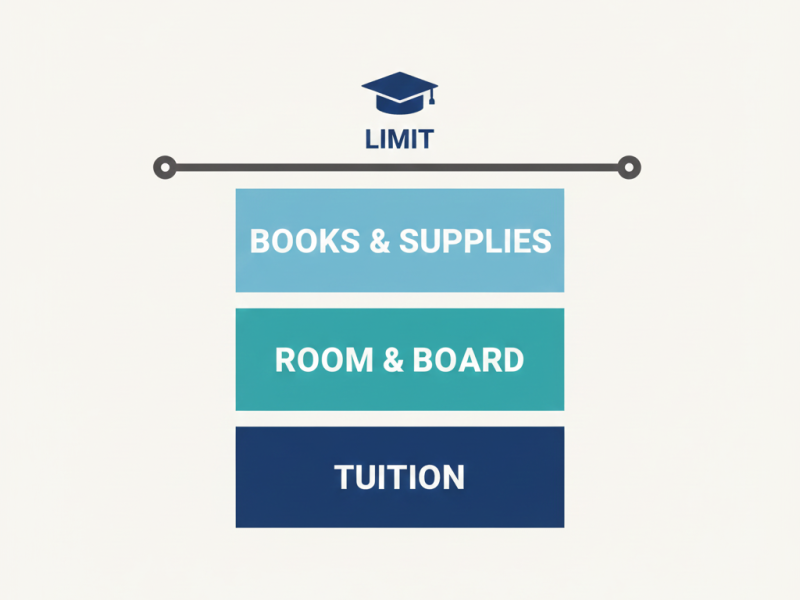
How college expenses differ from child support obligations under New Jersey divorce law. Speak with a divorce mediation specialist at Equitable Mediation—call (877) 732-6682.

College expense obligations are separate from child support. Child support typically ends when your child graduates from high school or turns 19, whichever occurs later. College contributions are a distinct obligation with different considerations.

Child support is calculated using established guidelines based on income and parenting time. College expense determinations involve individualized analysis of factors such as parents’ financial resources, children’s academic abilities, the standard of living children would have enjoyed in an intact family, and the availability of financial aid.

From a financial planning perspective, college expenses—tuition, room and board, books, fees—differ dramatically from ongoing child-rearing costs. They’re typically larger, more concentrated in time, and more variable depending on educational choices.

Factors Affecting College Expense Obligations

Multiple factors come into play when determining college expense obligations: parents’ financial resources (both income and assets), the child’s academic performance and aptitude, the standard of living during marriage, the availability of financial aid and scholarships, and the relationship between parent and child. Understanding these helps you approach negotiations strategically.

Starting the Conversation Early

One of the biggest mistakes parents make is avoiding college expense discussions during divorce because the children are young. They think they’ll figure it out when the time comes.

This creates problems. When children are approaching college age, and you haven’t addressed this in your separation agreement, you’re back to negotiating at a time when emotions are high, and deadlines are pressing.

The better approach is to address college expenses in your initial agreement, even if children are young. You don’t need exact dollar amounts for events a decade away, but you can establish a framework for how decisions will be made and costs shared.

Framework Provisions for College Expenses

Rather than predicting exact costs years in advance, establish a framework that guides without locking you into specifics that may become inappropriate. Your framework should address the type of schools you’ll consider (in-state public universities, private institutions, out-of-state schools), how costs will be shared between parents (many use the same proportionate income split as child support), what expenses will be covered (tuition, room and board, books, technology), and how the child will contribute (summer employment, work-study, modest student loans).

Caps and Limits

Many parents include cost limitations, providing predictability and protection. Common approaches include capping parental obligation at the cost of a state university (with the child covering any difference for more expensive schools), limiting support to four years of undergraduate education, or establishing maximum dollar amounts with inflation-adjustment clauses.

The Financial Aid Conversation

Understanding financial aid is essential for realistic planning. For divorced parents, financial aid applications typically focus on the custodial parent’s income and assets. Merit-based scholarships can significantly reduce costs. Some parents require children to maximize financial aid efforts as a condition of parental contributions.

Balancing Aspirations with Reality

Balancing children’s educational aspirations with family financial realities requires honest conversations and realistic analysis. You need to consider not just whether you can technically afford college expenses, but whether doing so is sustainable given other obligations and retirement needs. Overextending for college when you haven’t secured your own financial future creates long-term problems.

Why Future-Focused Planning Makes Mediation Essential for College Expenses

Planning college expenses during New Jersey divorce mediation to create flexible education funding agreements. Explore mediation solutions with Equitable Mediation at (877) 732-6682.

Here’s what makes college expense planning uniquely suited to mediation: you’re making decisions today about events that might be 10 or 15 years away, requiring forward-thinking, collaborative planning that litigation cannot provide.

In litigation, discussions of college expenses are treated as adversarial either-or questions. Attorneys fight over positions, pushing parents toward extremes—either overly generous commitments that become unsustainable or inadequate provisions that fail to serve children’s needs. The adversarial process makes nuanced, forward-thinking conversations impossible.

Litigation produces rigid provisions that don’t account for enormous uncertainty. You have no idea what colleges will cost, what financial aid will be available, what your income will be, or what your children’s academic trajectory will look like years from now. Litigation pushes you toward fixed commitments that may become completely inappropriate when the time comes.

The timing is terrible in litigation. You’re making these decisions during one of the most stressful periods of your life. Attorneys are focused on finalizing your divorce, not on sophisticated long-term educational planning. College provisions are often treated as an afterthought rather than given careful consideration.

Most problematically, litigation creates adversarial dynamics around your children’s education. When you’ve fought bitterly over college provisions during divorce, that conflict carries forward. Every decision about applications, school choice, and expenses becomes a potential battle.

Mediation offers genuine future-focused planning that serves your children’s interests while being realistic about financial capabilities and building in needed flexibility for decisions years away.

We don’t just tackle the immediate challenges of your divorce—we help you anticipate potential speed bumps and plan for future changes that affect you and your kids. For college expenses, this means thoughtful conversations about your family’s educational values, realistic financial capabilities, and the creation of frameworks that guide decisions years from now without locking you into inappropriate specifics.

We can explore: What did you envision for your children’s education? How have expectations evolved? What are you realistically able to contribute? What role should your children play? How do you want to approach school selection together when the time comes? These conversations lay the foundation for cooperative decision-making throughout the college years.

In mediation, we build in the flexibility you need. We create frameworks that account for income changes, establish review mechanisms as the college approaches, and build processes for making joint decisions. You’re not locked into rigid commitments made during divorce—you’re establishing collaborative structures for making decisions together when you have better information.

The cooperative foundation you build around college planning carries forward powerfully. When you’ve worked together to create thoughtful provisions, you’re far more likely to continue that collaboration through the college years. You’ll visit campuses together, review financial aid packages jointly, and make decisions cooperatively because that’s the pattern you established.

This future-focused approach helps you move forward confidently, without looking back. You’re not creating provisions designed to punish your ex or protect yourself from worst-case scenarios. You’re planning for your children’s educational success in ways that reflect your family’s values and capabilities.

Ongoing Communication and Flexibility

College expense planning requires ongoing communication as children grow. The framework you establish creates the foundation, but you’ll revisit details as college approaches. When children reach high school, start having specific conversations about college plans and financial realities. Your agreement should anticipate the need for flexibility as circumstances, income, and children’s academic trajectories evolve.

Moving Forward with Expert Financial Guidance

Creating fair college expense agreements for divorced parents in New Jersey through mediation. Start your mediation consultation with Equitable Mediation—call (877) 732-6682.

New Jersey’s approach to college expense obligations means you need to think about higher education costs as part of your comprehensive financial planning during divorce. The most successful approach is to establish a clear framework in your separation agreement that guides expectations and cost-sharing, while remaining flexible enough to adapt.

This is exactly where having a divorce mediator with financial expertise becomes invaluable. With an MBA in finance and extensive experience helping families plan for major expenses, I can help you think through the financial implications of different approaches to college expenses. We can analyze what contributions are realistic given your income and other obligations, run scenarios for different cost levels, and structure agreements that protect both your children’s educational opportunities and your own financial security.

We help you anticipate the speed bumps that might arise—income changes, children’s evolving academic interests, shifts in financial aid policies—and plan for future changes affecting both you and your kids. You’ll move forward confidently, without looking back, knowing you’ve created a solid foundation for supporting your children’s education cooperatively.

When your family’s financial picture involves complexity—variable income, business ownership, or sophisticated assets—having someone who can help you think through how college contributions fit into the larger financial landscape becomes even more critical.

You don’t need to make rigid commitments during the stress of divorce or surrender these critical decisions to litigation. In mediation, you can engage in thoughtful, forward-thinking planning for college expenses, building a cooperative framework that will serve your family well for years to come.

[/fusion_text][/fusion_builder_column][fusion_builder_column type=”1_1″ layout=”1_1″ align_self=”auto” content_layout=”column” align_content=”flex-start” valign_content=”flex-start” content_wrap=”wrap” center_content=”no” column_tag=”div” target=”_self” hide_on_mobile=”medium-visibility,large-visibility” sticky_display=”normal,sticky” order_medium=”0″ order_small=”0″ margin_top=”60px” margin_bottom=”60px” hover_type=”none” border_style=”solid” box_shadow=”no” box_shadow_blur=”0″ box_shadow_spread=”0″ background_type=”single” gradient_start_position=”0″ gradient_end_position=”100″ gradient_type=”linear” radial_direction=”center center” linear_angle=”180″ lazy_load=”none” background_position=”left top” background_repeat=”no-repeat” background_blend_mode=”none” background_slider_skip_lazy_loading=”no” background_slider_loop=”yes” background_slider_pause_on_hover=”no” background_slider_slideshow_speed=”5000″ background_slider_animation=”fade” background_slider_direction=”up” background_slider_animation_speed=”800″ sticky=”off” sticky_devices=”small-visibility,medium-visibility,large-visibility” absolute=”off” filter_type=”regular” filter_hover_element=”self” filter_hue_hover=”0″ filter_saturation_hover=”100″ filter_brightness_hover=”100″ filter_contrast_hover=”100″ filter_invert_hover=”0″ filter_sepia_hover=”0″ filter_opacity_hover=”100″ filter_blur_hover=”0″ filter_hue=”0″ filter_saturation=”100″ filter_brightness=”100″ filter_contrast=”100″ filter_invert=”0″ filter_sepia=”0″ filter_opacity=”100″ filter_blur=”0″ transform_type=”regular” transform_hover_element=”self” transform_scale_x_hover=”1″ transform_scale_y_hover=”1″ transform_translate_x_hover=”0″ transform_translate_y_hover=”0″ transform_rotate_hover=”0″ transform_skew_x_hover=”0″ transform_skew_y_hover=”0″ transform_scale_x=”1″ transform_scale_y=”1″ transform_translate_x=”0″ transform_translate_y=”0″ transform_rotate=”0″ transform_skew_x=”0″ transform_skew_y=”0″ transition_duration=”300″ transition_easing=”ease” motion_effects=”W10=” scroll_motion_devices=”small-visibility,medium-visibility,large-visibility” animation_direction=”left” animation_speed=”0.3″ animation_delay=”0″ last=”true” border_position=”all” first=”true” min_height=”” link=””][fusion_builder_row_inner][fusion_builder_column_inner type=”1_1″ layout=”1_1″ align_self=”auto” content_layout=”column” align_content=”flex-start” valign_content=”flex-start” content_wrap=”wrap” center_content=”no” column_tag=”div” target=”_self” hide_on_mobile=”small-visibility,medium-visibility,large-visibility” sticky_display=”normal,sticky” order_medium=”0″ order_small=”0″ padding_top=”50px” padding_right=”20px” padding_bottom=”50px” padding_left=”20px” hover_type=”none” border_style=”solid” border_radius_top_left=”30px” border_radius_top_right=”30px” border_radius_bottom_right=”30px” border_radius_bottom_left=”30px” box_shadow=”no” box_shadow_blur=”0″ box_shadow_spread=”0″ background_type=”single” background_color=”#f4f3ef” gradient_start_position=”0″ gradient_end_position=”100″ gradient_type=”linear” radial_direction=”center center” linear_angle=”180″ lazy_load=”none” background_position=”left top” background_repeat=”no-repeat” background_blend_mode=”none” background_slider_skip_lazy_loading=”no” background_slider_loop=”yes” background_slider_pause_on_hover=”no” background_slider_slideshow_speed=”5000″ background_slider_animation=”fade” background_slider_direction=”up” background_slider_animation_speed=”800″ sticky=”off” sticky_devices=”small-visibility,medium-visibility,large-visibility” absolute=”off” filter_type=”regular” filter_hover_element=”self” filter_hue_hover=”0″ filter_saturation_hover=”100″ filter_brightness_hover=”100″ filter_contrast_hover=”100″ filter_invert_hover=”0″ filter_sepia_hover=”0″ filter_opacity_hover=”100″ filter_blur_hover=”0″ filter_hue=”0″ filter_saturation=”100″ filter_brightness=”100″ filter_contrast=”100″ filter_invert=”0″ filter_sepia=”0″ filter_opacity=”100″ filter_blur=”0″ transform_type=”regular” transform_hover_element=”self” transform_scale_x_hover=”1″ transform_scale_y_hover=”1″ transform_translate_x_hover=”0″ transform_translate_y_hover=”0″ transform_rotate_hover=”0″ transform_skew_x_hover=”0″ transform_skew_y_hover=”0″ transform_scale_x=”1″ transform_scale_y=”1″ transform_translate_x=”0″ transform_translate_y=”0″ transform_rotate=”0″ transform_skew_x=”0″ transform_skew_y=”0″ transition_duration=”300″ transition_easing=”ease” motion_effects=”W10=” scroll_motion_devices=”small-visibility,medium-visibility,large-visibility” animation_direction=”left” animation_speed=”0.3″ animation_delay=”0″ last=”true” border_position=”all” first=”true” min_height=”” link=””][fusion_code]ICA8c3R5bGU+CiAgIAoKICAgIC5zbGlkZXItY29udGFpbmVyIHsKICAgICAgLyptYXgtd2lkdGg6IDcwMHB4OyAqLwogICAgbWFyZ2luOiAwIGF1dG87CiAgICBwb3NpdGlvbjogcmVsYXRpdmU7CiAgICAvKiBiYWNrZ3JvdW5kOiB3aGl0ZTsgKi8KICAgIGJvcmRlci1yYWRpdXM6IDE2cHg7CiAgICAvKiBib3gtc2hhZG93OiAwIDAgMTBweCByZ2JhKDAsIDAsIDAsIDAuMSk7ICovCiAgICBwYWRkaW5nOiAyMHB4IDUwcHg7CiAgICB0ZXh0LWFsaWduOiBsZWZ0OwogICAgb3ZlcmZsb3c6IGhpZGRlbjsKICAgIC8qIGhlaWdodDogNTAwcHg7Ki8KICAgIH0KCiAgICAuc2xpZGUgewogICAgICBwb3NpdGlvbjogYWJzb2x1dGU7CiAgICAgIHRvcDogMDsKICAgICAgbGVmdDogMDsKICAgICAgd2lkdGg6IDEwMCU7CiAgICAgIG9wYWNpdHk6IDA7CiAgICAgIHRyYW5zZm9ybTogdHJhbnNsYXRlWCgxMDAlKTsKICAgICAgdHJhbnNpdGlvbjogYWxsIDAuNXMgZWFzZTsKICAgICAgdmlzaWJpbGl0eTogaGlkZGVuOwogICAgfQoKICAgIC5zbGlkZS5hY3RpdmUgewogICAgICBvcGFjaXR5OiAxOwogICAgICB0cmFuc2Zvcm06IHRyYW5zbGF0ZVgoMCk7CiAgICAgIHZpc2liaWxpdHk6IHZpc2libGU7CiAgICAgIHBvc2l0aW9uOiByZWxhdGl2ZTsKICAgIH0KCiAgICAudGl0bGUgewogICAgY29sb3I6ICMyNDdkYjQ7CiAgICBmb250LXNpemU6IDI2cHg7CiAgICBmb250LXdlaWdodDogNjAwOwogICAgbWFyZ2luLWJvdHRvbTogMThweDsKICAgIHRleHQtYWxpZ246IGNlbnRlcjsKICAgIGxpbmUtaGVpZ2h0OiAxLjJlbTsKfQoKICAgIC5jb250ZW50IHsKICAgICAgZm9udC1zaXplOiAxNnB4OwogICAgICBjb2xvcjogIzMzMzsKICAgICAgbGluZS1oZWlnaHQ6IDEuNjsKICAgIH0KCQoJc3Bhbi5zZXAgewogICAgcGFkZGluZy1sZWZ0OiAyNXB4OwogICAgcGFkZGluZy1yaWdodDogMjVweDsKICAgIGNvbG9yOiAjM2EyZjJhOwogICAgZm9udC1zaXplOiAxOHB4OwogICAgZm9udC13ZWlnaHQ6IG5vcm1hbDsKfQoKICAgIC5hdXRob3IgewogICAgICBkaXNwbGF5OiBmbGV4OwogICAgYWxpZ24taXRlbXM6IGNlbnRlcjsKICAgIG1hcmdpbi10b3A6IDMwcHg7CiAgICBqdXN0aWZ5LWNvbnRlbnQ6IGNlbnRlcjsKICAgIH0KCiAgICAuYXV0aG9yIGltZyB7CiAgICAgIGJvcmRlci1yYWRpdXM6IDUwJTsKICAgICAgd2lkdGg6IDcwcHg7CiAgICAgIGhlaWdodDogNzBweDsKICAgICAgbWFyZ2luLXJpZ2h0OiAxNXB4OwogICAgfQoJCgkuYXV0aG9yLWRldGFpbHMgcCB7CiAgICBtYXJnaW4tYm90dG9tOiAwcHg7Cn0KCiAgICAuYXV0aG9yLWRldGFpbHMgewogICAgICBmb250LXNpemU6IDE1cHg7CiAgICB9CgogICAgLmF1dGhvci1kZXRhaWxzIHN0cm9uZyB7CiAgICAgIGNvbG9yOiAjMjQ3MWViOwogICAgfQoKICAgIC5uYXYgewogICAgICBwb3NpdGlvbjogYWJzb2x1dGU7CiAgICAgIHRvcDogNTAlOwogICAgICB0cmFuc2Zvcm06IHRyYW5zbGF0ZVkoLTUwJSk7CiAgICAgIGZvbnQtc2l6ZTogMzBweDsKICAgICAgY29sb3I6ICNhYWE7CiAgICAgIGN1cnNvcjogcG9pbnRlcjsKICAgICAgei1pbmRleDogMTsKICAgIH0KCiAgICAubmF2LmxlZnQgewogICAgICBsZWZ0OiAyMHB4OwogICAgfQoKICAgIC5uYXYucmlnaHQgewogICAgICByaWdodDogMjBweDsKICAgIH0KCiAgICAubmF2OmhvdmVyIHsKICAgICAgY29sb3I6ICMyNDcxZWI7CiAgICB9CgkKCS5hdXRob3ItZGV0YWlscyAuaGVhZC1kZXN7Cgljb2xvcjogIzI0N2RiNDsgCglmb250LXNpemU6IDMwcHg7IAoJZm9udC13ZWlnaHQ6IDUwMDsKCWZvbnQtZmFtaWx5OiJETSBTZXJpZiBEaXNwbGF5IiwgQXJpYWwsIEhlbHZldGljYSwgc2Fucy1zZXJpZjsKCX0KCQoJLmF1dGhvci1kZXRhaWxzIC5zdWItZGVzewoJbGV0dGVyLXNwYWNpbmc6IDNweDsgCgl0ZXh0LXRyYW5zZm9ybTogdXBwZXJjYXNlOyAKCWZvbnQtc2l6ZTogMTZweDsgCgljb2xvcjogIzNhMmYyYTsKCX0KICA8L3N0eWxlPgoKPGRpdiBjbGFzcz0ic2xpZGVyLWNvbnRhaW5lciI+CiAgPCEtLSBTbGlkZSAxIC0tPgogIDxkaXYgY2xhc3M9InNsaWRlIGFjdGl2ZSI+CiAgICA8ZGl2IGNsYXNzPSJjb250ZW50Ij4KICAgICAgPHA+4oCcWW91IG1heSBoYXZlIHJlc2VhcmNoZWQgaG93IGFsaW1vbnkgd29ya3MgaW4geW91ciBzdGF0ZS4gQnV0IGluIG15IGV4cGVyaWVuY2UsIHJlZ2FyZGxlc3Mgb2Ygd2hldGhlciBhIHN0YXRlIG9mZmVycyBndWlkYW5jZSBvbiBob3cgdG8gcmVzb2x2ZSBhbGltb255LCBvZnRlbiwgY291cGxlcyBuZWdvdGlhdGUgdGhlaXIgb3duIGFncmVlbWVudCB0YWlsb3JlZCB0byB0aGVpciB1bmlxdWUgc2l0dWF0aW9uIGFuZCBjaXJjdW1zdGFuY2VzLjwvcD4KICAgICAgPHA+U28geW91IGhhdmUgYSBsb3Qgb2YgZmxleGliaWxpdHkgYW5kIGNhbiBtYWludGFpbiBhIGxvdCBvZiBjb250cm9sIGlmIHlvdSBuZWdvdGlhdGUgdGhlIHRlcm1zIG9mIGFsaW1vbnkgb3V0IG9mIGNvdXJ0IHdpdGggdGhlIGhlbHAgb2YgYSBza2lsbGVkIHByb2Zlc3Npb25hbCB1c2luZyBhbiBhbHRlcm5hdGl2ZSBkaXNwdXRlIHJlc29sdXRpb24gcHJvY2VzcyBsaWtlIDxhIGhyZWY9Ii9yZXNvdXJjZXMvY29sbGFib3JhdGl2ZS1kaXZvcmNlLXZzLW1lZGlhdGlvbiIgcmVsPSJub29wZW5lciI+ZGl2b3JjZSBtZWRpYXRpb24gb3IgYSBjb2xsYWJvcmF0aXZlIGRpdm9yY2UgPC9hPi48L3A+CiAgICAgIDxwPllvdSBhbmQgeW91ciBzb29uLXRvLWJlIGV4LXNwb3VzZSB3aWxsIG1vcmUgbGlrZWx5IGNvbWUgdG8gYW4gYWxpbW9ueSBhcnJhbmdlbWVudCB0aGF0J3MgYWNjZXB0YWJsZSB0byBib3RoIG9mIHlvdS4iPHA+CiAgICA8L2Rpdj4KICAgIDxkaXYgY2xhc3M9ImF1dGhvciI+CiAgICAgIDxpbWcgc3JjPSIvd3AtY29udGVudC91cGxvYWRzLzIwMjUvMDYvZXF1aXRhYmxlLW1lZGlhdGlvbi10ZWFtLWpvZS1kaWxsb24ud2VicCIgYWx0PSJKb2UgRGlsbG9uIGhlYWRzaG90IiAvPgogICAgICA8ZGl2IGNsYXNzPSJhdXRob3ItZGV0YWlscyI+CiAgICAgICAgPHA+IDxzcGFuIGNsYXNzPSJoZWFkLWRlcyI+IEpvZSBEaWxsb248L3NwYW4+IDxzcGFuIGNsYXNzPSJzZXAiPnw8L3NwYW4+IDxzcGFuIGNsYXNzPSJzdWItZGVzIj5EaXZvcmNlIE1lZGlhdG9yICYgRm91bmRlcjwvc3Bhbj48L3A+CiAgICAgIDwvZGl2PgogICAgPC9kaXY+CiAgPC9kaXY+CiAgPCEtLSBBcnJvd3MgLS0+CiAgPCEtLSA8ZGl2IGNsYXNzPSJuYXYgbGVmdCIgb25jbGljaz0icHJldlNsaWRlKCkiPiYjMTAwOTQ7PC9kaXY+CiAgPGRpdiBjbGFzcz0ibmF2IHJpZ2h0IiBvbmNsaWNrPSJuZXh0U2xpZGUoKSI+JiMxMDA5NTs8L2Rpdj4gLS0+CjwvZGl2PgoKPHNjcmlwdD4KICBsZXQgY3VycmVudFNsaWRlID0gMDsKICBjb25zdCBzbGlkZXMgPSBkb2N1bWVudC5xdWVyeVNlbGVjdG9yQWxsKCcuc2xpZGUnKTsKCiAgZnVuY3Rpb24gc2hvd1NsaWRlKGluZGV4KSB7CiAgICBzbGlkZXMuZm9yRWFjaCgocywgaSkgPT4gewogICAgICBzLmNsYXNzTGlzdC5yZW1vdmUoJ2FjdGl2ZScpOwogICAgfSk7CiAgICBzbGlkZXNbaW5kZXhdLmNsYXNzTGlzdC5hZGQoJ2FjdGl2ZScpOwogIH0KCiAgZnVuY3Rpb24gbmV4dFNsaWRlKCkgewogICAgY3VycmVudFNsaWRlID0gKGN1cnJlbnRTbGlkZSArIDEpICUgc2xpZGVzLmxlbmd0aDsKICAgIHNob3dTbGlkZShjdXJyZW50U2xpZGUpOwogIH0KCiAgZnVuY3Rpb24gcHJldlNsaWRlKCkgewogICAgY3VycmVudFNsaWRlID0gKGN1cnJlbnRTbGlkZSAtIDEgKyBzbGlkZXMubGVuZ3RoKSAlIHNsaWRlcy5sZW5ndGg7CiAgICBzaG93U2xpZGUoY3VycmVudFNsaWRlKTsKICB9Cjwvc2NyaXB0Pg==[/fusion_code][/fusion_builder_column_inner][/fusion_builder_row_inner][/fusion_builder_column][/fusion_builder_row][/fusion_builder_container][fusion_builder_container type=”flex” hundred_percent=”no” hundred_percent_height=”no” hundred_percent_height_scroll=”no” align_content=”stretch” flex_align_items=”flex-start” flex_justify_content=”flex-start” flex_wrap=”wrap” hundred_percent_height_center_content=”yes” equal_height_columns=”no” container_tag=”div” hide_on_mobile=”small-visibility,medium-visibility,large-visibility” status=”published” padding_bottom_medium=”50px” padding_bottom_small=”30px” padding_top=”100px” padding_bottom=”100px” border_style=”solid” box_shadow=”no” box_shadow_blur=”0″ box_shadow_spread=”0″ gradient_start_position=”0″ gradient_end_position=”100″ gradient_type=”linear” radial_direction=”center center” linear_angle=”180″ background_position=”center center” background_repeat=”no-repeat” fade=”no” background_parallax=”none” enable_mobile=”no” parallax_speed=”0.3″ background_blend_mode=”none” background_slider_skip_lazy_loading=”no” background_slider_loop=”yes” background_slider_pause_on_hover=”no” background_slider_slideshow_speed=”5000″ background_slider_animation=”fade” background_slider_direction=”up” background_slider_animation_speed=”800″ video_aspect_ratio=”16:9″ video_loop=”yes” video_mute=”yes” pattern_bg=”none” pattern_bg_style=”default” pattern_bg_opacity=”100″ pattern_bg_blend_mode=”normal” mask_bg=”none” mask_bg_style=”default” mask_bg_opacity=”100″ mask_bg_transform=”left” mask_bg_blend_mode=”normal” absolute=”off” absolute_devices=”small,medium,large” sticky=”off” sticky_devices=”small-visibility,medium-visibility,large-visibility” sticky_transition_offset=”0″ scroll_offset=”0″ animation_direction=”left” animation_speed=”0.3″ animation_delay=”0″ filter_hue=”0″ filter_saturation=”100″ filter_brightness=”100″ filter_contrast=”100″ filter_invert=”0″ filter_sepia=”0″ filter_opacity=”100″ filter_blur=”0″ filter_hue_hover=”0″ filter_saturation_hover=”100″ filter_brightness_hover=”100″ filter_contrast_hover=”100″ filter_invert_hover=”0″ filter_sepia_hover=”0″ filter_opacity_hover=”100″ filter_blur_hover=”0″ admin_label=”FAQs About New Jersey Child Support ” admin_toggled=”yes”][fusion_builder_row][fusion_builder_column type=”1_1″ layout=”1_1″ align_self=”auto” content_layout=”column” align_content=”flex-start” valign_content=”flex-start” content_wrap=”wrap” center_content=”no” column_tag=”div” target=”_self” hide_on_mobile=”small-visibility,medium-visibility,large-visibility” sticky_display=”normal,sticky” order_medium=”0″ order_small=”0″ hover_type=”none” border_style=”solid” box_shadow=”no” box_shadow_blur=”0″ box_shadow_spread=”0″ background_type=”single” gradient_start_position=”0″ gradient_end_position=”100″ gradient_type=”linear” radial_direction=”center center” linear_angle=”180″ lazy_load=”none” background_position=”left top” background_repeat=”no-repeat” background_blend_mode=”none” background_slider_skip_lazy_loading=”no” background_slider_loop=”yes” background_slider_pause_on_hover=”no” background_slider_slideshow_speed=”5000″ background_slider_animation=”fade” background_slider_direction=”up” background_slider_animation_speed=”800″ sticky=”off” sticky_devices=”small-visibility,medium-visibility,large-visibility” absolute=”off” filter_type=”regular” filter_hover_element=”self” filter_hue_hover=”0″ filter_saturation_hover=”100″ filter_brightness_hover=”100″ filter_contrast_hover=”100″ filter_invert_hover=”0″ filter_sepia_hover=”0″ filter_opacity_hover=”100″ filter_blur_hover=”0″ filter_hue=”0″ filter_saturation=”100″ filter_brightness=”100″ filter_contrast=”100″ filter_invert=”0″ filter_sepia=”0″ filter_opacity=”100″ filter_blur=”0″ transform_type=”regular” transform_hover_element=”self” transform_scale_x_hover=”1″ transform_scale_y_hover=”1″ transform_translate_x_hover=”0″ transform_translate_y_hover=”0″ transform_rotate_hover=”0″ transform_skew_x_hover=”0″ transform_skew_y_hover=”0″ transform_scale_x=”1″ transform_scale_y=”1″ transform_translate_x=”0″ transform_translate_y=”0″ transform_rotate=”0″ transform_skew_x=”0″ transform_skew_y=”0″ transition_duration=”300″ transition_easing=”ease” motion_effects=”W10=” scroll_motion_devices=”small-visibility,medium-visibility,large-visibility” animation_direction=”left” animation_speed=”0.3″ animation_delay=”0″ last=”true” border_position=”all” first=”true” min_height=”” link=””][fusion_title title_type=”text” scroll_reveal_effect=”color_change” scroll_reveal_basis=”chars” scroll_reveal_behavior=”always” scroll_reveal_duration=”500″ scroll_reveal_stagger=”200″ scroll_reveal_delay=”0″ scroll_reveal_above_fold=”yes” marquee_direction=”left” marquee_mask_edges=”no” marquee_speed=”15000″ rotation_effect=”bounceIn” display_time=”1200″ highlight_effect=”circle” loop_animation=”once” highlight_animation_duration=”1500″ highlight_width=”9″ highlight_smudge_effect=”no” highlight_top_margin=”0″ before_text=”” rotation_text=”” highlight_text=”” after_text=”” awb-switch-editor-focus=”” title_link=”off” link_url=”” link_target=”_self” hide_on_mobile=”small-visibility,medium-visibility,large-visibility” sticky_display=”normal,sticky” class=”” id=”” html_attributes=”W10=” content_align_medium=”” content_align_small=”left” content_align=”left” size=”2″ animated_font_size=”” fusion_font_family_title_font=”” fusion_font_variant_title_font=”” font_size=”38px” line_height=”” letter_spacing=”” text_transform=”” text_color=”var(–awb-color4)” hue=”” saturation=”” lightness=”” alpha=”” animated_text_color=”” highlight_color=”” text_shadow=”no” text_shadow_vertical=”” text_shadow_horizontal=”” text_shadow_blur=”0″ text_shadow_color=”” text_stroke=”no” text_stroke_size=”1″ text_stroke_color=”” text_overflow=”none” margin_top_medium=”” margin_right_medium=”” margin_bottom_medium=”” margin_left_medium=”” margin_top_small=”” margin_right_small=”” margin_bottom_small=”” margin_left_small=”” margin_top=”0px” margin_right=”” margin_bottom=”60px” margin_left=”” margin_top_mobile=”” margin_bottom_mobile=”” gradient_font=”no” gradient_start_color=”” gradient_end_color=”” gradient_start_position=”0″ gradient_end_position=”100″ gradient_type=”linear” radial_direction=”center center” linear_angle=”180″ style_type=”default” sep_color=”” link_color=”” link_hover_color=”” render_logics=”” animation_type=”fade” animation_direction=”static” animation_color=”” animation_speed=”1.0″ animation_delay=”0.5″ animation_offset=”” logics=””]

FAQs About New Jersey Child Support

[/fusion_title][fusion_accordion type=”toggles” inactive_icon=”” active_icon=”” margin_top=”” margin_bottom=”” hide_on_mobile=”small-visibility,medium-visibility,large-visibility” class=”” id=”” boxed_mode=”yes” border_size=”2″ border_color=”#d8e8f2″ hue=”” saturation=”” lightness=”” alpha=”” hover_color=”#f4f3ef” background_color=”” divider_line=”” divider_hover_color=”” divider_color=”” padding_top=”10px” padding_right=”5px” padding_bottom=”10px” padding_left=”5px” title_tag=”h4″ fusion_font_family_title_font=”Poppins” fusion_font_variant_title_font=”600″ title_font_size=”18px” title_line_height=”” title_letter_spacing=”” title_text_transform=”” title_color=”var(–awb-color6)” icon_size=”25px” icon_color=”#d8e8f2″ icon_boxed_mode=”no” icon_box_color=”#d8e8f2″ icon_alignment=”right” fusion_font_family_content_font=”” fusion_font_variant_content_font=”” content_font_size=”16px” content_line_height=”” content_letter_spacing=”” content_text_transform=”” content_color=”var(–awb-color6)” toggle_hover_accent_color=”var(–awb-color6)” toggle_active_accent_color=”var(–awb-color6)” render_logics=”” parent_dynamic_content=””][fusion_toggle title=”How is child support calculated in New Jersey?” open=”no” awb-switch-editor-focus=”” class=”” id=”” fusion_font_family_title_font=”” fusion_font_variant_title_font=”” title_font_size=”” title_line_height=”” title_letter_spacing=”” title_text_transform=”” title_color=”var(–awb-color8)” hue=”” saturation=”” lightness=”” alpha=”” fusion_font_family_content_font=”” fusion_font_variant_content_font=”” content_font_size=”” content_line_height=”” content_letter_spacing=”” content_text_transform=”” content_color=”var(–awb-color8)”]

New Jersey uses the income shares model under Court Rule 5:6A to calculate child support, with the guidelines spanning over 100 pages of detailed charts and instructions. The calculation begins by determining each parent’s gross income from all sources, then converting that to net income using either standardized tax withholding tables (Appendix IX-H) or individualized calculations based on actual tax obligations. New Jersey’s approach differs from some states in that the tax calculation method (IX-H) assumes standard withholding allowances to provide general estimates, though actual support orders account for specific tax situations.

Once each parent’s net income is established, these amounts are combined to determine the total household income available for the children. The state then consults the Schedule of Basic Child Support Obligations (Appendix IX-F, most recently updated September 2025) which provides award amounts based on combined net income and number of children. This schedule reflects Dr. David Macpherson’s 2024 analysis of consumer expenditure data, adjusted specifically for New Jersey’s population and cost of living. The basic support obligation is then divided proportionally based on each parent’s percentage of the combined income. The parent with less overnight time (the noncustodial parent or Parent of Alternate Residence) typically pays their share to the Parent of Primary Residence.

[/fusion_toggle][fusion_toggle title=”What is the self-support reserve in New Jersey child support?” open=”no” awb-switch-editor-focus=”” class=”” id=”” fusion_font_family_title_font=”” fusion_font_variant_title_font=”” title_font_size=”” title_line_height=”” title_letter_spacing=”” title_text_transform=”” title_color=”var(–awb-color8)” hue=”” saturation=”” lightness=”” alpha=”” fusion_font_family_content_font=”” fusion_font_variant_content_font=”” content_font_size=”” content_line_height=”” content_letter_spacing=”” content_text_transform=”” content_color=”var(–awb-color8)”]

New Jersey’s self-support reserve is a critical protection for low-income parents, set at 150% of the U.S. poverty guideline for one person. As of January 1, 2025, this amount is $451 per week in net income. The self-support reserve ensures that child support obligations don’t reduce a parent’s income below minimum subsistence level—essentially, courts cannot order support that leaves the paying parent unable to meet their own basic survival needs like food, shelter, and utilities.

When an obligor’s net income minus their share of child support would fall below $451 per week, courts must carefully review the parent’s actual income and living expenses to determine the maximum support amount that can reasonably be ordered while still allowing basic self-support. This might result in support orders below what the guidelines would otherwise require. The philosophy behind the self-support reserve recognizes that impoverishing the paying parent ultimately harms everyone: it eliminates work incentives, makes compliance impossible, and can lead to a cycle of mounting arrears that never get paid.

[/fusion_toggle][fusion_toggle title=”How does shared parenting affect New Jersey child support calculations?” open=”no” awb-switch-editor-focus=”” class=”” id=”” fusion_font_family_title_font=”” fusion_font_variant_title_font=”” title_font_size=”” title_line_height=”” title_letter_spacing=”” title_text_transform=”” title_color=”var(–awb-color8)” hue=”” saturation=”” lightness=”” alpha=”” fusion_font_family_content_font=”” fusion_font_variant_content_font=”” content_font_size=”” content_line_height=”” content_letter_spacing=”” content_text_transform=”” content_color=”var(–awb-color8)”]

New Jersey distinguishes between sole parenting and shared parenting based on the number of overnights the child spends with each parent. Shared parenting exists when the child spends 104 or more overnights per year (28% of nights or more) with the Parent of Alternate Residence. When this threshold is met, New Jersey uses a different worksheet and calculation method (Appendix IX-C) that recognizes both parents incur significant direct costs for the children.

In shared parenting situations, courts account for the fact that both households need appropriate space for the children, both parents purchase food and clothing, and both bear day-to-day expenses. The shared parenting worksheet adjusts the support calculation to reflect these duplicate costs. Generally, shared parenting arrangements result in lower support payments than sole parenting arrangements when incomes are similar, because the court recognizes the Parent of Alternate Residence is spending substantial sums directly on the children during their parenting time. However, even in true 50/50 custody arrangements, if one parent earns significantly more than the other, that higher-earning parent will typically still pay support to ensure the children’s standard of living is reasonably consistent in both homes.

[/fusion_toggle][fusion_toggle title=”At what age does child support end in New Jersey?” open=”no” awb-switch-editor-focus=”” class=”” id=”” fusion_font_family_title_font=”” fusion_font_variant_title_font=”” title_font_size=”” title_line_height=”” title_letter_spacing=”” title_text_transform=”” title_color=”var(–awb-color8)” hue=”” saturation=”” lightness=”” alpha=”” fusion_font_family_content_font=”” fusion_font_variant_content_font=”” content_font_size=”” content_line_height=”” content_letter_spacing=”” content_text_transform=”” content_color=”var(–awb-color8)”]

In New Jersey, child support typically continues until the child reaches age 19 or graduates from high school, whichever occurs later. This means if a child graduates high school at 17, support generally continues until age 19, and if a child is still in high school at 19, support continues until graduation. This approach ensures children complete their secondary education regardless of whether they graduate early or need additional time.

However, New Jersey’s approach to support for young adults attending college or other post-secondary education is more nuanced than simple age cutoffs. While basic child support technically ends at 19 or graduation, New Jersey courts frequently order parents to contribute to college expenses under a separate analysis. Support can also extend indefinitely for children with mental or physical disabilities that prevent them from becoming self-supporting. It’s important to note that child support doesn’t automatically terminate when these milestones are reached—parents must take affirmative steps to end the obligation, either by agreement filed with the court or through a modification proceeding.

[/fusion_toggle][fusion_toggle title=”What income counts for New Jersey child support calculations?” open=”no” awb-switch-editor-focus=”” class=”” id=”” fusion_font_family_title_font=”” fusion_font_variant_title_font=”” title_font_size=”” title_line_height=”” title_letter_spacing=”” title_text_transform=”” title_color=”var(–awb-color8)” hue=”” saturation=”” lightness=”” alpha=”” fusion_font_family_content_font=”” fusion_font_variant_content_font=”” content_font_size=”” content_line_height=”” content_letter_spacing=”” content_text_transform=”” content_color=”var(–awb-color8)”]

New Jersey takes an expansive view of income under Court Rule 5:6A, including virtually every form of compensation and financial resource. The basic categories include wages, salaries, commissions, bonuses, overtime pay, and tips from employment. Self-employment income and business profits count, calculated after deducting ordinary and reasonable business expenses actually incurred. Investment income such as dividends, interest, capital gains, and rental property income all factor into the calculation.

Retirement and government benefits are included: Social Security retirement or disability benefits, veterans benefits, Railroad Retirement Board payments, unemployment compensation, workers’ compensation, disability insurance payments, and distributions from pension plans, 401(k)s, IRAs, Keoghs, and other retirement accounts. Alimony and separate maintenance received from current or past relationships counts as income to the recipient. What doesn’t count as income? Means-tested government benefits like Temporary Assistance to Needy Families, Supplemental Security Income, food stamps, and similar poverty-based assistance are excluded. New Jersey courts can impute income when a parent is voluntarily unemployed or underemployed—assigning an earning capacity based on work history, education, training, and available job market.

[/fusion_toggle][fusion_toggle title=”How are childcare and health insurance costs handled in New Jersey child support?” open=”no” awb-switch-editor-focus=”” class=”” id=”” fusion_font_family_title_font=”” fusion_font_variant_title_font=”” title_font_size=”” title_line_height=”” title_letter_spacing=”” title_text_transform=”” title_color=”var(–awb-color8)” hue=”” saturation=”” lightness=”” alpha=”” fusion_font_family_content_font=”” fusion_font_variant_content_font=”” content_font_size=”” content_line_height=”” content_letter_spacing=”” content_text_transform=”” content_color=”var(–awb-color8)”]

New Jersey treats childcare and health insurance as mandatory add-ons to basic child support, with specific rules governing how these costs are calculated and allocated. For childcare, only qualified child care expenses count—those necessary for a parent’s employment or job search for children under age 15 or children who are physically or mentally handicapped. The expenses must be reasonable and preferably from licensed sources. Critically, New Jersey doesn’t use the gross childcare cost; instead, parents calculate the net cost after applying federal and state tax credits (Appendix IX-E provides a worksheet for this).

For health insurance costs, courts determine which parent can obtain health insurance coverage for the children at reasonable cost, often through employment-based plans. The monthly premium cost specifically attributable to covering the children is divided between parents proportionally. However, there’s an important limitation: the amount allocated to each parent for health insurance cannot exceed 25% of that parent’s basic child support obligation. This cap prevents health insurance costs from becoming disproportionately burdensome. Uninsured medical expenses—copays, deductibles, prescriptions, dental and orthodontic care, vision care, therapy—are typically shared proportionally as well.

[/fusion_toggle][fusion_toggle title=”Can New Jersey child support orders be modified?” open=”no” awb-switch-editor-focus=”” class=”” id=”” fusion_font_family_title_font=”” fusion_font_variant_title_font=”” title_font_size=”” title_line_height=”” title_letter_spacing=”” title_text_transform=”” title_color=”var(–awb-color8)” hue=”” saturation=”” lightness=”” alpha=”” fusion_font_family_content_font=”” fusion_font_variant_content_font=”” content_font_size=”” content_line_height=”” content_letter_spacing=”” content_text_transform=”” content_color=”var(–awb-color8)”]

Yes, New Jersey child support orders can be modified when there has been a substantial change in circumstances affecting the parents’ financial situations or the children’s needs. Common changes that warrant modification include significant increases or decreases in either parent’s income, involuntary job loss or career changes, changes in the children’s needs such as new medical conditions or educational requirements, or modifications to the parenting time arrangement that affect which worksheet applies (sole versus shared parenting).

New Jersey provides for both administrative reviews through the New Jersey Department of Human Services and court-based modifications depending on how the original order was established. Administrative orders can be reviewed every three years upon request from either parent. It’s crucial to understand that child support obligations continue at the current level until officially modified—you cannot simply reduce payments because your circumstances changed. Any amounts that accrue while awaiting the modification hearing remain your legal obligation unless the court retroactively adjusts them, and courts can only retroactively modify back to the date the motion was filed.

[/fusion_toggle][fusion_toggle title=”What happens if parents can’t agree on child support in New Jersey?” open=”no” awb-switch-editor-focus=”” class=”” id=”” fusion_font_family_title_font=”” fusion_font_variant_title_font=”” title_font_size=”” title_line_height=”” title_letter_spacing=”” title_text_transform=”” title_color=”var(–awb-color8)” hue=”” saturation=”” lightness=”” alpha=”” fusion_font_family_content_font=”” fusion_font_variant_content_font=”” content_font_size=”” content_line_height=”” content_letter_spacing=”” content_text_transform=”” content_color=”var(–awb-color8)”]

When divorcing parents in New Jersey cannot agree on child support (or other financial issues), the court provides structured opportunities for resolution before trial. The process typically begins with the early settlement panel, which occurs a few weeks after discovery ends. Both parents appear at the courthouse together to receive settlement advice from a panel of two or three experienced divorce lawyers who have no involvement in the case. Each parent submits a settlement proposal and a Case Information Statement beforehand, then presents their position to the panel.

If parents don’t settle at the early settlement panel, they proceed to economic mediation—another opportunity to reach agreement with the help of a trained mediator who facilitates negotiation. Throughout this process, parents must complete child support worksheets showing the guideline calculations. Even if parents prefer a different amount, New Jersey requires these worksheets to ensure everyone understands what the guidelines would produce. If parents cannot reach any agreement through settlement panels and mediation, the case proceeds to trial where a judge makes all determinations based on the evidence presented.

[/fusion_toggle][fusion_toggle title=”How does New Jersey enforce child support orders?” open=”no” awb-switch-editor-focus=”” class=”” id=”” fusion_font_family_title_font=”” fusion_font_variant_title_font=”” title_font_size=”” title_line_height=”” title_letter_spacing=”” title_text_transform=”” title_color=”var(–awb-color8)” hue=”” saturation=”” lightness=”” alpha=”” fusion_font_family_content_font=”” fusion_font_variant_content_font=”” content_font_size=”” content_line_height=”” content_letter_spacing=”” content_text_transform=”” content_color=”var(–awb-color8)”]

New Jersey has comprehensive enforcement mechanisms administered primarily through the New Jersey Department of Human Services, Division of Family Development, Child Support Program. The most fundamental enforcement tool is income withholding: nearly all New Jersey child support orders include automatic wage withholding, where the paying parent’s employer deducts support from paychecks and remits it to the New Jersey Family Support Payment Center, which then forwards it to the receiving parent.

When parents fall behind, New Jersey employs increasingly serious enforcement measures. The state intercepts federal and state tax refunds. New Jersey can suspend various licenses including driver’s licenses, professional and occupational licenses, and recreational licenses. The state can place liens on real property, bank accounts, and other assets. For parents with significant arrearages, New Jersey participates in federal programs that can deny or revoke U.S. passports. The state reports delinquent obligors to credit bureaus. In cases of willful non-compliance, courts can hold parents in contempt, potentially resulting in incarceration. New Jersey also participates in the Uniform Interstate Family Support Act (UIFSA), meaning parents who move to other states remain subject to enforcement.

[/fusion_toggle][fusion_toggle title=”What are the major 2025 updates to New Jersey child support guidelines?” open=”no” awb-switch-editor-focus=”” class=”” id=”” fusion_font_family_title_font=”” fusion_font_variant_title_font=”” title_font_size=”” title_line_height=”” title_letter_spacing=”” title_text_transform=”” title_color=”var(–awb-color8)” hue=”” saturation=”” lightness=”” alpha=”” fusion_font_family_content_font=”” fusion_font_variant_content_font=”” content_font_size=”” content_line_height=”” content_letter_spacing=”” content_text_transform=”” content_color=”var(–awb-color8)”]

New Jersey implemented several significant updates to its child support guidelines effective in 2025, reflecting both annual adjustments and the federally-mandated quadrennial review. The most impactful change is the update to Appendix IX-F (Schedule of Child Support Awards) effective September 2025, based on Dr. David Macpherson’s 2024 analysis of 2013-2019 Consumer Expenditure Survey data. This update recalibrated award amounts to reflect current economic realities and inflation, generally resulting in higher child support orders.

For example, in a two-child case where the Parent of Primary Residence has 245 overnights with net income of $1,045 weekly and the Parent of Alternate Residence has net income of $2,007 weekly, support increased from $219 to $276 per week under the new schedule. The self-support reserve increased from $434 to $451 per week as of January 1, 2025. The Case Information Statement (CIS) underwent significant revision effective September 2025, adding new Schedule D for seasonal and occasional expenses like snow removal, lawn care, maintenance, and vehicle registration. These changes mean that even cases with unchanged income levels might see different support calculations simply due to the updated guidelines.

[/fusion_toggle][/fusion_accordion][fusion_code]PHN0eWxlPgogIC8qIEZyb250IGVuZCBvbmx5OiBzdGFydCBoaWRkZW4gYW5kIGZhZGUgaW4gKi8KYm9keTpub3QoLmZ1c2lvbi1idWlsZGVyLWxpdmUpIC5mdXNpb24tcGFuZWwgewogIG9wYWNpdHk6IDA7CiAgdHJhbnNpdGlvbjogb3BhY2l0eSAwLjZzIGVhc2Utb3V0Owp9CmJvZHk6bm90KC5mdXNpb24tYnVpbGRlci1saXZlKSAuZnVzaW9uLXBhbmVsLmFuaW1hdGUgewogIG9wYWNpdHk6IDE7Cn0KCi8qIEJ1aWxkZXI6IGFsd2F5cyB2aXNpYmxlLCBldmVuIHdoZW4gdGhlIGNsYXNzIGlzIG9uIGEgY29sdW1uICovCmJvZHkuZnVzaW9uLWJ1aWxkZXItbGl2ZSAuZnVzaW9uLXBhbmVsLAouZnVzaW9uLWJ1aWxkZXItbGl2ZS1lbGVtZW50LmZ1c2lvbi1wYW5lbCwKLmZ1c2lvbi1idWlsZGVyLWxpdmUgLmZ1c2lvbi1idWlsZGVyLWNvbHVtbi5mdXNpb24tcGFuZWwsCi5mdXNpb24tYnVpbGRlci1saXZlIC5mdXNpb24tYnVpbGRlci1jb2x1bW4tb3V0ZXIuZnVzaW9uLXBhbmVsIHsKICBvcGFjaXR5OiAxICFpbXBvcnRhbnQ7Cn0KPC9zdHlsZT4KCjxzY3JpcHQ+Ci8qTGF6eSBMb2FkIEFuaW1hdGlvbiovCmRvY3VtZW50LmFkZEV2ZW50TGlzdGVuZXIoIkRPTUNvbnRlbnRMb2FkZWQiLCBmdW5jdGlvbiAoKSB7CiAgY29uc3QgZWxlbWVudHMgPSBkb2N1bWVudC5xdWVyeVNlbGVjdG9yQWxsKCIuZnVzaW9uLXBhbmVsIik7CgogIGZ1bmN0aW9uIGFuaW1hdGVPblNjcm9sbCgpIHsKICAgIGNvbnN0IHRyaWdnZXJQb2ludCA9IHdpbmRvdy5pbm5lckhlaWdodCAqICgzIC8gNCk7CgogICAgZWxlbWVudHMuZm9yRWFjaChlbCA9PiB7CiAgICAgIGNvbnN0IHJlY3QgPSBlbC5nZXRCb3VuZGluZ0NsaWVudFJlY3QoKTsKICAgICAgaWYgKHJlY3QudG9wIDw9IHRyaWdnZXJQb2ludCAmJiAhZWwuY2xhc3NMaXN0LmNvbnRhaW5zKCJhbmltYXRlIikpIHsKICAgICAgICBlbC5jbGFzc0xpc3QuYWRkKCJhbmltYXRlIik7CiAgICAgIH0KICAgIH0pOwogIH0KCiAgd2luZG93LmFkZEV2ZW50TGlzdGVuZXIoInNjcm9sbCIsIGFuaW1hdGVPblNjcm9sbCk7CiAgYW5pbWF0ZU9uU2Nyb2xsKCk7Cn0pOwogIDwvc2NyaXB0Pgo=[/fusion_code][/fusion_builder_column][/fusion_builder_row][/fusion_builder_container][fusion_builder_container type=”flex” hundred_percent=”no” hundred_percent_height=”no” hundred_percent_height_scroll=”no” align_content=”stretch” flex_align_items=”flex-start” flex_justify_content=”flex-start” flex_wrap=”wrap” hundred_percent_height_center_content=”yes” equal_height_columns=”no” container_tag=”div” hide_on_mobile=”small-visibility,medium-visibility,large-visibility” status=”published” padding_top=”50px” border_style=”solid” box_shadow=”no” box_shadow_blur=”0″ box_shadow_spread=”0″ gradient_start_position=”0″ gradient_end_position=”100″ gradient_type=”linear” radial_direction=”center center” linear_angle=”180″ background_position=”center center” background_repeat=”no-repeat” fade=”no” background_parallax=”none” enable_mobile=”no” parallax_speed=”0.3″ background_blend_mode=”none” background_slider_skip_lazy_loading=”no” background_slider_loop=”yes” background_slider_pause_on_hover=”no” background_slider_slideshow_speed=”5000″ background_slider_animation=”fade” background_slider_direction=”up” background_slider_animation_speed=”800″ video_aspect_ratio=”16:9″ video_loop=”yes” video_mute=”yes” pattern_bg=”none” pattern_bg_style=”default” pattern_bg_opacity=”100″ pattern_bg_blend_mode=”normal” mask_bg=”none” mask_bg_style=”default” mask_bg_opacity=”100″ mask_bg_transform=”left” mask_bg_blend_mode=”normal” absolute=”off” absolute_devices=”small,medium,large” sticky=”off” sticky_devices=”small-visibility,medium-visibility,large-visibility” sticky_transition_offset=”0″ scroll_offset=”0″ animation_direction=”left” animation_speed=”0.3″ animation_delay=”0″ filter_hue=”0″ filter_saturation=”100″ filter_brightness=”100″ filter_contrast=”100″ filter_invert=”0″ filter_sepia=”0″ filter_opacity=”100″ filter_blur=”0″ filter_hue_hover=”0″ filter_saturation_hover=”100″ filter_brightness_hover=”100″ filter_contrast_hover=”100″ filter_invert_hover=”0″ filter_sepia_hover=”0″ filter_opacity_hover=”100″ filter_blur_hover=”0″ admin_label=”Call to Action” admin_toggled=”yes”][fusion_builder_row][fusion_builder_column type=”1_1″ layout=”60.00″ align_self=”auto” content_layout=”column” align_content=”flex-start” valign_content=”flex-start” content_wrap=”wrap” center_content=”no” column_tag=”div” target=”_self” hide_on_mobile=”small-visibility,medium-visibility,large-visibility” sticky_display=”normal,sticky” order_medium=”0″ order_small=”0″ hover_type=”none” border_style=”solid” box_shadow=”no” box_shadow_blur=”0″ box_shadow_spread=”0″ background_type=”single” gradient_start_position=”0″ gradient_end_position=”100″ gradient_type=”linear” radial_direction=”center center” linear_angle=”180″ lazy_load=”none” background_position=”left top” background_repeat=”no-repeat” background_blend_mode=”none” background_slider_skip_lazy_loading=”no” background_slider_loop=”yes” background_slider_pause_on_hover=”no” background_slider_slideshow_speed=”5000″ background_slider_animation=”fade” background_slider_direction=”up” background_slider_animation_speed=”800″ sticky=”off” sticky_devices=”small-visibility,medium-visibility,large-visibility” absolute=”off” filter_type=”regular” filter_hover_element=”self” filter_hue_hover=”0″ filter_saturation_hover=”100″ filter_brightness_hover=”100″ filter_contrast_hover=”100″ filter_invert_hover=”0″ filter_sepia_hover=”0″ filter_opacity_hover=”100″ filter_blur_hover=”0″ filter_hue=”0″ filter_saturation=”100″ filter_brightness=”100″ filter_contrast=”100″ filter_invert=”0″ filter_sepia=”0″ filter_opacity=”100″ filter_blur=”0″ transform_type=”regular” transform_hover_element=”self” transform_scale_x_hover=”1″ transform_scale_y_hover=”1″ transform_translate_x_hover=”0″ transform_translate_y_hover=”0″ transform_rotate_hover=”0″ transform_skew_x_hover=”0″ transform_skew_y_hover=”0″ transform_scale_x=”1″ transform_scale_y=”1″ transform_translate_x=”0″ transform_translate_y=”0″ transform_rotate=”0″ transform_skew_x=”0″ transform_skew_y=”0″ transition_duration=”300″ transition_easing=”ease” motion_effects=”W10=” scroll_motion_devices=”small-visibility,medium-visibility,large-visibility” animation_direction=”left” animation_speed=”0.3″ animation_delay=”0″ last=”true” border_position=”all” first=”true” min_height=”” link=””][fusion_builder_row_inner][fusion_builder_column_inner type=”1_1″ layout=”1_1″ align_self=”auto” content_layout=”column” align_content=”flex-start” valign_content=”flex-start” content_wrap=”wrap” center_content=”no” column_tag=”div” target=”_self” hide_on_mobile=”small-visibility,medium-visibility,large-visibility” sticky_display=”normal,sticky” order_medium=”0″ order_small=”0″ padding_top=”50px” padding_right=”20px” padding_bottom=”50px” padding_left=”20px” hover_type=”none” border_style=”solid” border_radius_top_left=”30px” border_radius_top_right=”30px” border_radius_bottom_right=”30px” border_radius_bottom_left=”30px” box_shadow=”no” box_shadow_blur=”0″ box_shadow_spread=”0″ background_type=”single” background_color=”#d8e8f2″ gradient_start_position=”0″ gradient_end_position=”100″ gradient_type=”linear” radial_direction=”center center” linear_angle=”180″ lazy_load=”none” background_position=”left top” background_repeat=”no-repeat” background_blend_mode=”none” background_slider_skip_lazy_loading=”no” background_slider_loop=”yes” background_slider_pause_on_hover=”no” background_slider_slideshow_speed=”5000″ background_slider_animation=”fade” background_slider_direction=”up” background_slider_animation_speed=”800″ sticky=”off” sticky_devices=”small-visibility,medium-visibility,large-visibility” absolute=”off” filter_type=”regular” filter_hover_element=”self” filter_hue_hover=”0″ filter_saturation_hover=”100″ filter_brightness_hover=”100″ filter_contrast_hover=”100″ filter_invert_hover=”0″ filter_sepia_hover=”0″ filter_opacity_hover=”100″ filter_blur_hover=”0″ filter_hue=”0″ filter_saturation=”100″ filter_brightness=”100″ filter_contrast=”100″ filter_invert=”0″ filter_sepia=”0″ filter_opacity=”100″ filter_blur=”0″ transform_type=”regular” transform_hover_element=”self” transform_scale_x_hover=”1″ transform_scale_y_hover=”1″ transform_translate_x_hover=”0″ transform_translate_y_hover=”0″ transform_rotate_hover=”0″ transform_skew_x_hover=”0″ transform_skew_y_hover=”0″ transform_scale_x=”1″ transform_scale_y=”1″ transform_translate_x=”0″ transform_translate_y=”0″ transform_rotate=”0″ transform_skew_x=”0″ transform_skew_y=”0″ transition_duration=”300″ transition_easing=”ease” motion_effects=”W10=” scroll_motion_devices=”small-visibility,medium-visibility,large-visibility” animation_direction=”left” animation_speed=”0.3″ animation_delay=”0″ last=”true” border_position=”all” first=”true” min_height=”” link=””][fusion_title title_type=”text” scroll_reveal_effect=”color_change” scroll_reveal_basis=”chars” scroll_reveal_behavior=”always” scroll_reveal_duration=”500″ scroll_reveal_stagger=”200″ scroll_reveal_delay=”0″ scroll_reveal_above_fold=”yes” marquee_direction=”left” marquee_mask_edges=”no” marquee_speed=”15000″ rotation_effect=”bounceIn” display_time=”1200″ highlight_effect=”circle” loop_animation=”once” highlight_animation_duration=”1500″ highlight_width=”9″ highlight_smudge_effect=”no” highlight_top_margin=”0″ title_link=”off” link_target=”_self” hide_on_mobile=”small-visibility,medium-visibility,large-visibility” sticky_display=”normal,sticky” content_align_small=”center” content_align=”center” size=”2″ font_size=”38px” text_color=”var(–awb-color4)” text_shadow=”no” text_shadow_blur=”0″ text_stroke=”no” text_stroke_size=”1″ text_overflow=”none” margin_top=”0px” gradient_font=”no” gradient_start_position=”0″ gradient_end_position=”100″ gradient_type=”linear” radial_direction=”center center” linear_angle=”180″ style_type=”default” animation_type=”fade” animation_direction=”static” animation_speed=”1.0″ animation_delay=”0.5″]

Lay the groundwork for a peaceful divorce

[/fusion_title][fusion_button link=”/tag/courses-kits” enable_hover_text_icon=”no” title=”Explore Courses” target=”_self” aria_role_button=”0″ alignment=”center” hide_on_mobile=”small-visibility,medium-visibility,large-visibility” sticky_display=”normal,sticky” class=”btn-style-blue” color=”custom” button_gradient_top_color_hover=”var(–awb-color4)” button_gradient_top_color=”var(–awb-custom_color_2)” button_gradient_bottom_color_hover=”var(–awb-color4)” button_gradient_bottom_color=”var(–awb-color4)” linear_angle=”180″ accent_color=”var(–awb-color5)” border_top=”2px” border_right=”2px” border_bottom=”2px” border_left=”2px” border_radius_top_left=”30px” border_radius_top_right=”30px” border_radius_bottom_right=”30px” border_radius_bottom_left=”30px” border_hover_color=”var(–awb-color5)” border_color=”var(–awb-color5)” size=”large” fusion_font_family_button_font=”Poppins” fusion_font_variant_button_font=”700″ font_size=”16px” stretch=”default” margin_top=”22px” icon_position=”left” icon_divider=”no” hover_transition=”none” animation_type=”fade” animation_direction=”static” animation_speed=”1.0″ animation_delay=”0.5″]Explore Courses[/fusion_button][/fusion_builder_column_inner][/fusion_builder_row_inner][/fusion_builder_column][/fusion_builder_row][/fusion_builder_container][fusion_global id=”2082″]